Scaling Product Thinking with SAFe: The Secret Sauce
for Meaningful Product Impacts
February 28, 2019
Intros
David Laribee
• 20 years product development
• 10 years XP
• Former VersionOne
• Head Dojo Coach and Tech Influencer
Anne Steiner
• 10 years as a FE developer
• 7 years as a product manager
• 5 years as a leader and coach
• VP of Product Agility
Agenda
• The Story of Scaling
• Products Are Value Streams
• Product Thinking in SAFe
• A Better PI Planning Event
• Architectural Runway
• Releasing Outside of the Train
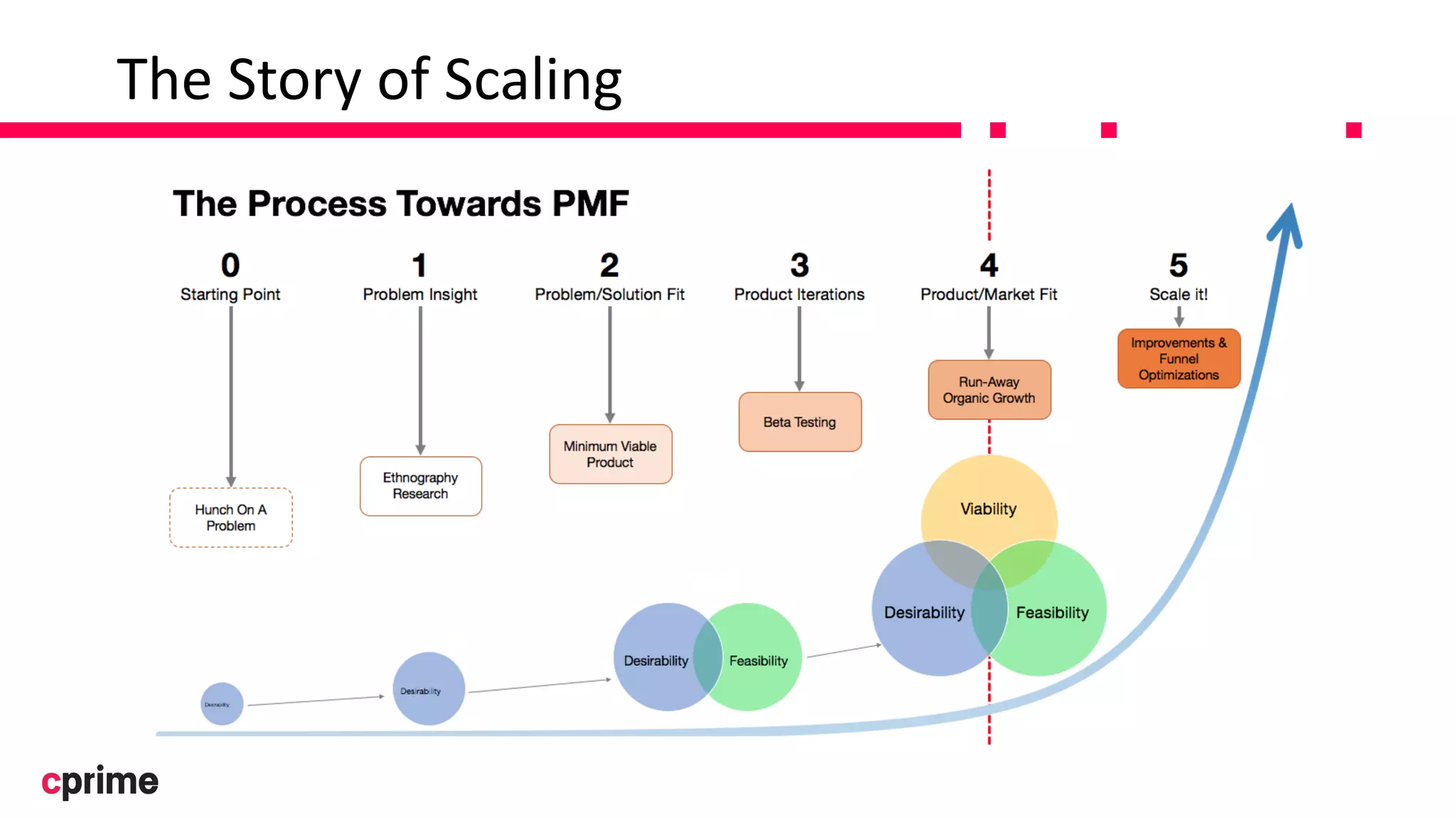
The Story of Scaling
Products Are Value Streams
Product Over Plumbing
Value Streams
Value streams represent the series of steps that an
organization uses to build solutions that provide a continuous
flow of value to the customer.”
~Scaled Agile
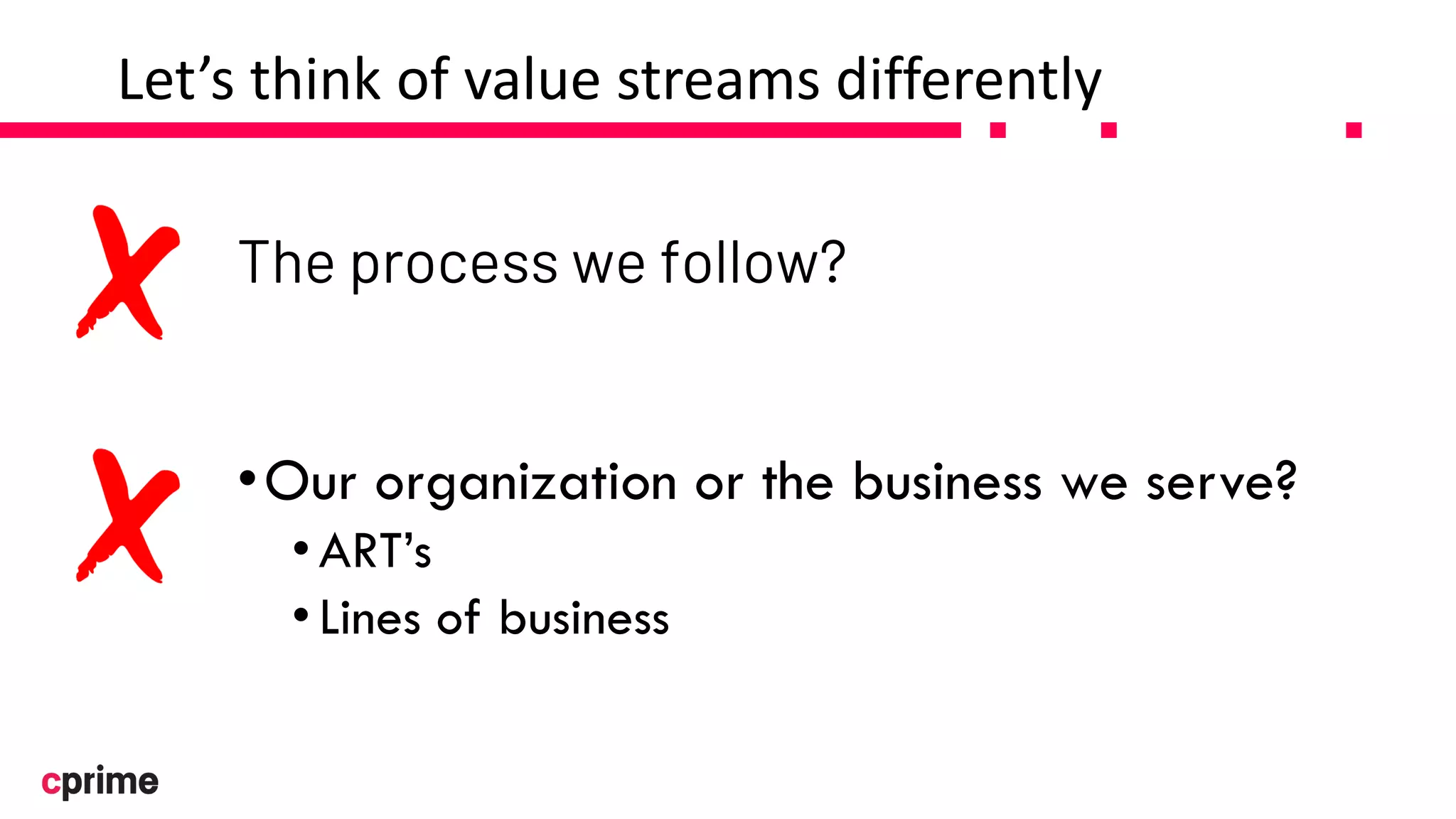
Let’s think of value streams differently
The process we follow?
•Our organization or the business we serve?
•ART’s
•Lines of business
Products Over Plumbing
Your product
is the thing
you build or
the service
you provide
that impacts
people.
Product Thinking in SAFe
Build, Measure and Learn… then Build Faster
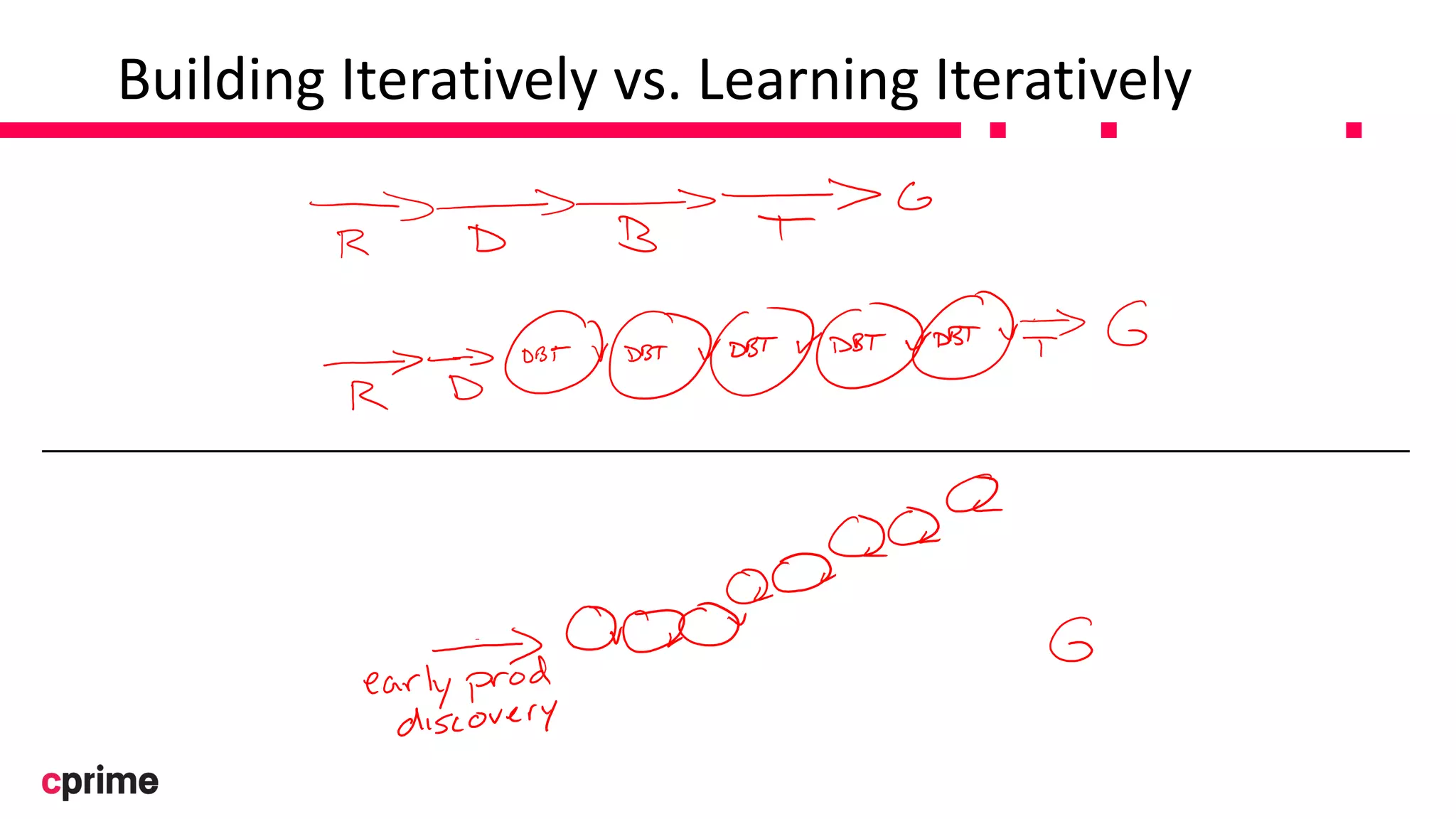
Building Iteratively vs. Learning Iteratively
SAFe Gives Us Places to Discover and Learn
Product Strategy &
Early Discovery
Blended Discovery
& Delivery
DevOps &
Technical Agility
How Long Does It Take to Learn AND adapt?
3 months 3 months
1 month / 1
sprint / 1 week
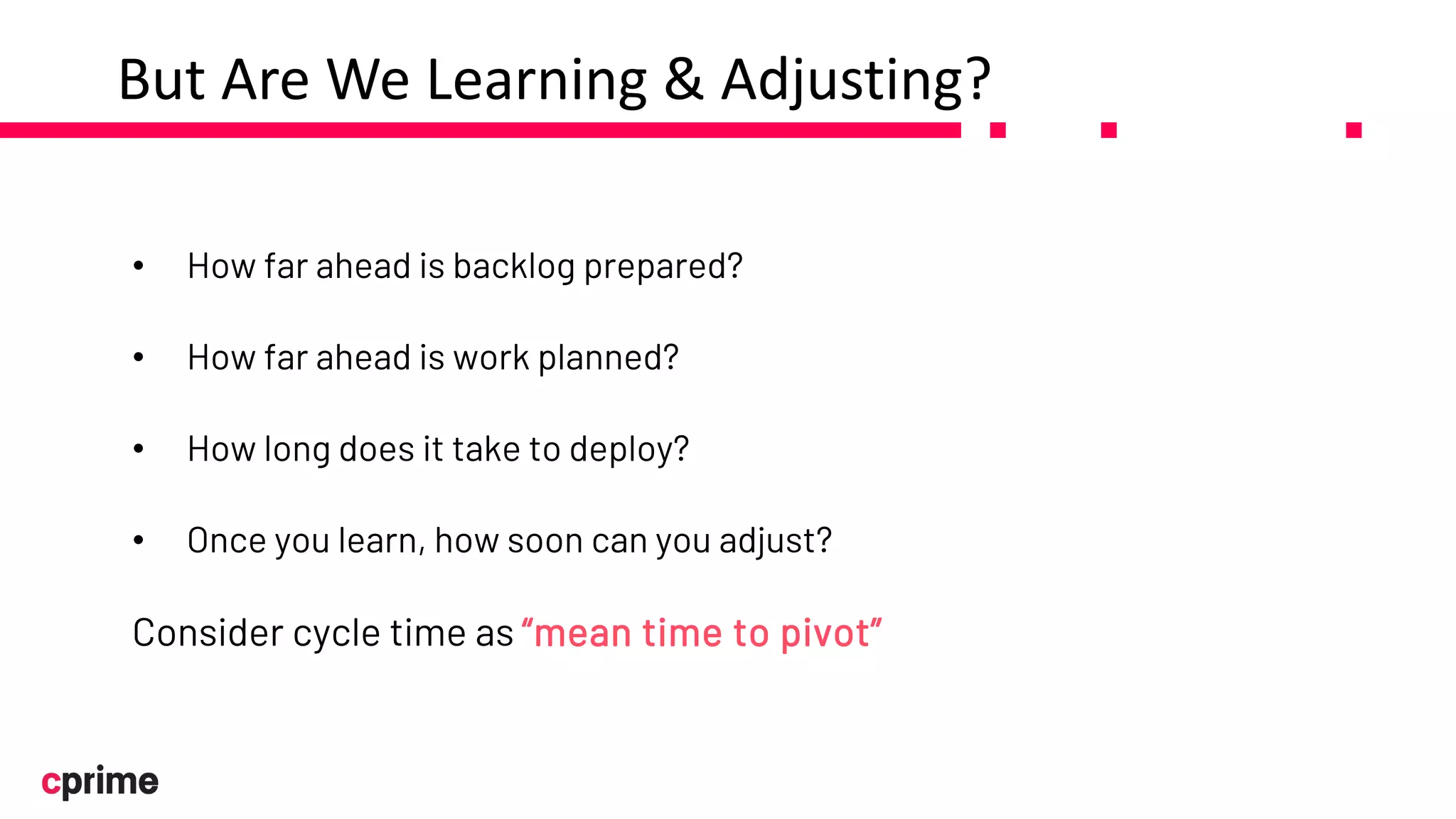
But Are We Learning & Adjusting?
• How far ahead is backlog prepared?
• How far ahead is work planned?
• How long does it take to deploy?
• Once you learn, how soon can you adjust?
Consider cycle time as “mean time to pivot”
A Better PI Planning
From Program Commitment to Product Learning
Shift the Conversation
From:
• Program increment
• Planning
• How much can we do?
• An “opportunity for ‘just the
right amount’ of architecture &
lean UX guidance”
• Commitment and getting stuff
done
To:
• Product increment
• Discovery
• What impact do we wish to
have?
• An “opportunity for ‘just the
right amount’ of architecture &
lean UX guidance” – Like for
realz
• Selecting a place to start &
then learning & adjusting
Architectural Runway
The Emergent AND Evolutionary Way
But Are We Learning & Adjusting?
[Emergent Design] works extremely well, up to a point. As
Agile practices mature and are adopted by larger teams and
teams of teams, there comes a point at which emergent
design is an insufficient response to the complexity of
large-scale system development.
But Are We Learning & Adjusting?
[Emergent Design] works extremely well, up to a point. As
Agile practices mature and are adopted by larger teams and
teams of teams, there comes a point at which emergent
design is an insufficient response to the complexity of
large-scale system development.
King Penguin Breeding Colonies Structured Like Fluids
Source: PHYS.ORG
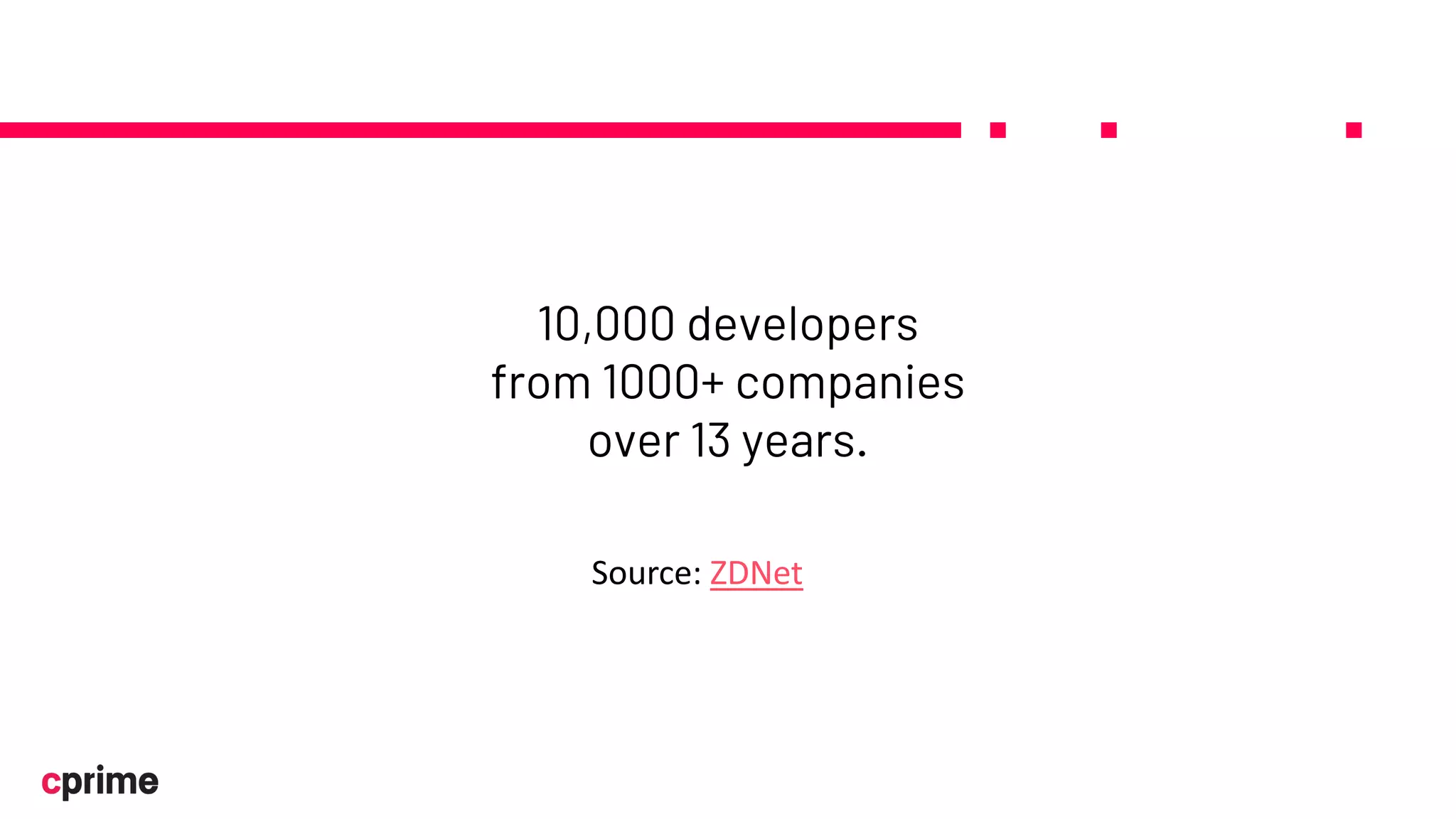
10,000 developers
from 1000+ companies
over 13 years.
Source: ZDNet
10,000 developers
from 1000+ companies
over 13 years.
Source: ZDNet
Observations
• How architects behave in this foreign, decentralized world will
determine long term success.
• Think less architect and more architecture. Works well as a
social activity when you have level skillsets (which you should be
working toward).
• Balancing technical evolution alongside delivery of business
value will speed you up in the mid- to long-term.
• Set technical goals that open up new possibilities in delivery of
business value.
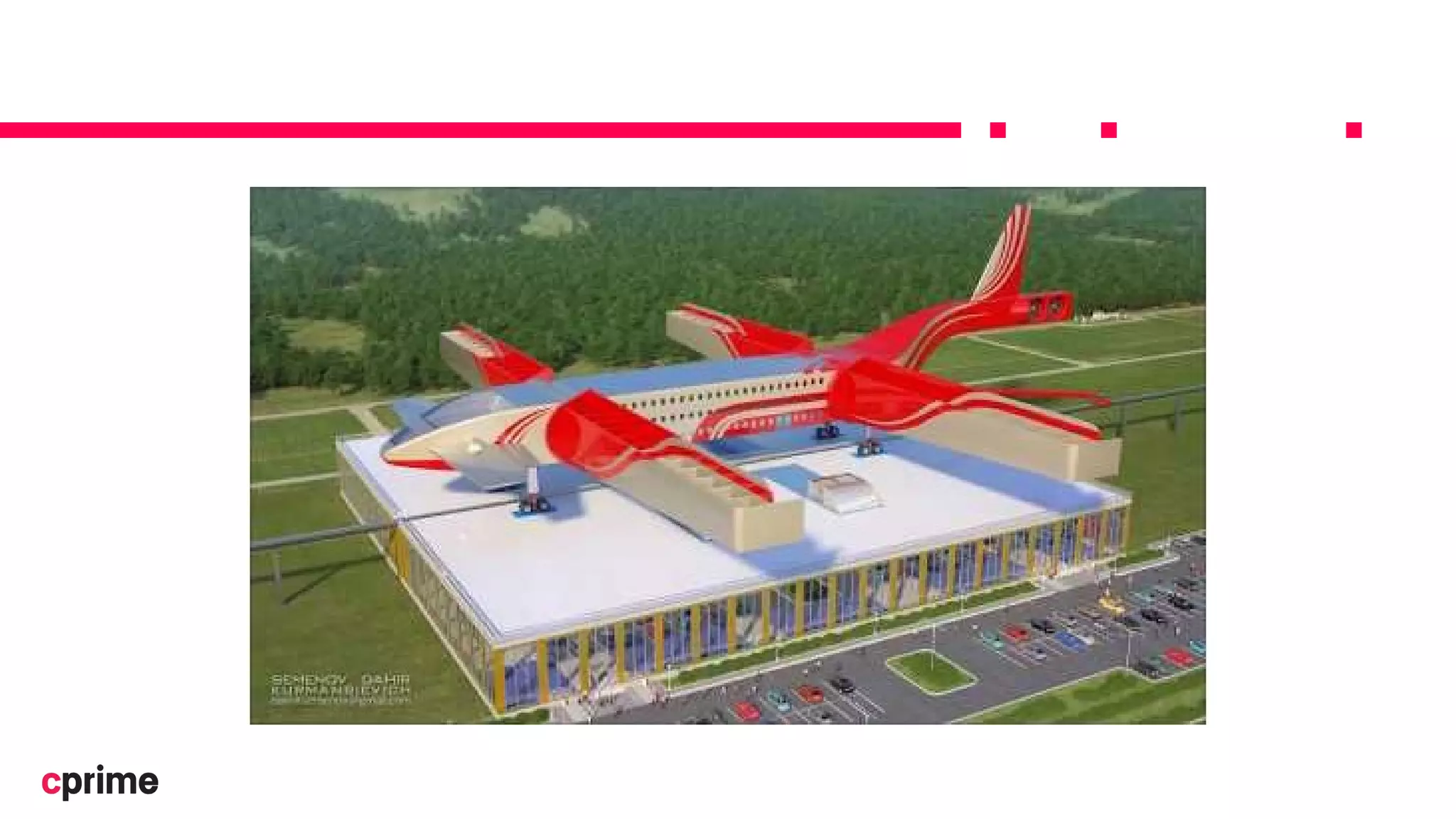
Releasing Outside the Train
Get Good at Releasing… by Releasing
Observations
• We might have to think outside the ART (marketing, sales,
support).
• Quarterly releases don’t provide enough reps to build CD
capability. Your system will ever be instable if you go down this
path.
• CD becomes a delivery canon, not a learning tool…
• Network effect from other teams we depend stuck with similar
release constraint: I can’t get this endpoint until when?!
Keys to Product Thinking in SAFe
• Scale learning, not process. Build, measure, and learn, and then learn
faster!
• Shift the conversation from planning to product discovery
• Emergent design at scale is called evolutionary design. There’s still very
few domains that require BDUF.
• Don’t let your developers become human compilers; engage them as
creative, smart individuals. They’re part of the product development story.
• Get good at CI/CD and DevOps by doing CI/CD and DevOps.
“If you’re not watchful, the process can become the
thing. This can happen very easily in large
organizations.
The process becomes the proxy for the result you want.
You stop looking at outcomes and just make sure
you’re doing the process right.”
~Jeff Bezos, CEO and President of Amazon
Next Steps
• Learn more about how Cprime can help: https://www.cprime.com/product-
management/
• Check out our upcoming webinars; read our blog, download whitepapers/case
studies & more:
• www.cprime.com/resources
• Share with us what topics you are interested in, ask us questions or give us feedback!
• learn@cprime.com
• Follow us on Social Media and share in the conversation & keep updated on thought
leadership, events & more.
• www.linkedin.com/company/cprime-inc
• @CprimeInc on Twitter
Q&A

Scaling Product Thinking with SAFe - The Secret Sauce for Meaningful Product Impacts

  • 2.
    Scaling Product Thinkingwith SAFe: The Secret Sauce for Meaningful Product Impacts February 28, 2019
  • 3.
    Intros David Laribee • 20years product development • 10 years XP • Former VersionOne • Head Dojo Coach and Tech Influencer Anne Steiner • 10 years as a FE developer • 7 years as a product manager • 5 years as a leader and coach • VP of Product Agility
  • 4.
    Agenda • The Storyof Scaling • Products Are Value Streams • Product Thinking in SAFe • A Better PI Planning Event • Architectural Runway • Releasing Outside of the Train
  • 5.
    The Story ofScaling
  • 6.
    Products Are ValueStreams Product Over Plumbing
  • 7.
    Value Streams Value streamsrepresent the series of steps that an organization uses to build solutions that provide a continuous flow of value to the customer.” ~Scaled Agile
  • 8.
    Let’s think ofvalue streams differently The process we follow? •Our organization or the business we serve? •ART’s •Lines of business
  • 9.
    Products Over Plumbing Yourproduct is the thing you build or the service you provide that impacts people.
  • 10.
    Product Thinking inSAFe Build, Measure and Learn… then Build Faster
  • 11.
    Building Iteratively vs.Learning Iteratively
  • 12.
    SAFe Gives UsPlaces to Discover and Learn Product Strategy & Early Discovery Blended Discovery & Delivery DevOps & Technical Agility
  • 13.
    How Long DoesIt Take to Learn AND adapt? 3 months 3 months 1 month / 1 sprint / 1 week
  • 14.
    But Are WeLearning & Adjusting? • How far ahead is backlog prepared? • How far ahead is work planned? • How long does it take to deploy? • Once you learn, how soon can you adjust? Consider cycle time as “mean time to pivot”
  • 15.
    A Better PIPlanning From Program Commitment to Product Learning
  • 18.
    Shift the Conversation From: •Program increment • Planning • How much can we do? • An “opportunity for ‘just the right amount’ of architecture & lean UX guidance” • Commitment and getting stuff done To: • Product increment • Discovery • What impact do we wish to have? • An “opportunity for ‘just the right amount’ of architecture & lean UX guidance” – Like for realz • Selecting a place to start & then learning & adjusting
  • 19.
  • 20.
    But Are WeLearning & Adjusting? [Emergent Design] works extremely well, up to a point. As Agile practices mature and are adopted by larger teams and teams of teams, there comes a point at which emergent design is an insufficient response to the complexity of large-scale system development.
  • 21.
    But Are WeLearning & Adjusting? [Emergent Design] works extremely well, up to a point. As Agile practices mature and are adopted by larger teams and teams of teams, there comes a point at which emergent design is an insufficient response to the complexity of large-scale system development.
  • 24.
    King Penguin BreedingColonies Structured Like Fluids Source: PHYS.ORG
  • 25.
    10,000 developers from 1000+companies over 13 years. Source: ZDNet
  • 26.
    10,000 developers from 1000+companies over 13 years. Source: ZDNet
  • 27.
    Observations • How architectsbehave in this foreign, decentralized world will determine long term success. • Think less architect and more architecture. Works well as a social activity when you have level skillsets (which you should be working toward). • Balancing technical evolution alongside delivery of business value will speed you up in the mid- to long-term. • Set technical goals that open up new possibilities in delivery of business value.
  • 28.
    Releasing Outside theTrain Get Good at Releasing… by Releasing
  • 32.
    Observations • We mighthave to think outside the ART (marketing, sales, support). • Quarterly releases don’t provide enough reps to build CD capability. Your system will ever be instable if you go down this path. • CD becomes a delivery canon, not a learning tool… • Network effect from other teams we depend stuck with similar release constraint: I can’t get this endpoint until when?!
  • 33.
    Keys to ProductThinking in SAFe • Scale learning, not process. Build, measure, and learn, and then learn faster! • Shift the conversation from planning to product discovery • Emergent design at scale is called evolutionary design. There’s still very few domains that require BDUF. • Don’t let your developers become human compilers; engage them as creative, smart individuals. They’re part of the product development story. • Get good at CI/CD and DevOps by doing CI/CD and DevOps.
  • 34.
    “If you’re notwatchful, the process can become the thing. This can happen very easily in large organizations. The process becomes the proxy for the result you want. You stop looking at outcomes and just make sure you’re doing the process right.” ~Jeff Bezos, CEO and President of Amazon
  • 35.
    Next Steps • Learnmore about how Cprime can help: https://www.cprime.com/product- management/ • Check out our upcoming webinars; read our blog, download whitepapers/case studies & more: • www.cprime.com/resources • Share with us what topics you are interested in, ask us questions or give us feedback! • learn@cprime.com • Follow us on Social Media and share in the conversation & keep updated on thought leadership, events & more. • www.linkedin.com/company/cprime-inc • @CprimeInc on Twitter
  • 36.