CASE STUDY: THE SASLES AND
DISTRIBUTION OF AMUL
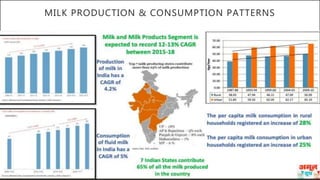
MILK PRODUCTION & CONSUMPTION PATTERNS
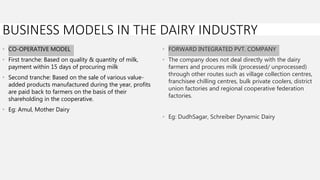
• CO-OPERATIVE MODEL
• First tranche: Based on quality & quantity of milk,
payment within 15 days of procuring milk
• Second tranche: Based on the sale of various value-
added products manufactured during the year, profits
are paid back to farmers on the basis of their
shareholding in the cooperative.
• Eg: Amul, Mother Dairy
• FORWARD INTEGRATED PVT. COMPANY
• The company does not deal directly with the dairy
farmers and procures milk (processed/ unprocessed)
through other routes such as village collection centres,
franchisee chilling centres, bulk private coolers, district
union factories and regional cooperative federation
factories.
• Eg: DudhSagar, Schreiber Dynamic Dairy
BUSINESS MODELS IN THE DAIRY INDUSTRY
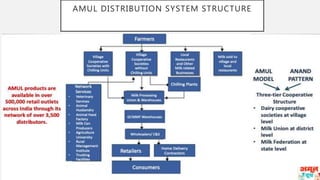
AMUL DISTRIBUTION SYSTEM STRUCTURE
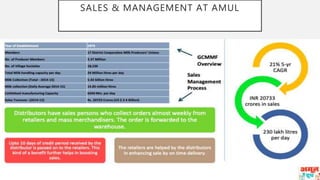
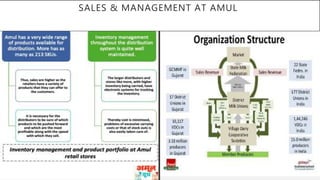
SALES & MANAGEMENT AT AMUL
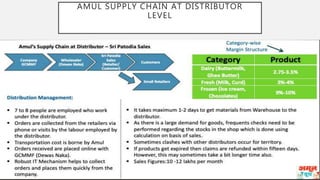
AMUL SUPPLY CHAIN AT DISTRIBUTOR
LEVEL
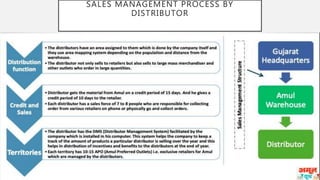
SALES MANAGEMENT PROCESS BY
DISTRIBUTOR
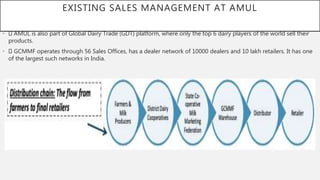
EXISTING SALES MANAGEMENT AT AMUL
• AMUL is also part of Global Dairy Trade (GDT) platform, where only the top 6 dairy players of the world sell their
products.
• GCMMF operates through 56 Sales Offices, has a dealer network of 10000 dealers and 10 lakh retailers. It has one
of the largest such networks in India.
SALES & MANAGEMENT AT AMUL
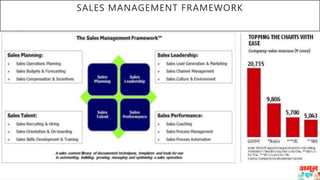
SALES MANAGEMENT FRAMEWORK
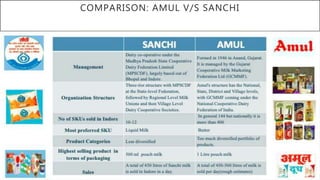
COMPARISON: AMUL V/S SANCHI
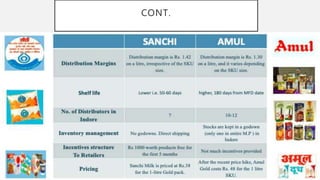
CONT.
RECOMMENDATIONS
• There is a huge demand for Amul Products in Madhya Pradesh and it becomes very difficult to
operate from a single point of sale i.e. warehouse only in Indore. Amul could look to increase
the number of Warehouses and Distributors so that it can have greater ease of operation and
at the same time increase its customer base.
• Goods incentives based on sales target are being currently being stopped by Amul which is
de-motivating the Amul retailers. Needs to offer a better Incentive than Amul Yatra which is
currently offered.
• Investment from company’s side is decreasing down the chain. So the company must focus on
various aspects of Promotion, Advertisements, and Providing incentives to retailers.
• The current demand forecasting system needs to be better managed and needs to be
redesigned as retailer and distributors are always in a fear of Stock out.
• It is unaware of the competition it is facing from local dairies. They have similar product lines
with no preservatives in their products. They can become a major competitor in the future.
Need to focus on them also.
• Use of IT systems should be made mandatory at both retailer and distributor level
CONT.
• Amul can also go for better deals with the supermarket chains and the unreached hypermarts which
• will help them to capture a larger consumer base.
• • Claims related to refund and return policies of the retailers and distributors needs to be looked at
because if the promises made by the company are not fulfilled it creates a lack of trust for them.
• • The company can focus on their entire system to help them grow in Indore and make an impact on
‘Make in India’ initiative
• • Amul could also build a perception in the mind of consumer and project itself as a more health-
focussed brand as consumers are increasingly becoming health conscious and looking for sources of
nutrition
SALES AND DISTRIBUTION CASE STUDY  study h&M

SALES AND DISTRIBUTION CASE STUDY study h&M

  • 1.
    CASE STUDY: THESASLES AND DISTRIBUTION OF AMUL
  • 2.
    MILK PRODUCTION &CONSUMPTION PATTERNS
  • 3.
    • CO-OPERATIVE MODEL •First tranche: Based on quality & quantity of milk, payment within 15 days of procuring milk • Second tranche: Based on the sale of various value- added products manufactured during the year, profits are paid back to farmers on the basis of their shareholding in the cooperative. • Eg: Amul, Mother Dairy • FORWARD INTEGRATED PVT. COMPANY • The company does not deal directly with the dairy farmers and procures milk (processed/ unprocessed) through other routes such as village collection centres, franchisee chilling centres, bulk private coolers, district union factories and regional cooperative federation factories. • Eg: DudhSagar, Schreiber Dynamic Dairy BUSINESS MODELS IN THE DAIRY INDUSTRY
  • 4.
  • 5.
  • 6.
    AMUL SUPPLY CHAINAT DISTRIBUTOR LEVEL
  • 7.
  • 8.
    EXISTING SALES MANAGEMENTAT AMUL • AMUL is also part of Global Dairy Trade (GDT) platform, where only the top 6 dairy players of the world sell their products. • GCMMF operates through 56 Sales Offices, has a dealer network of 10000 dealers and 10 lakh retailers. It has one of the largest such networks in India.
  • 9.
  • 10.
  • 11.
  • 12.
  • 13.
    RECOMMENDATIONS • There isa huge demand for Amul Products in Madhya Pradesh and it becomes very difficult to operate from a single point of sale i.e. warehouse only in Indore. Amul could look to increase the number of Warehouses and Distributors so that it can have greater ease of operation and at the same time increase its customer base. • Goods incentives based on sales target are being currently being stopped by Amul which is de-motivating the Amul retailers. Needs to offer a better Incentive than Amul Yatra which is currently offered. • Investment from company’s side is decreasing down the chain. So the company must focus on various aspects of Promotion, Advertisements, and Providing incentives to retailers. • The current demand forecasting system needs to be better managed and needs to be redesigned as retailer and distributors are always in a fear of Stock out. • It is unaware of the competition it is facing from local dairies. They have similar product lines with no preservatives in their products. They can become a major competitor in the future. Need to focus on them also. • Use of IT systems should be made mandatory at both retailer and distributor level
  • 14.
    CONT. • Amul canalso go for better deals with the supermarket chains and the unreached hypermarts which • will help them to capture a larger consumer base. • • Claims related to refund and return policies of the retailers and distributors needs to be looked at because if the promises made by the company are not fulfilled it creates a lack of trust for them. • • The company can focus on their entire system to help them grow in Indore and make an impact on ‘Make in India’ initiative • • Amul could also build a perception in the mind of consumer and project itself as a more health- focussed brand as consumers are increasingly becoming health conscious and looking for sources of nutrition