Dr Isaac Karimi
Razi university IRAN
Feb 2011
Handbook of Laboratory Animal Science,Second Edition:Animal Models,Volume
II
Jann Hau
Uppsala University
Uppsala,Sweden
GeraldVan Hoosier
University ofWashington
Seattle,Washington
Animal models
THE CONCEPT OF ANIMAL
MODELS
Prometheus, who has been deigned by poets to have first
formed Man, formed a model from water and earth and then
stole fire from the sun to animate the model.
An animal model is thus an animated object of imitation in
the image of Humans (or other species), used to investigate
biological or pathobiological phenomena.
Definition
A more accurate definition has been given by Held on the
basis of Wessler’s original definition:
“a living organism in which normative biology or behavior
can be studied, or in which a spontaneous or induced
pathological process can be investigated, and in which the
phenomenon in one or more respects resembles the same
phenomenon in humans or other species of animal.”
The significance and validity with respect to usefulness in
terms of “extrapolatability” of results generated in an animal
model depend on the selection of a suitable animal model.
CLASSIFICATION OF ANIMAL
MODELS
 Exploratory,
 aiming to understand a biological mechanism, whether this is a mechanism operative in fundamental
normal biology or a mechanism associated with an abnormal biological function.
 Explanatory,
 aiming to understand a more or less complex biological problem. Explanatory models need not
necessarily be reliant on the use animals but may also be physical or mathematical model systems
developed to unravel complex mechanisms
 Predictive,
 These models are used with the aim of discovering and quantifying the impact of a treatment,
whether this is to cure a disease or to assess toxicity of a chemical compound.
 The anatomy or morphology of the model structure of relevance to the studies may be of
importance in all three of these model systems. The extent of resemblance of the biological
structure in the animal with the corresponding structure in human has been termed fidelity.
Fidelity
An animal model may be considered homologous if the symptoms
shown by the animal and the course of the condition are identical to
those of humans. Models fulfilling these requirements are relatively few,
but an example is well-defined lesion syndromes in, for instance,
neuroscience.
An animal model is considered isomorphic if the animal symptoms are
similar but the cause of the symptoms differs between human and
model.
However, most models are neither homologous nor isomorphic but may
rather be termed “partial.” These models do not mimic the entire
human disease but may be used to study certain aspects or treatments of
the human disease.
CLASSIFICATION OF DISEASE
MODELS
1. Induced (experimental) disease models
2. Spontaneous (genetic) disease models
3. Transgenic disease models
4. Negative disease models
5. Orphan disease models
Induced (experimental) disease models
Induced models
are healthy animals in which the condition to be investigated
is experimentally induced,
e.g.,
1- The induction of diabetes mellitus with
encephalomyocarditis virus
2- Allergy against cow’s milk through immunization with
minute doses of protein
3- Partial hepatectomy to study liver regeneration.
Induced (Experimental) Disease
Models
 The induced-model group is the only category that theoretically allows a free
choice of species.
 extrapolation from an animal species to the human is the better the closer this
species resembles humans (high fidelity), phylogenetic closeness, as fulfilled by
primate models, is not a
 guarantee for validity of extrapolation, as the unsuccessful chimpanzee models
in acquired immunodeficiency syndrome (AIDS) research have demonstrated.
 Feline immunodeficiency virus infection in cats may therefore for many studies
be a better model for human AIDS than is human immunodeficiency virus
infection in simians.
 Most induced models are partial or isomorphic because the etiology of a disease
experimentally induced in an animal is often different from that of the
corresponding disease in the human.
 Few induced models completely mimic the etiology, course, and pathology of
the target disease in the human.
Spontaneous Animal Disease
Models
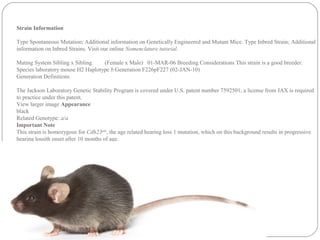
see, e.g., http://www.jax.org
The spontaneous models are often isomorphic, displaying
phenotypic similarity between the disease in the animal and
the corresponding disease in the human — this is called face
validity ; for instance, type I diabetes in humans and insulin-
requiring diabetes in the BB rat.
However, if the object of a project is to study the genetic
causes and etiology of a particular disease, then comparable
genomic segments involved in the etiology of the disorder —
construct validity — is normally a requirement.
Strain Information
Type Spontaneous Mutation; Additional information on Genetically Engineered and Mutant Mice. Type Inbred Strain; Additional
information on Inbred Strains. Visit our online Nomenclature tutorial.
Mating System Sibling x Sibling (Female x Male) 01-MAR-06 Breeding Considerations This strain is a good breeder.
Species laboratory mouse H2 Haplotype b Generation F226pF227 (02-JAN-10)
Generation Definitions
The Jackson Laboratory Genetic Stability Program is covered under U.S. patent number 7592501, a license from JAX is required
to practice under this patent.
View larger image Appearance
black
Related Genotype: a/a
Important Note
This strain is homozygous for Cdh23ahl
, the age related hearing loss 1 mutation, which on this background results in progressive
hearing lossith onset after 10 months of age.
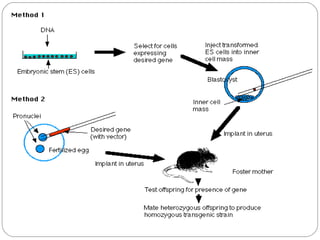
Transgenic Disease Models
Mice, farm animals and fish are also receiving considerable interest.
The insertion of DNA into the genome of animals or the deletion of
specific genes gives rise to sometimes unpredictable outcomes in terms
of scientific results as well as in terms of animal well-being in the first
generations of animals produced.
The embryo manipulation procedures themselves do not appear to affect
the welfare of offspring in the mouse, and the large-offspring syndrome
observed in farm animals has so far not been reported in rodents
The recent completion of the maps of the genomes of mouse and human
will increase the research activities in genomics and proteomics; and
using high-density microarray DNA chip technology in human patients
as well as in animals, it will be possible to investigate which genes are
switched on or off in different diseases
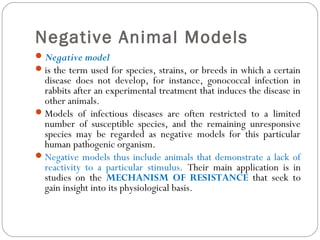
Negative Animal Models
Negative model
is the term used for species, strains, or breeds in which a certain
disease does not develop, for instance, gonococcal infection in
rabbits after an experimental treatment that induces the disease in
other animals.
Models of infectious diseases are often restricted to a limited
number of susceptible species, and the remaining unresponsive
species may be regarded as negative models for this particular
human pathogenic organism.
Negative models thus include animals that demonstrate a lack of
reactivity to a particular stimulus. Their main application is in
studies on the MECHANISM OF RESISTANCE that seek to
gain insight into its physiological basis.
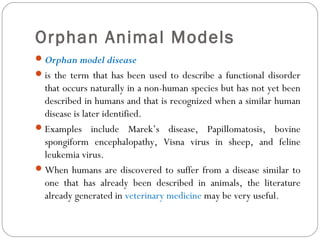
Orphan Animal Models
Orphan model disease
is the term that has been used to describe a functional disorder
that occurs naturally in a non-human species but has not yet been
described in humans and that is recognized when a similar human
disease is later identified.
Examples include Marek’s disease, Papillomatosis, bovine
spongiform encephalopathy, Visna virus in sheep, and feline
leukemia virus.
When humans are discovered to suffer from a disease similar to
one that has already been described in animals, the literature
already generated in veterinary medicine may be very useful.
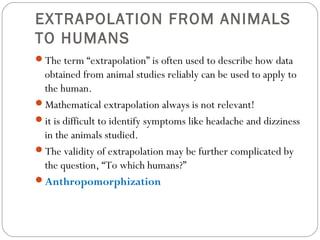
EXTRAPOLATION FROM ANIMALS
TO HUMANS
The term “extrapolation” is often used to describe how data
obtained from animal studies reliably can be used to apply to
the human.
Mathematical extrapolation always is not relevant!
it is difficult to identify symptoms like headache and dizziness
in the animals studied.
The validity of extrapolation may be further complicated by
the question, “To which humans?”
Anthropomorphization
EXTRAPOLATION FROM
ANIMALS TO HUMANS
 There is one striking difference between mouse and human, and that is body
size. In proportion to their body size, mammals generally have very similar
organ sizes expressed as percentage of body weight. Take the heart for
instance, which often constitutes 5 or 6 g per kilogram of body weight; or
blood, which is often approximately 7% of total body weight.
 It has also been demonstrated that capillary density in animals smaller than
rabbits increases dramatically with decreasing body weight. However,
considering that most animals are similar in having heart weights just above
0.5% of their body weight and a blood volume corresponding to 7% of the
body weight, it becomes obvious that to supply the tissues of small animals with
sufficient oxygen for their high metabolic rate, it is not sufficient to increase the
stroke volume. The stroke volume is limited by the size of the heart, and heart
frequency is the only parameter to increase, which results in heart rates well
over 500 per minute in the smallest mammals. Other physiological variables,
like respiration and food intake, are similarly affected by the high metabolic
rate of small mammals.
MODEL BODY SIZE AND
SCALING
This means that scaling must be an object for some consideration when
one calculates dosages of drugs and other compounds administered to
animals in experiments.
If the object is to achieve equal concentrations of a substance in the body
fluids of animals of different body size, then the doses should be
calculated in simple proportion to the animals’ body weights.
 If the object is to achieve a given concentration in a particular organ
over a certain time period, the calculation of dosage becomes more
complicated, and other factors, including the physicochemical properties
of the drug, become important.
Drugs and toxins exert their effect on an organism not per se but
because of the way that they are metabolized, the way that they and their
metabolites are distributed and bound in the body tissues, and how and
when they are finally excreted.
HUMANS
 However, metabolism or detoxification and excretion of a drug are not directly correlated with body size
but, more accurately, to metabolic rate of the animal.
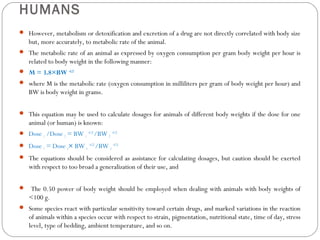
 The metabolic rate of an animal as expressed by oxygen consumption per gram body weight per hour is
related to body weight in the following manner:
 M = 3.8×BW –0.25
 where M is the metabolic rate (oxygen consumption in milliliters per gram of body weight per hour) and
BW is body weight in grams.
 This equation may be used to calculate dosages for animals of different body weights if the dose for one
animal (or human) is known:
 Dose 1 /Dose 2 = BW 1
–0.25
/BW 2
–0.25
 Dose 1 = Dose 2× BW 1
–0.25
/BW 2
–0.25
 The equations should be considered as assistance for calculating dosages, but caution should be exerted
with respect to too broad a generalization of their use, and
 The 0.50 power of body weight should be employed when dealing with animals with body weights of
<100 g.
 Some species react with particular sensitivity toward certain drugs, and marked variations in the reaction
of animals within a species occur with respect to strain, pigmentation, nutritional state, time of day, stress
level, type of bedding, ambient temperature, and so on.
Further reading
 Hayatghaybi H, Karimi I 2007. Hypercholesterolemic effect of drug-type Cannabis
sativa L. seed (marijuana seed) in guinea pig. Paki J Nutr 6: 59-62.
 Karimi I, Hayatgheybi H, Rzmjo M, Yousefi M, Dadyan A, Hadipour M 2010.
Anti-hyperlipidaemic effects of an essential oil of Melissa officinalis. L in
cholesterol-fed rabbits. J Appl Biologic Sci 4: 23-28
 A. Saberivand, I. Karimi, L.A. Becker, A. Moghaddam, S. Azizi-Mahmoodjigh, M.
Yousefi, and S. Zavareh. The effects of cannabis sativa l. Seed (hempseed) in the
ovariectomized rat model of menopause. Methods and Findings in Experimental and
Clinical Pharmacology 2010, 32(7).
 Isaac Karimi, Hossein Hayatgheybi, Tayebeh shamspur, Adem Kamalak, Mehrdad
Pooyanmehr, Yaser Marandi. Chemical composition and effect of an essential oil of
Salix aegyptiaca L., Salicaceae, (musk willow) in hypercholesterolemic rabbit
model. Brazilian Journal of Pharmacognosy (in press 2011)
 Ma´sume Yousofi, Adel Saberivand, Lora A. Becker, Isaac Karimi. The Effects of
Cannabis sativa L. Seed (Hemp Seed) on Reproductive and Neurobehavioral End
Points in Rats. Dev Psychobiol 9999: 1–11, 2011.
Rheumatoid arthritis
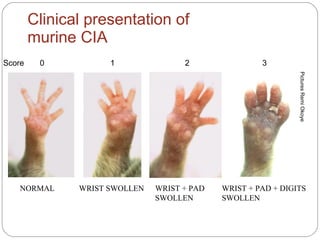
Clinical presentation of
murine CIA
Score 1 2 3
PicturesRemiOkoye
NORMAL WRIST SWOLLEN WRIST + PAD
SWOLLEN
WRIST + PAD + DIGITS
SWOLLEN
0

S1 animal model

  • 1.
    Dr Isaac Karimi Raziuniversity IRAN Feb 2011 Handbook of Laboratory Animal Science,Second Edition:Animal Models,Volume II Jann Hau Uppsala University Uppsala,Sweden GeraldVan Hoosier University ofWashington Seattle,Washington Animal models
  • 2.
    THE CONCEPT OFANIMAL MODELS Prometheus, who has been deigned by poets to have first formed Man, formed a model from water and earth and then stole fire from the sun to animate the model. An animal model is thus an animated object of imitation in the image of Humans (or other species), used to investigate biological or pathobiological phenomena.
  • 3.
    Definition A more accuratedefinition has been given by Held on the basis of Wessler’s original definition: “a living organism in which normative biology or behavior can be studied, or in which a spontaneous or induced pathological process can be investigated, and in which the phenomenon in one or more respects resembles the same phenomenon in humans or other species of animal.” The significance and validity with respect to usefulness in terms of “extrapolatability” of results generated in an animal model depend on the selection of a suitable animal model.
  • 4.
    CLASSIFICATION OF ANIMAL MODELS Exploratory,  aiming to understand a biological mechanism, whether this is a mechanism operative in fundamental normal biology or a mechanism associated with an abnormal biological function.  Explanatory,  aiming to understand a more or less complex biological problem. Explanatory models need not necessarily be reliant on the use animals but may also be physical or mathematical model systems developed to unravel complex mechanisms  Predictive,  These models are used with the aim of discovering and quantifying the impact of a treatment, whether this is to cure a disease or to assess toxicity of a chemical compound.  The anatomy or morphology of the model structure of relevance to the studies may be of importance in all three of these model systems. The extent of resemblance of the biological structure in the animal with the corresponding structure in human has been termed fidelity.
  • 5.
    Fidelity An animal modelmay be considered homologous if the symptoms shown by the animal and the course of the condition are identical to those of humans. Models fulfilling these requirements are relatively few, but an example is well-defined lesion syndromes in, for instance, neuroscience. An animal model is considered isomorphic if the animal symptoms are similar but the cause of the symptoms differs between human and model. However, most models are neither homologous nor isomorphic but may rather be termed “partial.” These models do not mimic the entire human disease but may be used to study certain aspects or treatments of the human disease.
  • 6.
    CLASSIFICATION OF DISEASE MODELS 1.Induced (experimental) disease models 2. Spontaneous (genetic) disease models 3. Transgenic disease models 4. Negative disease models 5. Orphan disease models
  • 7.
    Induced (experimental) diseasemodels Induced models are healthy animals in which the condition to be investigated is experimentally induced, e.g., 1- The induction of diabetes mellitus with encephalomyocarditis virus 2- Allergy against cow’s milk through immunization with minute doses of protein 3- Partial hepatectomy to study liver regeneration.
  • 8.
    Induced (Experimental) Disease Models The induced-model group is the only category that theoretically allows a free choice of species.  extrapolation from an animal species to the human is the better the closer this species resembles humans (high fidelity), phylogenetic closeness, as fulfilled by primate models, is not a  guarantee for validity of extrapolation, as the unsuccessful chimpanzee models in acquired immunodeficiency syndrome (AIDS) research have demonstrated.  Feline immunodeficiency virus infection in cats may therefore for many studies be a better model for human AIDS than is human immunodeficiency virus infection in simians.  Most induced models are partial or isomorphic because the etiology of a disease experimentally induced in an animal is often different from that of the corresponding disease in the human.  Few induced models completely mimic the etiology, course, and pathology of the target disease in the human.
  • 9.
    Spontaneous Animal Disease Models see,e.g., http://www.jax.org The spontaneous models are often isomorphic, displaying phenotypic similarity between the disease in the animal and the corresponding disease in the human — this is called face validity ; for instance, type I diabetes in humans and insulin- requiring diabetes in the BB rat. However, if the object of a project is to study the genetic causes and etiology of a particular disease, then comparable genomic segments involved in the etiology of the disorder — construct validity — is normally a requirement.
  • 10.
    Strain Information Type SpontaneousMutation; Additional information on Genetically Engineered and Mutant Mice. Type Inbred Strain; Additional information on Inbred Strains. Visit our online Nomenclature tutorial. Mating System Sibling x Sibling (Female x Male) 01-MAR-06 Breeding Considerations This strain is a good breeder. Species laboratory mouse H2 Haplotype b Generation F226pF227 (02-JAN-10) Generation Definitions The Jackson Laboratory Genetic Stability Program is covered under U.S. patent number 7592501, a license from JAX is required to practice under this patent. View larger image Appearance black Related Genotype: a/a Important Note This strain is homozygous for Cdh23ahl , the age related hearing loss 1 mutation, which on this background results in progressive hearing lossith onset after 10 months of age.
  • 11.
    Transgenic Disease Models Mice,farm animals and fish are also receiving considerable interest. The insertion of DNA into the genome of animals or the deletion of specific genes gives rise to sometimes unpredictable outcomes in terms of scientific results as well as in terms of animal well-being in the first generations of animals produced. The embryo manipulation procedures themselves do not appear to affect the welfare of offspring in the mouse, and the large-offspring syndrome observed in farm animals has so far not been reported in rodents The recent completion of the maps of the genomes of mouse and human will increase the research activities in genomics and proteomics; and using high-density microarray DNA chip technology in human patients as well as in animals, it will be possible to investigate which genes are switched on or off in different diseases
  • 13.
    Negative Animal Models Negativemodel is the term used for species, strains, or breeds in which a certain disease does not develop, for instance, gonococcal infection in rabbits after an experimental treatment that induces the disease in other animals. Models of infectious diseases are often restricted to a limited number of susceptible species, and the remaining unresponsive species may be regarded as negative models for this particular human pathogenic organism. Negative models thus include animals that demonstrate a lack of reactivity to a particular stimulus. Their main application is in studies on the MECHANISM OF RESISTANCE that seek to gain insight into its physiological basis.
  • 14.
    Orphan Animal Models Orphanmodel disease is the term that has been used to describe a functional disorder that occurs naturally in a non-human species but has not yet been described in humans and that is recognized when a similar human disease is later identified. Examples include Marek’s disease, Papillomatosis, bovine spongiform encephalopathy, Visna virus in sheep, and feline leukemia virus. When humans are discovered to suffer from a disease similar to one that has already been described in animals, the literature already generated in veterinary medicine may be very useful.
  • 15.
    EXTRAPOLATION FROM ANIMALS TOHUMANS The term “extrapolation” is often used to describe how data obtained from animal studies reliably can be used to apply to the human. Mathematical extrapolation always is not relevant! it is difficult to identify symptoms like headache and dizziness in the animals studied. The validity of extrapolation may be further complicated by the question, “To which humans?” Anthropomorphization
  • 16.
    EXTRAPOLATION FROM ANIMALS TOHUMANS  There is one striking difference between mouse and human, and that is body size. In proportion to their body size, mammals generally have very similar organ sizes expressed as percentage of body weight. Take the heart for instance, which often constitutes 5 or 6 g per kilogram of body weight; or blood, which is often approximately 7% of total body weight.  It has also been demonstrated that capillary density in animals smaller than rabbits increases dramatically with decreasing body weight. However, considering that most animals are similar in having heart weights just above 0.5% of their body weight and a blood volume corresponding to 7% of the body weight, it becomes obvious that to supply the tissues of small animals with sufficient oxygen for their high metabolic rate, it is not sufficient to increase the stroke volume. The stroke volume is limited by the size of the heart, and heart frequency is the only parameter to increase, which results in heart rates well over 500 per minute in the smallest mammals. Other physiological variables, like respiration and food intake, are similarly affected by the high metabolic rate of small mammals.
  • 17.
    MODEL BODY SIZEAND SCALING This means that scaling must be an object for some consideration when one calculates dosages of drugs and other compounds administered to animals in experiments. If the object is to achieve equal concentrations of a substance in the body fluids of animals of different body size, then the doses should be calculated in simple proportion to the animals’ body weights.  If the object is to achieve a given concentration in a particular organ over a certain time period, the calculation of dosage becomes more complicated, and other factors, including the physicochemical properties of the drug, become important. Drugs and toxins exert their effect on an organism not per se but because of the way that they are metabolized, the way that they and their metabolites are distributed and bound in the body tissues, and how and when they are finally excreted.
  • 18.
    HUMANS  However, metabolismor detoxification and excretion of a drug are not directly correlated with body size but, more accurately, to metabolic rate of the animal.  The metabolic rate of an animal as expressed by oxygen consumption per gram body weight per hour is related to body weight in the following manner:  M = 3.8×BW –0.25  where M is the metabolic rate (oxygen consumption in milliliters per gram of body weight per hour) and BW is body weight in grams.  This equation may be used to calculate dosages for animals of different body weights if the dose for one animal (or human) is known:  Dose 1 /Dose 2 = BW 1 –0.25 /BW 2 –0.25  Dose 1 = Dose 2× BW 1 –0.25 /BW 2 –0.25  The equations should be considered as assistance for calculating dosages, but caution should be exerted with respect to too broad a generalization of their use, and  The 0.50 power of body weight should be employed when dealing with animals with body weights of <100 g.  Some species react with particular sensitivity toward certain drugs, and marked variations in the reaction of animals within a species occur with respect to strain, pigmentation, nutritional state, time of day, stress level, type of bedding, ambient temperature, and so on.
  • 19.
    Further reading  HayatghaybiH, Karimi I 2007. Hypercholesterolemic effect of drug-type Cannabis sativa L. seed (marijuana seed) in guinea pig. Paki J Nutr 6: 59-62.  Karimi I, Hayatgheybi H, Rzmjo M, Yousefi M, Dadyan A, Hadipour M 2010. Anti-hyperlipidaemic effects of an essential oil of Melissa officinalis. L in cholesterol-fed rabbits. J Appl Biologic Sci 4: 23-28  A. Saberivand, I. Karimi, L.A. Becker, A. Moghaddam, S. Azizi-Mahmoodjigh, M. Yousefi, and S. Zavareh. The effects of cannabis sativa l. Seed (hempseed) in the ovariectomized rat model of menopause. Methods and Findings in Experimental and Clinical Pharmacology 2010, 32(7).  Isaac Karimi, Hossein Hayatgheybi, Tayebeh shamspur, Adem Kamalak, Mehrdad Pooyanmehr, Yaser Marandi. Chemical composition and effect of an essential oil of Salix aegyptiaca L., Salicaceae, (musk willow) in hypercholesterolemic rabbit model. Brazilian Journal of Pharmacognosy (in press 2011)  Ma´sume Yousofi, Adel Saberivand, Lora A. Becker, Isaac Karimi. The Effects of Cannabis sativa L. Seed (Hemp Seed) on Reproductive and Neurobehavioral End Points in Rats. Dev Psychobiol 9999: 1–11, 2011.
  • 20.
  • 21.
    Clinical presentation of murineCIA Score 1 2 3 PicturesRemiOkoye NORMAL WRIST SWOLLEN WRIST + PAD SWOLLEN WRIST + PAD + DIGITS SWOLLEN 0