The Romantic Age  1798-1832 “ The present contains nothing more than the past, and what is found in the effect was already in the cause.” Henri Bergson
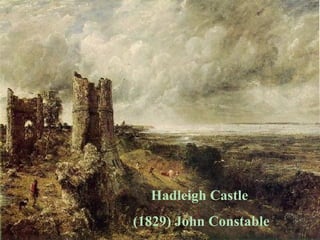
Hadleigh Castle  (1829) John Constable
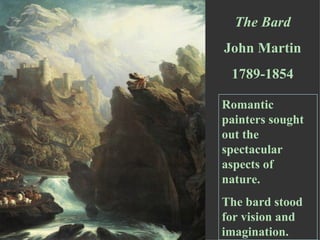
The Bard John Martin 1789-1854 Romantic painters sought out the spectacular aspects of nature.  The bard stood for vision and imagination.
 
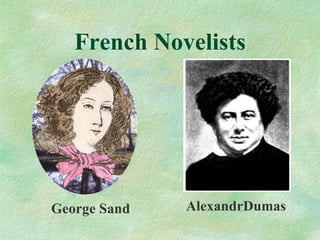
French Novelists AlexandrDumas George Sand
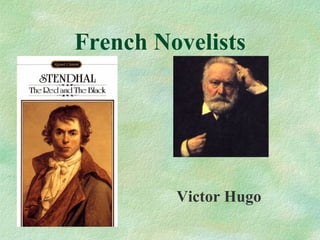
French Novelists Victor Hugo
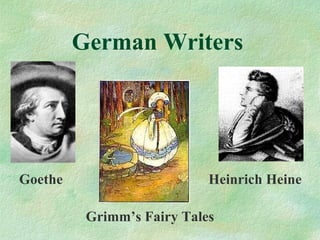
German Writers   Goethe Heinrich Heine Grimm’s Fairy Tales
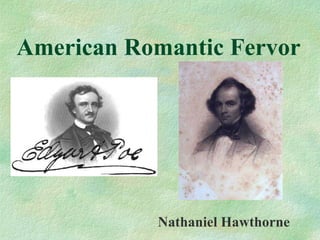
American Romantic Fervor Nathaniel Hawthorne
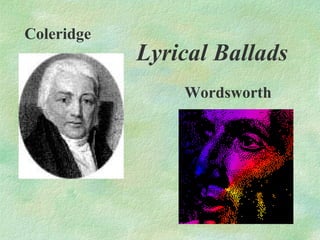
Coleridge Wordsworth Lyrical Ballads
Wordsworth & Coleridge leave specialized, formal language of 18th century  “poetic diction” replace with experimental attempts to fit “metrical arrangement a selection of the real language of men in a state of vivid sensation” “ the real language of men”
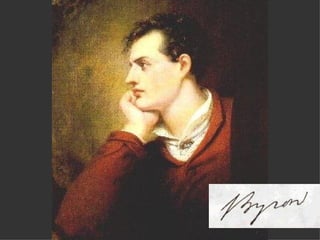
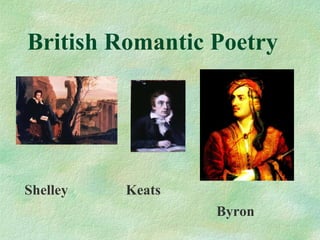
British Romantic Poetry Shelley Keats Byron
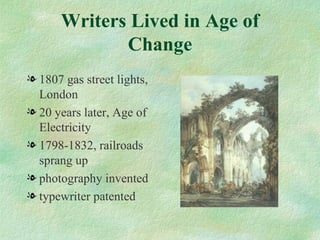
Writers Lived in Age of Change 1807 gas street lights, London 20 years later, Age of Electricity 1798-1832, railroads sprang up photography invented typewriter patented
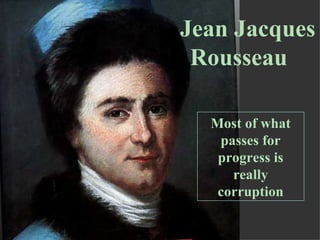
Jean Jacques Rousseau Most of what passes for progress is really corruption
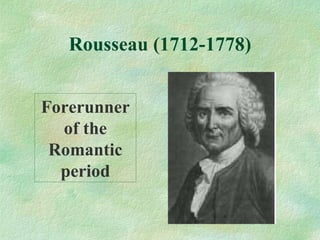
Rousseau (1712-1778) Forerunner of the Romantic period
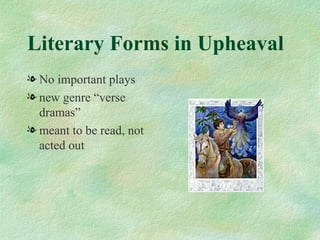
Literary Forms in Upheaval No important plays new genre “verse dramas” meant to be read, not acted out
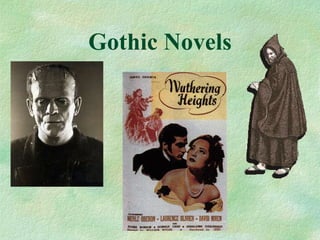
Gothic Novels
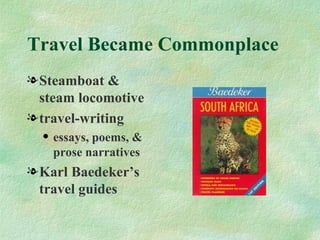
Travel Became Commonplace Steamboat & steam locomotive travel-writing essays, poems, & prose narratives Karl Baedeker’s travel guides
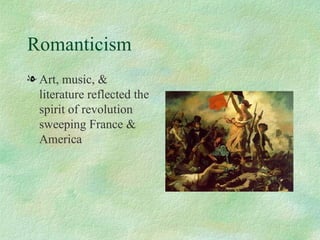
Romanticism Art, music, & literature reflected the spirit of revolution sweeping France & America
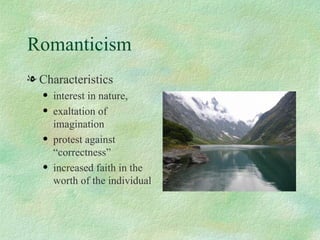
Romanticism Characteristics interest in nature, exaltation of imagination protest against “correctness” increased faith in the worth of the individual
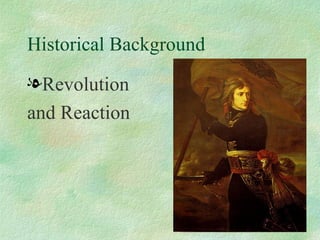
Historical Background Revolution  and Reaction
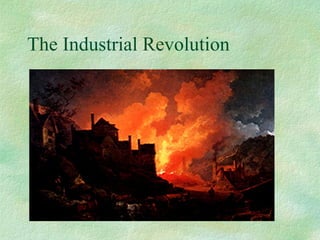
The Industrial Revolution
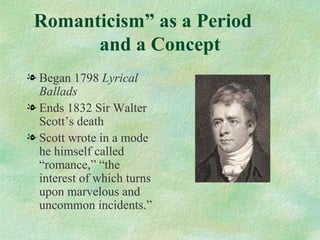
Romanticism” as a Period  and a Concept Began 1798  Lyrical Ballads Ends 1832 Sir Walter Scott’s death Scott wrote in a mode he himself called “romance,” “the interest of which turns upon marvelous and uncommon incidents.”
The end! Thank you for your attention. Mrs. Lewis

Romantic Age

Editor's Notes

  • #2 This quotation applies to Romanticism, for although it was in part a reaction against the Age of Reason, it retained and extended some characteristics of 18th century literature. The taste for satire, for instance, was not entirely forgotten, as you will see in the writing of Byron. Nor was the feeling for order completely rejected, although it was now order of a different kind. Above all, romantic interest in subjective consciousness, in the workings of the individual human mind, has important roots in 18th century philosophy & literature.