Term 4 Science Exam Revision
•
•
•
•

You have 3 minutes to complete all questions.
Complete all questions to the best of your knowledge
Mark/alter your answers at the change of each slide
This PowerPoint will be on MyPLS
Describe the causes the
phases of the moon?

Seconds Left:

120
130
140
10
30
40
50
60
70
0
2
3
4
5
6
7
8
9
180
20
80
160
90
150
170
100
110
1
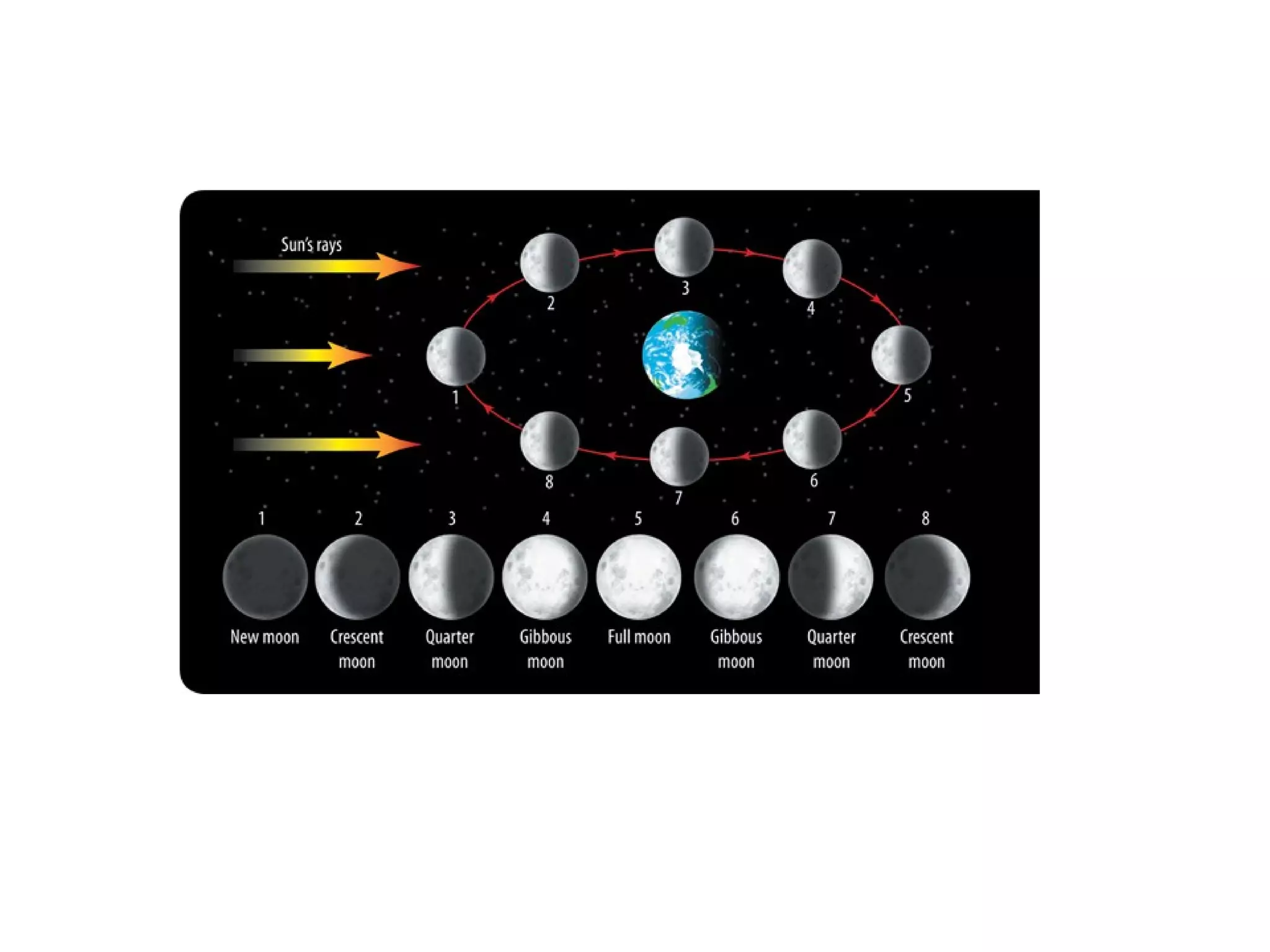
• The phases the Moon goes through are
caused by two things: 1) the Moon revolving
around the Earth, and 2) the Moon reflecting
sunlight towards the Earth.
List the eight phases of
the moon

Seconds Left:

120
130
140
10
30
40
50
60
70
0
2
3
4
5
6
7
8
9
180
20
80
160
90
150
170
100
110
1
•
•
•
•
•
•
•
•
•

1) New Moon
2) Waxing Crescent
3) First Quarter
4) Waxing Gibbous
5) Full Moon
6) Waning Gibbous
7) Last Quarter
8) Waning Crescent
9) Back to the New Moon.
Describe:
New Moon
Waxing Crescent
First Quarter
Waxing Gibbous

120
130
140
10
30
40
50
60
700
0
2
3
4
5
6
7
8
9
180
8
20
160
90
150
170
100
110
1

Seconds Remaining:
• New Moon -During a New Moon we can
see NO portion of the Moon's surface that
is lit.
• Waxing Crescent - During the Waxing
Crescent phase, we see on the left side a
small sliver of the lit Moon.
• First Quarter-During the First Quarter
phase, we see the left half of the lit Moon.
• Waxing Gibbous-During the Waxing
Gibbous phase, we see almost the entire
left side of the lit Moon.
Describe:
Full moon
Waning Gibbous
Last Quarter
Waning Crescent

Seconds Left:

120
130
140
10
30
40
50
60
70
0
2
3
4
5
6
7
8
9
180
80
20
160
90
150
170
100
110
1
• Full Moon - During a Full Moon, we see the
entire half of the Moon surface that is lit.
• Waning Gibbous - During the Waning Gibbous
phase, we see almost the entire right side of
the lit Moon.
• Last Quarter - During the last Quarter phase,
we see the right half of the Moon lit.
• Waning Crescent - During the Waning
Crescent phase, we see on the right side a
small sliver of the lit Moon.
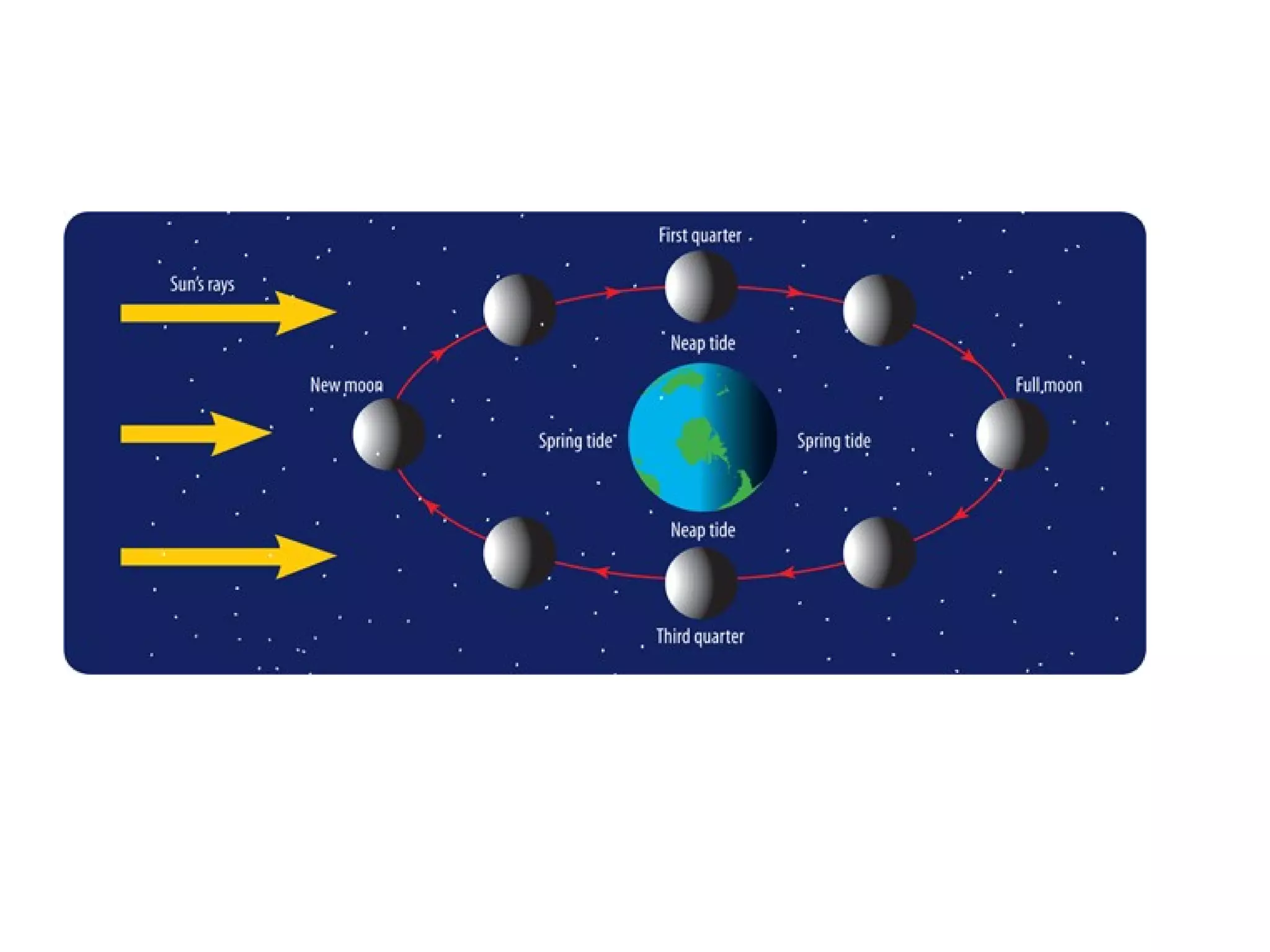
Diagram the phases of the
moon in orbit around the
Earth

Seconds Left:

120
130
140
10
30
40
50
60
70
0
2
3
4
5
6
7
8
9
180
80
20
160
90
150
170
100
110
1
Draw a labeled diagram showing how a Neap
and Spring Tide occurs.

120
130
140
10
30
40
50
60
700
0
2
3
4
5
6
7
8
9
180
8
20
160
90
150
170
100
110
1

Seconds Remaining:
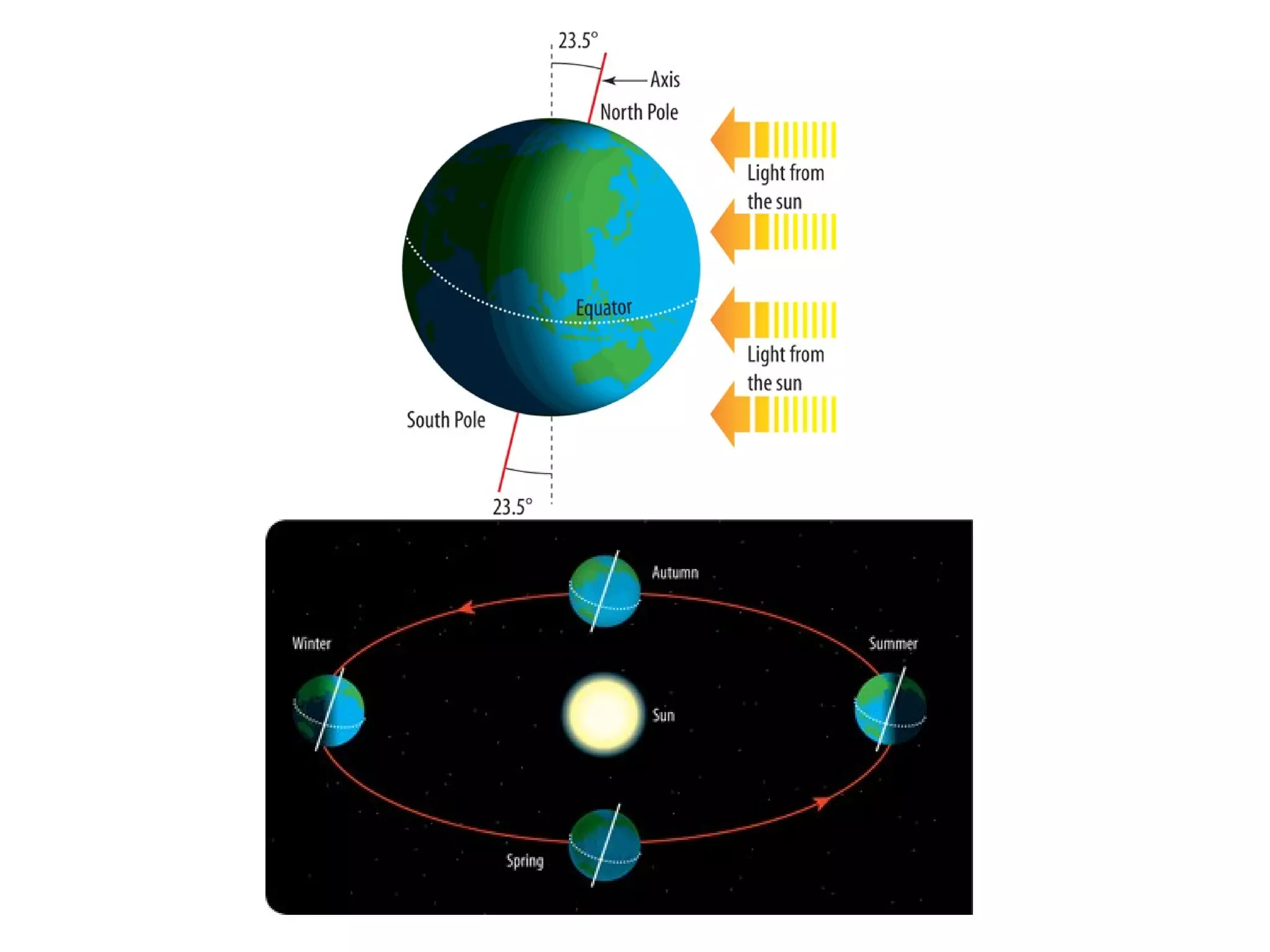
Draw labeled diagrams showing a) why it is day
on the Gold Coast while night in London, and b)
how we get the four seasons on the Gold Coast
(winter, summer, autumn, spring).

120
130
140
10
30
40
50
60
700
0
2
3
4
5
6
7
8
9
180
8
20
160
90
150
170
100
110
1

Seconds Remaining:
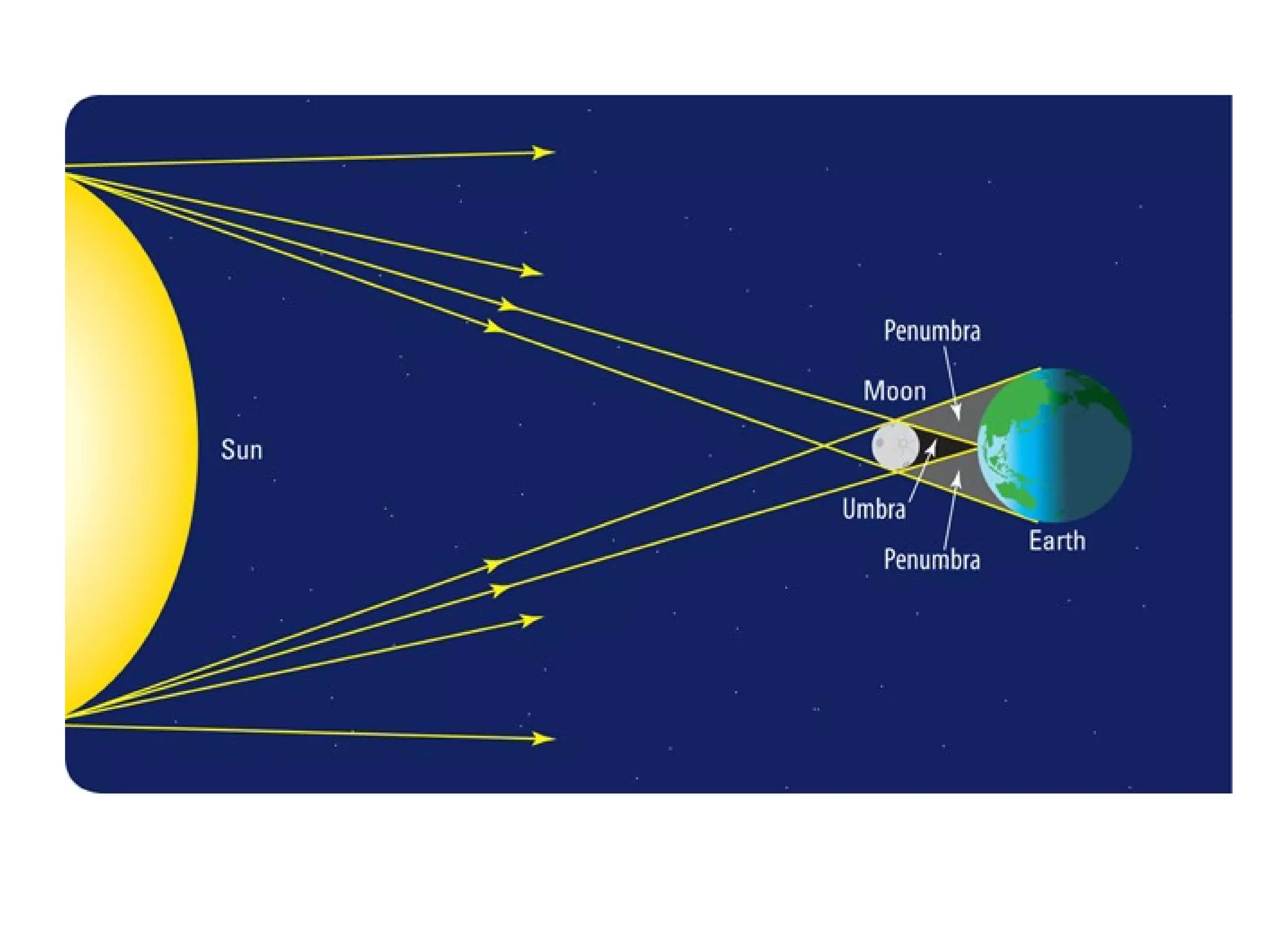
Draw a labeled diagram showing how a Total
Solar Eclipse occurs.

120
130
140
10
30
40
50
60
700
0
2
3
4
5
6
7
8
9
180
8
20
160
90
150
170
100
110
1

Seconds Remaining:
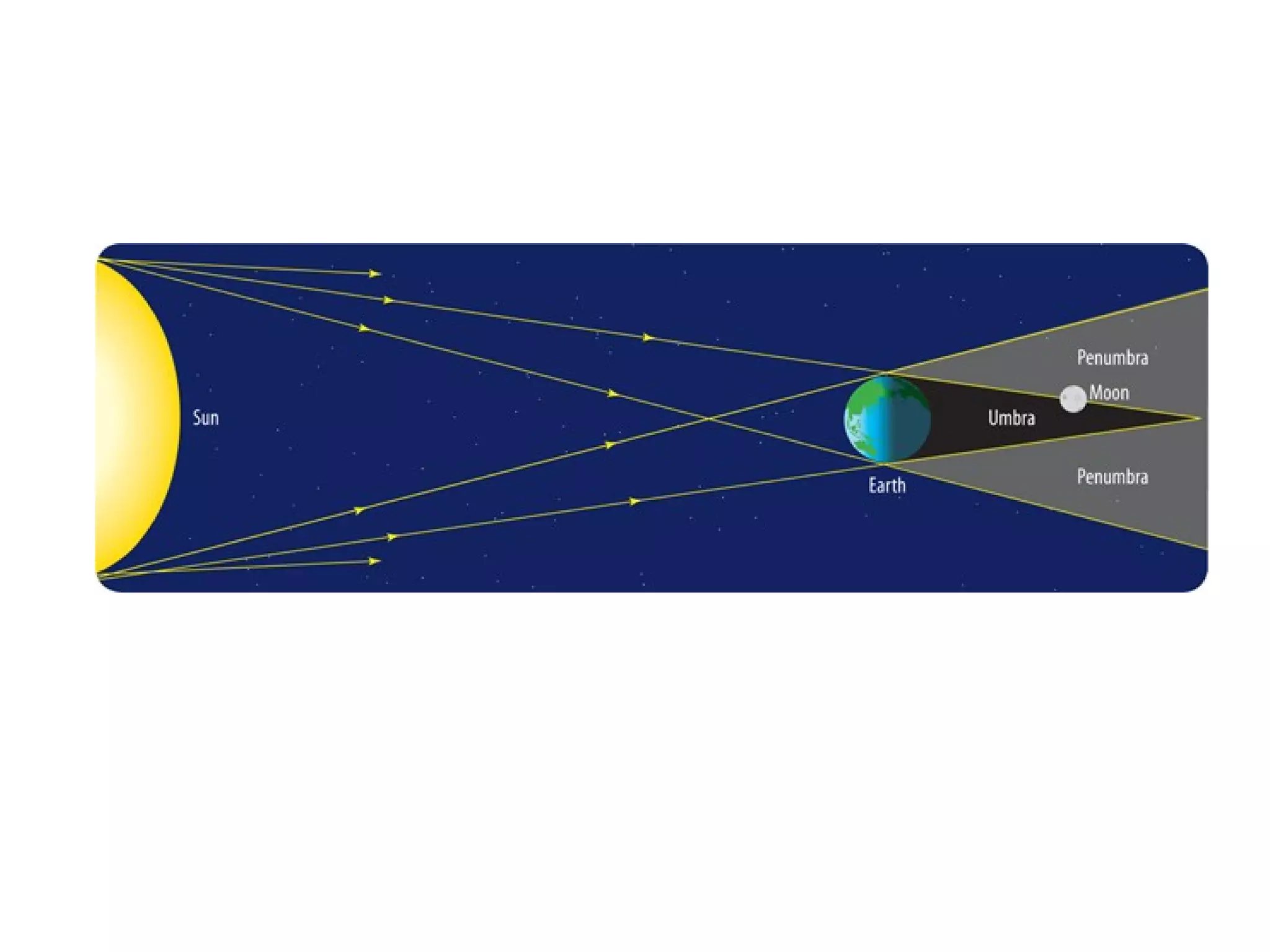
Draw a labeled diagram showing how a Partial
Lunar Eclipse occurs.

120
130
140
10
30
40
50
60
700
0
2
3
4
5
6
7
8
9
180
8
20
160
90
150
170
100
110
1

Seconds Remaining:
Answer the Following Questions:
1. What was the name of the spacecraft that carried the first men who
landed on the moon?
2. The Hubble Space Telescope takes photographs of Space that of much
greater clarity than those taken on Earth. Why is this so?
3. What was the name of the first scientist to view the moon through a
telescope?

120
130
140
10
30
40
50
60
700
0
2
3
4
5
6
7
8
9
180
8
20
160
90
150
170
100
110
1

Seconds Remaining:
1. Apollo 11
2. Because it is above the blurring effect of
the Earth’s atmosphere.
3. Galileo

Revision powerpoint

  • 1.
    Term 4 ScienceExam Revision • • • • You have 3 minutes to complete all questions. Complete all questions to the best of your knowledge Mark/alter your answers at the change of each slide This PowerPoint will be on MyPLS
  • 2.
    Describe the causesthe phases of the moon? Seconds Left: 120 130 140 10 30 40 50 60 70 0 2 3 4 5 6 7 8 9 180 20 80 160 90 150 170 100 110 1
  • 3.
    • The phasesthe Moon goes through are caused by two things: 1) the Moon revolving around the Earth, and 2) the Moon reflecting sunlight towards the Earth.
  • 4.
    List the eightphases of the moon Seconds Left: 120 130 140 10 30 40 50 60 70 0 2 3 4 5 6 7 8 9 180 20 80 160 90 150 170 100 110 1
  • 5.
    • • • • • • • • • 1) New Moon 2)Waxing Crescent 3) First Quarter 4) Waxing Gibbous 5) Full Moon 6) Waning Gibbous 7) Last Quarter 8) Waning Crescent 9) Back to the New Moon.
  • 6.
    Describe: New Moon Waxing Crescent FirstQuarter Waxing Gibbous 120 130 140 10 30 40 50 60 700 0 2 3 4 5 6 7 8 9 180 8 20 160 90 150 170 100 110 1 Seconds Remaining:
  • 7.
    • New Moon-During a New Moon we can see NO portion of the Moon's surface that is lit. • Waxing Crescent - During the Waxing Crescent phase, we see on the left side a small sliver of the lit Moon. • First Quarter-During the First Quarter phase, we see the left half of the lit Moon. • Waxing Gibbous-During the Waxing Gibbous phase, we see almost the entire left side of the lit Moon.
  • 8.
    Describe: Full moon Waning Gibbous LastQuarter Waning Crescent Seconds Left: 120 130 140 10 30 40 50 60 70 0 2 3 4 5 6 7 8 9 180 80 20 160 90 150 170 100 110 1
  • 9.
    • Full Moon- During a Full Moon, we see the entire half of the Moon surface that is lit. • Waning Gibbous - During the Waning Gibbous phase, we see almost the entire right side of the lit Moon. • Last Quarter - During the last Quarter phase, we see the right half of the Moon lit. • Waning Crescent - During the Waning Crescent phase, we see on the right side a small sliver of the lit Moon.
  • 10.
    Diagram the phasesof the moon in orbit around the Earth Seconds Left: 120 130 140 10 30 40 50 60 70 0 2 3 4 5 6 7 8 9 180 80 20 160 90 150 170 100 110 1
  • 12.
    Draw a labeleddiagram showing how a Neap and Spring Tide occurs. 120 130 140 10 30 40 50 60 700 0 2 3 4 5 6 7 8 9 180 8 20 160 90 150 170 100 110 1 Seconds Remaining:
  • 14.
    Draw labeled diagramsshowing a) why it is day on the Gold Coast while night in London, and b) how we get the four seasons on the Gold Coast (winter, summer, autumn, spring). 120 130 140 10 30 40 50 60 700 0 2 3 4 5 6 7 8 9 180 8 20 160 90 150 170 100 110 1 Seconds Remaining:
  • 16.
    Draw a labeleddiagram showing how a Total Solar Eclipse occurs. 120 130 140 10 30 40 50 60 700 0 2 3 4 5 6 7 8 9 180 8 20 160 90 150 170 100 110 1 Seconds Remaining:
  • 18.
    Draw a labeleddiagram showing how a Partial Lunar Eclipse occurs. 120 130 140 10 30 40 50 60 700 0 2 3 4 5 6 7 8 9 180 8 20 160 90 150 170 100 110 1 Seconds Remaining:
  • 20.
    Answer the FollowingQuestions: 1. What was the name of the spacecraft that carried the first men who landed on the moon? 2. The Hubble Space Telescope takes photographs of Space that of much greater clarity than those taken on Earth. Why is this so? 3. What was the name of the first scientist to view the moon through a telescope? 120 130 140 10 30 40 50 60 700 0 2 3 4 5 6 7 8 9 180 8 20 160 90 150 170 100 110 1 Seconds Remaining:
  • 21.
    1. Apollo 11 2.Because it is above the blurring effect of the Earth’s atmosphere. 3. Galileo