CEAD,MEHRAN UNIVERSTY OF
ENGINEERING &TECHNOLOGY
JAMSHORO
Presentation by

Shahid Sameer Baltee

TITLE:

INTRODUCTION OF
RESTAURANT

DATE

20-09-2012
Description OF
RESTAURANT: serves food
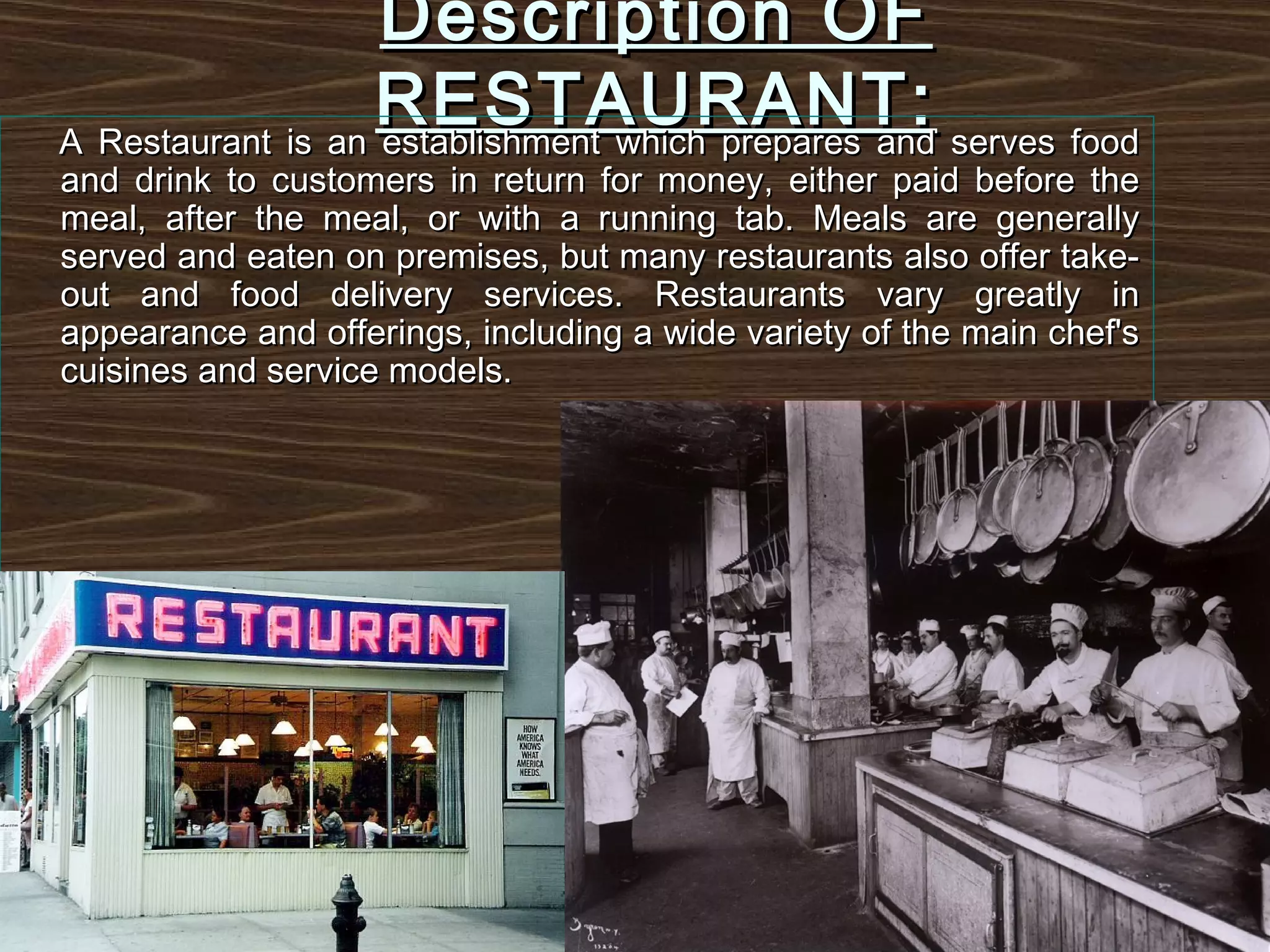
A Restaurant is an establishment which prepares and

and drink to customers in return for money, either paid before the
meal, after the meal, or with a running tab. Meals are generally
served and eaten on premises, but many restaurants also offer takeout and food delivery services. Restaurants vary greatly in
appearance and offerings, including a wide variety of the main chef's
cuisines and service models.
HISTORY
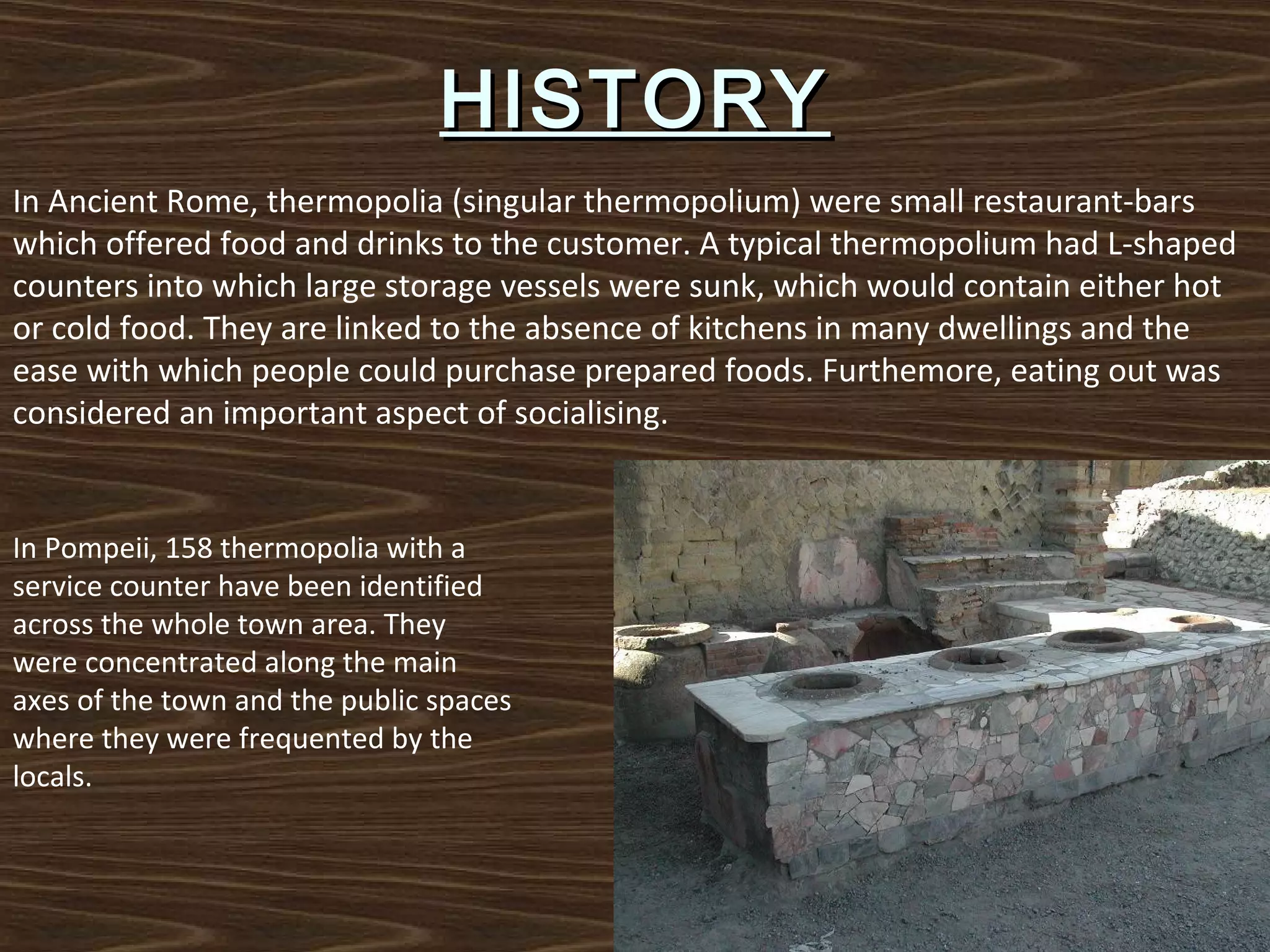
In Ancient Rome, thermopolia (singular thermopolium) were small restaurant-bars
which offered food and drinks to the customer. A typical thermopolium had L-shaped
counters into which large storage vessels were sunk, which would contain either hot
or cold food. They are linked to the absence of kitchens in many dwellings and the
ease with which people could purchase prepared foods. Furthemore, eating out was
considered an important aspect of socialising.

In Pompeii, 158 thermopolia with a
service counter have been identified
across the whole town area. They
were concentrated along the main
axes of the town and the public spaces
where they were frequented by the
locals.
:

IMPORTANCE


Restaurants are important sites where food, culture and family
intersect in many communities I suppose for many people
conjure up two things SHOPPING and FOOD , sometimes its
just one thing SHOPPING FOR FOOD.

REGULATIONS:
Depending on local customs and the establishment, restaurants may or may not serve
alcohol. Restaurants are often prohibited from selling alcohol without a meal by
alcohol sale laws; such sale is considered to be activity for bars, which are meant to
have more severe restrictions. Some restaurants are licensed to serve alcohol ("fully
licensed"), and/or permit customers to "bring your own" alcohol . In some places
restaurant licenses may restrict service to beer, or wine and beer.
LOCATION:
There are four crucial elements to consider when looking at a potential restaurant location:

*POPULATION BASE:

Are there enough people in the area to support your business? For example, is the restaurant
location in the heart of a thriving downtown shopping district, or along a busy freeway? There
needs to be enough people who live in the area, or pass through the area on a regular basis to
keep you busy. To determine the population base of a particular area, you can do a site study.
However, these can cost up to $25,000. Most people looking at their first restaurant don’t have
enough money in their budget for a professional survey. A less expensive method to determine
the population base of certain area is to use a circle graph, as well as asking the local chamber
of commerce and town office for more information.

*VISIBILITY:
This goes along with accessibility an dis very important for new restaurant locations. People have to know
the restaurant is there. This is why property prices in downtown districts and developed strips are
higher than other areas. They offer a level of visibility that can bring in a great deal of walk-in business.
It’s important to address all these elements when you sit down to draft your business plan for a new
restaurant, which you will need before applying for a loan. In addition, by understanding each of these
elements, you can better choose the right location for your new restaurant.
*PARKING:
Will there be enough parking to accommodate all the seats in your new
restaurant? Ideally, a new restaurant location should have its own
parking lot. If that isn’t an option, is there public parking near the
restaurant location?

*ACCESSIBILITY :
There’s a

reason

that major

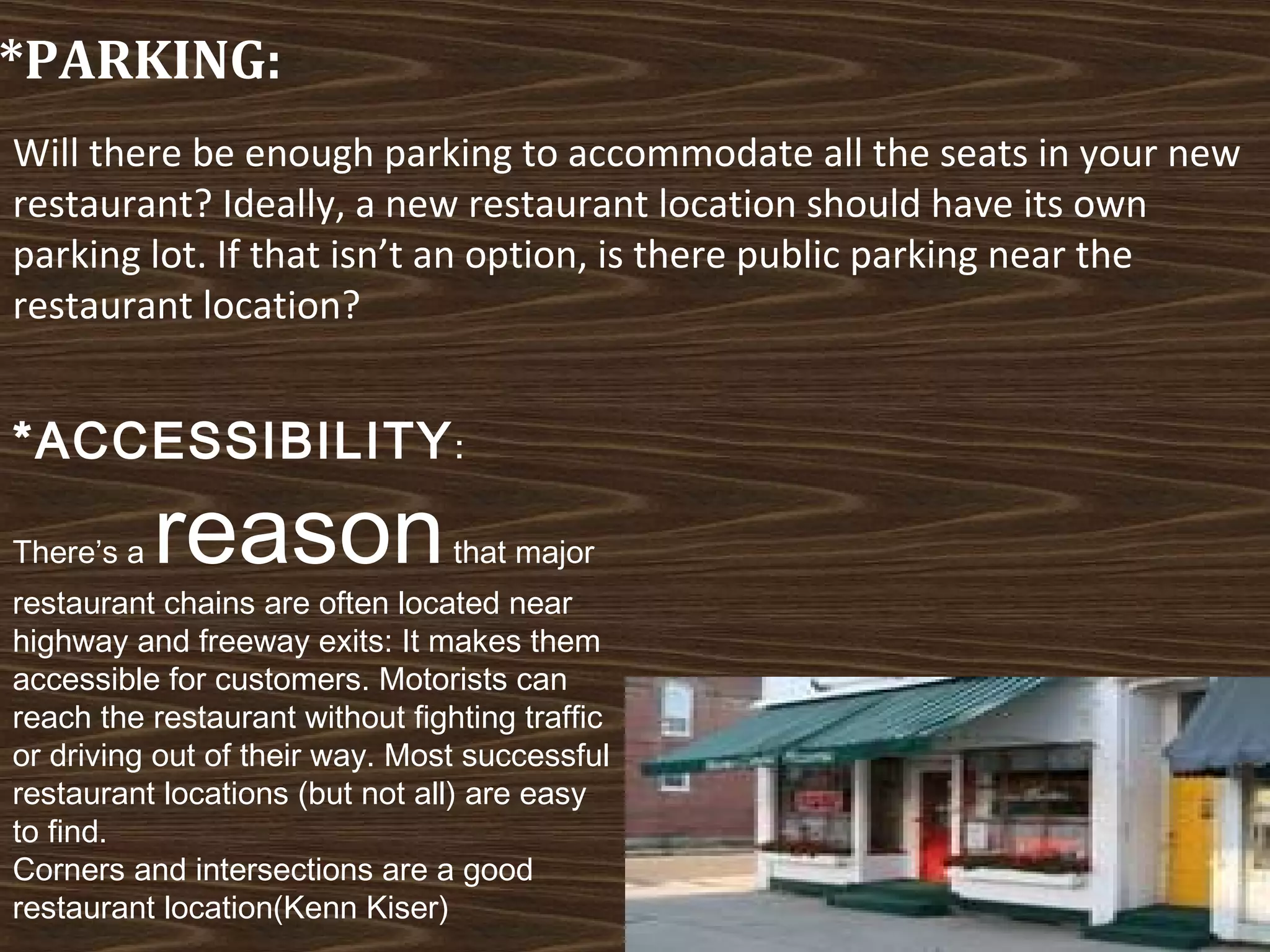
restaurant chains are often located near
highway and freeway exits: It makes them
accessible for customers. Motorists can
reach the restaurant without fighting traffic
or driving out of their way. Most successful
restaurant locations (but not all) are easy
to find.
Corners and intersections are a good
restaurant location(Kenn Kiser)
TYPES
Today there are many different types of restaurants, from fast food to family casual.
Here is a brief overview of some of the more popular restaurant concepts.
Today there are many different types of restaurants, from fast food to family casual.
Here is a brief overview of some of the more popular restaurant concepts.

Casual Style Dining
Also known as family style dining in the United States. Casual style
restaurants offer moderately priced entrees. This is one of the largest
markets in the US right now. Causal style dining can be any number of
themes, from Italian (Olive Garden) to seafood (Red Lobster) to Mexican
(Chilis). Casual style restaurants offer table side service, non-disposable
dishes, while still keeping the menu moderately priced.
Fine Dining
Just as the name implies, fine dining is used to describe a
much more upscale restaurant, one that offers diners an
elegant atmosphere with high quality service. The chefs in
fine dining restaurants are usually professionally trained, and
the food is fairly expensive, but worth it.
Fast Casual Dining
This is one of the biggest trends right now. Fast casual is slightly more
upscale than fast food. Fast casual restaurants offer disposable dishes
and flatware, but their food tends to be presented as more upscale,
such as gourmet breads and organic ingredients. Open kitchens are
popular with fast casual chains, where customers can see their food
being prepared. Boston Market is classified as fast casual.
Today there are many different types of restaurants, from fast food to
family casual. Here is a brief overview of some of the more popular
restaurant concepts.
Today there are many different types of restaurants, from fast food to
family casual. Here is a brief overview of some of the more popular
restaurant concepts.
Café
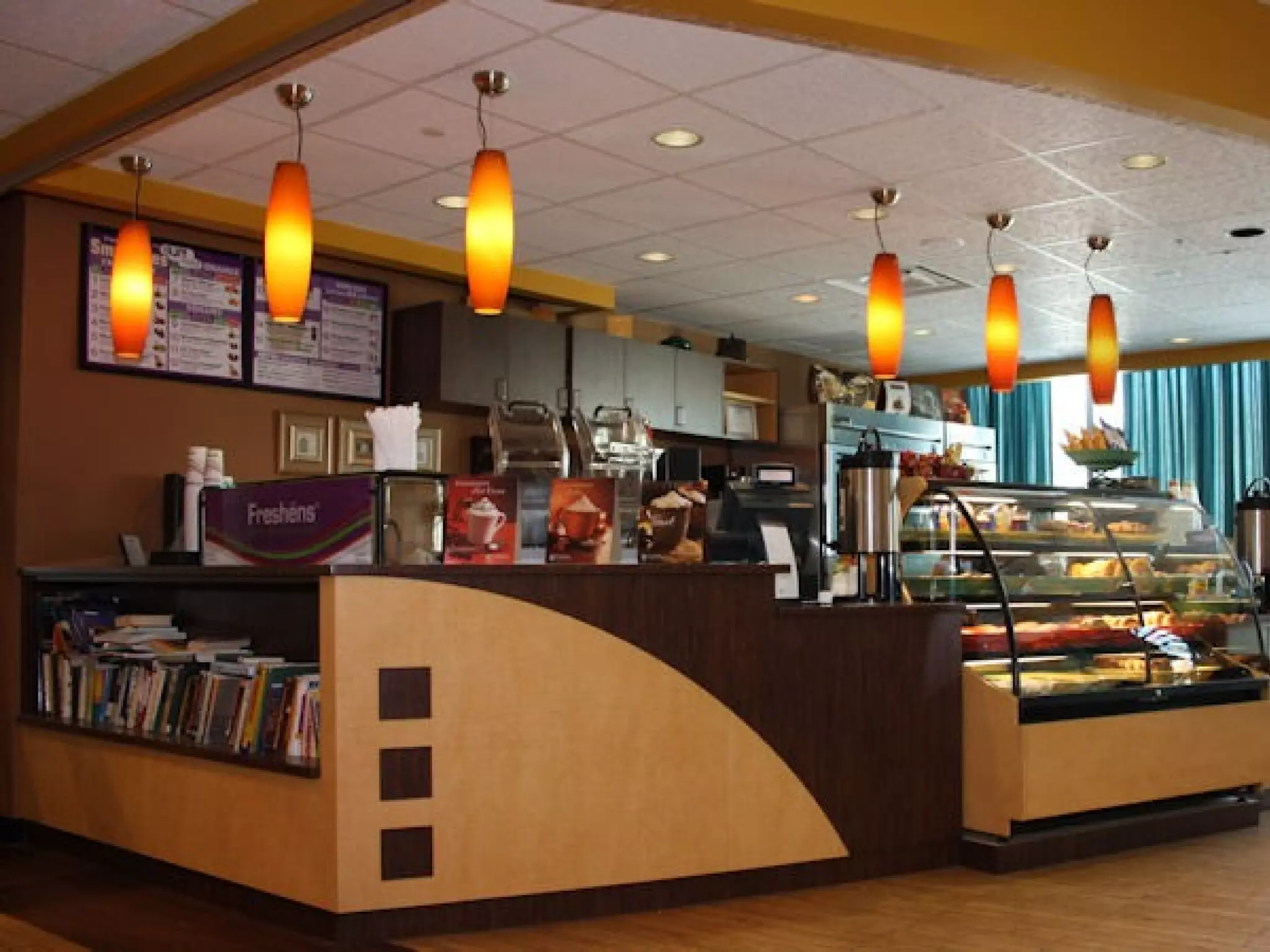
A café is a restaurant that does not offer table service. Customers order
their food from a counter and serve themselves. A café menu
traditionally offers things such as coffee, espresso, pastries and
sandwiches. Cafes originated in Europe and are strongly associated with
France. They are known for their casual, unhurried atmosphere.
Outdoor seating is another trademark of a café. Panera Bread is an
example of a popular bakery-café chain. The term bistro is sometimes
interchanged with café. A bistro is actually a café that offers full meals
(albeit, cheaper than a full fledged sit down restaurant).
Pub

Short for Public House, pubs date back hundred of years to
Europe, especially Great Britain. Pubs have a timeless appeal,
for their laid back atmosphere. Brewpubs offer beer made in
house, as well as a wide selection of other beers and ales.
Pubs can offer full menus, as well as appetizers. Many casual
style restaurants have a separate pub side to their
establishment.
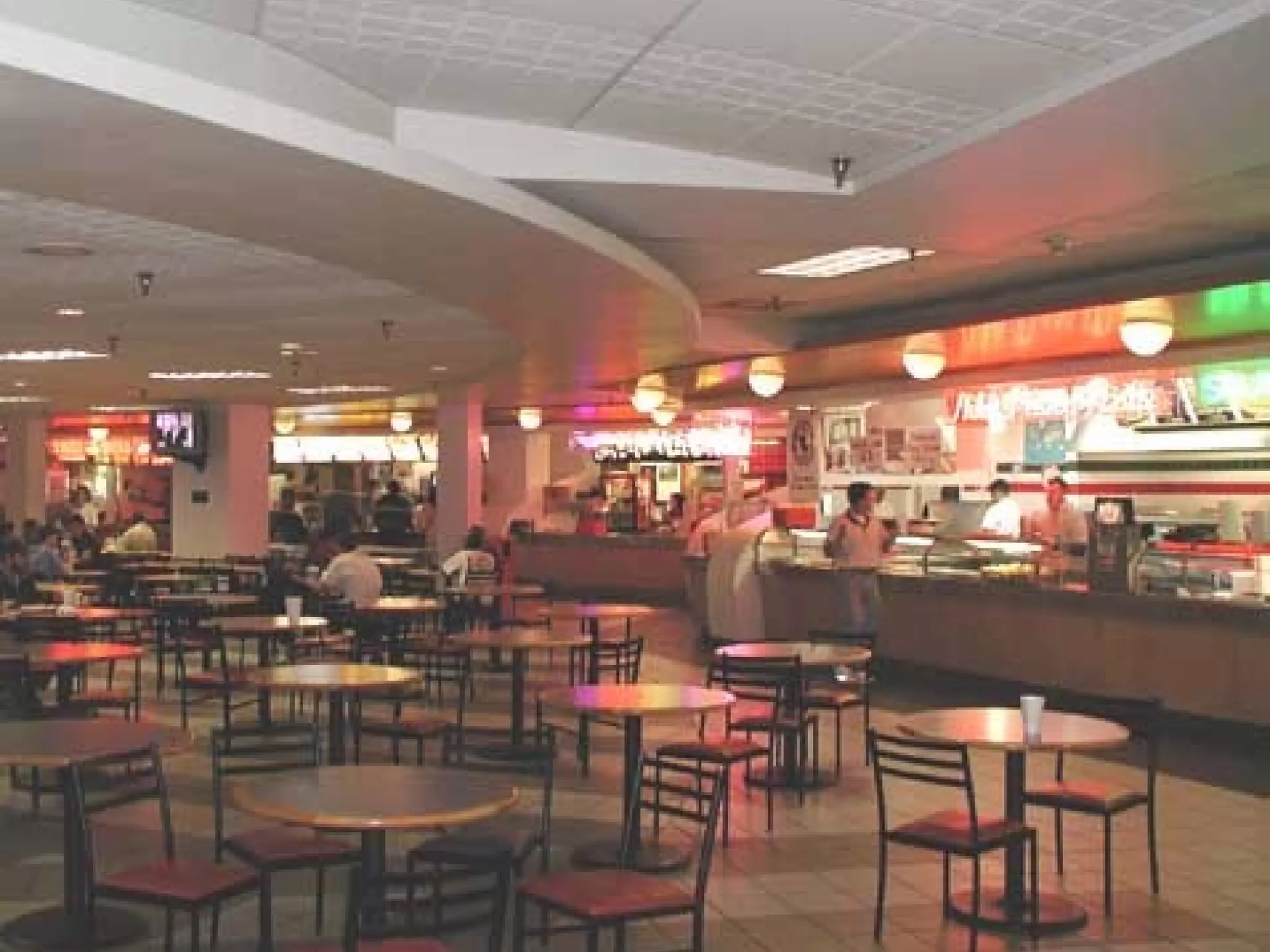
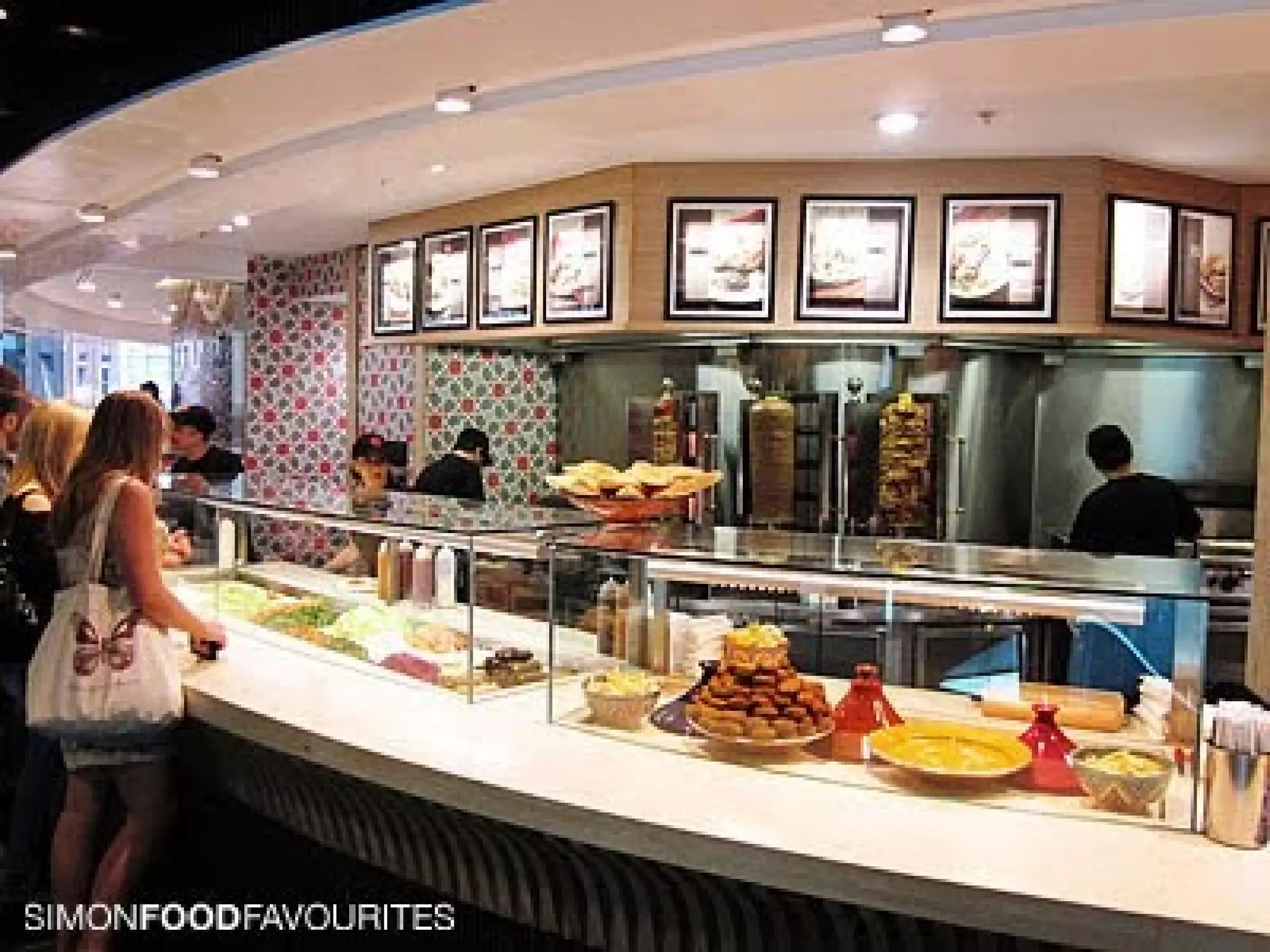
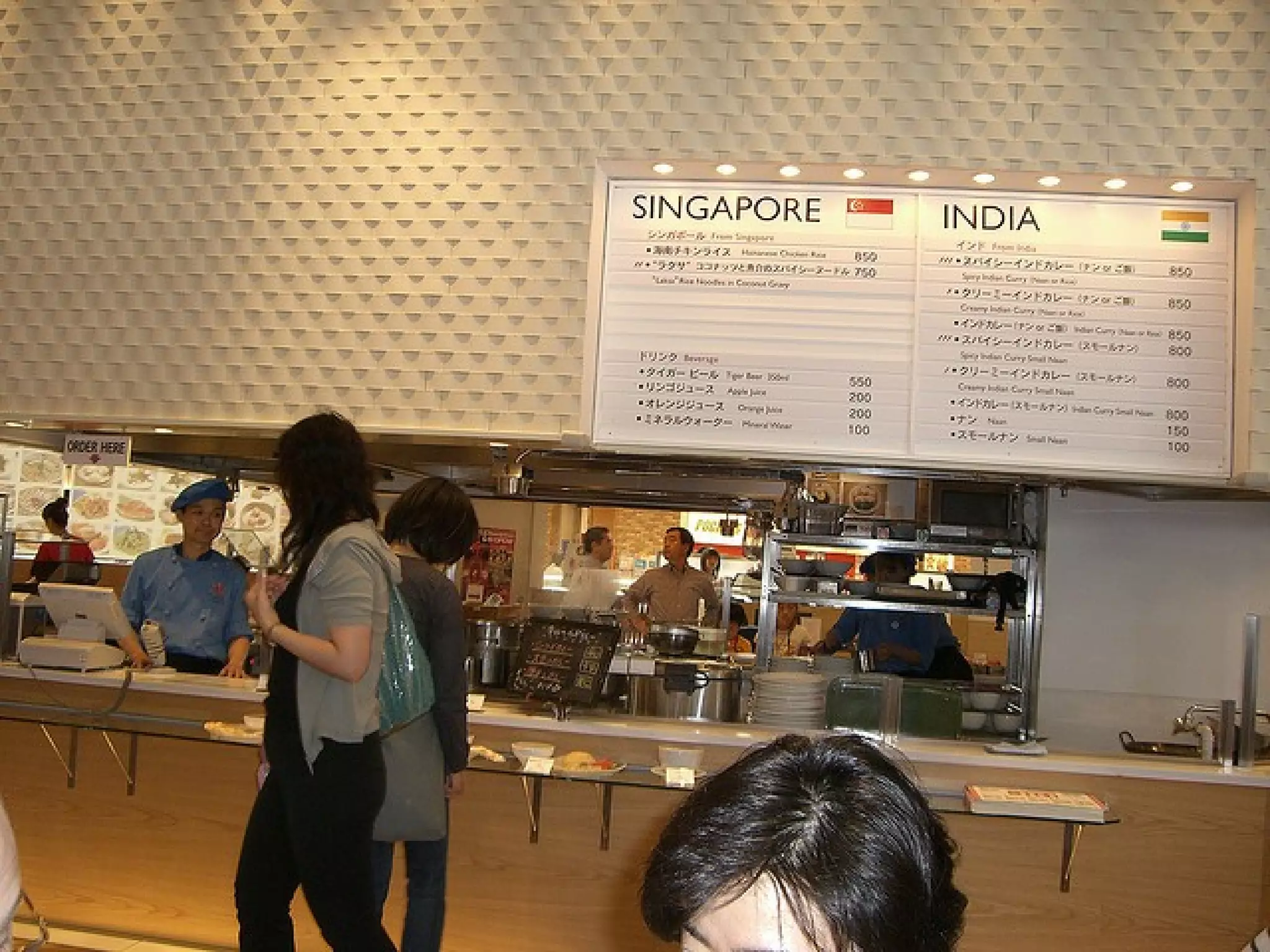
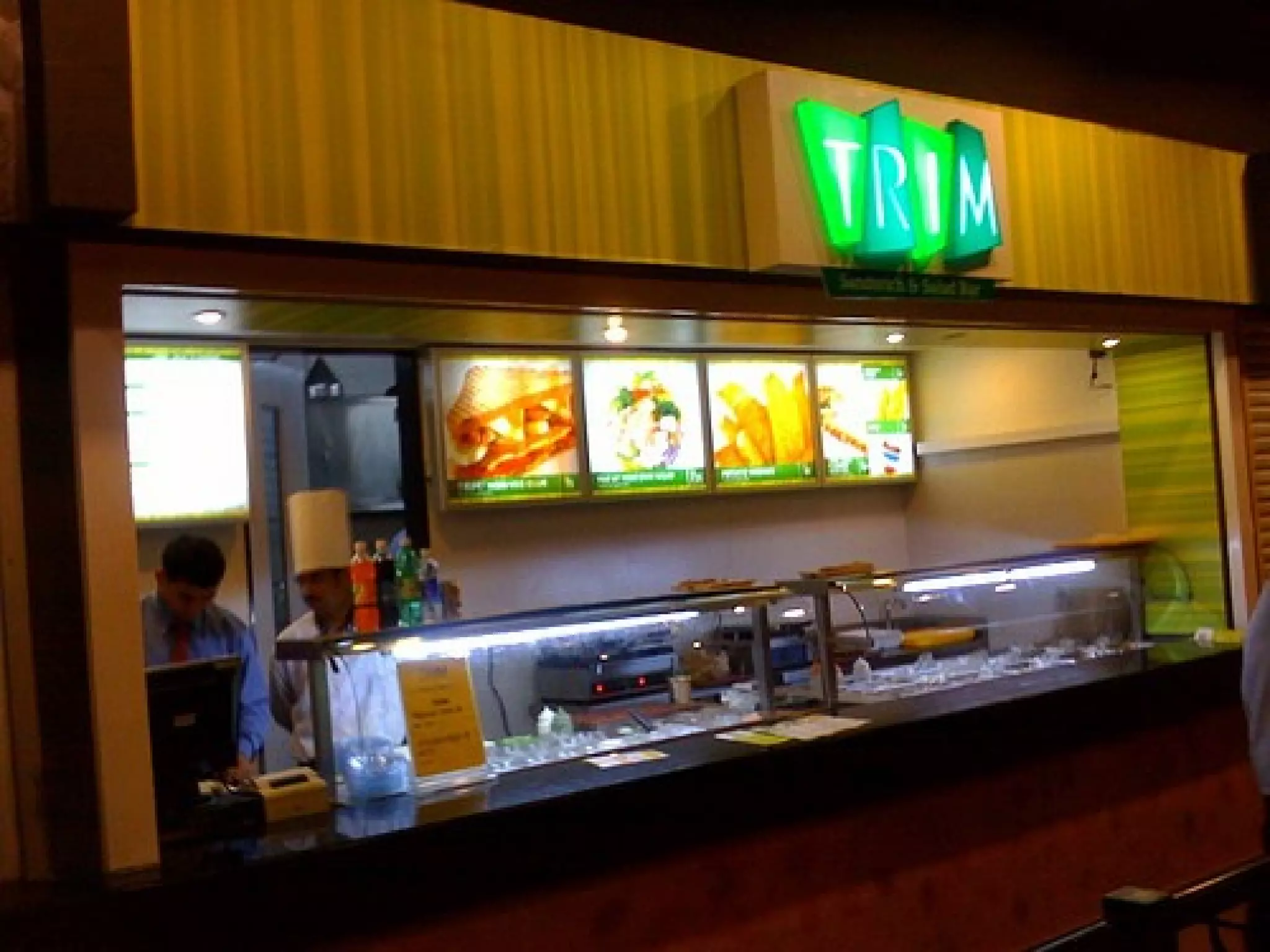
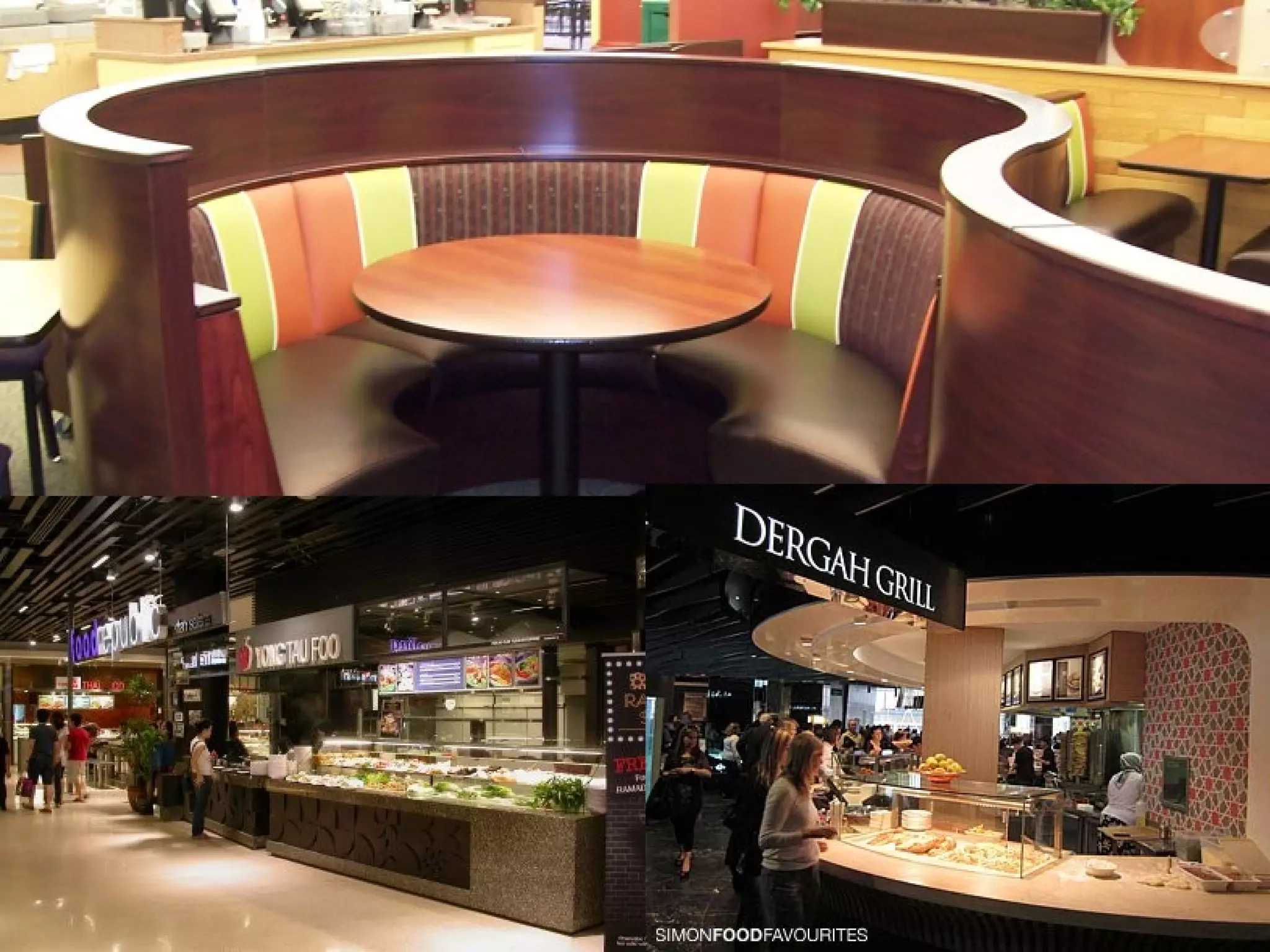
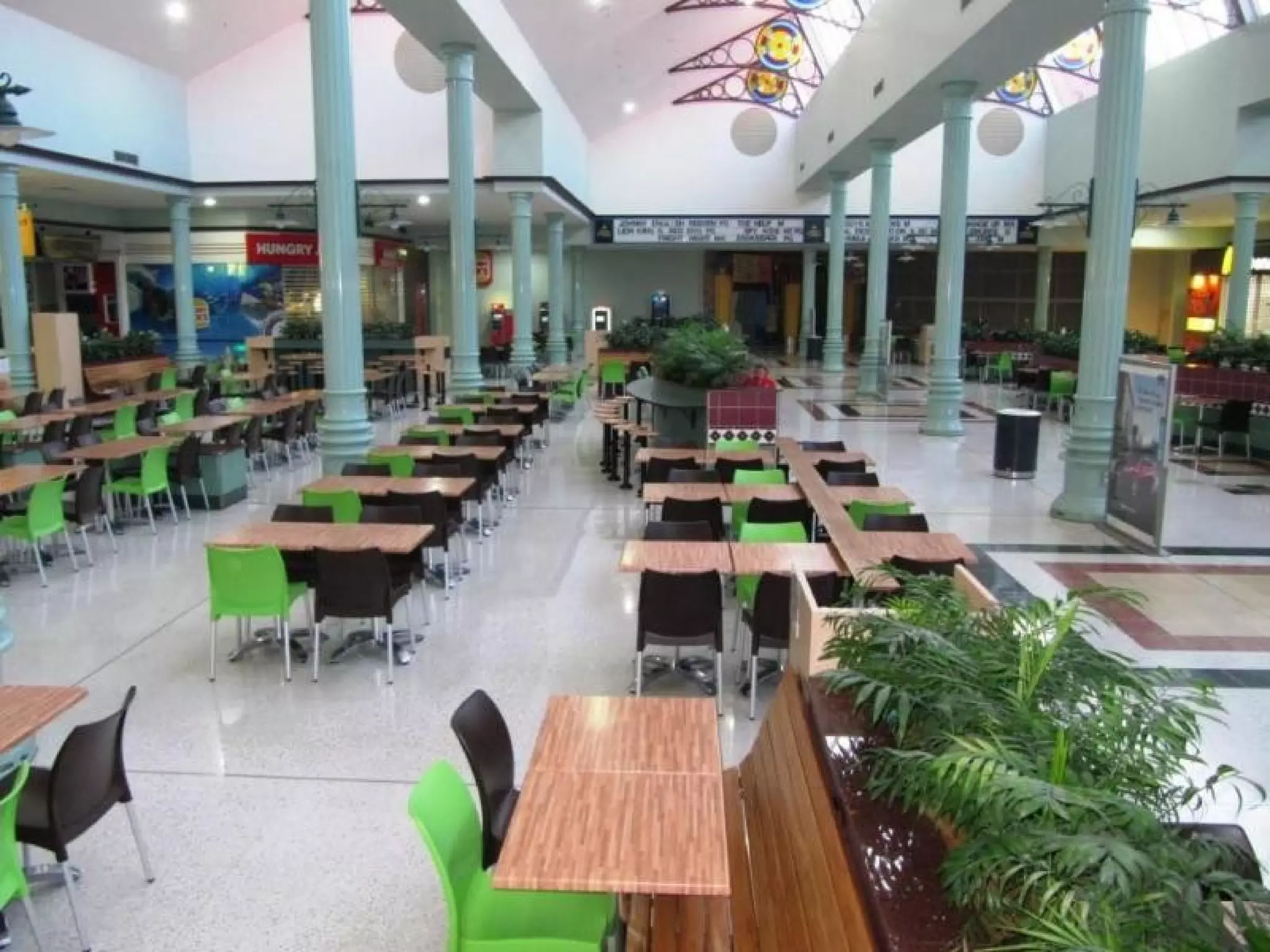
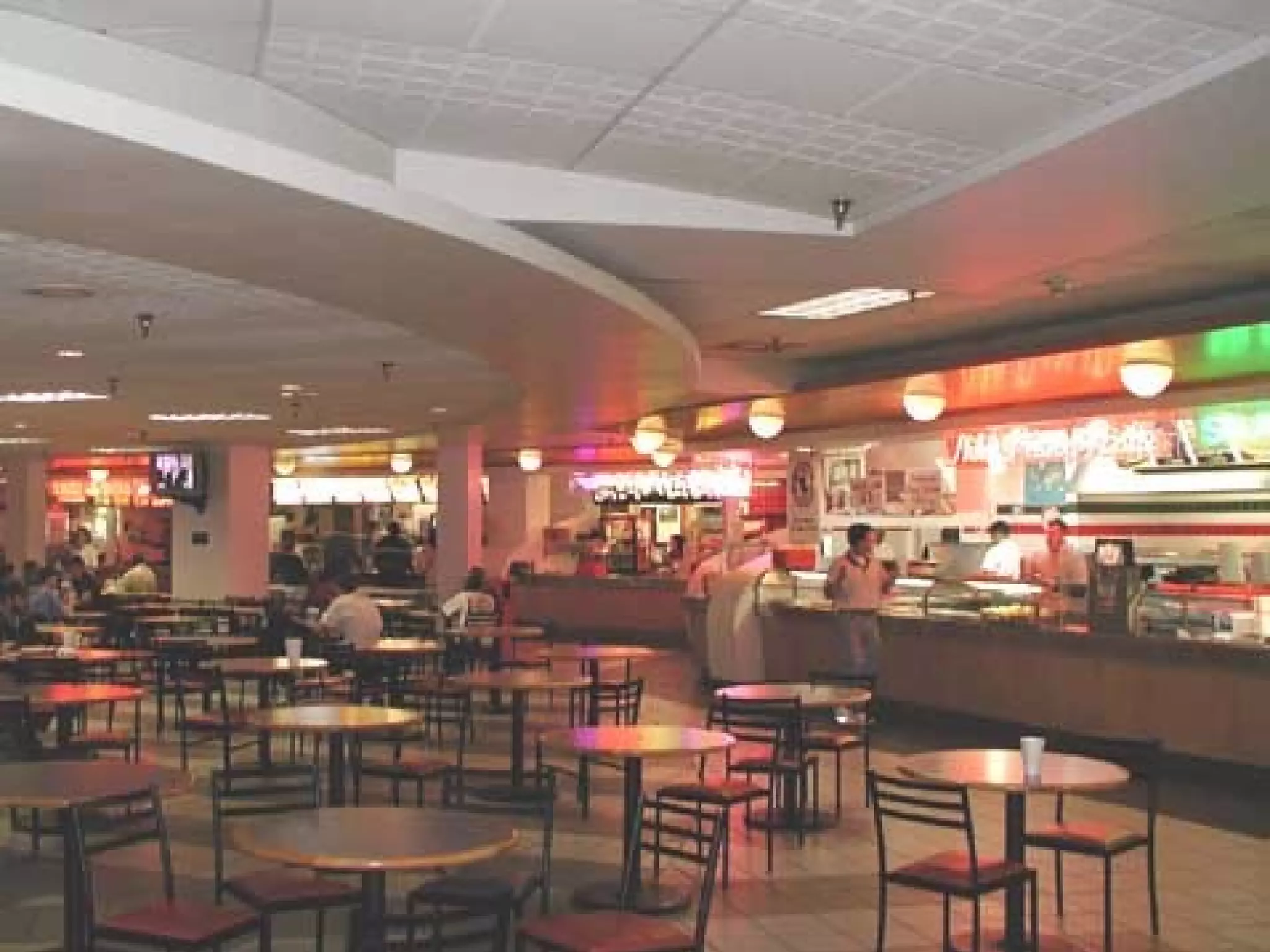
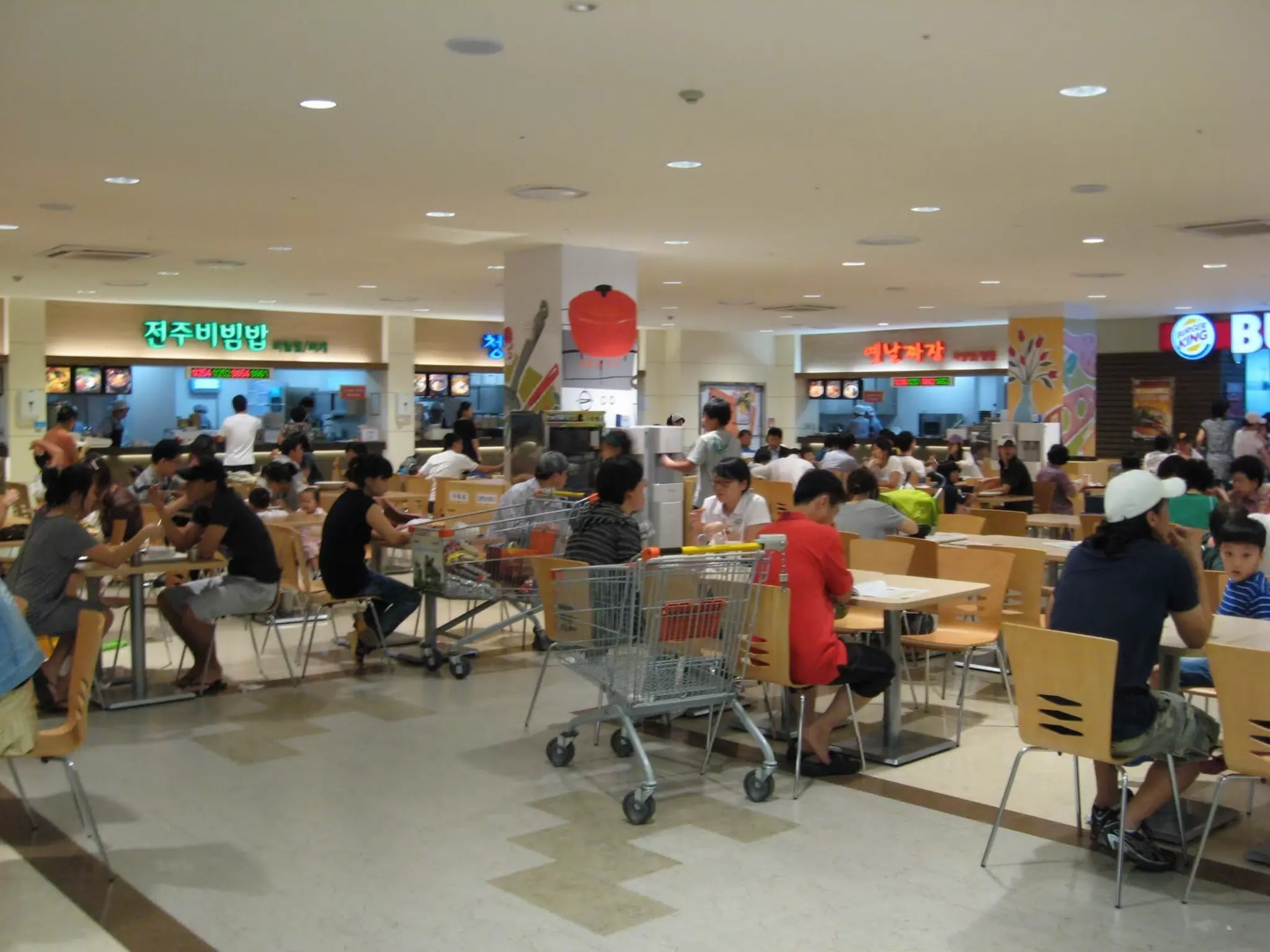
FOOD COURT :
Most modern shopping malls provide visitors with amenities such as public restrooms,
information kiosks, gift wrapping services and supervised child care. One of the most
popular communal elements of a shopping mall, however, is a collection of diverse
restaurants known as a food court. This area provides mall visitors with an array of
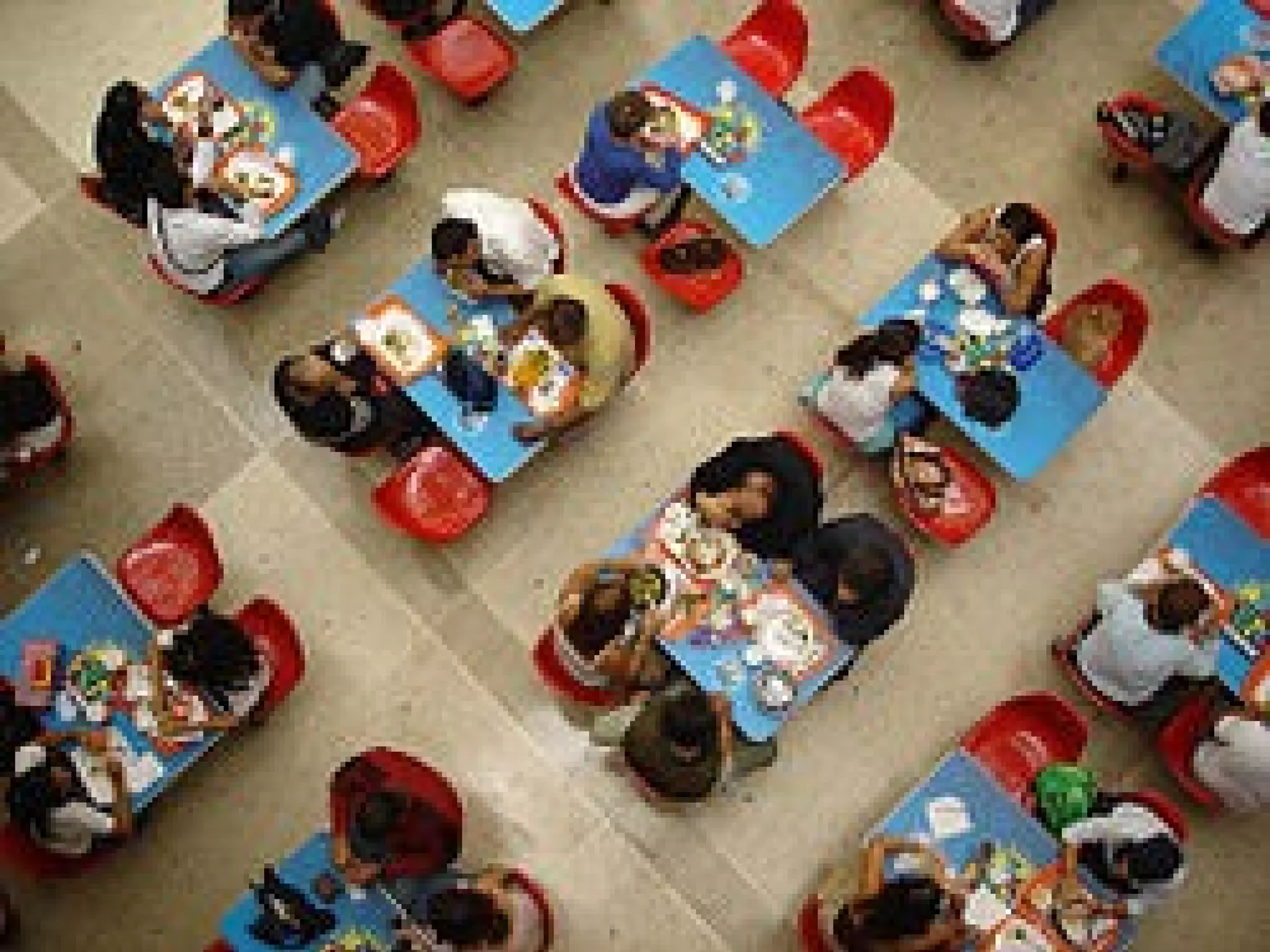
eateries, from local franchises to specialized chains. Venues typically operate side-byside, with a centralized communal dining area to accommodate customers.

AREA FOR A FOOD COURT:
A food court is generally located near one
of the larger "anchor stores" in a shopping
mall, or else in a location convenient for
truck deliveries Food courts may be found
in shopping malls, airports, and parks. In
various regions (such as Asia, America and
Africa), it may be a standalone
development. In some places of learning
such as high schools and universities, food
courts have also come to replace or
complement traditional cafeterias.

MATERIAL:
Common materials used in constructing
food courts are tile, linoleum, Formica, 
stainless steel, and glass, all of which
facilitate easy cleanup.
USAGE:
Food courts consist of a number of vendors at food stalls or service counters.
Meals are ordered at one of the vendors and then carried to a common dining
area. The food may also be ordered as takeout for consumption at another
location, such as home or work. In this case, it may be packaged in 
foam food containers. Food courts may also have shops which sell prepared
meals for consumers to take home and reheat, making the food court a daily
stop for some.
Food is usually eaten with plastic cutlery, and sporks are sometimes used to
avoid the necessity of providing both forks and spoons. There are exceptions: 
Carrefour Laval requires its food court tenants to use solid dinnerware and 
cutlery which it provides.
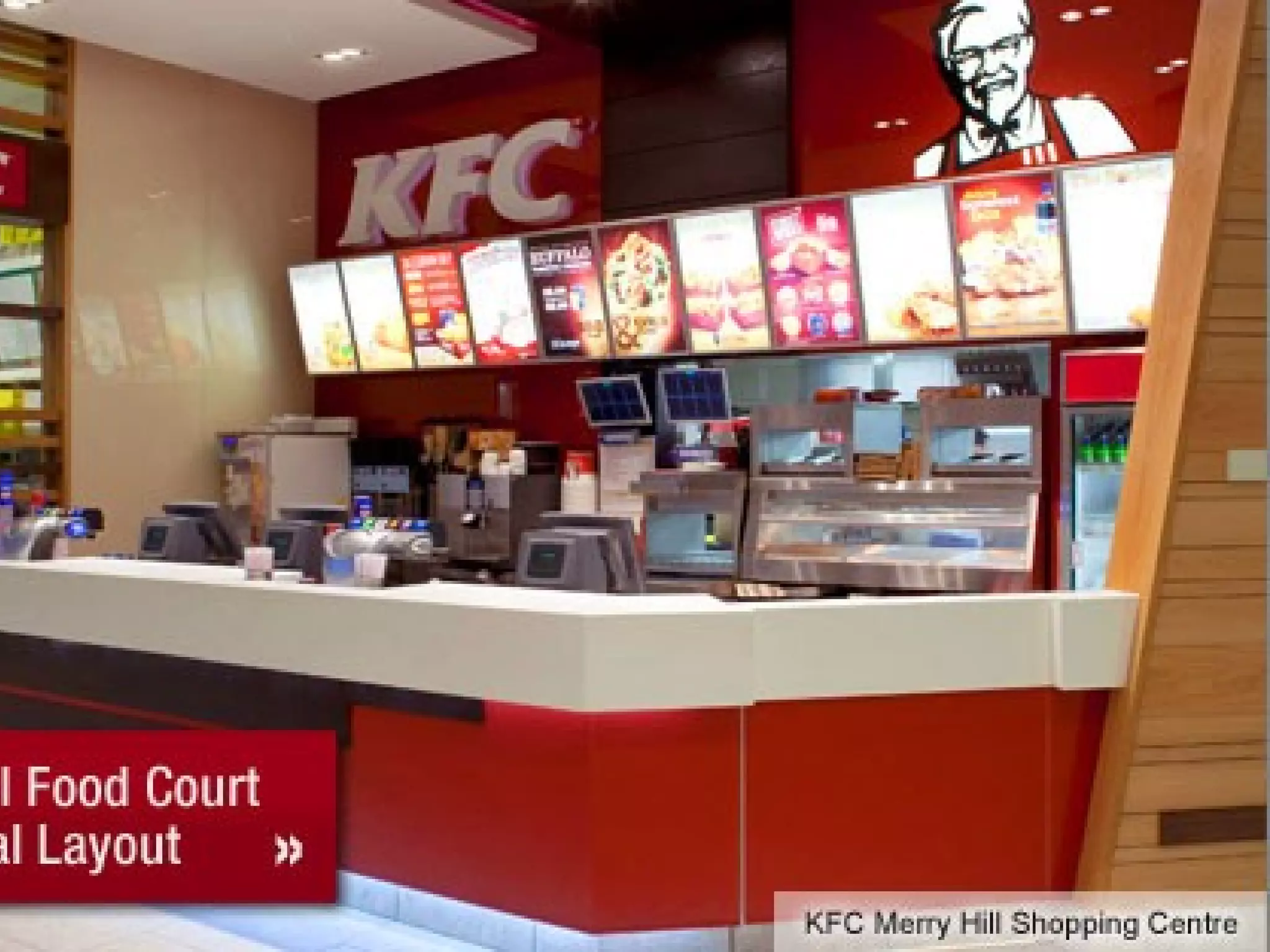
Typical North American and European food courts have mostly fast food chains
such as McDonald's and Sbarro, with perhaps a few smaller private vendors.
Cuisines and choices are varied, with larger food courts offering more global
choices. Asian and African food courts are mostly private vendors that offer
local cuisine. In Singapore, food courts and hawker centres are the people's
HISTORY:


The second-floor food court at the Paramus
Park shopping mall in New Jersey, which opened in
March 1974, has been credited as the first successful
shopping mall food court. Built by The Rouse Company,
one of the leading mall building companies of the time, it
followed an unsuccessful attempt at the Plymouth
Meeting Mall in 1971, which reportedly failed because it
was "deemed too small and insufficiently varied.
MAINTAINENCE OF FOOD
COURT IN A MALL:


When mall space feels clean and high end, you will not only attract
higher end retailers, but customers will enjoy their shopping
experience. Along with the halls and bathrooms of a mall being
clean and well maintained, it is also important to have the food court
match these same standards. If you are supplying a place to enjoy a
meal, shoppers are more likely to spend additional time and in turn
additional money at your location. During our free estimate, we
perform a walk through of the entire area with you and create an
itemized cleaning and maintenance task list, this becomes the basis
for our agreement with you. Commonly asked for and included
cleaning and maintenance tasks malls and food courts are:
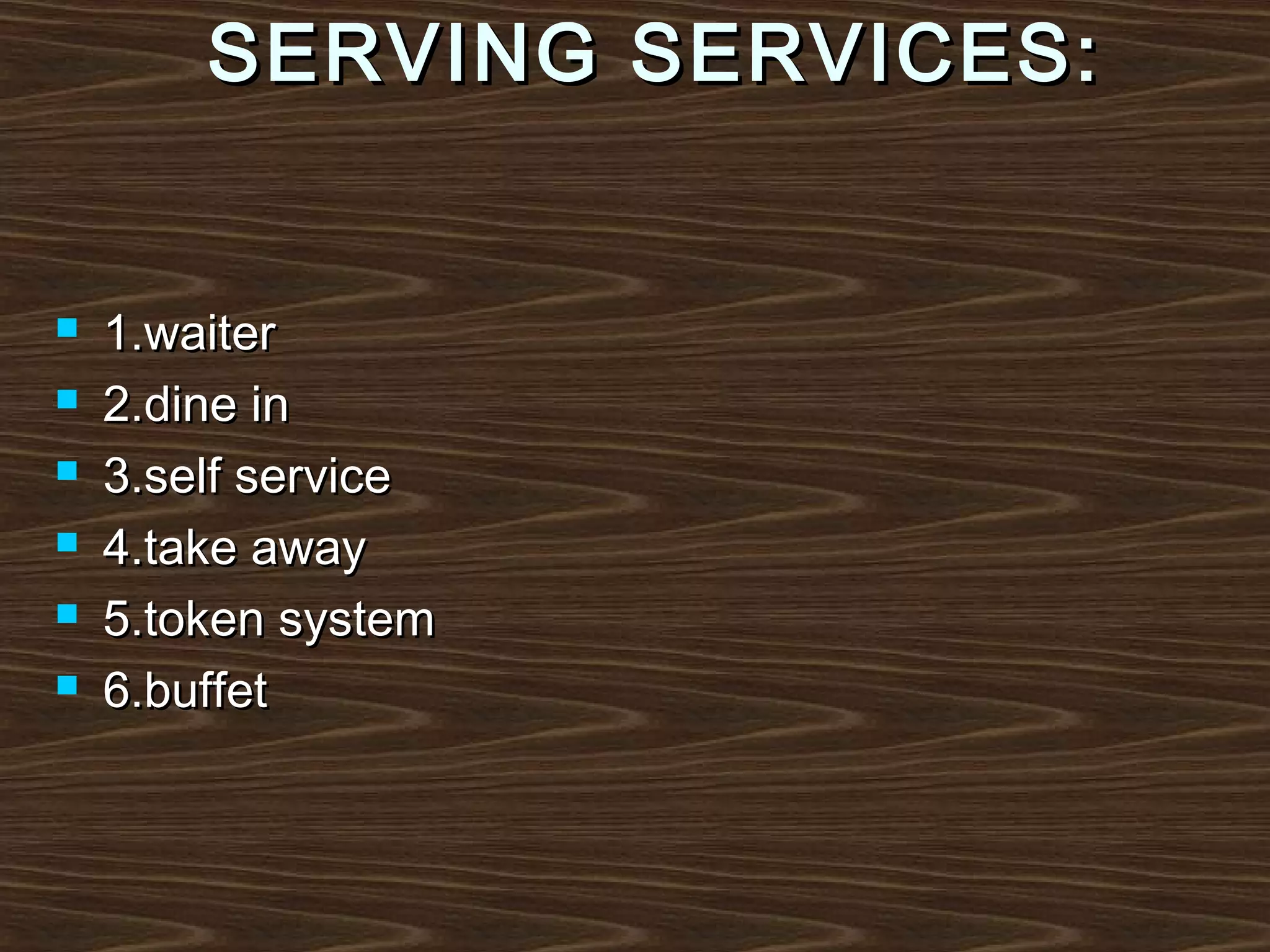
SERVING SERVICES:








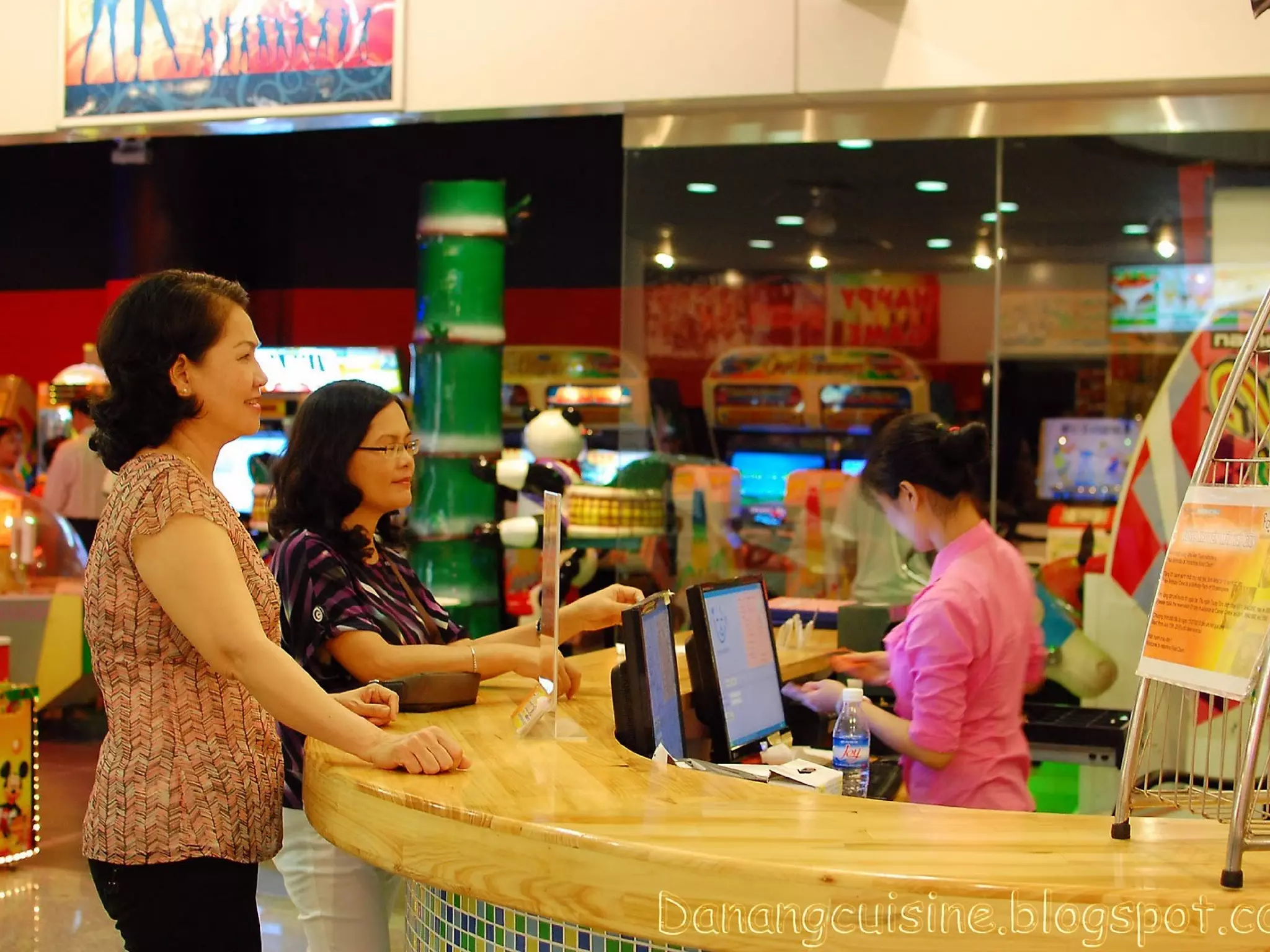
1.waiter
2.dine in
3.self service
4.take away
5.token system
6.buffet
CUISINES:


Although many shopping malls have full-service theme restaurants
elsewhere, the food court offers customers the opportunity to
sample many different styles of fast food. One spouse may want
Chinese food, for example, while the other may have a preference
for Italian food. Children often want different types of food than their
parents, A mall food court may also offer specialty foods such as
gourmet cookies, fruit smoothies, coffee drinks, soft pretzels or
premium ice cream. Some popular chain restaurants offer
customers the same menu items found in their larger stores, but
others may offer a more restricted menu because of limited storage
or preparation space. Many food court restaurants also limit their
offerings to items that can be served in a short amount of time, such
as sandwiches, fried side items and pre-baked goods. Condiments,
disposable utensils, napkins and other items are generally located in
a service line designed for efficient fast food service.
Restaurant Presentation

Restaurant Presentation

  • 1.
    CEAD,MEHRAN UNIVERSTY OF ENGINEERING&TECHNOLOGY JAMSHORO Presentation by Shahid Sameer Baltee TITLE: INTRODUCTION OF RESTAURANT DATE 20-09-2012
  • 2.
    Description OF RESTAURANT: servesfood A Restaurant is an establishment which prepares and and drink to customers in return for money, either paid before the meal, after the meal, or with a running tab. Meals are generally served and eaten on premises, but many restaurants also offer takeout and food delivery services. Restaurants vary greatly in appearance and offerings, including a wide variety of the main chef's cuisines and service models.
  • 3.
    HISTORY In Ancient Rome,thermopolia (singular thermopolium) were small restaurant-bars which offered food and drinks to the customer. A typical thermopolium had L-shaped counters into which large storage vessels were sunk, which would contain either hot or cold food. They are linked to the absence of kitchens in many dwellings and the ease with which people could purchase prepared foods. Furthemore, eating out was considered an important aspect of socialising. In Pompeii, 158 thermopolia with a service counter have been identified across the whole town area. They were concentrated along the main axes of the town and the public spaces where they were frequented by the locals.
  • 4.
    : IMPORTANCE  Restaurants are importantsites where food, culture and family intersect in many communities I suppose for many people conjure up two things SHOPPING and FOOD , sometimes its just one thing SHOPPING FOR FOOD. REGULATIONS: Depending on local customs and the establishment, restaurants may or may not serve alcohol. Restaurants are often prohibited from selling alcohol without a meal by alcohol sale laws; such sale is considered to be activity for bars, which are meant to have more severe restrictions. Some restaurants are licensed to serve alcohol ("fully licensed"), and/or permit customers to "bring your own" alcohol . In some places restaurant licenses may restrict service to beer, or wine and beer.
  • 5.
    LOCATION: There are fourcrucial elements to consider when looking at a potential restaurant location: *POPULATION BASE: Are there enough people in the area to support your business? For example, is the restaurant location in the heart of a thriving downtown shopping district, or along a busy freeway? There needs to be enough people who live in the area, or pass through the area on a regular basis to keep you busy. To determine the population base of a particular area, you can do a site study. However, these can cost up to $25,000. Most people looking at their first restaurant don’t have enough money in their budget for a professional survey. A less expensive method to determine the population base of certain area is to use a circle graph, as well as asking the local chamber of commerce and town office for more information. *VISIBILITY: This goes along with accessibility an dis very important for new restaurant locations. People have to know the restaurant is there. This is why property prices in downtown districts and developed strips are higher than other areas. They offer a level of visibility that can bring in a great deal of walk-in business. It’s important to address all these elements when you sit down to draft your business plan for a new restaurant, which you will need before applying for a loan. In addition, by understanding each of these elements, you can better choose the right location for your new restaurant.
  • 6.
    *PARKING: Will there beenough parking to accommodate all the seats in your new restaurant? Ideally, a new restaurant location should have its own parking lot. If that isn’t an option, is there public parking near the restaurant location? *ACCESSIBILITY : There’s a reason that major restaurant chains are often located near highway and freeway exits: It makes them accessible for customers. Motorists can reach the restaurant without fighting traffic or driving out of their way. Most successful restaurant locations (but not all) are easy to find. Corners and intersections are a good restaurant location(Kenn Kiser)
  • 7.
    TYPES Today there aremany different types of restaurants, from fast food to family casual. Here is a brief overview of some of the more popular restaurant concepts. Today there are many different types of restaurants, from fast food to family casual. Here is a brief overview of some of the more popular restaurant concepts. Casual Style Dining Also known as family style dining in the United States. Casual style restaurants offer moderately priced entrees. This is one of the largest markets in the US right now. Causal style dining can be any number of themes, from Italian (Olive Garden) to seafood (Red Lobster) to Mexican (Chilis). Casual style restaurants offer table side service, non-disposable dishes, while still keeping the menu moderately priced.
  • 8.
    Fine Dining Just asthe name implies, fine dining is used to describe a much more upscale restaurant, one that offers diners an elegant atmosphere with high quality service. The chefs in fine dining restaurants are usually professionally trained, and the food is fairly expensive, but worth it.
  • 9.
    Fast Casual Dining Thisis one of the biggest trends right now. Fast casual is slightly more upscale than fast food. Fast casual restaurants offer disposable dishes and flatware, but their food tends to be presented as more upscale, such as gourmet breads and organic ingredients. Open kitchens are popular with fast casual chains, where customers can see their food being prepared. Boston Market is classified as fast casual. Today there are many different types of restaurants, from fast food to family casual. Here is a brief overview of some of the more popular restaurant concepts. Today there are many different types of restaurants, from fast food to family casual. Here is a brief overview of some of the more popular restaurant concepts.
  • 10.
    Café A café isa restaurant that does not offer table service. Customers order their food from a counter and serve themselves. A café menu traditionally offers things such as coffee, espresso, pastries and sandwiches. Cafes originated in Europe and are strongly associated with France. They are known for their casual, unhurried atmosphere. Outdoor seating is another trademark of a café. Panera Bread is an example of a popular bakery-café chain. The term bistro is sometimes interchanged with café. A bistro is actually a café that offers full meals (albeit, cheaper than a full fledged sit down restaurant).
  • 11.
    Pub Short for PublicHouse, pubs date back hundred of years to Europe, especially Great Britain. Pubs have a timeless appeal, for their laid back atmosphere. Brewpubs offer beer made in house, as well as a wide selection of other beers and ales. Pubs can offer full menus, as well as appetizers. Many casual style restaurants have a separate pub side to their establishment.
  • 12.
    FOOD COURT : Mostmodern shopping malls provide visitors with amenities such as public restrooms, information kiosks, gift wrapping services and supervised child care. One of the most popular communal elements of a shopping mall, however, is a collection of diverse restaurants known as a food court. This area provides mall visitors with an array of eateries, from local franchises to specialized chains. Venues typically operate side-byside, with a centralized communal dining area to accommodate customers. AREA FOR A FOOD COURT: A food court is generally located near one of the larger "anchor stores" in a shopping mall, or else in a location convenient for truck deliveries Food courts may be found in shopping malls, airports, and parks. In various regions (such as Asia, America and Africa), it may be a standalone development. In some places of learning such as high schools and universities, food courts have also come to replace or complement traditional cafeterias. MATERIAL: Common materials used in constructing food courts are tile, linoleum, Formica,  stainless steel, and glass, all of which facilitate easy cleanup.
  • 13.
    USAGE: Food courts consistof a number of vendors at food stalls or service counters. Meals are ordered at one of the vendors and then carried to a common dining area. The food may also be ordered as takeout for consumption at another location, such as home or work. In this case, it may be packaged in  foam food containers. Food courts may also have shops which sell prepared meals for consumers to take home and reheat, making the food court a daily stop for some. Food is usually eaten with plastic cutlery, and sporks are sometimes used to avoid the necessity of providing both forks and spoons. There are exceptions:  Carrefour Laval requires its food court tenants to use solid dinnerware and  cutlery which it provides. Typical North American and European food courts have mostly fast food chains such as McDonald's and Sbarro, with perhaps a few smaller private vendors. Cuisines and choices are varied, with larger food courts offering more global choices. Asian and African food courts are mostly private vendors that offer local cuisine. In Singapore, food courts and hawker centres are the people's
  • 14.
    HISTORY:  The second-floor foodcourt at the Paramus Park shopping mall in New Jersey, which opened in March 1974, has been credited as the first successful shopping mall food court. Built by The Rouse Company, one of the leading mall building companies of the time, it followed an unsuccessful attempt at the Plymouth Meeting Mall in 1971, which reportedly failed because it was "deemed too small and insufficiently varied.
  • 17.
    MAINTAINENCE OF FOOD COURTIN A MALL:  When mall space feels clean and high end, you will not only attract higher end retailers, but customers will enjoy their shopping experience. Along with the halls and bathrooms of a mall being clean and well maintained, it is also important to have the food court match these same standards. If you are supplying a place to enjoy a meal, shoppers are more likely to spend additional time and in turn additional money at your location. During our free estimate, we perform a walk through of the entire area with you and create an itemized cleaning and maintenance task list, this becomes the basis for our agreement with you. Commonly asked for and included cleaning and maintenance tasks malls and food courts are:
  • 19.
  • 20.
    CUISINES:  Although many shoppingmalls have full-service theme restaurants elsewhere, the food court offers customers the opportunity to sample many different styles of fast food. One spouse may want Chinese food, for example, while the other may have a preference for Italian food. Children often want different types of food than their parents, A mall food court may also offer specialty foods such as gourmet cookies, fruit smoothies, coffee drinks, soft pretzels or premium ice cream. Some popular chain restaurants offer customers the same menu items found in their larger stores, but others may offer a more restricted menu because of limited storage or preparation space. Many food court restaurants also limit their offerings to items that can be served in a short amount of time, such as sandwiches, fried side items and pre-baked goods. Condiments, disposable utensils, napkins and other items are generally located in a service line designed for efficient fast food service.