Renewable Energy Technologies
Dr. Shiva Gorjian
Mechanical & Biosystems Eng. Dep.
Tarbiat Modares University (TMU)
Tehran, Iran
Energy Sources
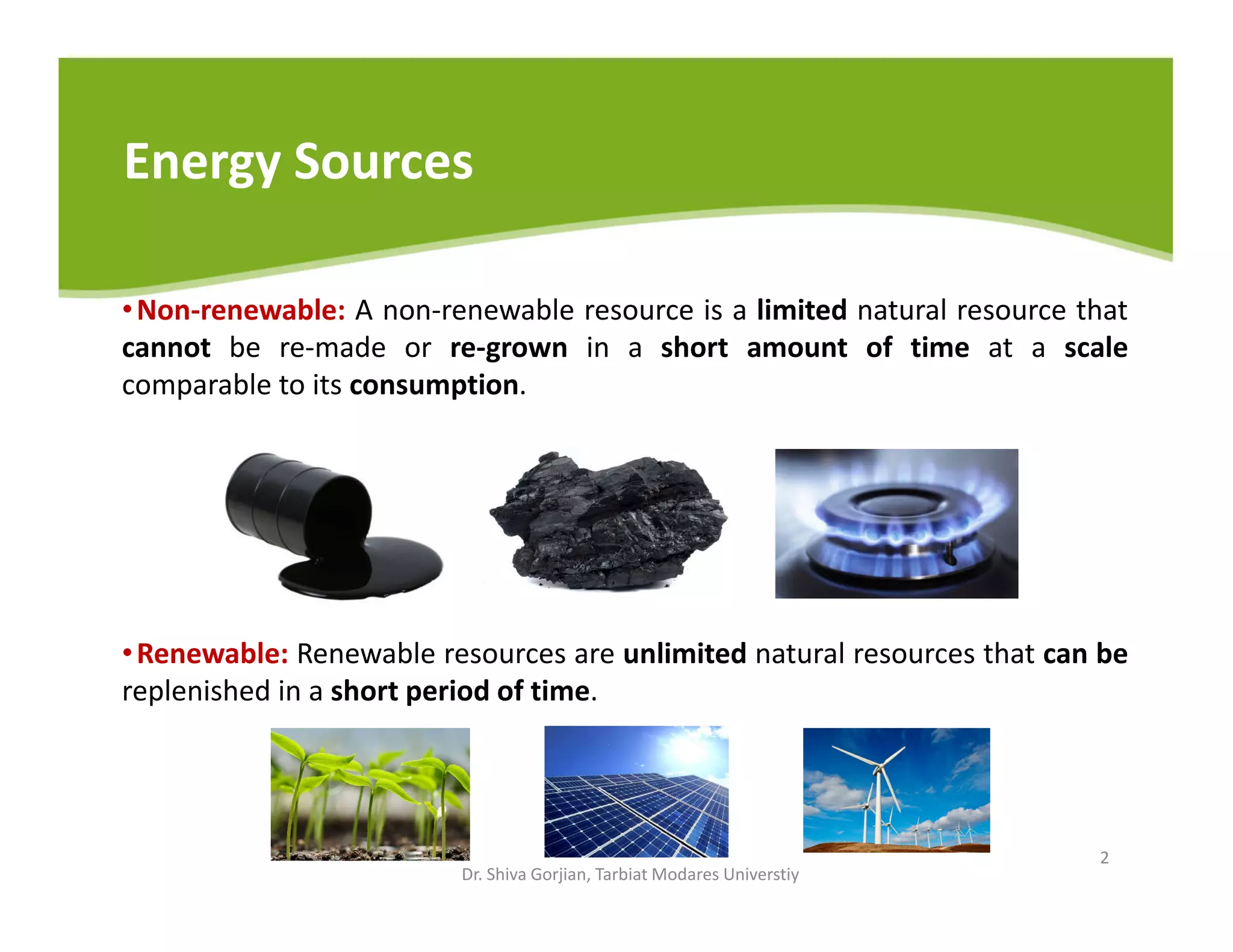
•Non-renewable: A non-renewable resource is a limited natural resource that
cannot be re-made or re-grown in a short amount of time at a scale
comparable to its consumption.
•Renewable: Renewable resources are unlimited natural resources that can be
replenished in a short period of time.
Dr. Shiva Gorjian, Tarbiat Modares Universtiy
2
Renewable Energy Sources
• Renewable energy is energy generated from natural resources—
such as sunlight, wind, rain, tides and geothermal heat—which are
renewable (naturally replenished).
• Solar energy
• Wind
• Hydropower
• Biomass
• Ocean energy
• Geothermal
• Waste to Energy
Dr. Shiva Gorjian, Tarbiat Modares Universtiy 3
Solar Energy
What Is Solar Power?
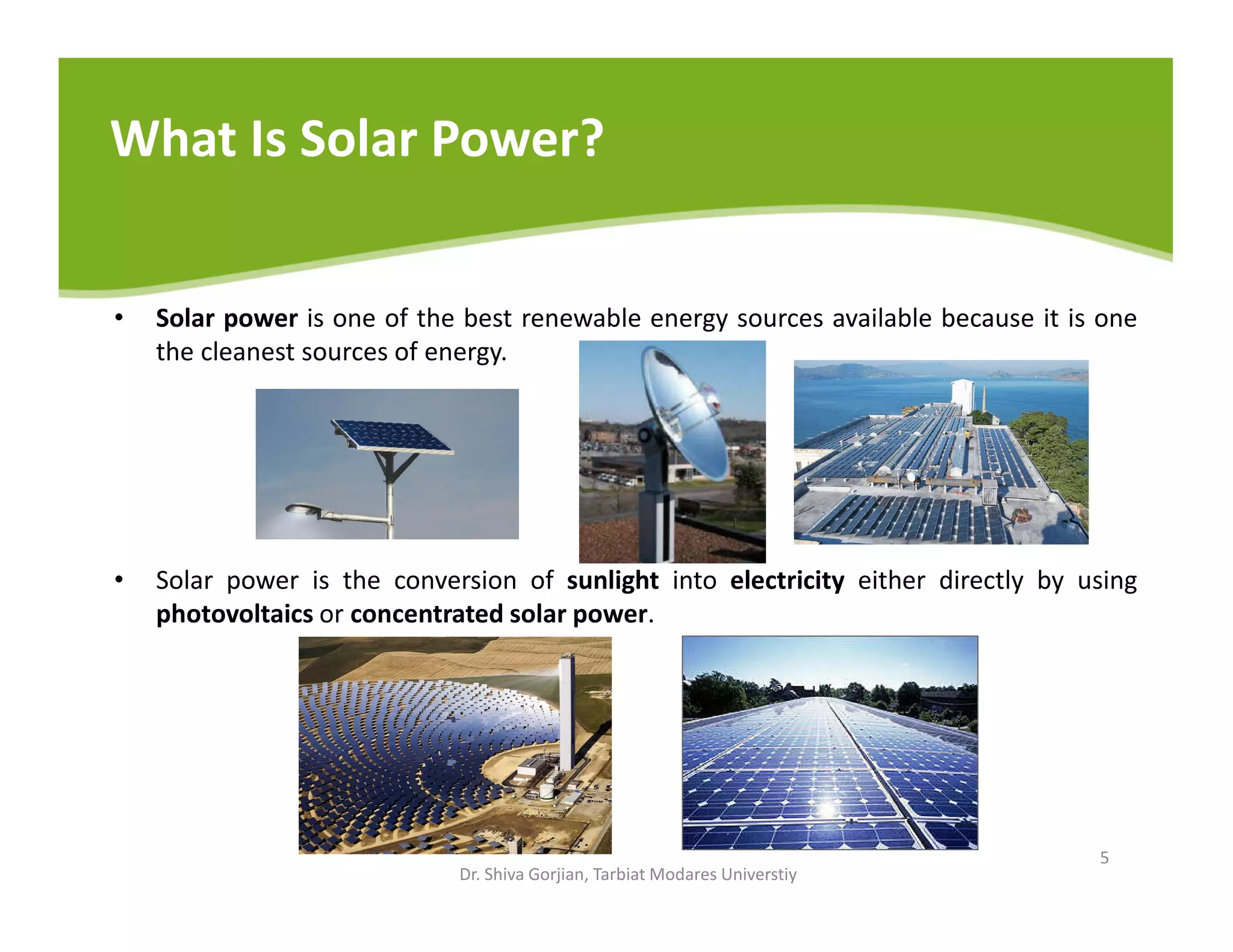
• Solar power is one of the best renewable energy sources available because it is one
the cleanest sources of energy.
• Solar power is the conversion of sunlight into electricity either directly by using
photovoltaics or concentrated solar power.
Dr. Shiva Gorjian, Tarbiat Modares Universtiy
5
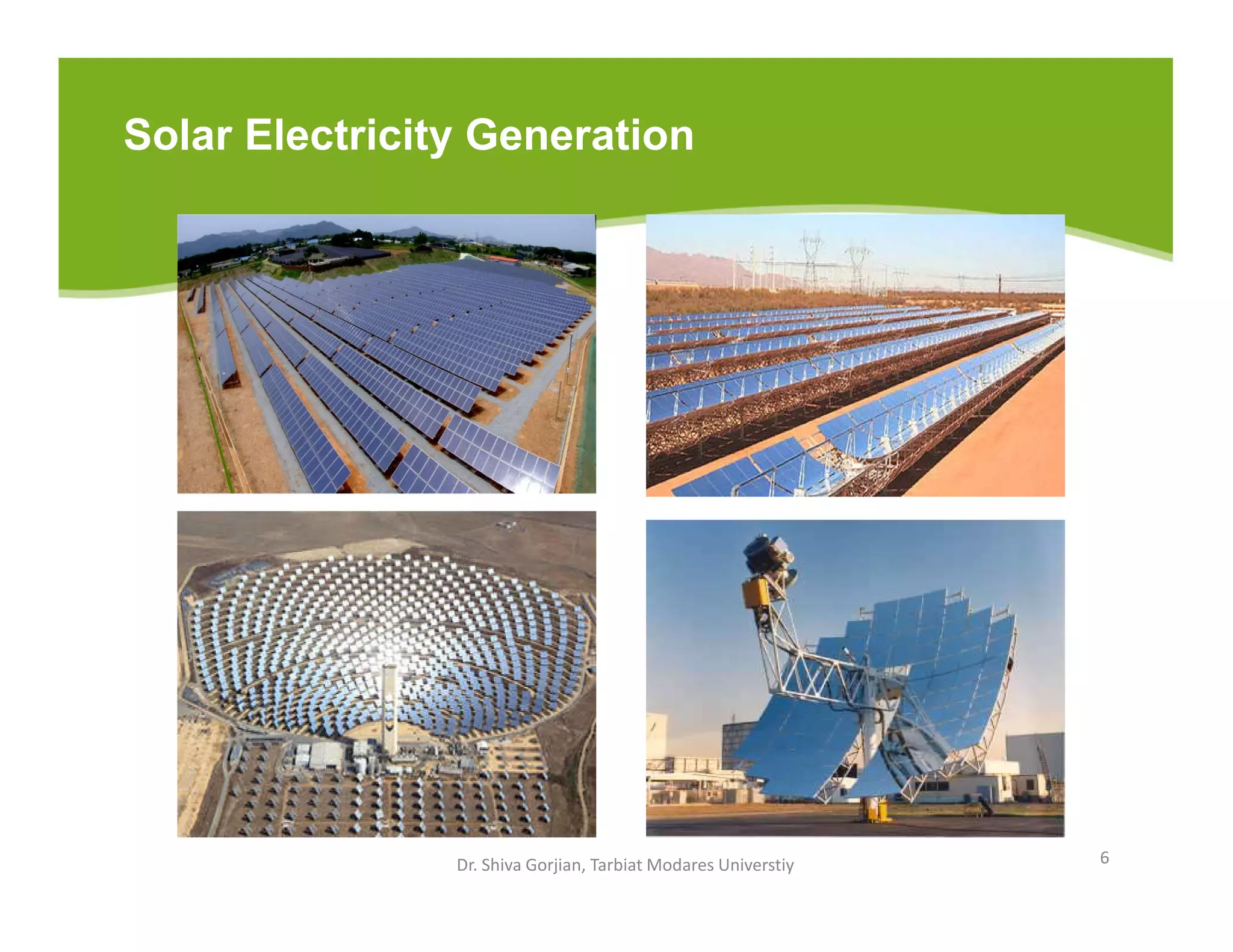
Solar Electricity Generation
Dr. Shiva Gorjian, Tarbiat Modares Universtiy 6
Different Types of Solar Collectors
Flat-plate Collector
Evacuated-tube Collector
Compound Parabolic Concentrator
Parabolic through Concentrator
Dr. Shiva Gorjian, Tarbiat Modares Universtiy
7
Cumulative Solar Electricity Capacity (2015)
Dr. Shiva Gorjian, Tarbiat Modares Universtiy
8
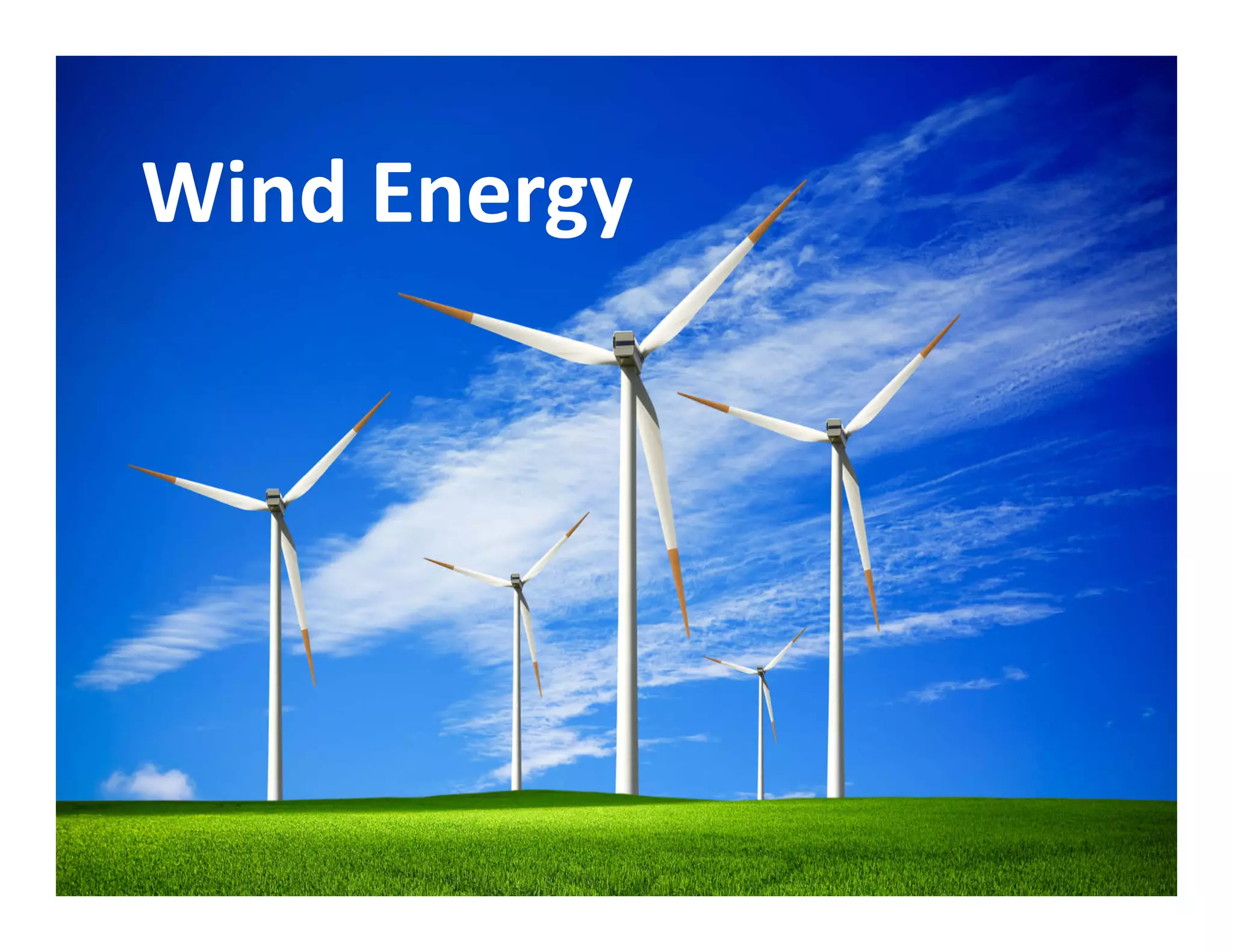
Wind Energy
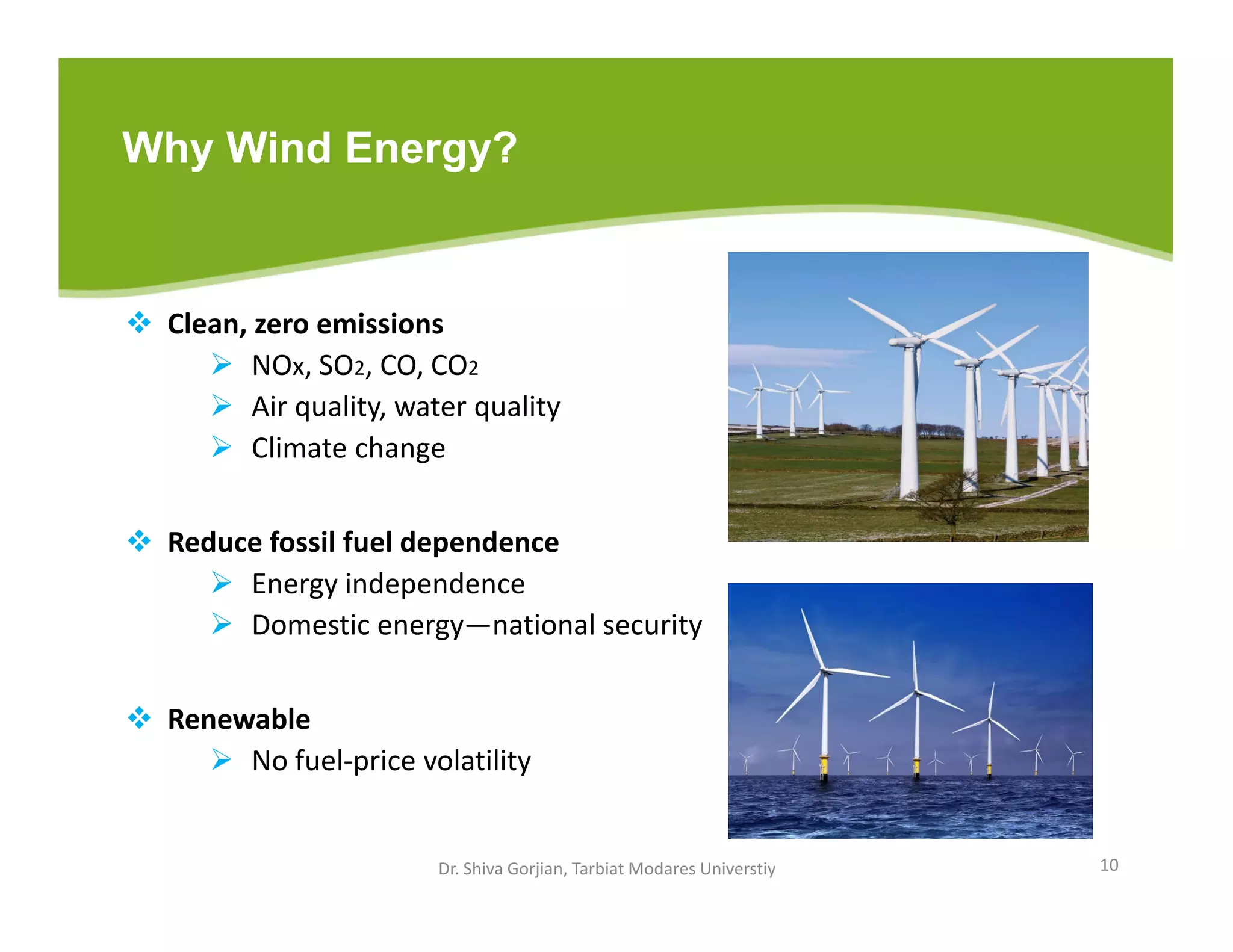
Why Wind Energy?
 Clean, zero emissions
 NOx, SO2, CO, CO2
 Air quality, water quality
 Climate change
 Reduce fossil fuel dependence
 Energy independence
 Domestic energy—national security
 Renewable
 No fuel-price volatility
Dr. Shiva Gorjian, Tarbiat Modares Universtiy 10
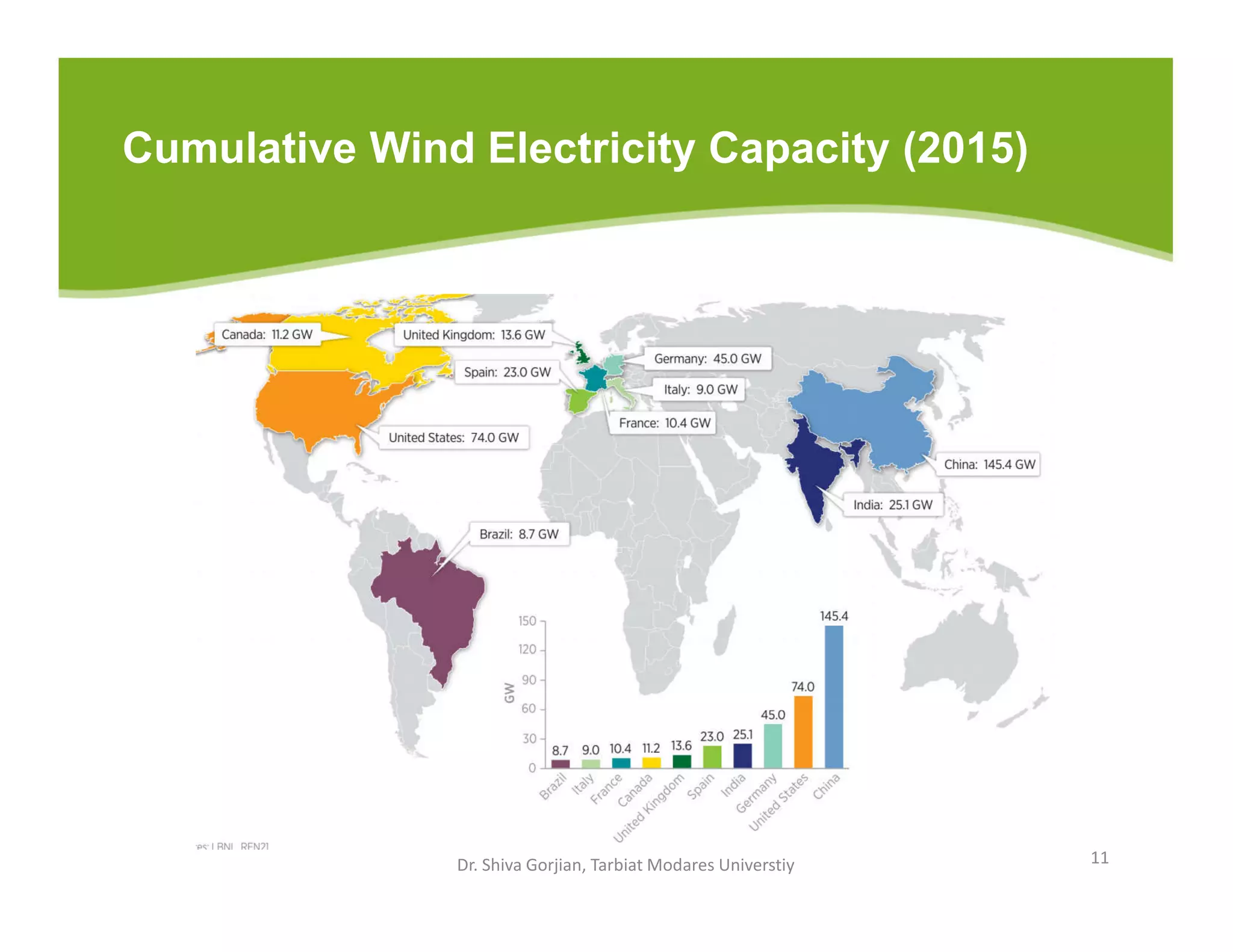
Cumulative Wind Electricity Capacity (2015)
Dr. Shiva Gorjian, Tarbiat Modares Universtiy 11
Modern Wind Turbines
Pros
• Omni-directional
• Accepts wind from any direction
• Components can be mounted at ground
level
• Ease of service
• Lighter weight towers
• Can theoretically use less materials to
capture the same amount of wind.
Cons
• Rotors generally near ground where
wind is poorer.
• Centrifugal force stresses blades.
• Poor self-starting capabilities.
• Requires support at top of turbine rotor.
• Requires entire rotor to be removed to
replace bearings.
• Overall poor performance and reliability.
Dr. Shiva Gorjian, Tarbiat Modares Universtiy
12
Dr. Shiva Gorjian, Tarbiat Modares Universtiy 13
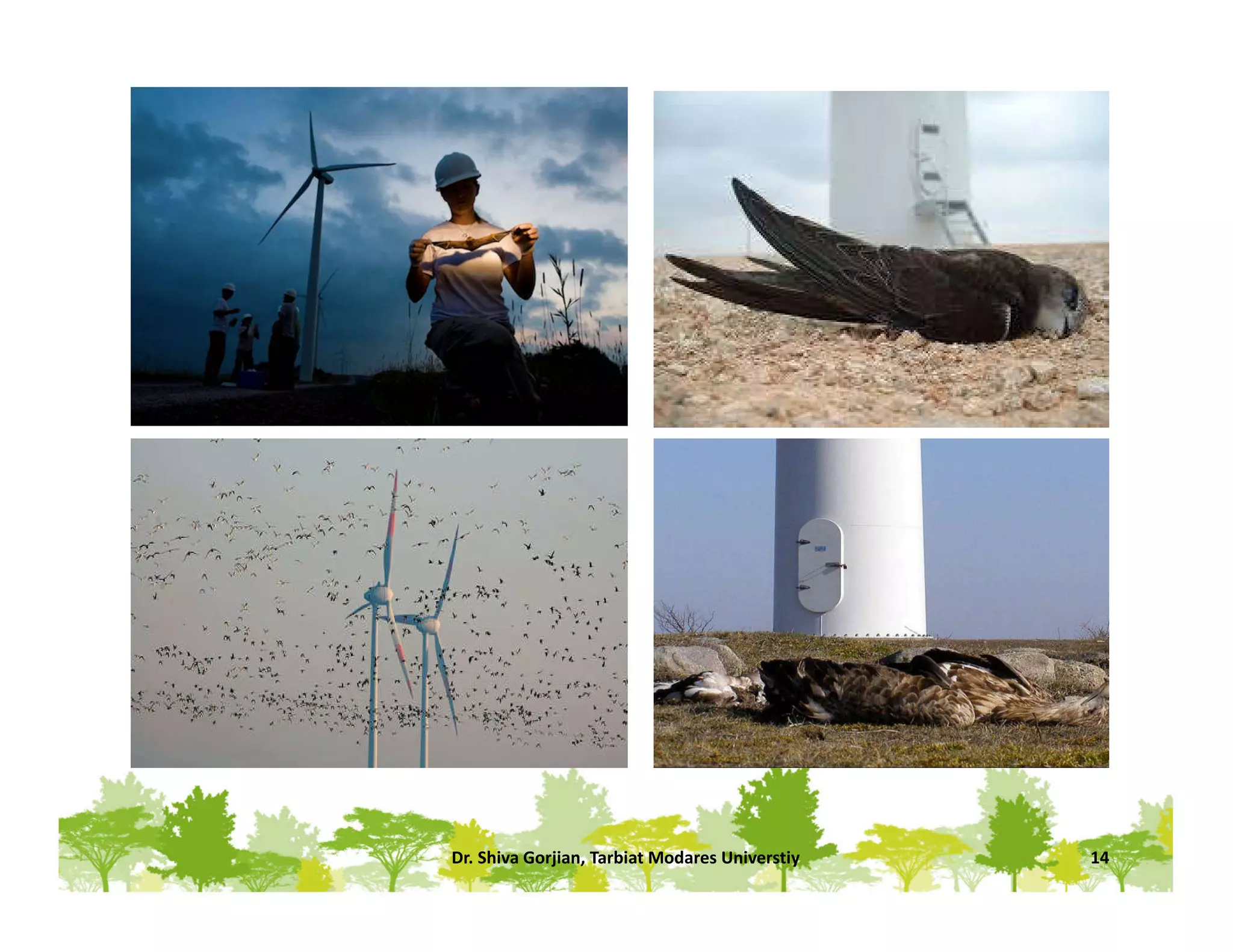
Dr. Shiva Gorjian, Tarbiat Modares Universtiy 14
Geothermal Energy
Geothermal Energy
• Geothermal heat is the only renewable energy source created naturally by the
Earth itself.
• Approximately 6400 km below the Earth’s surface is the core, where temperatures
can reach 5000°C.
• These reservoirs can be tapped for a variety of uses, such as to generate electricity
or to heat buildings.
• The geothermal energy potential in the 10 km of the Earth’s crust amounts to
50,000 times the energy of all oil and gas resources in the world.
Dr. Shiva Gorjian, Tarbiat Modares Universtiy
16
Cumulative Geothermal Electricity Capacity (2015)
Dr. Shiva Gorjian, Tarbiat Modares Universtiy
17
Geothermal Power Plant Technologies
Dr. Shiva Gorjian, Tarbiat Modares Universtiy 18
Geothermal Heat Pump Operating In Summer and
Winter Modes
Dr. Shiva Gorjian, Tarbiat Modares Universtiy 19
Geothermal Heat Pump
Dr. Shiva Gorjian, Tarbiat Modares Universtiy 20
Hydropower
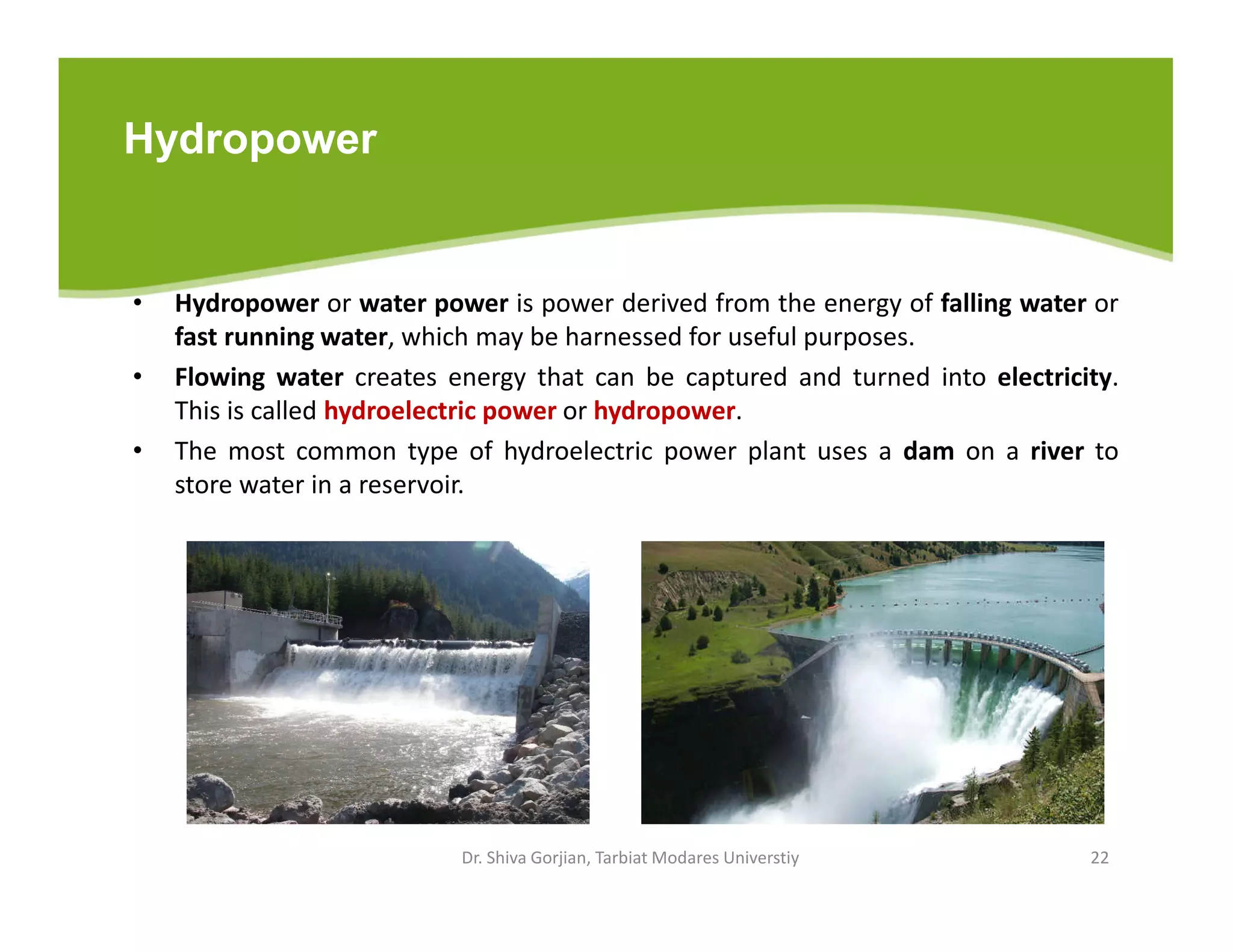
• Hydropower or water power is power derived from the energy of falling water or
fast running water, which may be harnessed for useful purposes.
• Flowing water creates energy that can be captured and turned into electricity.
This is called hydroelectric power or hydropower.
• The most common type of hydroelectric power plant uses a dam on a river to
store water in a reservoir.
Dr. Shiva Gorjian, Tarbiat Modares Universtiy 22
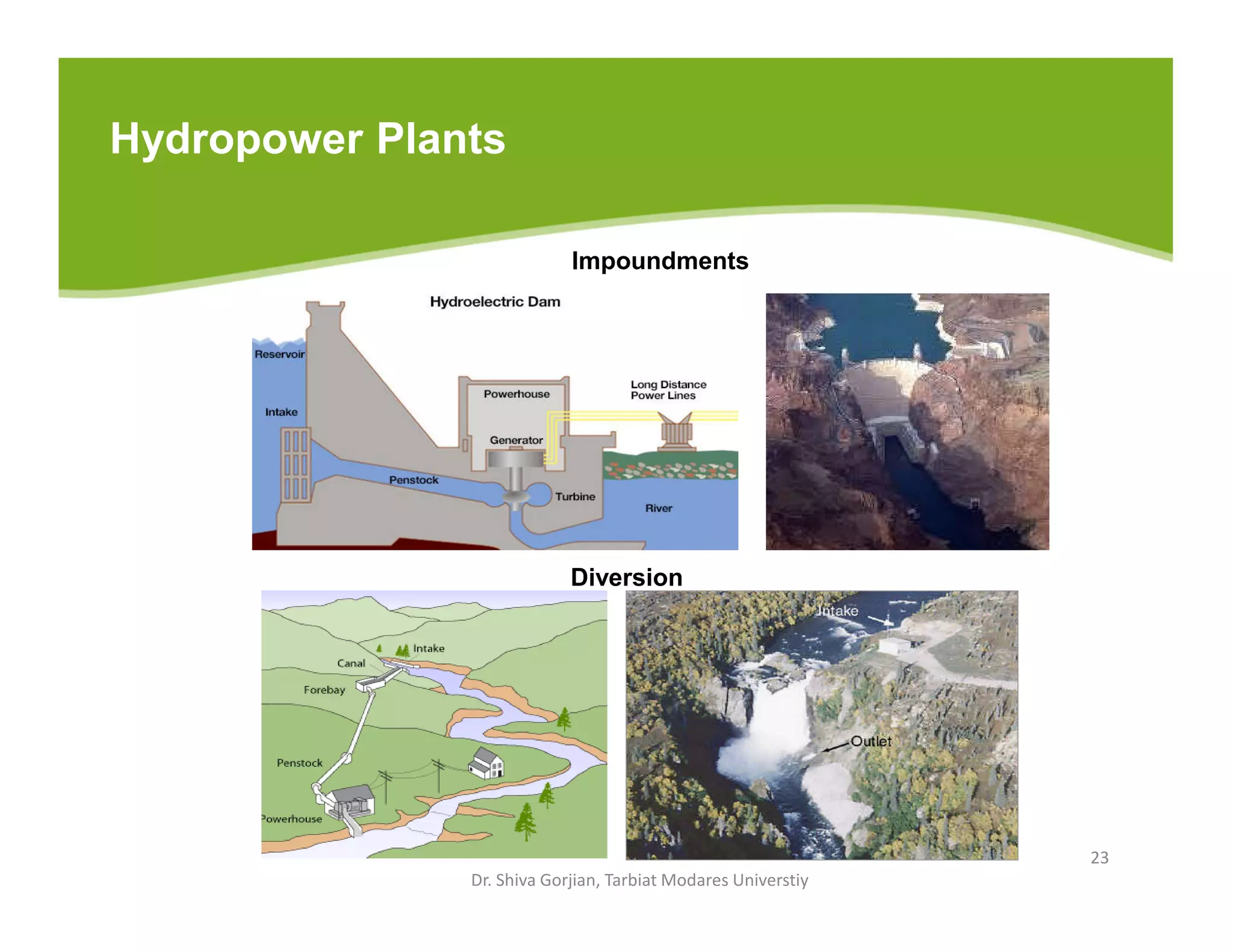
Hydropower Plants
Impoundments
Diversion
Dr. Shiva Gorjian, Tarbiat Modares Universtiy
23
Pumped Storage Hydropower Plant
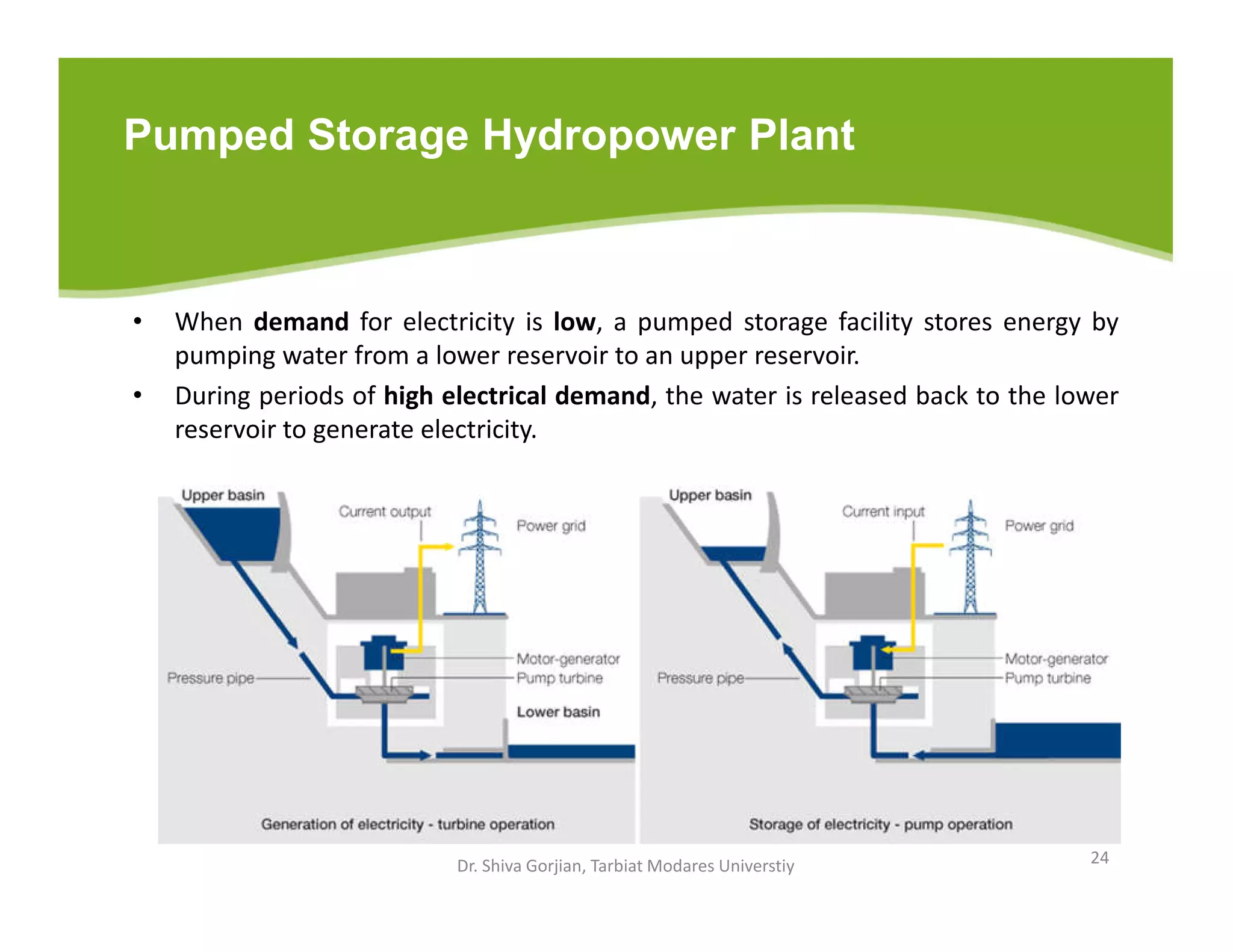
• When demand for electricity is low, a pumped storage facility stores energy by
pumping water from a lower reservoir to an upper reservoir.
• During periods of high electrical demand, the water is released back to the lower
reservoir to generate electricity.
Dr. Shiva Gorjian, Tarbiat Modares Universtiy 24
Dr. Shiva Gorjian, Tarbiat Modares Universtiy 25
Marine and Hydrokinetic Power
Dr. Shiva Gorjian, Tarbiat Modares
Universtiy
26
Marine and Hydrokinetic Energy
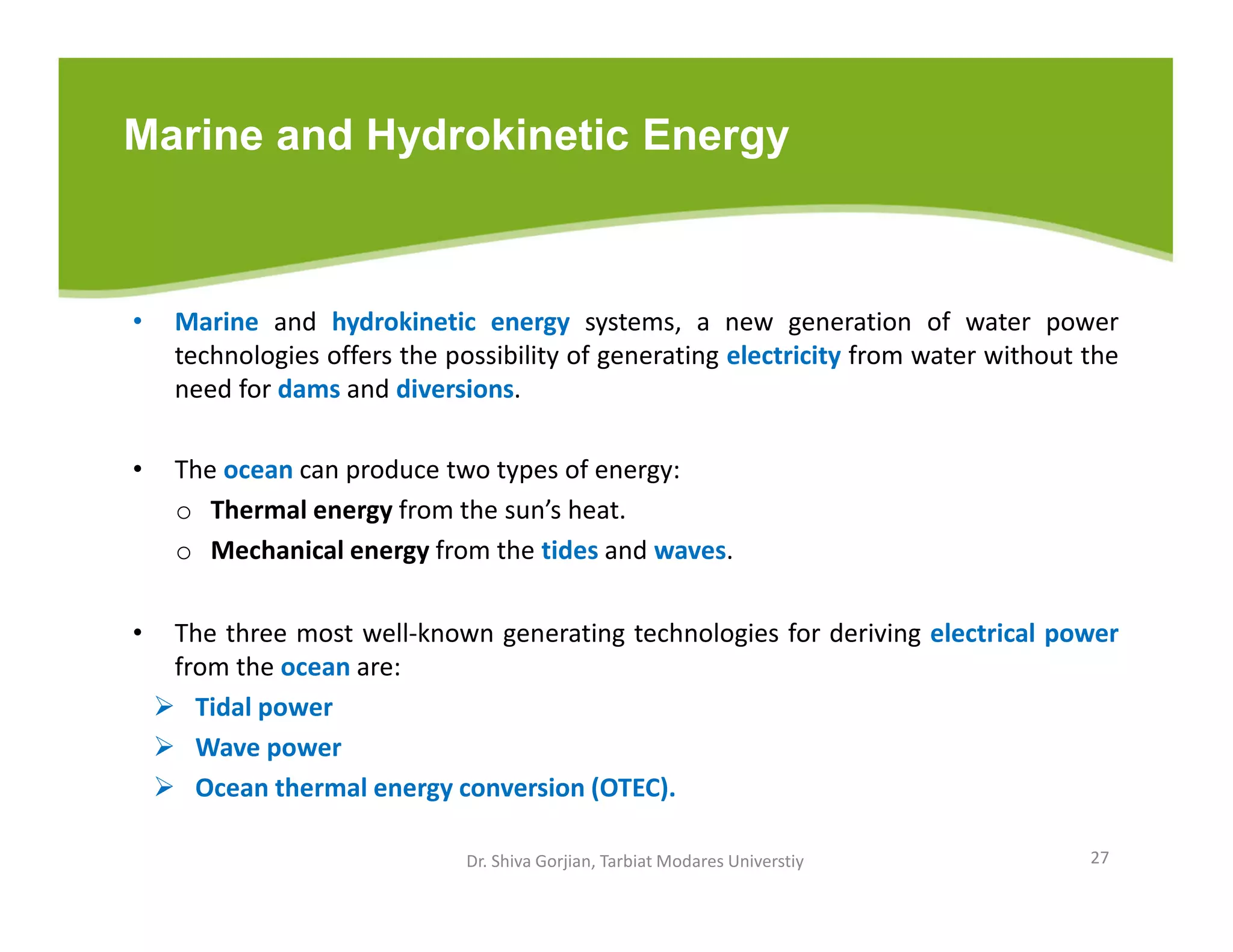
• Marine and hydrokinetic energy systems, a new generation of water power
technologies offers the possibility of generating electricity from water without the
need for dams and diversions.
• The ocean can produce two types of energy:
o Thermal energy from the sun’s heat.
o Mechanical energy from the tides and waves.
• The three most well-known generating technologies for deriving electrical power
from the ocean are:
 Tidal power
 Wave power
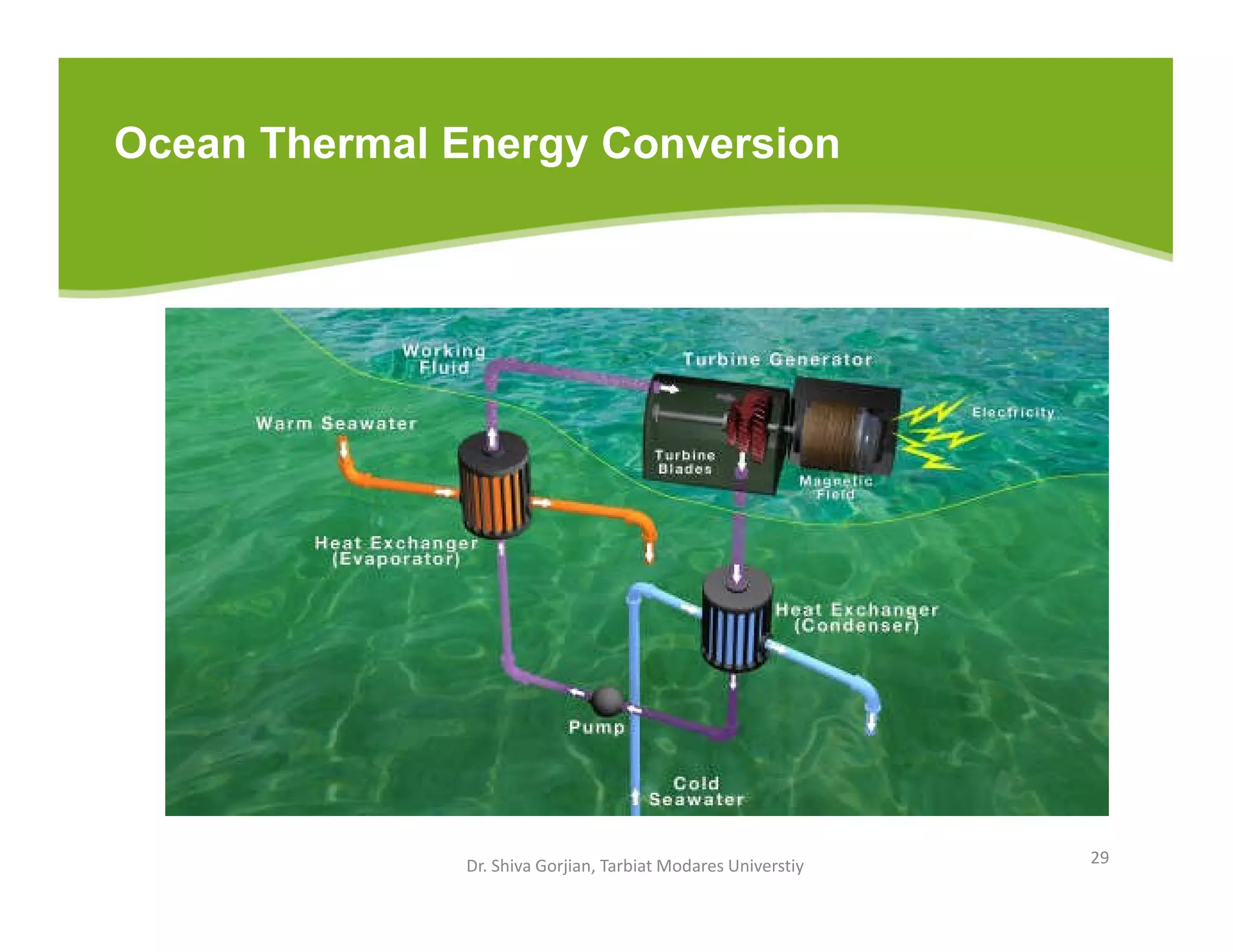
 Ocean thermal energy conversion (OTEC).
Dr. Shiva Gorjian, Tarbiat Modares Universtiy 27
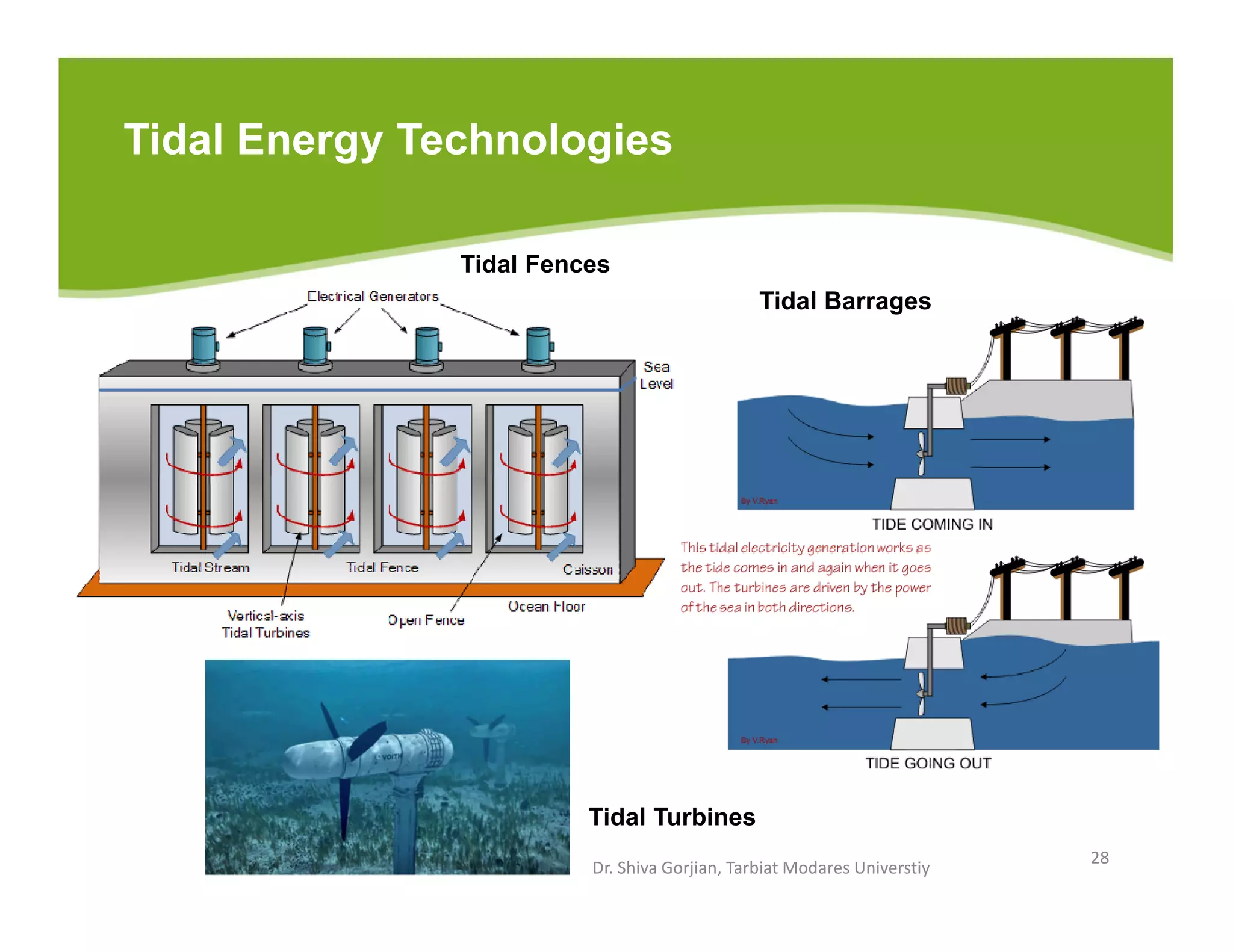
Tidal Energy Technologies
Tidal Barrages
Tidal Fences
Tidal Turbines
Dr. Shiva Gorjian, Tarbiat Modares Universtiy
28
Ocean Thermal Energy Conversion
Dr. Shiva Gorjian, Tarbiat Modares Universtiy 29
Wave Energy
Point Absorber
Terminator
Dr. Shiva Gorjian, Tarbiat Modares Universtiy
30
Biopower
Biomass
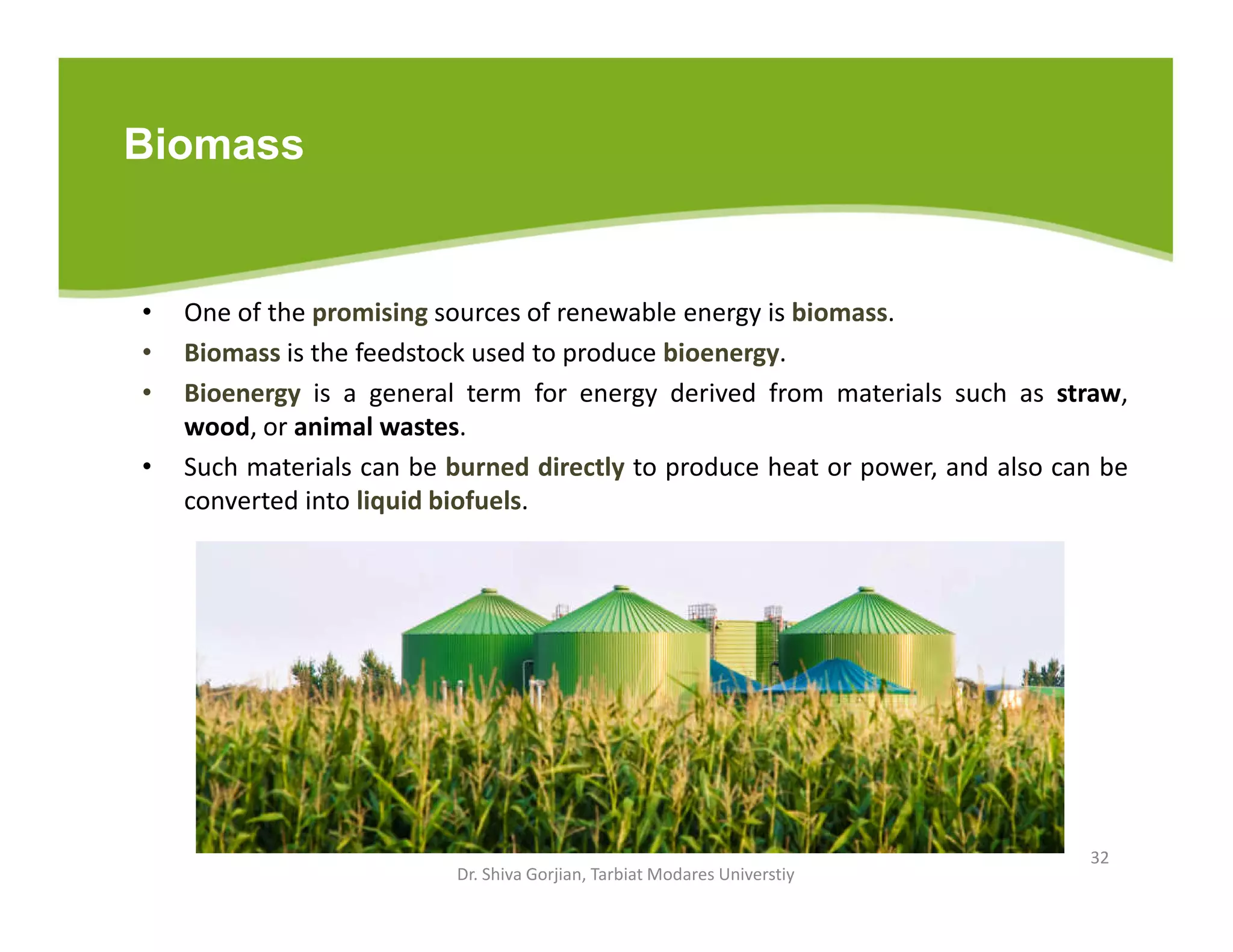
• One of the promising sources of renewable energy is biomass.
• Biomass is the feedstock used to produce bioenergy.
• Bioenergy is a general term for energy derived from materials such as straw,
wood, or animal wastes.
• Such materials can be burned directly to produce heat or power, and also can be
converted into liquid biofuels.
Dr. Shiva Gorjian, Tarbiat Modares Universtiy
32
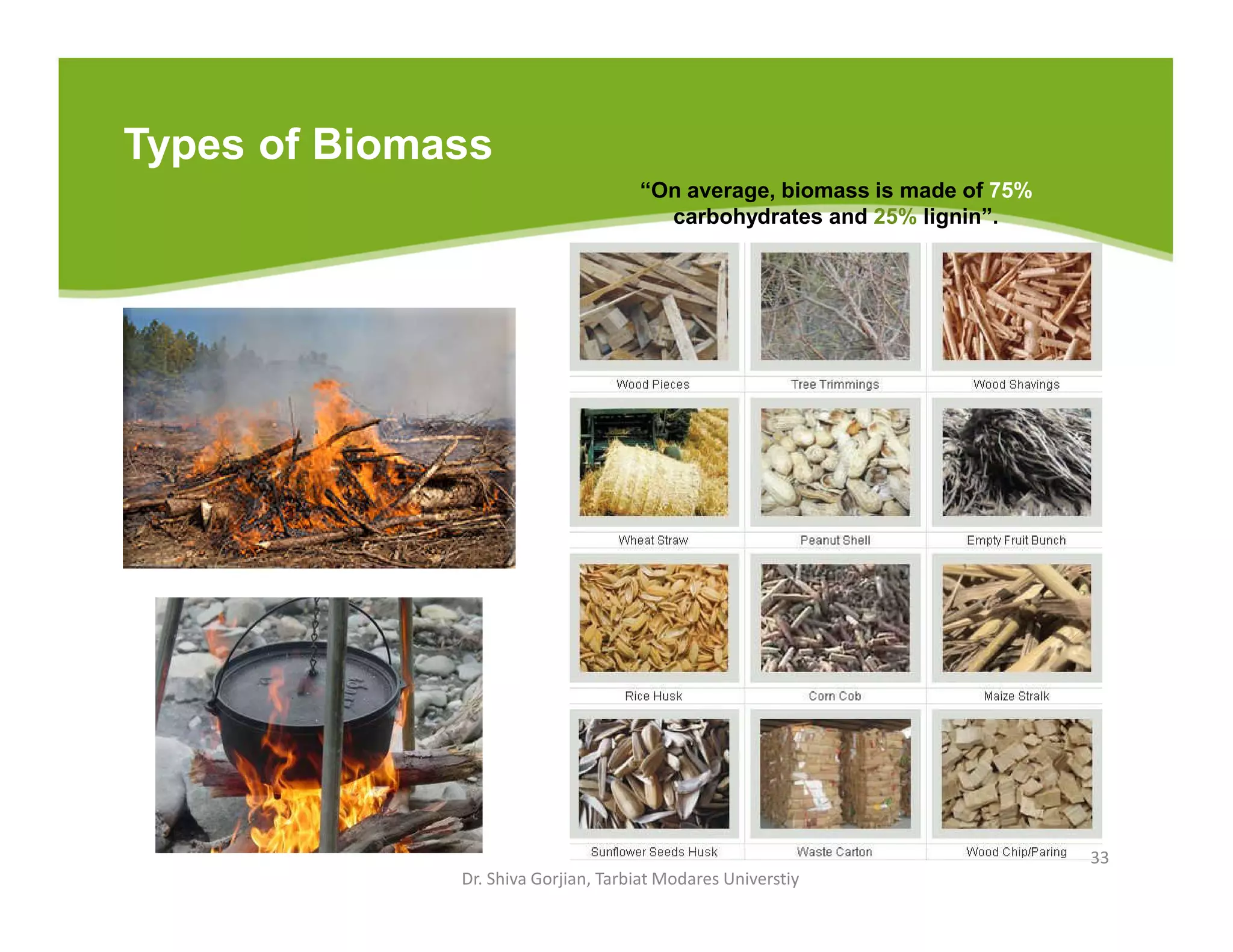
Types of Biomass
“On average, biomass is made of 75%
carbohydrates and 25% lignin”.
Dr. Shiva Gorjian, Tarbiat Modares Universtiy
33
Biomass Direct Combustion
• There are two main components of a combustion–based biomass plant:
oBiomass-fired boiler.
oSteam turbine.
Dr. Shiva Gorjian, Tarbiat Modares Universtiy
34
Anaerobic Digestion
Dr. Shiva Gorjian, Tarbiat Modares Universtiy 35
Biodiesel and Bioethanol Production
• Biodiesel refers to a vegetable oil or animal fat-
based diesel fuel which is typically made by
chemically reacting lipids (vegetable oil, soybean
oil, animal fat) with an alcohol producing fatty
acid esters.
• Bioethanol is an alcohol made by fermentation,
mostly from carbohydrates produced
in sugar or starch crops.
• Cellulosic biomass, derived from non-food
sources, such as trees and grasses, is also being
developed as a feedstock for ethanol production.
Dr. Shiva Gorjian, Tarbiat Modares Universtiy 36
Global Ethanol Production
Dr. Shiva Gorjian, Tarbiat Modares Universtiy 37
Top Five Regions (2015) Ethanol Production (millions of gallons)
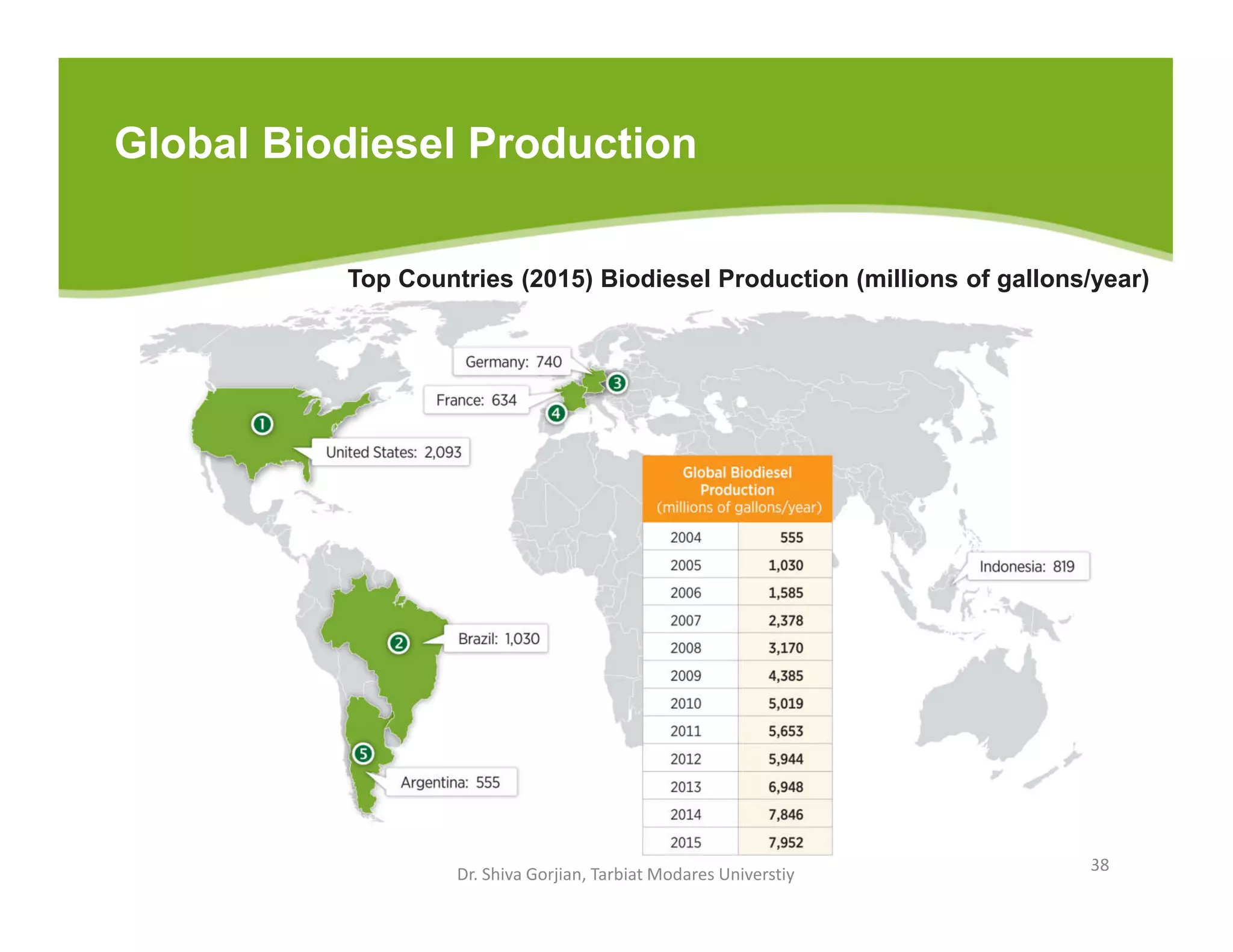
Global Biodiesel Production
Dr. Shiva Gorjian, Tarbiat Modares Universtiy 38
Top Countries (2015) Biodiesel Production (millions of gallons/year)
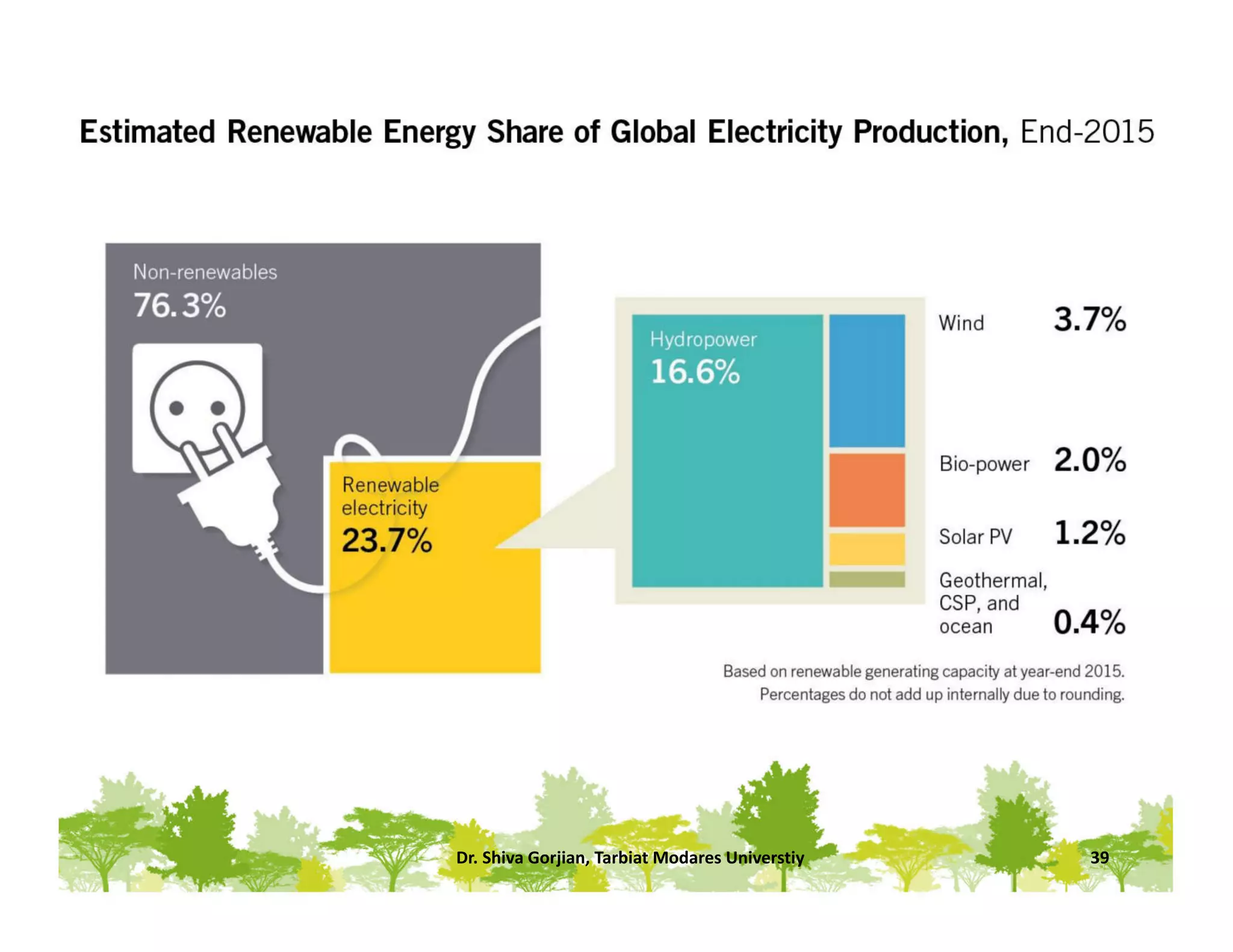
Dr. Shiva Gorjian, Tarbiat Modares Universtiy 39
Top Countries for Renewable Electricity Installed
Capacity (2015)
Dr. Shiva Gorjian, Tarbiat Modares Universtiy 40
Top Countries with Installed Renewable Electricity by
Technology (2015)
Dr. Shiva Gorjian, Tarbiat Modares Universtiy 41
Renewable Energy Technologies

Renewable Energy Technologies

  • 1.
    Renewable Energy Technologies Dr.Shiva Gorjian Mechanical & Biosystems Eng. Dep. Tarbiat Modares University (TMU) Tehran, Iran
  • 2.
    Energy Sources •Non-renewable: Anon-renewable resource is a limited natural resource that cannot be re-made or re-grown in a short amount of time at a scale comparable to its consumption. •Renewable: Renewable resources are unlimited natural resources that can be replenished in a short period of time. Dr. Shiva Gorjian, Tarbiat Modares Universtiy 2
  • 3.
    Renewable Energy Sources •Renewable energy is energy generated from natural resources— such as sunlight, wind, rain, tides and geothermal heat—which are renewable (naturally replenished). • Solar energy • Wind • Hydropower • Biomass • Ocean energy • Geothermal • Waste to Energy Dr. Shiva Gorjian, Tarbiat Modares Universtiy 3
  • 4.
  • 5.
    What Is SolarPower? • Solar power is one of the best renewable energy sources available because it is one the cleanest sources of energy. • Solar power is the conversion of sunlight into electricity either directly by using photovoltaics or concentrated solar power. Dr. Shiva Gorjian, Tarbiat Modares Universtiy 5
  • 6.
    Solar Electricity Generation Dr.Shiva Gorjian, Tarbiat Modares Universtiy 6
  • 7.
    Different Types ofSolar Collectors Flat-plate Collector Evacuated-tube Collector Compound Parabolic Concentrator Parabolic through Concentrator Dr. Shiva Gorjian, Tarbiat Modares Universtiy 7
  • 8.
    Cumulative Solar ElectricityCapacity (2015) Dr. Shiva Gorjian, Tarbiat Modares Universtiy 8
  • 9.
  • 10.
    Why Wind Energy? Clean, zero emissions  NOx, SO2, CO, CO2  Air quality, water quality  Climate change  Reduce fossil fuel dependence  Energy independence  Domestic energy—national security  Renewable  No fuel-price volatility Dr. Shiva Gorjian, Tarbiat Modares Universtiy 10
  • 11.
    Cumulative Wind ElectricityCapacity (2015) Dr. Shiva Gorjian, Tarbiat Modares Universtiy 11
  • 12.
    Modern Wind Turbines Pros •Omni-directional • Accepts wind from any direction • Components can be mounted at ground level • Ease of service • Lighter weight towers • Can theoretically use less materials to capture the same amount of wind. Cons • Rotors generally near ground where wind is poorer. • Centrifugal force stresses blades. • Poor self-starting capabilities. • Requires support at top of turbine rotor. • Requires entire rotor to be removed to replace bearings. • Overall poor performance and reliability. Dr. Shiva Gorjian, Tarbiat Modares Universtiy 12
  • 13.
    Dr. Shiva Gorjian,Tarbiat Modares Universtiy 13
  • 14.
    Dr. Shiva Gorjian,Tarbiat Modares Universtiy 14
  • 15.
  • 16.
    Geothermal Energy • Geothermalheat is the only renewable energy source created naturally by the Earth itself. • Approximately 6400 km below the Earth’s surface is the core, where temperatures can reach 5000°C. • These reservoirs can be tapped for a variety of uses, such as to generate electricity or to heat buildings. • The geothermal energy potential in the 10 km of the Earth’s crust amounts to 50,000 times the energy of all oil and gas resources in the world. Dr. Shiva Gorjian, Tarbiat Modares Universtiy 16
  • 17.
    Cumulative Geothermal ElectricityCapacity (2015) Dr. Shiva Gorjian, Tarbiat Modares Universtiy 17
  • 18.
    Geothermal Power PlantTechnologies Dr. Shiva Gorjian, Tarbiat Modares Universtiy 18
  • 19.
    Geothermal Heat PumpOperating In Summer and Winter Modes Dr. Shiva Gorjian, Tarbiat Modares Universtiy 19
  • 20.
    Geothermal Heat Pump Dr.Shiva Gorjian, Tarbiat Modares Universtiy 20
  • 22.
    Hydropower • Hydropower orwater power is power derived from the energy of falling water or fast running water, which may be harnessed for useful purposes. • Flowing water creates energy that can be captured and turned into electricity. This is called hydroelectric power or hydropower. • The most common type of hydroelectric power plant uses a dam on a river to store water in a reservoir. Dr. Shiva Gorjian, Tarbiat Modares Universtiy 22
  • 23.
    Hydropower Plants Impoundments Diversion Dr. ShivaGorjian, Tarbiat Modares Universtiy 23
  • 24.
    Pumped Storage HydropowerPlant • When demand for electricity is low, a pumped storage facility stores energy by pumping water from a lower reservoir to an upper reservoir. • During periods of high electrical demand, the water is released back to the lower reservoir to generate electricity. Dr. Shiva Gorjian, Tarbiat Modares Universtiy 24
  • 25.
    Dr. Shiva Gorjian,Tarbiat Modares Universtiy 25
  • 26.
    Marine and HydrokineticPower Dr. Shiva Gorjian, Tarbiat Modares Universtiy 26
  • 27.
    Marine and HydrokineticEnergy • Marine and hydrokinetic energy systems, a new generation of water power technologies offers the possibility of generating electricity from water without the need for dams and diversions. • The ocean can produce two types of energy: o Thermal energy from the sun’s heat. o Mechanical energy from the tides and waves. • The three most well-known generating technologies for deriving electrical power from the ocean are:  Tidal power  Wave power  Ocean thermal energy conversion (OTEC). Dr. Shiva Gorjian, Tarbiat Modares Universtiy 27
  • 28.
    Tidal Energy Technologies TidalBarrages Tidal Fences Tidal Turbines Dr. Shiva Gorjian, Tarbiat Modares Universtiy 28
  • 29.
    Ocean Thermal EnergyConversion Dr. Shiva Gorjian, Tarbiat Modares Universtiy 29
  • 30.
    Wave Energy Point Absorber Terminator Dr.Shiva Gorjian, Tarbiat Modares Universtiy 30
  • 31.
  • 32.
    Biomass • One ofthe promising sources of renewable energy is biomass. • Biomass is the feedstock used to produce bioenergy. • Bioenergy is a general term for energy derived from materials such as straw, wood, or animal wastes. • Such materials can be burned directly to produce heat or power, and also can be converted into liquid biofuels. Dr. Shiva Gorjian, Tarbiat Modares Universtiy 32
  • 33.
    Types of Biomass “Onaverage, biomass is made of 75% carbohydrates and 25% lignin”. Dr. Shiva Gorjian, Tarbiat Modares Universtiy 33
  • 34.
    Biomass Direct Combustion •There are two main components of a combustion–based biomass plant: oBiomass-fired boiler. oSteam turbine. Dr. Shiva Gorjian, Tarbiat Modares Universtiy 34
  • 35.
    Anaerobic Digestion Dr. ShivaGorjian, Tarbiat Modares Universtiy 35
  • 36.
    Biodiesel and BioethanolProduction • Biodiesel refers to a vegetable oil or animal fat- based diesel fuel which is typically made by chemically reacting lipids (vegetable oil, soybean oil, animal fat) with an alcohol producing fatty acid esters. • Bioethanol is an alcohol made by fermentation, mostly from carbohydrates produced in sugar or starch crops. • Cellulosic biomass, derived from non-food sources, such as trees and grasses, is also being developed as a feedstock for ethanol production. Dr. Shiva Gorjian, Tarbiat Modares Universtiy 36
  • 37.
    Global Ethanol Production Dr.Shiva Gorjian, Tarbiat Modares Universtiy 37 Top Five Regions (2015) Ethanol Production (millions of gallons)
  • 38.
    Global Biodiesel Production Dr.Shiva Gorjian, Tarbiat Modares Universtiy 38 Top Countries (2015) Biodiesel Production (millions of gallons/year)
  • 39.
    Dr. Shiva Gorjian,Tarbiat Modares Universtiy 39
  • 40.
    Top Countries forRenewable Electricity Installed Capacity (2015) Dr. Shiva Gorjian, Tarbiat Modares Universtiy 40
  • 41.
    Top Countries withInstalled Renewable Electricity by Technology (2015) Dr. Shiva Gorjian, Tarbiat Modares Universtiy 41