STAFF MEETING
Rainbow Nursery
October 2017
Sammy Fugler
Work with your partner/s to complete
the Behviour quiz!
Key messages
1. Clear expectations
2. Positive learning environment
3. Consistent framework
4. Reflect
Ground Rules
Use ground rules as a basis for promoting positive
behaviour and discouraging unwanted behaviour
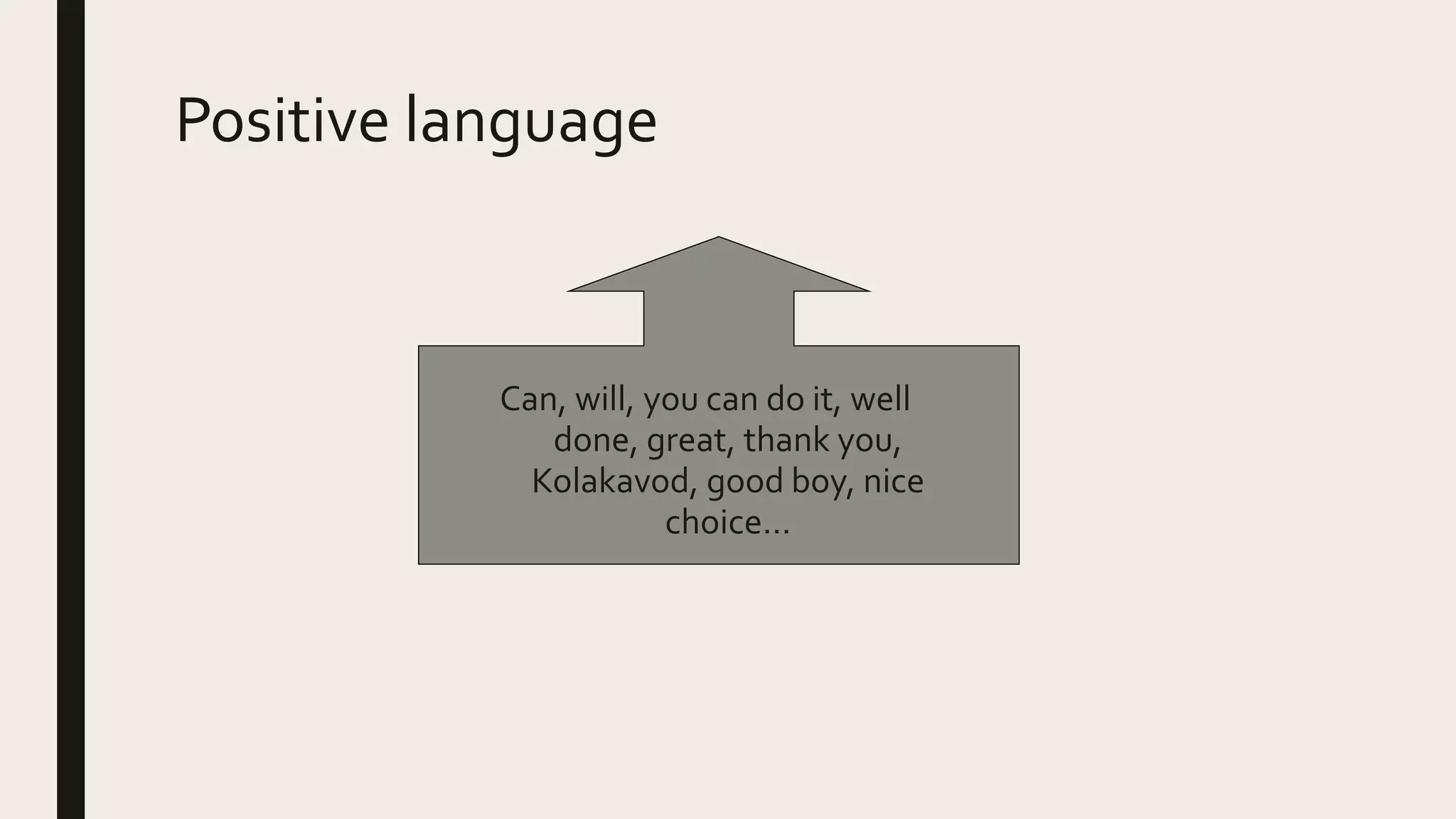
Positive language
Can, will, you can do it, well
done, great, thank you,
Kolakavod, good boy, nice
choice…
Positive behaviour
■ Co-operating with each other
■ Encouraging each other
■ Helping others
■ Asserting oneself
■ Full involvement in a chosen activity
■ Taking on new challenges
■ Showing empathy
■ Taking responsibility
■ Sharing
Encouraging positive behaviour
■ Clear rules
■ listen to and observe what children communicate both verbally and
non-verbally;
■ praise and respond appropriately to all forms of children's positive
behaviour
■ promote and reinforce positive behaviour by example;
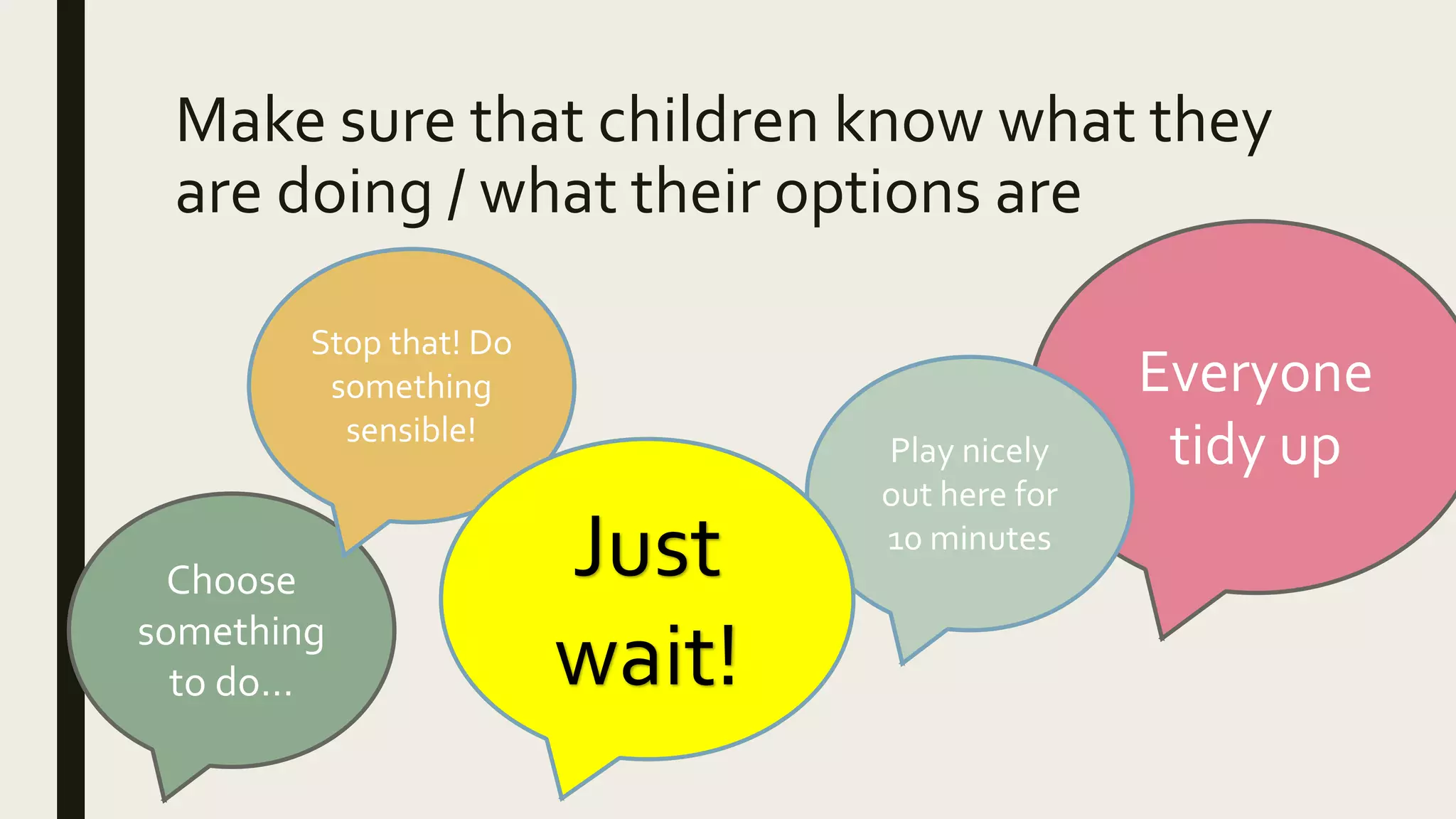
Make sure that children know what they
are doing / what their options are
Choose
something
to do…
Everyone
tidy up
Stop that! Do
something
sensible!
Play nicely
out here for
10 minutes
Just
wait!
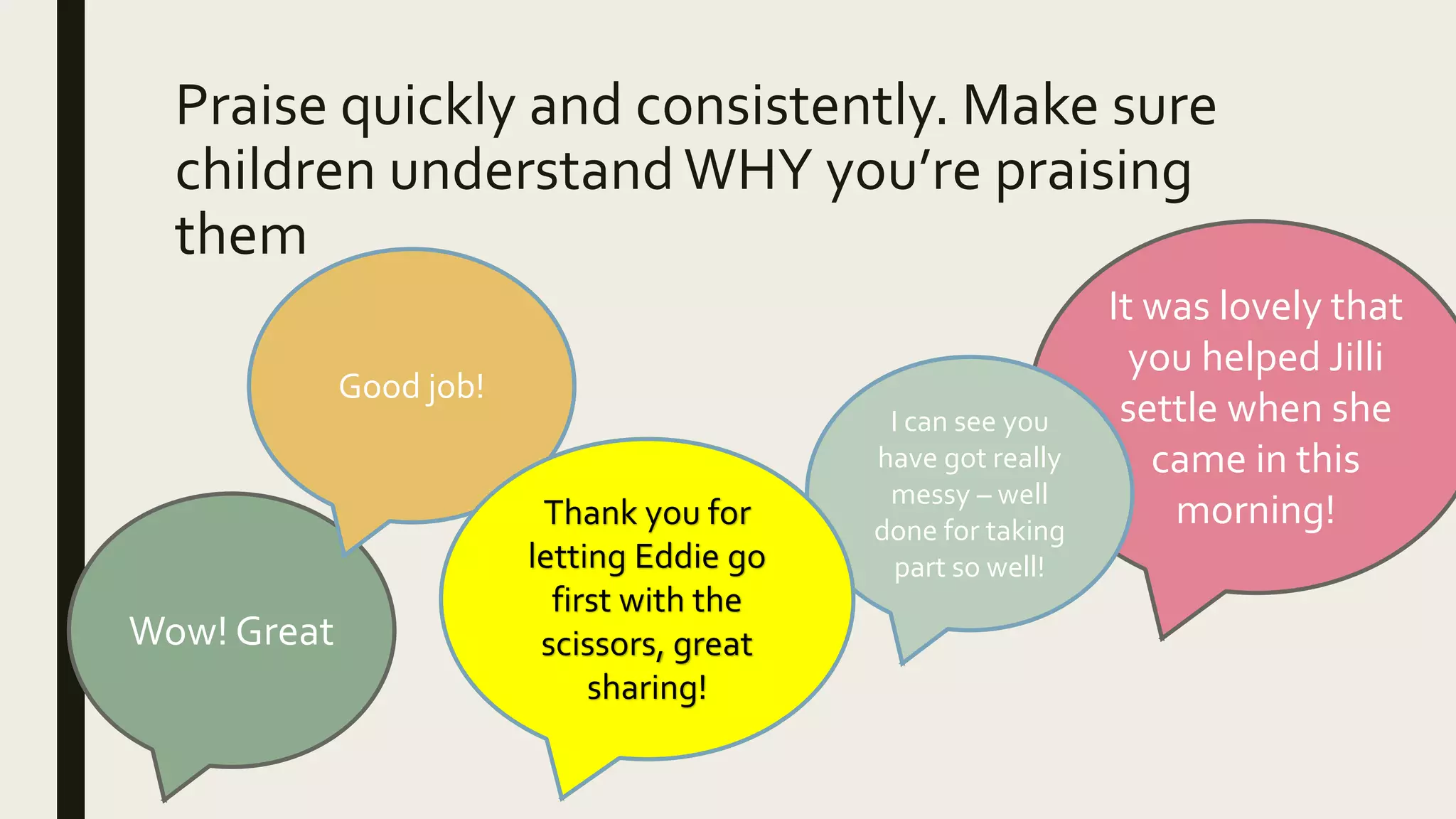
Praise quickly and consistently. Make sure
children understandWHY you’re praising
them
Wow! Great
It was lovely that
you helped Jilli
settle when she
came in this
morning!
Good job!
I can see you
have got really
messy – well
done for taking
part so well!
Thank you for
letting Eddie go
first with the
scissors, great
sharing!
Key concept
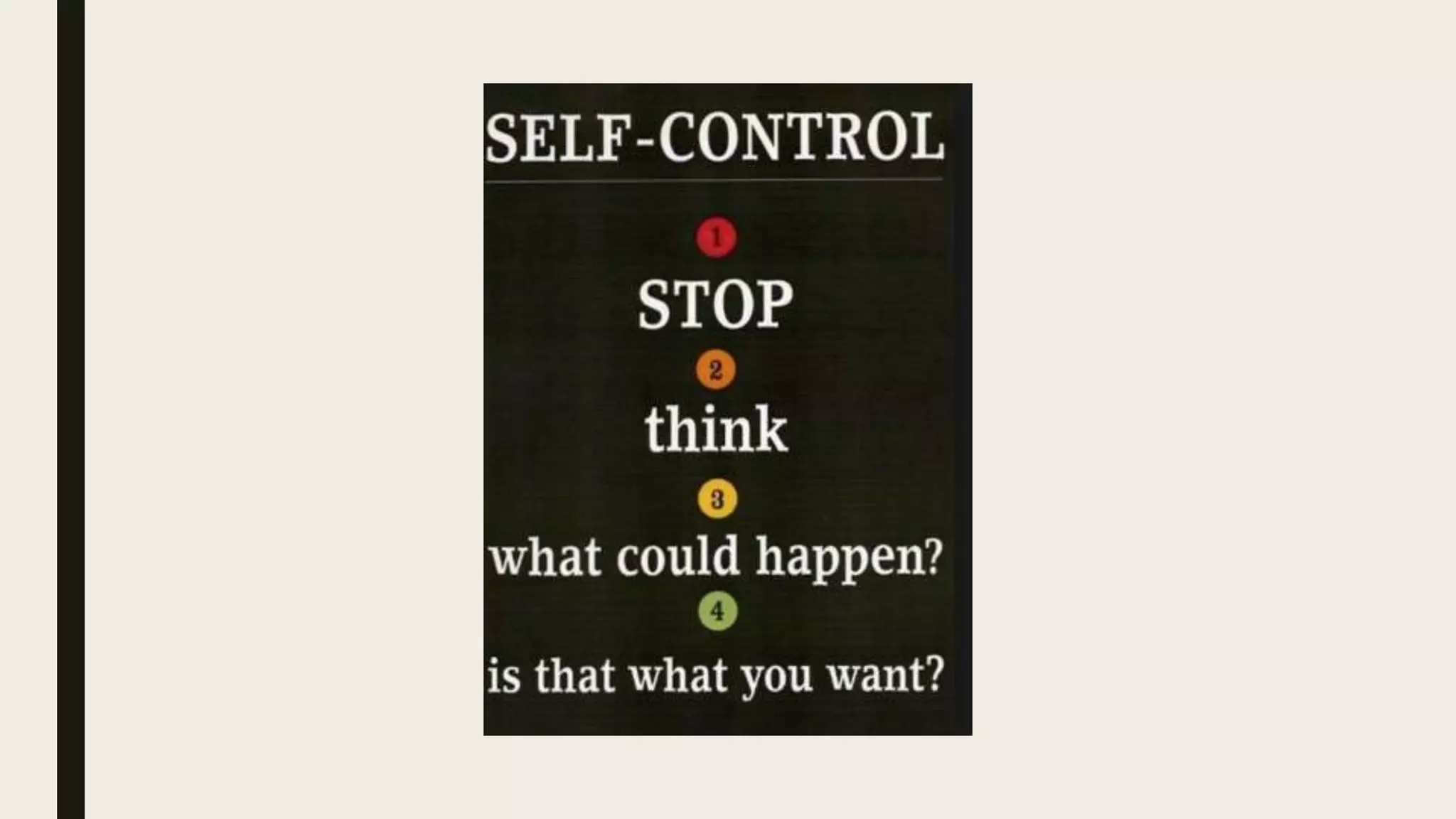
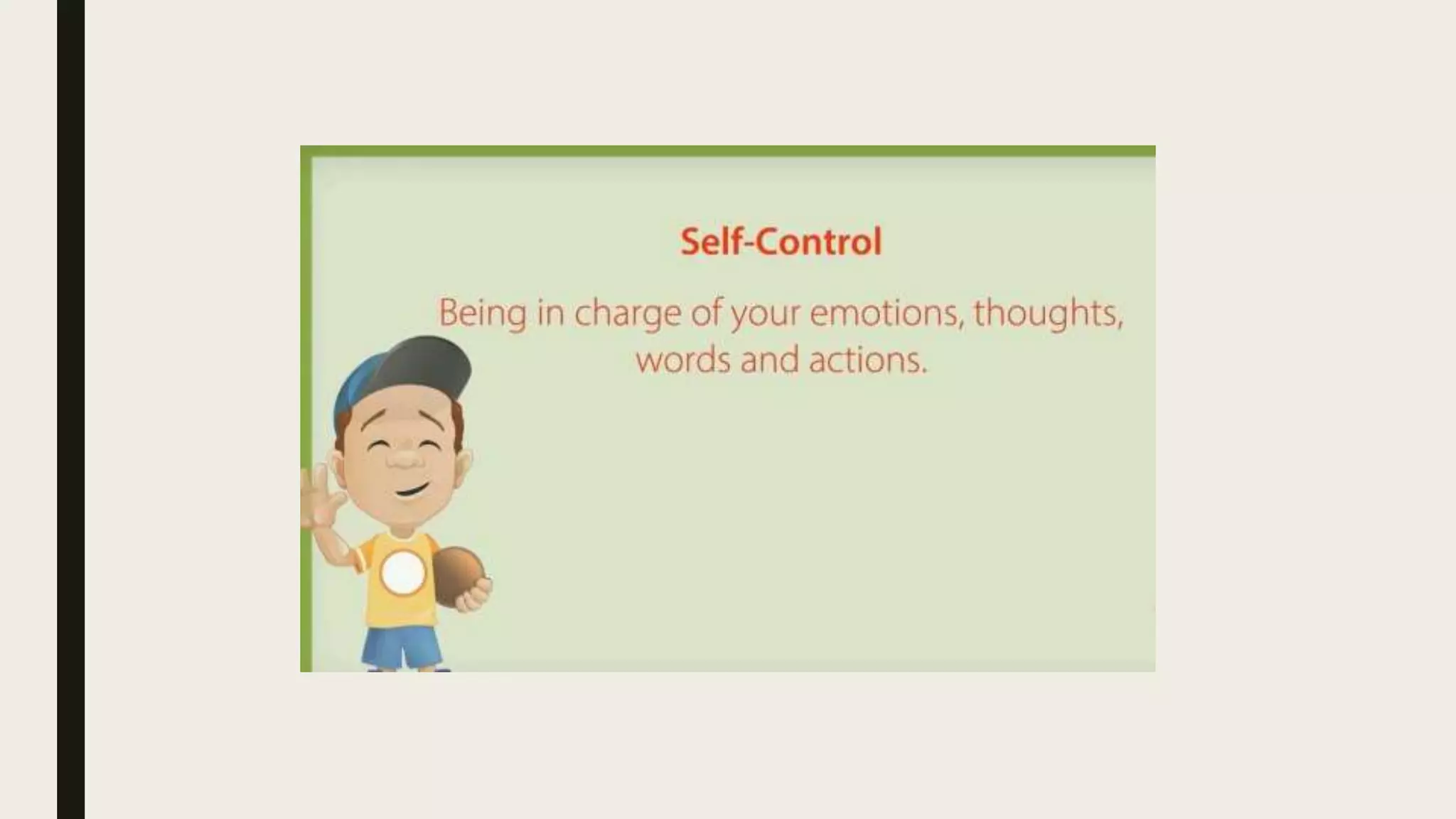
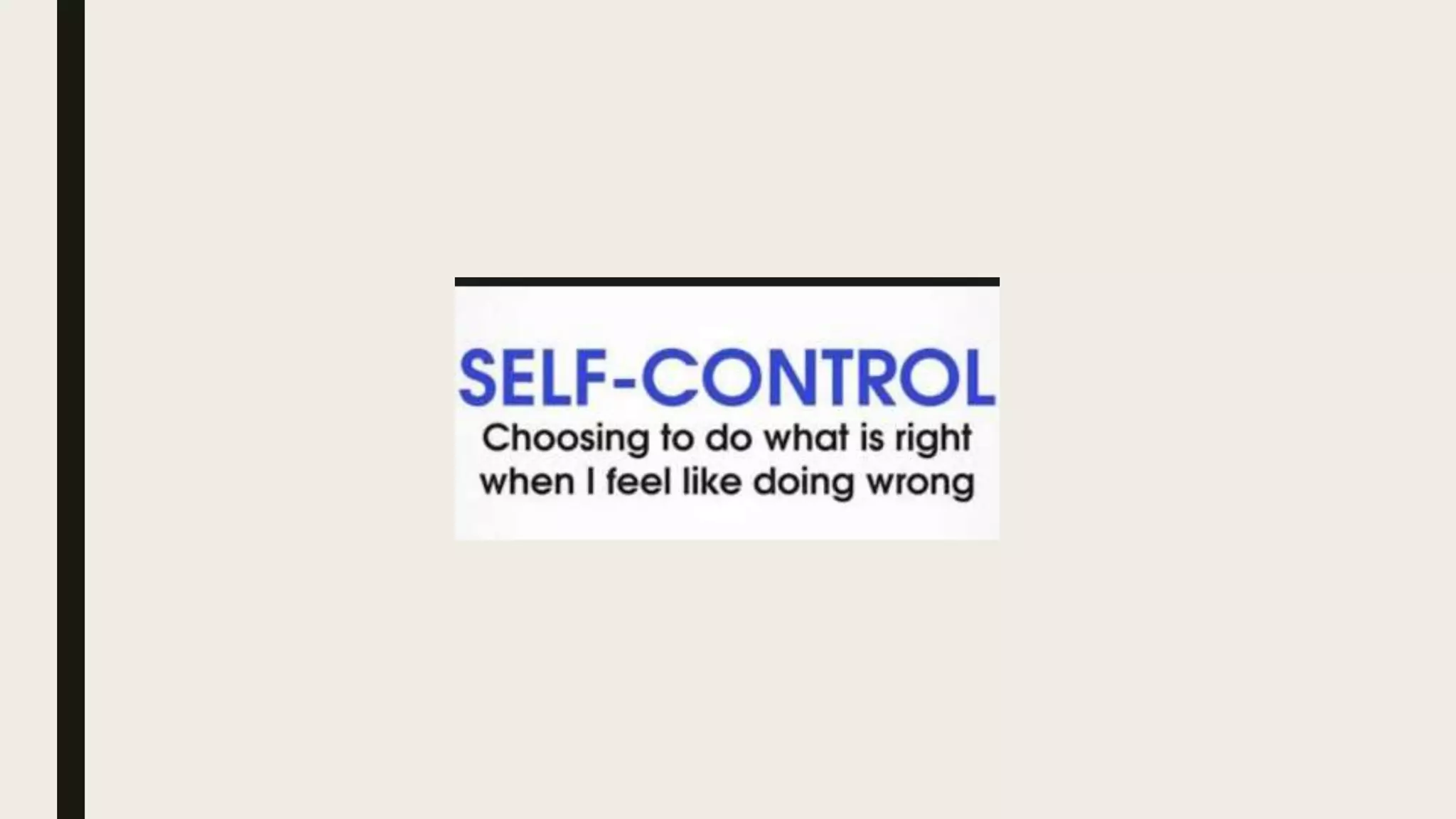
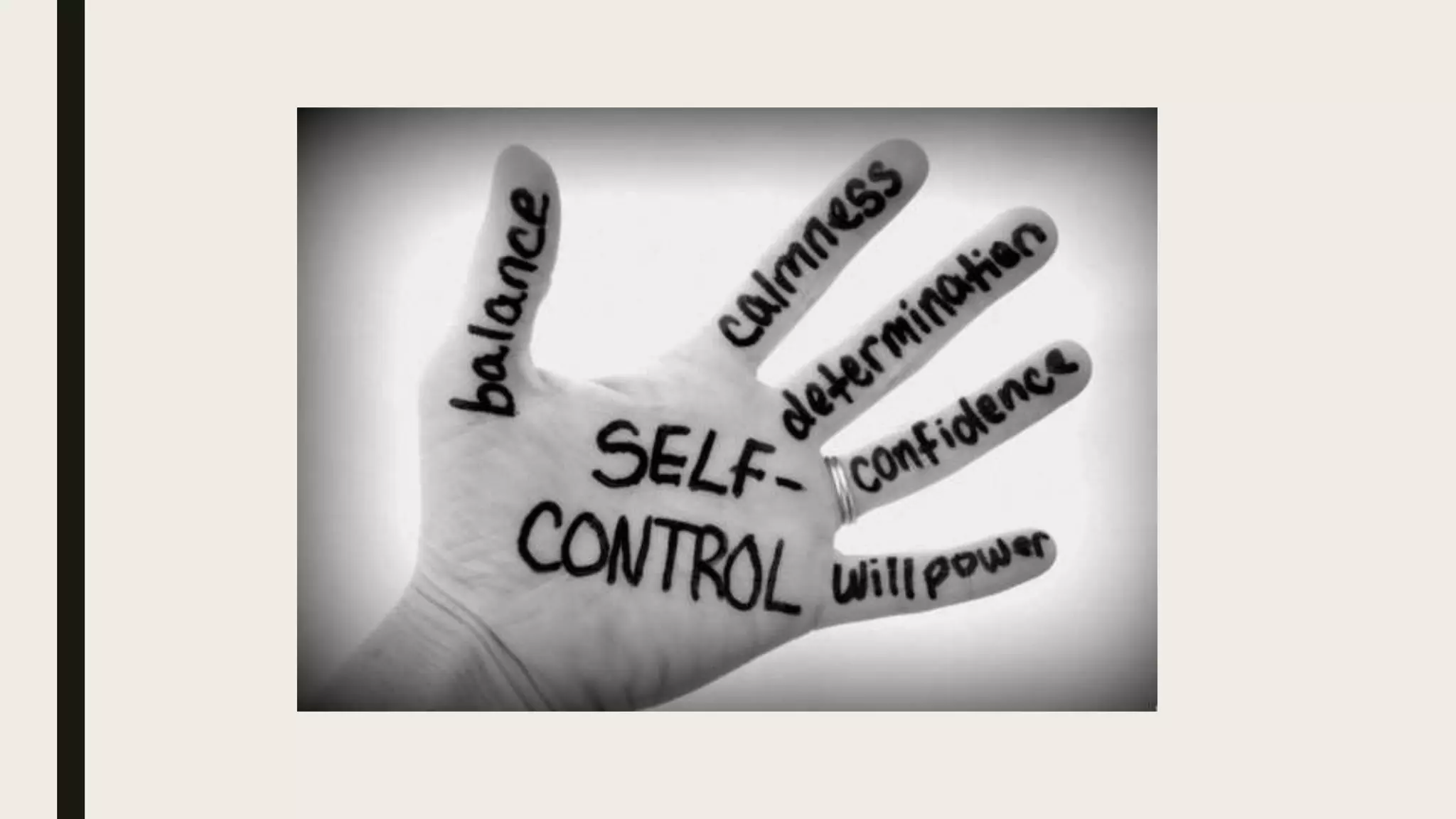
Children should not be allowed to hurt
themselves or other people either physically or
verbally, or destroy property.They must learn
how to control themselves instead of other
people controlling them.
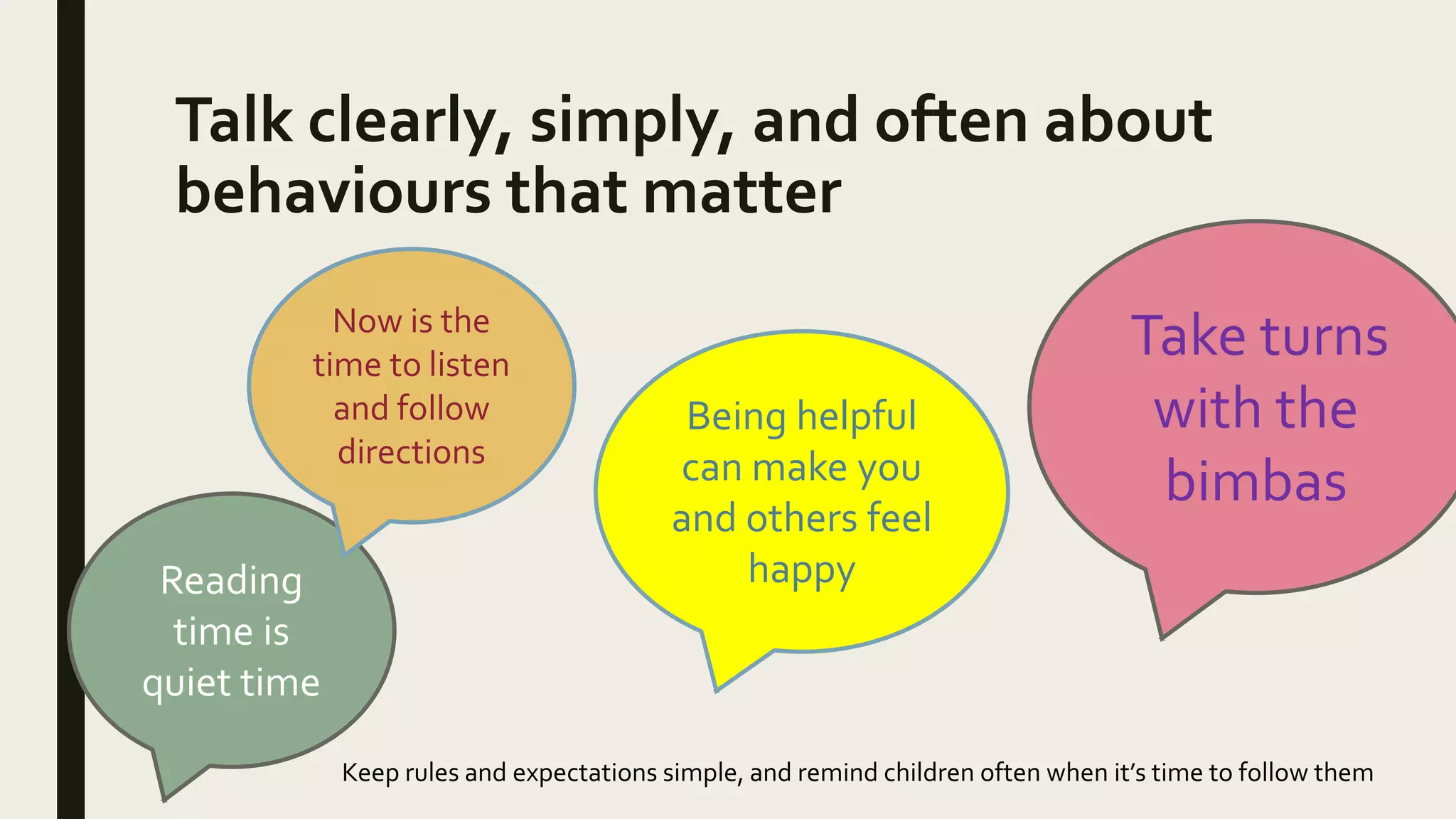
Talk clearly, simply, and often about
behaviours that matter
Reading
time is
quiet time
Take turns
with the
bimbas
Now is the
time to listen
and follow
directions
Being helpful
can make you
and others feel
happy
Keep rules and expectations simple, and remind children often when it’s time to follow them
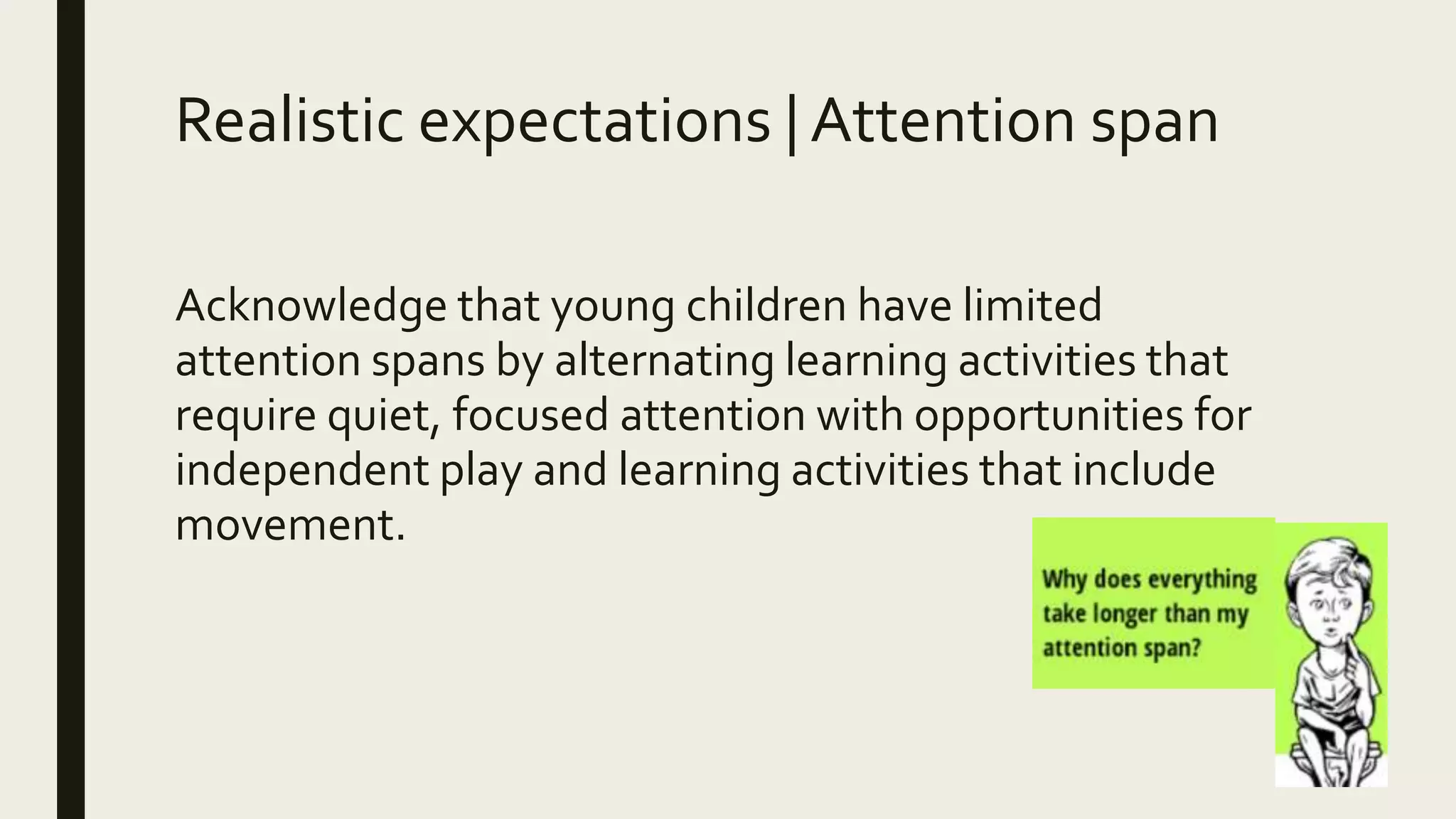
Realistic expectations | Attention span
Acknowledge that young children have limited
attention spans by alternating learning activities that
require quiet, focused attention with opportunities for
independent play and learning activities that include
movement.
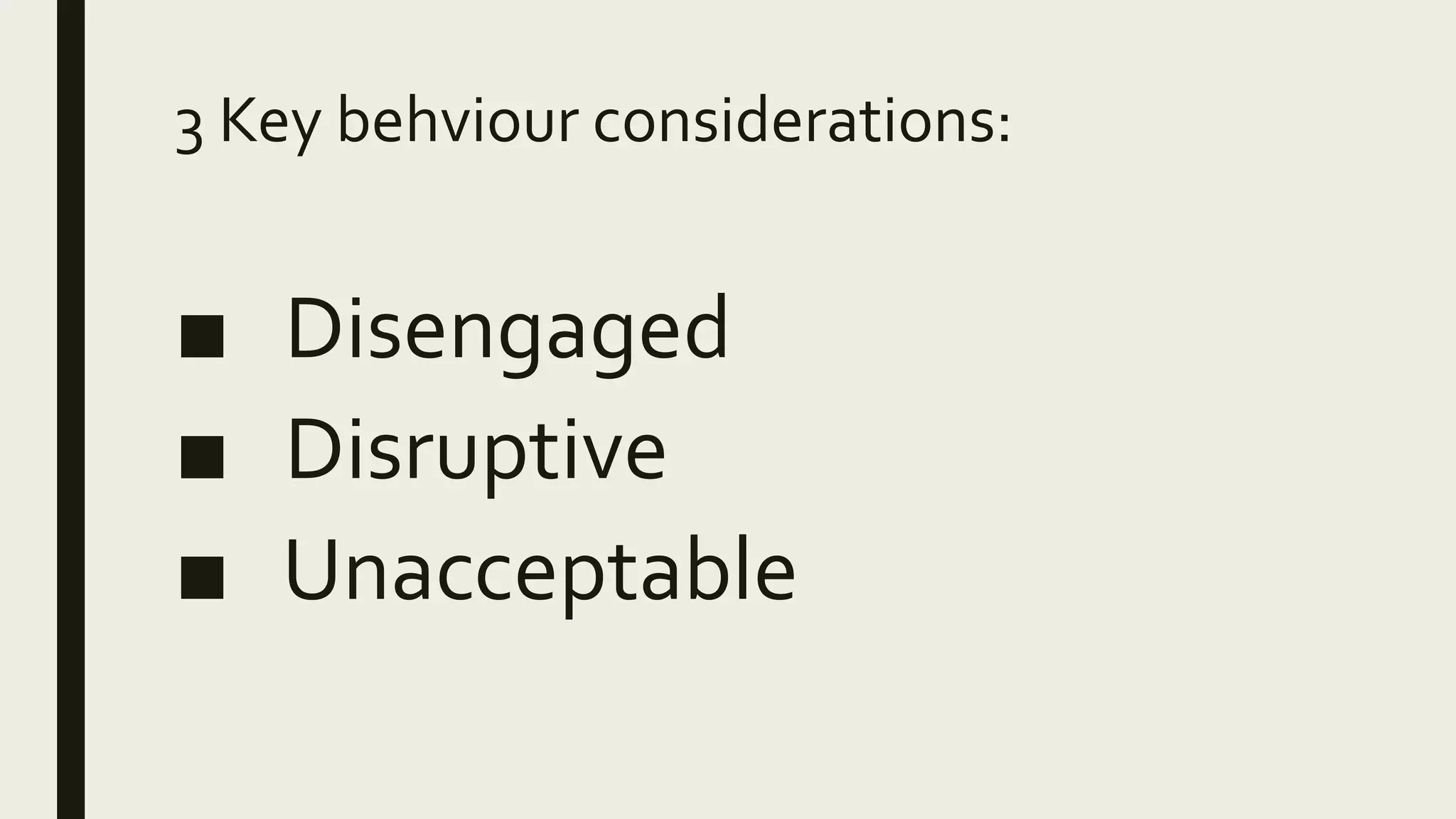
The context of behaviour is important
3 Key behviour considerations:
■ Disengaged
■ Disruptive
■ Unacceptable
Some strategies
■ Counting down…
■ Clapping or clicking
■ Distraction
■ Eye contact
■ Reassuring physical contact
■ Tones of voices and volume
■ Very clear instructions – bite size
■ Key words ‘focus’ or ‘welcome back’ or ‘and… listen’
■ Honesty… “I’m feeling….”
■ Moving a child
Respond positively
■ Promptly identify children’s unwanted behaviour when it occurs
■ Identify changes in that child’s behaviour that are unusual for them
■ Use knowledge of the child and their background to interpret their behaviour
■ Use strategies appropriate to that child, when responding to their behaviour
■ Give the child support if required
■ Regularly review the strategies that you use
■ Create effective opportunities for children to express their negative feelings safely
Steps to Intervention…
• Help the child understand that his/her behaviour is up to them
• If necessary, remove the child from the situation and keep him/her
with you. If behaviour persists, act calmly and promptly.
• Discuss feelings and rules after a reasonable period of calm.
• Involve the child in the decision of when to go back because taking
responsibility for his/her own behaviour is an important part of
instilling self-control
• Help the child be acceptable when he/she does come back so that
he/she has the experience of substituting unacceptable behaviour
for acceptable
Every Child is different
Every child is different, every situation is different,
therefore; every response needs to be different.
There is not one approach, but there are many
approaches. We must find the right approach and the
right strategy for each situation
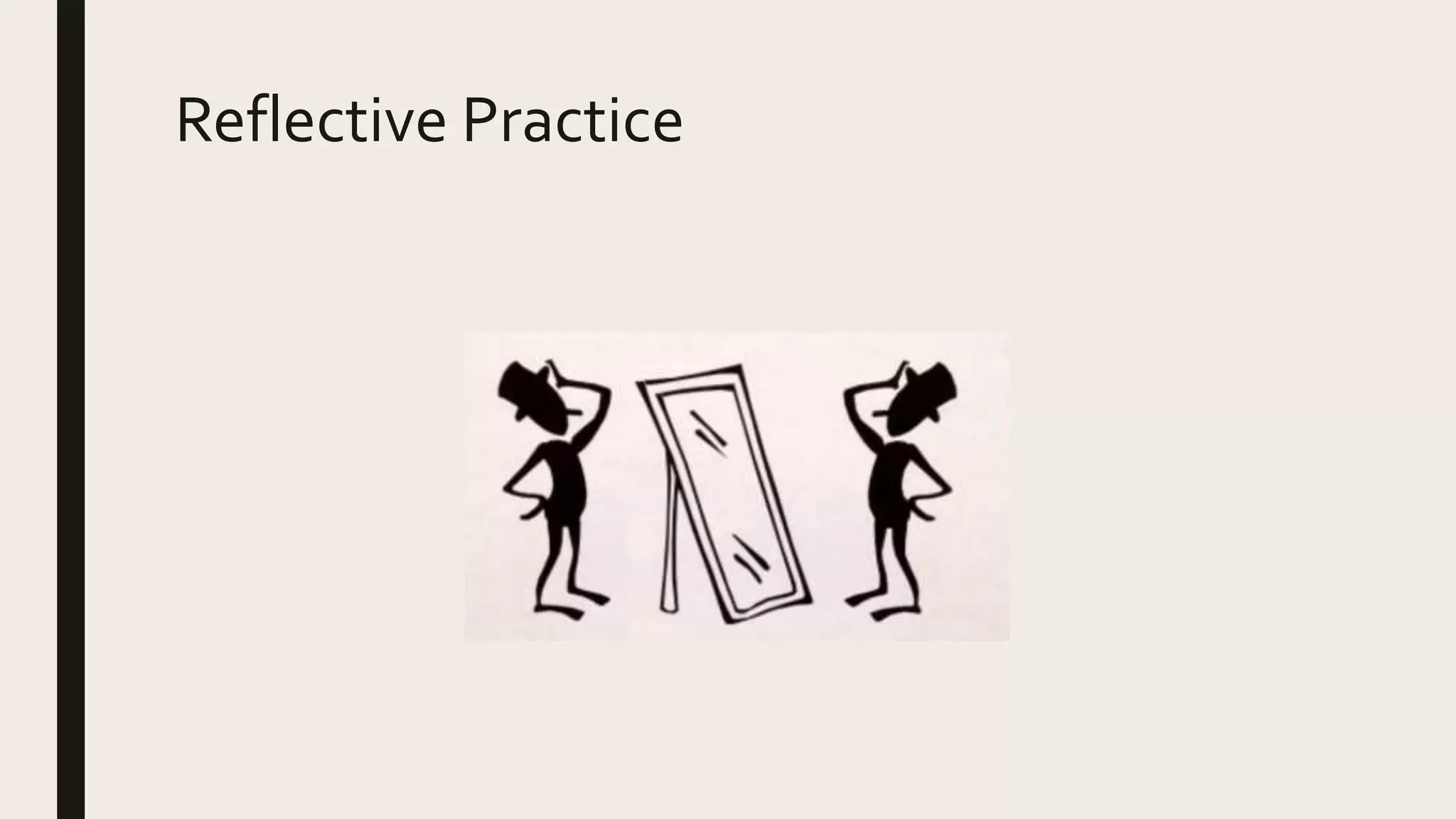
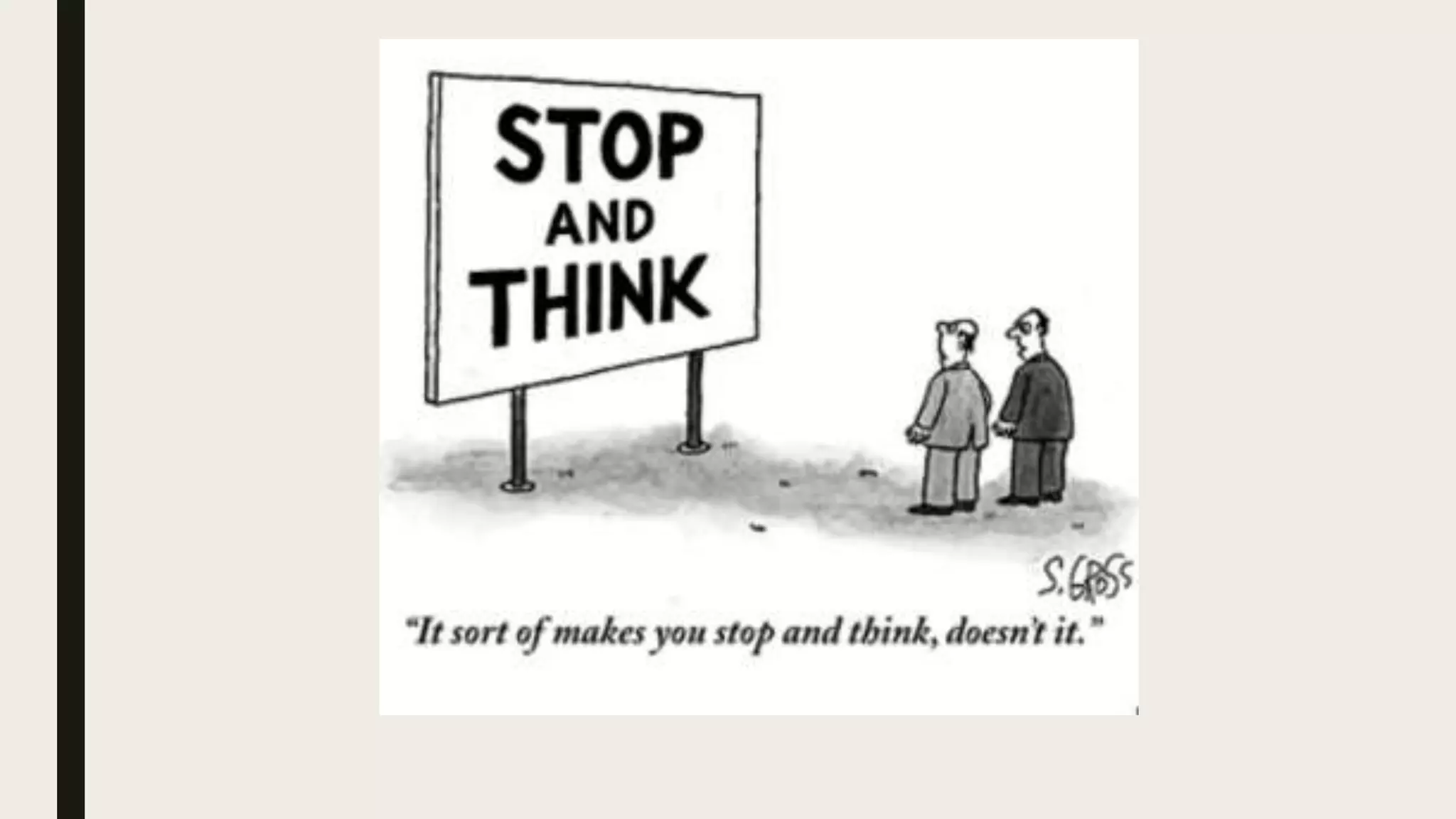
Reflective Practitioner
Reflective Practice
Key messages
1. Clear expectations
2. Positive learning environment
3. Consistent framework
4. Reflect
CLEAR BOUNDARIES!
Can you give 1 example?

Reminders about behaviours and boundaries in early years

  • 1.
  • 2.
    Work with yourpartner/s to complete the Behviour quiz!
  • 4.
    Key messages 1. Clearexpectations 2. Positive learning environment 3. Consistent framework 4. Reflect
  • 5.
    Ground Rules Use groundrules as a basis for promoting positive behaviour and discouraging unwanted behaviour
  • 6.
    Positive language Can, will,you can do it, well done, great, thank you, Kolakavod, good boy, nice choice…
  • 7.
    Positive behaviour ■ Co-operatingwith each other ■ Encouraging each other ■ Helping others ■ Asserting oneself ■ Full involvement in a chosen activity ■ Taking on new challenges ■ Showing empathy ■ Taking responsibility ■ Sharing
  • 8.
    Encouraging positive behaviour ■Clear rules ■ listen to and observe what children communicate both verbally and non-verbally; ■ praise and respond appropriately to all forms of children's positive behaviour ■ promote and reinforce positive behaviour by example;
  • 9.
    Make sure thatchildren know what they are doing / what their options are Choose something to do… Everyone tidy up Stop that! Do something sensible! Play nicely out here for 10 minutes Just wait!
  • 10.
    Praise quickly andconsistently. Make sure children understandWHY you’re praising them Wow! Great It was lovely that you helped Jilli settle when she came in this morning! Good job! I can see you have got really messy – well done for taking part so well! Thank you for letting Eddie go first with the scissors, great sharing!
  • 11.
    Key concept Children shouldnot be allowed to hurt themselves or other people either physically or verbally, or destroy property.They must learn how to control themselves instead of other people controlling them.
  • 17.
    Talk clearly, simply,and often about behaviours that matter Reading time is quiet time Take turns with the bimbas Now is the time to listen and follow directions Being helpful can make you and others feel happy Keep rules and expectations simple, and remind children often when it’s time to follow them
  • 18.
    Realistic expectations |Attention span Acknowledge that young children have limited attention spans by alternating learning activities that require quiet, focused attention with opportunities for independent play and learning activities that include movement.
  • 19.
    The context ofbehaviour is important
  • 20.
    3 Key behviourconsiderations: ■ Disengaged ■ Disruptive ■ Unacceptable
  • 21.
    Some strategies ■ Countingdown… ■ Clapping or clicking ■ Distraction ■ Eye contact ■ Reassuring physical contact ■ Tones of voices and volume ■ Very clear instructions – bite size ■ Key words ‘focus’ or ‘welcome back’ or ‘and… listen’ ■ Honesty… “I’m feeling….” ■ Moving a child
  • 22.
    Respond positively ■ Promptlyidentify children’s unwanted behaviour when it occurs ■ Identify changes in that child’s behaviour that are unusual for them ■ Use knowledge of the child and their background to interpret their behaviour ■ Use strategies appropriate to that child, when responding to their behaviour ■ Give the child support if required ■ Regularly review the strategies that you use ■ Create effective opportunities for children to express their negative feelings safely
  • 23.
    Steps to Intervention… •Help the child understand that his/her behaviour is up to them • If necessary, remove the child from the situation and keep him/her with you. If behaviour persists, act calmly and promptly. • Discuss feelings and rules after a reasonable period of calm. • Involve the child in the decision of when to go back because taking responsibility for his/her own behaviour is an important part of instilling self-control • Help the child be acceptable when he/she does come back so that he/she has the experience of substituting unacceptable behaviour for acceptable
  • 24.
    Every Child isdifferent Every child is different, every situation is different, therefore; every response needs to be different. There is not one approach, but there are many approaches. We must find the right approach and the right strategy for each situation
  • 25.
  • 26.
  • 28.
    Key messages 1. Clearexpectations 2. Positive learning environment 3. Consistent framework 4. Reflect
  • 29.