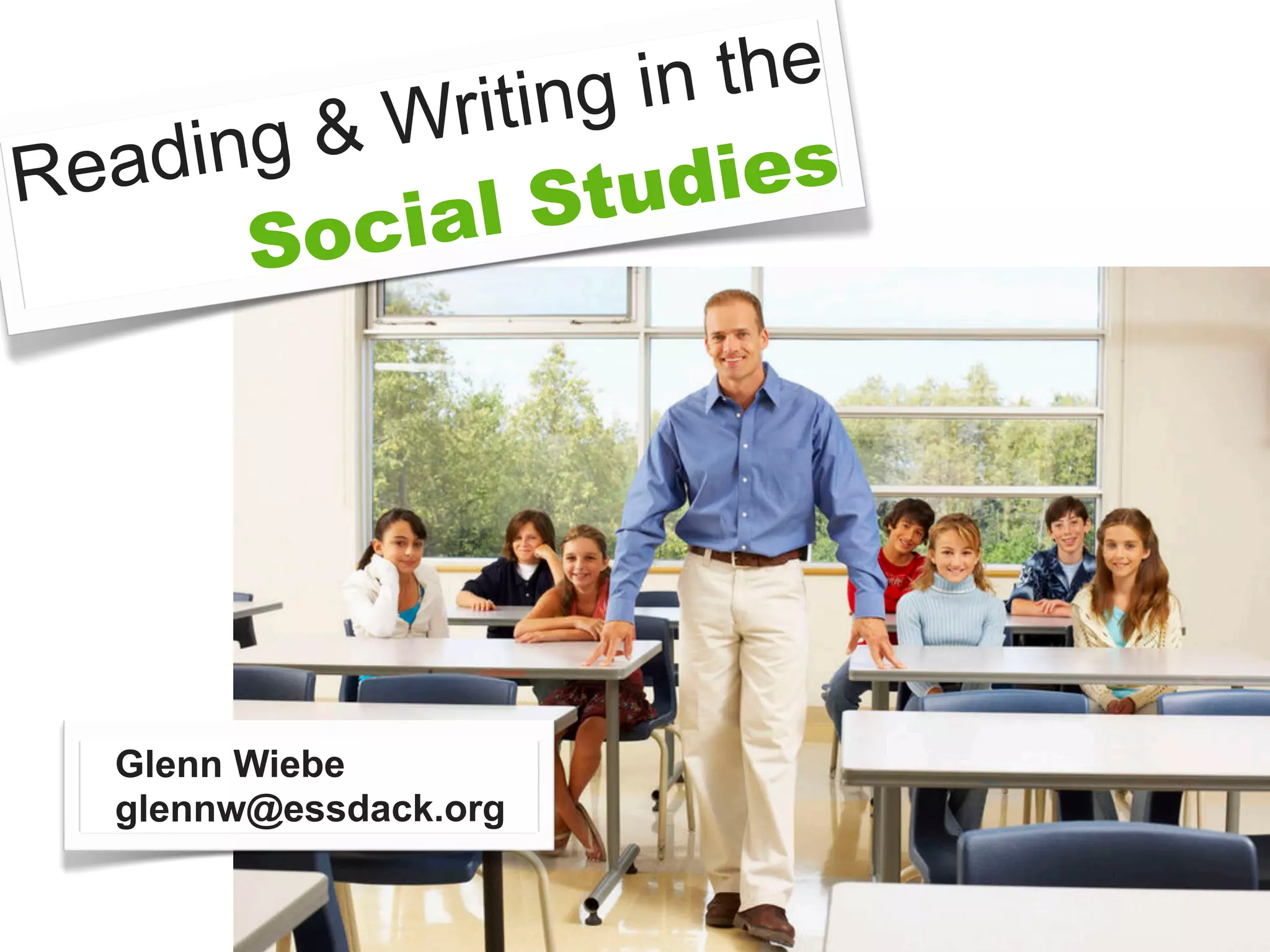
riting in the
  eadin g&W
R                Stu dies
       So cial


   Glenn Wiebe
   glennw@essdack.org
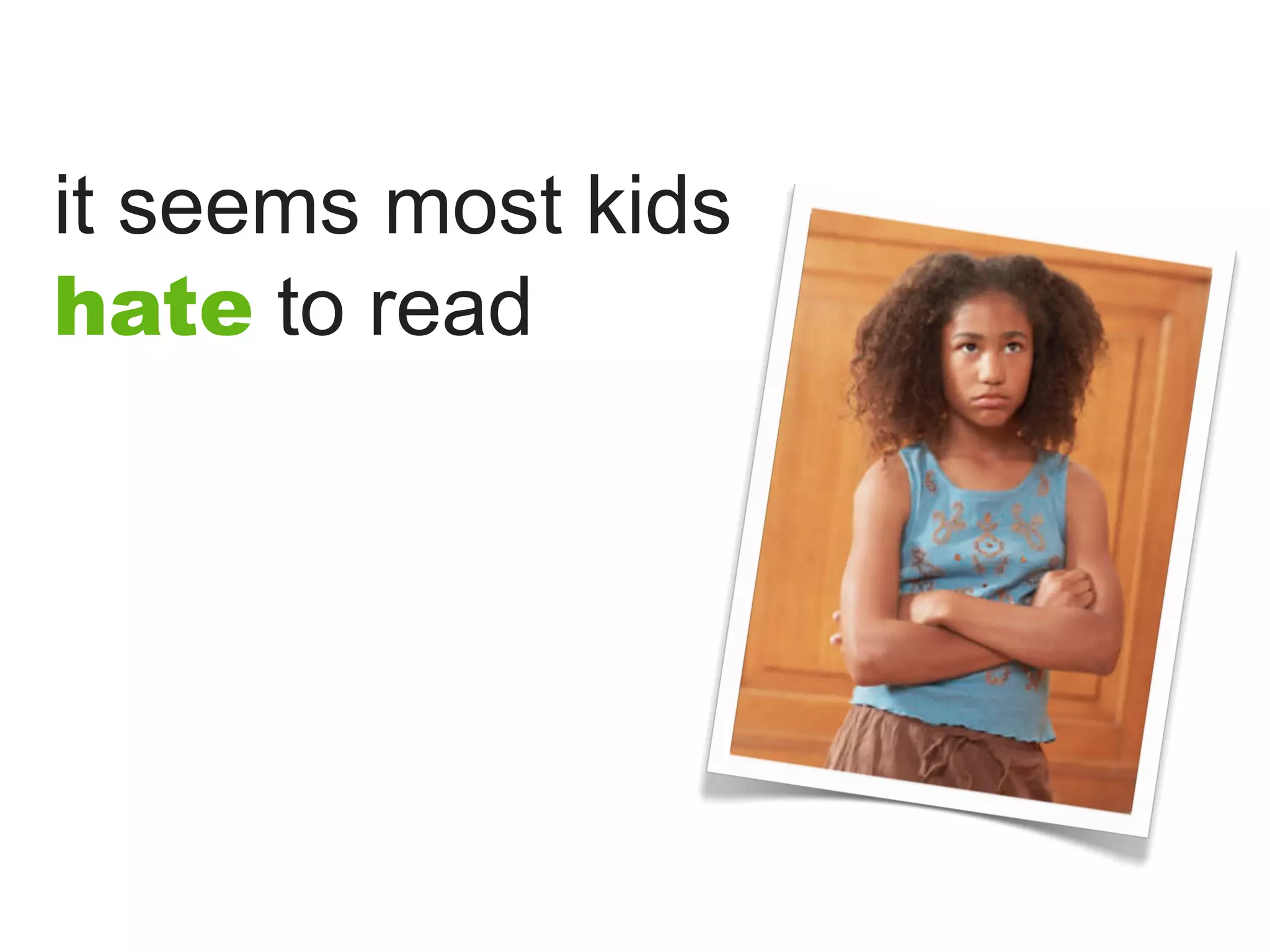
it seems most kids
hate to read
Santa Fe Trail
“Tomorrow we’re going to start a unit on the
Santa Fe Trail. Read chapters 3 & 4 and fill in
the blanks”
One side write
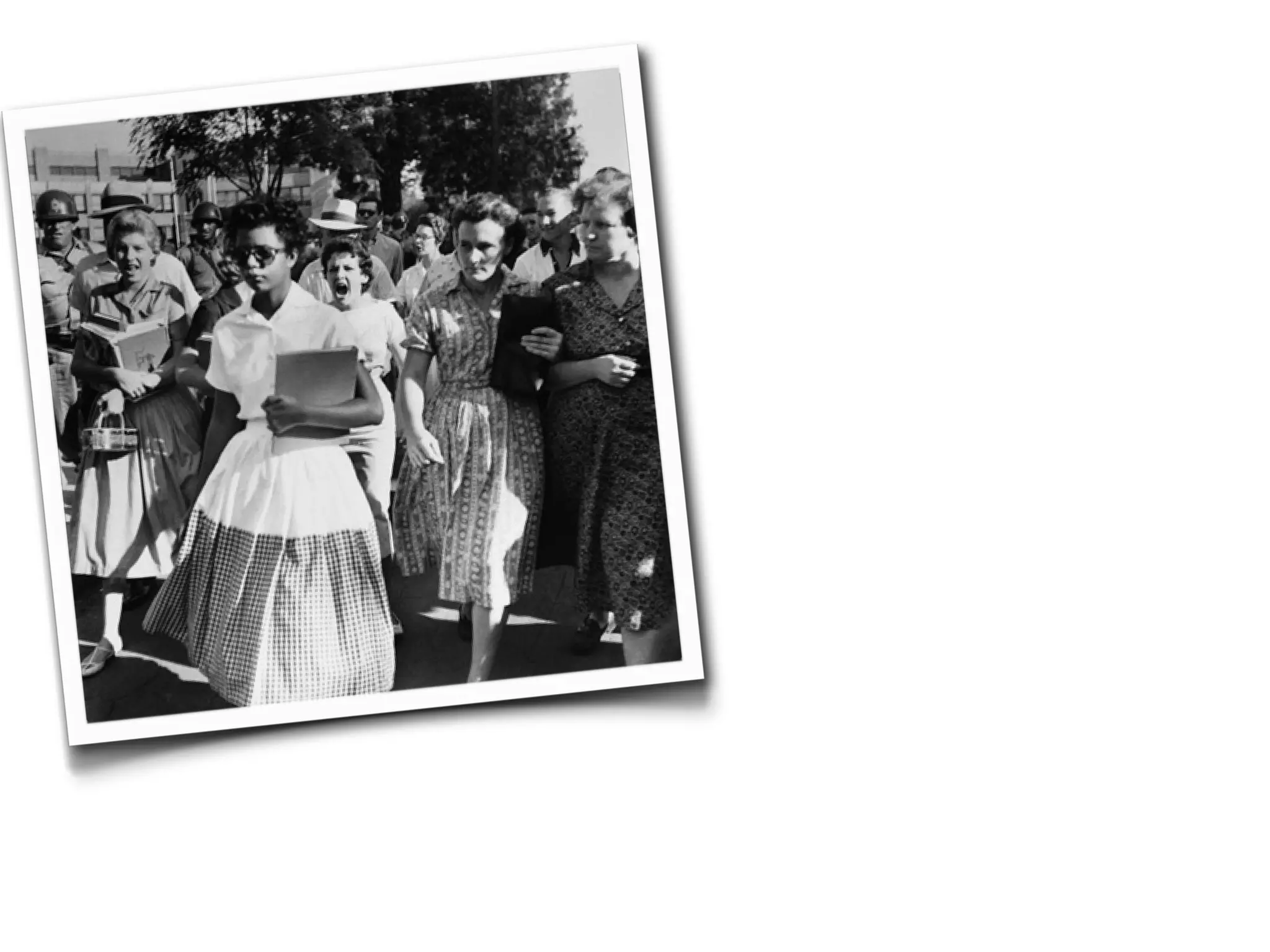
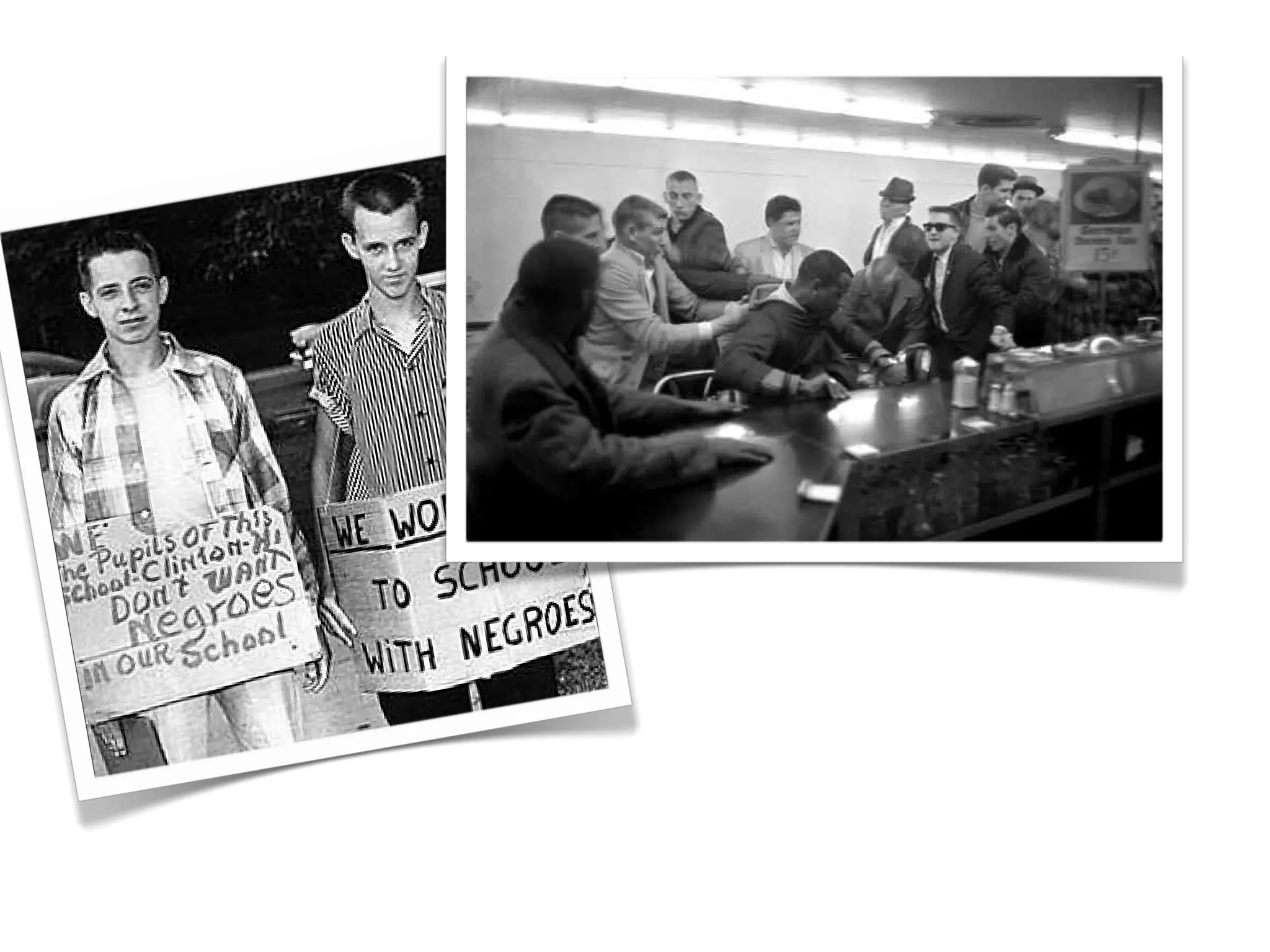
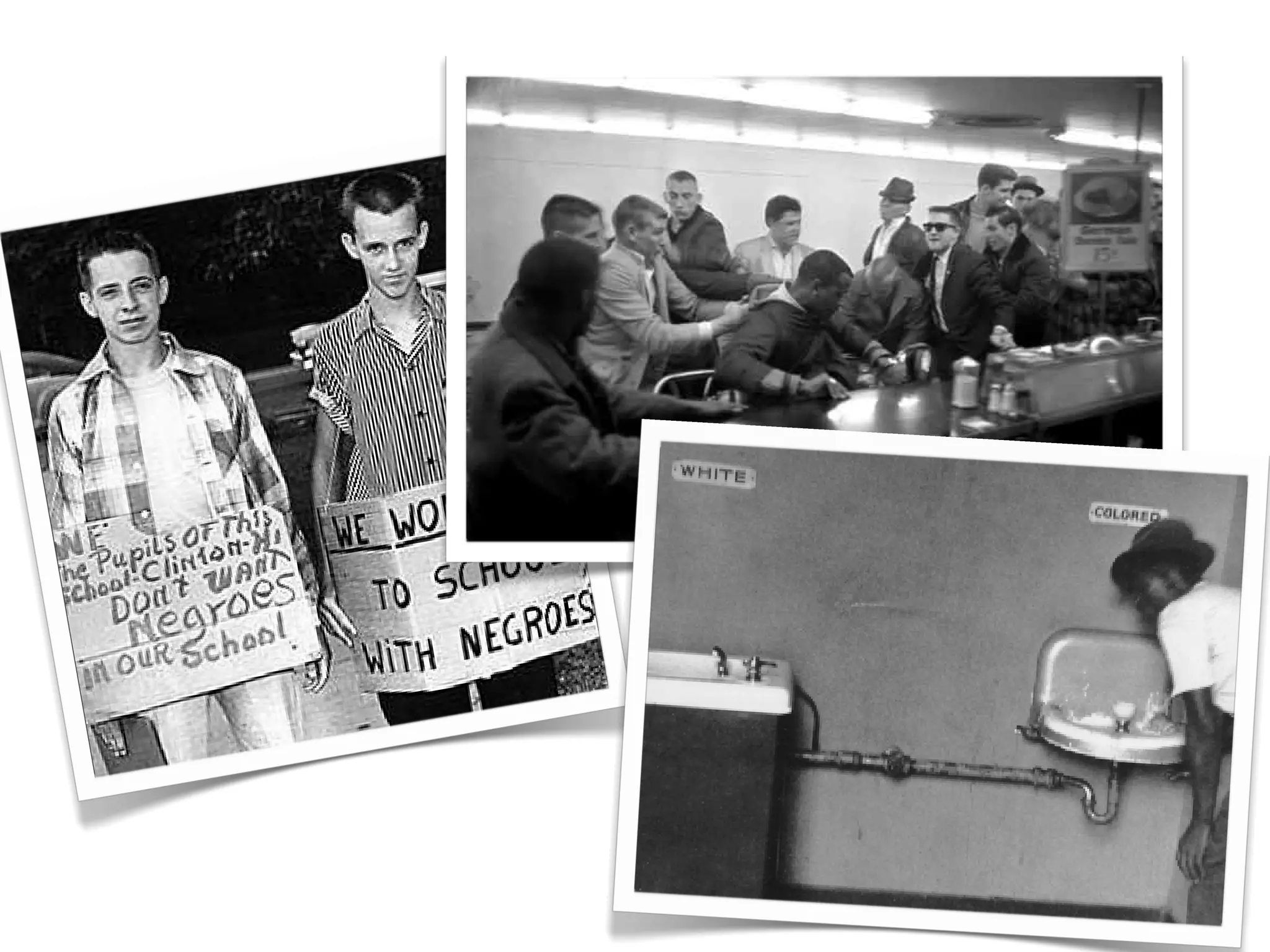
 What you see
The other
 What you feel
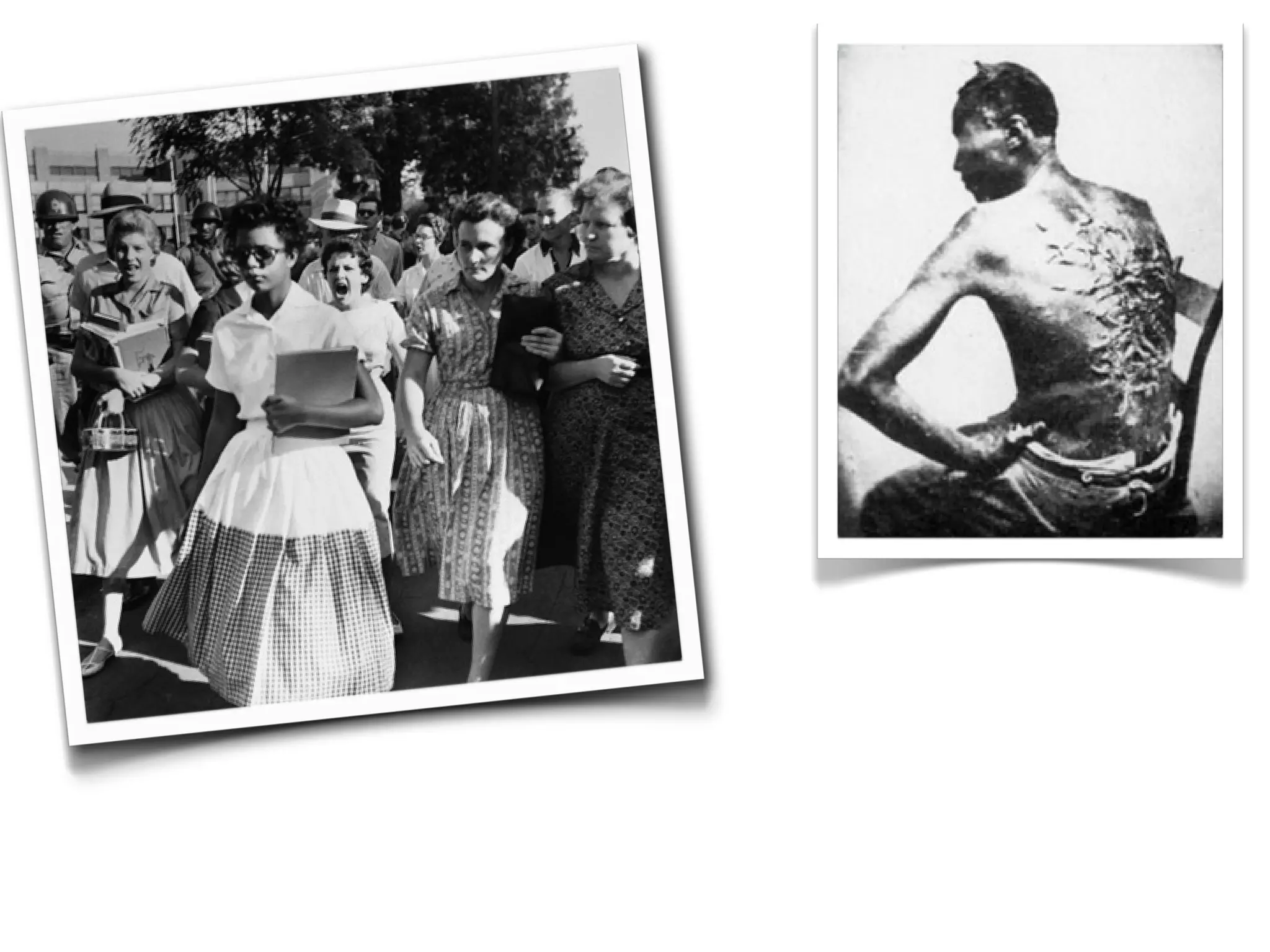
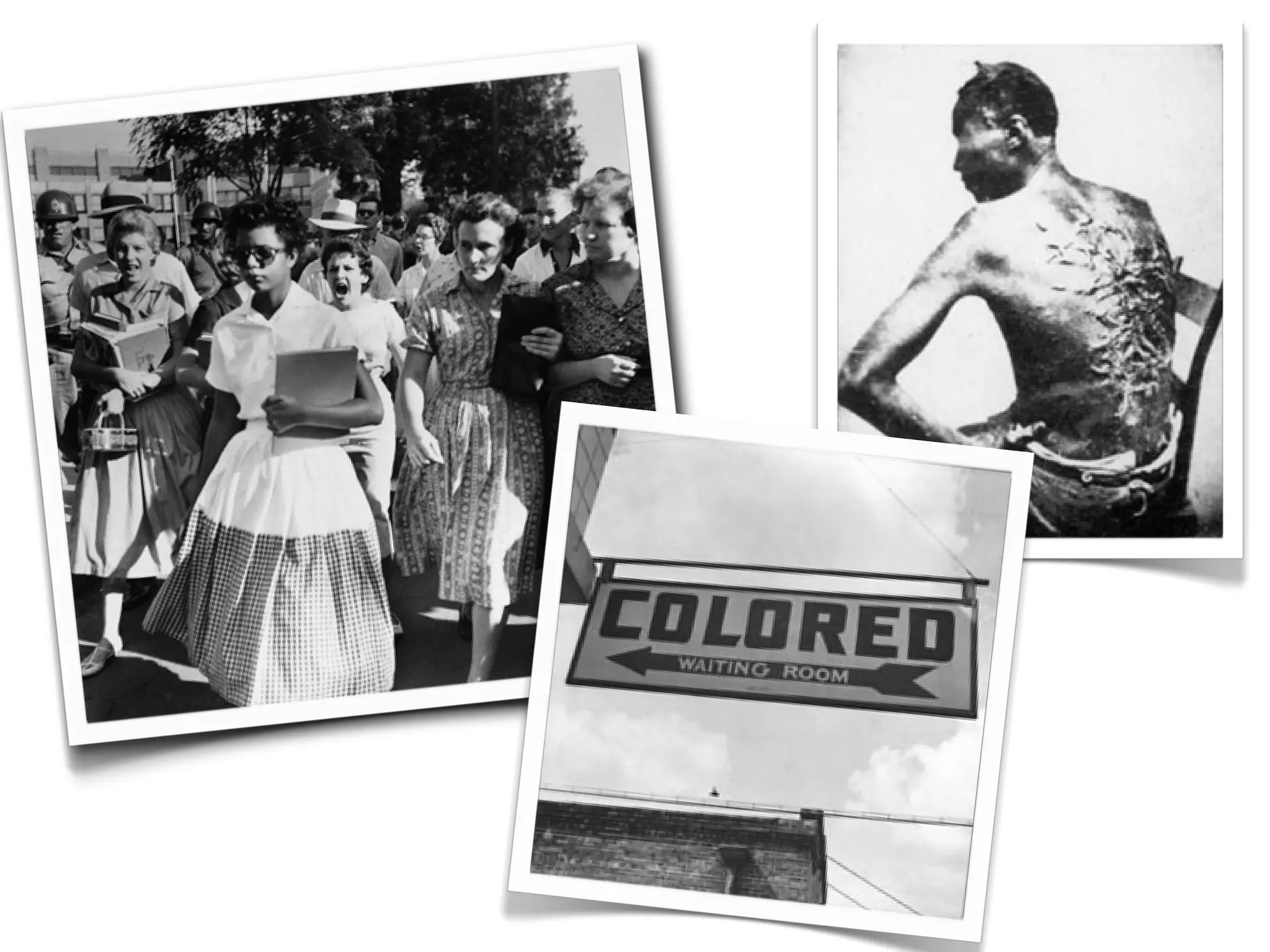
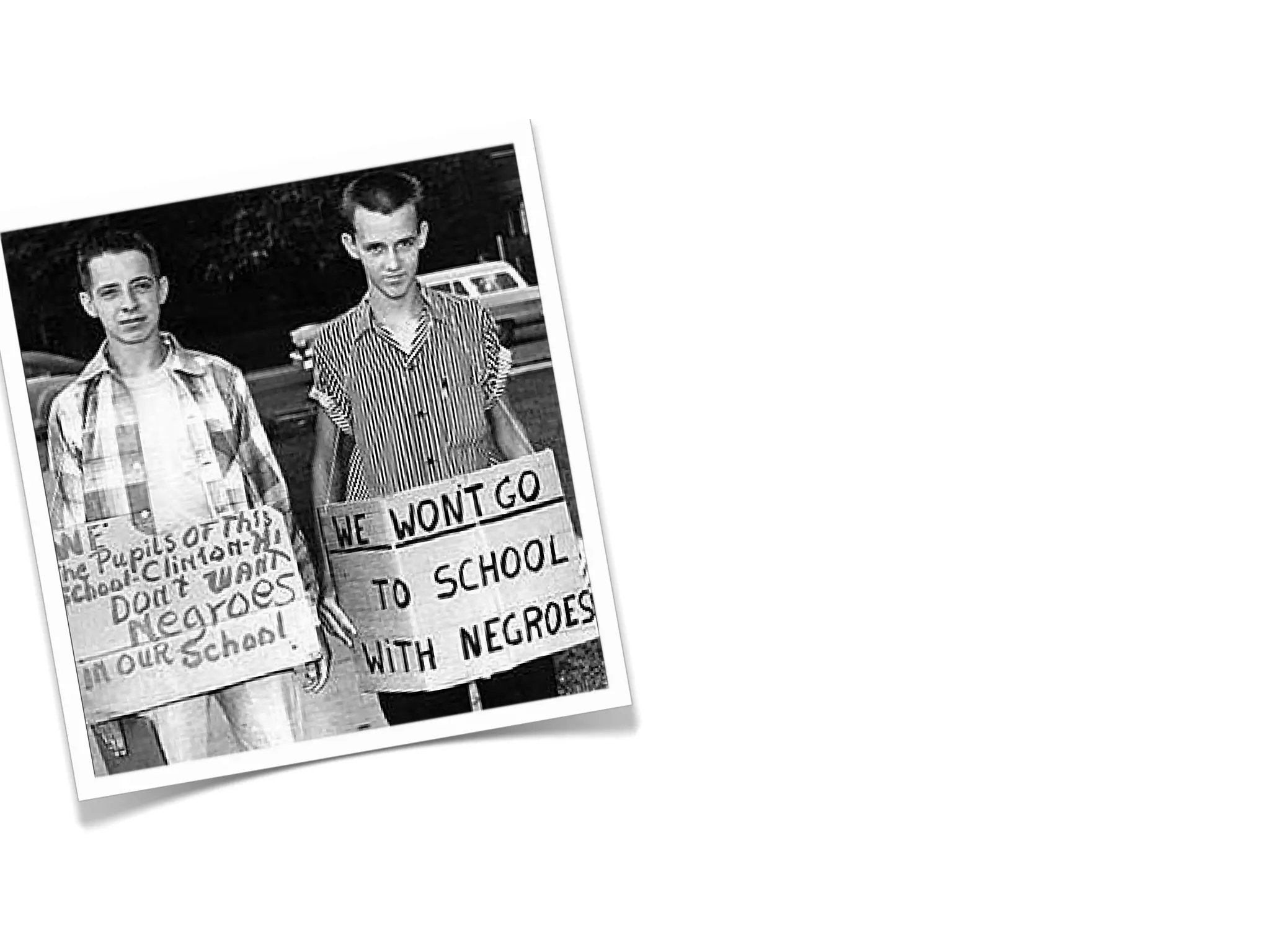
Whadda ya see?
Whadda ya feel?
Whadda they all have
 in common?
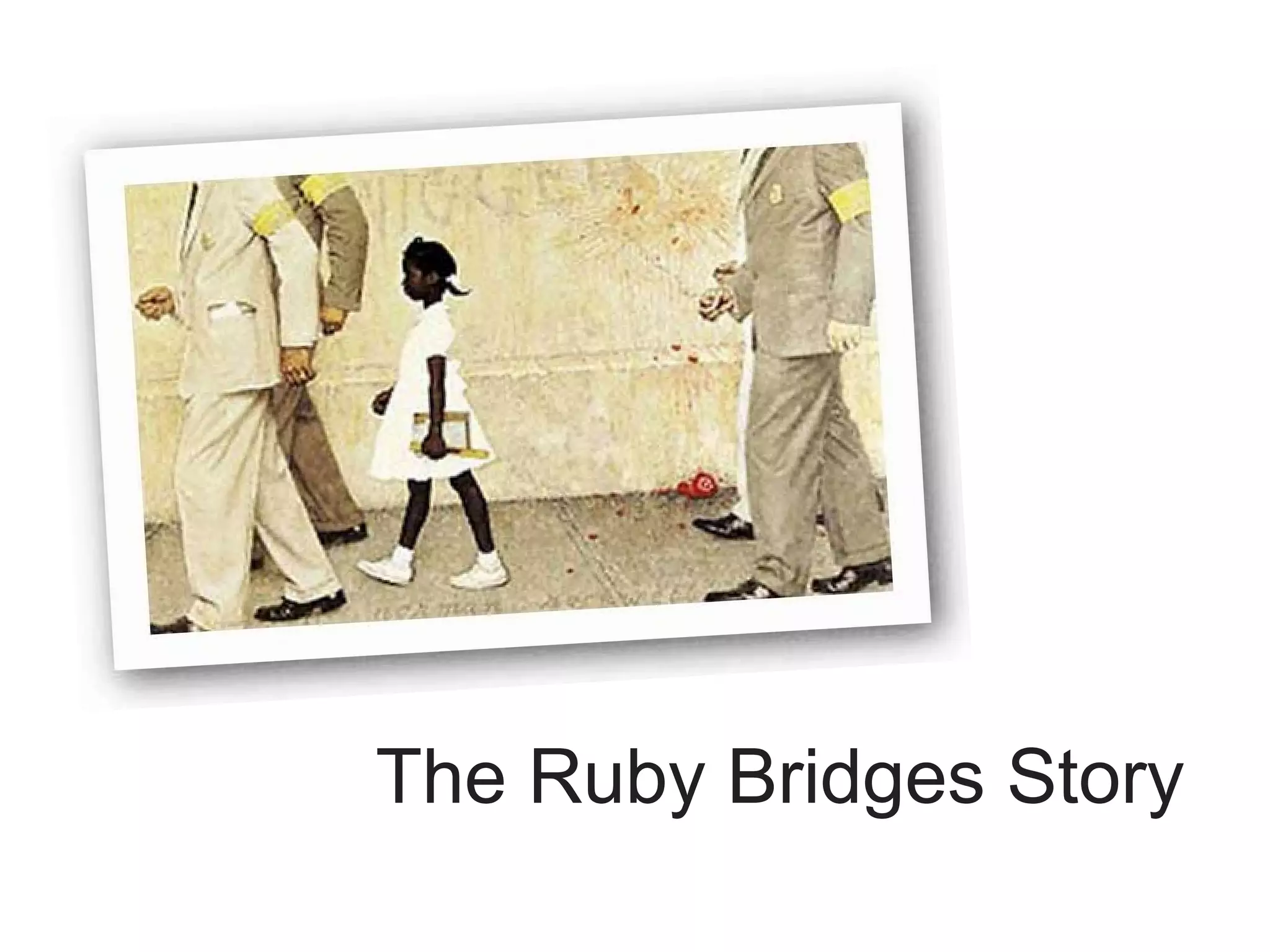
The Ruby Bridges Story
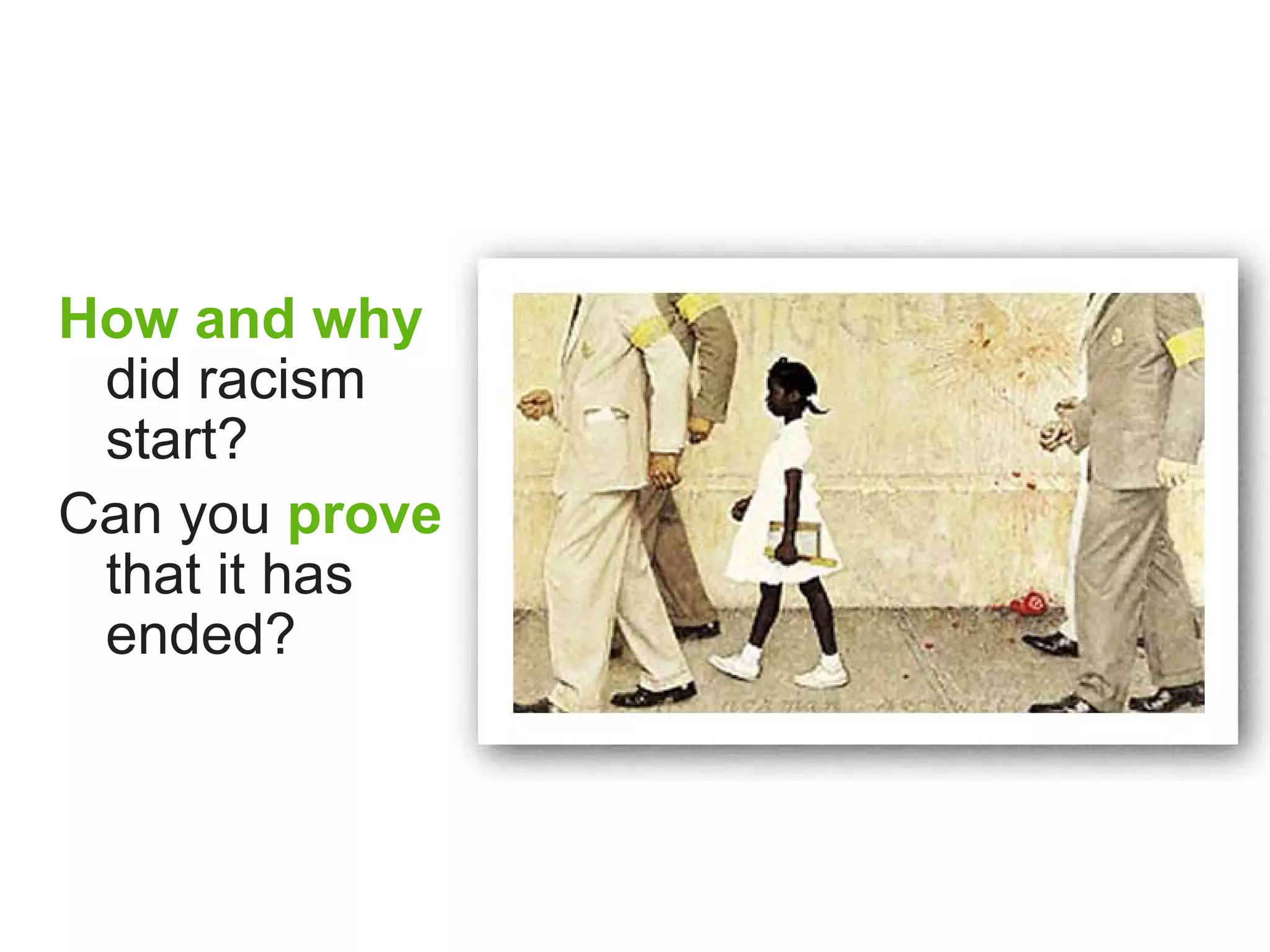
How and why
 did racism
 start?
Can you prove
 that it has
 ended?
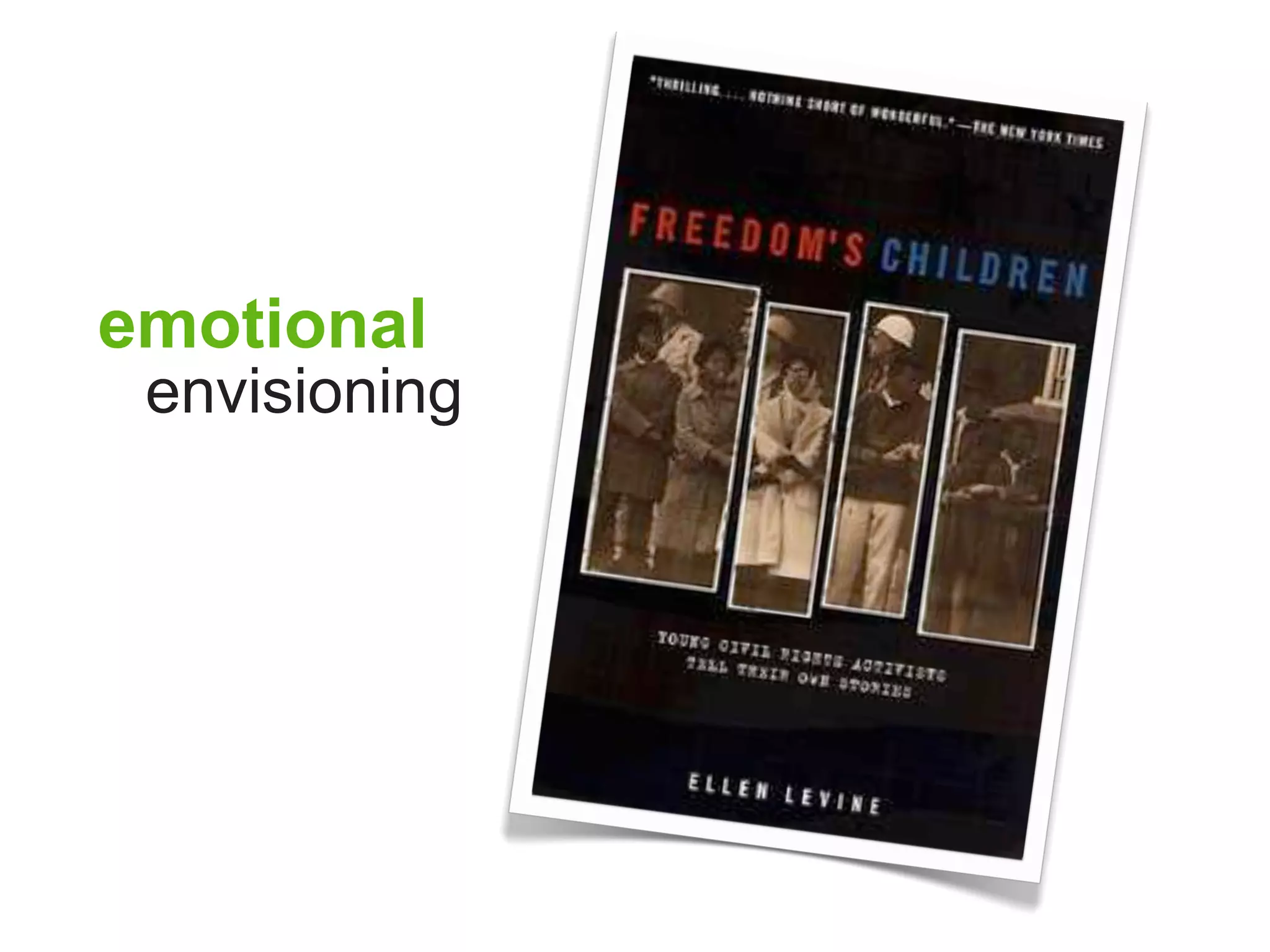
emotional
 envisioning
What we know / research
Reading is hard
What we know / research
Students construct meaning by
 connecting prior knowledge with
 text
What we know / research
Students store prior knowledge in
 “schemata”
 • Predict, organize and understand
What can you remember?

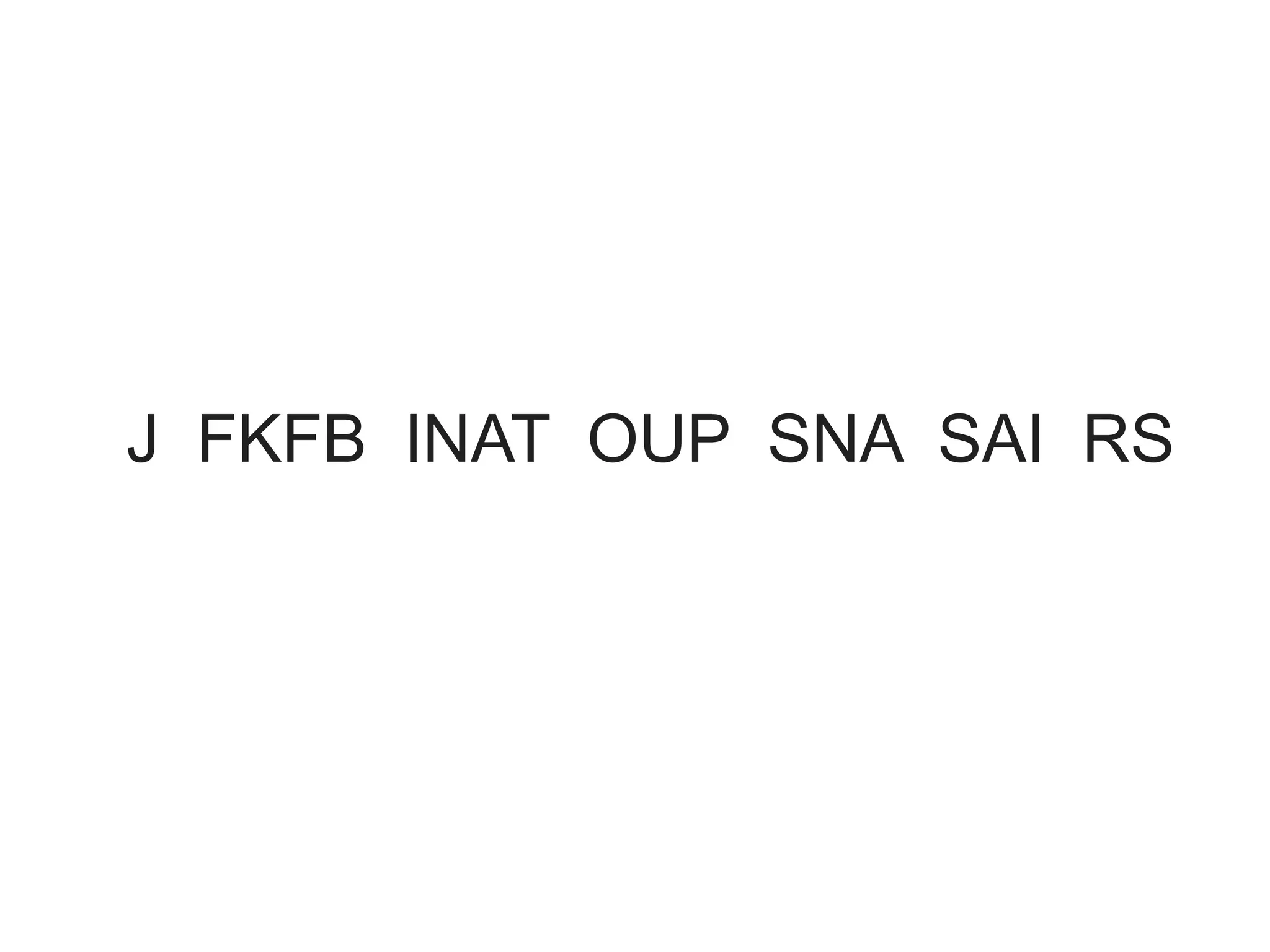
J FKFB INAT OUP SNA SAI RS
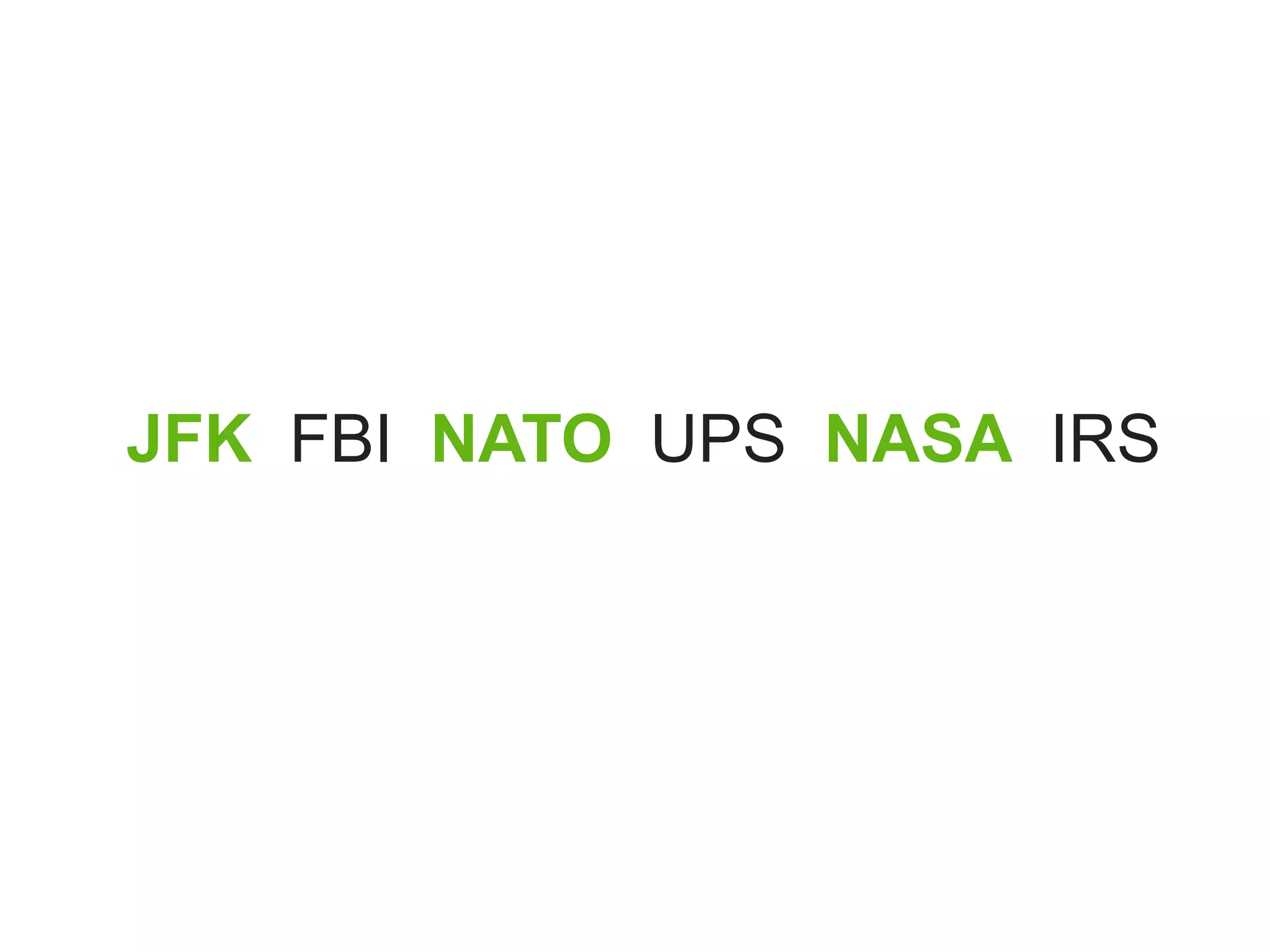
What can you remember?

JFK FBI NATO UPS NASA IRS
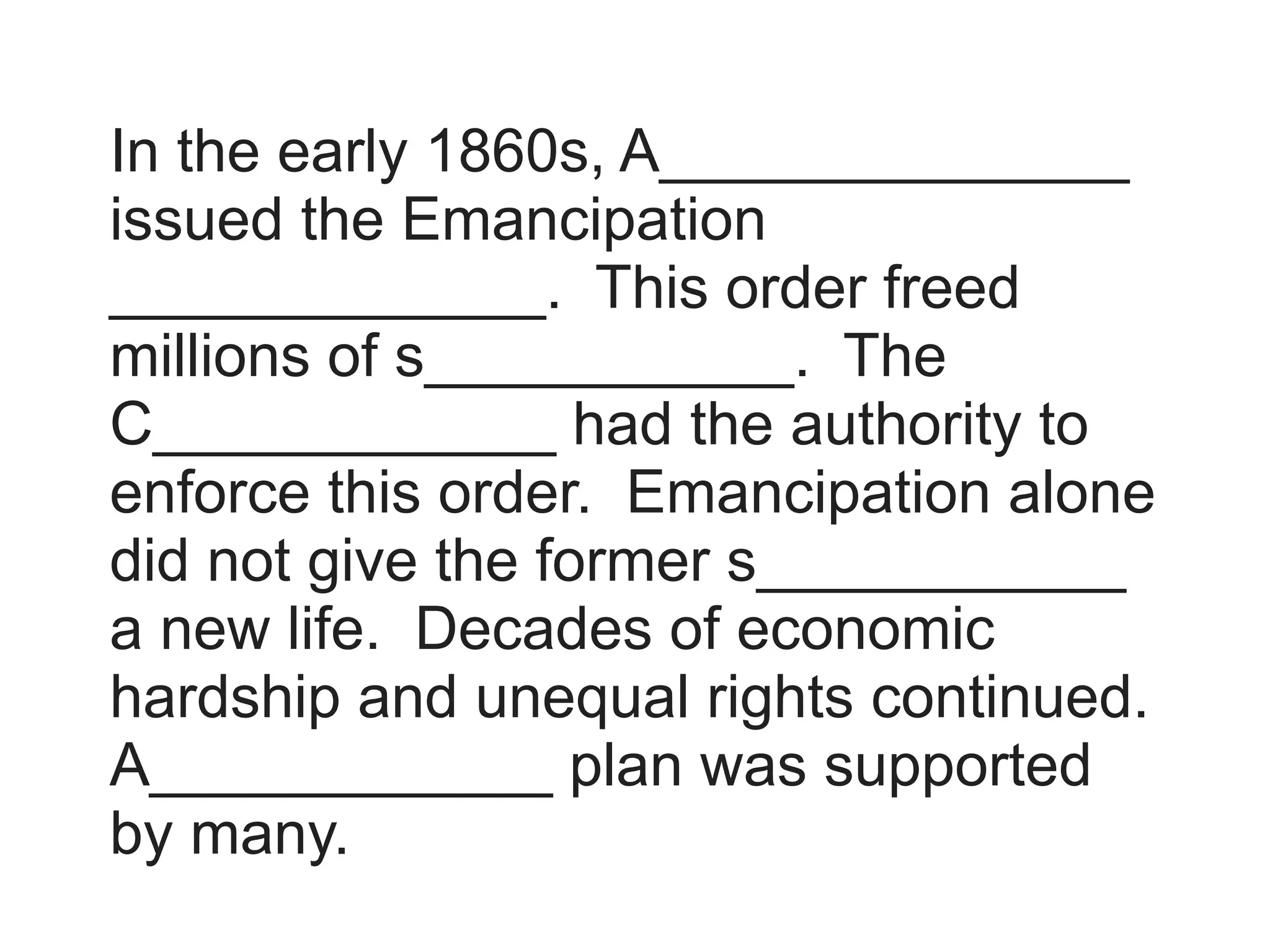
In the early 1860s, A______________
issued the Emancipation
_____________. This order freed
millions of s___________. The
C____________ had the authority to
enforce this order. Emancipation alone
did not give the former s___________
a new life. Decades of economic
hardship and unequal rights continued.
A____________ plan was supported
by many.
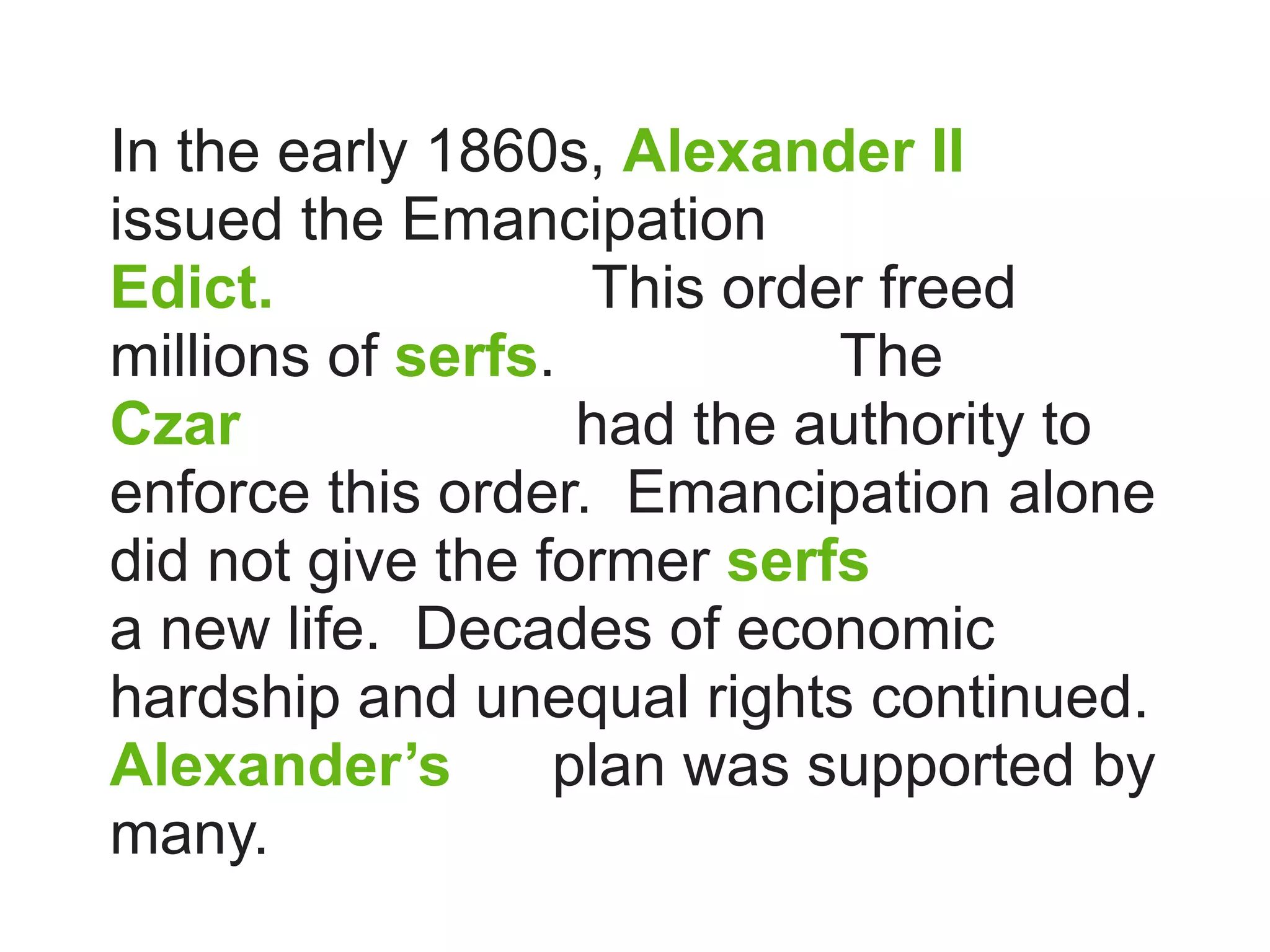
In the early 1860s, Alexander II
issued the Emancipation
Edict.             This order freed
millions of serfs.          The
Czar               had the authority to
enforce this order. Emancipation alone
did not give the former serfs
a new life. Decades of economic
hardship and unequal rights continued.
Alexander’s       plan was supported by
many.
What we know / research
Text type matters
What we know / research
Comprehension and learning increase
 with emotion
What we know / ACT reading
Read with purpose
Focus on vocabulary
Text structure
Prior knowledge
German Coast Guard and
reading research?
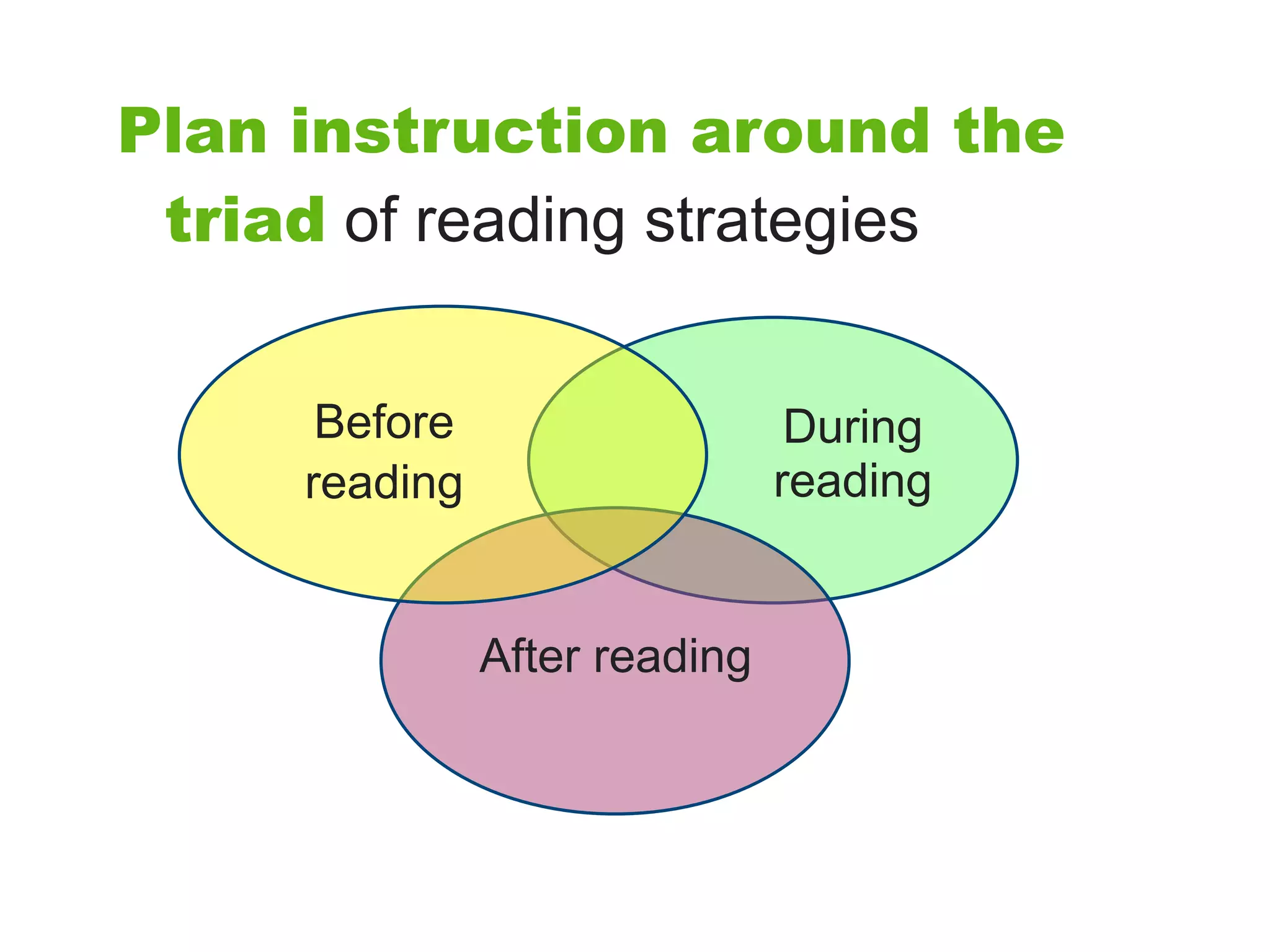
Plan instruction around the
 triad of reading strategies


      Before                    During
     reading                   reading


               After reading
Before reading / strategies
Prediction activity
Discrepant Event Inquiry
 Riddle / problem / question
 Yes or no questions only
 Timed
“We never would have found this
 person if the person hadn’t been so
 hard to find.”
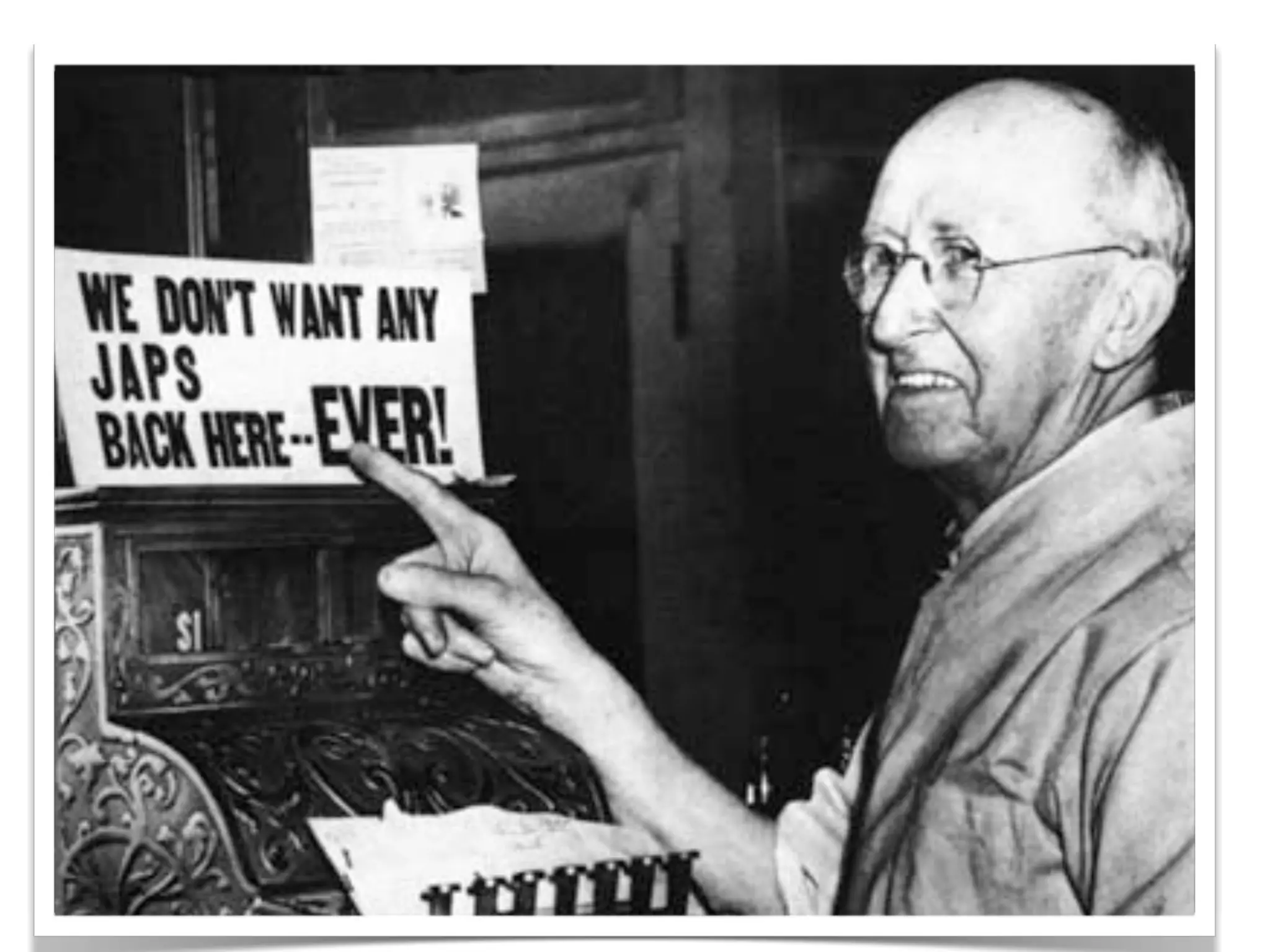
when? where? what?
Paul Harvey
 • “The Rest of the Story”
William Bruce
 • “Mindtronics”
 • “Inquiry Alive”
 • “Discrepant Event Inquiry”
Activate prior knowledge

 List / Group / Label
Introduce vocabulary
Word Sorts
 • Geography terms
 • Word Magnet
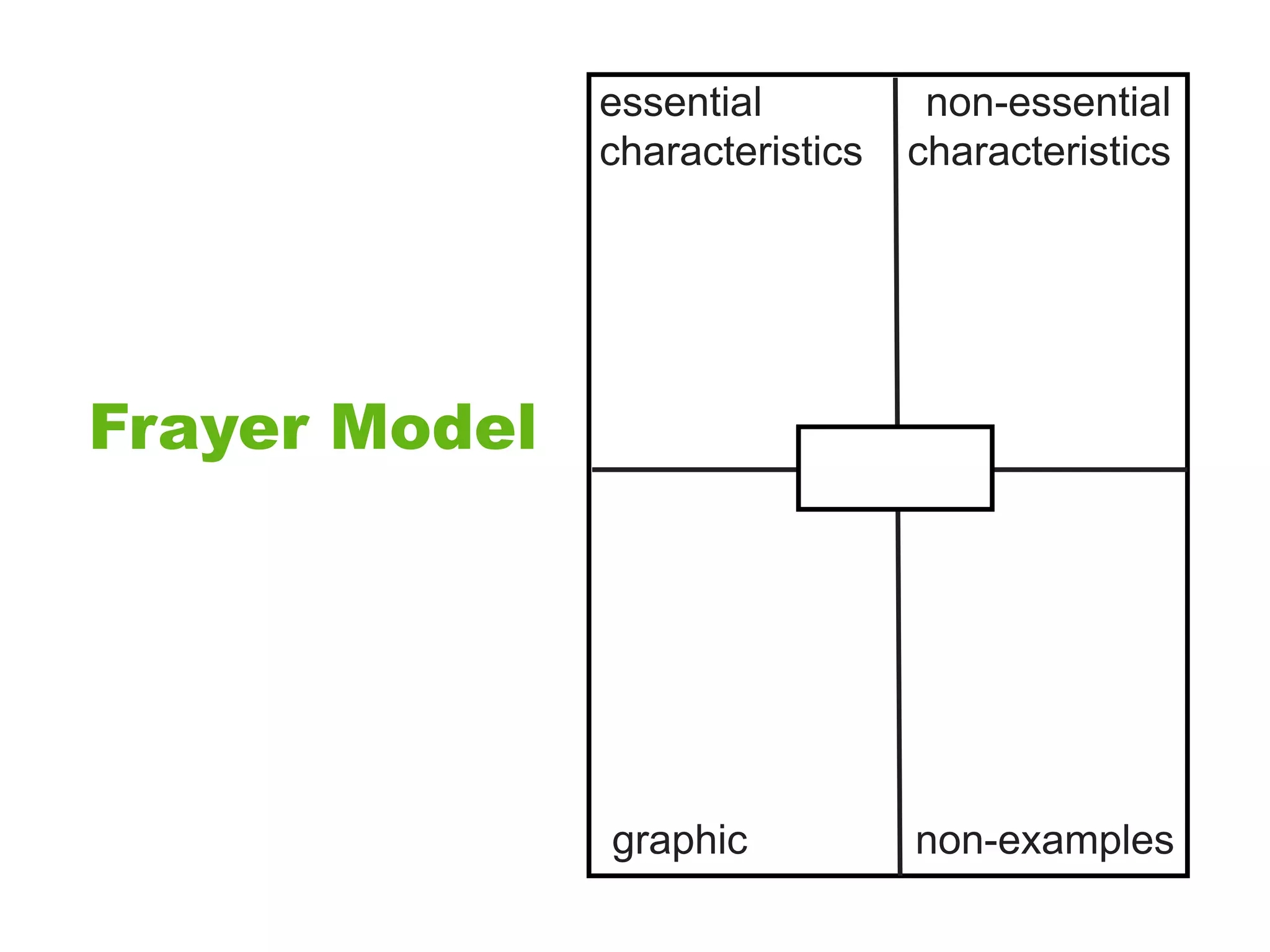
essential          non-essential
               characteristics   characteristics


Frayer Model


               graphic           non-examples
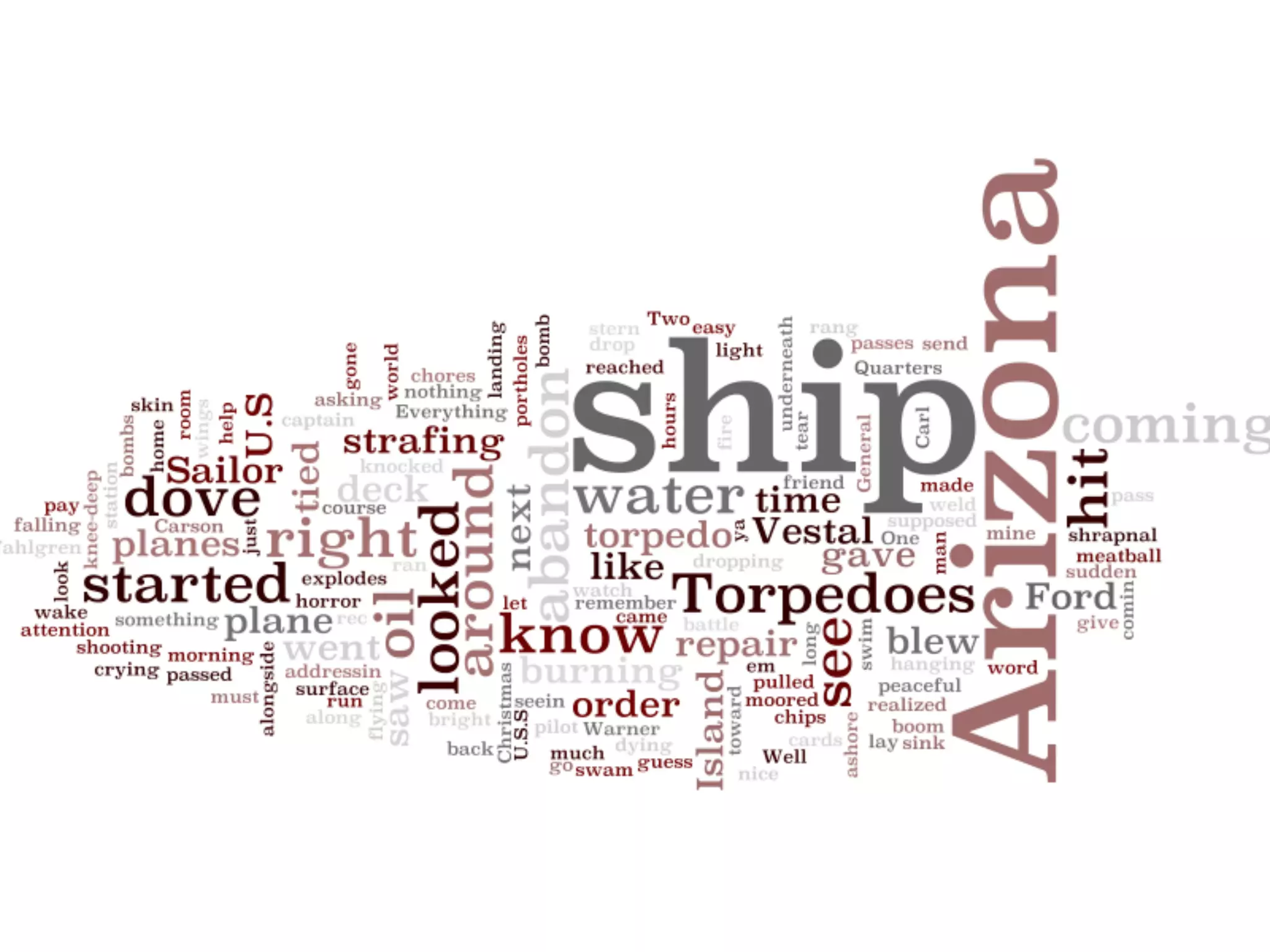
Wordle.net
 • speeches
 • overview of text
 • primary documents
 • vocabulary
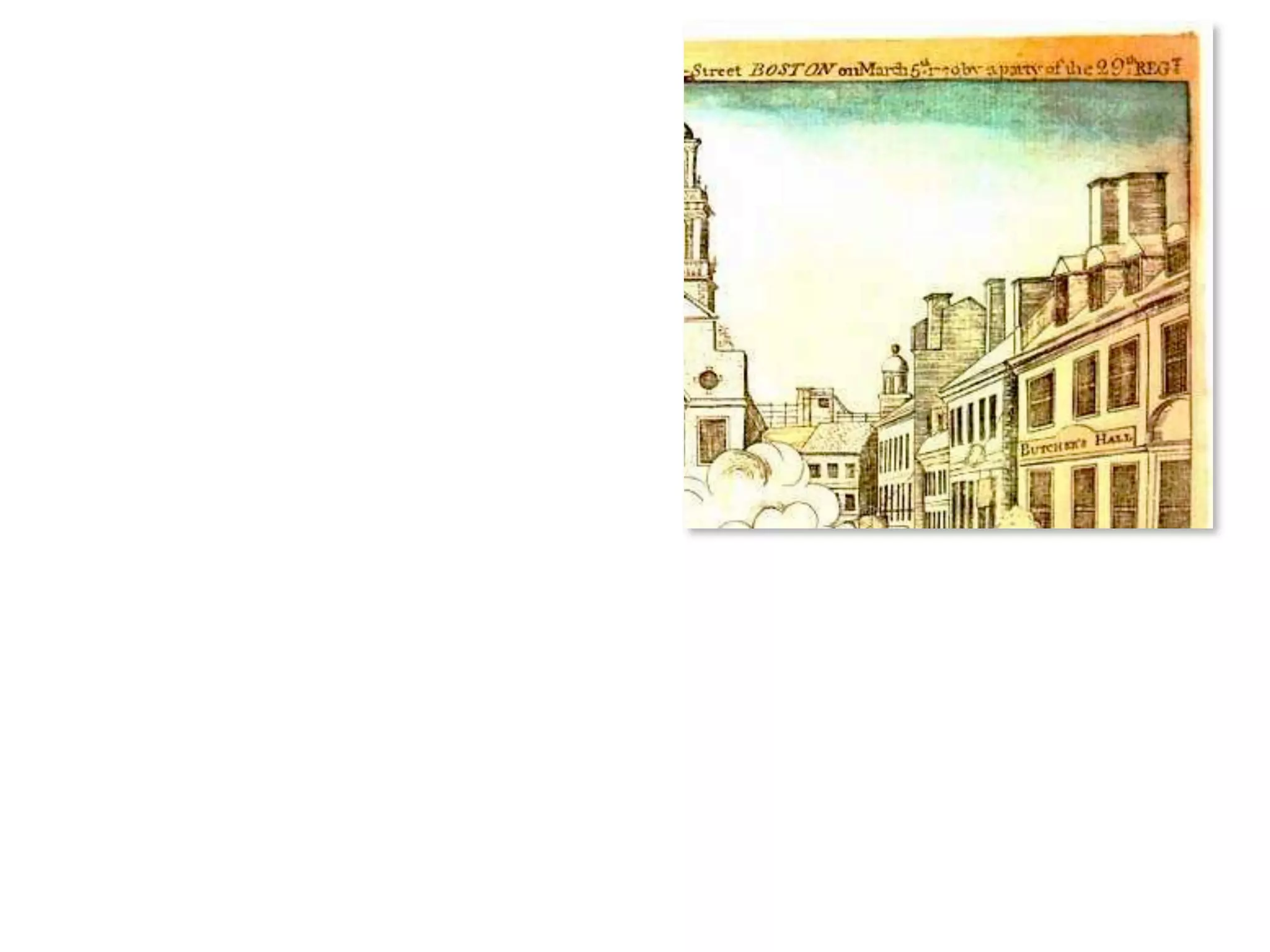
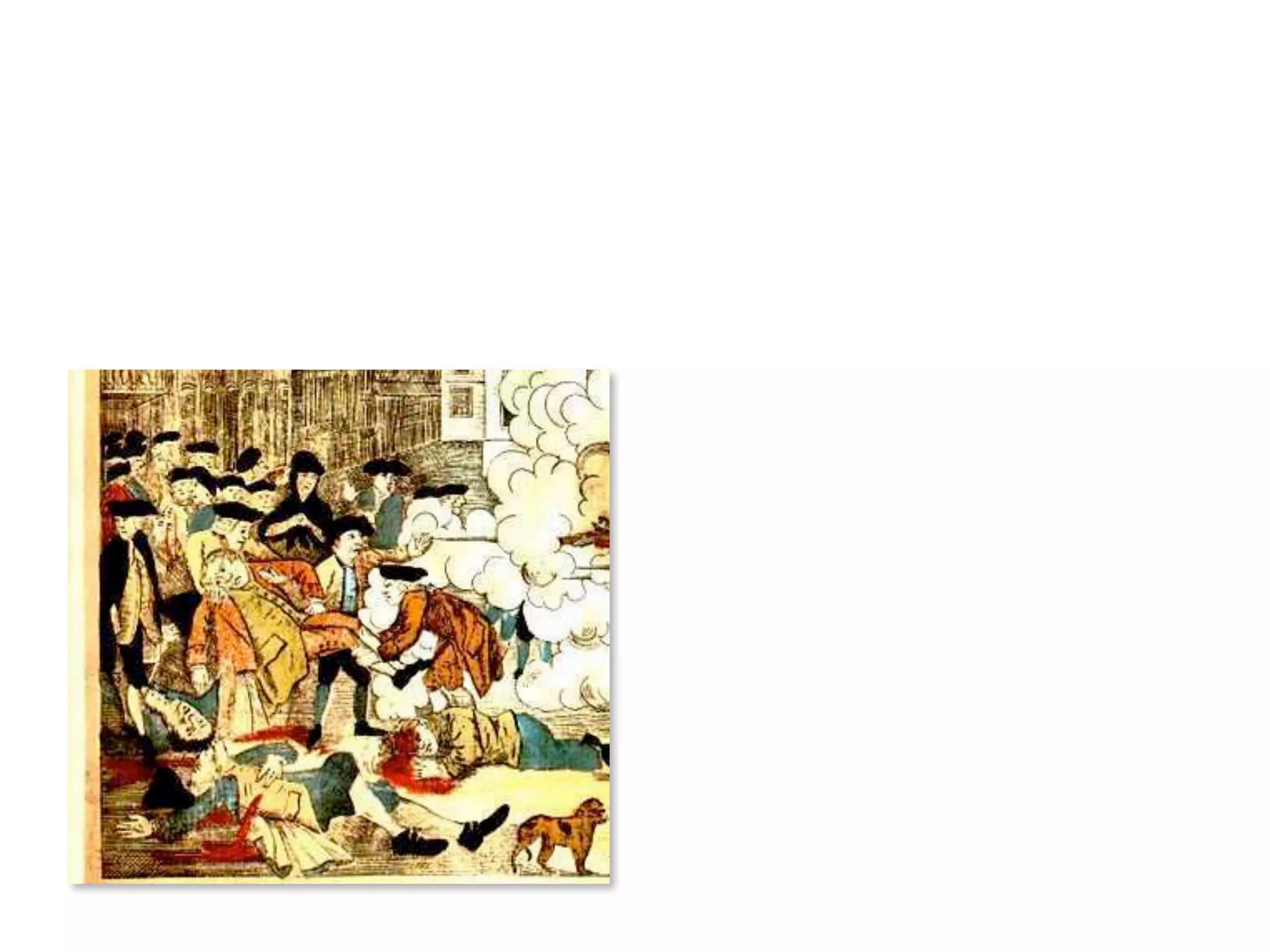
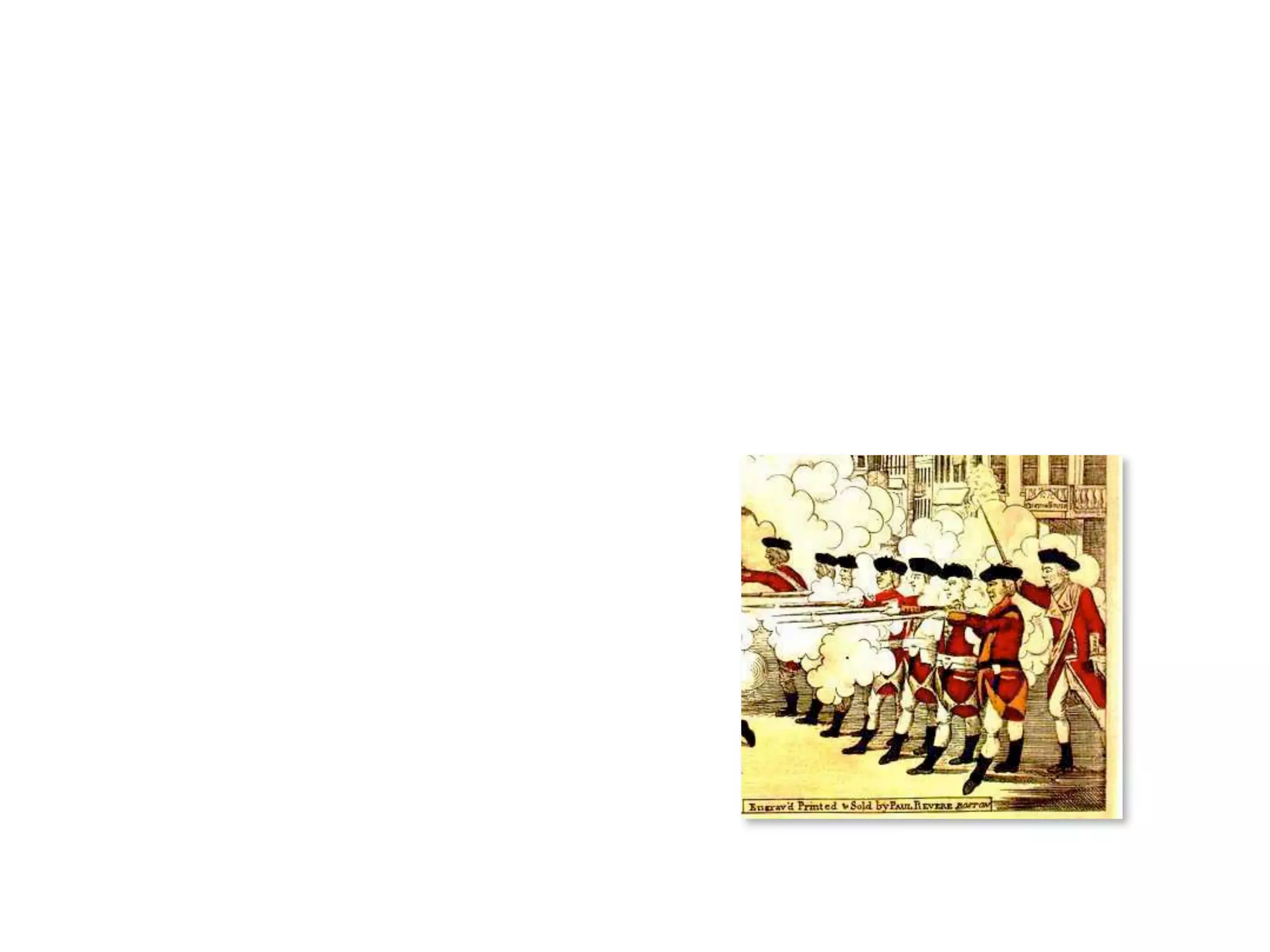
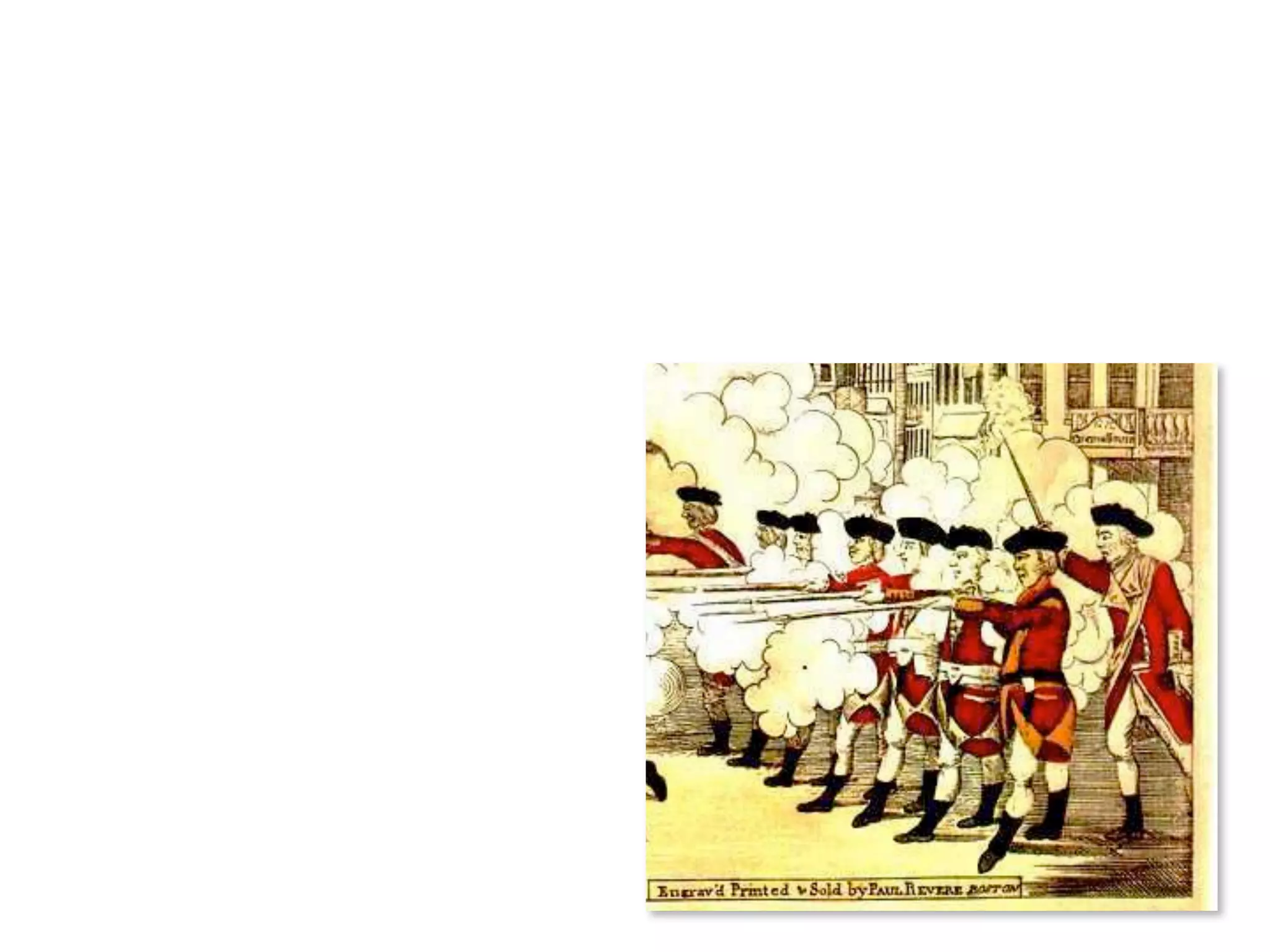
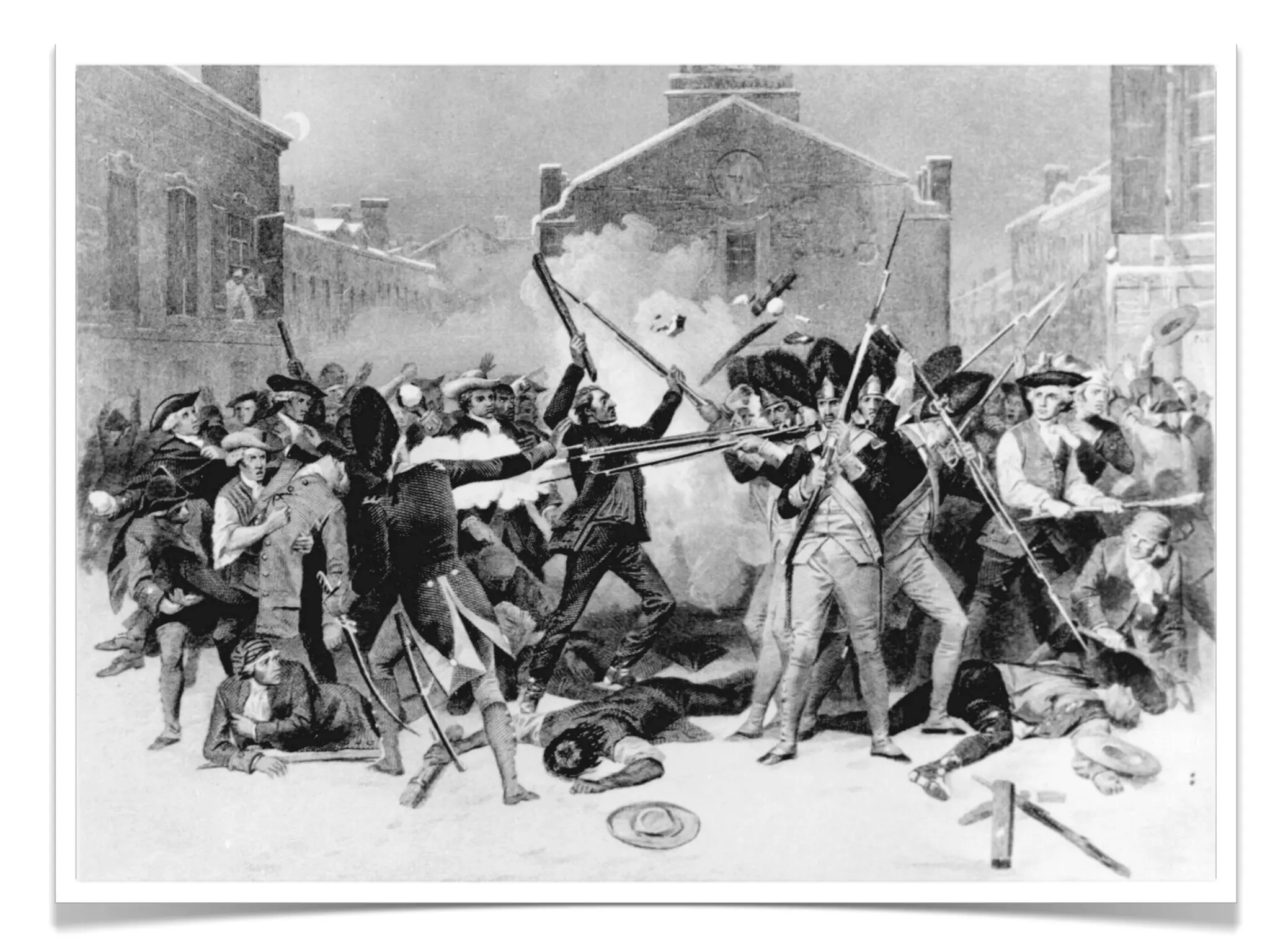
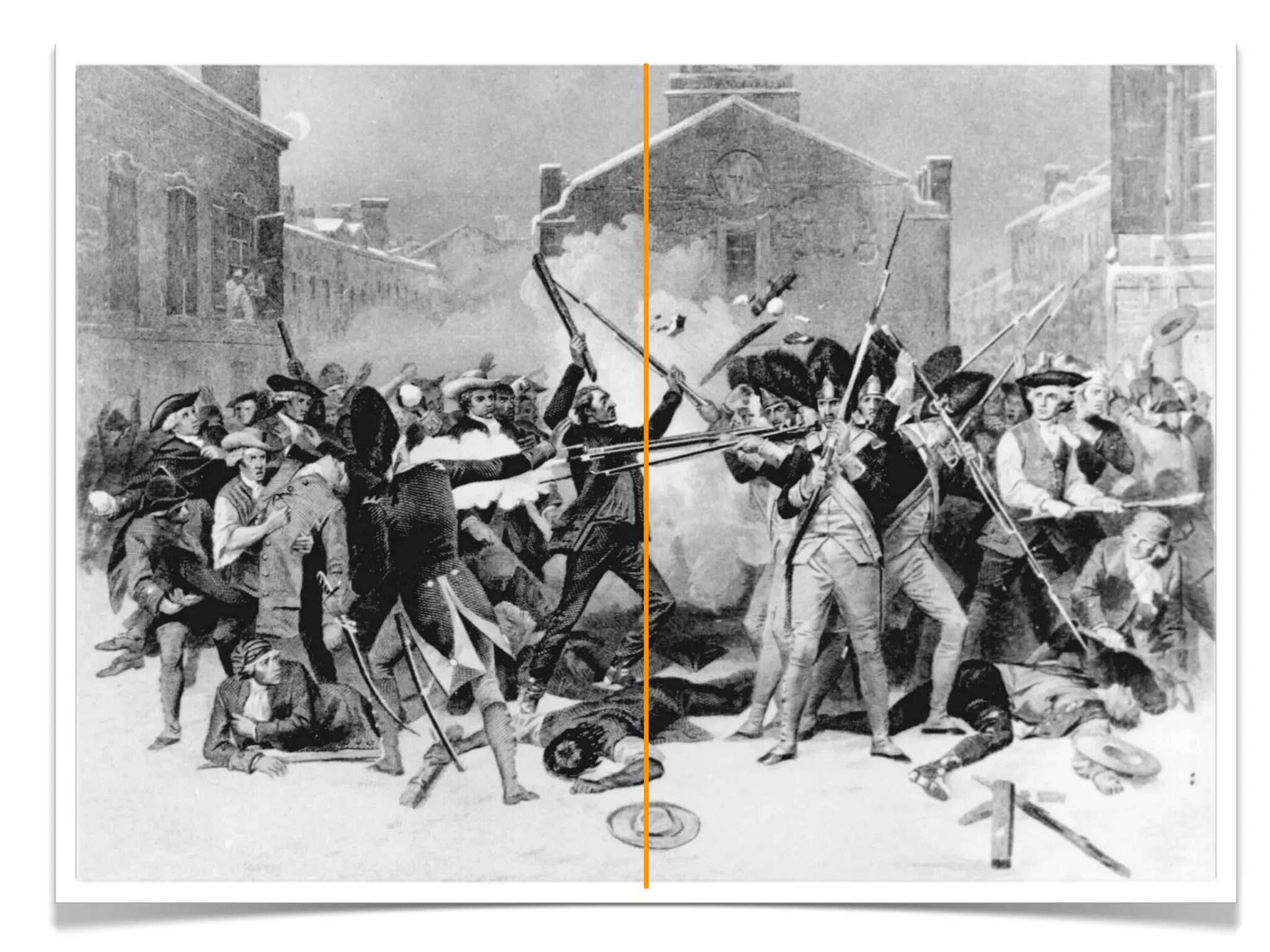
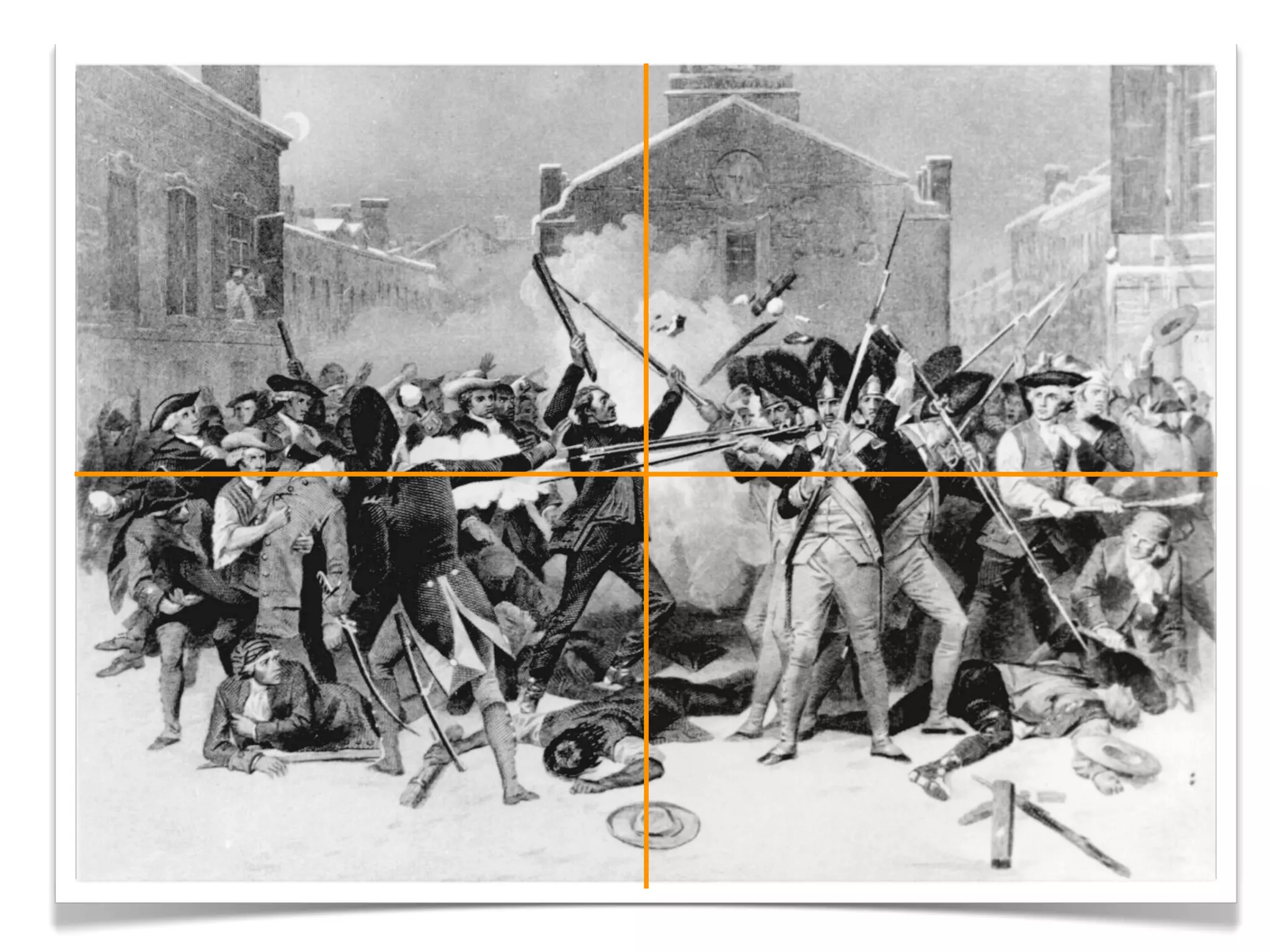
Three stage media analysis
See?
Similarities & Differences?
So what?
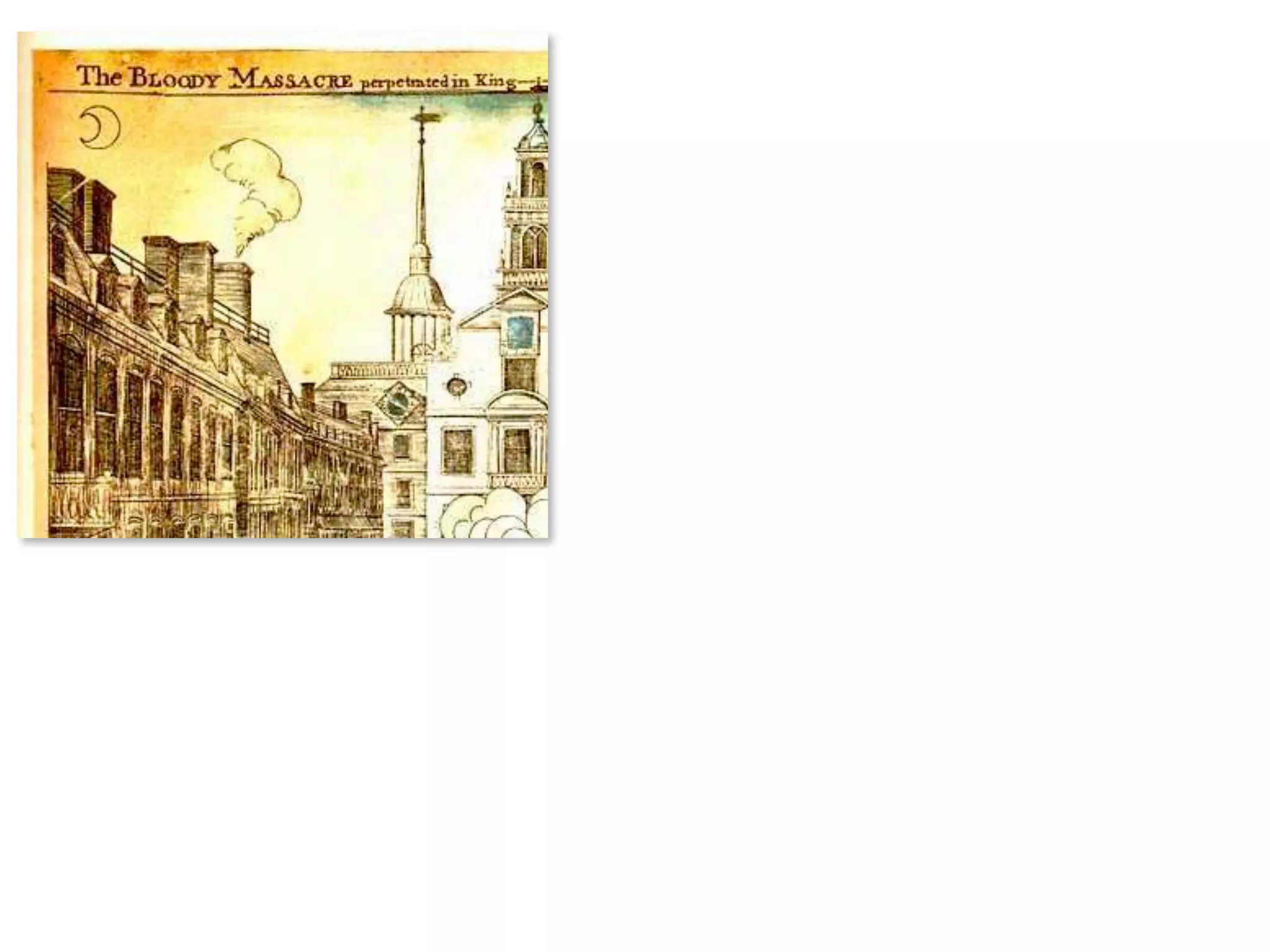
Paul Revere
 1770
Alonzo Chappel
 1868
“What really happened in Boston
 on March 5, 1770?”
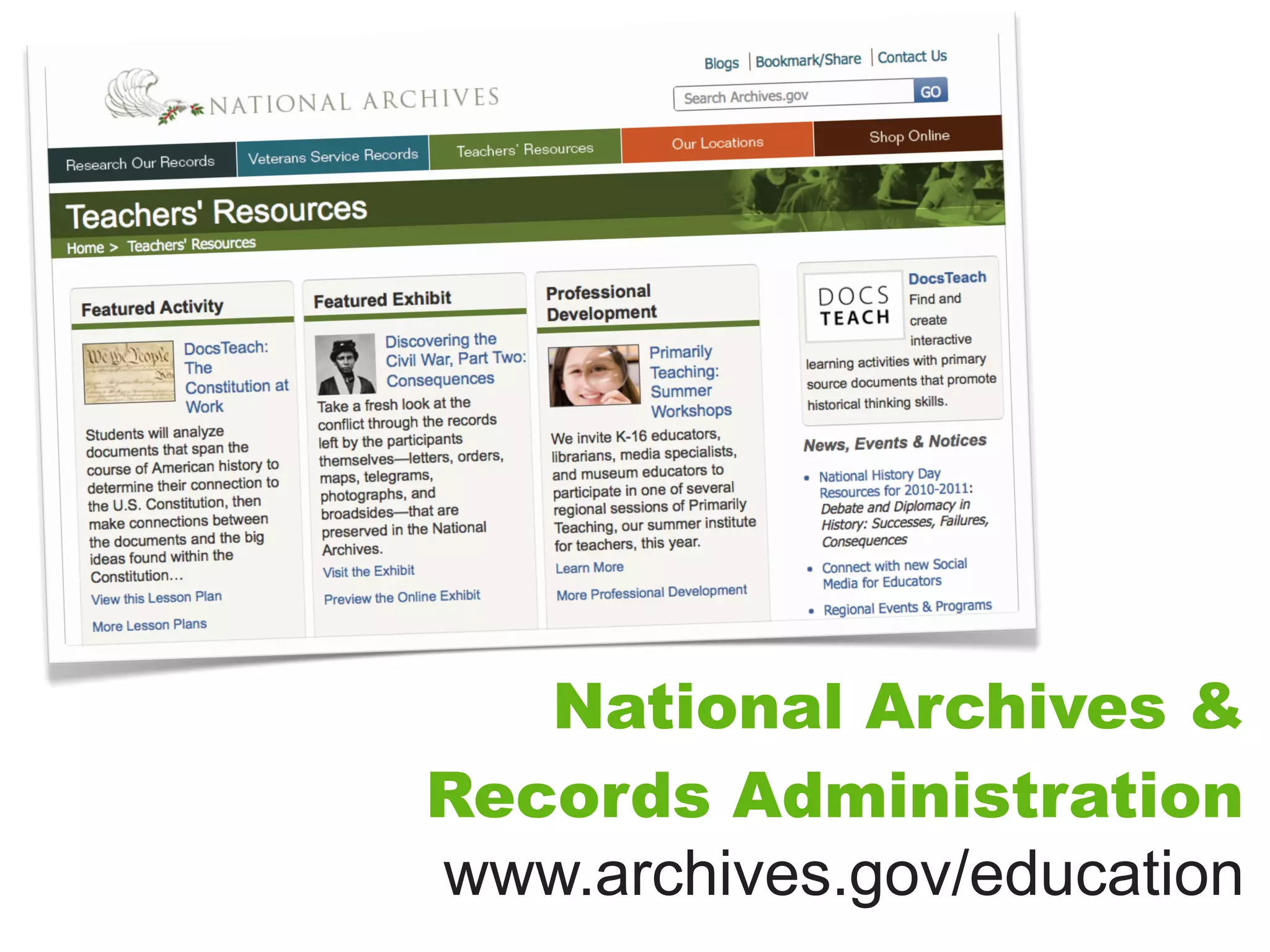
National Archives &
Records Administration
www.archives.gov/education
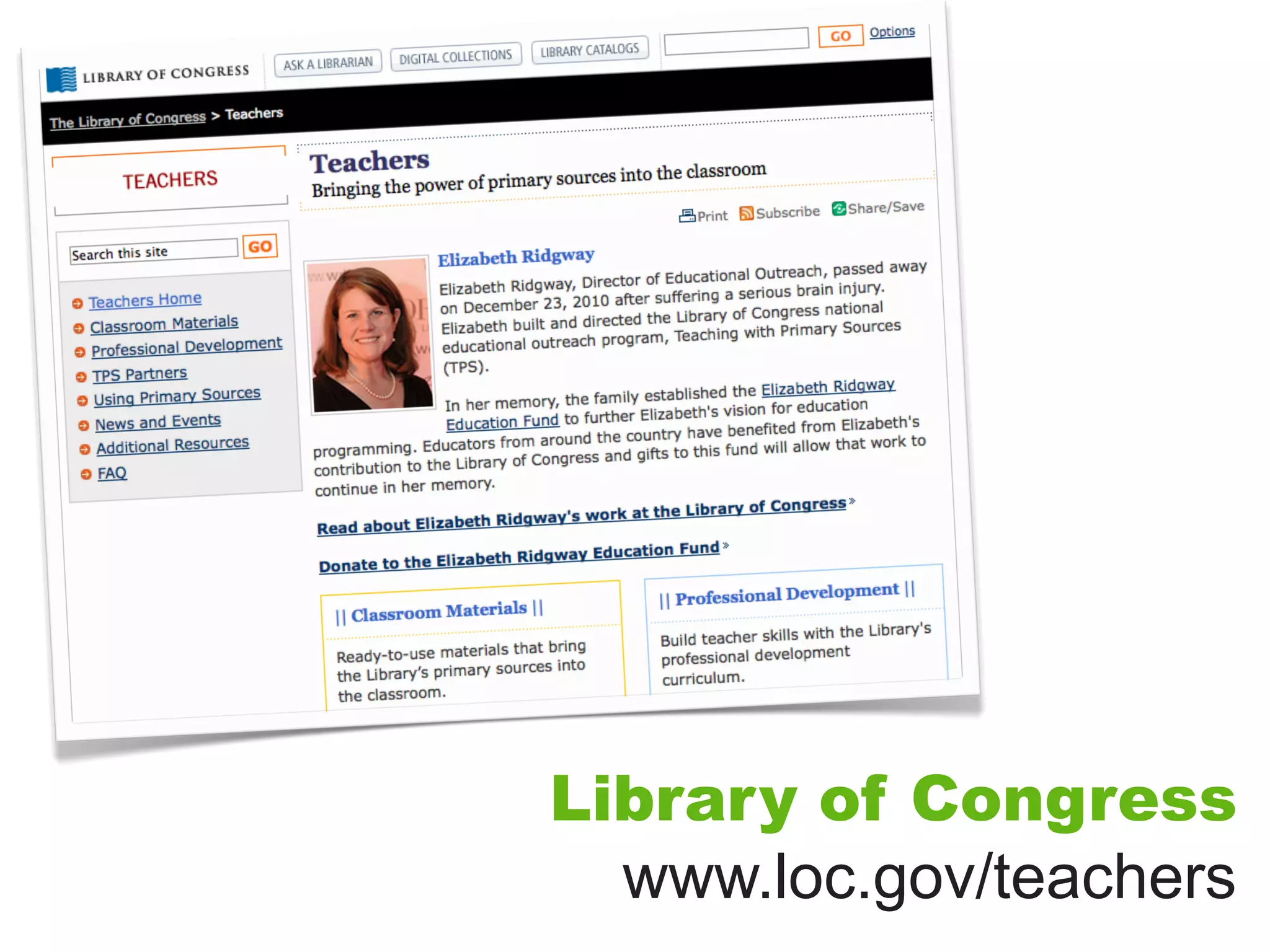
Library of Congress
  www.loc.gov/teachers
During reading / strategies
Clarifying
5 Ws and H
History / Story Frame
Text structure
Description
Sequence
Cause / effect
Problem / solution
Compare & contrast
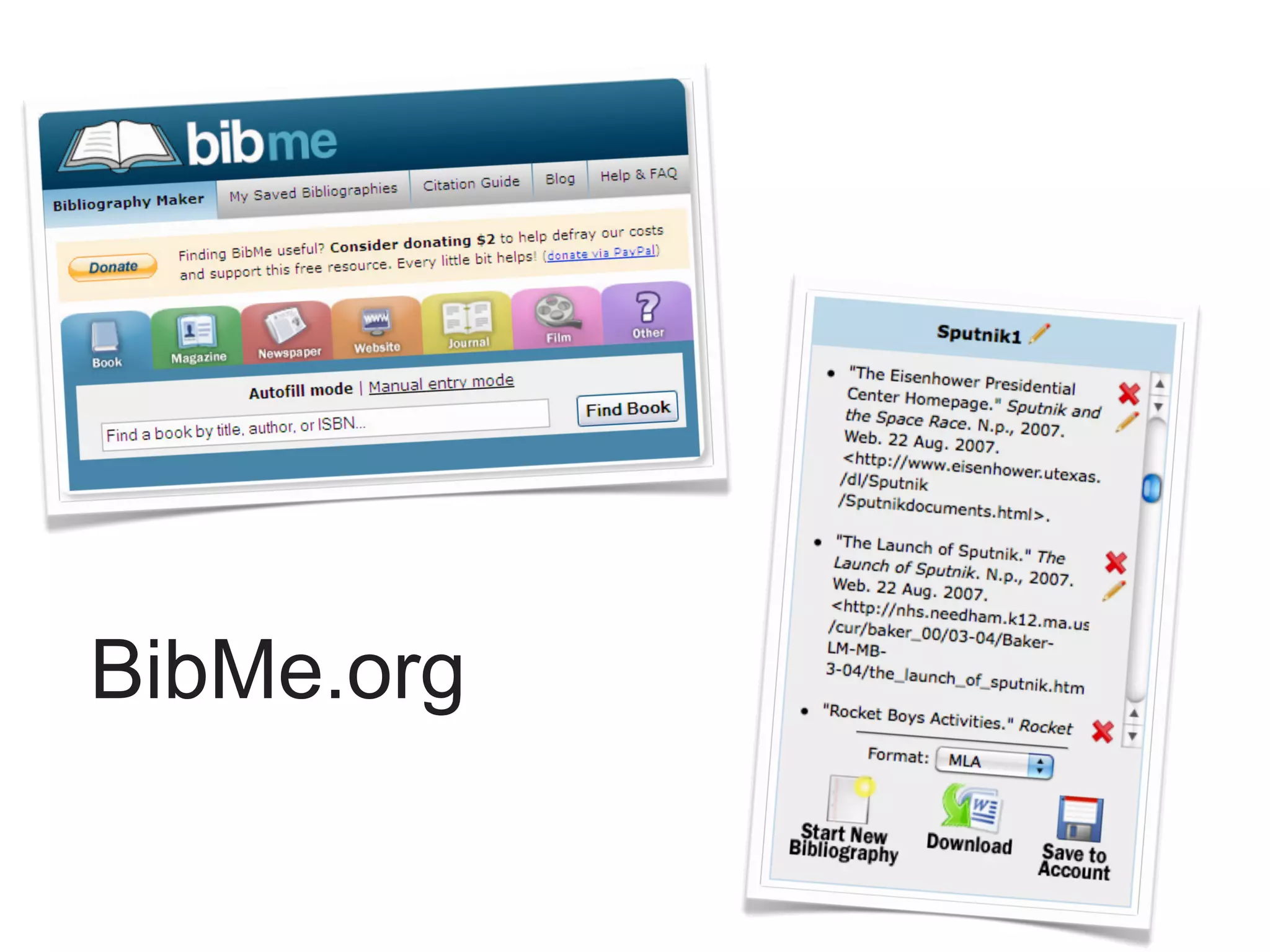
BibMe.org
Whatcha’ thinking?
After reading / strategies
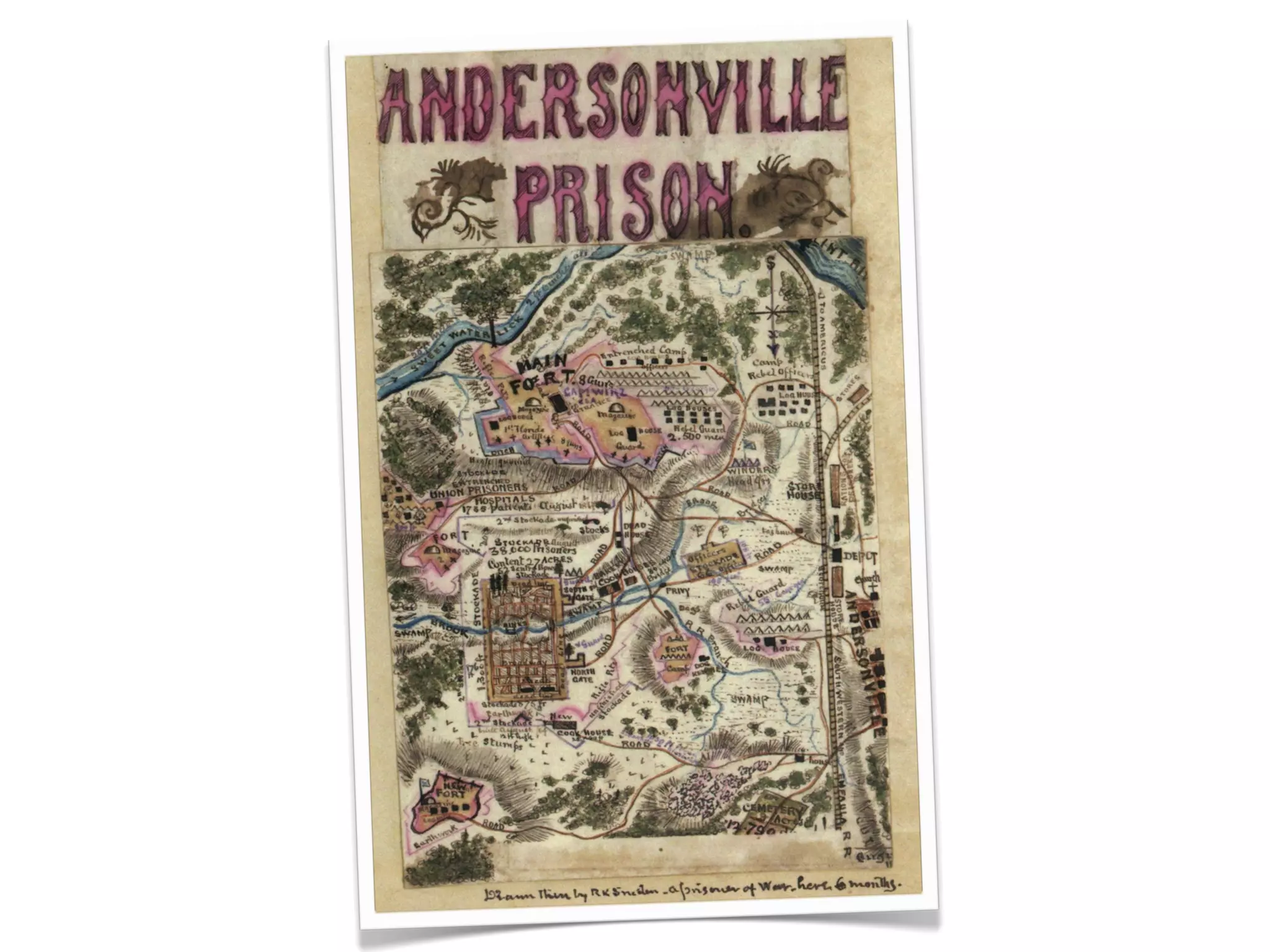
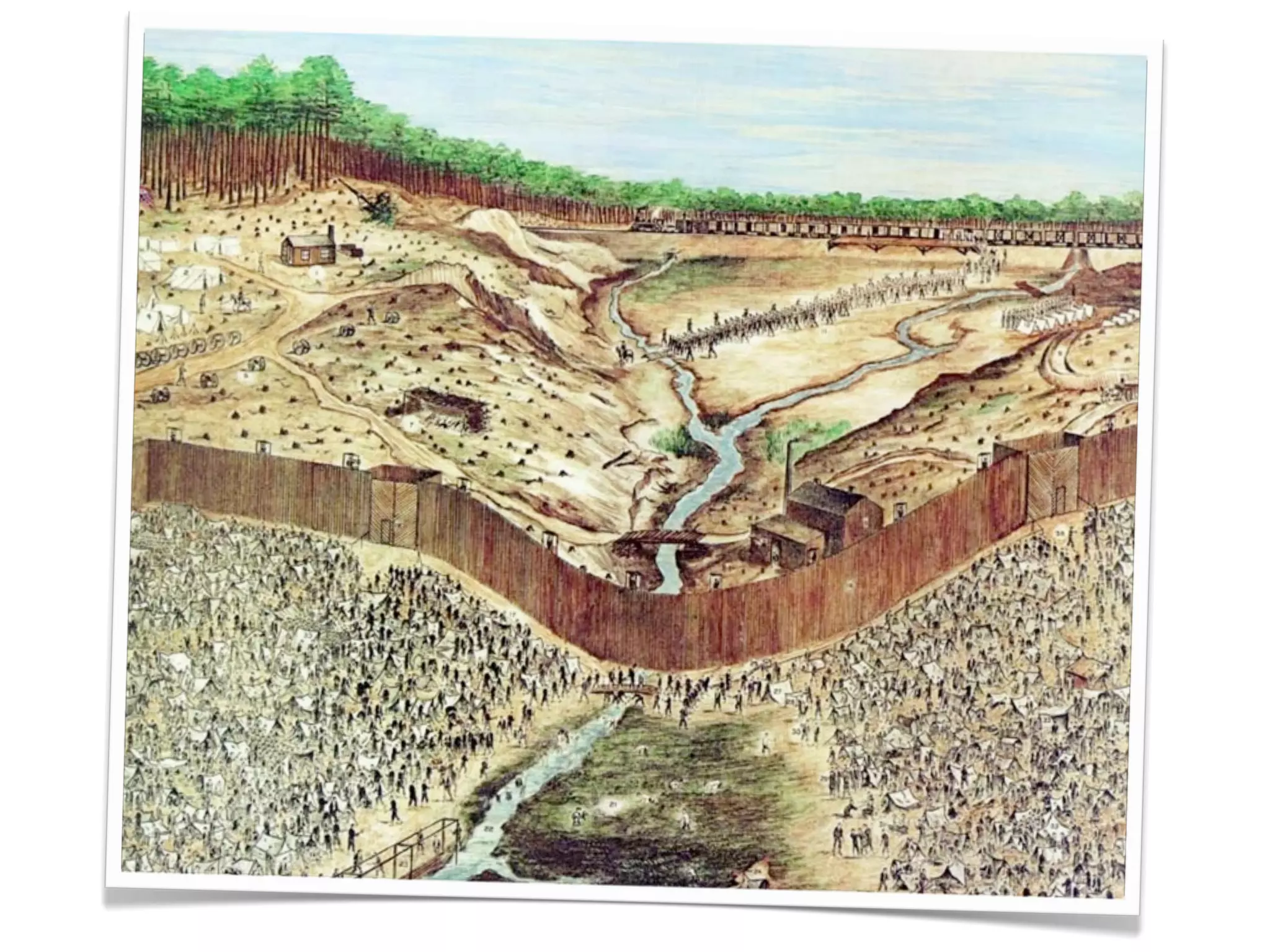
Document based question
   Andersonville prison
Focus on process
Compare / contrast
Point of view
Change over time
Discuss social, economic, political
issues
Cause & effect
Contrasting perspectives
Summarizing
Summarizing Pyramid
Quick Draw for Points
Writing in Social Studies
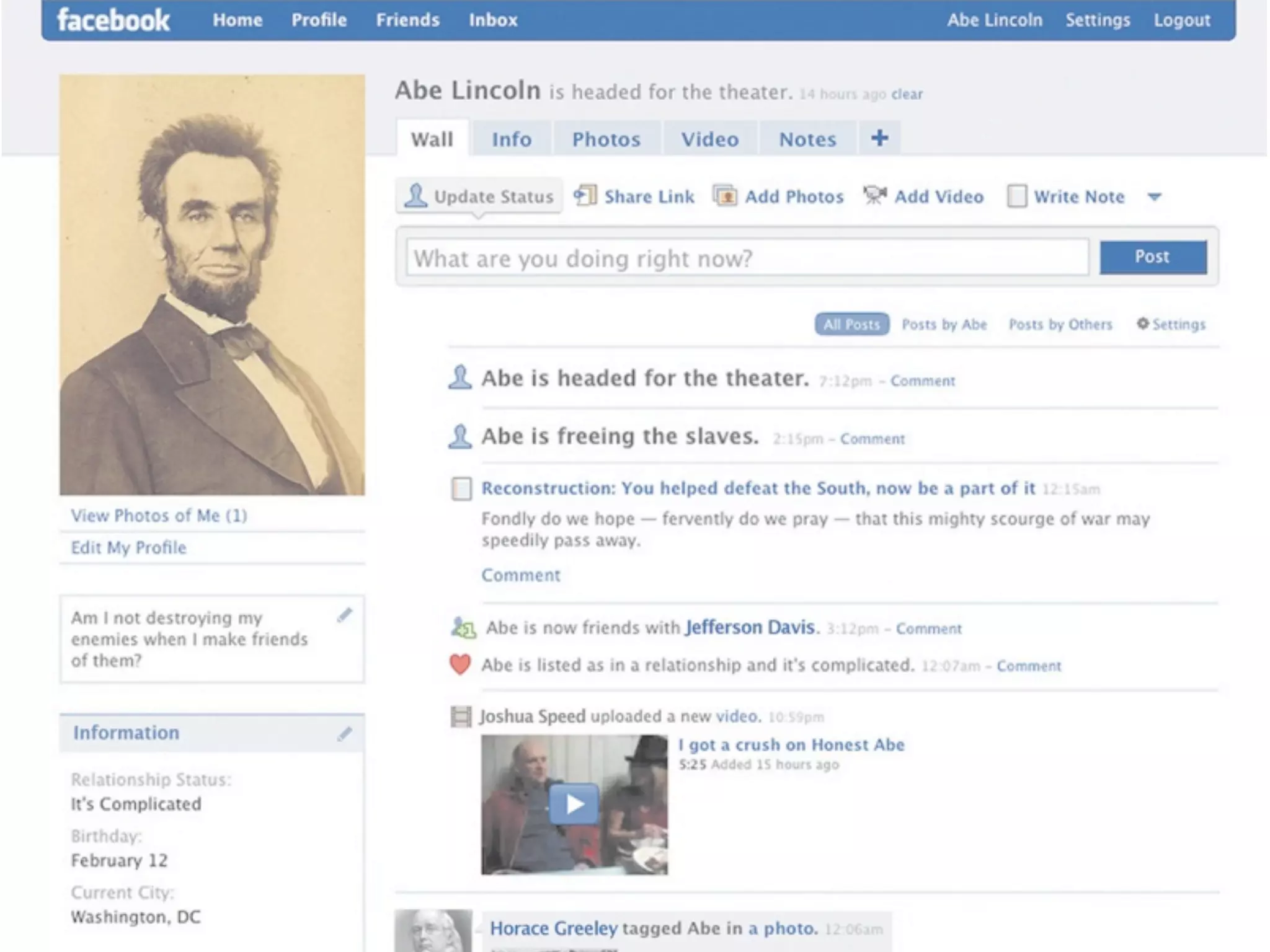
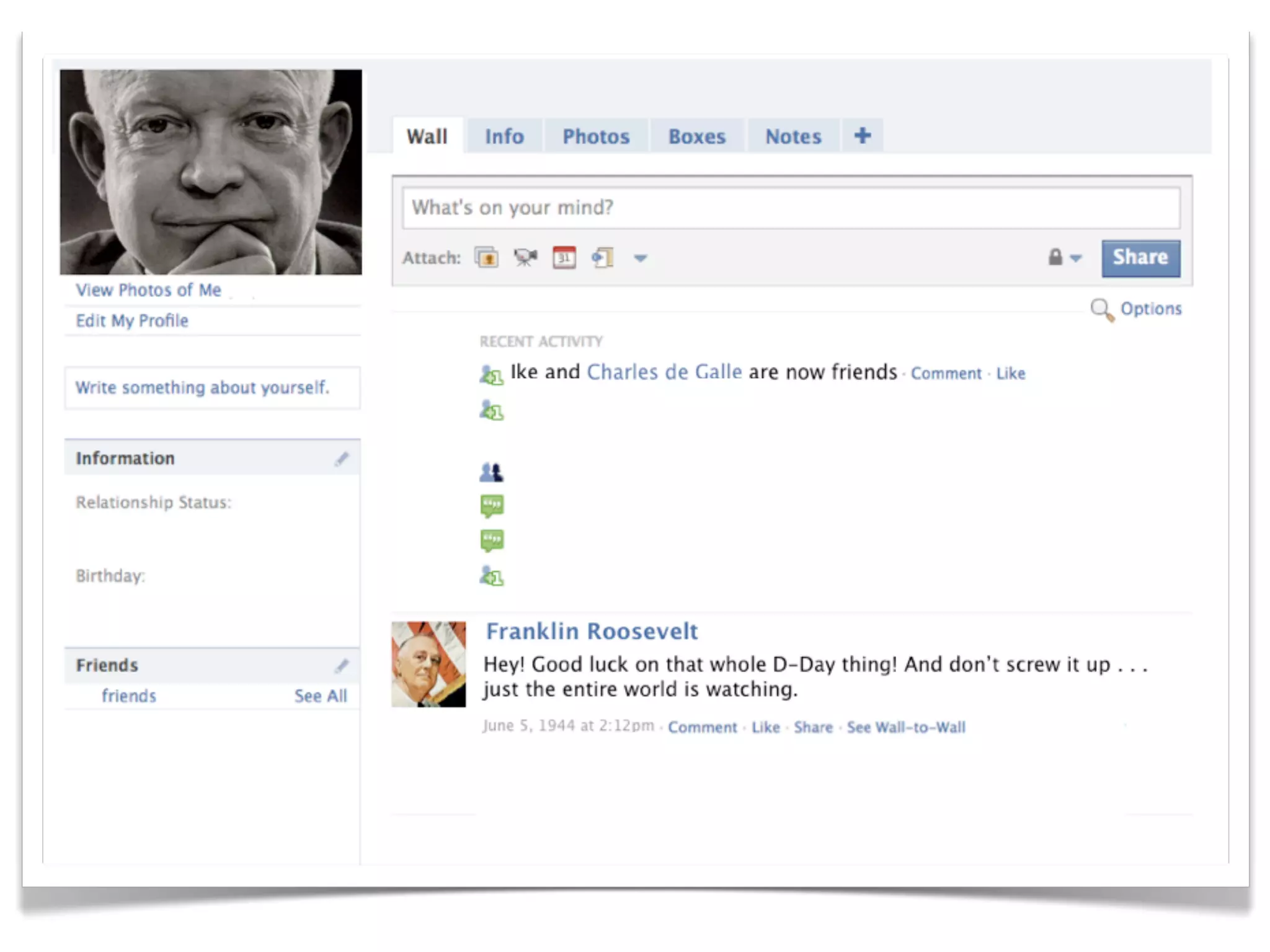
Facebook
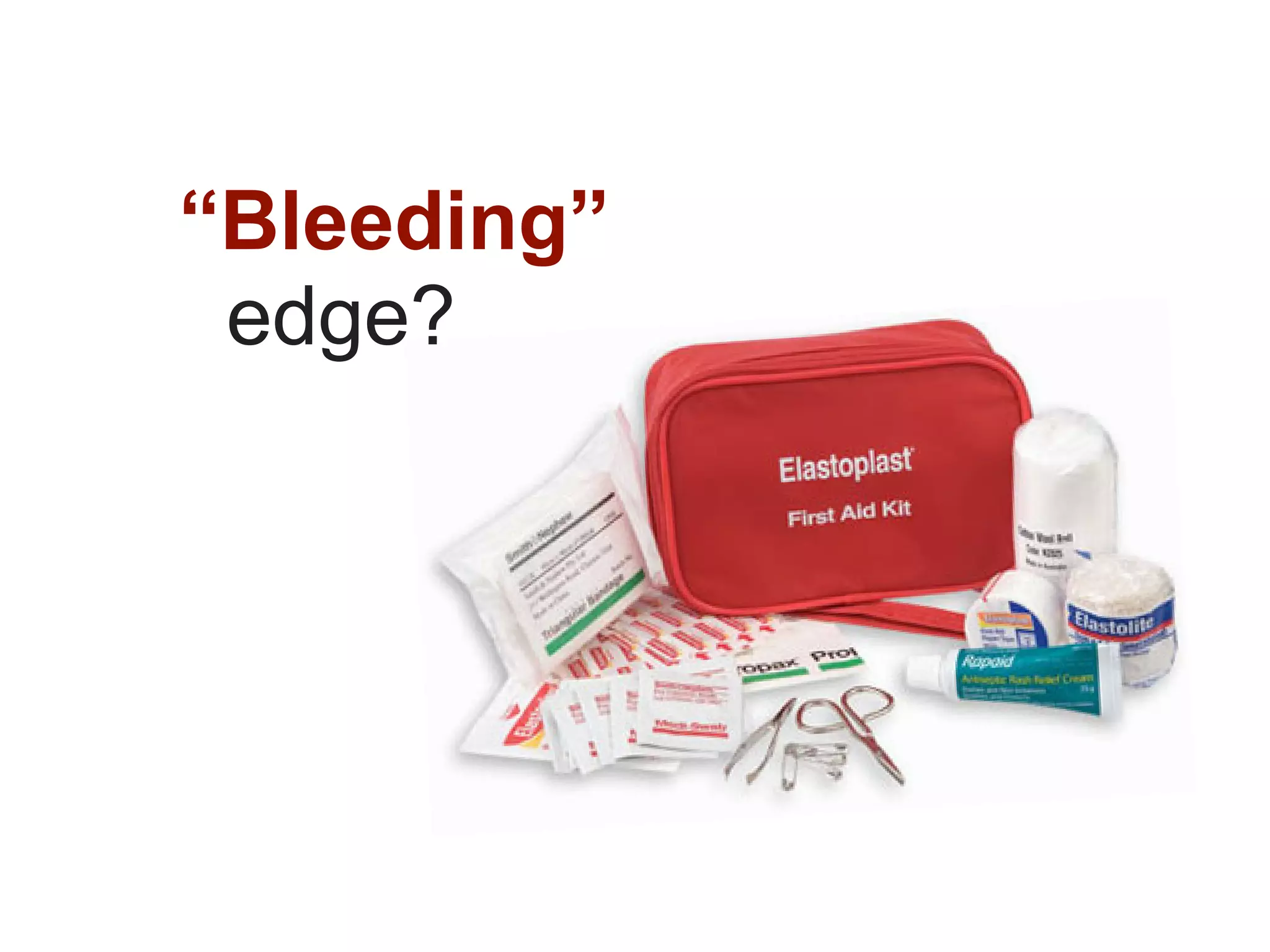
“Bleeding”
 edge?
docs.google.com

                      delicious.com

blogger.com
Whatcha’ thinking?
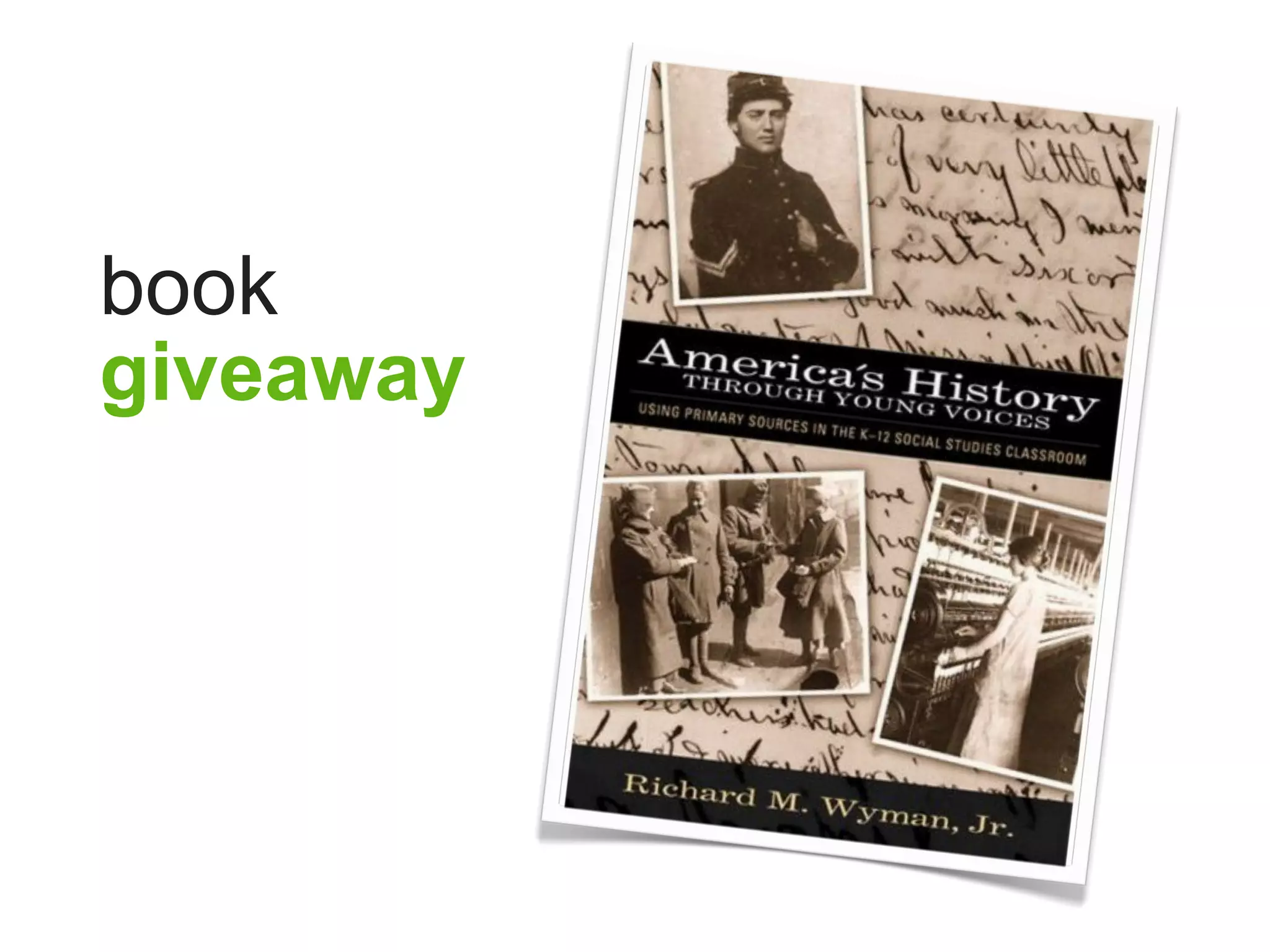
book
giveaway
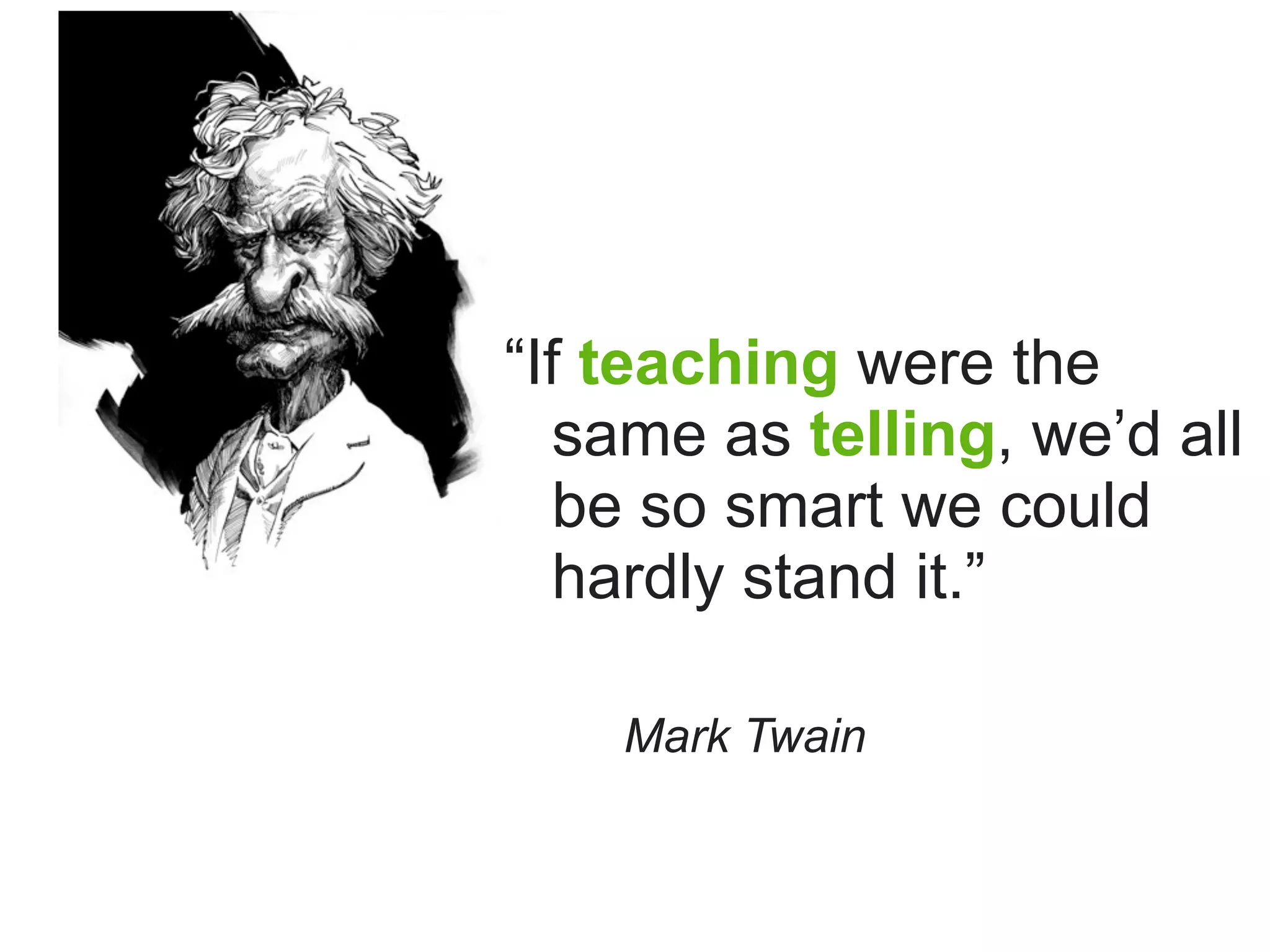
“If teaching were the
   same as telling, we’d all
   be so smart we could
   hardly stand it.”

    Mark Twain
have more questions?
   contact:

   Glenn Wiebe
   glennw@essdack.org
   socialstudiescentral.com
   historytech.wordpress.com

   View presentations at:
   slideshare.net/glennw98

Reading and writing in the Social Studies (Short)