In our pre-lim task, we allowed this to be an experiment
towards shooting and what shots we can use within
filming. We used editing techniques such as match on
action and reverse shot. This also gave us more
understanding how to complete editing successfully, this
then introducing us to how we could futuristically add
editing techniques those being similar and different ones
within our film piece.
The pre-lim compared to the opening sequence of our film
is completely different in regards to genre, costumes,
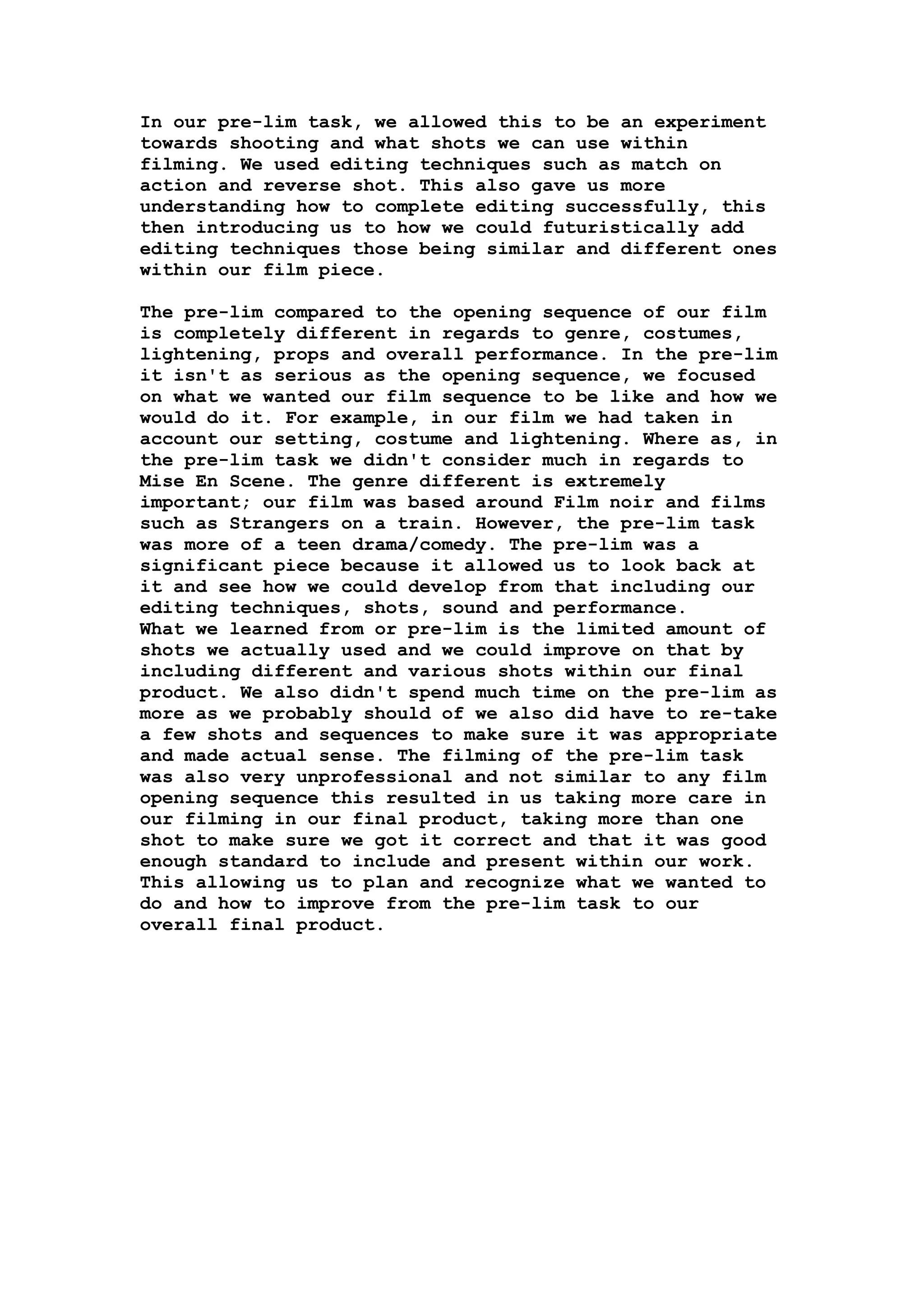
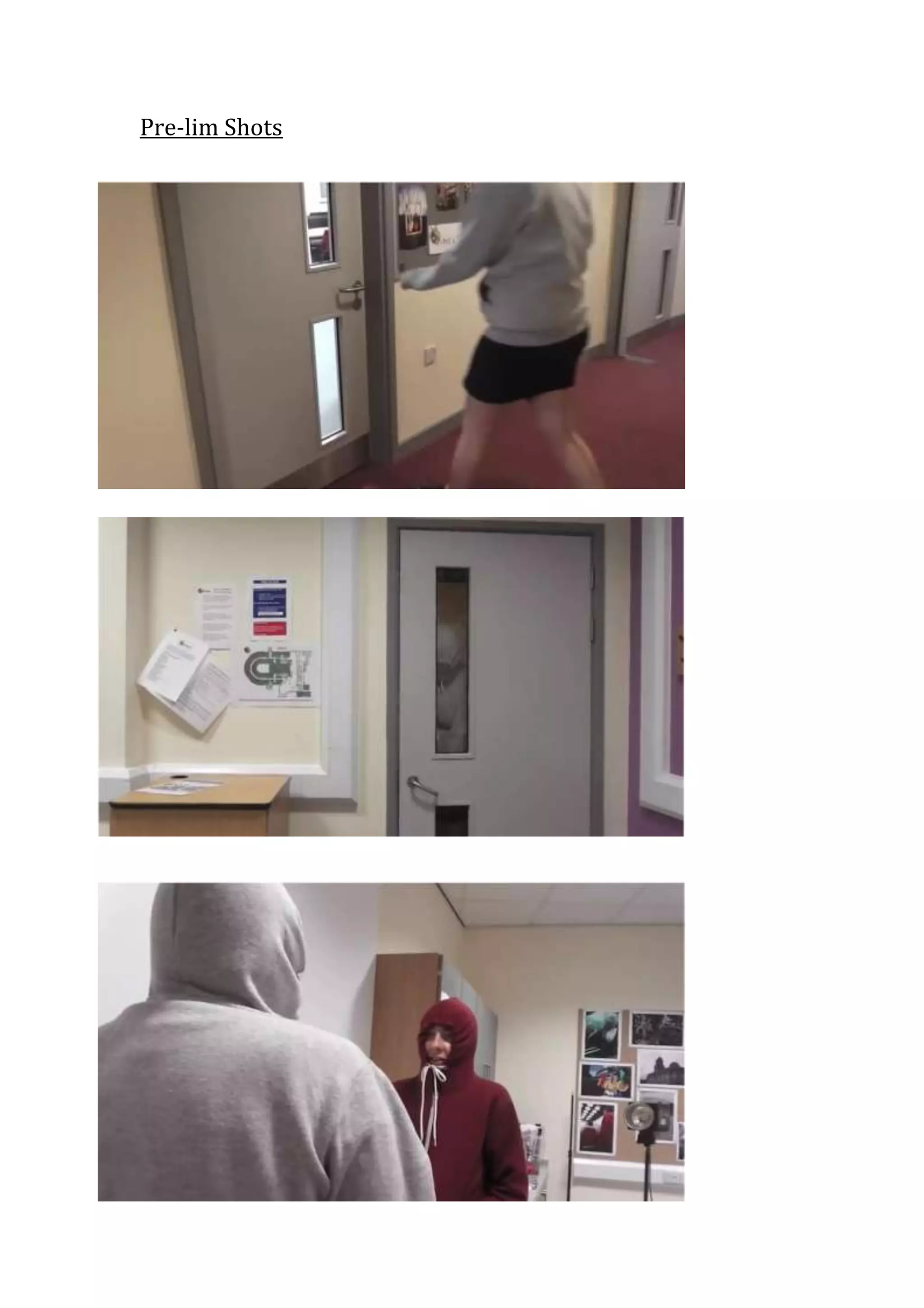
lightening, props and overall performance. In the pre-lim
it isn't as serious as the opening sequence, we focused
on what we wanted our film sequence to be like and how we
would do it. For example, in our film we had taken in
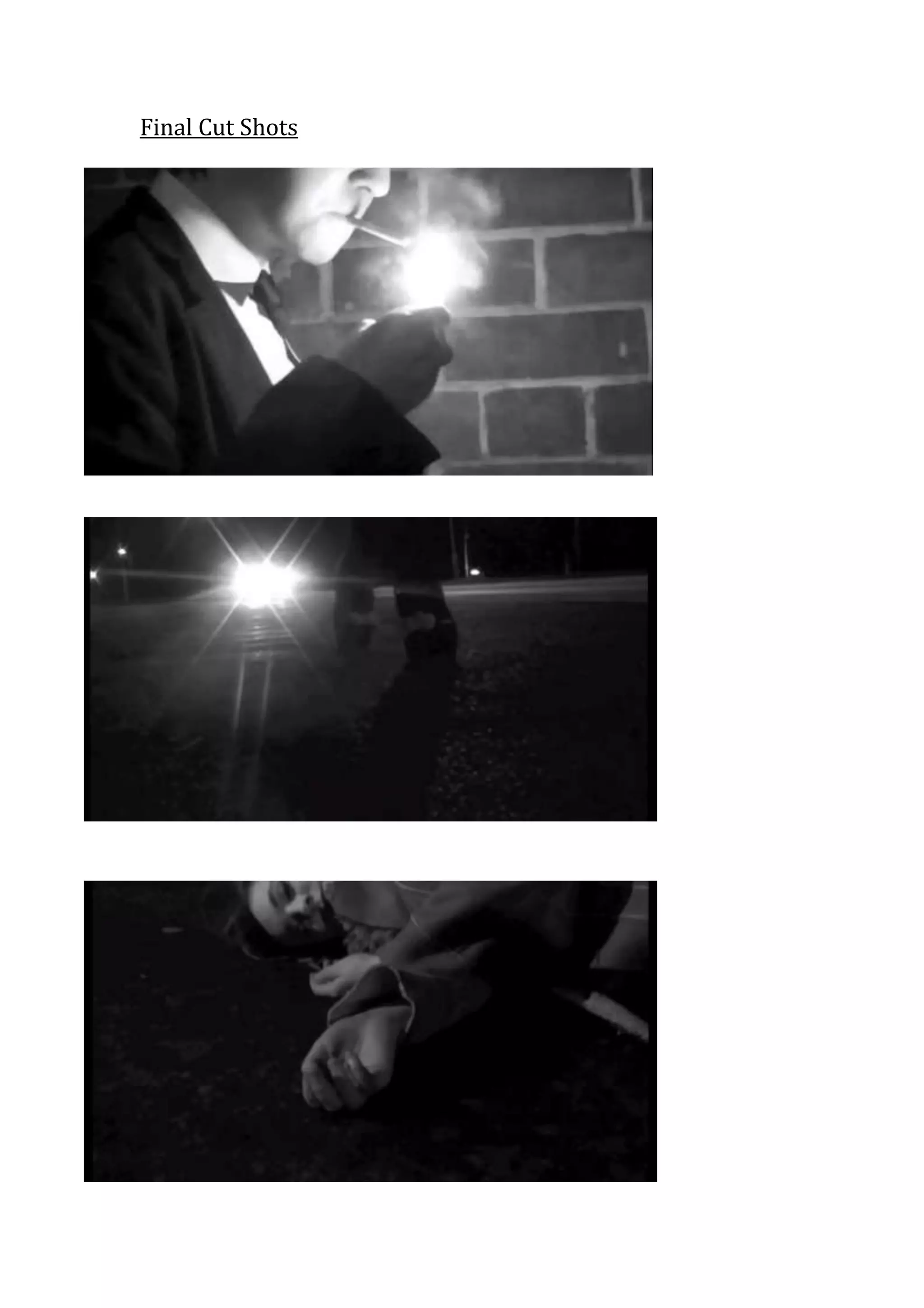
account our setting, costume and lightening. Where as, in
the pre-lim task we didn't consider much in regards to
Mise En Scene. The genre different is extremely
important; our film was based around Film noir and films
such as Strangers on a train. However, the pre-lim task
was more of a teen drama/comedy. The pre-lim was a
significant piece because it allowed us to look back at
it and see how we could develop from that including our
editing techniques, shots, sound and performance.
What we learned from or pre-lim is the limited amount of
shots we actually used and we could improve on that by
including different and various shots within our final
product. We also didn't spend much time on the pre-lim as
more as we probably should of we also did have to re-take
a few shots and sequences to make sure it was appropriate
and made actual sense. The filming of the pre-lim task
was also very unprofessional and not similar to any film
opening sequence this resulted in us taking more care in
our filming in our final product, taking more than one
shot to make sure we got it correct and that it was good
enough standard to include and present within our work.
This allowing us to plan and recognize what we wanted to
do and how to improve from the pre-lim task to our
overall final product.
Pre-lim Shots
Final Cut Shots

Question 7

  • 1.
    In our pre-limtask, we allowed this to be an experiment towards shooting and what shots we can use within filming. We used editing techniques such as match on action and reverse shot. This also gave us more understanding how to complete editing successfully, this then introducing us to how we could futuristically add editing techniques those being similar and different ones within our film piece. The pre-lim compared to the opening sequence of our film is completely different in regards to genre, costumes, lightening, props and overall performance. In the pre-lim it isn't as serious as the opening sequence, we focused on what we wanted our film sequence to be like and how we would do it. For example, in our film we had taken in account our setting, costume and lightening. Where as, in the pre-lim task we didn't consider much in regards to Mise En Scene. The genre different is extremely important; our film was based around Film noir and films such as Strangers on a train. However, the pre-lim task was more of a teen drama/comedy. The pre-lim was a significant piece because it allowed us to look back at it and see how we could develop from that including our editing techniques, shots, sound and performance. What we learned from or pre-lim is the limited amount of shots we actually used and we could improve on that by including different and various shots within our final product. We also didn't spend much time on the pre-lim as more as we probably should of we also did have to re-take a few shots and sequences to make sure it was appropriate and made actual sense. The filming of the pre-lim task was also very unprofessional and not similar to any film opening sequence this resulted in us taking more care in our filming in our final product, taking more than one shot to make sure we got it correct and that it was good enough standard to include and present within our work. This allowing us to plan and recognize what we wanted to do and how to improve from the pre-lim task to our overall final product.
  • 2.
  • 3.