U N I T V – R E S O U R C E S F O R T E A C H I N G
M A T H E M A T I C S
I year B.Ed - core 7(a)
Pedagogy of Mathematics
QUALITIES OF GOOD MATHEMATICS TEXTBOOK
Victoria Michael
Pedagogy of Mathematics
20EDM53
P R E P A R E D B Y ,
V I C T O R I A M I C H A E L
2 0 E D M 5 3
Qualities of good Mathematics
textbook
INTRODUCTION
 The mathematics textbook is an important source for
learning mathematics and it plays a key role in
effective teaching and learning.
 A textbook should stimulate reflective thinking and
develop problem-solving ability among students.
 The textbooks should present real learning
situations, which are challenging and interesting for
the students and should not render itself as a means
of rote learning.
QUALITIES OF A GOOD
MATHEMATICS TEXTBOOK
 The qualities of a good textbook in mathematics
can be broadly classified under the following
heads:-
1. Physical Features
2. Author
3. Content
4. Organization and Presentations
5. Language
6. Exercise and Illustration
7. General
1. Physical Features
 Paper: the paper used in the textbook should be of
superior quality.
 Binding: it should have quality strong and durable
binding.
 Printing: it should have quality printing, bold font
and easily readable font.
 Size: bulky and thick. It should be handy.
 Cover: it should have an appealing and attractive
cover page.
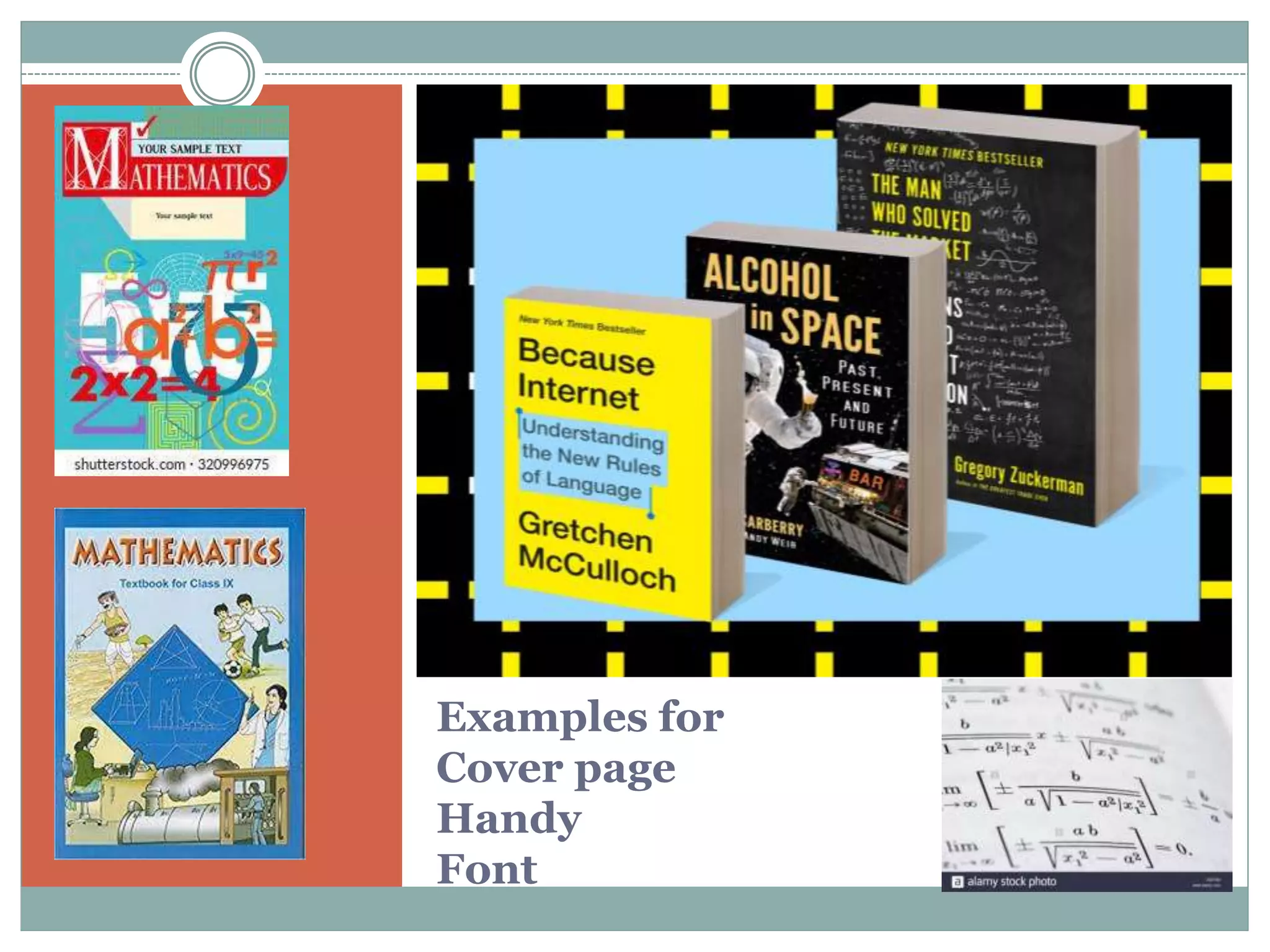
Examples for
Cover page
Handy
Font
2. Author:
 Qualified author should write it.
 Experienced teacher should write it.
 Competent teachers should write it.
 It should be written by committee of experts
constituted by the state government.
 For the authors, certain minimum academic
and professional qualifications may be
prescribed.
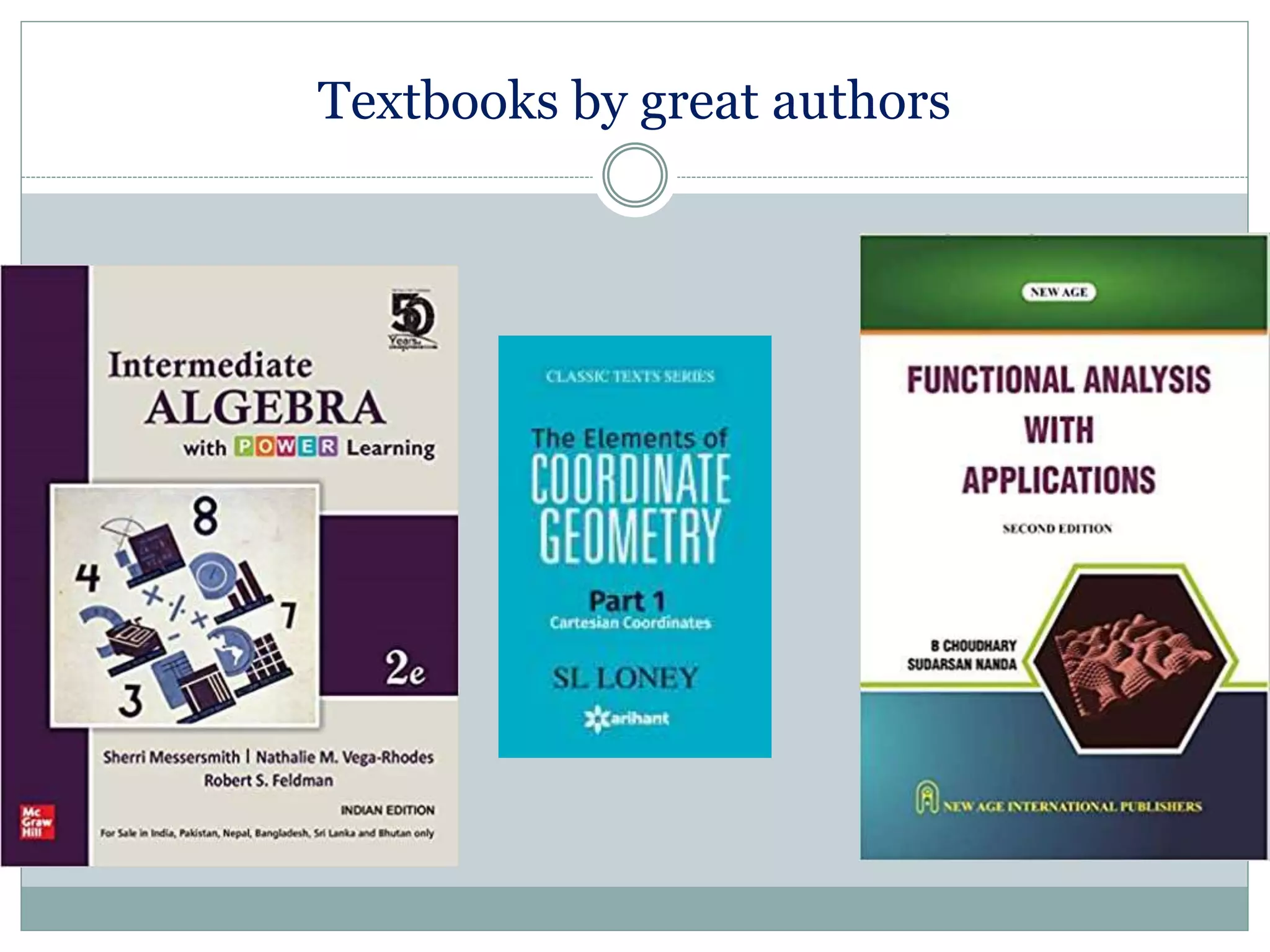
Textbooks by great authors
3. Content:
 It should be child centered.
 The subject matter should be arranged from
simple to complex and concrete to abstract.
 The subject matter should create interest in
the pupil.
 It should be objective oriented.
 It should be written according to prescribed
syllabus.
 It should satisfy the demands of examination.
3. Content:
 The answers given at the end of each section
should be correct.
 It should include the recent developments in
the mathematics relating to the content dealt
with.
 Oral mathematics should find its due place in
the textbook.
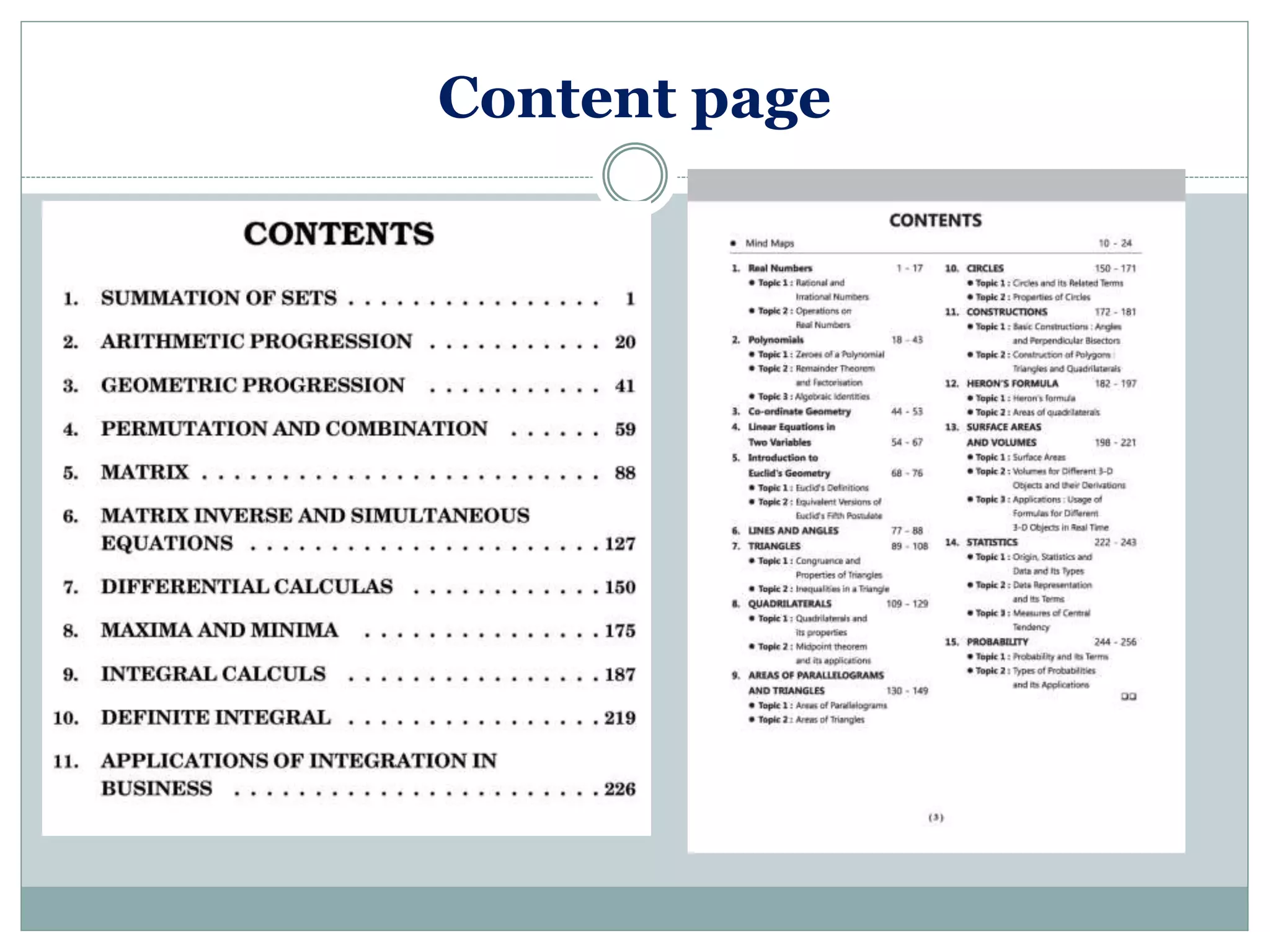
Content page
4. Organization and Presentation:
 It should provide for individual differences.
 There should be sufficient provision for
revision, practice and review.
 It should stimulate the initiative and
originality of the students.
 It should offer suggestion to improve study
habits.
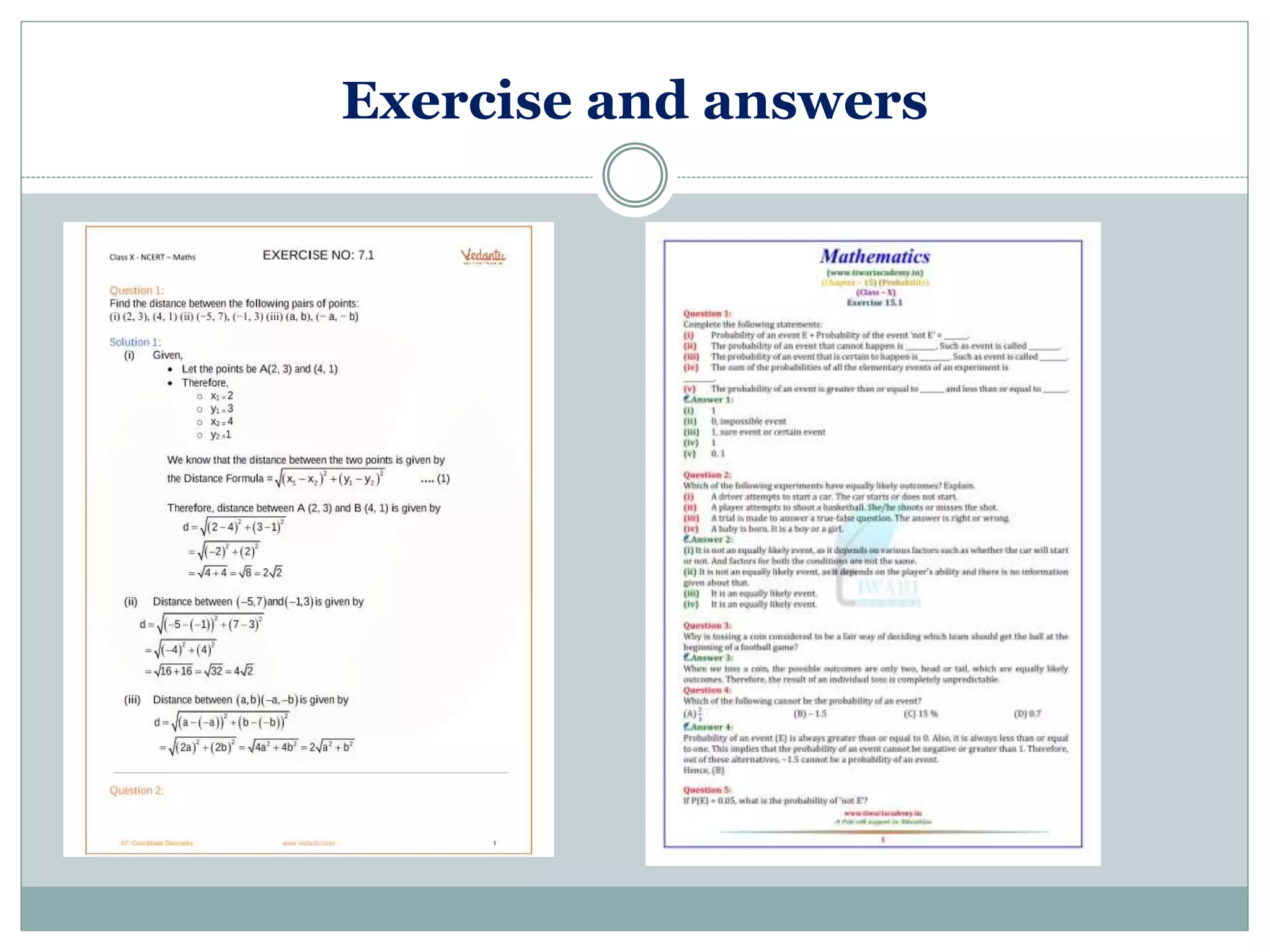
Exercise and answers
4. Organization and Presentation
 It should facilitate the use of analytic,
synthetic, inductive, deductive, problem solving
and heuristic approaches to teaching.
 Content should be organized in a psychological
consideration.
 Content should be organized in a logical way.
 It should suggesting project work, fieldwork
and laboratory work.
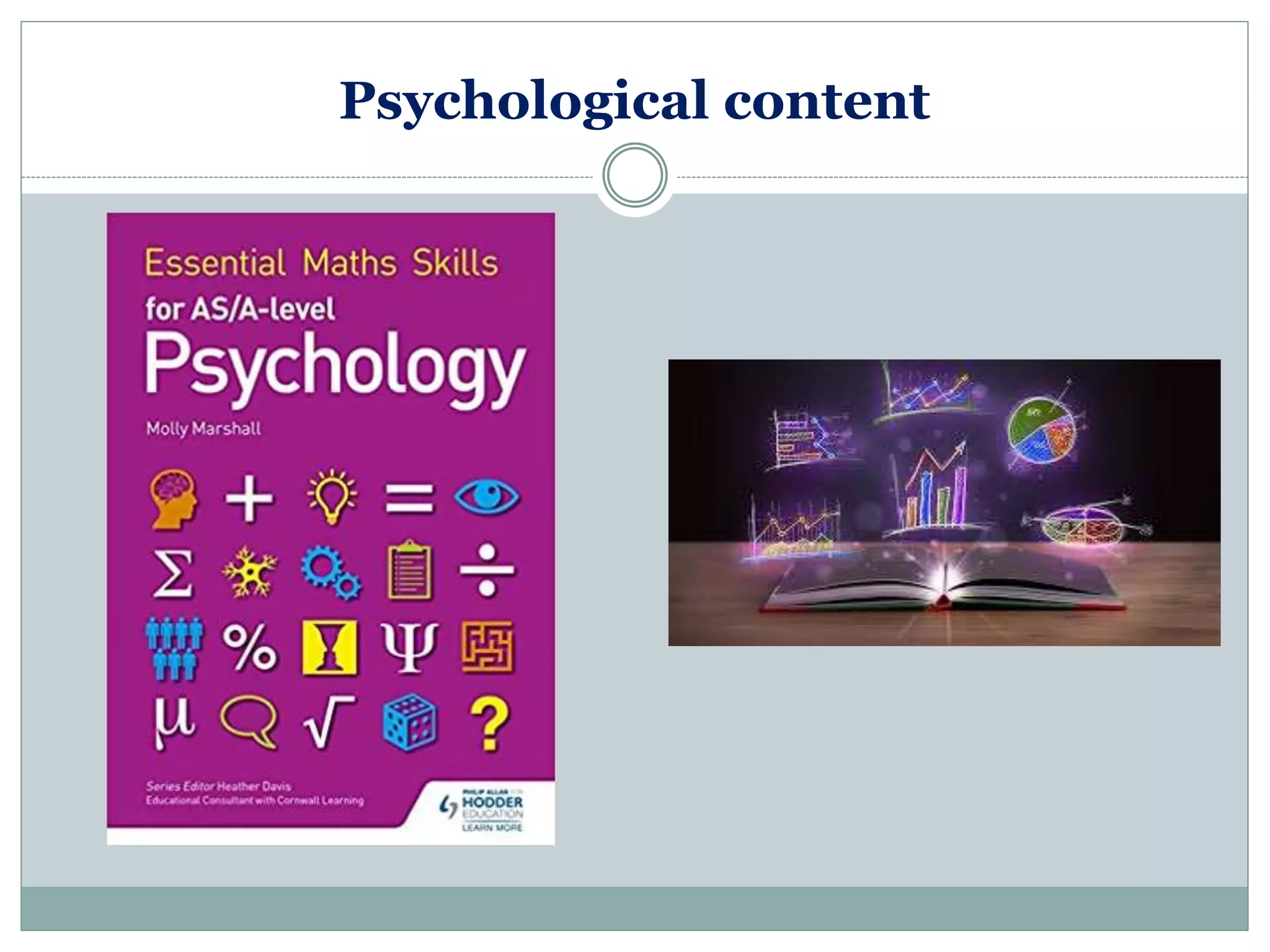
Psychological content
5. Language:
 The language used in the textbook should be
simple and easily understandable and within
the grasp of the pupils.
 The style and vocabulary used should be
suitable to the age group of student for whom
the book is written.
 The term and symbols used must be those,
which are popular and internationally accepted.
 It should be written in lucid, simple, precise
and scientific language.
6. Exercise and Illustrations:
 The illustrations should be accurate.
 The illustrations should be clear and
appropriate.
 It should contain some difficult problems.
 It should contain exercises to challenge the
mathematically gifted students.
 There should be well-graded exercises given at
the end of every topic.
 The exercise should develop thinking and
reasoning power of the pupils.
7. General:
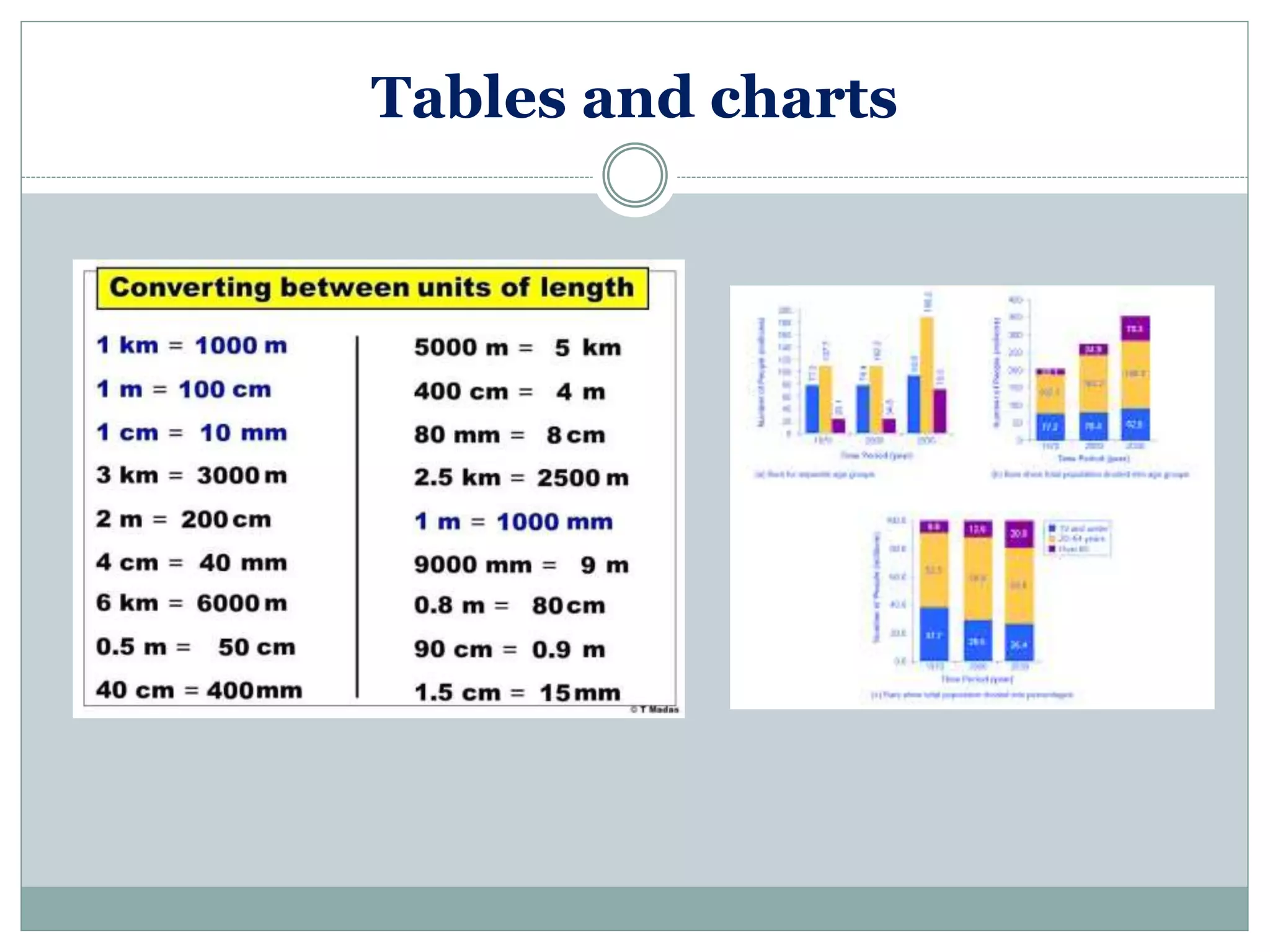
 At the end of book there should be tables and
appendices.
 The textbook should be of latest edition with
necessary modifications.
 The book should be moderate price and
readily available in the market.
 It should be written in accordance with the
aims and objectives of teaching the subject in
that particular class.
 There should be diagram and figures
wherever needed.
Tables and charts
7. General
 It should be free from mistakes.
 It should provide sufficient materials to
motivate students to solve problems.
 The students should get adequate opportunity
of learning through initiative and independent
efforts.
 The problems should relate to the real life
needs and physical & social environments of
the learners.
7. General
 It should foster the right attitude towards self-
study and self-reliance among pupils and it
should be done by promoting project works,
field works and laboratory works.
 It should promote the use of analytic,
synthetic, inductive-deductive, problem-solving
and heuristic approaches to teaching.
 The content should be up-to-date.
7. General
 It should aim all level of students. It should be
challenging for intelligent students and should
give opportunity for average & below average
students also.
 It should satisfy individual difference in
students and should meet the varying abilities,
interests and attitudes.
 It should promote logical and psychological
arrangement of contents.
 It should provide for practice, revision and
satisfy the demands of exam.
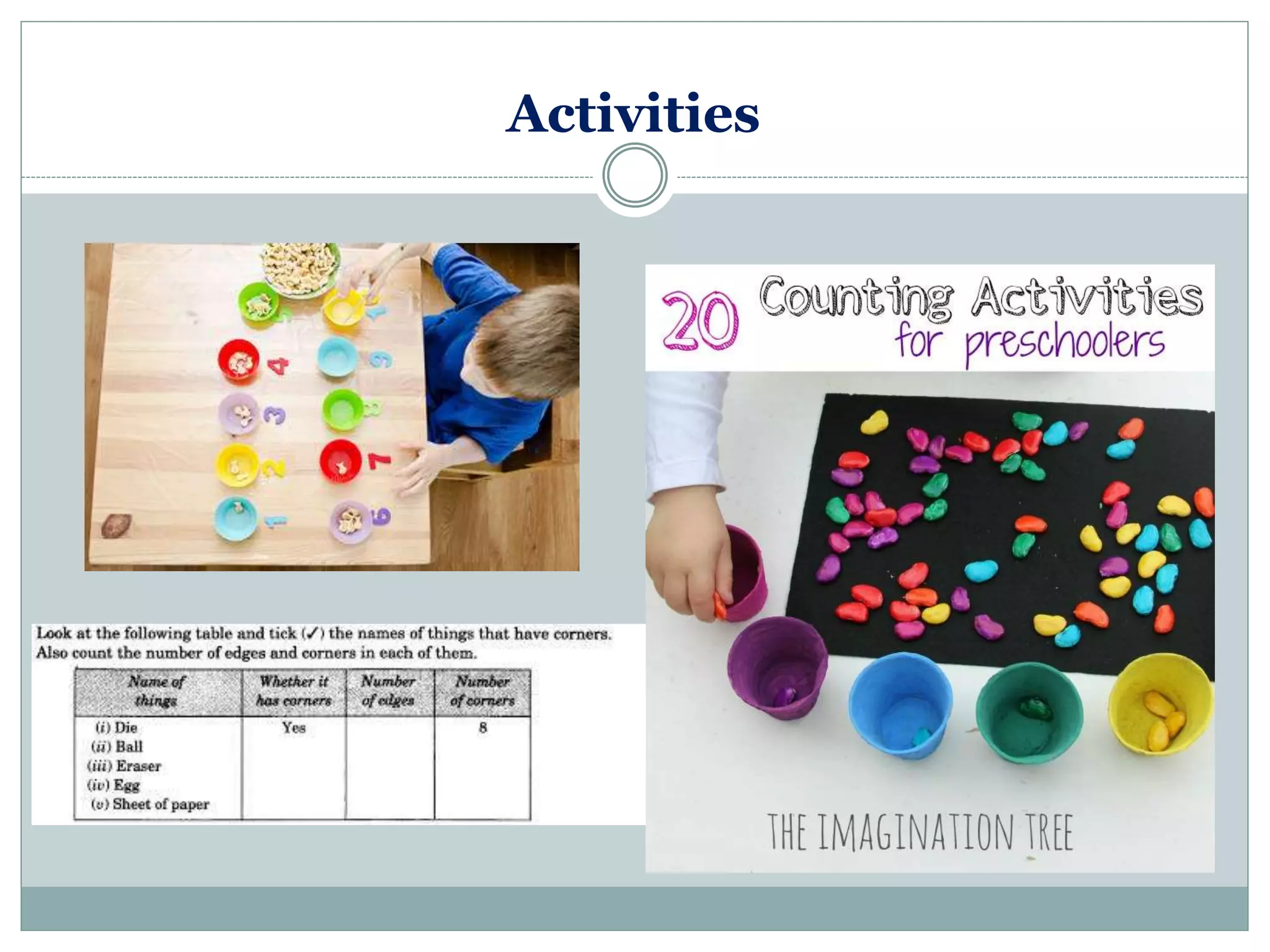
Activities
CONCLUSION
 In spite of the good qualities of a textbook,
mastering in math is possible for almost every
student, only if they are blessed with a good
math teacher to guide whenever needed.
 And they can very well master in math if they
get the right home work help at the right time.
EDUCATIONAL IMPLICATIONS
 Every teacher of mathematics uses a textbook.
An average teacher uses it as “his stock in
hand” but a good teacher uses it as “a helper”.
The textbook that is considered “as store house
of basics information” can facilitate a teacher to
do wonder in his subject.
 The textbook should not be used as the only
source of instructional material. It should be
used as an aid in teaching.
THANK YOU

Qualities of good mathematics textbook

  • 1.
    U N IT V – R E S O U R C E S F O R T E A C H I N G M A T H E M A T I C S I year B.Ed - core 7(a) Pedagogy of Mathematics QUALITIES OF GOOD MATHEMATICS TEXTBOOK Victoria Michael Pedagogy of Mathematics 20EDM53
  • 2.
    P R EP A R E D B Y , V I C T O R I A M I C H A E L 2 0 E D M 5 3 Qualities of good Mathematics textbook
  • 3.
    INTRODUCTION  The mathematicstextbook is an important source for learning mathematics and it plays a key role in effective teaching and learning.  A textbook should stimulate reflective thinking and develop problem-solving ability among students.  The textbooks should present real learning situations, which are challenging and interesting for the students and should not render itself as a means of rote learning.
  • 4.
    QUALITIES OF AGOOD MATHEMATICS TEXTBOOK  The qualities of a good textbook in mathematics can be broadly classified under the following heads:- 1. Physical Features 2. Author 3. Content 4. Organization and Presentations 5. Language 6. Exercise and Illustration 7. General
  • 5.
    1. Physical Features Paper: the paper used in the textbook should be of superior quality.  Binding: it should have quality strong and durable binding.  Printing: it should have quality printing, bold font and easily readable font.  Size: bulky and thick. It should be handy.  Cover: it should have an appealing and attractive cover page.
  • 6.
  • 7.
    2. Author:  Qualifiedauthor should write it.  Experienced teacher should write it.  Competent teachers should write it.  It should be written by committee of experts constituted by the state government.  For the authors, certain minimum academic and professional qualifications may be prescribed.
  • 8.
  • 9.
    3. Content:  Itshould be child centered.  The subject matter should be arranged from simple to complex and concrete to abstract.  The subject matter should create interest in the pupil.  It should be objective oriented.  It should be written according to prescribed syllabus.  It should satisfy the demands of examination.
  • 10.
    3. Content:  Theanswers given at the end of each section should be correct.  It should include the recent developments in the mathematics relating to the content dealt with.  Oral mathematics should find its due place in the textbook.
  • 11.
  • 12.
    4. Organization andPresentation:  It should provide for individual differences.  There should be sufficient provision for revision, practice and review.  It should stimulate the initiative and originality of the students.  It should offer suggestion to improve study habits.
  • 13.
  • 14.
    4. Organization andPresentation  It should facilitate the use of analytic, synthetic, inductive, deductive, problem solving and heuristic approaches to teaching.  Content should be organized in a psychological consideration.  Content should be organized in a logical way.  It should suggesting project work, fieldwork and laboratory work.
  • 15.
  • 16.
    5. Language:  Thelanguage used in the textbook should be simple and easily understandable and within the grasp of the pupils.  The style and vocabulary used should be suitable to the age group of student for whom the book is written.  The term and symbols used must be those, which are popular and internationally accepted.  It should be written in lucid, simple, precise and scientific language.
  • 17.
    6. Exercise andIllustrations:  The illustrations should be accurate.  The illustrations should be clear and appropriate.  It should contain some difficult problems.  It should contain exercises to challenge the mathematically gifted students.  There should be well-graded exercises given at the end of every topic.  The exercise should develop thinking and reasoning power of the pupils.
  • 18.
    7. General:  Atthe end of book there should be tables and appendices.  The textbook should be of latest edition with necessary modifications.  The book should be moderate price and readily available in the market.  It should be written in accordance with the aims and objectives of teaching the subject in that particular class.  There should be diagram and figures wherever needed.
  • 19.
  • 20.
    7. General  Itshould be free from mistakes.  It should provide sufficient materials to motivate students to solve problems.  The students should get adequate opportunity of learning through initiative and independent efforts.  The problems should relate to the real life needs and physical & social environments of the learners.
  • 21.
    7. General  Itshould foster the right attitude towards self- study and self-reliance among pupils and it should be done by promoting project works, field works and laboratory works.  It should promote the use of analytic, synthetic, inductive-deductive, problem-solving and heuristic approaches to teaching.  The content should be up-to-date.
  • 22.
    7. General  Itshould aim all level of students. It should be challenging for intelligent students and should give opportunity for average & below average students also.  It should satisfy individual difference in students and should meet the varying abilities, interests and attitudes.  It should promote logical and psychological arrangement of contents.  It should provide for practice, revision and satisfy the demands of exam.
  • 23.
  • 24.
    CONCLUSION  In spiteof the good qualities of a textbook, mastering in math is possible for almost every student, only if they are blessed with a good math teacher to guide whenever needed.  And they can very well master in math if they get the right home work help at the right time.
  • 25.
    EDUCATIONAL IMPLICATIONS  Everyteacher of mathematics uses a textbook. An average teacher uses it as “his stock in hand” but a good teacher uses it as “a helper”. The textbook that is considered “as store house of basics information” can facilitate a teacher to do wonder in his subject.  The textbook should not be used as the only source of instructional material. It should be used as an aid in teaching.
  • 26.