This SlideShare presentation offers an in-depth exploration of the qualification process for equipment and analytical instruments used in pharmaceutical manufacturing and quality control laboratories. It focuses on ensuring that all instruments and machinery used in the production and analysis of pharmaceutical products meet predefined standards and function reliably under actual working conditions.
The presentation begins by explaining the importance of equipment qualification in maintaining product quality, patient safety, and regulatory compliance. It then systematically breaks down the four main stages of qualification:
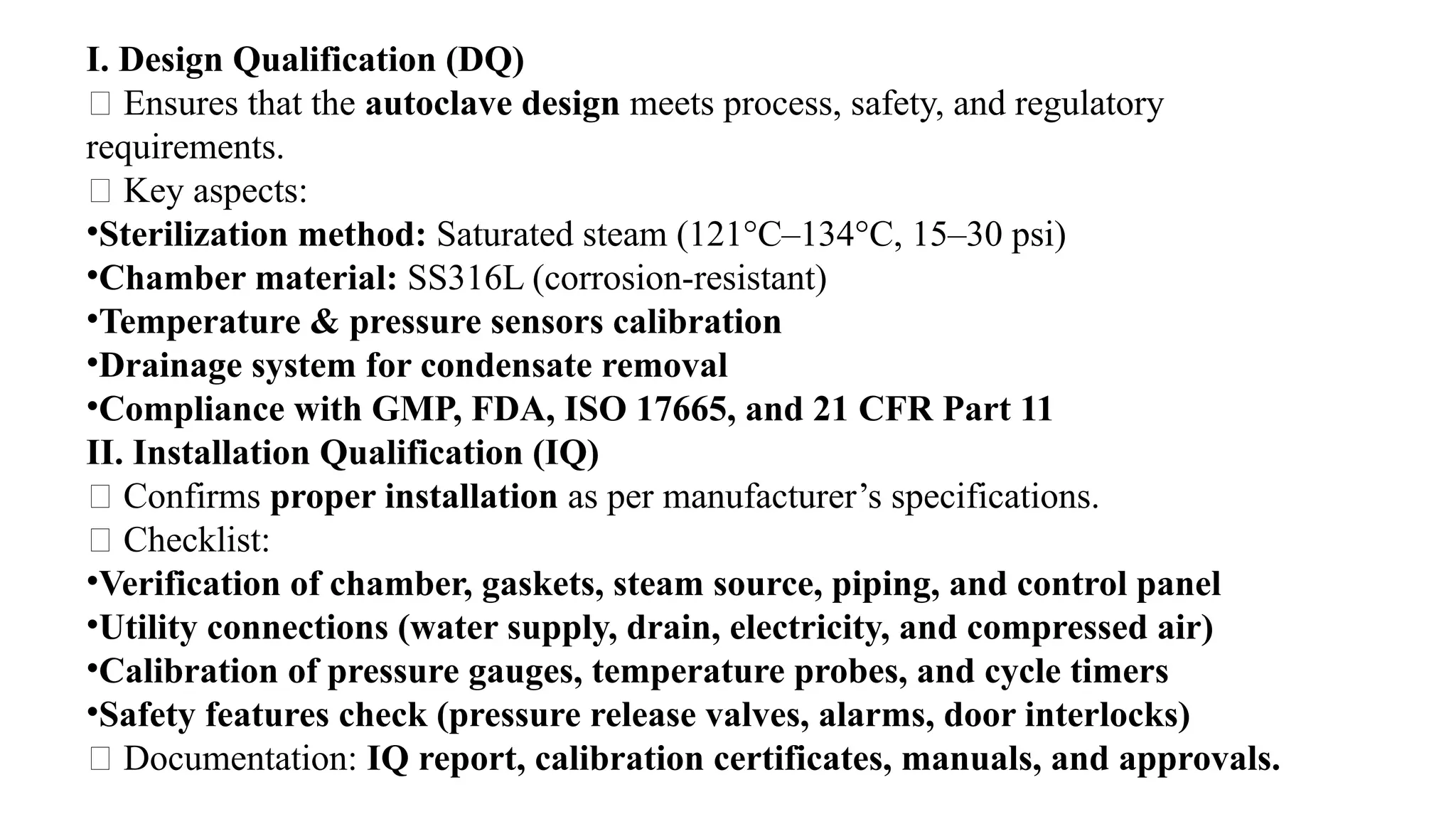
Design Qualification (DQ): Establishing documented evidence that the design specifications meet regulatory and operational requirements.
Installation Qualification (IQ): Verifying that equipment and instruments are installed correctly and according to the manufacturer’s recommendations and design specifications.
Operational Qualification (OQ): Demonstrating that the equipment operates according to defined parameters and functions as intended under expected conditions.
Performance Qualification (PQ): Confirming that the equipment consistently performs according to process requirements during routine production.
Additionally, the presentation includes:
Regulatory expectations and guidance from agencies such as the USFDA, WHO, and EU GMP.
Documentation and protocols required at each stage of qualification.
The role of risk management and change control in the qualification lifecycle.
Examples and templates for qualification protocols.
Common challenges and best practices in implementing an effective qualification program.
This resource is especially beneficial for:
M.Pharm students (Pharmaceutical Quality Assurance, Industrial Pharmacy, etc.)
Quality Assurance and Quality Control professionals
Personnel involved in equipment validation, GMP audits, and regulatory submissions




![ICH guidelines for validation Of Equipments by Nikita Sahu[1].pptx](https://cdn.slidesharecdn.com/ss_thumbnails/ichguidelinesforvalidationofequipmentsbynikitasahu1-231229084118-997cfd59-thumbnail.jpg?width=640&height=640&fit=bounds)


