2UX Thinking | DaveHogue.com
Why do some
experiences succeed?
We feel like they know us
personally.
You are not designing for yourself…
...but we’re all human.
Users
DesignersDevelopers
Researchers Managers
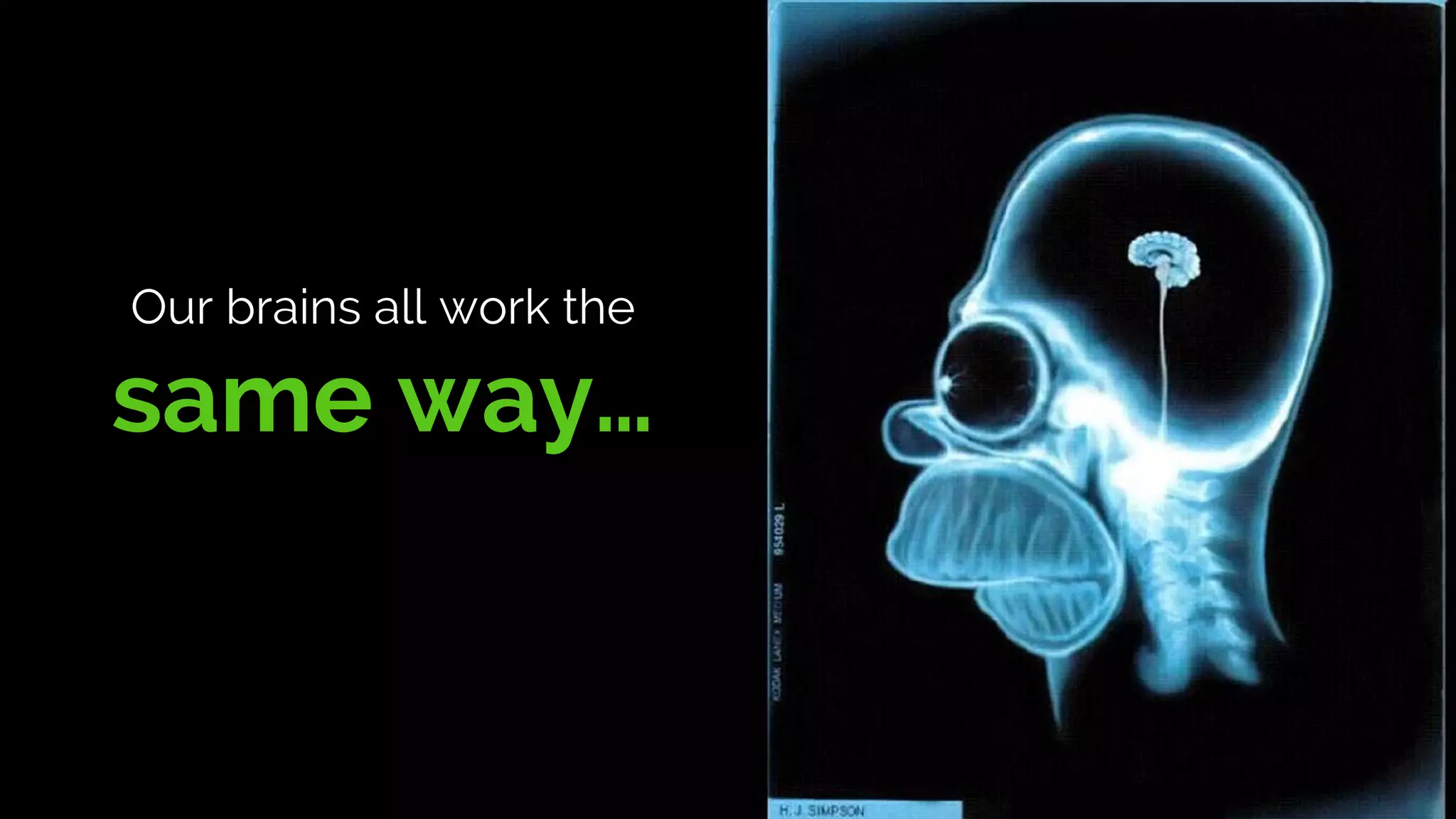
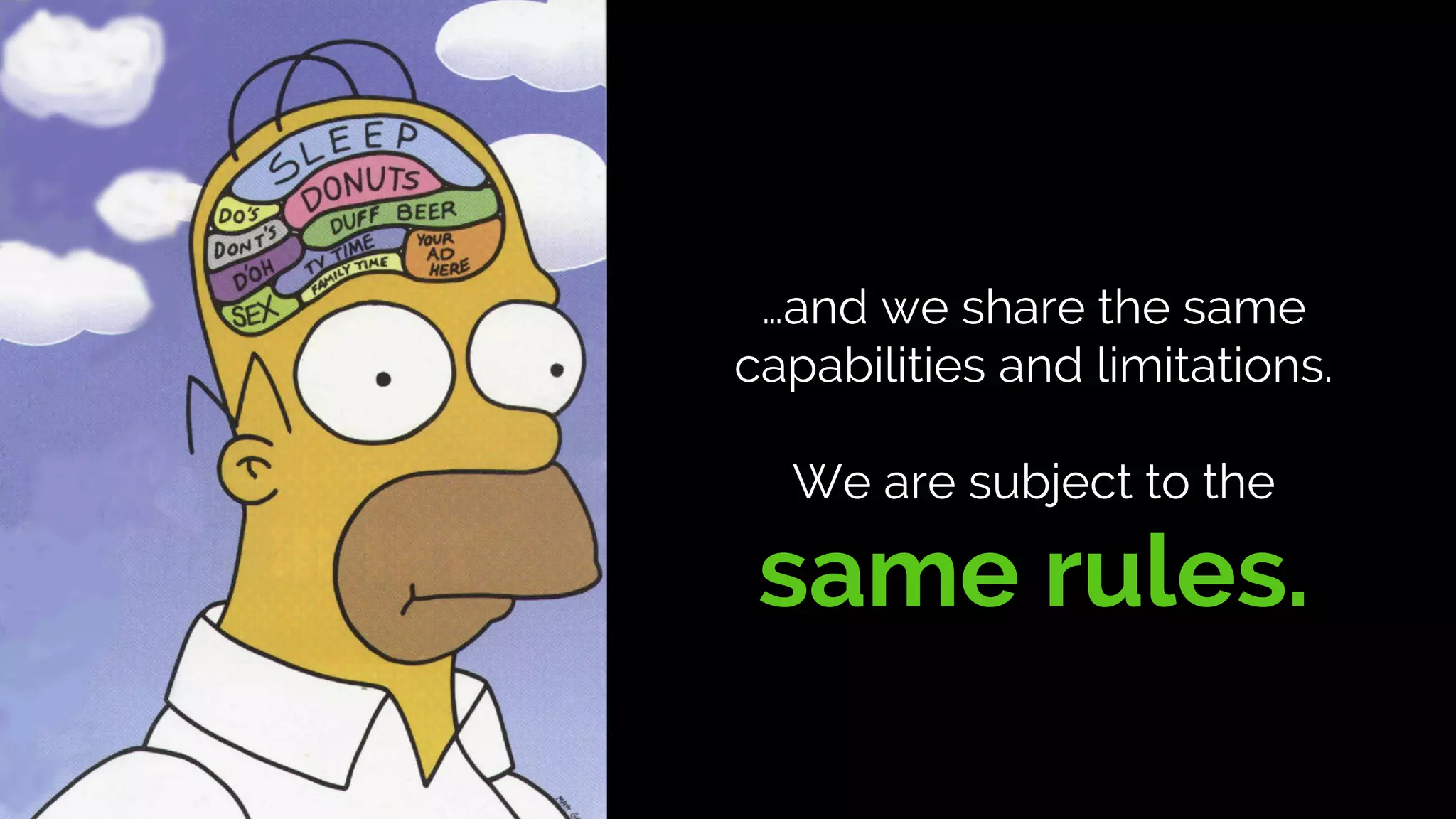
Our brains all work the
same way…
…and we share the same
capabilities and limitations.
We are subject to the
same rules.
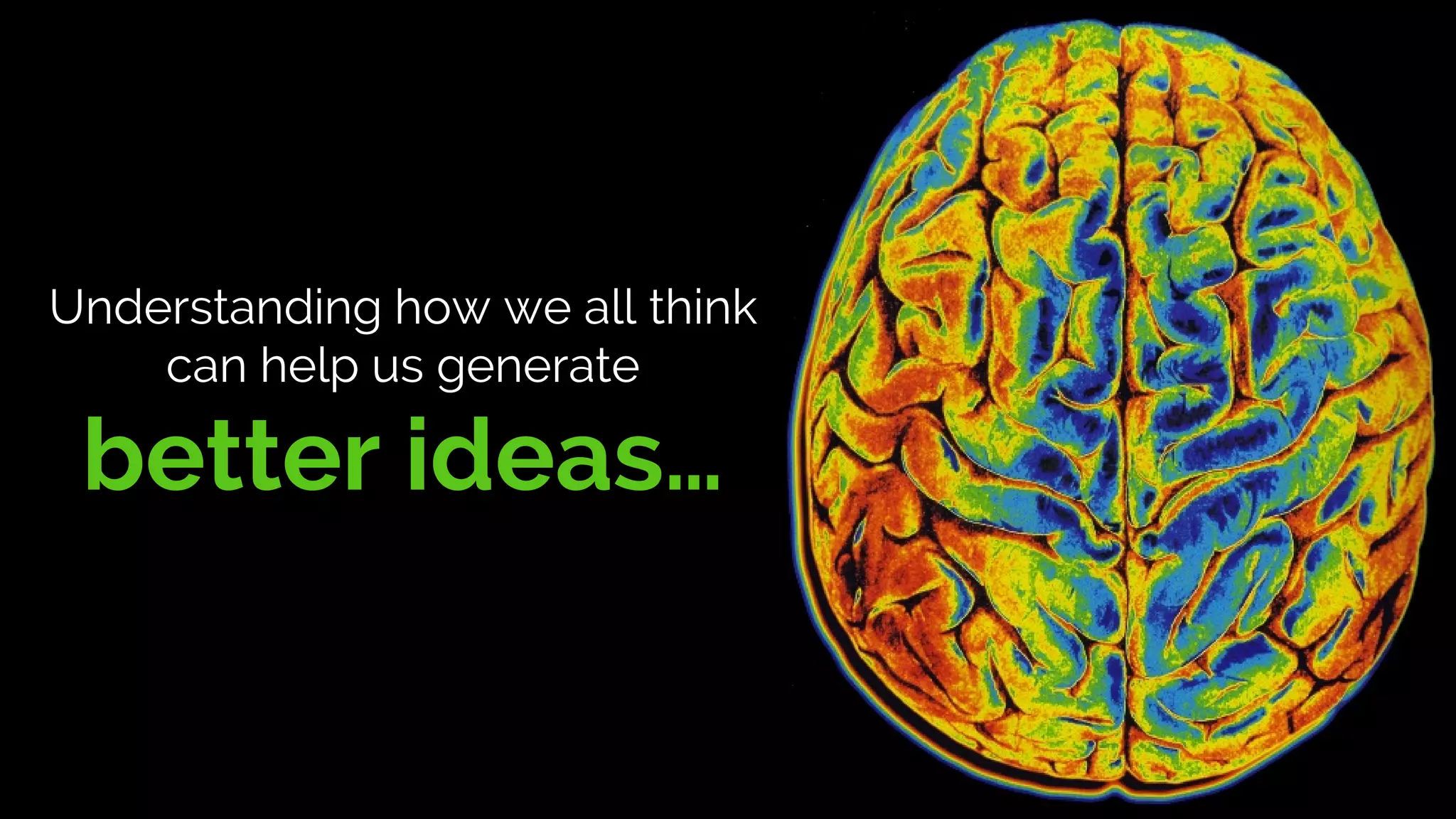
Understanding how we all think
can help us generate
better ideas…
…and help us craft and deliver
better
experiences.
Relevant Fields of Psychology
Behavioral
Ecological / Environmental
Cognitive
Social
Consumer
Industrial / Organizational
Human Factors / HCI
Experimental
Psychometrics
Quantitative / Mathematical
Educational
Developmental
Personality
Physiological / Neurological
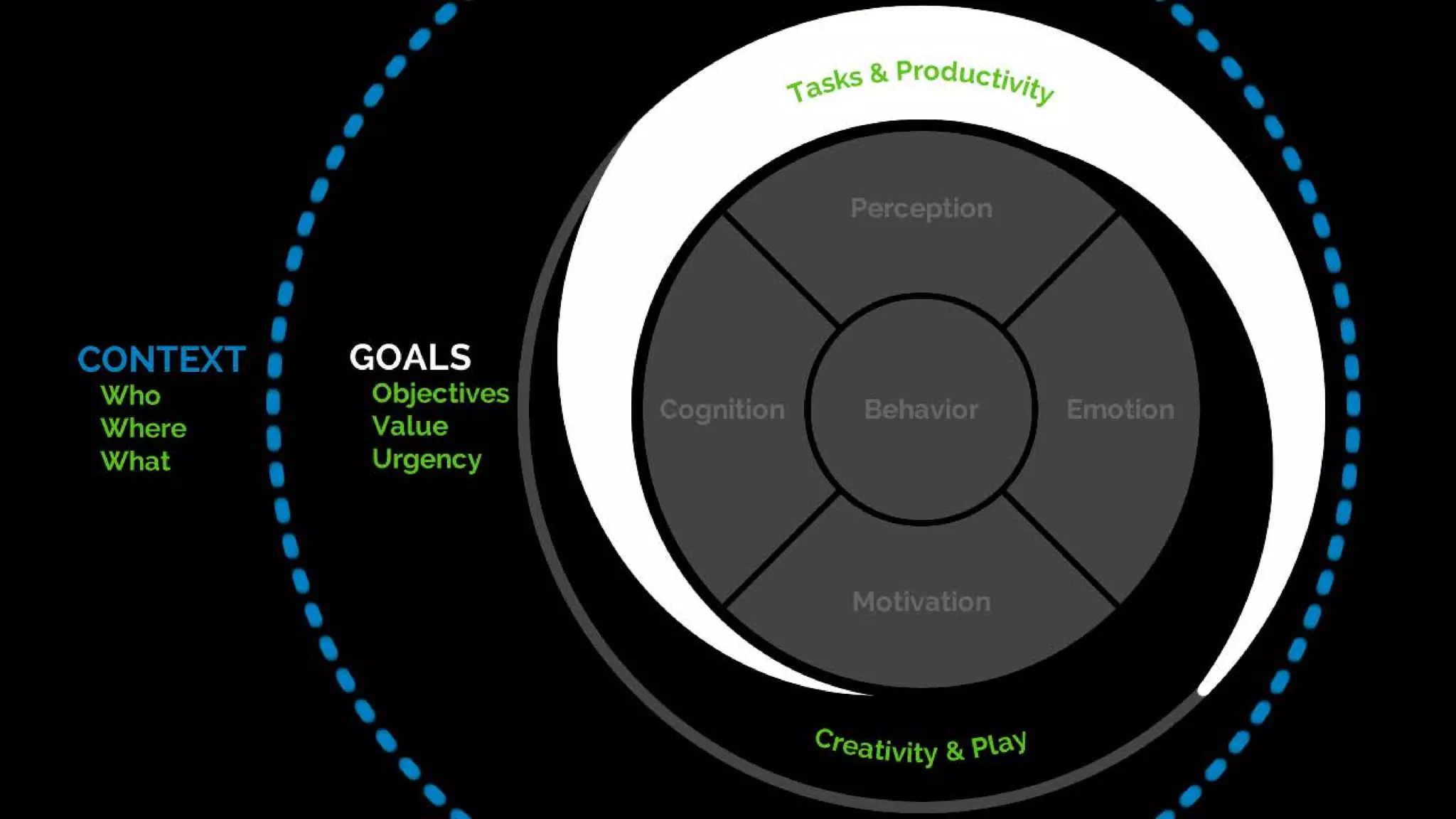
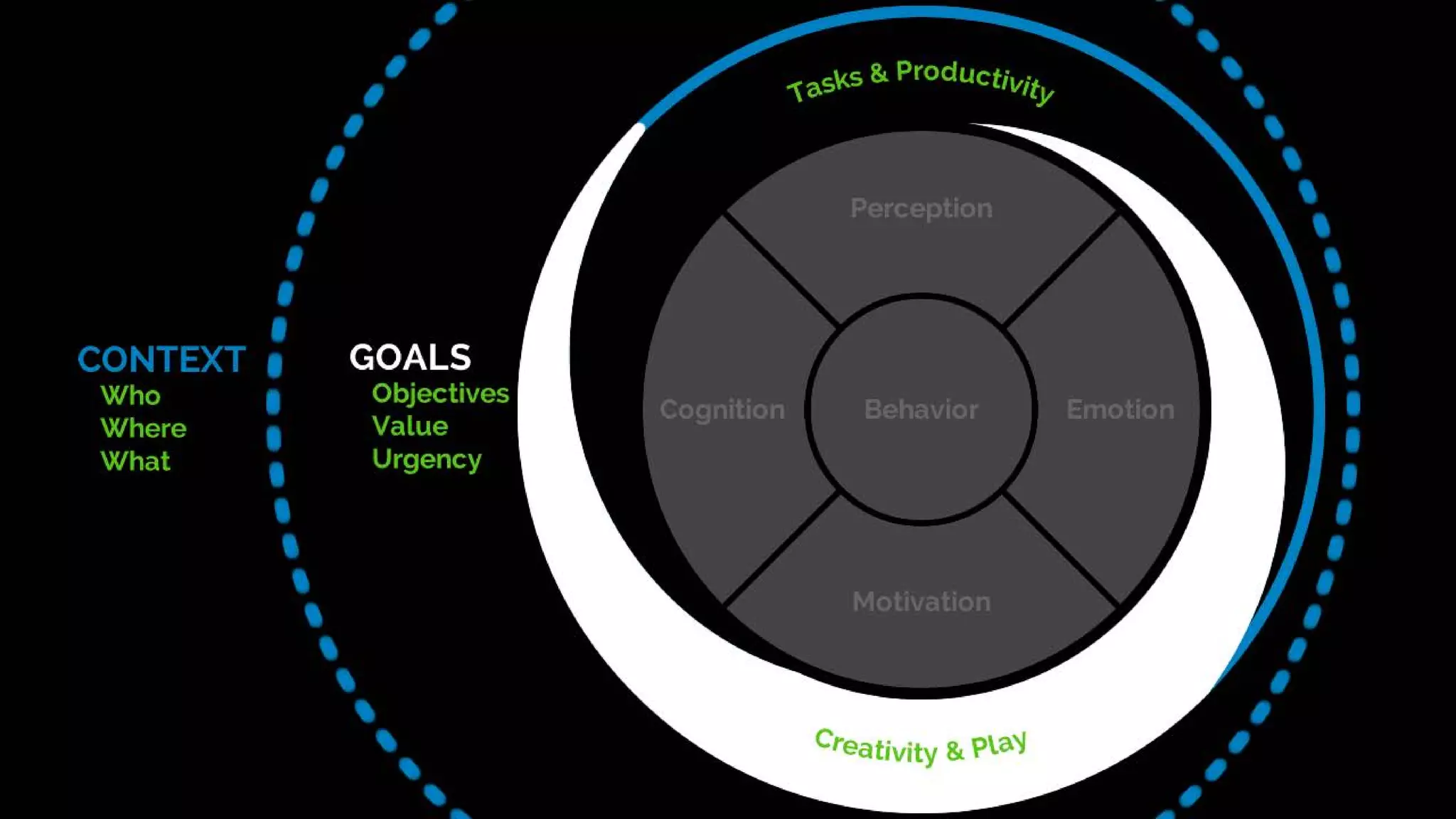
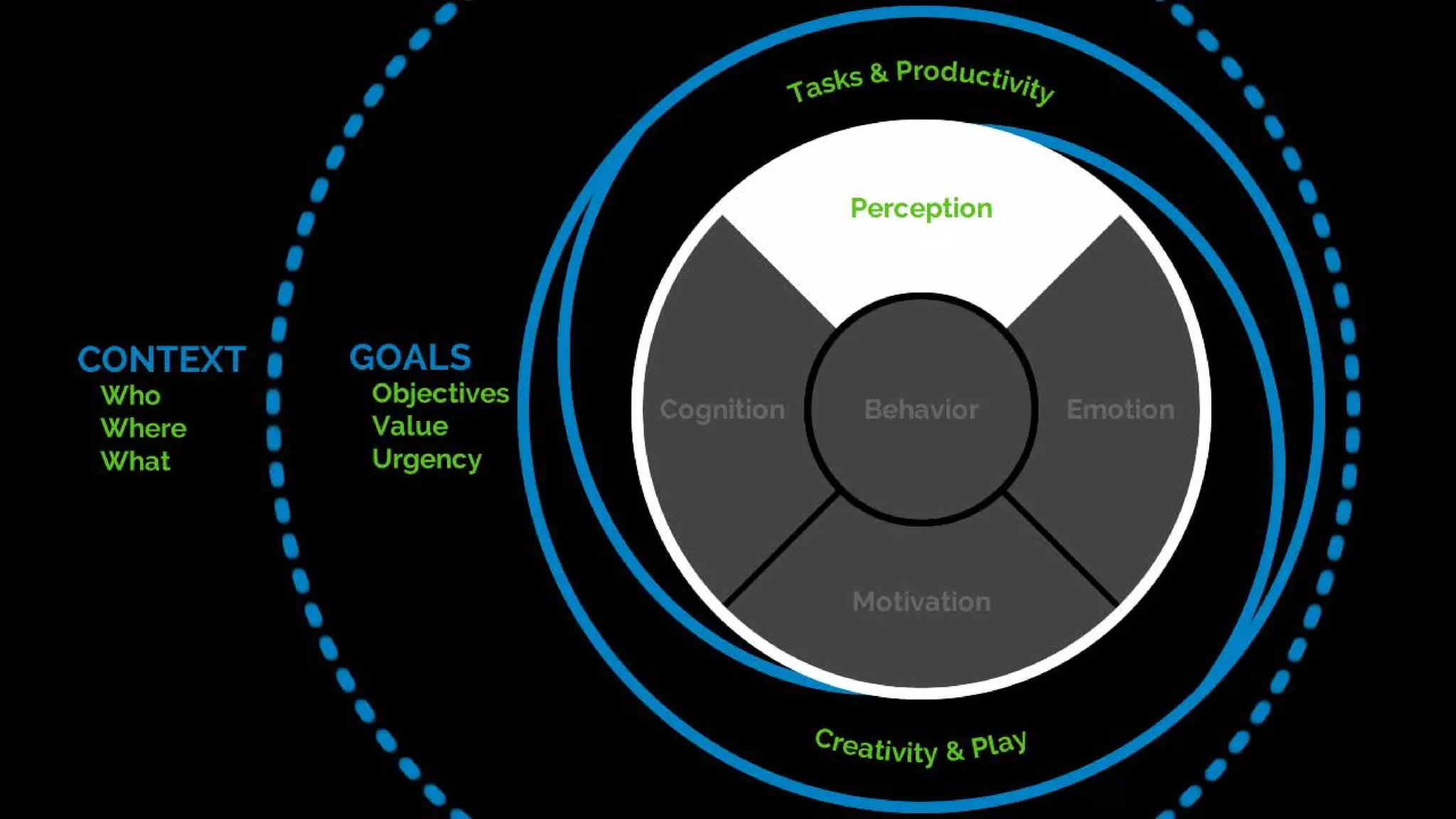
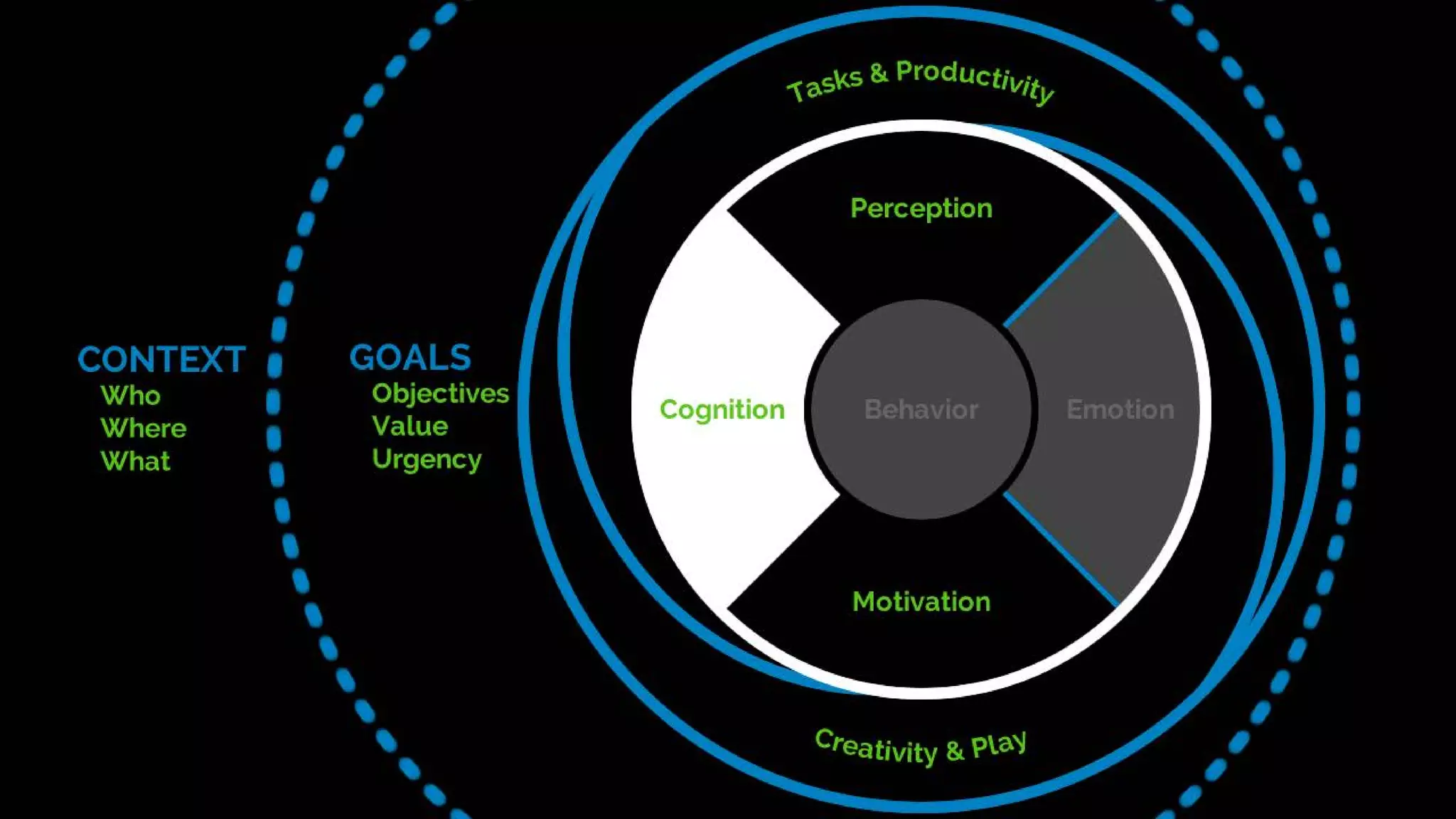
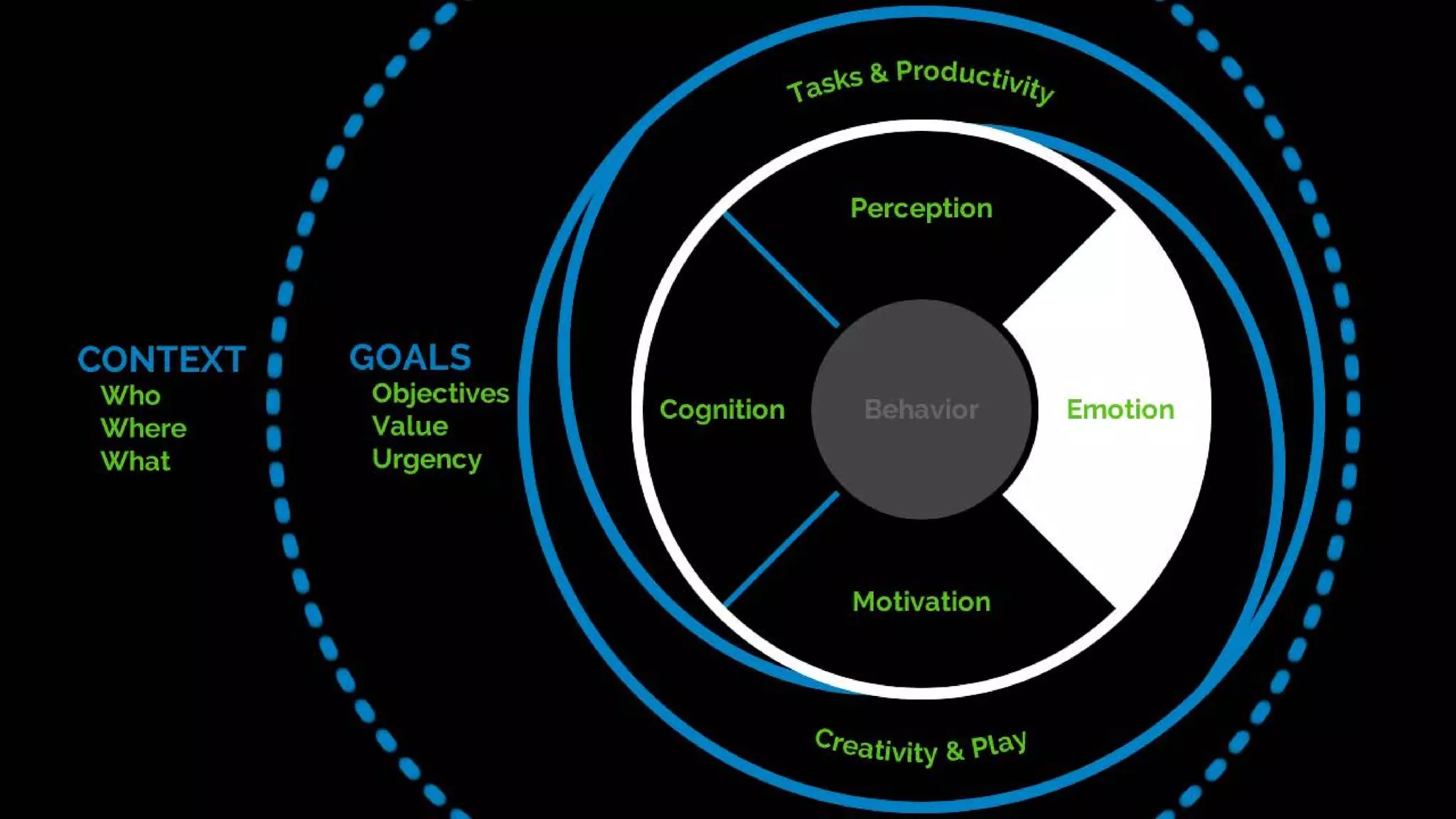
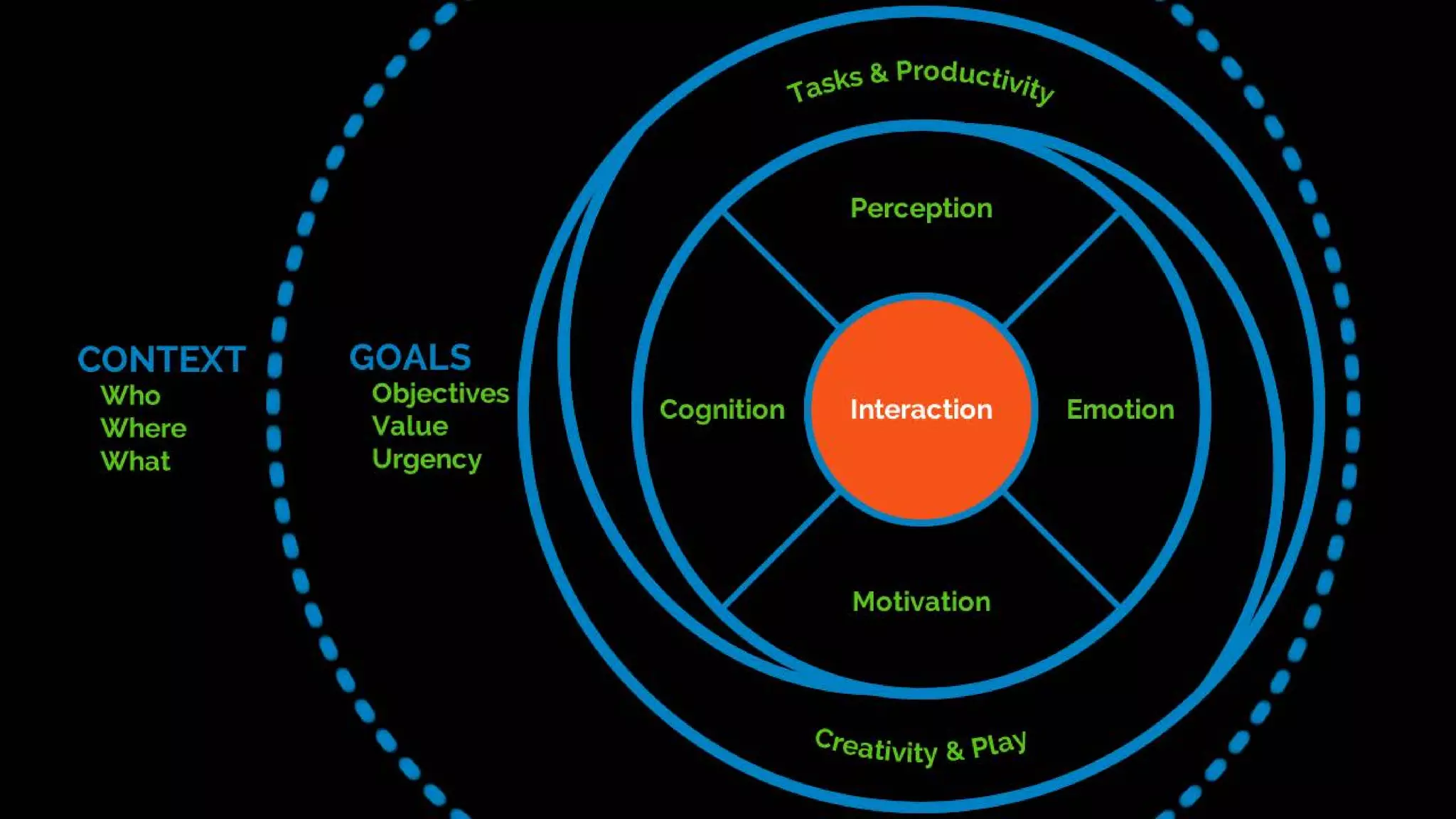
A System
for thinking about UX design, research, and strategy with a
psychological perspective.
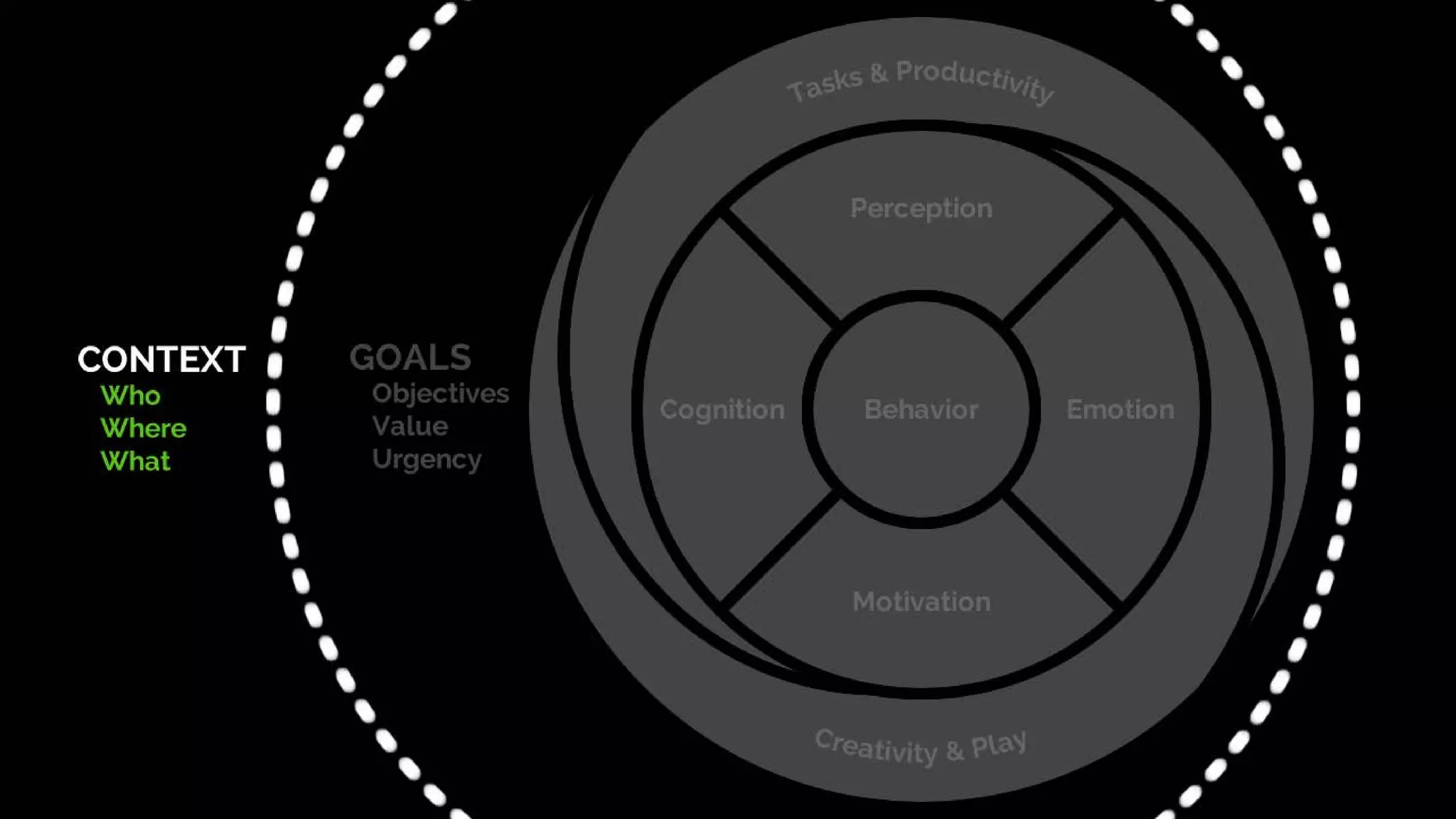
Who are the people?
Demographics, experiences, skills, attitudes, beliefs, knowledge
Where are they?
Place, environment, situation, conditions, circumstances
What are the devices, objects, and tools they are using?
Phones, tablets, computers, kiosks, cameras, pen & paper, chisel & stone…
Context
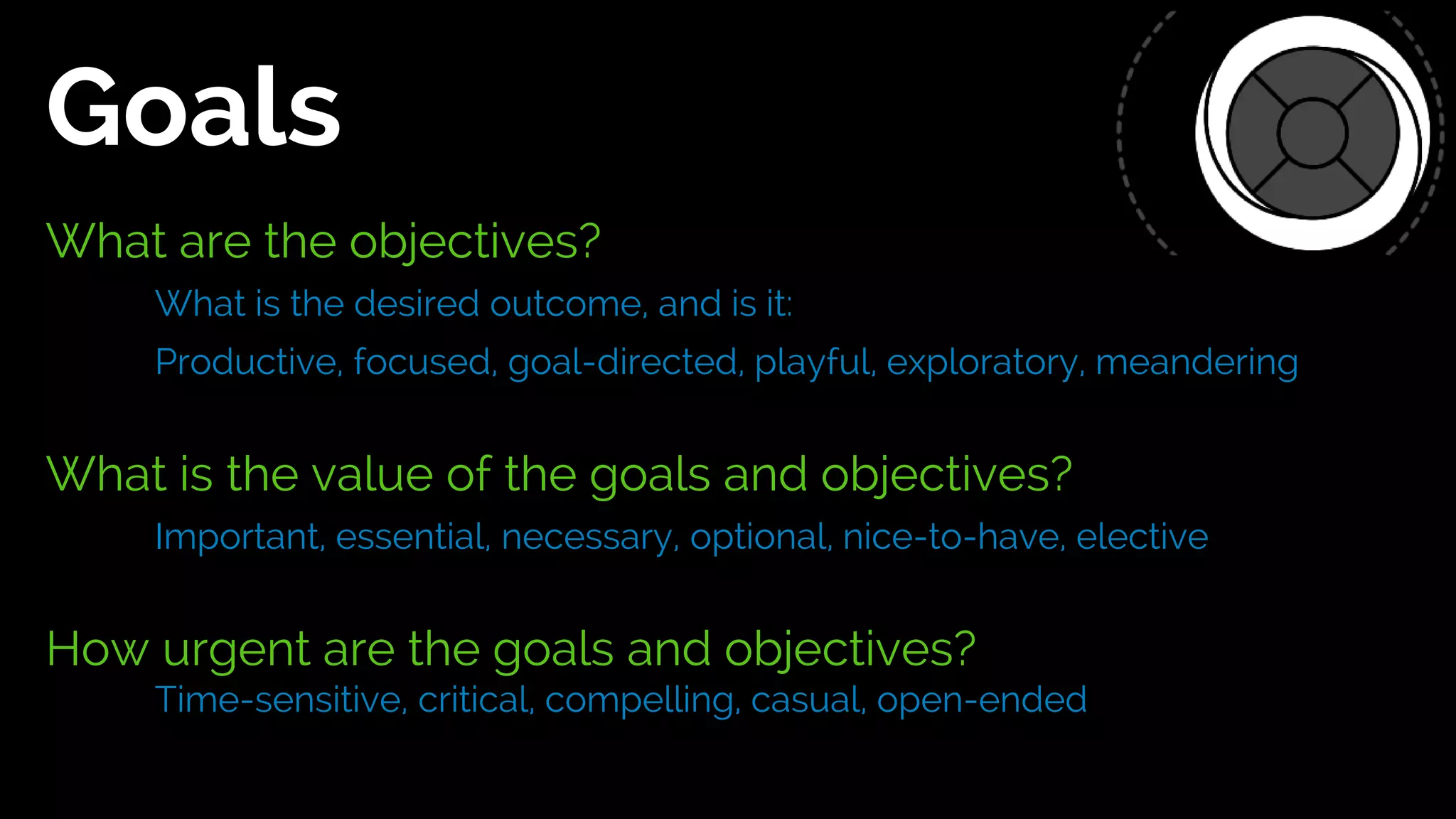
What are the objectives?
What is the desired outcome, and is it:
Productive, focused, goal-directed, playful, exploratory, meandering
What is the value of the goals and objectives?
Important, essential, necessary, optional, nice-to-have, elective
How urgent are the goals and objectives?
Time-sensitive, critical, compelling, casual, open-ended
Goals
Failure
How do people sense and perceive the world?
Vision, audition, and touch
Color deficient vision
Gestalt Principles
Image recognition
Motion
Pre-conscious processing and attention
Perception
Definition:
The force that initiates, directs, and sustains behavior.
Why we do what we do.
Theories:
Achievement, Affiliation, and Power
Existence, Relatedness, and Growth (ERG)
Biological Drives
Internal vs. External
Not Maslow’s Hierarchy of Needs…
Motivation
Why do people spend so much time on social
networks, and what do they get from it?
Affiliation with others (we are social creatures and seek contact)
Personal achievement (competition with self and others)
Social influence and credibility (“social currency”)
Motivation
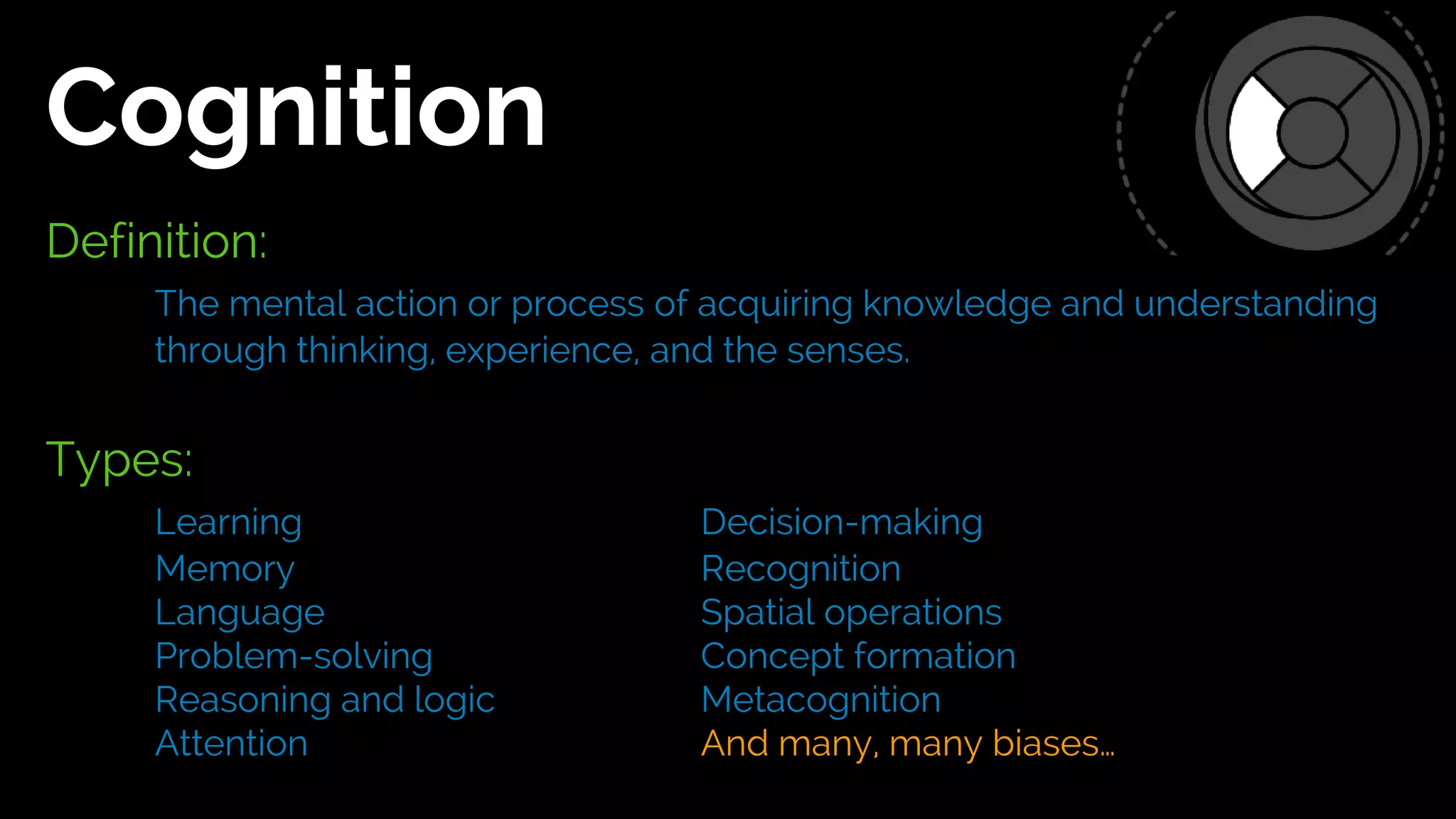
Definition:
The mental action or process of acquiring knowledge and understanding
through thinking, experience, and the senses.
Types:
Learning Decision-making
Memory Recognition
Language Spatial operations
Problem-solving Concept formation
Reasoning and logic Metacognition
Attention And many, many biases…
Cognition
Should we “Reduce deaths”…
…or “Maximize quality of life?”
Framing Bias
What did the first cars look like?
Horse-drawn carriages.
Anchoring Bias
We are susceptible to the same biases.
Definition:
A complex, subjective experience resulting in physiological and
psychological changes that influence thought and behavior.
Theories:
Ekman (Happiness, Surprise, Sadness, Anger, Fear, Disgust)
James-Lange (physiological reaction precedes emotion)
Cannon-Bard (physiological reaction and emotion are concurrent)
Schachter-Singer (physiological reaction precedes cognition)
Lazarus (cognition precedes physiological reaction and emotion)
Emotion
Positive Emotions
Fredrickson (2009) discovered that
we need three positive emotions to
lift us up and overcome just one
negative emotion.
Have you ever said,
“Meh. It could be better, but it works”?
Is the rest of the interface
three times better
to make up for it?
Definition:
The actions by which an organism reacts and adjusts to
their environment and other organisms; a response to various stimuli.
Theories:
Classical Conditioning (association)
Operant Conditioning (reinforcement and punishment)
Social Learning Theory (live, verbal, and symbolic)
Relational Frame Theory (language and cognition)
Drive Reduction (biology and homeostasis)
Behavior
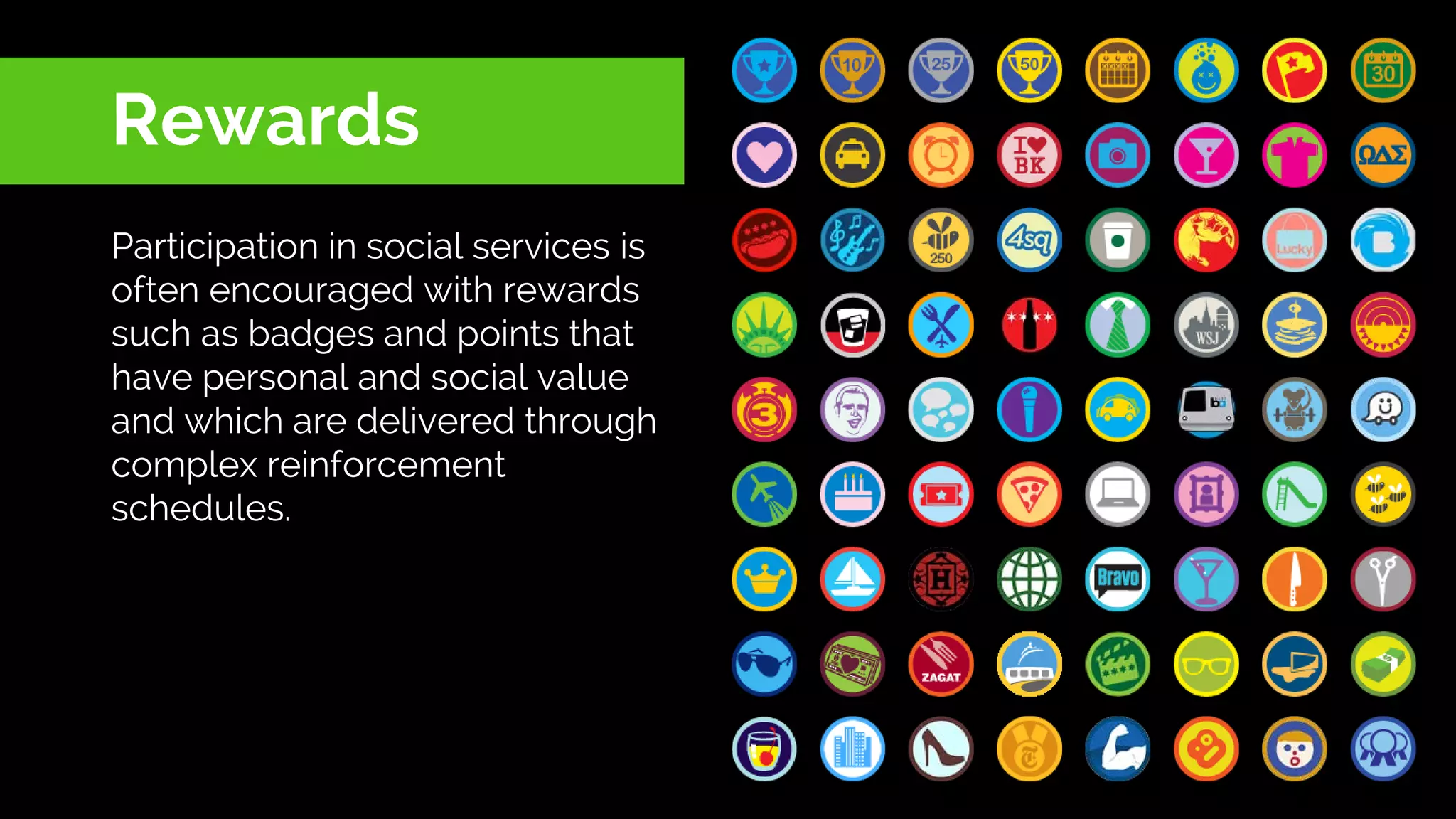
Rewards
Participation in social services is
often encouraged with rewards
such as badges and points that
have personal and social value
and which are delivered through
complex reinforcement
schedules.
Failure
There is a dark side.
More than visibility – we must craft
accessible experiences where we can
perceive the opportunities to interact in
any modality.
People are less likely interact if they do not
perceive the opportunity to interact, even if
they need or want to interact.
Perceivability
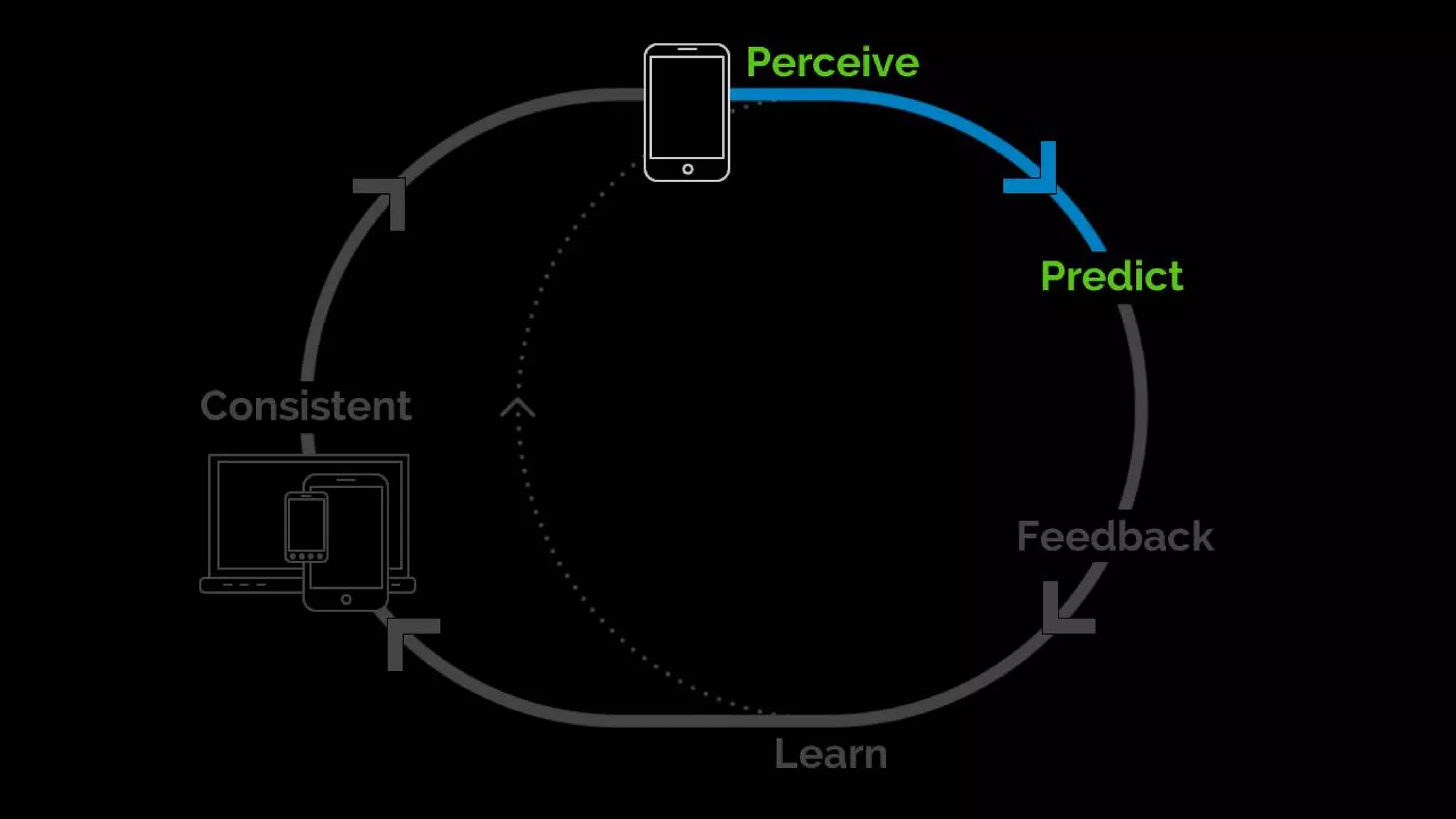
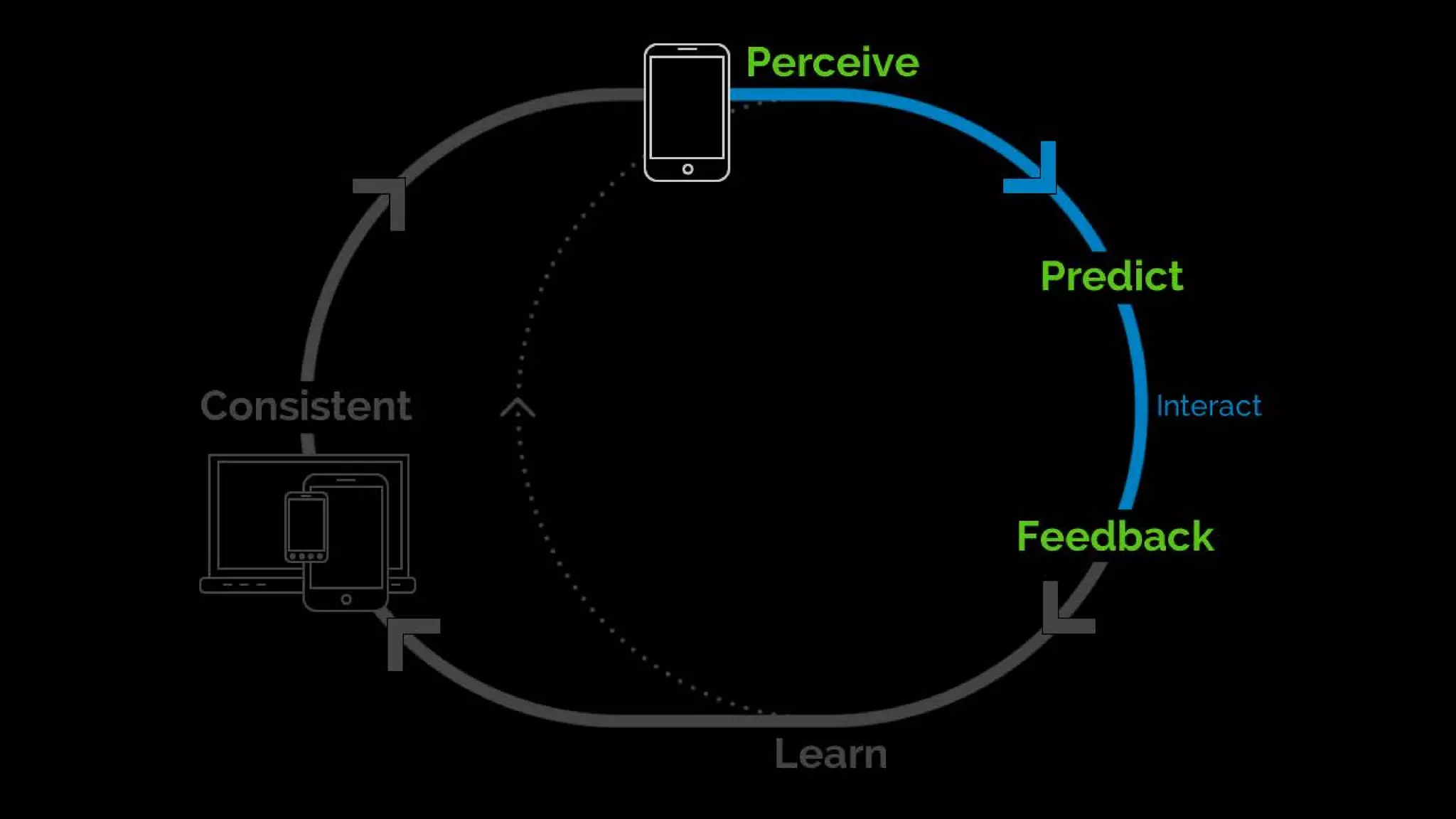
Predictability
The ability to accurately and confidently
predict the outcomes or results of an
interaction and that it will move us toward
our goal(s).
People are less likely to interact if they are
not confident in their predicted outcomes
or if they believe the results are not what
they want or need.
Not what she predicted…
Feedback
Meaningful information about the status
and outcomes of an interaction and the
process(es) it started, modified, or
terminated.
People are less likely to continue
interacting if they do not receive
meaningful information about status,
progress, outcomes, or results.
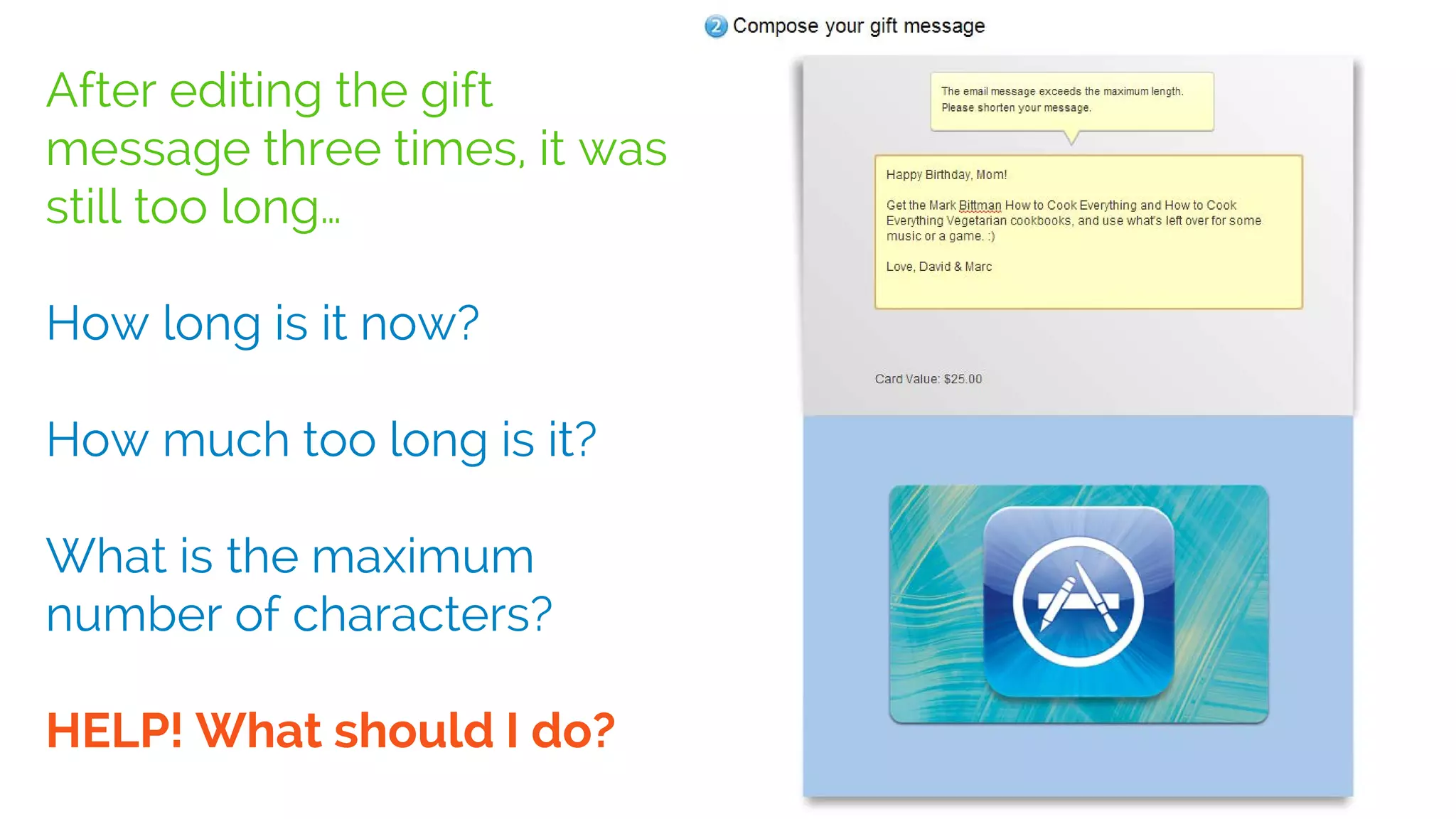
After editing the gift
message three times, it was
still too long…
How long is it now?
How much too long is it?
What is the maximum
number of characters?
HELP! What should I do?
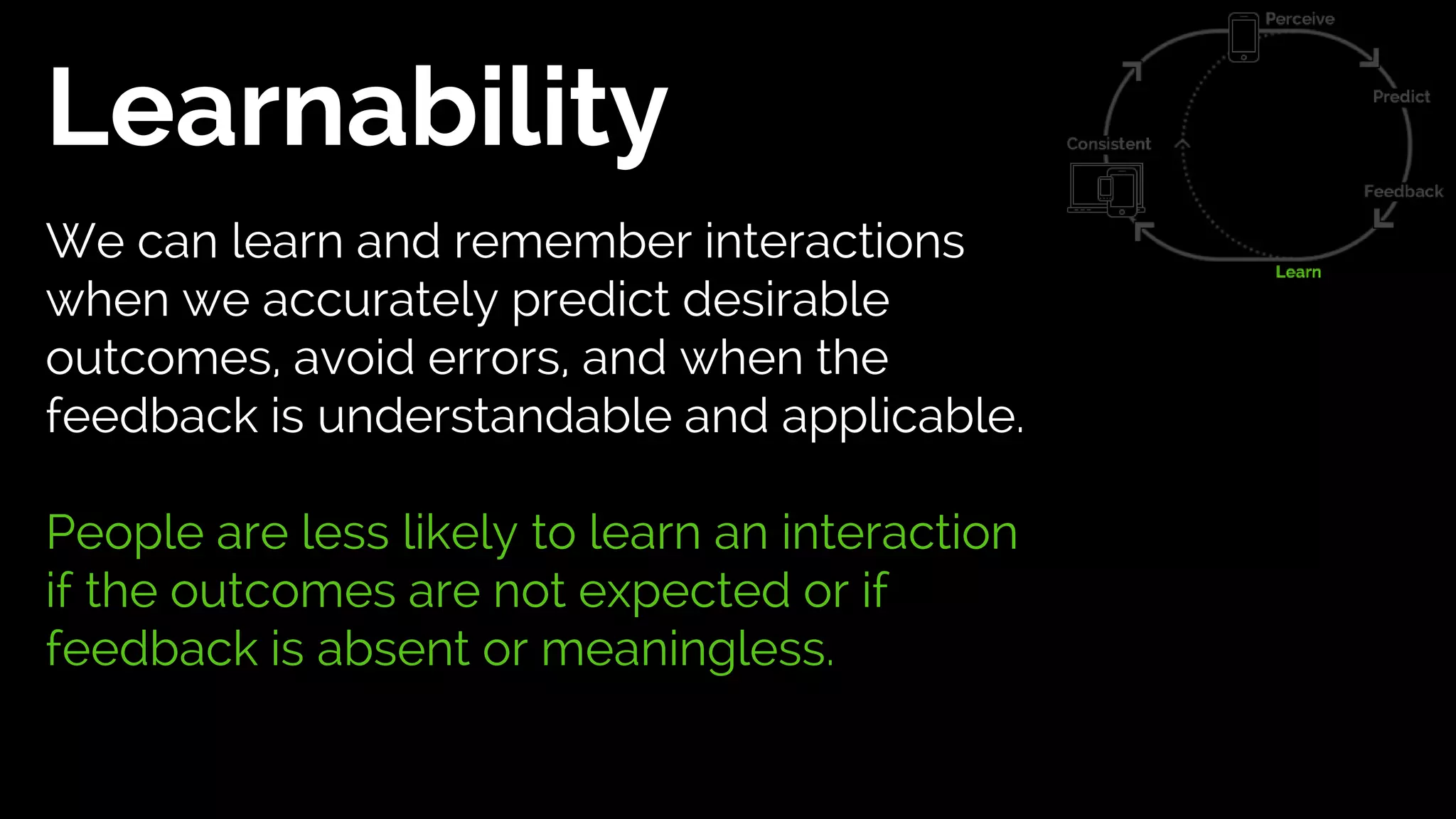
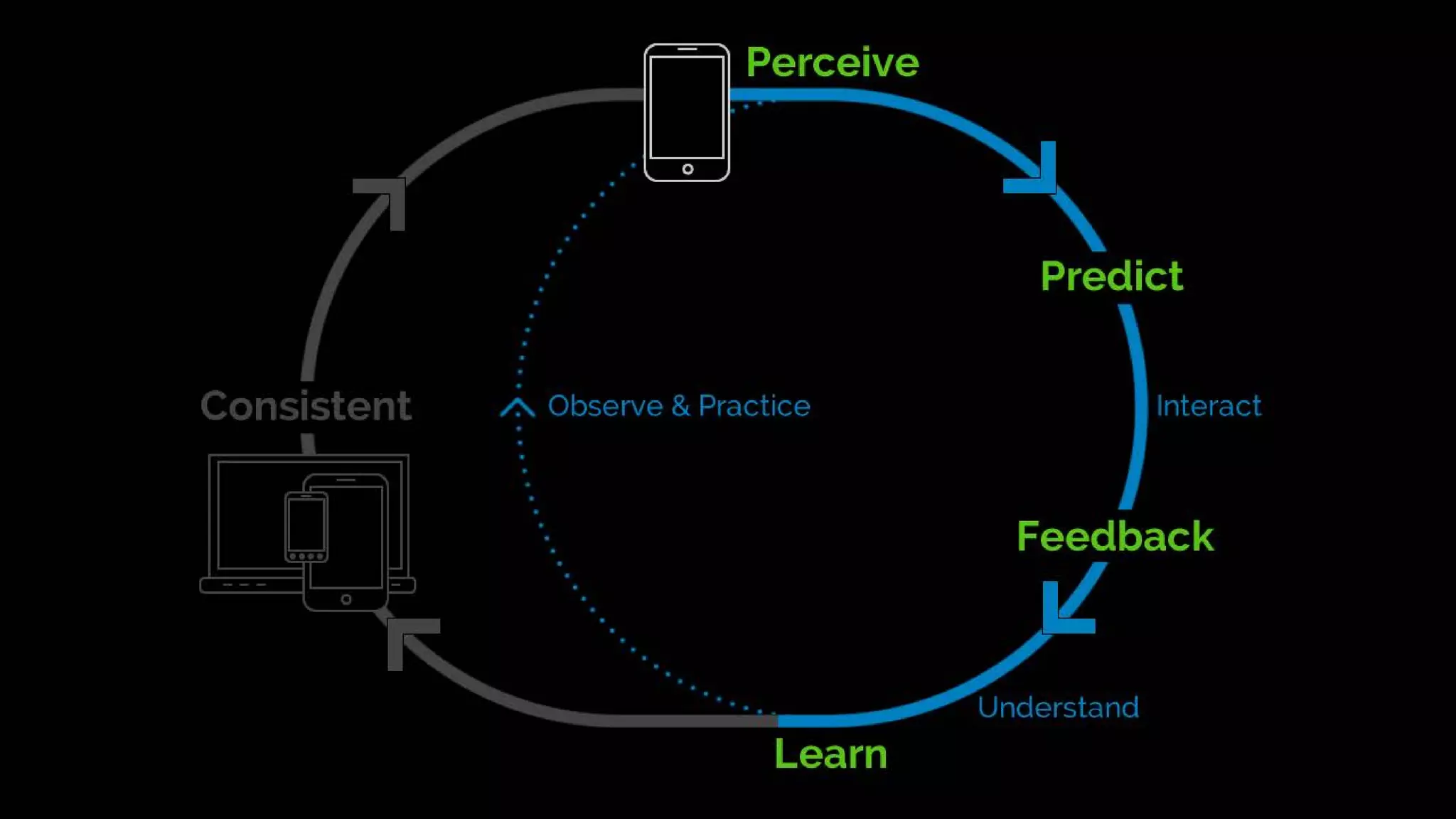
Learnability
We can learn and remember interactions
when we accurately predict desirable
outcomes, avoid errors, and when the
feedback is understandable and applicable.
People are less likely to learn an interaction
if the outcomes are not expected or if
feedback is absent or meaningless.
Learning
We learn to associate experiences that
occur together in time and place.
We learn to repeat interactions that reward
us and avoid interactions that punish us.
We can learn by watching and observing
as easily as by doing.
Learning
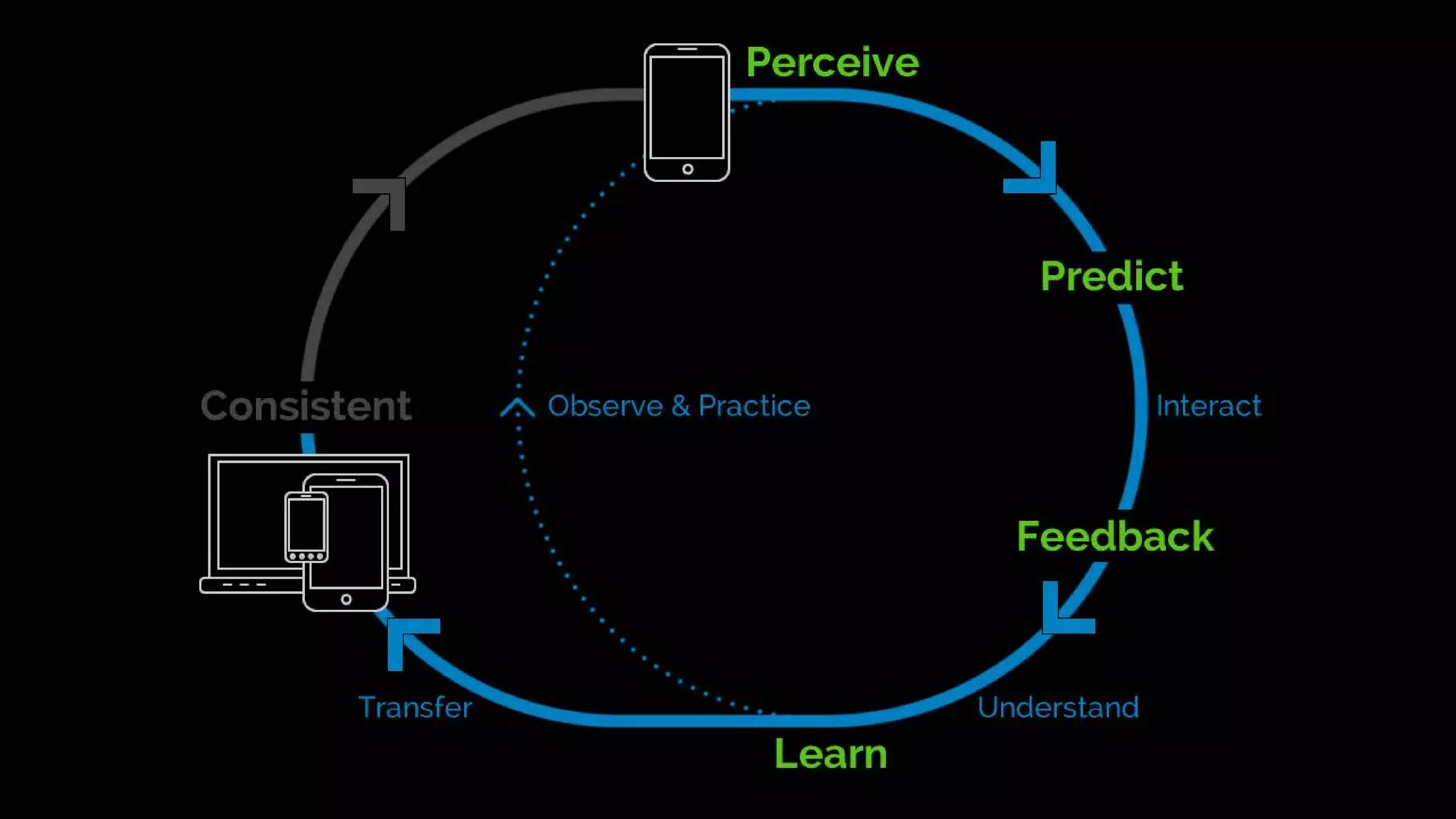
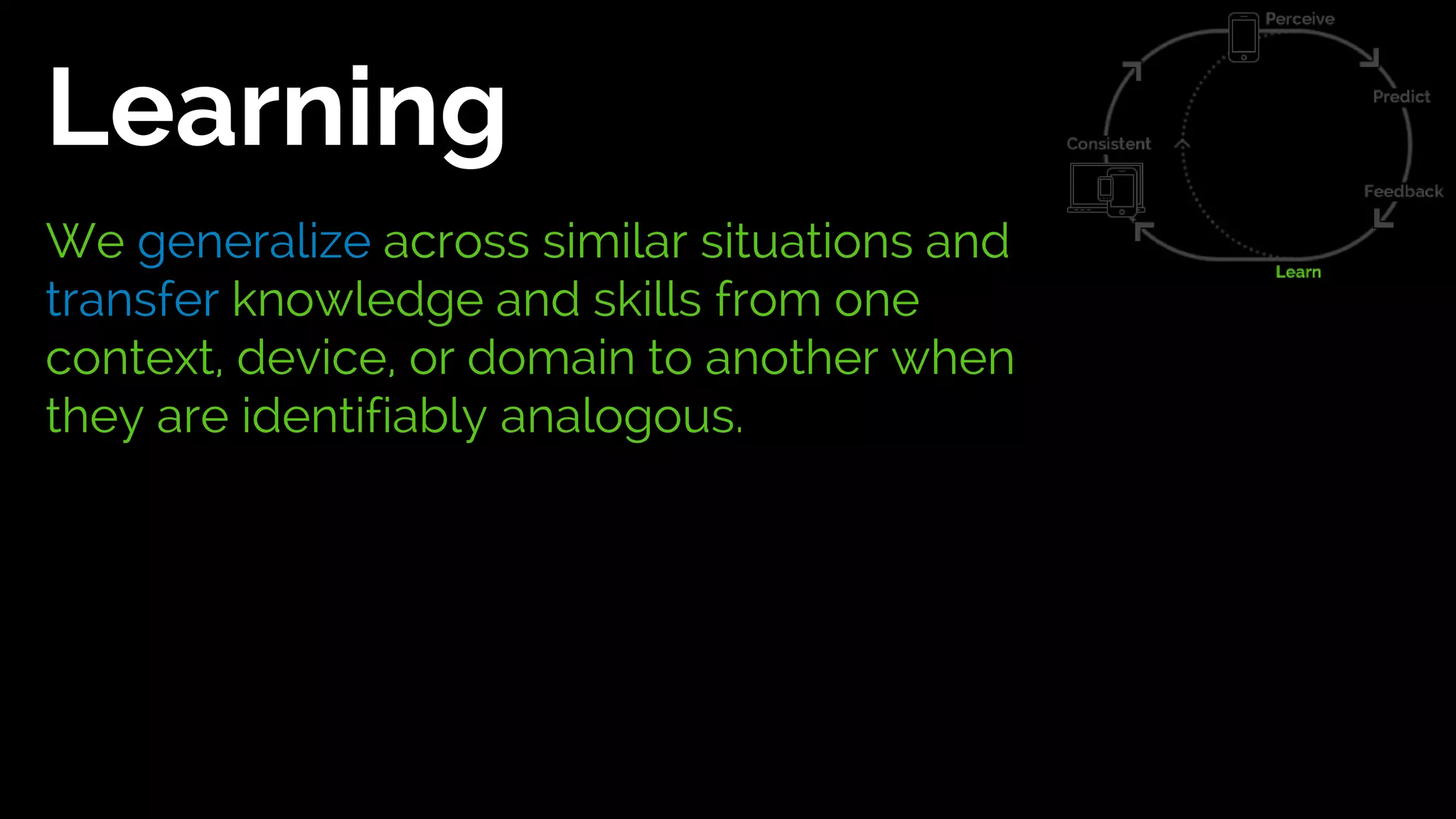
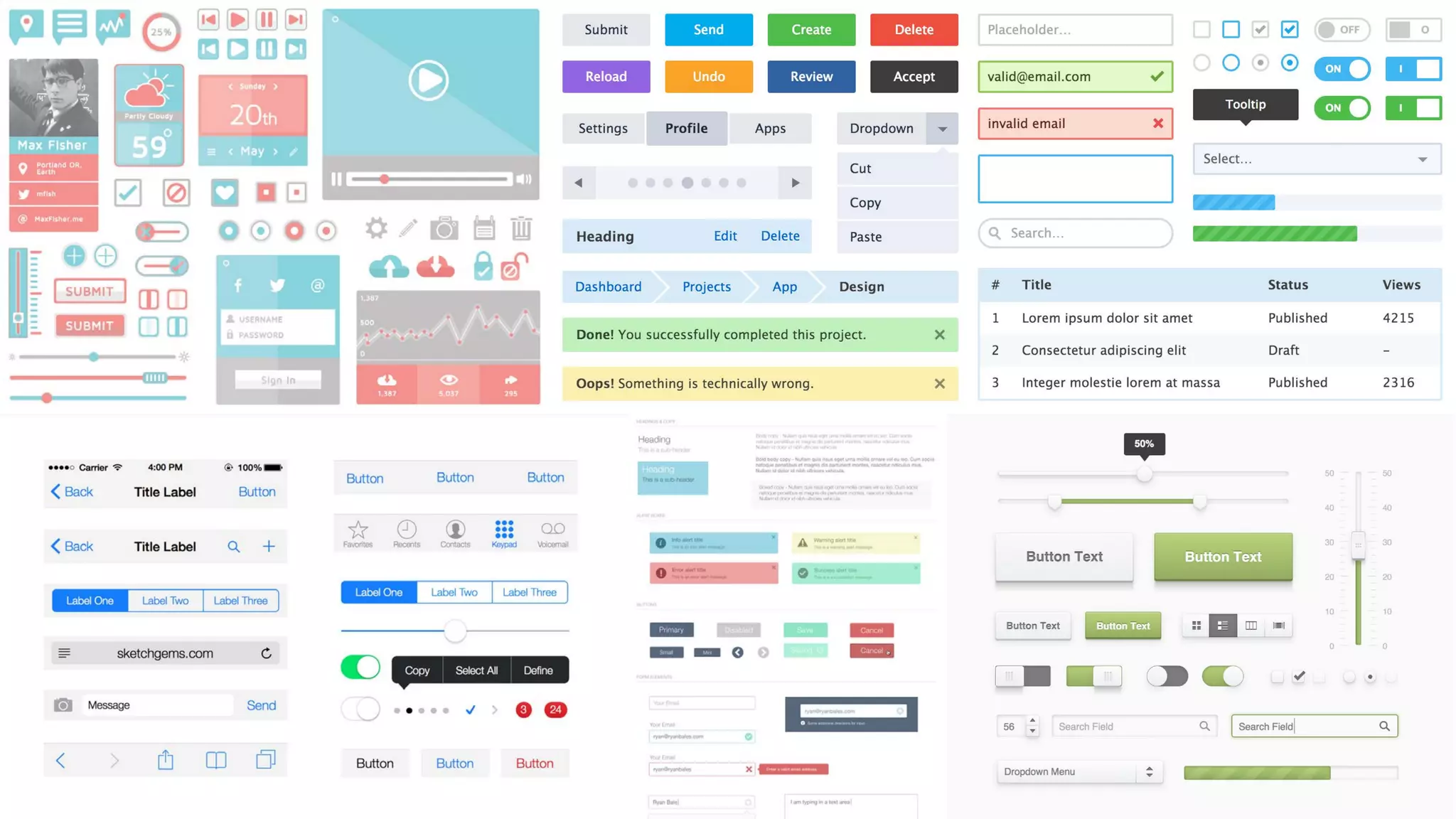
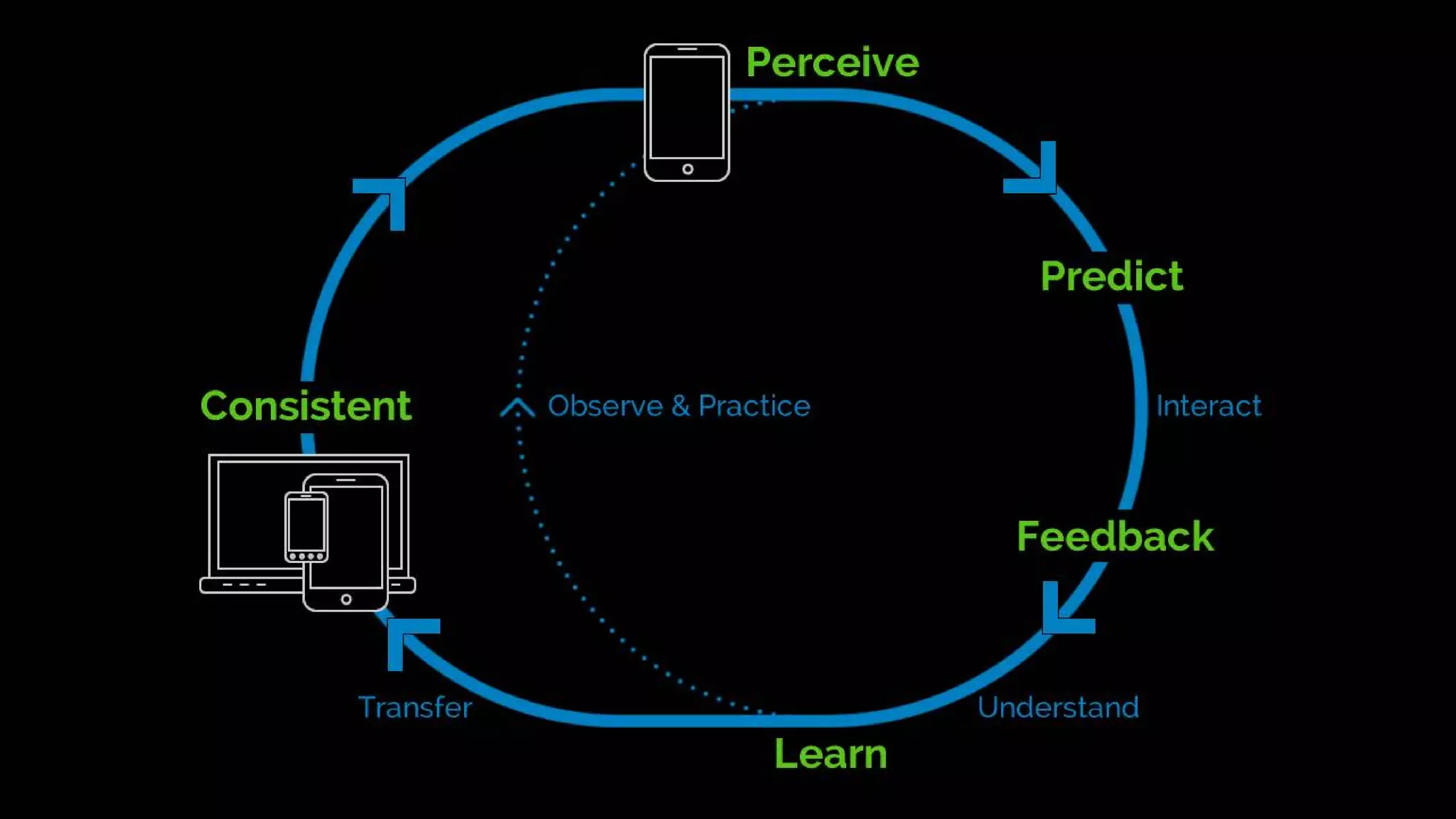
We generalize across similar situations and
transfer knowledge and skills from one
context, device, or domain to another when
they are identifiably analogous.
Consistency
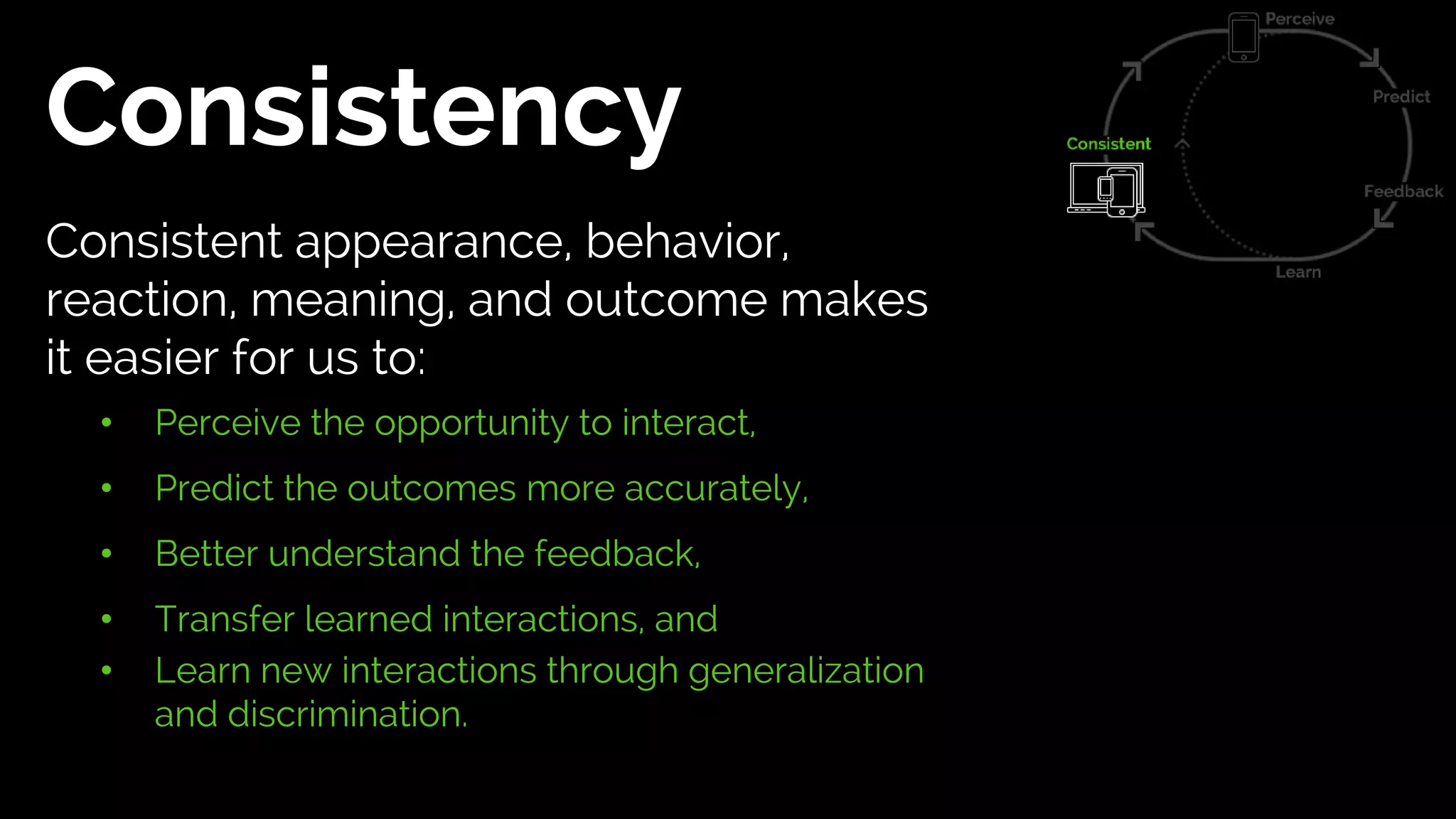
Consistent appearance, behavior,
reaction, meaning, and outcome makes
it easier for us to:
• Perceive the opportunity to interact,
• Predict the outcomes more accurately,
• Better understand the feedback,
• Transfer learned interactions, and
• Learn new interactions through generalization
and discrimination.
Failure
Quick Review
Whew! We’re almost finished.
Thanks!
I’m happy to answer your questions.
Psychology for User Experience

Psychology for User Experience

  • 2.
    2UX Thinking |DaveHogue.com
  • 3.
  • 8.
    We feel likethey know us personally.
  • 9.
    You are notdesigning for yourself…
  • 10.
  • 11.
  • 12.
    Our brains allwork the same way…
  • 13.
    …and we sharethe same capabilities and limitations. We are subject to the same rules.
  • 14.
    Understanding how weall think can help us generate better ideas…
  • 15.
    …and help uscraft and deliver better experiences.
  • 16.
    Relevant Fields ofPsychology Behavioral Ecological / Environmental Cognitive Social Consumer Industrial / Organizational Human Factors / HCI Experimental Psychometrics Quantitative / Mathematical Educational Developmental Personality Physiological / Neurological
  • 17.
    A System for thinkingabout UX design, research, and strategy with a psychological perspective.
  • 21.
    Who are thepeople? Demographics, experiences, skills, attitudes, beliefs, knowledge Where are they? Place, environment, situation, conditions, circumstances What are the devices, objects, and tools they are using? Phones, tablets, computers, kiosks, cameras, pen & paper, chisel & stone… Context
  • 25.
    What are theobjectives? What is the desired outcome, and is it: Productive, focused, goal-directed, playful, exploratory, meandering What is the value of the goals and objectives? Important, essential, necessary, optional, nice-to-have, elective How urgent are the goals and objectives? Time-sensitive, critical, compelling, casual, open-ended Goals
  • 26.
  • 28.
    How do peoplesense and perceive the world? Vision, audition, and touch Color deficient vision Gestalt Principles Image recognition Motion Pre-conscious processing and attention Perception
  • 31.
    Definition: The force thatinitiates, directs, and sustains behavior. Why we do what we do. Theories: Achievement, Affiliation, and Power Existence, Relatedness, and Growth (ERG) Biological Drives Internal vs. External Not Maslow’s Hierarchy of Needs… Motivation
  • 34.
    Why do peoplespend so much time on social networks, and what do they get from it? Affiliation with others (we are social creatures and seek contact) Personal achievement (competition with self and others) Social influence and credibility (“social currency”) Motivation
  • 36.
    Definition: The mental actionor process of acquiring knowledge and understanding through thinking, experience, and the senses. Types: Learning Decision-making Memory Recognition Language Spatial operations Problem-solving Concept formation Reasoning and logic Metacognition Attention And many, many biases… Cognition
  • 37.
    Should we “Reducedeaths”… …or “Maximize quality of life?”
  • 38.
  • 39.
    What did thefirst cars look like? Horse-drawn carriages.
  • 40.
  • 41.
    We are susceptibleto the same biases.
  • 43.
    Definition: A complex, subjectiveexperience resulting in physiological and psychological changes that influence thought and behavior. Theories: Ekman (Happiness, Surprise, Sadness, Anger, Fear, Disgust) James-Lange (physiological reaction precedes emotion) Cannon-Bard (physiological reaction and emotion are concurrent) Schachter-Singer (physiological reaction precedes cognition) Lazarus (cognition precedes physiological reaction and emotion) Emotion
  • 44.
    Positive Emotions Fredrickson (2009)discovered that we need three positive emotions to lift us up and overcome just one negative emotion. Have you ever said, “Meh. It could be better, but it works”? Is the rest of the interface three times better to make up for it?
  • 46.
    Definition: The actions bywhich an organism reacts and adjusts to their environment and other organisms; a response to various stimuli. Theories: Classical Conditioning (association) Operant Conditioning (reinforcement and punishment) Social Learning Theory (live, verbal, and symbolic) Relational Frame Theory (language and cognition) Drive Reduction (biology and homeostasis) Behavior
  • 47.
    Rewards Participation in socialservices is often encouraged with rewards such as badges and points that have personal and social value and which are delivered through complex reinforcement schedules.
  • 48.
  • 49.
    There is adark side.
  • 55.
    More than visibility– we must craft accessible experiences where we can perceive the opportunities to interact in any modality. People are less likely interact if they do not perceive the opportunity to interact, even if they need or want to interact. Perceivability
  • 60.
    Predictability The ability toaccurately and confidently predict the outcomes or results of an interaction and that it will move us toward our goal(s). People are less likely to interact if they are not confident in their predicted outcomes or if they believe the results are not what they want or need.
  • 61.
    Not what shepredicted…
  • 63.
    Feedback Meaningful information aboutthe status and outcomes of an interaction and the process(es) it started, modified, or terminated. People are less likely to continue interacting if they do not receive meaningful information about status, progress, outcomes, or results.
  • 64.
    After editing thegift message three times, it was still too long… How long is it now? How much too long is it? What is the maximum number of characters? HELP! What should I do?
  • 66.
    Learnability We can learnand remember interactions when we accurately predict desirable outcomes, avoid errors, and when the feedback is understandable and applicable. People are less likely to learn an interaction if the outcomes are not expected or if feedback is absent or meaningless.
  • 68.
    Learning We learn toassociate experiences that occur together in time and place. We learn to repeat interactions that reward us and avoid interactions that punish us. We can learn by watching and observing as easily as by doing.
  • 70.
    Learning We generalize acrosssimilar situations and transfer knowledge and skills from one context, device, or domain to another when they are identifiably analogous.
  • 73.
    Consistency Consistent appearance, behavior, reaction,meaning, and outcome makes it easier for us to: • Perceive the opportunity to interact, • Predict the outcomes more accurately, • Better understand the feedback, • Transfer learned interactions, and • Learn new interactions through generalization and discrimination.
  • 74.
  • 76.
  • 79.
    Thanks! I’m happy toanswer your questions.