Presenting project related
Hygiene Problem in school
by
Nilesh Ingawale 135
Dattatray Kakade 137
Bhagwant Mali 139
Aseem Shaikh 141

Tilak College Of Education
What is Hygiene?
The practice of keeping yourself and your living and
working areas clean in order to prevent illness
and disease is known as Hygiene.
 Hygiene education is necessary to create
awareness.
 It means helping individuals, families and
communities to become aware of the links
between poor hygiene behaviours and disease.
 It also means encouraging and helping people to
improve those behaviours which, if changed, will
lead to the greatest reduction in disease.

“Prevention is better than cure”
Importance of Hygiene
 After the family, schools are most important places of
learning for children; they have a central place in the
community.
 Schools are a stimulating learning environment for
children and stimulate or initiate change.
 If sanitary facilities in schools are available, they can
act as a model, and teachers can function as role
models.
 Schools can also influence communities through
outreach activities, since through their
students, schools are in touch with a large proportion
of the households in a community.
Focus on children
 Childhood is the best time for children to learn
hygiene behaviours.
 Children are future parents and what they learn is
likely to be applied in the rest of their lives.
 They have important roles in the
household, taking care of younger brothers and
sisters, and depending on the culture, they may
also question existing practices in the household.
 If children are brought into the development
process as active participants, they can become
change agents within their families and a stimulus
to community development.
Focus on children
 Children are eager to learn and help, and if they
consider environmental care and their role in this
as important, they will take care of their own
health and the health of others.
 Being tomorrow’s parents, children are also likely
to ensure the sustainability of a programme’s
impact.
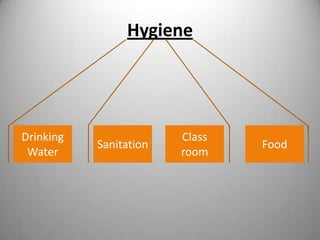
Hygiene

Drinking
Water

Sanitation

Class
room

Food
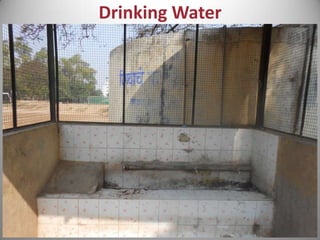
Drinking Water
Problems related drinking water
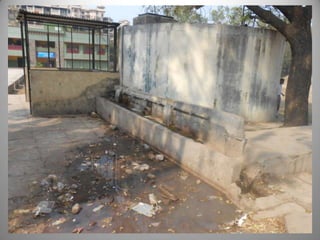
 The place of the water tank is not maintained
properly.
 Absence of a sufficient taps, compare to number
of students in school.
 No proper appropriateness or the design and
accessibility for small children.
 No safe water handling and storage.
 No regular cleaning of water bodies.
 Water is of low quality and supply is insufficient.
 Broken, dirty and unsafe water supply.
 No substitute water body for drinking.
Remedial Measures
 Teachers have to be motivated and well informed
including on the basic workings and maintenance
needs of installed facilities.
 A reliable drinking-water point is accessible for
staff and schoolchildren, including those with
disabilities, at all times.
 The water source must be cleaned from time to
time.
 Drinking water points should be increased in the
campus.
 Water that is provided for drinking must be of
good quality and must be sufficient.
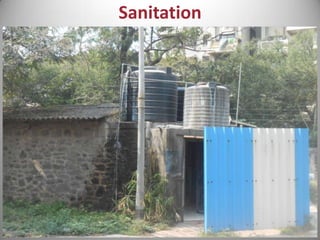
Sanitation
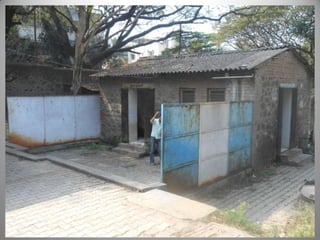
Problems related sanitation
 Insufficient latrines, toilets and washrooms.
 Toilets and urinals are not clean.
 They are not well lighted and ventilated.
 There are puddles of water around the toilet
pan and smelly.
 No hand wash or soaps for washing hands.
 No proper disposal facilities.
 No regular cleaning of toilets and urinals.
Remedial Measures
 Hygiene education must be included in the school
curriculum.
 Sufficient latrines, toilets and washrooms should be
provide according to strength of school.
 Daily cleanliness must be given extreme importance.
 Toilets should have convenient hand washing
facilities.
 Washrooms should be well lighted and ventilated.
 Dustbins must be in place for disposal of tissue
paper etc.
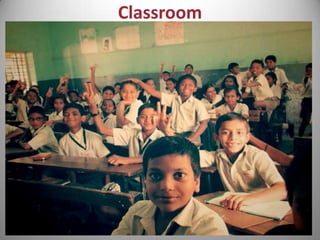
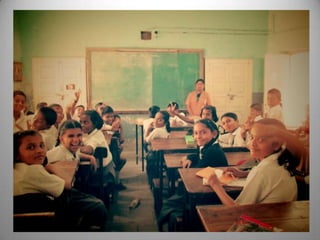
Classroom
Problems related classroom
 Poor indoor-air and light quality.
 No solid waste is collected from classrooms
and disposed of safely.
 No daily sweeping is carried out.
 Lot of dust in classroom leads to different
respiratory disease like asthma etc.
 No dustbins to collect garbage etc.
 No regular cleaning of classrooms.
Remedial Measures
 Daily sweeping must be carried out.
 Dustbins must be there to collect garbage etc.
 Class rooms must be well illuminated and
ventilated.
 Instructions to the students should be given
to practice cleanliness.
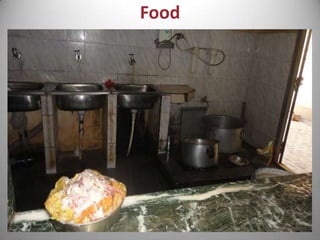
Food
Problems related food
 Food handlers don’t wash their hands when
necessary which lead to contamination.
 Food storage and preparation areas are not
kept clean.
Remedial Measures
 Oil used in cooking must be of good quality.
 Food storage and preparation areas must be
neat and clean.
Thank you …..

Project related hygiene in schools

  • 1.
    Presenting project related HygieneProblem in school by Nilesh Ingawale 135 Dattatray Kakade 137 Bhagwant Mali 139 Aseem Shaikh 141 Tilak College Of Education
  • 2.
    What is Hygiene? Thepractice of keeping yourself and your living and working areas clean in order to prevent illness and disease is known as Hygiene.  Hygiene education is necessary to create awareness.  It means helping individuals, families and communities to become aware of the links between poor hygiene behaviours and disease.  It also means encouraging and helping people to improve those behaviours which, if changed, will lead to the greatest reduction in disease. “Prevention is better than cure”
  • 3.
    Importance of Hygiene After the family, schools are most important places of learning for children; they have a central place in the community.  Schools are a stimulating learning environment for children and stimulate or initiate change.  If sanitary facilities in schools are available, they can act as a model, and teachers can function as role models.  Schools can also influence communities through outreach activities, since through their students, schools are in touch with a large proportion of the households in a community.
  • 4.
    Focus on children Childhood is the best time for children to learn hygiene behaviours.  Children are future parents and what they learn is likely to be applied in the rest of their lives.  They have important roles in the household, taking care of younger brothers and sisters, and depending on the culture, they may also question existing practices in the household.  If children are brought into the development process as active participants, they can become change agents within their families and a stimulus to community development.
  • 5.
    Focus on children Children are eager to learn and help, and if they consider environmental care and their role in this as important, they will take care of their own health and the health of others.  Being tomorrow’s parents, children are also likely to ensure the sustainability of a programme’s impact.
  • 6.
  • 7.
  • 9.
    Problems related drinkingwater  The place of the water tank is not maintained properly.  Absence of a sufficient taps, compare to number of students in school.  No proper appropriateness or the design and accessibility for small children.  No safe water handling and storage.  No regular cleaning of water bodies.  Water is of low quality and supply is insufficient.  Broken, dirty and unsafe water supply.  No substitute water body for drinking.
  • 10.
    Remedial Measures  Teachershave to be motivated and well informed including on the basic workings and maintenance needs of installed facilities.  A reliable drinking-water point is accessible for staff and schoolchildren, including those with disabilities, at all times.  The water source must be cleaned from time to time.  Drinking water points should be increased in the campus.  Water that is provided for drinking must be of good quality and must be sufficient.
  • 11.
  • 13.
    Problems related sanitation Insufficient latrines, toilets and washrooms.  Toilets and urinals are not clean.  They are not well lighted and ventilated.  There are puddles of water around the toilet pan and smelly.  No hand wash or soaps for washing hands.  No proper disposal facilities.  No regular cleaning of toilets and urinals.
  • 14.
    Remedial Measures  Hygieneeducation must be included in the school curriculum.  Sufficient latrines, toilets and washrooms should be provide according to strength of school.  Daily cleanliness must be given extreme importance.  Toilets should have convenient hand washing facilities.  Washrooms should be well lighted and ventilated.  Dustbins must be in place for disposal of tissue paper etc.
  • 15.
  • 17.
    Problems related classroom Poor indoor-air and light quality.  No solid waste is collected from classrooms and disposed of safely.  No daily sweeping is carried out.  Lot of dust in classroom leads to different respiratory disease like asthma etc.  No dustbins to collect garbage etc.  No regular cleaning of classrooms.
  • 18.
    Remedial Measures  Dailysweeping must be carried out.  Dustbins must be there to collect garbage etc.  Class rooms must be well illuminated and ventilated.  Instructions to the students should be given to practice cleanliness.
  • 19.
  • 20.
    Problems related food Food handlers don’t wash their hands when necessary which lead to contamination.  Food storage and preparation areas are not kept clean.
  • 21.
    Remedial Measures  Oilused in cooking must be of good quality.  Food storage and preparation areas must be neat and clean.
  • 22.