Downloaded 14 times












![References
● NCSU, The Center for Universal Design (1997) “The
Principles of Universal Design” http://www.ncsu.
edu/ncsu/design/cud/pubs_p/docs/poster.pdf
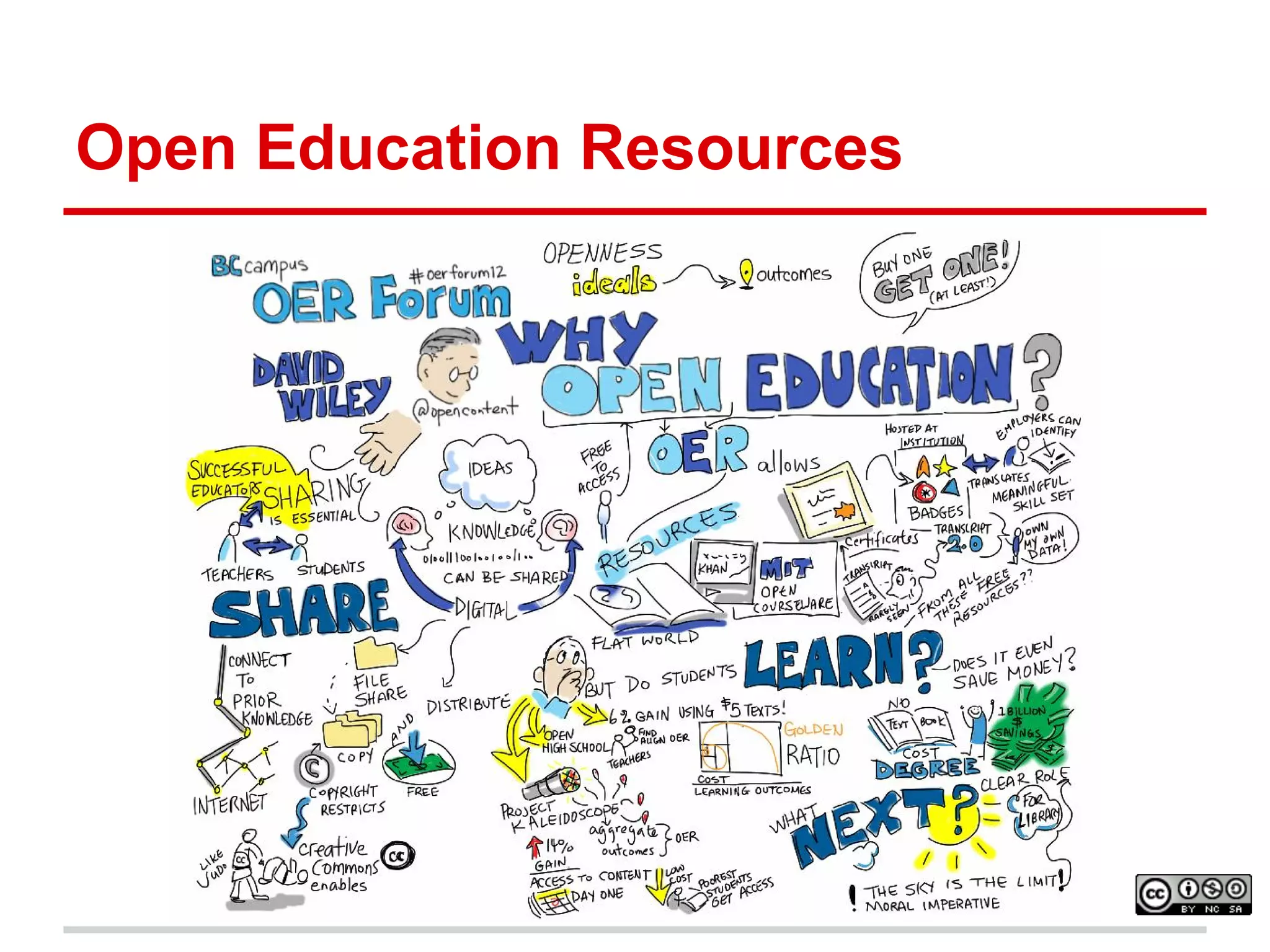
● G. Forsythe “@bccampus #OERforum @opencontent
Why Open Education?” [visual notes] https://www.flickr.
com/photos/gforsythe/8100966908/](https://image.slidesharecdn.com/importantidprinciples-10-140623151341-phpapp02/75/Principles-of-Instructional-Design-20-2048.jpg)

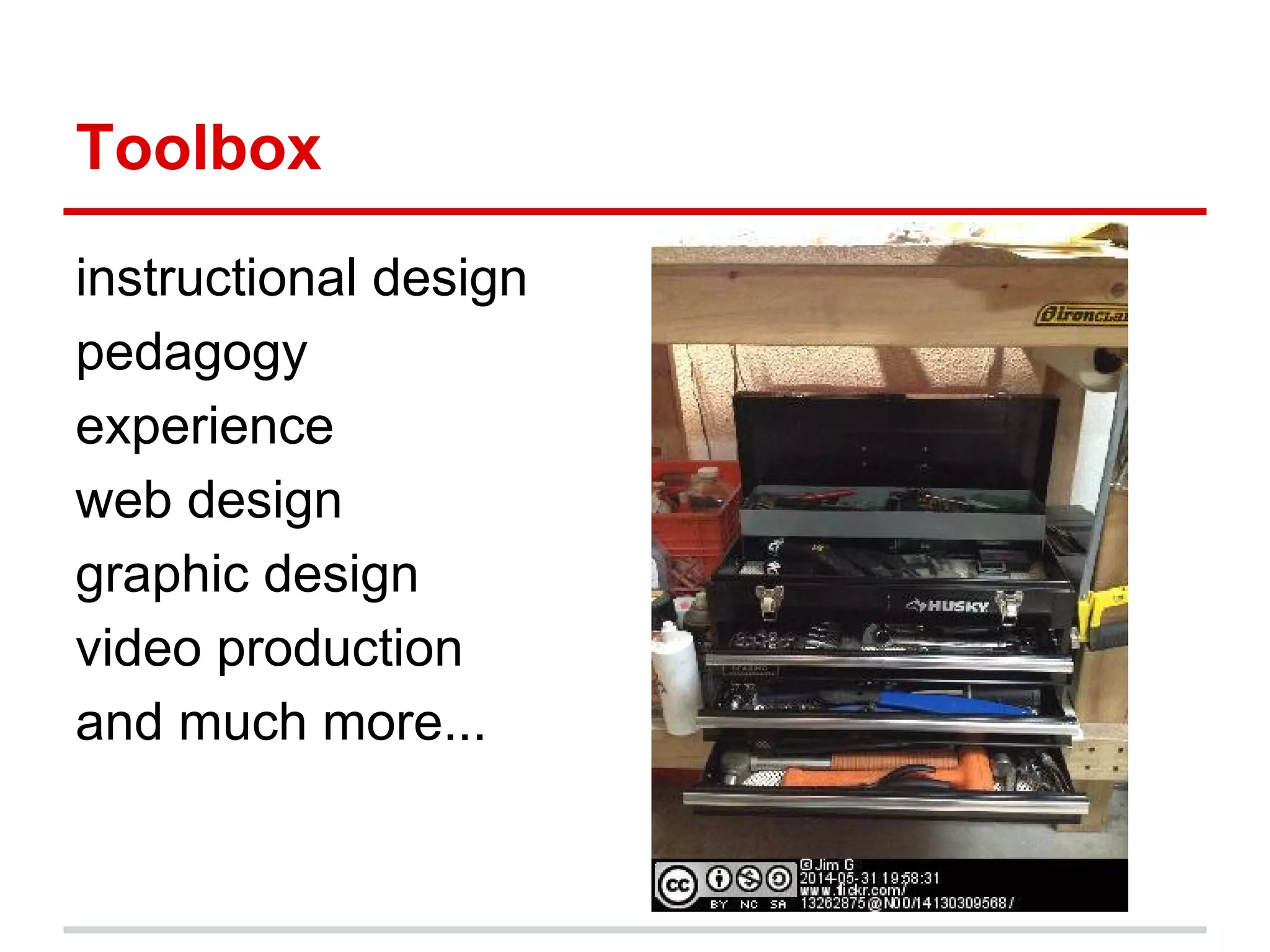
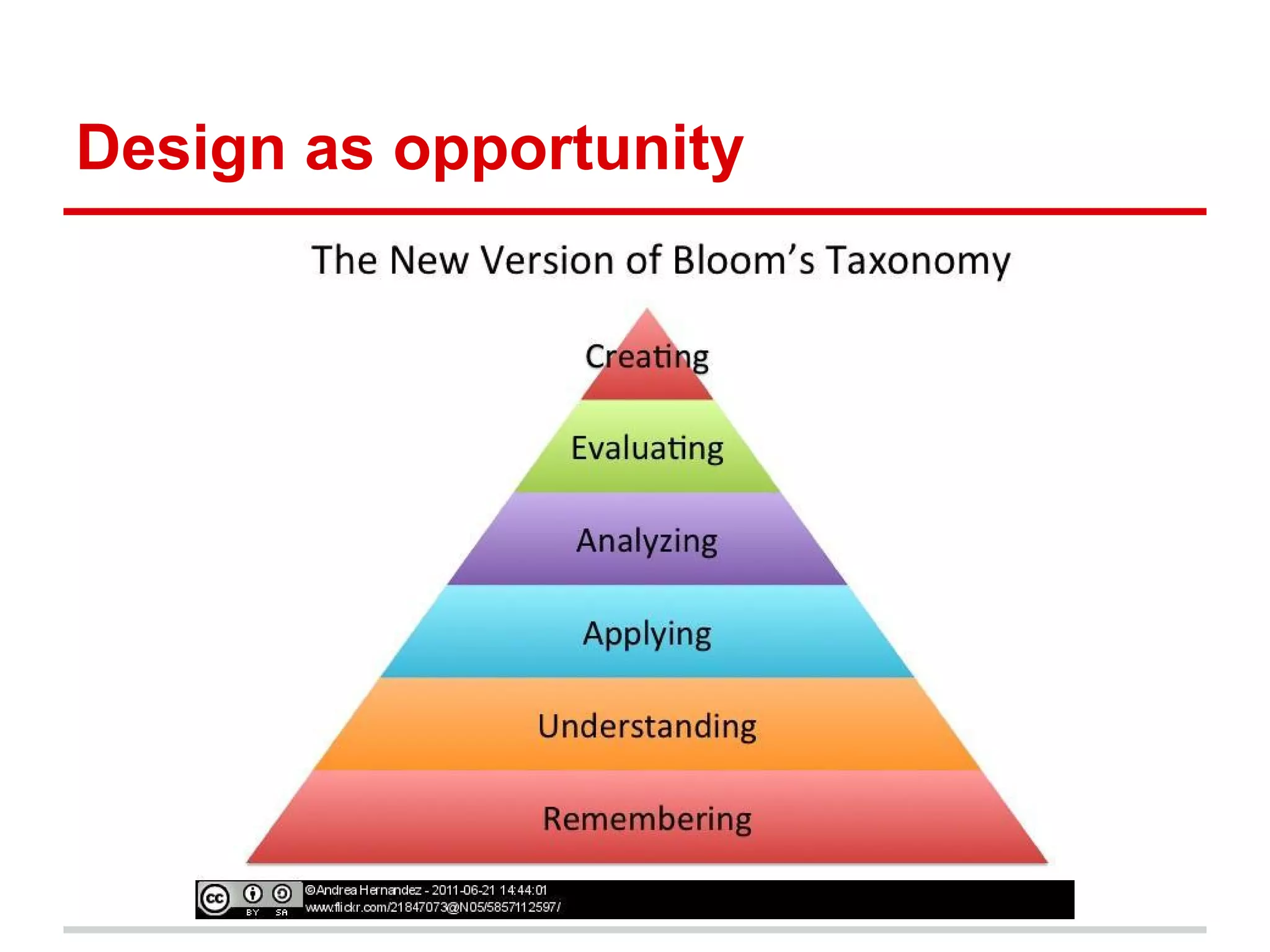
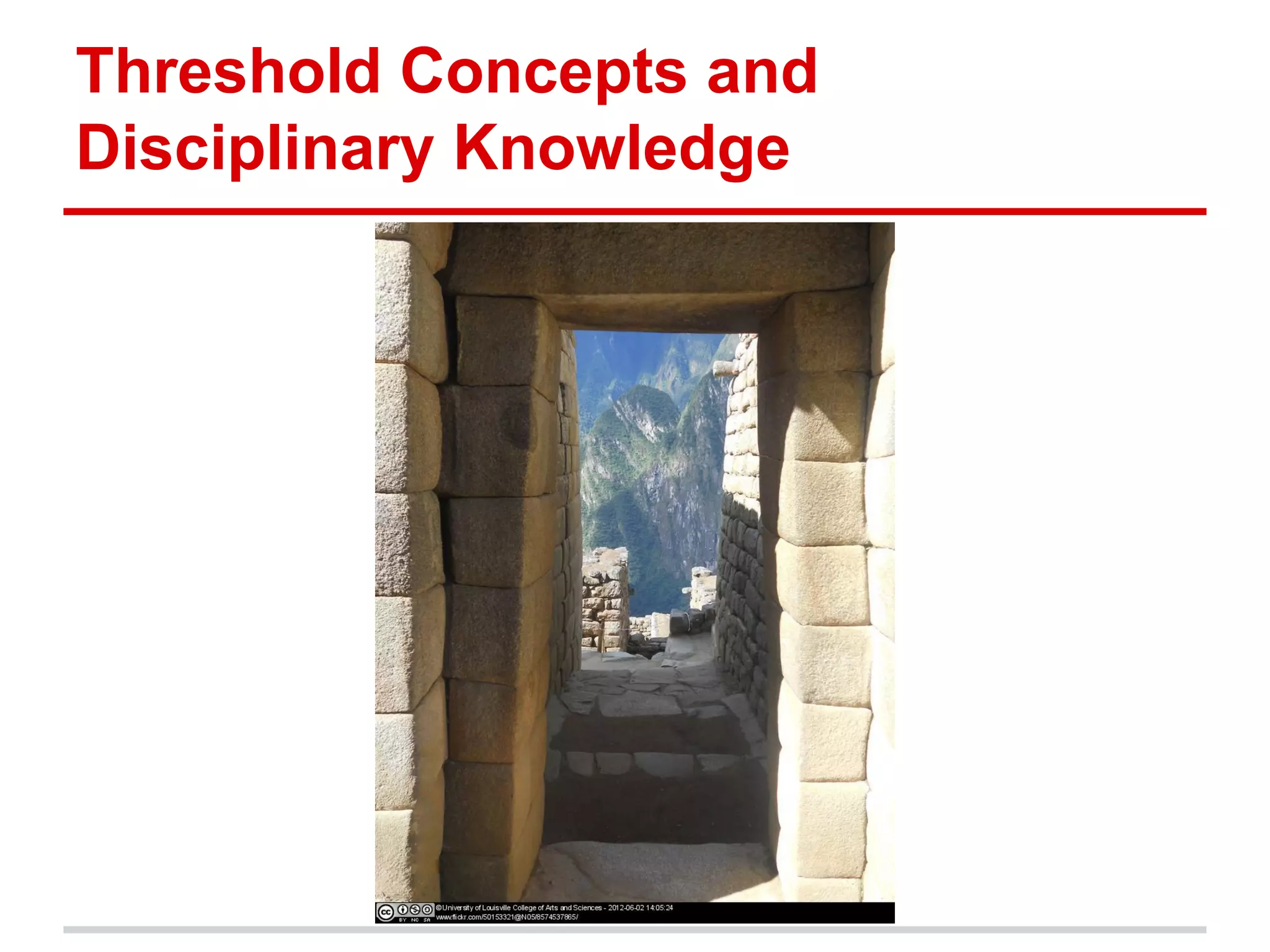
This document outlines important principles of instructional design, including aligning learning objectives with assessment, taking an incremental approach, prioritizing clarity, recognizing differences between online and offline learning environments, considering more than just the learning management system, seeing design as an opportunity, using reflection, and incorporating threshold concepts and disciplinary knowledge. It also notes that instructional design is a toolbox and not a "magic wand" that can solve every problem or meet every need, and that technology should be secondary to the educational content.


