Principles of Art and Design
Introduction
• The foundation for making art is the
principles of art and design. They show how
the artist uses the components of art to
enhance the overall impression and to assist
the artist in communicating his intentions.
• The elements of art are components of the
whole, whereas art design perceptions are
guidelines for putting these components
together.
• The principles of art represent how the
artist uses the elements of art to create
an effect and to help convey the artist's
intent.
• The use of these principles can help
determine whether a painting is
successful, and whether or not the
painting is finished.
• Harmony
• Rhythm
• Balance
• Proportion
• Emphasis
• Movement
• Pattern
The 11 principles of art and design
• Unity/Variety
• Novelty of
Newness
• Utility,
Adaptability,
or Function
• Contrast
Harmony
• This principle produces an impression
of unity through the selection and
arrangement of consistent objects or
ideas.
• It is the quality which unifies every
part of arrangement. If there is
harmony, there is order. Every orderly
arrangement is harmonious.
Rhythm
• It is the regular, uniform or related visual
movement made through repetition of a unit
or motif.
• It is the basis of almost all performing arts
because it is the principle which is more
quickly felt.
• We find rhythm not only in painting and
architecture but also in music, dance and
poetry.
Balance
• refers to the visual weight of the elements
of the composition. It is a sense that the
painting feels stable and "feels right."
The three types of balance are;
1. Symmetrical (two sides are the same)
2. Asymmetrical (two sides are different but visually
weighted equally)
3. Radial (design emerges from center point).
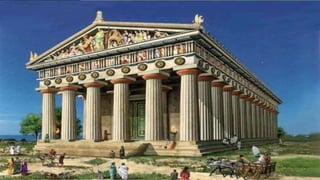
Proportion
• It is the art principle which shows
pleasing relationship between a whole
and its part and between parts
themselves.
• It can be achieved through proper
arrangement of space divisions
proportions are generally expressed in
terms of ratios.
Emphasis
• It is the principle of art which tends to carry
the eyes from the center of interest or
dominant part of any composition to the less
important or subordinate part.
• The most essential factor in emphasis is
simplicity.
• Color, space, texture, and line work together
to determine the focus of an image.
Movement
• Movement is how the eye travels through
an artwork.
• Movement can lead the viewer from one
aspect to another within the composition.
• A sense of movement can be created by
diagonal or curvy lines, either real or
implied, by edges, by the illusion of
space, by repetition, by energetic mark –
making.
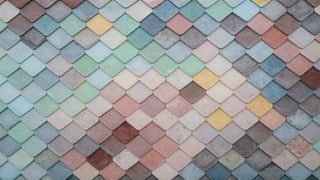
Pattern
• is the uniform repetition of
any of the elements of art or
any combination thereof.
• Anything can be turned into
a pattern through
repetition.
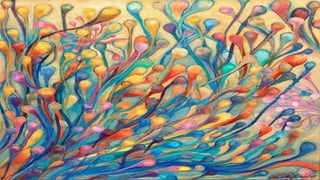
Unity/Variety
• You want your painting to feel
unified such that all elements fit
together comfortably.
• Too much unity creates
monotony, too much variety
create chaos. You need both.
Novelty of Newness
• A new style of dress appears
more attractive and interesting
than ordinary dress design.
• Novelty provides the best
opportunity for developing one’s
creative ability.
Utility, Adaptability, or Function
• A work of art must not only possess
beauty but also utility.
• The object must be adaptable to the
purpose for which it is made. This is
especially true to all practical arts.
• In designing modern structures,
function is now the first
consideration.
Contrast
• is the difference between elements in a
composition. This can happen through
a variety of elements such as value
change, size, color, design difference,
etc.
Example: Light against dark, warm
against cool.
principle-of-arts-and-design.pptx

principle-of-arts-and-design.pptx

  • 1.
  • 2.
    Introduction • The foundationfor making art is the principles of art and design. They show how the artist uses the components of art to enhance the overall impression and to assist the artist in communicating his intentions. • The elements of art are components of the whole, whereas art design perceptions are guidelines for putting these components together.
  • 3.
    • The principlesof art represent how the artist uses the elements of art to create an effect and to help convey the artist's intent. • The use of these principles can help determine whether a painting is successful, and whether or not the painting is finished.
  • 4.
    • Harmony • Rhythm •Balance • Proportion • Emphasis • Movement • Pattern The 11 principles of art and design • Unity/Variety • Novelty of Newness • Utility, Adaptability, or Function • Contrast
  • 5.
    Harmony • This principleproduces an impression of unity through the selection and arrangement of consistent objects or ideas. • It is the quality which unifies every part of arrangement. If there is harmony, there is order. Every orderly arrangement is harmonious.
  • 7.
    Rhythm • It isthe regular, uniform or related visual movement made through repetition of a unit or motif. • It is the basis of almost all performing arts because it is the principle which is more quickly felt. • We find rhythm not only in painting and architecture but also in music, dance and poetry.
  • 9.
    Balance • refers tothe visual weight of the elements of the composition. It is a sense that the painting feels stable and "feels right." The three types of balance are; 1. Symmetrical (two sides are the same) 2. Asymmetrical (two sides are different but visually weighted equally) 3. Radial (design emerges from center point).
  • 11.
    Proportion • It isthe art principle which shows pleasing relationship between a whole and its part and between parts themselves. • It can be achieved through proper arrangement of space divisions proportions are generally expressed in terms of ratios.
  • 13.
    Emphasis • It isthe principle of art which tends to carry the eyes from the center of interest or dominant part of any composition to the less important or subordinate part. • The most essential factor in emphasis is simplicity. • Color, space, texture, and line work together to determine the focus of an image.
  • 15.
    Movement • Movement ishow the eye travels through an artwork. • Movement can lead the viewer from one aspect to another within the composition. • A sense of movement can be created by diagonal or curvy lines, either real or implied, by edges, by the illusion of space, by repetition, by energetic mark – making.
  • 17.
    Pattern • is theuniform repetition of any of the elements of art or any combination thereof. • Anything can be turned into a pattern through repetition.
  • 19.
    Unity/Variety • You wantyour painting to feel unified such that all elements fit together comfortably. • Too much unity creates monotony, too much variety create chaos. You need both.
  • 21.
    Novelty of Newness •A new style of dress appears more attractive and interesting than ordinary dress design. • Novelty provides the best opportunity for developing one’s creative ability.
  • 23.
    Utility, Adaptability, orFunction • A work of art must not only possess beauty but also utility. • The object must be adaptable to the purpose for which it is made. This is especially true to all practical arts. • In designing modern structures, function is now the first consideration.
  • 25.
    Contrast • is thedifference between elements in a composition. This can happen through a variety of elements such as value change, size, color, design difference, etc. Example: Light against dark, warm against cool.