The Principle of
Art
Let’s have a Game!
4 PICS 1 WORD
A L A N C E
B
M P H A S I
E S
O V E M E N
M T
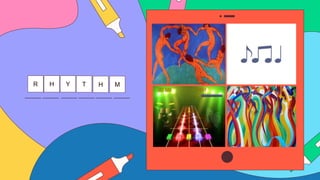
H Y T H M
R
A R M O N
H Y
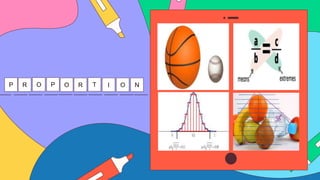
O R T I O
P N
R O
P
The principles of art
It represent how the artist uses the elements of art to create
an effect and to help convey the artist's intent.
What is Principle of
Art?
The principles of art allow us to place some kind of
objective reasoning behind why a great painting is
great. This is important as it keeps us from falling into a
a vague space where art is no longer able to be defined
or critiqued (much like what has happened with modern
art).
Importance of Principle of
Art
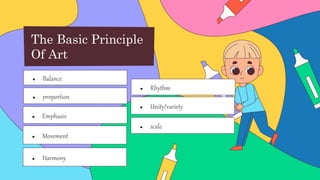
● Balance
The Basic Principle
Of Art
● proportion
● Movement
● scale
● Emphasis
● Rhythm
● Unity/variety
● Harmony
Symmetrical Balance
Symmetrical Balance means exact mirroring of similar or same object across and
invisible axis. Eg. DaVinci’s sketches and stone sculptures of ancient Egypt.
Symmetrical Balance not only makes art look proportionate but also adds to the
overall aesthetic appeal of it. This is an important factor of art because our brain
and thinking have a negative bias against visuals that do not look proportionate.
Asymmetrical Balance
Asymmetrical Balance means the exact opposite of symmetrical balance where
objects do not mirror perfectly and the balance tilts across the spectrum of
axis. This type of balance not only helps the artist to tell a cohesive story but also
helps the viewer of the art to span across the painting on the whole.
BALANCE
Radial Balance
Radical Balance means the distribution of objects
around a central focus. Eg. Van
Gogh Paintings. If you look at certain paintings, you
will find many ideas
distributed across the canvas. These tell a small
story in themselves, but they
also add up to the vision of the creator to make it a
complete art.
BALANCE
Proportion in any art is the relative size of objects in
relation to each other or corresponding to the other
elements as a whole. Eg. Pinocchio elongated nose.
This principle adds a definite contrast while also adding to
the complete story for the viewers to understand.
PROPORTION
Many artistic creations have many elements in their art,
but the true creativity of a creator is when they are
able to steer the viewers gaze automatically to the
element on which the creator wants their viewers to
focus on.
Emphasis means the placement of objects and
elements in an artwork which direct the gaze and
attention to a single focus or enhance the visual
appeal.
EMPHASIS
VARIETY
Variety is the sense of difference in elements
and objects in an artwork that highlights a
particular intent or emotion.
This principle is the combination of all the
first three rules such that when different
elements come together to create a full
story and help the viewer to understand
the thinking process of the creator.
The sense of continuity or similarity across an artwork that
creates a connection and a flow of intent is called
harmony. It is the most important and a very versatile
principles of art. Eg. Cubism Art Movement.
Without Harmony, art takes a disconnected
image.
HArmony
MOVEMENT
The direction and focus of a viewer that flows
a painting across the focal elements of an
artwork is called movement. It essentially
tells a story crafted in the artwork.
The total effect which tells about the relation between
objects and elements in a creation and tell a story or
emotion is called rhythm. Rhythm is one of the most
important basic principles of art.
rhythm
Scale is the size of the objects and elements in
accordance with the intent of the creation.
scale
Bonus Principles of Art
Unity means the totality of a creation which tells
a cohesive intent and a storyline.
UNITY
REPETITION
Repetition is the pattern which emerges over and over
again. Art movements like Impressionism or
Cubism follow the principle of repetition.
One of the most elementary skills for new and
emerging painters is the mastery over basic brush
strokes. Being able to handle and control the brush
strokes not only helps artists to gain complete
knowledge of the art, but also helps to create and
invent something new for the art lovers.
BRUSH
TECHNIQUES
Any Questions?
These principles are the stepping stones
of learning art as a vocation. Some
creators are born with the
understanding of these principles, some
acquire it through learning.
THANK YOU!

THE-PRINCIPLE-OF-ART (1).pptx

  • 1.
  • 2.
    Let’s have aGame! 4 PICS 1 WORD
  • 3.
    A L AN C E B
  • 4.
    M P HA S I E S
  • 5.
    O V EM E N M T
  • 6.
    H Y TH M R
  • 7.
    A R MO N H Y
  • 8.
    O R TI O P N R O P
  • 9.
  • 10.
    It represent howthe artist uses the elements of art to create an effect and to help convey the artist's intent. What is Principle of Art?
  • 11.
    The principles ofart allow us to place some kind of objective reasoning behind why a great painting is great. This is important as it keeps us from falling into a a vague space where art is no longer able to be defined or critiqued (much like what has happened with modern art). Importance of Principle of Art
  • 12.
    ● Balance The BasicPrinciple Of Art ● proportion ● Movement ● scale ● Emphasis ● Rhythm ● Unity/variety ● Harmony
  • 13.
    Symmetrical Balance Symmetrical Balancemeans exact mirroring of similar or same object across and invisible axis. Eg. DaVinci’s sketches and stone sculptures of ancient Egypt. Symmetrical Balance not only makes art look proportionate but also adds to the overall aesthetic appeal of it. This is an important factor of art because our brain and thinking have a negative bias against visuals that do not look proportionate. Asymmetrical Balance Asymmetrical Balance means the exact opposite of symmetrical balance where objects do not mirror perfectly and the balance tilts across the spectrum of axis. This type of balance not only helps the artist to tell a cohesive story but also helps the viewer of the art to span across the painting on the whole. BALANCE
  • 14.
    Radial Balance Radical Balancemeans the distribution of objects around a central focus. Eg. Van Gogh Paintings. If you look at certain paintings, you will find many ideas distributed across the canvas. These tell a small story in themselves, but they also add up to the vision of the creator to make it a complete art. BALANCE
  • 15.
    Proportion in anyart is the relative size of objects in relation to each other or corresponding to the other elements as a whole. Eg. Pinocchio elongated nose. This principle adds a definite contrast while also adding to the complete story for the viewers to understand. PROPORTION
  • 16.
    Many artistic creationshave many elements in their art, but the true creativity of a creator is when they are able to steer the viewers gaze automatically to the element on which the creator wants their viewers to focus on. Emphasis means the placement of objects and elements in an artwork which direct the gaze and attention to a single focus or enhance the visual appeal. EMPHASIS
  • 17.
    VARIETY Variety is thesense of difference in elements and objects in an artwork that highlights a particular intent or emotion. This principle is the combination of all the first three rules such that when different elements come together to create a full story and help the viewer to understand the thinking process of the creator.
  • 18.
    The sense ofcontinuity or similarity across an artwork that creates a connection and a flow of intent is called harmony. It is the most important and a very versatile principles of art. Eg. Cubism Art Movement. Without Harmony, art takes a disconnected image. HArmony
  • 19.
    MOVEMENT The direction andfocus of a viewer that flows a painting across the focal elements of an artwork is called movement. It essentially tells a story crafted in the artwork.
  • 20.
    The total effectwhich tells about the relation between objects and elements in a creation and tell a story or emotion is called rhythm. Rhythm is one of the most important basic principles of art. rhythm
  • 21.
    Scale is thesize of the objects and elements in accordance with the intent of the creation. scale
  • 22.
  • 23.
    Unity means thetotality of a creation which tells a cohesive intent and a storyline. UNITY
  • 24.
    REPETITION Repetition is thepattern which emerges over and over again. Art movements like Impressionism or Cubism follow the principle of repetition.
  • 25.
    One of themost elementary skills for new and emerging painters is the mastery over basic brush strokes. Being able to handle and control the brush strokes not only helps artists to gain complete knowledge of the art, but also helps to create and invent something new for the art lovers. BRUSH TECHNIQUES
  • 26.
  • 27.
    These principles arethe stepping stones of learning art as a vocation. Some creators are born with the understanding of these principles, some acquire it through learning.
  • 28.