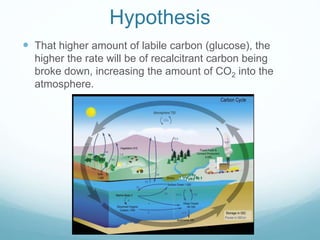
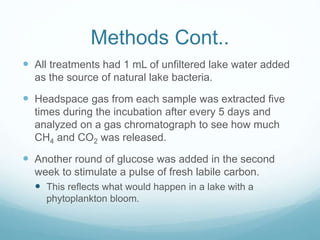
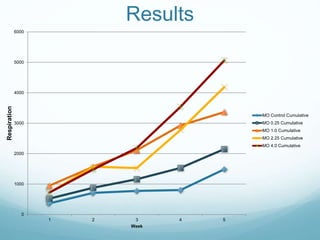
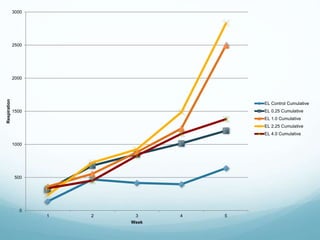
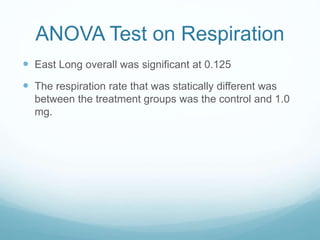
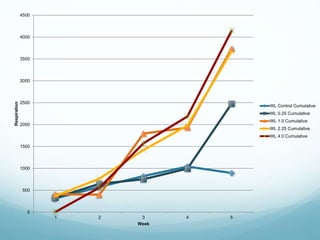
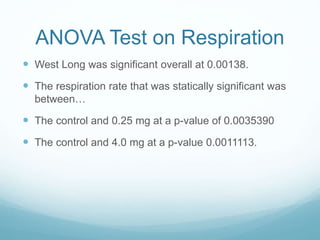
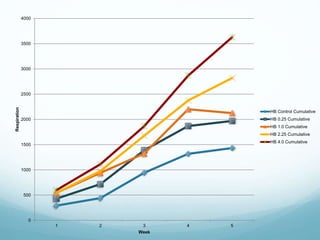
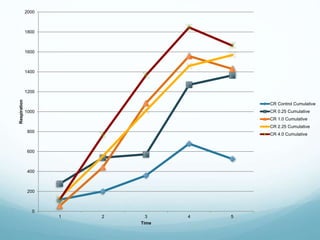
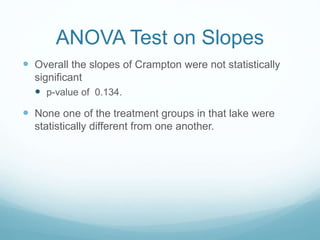
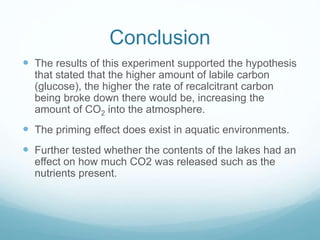
The document discusses a study on the priming effect in lakes and its impact on carbon cycling. The priming effect occurs when easily decomposable labile carbon causes an increase in the breakdown of recalcitrant carbon. The study aimed to test if this priming effect exists in aquatic environments like lakes. It found that higher amounts of labile carbon (glucose) led to higher rates of recalcitrant carbon breakdown and CO2 emissions, supporting the hypothesis. Certain lakes showed a statistically significant priming effect while others did not. The results provide evidence that the priming effect occurs in lakes and has implications for understanding lake and global carbon cycling.