Primary Recycling
Technique
Presented By
Himmat Purohit
Content
 Introduction
 Primary recycling
 Why recycling
 Stages in Plastic Recycling
 Recycling Code
 Advantages
 Disadvantages
Introduction
 Plastic recycling is the process of recovering different types of plastic material in order
to reprocess them into varied other products, unlike their original form. An item made
out of plastic is recycled into a different product, which usually cannot be recycled
again.
 They and residents of the more rural areas of the state also may take recyclable materials
to public landfills, transfer stations, and conveniently located drop-off centres.
 Whether Oregonians place recyclables at curb side or drop them off at a local collection
depot, just where does the material go next? The specific route depends on the item in
question, but there are some common threads.
 They have to do with words like collector and hauler, resale, transportation and energy.
They have to do with conserving, and with saving natural resources and fossil fuels and
materials. They have to do with insuring that we preserve our state as we know it for
generations to come.
What is primary recycling
 Primary recycling originally was defined as applications producing the
same or similar products,
 whereas secondary recycling produces products with less demanding
specifications. EPA's current definition considers use of in-plant scrap as
primary recycling and use of postconsumer material as secondary
recycling, regardless of the end products.
 Tertiary recycling uses the recycled plastic as a chemical raw material.
 Quaternary recycling uses the plastic as a source of energy. This last
category is often not considered to be true recycling.
Why Recycle?
 Recycling is one of the easiest steps anyone can take to reduce the impact of
humans on the environment. On average, each American produces
approximately 3.5 pounds of garbage per day.
 That is 1,500 pounds per person each year—or 90,000 pounds in a lifetime.
Without recycling, all this trash ends up in landfills.
 Recycling saves habitats such as rain forests. By reducing the demand for new
materials (such as metals that must be mined and refined) from the
environment, more land and habitats can be preserved and/or conserved.
 Recycling can be economical. Recycling is often less expensive than the
combined cost of processing new materials and managing waste disposal.
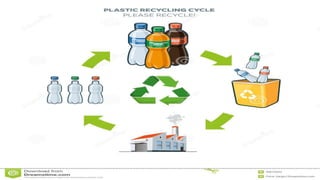
Stages in Plastic Recycling
 Before any plastic waste is recycled, it needs to go through five different stages so that it can
be further used for making various types of products.
 Sorting: It is necessary that every plastic item is separated according to its make and type so
that it can be processed accordingly in the shredding machine.
 Washing: Once the sorting has been done, the plastic waste needs to be washed properly to
remove impurities such as labels and adhesives. This enhances the quality of the finished
product.
 Shredding: After washing, the plastic waste is loaded into different conveyer belts that run the
waste through the different shredders. These shredders tear up the plastic into small pellets,
preparing them for recycling into other products.
 Identification and Classification of Plastic: After shredding, a proper testing of the plastic
pellets is conducted in order to ascertain their quality and class.
 Extruding: This involves melting the shredded plastic so that it can be extruded into pellets,
which are then used for making different types of plastic products.
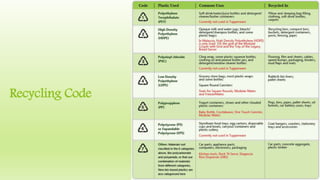
Recycling Code
Advantages
 Plastic Recycling helps to reduce the energy usage
 Recycling saves the Earth.
 Recycling helps in mitigating global warming and in reducing
pollution.
 Recycling minimizes waste products placed in landfills.
 Recycling can help you save money.
 Recycling spreads awareness for the environment.
 Recycling can reduce the need for allied activities like
transportation and mining
Disadvantages
 Recycling tons of garbage will require separate factories.
 Recycling will produce pollutants, including chemical stews after
breaking down the waste materials.
 Recycling is not always cost-efficient.
 Recycling can increase low quality jobs.
 Recycling can create more environmental problems, if not done
right.
 Recycling does not guarantee good quality products.
 Recycling can give people a false sense of security.
Primary recycling
Primary recycling
Primary recycling
Primary recycling

Primary recycling

  • 1.
  • 2.
    Content  Introduction  Primaryrecycling  Why recycling  Stages in Plastic Recycling  Recycling Code  Advantages  Disadvantages
  • 3.
    Introduction  Plastic recyclingis the process of recovering different types of plastic material in order to reprocess them into varied other products, unlike their original form. An item made out of plastic is recycled into a different product, which usually cannot be recycled again.  They and residents of the more rural areas of the state also may take recyclable materials to public landfills, transfer stations, and conveniently located drop-off centres.  Whether Oregonians place recyclables at curb side or drop them off at a local collection depot, just where does the material go next? The specific route depends on the item in question, but there are some common threads.  They have to do with words like collector and hauler, resale, transportation and energy. They have to do with conserving, and with saving natural resources and fossil fuels and materials. They have to do with insuring that we preserve our state as we know it for generations to come.
  • 4.
    What is primaryrecycling  Primary recycling originally was defined as applications producing the same or similar products,  whereas secondary recycling produces products with less demanding specifications. EPA's current definition considers use of in-plant scrap as primary recycling and use of postconsumer material as secondary recycling, regardless of the end products.  Tertiary recycling uses the recycled plastic as a chemical raw material.  Quaternary recycling uses the plastic as a source of energy. This last category is often not considered to be true recycling.
  • 5.
    Why Recycle?  Recyclingis one of the easiest steps anyone can take to reduce the impact of humans on the environment. On average, each American produces approximately 3.5 pounds of garbage per day.  That is 1,500 pounds per person each year—or 90,000 pounds in a lifetime. Without recycling, all this trash ends up in landfills.  Recycling saves habitats such as rain forests. By reducing the demand for new materials (such as metals that must be mined and refined) from the environment, more land and habitats can be preserved and/or conserved.  Recycling can be economical. Recycling is often less expensive than the combined cost of processing new materials and managing waste disposal.
  • 6.
    Stages in PlasticRecycling  Before any plastic waste is recycled, it needs to go through five different stages so that it can be further used for making various types of products.  Sorting: It is necessary that every plastic item is separated according to its make and type so that it can be processed accordingly in the shredding machine.  Washing: Once the sorting has been done, the plastic waste needs to be washed properly to remove impurities such as labels and adhesives. This enhances the quality of the finished product.  Shredding: After washing, the plastic waste is loaded into different conveyer belts that run the waste through the different shredders. These shredders tear up the plastic into small pellets, preparing them for recycling into other products.  Identification and Classification of Plastic: After shredding, a proper testing of the plastic pellets is conducted in order to ascertain their quality and class.  Extruding: This involves melting the shredded plastic so that it can be extruded into pellets, which are then used for making different types of plastic products.
  • 7.
  • 8.
    Advantages  Plastic Recyclinghelps to reduce the energy usage  Recycling saves the Earth.  Recycling helps in mitigating global warming and in reducing pollution.  Recycling minimizes waste products placed in landfills.  Recycling can help you save money.  Recycling spreads awareness for the environment.  Recycling can reduce the need for allied activities like transportation and mining
  • 9.
    Disadvantages  Recycling tonsof garbage will require separate factories.  Recycling will produce pollutants, including chemical stews after breaking down the waste materials.  Recycling is not always cost-efficient.  Recycling can increase low quality jobs.  Recycling can create more environmental problems, if not done right.  Recycling does not guarantee good quality products.  Recycling can give people a false sense of security.