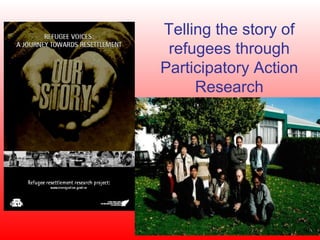
Telling the story of
 refugees through
Participatory Action
     Research
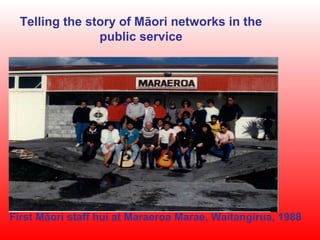
Telling the story of Māori networks in the
                public service


             Telling the story of change in public service


First Māori staff hui at Maraeroa Marae, Waitangirua, 1988
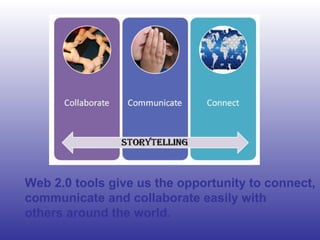
Web 2.0 tools give us the opportunity to connect,
communicate and collaborate easily with
others around the world.
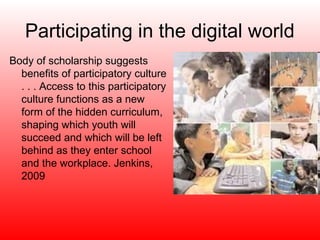
Participating in the digital world
Body of scholarship suggests
  benefits of participatory culture
  . . . Access to this participatory
  culture functions as a new
  form of the hidden curriculum,
  shaping which youth will
  succeed and which will be left
  behind as they enter school
  and the workplace. Jenkins,
  2009
“[Web 2.0 is] a social medium which creates and
facilitates interactions between people, in a way
that the web was supposed to be in the early
days.” (AK)
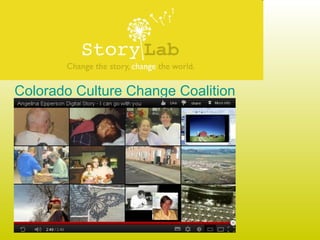
Colorado Culture Change Coalition
The Big Idea
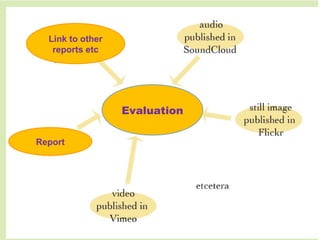
Link to other
   reports etc


                  Evaluation

Report
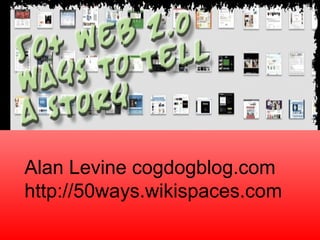
Alan Levine cogdogblog.com
http://50ways.wikispaces.com
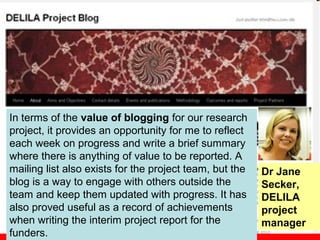
In terms of the value of blogging for our research
project, it provides an opportunity for me to reflect
each week on progress and write a brief summary
where there is anything of value to be reported. A
mailing list also exists for the project team, but the   Dr Jane
blog is a way to engage with others outside the          Secker,
team and keep them updated with progress. It has         DELILA
also proved useful as a record of achievements           project
when writing the interim project report for the          manager
funders.
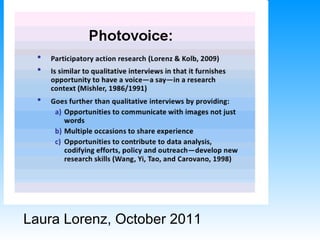
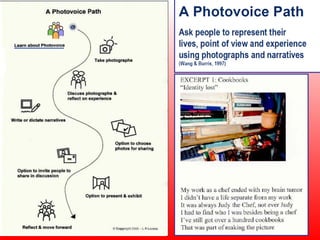
Laura Lorenz, October 2011
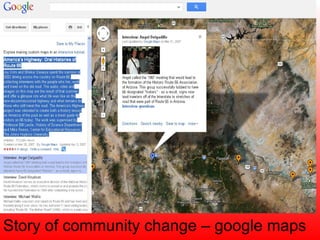
Story of community change – google maps
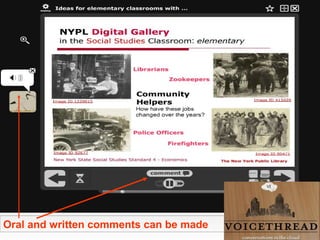
Oral and written comments can be made
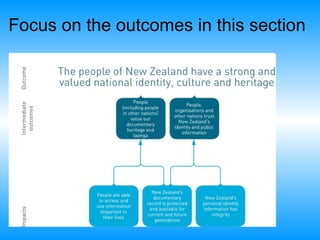
Focus on the outcomes in this section
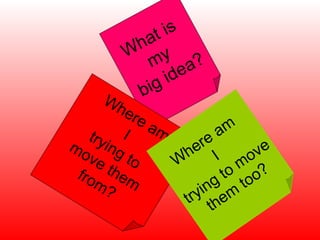
is
        h at
       W y
          m a?
             ide
        b ig
    Wh
       ere
       I   am          am
   try               e
mo ing           h Ier         ve
   ve to        W         m ?o
 fro them               to oo
    m?                ng m t
                    yi e
                  tr th
For more information: email
 rosalind.dibley@gmail.com
Information from slide will be
        available from:
http://delicious.com/rozymary
Images:
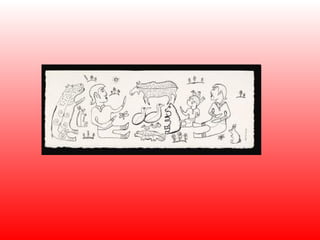
•   Slide 1 – image: grandpa‑ telling‑ stories‑norval‑ morrisseau.JPG from steffichfineart.com
•   Slide 2 – image from report and presenter’s photograph
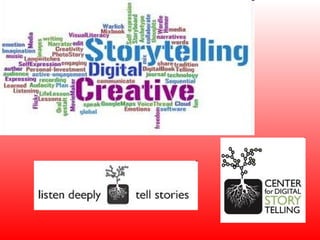
•   Slide 3 – images from the Centre for Digital Storytelling: www.storycentre.org, Wordle comes from
    http://langwitches.org/blog/2008/07/10/digital-storytelling-what-comes-to-mind/
•   Slide 4 – Image from the Department of Internal Affairs photo library
•   Slide 5 – image from p.7 of How to Guide: Digital Storytelling Tools for Educators by Silvia Tolisano:
•   Slide 6 –Slide 9 from Caroline Cerveny, accessible from: www.slideshare.net/ccerveny/web-20-digital-storytelling
•   Slide 7: From Jenkins: http://digitallearning.macfound.org/atf/cf/%7B7E45C7E0-A3E0-4B89-AC9C-E807E1B0AE4E
    %7D/JENKINS_WHITE_PAPER.PDF
•   Slide 8 – image from mitchellscience.barrow.wikispaces.net/.
•   Slide 9 – spider web: http://juliettesoenie.wikispaces.com/Cartoons
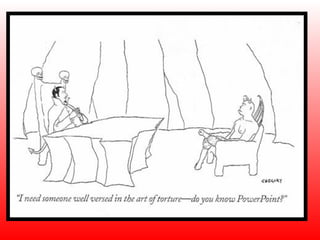
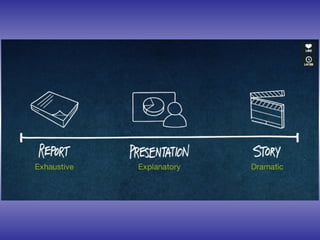
•   Slide 10 - image from blog: melodymclaughlin.blogspot.co.nz/2010/10/powerpoint-torture-or-treasure.html
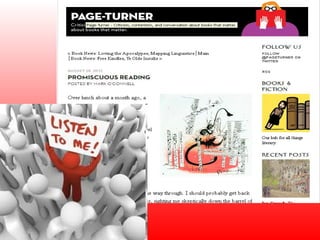
•   Side 12 – New Yorker image: http://www.newyorker.com/online/blogs/books/2012/08/promiscuous-reading.html
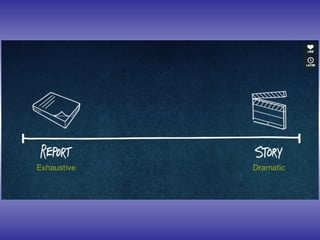
•   Slides 13/14 – came from a presentation from Nancy Duarte, accessed through: astoriedcareer.com/2010/11/story10-
    reinvention.html
•   Slide 15 – image from www.theinnovatorsjourney.com/2012/01/16/diary-of-a-lean-start-up-nothing-new-under-the-sun/
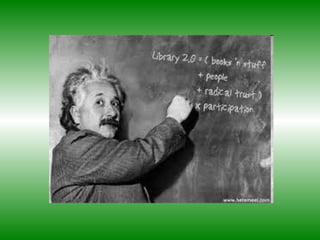
•   Slide 16 – image: einsteinradicaltrustdarlenefitcher.jpg from futura.edublogs.org
•   Slide 17 – image: http://photomatt7.wordpress.com/2011/10/26/we-need-to-think-about-what-we-think/
•   Slide 18 – image adapted from p.19 of Participatory Documentary Cookbook by Jenny Wright
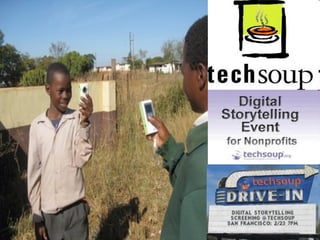
•   Slide 27 – images from http://forums.techsoup.org/cs/p/tsdigs.aspx
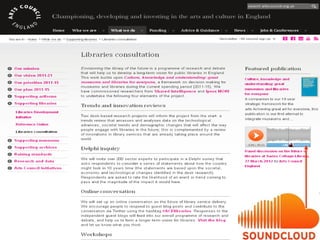
•   Slide 28 – image from web page: http://www.artscouncil.org.uk/what-we-do/supporting-libraries/libraries-consultation/
•   Slide 30 – image from web page: http://nypl.voicethread.com/?#q.b582887.i3115374
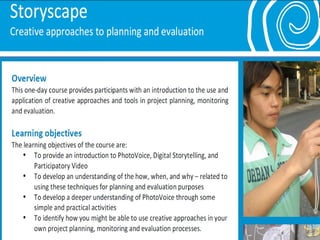
•   Slide 31 – http://www.clearhorizon.com.au/wp-content/uploads/2012/05/creative-approaches-training_storyscape.pdf
•   Slide 32 - from the Department of Internal Affairs Statement of Intent: http://www.dia.govt.nz/SOI/2012/performance-
    framework.html
To access web information I referred to, follow the links below:

•   Slide 3 – Centre for Digital Storytelling – www.storycentre.org
•   Slide 5 – How to Guide: Digital Storytelling Tools for Educators by Silvia Tolisano:
    http://langwitches.org/blog/wp-content/uploads/2009/12/Digital-Storytelling-Guide-by-Silvia-Rosenthal-Tolisano.pdf
•   Slide 6 – Caroline Cerveny’s presentation: http://www.slideshare.net/ccerveny/web-20-digital-storytelling
•   Slide 7 – Henry Jenkin’s report: http://digitallearning.macfound.org/atf/cf/%7B7E45C7E0-A3E0-4B89-AC9C-
    E807E1B0AE4E%7D/JENKINS_WHITE_PAPER.PDF
•   Slide 8 – report for the British Library: http://www.bl.uk/reshelp/bldept/socsci/socint/web2/web2.pdf
•   Slide 11 – info on Colorado Cultural Change Coalition: http://www.coculturechange.org/#!home/mainPage
•   Slide 16 – Participatory Documentary Cookbook by Jenny Wright:
    http://geniwate.com/wp-content/uploads/2012/03/part-doc-cookbook.pdf
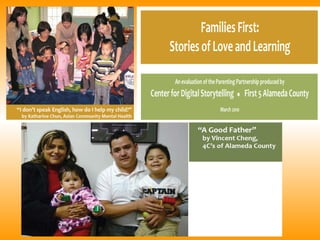
•   Slide 17 – Families First evaluation story:
    www.first5ecc.org/Parent%20Partnership/dst/KatherineChun/KatherineChun.html
•   Slide 19 – Alan Levine’s extremely informative wiki: http://50ways.wikispaces.com/
•   Slide 20 – using a blog for a research project: http://blogs.lse.ac.uk/help/2011/03/01/research-project-website/
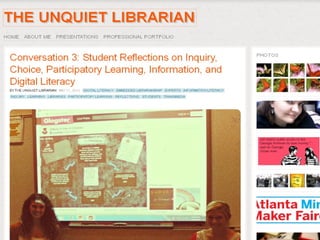
•   Slide 22 – unquiet librarian is at: http://theunquietlibrarian.wordpress.com/
•   Slide 22 – Families first evaluation: http://www.first5ecc.org/stories-of-love-and-learning
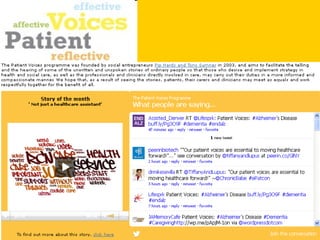
•   Slide 23 – Information about patient voices: http://www.patientvoices.org.uk/
•   Slide 24/25 – Laura Lorenz presentations from: http://www.lslorenz.com/presentations-papers.htm
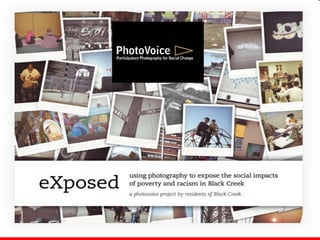
•   Slide 26 – Report available from: http://accessalliance.ca/research/activities/exposedphotovoice
•   Slide 27 - Tech Soup story: www.youtube.com/watch?v=DSJ7pN4ElJg
•   Slide 28 – Sound cloud audio: soundcloud.com/artscouncilengland/arts-council-libraries-debate
•   Slide 29 – Google map: https://maps.google.com/maps/ms?
    ie=UTF8&hl=en&msa=0&msid=103763259662194171141.000001119b4b42bf062c2
•   Slide 30 – New York Public Library on voice thread: http://nypl.voicethread.com/?#q
•   Slide 32 – my story: http://vimeo.com/45347440

Presentation for wellington sept 12

  • 2.
    Telling the storyof refugees through Participatory Action Research
  • 4.
    Telling the storyof Māori networks in the public service Telling the story of change in public service First Māori staff hui at Maraeroa Marae, Waitangirua, 1988
  • 5.
    Web 2.0 toolsgive us the opportunity to connect, communicate and collaborate easily with others around the world.
  • 7.
    Participating in thedigital world Body of scholarship suggests benefits of participatory culture . . . Access to this participatory culture functions as a new form of the hidden curriculum, shaping which youth will succeed and which will be left behind as they enter school and the workplace. Jenkins, 2009
  • 8.
    “[Web 2.0 is]a social medium which creates and facilitates interactions between people, in a way that the web was supposed to be in the early days.” (AK)
  • 11.
  • 15.
  • 18.
    Link to other reports etc Evaluation Report
  • 19.
  • 20.
    In terms ofthe value of blogging for our research project, it provides an opportunity for me to reflect each week on progress and write a brief summary where there is anything of value to be reported. A mailing list also exists for the project team, but the Dr Jane blog is a way to engage with others outside the Secker, team and keep them updated with progress. It has DELILA also proved useful as a record of achievements project when writing the interim project report for the manager funders.
  • 24.
  • 29.
    Story of communitychange – google maps
  • 30.
    Oral and writtencomments can be made
  • 32.
    Focus on theoutcomes in this section
  • 33.
    is h at W y m a? ide b ig Wh ere I am am try e mo ing h Ier ve ve to W m ?o fro them to oo m? ng m t yi e tr th
  • 34.
    For more information:email rosalind.dibley@gmail.com Information from slide will be available from: http://delicious.com/rozymary
  • 35.
    Images: • Slide 1 – image: grandpa‑ telling‑ stories‑norval‑ morrisseau.JPG from steffichfineart.com • Slide 2 – image from report and presenter’s photograph • Slide 3 – images from the Centre for Digital Storytelling: www.storycentre.org, Wordle comes from http://langwitches.org/blog/2008/07/10/digital-storytelling-what-comes-to-mind/ • Slide 4 – Image from the Department of Internal Affairs photo library • Slide 5 – image from p.7 of How to Guide: Digital Storytelling Tools for Educators by Silvia Tolisano: • Slide 6 –Slide 9 from Caroline Cerveny, accessible from: www.slideshare.net/ccerveny/web-20-digital-storytelling • Slide 7: From Jenkins: http://digitallearning.macfound.org/atf/cf/%7B7E45C7E0-A3E0-4B89-AC9C-E807E1B0AE4E %7D/JENKINS_WHITE_PAPER.PDF • Slide 8 – image from mitchellscience.barrow.wikispaces.net/. • Slide 9 – spider web: http://juliettesoenie.wikispaces.com/Cartoons • Slide 10 - image from blog: melodymclaughlin.blogspot.co.nz/2010/10/powerpoint-torture-or-treasure.html • Side 12 – New Yorker image: http://www.newyorker.com/online/blogs/books/2012/08/promiscuous-reading.html • Slides 13/14 – came from a presentation from Nancy Duarte, accessed through: astoriedcareer.com/2010/11/story10- reinvention.html • Slide 15 – image from www.theinnovatorsjourney.com/2012/01/16/diary-of-a-lean-start-up-nothing-new-under-the-sun/ • Slide 16 – image: einsteinradicaltrustdarlenefitcher.jpg from futura.edublogs.org • Slide 17 – image: http://photomatt7.wordpress.com/2011/10/26/we-need-to-think-about-what-we-think/ • Slide 18 – image adapted from p.19 of Participatory Documentary Cookbook by Jenny Wright • Slide 27 – images from http://forums.techsoup.org/cs/p/tsdigs.aspx • Slide 28 – image from web page: http://www.artscouncil.org.uk/what-we-do/supporting-libraries/libraries-consultation/ • Slide 30 – image from web page: http://nypl.voicethread.com/?#q.b582887.i3115374 • Slide 31 – http://www.clearhorizon.com.au/wp-content/uploads/2012/05/creative-approaches-training_storyscape.pdf • Slide 32 - from the Department of Internal Affairs Statement of Intent: http://www.dia.govt.nz/SOI/2012/performance- framework.html
  • 36.
    To access webinformation I referred to, follow the links below: • Slide 3 – Centre for Digital Storytelling – www.storycentre.org • Slide 5 – How to Guide: Digital Storytelling Tools for Educators by Silvia Tolisano: http://langwitches.org/blog/wp-content/uploads/2009/12/Digital-Storytelling-Guide-by-Silvia-Rosenthal-Tolisano.pdf • Slide 6 – Caroline Cerveny’s presentation: http://www.slideshare.net/ccerveny/web-20-digital-storytelling • Slide 7 – Henry Jenkin’s report: http://digitallearning.macfound.org/atf/cf/%7B7E45C7E0-A3E0-4B89-AC9C- E807E1B0AE4E%7D/JENKINS_WHITE_PAPER.PDF • Slide 8 – report for the British Library: http://www.bl.uk/reshelp/bldept/socsci/socint/web2/web2.pdf • Slide 11 – info on Colorado Cultural Change Coalition: http://www.coculturechange.org/#!home/mainPage • Slide 16 – Participatory Documentary Cookbook by Jenny Wright: http://geniwate.com/wp-content/uploads/2012/03/part-doc-cookbook.pdf • Slide 17 – Families First evaluation story: www.first5ecc.org/Parent%20Partnership/dst/KatherineChun/KatherineChun.html • Slide 19 – Alan Levine’s extremely informative wiki: http://50ways.wikispaces.com/ • Slide 20 – using a blog for a research project: http://blogs.lse.ac.uk/help/2011/03/01/research-project-website/ • Slide 22 – unquiet librarian is at: http://theunquietlibrarian.wordpress.com/ • Slide 22 – Families first evaluation: http://www.first5ecc.org/stories-of-love-and-learning • Slide 23 – Information about patient voices: http://www.patientvoices.org.uk/ • Slide 24/25 – Laura Lorenz presentations from: http://www.lslorenz.com/presentations-papers.htm • Slide 26 – Report available from: http://accessalliance.ca/research/activities/exposedphotovoice • Slide 27 - Tech Soup story: www.youtube.com/watch?v=DSJ7pN4ElJg • Slide 28 – Sound cloud audio: soundcloud.com/artscouncilengland/arts-council-libraries-debate • Slide 29 – Google map: https://maps.google.com/maps/ms? ie=UTF8&hl=en&msa=0&msid=103763259662194171141.000001119b4b42bf062c2 • Slide 30 – New York Public Library on voice thread: http://nypl.voicethread.com/?#q • Slide 32 – my story: http://vimeo.com/45347440

Editor's Notes

  • #2 grandpa‑telling‑stories‑ norval‑morrisseau.JPG steffichfineart.com
  • #8 http://www.vln.school.nz/groups/profile/699889/digital-citizenship
  • #9 Image from: http://resourcelinkbce.wordpress.com/2011/09/21/how-social-media-can-enhance-schools-as-professional-learning-communities/
  • #16 Figure 2: http://www.theinnovatorsjourney.com/2012/01/16/diary-of-a-lean-start-up-nothing-new-under-the-sun/
  • #17 Link: einsteinradicaltrustdarlenefitcher.jpg from futura.edublogs.org
  • #23 Images from the report – link is below- Link to report: http://www.first5ecc.org/index.php?option=com_content&view=article&id=116:digital-stories&catid=4# Link to story - http://www.first5ecc.org/Parent%20Partnership/dst/KatherineChun/KatherineChun.html
  • #27 The report can be accessed by: http://accessdesign.ca/work Image is from blog : http://nickcobbing.co.uk/news/page/3/ http://accessalliance.ca/research/activities/exposedphotovoice Report comes from: http://accessalliance.ca/research/publications where is can be downloaded
  • #28 Using digital stories to show outcomes for communities
  • #29 More information : http://www.artscouncil.org.uk/what-we-do/supporting-libraries/libraries-consultation/
  • #31 NYPL on voicethread: http://nypl.voicethread.com/?#q
  • #33 https://vimeo.com/45347440