Meredith Farkas Norwich University Readex Digital Institute 2007 Power to the People User-generated content in digital collections
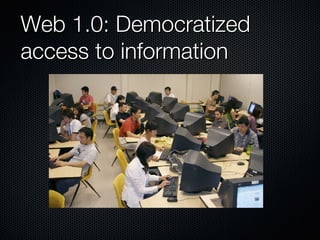
Web 1.0: Democratized access to information
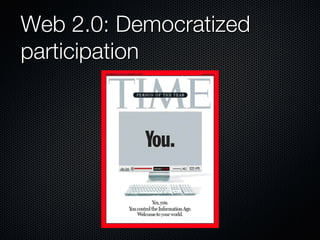
Web 2.0: Democratized participation
What is social software? My definition: To be defined as social software, a tool must meet at least two of the following conditions: 1. It allows people to communicate, collaborate and build community online 2. It can be syndicated, shared, reused or remixed, or it facilitates syndication 3. It allows people to easily learn from and capitalize on the behavior or knowledge of others
User contributions to the web Content Blogs Photos Online community contributions Wikis Audio and video Annotations Comments Tags Ratings Custom collections
Cultural heritage materials online Too much stuff to process by experts Insufficient metadata makes things un-findable Issues of re-findability Goal of museums and related institutions - foster connection to historical materials Traditional linear exhibits do not translate well online, reflects a single way of looking at/collecting items.
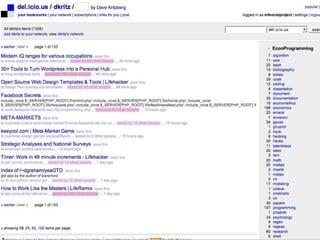
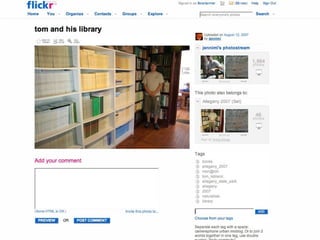
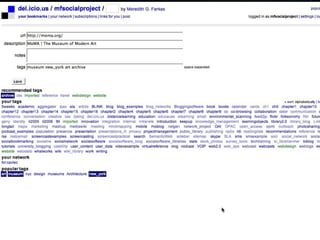
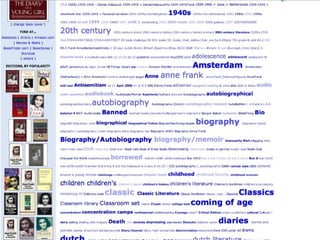
Tags User-created descriptive metadata A tag is usually a single word, but multiple tags can be assigned to a specific item Brings similar content together Makes content more findable Folksonomy - system of organizing items through tagging
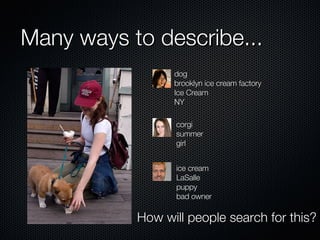
Many ways to describe... dog brooklyn ice cream factory Ice Cream NY corgi summer girl ice cream LaSalle puppy bad owner How will people search for this?
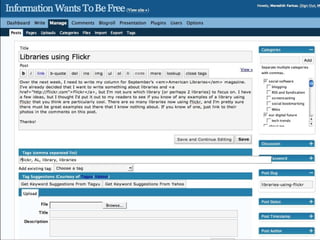
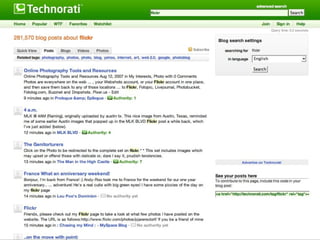
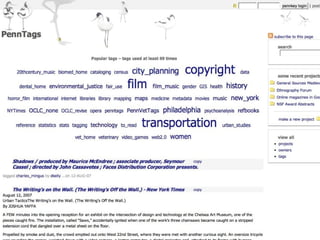
Where the tags are


Why tags? Lets people make sense of content using their own vocabulary (cinema? movies? film? motion picture?) Helps people to re-find content Helps people to discover content Good solutions for situations where content can’t be formally cataloged
Why not? No control Multiple terms to describe a single concept No disambiguation People can use plural or singular, use dashes or underscores to connect words, etc. Different levels of specificity People tag selfishly (to_read, chapter1, EN101, etc.) “ Tagging bulldozes the cost of classification and piles it on the price of discovery.” (Ian Davis of Talis)
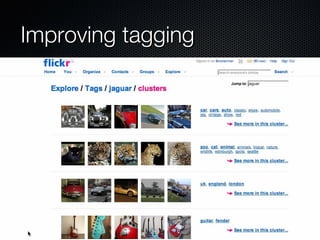
Improving tagging
Improving tagging
Personalization People want to collect like items for research, etc. People want to remind themselves why they collected each item People want to search the collections they’re interested in People want recommendations based on their interests
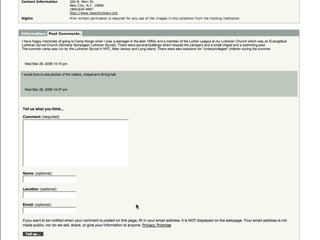
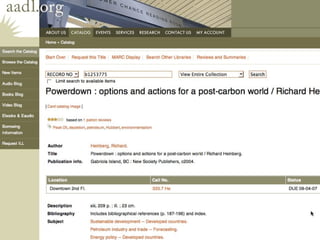
Social software features for digital collections Comments Tagging Personal annotations Personal collections Social networking
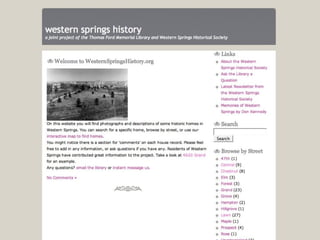
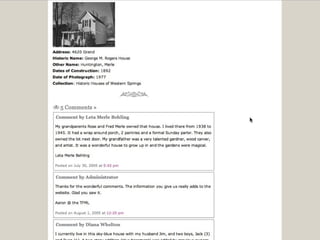
Examples: Commenting


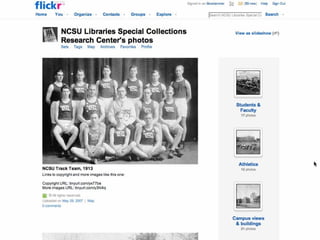
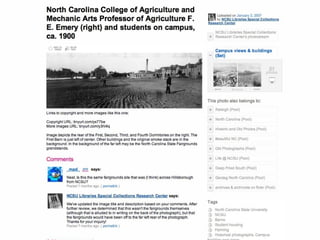
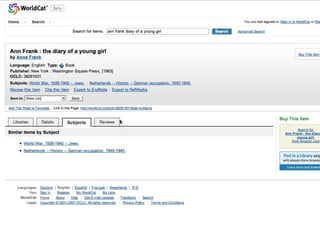
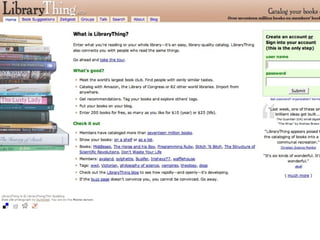
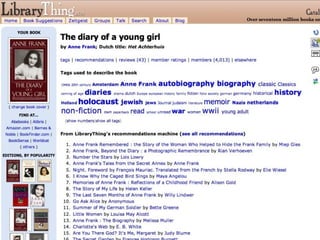
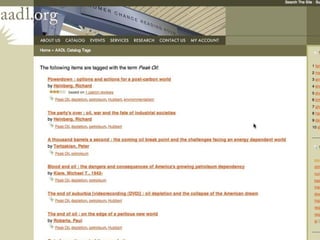
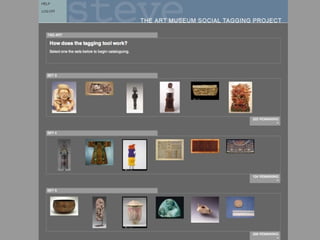
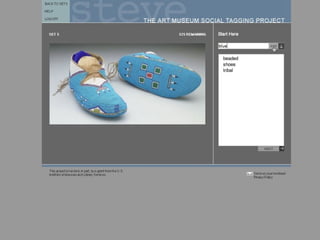
Examples: Tagging


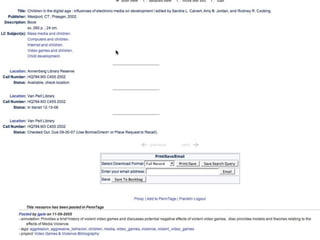
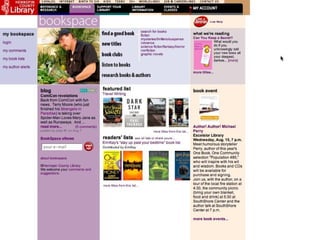
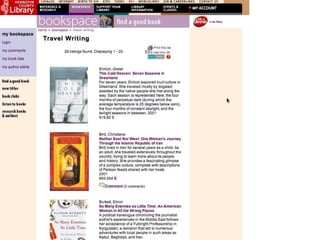
Personal collections


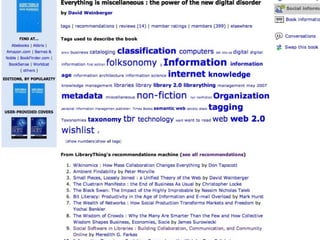
Examples: Recommendations
 
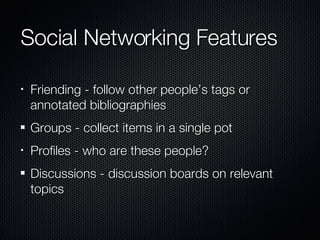
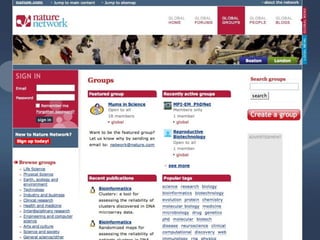
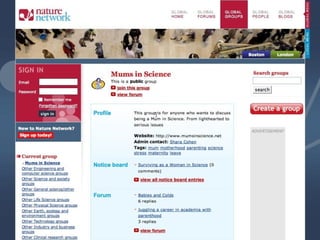
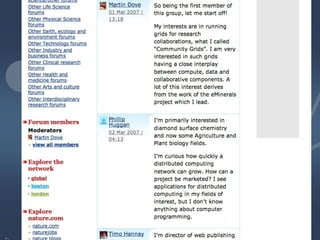
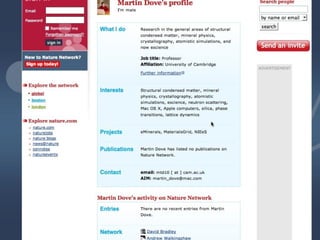
Social Networking Features Friending - follow other people’s tags or annotated bibliographies Groups - collect items in a single pot Profiles - who are these people? Discussions - discussion boards on relevant topics


Why do any of this? Allows the user to interact with the resources in a more personal way The stories people tell about historical items are as important as any other characteristic Tags make items more findable Let your users make your materials more findable Building community makes your site more sticky
Issues Moderation Differentiating between user content and institutional data Making it easy to contribute Making it appealing to contribute No more silos! Making content portable and shareable If you build it, will they come? Evaluate your population
Thanks! Meredith Farkas [email_address] meredith.wolfwater.com/wordpress/ Slides and links at http://meredithfarkas.wetpaint.com