POLLUTION
            Air, Water and Soil pollution.


B.Tungalagtuya. English teacher
What is pollution?
Pollution is the contamination of an environment. To 
cause harm to an are of natural environment. 
Pollution is caused by man’s impact and growth and his 
improper disposal of waste materials generated.
Industrialisation has had a great impact on the type and 
volume of pollutants released.
Primary, secondary, tertiary  and quaternary economic 
activity which is a sign of man’s success has added to 
the effect of pollution
Primary activity: farming, fishing, mining
Secondary: manufacturing, construction
Tertiary: administrative, retail, transport
Quaternary: technology and information 
services.
Types of pollution
It is classified into:
Land/soil pollution
Air pollution
Water pollution
Land/ soil pollution
Land pollution is the contamination of land 
spaces or soil. Has commercial, agricultural, 
industrial, domestic sources

Instances when this occur are:
Agricultural waste such as insecticides and pesticides 
which are used excessively and leach into the soil. 
These products not only affect the target organism but 
others as well.
The soil chemistry is changed and this can affect growth 
and survival of plants and animals.

Non­biodegradable waste originating from household 
and industrial products. These stay a very long time in 
the environment as they either can be broken down or 
they take very long .e.g. plastics, glass metals
Land pollution
Littering and the development of landfills affect soil 
chemistry.

Bio degradable materials : The materials that are able 
to break down naturally into harmless simpler forms by 
actions of micro­organisms. E.g. paper, some plastic, 
textiles.
Chemical and nuclear plants
Industrial factories
Oil refineries
Human sewage
Oil and antifreeze leaking from cars
Mining
Littering
Overcrowded landfills
Deforestation
Construction debris
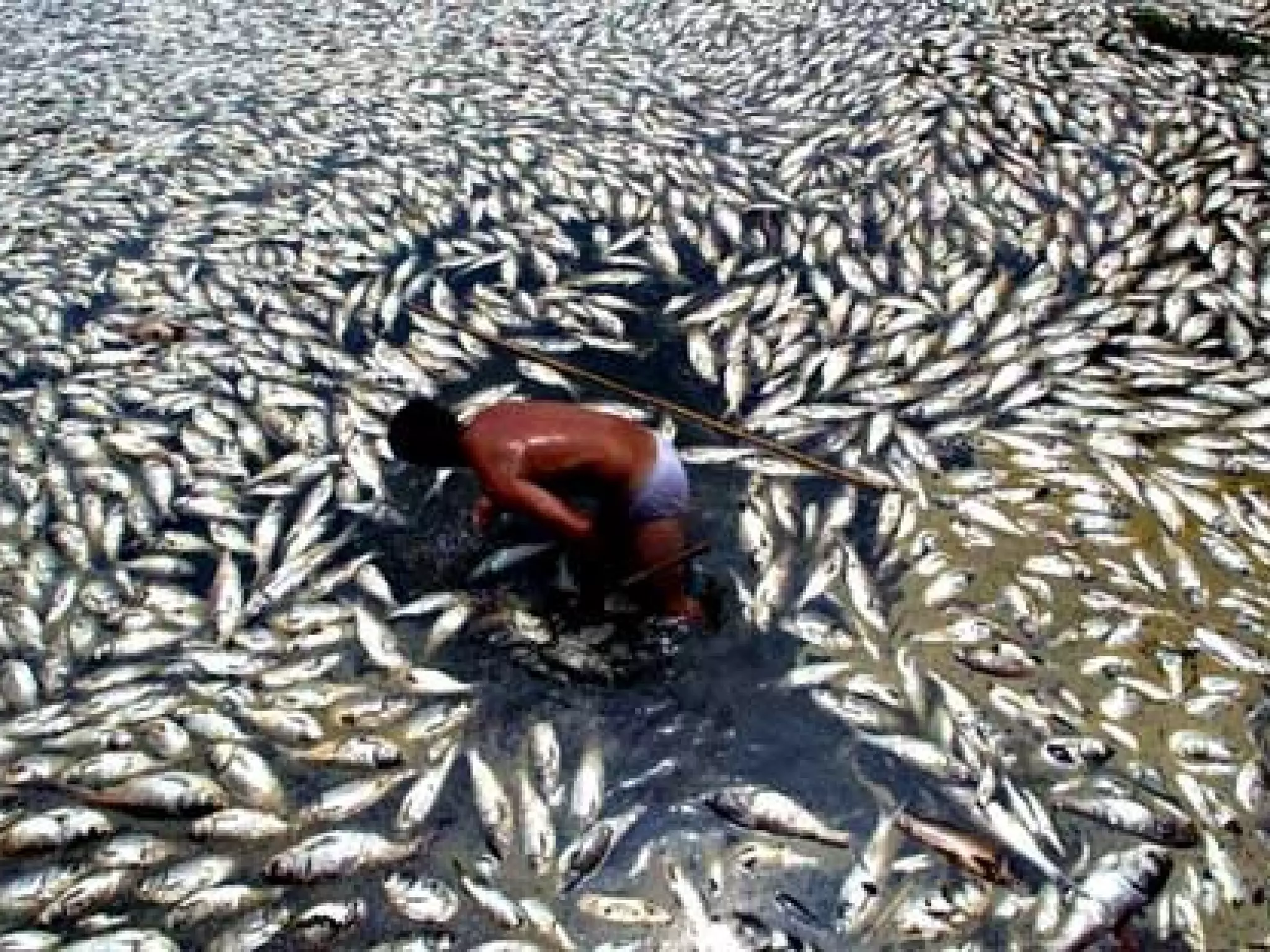
Water pollution
Contamination of water resources i.e. oceans, 
lakes, rivers by harmful substances. Also  affects 
drinking water
Water comprises 70% of earth’s surface. Is a 
very important resource for plants and animals
Point source­ derived from discrete location 
( pipe or drain) and non­point source­ no single 
point of origin, contaminants are spread over a 
larger area. ( leaching of fertilizer)
Sources of water
pollution
Non­biodegradable waste
Insecticides, pesticides leaching into 
groundwater
Oil spill
Hot water from industries
Untreated waste and nutrient accumulation
Toxic chemicals
Non-biodegradable
waste
Covers surfaces or obstructs current pathways 
preventing or poisoning organisms.
Clogs waterways restricting movement of 
aquatic organisms
Hot water
Derived from industrial sources where water is 
used for cooling.
Can kill organisms due to high temperatures and 
also change the abiotic conditions of habitat.
Cooling of water before release
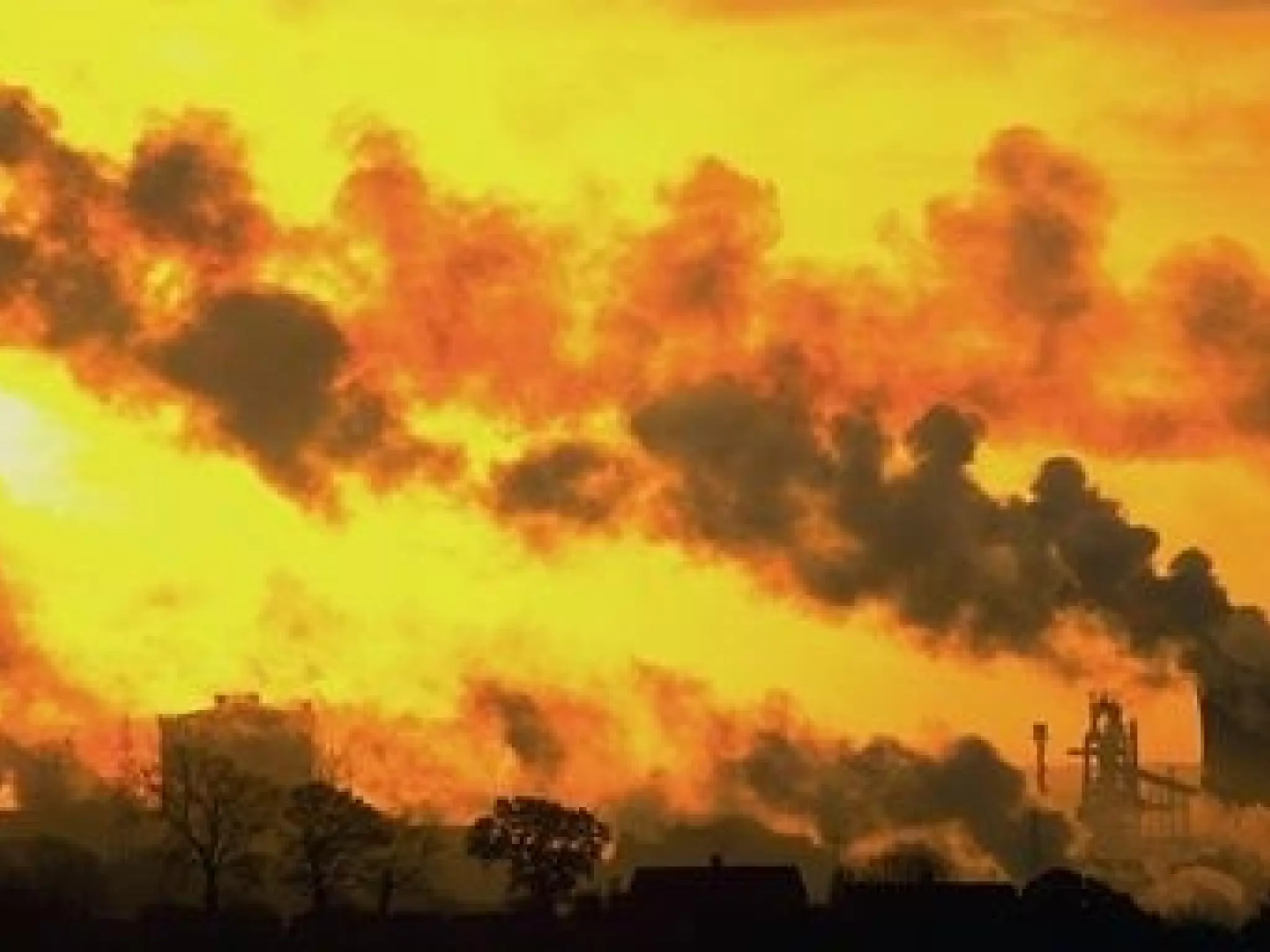
Air pollution
Smog, acid rain, CFC’s (chlorofluorocarbons), 
particulate matter , noxious gases all contribute 
to air pollution.
Contributors to air
pollution:
Automobile emissions
Tobacco smoke
Combustion of coal
Acid rain
Noise pollution from cars and construction
Power plants
Manufacturing buildings
Large ships
Paint fumes
Aerosol sprays
Wildfires
Nuclear weapons
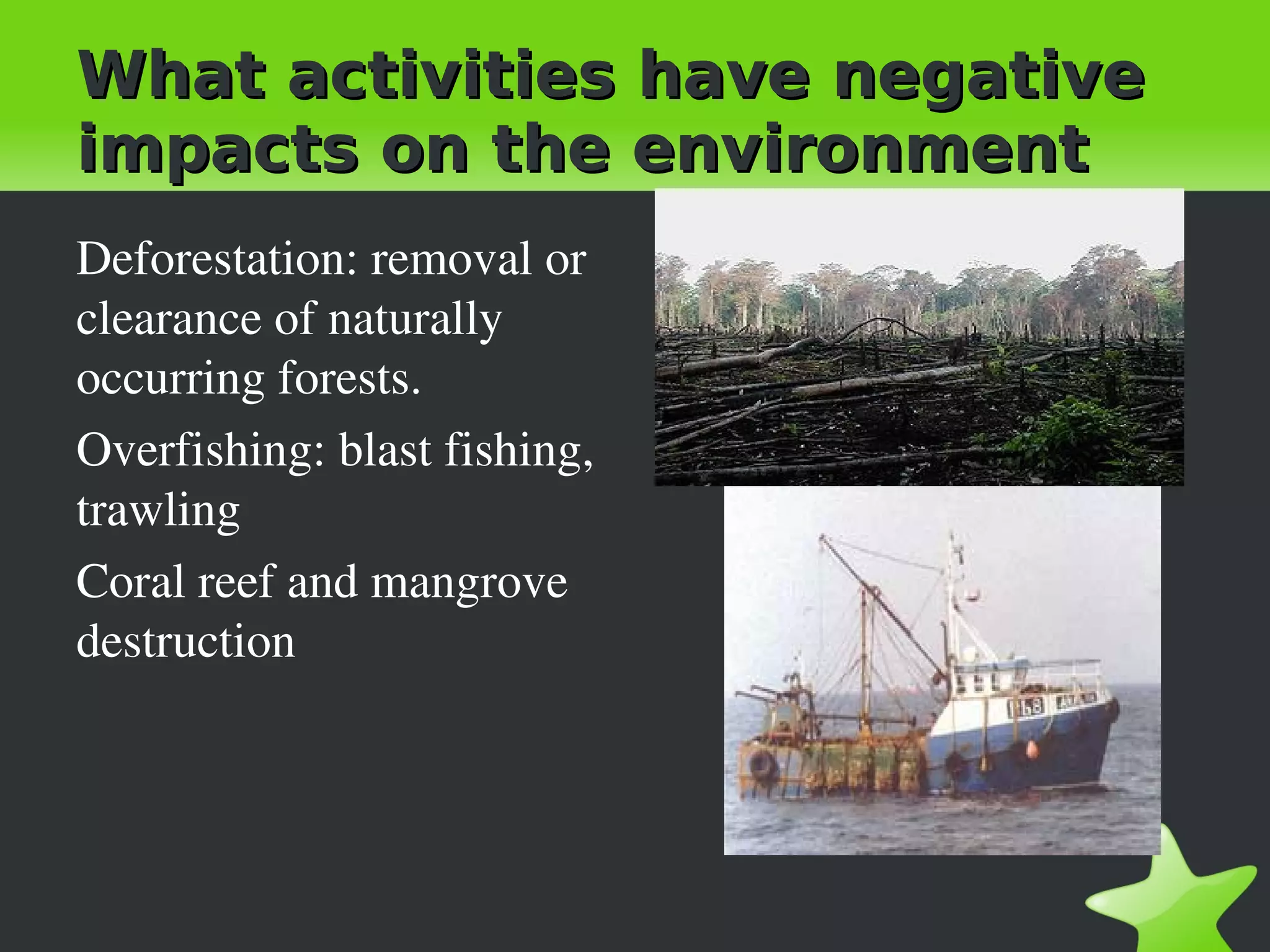
What activities have negative
impacts on the environment
Deforestation: removal or 
clearance of naturally 
occurring forests.
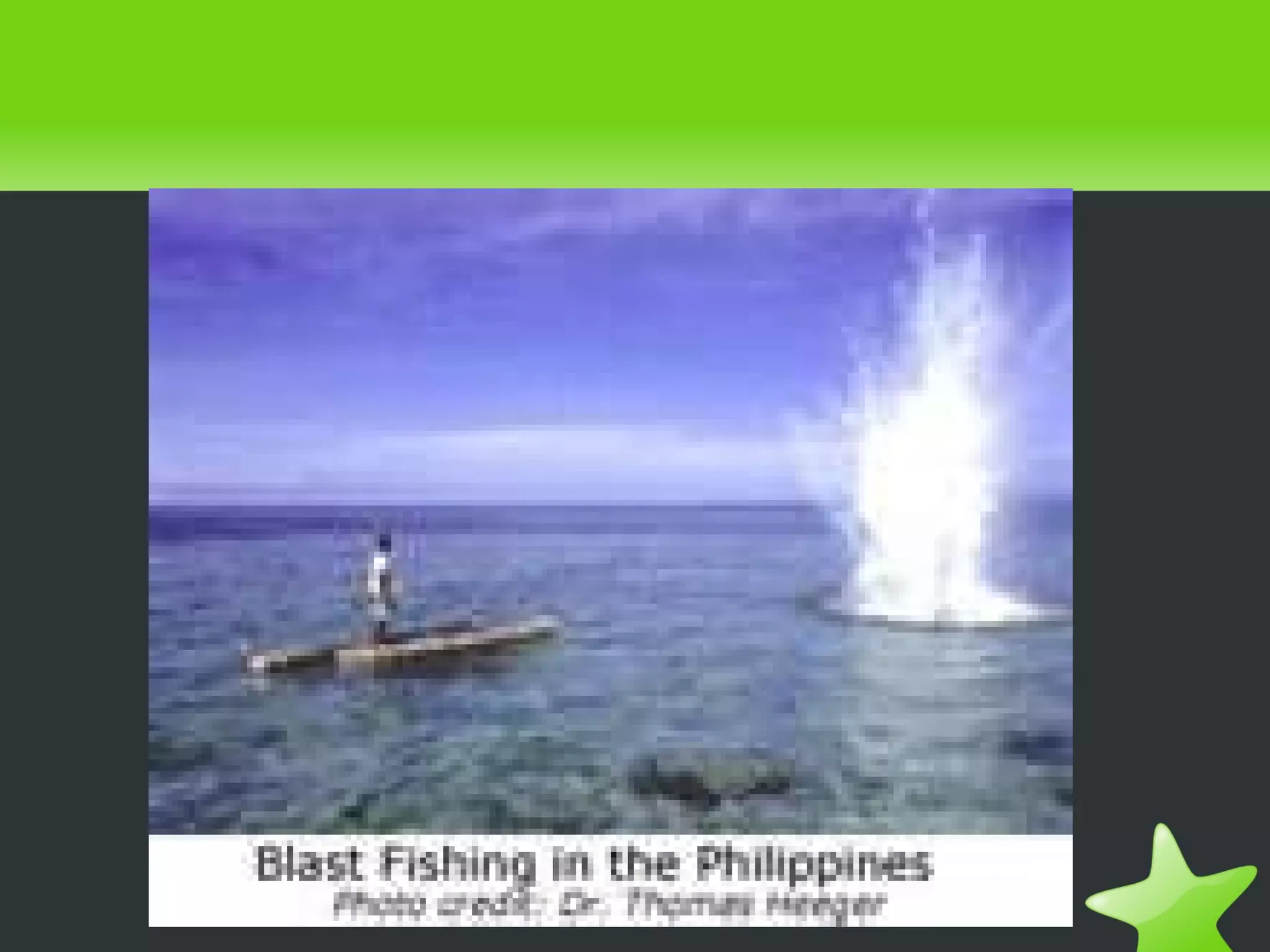
Overfishing: blast fishing, 
trawling
Coral reef and mangrove 
destruction
Pollution

Pollution