Plot - a First Look
Plot
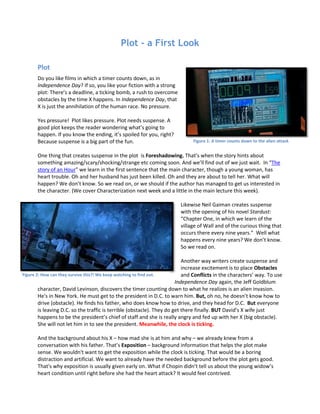
Do you like films in which a timer counts down, as in
Independence Day? If so, you like your fiction with a strong
plot: There’s a deadline, a ticking bomb, a rush to overcome
obstacles by the time X happens. In Independence Day, that
X is just the annihilation of the human race. No pressure.
Yes pressure! Plot likes pressure. Plot needs suspense. A
good plot keeps the reader wondering what’s going to
happen. If you know the ending, it’s spoiled for you, right?
Because suspense is a big part of the fun.
One thing that creates suspense in the plot is Foreshadowing. That’s when the story hints about
something amazing/scary/shocking/strange etc coming soon. And we’ll find out of we just wait. In “The
story of an Hour” we learn in the first sentence that the main character, though a young woman, has
heart trouble. Oh and her husband has just been killed. Oh and they are about to tell her. What will
happen? We don’t know. So we read on, or we should if the author has managed to get us interested in
the character. (We cover Characterization next week and a little in the main lecture this week).
Likewise Neil Gaiman creates suspense
with the opening of his novel Stardust:
“Chapter One, in which we learn of the
village of Wall and of the curious thing that
occurs there every nine years.” Well what
happens every nine years? We don’t know.
So we read on.
Another way writers create suspense and
increase excitement is to place Obstacles
and Conflicts in the characters’ way. To use
Independence Day again, the Jeff Goldblum
character, David Levinson, discovers the timer counting down to what he realizes is an alien invasion.
He's in New York. He must get to the president in D.C. to warn him. But, oh no, he doesn’t know how to
drive (obstacle). He finds his father, who does know how to drive, and they head for D.C. But everyone
is leaving D.C. so the traffic is terrible (obstacle). They do get there finally. BUT David’s X wife just
happens to be the president’s chief of staff and she is really angry and fed up with her X (big obstacle).
She will not let him in to see the president. Meanwhile, the clock is ticking.
And the background about his X – how mad she is at him and why – we already knew from a
conversation with his father. That’s Exposition – background information that helps the plot make
sense. We wouldn't want to get the exposition while the clock is ticking. That would be a boring
distraction and artificial. We want to already have the needed background before the plot gets good.
That's why exposition is usually given early on. What if Chopin didn’t tell us about the young widow’s
heart condition until right before she had the heart attack? It would feel contrived.
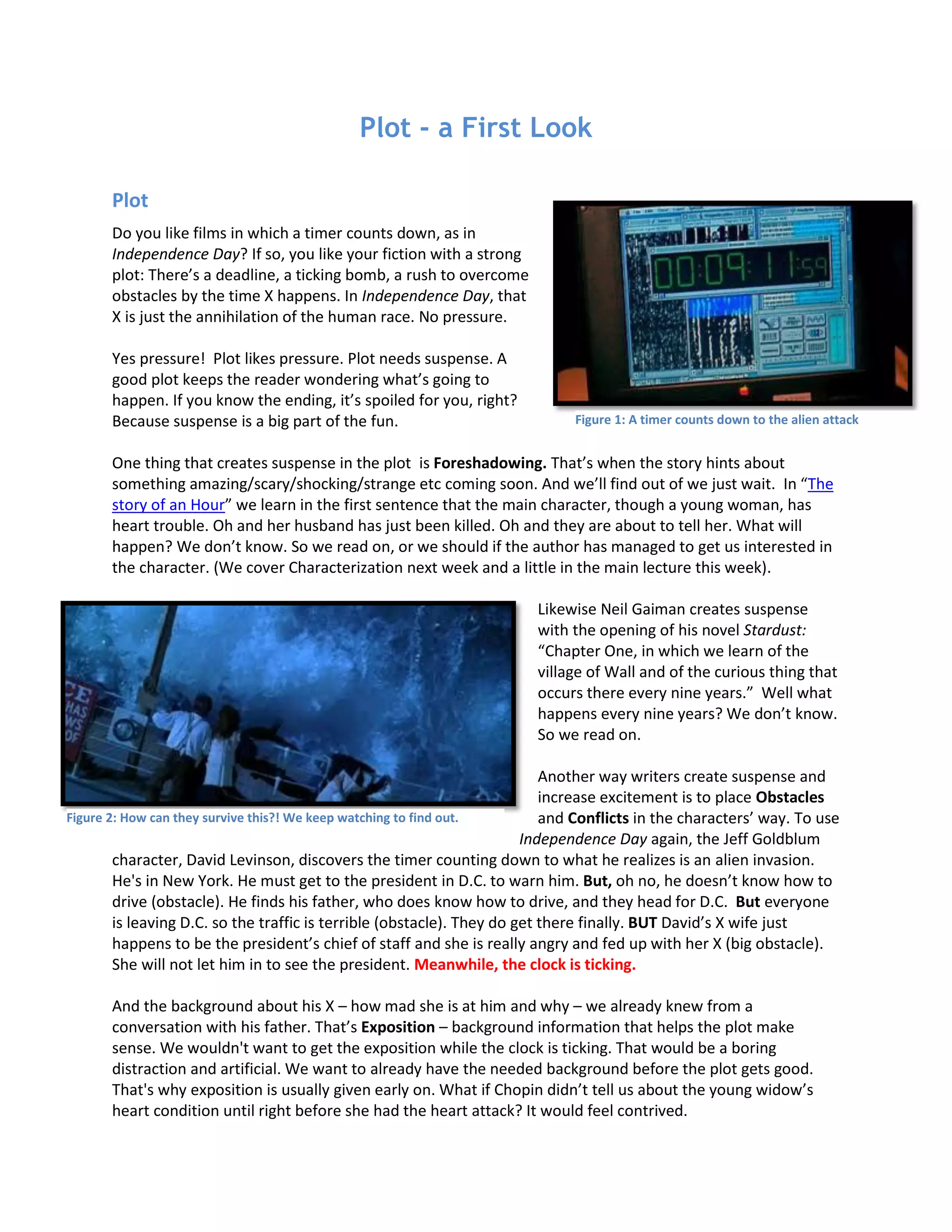
Figure 2: How can they survive this?! We keep watching to find out.
Figure 1: A timer counts down to the alien attack
Another key plot term and moment is the Climax. The climax is when suspense and tension are at their
highest. It’s that moment when you do not go for popcorn. In Titanic, the climax of the action is when
the ship is about to go down. Will they make it?! we wonder. Perhaps the emotional climax is the
moving scene in the water when Jack tells her to live a good life and sacrifices himself for her. Everything
after that is calm – just resolving things and letting us know where the main character ends up. This
after-climax time is known as the Resolution. It’s sometimes also called the Denouement, which is
French for untying the knot (of the plot).
We love plot twists. Wait, Frank killed Lila?! How to Get Away with Murder fans asked at the end of the
season. But why? We find that out in flashbacks, a few pieces of the story puzzle we hadn’t known
about. The Statue of Liberty showing up at the end of
Planet of the Apes is a famous example. In “A Rose for
Emily,” it’s the iron-grey strand of hair on the pillow,
next to the corpse. OOOhhh, we think. Wow.
In addition to creating excitement for the reader, plot
creates opportunity for the characters. They are forced
by obstacles and crises in the plot to act. And when
they act (or fail to) we get to know them. So plot and
characterization go hand in hand. In Pride and
Prejudice (both novel and film) the love interest is
Lizzie and Darcy. Lizzie at first rejects Darcy, thinking
him a terrible snob. But when Lizzie’s youngest sister
runs off with a scoundrel, Darcy comes to her rescue.
Not only that, he doesn’t tell Lizzie; she finds out
though and sees, through his actions, his real character and goodness.
This engrade wiki offers more about plot. Consult it if interested or if you decide to use Plot as one of
your elements in the next essay. The visual below is from that cite. The yellow circles are obstacles.
Figure 4: from https://wikis.engrade.com/plottingashortstory
Bonus opp on next page
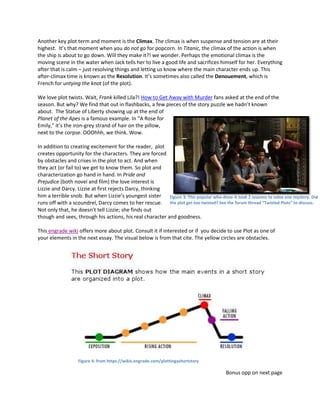
Figure 3: This popular who-done-it took 2 seasons to solve one mystery. Did
the plot get too twisted? See the forum thread “Twisted Plots” to discuss.
Big Bonus Point Opportunity: Write or video a review of a film you feel has a very
good plot. Use language from this lecture to explain. Up to 20 pts. For the full 20,
add images from the film.

Plot intro

  • 1.
    Plot - aFirst Look Plot Do you like films in which a timer counts down, as in Independence Day? If so, you like your fiction with a strong plot: There’s a deadline, a ticking bomb, a rush to overcome obstacles by the time X happens. In Independence Day, that X is just the annihilation of the human race. No pressure. Yes pressure! Plot likes pressure. Plot needs suspense. A good plot keeps the reader wondering what’s going to happen. If you know the ending, it’s spoiled for you, right? Because suspense is a big part of the fun. One thing that creates suspense in the plot is Foreshadowing. That’s when the story hints about something amazing/scary/shocking/strange etc coming soon. And we’ll find out of we just wait. In “The story of an Hour” we learn in the first sentence that the main character, though a young woman, has heart trouble. Oh and her husband has just been killed. Oh and they are about to tell her. What will happen? We don’t know. So we read on, or we should if the author has managed to get us interested in the character. (We cover Characterization next week and a little in the main lecture this week). Likewise Neil Gaiman creates suspense with the opening of his novel Stardust: “Chapter One, in which we learn of the village of Wall and of the curious thing that occurs there every nine years.” Well what happens every nine years? We don’t know. So we read on. Another way writers create suspense and increase excitement is to place Obstacles and Conflicts in the characters’ way. To use Independence Day again, the Jeff Goldblum character, David Levinson, discovers the timer counting down to what he realizes is an alien invasion. He's in New York. He must get to the president in D.C. to warn him. But, oh no, he doesn’t know how to drive (obstacle). He finds his father, who does know how to drive, and they head for D.C. But everyone is leaving D.C. so the traffic is terrible (obstacle). They do get there finally. BUT David’s X wife just happens to be the president’s chief of staff and she is really angry and fed up with her X (big obstacle). She will not let him in to see the president. Meanwhile, the clock is ticking. And the background about his X – how mad she is at him and why – we already knew from a conversation with his father. That’s Exposition – background information that helps the plot make sense. We wouldn't want to get the exposition while the clock is ticking. That would be a boring distraction and artificial. We want to already have the needed background before the plot gets good. That's why exposition is usually given early on. What if Chopin didn’t tell us about the young widow’s heart condition until right before she had the heart attack? It would feel contrived. Figure 2: How can they survive this?! We keep watching to find out. Figure 1: A timer counts down to the alien attack
  • 2.
    Another key plotterm and moment is the Climax. The climax is when suspense and tension are at their highest. It’s that moment when you do not go for popcorn. In Titanic, the climax of the action is when the ship is about to go down. Will they make it?! we wonder. Perhaps the emotional climax is the moving scene in the water when Jack tells her to live a good life and sacrifices himself for her. Everything after that is calm – just resolving things and letting us know where the main character ends up. This after-climax time is known as the Resolution. It’s sometimes also called the Denouement, which is French for untying the knot (of the plot). We love plot twists. Wait, Frank killed Lila?! How to Get Away with Murder fans asked at the end of the season. But why? We find that out in flashbacks, a few pieces of the story puzzle we hadn’t known about. The Statue of Liberty showing up at the end of Planet of the Apes is a famous example. In “A Rose for Emily,” it’s the iron-grey strand of hair on the pillow, next to the corpse. OOOhhh, we think. Wow. In addition to creating excitement for the reader, plot creates opportunity for the characters. They are forced by obstacles and crises in the plot to act. And when they act (or fail to) we get to know them. So plot and characterization go hand in hand. In Pride and Prejudice (both novel and film) the love interest is Lizzie and Darcy. Lizzie at first rejects Darcy, thinking him a terrible snob. But when Lizzie’s youngest sister runs off with a scoundrel, Darcy comes to her rescue. Not only that, he doesn’t tell Lizzie; she finds out though and sees, through his actions, his real character and goodness. This engrade wiki offers more about plot. Consult it if interested or if you decide to use Plot as one of your elements in the next essay. The visual below is from that cite. The yellow circles are obstacles. Figure 4: from https://wikis.engrade.com/plottingashortstory Bonus opp on next page Figure 3: This popular who-done-it took 2 seasons to solve one mystery. Did the plot get too twisted? See the forum thread “Twisted Plots” to discuss.
  • 3.
    Big Bonus PointOpportunity: Write or video a review of a film you feel has a very good plot. Use language from this lecture to explain. Up to 20 pts. For the full 20, add images from the film.