Physical Activity and Cancer
Prepared by: Fahad Bahaa Nasrallah
Under the supervision of Proff. Amjad Fawzi Ahmad
What is physical activity?
Physical activity is defined as any movement that uses skeletal muscles
and requires more energy than resting. Physical activity can include
walking, running, dancing, biking, swimming, performing household
chores, exercising, and engaging in sports activities. A measure called
the metabolic equivalent of task, or MET, is used to characterize the
intensity of physical activity. One MET is the rate of energy expended by
a person sitting at rest. Light-intensity activities expend less than 3
METs, moderate-intensity activities expend 3 to 6 METs, and vigorous
activities expend 6 or more METs.
Sedentary behavior is any waking behavior characterized by an energy
expenditure of 1.5 or fewer METs while sitting, reclining, or lying down.
Examples of sedentary behaviors include most office work, driving a
vehicle, and sitting while watching television. A person can be
physically active and yet spend a substantial amount of time being
sedentary.
Exercise improves functional capacity and patient-reported outcomes across a range of
cancer diagnoses. The mechanisms behind this protection have been largely unknown,
but exercise-mediated changes in body composition, sex hormone levels, systemic
inflammation, and immune cell function have been suggested to play a role. We
recently demonstrated that voluntary exercise leads to an influx of immune cells in
tumors, and a more than 60% reduction in tumor incidence and growth across several
mouse models. Given the common mechanisms of immune cell mobilization in mouse
and man during exercise, we hypothesize that this link between exercise and the
immune system can be exploited in cancer therapy in particular in combination with
immunotherapy. Thus, we believe that exercise may not just be “healthy” but may in
fact be therapeutic
Physical Activity and Cancer
There is strong evidence that higher levels of physical activity
are linked to lower risk of several types of cancer.
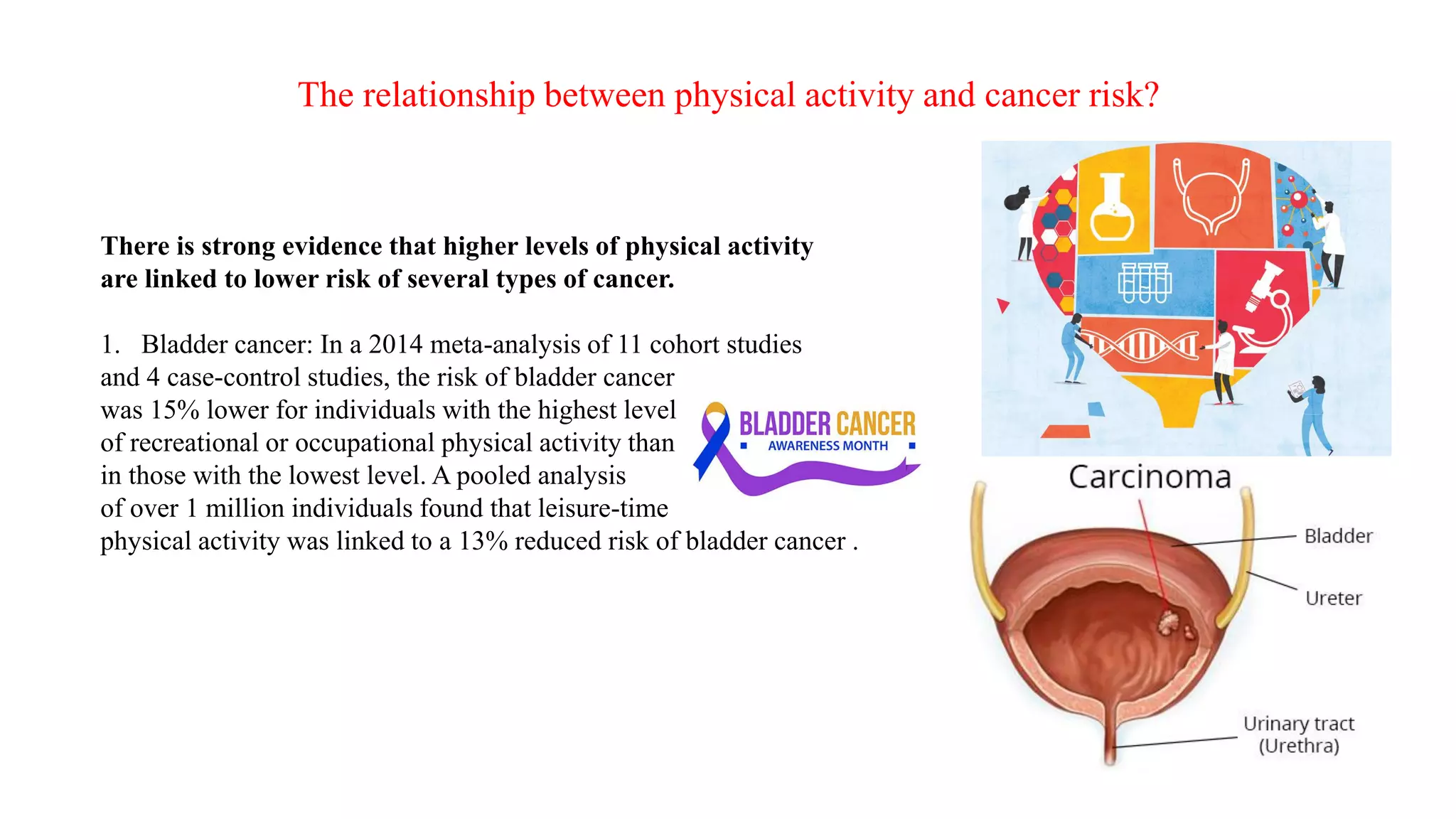
1. Bladder cancer: In a 2014 meta-analysis of 11 cohort studies
and 4 case-control studies, the risk of bladder cancer
was 15% lower for individuals with the highest level
of recreational or occupational physical activity than
in those with the lowest level. A pooled analysis
of over 1 million individuals found that leisure-time
physical activity was linked to a 13% reduced risk of bladder cancer .
The relationship between physical activity and cancer risk?
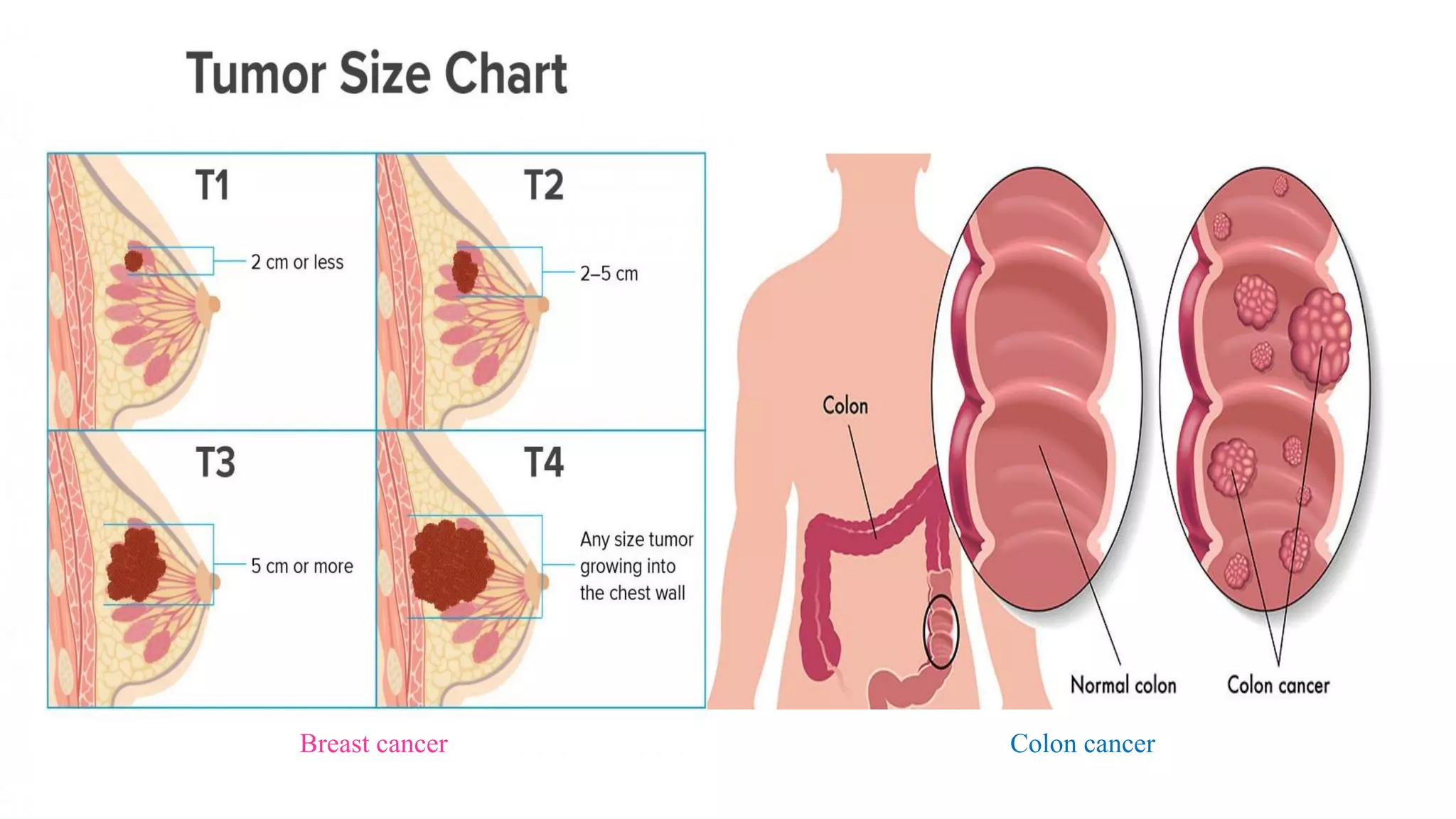
2. Breast cancer: Many studies have shown that physically active women
have a lower risk of breast cancer than inactive women.
In a 2016 meta-analysis that included 38 cohort studies,
the most physically active women had a 12–21% lower risk
of breast cancer than those who were least physically active.
Physical activity has been associated with similar reductions
in risk of breast cancer among both premenopausal and
postmenopausal women .
Women who increase their physical activity after menopause
may also have a lower risk of breast cancer than women who do not .
3. Colon cancer: In a 2016 meta-analysis of 126 studies, individuals who
engaged in the highest level of physical activity had a 19% lower risk of
colon cancer than those who were the least physically active .
The relationship between physical activity and cancer risk
Breast cancer Colon cancer
Exercise has many biological effects on the body, some of which have
been proposed to explain associations with specific cancers. These
include:
1) Lowering the levels of sex hormones, such as estrogen, and growth
factors that have been associated with cancer development and
progression [breast, colon] .
2) Preventing high blood levels of insulin, which has been linked to
cancer development and progression [breast, colon] .
3) Reducing inflammation .
4) Improving immune system function.
5) Altering the metabolism of bile acids, decreasing exposure of the
gastrointestinal tract to these suspected carcinogens [colon].
6) Reducing the time it takes for food to travel through the digestive
system, which decreases gastrointestinal tract exposure to possible
carcinogens [colon].
7) Helping to prevent obesity, which is a risk factor for many cancers.
How might physical activity be linked to reduced risks of cancer?
Although there are fewer studies of sedentary behavior and
cancer risk than
of physical activity and cancer risk, sedentary behavior—sitting,
reclining,
or lying down for extended periods of time (other than
sleeping)—is a risk factor for developing many chronic
conditions and premature death .
It may also be associated with increased risk for certain cancers.
The relationship between being sedentary and the risk of cancer
The U.S. Department of Health and Human Services Physical Activity Guidelines
for Americans, 2nd edition, released in 2018 (1), recommends that, for substantial
health benefits and to reduce the risk of chronic diseases, including cancer, adults
engage in
1. 150 to 300 minutes of moderate-intensity aerobic activity, 75 to 100 minutes
of vigorous aerobic activity, or an equivalent combination of each intensity
each week. This physical activity can be done in episodes of any length.
2. muscle-strengthening activities at least 2 days a week .
3. balance training, in addition to aerobic and muscle-strengthening activity.
How much physical activity is recommended?
Yes. A report of the 2018 American College of Sports Medicine International Multidisciplinary
Roundtable on Physical Activity and Cancer Prevention and Control (18) concluded that
exercise training and testing are generally safe for cancer survivors and that every survivor
should maintain some level of physical activity. The Roundtable also found
1. strong evidence that moderate-intensity aerobic training and/or resistance exercise
during and after cancer treatment can reduce anxiety, depressive symptoms,
and fatigue and improve health-related quality of life and physical function .
2. strong evidence that exercise training is safe in persons who have or might
develop breast-cancer−related lymphedema.
3.some evidence that exercise is beneficial for bone health and sleep quality .
Is physical activity beneficial for cancer survivors?
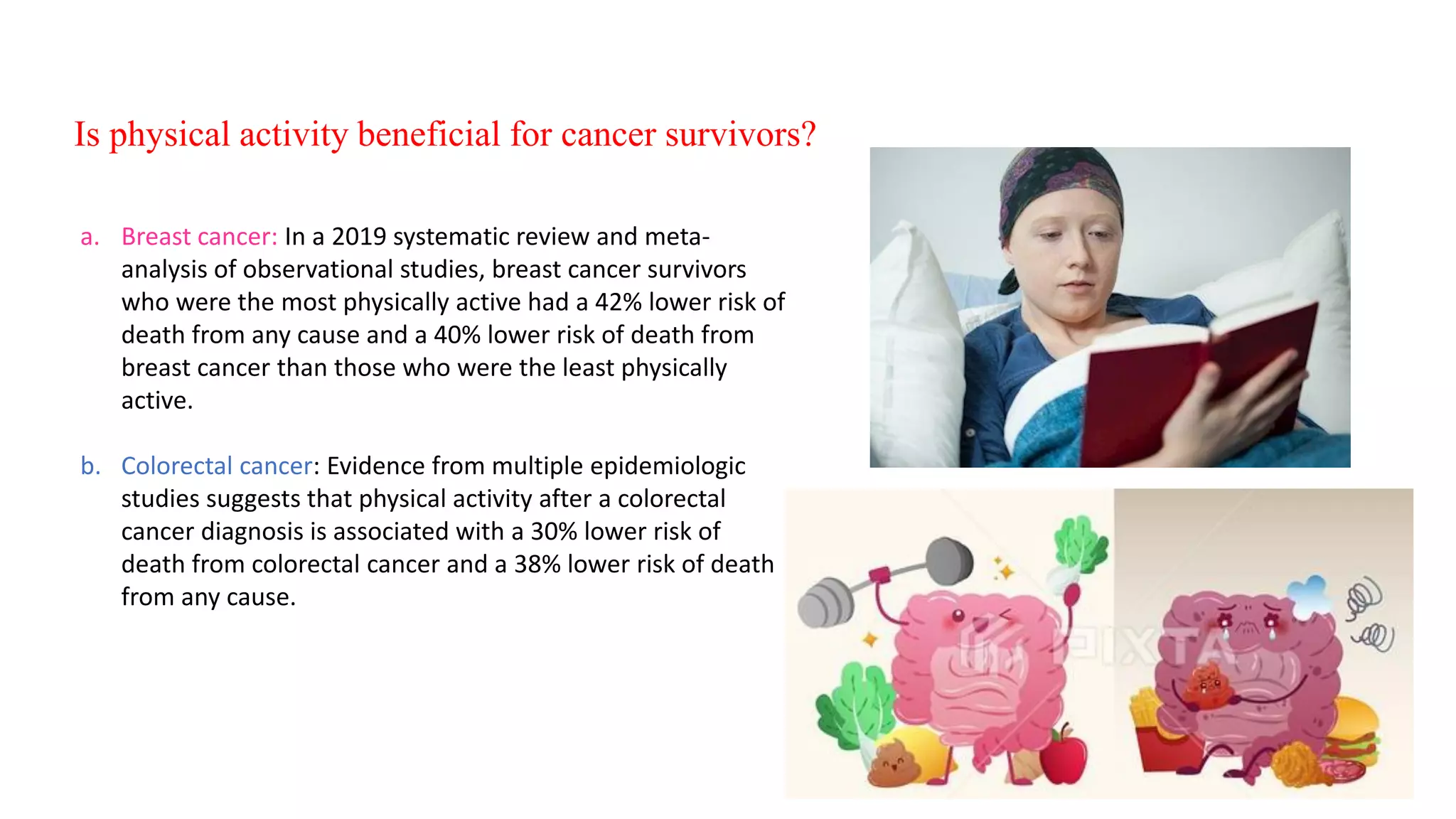
a. Breast cancer: In a 2019 systematic review and meta-
analysis of observational studies, breast cancer survivors
who were the most physically active had a 42% lower risk of
death from any cause and a 40% lower risk of death from
breast cancer than those who were the least physically
active.
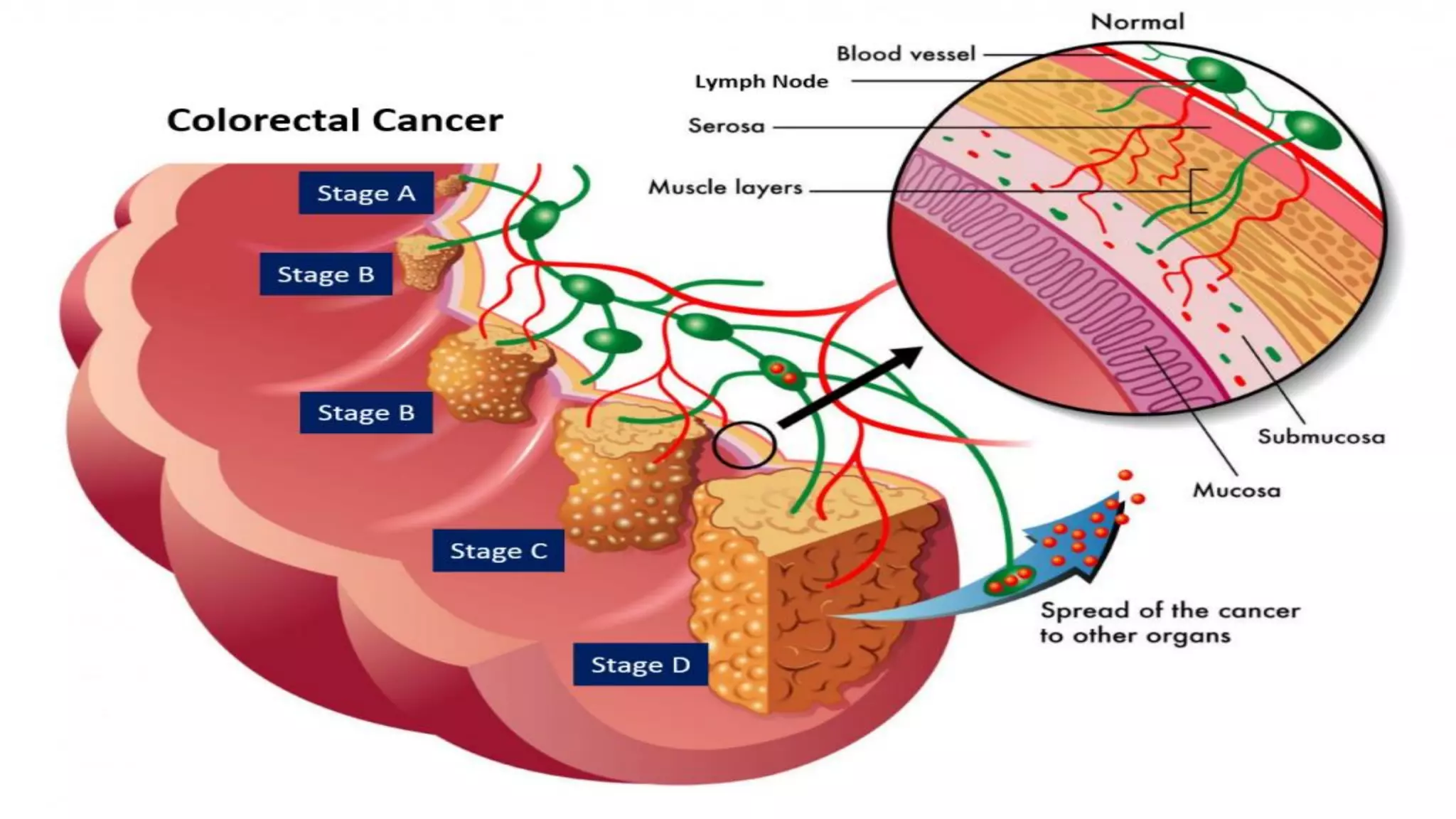
b. Colorectal cancer: Evidence from multiple epidemiologic
studies suggests that physical activity after a colorectal
cancer diagnosis is associated with a 30% lower risk of
death from colorectal cancer and a 38% lower risk of death
from any cause.
Is physical activity beneficial for cancer survivors?
Prostate cancer: Limited evidence from a few epidemiologic
studies suggests that physical activity after a prostate cancer
diagnosis is associated with a 33% lower risk of death from
prostate cancer and a 45% lower risk of death from any cause .
There is very limited evidence for beneficial effects of physical
activity on survival for other cancers, including non-Hodgkin
lymphoma, stomach cancer, and malignant glioma .
Is physical activity beneficial for cancer survivors?
1. What are the mechanisms by which physical activity reduces cancer risk?
2. What is the optimal time in life, intensity, duration, and/or frequency of physical
activity needed to reduce the risk of cancer, both overall and for specific sites?
3. Is sedentary behavior associated with increased risk of cancer?
4. Does the association between physical activity and cancer differ by age or
race/ethnicity?
5. Does physical activity reduce the risk of cancer in people who have inherited a
genetic variant that increases cancer risk?
Many additional questions have yet to be answered in several
broad areas of research on physical activity and cancer:
END
Thank you

Physical activity and cancer

  • 1.
    Physical Activity andCancer Prepared by: Fahad Bahaa Nasrallah Under the supervision of Proff. Amjad Fawzi Ahmad
  • 2.
    What is physicalactivity? Physical activity is defined as any movement that uses skeletal muscles and requires more energy than resting. Physical activity can include walking, running, dancing, biking, swimming, performing household chores, exercising, and engaging in sports activities. A measure called the metabolic equivalent of task, or MET, is used to characterize the intensity of physical activity. One MET is the rate of energy expended by a person sitting at rest. Light-intensity activities expend less than 3 METs, moderate-intensity activities expend 3 to 6 METs, and vigorous activities expend 6 or more METs. Sedentary behavior is any waking behavior characterized by an energy expenditure of 1.5 or fewer METs while sitting, reclining, or lying down. Examples of sedentary behaviors include most office work, driving a vehicle, and sitting while watching television. A person can be physically active and yet spend a substantial amount of time being sedentary.
  • 4.
    Exercise improves functionalcapacity and patient-reported outcomes across a range of cancer diagnoses. The mechanisms behind this protection have been largely unknown, but exercise-mediated changes in body composition, sex hormone levels, systemic inflammation, and immune cell function have been suggested to play a role. We recently demonstrated that voluntary exercise leads to an influx of immune cells in tumors, and a more than 60% reduction in tumor incidence and growth across several mouse models. Given the common mechanisms of immune cell mobilization in mouse and man during exercise, we hypothesize that this link between exercise and the immune system can be exploited in cancer therapy in particular in combination with immunotherapy. Thus, we believe that exercise may not just be “healthy” but may in fact be therapeutic Physical Activity and Cancer
  • 5.
    There is strongevidence that higher levels of physical activity are linked to lower risk of several types of cancer. 1. Bladder cancer: In a 2014 meta-analysis of 11 cohort studies and 4 case-control studies, the risk of bladder cancer was 15% lower for individuals with the highest level of recreational or occupational physical activity than in those with the lowest level. A pooled analysis of over 1 million individuals found that leisure-time physical activity was linked to a 13% reduced risk of bladder cancer . The relationship between physical activity and cancer risk?
  • 7.
    2. Breast cancer:Many studies have shown that physically active women have a lower risk of breast cancer than inactive women. In a 2016 meta-analysis that included 38 cohort studies, the most physically active women had a 12–21% lower risk of breast cancer than those who were least physically active. Physical activity has been associated with similar reductions in risk of breast cancer among both premenopausal and postmenopausal women . Women who increase their physical activity after menopause may also have a lower risk of breast cancer than women who do not . 3. Colon cancer: In a 2016 meta-analysis of 126 studies, individuals who engaged in the highest level of physical activity had a 19% lower risk of colon cancer than those who were the least physically active . The relationship between physical activity and cancer risk
  • 8.
  • 9.
    Exercise has manybiological effects on the body, some of which have been proposed to explain associations with specific cancers. These include: 1) Lowering the levels of sex hormones, such as estrogen, and growth factors that have been associated with cancer development and progression [breast, colon] . 2) Preventing high blood levels of insulin, which has been linked to cancer development and progression [breast, colon] . 3) Reducing inflammation . 4) Improving immune system function. 5) Altering the metabolism of bile acids, decreasing exposure of the gastrointestinal tract to these suspected carcinogens [colon]. 6) Reducing the time it takes for food to travel through the digestive system, which decreases gastrointestinal tract exposure to possible carcinogens [colon]. 7) Helping to prevent obesity, which is a risk factor for many cancers. How might physical activity be linked to reduced risks of cancer?
  • 10.
    Although there arefewer studies of sedentary behavior and cancer risk than of physical activity and cancer risk, sedentary behavior—sitting, reclining, or lying down for extended periods of time (other than sleeping)—is a risk factor for developing many chronic conditions and premature death . It may also be associated with increased risk for certain cancers. The relationship between being sedentary and the risk of cancer
  • 12.
    The U.S. Departmentof Health and Human Services Physical Activity Guidelines for Americans, 2nd edition, released in 2018 (1), recommends that, for substantial health benefits and to reduce the risk of chronic diseases, including cancer, adults engage in 1. 150 to 300 minutes of moderate-intensity aerobic activity, 75 to 100 minutes of vigorous aerobic activity, or an equivalent combination of each intensity each week. This physical activity can be done in episodes of any length. 2. muscle-strengthening activities at least 2 days a week . 3. balance training, in addition to aerobic and muscle-strengthening activity. How much physical activity is recommended?
  • 13.
    Yes. A reportof the 2018 American College of Sports Medicine International Multidisciplinary Roundtable on Physical Activity and Cancer Prevention and Control (18) concluded that exercise training and testing are generally safe for cancer survivors and that every survivor should maintain some level of physical activity. The Roundtable also found 1. strong evidence that moderate-intensity aerobic training and/or resistance exercise during and after cancer treatment can reduce anxiety, depressive symptoms, and fatigue and improve health-related quality of life and physical function . 2. strong evidence that exercise training is safe in persons who have or might develop breast-cancer−related lymphedema. 3.some evidence that exercise is beneficial for bone health and sleep quality . Is physical activity beneficial for cancer survivors?
  • 14.
    a. Breast cancer:In a 2019 systematic review and meta- analysis of observational studies, breast cancer survivors who were the most physically active had a 42% lower risk of death from any cause and a 40% lower risk of death from breast cancer than those who were the least physically active. b. Colorectal cancer: Evidence from multiple epidemiologic studies suggests that physical activity after a colorectal cancer diagnosis is associated with a 30% lower risk of death from colorectal cancer and a 38% lower risk of death from any cause. Is physical activity beneficial for cancer survivors?
  • 16.
    Prostate cancer: Limitedevidence from a few epidemiologic studies suggests that physical activity after a prostate cancer diagnosis is associated with a 33% lower risk of death from prostate cancer and a 45% lower risk of death from any cause . There is very limited evidence for beneficial effects of physical activity on survival for other cancers, including non-Hodgkin lymphoma, stomach cancer, and malignant glioma . Is physical activity beneficial for cancer survivors?
  • 18.
    1. What arethe mechanisms by which physical activity reduces cancer risk? 2. What is the optimal time in life, intensity, duration, and/or frequency of physical activity needed to reduce the risk of cancer, both overall and for specific sites? 3. Is sedentary behavior associated with increased risk of cancer? 4. Does the association between physical activity and cancer differ by age or race/ethnicity? 5. Does physical activity reduce the risk of cancer in people who have inherited a genetic variant that increases cancer risk? Many additional questions have yet to be answered in several broad areas of research on physical activity and cancer:
  • 19.