Taking great photos
Chris Snider | Drake University
5 tools all great photographers use
• Light

• Composition

• Portraiture

• Action

• Moment
Light
• Light has four properties: direction, intensity, softness/hardness and color
temperature.

• Direction: Think about how light works in nature. Light from above is
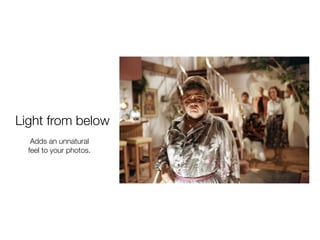
natural (the sun is above us). Light from below isn’t natural and therefore
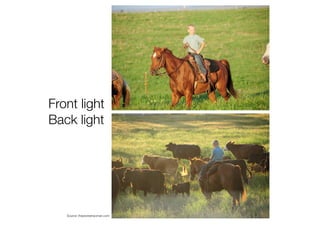
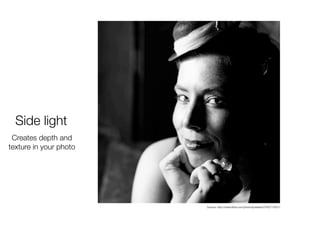
can create images with a “scary” feel. Side light adds depth. Front light
can make image flat.

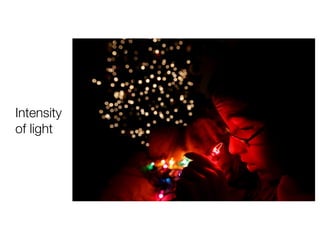
• Intensity: Is there enough light for the photo to turn out? Is the intensity of
the main source creating the mood/effect we want?

• Softness/hardness: Soft light is diffused and creates smooth shadows,
hard light is harsh and will cause hard shadows. Soft light is most flattering
on photos of people.
Light
• Color of light is controlled by the source: daylight, incandescent and
fluorescent are the three main sources (flash is basically the color of the
sun).

• Fluorescent lighting casts a greenish color.

• Tungsten bulbs make things appear more orange.

• Candles turn colors red.

• The setting sun produces reddish hues. Overcast days tend to be blue.

• Your camera has “auto white balance” and likely other settings for this.
Using Light
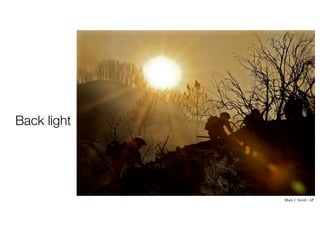
• A successful photographer can discern between front light and back light.

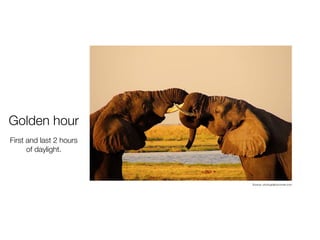
• Shoot in the first and last two hours of daylight because of the direction
and warmth of the sunlight.

• Cloudy days allow you to shoot during all daylight hours, because the
clouds diffuse the light.
Front light
Back light
Source: thepioneerwoman.com
Back light
Mark J. Terrill / AP
Creates a 

silhouette 

effect.
Side light
Creates depth and
texture in your photo
Source: http://www.flickr.com/photos/joeireed/3782715251/
Light from below
Adds an unnatural
feel to your photos.
Golden hour
Source: photographycorner.com
A period shortly after
sunrise or before
sunset during which
daylight is redder and
softer than when the
Sun is higher in the
sky.
Golden hour
Intensity
of light
Composition
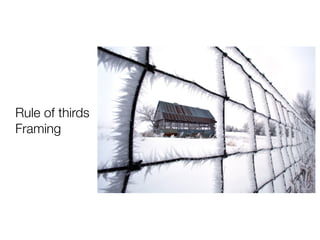
• Capturing the attention of the viewer and the movement of the eye through
the photograph.

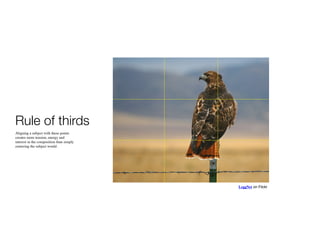
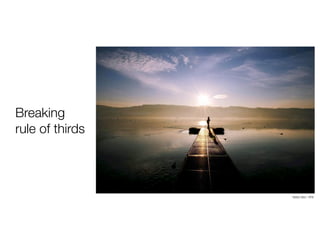
• Rule of thirds

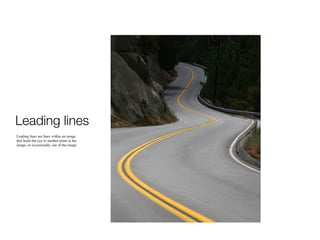
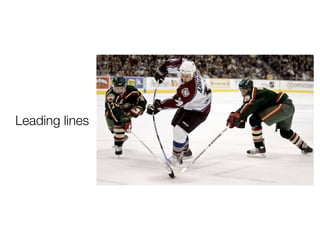
• Leading lines

• Juxtaposition

• Framing

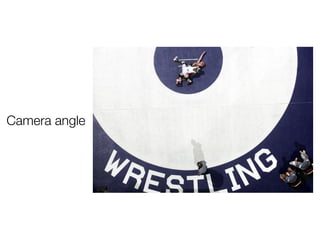
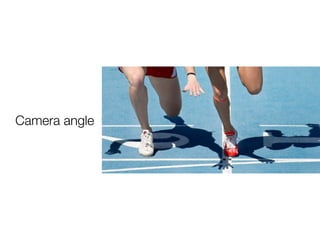
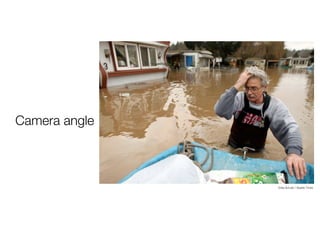
• Emphasizing the foreground or background by changing camera angles
Rule of thirds
Aligning a subject
with these points
creates more
tension, energy
and interest in the
composition than
simply centering
the subject would.
LeggNet on Flickr
Rule of thirds
Framing
Breaking
rule of thirds
Walter Bieri / EPA
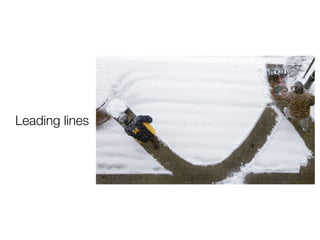
Leading lines
Leading lines are
lines within an
image that leads
the eye to another
point in the image,
or occasionally, out
of the image.
Leading lines
Leading lines
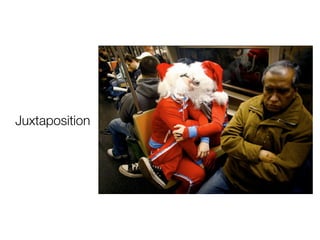
Juxtaposition
Juxtaposition
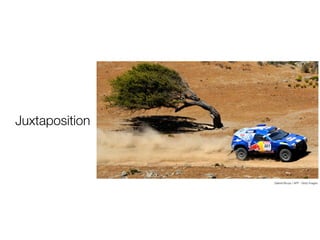
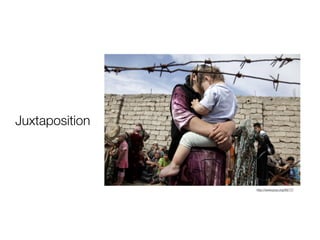
happens when there
are two or more
elements in a scene
that either contrast
with each other, or
one element
contributes towards
the other to create
an overall theme.
Juxtaposition
Gabriel Bouys / AFP - Getty Images
Juxtaposition
http://www.poyi.org/68/17/
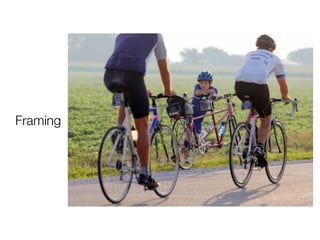
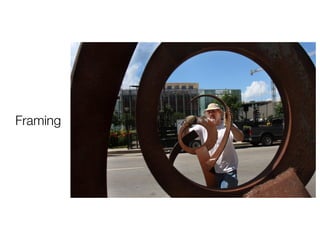
Framing
http://digital-photography-school.com/25-images-using-framing-in-composition-weekly-inspiration
Natural framing
is when you
use an element
within your
image to frame
the subject.
This draws the
eye into the
photo and
highlights the
actual subject.
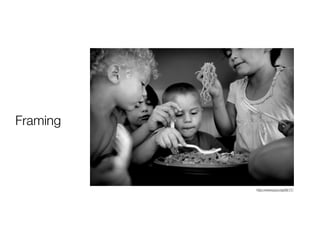
Framing
Framing
http://www.poyi.org/68/17/
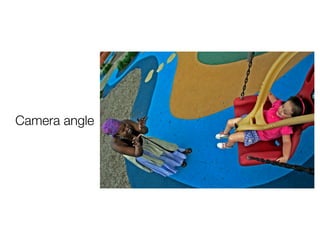
Camera angle
Sometimes you
can dramatically
alter your photo
composition just
changing your
perspective.
Camera angle
Camera angle
Camera angle
Erika Schultz / Seattle Times
Portraiture
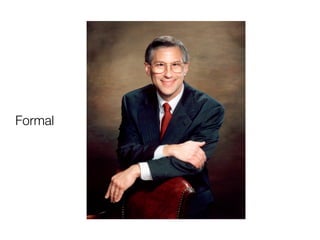
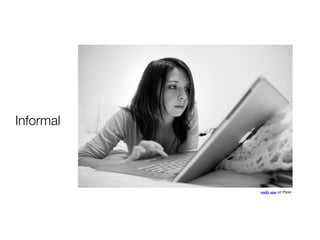
• Three types of portraits

• Formal

• Informal

• Environmental
Formal
Photographer
has control
over the
environment
and the
subject.
Informal
emily ann on Flickr
Photographer
has control
over the
subject but
we go out of
the studio
setting.
Environmental
Photographer
simply
captures
what is
happening
naturally.
Action
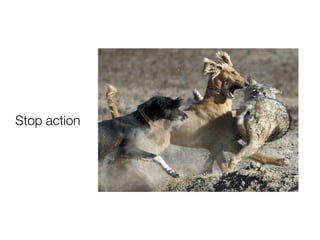
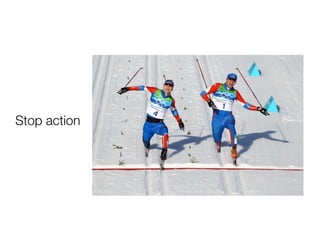
• Three ways to deal with action

• Stop action

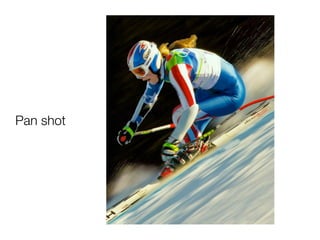
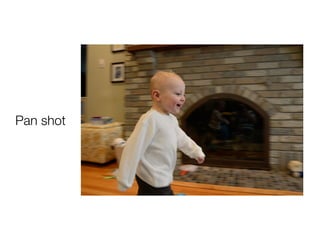
• Pan shot (moving the camera with the subject so the background blurs)

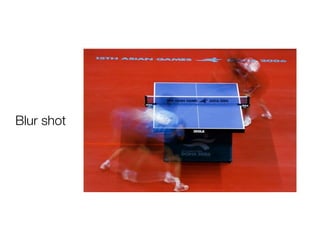
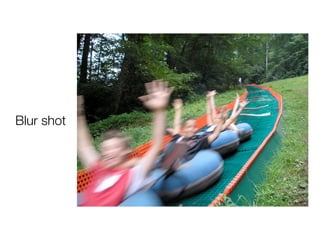
• Blur shot (camera stays still, subject blurs against background)
Stop action
Stop action
Pan shot
Pan shot
Blur shot
Blur shot
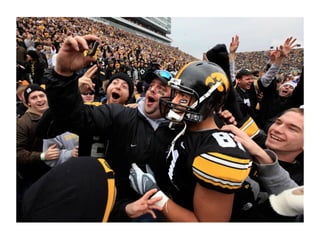
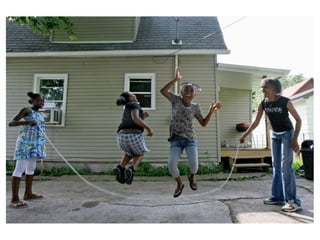
Moment
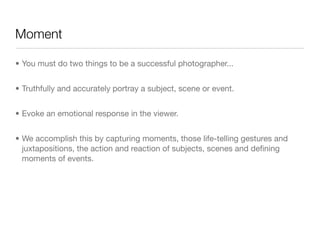
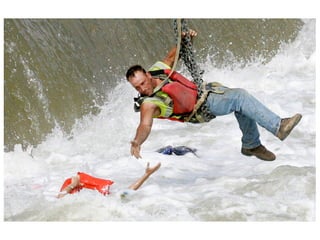
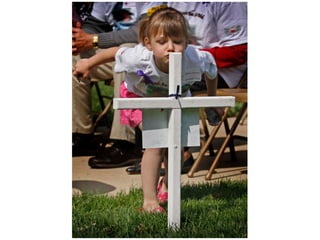
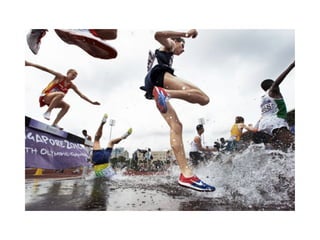
• You must do two things to be a successful photographer...

• Truthfully and accurately portray a subject, scene or event.

• Evoke an emotional response in the viewer.

• We accomplish this by capturing moments, those life-telling gestures and
juxtapositions, the action and reaction of subjects, scenes and defining
moments of events.
End

How to take great photos