welcome
BASICS OF
PHOTOGRAPHY
Presented by -
Nasif Jisan
INTRODUCTION
AIM
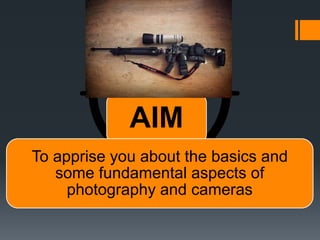
To apprise you about the basics and
some fundamental aspects of
photography and cameras
Scope
Present condition of photography
Types of photography
Few Important things to know at first
Types of camera and lenses
Fundamental aspects for shooting
Some advices for aspiring photographers
Summery and guidelines
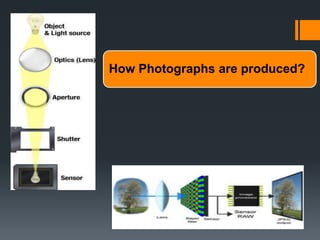
How Photographs are produced?
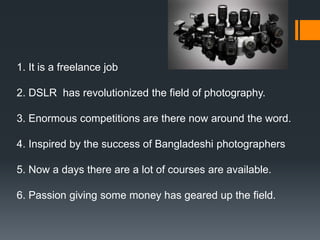
Present condition of Photography
1. It is a freelance job
2. DSLR has revolutionized the field of photography.
3. Enormous competitions are there now around the word.
4. Inspired by the success of Bangladeshi photographers
5. Now a days there are a lot of courses are available.
6. Passion giving some money has geared up the field.
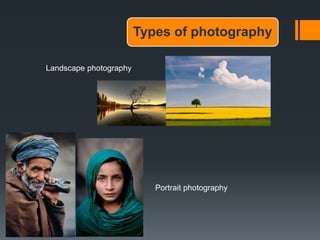
Types of photography
Landscape photography
Portrait photography
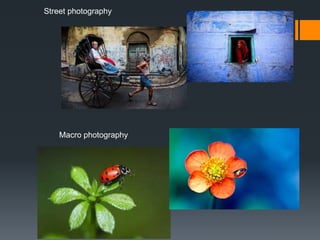
Street photography
Macro photography
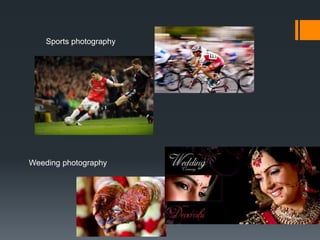
Sports photography
Weeding photography
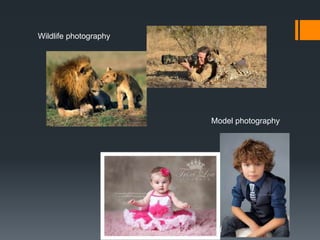
Wildlife photography
Model photography
Few imp things to know
1. Megapixel myth
2. Digital zoom Vs optical zoom
3. Know your camera, go through the manual in detail
4. More expensive camera, the better photo – wrong idea
5. Avoid auto mode, know how to operate in manually.
6. For protecting camera and lenses from fungus , use silica gel
7. Know the post processing…..adobe lightroom, Photoshop CS6 etc..
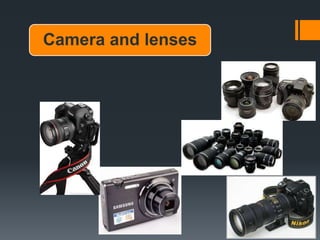
Camera and lenses
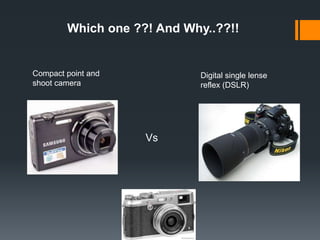
Compact point and
shoot camera
Digital single lense
reflex (DSLR)
Vs
Which one ??! And Why..??!!
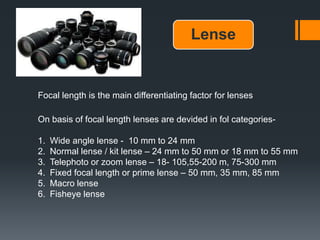
Lense
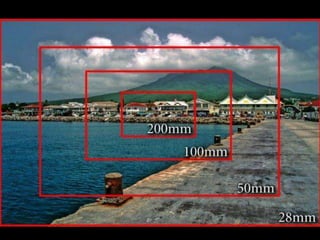
Focal length is the main differentiating factor for lenses
On basis of focal length lenses are devided in fol categories-
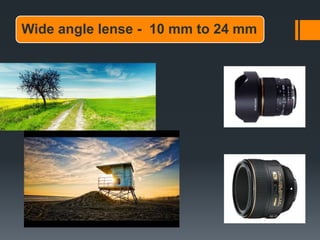
1. Wide angle lense - 10 mm to 24 mm
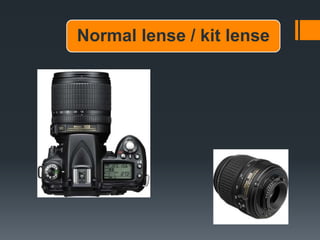
2. Normal lense / kit lense – 24 mm to 50 mm or 18 mm to 55 mm
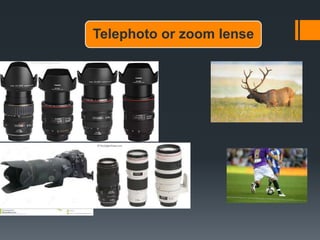
3. Telephoto or zoom lense – 18- 105,55-200 m, 75-300 mm
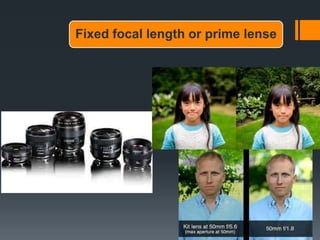
4. Fixed focal length or prime lense – 50 mm, 35 mm, 85 mm
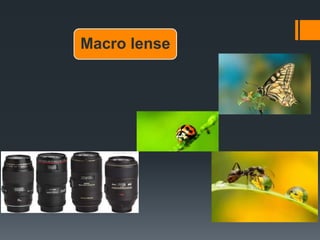
5. Macro lense
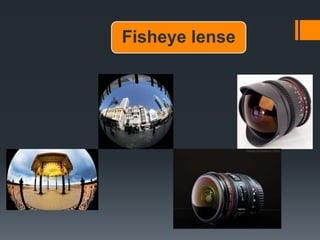
6. Fisheye lense
Wide angle lense - 10 mm to 24 mm
Normal lense / kit lense
Telephoto or zoom lense
Fixed focal length or prime lense
Macro lense
Fisheye lense
Some fundamental aspects
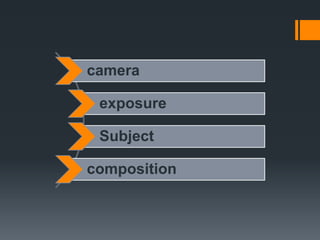
camera
exposure
Subject
composition
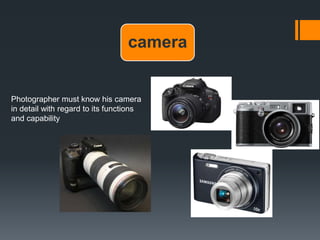
camera
Photographer must know his camera
in detail with regard to its functions
and capability
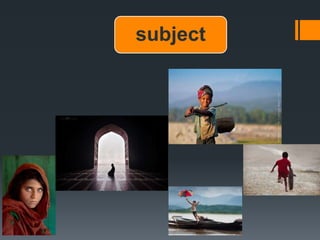
subject
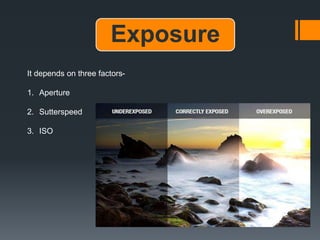
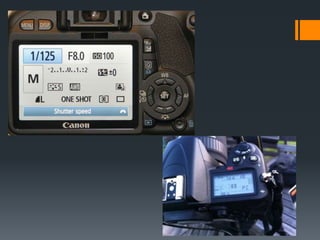
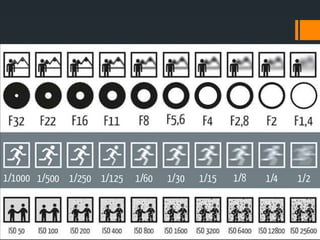
Exposure
It depends on three factors-
1. Aperture
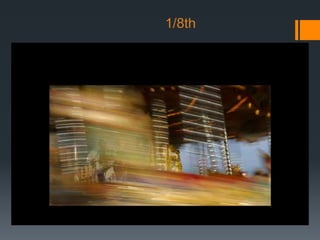
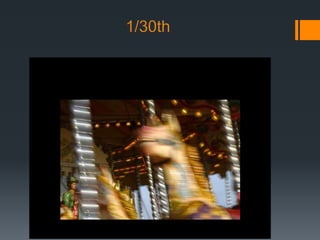
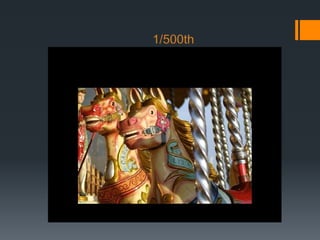
2. Sutterspeed
3. ISO
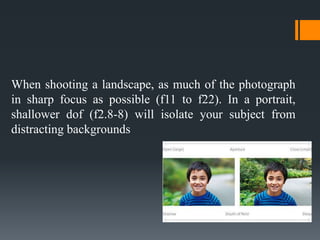
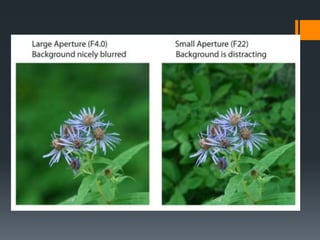
When shooting a landscape, as much of the photograph
in sharp focus as possible (f11 to f22). In a portrait,
shallower dof (f2.8-8) will isolate your subject from
distracting backgrounds
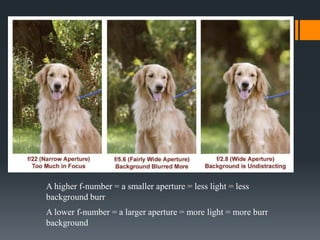
A higher f-number = a smaller aperture = less light = less
background burr
A lower f-number = a larger aperture = more light = more burr
background
ISO
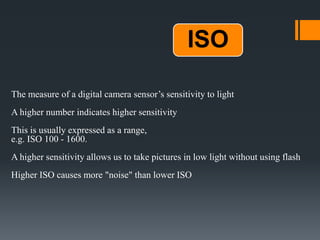
The measure of a digital camera sensor’s sensitivity to light
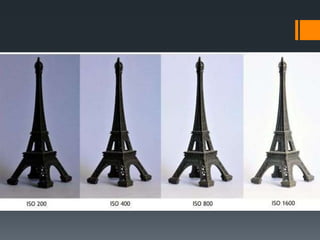
A higher number indicates higher sensitivity
This is usually expressed as a range,
e.g. ISO 100 - 1600.
A higher sensitivity allows us to take pictures in low light without using flash
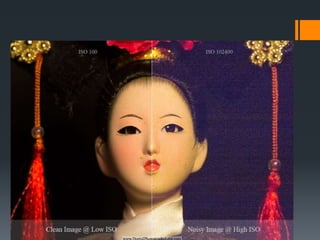
Higher ISO causes more "noise" than lower ISO
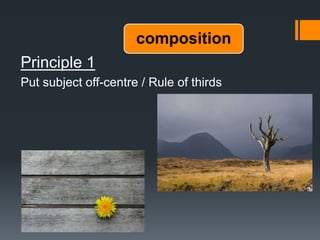
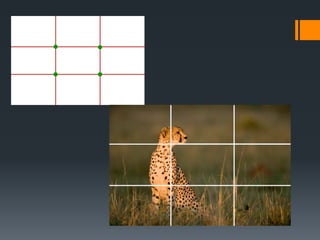
Principle 1
Put subject off-centre / Rule of thirds
composition
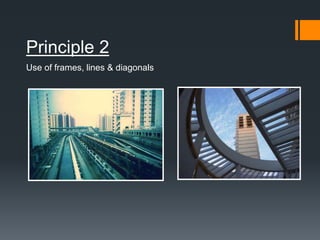
Principle 2
Use of frames, lines & diagonals
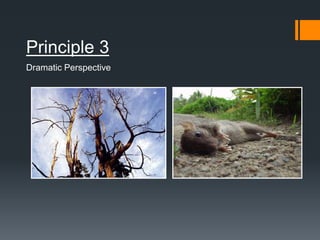
Principle 3
Dramatic Perspective
Advice For Aspiring Photographers
1. See more and more photographs which will broaden your picture
and composition sense.
2. Visit different Galleries, Exhibitions
3. Know about life and works of renowned photographers of Home and
abroad
4. Read different photographic and art magazine…it will help you !
5. Use YouTube … I tell you , it is the best recourse to learn
6. Finally and most importantly…take your camera and go out…shoot
as much as possible…only then you really learn something.
Guidelines for Shooting
1. Fill your frame
2. Look for clean backgrounds
3. Correct exposure
4. Use the Rule of Thirds
5. Achieve Balance
6. Use lines & shapes
7. Find a good composition
Once you master these guidelines, you can start breaking them!
• http://www.shortcourses.com/using
• http://www.agfanet.com/en/
• http://www.betterphoto.com
• http://www.fodors.com/focus/
• http://www.photosecrets.com/p00.html
• http://www.shikkhok.com/photography
Free Online Lessons
ANY QUESTION

Photography basics