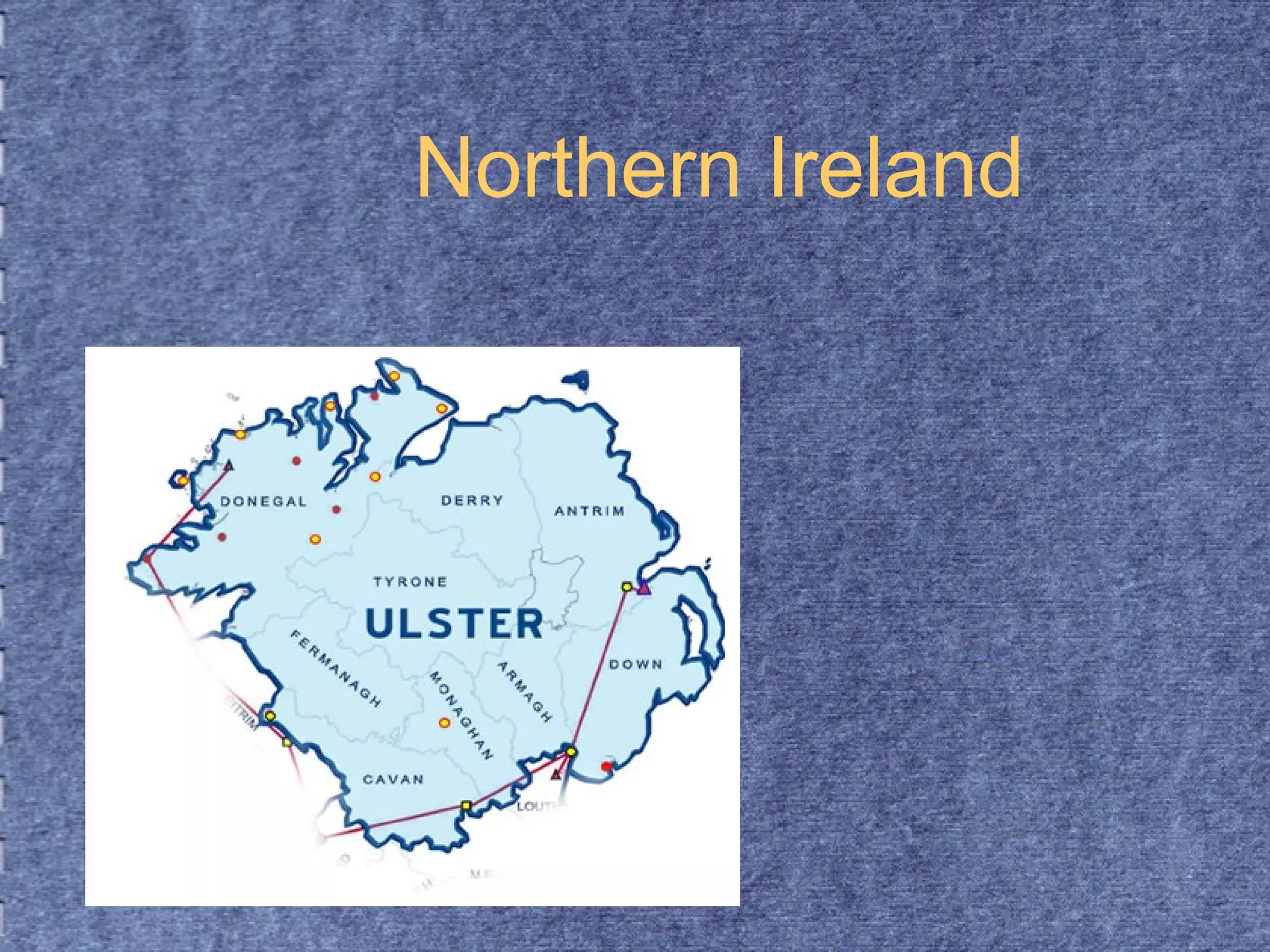
Northern Ireland
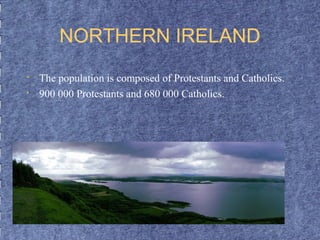
NORTHERN IRELAND 
• The population is composed of Protestants and Catholics. 
• 900 000 Protestants and 680 000 Catholics.
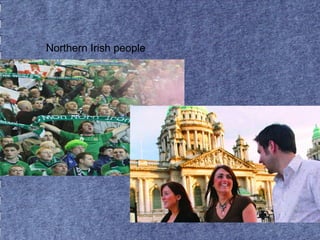
Northern Irish people
History 
• England brought Ireland under systematic rule in the 
sixteenth century. 
• English and Scottish Protestant settlers took the best land. 
• The English tried to destroy Irish language, culture and 
Catholisism.
Independence 
• Inspired by the American and French revolutions, the Irish 
began their long struggle to be free. 
• The Irish got finally their independence in 1921. 
• Ulster, a province of Ireland that would later become 
Northern Ireland, did not get freedom. 
• Britain had big political and economic interests there.
Ulster 
• London allowed the Northern Irish to govern themselves. 
• Northern Ireland became controlled by the Protestants. 
• The Protestants excluded the Catholics for political power. 
• They discriminated against them in housing and 
employment.
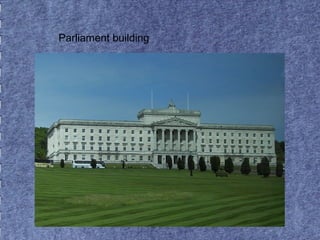
Parliament building
The Troubles 
• The shipbuilding industry declined in the sixties. 
• Northern Ireland became one of the poorest parts in 
Britain. 
• The Catholics got no jobs and they got angry. 
• In 1968 they went out in the streets to demonstrate.
Bloody Sunday 
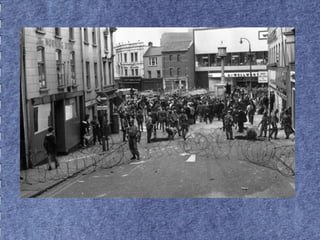
• The demonstrations got into violence. 
• The Catholics formed the IRA. 
• The Protestants formed the Ulster Defence Association and 
the Ulster Volunteer Force. 
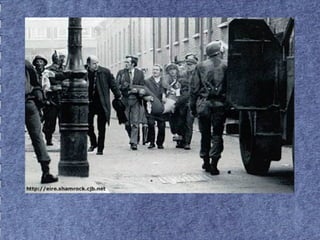
• In January 1972 British troops killed 13 unarmed 
demonstrators. 
• The IRA got many supporters after the Bloody Sunday. 
•
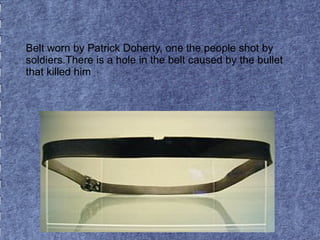
Belt worn by Patrick Doherty, one the people shot by 
soldiers.There is a hole in the belt caused by the bullet 
that killed him
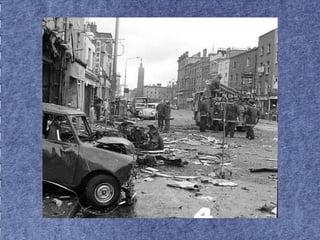
• The province got under direct rule from London. 
• 500 people died in 1972 as a result of violence. 
• There were IRA bombs, troop violence and sectarian 
killings.
Catholics 
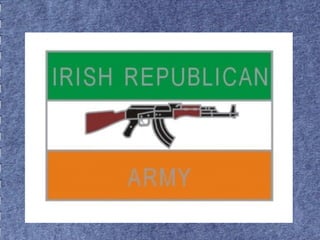
• The IRA developed to be a small army. 
• The IRA etablished a political wing – Sinn Fein. 
• The majority of the Catholics supported the Social 
Democratic Party ( SDLP).
• Most of the Protestants supported the Ulster Unionist 
Party. 
• Ian Paisley formed the Democratic Unionist Party ( DUP). 
• The Unionists were fragmented.
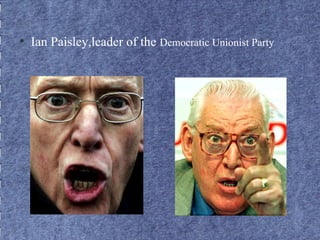
● Ian Paisley,leader of the Democratic Unionist Party
London and Dublin 
• From 1972 to 1985 London tried to foster the middle 
ground among the peaceable majority of both 
communities. 
• But the efforts were destroyed by radical politicians on 
both sides. 
• The government in Dublin supported the Catholic 
community in Ulster. 
• Ireland criticised British policy and practice.
• London and Dublin wanted to cooperate politically. 
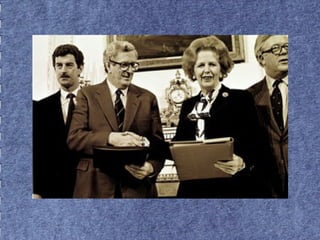
• The British government began to negotiate an agreement 
with Dublin. 
• The Anglo Irish agreement of 1985. 
• This weakened IRAs position. 
• It gave Ireland an advisory role in the government
• In 1988 IRAs Gerry Adams and SDLPs John Hume began 
secret talks. 
• In August 1994 the IRA announced a cease-fire. 
• The British government wanted that the IRA 
decommissioned its weapons. 
• The IRA refused. 
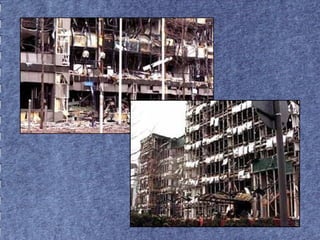
• In 1996 a big bomb exploded in the Docklands
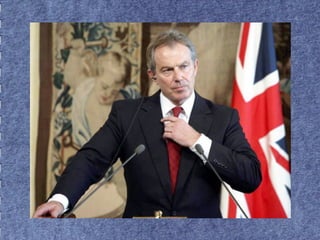
• Tony Blair wanted peace talks with Sinn Fein if the IRA 
abandoned violence. 
• Sinn Fein and the IRA accepted Tony Blairs challenge. 
• A new cease fire began. 
• Nationalists and Unionists began negotiations. 
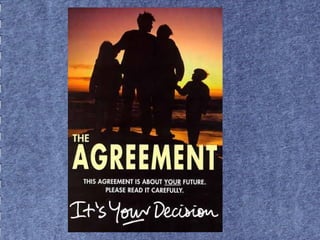
• A peace plan was clear 10. april 1998.
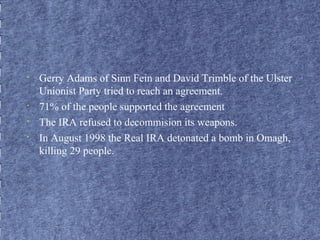
• The peace plan included: 
• The establishment of a Northern Ireland assembly. 
• Establish a North South ministerial council. 
• The establishment of a council for the Isles.
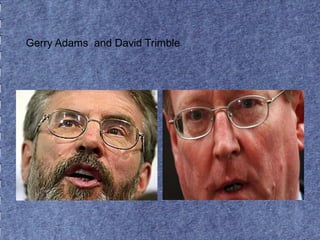
• Gerry Adams of Sinn Fein and David Trimble of the Ulster 
Unionist Party tried to reach an agreement. 
• 71% of the people supported the agreement 
• The IRA refused to decommision its weapons. 
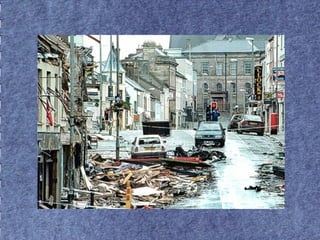
• In August 1998 the Real IRA detonated a bomb in Omagh, 
killing 29 people.
Gerry Adams and David Trimble
• The two communities are segregated. 
• Protestants and Catholics have moved to their own areas. 
• Education has always been segregated. 
• Only 10 % of children attend integrated schools.
• In 1995 unemployment stood for 18 % for Catholics and 8 
% for Protestants. 
• Unemployment in both communities recrute young men 
for terrorists.
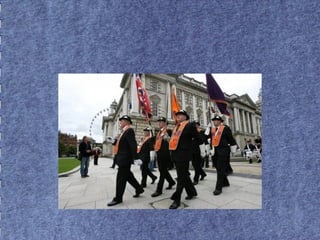
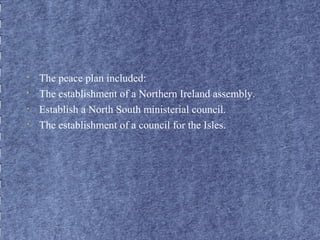
The Orange Order 
The Orange Order is an organisation created by 
protestants to protect protestant supremacy in 
Northern Ireland
• In July each year the Orange Order organise 
parades to celebrate the Battle of the Boyne. 
• Some of the marches go through Catholic 
areas. 
• The Orangemen see it as a celebration of 
community identity. 
• Catholics see it as a provocation. 
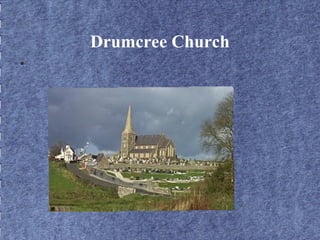
• In 1998 the Orangemen were forbidden to 
march down the Garvaghy Road in 
Drumcree.
Drumcree Church 
●
• The Catholic population is young, but the 
Protestant population is old. 
• The Protestants political power is 
decreasing.
● Thanks for listening !

lolololololololPõhja iirimaa

  • 1.
  • 2.
    NORTHERN IRELAND •The population is composed of Protestants and Catholics. • 900 000 Protestants and 680 000 Catholics.
  • 3.
  • 4.
    History • Englandbrought Ireland under systematic rule in the sixteenth century. • English and Scottish Protestant settlers took the best land. • The English tried to destroy Irish language, culture and Catholisism.
  • 5.
    Independence • Inspiredby the American and French revolutions, the Irish began their long struggle to be free. • The Irish got finally their independence in 1921. • Ulster, a province of Ireland that would later become Northern Ireland, did not get freedom. • Britain had big political and economic interests there.
  • 6.
    Ulster • Londonallowed the Northern Irish to govern themselves. • Northern Ireland became controlled by the Protestants. • The Protestants excluded the Catholics for political power. • They discriminated against them in housing and employment.
  • 7.
  • 8.
    The Troubles •The shipbuilding industry declined in the sixties. • Northern Ireland became one of the poorest parts in Britain. • The Catholics got no jobs and they got angry. • In 1968 they went out in the streets to demonstrate.
  • 10.
    Bloody Sunday •The demonstrations got into violence. • The Catholics formed the IRA. • The Protestants formed the Ulster Defence Association and the Ulster Volunteer Force. • In January 1972 British troops killed 13 unarmed demonstrators. • The IRA got many supporters after the Bloody Sunday. •
  • 11.
    Belt worn byPatrick Doherty, one the people shot by soldiers.There is a hole in the belt caused by the bullet that killed him
  • 13.
    • The provincegot under direct rule from London. • 500 people died in 1972 as a result of violence. • There were IRA bombs, troop violence and sectarian killings.
  • 15.
    Catholics • TheIRA developed to be a small army. • The IRA etablished a political wing – Sinn Fein. • The majority of the Catholics supported the Social Democratic Party ( SDLP).
  • 17.
    • Most ofthe Protestants supported the Ulster Unionist Party. • Ian Paisley formed the Democratic Unionist Party ( DUP). • The Unionists were fragmented.
  • 18.
    ● Ian Paisley,leaderof the Democratic Unionist Party
  • 19.
    London and Dublin • From 1972 to 1985 London tried to foster the middle ground among the peaceable majority of both communities. • But the efforts were destroyed by radical politicians on both sides. • The government in Dublin supported the Catholic community in Ulster. • Ireland criticised British policy and practice.
  • 20.
    • London andDublin wanted to cooperate politically. • The British government began to negotiate an agreement with Dublin. • The Anglo Irish agreement of 1985. • This weakened IRAs position. • It gave Ireland an advisory role in the government
  • 22.
    • In 1988IRAs Gerry Adams and SDLPs John Hume began secret talks. • In August 1994 the IRA announced a cease-fire. • The British government wanted that the IRA decommissioned its weapons. • The IRA refused. • In 1996 a big bomb exploded in the Docklands
  • 24.
    • Tony Blairwanted peace talks with Sinn Fein if the IRA abandoned violence. • Sinn Fein and the IRA accepted Tony Blairs challenge. • A new cease fire began. • Nationalists and Unionists began negotiations. • A peace plan was clear 10. april 1998.
  • 26.
    • The peaceplan included: • The establishment of a Northern Ireland assembly. • Establish a North South ministerial council. • The establishment of a council for the Isles.
  • 27.
    • Gerry Adamsof Sinn Fein and David Trimble of the Ulster Unionist Party tried to reach an agreement. • 71% of the people supported the agreement • The IRA refused to decommision its weapons. • In August 1998 the Real IRA detonated a bomb in Omagh, killing 29 people.
  • 28.
    Gerry Adams andDavid Trimble
  • 31.
    • The twocommunities are segregated. • Protestants and Catholics have moved to their own areas. • Education has always been segregated. • Only 10 % of children attend integrated schools.
  • 32.
    • In 1995unemployment stood for 18 % for Catholics and 8 % for Protestants. • Unemployment in both communities recrute young men for terrorists.
  • 33.
    The Orange Order The Orange Order is an organisation created by protestants to protect protestant supremacy in Northern Ireland
  • 34.
    • In Julyeach year the Orange Order organise parades to celebrate the Battle of the Boyne. • Some of the marches go through Catholic areas. • The Orangemen see it as a celebration of community identity. • Catholics see it as a provocation. • In 1998 the Orangemen were forbidden to march down the Garvaghy Road in Drumcree.
  • 36.
  • 37.
    • The Catholicpopulation is young, but the Protestant population is old. • The Protestants political power is decreasing.
  • 38.
    ● Thanks forlistening !