Drug calculations
in
pediatrics
Presented by:-Miss. Neha Malik
M.Sc. 2nd year HFCON
INTRODUCTION
Drug or medication calculation is a skill all
nurses and practitioners should practice and
master. However, it’s not an easy task and
many nurses are unsure whether they can
accurately do all the mathematics involved.
It is therefore essential for registered
nurses as well as midwives and practitioners
in general to master this skill.
IMPORTANCE OF DRUG CALCULATION
1.Infant, adult and elderly dose calculation depending on the weight of a
person and some other factors ,Without knowing how to administer and
monitor medicines and intravenous therapy it is not possible to perform the
task of drug calculation.
2.Status of liver and kidney function has to be checked before calculating dose
of a particular medicine. This is yet another reason why nurses need to learn
drug calculation formulas.
3.Age and sex also plays a role in determining the dose of a medicine and route
of administration. A nurse must know which medicine is better suited to a
particular patient.
Cont…..
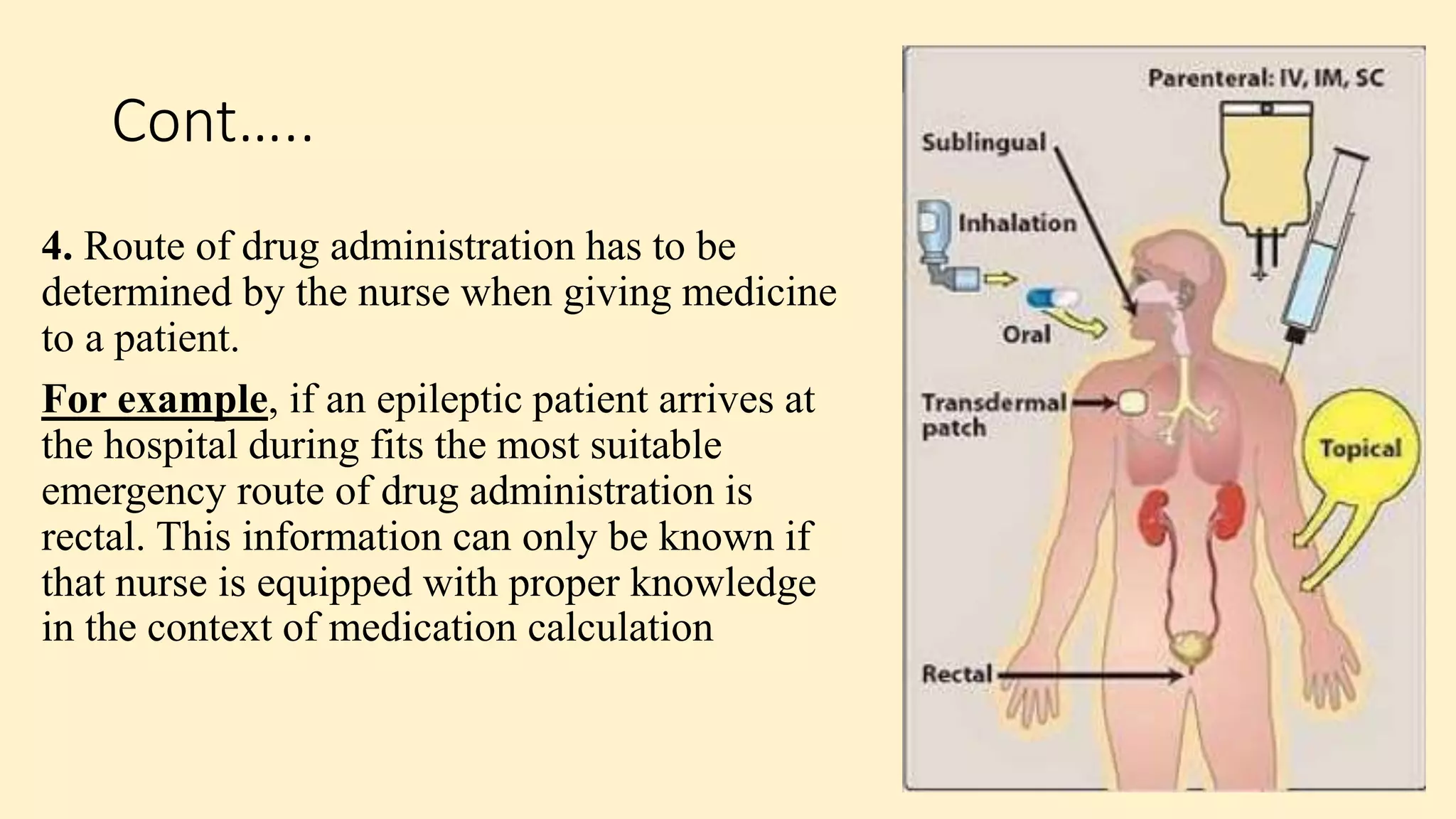
4. Route of drug administration has to be
determined by the nurse when giving medicine
to a patient.
For example, if an epileptic patient arrives at
the hospital during fits the most suitable
emergency route of drug administration is
rectal. This information can only be known if
that nurse is equipped with proper knowledge
in the context of medication calculation
Cont….
5. Knowing the skill of drug calculation makes a nurse more
confident of her abilities as a healthcare professional and she is able
to perform her duties more responsibly and with commitment.
6. Medication calculation skills also make it possible to correctly
interpret the instructions written by a physician or prescriber.
7.The skill allows the nurse to monitor a patient for possible side
effects of a drug and make decisions in discontinuing the
medication in case of a severe reaction.
TERMS & TERMINOLOGY
FLOW RATE: is the volume per unit time usually expressed as ml/hr. can be ml/min or
ml/sec
DRIP RATE: is the number of drops per unit time usually expressed as drops/min(dpm)
DOSE: amount of drug per unit time given to the patient expressed as mg/min, g/hr or
IU/min
CONCENTRATION: amount of the drug in a given volume usually expressed as mg/ml,
g/l or mIU/ml
DROP FACTOR: is the number of drops per unit volume. Expressed as drops/ml
TITRATION: adjustment of the IV medication dosage within prescribed parameters to
achieve a desired effects.
NUMERATOR: the top portion of the fraction
DENOMINATOR: the bottom portion of the fraction
UNIT: a dimension that is given to a number. For Example - If you are to give
50, you would ask, 50 what? This could be mg, mL, tablets, teaspoons, etc. (mg,
mL, tablets, tsp. are the units)
UNIT EQUIVALENCIES: the value of equivalencies between two units. For
Example: 1 kg = 2.2lbs, 5mL = 1tsp, 30mL = 1ounce,
CONVERSION FACTOR: it is a unit equivalency written as a fraction.
1𝑘𝑔/ 2.2𝐼𝑏𝑠 𝑜𝑟 2.2𝐼𝑏𝑠 /1𝑘𝑔 , 60𝑚𝑔 / 1𝑔𝑟𝑎𝑖𝑛 or 1𝑔𝑟𝑎𝑖𝑛 / 60𝑚𝑔
DESIRED DOSE: the dose to be given, what you desire. Also known as the
GIVEN QUANTITY or DOCTOR’S ORDER.
WANTED QUANTITY: the answer (x); that is, mL, oz, mg.
AVAILABLE DOSE: the available amount of the drug, what you
have.
COMPUTATION: the calculation process. Cancel first, multiply
the numerators, multiply the denominators, and then divide the
product of the numerators by the product of the denominators.
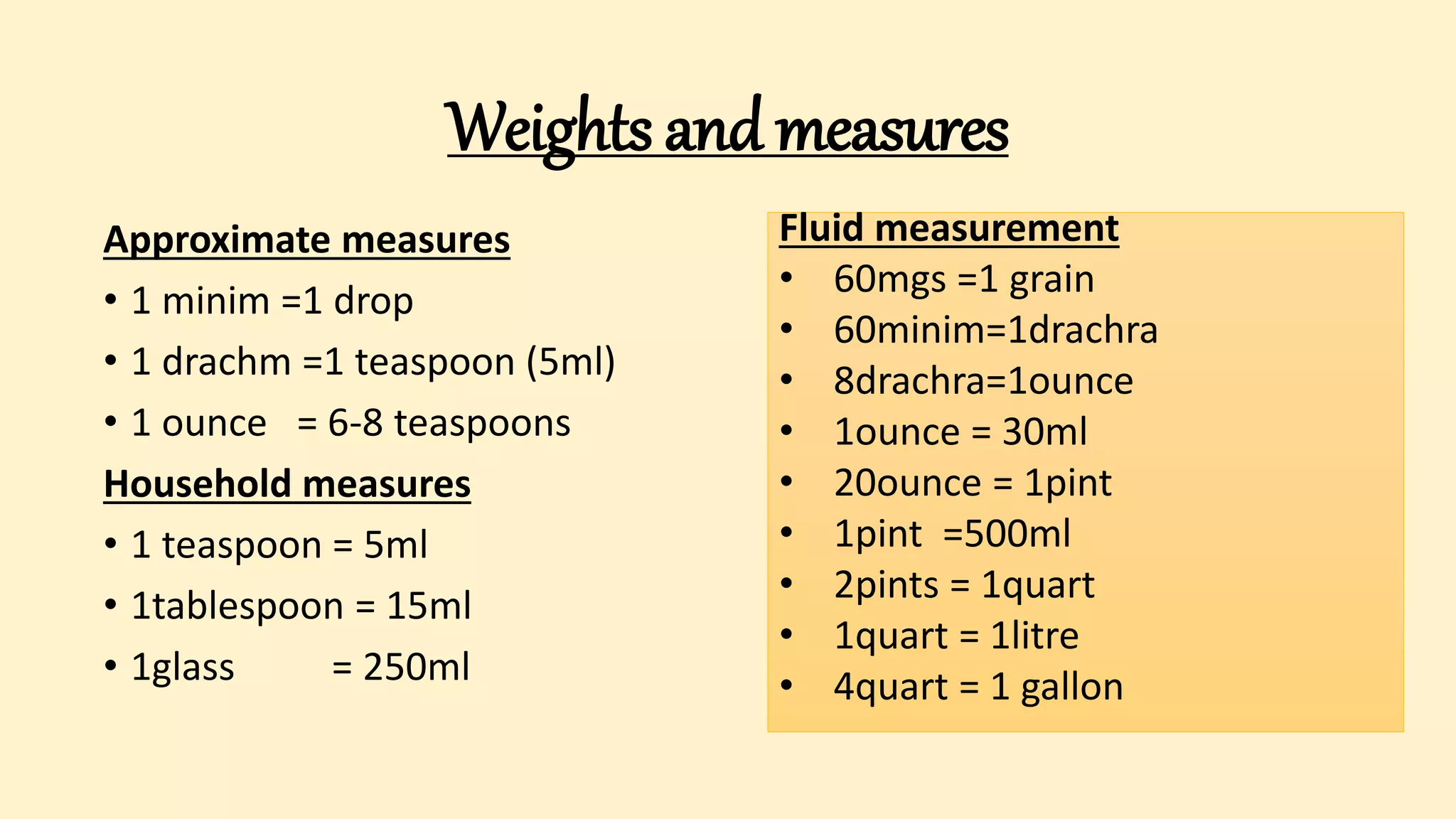
Weights and measures
Approximate measures
• 1 minim =1 drop
• 1 drachm =1 teaspoon (5ml)
• 1 ounce = 6-8 teaspoons
Household measures
• 1 teaspoon = 5ml
• 1tablespoon = 15ml
• 1glass = 250ml
Fluid measurement
• 60mgs =1 grain
• 60minim=1drachra
• 8drachra=1ounce
• 1ounce = 30ml
• 20ounce = 1pint
• 1pint =500ml
• 2pints = 1quart
• 1quart = 1litre
• 4quart = 1 gallon
Cont…..
Metric system of weights and measures
• 1milligram = 1000microgram
• 1milligram = 0.001gm
• 1gram = 1000milligrams
• 1 kilogram = 1000grams
• 1millilitre = 1000microlitres
• 1litre = 1000millilitres
• 1 kilolitre = 1000litres
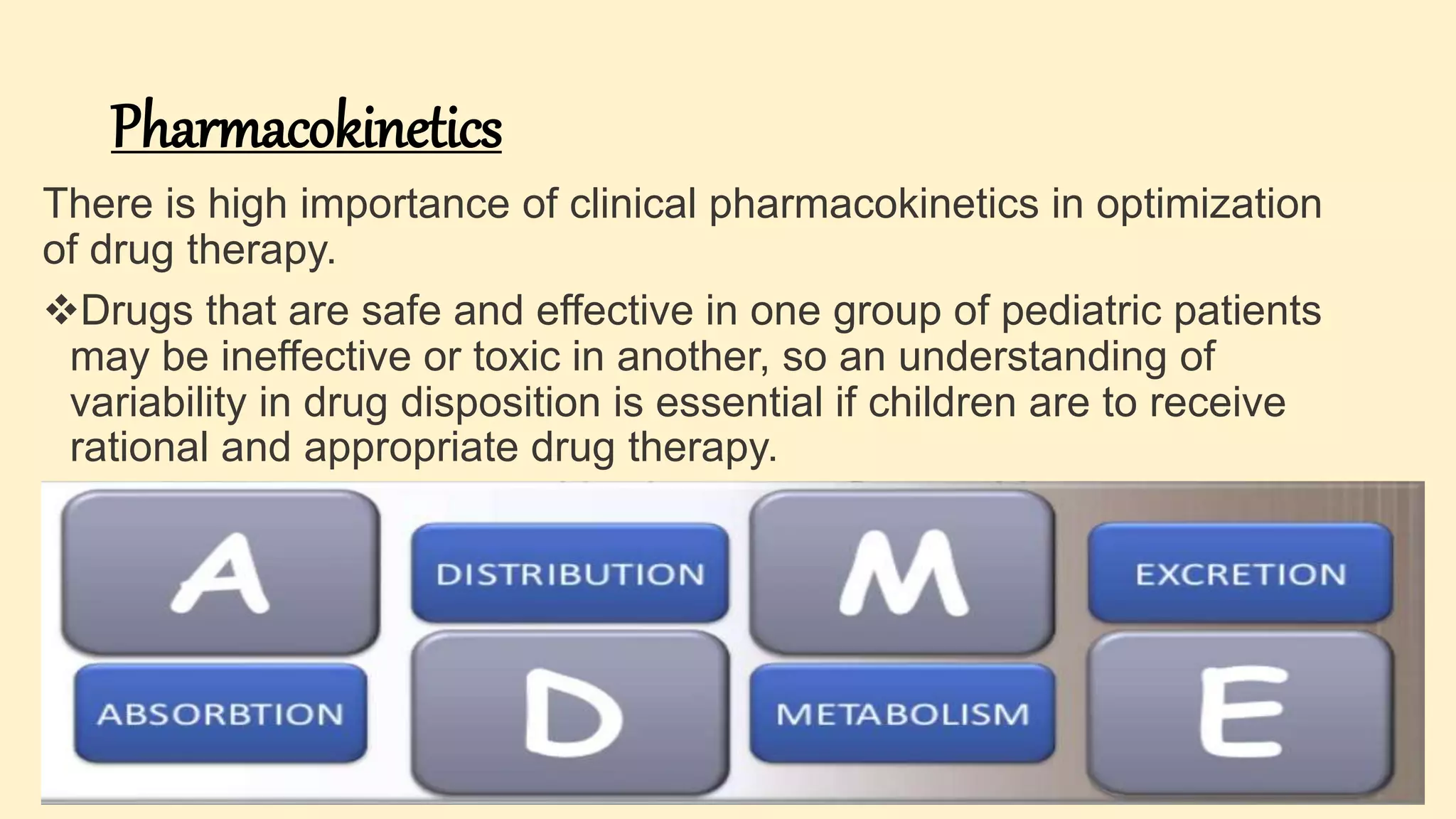
Pharmacokinetics
There is high importance of clinical pharmacokinetics in optimization
of drug therapy.
Drugs that are safe and effective in one group of pediatric patients
may be ineffective or toxic in another, so an understanding of
variability in drug disposition is essential if children are to receive
rational and appropriate drug therapy.
Two factors affecting the absorption of drugs from the G.I. tract are
pH-dependent passive diffusion and gastric emptying time. Other is
G.I. tract enzyme activity.
Gastric emptying time
Gastric emptying time is delayed in infants
and reaches adult levels by 6 to 8 months
of age.
Drugs that are absorbed primarily in the
stomach may be absorbed more
completely than anticipated.
In the case of drugs absorbed in the small
intestine, therapeutic effect may be
delayed. Peristalsis in the neonate is
irregular and may be slow.
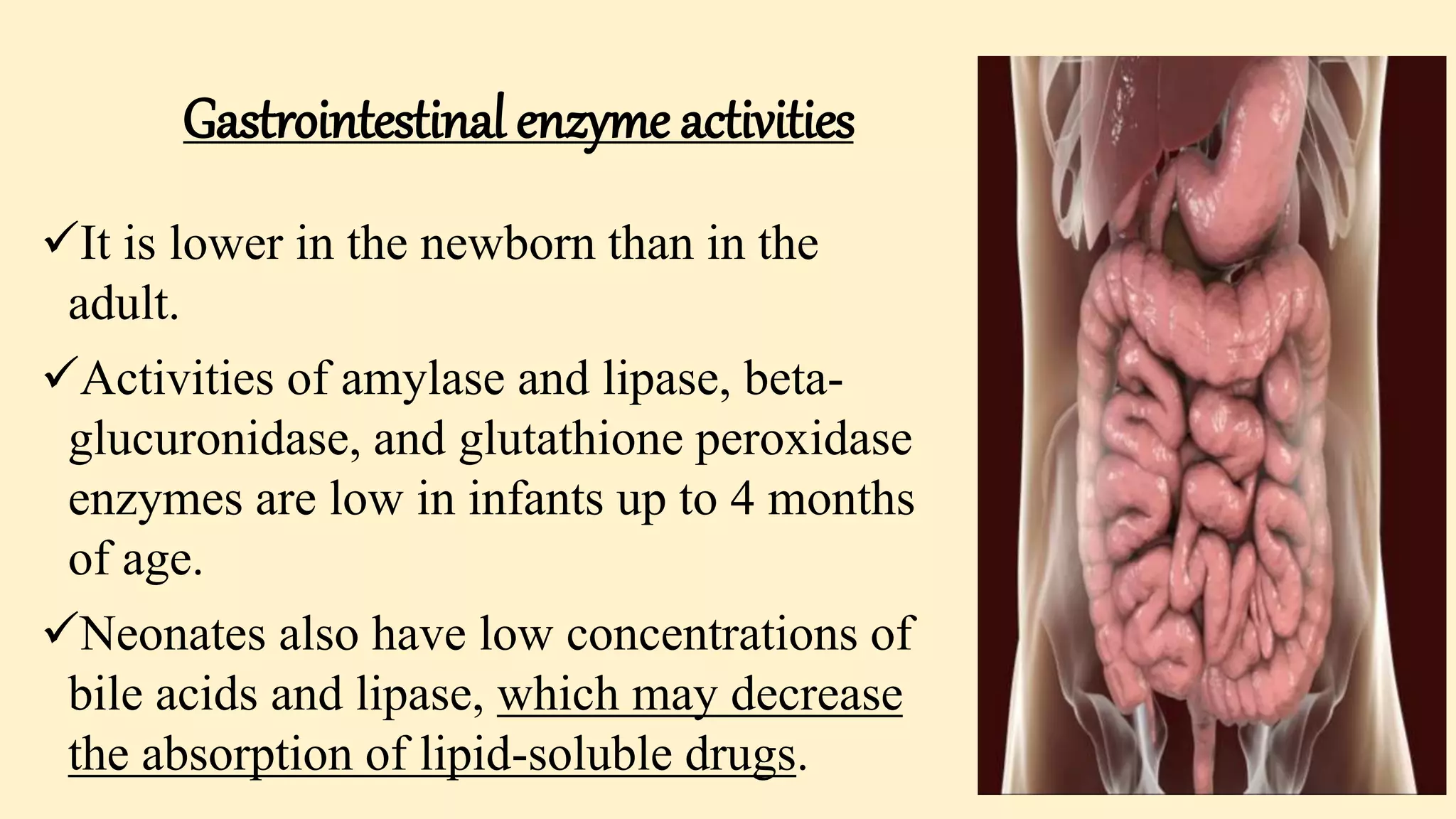
Gastrointestinal enzyme activities
It is lower in the newborn than in the
adult.
Activities of amylase and lipase, beta-
glucuronidase, and glutathione peroxidase
enzymes are low in infants up to 4 months
of age.
Neonates also have low concentrations of
bile acids and lipase, which may decrease
the absorption of lipid-soluble drugs.
Absorption from Skin
Percutaneous absorption may
be increased in neonate
because of an underdeveloped
epidermal barrier (stratum
corneum) and increased skin
hydration.
Absorption from Rectal route
The rectal route of administration can
be useful in infants or children who
are unable to take oral medication. –
The mechanism of rectal route
absorption is probably similar to that
of the upper part of GI tract, despite
differences in pH, surface area and
fluid content.
Physiologic factors specific to the patient that affects the Drug distribution
are.
Total Body Water :-94% in the fetus, 85% in premature Total
Body infants, 78% in full-term infants, and Water 60% in
adults.
Plasma Protein binding of drug:- Plasma protein
binding refers to the degree to which medications attach
to proteins within the blood. Less in Newborn and infants
Protein
Volume of Distribution :- represents the apparent volume into
which the drug is distributed to provide the same concentration
as it currently is in blood plasma
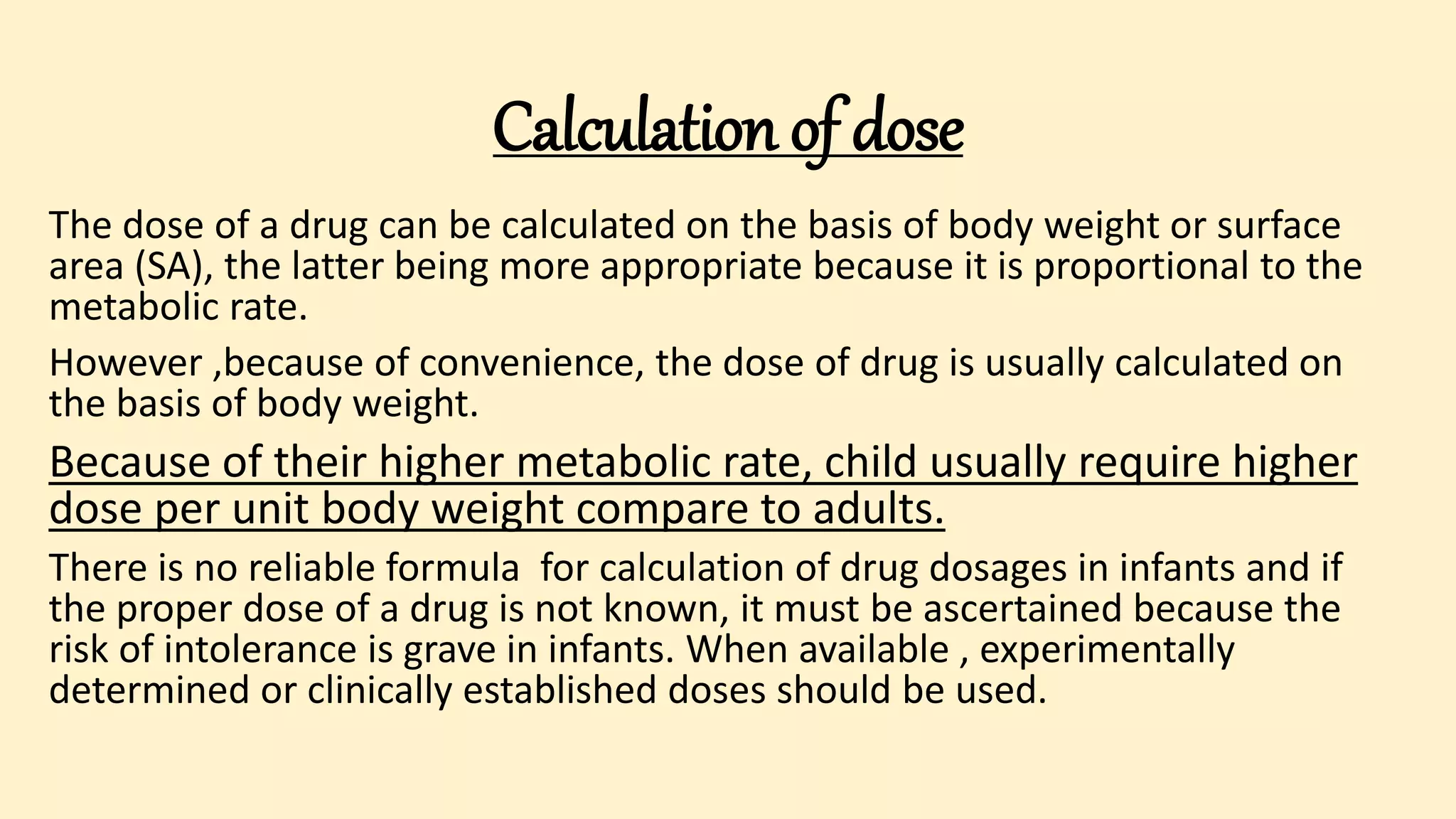
Calculation of dose
The dose of a drug can be calculated on the basis of body weight or surface
area (SA), the latter being more appropriate because it is proportional to the
metabolic rate.
However ,because of convenience, the dose of drug is usually calculated on
the basis of body weight.
Because of their higher metabolic rate, child usually require higher
dose per unit body weight compare to adults.
There is no reliable formula for calculation of drug dosages in infants and if
the proper dose of a drug is not known, it must be ascertained because the
risk of intolerance is grave in infants. When available , experimentally
determined or clinically established doses should be used.
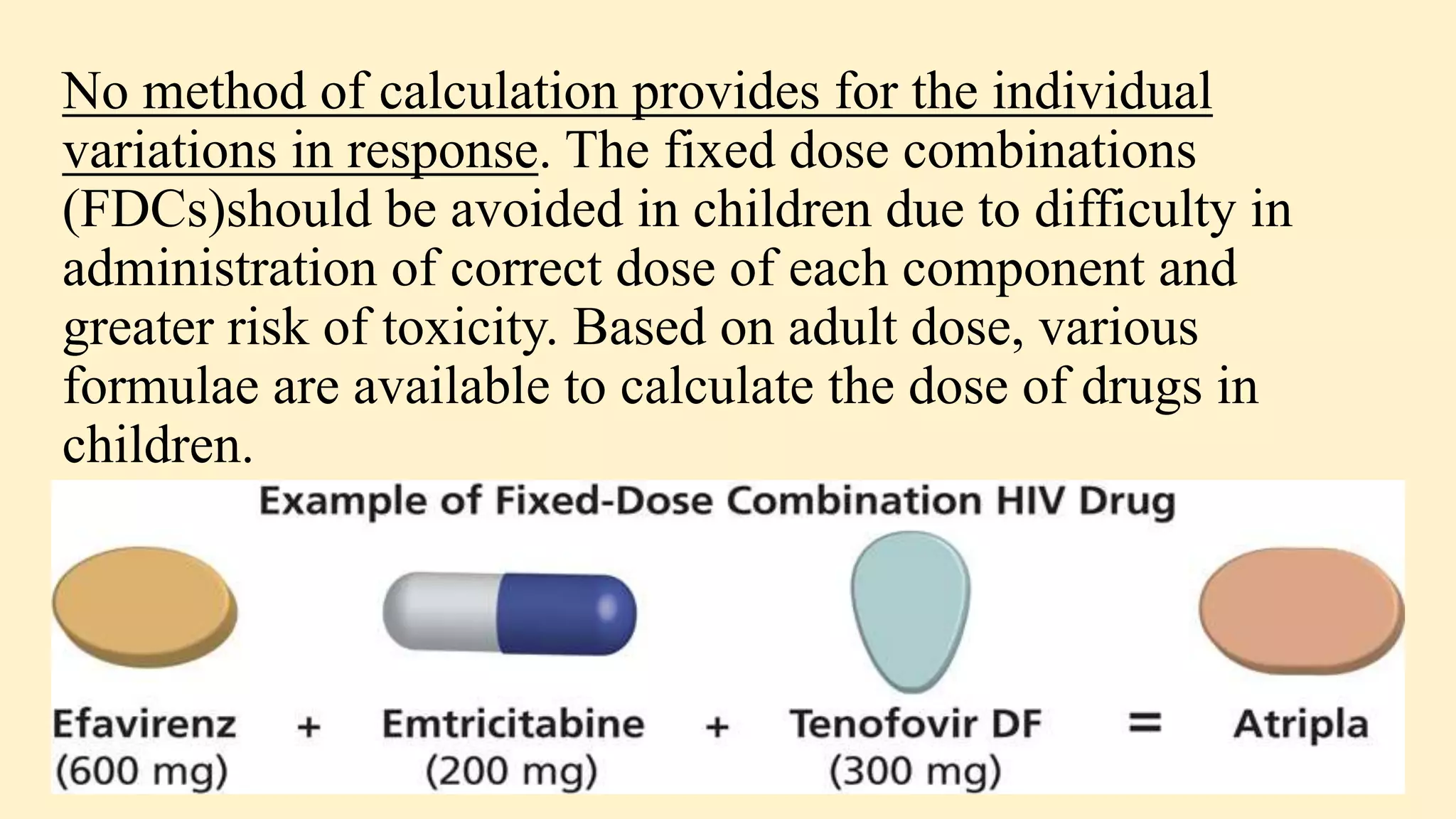
No method of calculation provides for the individual
variations in response. The fixed dose combinations
(FDCs)should be avoided in children due to difficulty in
administration of correct dose of each component and
greater risk of toxicity. Based on adult dose, various
formulae are available to calculate the dose of drugs in
children.
Factors influencing / modifying drug action
• Age :- young children require lesser drug dosage as their
body weight is less, blood brain barrier is poorly formed,
deficiency of hepatic enzymes responsible for metabolism of
drugs and reduced renal clearance. Whereas elderly people
require a lesser dose due to diminished renal functions and
reduced rate of metabolism
• Body weight:- it directly affects drug dosage, the greater the
body weight, the greater the dosage required.
• Genetic factors:- it influence the synthesis of enzymes
responsible for metabolism od drug
• Illness or disease :-illness may modify drug elimination and
affect receptor sensitivity. Example:- a diabetic patient with
fever or infection needs a larger dose of insulin.
• Time of drug administration:- oral medication taken two hours
before meals acts faster than those taken after meals,
hypnotics acts better when administered at nights.
• Nutritional status :-in malnutrition due to lack of body mass
and protein deficiency reduction of enzyme activity occurs.
• Routes of administration:-it affects both the rate at which the
onset of action occurs and the magnitude of the therapeutic
response that results. The choice of the route of administration
is crucial in determining the suitability of a drug for an
individual patients.
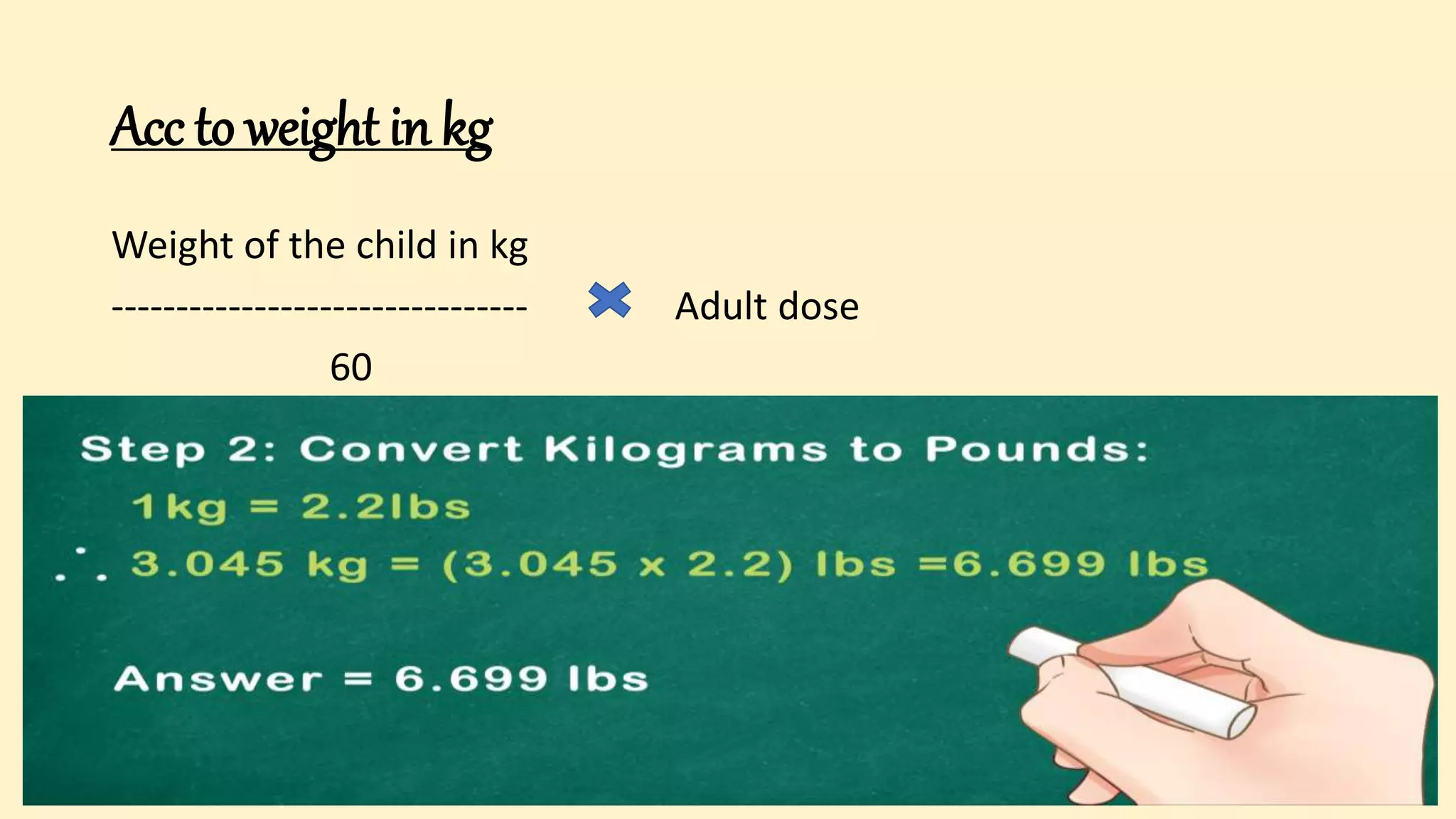
Acc to weight in kg
Weight of the child in kg
-------------------------------- Adult dose
60
Acc to body surface area
• Surface area of the child in M2
--------------------------------------------- adult dose
1.8
•Body Surface Area (BSA) is very important in pediatric
drug dosage calculation.
There are two formulae that are generally used to calculate a
child’s BSA.
1. BSA= Sq. Root [(weight in kg * height in cm) ÷ 3600]
2. BSA= Sq. Root [(weight in pounds * height in inches) ÷
3131]
Example:- Calculate the BSA of a child who weighs 65lbs and 5feet
8inches tall.
Weight= 65lb
Height= 5ft 8in
Convert 5ft to inches, then add it to 8in
1ft= 12in
5ft= 5*12= 60in
Height= 60 + 8= 68in
BSA= Sq. Root [(weight in pounds * height in inches) ÷ 3131]
BSA= Sq.root [(65*68)÷3131]
= sq.root [4420÷3131]
= sq.root [1.41]
= 1.19
BSA of the child is 1.19 sq meter
Example 2:Calculate the BSA of a child who weighs 11.3kg and
75cm tall.
Weight= 11.3kg
Height= 75cm
BSA= Sq. Root [(weight in kg * height in cm) ÷ 3600]
= sq.root [(11.3*75)÷3600]
= sq.root [847.5÷3600]
= sq.root [0.24]
= 0.49
BSA of the child is 0.49 sq meter
Acc to body surface area
• Surface area of the child in M2 60 = % of adult dose
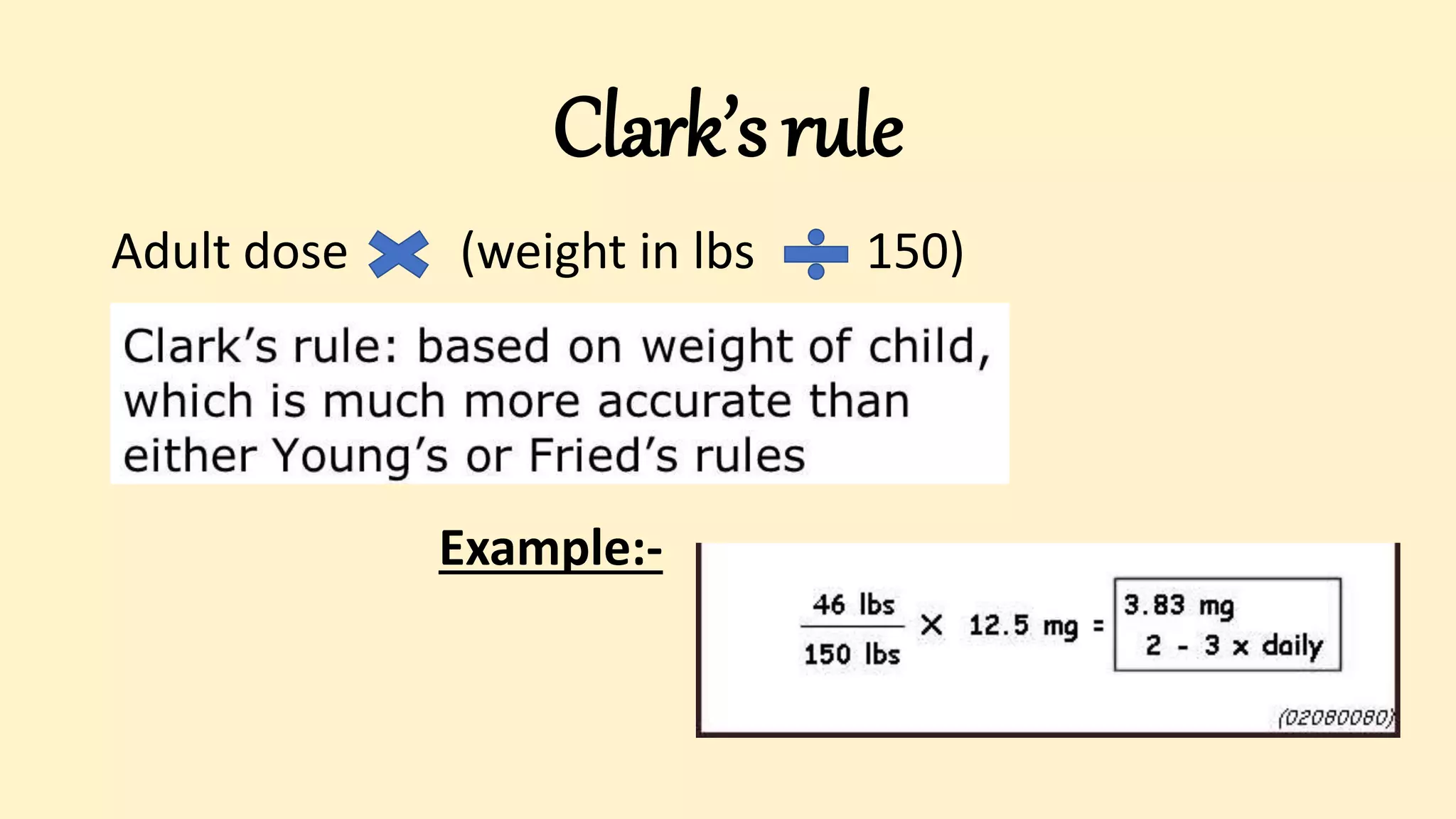
Clark’s rule
Adult dose (weight in lbs 150)
Example:-
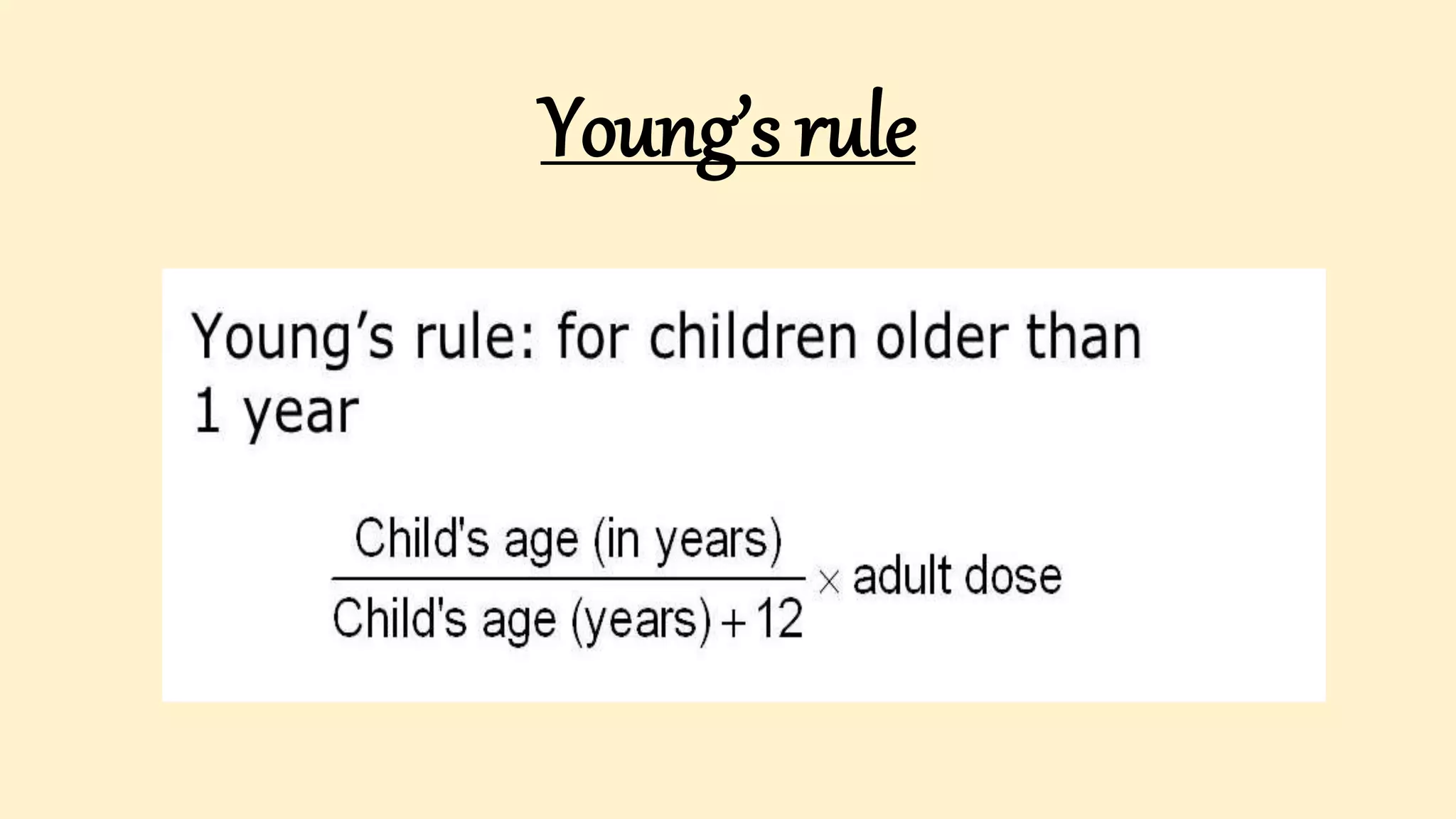
Young’s rule
Fried’s rule
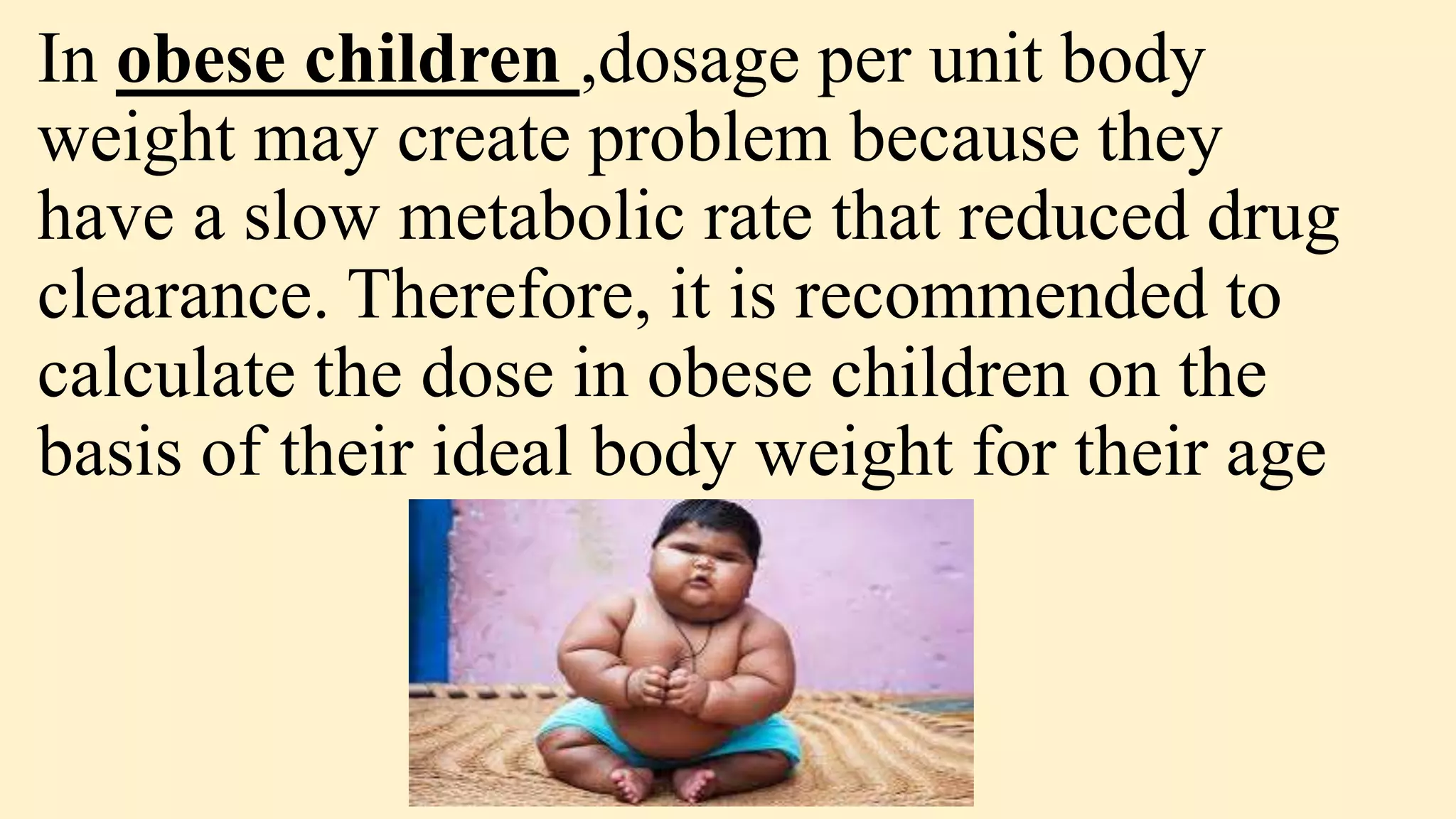
In obese children ,dosage per unit body
weight may create problem because they
have a slow metabolic rate that reduced drug
clearance. Therefore, it is recommended to
calculate the dose in obese children on the
basis of their ideal body weight for their age
Dosage calculation
What you want(DESIRED DOSE)
-------------------------------------------------------------------------------------- Quantity it comes in
What you have (DOSE IN HAND)
A(Amount calculated given to the client)
Flow infusion rate
Pediatric Drug calculations |drug calculation formulas

Pediatric Drug calculations |drug calculation formulas

  • 1.
  • 2.
    INTRODUCTION Drug or medicationcalculation is a skill all nurses and practitioners should practice and master. However, it’s not an easy task and many nurses are unsure whether they can accurately do all the mathematics involved. It is therefore essential for registered nurses as well as midwives and practitioners in general to master this skill.
  • 3.
    IMPORTANCE OF DRUGCALCULATION 1.Infant, adult and elderly dose calculation depending on the weight of a person and some other factors ,Without knowing how to administer and monitor medicines and intravenous therapy it is not possible to perform the task of drug calculation. 2.Status of liver and kidney function has to be checked before calculating dose of a particular medicine. This is yet another reason why nurses need to learn drug calculation formulas. 3.Age and sex also plays a role in determining the dose of a medicine and route of administration. A nurse must know which medicine is better suited to a particular patient.
  • 4.
    Cont….. 4. Route ofdrug administration has to be determined by the nurse when giving medicine to a patient. For example, if an epileptic patient arrives at the hospital during fits the most suitable emergency route of drug administration is rectal. This information can only be known if that nurse is equipped with proper knowledge in the context of medication calculation
  • 5.
    Cont…. 5. Knowing theskill of drug calculation makes a nurse more confident of her abilities as a healthcare professional and she is able to perform her duties more responsibly and with commitment. 6. Medication calculation skills also make it possible to correctly interpret the instructions written by a physician or prescriber. 7.The skill allows the nurse to monitor a patient for possible side effects of a drug and make decisions in discontinuing the medication in case of a severe reaction.
  • 6.
    TERMS & TERMINOLOGY FLOWRATE: is the volume per unit time usually expressed as ml/hr. can be ml/min or ml/sec DRIP RATE: is the number of drops per unit time usually expressed as drops/min(dpm) DOSE: amount of drug per unit time given to the patient expressed as mg/min, g/hr or IU/min CONCENTRATION: amount of the drug in a given volume usually expressed as mg/ml, g/l or mIU/ml DROP FACTOR: is the number of drops per unit volume. Expressed as drops/ml TITRATION: adjustment of the IV medication dosage within prescribed parameters to achieve a desired effects.
  • 7.
    NUMERATOR: the topportion of the fraction DENOMINATOR: the bottom portion of the fraction UNIT: a dimension that is given to a number. For Example - If you are to give 50, you would ask, 50 what? This could be mg, mL, tablets, teaspoons, etc. (mg, mL, tablets, tsp. are the units) UNIT EQUIVALENCIES: the value of equivalencies between two units. For Example: 1 kg = 2.2lbs, 5mL = 1tsp, 30mL = 1ounce, CONVERSION FACTOR: it is a unit equivalency written as a fraction. 1𝑘𝑔/ 2.2𝐼𝑏𝑠 𝑜𝑟 2.2𝐼𝑏𝑠 /1𝑘𝑔 , 60𝑚𝑔 / 1𝑔𝑟𝑎𝑖𝑛 or 1𝑔𝑟𝑎𝑖𝑛 / 60𝑚𝑔 DESIRED DOSE: the dose to be given, what you desire. Also known as the GIVEN QUANTITY or DOCTOR’S ORDER. WANTED QUANTITY: the answer (x); that is, mL, oz, mg.
  • 8.
    AVAILABLE DOSE: theavailable amount of the drug, what you have. COMPUTATION: the calculation process. Cancel first, multiply the numerators, multiply the denominators, and then divide the product of the numerators by the product of the denominators.
  • 9.
    Weights and measures Approximatemeasures • 1 minim =1 drop • 1 drachm =1 teaspoon (5ml) • 1 ounce = 6-8 teaspoons Household measures • 1 teaspoon = 5ml • 1tablespoon = 15ml • 1glass = 250ml Fluid measurement • 60mgs =1 grain • 60minim=1drachra • 8drachra=1ounce • 1ounce = 30ml • 20ounce = 1pint • 1pint =500ml • 2pints = 1quart • 1quart = 1litre • 4quart = 1 gallon
  • 10.
    Cont….. Metric system ofweights and measures • 1milligram = 1000microgram • 1milligram = 0.001gm • 1gram = 1000milligrams • 1 kilogram = 1000grams • 1millilitre = 1000microlitres • 1litre = 1000millilitres • 1 kilolitre = 1000litres
  • 11.
    Pharmacokinetics There is highimportance of clinical pharmacokinetics in optimization of drug therapy. Drugs that are safe and effective in one group of pediatric patients may be ineffective or toxic in another, so an understanding of variability in drug disposition is essential if children are to receive rational and appropriate drug therapy.
  • 12.
    Two factors affectingthe absorption of drugs from the G.I. tract are pH-dependent passive diffusion and gastric emptying time. Other is G.I. tract enzyme activity.
  • 13.
    Gastric emptying time Gastricemptying time is delayed in infants and reaches adult levels by 6 to 8 months of age. Drugs that are absorbed primarily in the stomach may be absorbed more completely than anticipated. In the case of drugs absorbed in the small intestine, therapeutic effect may be delayed. Peristalsis in the neonate is irregular and may be slow.
  • 14.
    Gastrointestinal enzyme activities Itis lower in the newborn than in the adult. Activities of amylase and lipase, beta- glucuronidase, and glutathione peroxidase enzymes are low in infants up to 4 months of age. Neonates also have low concentrations of bile acids and lipase, which may decrease the absorption of lipid-soluble drugs.
  • 15.
    Absorption from Skin Percutaneousabsorption may be increased in neonate because of an underdeveloped epidermal barrier (stratum corneum) and increased skin hydration.
  • 16.
    Absorption from Rectalroute The rectal route of administration can be useful in infants or children who are unable to take oral medication. – The mechanism of rectal route absorption is probably similar to that of the upper part of GI tract, despite differences in pH, surface area and fluid content.
  • 17.
    Physiologic factors specificto the patient that affects the Drug distribution are. Total Body Water :-94% in the fetus, 85% in premature Total Body infants, 78% in full-term infants, and Water 60% in adults. Plasma Protein binding of drug:- Plasma protein binding refers to the degree to which medications attach to proteins within the blood. Less in Newborn and infants Protein Volume of Distribution :- represents the apparent volume into which the drug is distributed to provide the same concentration as it currently is in blood plasma
  • 18.
    Calculation of dose Thedose of a drug can be calculated on the basis of body weight or surface area (SA), the latter being more appropriate because it is proportional to the metabolic rate. However ,because of convenience, the dose of drug is usually calculated on the basis of body weight. Because of their higher metabolic rate, child usually require higher dose per unit body weight compare to adults. There is no reliable formula for calculation of drug dosages in infants and if the proper dose of a drug is not known, it must be ascertained because the risk of intolerance is grave in infants. When available , experimentally determined or clinically established doses should be used.
  • 19.
    No method ofcalculation provides for the individual variations in response. The fixed dose combinations (FDCs)should be avoided in children due to difficulty in administration of correct dose of each component and greater risk of toxicity. Based on adult dose, various formulae are available to calculate the dose of drugs in children.
  • 20.
    Factors influencing /modifying drug action • Age :- young children require lesser drug dosage as their body weight is less, blood brain barrier is poorly formed, deficiency of hepatic enzymes responsible for metabolism of drugs and reduced renal clearance. Whereas elderly people require a lesser dose due to diminished renal functions and reduced rate of metabolism • Body weight:- it directly affects drug dosage, the greater the body weight, the greater the dosage required. • Genetic factors:- it influence the synthesis of enzymes responsible for metabolism od drug
  • 21.
    • Illness ordisease :-illness may modify drug elimination and affect receptor sensitivity. Example:- a diabetic patient with fever or infection needs a larger dose of insulin. • Time of drug administration:- oral medication taken two hours before meals acts faster than those taken after meals, hypnotics acts better when administered at nights. • Nutritional status :-in malnutrition due to lack of body mass and protein deficiency reduction of enzyme activity occurs. • Routes of administration:-it affects both the rate at which the onset of action occurs and the magnitude of the therapeutic response that results. The choice of the route of administration is crucial in determining the suitability of a drug for an individual patients.
  • 22.
    Acc to weightin kg Weight of the child in kg -------------------------------- Adult dose 60
  • 23.
    Acc to bodysurface area • Surface area of the child in M2 --------------------------------------------- adult dose 1.8
  • 24.
    •Body Surface Area(BSA) is very important in pediatric drug dosage calculation. There are two formulae that are generally used to calculate a child’s BSA. 1. BSA= Sq. Root [(weight in kg * height in cm) ÷ 3600] 2. BSA= Sq. Root [(weight in pounds * height in inches) ÷ 3131]
  • 25.
    Example:- Calculate theBSA of a child who weighs 65lbs and 5feet 8inches tall. Weight= 65lb Height= 5ft 8in Convert 5ft to inches, then add it to 8in 1ft= 12in 5ft= 5*12= 60in Height= 60 + 8= 68in BSA= Sq. Root [(weight in pounds * height in inches) ÷ 3131] BSA= Sq.root [(65*68)÷3131] = sq.root [4420÷3131] = sq.root [1.41] = 1.19 BSA of the child is 1.19 sq meter
  • 26.
    Example 2:Calculate theBSA of a child who weighs 11.3kg and 75cm tall. Weight= 11.3kg Height= 75cm BSA= Sq. Root [(weight in kg * height in cm) ÷ 3600] = sq.root [(11.3*75)÷3600] = sq.root [847.5÷3600] = sq.root [0.24] = 0.49 BSA of the child is 0.49 sq meter
  • 27.
    Acc to bodysurface area • Surface area of the child in M2 60 = % of adult dose
  • 28.
    Clark’s rule Adult dose(weight in lbs 150) Example:-
  • 29.
  • 30.
  • 31.
    In obese children,dosage per unit body weight may create problem because they have a slow metabolic rate that reduced drug clearance. Therefore, it is recommended to calculate the dose in obese children on the basis of their ideal body weight for their age
  • 32.
    Dosage calculation What youwant(DESIRED DOSE) -------------------------------------------------------------------------------------- Quantity it comes in What you have (DOSE IN HAND) A(Amount calculated given to the client)
  • 33.