FIT AND STRETCH
    STRATEGY

      Christina Brink
     Veronika Ekman
       Melissa Rolas
       Ania Seroka
         Ming Yu
     Yueduoduo Zhang
Mahatma Gandhi     Martin Luther King       Abraham Lincoln


“Be the change”    “I have a dream.”      “Shake off the existing
                                          government, and form a
                                          new one that suits them
                                          better.”
Leadership is the art of
making the impossible
     come true!
Strategic fit
                     “Fit” between resources
                      and aspirations


 Realistic goals
Strategic fit


                     Conservative goals


 Lack of courage
Strategic stretch


        Strive for the impossible    Make the most of
                                       limited resources


            New ideas
Strategic stretch


                     Creativity


         Growth and vitality


                                    One step ahead
Break the rules of the game
 Innovation


                Knowledge


     Ideas
 Create new space


                      Challenge the existing norm
Honda

                                  Japanese


                                               Risky strategies


 Western


   Conservative strategies


                    Chrysler
Alpha


    Wealth of resources


                            Industry leader


    Modest aspirations
Beta


             Compete with fewer resources


                                              Ambitions are greater


        Successful strategy
 "Whoever runs out of ammunition
     first is the loser"


 Confident
 Small number of core
                       competencies
 Guerilla tactics
 Achieved innovative goals by taking risks


                                               A focus on few core
                                                competences
 Secondary airports
 Saving money
  on staff
  training


                        High
                         aircraft
                         utilization
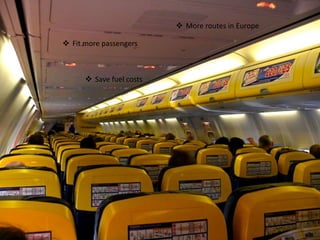
 More routes in Europe

 Fit more passengers


       Save fuel costs
 Cost-cutting


 Additional
  charges


  Business moral
References

Casadesus-Masanell, R., & Enric Ricart, J. (2010). From Strategy to Business Models
and onto Tactics. Long Range Planning 43 , pp. 195-215.

Gurkov, I., & Settles, A. (2011). Managing organizational stretch to overcome the
uncertainty of the Great Recession of 2008. International Journal of Organizational
Analysis 19 , pp. 317-330.

Hamel, G., & Prahalad, C. K. (1994). Competing for the Future . Harvard Business Press.

Hamel, G., & Prahalad, C. K. (2005). Strategic Intent. Harvard Business Review , pp.
148-161.

Mintzberg, H., Quinn, J. B., Ghoshal, S. & Lampel, J. (2003). The Strategy Process , p.
89.

Mintzberg, H., Ahlstrand, B. & Lampel, J. (1998). Strategy Safari, pp. 220-221.

Pecha Kucha

  • 1.
    FIT AND STRETCH STRATEGY Christina Brink Veronika Ekman Melissa Rolas Ania Seroka Ming Yu Yueduoduo Zhang
  • 2.
    Mahatma Gandhi Martin Luther King Abraham Lincoln “Be the change” “I have a dream.” “Shake off the existing government, and form a new one that suits them better.”
  • 3.
    Leadership is theart of making the impossible come true!
  • 4.
    Strategic fit  “Fit” between resources and aspirations  Realistic goals
  • 5.
    Strategic fit  Conservative goals  Lack of courage
  • 6.
    Strategic stretch  Strive for the impossible  Make the most of limited resources  New ideas
  • 7.
    Strategic stretch  Creativity  Growth and vitality  One step ahead
  • 8.
    Break the rulesof the game
  • 9.
     Innovation  Knowledge  Ideas
  • 10.
     Create newspace  Challenge the existing norm
  • 11.
    Honda  Japanese  Risky strategies  Western  Conservative strategies Chrysler
  • 12.
    Alpha  Wealth of resources  Industry leader  Modest aspirations
  • 13.
    Beta  Compete with fewer resources  Ambitions are greater  Successful strategy
  • 14.
     "Whoever runsout of ammunition first is the loser"  Confident
  • 15.
     Small numberof core competencies  Guerilla tactics
  • 17.
     Achieved innovativegoals by taking risks  A focus on few core competences
  • 18.
     Secondary airports Saving money on staff training  High aircraft utilization
  • 19.
     More routesin Europe  Fit more passengers  Save fuel costs
  • 20.
     Cost-cutting  Additional charges  Business moral
  • 21.
    References Casadesus-Masanell, R., &Enric Ricart, J. (2010). From Strategy to Business Models and onto Tactics. Long Range Planning 43 , pp. 195-215. Gurkov, I., & Settles, A. (2011). Managing organizational stretch to overcome the uncertainty of the Great Recession of 2008. International Journal of Organizational Analysis 19 , pp. 317-330. Hamel, G., & Prahalad, C. K. (1994). Competing for the Future . Harvard Business Press. Hamel, G., & Prahalad, C. K. (2005). Strategic Intent. Harvard Business Review , pp. 148-161. Mintzberg, H., Quinn, J. B., Ghoshal, S. & Lampel, J. (2003). The Strategy Process , p. 89. Mintzberg, H., Ahlstrand, B. & Lampel, J. (1998). Strategy Safari, pp. 220-221.