Can you define these and give an
example?

Industrialisation
De-industrialisation
Re-industrialisation
Explaining changes in industry and
landscapes over time.
Using map evidence to identify
features.
Using map evidence to explain the
location.
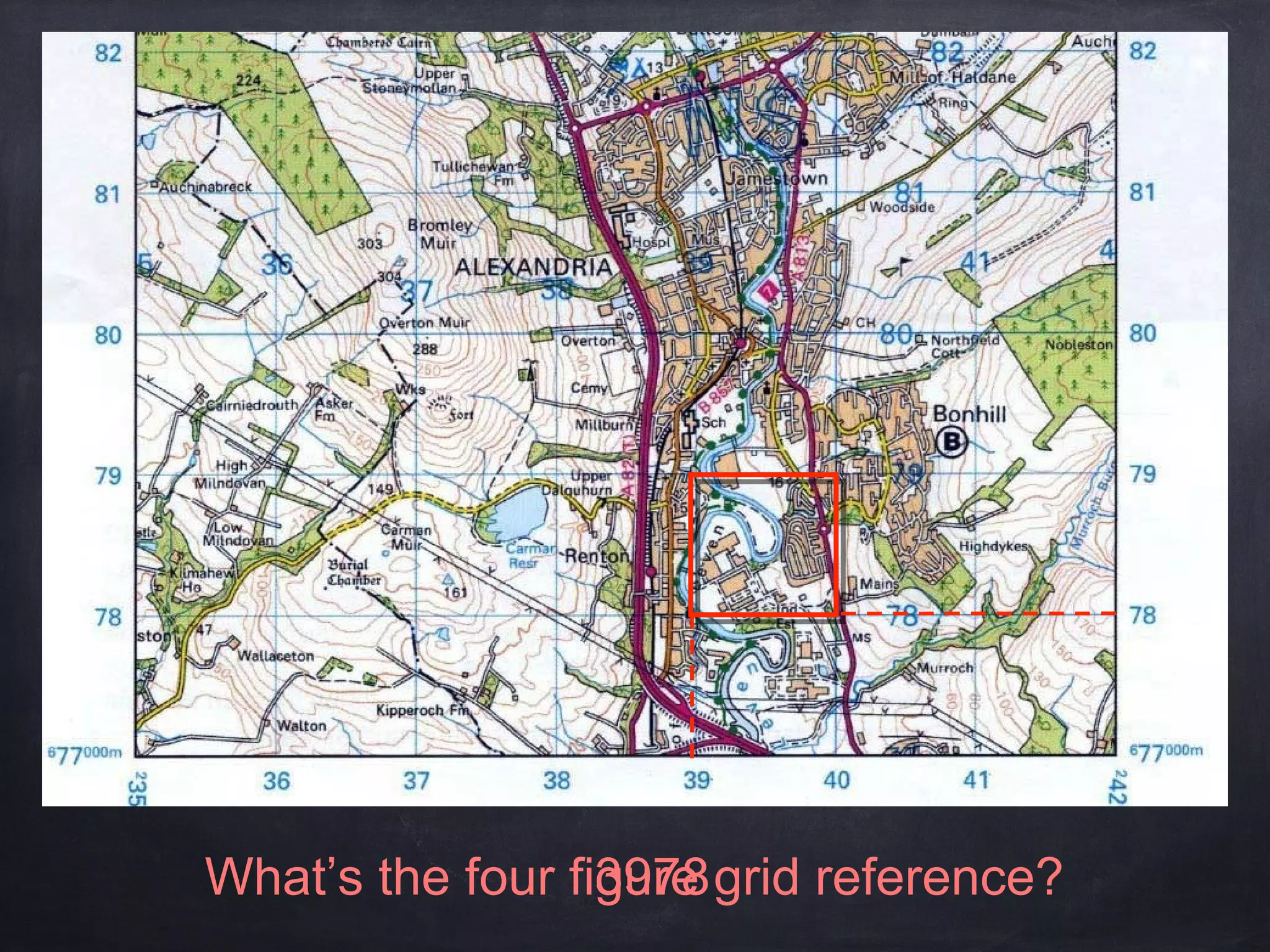
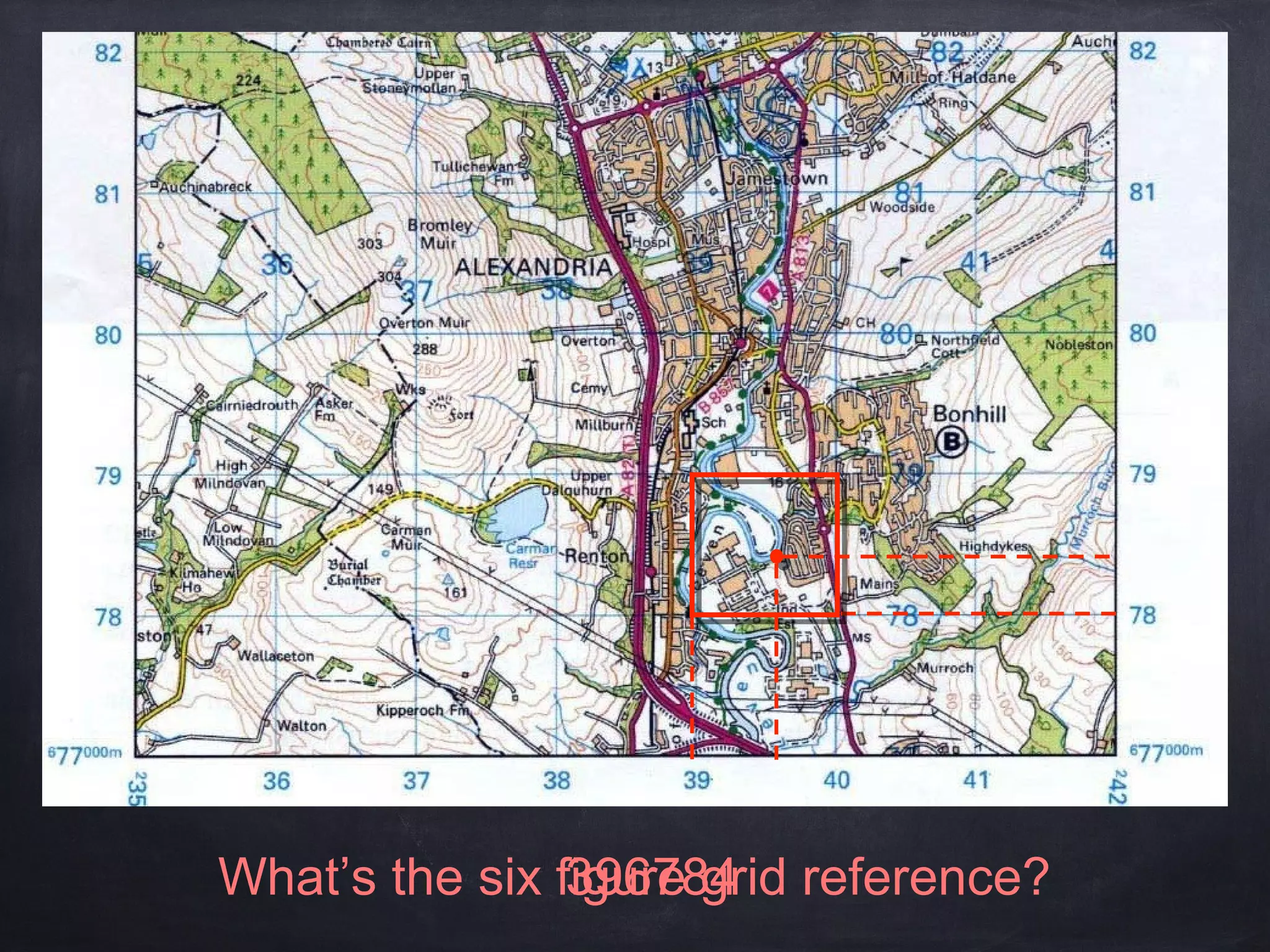
What’s the four figure grid reference?
3978
What’s the six figure grid reference?
396784
Can you write a set of rules for using
grid references?
Walk before you can fly
Along the corridor then up the stairs
Give the numbers of the lines that first hit the box
you’re working with.
Divide the space between the lines into 10 - and
estimate where the point comes between 0 and 10.
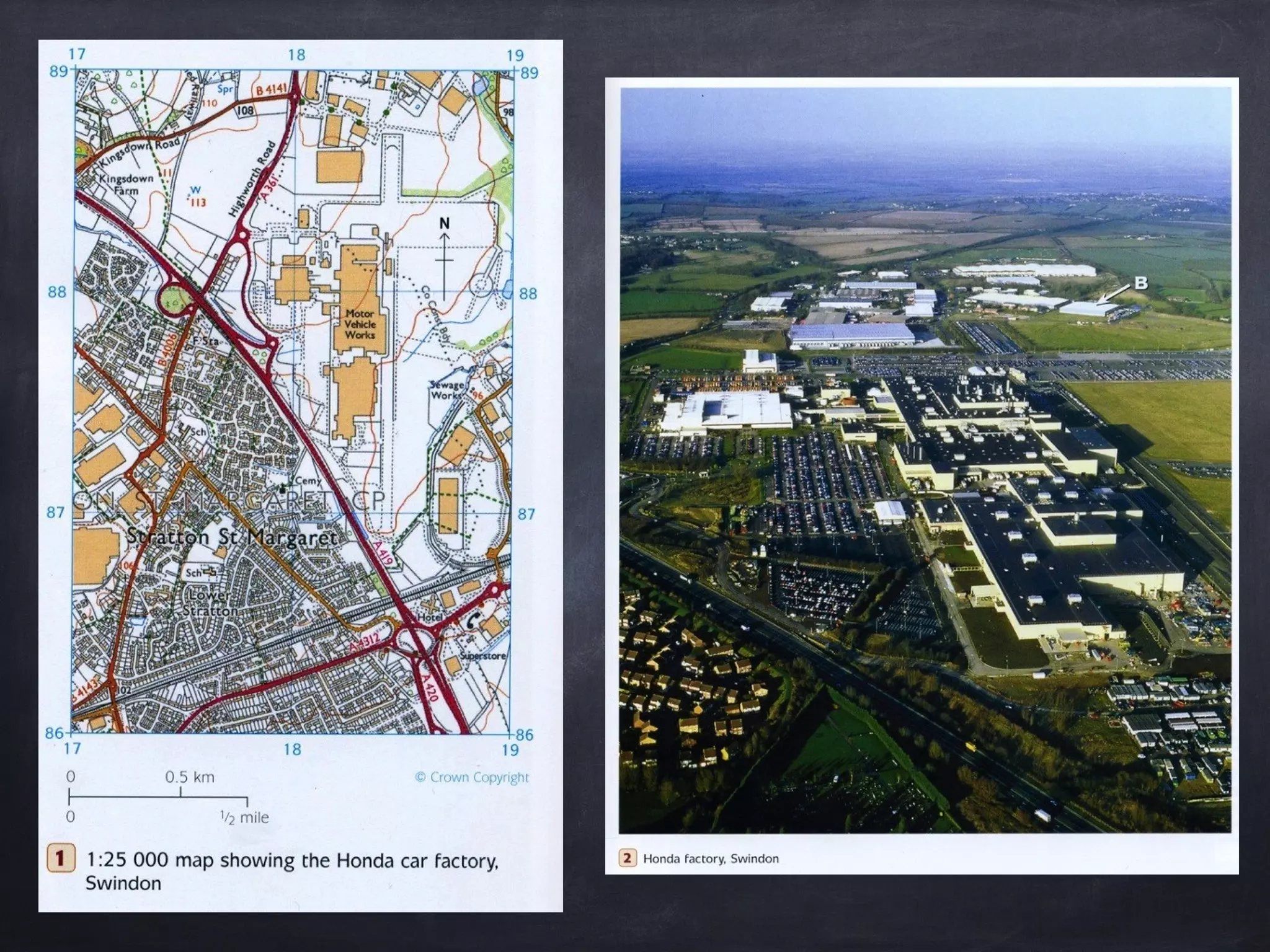
Answer questions 1 (a-h) on p118.
Extension:
Using map evidence identify the advantages of the
Honda factory for people living in Swindon.
Employment Income Improved infrastructure Positive multipliers
More demand Attract more businesses

Using map evidence identify the disadvantages of
the Honda factory for people living in Swindon.
Higher land and house prices Using up greenfield sites Pollution
Impact on habitats Increased congestion on transport network
Explain the building of the Honda factory might affect the
people of Swindon.
(5 marks)
Advantages
Point - It will bring more jobs and create more demand.
Evidence - XXXXXX and XXXXXX
Explain - The good transport links mean that …
This could create positive multiplier effects because …

Disadvantages
Point Evidence Explain -
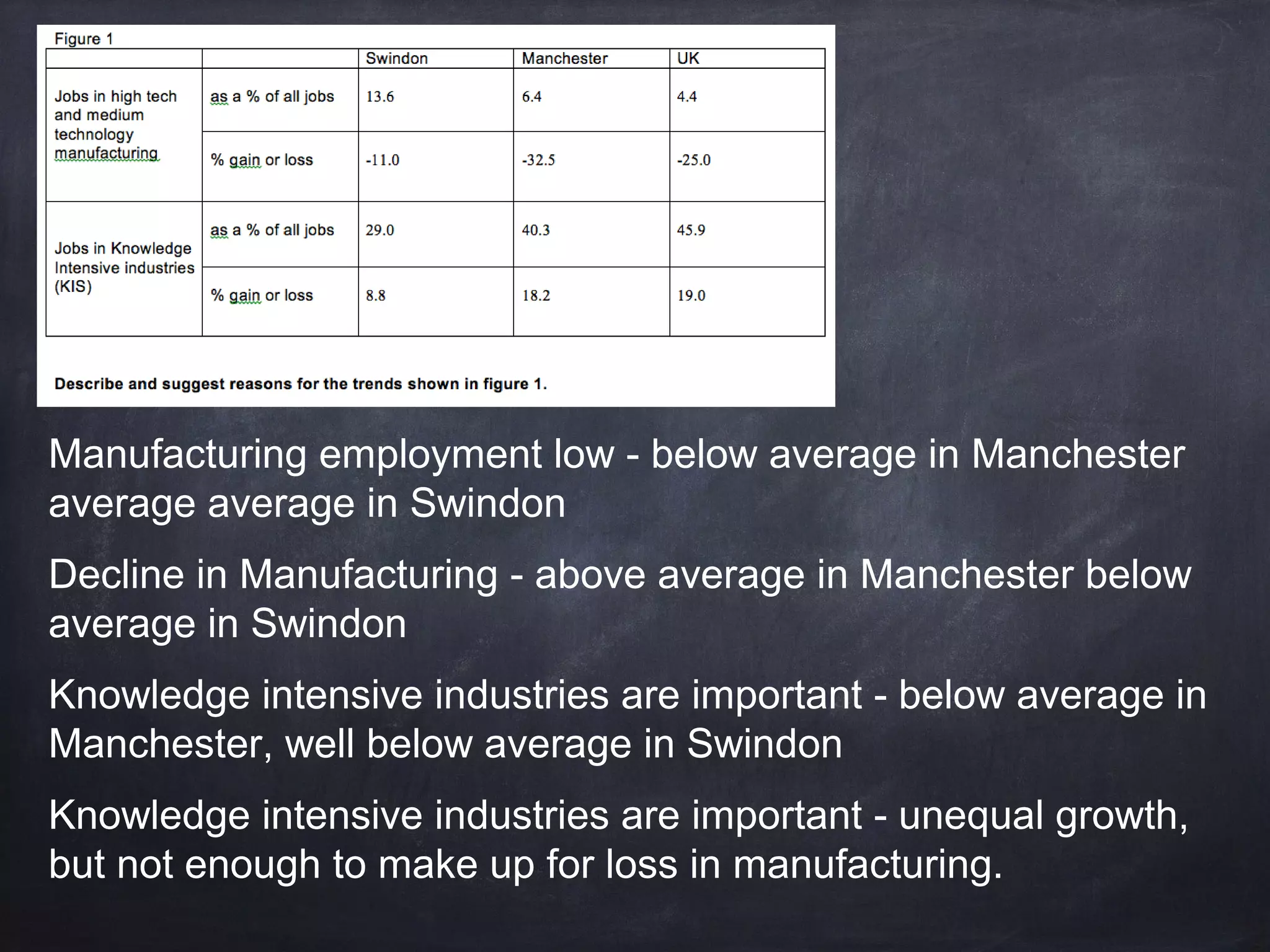
Manufacturing employment low - below average in Manchester
average average in Swindon
Decline in Manufacturing - above average in Manchester below
average in Swindon
Knowledge intensive industries are important - below average in
Manchester, well below average in Swindon
Knowledge intensive industries are important - unequal growth,
but not enough to make up for loss in manufacturing.
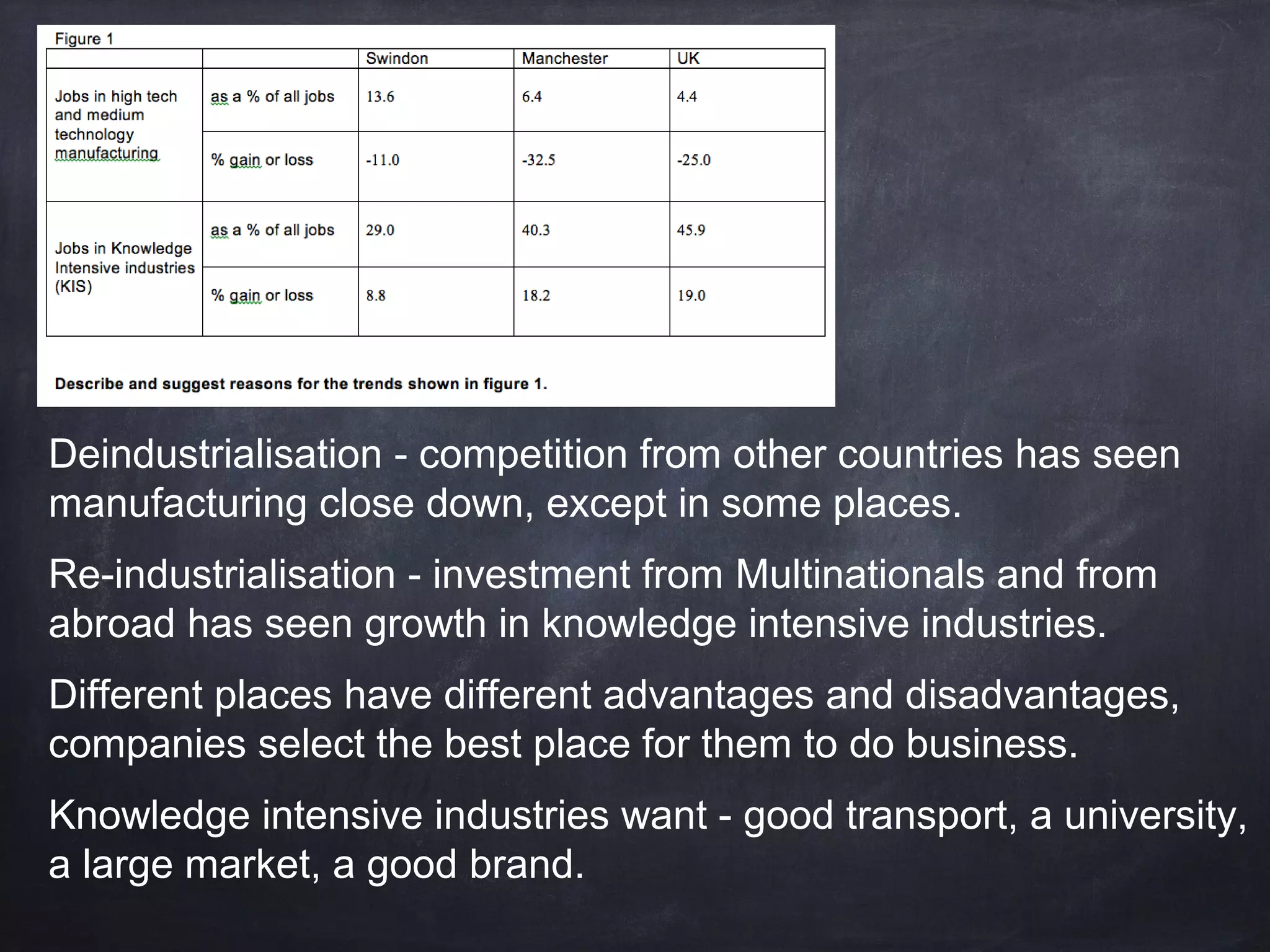
Deindustrialisation - competition from other countries has seen
manufacturing close down, except in some places.
Re-industrialisation - investment from Multinationals and from
abroad has seen growth in knowledge intensive industries.
Different places have different advantages and disadvantages,
companies select the best place for them to do business.
Knowledge intensive industries want - good transport, a university,
a large market, a good brand.

OS Mapping and Industrial Location

  • 1.
    Can you definethese and give an example? Industrialisation De-industrialisation Re-industrialisation
  • 2.
    Explaining changes inindustry and landscapes over time.
  • 3.
    Using map evidenceto identify features. Using map evidence to explain the location.
  • 4.
    What’s the fourfigure grid reference? 3978
  • 5.
    What’s the sixfigure grid reference? 396784
  • 6.
    Can you writea set of rules for using grid references? Walk before you can fly Along the corridor then up the stairs Give the numbers of the lines that first hit the box you’re working with. Divide the space between the lines into 10 - and estimate where the point comes between 0 and 10.
  • 8.
    Answer questions 1(a-h) on p118. Extension: Using map evidence identify the advantages of the Honda factory for people living in Swindon. Employment Income Improved infrastructure Positive multipliers More demand Attract more businesses Using map evidence identify the disadvantages of the Honda factory for people living in Swindon. Higher land and house prices Using up greenfield sites Pollution Impact on habitats Increased congestion on transport network
  • 9.
    Explain the buildingof the Honda factory might affect the people of Swindon. (5 marks) Advantages Point - It will bring more jobs and create more demand. Evidence - XXXXXX and XXXXXX Explain - The good transport links mean that … This could create positive multiplier effects because … Disadvantages Point Evidence Explain -
  • 10.
    Manufacturing employment low- below average in Manchester average average in Swindon Decline in Manufacturing - above average in Manchester below average in Swindon Knowledge intensive industries are important - below average in Manchester, well below average in Swindon Knowledge intensive industries are important - unequal growth, but not enough to make up for loss in manufacturing.
  • 11.
    Deindustrialisation - competitionfrom other countries has seen manufacturing close down, except in some places. Re-industrialisation - investment from Multinationals and from abroad has seen growth in knowledge intensive industries. Different places have different advantages and disadvantages, companies select the best place for them to do business. Knowledge intensive industries want - good transport, a university, a large market, a good brand.