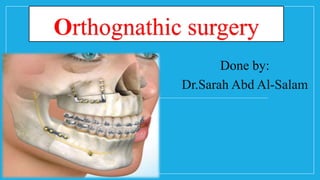
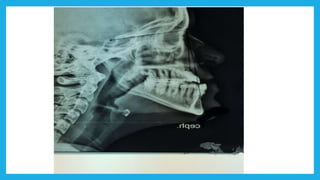
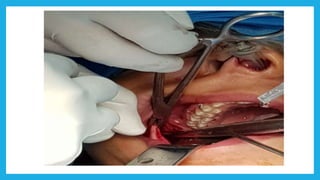
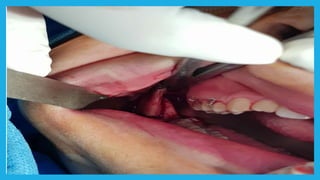
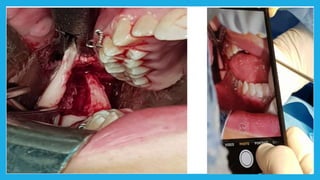
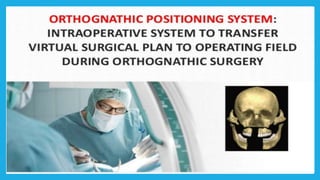


Orthognathic surgery
Done by:
Dr.Sarah Abd Al-Salam
contents
 Orthognathic surgery
 Indication and contra indication of the treatment
 Diagnosis and treatment planning
 Mandibular orthognathic procedures
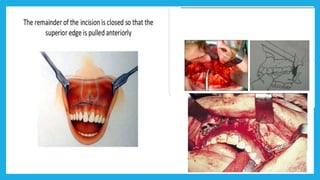
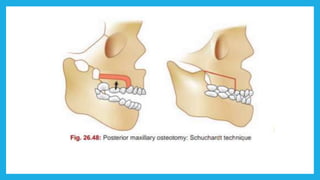
 Maxillary orthognathic surgery
 Sequence of the treatment
 Retention, relapse and stability of the treatment
 3D surgical development
 Complication
 Post operative care
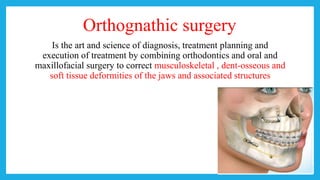
Orthognathic surgery
Is the art and science of diagnosis, treatment planning and
execution of treatment by combining orthodontics and oral and
maxillofacial surgery to correct musculoskeletal , dent-osseous and
soft tissue deformities of the jaws and associated structures
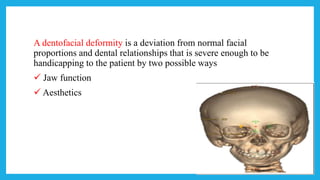
A dentofacial deformity is a deviation from normal facial
proportions and dental relationships that is severe enough to be
handicapping to the patient by two possible ways
 Jaw function
 Aesthetics
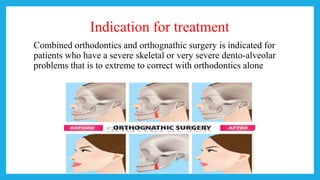
Indication for treatment
Combined orthodontics and orthognathic surgery is indicated for
patients who have a severe skeletal or very severe dento-alveolar
problems that is to extreme to correct with orthodontics alone
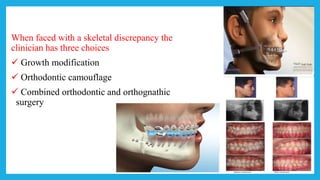
When faced with a skeletal discrepancy the
clinician has three choices
 Growth modification
 Orthodontic camouflage
 Combined orthodontic and orthognathic
surgery
Contraindication
 Patient with systemic disease or local factor that affect normal
wound healing
 Compromised vascularity of the surgical region
 Non complaint patient
 Patient with poor oral hygiene
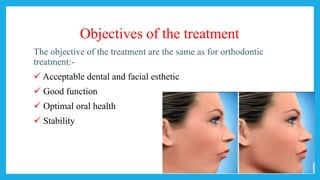
Objectives of the treatment
The objective of the treatment are the same as for orthodontic
treatment:-
 Acceptable dental and facial esthetic
 Good function
 Optimal oral health
 Stability
Diagnosis and treatment planning
Diagnosis and treatment planning for combined
orthodontic and orthognathic surgical patient
should follow the same sequence that used for
orthodontic treatment planning by taking
 Appropriate history
 Clinical examination
 Collection of appropriate diagnostic records
History
The purpose of the history is to determine :-
 Patient concerns
 Patient’s motivation, expectation and
psychological status
 Medical and dental history
Clinical examination
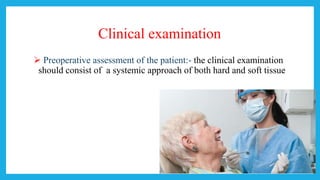
 Preoperative assessment of the patient:- the clinical examination
should consist of a systemic approach of both hard and soft tissue
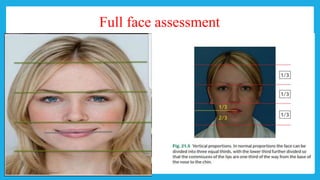
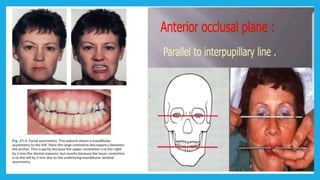
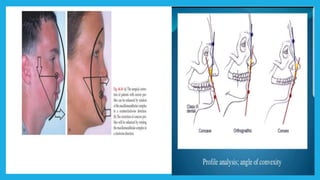
Full face assessment
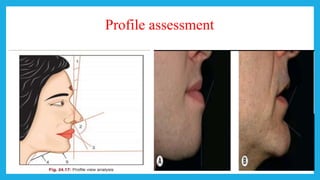
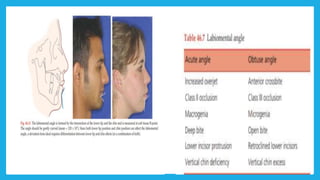
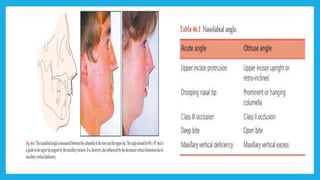
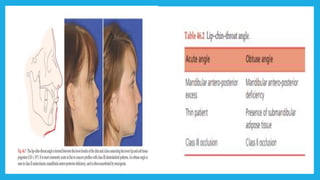
Profile assessment
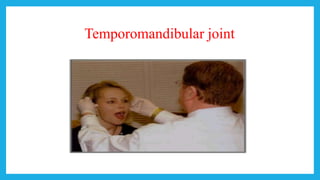
Temporomandibular joint
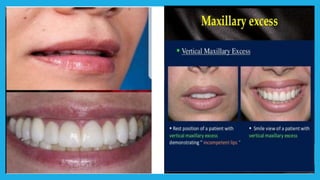
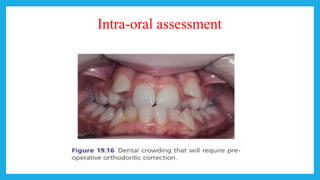
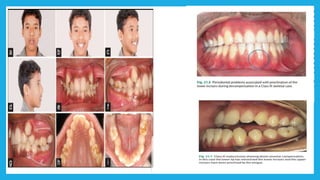
Intra-oral assessment
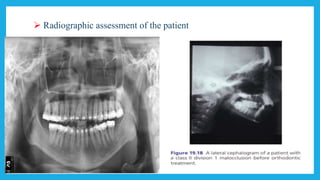
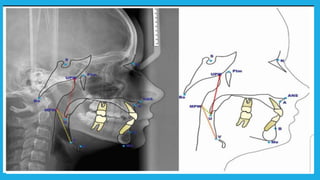
 Radiographic assessment of the patient
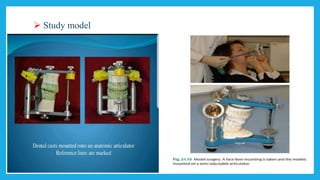
 Study model
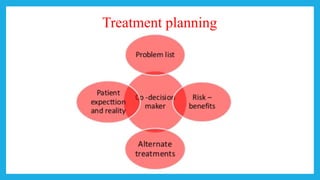
Treatment planning
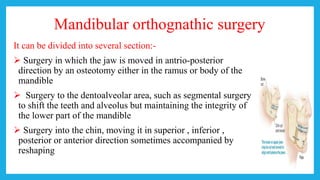
Mandibular orthognathic surgery
It can be divided into several section:-
 Surgery in which the jaw is moved in antrio-posterior
direction by an osteotomy either in the ramus or body of the
mandible
 Surgery to the dentoalveolar area, such as segmental surgery
to shift the teeth and alveolus but maintaining the integrity of
the lower part of the mandible
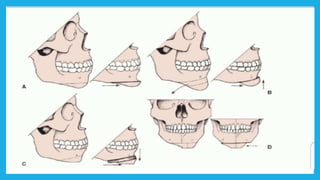
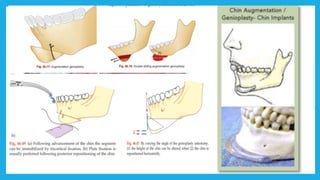
 Surgery into the chin, moving it in superior , inferior ,
posterior or anterior direction sometimes accompanied by
reshaping
Ramus procedures
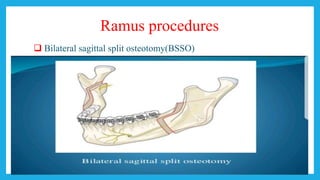
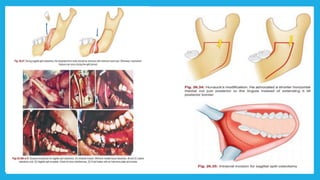
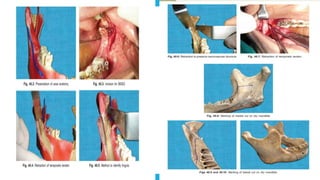
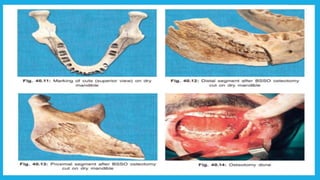
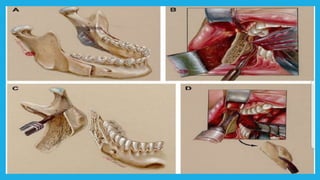
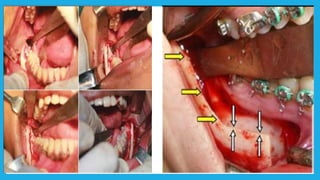
 Bilateral sagittal split osteotomy(BSSO)
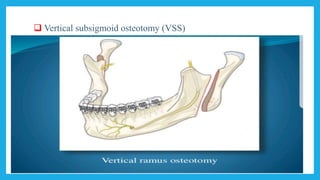
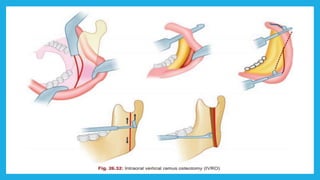
 Vertical subsigmoid osteotomy (VSS)
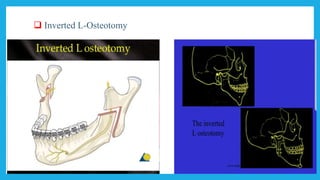
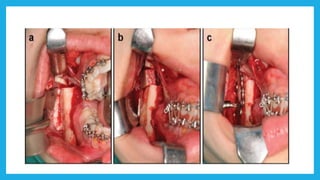
 Inverted L-Osteotomy
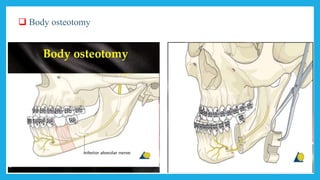
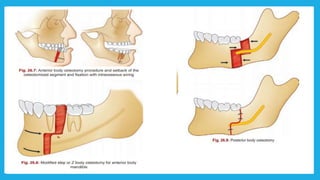
 Body osteotomy
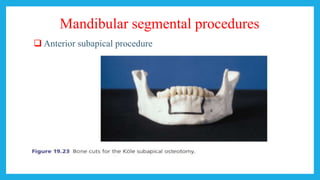
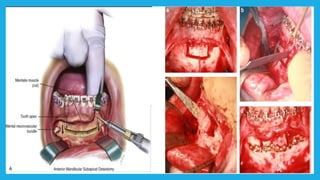
Mandibular segmental procedures
 Anterior subapical procedure
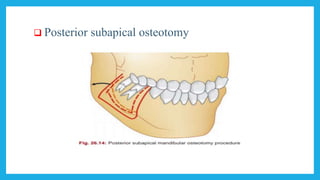
 Posterior subapical osteotomy
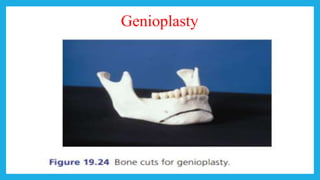
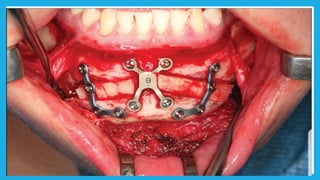
Genioplasty
Maxillary orthognathic surgery
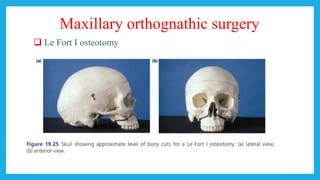
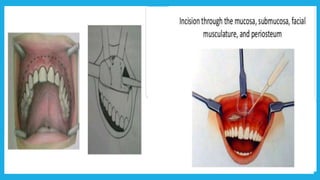
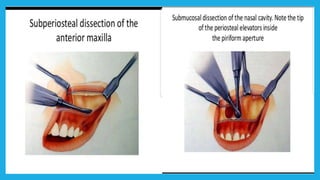
 Le Fort I osteotomy
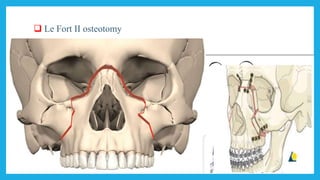
 Le Fort II osteotomy
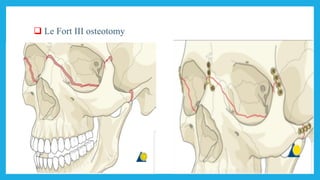
 Le Fort III osteotomy
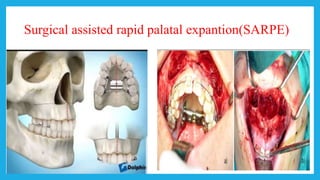
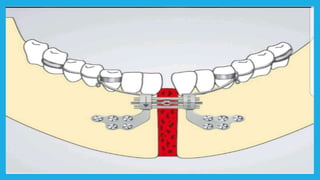
Surgical assisted rapid palatal expantion(SARPE)
Distraction osteogenesis
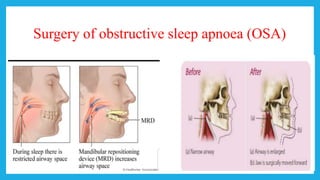
Surgery of obstructive sleep apnoea (OSA)
Sequence of the treatment
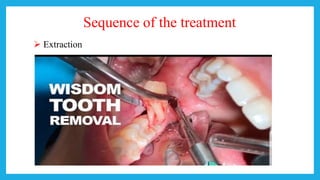
 Extraction
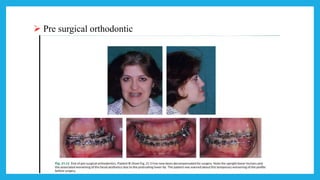
 Pre surgical orthodontic
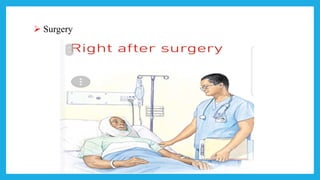
 Surgery
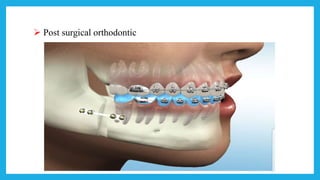
 Post surgical orthodontic
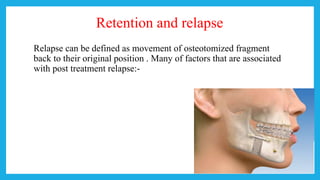
Retention and relapse
Relapse can be defined as movement of osteotomized fragment
back to their original position . Many of factors that are associated
with post treatment relapse:-
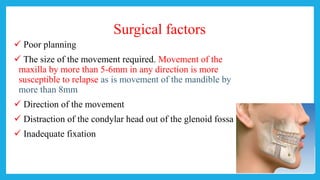
Surgical factors
 Poor planning
 The size of the movement required. Movement of the
maxilla by more than 5-6mm in any direction is more
susceptible to relapse as is movement of the mandible by
more than 8mm
 Direction of the movement
 Distraction of the condylar head out of the glenoid fossa
 Inadequate fixation
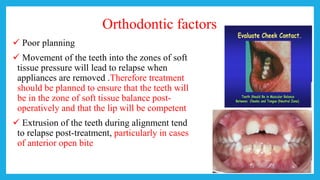
Orthodontic factors
 Poor planning
 Movement of the teeth into the zones of soft
tissue pressure will lead to relapse when
appliances are removed .Therefore treatment
should be planned to ensure that the teeth will
be in the zone of soft tissue balance post-
operatively and that the lip will be competent
 Extrusion of the teeth during alignment tend
to relapse post-treatment, particularly in cases
of anterior open bite
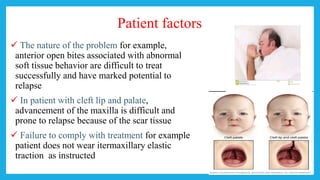
Patient factors
 The nature of the problem for example,
anterior open bites associated with abnormal
soft tissue behavior are difficult to treat
successfully and have marked potential to
relapse
 In patient with cleft lip and palate,
advancement of the maxilla is difficult and
prone to relapse because of the scar tissue
 Failure to comply with treatment for example
patient does not wear itermaxillary elastic
traction as instructed
Complication of orthognathic surgery
 Pain
 Swelling
 Bleeding
 Infection
 Numbness
 Limited mouth opening
 TMJ problem
Change in the facial appearance
 Dietary changes with weight loss
 Problems swallowing
Opthalmic complication
 Reduction in auditory capacity
Stability of orthognathic surgery
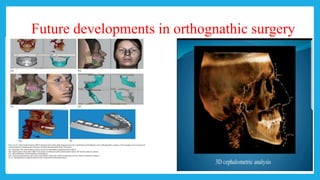
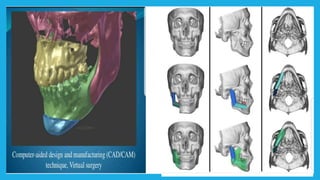
Future developments in orthognathic surgery
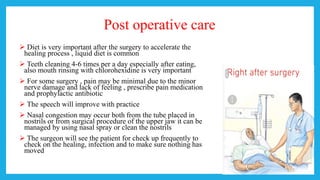
Post operative care
 Diet is very important after the surgery to accelerate the
healing process , liquid diet is common
 Teeth cleaning 4-6 times per a day especially after eating,
also mouth rinsing with chlorohexidine is very important
 For some surgery , pain may be minimal due to the minor
nerve damage and lack of feeling , prescribe pain medication
and prophylactic antibiotic
 The speech will improve with practice
 Nasal congestion may occur both from the tube placed in
nostrils or from surgical procedure of the upper jaw it can be
managed by using nasal spray or clean the nostrils
 The surgeon will see the patient for check up frequently to
check on the healing, infection and to make sure nothing has
moved
Thank you

Orthognathic surgery / Dr.Sarah alkhateeb

  • 1.
  • 2.
    contents  Orthognathic surgery Indication and contra indication of the treatment  Diagnosis and treatment planning  Mandibular orthognathic procedures  Maxillary orthognathic surgery  Sequence of the treatment  Retention, relapse and stability of the treatment  3D surgical development  Complication  Post operative care
  • 3.
    Orthognathic surgery Is theart and science of diagnosis, treatment planning and execution of treatment by combining orthodontics and oral and maxillofacial surgery to correct musculoskeletal , dent-osseous and soft tissue deformities of the jaws and associated structures
  • 4.
    A dentofacial deformityis a deviation from normal facial proportions and dental relationships that is severe enough to be handicapping to the patient by two possible ways  Jaw function  Aesthetics
  • 6.
    Indication for treatment Combinedorthodontics and orthognathic surgery is indicated for patients who have a severe skeletal or very severe dento-alveolar problems that is to extreme to correct with orthodontics alone
  • 7.
    When faced witha skeletal discrepancy the clinician has three choices  Growth modification  Orthodontic camouflage  Combined orthodontic and orthognathic surgery
  • 9.
    Contraindication  Patient withsystemic disease or local factor that affect normal wound healing  Compromised vascularity of the surgical region  Non complaint patient  Patient with poor oral hygiene
  • 10.
    Objectives of thetreatment The objective of the treatment are the same as for orthodontic treatment:-  Acceptable dental and facial esthetic  Good function  Optimal oral health  Stability
  • 11.
    Diagnosis and treatmentplanning Diagnosis and treatment planning for combined orthodontic and orthognathic surgical patient should follow the same sequence that used for orthodontic treatment planning by taking  Appropriate history  Clinical examination  Collection of appropriate diagnostic records
  • 12.
    History The purpose ofthe history is to determine :-  Patient concerns  Patient’s motivation, expectation and psychological status  Medical and dental history
  • 13.
    Clinical examination  Preoperativeassessment of the patient:- the clinical examination should consist of a systemic approach of both hard and soft tissue
  • 14.
  • 17.
  • 22.
  • 23.
  • 25.
  • 27.
  • 28.
  • 29.
    Mandibular orthognathic surgery Itcan be divided into several section:-  Surgery in which the jaw is moved in antrio-posterior direction by an osteotomy either in the ramus or body of the mandible  Surgery to the dentoalveolar area, such as segmental surgery to shift the teeth and alveolus but maintaining the integrity of the lower part of the mandible  Surgery into the chin, moving it in superior , inferior , posterior or anterior direction sometimes accompanied by reshaping
  • 30.
    Ramus procedures  Bilateralsagittal split osteotomy(BSSO)
  • 42.
     Vertical subsigmoidosteotomy (VSS)
  • 46.
  • 48.
  • 50.
    Mandibular segmental procedures Anterior subapical procedure
  • 52.
  • 54.
  • 59.
  • 65.
     Le FortII osteotomy
  • 66.
     Le FortIII osteotomy
  • 70.
    Surgical assisted rapidpalatal expantion(SARPE)
  • 71.
  • 73.
    Surgery of obstructivesleep apnoea (OSA)
  • 74.
    Sequence of thetreatment  Extraction
  • 75.
     Pre surgicalorthodontic
  • 76.
  • 77.
     Post surgicalorthodontic
  • 78.
    Retention and relapse Relapsecan be defined as movement of osteotomized fragment back to their original position . Many of factors that are associated with post treatment relapse:-
  • 79.
    Surgical factors  Poorplanning  The size of the movement required. Movement of the maxilla by more than 5-6mm in any direction is more susceptible to relapse as is movement of the mandible by more than 8mm  Direction of the movement  Distraction of the condylar head out of the glenoid fossa  Inadequate fixation
  • 80.
    Orthodontic factors  Poorplanning  Movement of the teeth into the zones of soft tissue pressure will lead to relapse when appliances are removed .Therefore treatment should be planned to ensure that the teeth will be in the zone of soft tissue balance post- operatively and that the lip will be competent  Extrusion of the teeth during alignment tend to relapse post-treatment, particularly in cases of anterior open bite
  • 81.
    Patient factors  Thenature of the problem for example, anterior open bites associated with abnormal soft tissue behavior are difficult to treat successfully and have marked potential to relapse  In patient with cleft lip and palate, advancement of the maxilla is difficult and prone to relapse because of the scar tissue  Failure to comply with treatment for example patient does not wear itermaxillary elastic traction as instructed
  • 82.
    Complication of orthognathicsurgery  Pain  Swelling  Bleeding  Infection  Numbness  Limited mouth opening  TMJ problem Change in the facial appearance  Dietary changes with weight loss  Problems swallowing Opthalmic complication  Reduction in auditory capacity
  • 83.
  • 84.
    Future developments inorthognathic surgery
  • 88.
    Post operative care Diet is very important after the surgery to accelerate the healing process , liquid diet is common  Teeth cleaning 4-6 times per a day especially after eating, also mouth rinsing with chlorohexidine is very important  For some surgery , pain may be minimal due to the minor nerve damage and lack of feeling , prescribe pain medication and prophylactic antibiotic  The speech will improve with practice  Nasal congestion may occur both from the tube placed in nostrils or from surgical procedure of the upper jaw it can be managed by using nasal spray or clean the nostrils  The surgeon will see the patient for check up frequently to check on the healing, infection and to make sure nothing has moved
  • 89.