Open up those laws
Taking Trump literally and seriously:
A brief history of libel in America
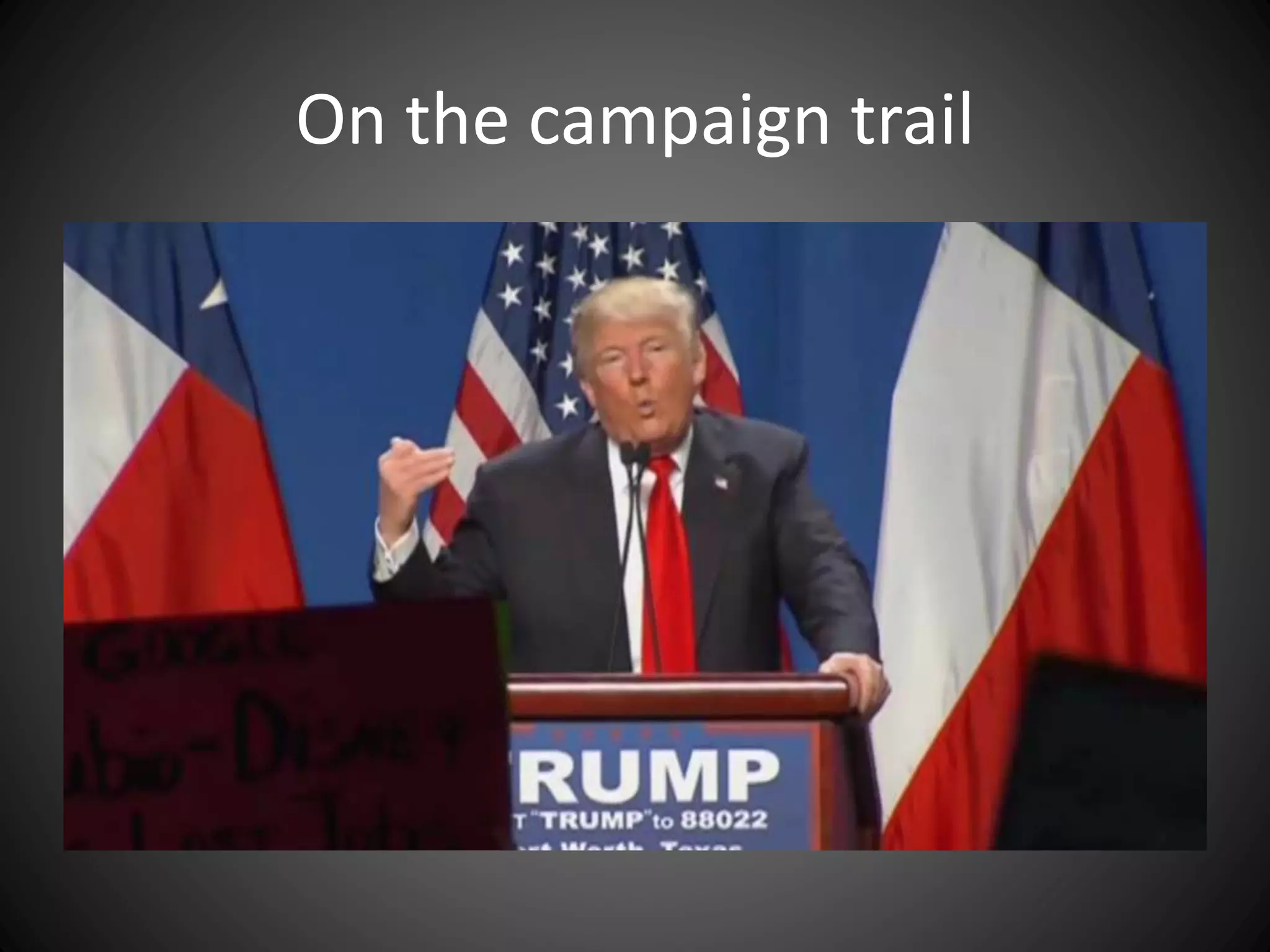
Threatening The Washington Post
“Now, libel suits are very hard and I may look
at that, frankly, if I get elected, because it’s very
unfair that somebody could write whatever they
want to write and get away with it. And I will be
bringing more libel suits — maybe against you
folks. I don’t want to threaten, but I find that
the press is unbelievably dishonest.”
On the campaign trail
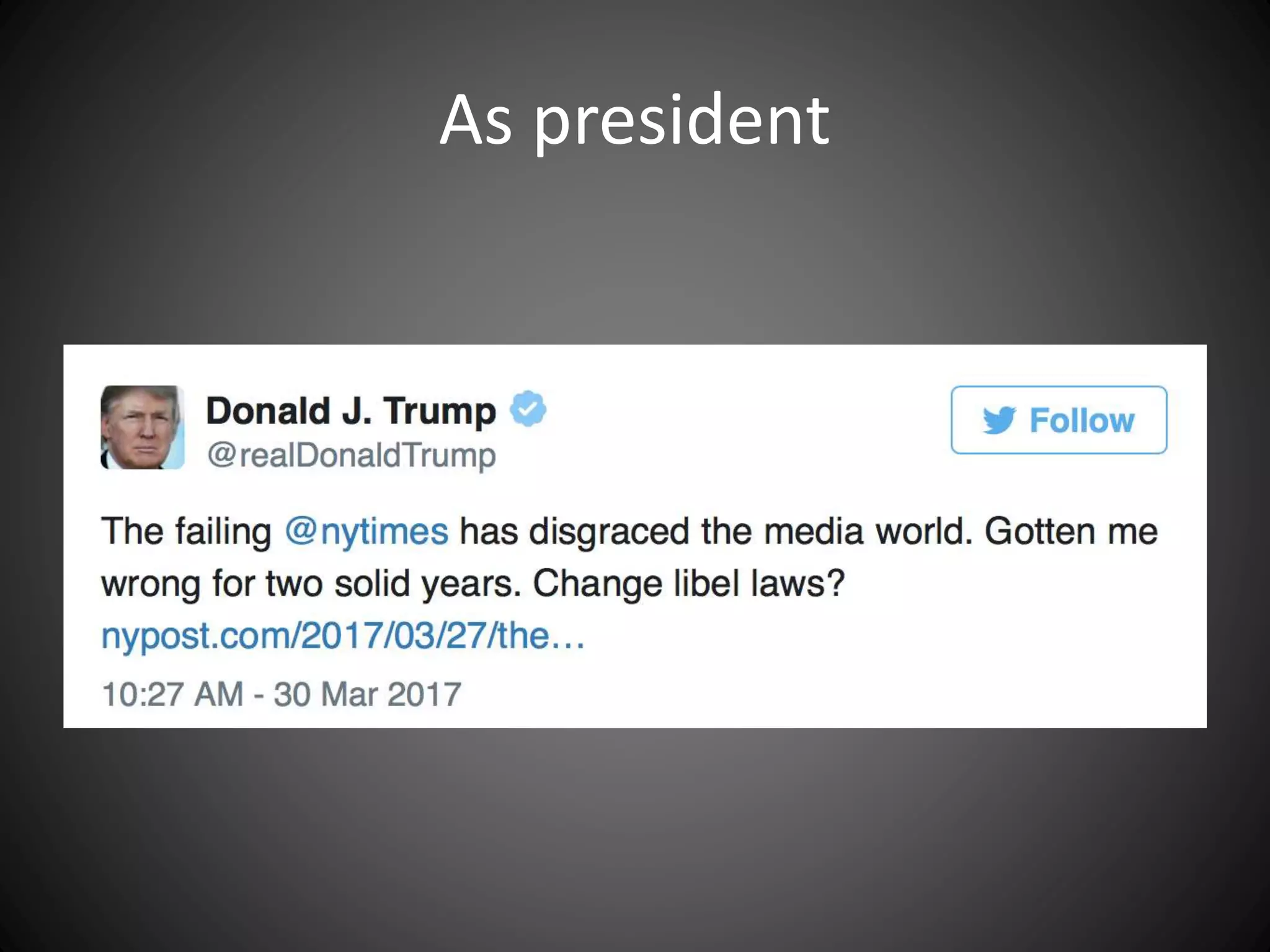
As president
Seditious libel
• Criticism of the government
Seditious libel
• Criticism of the government
• The greater the truth, the greater the libel
Seditious libel
• Criticism of the government
• The greater the truth, the greater the libel
• Essentially dead in the United States since
1735
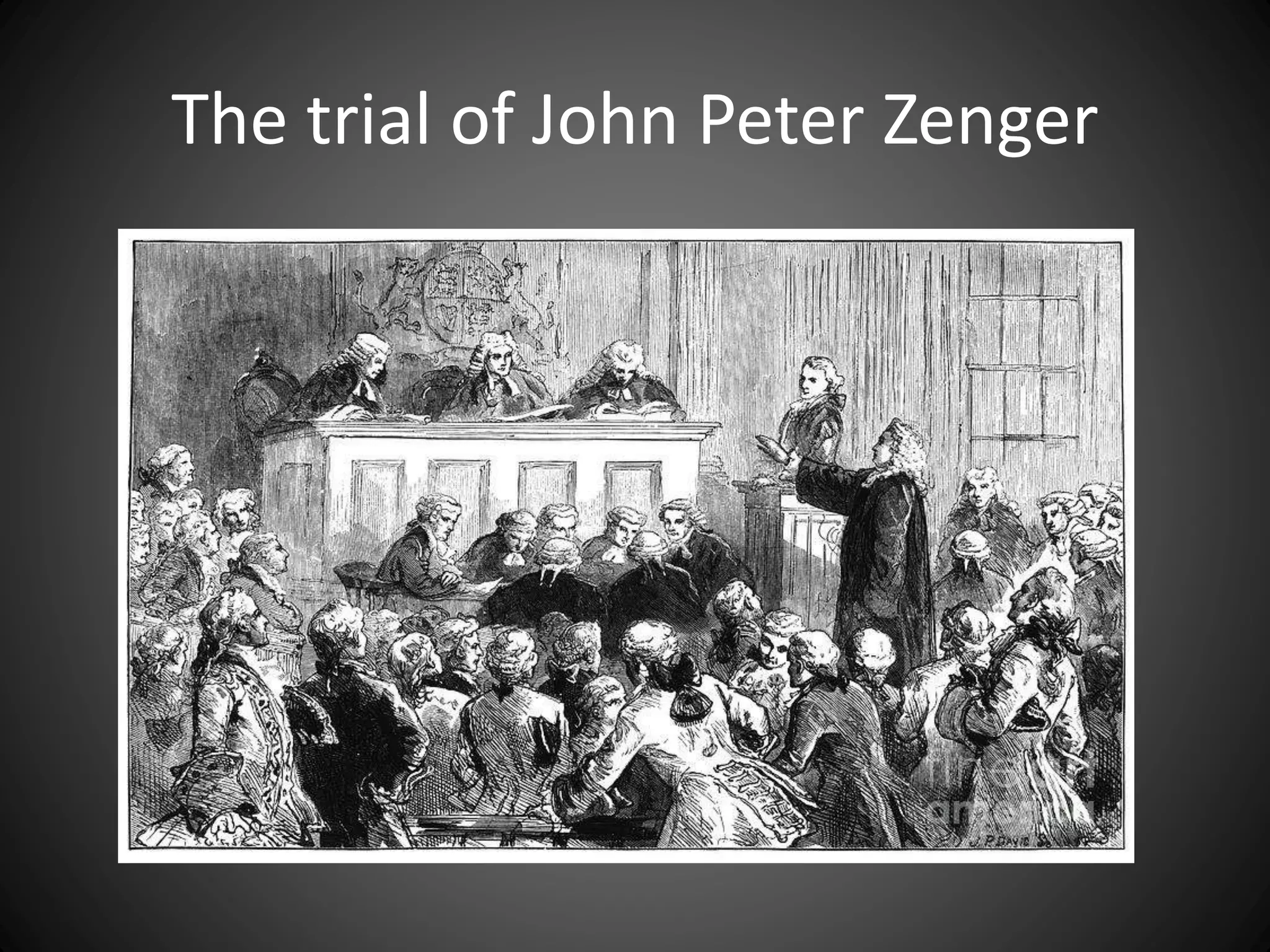
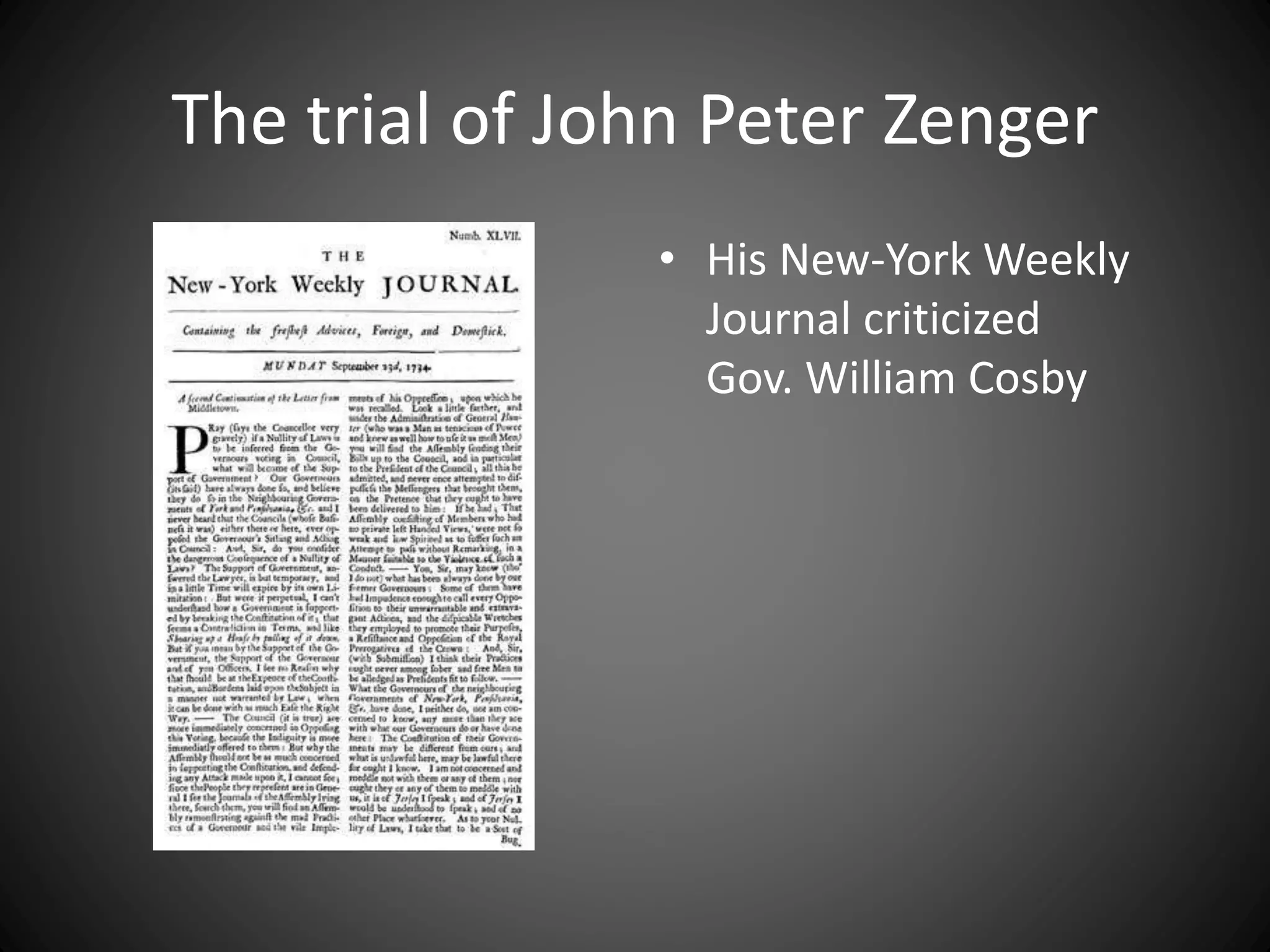
The trial of John Peter Zenger
• His New-York Weekly
Journal criticized
Gov. William Cosby
The trial of John Peter Zenger
• His New-York Weekly
Journal criticized
Gov. William Cosby
• Lawyer Andrew
Hamilton argued that
statements were true
The trial of John Peter Zenger
• His New-York Weekly
Journal criticized
Gov. William Cosby
• Lawyer Andrew
Hamilton argued that
statements were true
• Zenger was acquitted
in an act of jury
nullification
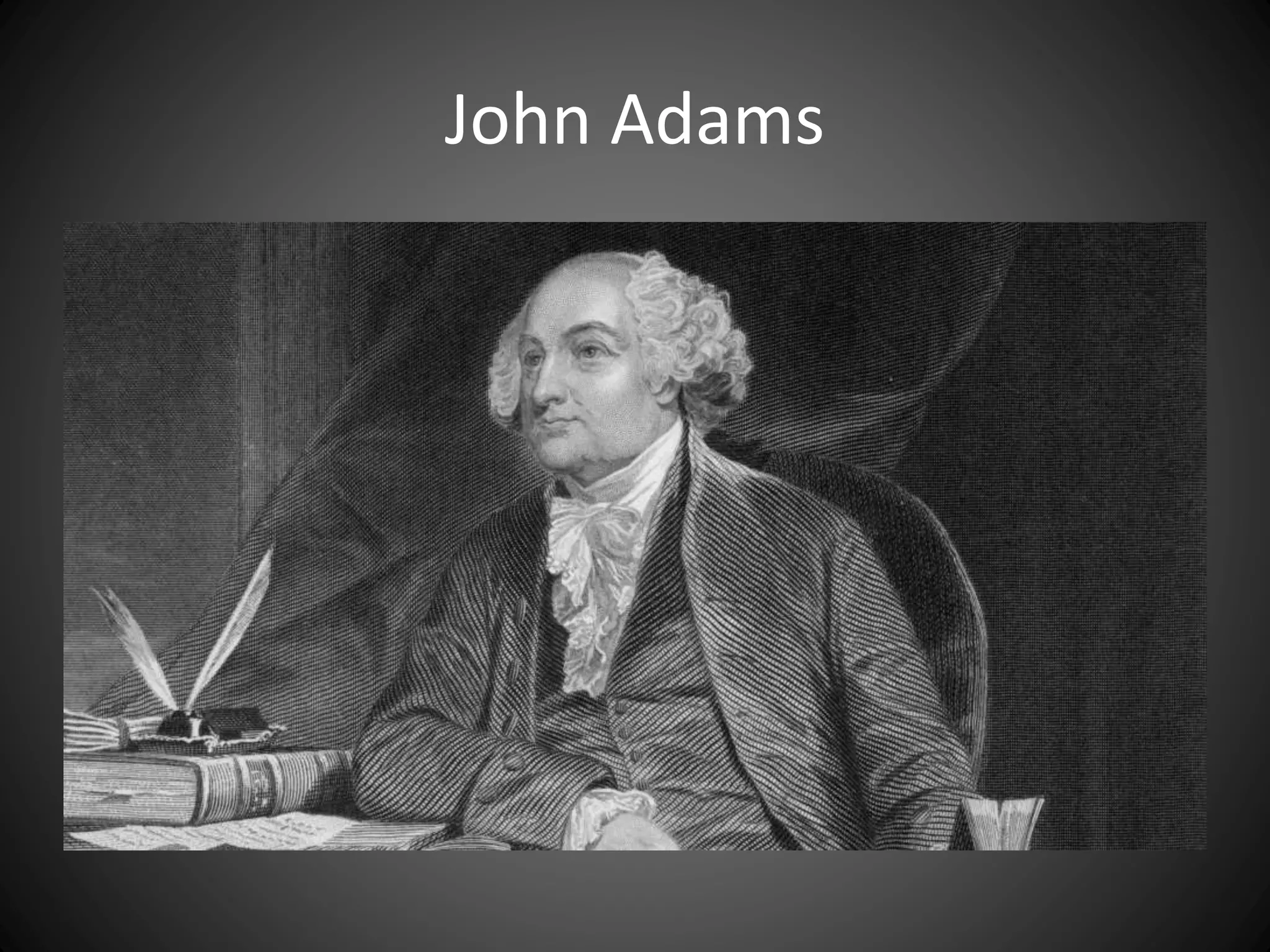
John Adams
Sedition Act of 1798
• Punished speech that was “false, scandalous
and malicious” about government officials
other than the vice president
Sedition Act of 1798
• Punished speech that was “false, scandalous
and malicious” about government officials
other than the vice president
• More than 20 Republican (Jeffersonian)
newspaper editors were arrested and some
were imprisoned
Sedition Act of 1798
• Punished speech that was “false, scandalous
and malicious” about government officials
other than the vice president
• More than 20 Republican (Jeffersonian)
newspaper editors were arrested and some
were imprisoned
• Jefferson was elected president in 1800, and
the victims of Adams’ repression were
released
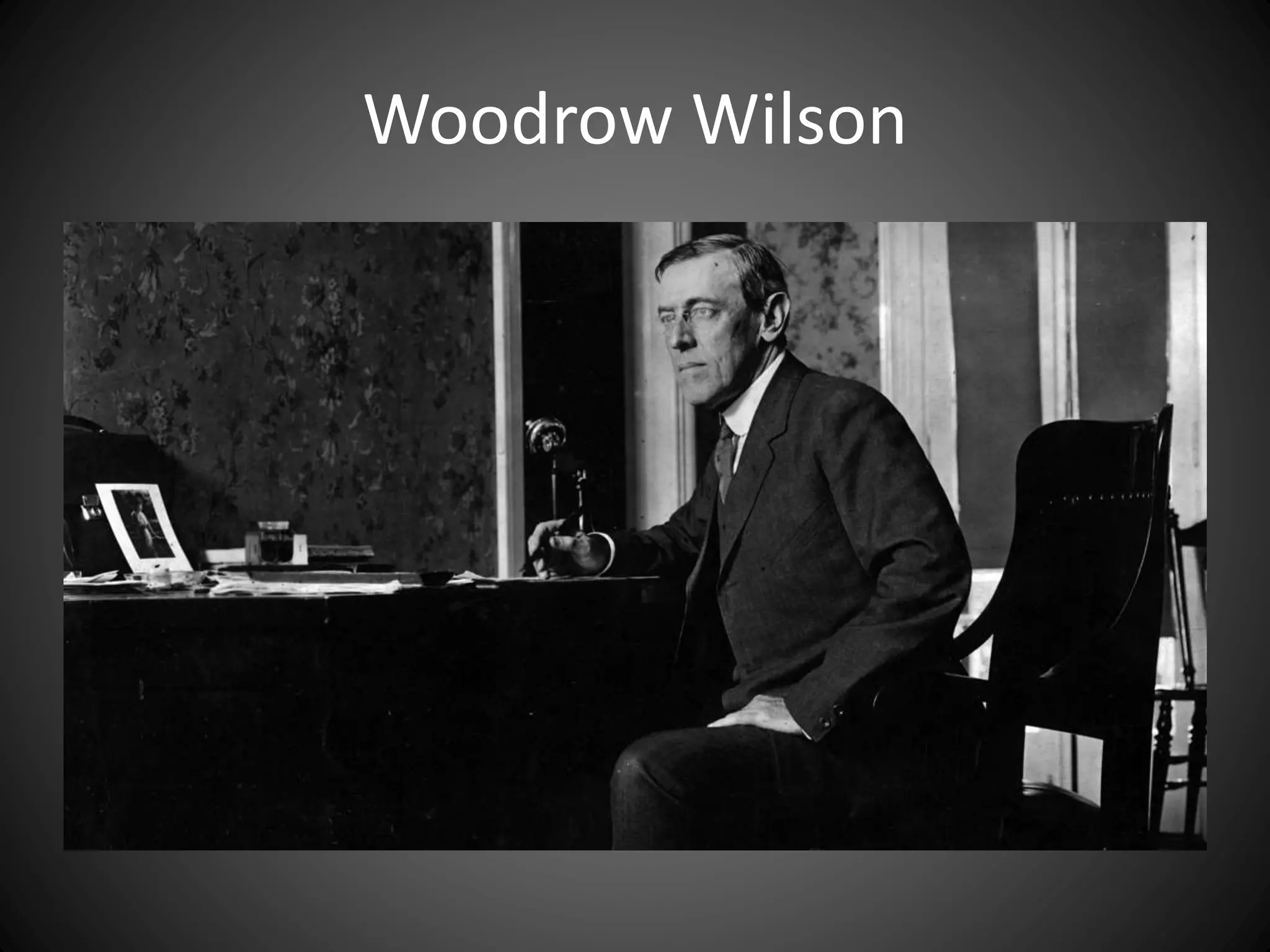
Woodrow Wilson
Espionage Act of 1918
• Not really a seditious libel statute, but rather
was aimed at stifling interference in the war
effort
Espionage Act of 1918
• Not really a seditious libel statute, but rather
was aimed at stifling interference in the war
effort
• Slowly paved the way for expanding freedom
of expression, led by Holmes and Brandeis
Espionage Act of 1918
• Not really a seditious libel statute, but rather
was aimed at stifling interference in the war
effort
• Slowly paved the way for expanding freedom
of expression, led by Holmes and Brandeis
• In the 1920s the 14th Amendment was for the
first time applied to the First Amendment
Defining libel in the modern era
• False
Defining libel in the modern era
• False
• Defamatory
Defining libel in the modern era
• False
• Defamatory
• Is that enough to ensure freedom of speech
and of the press? Or do we need something
else?
“Heed Their Rising Voices”
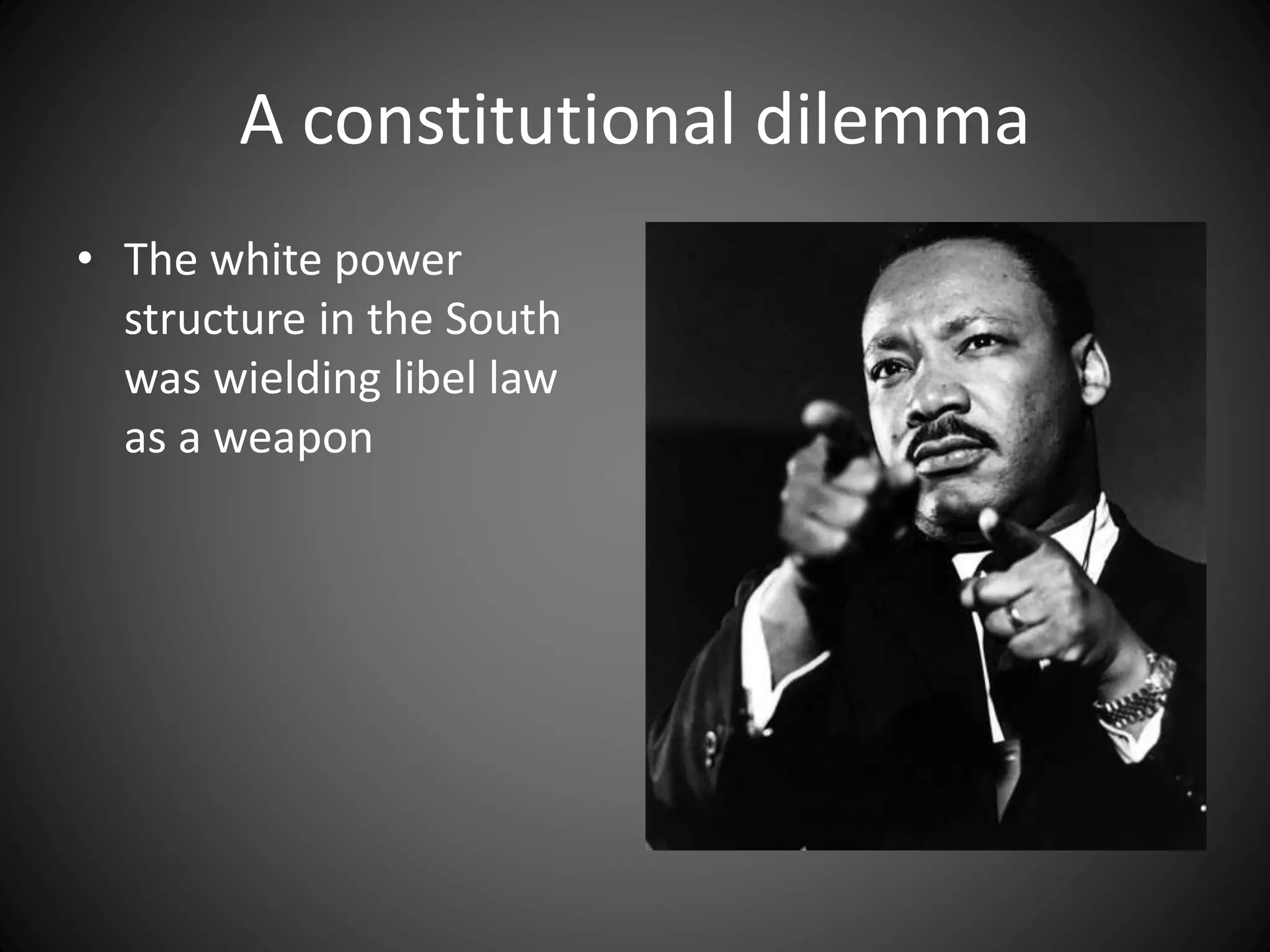
A constitutional dilemma
• The white power
structure in the South
was wielding libel law
as a weapon
A constitutional dilemma
• The white power
structure in the South
was wielding libel law
as a weapon
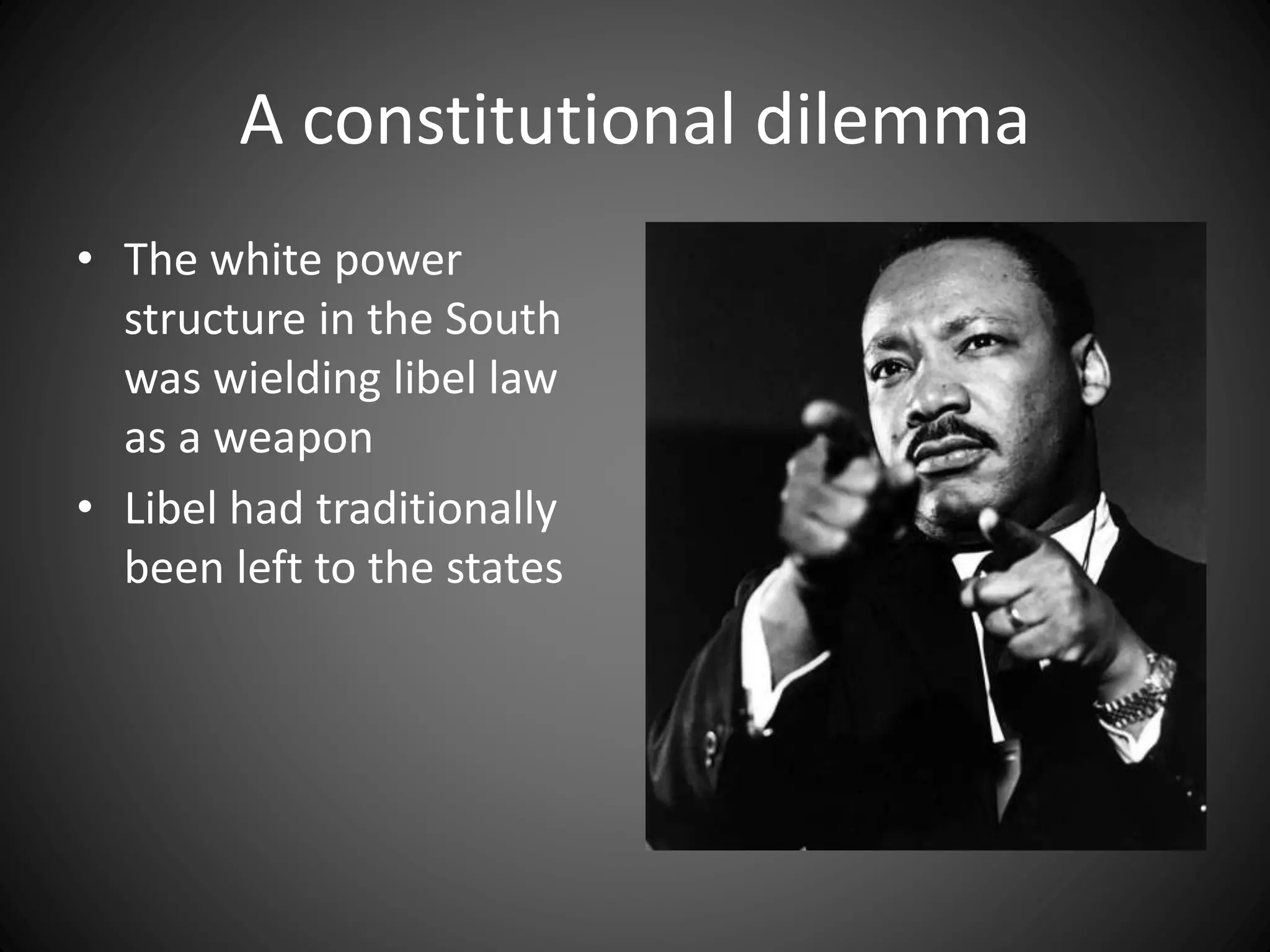
• Libel had traditionally
been left to the states
A constitutional dilemma
• The white power
structure in the South
was wielding libel law
as a weapon
• Libel had traditionally
been left to the states
• Was there a role for the
U.S. Supreme Court?
A constitutional dilemma
• The white power
structure in the South
was wielding libel law
as a weapon
• Libel had traditionally
been left to the states
• Was there a role for the
U.S. Supreme Court?
Times v. Sullivan (1964)
“[W]e consider this case against the background of
a profound national commitment to the principle
that debate on public issues should be uninhibited,
robust, and wide-open, and that it may well include
vehement, caustic, and sometimes unpleasantly
sharp attacks on government and public officials.”
— Justice William Brennan
Times v. Sullivan (1964)
“[E]rroneous statement is inevitable in free
debate, and … it must be protected if the
freedoms of expression are to have the
‘breathing space’ that they ‘need … to survive.’”
A third test for libel is added
• Public officials must show that the offending
statement was published with actual malice
– Knowingly false; or
– Reckless disregard for the truth
A third test for libel is added
• Public officials must show that the offending
statement was published with actual malice
– Knowingly false; or
– Reckless disregard for the truth
• That standard was later extended to public
figures as well
A third test for libel is added
• Public officials must show that the offending
statement was published with actual malice
– Knowingly false; or
– Reckless disregard for the truth
• That standard was later extended to public
figures as well
• Following several years of confusion, the court
arrived at a negligence standard for private
figures
Discussion questions
• Is it fair to require public officials (and public
figures) to meet such a high standard in order
to fight against false and defamatory
statements?
Discussion questions
• Does the actual malice test encourage the
media to act irresponsibly in the knowledge
that they’ll be held harmless if recklessness
can’t be proved?
Discussion questions
• Is President Trump’s promise to weaken libel
protections a threat to the First Amendment?
Or is he expressing a common-sense view?
Anthony Lewis
• His books “Make No
Law” and “Freedom for
the Thought That We
Hate” trace the
evolution of how we
understand the First
Amendment

Open Up Those Laws

  • 1.
    Open up thoselaws Taking Trump literally and seriously: A brief history of libel in America
  • 2.
    Threatening The WashingtonPost “Now, libel suits are very hard and I may look at that, frankly, if I get elected, because it’s very unfair that somebody could write whatever they want to write and get away with it. And I will be bringing more libel suits — maybe against you folks. I don’t want to threaten, but I find that the press is unbelievably dishonest.”
  • 3.
  • 4.
  • 5.
  • 6.
    Seditious libel • Criticismof the government • The greater the truth, the greater the libel
  • 7.
    Seditious libel • Criticismof the government • The greater the truth, the greater the libel • Essentially dead in the United States since 1735
  • 8.
    The trial ofJohn Peter Zenger
  • 9.
    The trial ofJohn Peter Zenger • His New-York Weekly Journal criticized Gov. William Cosby
  • 10.
    The trial ofJohn Peter Zenger • His New-York Weekly Journal criticized Gov. William Cosby • Lawyer Andrew Hamilton argued that statements were true
  • 11.
    The trial ofJohn Peter Zenger • His New-York Weekly Journal criticized Gov. William Cosby • Lawyer Andrew Hamilton argued that statements were true • Zenger was acquitted in an act of jury nullification
  • 12.
  • 13.
    Sedition Act of1798 • Punished speech that was “false, scandalous and malicious” about government officials other than the vice president
  • 14.
    Sedition Act of1798 • Punished speech that was “false, scandalous and malicious” about government officials other than the vice president • More than 20 Republican (Jeffersonian) newspaper editors were arrested and some were imprisoned
  • 15.
    Sedition Act of1798 • Punished speech that was “false, scandalous and malicious” about government officials other than the vice president • More than 20 Republican (Jeffersonian) newspaper editors were arrested and some were imprisoned • Jefferson was elected president in 1800, and the victims of Adams’ repression were released
  • 16.
  • 17.
    Espionage Act of1918 • Not really a seditious libel statute, but rather was aimed at stifling interference in the war effort
  • 18.
    Espionage Act of1918 • Not really a seditious libel statute, but rather was aimed at stifling interference in the war effort • Slowly paved the way for expanding freedom of expression, led by Holmes and Brandeis
  • 19.
    Espionage Act of1918 • Not really a seditious libel statute, but rather was aimed at stifling interference in the war effort • Slowly paved the way for expanding freedom of expression, led by Holmes and Brandeis • In the 1920s the 14th Amendment was for the first time applied to the First Amendment
  • 20.
    Defining libel inthe modern era • False
  • 21.
    Defining libel inthe modern era • False • Defamatory
  • 22.
    Defining libel inthe modern era • False • Defamatory • Is that enough to ensure freedom of speech and of the press? Or do we need something else?
  • 23.
  • 24.
    A constitutional dilemma •The white power structure in the South was wielding libel law as a weapon
  • 25.
    A constitutional dilemma •The white power structure in the South was wielding libel law as a weapon • Libel had traditionally been left to the states
  • 26.
    A constitutional dilemma •The white power structure in the South was wielding libel law as a weapon • Libel had traditionally been left to the states • Was there a role for the U.S. Supreme Court?
  • 27.
    A constitutional dilemma •The white power structure in the South was wielding libel law as a weapon • Libel had traditionally been left to the states • Was there a role for the U.S. Supreme Court?
  • 28.
    Times v. Sullivan(1964) “[W]e consider this case against the background of a profound national commitment to the principle that debate on public issues should be uninhibited, robust, and wide-open, and that it may well include vehement, caustic, and sometimes unpleasantly sharp attacks on government and public officials.” — Justice William Brennan
  • 29.
    Times v. Sullivan(1964) “[E]rroneous statement is inevitable in free debate, and … it must be protected if the freedoms of expression are to have the ‘breathing space’ that they ‘need … to survive.’”
  • 30.
    A third testfor libel is added • Public officials must show that the offending statement was published with actual malice – Knowingly false; or – Reckless disregard for the truth
  • 31.
    A third testfor libel is added • Public officials must show that the offending statement was published with actual malice – Knowingly false; or – Reckless disregard for the truth • That standard was later extended to public figures as well
  • 32.
    A third testfor libel is added • Public officials must show that the offending statement was published with actual malice – Knowingly false; or – Reckless disregard for the truth • That standard was later extended to public figures as well • Following several years of confusion, the court arrived at a negligence standard for private figures
  • 33.
    Discussion questions • Isit fair to require public officials (and public figures) to meet such a high standard in order to fight against false and defamatory statements?
  • 34.
    Discussion questions • Doesthe actual malice test encourage the media to act irresponsibly in the knowledge that they’ll be held harmless if recklessness can’t be proved?
  • 35.
    Discussion questions • IsPresident Trump’s promise to weaken libel protections a threat to the First Amendment? Or is he expressing a common-sense view?
  • 36.
    Anthony Lewis • Hisbooks “Make No Law” and “Freedom for the Thought That We Hate” trace the evolution of how we understand the First Amendment