OCCUPATIONAL LUNG
DISEASE
PRESENTED BY: DR BARNALI MONDOL
PGJR-1,RESPIRATORY MEDICINE
MODERATOR:DR.R .G .NAUTIYAL (HOD AND PROFESSOR)
DR.RAVI KUMAR SHARMA (ASSISTANT PROFESSOR)
CONTENT
• INTRODUCTION
• TYPE
• MANAGEMENT
• PREVENTION
DEFINITION
• Occupational lung disease defined as a diseases of lung arising out of or in course of employment.
Or,
• Damage to the lungs caused by dusts or fumes or noxious substances inhaled by the workers in
certain specific occupations is known as "occupational lung diseases".
• Ramazzini, the father of occupational medicine who first described breathlesness among
handlers of grains in 1713.
PNEUMOCONIOSIS
INTRODUCTION
• The term 'pneumoconiosis' was coined by ZENKER to define a group of lung
diseases caused by inhalation of dust that are breathed in and then deposited deep
in lungs causing damage.
• The most common pneumoconiosis are coal-workers' pneumoconiosis, silicosis
and asbestosis but many other types have been described, usually due to inhalation
of mixed dusts containing silicates.
PATHOGENESIS
ASBESTOS-RELATED
DISEASES
INTRODUCTION
• Asbestos is a generic term for several different mineral silicates, including chrysolite (most widly
used), amosite, anthophyllite, and crocidolite.
• Occupational source: mining, milling, and manufacturing, shipbuilding and construction
trades including pipe fitters.
• The major health effects from exposure to asbestos are – 1.Pleural and pulmonary fibrosis,
2.Cancers of the respiratory tract and
3. Pleural and peritoneal mesothelioma
INVESTIGATION
• CHEST XRAY
• PULMONARY FUNCTION TEST
• HIGH RESOLUTION CT SCAN
CHEST XRAY
FINDINGS
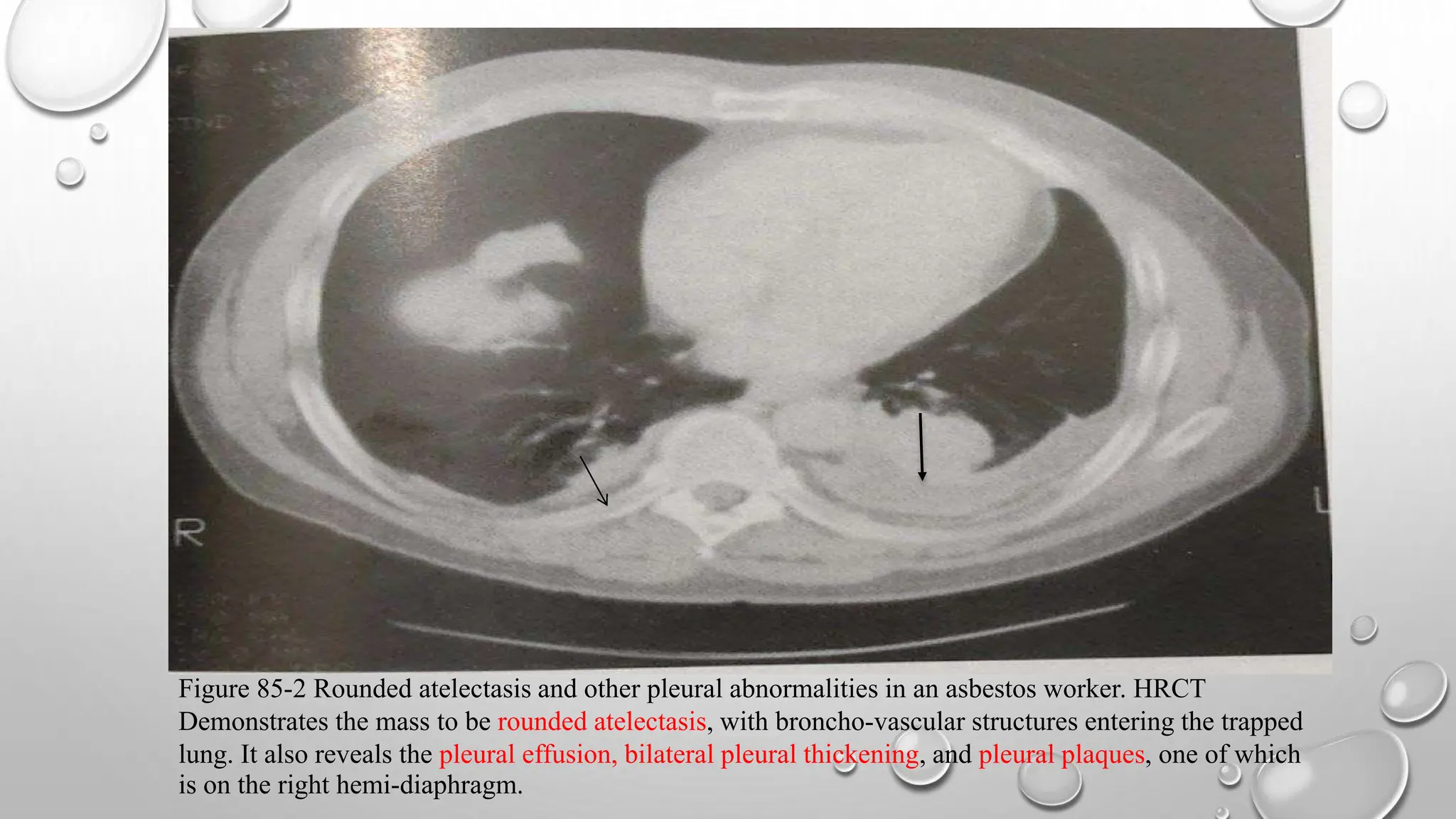
Figure 85-2 Rounded atelectasis and other pleural abnormalities in an asbestos worker. HRCT
Demonstrates the mass to be rounded atelectasis, with broncho-vascular structures entering the trapped
lung. It also reveals the pleural effusion, bilateral pleural thickening, and pleural plaques, one of which
is on the right hemi-diaphragm.
• LUNG FUNCTION- The functional abnormalities associated with
asbestosis are -1.progressive reduction in carbon monoxide diffusing capacity,
2.Reduction in vital capacity and total lung capacity, with normal residual volume.
3.Compliance is decreased and Increased Lung recoiling pressure.
ASBESTOSIS
MALIGNANCY
1.Malignant mesothelioma
2. Bronchogenic carcinoma
PLEURAL
1.Plaque
2.Effusion
3.Thickening
4.Calcification
PARENCHYMAL DISEASES
1.Asbestosis [parenchymal fibrosis
caused by asbestos inhalation]
2.Rounded atelectasis
3.Benign fibrotic masses
4.Transpulmonary bands
BENIGN
MESOTHELIOMA
• • Both pleural and peritoneal, are also associated with asbestos exposure.
• In contrast to lung cancers, these tumors do not appear to be associated with
smoking. Relatively short term asbestos exposures of ≤1-2 years, occurring up to
40 years in the past, have been associated with the development of mesotheliomas
• >80% of mesotheliomas are associated with asbestos exposure,
MANAGEMENT
• No specific therapy is available for asbestosis, supportive care is the same as that
given to any patient with diffuse interstitial fibrosis of any cause.
• Management of respective lung cancer accordingly.
SILICOSIS
DEFINITION
• Silicosis is a fibrosing disease of the lungs caused by the inhalation, retention,
and pulmonary reaction to crystalline silica.
CAUSATIVE AGENTS
CLASSIFICATION
• ACUTE- which develops over months in response to exceedingly heavy exposures as in
sandblasting or dry drilling. It is characterized by appearances suggestive of pulmonary
edema. Acute enlargement of the hilar nodes may occur with heavy exposure to quartz
in individuals without prior exposure.
• ACCELERATED- associated with heavy exposures over a relatively short period of a
few years, presents radiologically as progressive irregular upper zone fibrosis,
sometimes with relatively sparse and indistinct nodularity.
CHRONIC SILICOSIS
• Commonest form
• Occurs after many decades of exposure to relatively low levels of silica.
• Characterized by gradually progressive dyspnea, dry cough & evidence of
progressive fibrosis of both lungs on chest X-Ray
ACUTE SILICOSIS
• The clinical and pathologic features of acute silicosis are similar to those of pulmonary
alveolar proteinosis.
• The chest radiograph may show profuse miliary infiltration or consolidation, and there
is a characteristic HRCT pattern known as "crazy paving"
• The disease may be quite severe and progressive despite the discontinuation of exposure.
Whole-lung lavage may provide symptomatic relief and slow the progression.
CHRONIC SILICOSIS
• CHRONIC SIMPLE: With long-term, less intense exposure, small rounded opacities in the upper
lobes may appear on the chest radiograph after 15-20 years of exposure, usually without associated
impairment of lung function (simple silicosis)
• Calcification of hilar nodes may occur in as many as 20% of cases and produces a characteristic
"eggshell" pattern. Silicotic nodules may be identified more readily by HRCT
SIGN AND SYMPTOMS OF SILICOSIS
• 1)Dyspnea (shortness of breath)
• 2) fatigue
• 3)tachepnea (rapid breathing)
• 4) loss of appetite
• 5) weight loss
• 6) chest pain
• 7) fever
• 8) gradual darkening of skin (blue skin)
• 9) cyanosis
PATHOLOGY
• Silicosis is characterized by granulomatous and fibrotic lesions, occurring due to accumulation of
respirable silica mineral particles. Crystalline silica dust → fluid accumulation and scar tissue in
the lungs → reduces the ability to breathe. When small silica particles are inhaled, they can
embed themselves deeply into the tiny alveolar sacs and ducts in the lungs when oxygen and
carbon dioxide are exchanged.
CHEST X RAY:
COMPLICATION
SILICOTUBERCULOSIS
• ➤ Patient with silicosis are 3 fold increase risk for TB infection
• ➤ silica particles are phagocytosed by alveolar macrophages leading to death of these
macrophages, inhibiting their ability to kill mycobacteria. Prior to their death macrophages
become activated and secrete IL & TNF-a. These cytokines are responsible for fibroblast
activation & fibrosis. TNF-a also stimulates neutrophils to release oxidants which produce local
damage. Both humoral & CMI response are inhibited in silicosis.
• ➤ Another hypothesis - Since mycobacteria are dependent on iron for growth, they use iron
stored by the silica particles, even dormant TB bacilli may be activated.
• ➤ Even workers with prolonged silica exposure, but without silicosis, are at similar risk
OTHER PULMONARY COMPLICATIONS :
• Chronic bronchitis & airflow limitation, fungal lung infections, compensatory emphysema &
pneumothorax.
• There are some data revealing association between silicosis & autoimmune diseases (Nephritis,
Scleroderma & SLE) especially in acute or accelerated silicosis.
• Esophageal compression
• Atelectasis
• PAH
• Chronic respiratory failure
• Recurrent chest infection
• Lung abscess
• Hydro pneumothorax
• Chronic cor pulmonale
• Lung cancer
PREVENTION
• 1. Cough suppressants (some cough preparations are suggested at the initial stage of silicosis.
• 2. Stopping further exposure to airborne silica, silica dust and other lung irritants, including tobacco smoking.
• 3. Antibiotics for bacterial lung infection.
• 4. Tuberculosis (TB) prophylaxis for those with positive tuberculin test.
• 5. Prolonged anti-tuberculosis (multi drug regimen) for those with active TB.
• 6. Chest physiotherapy to help the bronchial drainage of mucus.
• 7. Oxygen administration to treat hypoxemia, if present.
• 8. Bronchodilators to facilitate breathing.
TREATEMENT
• 1)The treatment of silicosis by aluminum powder.
• 2) TETRANDRINE can also use in the treatment of silicosis to control and delay the progession
of fibrosis.
• 3) Corticosteroid therapy in the treatment of acute silicosis.
• 4) lung transplantation or surgery for treatment of silicosis.
COAL WORKERS PNEUMOCONIOSIS
• Coal miners are exposed to dust that contains mixture of coal, mica and silica in varying
proportions.
• Coal-workers' pneumoconiosis is virtually confined to underground coal-miners, it may occur in
any place where a worker is exposed to high levels of coal dust in poorly ventilated conditions.
Thus it has been described in coal trimmers, loading coal in the holds of ships, and in men and
women sorting coal on surface screens.
• The coal macule is the primary lesion of simple CWP- macule consists of a focal collection of
coal dust in pigment-laden macrophages around the respiratory bronchioles and tapering off
toward the alveolar duct.
• Centri-acinar emphysema part of the simple lesion of cwp - enlargement of the airspaces
immediately adjacent to the dust macule. Severity of the emphysema increases with increasing
lung dust retention.
• Essential mechanism of simple pneumoconiosis is likely to be dust mediated damage to
macrophages, release of cytokines accompanied by recruitment of polymorphonuclear cells,
resulting in activation of fibroblasts and also local initiation of emphysema by elastolysis
• Muscular thickening of pulmonary arteries in conjunction with hypertrophy of the right ventricle
can be observed with both simple and complicated CWP.
• Pathological changes in the airways consistent with chronic bronchitis, including enlargement of
mucous gland
• With increasing dust exposure, due to the normal clearance mechanisms being overwhelmed, the
lung lesions increase in size and number. These larger fibrotic lesions are called coal nodules.
• Progressive enlargement and aggregation of quartz-induced lesions leads diffuse fibrosing and
necrotic process with marked vasculitis.
• With considerable accumulation of dust -- local impairment of clearance, lymphatic blockage,
lymph node destruction occurs.
• Severe destruction of hilar nodes is almost universal in miners with PMF and progressive
silicosis.
• Blockage of this escape route for the dust is relevant to its accumulation in the lung and
provocation of a chronic progressive inflammatory reaction there.
CLINICAL FEATURES
• Chronic cough and sputum production
• In advanced pneumoconiosis, dyspnea, cough, and sputum production are frequent. Edema of the
lower extremities, and findings consistent with corpulmonale may occur.
• Melanoptysis (expectoration of black sputum) occasionally results from excavation of a PMF
(progressive massive fibrosis) lesion.
• Atypical cases included crackles, finger clubbing, restrictive impairment, diffusion block, and neutrophilic
broncho-alveolar lavage (BAL)
• CWP has not been associated with increased risk for development of coexisting mycobacterial infection,
SIMPLE CWP :
• With prolonged exposure to coal dust for 15 to 20 years, small rounded opacities develop usually not associated
with pulmonary impairment.
• Asymptomatic & is often a radiographic diagnosis
• When exposure is terminated the simple type will not progress
• Complicated CWP
• Appearance of nodules > 1cm in diameter on chest radiography usually
• confined to upper half of the lungs.
• progresses to PMF, that is accompanied by severe lung deficits causing chronic bronchitis and COPD.
• Earliest sign of CWP is nodular shadowing on the chest radiograph.
• These appearances are classified according to ILO standard
• They are usually more profuse in the upper and middle zones
• The early nodular lesions are frequently accompanied by kerley B lines.
• This condition presents as a larger shadow, equal to or greater than 1cm in maximum diameter,
often initially in the right upper zone. The lesion gradually grows, becomes more radiodense and
causes distortion of adjacent lung and bronchi often with bullous emphysema.
• Ultimately it is completely replaced by PMF and emphysema, with resultant cor pulmonale
• HRCT may reveal parenchymal nodules and emphysema when standard radiographs are normal.
In atypical cases, CT scans may show ground-glass
• Opacities and honeycombing, at times without nodular findings typical of CWP.
CAPLAN'S SYNDROME
• A few miners, especially those with rheumatoid arthritis or with rheumatoid factor in their blood,
develop well defined rounded lesions that grow to about 2-3cm in diameter or rarely somewhat larger
• They are usually multiple and have a marked tendency to cavitate.
• They often occur on a background of no simple pneumoconiosis andin miners with a relatively low
dust exposure.
• They are called Caplan's lesions and their combination with rheumatoid disease
• They do not have an ominous prognosis and cause no significant functional impairment, being
unassociated with emphysema.
CHRONIC BERYLLIUM DISEASE
• Beryllium is extracted from Beryllium are (beryl or beryllium aluminium silicate) by heating and
treatment with sulphuric acid or fluoride and is used as an alloy in the manufacture of
components in X-ray equipment, atomic reactors, the aerospace industry, armaments and heat-
resistant ceramics
• Exposure to high concentrations of beryllium fume may cause an acute toxic pneumonitis with
edema of mucous membranes from pharynx to small airways together with pulmonary edema.
The radiograph shows evidence of the pulmonary edema and the clinical signs are tachypnoea
cyanosis and diffuse inspiratory crackles.
• Chronic Berylliosis was first described in 1946. It is different from other mineral pneumoconiosis
in that it is a systemic hypersensitivity disease, with principal effects on the lung and skin.
• Unless one inquires specifically about occupational exposures to beryllium in the manufacture of
alloys, ceramics or high- technology electronics in a patient with sarcoidosis, one may miss
entirely the etiology
INVESTIGATION
• The radiographic changes -- Initially diffuse fine granularity that evolves into a reticulo-nodular
pattern and finally irregular fibrosis, often of a coarse generalized type as in chronic sarcoidosis.
• Bilateral hilar adenopathy may occur but only when there is also evidence of interstitial lung
infiltration.
• Pulmonary function test-Reduced DLCO and progressive reduction in lung volumes and
compliance as fibrosis increases
Chronic berylliosis
showing diffuse irregular
pulmonary fibrosis
OTHER PNEUMOCONIOSES
ALUMINIUM
• A diffuse interstitial fibrosis has been described in workers manufacturing alumina abrasives
(corundum) composed of bauxite.
• The disease, characterized by honeycombing and a high risk of pneumothorax, has been called
shaver's disease after one of the physicians who first described it in 1947,
• Pulmonary fibrosis and progressive encephalopathy is of interest in view of the association of
aluminium with the plaques in the brains of people dying with alzheimer's disease.
CARBON
• Workers exposed to dust from graphite and carbon pigment may develop a form of
pneumoconiosis indistinguishable from that afflicting miners of high-rank coal
• Simple nodular changes and PMF have been described and there is also evidence of some
impairment of lung function in relation to exposure to carbon black
BARIUM
• Barium is mined mostly as barytes, barium sulphate, and may be used in the
production of paints, rubber and glass, and as a drilling mud in the oil
industry.
• Workers grinding barium salts develop strikingly dense micronodular
radiological shadows without any functional abnormalities. This benign, non-
fibrosing pneumoconiosis is called BARITOSIS.
SIDEROSIS
• Pure siderosis is due to deposition of iron oxides in the lung, where they are taken up by
macrophages in both the alveoli and interstitial tissue
• Occurs in arc welders and oxyacetylene cutters due to the presence of iron oxides in the fume
from the heated metal
• No fibrous reaction occurs
• Chest radiograph shows multiple radio dense nodules due to the presence of the iron
• Siderosis also occurs in silver polishers, who use iron oxide (jeweller's rouge) to polish the metal
• The radiological changes of siderosis tend to regress after exposure ceases and the condition in its
pure form is not associated with abnormality of lung function
• There has been debate about the possible carcinogenicity of inhaled iron, However iron itself is
not carcinogenic and it is probably due to concomitant exposure to other carcinogens in either
cigarettes or the occupational environment
Welder’s siderosis
showing diffused pin-point
opacities,.The peripheral
lesion in the right mid
zone.
ORGANIC DUST DISEASE
BYSSINOSIS
• Byssinosis is a term applied to a complex of symptoms associated with the manufacture of
cotton, flax, jute dust and hemp
• Up to one-third of people exposed to cotton dust for the first time develop an acute airway
reaction with often substantial fall in FEV1
• This is more likely to occur in atopic subjects and people with asthma and is associated with
increased bronchial reactivity
• A sensation of oppression in the chest or difficulty in breathing on the first day of the working
week. A slight rise in temperature with cough and wheeze. The symptoms usually occur after
about 2-4h of exposure and clear some time after going home
PATHOGENESIS
• The prevalence of byssinosis varies from mill to mill, although the condition occurs in many
different countries
• The common factor seems to be the raw Fibres always being contaminated by fungi and Gram-
negative bacteria
• Inhalation of cotton dust has been shown to lead to a neutrophil response in airways, probably
due to a lipid fraction of bacterial cell walls, and it may be that release of leukotrienes and platelet
activating factor by these cells plays a part in causing the disease.
• Lung function studies have shown declines in FEV1 both throughout a shift and throughout the
week, the change over a shift being greatest on the first day
• Lung function changes
ACUTE CHANGES
 No effect -A consistent decline of <5% (or an increase) in FEV1 over a work shift
Mild effect- A consistent decline of 5-10% over the work shift
Moderate effect - A consistent decline of 10-20% over the work shift
Severe effect- A decline of 20% or more over the work shift
CHRONIC CHANGES
 No effect- FEV1 at least 80% of predicted
Mild to moderate- FEV1 60-79% of predicted
Severe - FEV1 <60% of predicted
TREATMENT AND PREVENTION
• The most important treatment for byssinosis is removal of the individual from the offending
work environment.
• Dust exposure can be reduced by the use of exhaust hoods, general increases in ventilation, and
wetting procedures, but respiratory protective equipment may be required during certain
operations
• Screening pulmonary function testing at the workplace is important to identify susceptible
individuals who exhibit airflow abnormalities.
• Once the condition has developed, some symptomatic relief may be obtained by the use of
inhaled bronchodilators and steroids if removal from the workplace proves impracticable.
GRAIN DUST- INDUCED INDUSDTRIAL
BRONCHITIS
• Exposure to grain dust can also result in the development of chronic bronchitis between 4 and 11
percent of grain workers
• Show a reduction in FEV1 of 10 percent or greater over the work shift. This reduction in flow
rates is directly related to the amount of dust in the air
• Grain dust extract, possibly its endotoxin contaminant can activate complement and this may be
a mechanism by which grain dust induces inflammation in bronchi
• Grain dust also tends to produce skin abnormalities in affected individuals, in contrast to cotton
dust, which generally does not cause skin reactions
• The presentation of obstructive airway disease in grain dust- exposed workers is virtually
identical to the characteristic findings in cigarette smokers, i.e. persistent cough, mucus
hypersecretion, wheeze and dyspnea on exertion, and reduced FEV1 and FEV1/FVC ratio.
HYPERSENSITIVITY PNEUMONITIS
• Also referred to as extrinsic allergic alveolitis
• Pulmonary disease that occurs due to inhalational exposure to a variety of antigens leading to an
inflammatory response of the alveoli and small airways.
• Systemic manifestations such as fever and fatigue can accompany respiratory symptoms.
• Sensitization to an inhaled antigen as manifested by specific circulating IgG antibodies is
necessary for development of HP
• Causes of HP include farmer's lung, bagassosis, mushroom workers lung, Air conditioner and
humidifier lung, woodworkers lung....
FARMER’S LUNG
• Caused by inhalation of spores of thermophilic actinomycetes, higher bacteria of a filamentous
appearance that grow in hay or other organic matter that has been stored in a damp condition
• Spores of Thermophilic actinomycetes produce hypersensitivity pneumonitis .
• A patient with acute farmer's lung presents 4-8 h after exposure with fever, chills, malaise, cough
and dyspnea without wheezing.
• The history of exposure is obviously essential to distinguish this disease from influenza or
pneumonia with similar symptoms.
• In the chronic form of the disease, the history of repeated attacks after similar exposure is
important in differentiating this syndrome from other (like- Sarcoidosis) causes of patchy fibrosis
• For patients who present with hypersensitivity pneumonitis, specific and careful inquiry about
occupations, hobbies and other environmental exposures is necessary to uncover the source of the
etiologic agent.
MUSHROOM WORKER'S LUNG
Mushrooms are grown commercially on compost, often made of straw and horse droppings that is
allowed to ferment, which is then heated in moist air to just below 60°C.
While these conditions suit the mushroom mycelia with which it is seeded, they are also ideal for
the growth of thermophilic actinomycetes.
 Workers may be exposed to spores when compost and mycelia are mechanically mixed or when
the sheds are being cleaned.
The manifestations of the disease indistinguishable from those of farmer's lung are clinically.
BAGASSOSIS
• Bagasse is the residue after sugar is extracted from CANE. It is a fibrous material used in the
manufacture of paper, boards and building materials
• Typically it becomes contaminated with thermophilic actinomycetes when lying in the hot and
humid conditions where sugar cane is processed.
• Although the disease commonly affects workers handling the bagasse it may also occur wherever
mouldy material is imported
• The disease is a variant of farmer's lung.
AIR CONDITIONER AND HUMIDIFIER LUNG
• Many workers exposed to 'conditioned' air (air in which the humidity and temperature have been
controlled to produce comfortable conditions) suffer mild general malaise known as humidifier fever,
particularly on the first day of the week
• Some develop a true allergic alveolitis.
• Various organisms have been incriminated - thermophilic actinomycetes, in some aspergillus sp., In
others penicillium sp. And thermo-tolerant bacteria resembling bacillus cereus, while in some the
cause has not been identified.
• In general, humidifier fever, in which the predominant antigen source is naegleria gruberi or other
amoebae, is not associated with evidence of interstitial lung disease
• Results from exposure to droplets from humidifying systems in which the water is sprayed into a
moving stream of air.
MANAGEMENT OF HP
• The mainstay of treatment for HP is antigen avoidance.
• A careful exposure history must be obtained to attempt to identify the potential offending antigen and to identify
the location where a patient is exposed.
• Once a potential antigen and location are identified, efforts should be made to modify the environment to
minimize patient exposure.
• This may be accomplished with measures such as removal of birds, removal of molds, and improved ventilation.
• Personal protective equipment including respirators and ventilated helmets can be used but may not provide
adequate protection for sensitized individuals.
• In some cases, fully avoiding specific environments may be necessary, although such a recommendation must be
balanced against the effects to an individual's lifestyle or occupation.
• It is not uncommon for patients with HP due to exposure to household birds to be unwilling to remove them from
the home.
TOXIC GASES AND FUMES
• The lungs and airways are in constant contact with the outside world and thus are especially
vulnerable to toxic substances present in the environment.
• Within seconds of exposure to an inhaled toxin, pathological events occur that may cause
immediate distress, systemic illness lasting days or even lead to the development of chronic lung
disease.
• Factors that determine the pathological results of a toxic inhalation
• Size of inhaled particles
• Solubility of the inhaled substance in water
• Concentration of the inhalant in ambient air
• Duration of exposure
• Presence or absence of ventilation
• Host factors age, smoking, co-morbid diseases, use of respiratory protection, and perhaps even
genetic susceptibility
• Physical properties mainly particle size and water solubility are of fundamental importance in
determining the site and severity of pulmonary injury.
ASPHYXIANT GASES
• Asphyxiation may occur as a result of exclusion of oxygen from the air by physiologically
relatively inert gases or by interference with oxygen transport within the body by inhalation of
metabolic poisons
• Simple asphyxiants - carbon dioxide, nitrogen and methane
• Toxic asphyxiants and hydrogen sulphide, carbon monoxide, phosphine, cyanides
SIMPLE ASPHYXIANTS
• Carbon dioxide causes hyperventilation, sweating, headache and vasodilatation, with loss of
consciousness.
• Unconsciousness occurs rapidly and often unexpectedly when breathing nitrogen, as the oxygen
concentration falls to about 10%.
• Methane has a similar effect. It is an important problem in mines, where it may accumulate as a
result of decaying vegetable matter and is released spontaneously from the coal seam.
• Management of asphyxiation depends on removal of the victim and administration of oxygen,
Self-contained breathing apparatus should be available to all workers at risk of such accident.
TOXIC ASPHYXIANTS
• Carbon monoxide, Phosphine, Cyanides and Hydrogen sulphide
• Carbon monoxide
• CO is a product of incomplete combustion and is encountered classically in fires. It combines not
only with haemoglobin (with an affinity some 200 times that of oxygen) but also with myoglobin
and cytochrome oxidase resulting in impairment oxygen uptake into mitochondria.
• The first symptom of carbon monoxide poisoning is usually headache and general malaise,
which occurs carboxy-haemoglobin concentrations around 10%. with
• Higher concentrations lead to dizziness, nausea, weakness in the limbs and at 30% clouding of
consciousness occurs. Death in fit people occurs at carboxyhaemoglobin concentrations of about 50%,
though lower levels may be fatal in people with coronary artery disease or if oxygen demands are
higher as during exercise
• Long term sequelae may include myocardial and cerebral infarction; in about 10% of survivors, a
neuropsychiatric syndrome occurs that may include extrapyramidal signs due to damage to basal
ganglia, amnesia and psychotic
• Symptoms Management of CO poisoning depends upon removal of the victim and administration of
100% oxygen. Use of a hyperbaric chamber is desirable if one is available and is advisable if the
patient has been unconscious, even if recovery has occurred, in order to prevent the neurological
complications
CYANIDES
• Act by blocking the cytochrome oxidase enzyme system, preventing access of oxygen to the tricarboxylic acid
cycle.
• Encountered in industry as hydrogen cyanide gas or as inorganic cyanates in metal refining, plating, laboratories
and fumigation. In addition, vinyl cyanide (acrylonitrile) is a gas used in the production of synthetic rubbers.
• Exposure to these gases causes rapid onset of dizziness, nausea and tachypnoea, these symptoms usually serve as
a warning so that the worker can escape, but if ignored unconsciousness and death ensue very rapidly.
• Treatment should be available in any sites where exposure may occur the traditional kit consists of amyl nitrite for
immediate inhalation and sodium nitrite with sodium thiosulphate for intravenous injection.
• The nitrites combine with haemoglobin methaemoglobin + cyanide = cyanmethaemoglobin, +
thiosulphate = harmless thiocyanate. This reaction reduces the oxygen-carrying power of the
blood because of the formation of methaemoglobin and is also less effective for treatment of
vinyl cyanide poisoning.
• Thus the preferred treatment is usually to neutralize the cyanide by intravenous injection of
dicobalt edetate, 150 mg of which contains sufficient cobalt to deal with 40% of an LD50 of
cyanide. Up to 600mg may be given slowly, each 300mg being followed by 50mLof 50%
dextrose to reduce risks of the anaphylactoid side-effects of the cobalt.
• Clearly the patients should be removed from exposure by rescuers wearing self- contained
breathing apparatus and given oxygen in high concentrations.
HYDROGEN SULPHIDE
• Inhibitor of the cytochrome oxidase system and is as rapidly fatal as cyanides.
• Smell of rotten eggs, although olfactory accommodation occurs rapidly so that high concentrations may not be
noticed.
• Fatal exposures have occurred in tanning, fish processing, chemical waste disposal and natural gas production
industries
• Survivors may develop pulmonary edema several days after exposure.
• Low level exposures are associated with conjunctivitis and keratitis and various neurological syndromes.
• Treatment of hydrogen sulphide poisoning requires removal from exposure, administration of oxygen and of amyl
nitrite and intravenous sodium nitrite, which combine with sulphide to form sulphmethaemoglobin. Ventilatory
support may be necessary for delayed pulmonary edema and hyperbaric oxygen may help to prevent long-term
neurological sequelae.
PHOSPHINE (PH3)
• Is a gas used mainly in the fumigation of grain, it is introduced into cargoes in the form of tablets
of aluminium phosphide, which react with water to produce the gas. Accidental poisoning of
workers, particularly grain inspectors, has been described as a result of entering the holds of ships
or rail freighters holding fumigated grain
• The gas poisons intracellular oxygen transport mechanisms and manifests effects particularly on
heart and liver. Cardiac failure and dysrhythmias are common complications of poisoning. There
is no antidote, treatment being symptomatic
IRRITANT GASES AND FUMES
• Irritant gases injure the respiratory tract by causing acute inflammation when inhaled in high concentration.
• The main site of injury depends on the solubility of the gas, the more soluble gases exerting maximal effects more
proximally.
• It is probable that the consequences of inhalation of irritant gases are non- specific to the particular chemical and
that any one or more of a spectrum of adverse effects may follow exposure to any such gas when inhaled in
sufficient concentration. Short-term reactions include cough, wheeze, acute bronchoconstriction, tracheobronchitis
and laryngeal or pulmonary edema. These may be followed by temporary or persistent bronchial hyperreactivity
with a syndrome indistinguishable from bronchial asthma, often called the reactive airways dysfunction syndrome
• In some subjects, airways obstruction is much less reversible and resistant to antiasthma treatment, suggesting the
development of obliterative bronchiolitis.
MANAGEMENT
• Removal of the victim from site of exposure.
• Maintenance of oxygenation for the 2-3 days until laryngeal edema settles; this may require
tracheostomy.
• Management is that of non-cardiogenic pulmonary edema,
• There is anecdotal evidence that early use of corticosteroids may be of benefit both in the acute
stage and in preventing bronchiolitis obliterans
BIBLIOGRAPHY
• HARRISON'S PRINCIPLES OF INTERNAL MEDICINE 19TH E
• FISHMAN'S PULMONARY DISEASES AND DISORDERS 5TH E
• CROFTON AND DOUGLAS'S RESPIRATORY DISEASES 5TH E
THANK YOU

OCCUPATIONAL LUNG DISORDERS by postgraduate students .pptx

  • 1.
    OCCUPATIONAL LUNG DISEASE PRESENTED BY:DR BARNALI MONDOL PGJR-1,RESPIRATORY MEDICINE MODERATOR:DR.R .G .NAUTIYAL (HOD AND PROFESSOR) DR.RAVI KUMAR SHARMA (ASSISTANT PROFESSOR)
  • 2.
    CONTENT • INTRODUCTION • TYPE •MANAGEMENT • PREVENTION
  • 3.
    DEFINITION • Occupational lungdisease defined as a diseases of lung arising out of or in course of employment. Or, • Damage to the lungs caused by dusts or fumes or noxious substances inhaled by the workers in certain specific occupations is known as "occupational lung diseases". • Ramazzini, the father of occupational medicine who first described breathlesness among handlers of grains in 1713.
  • 6.
  • 7.
    INTRODUCTION • The term'pneumoconiosis' was coined by ZENKER to define a group of lung diseases caused by inhalation of dust that are breathed in and then deposited deep in lungs causing damage. • The most common pneumoconiosis are coal-workers' pneumoconiosis, silicosis and asbestosis but many other types have been described, usually due to inhalation of mixed dusts containing silicates.
  • 8.
  • 9.
  • 10.
    INTRODUCTION • Asbestos isa generic term for several different mineral silicates, including chrysolite (most widly used), amosite, anthophyllite, and crocidolite. • Occupational source: mining, milling, and manufacturing, shipbuilding and construction trades including pipe fitters. • The major health effects from exposure to asbestos are – 1.Pleural and pulmonary fibrosis, 2.Cancers of the respiratory tract and 3. Pleural and peritoneal mesothelioma
  • 13.
    INVESTIGATION • CHEST XRAY •PULMONARY FUNCTION TEST • HIGH RESOLUTION CT SCAN
  • 14.
  • 15.
    Figure 85-2 Roundedatelectasis and other pleural abnormalities in an asbestos worker. HRCT Demonstrates the mass to be rounded atelectasis, with broncho-vascular structures entering the trapped lung. It also reveals the pleural effusion, bilateral pleural thickening, and pleural plaques, one of which is on the right hemi-diaphragm.
  • 16.
    • LUNG FUNCTION-The functional abnormalities associated with asbestosis are -1.progressive reduction in carbon monoxide diffusing capacity, 2.Reduction in vital capacity and total lung capacity, with normal residual volume. 3.Compliance is decreased and Increased Lung recoiling pressure.
  • 17.
    ASBESTOSIS MALIGNANCY 1.Malignant mesothelioma 2. Bronchogeniccarcinoma PLEURAL 1.Plaque 2.Effusion 3.Thickening 4.Calcification PARENCHYMAL DISEASES 1.Asbestosis [parenchymal fibrosis caused by asbestos inhalation] 2.Rounded atelectasis 3.Benign fibrotic masses 4.Transpulmonary bands BENIGN
  • 18.
    MESOTHELIOMA • • Bothpleural and peritoneal, are also associated with asbestos exposure. • In contrast to lung cancers, these tumors do not appear to be associated with smoking. Relatively short term asbestos exposures of ≤1-2 years, occurring up to 40 years in the past, have been associated with the development of mesotheliomas • >80% of mesotheliomas are associated with asbestos exposure,
  • 19.
    MANAGEMENT • No specifictherapy is available for asbestosis, supportive care is the same as that given to any patient with diffuse interstitial fibrosis of any cause. • Management of respective lung cancer accordingly.
  • 20.
  • 21.
    DEFINITION • Silicosis isa fibrosing disease of the lungs caused by the inhalation, retention, and pulmonary reaction to crystalline silica.
  • 22.
  • 23.
    CLASSIFICATION • ACUTE- whichdevelops over months in response to exceedingly heavy exposures as in sandblasting or dry drilling. It is characterized by appearances suggestive of pulmonary edema. Acute enlargement of the hilar nodes may occur with heavy exposure to quartz in individuals without prior exposure. • ACCELERATED- associated with heavy exposures over a relatively short period of a few years, presents radiologically as progressive irregular upper zone fibrosis, sometimes with relatively sparse and indistinct nodularity.
  • 24.
    CHRONIC SILICOSIS • Commonestform • Occurs after many decades of exposure to relatively low levels of silica. • Characterized by gradually progressive dyspnea, dry cough & evidence of progressive fibrosis of both lungs on chest X-Ray
  • 25.
    ACUTE SILICOSIS • Theclinical and pathologic features of acute silicosis are similar to those of pulmonary alveolar proteinosis. • The chest radiograph may show profuse miliary infiltration or consolidation, and there is a characteristic HRCT pattern known as "crazy paving" • The disease may be quite severe and progressive despite the discontinuation of exposure. Whole-lung lavage may provide symptomatic relief and slow the progression.
  • 27.
    CHRONIC SILICOSIS • CHRONICSIMPLE: With long-term, less intense exposure, small rounded opacities in the upper lobes may appear on the chest radiograph after 15-20 years of exposure, usually without associated impairment of lung function (simple silicosis) • Calcification of hilar nodes may occur in as many as 20% of cases and produces a characteristic "eggshell" pattern. Silicotic nodules may be identified more readily by HRCT
  • 29.
    SIGN AND SYMPTOMSOF SILICOSIS • 1)Dyspnea (shortness of breath) • 2) fatigue • 3)tachepnea (rapid breathing) • 4) loss of appetite • 5) weight loss • 6) chest pain • 7) fever • 8) gradual darkening of skin (blue skin) • 9) cyanosis
  • 30.
    PATHOLOGY • Silicosis ischaracterized by granulomatous and fibrotic lesions, occurring due to accumulation of respirable silica mineral particles. Crystalline silica dust → fluid accumulation and scar tissue in the lungs → reduces the ability to breathe. When small silica particles are inhaled, they can embed themselves deeply into the tiny alveolar sacs and ducts in the lungs when oxygen and carbon dioxide are exchanged.
  • 32.
  • 36.
    COMPLICATION SILICOTUBERCULOSIS • ➤ Patientwith silicosis are 3 fold increase risk for TB infection • ➤ silica particles are phagocytosed by alveolar macrophages leading to death of these macrophages, inhibiting their ability to kill mycobacteria. Prior to their death macrophages become activated and secrete IL & TNF-a. These cytokines are responsible for fibroblast activation & fibrosis. TNF-a also stimulates neutrophils to release oxidants which produce local damage. Both humoral & CMI response are inhibited in silicosis. • ➤ Another hypothesis - Since mycobacteria are dependent on iron for growth, they use iron stored by the silica particles, even dormant TB bacilli may be activated. • ➤ Even workers with prolonged silica exposure, but without silicosis, are at similar risk
  • 37.
    OTHER PULMONARY COMPLICATIONS: • Chronic bronchitis & airflow limitation, fungal lung infections, compensatory emphysema & pneumothorax. • There are some data revealing association between silicosis & autoimmune diseases (Nephritis, Scleroderma & SLE) especially in acute or accelerated silicosis. • Esophageal compression • Atelectasis • PAH • Chronic respiratory failure • Recurrent chest infection • Lung abscess • Hydro pneumothorax • Chronic cor pulmonale • Lung cancer
  • 38.
    PREVENTION • 1. Coughsuppressants (some cough preparations are suggested at the initial stage of silicosis. • 2. Stopping further exposure to airborne silica, silica dust and other lung irritants, including tobacco smoking. • 3. Antibiotics for bacterial lung infection. • 4. Tuberculosis (TB) prophylaxis for those with positive tuberculin test. • 5. Prolonged anti-tuberculosis (multi drug regimen) for those with active TB. • 6. Chest physiotherapy to help the bronchial drainage of mucus. • 7. Oxygen administration to treat hypoxemia, if present. • 8. Bronchodilators to facilitate breathing.
  • 39.
    TREATEMENT • 1)The treatmentof silicosis by aluminum powder. • 2) TETRANDRINE can also use in the treatment of silicosis to control and delay the progession of fibrosis. • 3) Corticosteroid therapy in the treatment of acute silicosis. • 4) lung transplantation or surgery for treatment of silicosis.
  • 40.
  • 41.
    COAL WORKERS PNEUMOCONIOSIS •Coal miners are exposed to dust that contains mixture of coal, mica and silica in varying proportions. • Coal-workers' pneumoconiosis is virtually confined to underground coal-miners, it may occur in any place where a worker is exposed to high levels of coal dust in poorly ventilated conditions. Thus it has been described in coal trimmers, loading coal in the holds of ships, and in men and women sorting coal on surface screens.
  • 42.
    • The coalmacule is the primary lesion of simple CWP- macule consists of a focal collection of coal dust in pigment-laden macrophages around the respiratory bronchioles and tapering off toward the alveolar duct. • Centri-acinar emphysema part of the simple lesion of cwp - enlargement of the airspaces immediately adjacent to the dust macule. Severity of the emphysema increases with increasing lung dust retention. • Essential mechanism of simple pneumoconiosis is likely to be dust mediated damage to macrophages, release of cytokines accompanied by recruitment of polymorphonuclear cells, resulting in activation of fibroblasts and also local initiation of emphysema by elastolysis • Muscular thickening of pulmonary arteries in conjunction with hypertrophy of the right ventricle can be observed with both simple and complicated CWP. • Pathological changes in the airways consistent with chronic bronchitis, including enlargement of mucous gland
  • 43.
    • With increasingdust exposure, due to the normal clearance mechanisms being overwhelmed, the lung lesions increase in size and number. These larger fibrotic lesions are called coal nodules. • Progressive enlargement and aggregation of quartz-induced lesions leads diffuse fibrosing and necrotic process with marked vasculitis. • With considerable accumulation of dust -- local impairment of clearance, lymphatic blockage, lymph node destruction occurs. • Severe destruction of hilar nodes is almost universal in miners with PMF and progressive silicosis. • Blockage of this escape route for the dust is relevant to its accumulation in the lung and provocation of a chronic progressive inflammatory reaction there.
  • 45.
    CLINICAL FEATURES • Chroniccough and sputum production • In advanced pneumoconiosis, dyspnea, cough, and sputum production are frequent. Edema of the lower extremities, and findings consistent with corpulmonale may occur. • Melanoptysis (expectoration of black sputum) occasionally results from excavation of a PMF (progressive massive fibrosis) lesion.
  • 46.
    • Atypical casesincluded crackles, finger clubbing, restrictive impairment, diffusion block, and neutrophilic broncho-alveolar lavage (BAL) • CWP has not been associated with increased risk for development of coexisting mycobacterial infection, SIMPLE CWP : • With prolonged exposure to coal dust for 15 to 20 years, small rounded opacities develop usually not associated with pulmonary impairment. • Asymptomatic & is often a radiographic diagnosis • When exposure is terminated the simple type will not progress • Complicated CWP • Appearance of nodules > 1cm in diameter on chest radiography usually • confined to upper half of the lungs. • progresses to PMF, that is accompanied by severe lung deficits causing chronic bronchitis and COPD.
  • 47.
    • Earliest signof CWP is nodular shadowing on the chest radiograph. • These appearances are classified according to ILO standard • They are usually more profuse in the upper and middle zones • The early nodular lesions are frequently accompanied by kerley B lines. • This condition presents as a larger shadow, equal to or greater than 1cm in maximum diameter, often initially in the right upper zone. The lesion gradually grows, becomes more radiodense and causes distortion of adjacent lung and bronchi often with bullous emphysema. • Ultimately it is completely replaced by PMF and emphysema, with resultant cor pulmonale • HRCT may reveal parenchymal nodules and emphysema when standard radiographs are normal. In atypical cases, CT scans may show ground-glass • Opacities and honeycombing, at times without nodular findings typical of CWP.
  • 49.
    CAPLAN'S SYNDROME • Afew miners, especially those with rheumatoid arthritis or with rheumatoid factor in their blood, develop well defined rounded lesions that grow to about 2-3cm in diameter or rarely somewhat larger • They are usually multiple and have a marked tendency to cavitate. • They often occur on a background of no simple pneumoconiosis andin miners with a relatively low dust exposure. • They are called Caplan's lesions and their combination with rheumatoid disease • They do not have an ominous prognosis and cause no significant functional impairment, being unassociated with emphysema.
  • 50.
    CHRONIC BERYLLIUM DISEASE •Beryllium is extracted from Beryllium are (beryl or beryllium aluminium silicate) by heating and treatment with sulphuric acid or fluoride and is used as an alloy in the manufacture of components in X-ray equipment, atomic reactors, the aerospace industry, armaments and heat- resistant ceramics • Exposure to high concentrations of beryllium fume may cause an acute toxic pneumonitis with edema of mucous membranes from pharynx to small airways together with pulmonary edema. The radiograph shows evidence of the pulmonary edema and the clinical signs are tachypnoea cyanosis and diffuse inspiratory crackles.
  • 51.
    • Chronic Berylliosiswas first described in 1946. It is different from other mineral pneumoconiosis in that it is a systemic hypersensitivity disease, with principal effects on the lung and skin. • Unless one inquires specifically about occupational exposures to beryllium in the manufacture of alloys, ceramics or high- technology electronics in a patient with sarcoidosis, one may miss entirely the etiology
  • 53.
    INVESTIGATION • The radiographicchanges -- Initially diffuse fine granularity that evolves into a reticulo-nodular pattern and finally irregular fibrosis, often of a coarse generalized type as in chronic sarcoidosis. • Bilateral hilar adenopathy may occur but only when there is also evidence of interstitial lung infiltration. • Pulmonary function test-Reduced DLCO and progressive reduction in lung volumes and compliance as fibrosis increases
  • 54.
    Chronic berylliosis showing diffuseirregular pulmonary fibrosis
  • 55.
    OTHER PNEUMOCONIOSES ALUMINIUM • Adiffuse interstitial fibrosis has been described in workers manufacturing alumina abrasives (corundum) composed of bauxite. • The disease, characterized by honeycombing and a high risk of pneumothorax, has been called shaver's disease after one of the physicians who first described it in 1947, • Pulmonary fibrosis and progressive encephalopathy is of interest in view of the association of aluminium with the plaques in the brains of people dying with alzheimer's disease.
  • 56.
    CARBON • Workers exposedto dust from graphite and carbon pigment may develop a form of pneumoconiosis indistinguishable from that afflicting miners of high-rank coal • Simple nodular changes and PMF have been described and there is also evidence of some impairment of lung function in relation to exposure to carbon black
  • 57.
    BARIUM • Barium ismined mostly as barytes, barium sulphate, and may be used in the production of paints, rubber and glass, and as a drilling mud in the oil industry. • Workers grinding barium salts develop strikingly dense micronodular radiological shadows without any functional abnormalities. This benign, non- fibrosing pneumoconiosis is called BARITOSIS.
  • 58.
    SIDEROSIS • Pure siderosisis due to deposition of iron oxides in the lung, where they are taken up by macrophages in both the alveoli and interstitial tissue • Occurs in arc welders and oxyacetylene cutters due to the presence of iron oxides in the fume from the heated metal • No fibrous reaction occurs • Chest radiograph shows multiple radio dense nodules due to the presence of the iron
  • 59.
    • Siderosis alsooccurs in silver polishers, who use iron oxide (jeweller's rouge) to polish the metal • The radiological changes of siderosis tend to regress after exposure ceases and the condition in its pure form is not associated with abnormality of lung function • There has been debate about the possible carcinogenicity of inhaled iron, However iron itself is not carcinogenic and it is probably due to concomitant exposure to other carcinogens in either cigarettes or the occupational environment
  • 60.
    Welder’s siderosis showing diffusedpin-point opacities,.The peripheral lesion in the right mid zone.
  • 61.
  • 62.
    BYSSINOSIS • Byssinosis isa term applied to a complex of symptoms associated with the manufacture of cotton, flax, jute dust and hemp • Up to one-third of people exposed to cotton dust for the first time develop an acute airway reaction with often substantial fall in FEV1 • This is more likely to occur in atopic subjects and people with asthma and is associated with increased bronchial reactivity • A sensation of oppression in the chest or difficulty in breathing on the first day of the working week. A slight rise in temperature with cough and wheeze. The symptoms usually occur after about 2-4h of exposure and clear some time after going home
  • 64.
    PATHOGENESIS • The prevalenceof byssinosis varies from mill to mill, although the condition occurs in many different countries • The common factor seems to be the raw Fibres always being contaminated by fungi and Gram- negative bacteria • Inhalation of cotton dust has been shown to lead to a neutrophil response in airways, probably due to a lipid fraction of bacterial cell walls, and it may be that release of leukotrienes and platelet activating factor by these cells plays a part in causing the disease.
  • 65.
    • Lung functionstudies have shown declines in FEV1 both throughout a shift and throughout the week, the change over a shift being greatest on the first day • Lung function changes ACUTE CHANGES  No effect -A consistent decline of <5% (or an increase) in FEV1 over a work shift Mild effect- A consistent decline of 5-10% over the work shift Moderate effect - A consistent decline of 10-20% over the work shift Severe effect- A decline of 20% or more over the work shift CHRONIC CHANGES  No effect- FEV1 at least 80% of predicted Mild to moderate- FEV1 60-79% of predicted Severe - FEV1 <60% of predicted
  • 66.
    TREATMENT AND PREVENTION •The most important treatment for byssinosis is removal of the individual from the offending work environment. • Dust exposure can be reduced by the use of exhaust hoods, general increases in ventilation, and wetting procedures, but respiratory protective equipment may be required during certain operations • Screening pulmonary function testing at the workplace is important to identify susceptible individuals who exhibit airflow abnormalities. • Once the condition has developed, some symptomatic relief may be obtained by the use of inhaled bronchodilators and steroids if removal from the workplace proves impracticable.
  • 67.
    GRAIN DUST- INDUCEDINDUSDTRIAL BRONCHITIS • Exposure to grain dust can also result in the development of chronic bronchitis between 4 and 11 percent of grain workers • Show a reduction in FEV1 of 10 percent or greater over the work shift. This reduction in flow rates is directly related to the amount of dust in the air • Grain dust extract, possibly its endotoxin contaminant can activate complement and this may be a mechanism by which grain dust induces inflammation in bronchi
  • 68.
    • Grain dustalso tends to produce skin abnormalities in affected individuals, in contrast to cotton dust, which generally does not cause skin reactions • The presentation of obstructive airway disease in grain dust- exposed workers is virtually identical to the characteristic findings in cigarette smokers, i.e. persistent cough, mucus hypersecretion, wheeze and dyspnea on exertion, and reduced FEV1 and FEV1/FVC ratio.
  • 69.
    HYPERSENSITIVITY PNEUMONITIS • Alsoreferred to as extrinsic allergic alveolitis • Pulmonary disease that occurs due to inhalational exposure to a variety of antigens leading to an inflammatory response of the alveoli and small airways. • Systemic manifestations such as fever and fatigue can accompany respiratory symptoms. • Sensitization to an inhaled antigen as manifested by specific circulating IgG antibodies is necessary for development of HP • Causes of HP include farmer's lung, bagassosis, mushroom workers lung, Air conditioner and humidifier lung, woodworkers lung....
  • 70.
    FARMER’S LUNG • Causedby inhalation of spores of thermophilic actinomycetes, higher bacteria of a filamentous appearance that grow in hay or other organic matter that has been stored in a damp condition • Spores of Thermophilic actinomycetes produce hypersensitivity pneumonitis . • A patient with acute farmer's lung presents 4-8 h after exposure with fever, chills, malaise, cough and dyspnea without wheezing.
  • 71.
    • The historyof exposure is obviously essential to distinguish this disease from influenza or pneumonia with similar symptoms. • In the chronic form of the disease, the history of repeated attacks after similar exposure is important in differentiating this syndrome from other (like- Sarcoidosis) causes of patchy fibrosis • For patients who present with hypersensitivity pneumonitis, specific and careful inquiry about occupations, hobbies and other environmental exposures is necessary to uncover the source of the etiologic agent.
  • 72.
    MUSHROOM WORKER'S LUNG Mushroomsare grown commercially on compost, often made of straw and horse droppings that is allowed to ferment, which is then heated in moist air to just below 60°C. While these conditions suit the mushroom mycelia with which it is seeded, they are also ideal for the growth of thermophilic actinomycetes.  Workers may be exposed to spores when compost and mycelia are mechanically mixed or when the sheds are being cleaned. The manifestations of the disease indistinguishable from those of farmer's lung are clinically.
  • 73.
    BAGASSOSIS • Bagasse isthe residue after sugar is extracted from CANE. It is a fibrous material used in the manufacture of paper, boards and building materials • Typically it becomes contaminated with thermophilic actinomycetes when lying in the hot and humid conditions where sugar cane is processed. • Although the disease commonly affects workers handling the bagasse it may also occur wherever mouldy material is imported • The disease is a variant of farmer's lung.
  • 74.
    AIR CONDITIONER ANDHUMIDIFIER LUNG • Many workers exposed to 'conditioned' air (air in which the humidity and temperature have been controlled to produce comfortable conditions) suffer mild general malaise known as humidifier fever, particularly on the first day of the week • Some develop a true allergic alveolitis. • Various organisms have been incriminated - thermophilic actinomycetes, in some aspergillus sp., In others penicillium sp. And thermo-tolerant bacteria resembling bacillus cereus, while in some the cause has not been identified. • In general, humidifier fever, in which the predominant antigen source is naegleria gruberi or other amoebae, is not associated with evidence of interstitial lung disease • Results from exposure to droplets from humidifying systems in which the water is sprayed into a moving stream of air.
  • 75.
    MANAGEMENT OF HP •The mainstay of treatment for HP is antigen avoidance. • A careful exposure history must be obtained to attempt to identify the potential offending antigen and to identify the location where a patient is exposed. • Once a potential antigen and location are identified, efforts should be made to modify the environment to minimize patient exposure. • This may be accomplished with measures such as removal of birds, removal of molds, and improved ventilation. • Personal protective equipment including respirators and ventilated helmets can be used but may not provide adequate protection for sensitized individuals. • In some cases, fully avoiding specific environments may be necessary, although such a recommendation must be balanced against the effects to an individual's lifestyle or occupation. • It is not uncommon for patients with HP due to exposure to household birds to be unwilling to remove them from the home.
  • 76.
  • 77.
    TOXIC GASES ANDFUMES • The lungs and airways are in constant contact with the outside world and thus are especially vulnerable to toxic substances present in the environment. • Within seconds of exposure to an inhaled toxin, pathological events occur that may cause immediate distress, systemic illness lasting days or even lead to the development of chronic lung disease.
  • 78.
    • Factors thatdetermine the pathological results of a toxic inhalation • Size of inhaled particles • Solubility of the inhaled substance in water • Concentration of the inhalant in ambient air • Duration of exposure • Presence or absence of ventilation • Host factors age, smoking, co-morbid diseases, use of respiratory protection, and perhaps even genetic susceptibility • Physical properties mainly particle size and water solubility are of fundamental importance in determining the site and severity of pulmonary injury.
  • 79.
    ASPHYXIANT GASES • Asphyxiationmay occur as a result of exclusion of oxygen from the air by physiologically relatively inert gases or by interference with oxygen transport within the body by inhalation of metabolic poisons • Simple asphyxiants - carbon dioxide, nitrogen and methane • Toxic asphyxiants and hydrogen sulphide, carbon monoxide, phosphine, cyanides
  • 80.
    SIMPLE ASPHYXIANTS • Carbondioxide causes hyperventilation, sweating, headache and vasodilatation, with loss of consciousness. • Unconsciousness occurs rapidly and often unexpectedly when breathing nitrogen, as the oxygen concentration falls to about 10%. • Methane has a similar effect. It is an important problem in mines, where it may accumulate as a result of decaying vegetable matter and is released spontaneously from the coal seam. • Management of asphyxiation depends on removal of the victim and administration of oxygen, Self-contained breathing apparatus should be available to all workers at risk of such accident.
  • 81.
    TOXIC ASPHYXIANTS • Carbonmonoxide, Phosphine, Cyanides and Hydrogen sulphide • Carbon monoxide • CO is a product of incomplete combustion and is encountered classically in fires. It combines not only with haemoglobin (with an affinity some 200 times that of oxygen) but also with myoglobin and cytochrome oxidase resulting in impairment oxygen uptake into mitochondria. • The first symptom of carbon monoxide poisoning is usually headache and general malaise, which occurs carboxy-haemoglobin concentrations around 10%. with
  • 82.
    • Higher concentrationslead to dizziness, nausea, weakness in the limbs and at 30% clouding of consciousness occurs. Death in fit people occurs at carboxyhaemoglobin concentrations of about 50%, though lower levels may be fatal in people with coronary artery disease or if oxygen demands are higher as during exercise • Long term sequelae may include myocardial and cerebral infarction; in about 10% of survivors, a neuropsychiatric syndrome occurs that may include extrapyramidal signs due to damage to basal ganglia, amnesia and psychotic • Symptoms Management of CO poisoning depends upon removal of the victim and administration of 100% oxygen. Use of a hyperbaric chamber is desirable if one is available and is advisable if the patient has been unconscious, even if recovery has occurred, in order to prevent the neurological complications
  • 83.
    CYANIDES • Act byblocking the cytochrome oxidase enzyme system, preventing access of oxygen to the tricarboxylic acid cycle. • Encountered in industry as hydrogen cyanide gas or as inorganic cyanates in metal refining, plating, laboratories and fumigation. In addition, vinyl cyanide (acrylonitrile) is a gas used in the production of synthetic rubbers. • Exposure to these gases causes rapid onset of dizziness, nausea and tachypnoea, these symptoms usually serve as a warning so that the worker can escape, but if ignored unconsciousness and death ensue very rapidly. • Treatment should be available in any sites where exposure may occur the traditional kit consists of amyl nitrite for immediate inhalation and sodium nitrite with sodium thiosulphate for intravenous injection.
  • 84.
    • The nitritescombine with haemoglobin methaemoglobin + cyanide = cyanmethaemoglobin, + thiosulphate = harmless thiocyanate. This reaction reduces the oxygen-carrying power of the blood because of the formation of methaemoglobin and is also less effective for treatment of vinyl cyanide poisoning. • Thus the preferred treatment is usually to neutralize the cyanide by intravenous injection of dicobalt edetate, 150 mg of which contains sufficient cobalt to deal with 40% of an LD50 of cyanide. Up to 600mg may be given slowly, each 300mg being followed by 50mLof 50% dextrose to reduce risks of the anaphylactoid side-effects of the cobalt. • Clearly the patients should be removed from exposure by rescuers wearing self- contained breathing apparatus and given oxygen in high concentrations.
  • 85.
    HYDROGEN SULPHIDE • Inhibitorof the cytochrome oxidase system and is as rapidly fatal as cyanides. • Smell of rotten eggs, although olfactory accommodation occurs rapidly so that high concentrations may not be noticed. • Fatal exposures have occurred in tanning, fish processing, chemical waste disposal and natural gas production industries • Survivors may develop pulmonary edema several days after exposure. • Low level exposures are associated with conjunctivitis and keratitis and various neurological syndromes. • Treatment of hydrogen sulphide poisoning requires removal from exposure, administration of oxygen and of amyl nitrite and intravenous sodium nitrite, which combine with sulphide to form sulphmethaemoglobin. Ventilatory support may be necessary for delayed pulmonary edema and hyperbaric oxygen may help to prevent long-term neurological sequelae.
  • 86.
    PHOSPHINE (PH3) • Isa gas used mainly in the fumigation of grain, it is introduced into cargoes in the form of tablets of aluminium phosphide, which react with water to produce the gas. Accidental poisoning of workers, particularly grain inspectors, has been described as a result of entering the holds of ships or rail freighters holding fumigated grain • The gas poisons intracellular oxygen transport mechanisms and manifests effects particularly on heart and liver. Cardiac failure and dysrhythmias are common complications of poisoning. There is no antidote, treatment being symptomatic
  • 87.
    IRRITANT GASES ANDFUMES • Irritant gases injure the respiratory tract by causing acute inflammation when inhaled in high concentration. • The main site of injury depends on the solubility of the gas, the more soluble gases exerting maximal effects more proximally. • It is probable that the consequences of inhalation of irritant gases are non- specific to the particular chemical and that any one or more of a spectrum of adverse effects may follow exposure to any such gas when inhaled in sufficient concentration. Short-term reactions include cough, wheeze, acute bronchoconstriction, tracheobronchitis and laryngeal or pulmonary edema. These may be followed by temporary or persistent bronchial hyperreactivity with a syndrome indistinguishable from bronchial asthma, often called the reactive airways dysfunction syndrome • In some subjects, airways obstruction is much less reversible and resistant to antiasthma treatment, suggesting the development of obliterative bronchiolitis.
  • 90.
    MANAGEMENT • Removal ofthe victim from site of exposure. • Maintenance of oxygenation for the 2-3 days until laryngeal edema settles; this may require tracheostomy. • Management is that of non-cardiogenic pulmonary edema, • There is anecdotal evidence that early use of corticosteroids may be of benefit both in the acute stage and in preventing bronchiolitis obliterans
  • 91.
    BIBLIOGRAPHY • HARRISON'S PRINCIPLESOF INTERNAL MEDICINE 19TH E • FISHMAN'S PULMONARY DISEASES AND DISORDERS 5TH E • CROFTON AND DOUGLAS'S RESPIRATORY DISEASES 5TH E
  • 92.