Download as PDF, PPTX








![General examination.
• Gait : limp, polio, wadling
• Constitution: feminine /masculine
• Built : BMI; < 19-24 Kg/M2 >
• Vital signs (BP-Pulse-temp-RR)
• General examination of the patient
from the head to the heel: head, neck,
breasts, chest & heart, limbs & back [only report
the +ve findings]
Osama Warda, MD 31](https://image.slidesharecdn.com/1-obscasetaking2ndednew-190917204149/75/OBSTETRICAL-CASE-TAKING-1-WARDA-31-2048.jpg)

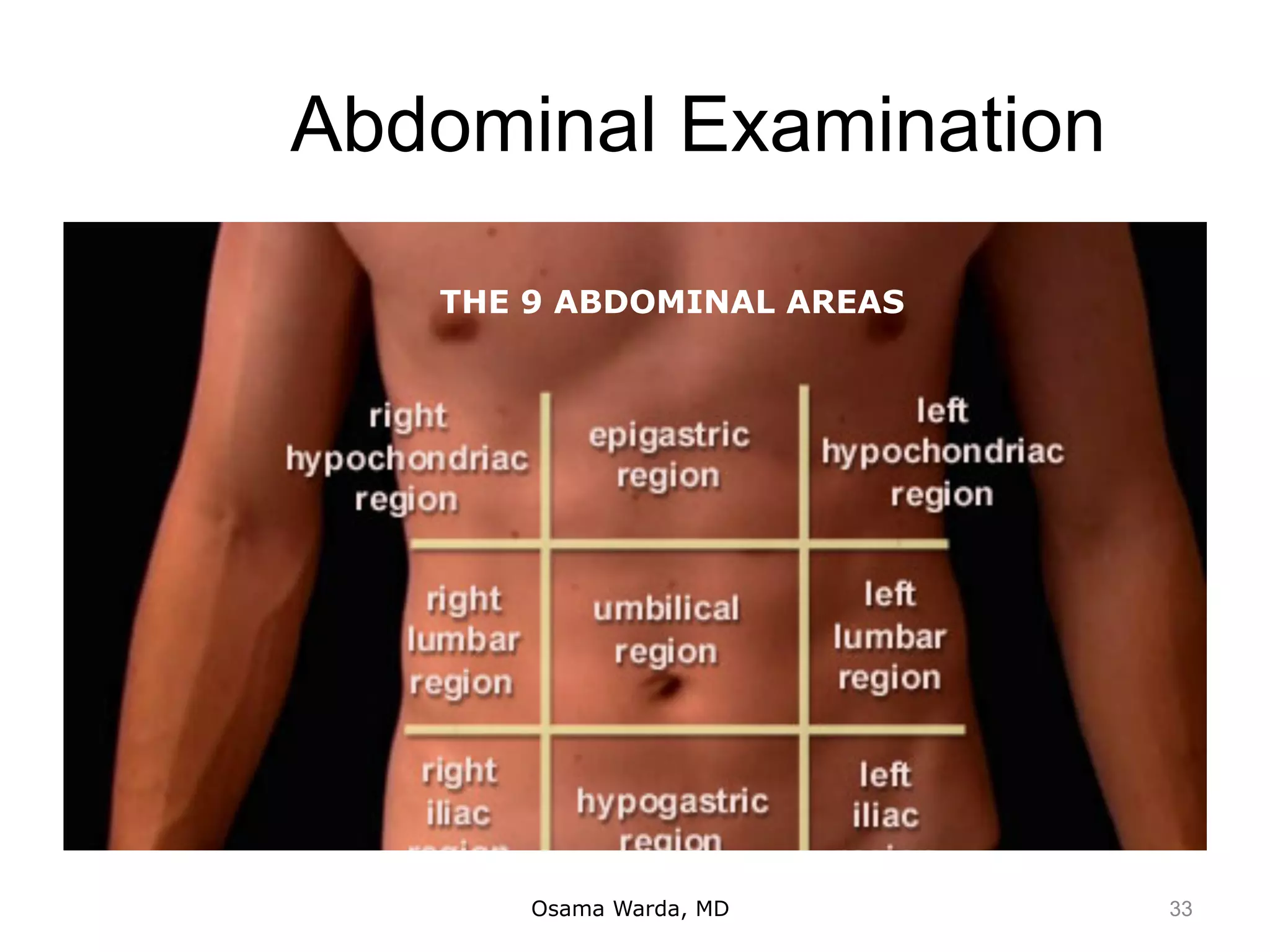
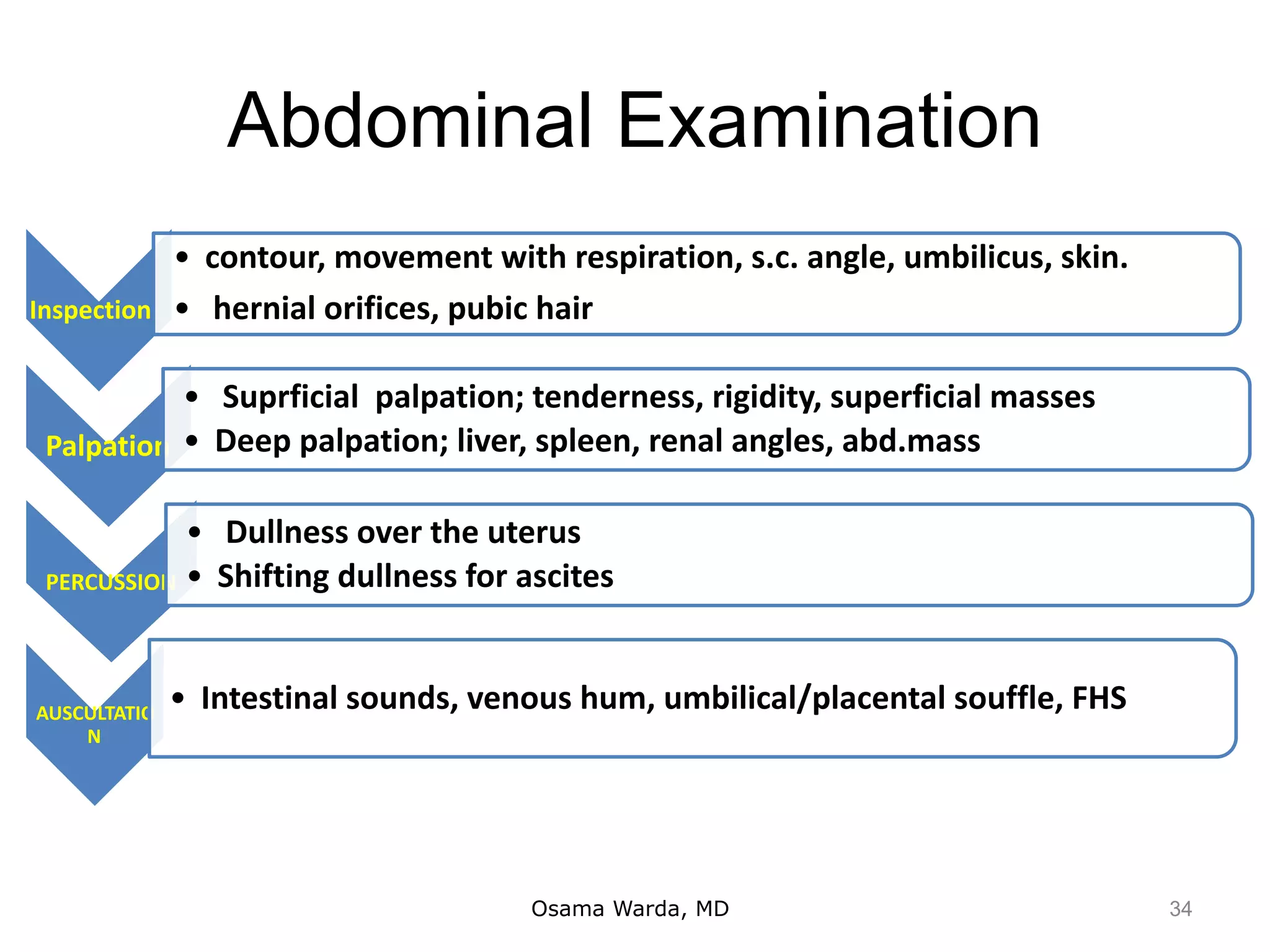
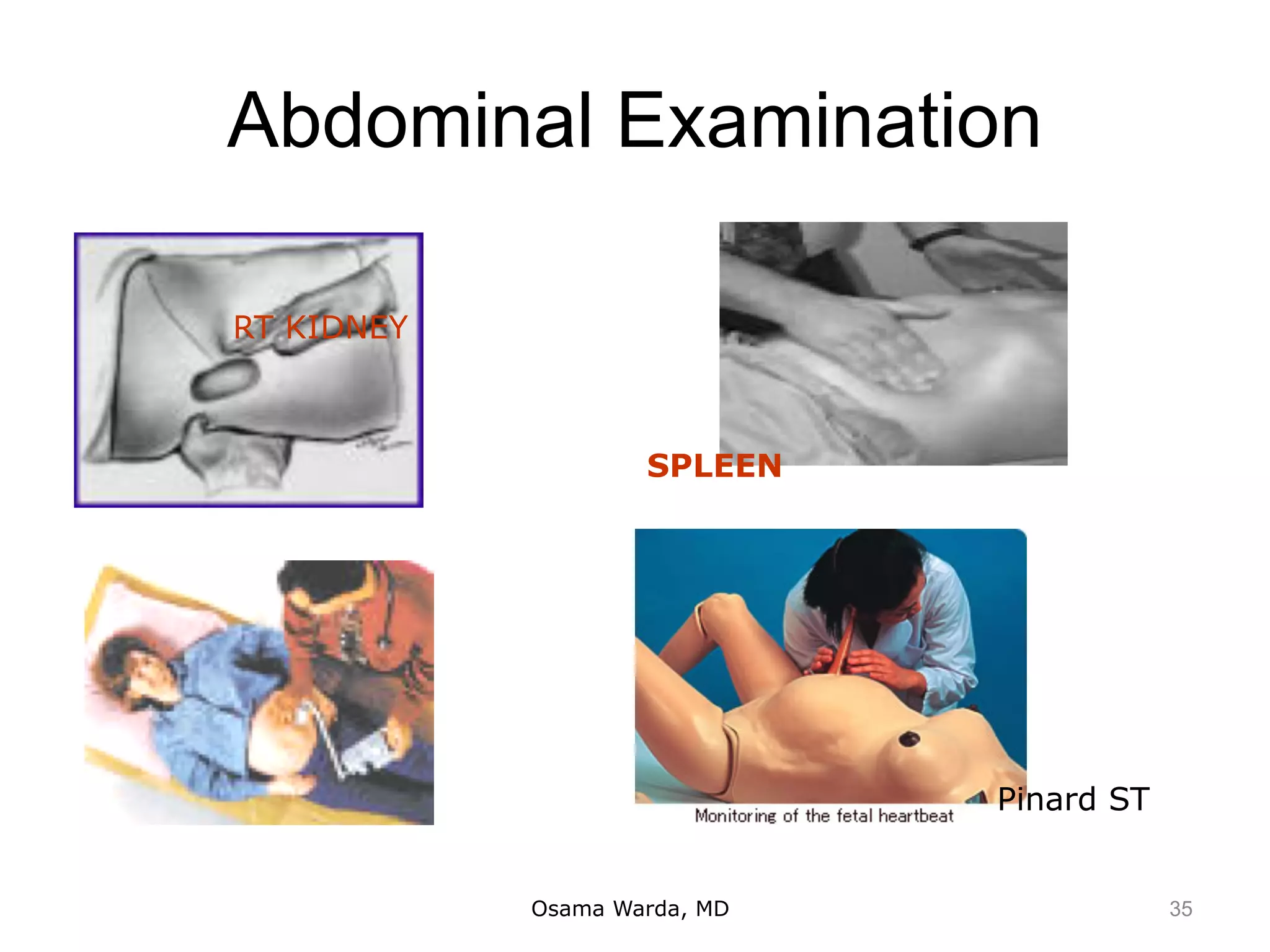

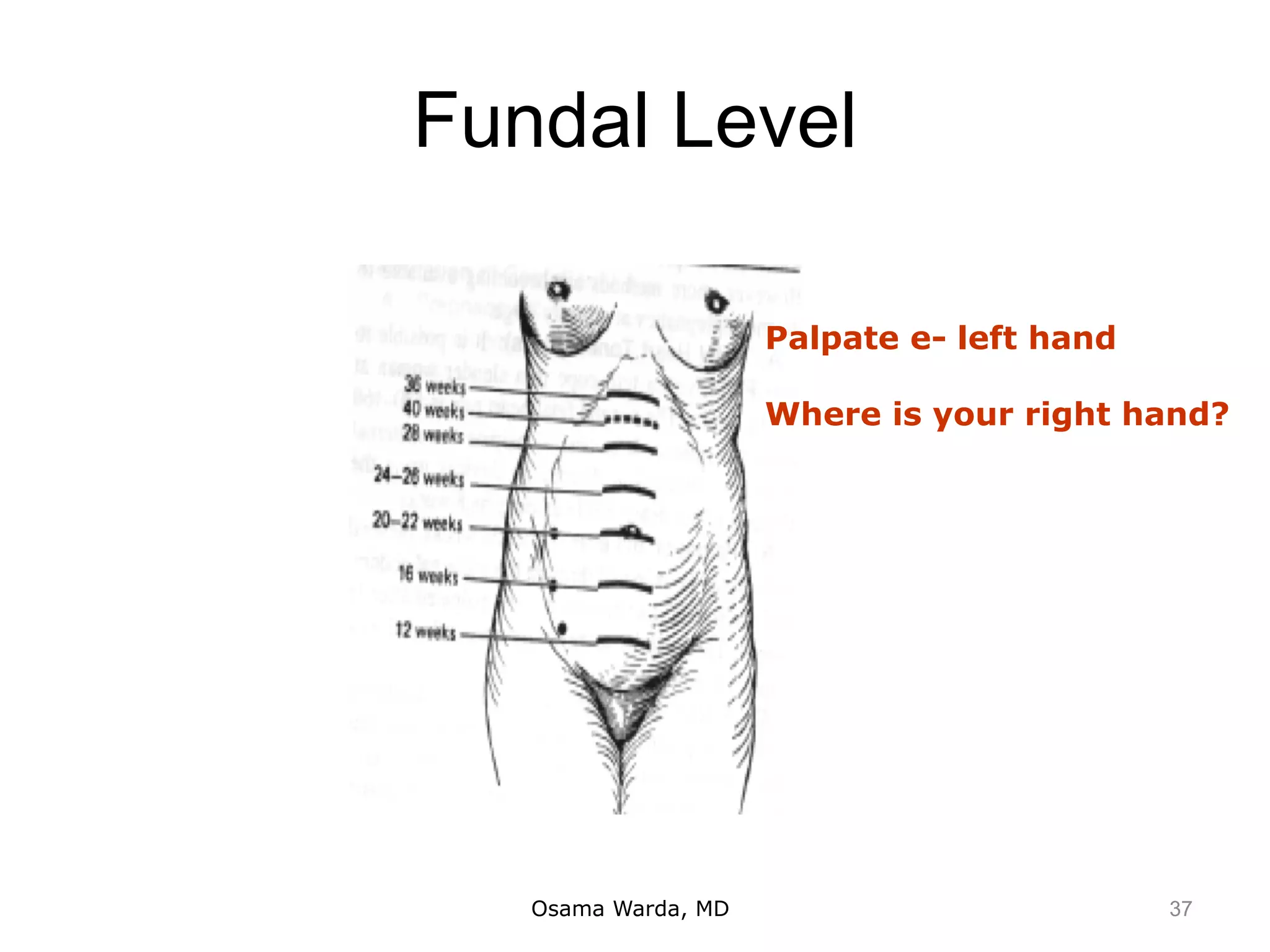
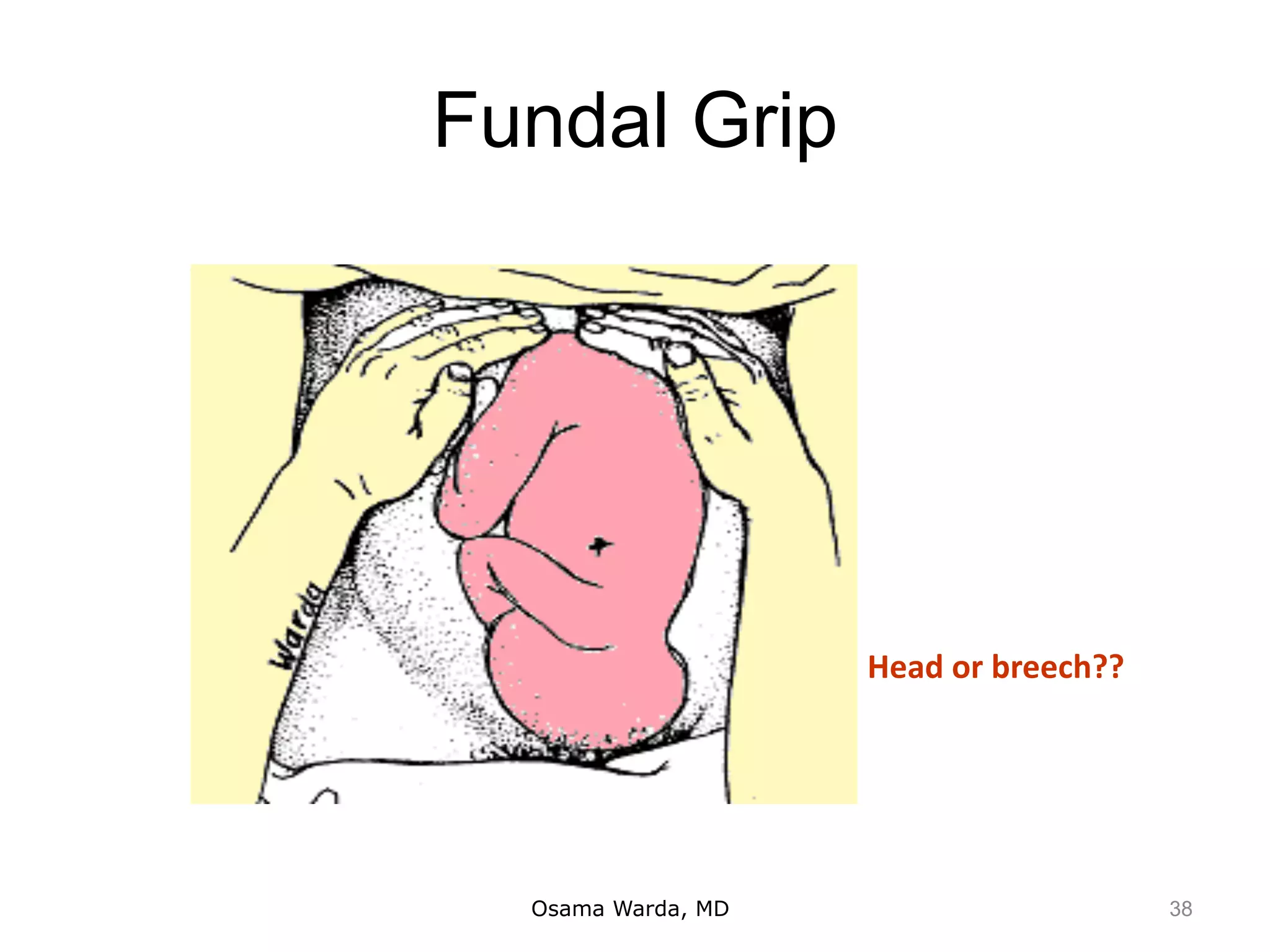

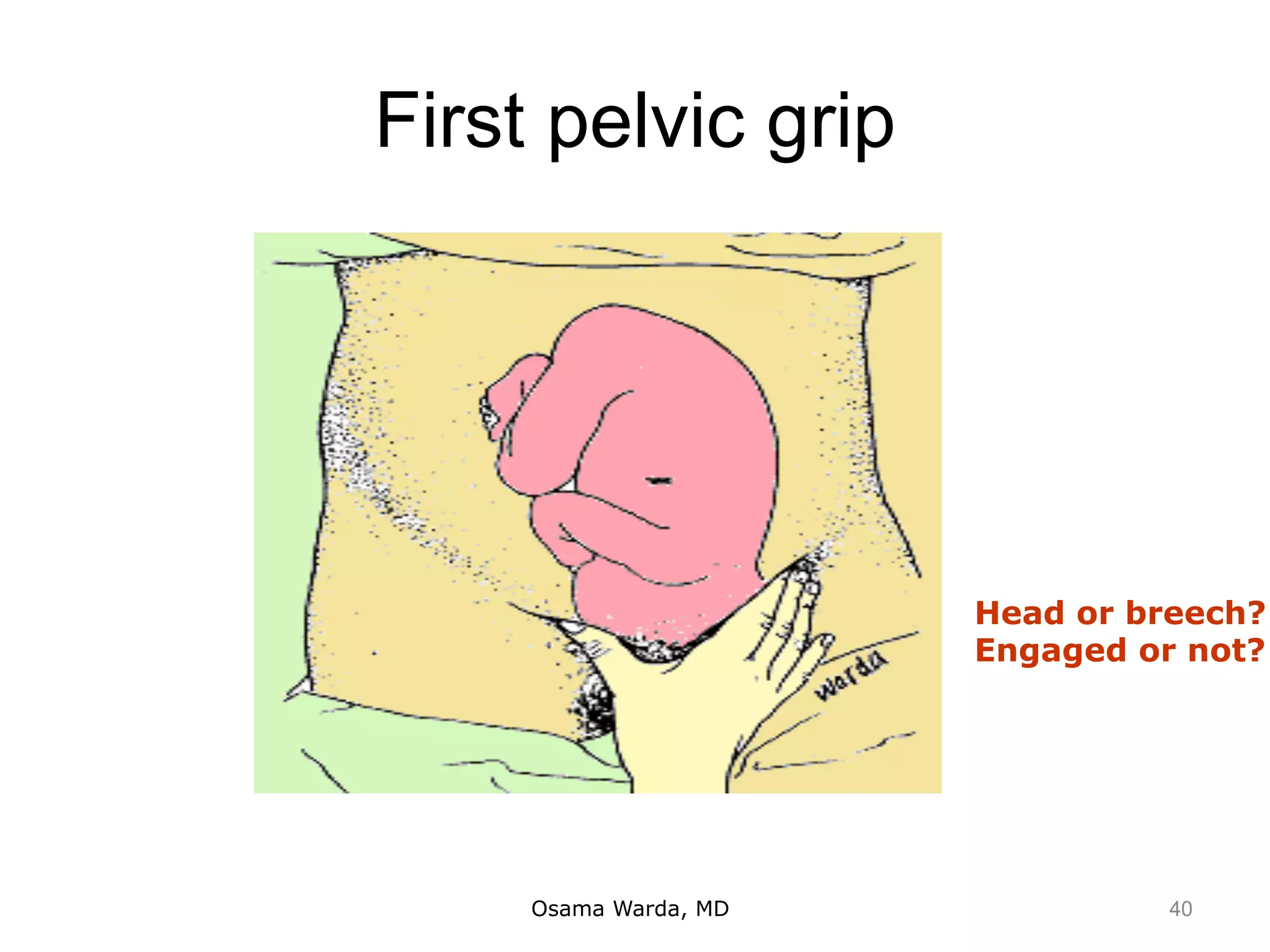
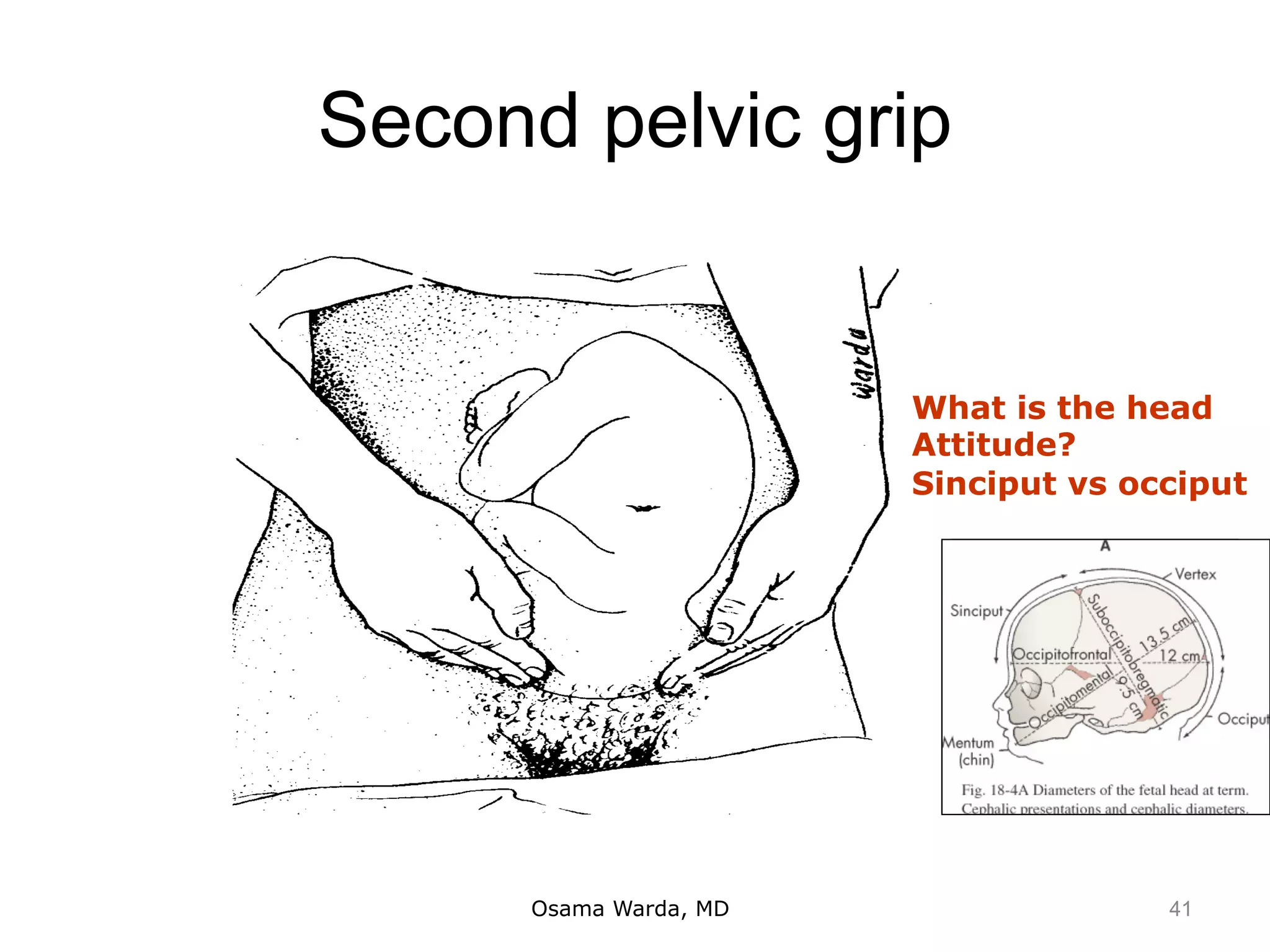

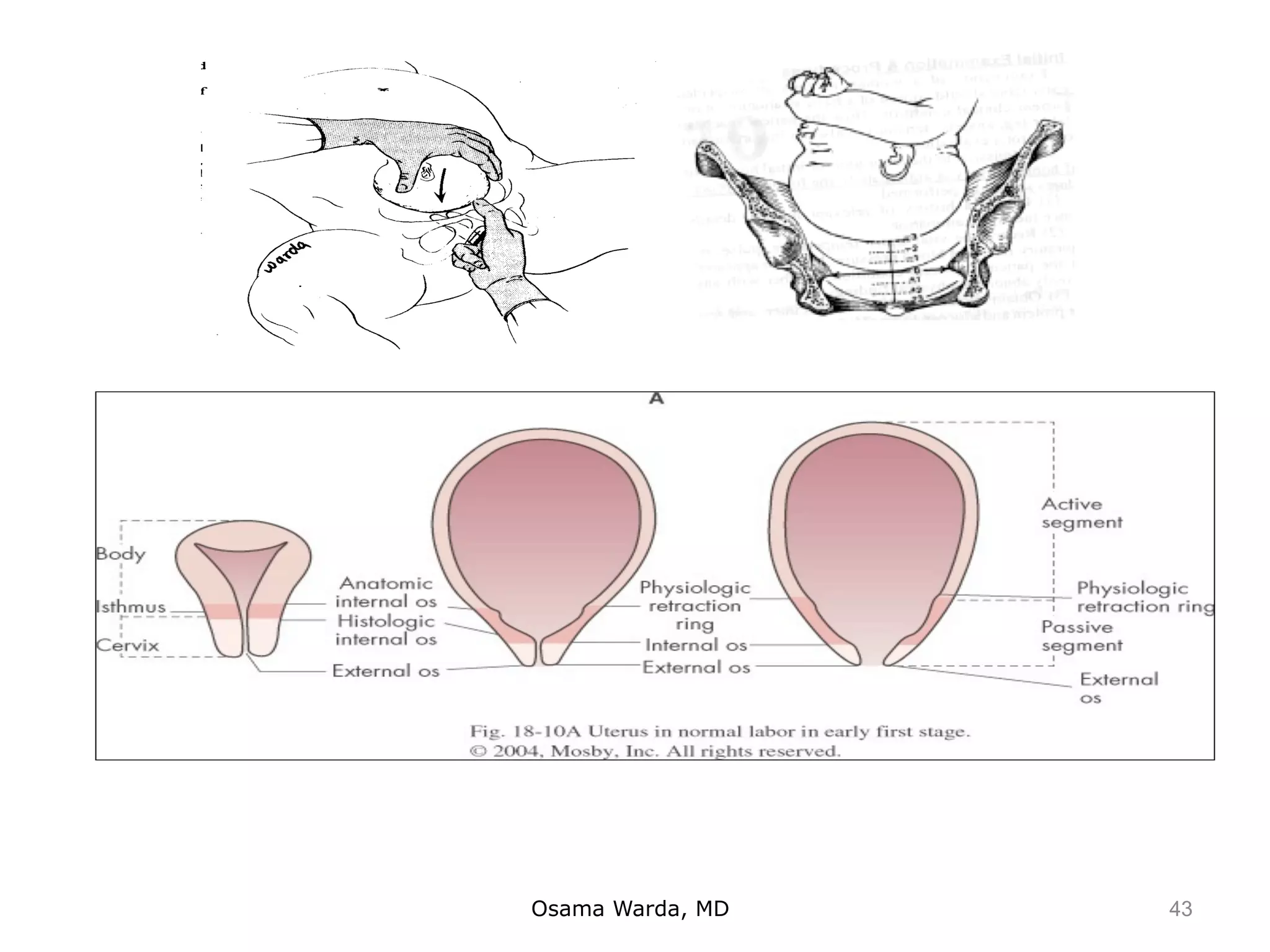


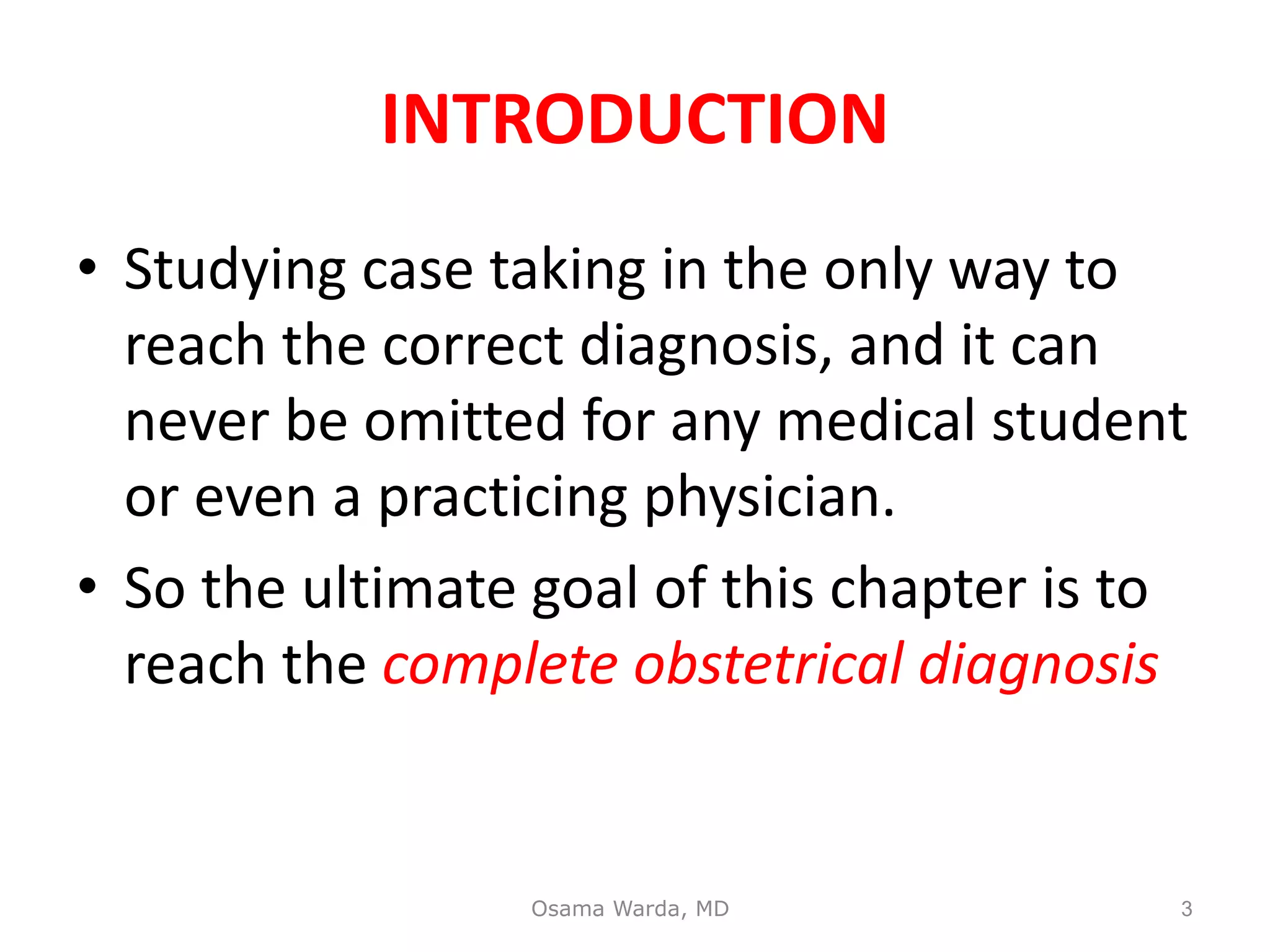
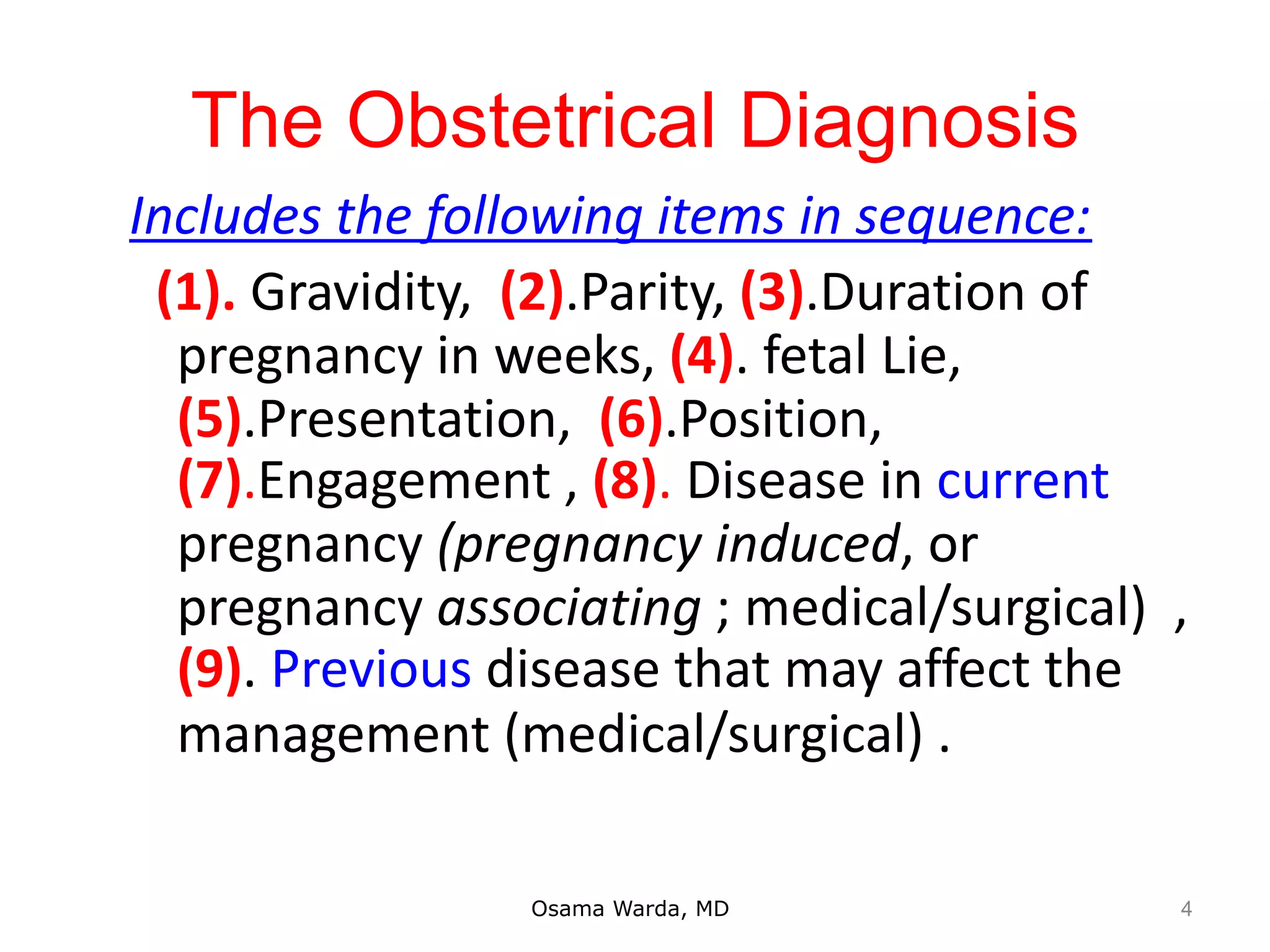
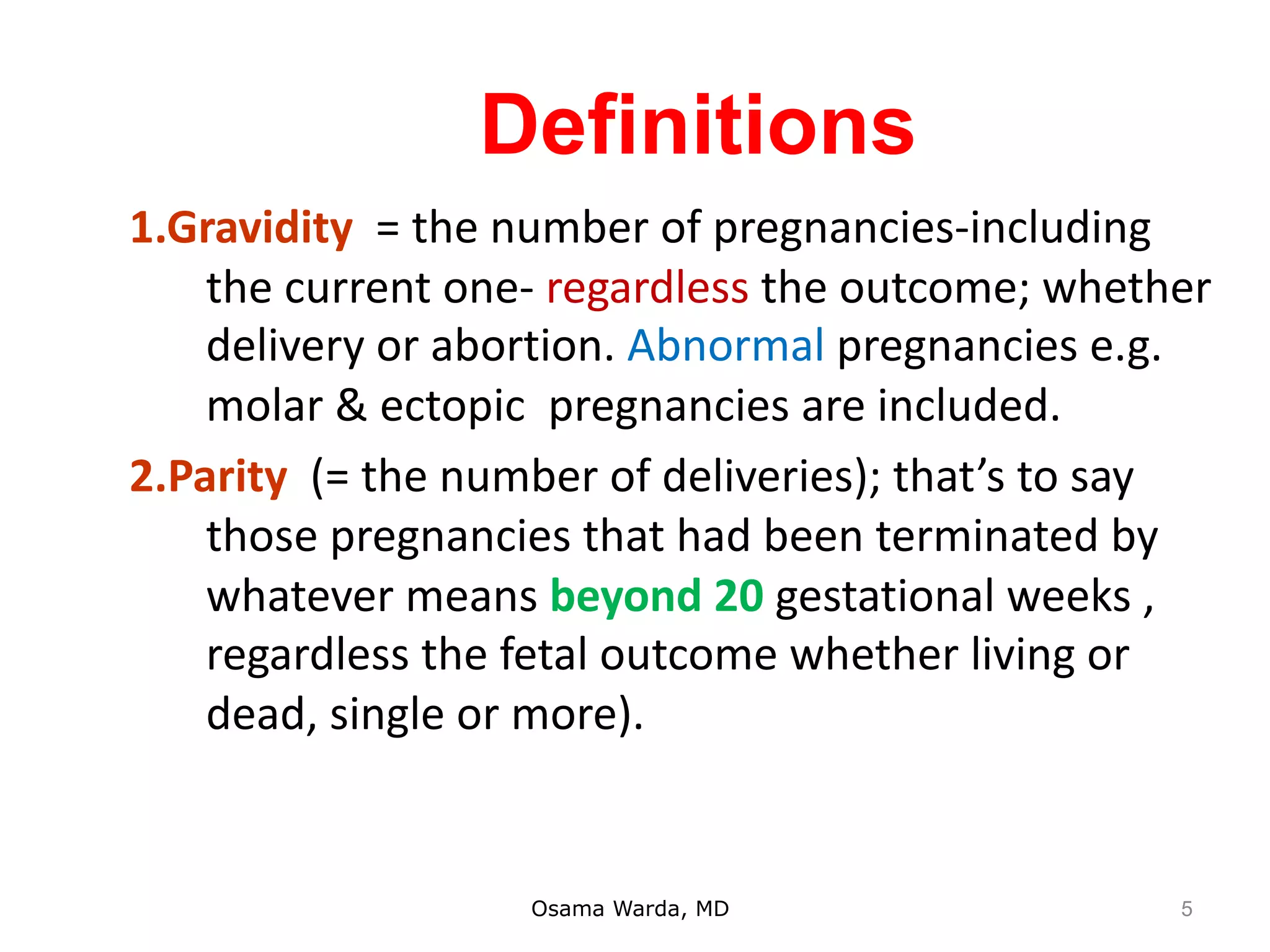
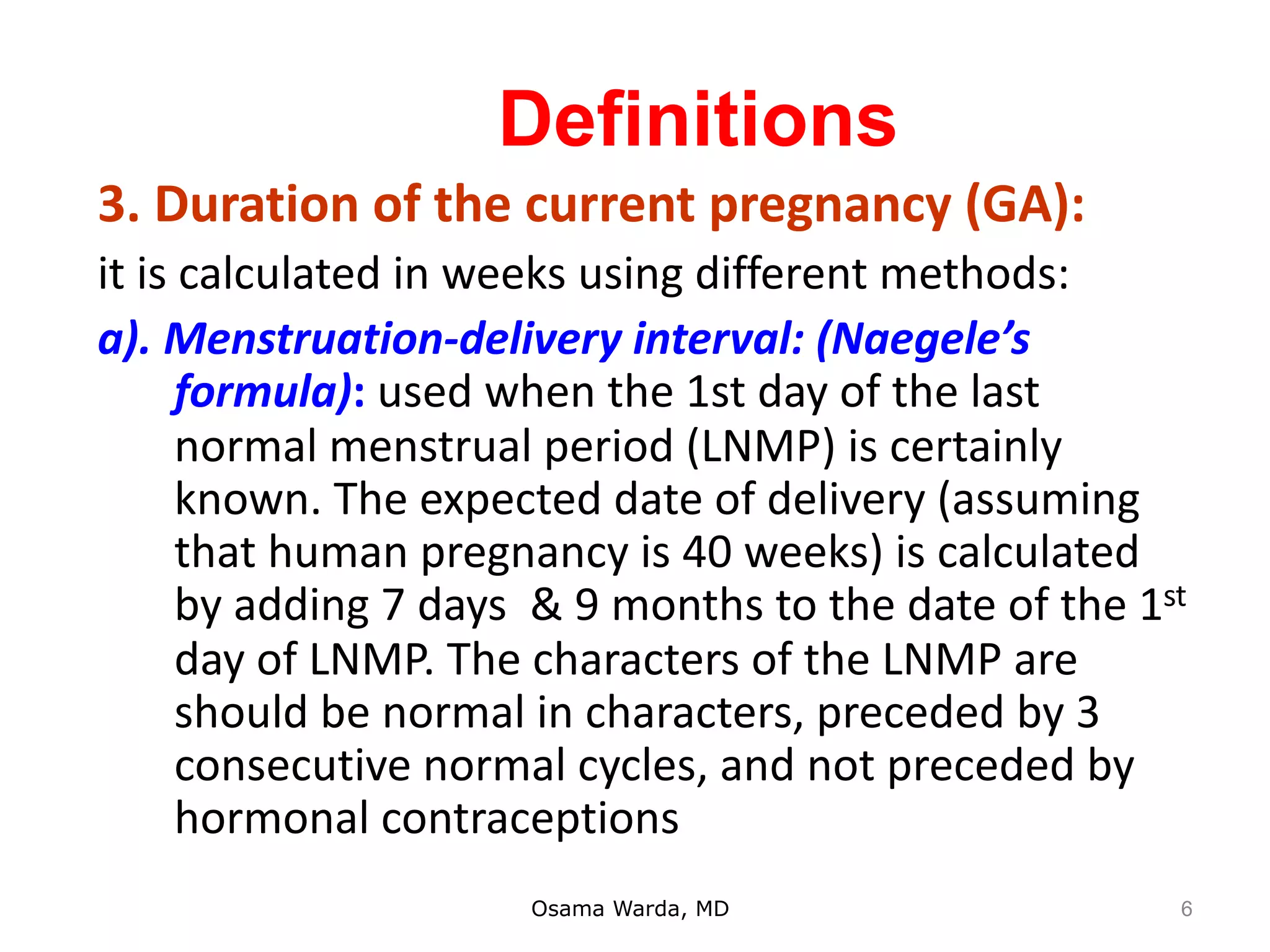
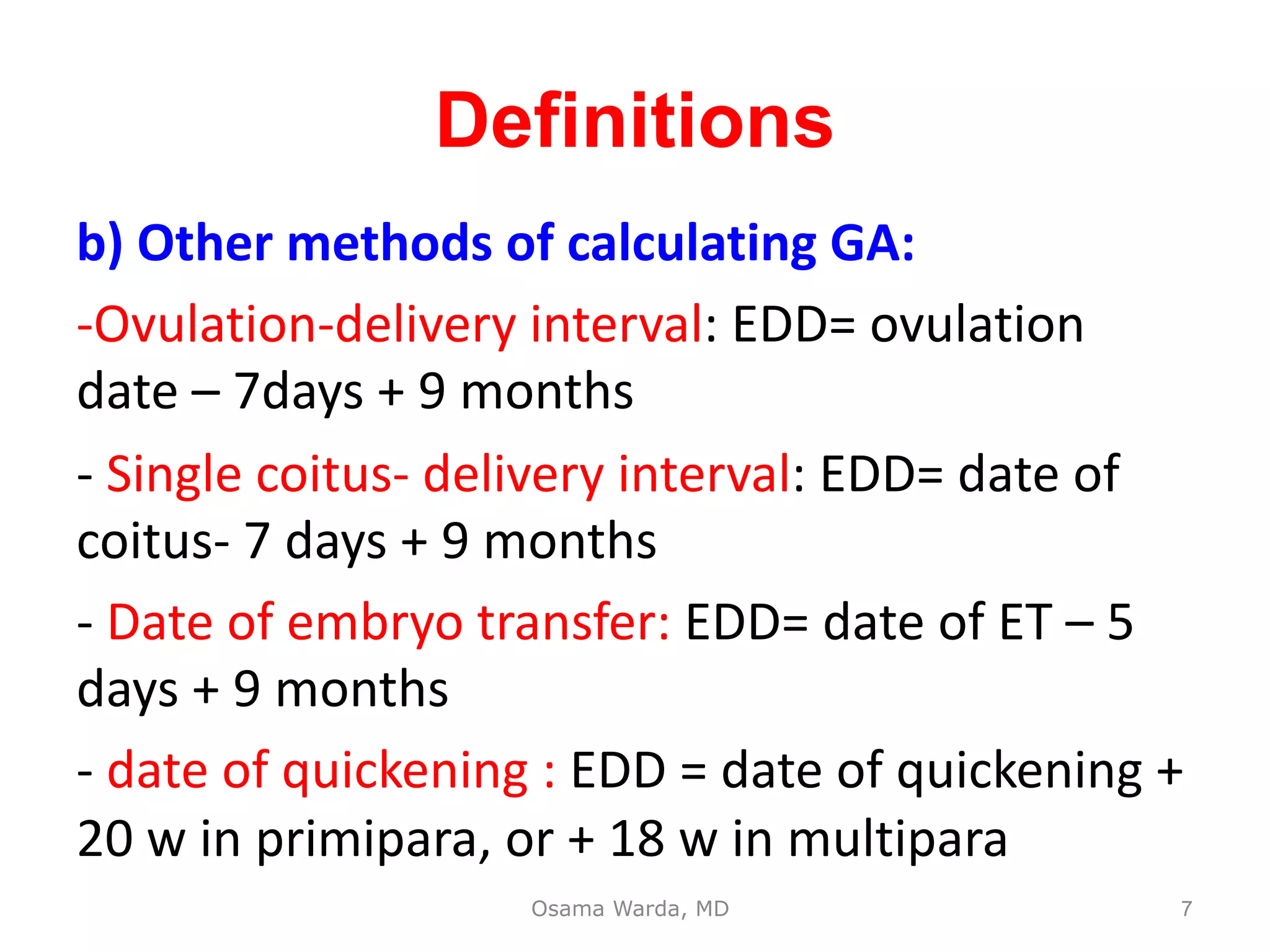
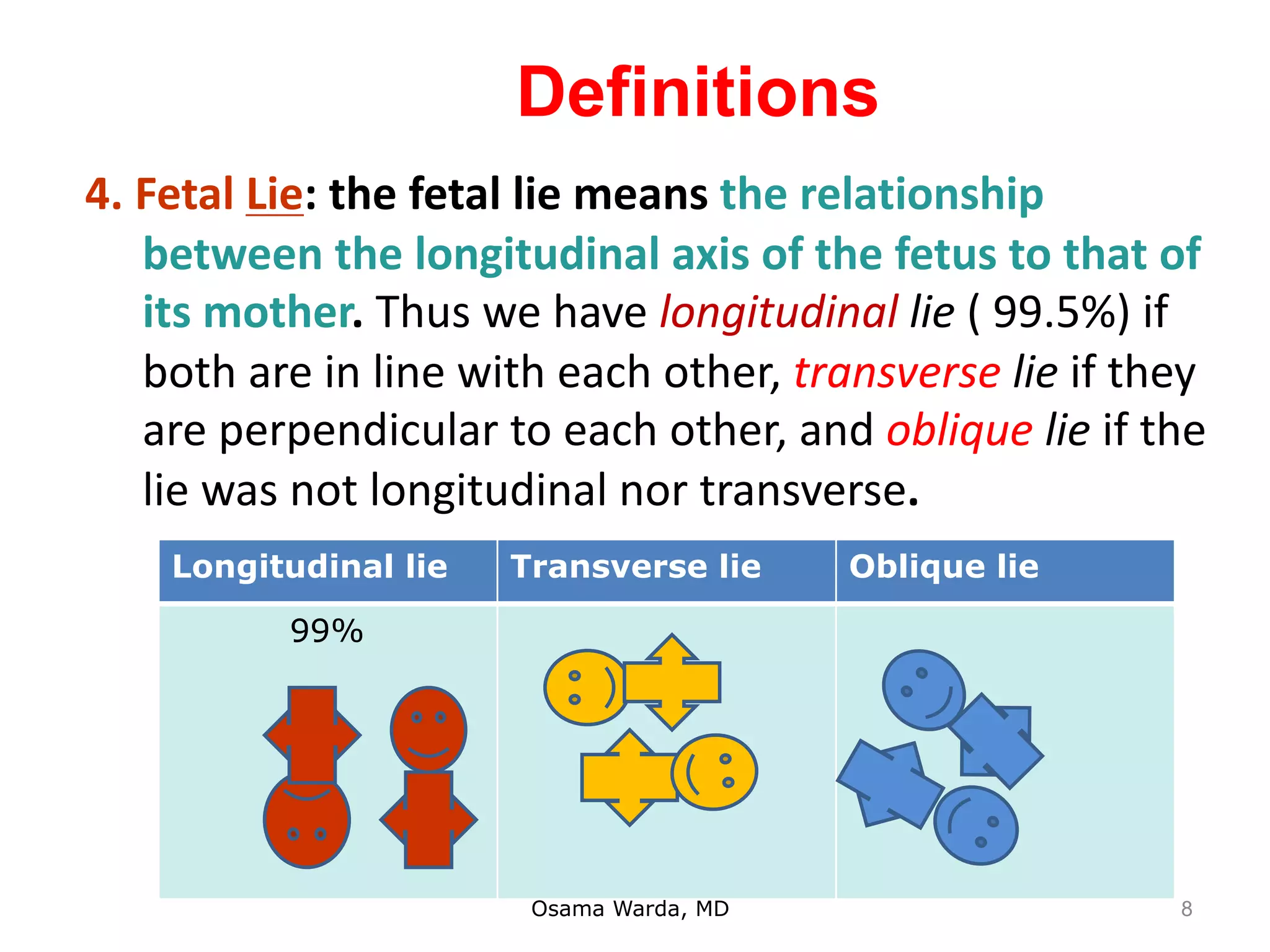
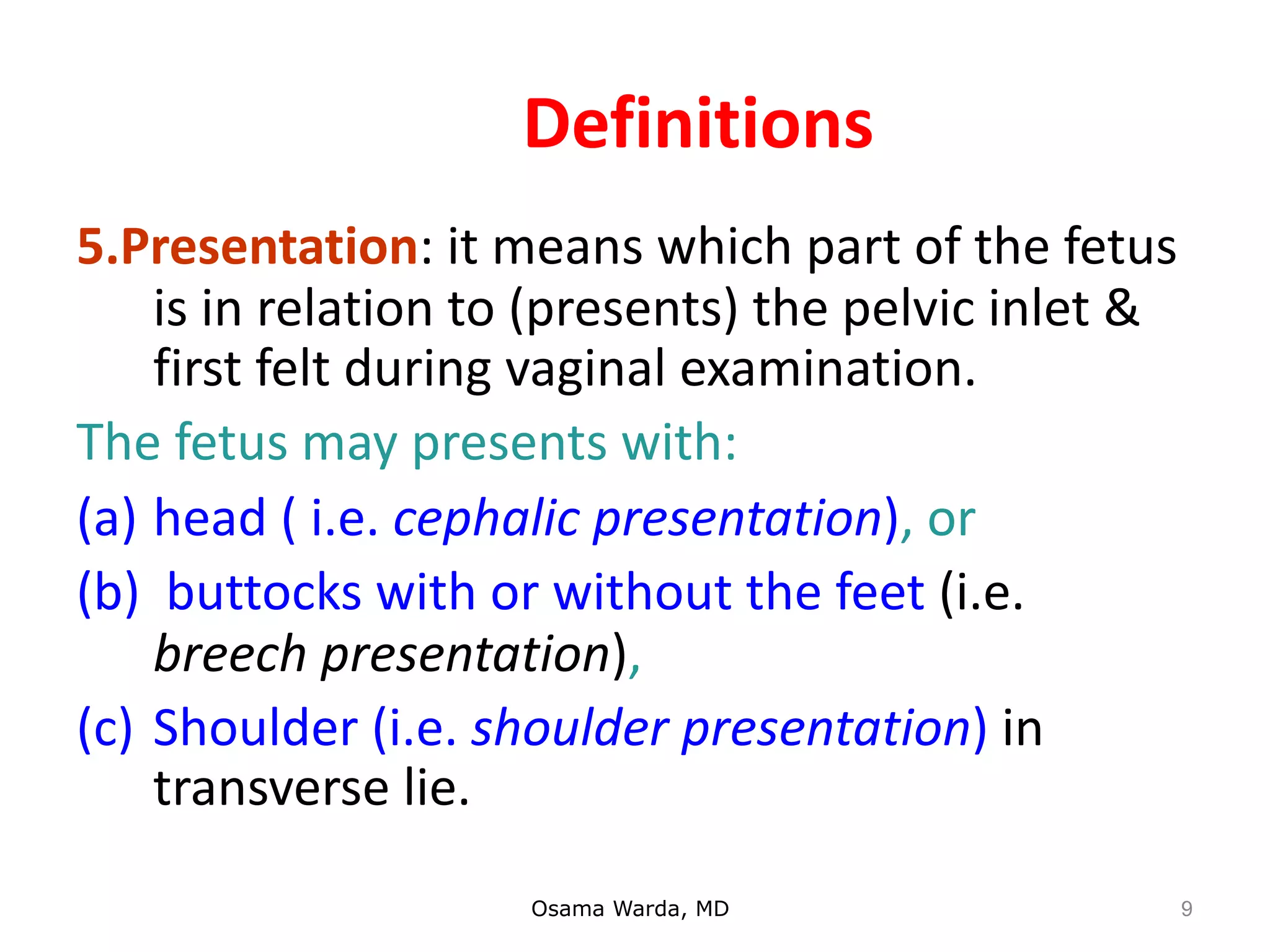
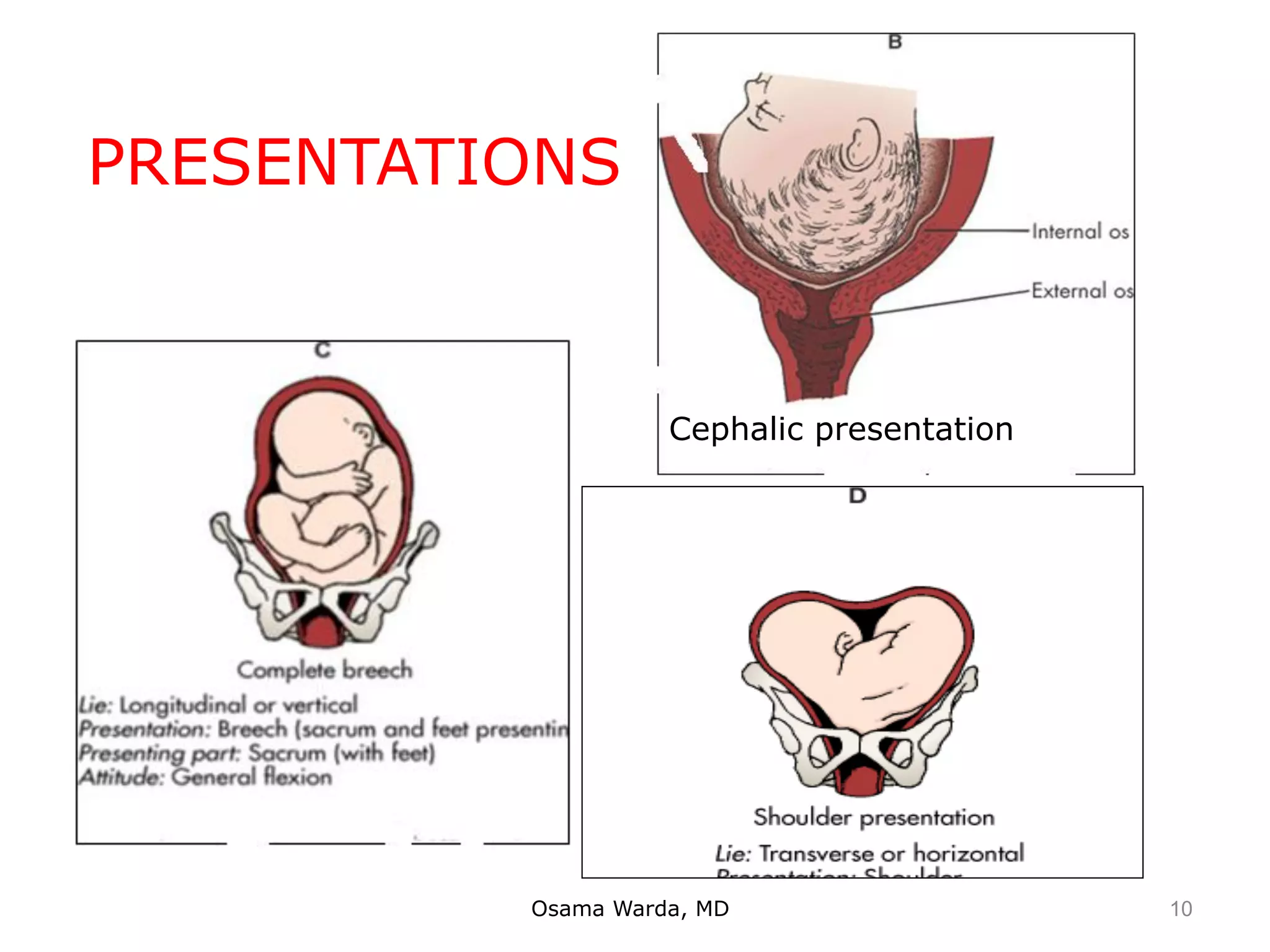
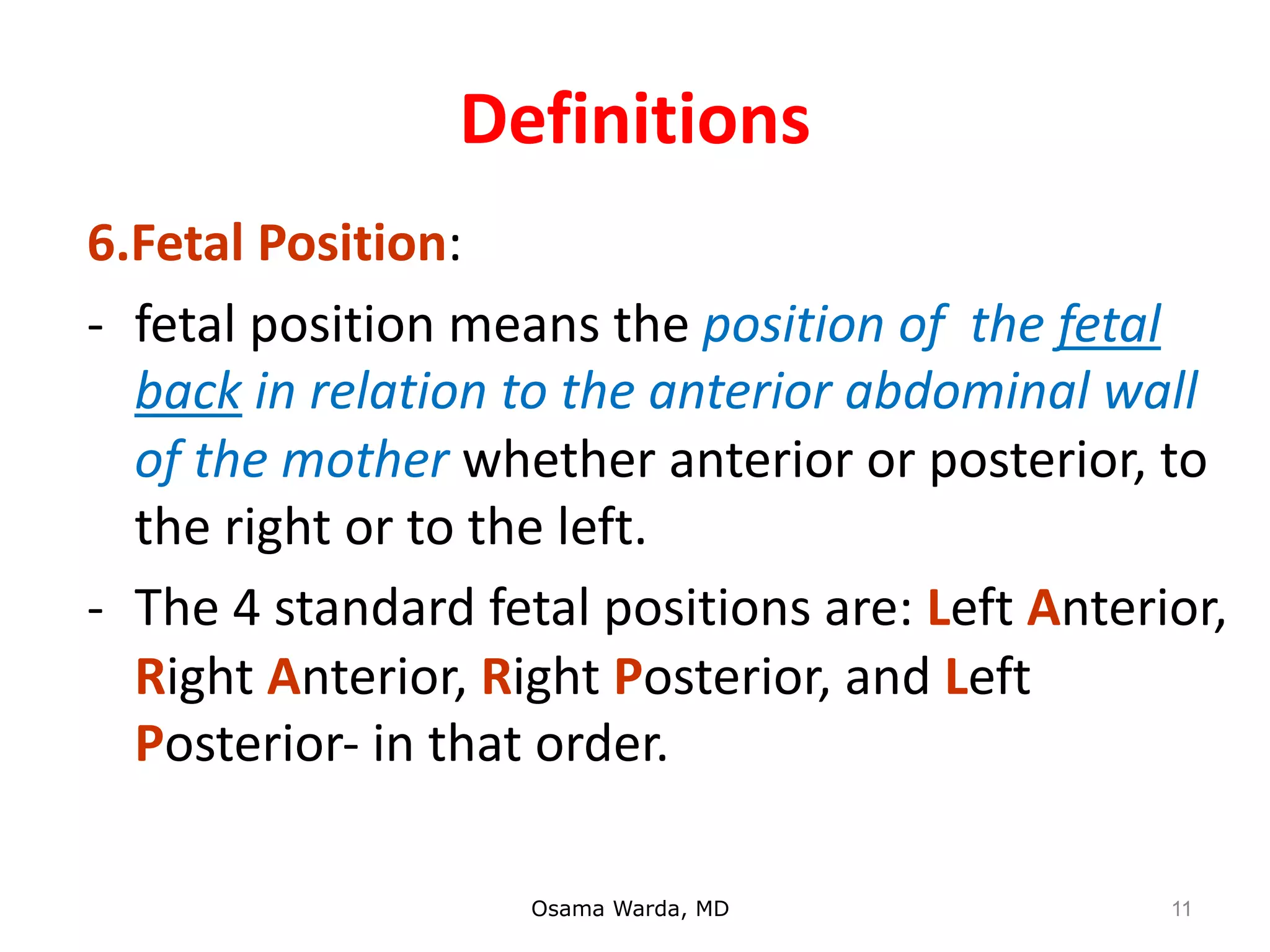
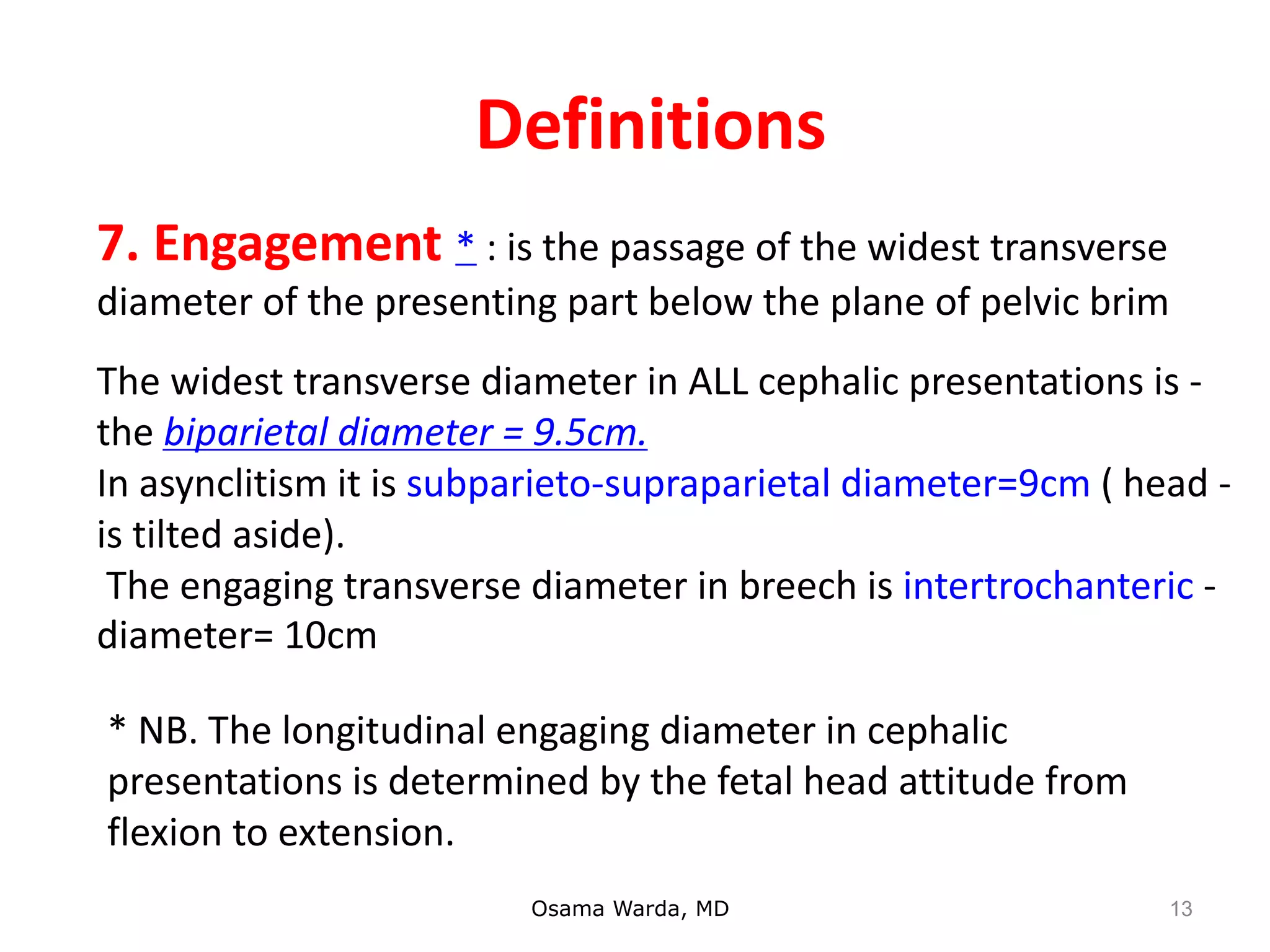
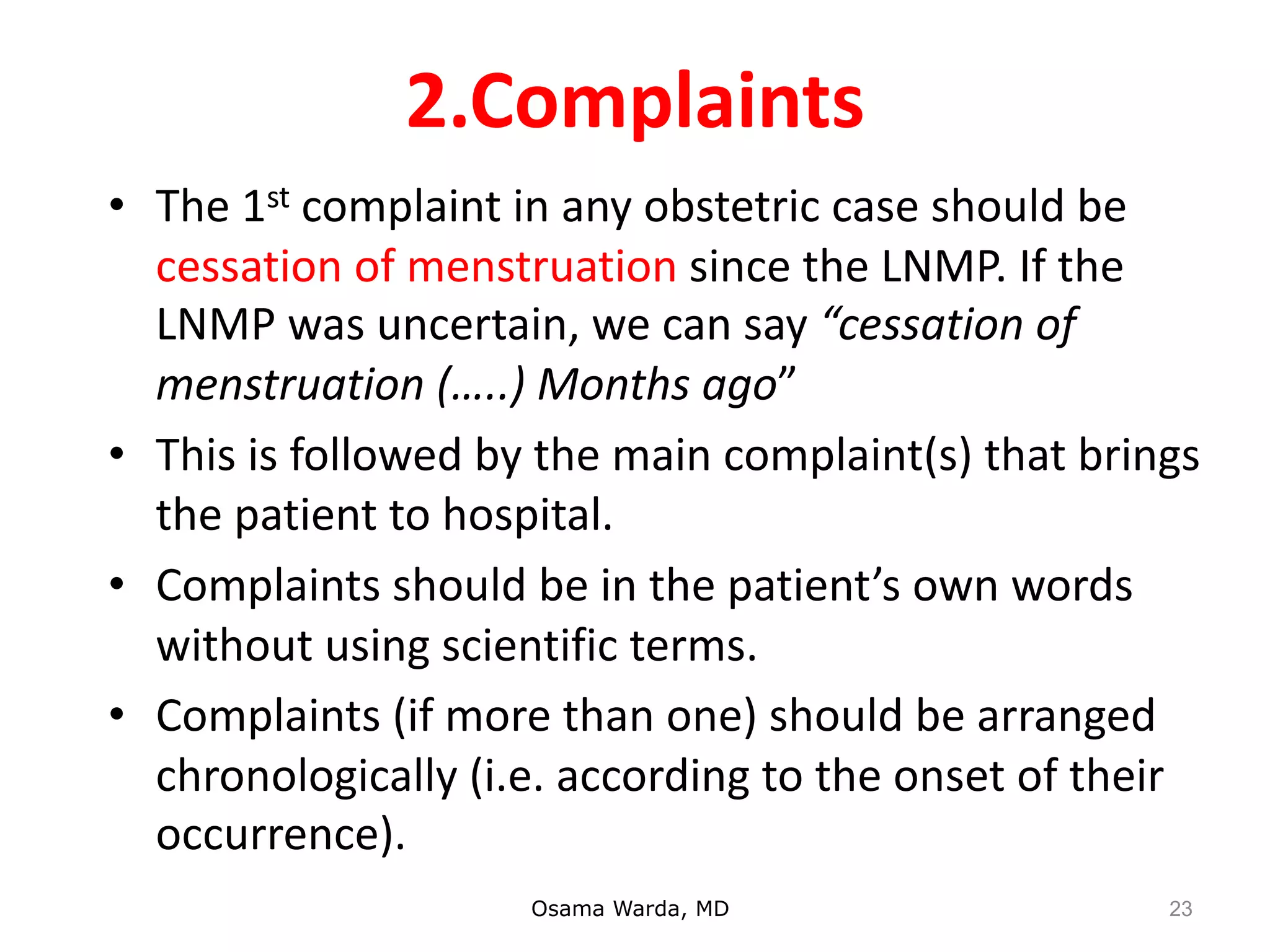
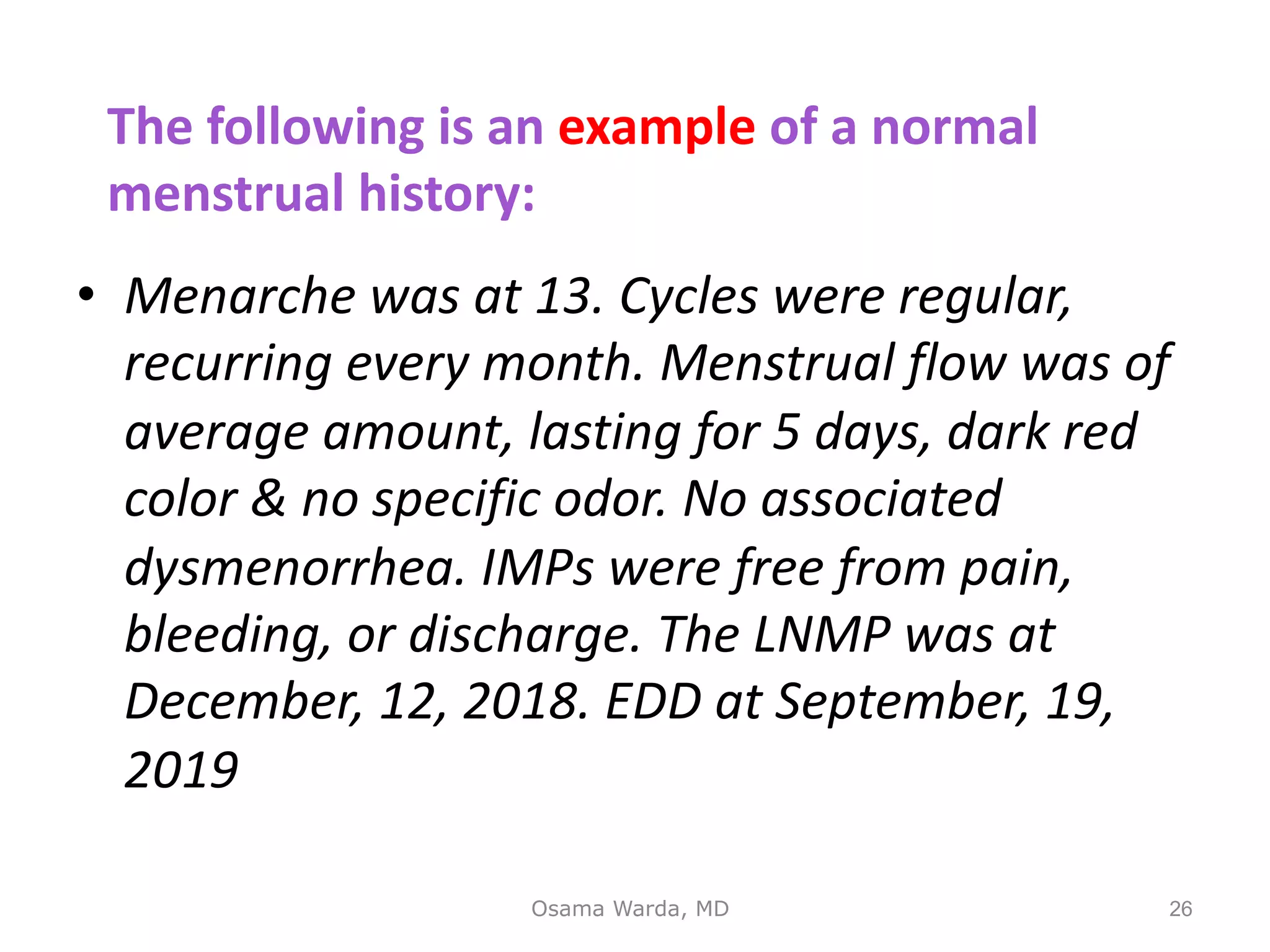
This document provides guidance on taking an obstetric case history. It begins by stating the importance of case taking in reaching an accurate diagnosis. An obstetric diagnosis includes 9 key items: gravidity, parity, gestational age, fetal lie, presentation, position, engagement, current pregnancy complications, and previous medical issues. Definitions of these terms are then provided, along with examples of how to document a case history, including personal history, complaints, menstrual history, obstetric history, and physical examination. The summary concludes by emphasizing the importance of a complete case history and urine analysis in making an accurate obstetric diagnosis.


![Apporach to lung biopsy [Auto-saved].pptx latest](https://cdn.slidesharecdn.com/ss_thumbnails/apporachtolungbiopsyauto-saved-251211225655-93258539-thumbnail.jpg?width=640&height=640&fit=bounds)


