What it means to be
an Open Scholar
#oaweek

Stian Håklev (CC BY)
University of Toronto at Scarborough
October 22, 2013
What?
Why?
How?
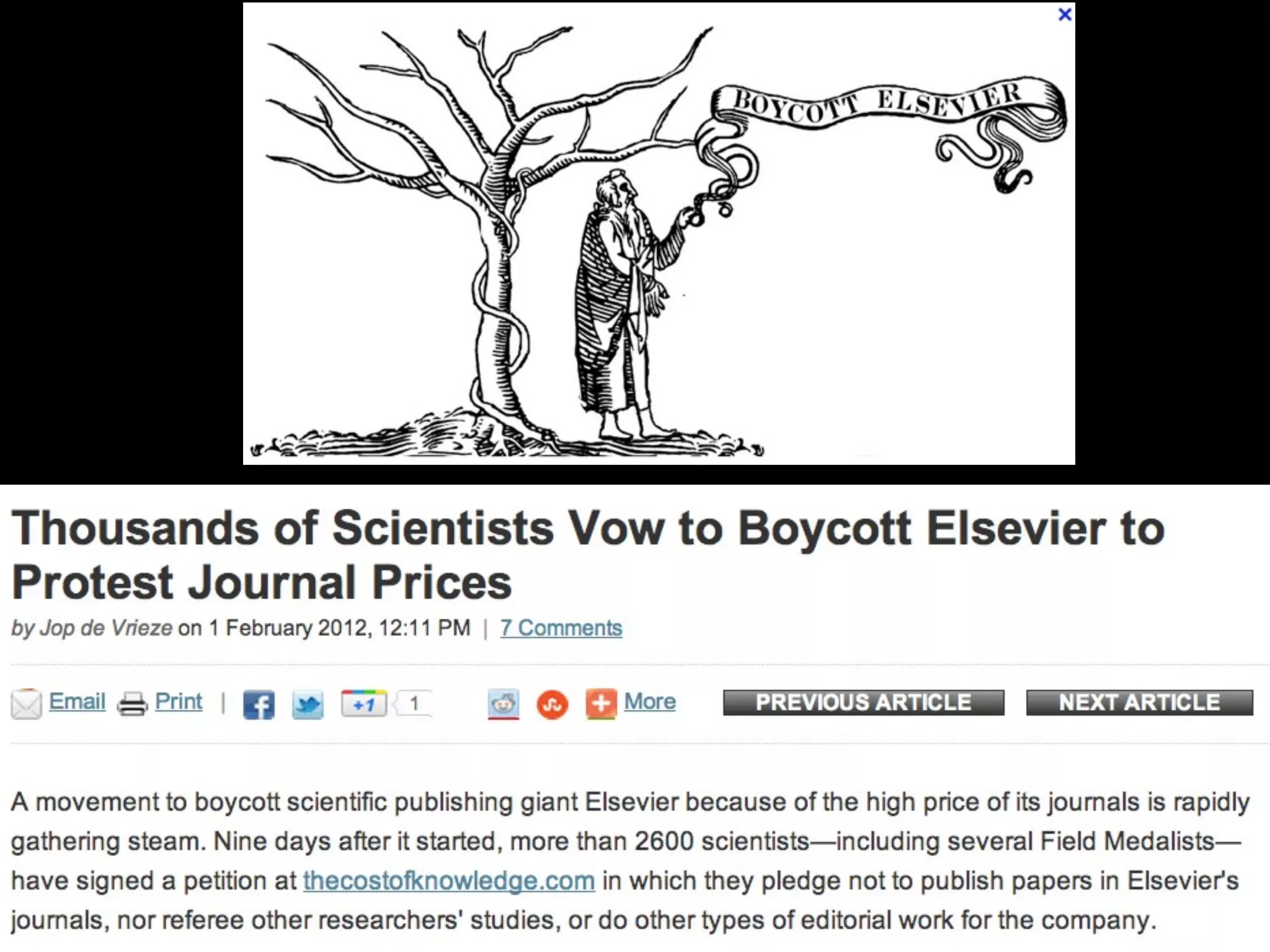
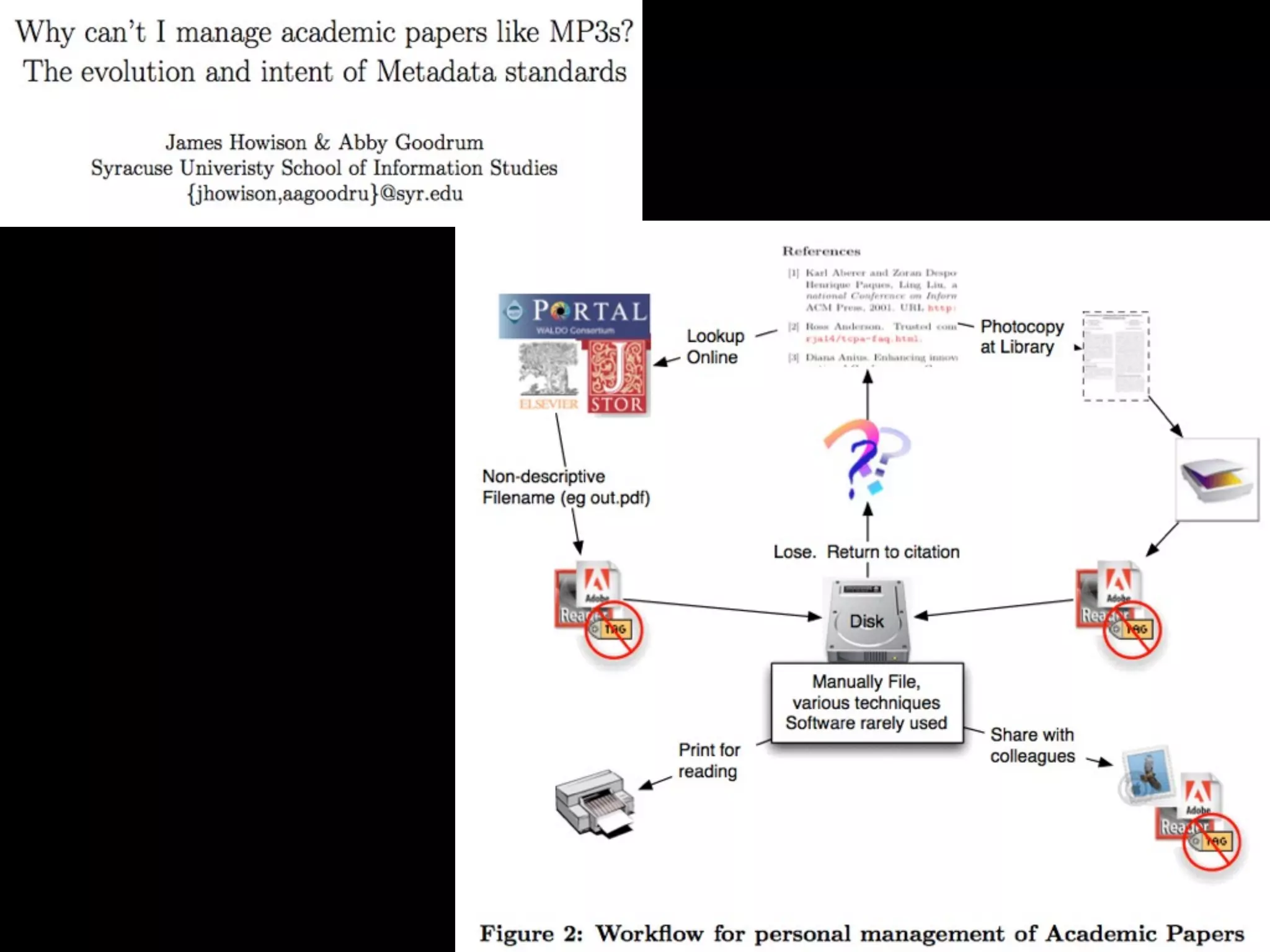
Traditional models of publishing
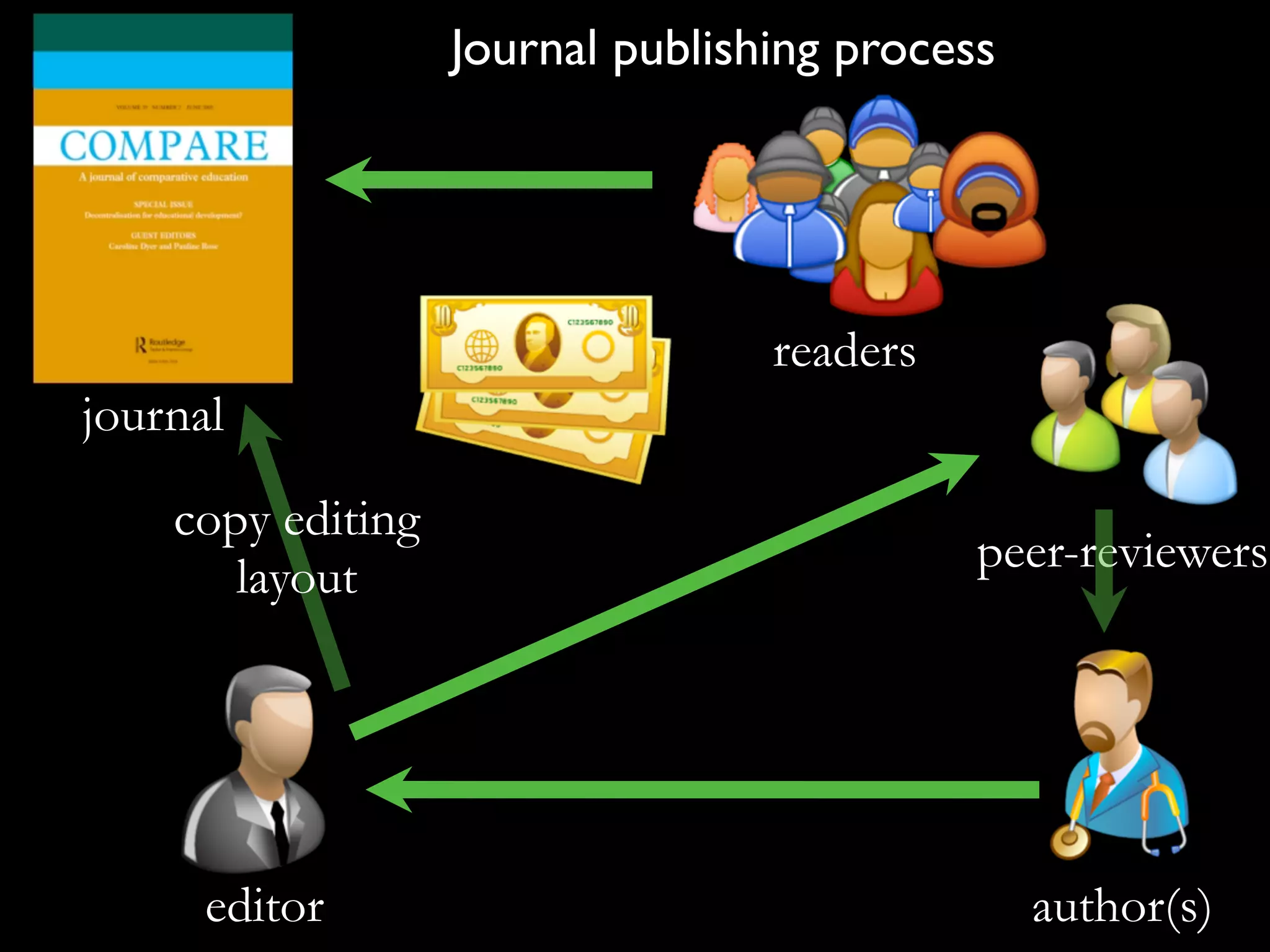
Journal publishing process

readers
journal
copy editing
layout

editor

peer-reviewers

author(s)
Green / Gold
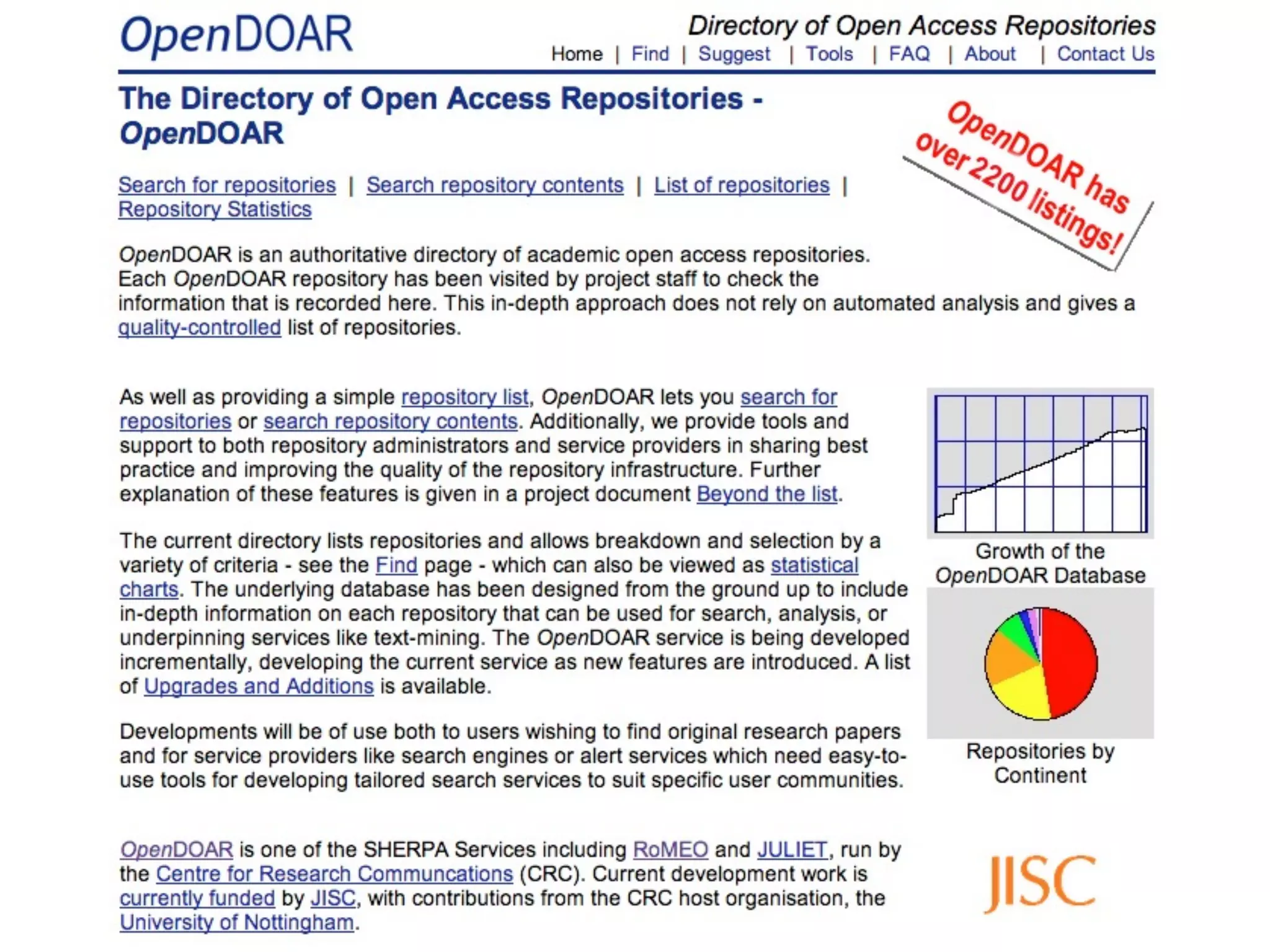
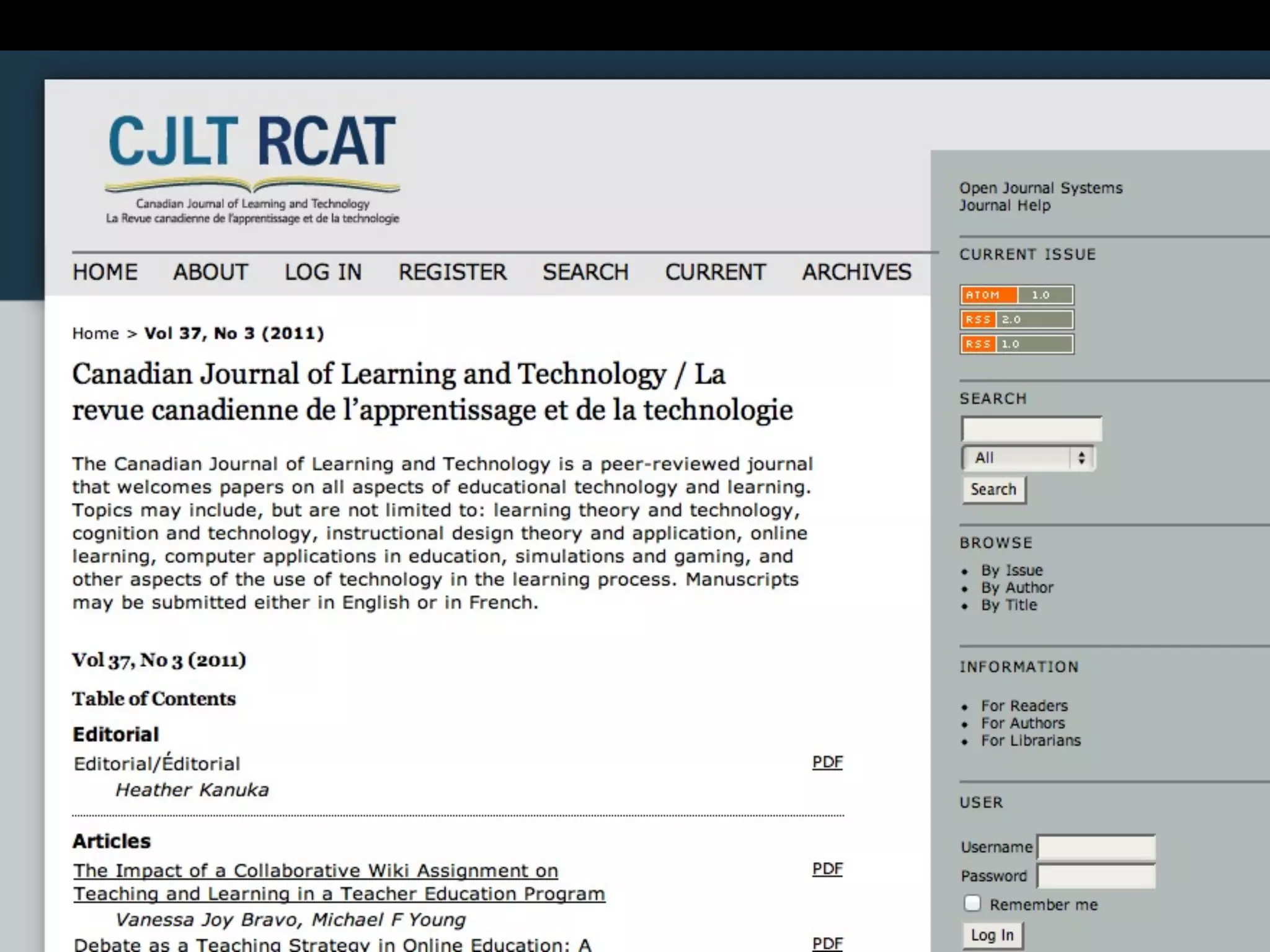
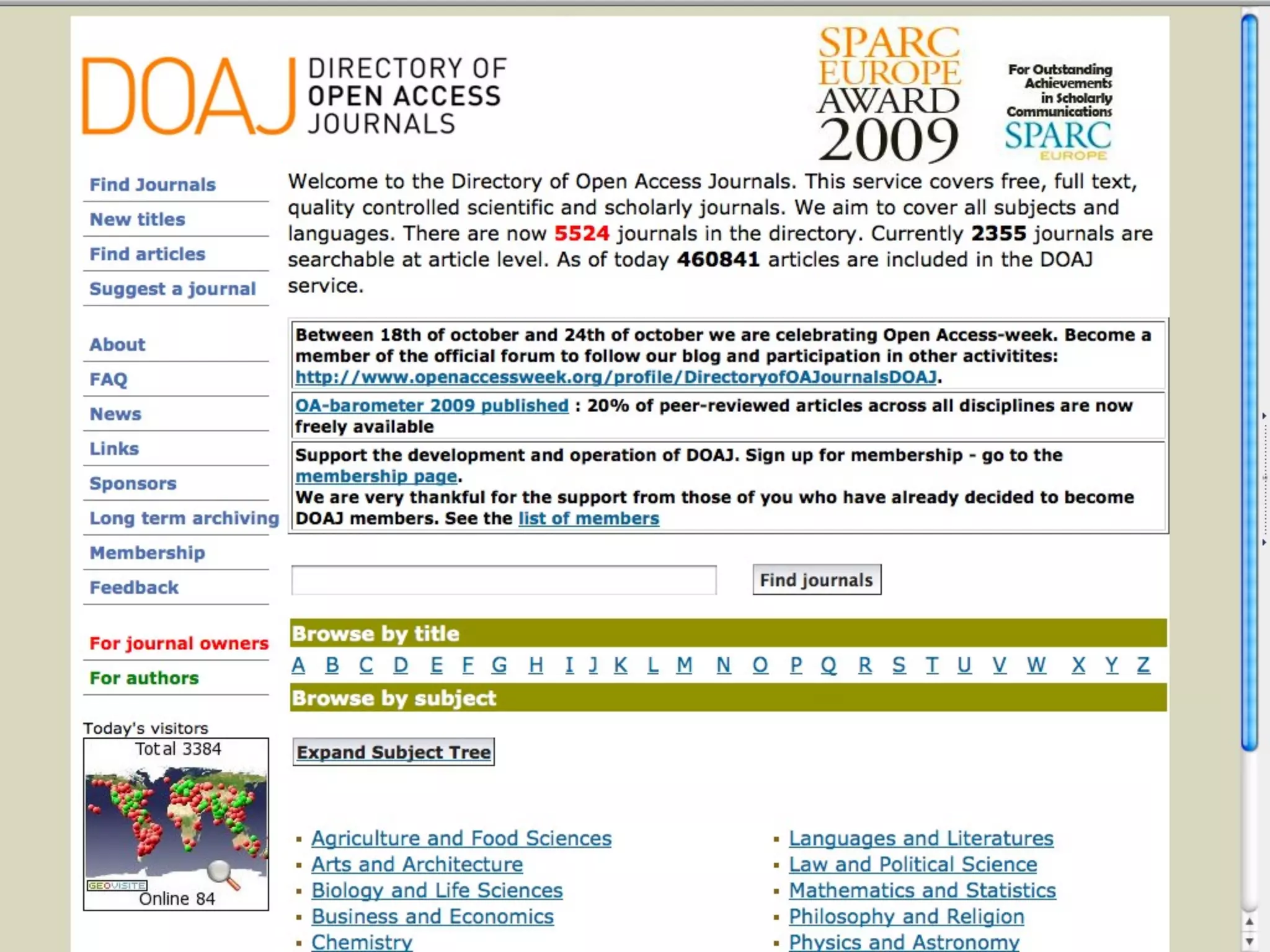
OA journals (gold)
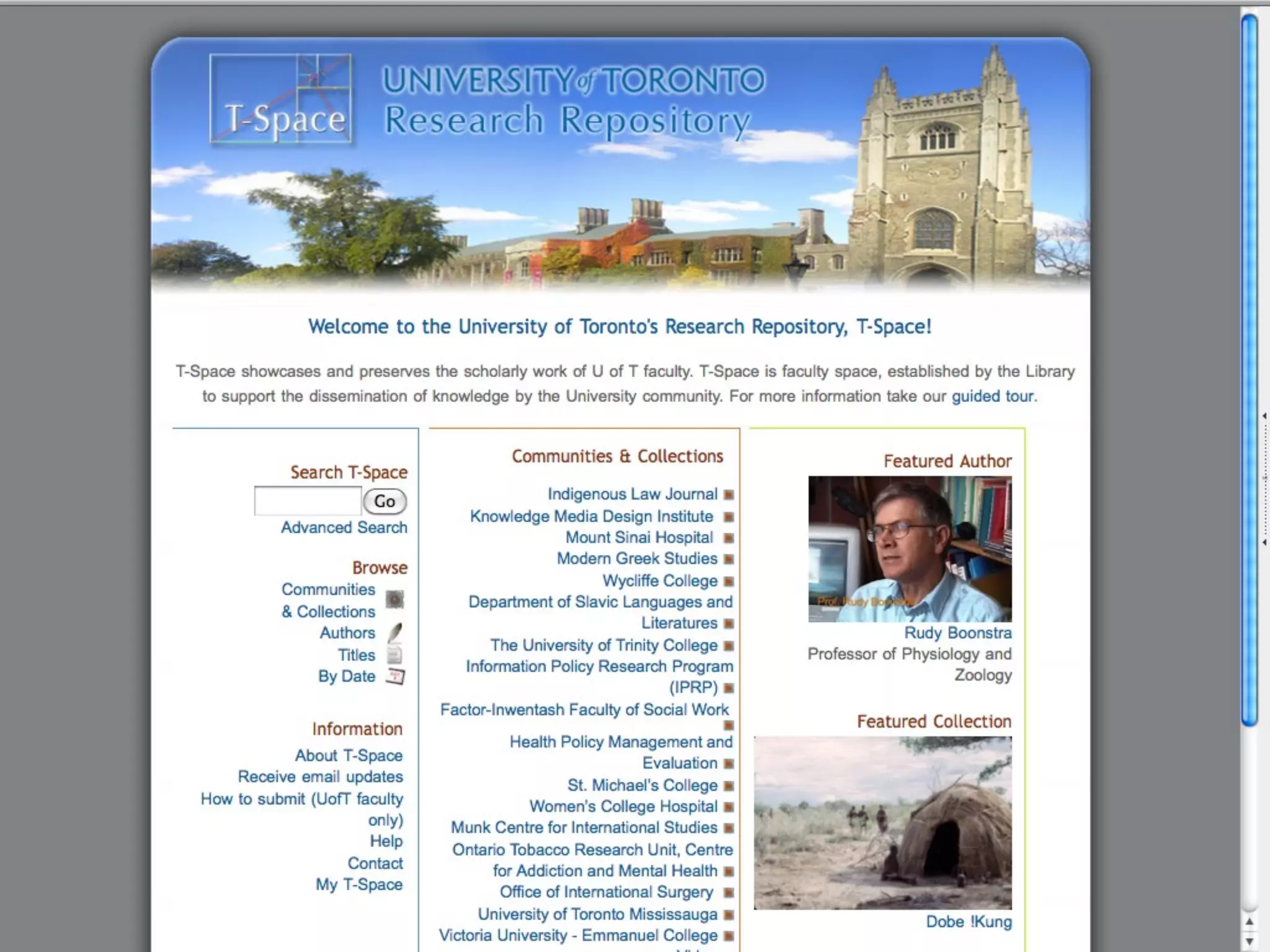
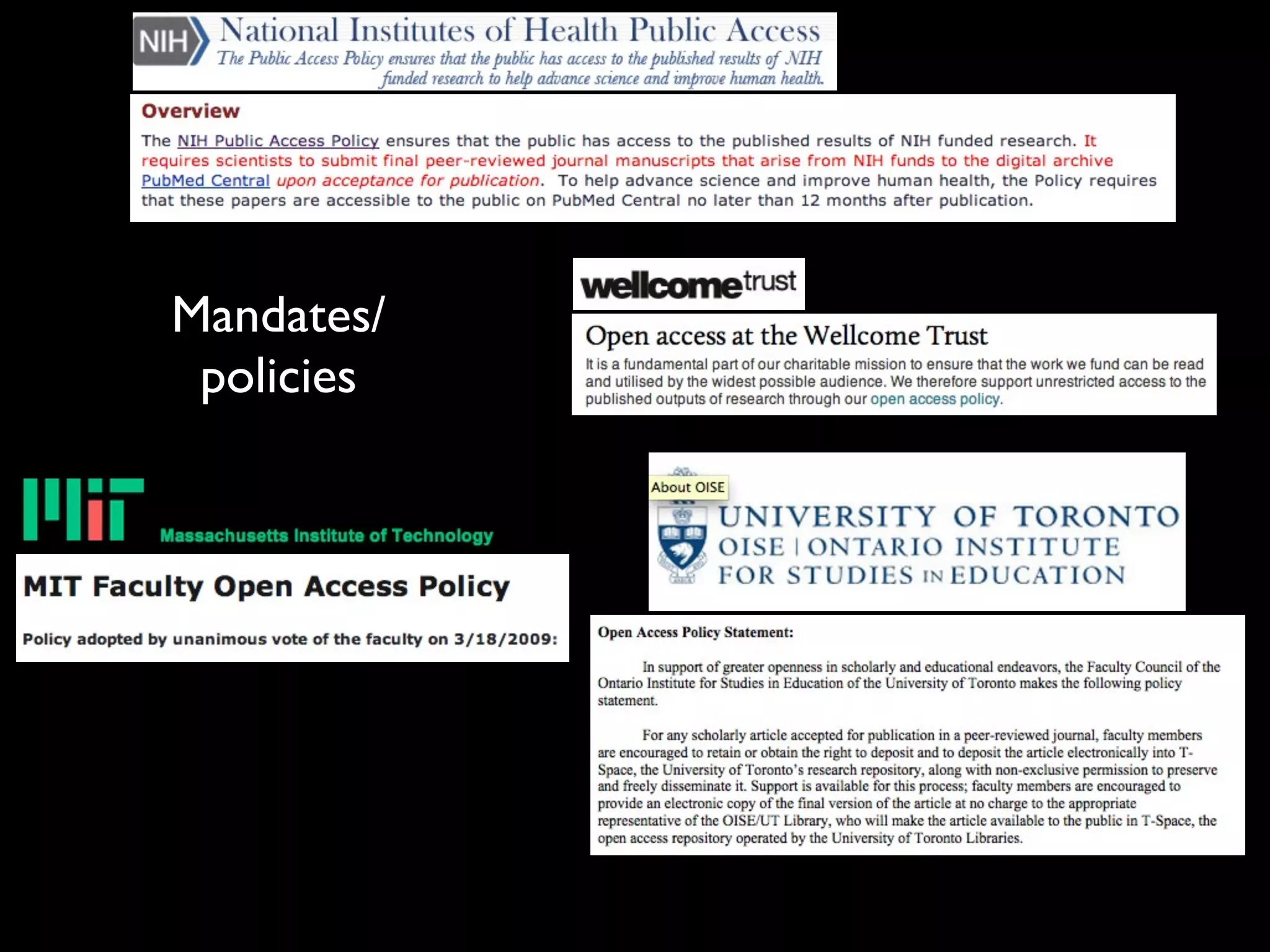
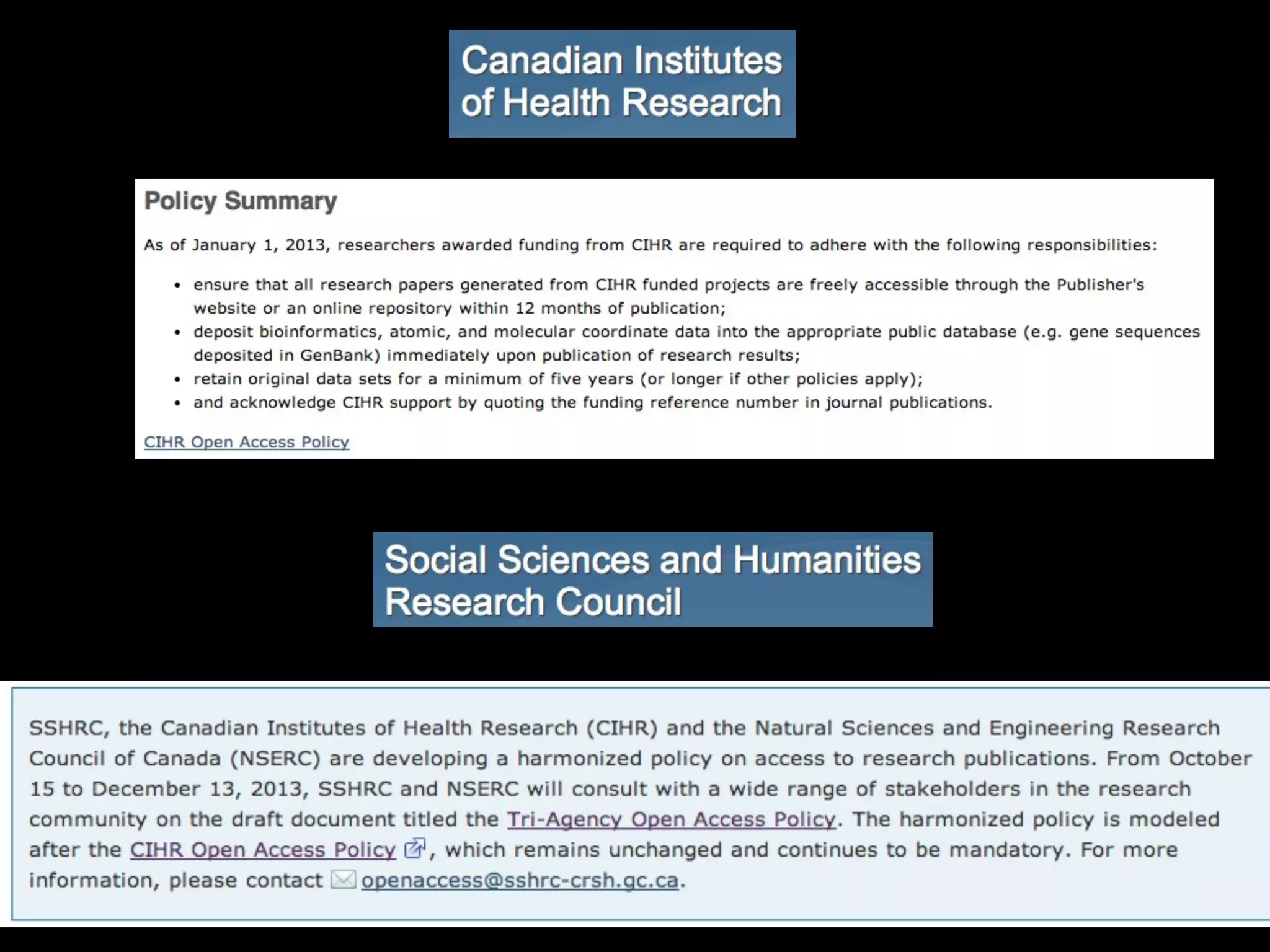
Mandates/
policies
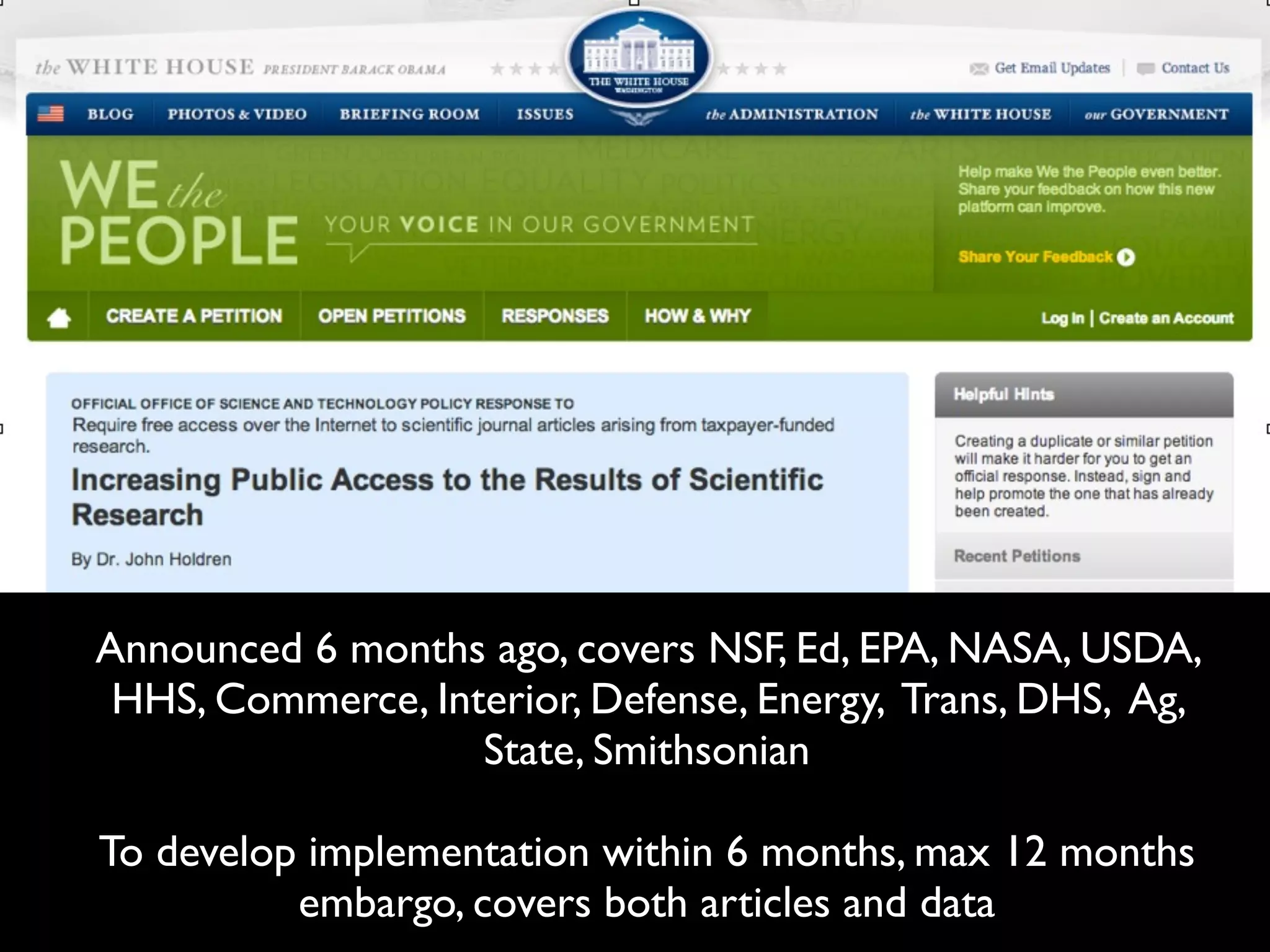
Announced 6 months ago, covers NSF, Ed, EPA, NASA, USDA,
HHS, Commerce, Interior, Defense, Energy, Trans, DHS, Ag,
State, Smithsonian
To develop implementation within 6 months, max 12 months
embargo, covers both articles and data
Why?
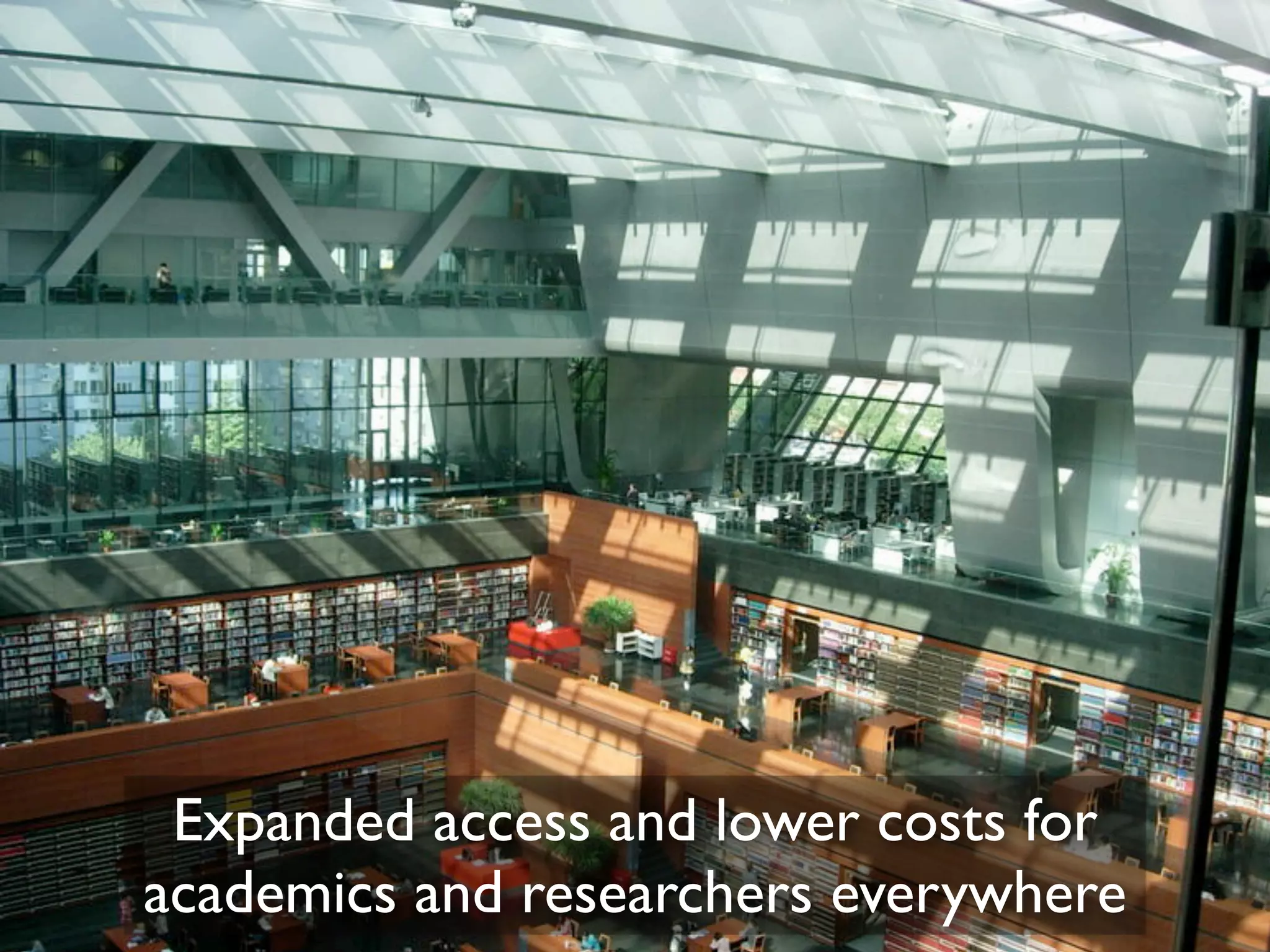
Expanded access and lower costs for
academics and researchers everywhere
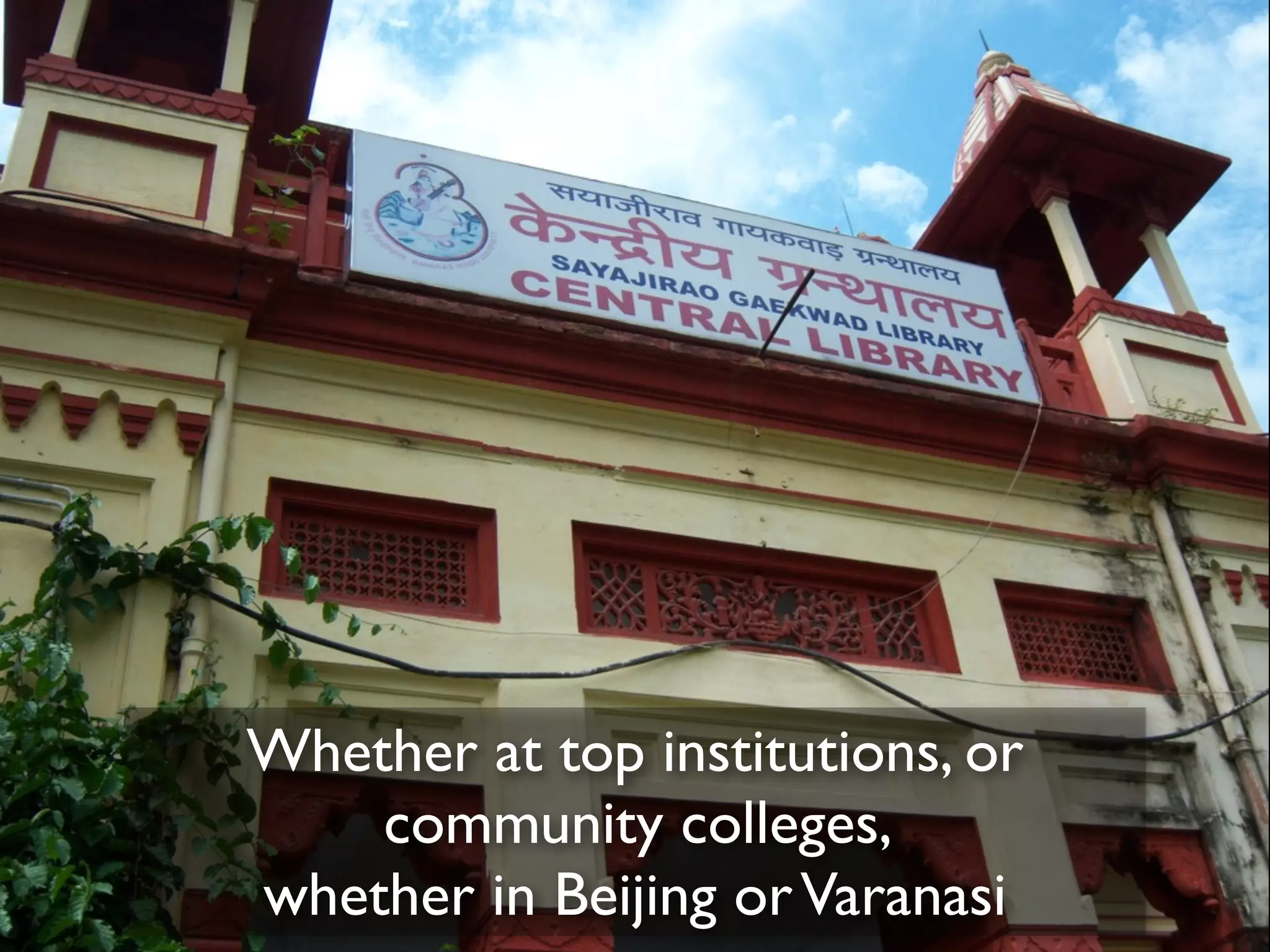
Whether at top institutions, or
community colleges,
whether in Beijing or Varanasi
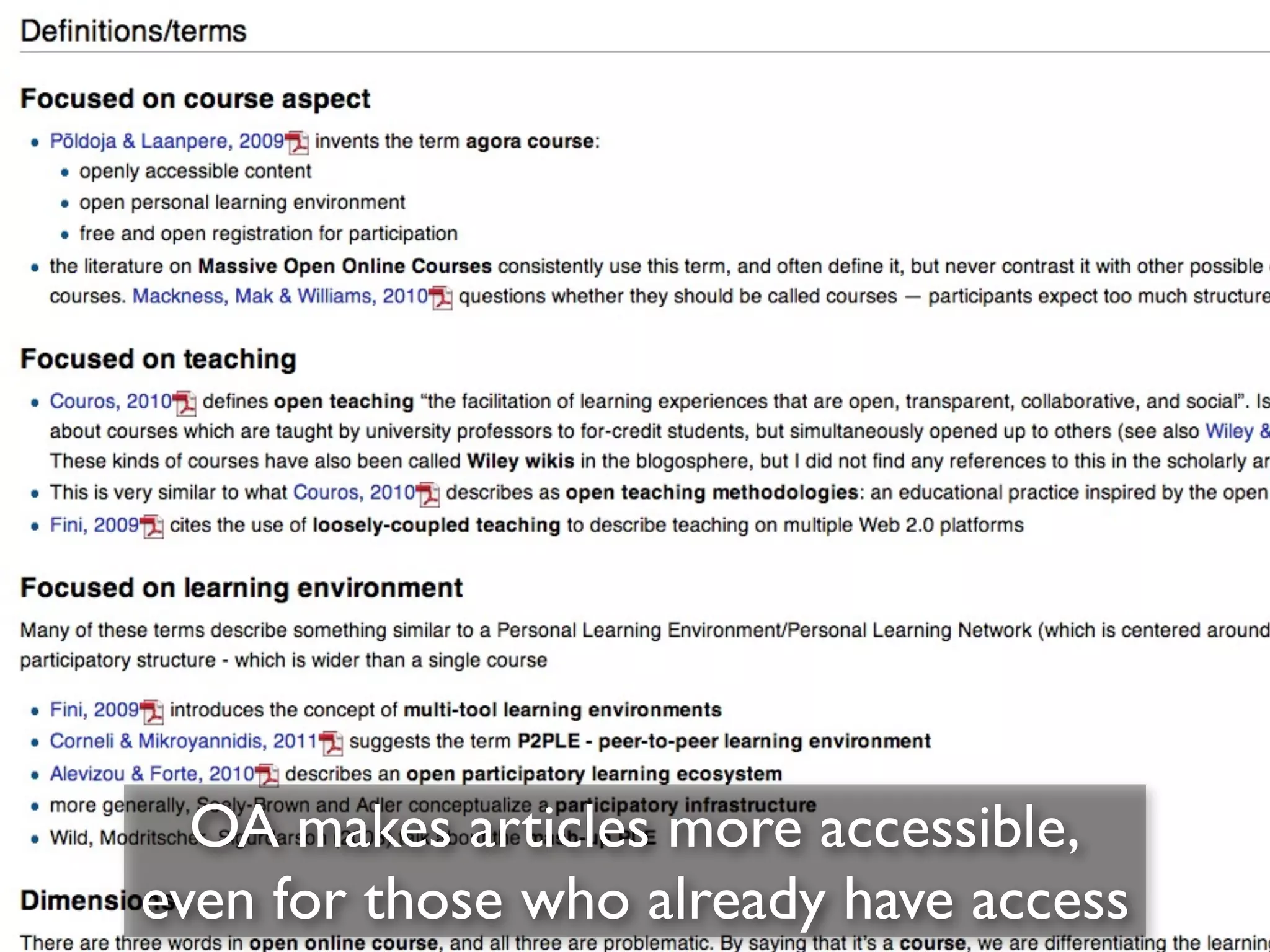
OA makes articles more accessible,
even for those who already have access
Giving the broader public
access to our research
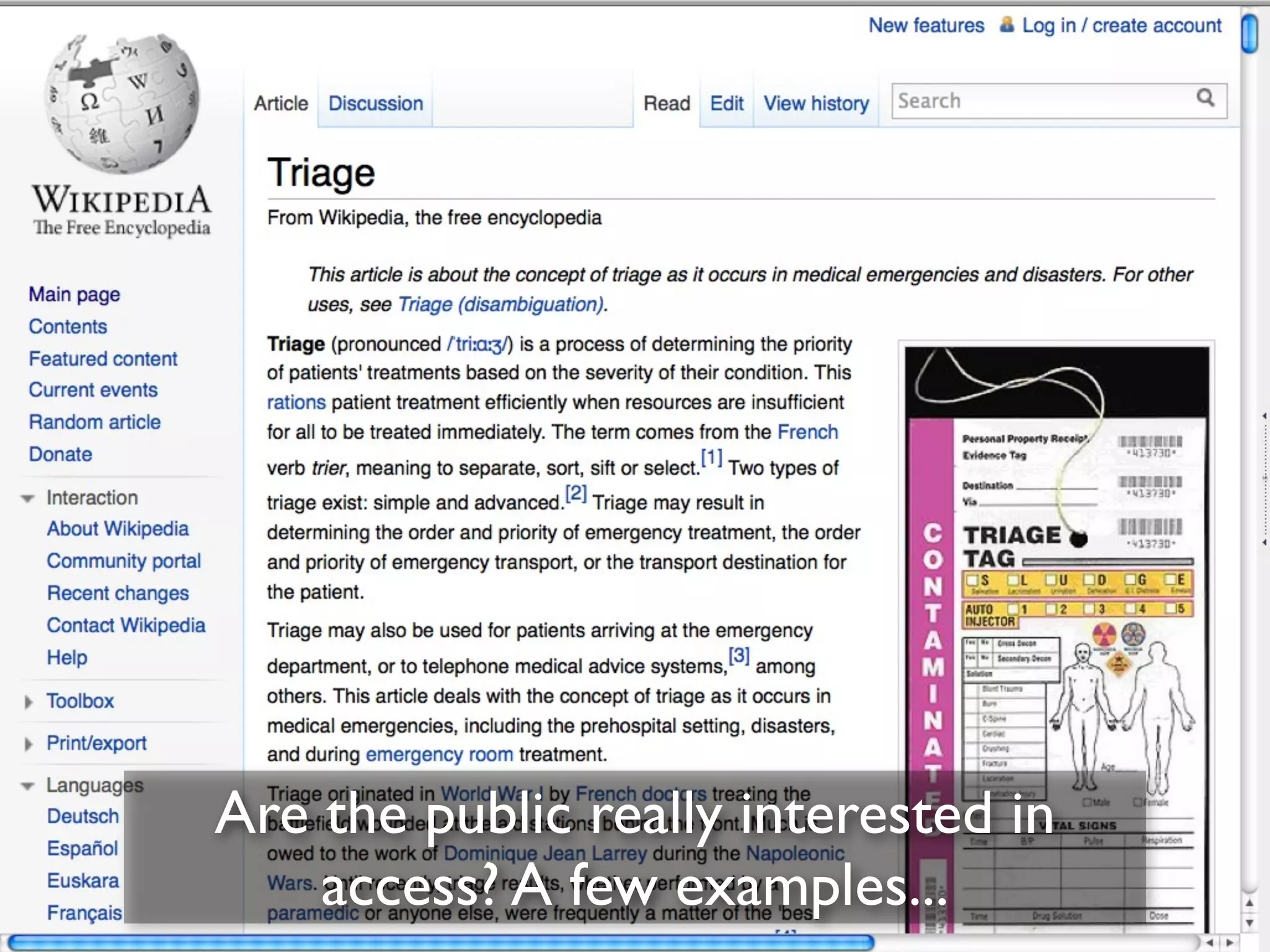
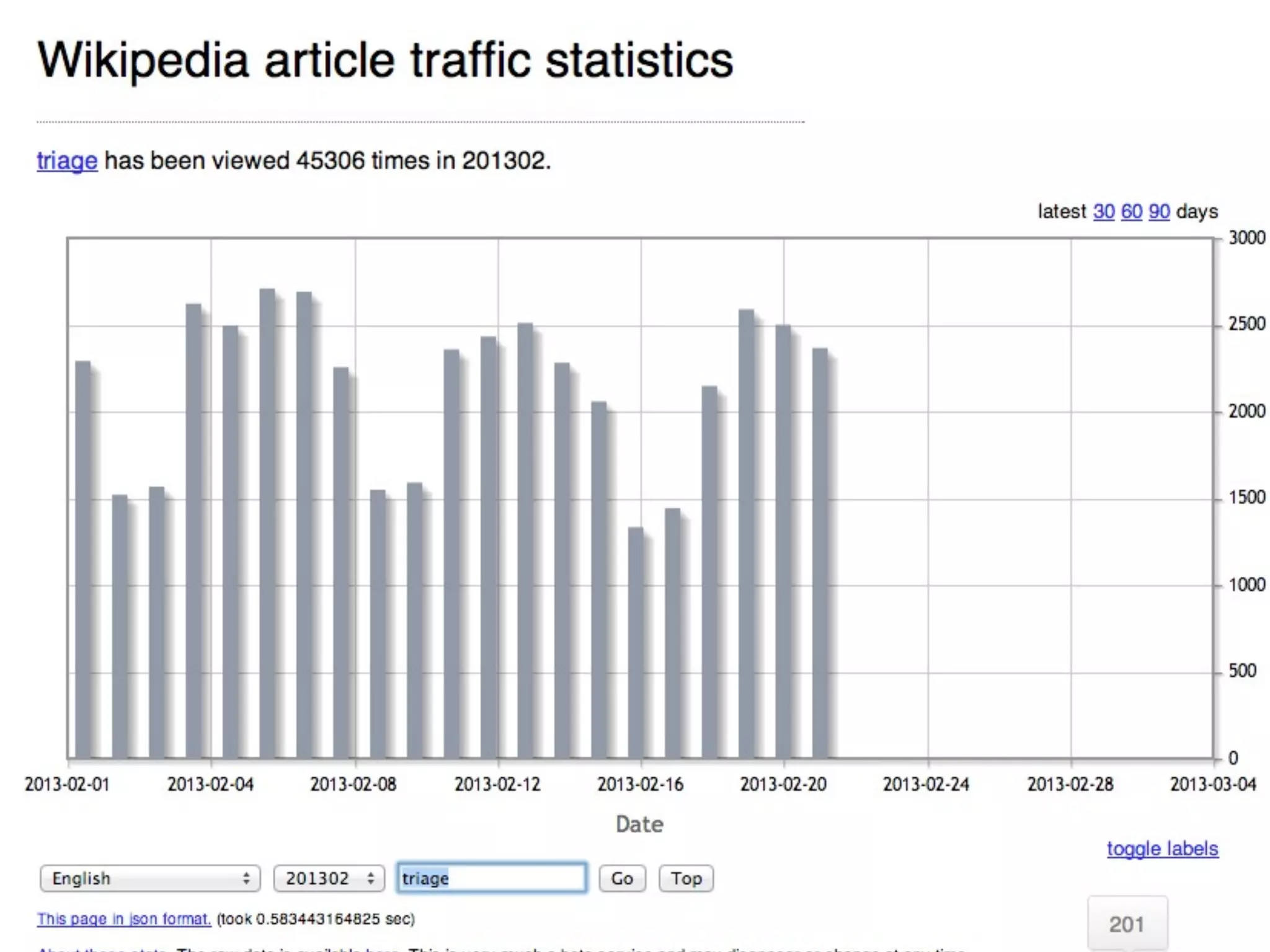
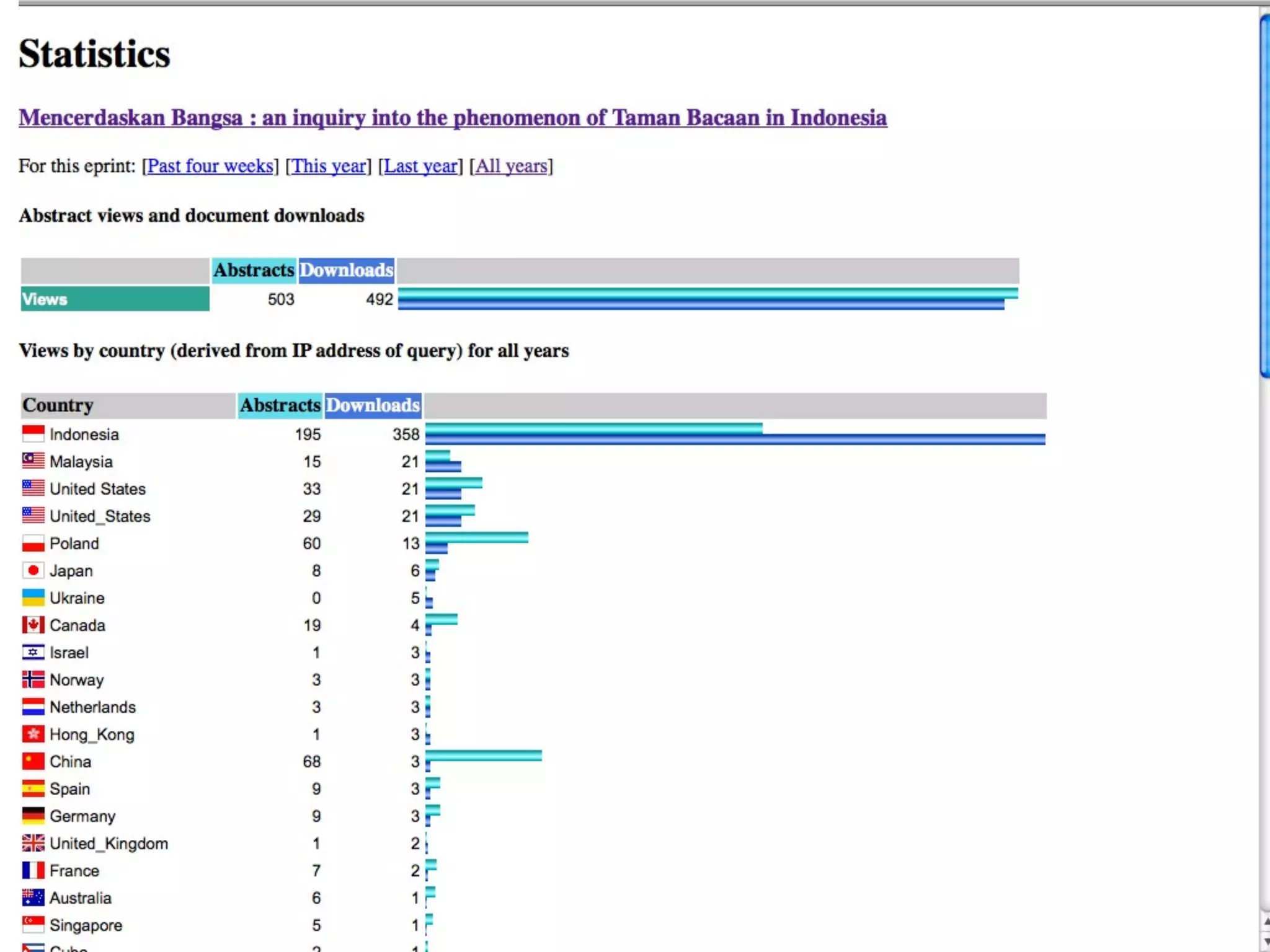
Are the public really interested in
access? A few examples...
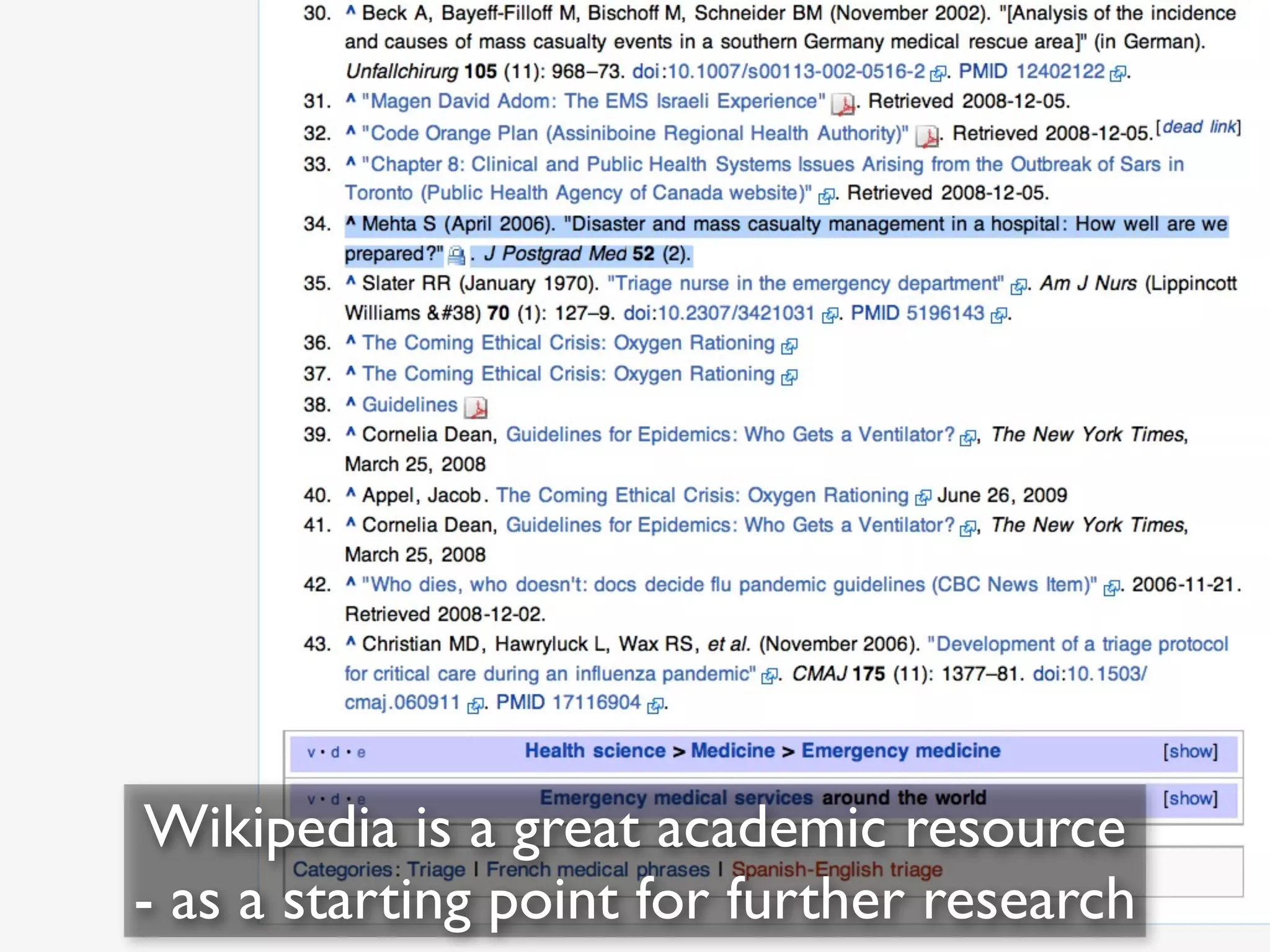
Wikipedia is a great academic resource
- as a starting point for further research
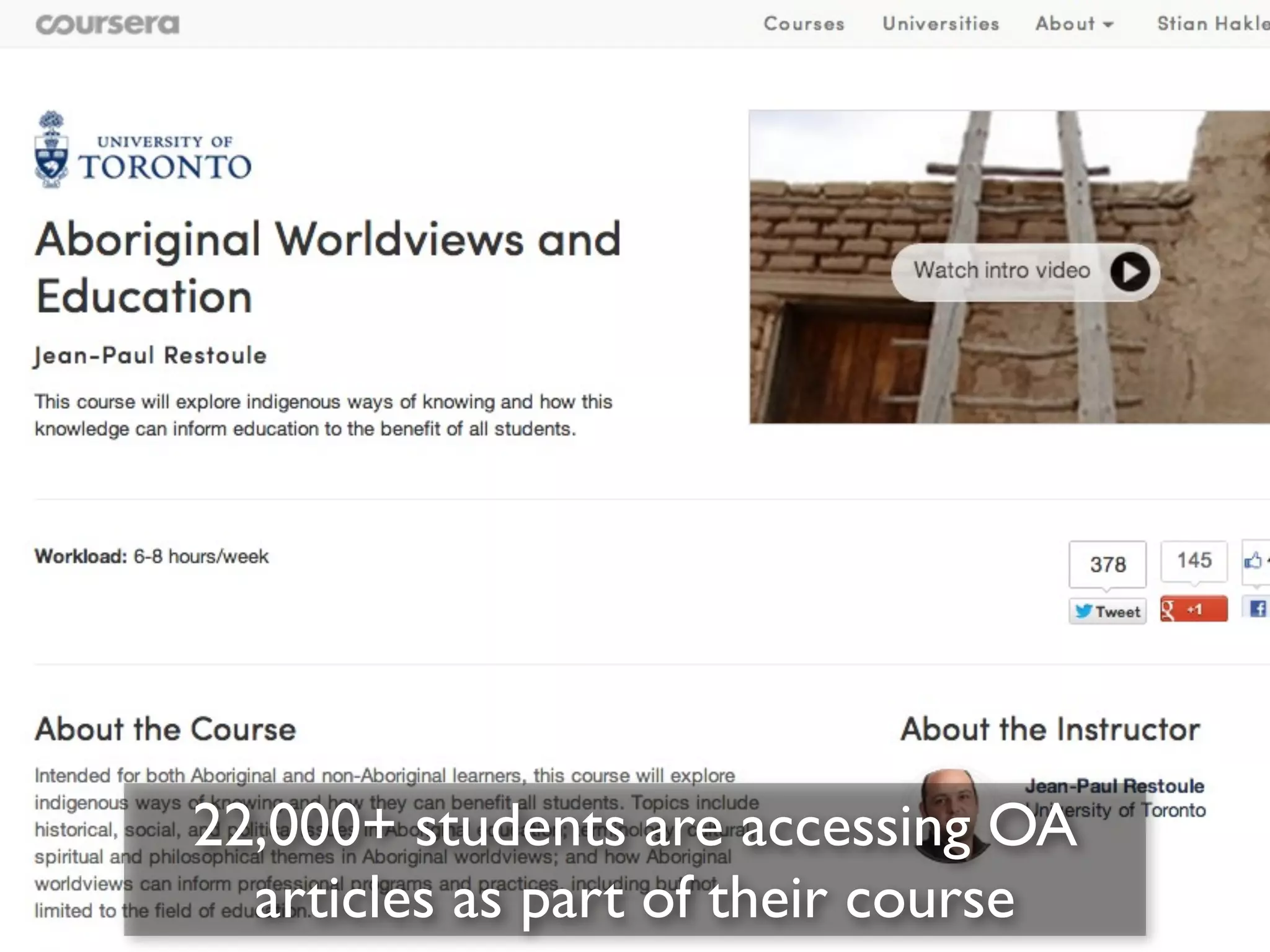
22,000+ students are accessing OA
articles as part of their course
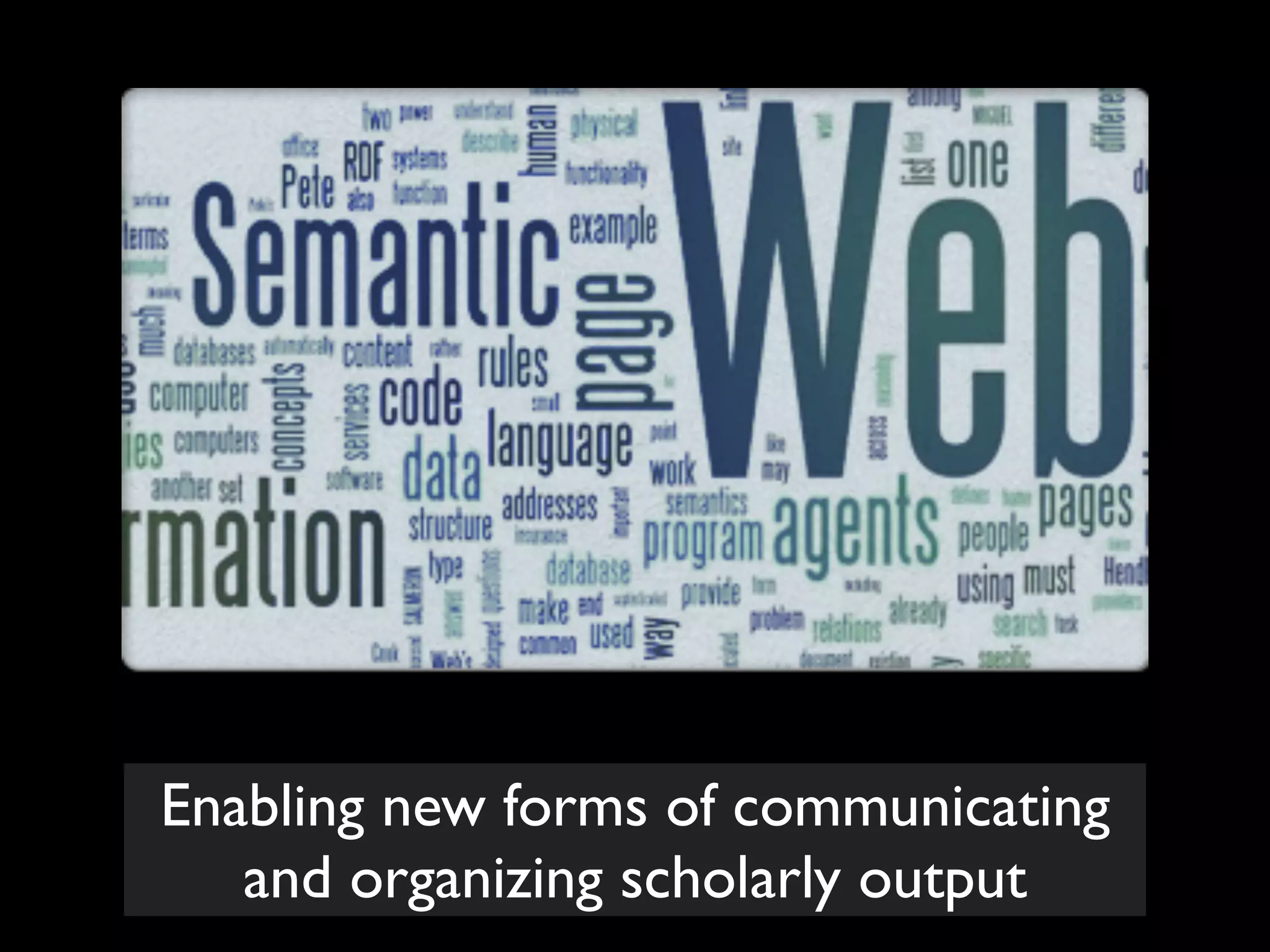
Enabling new forms of communicating
and organizing scholarly output
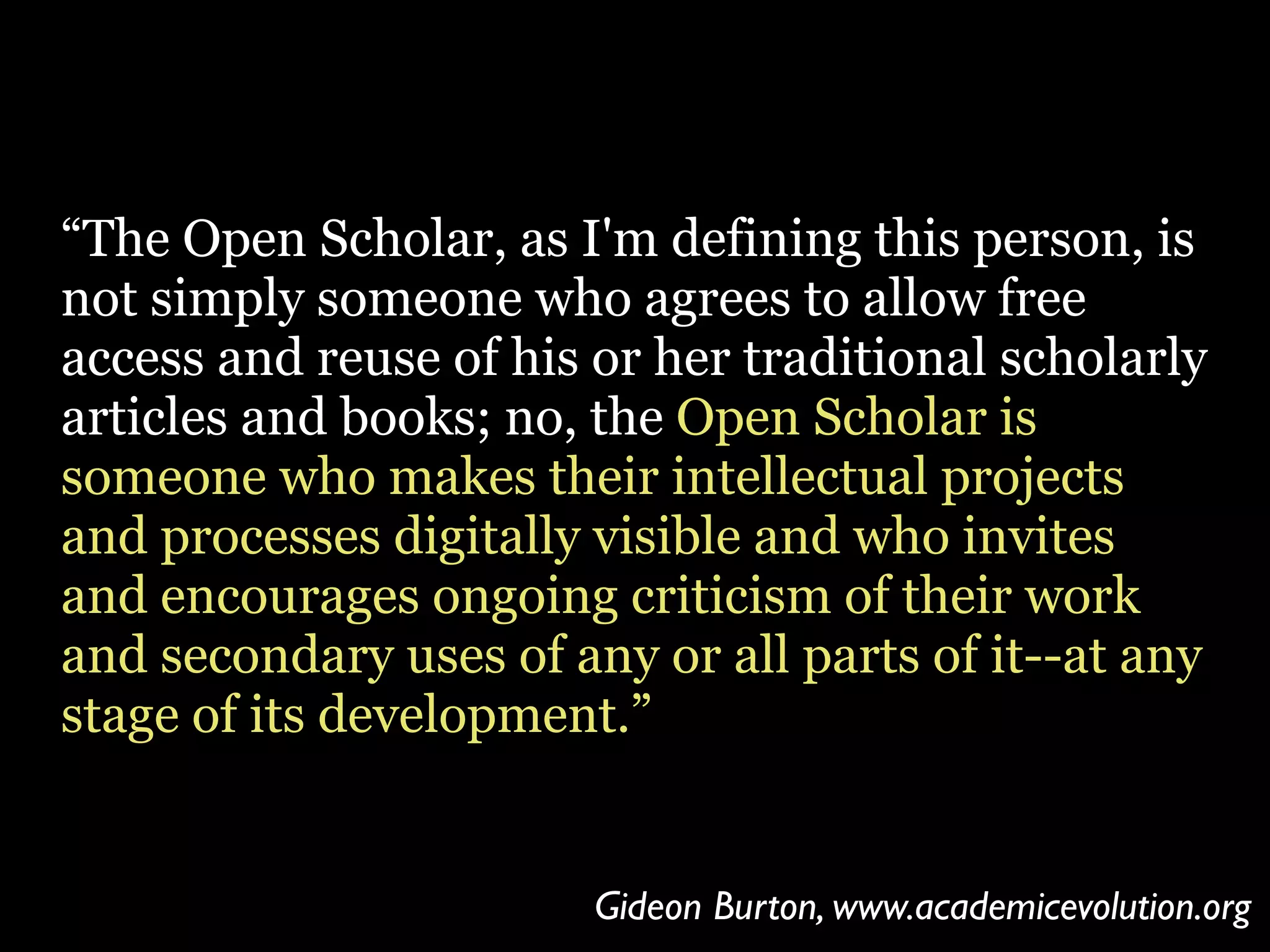
“The Open Scholar, as I'm defining this person, is
not simply someone who agrees to allow free
access and reuse of his or her traditional scholarly
articles and books; no, the Open Scholar is
someone who makes their intellectual projects
and processes digitally visible and who invites
and encourages ongoing criticism of their work
and secondary uses of any or all parts of it--at any
stage of its development.”

Gideon Burton, www.academicevolution.org
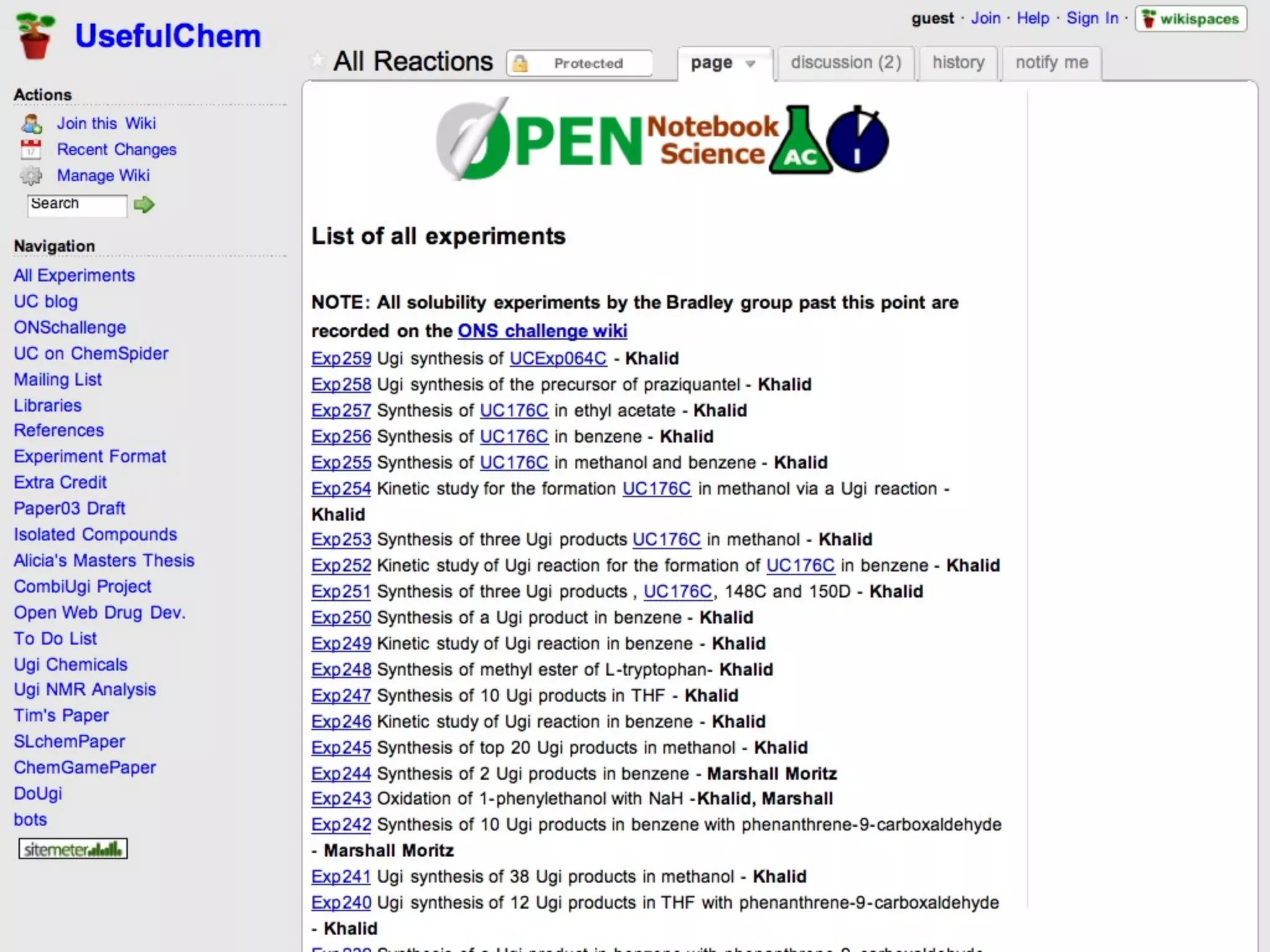
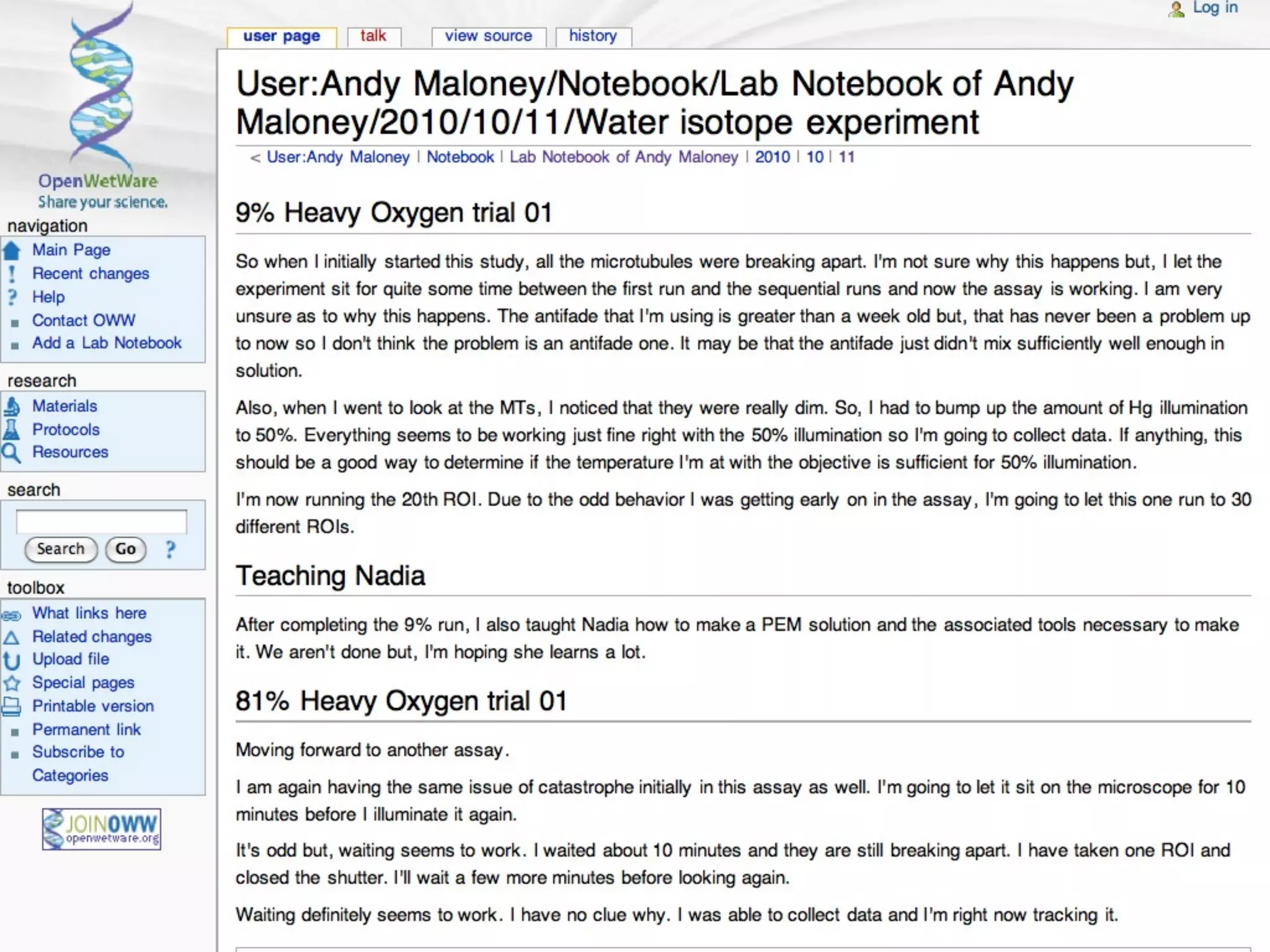
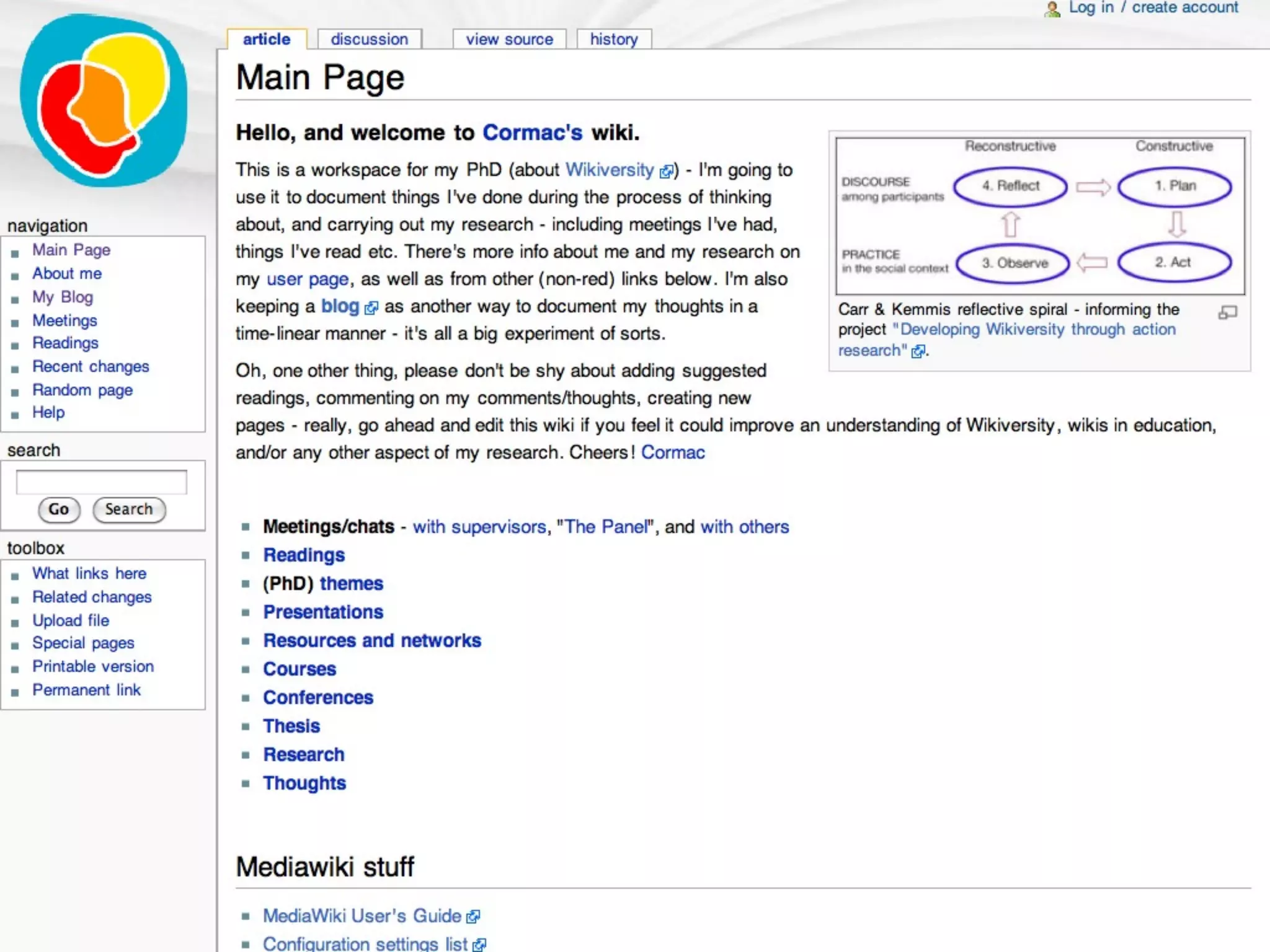
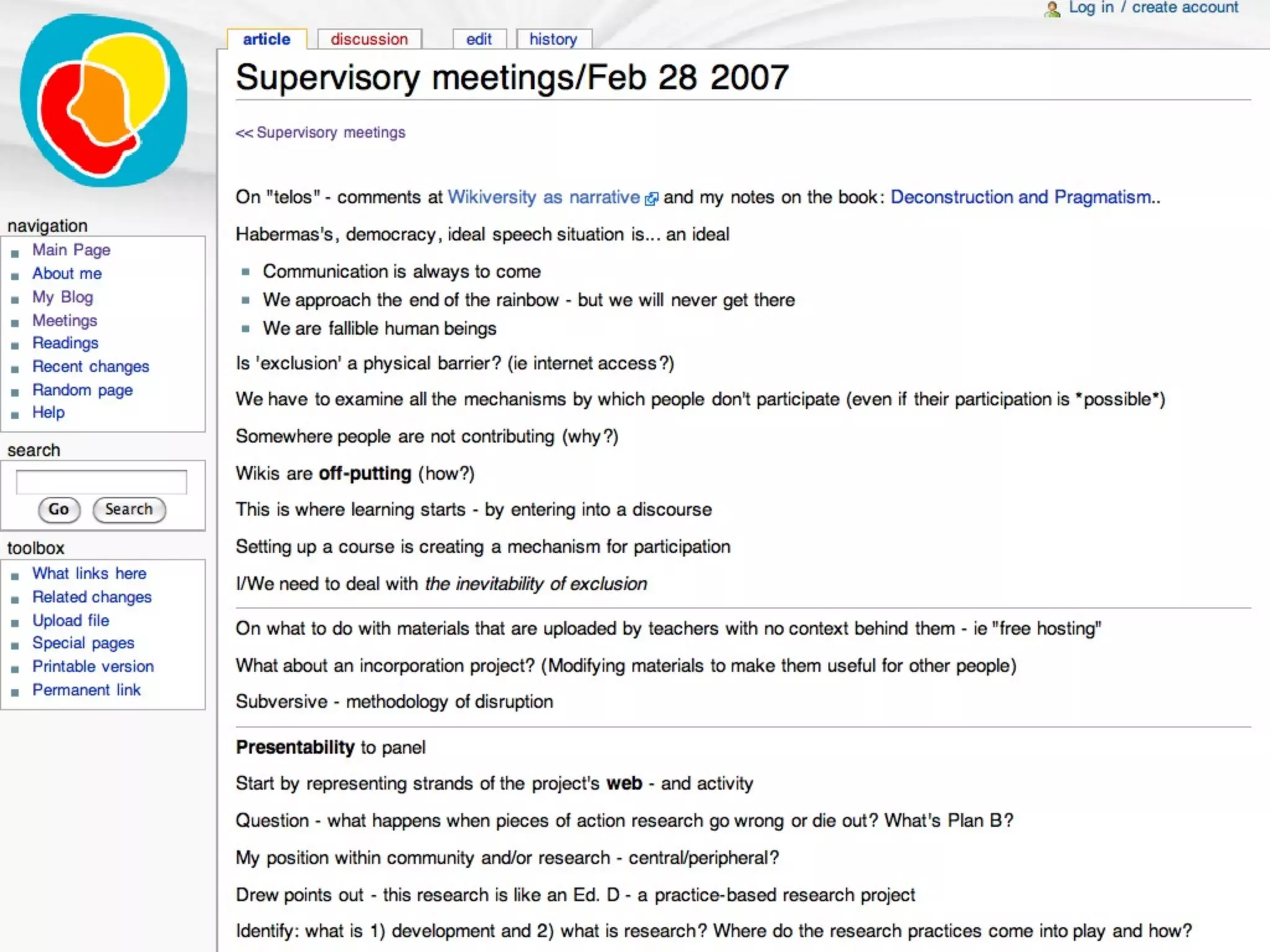
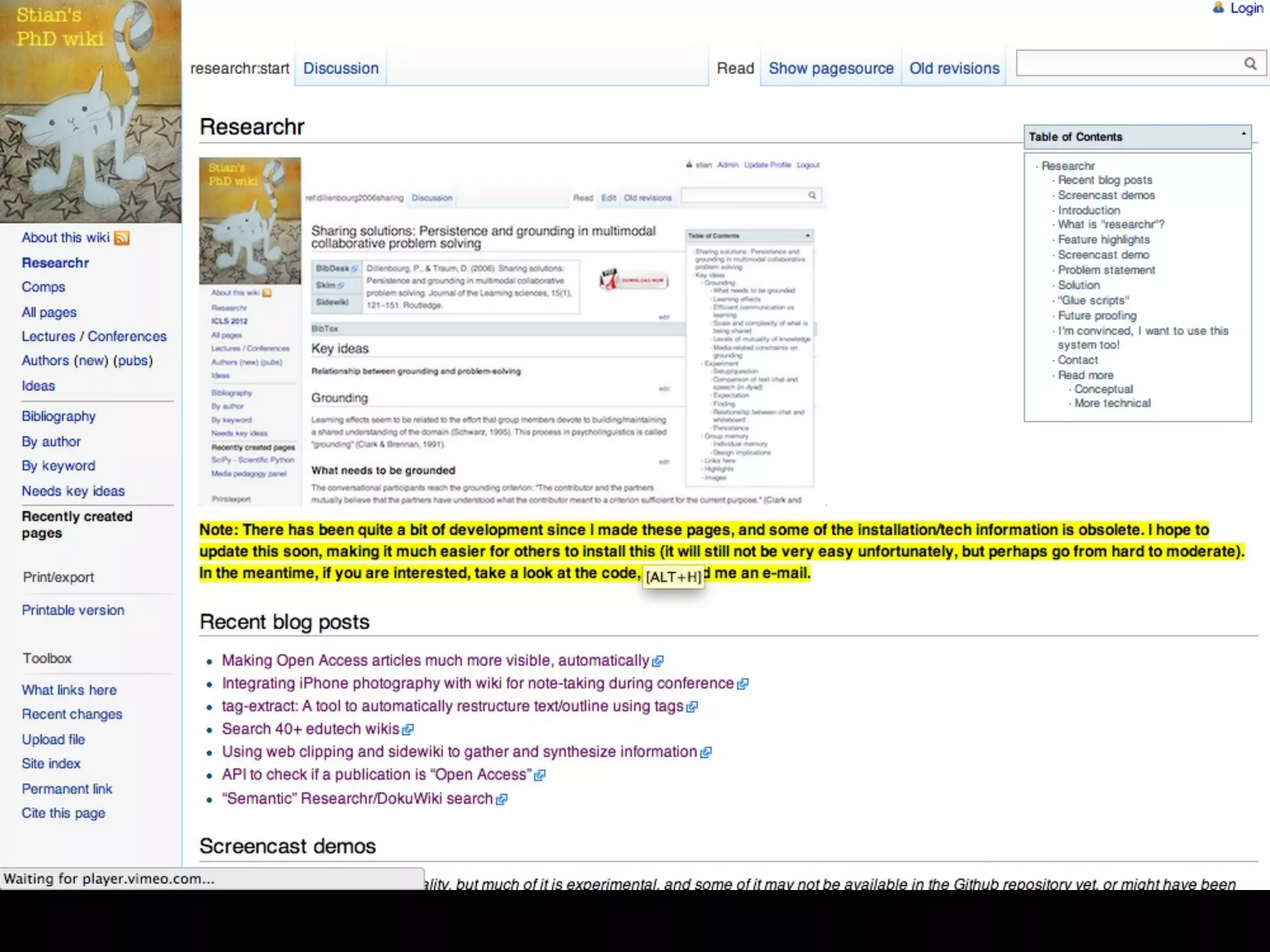
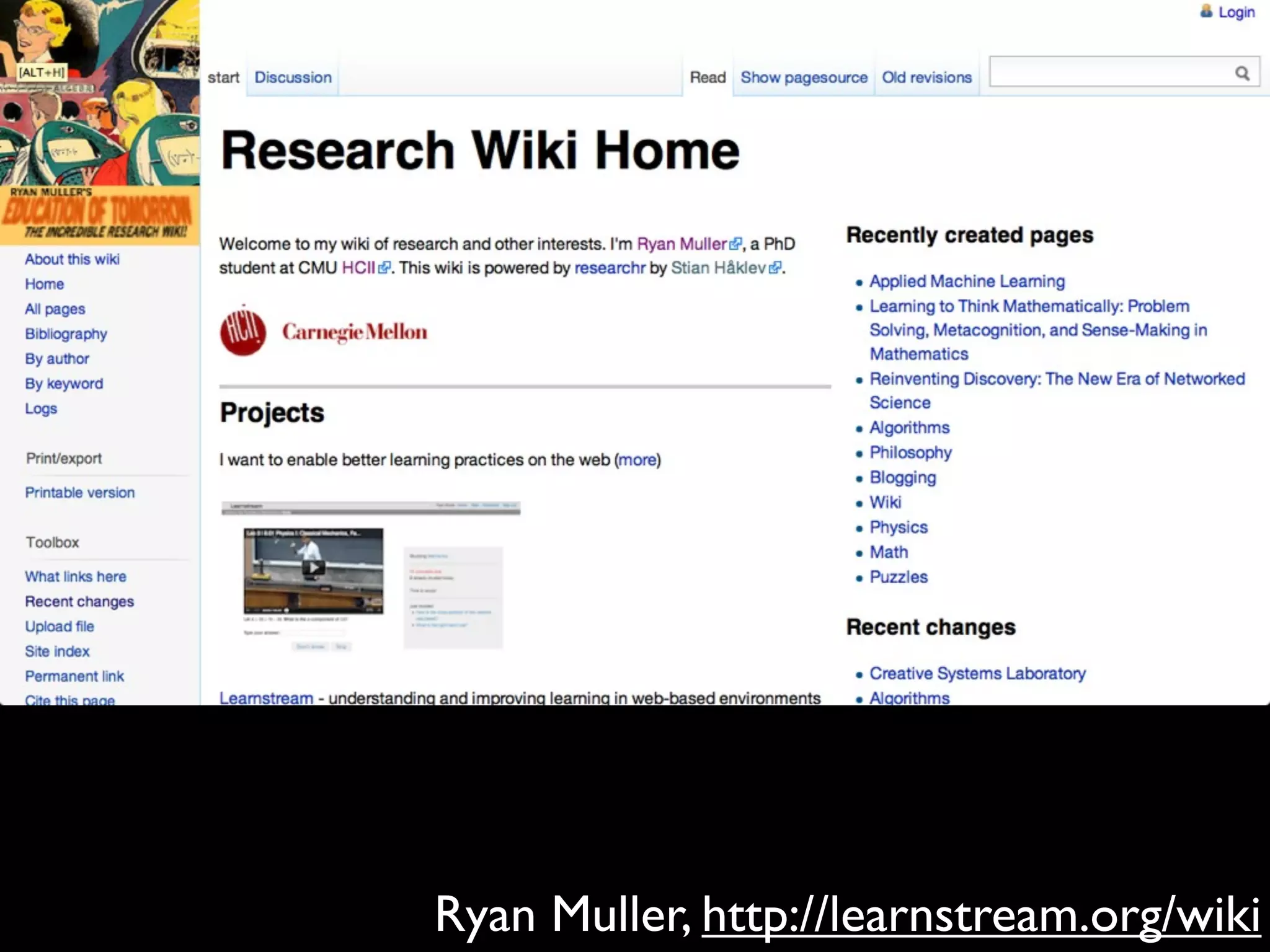
Ryan Muller, http://learnstream.org/wiki
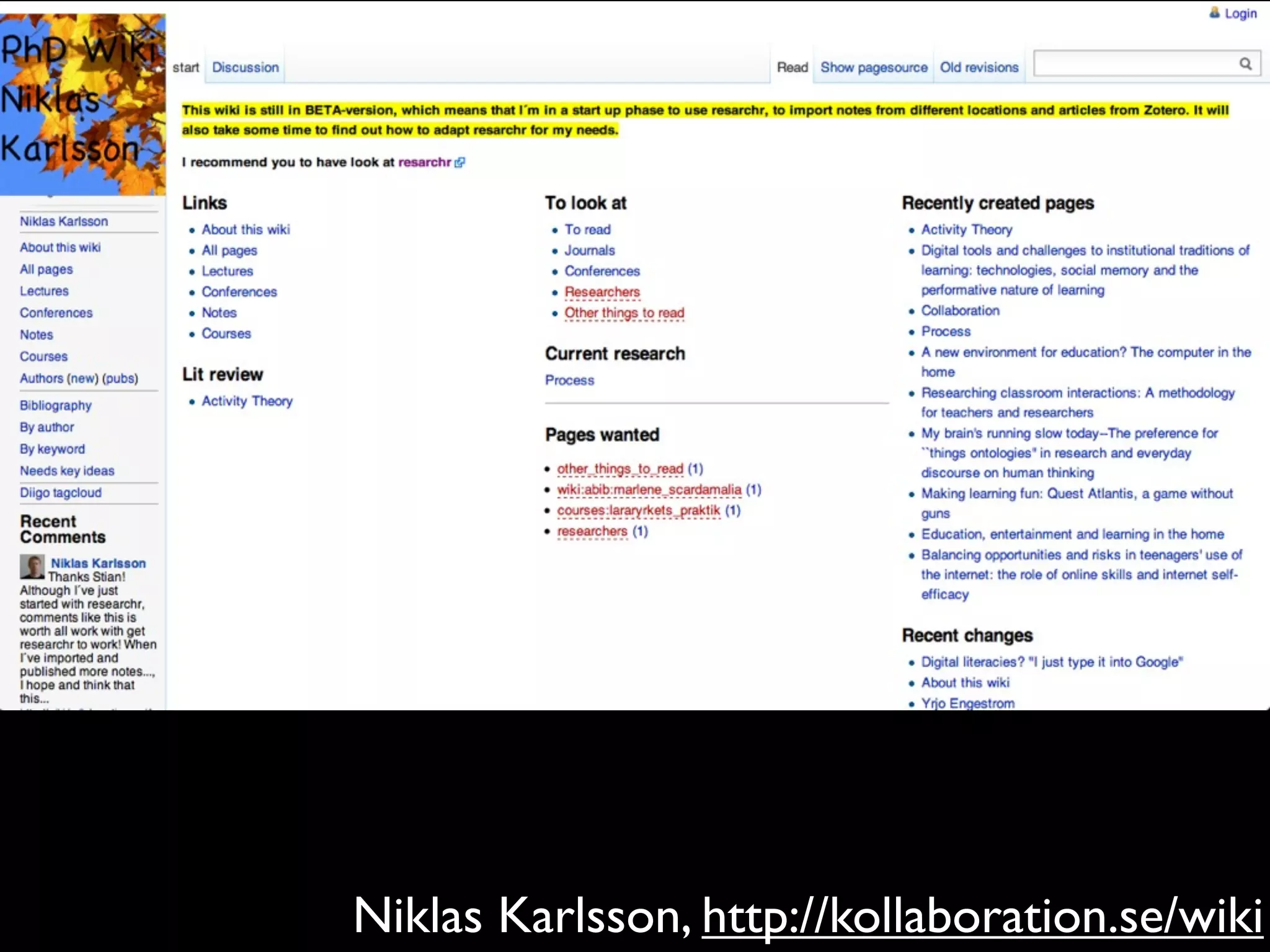
Niklas Karlsson, http://kollaboration.se/wiki
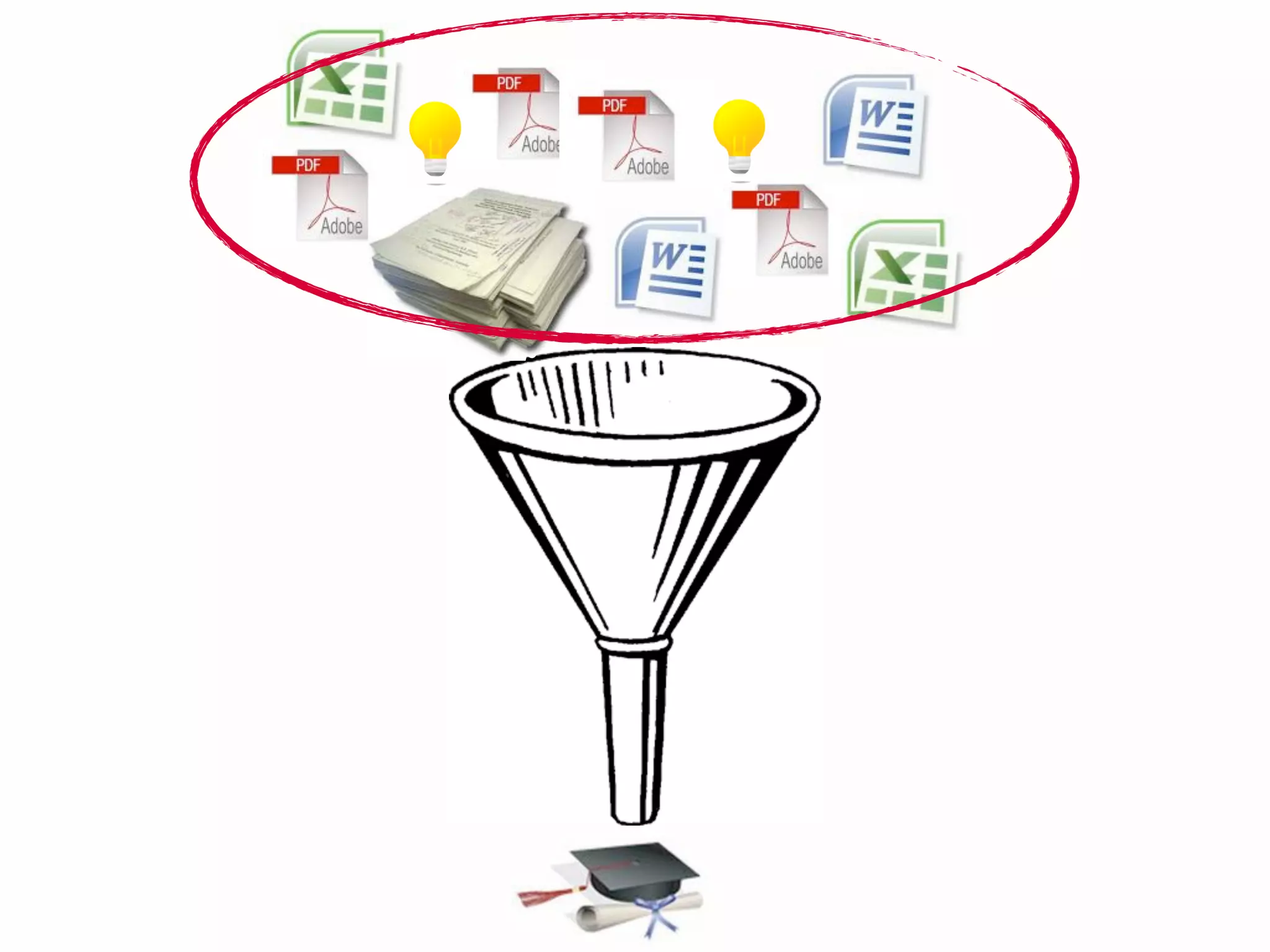
After publication
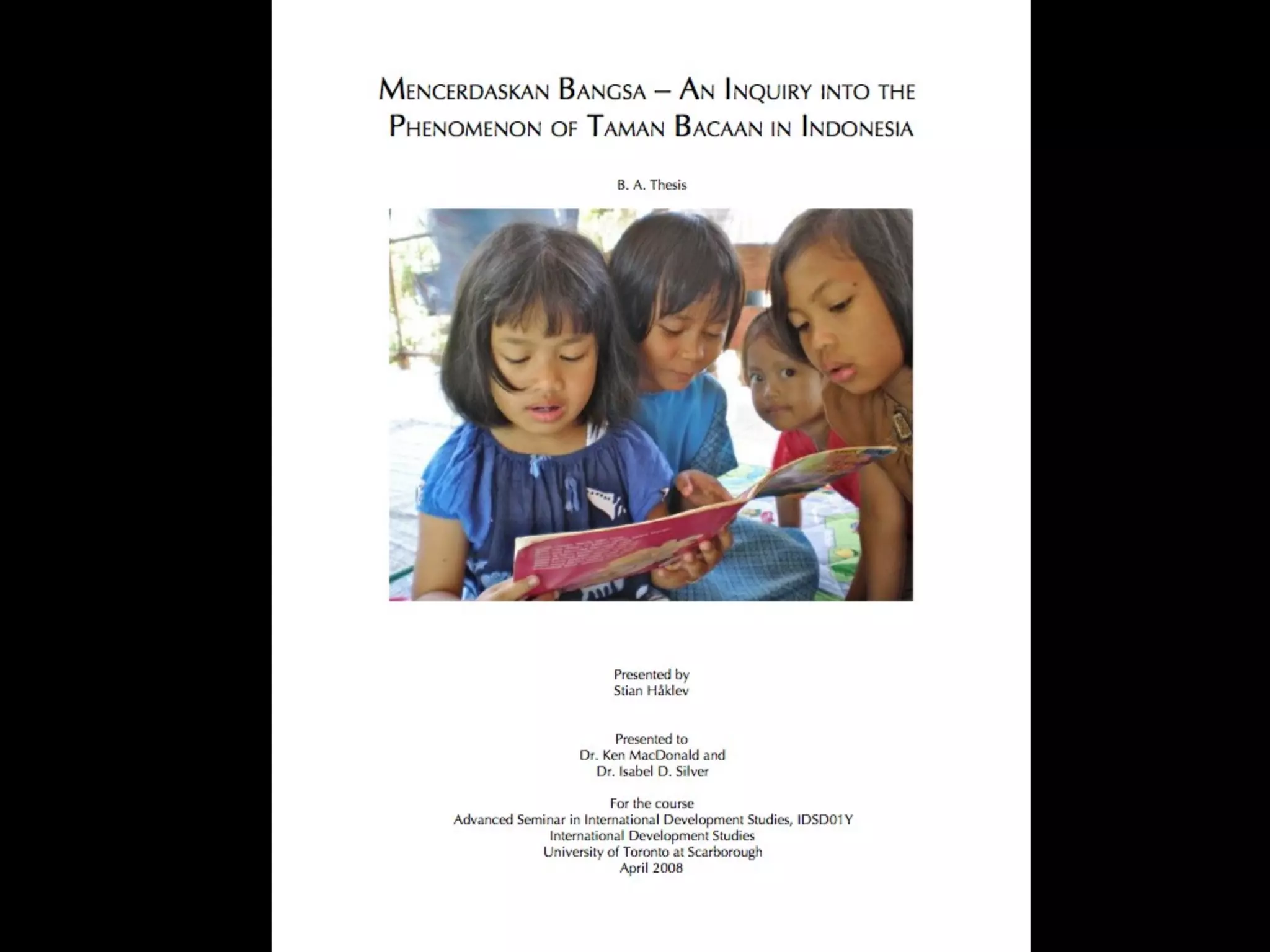
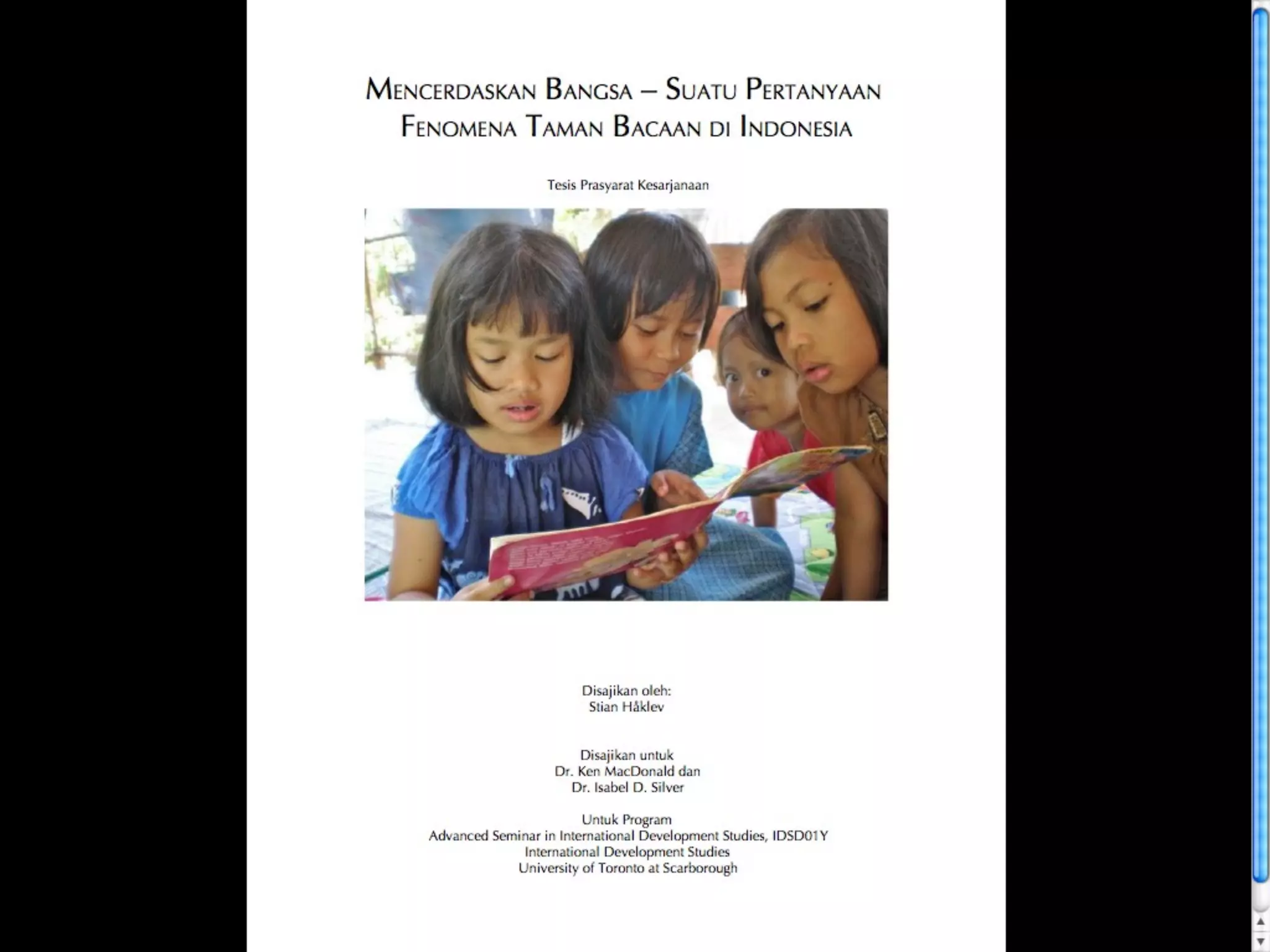
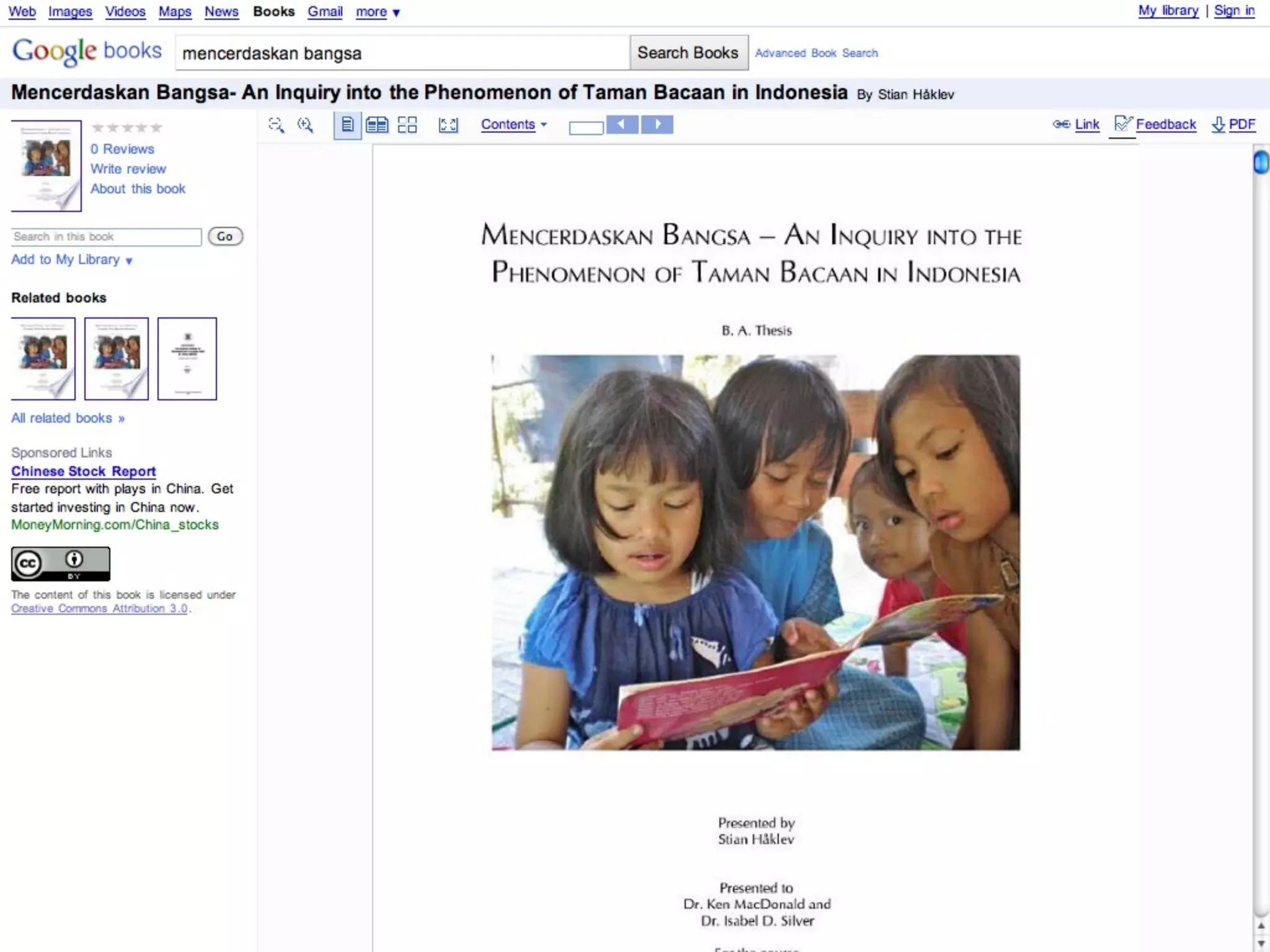
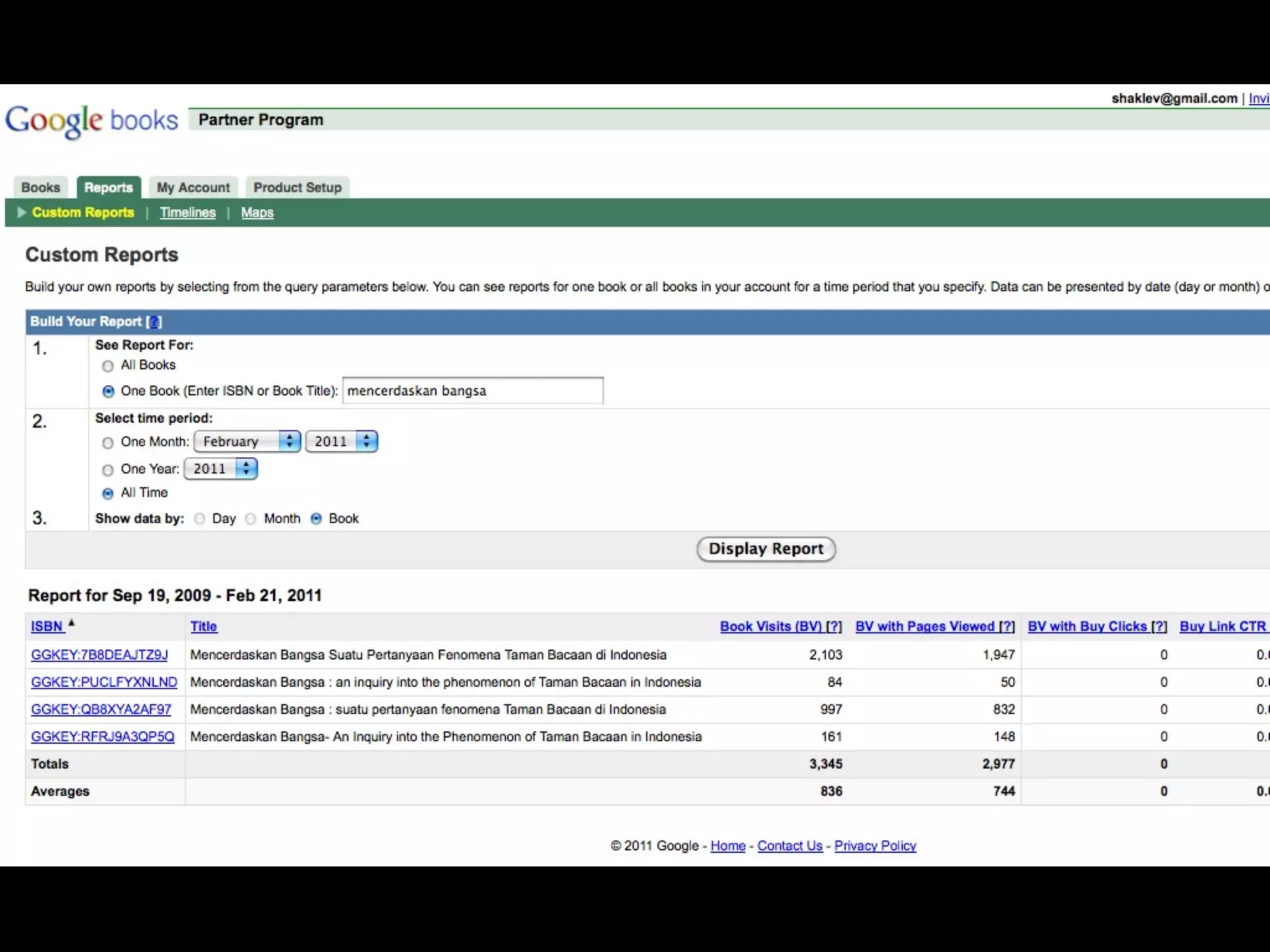
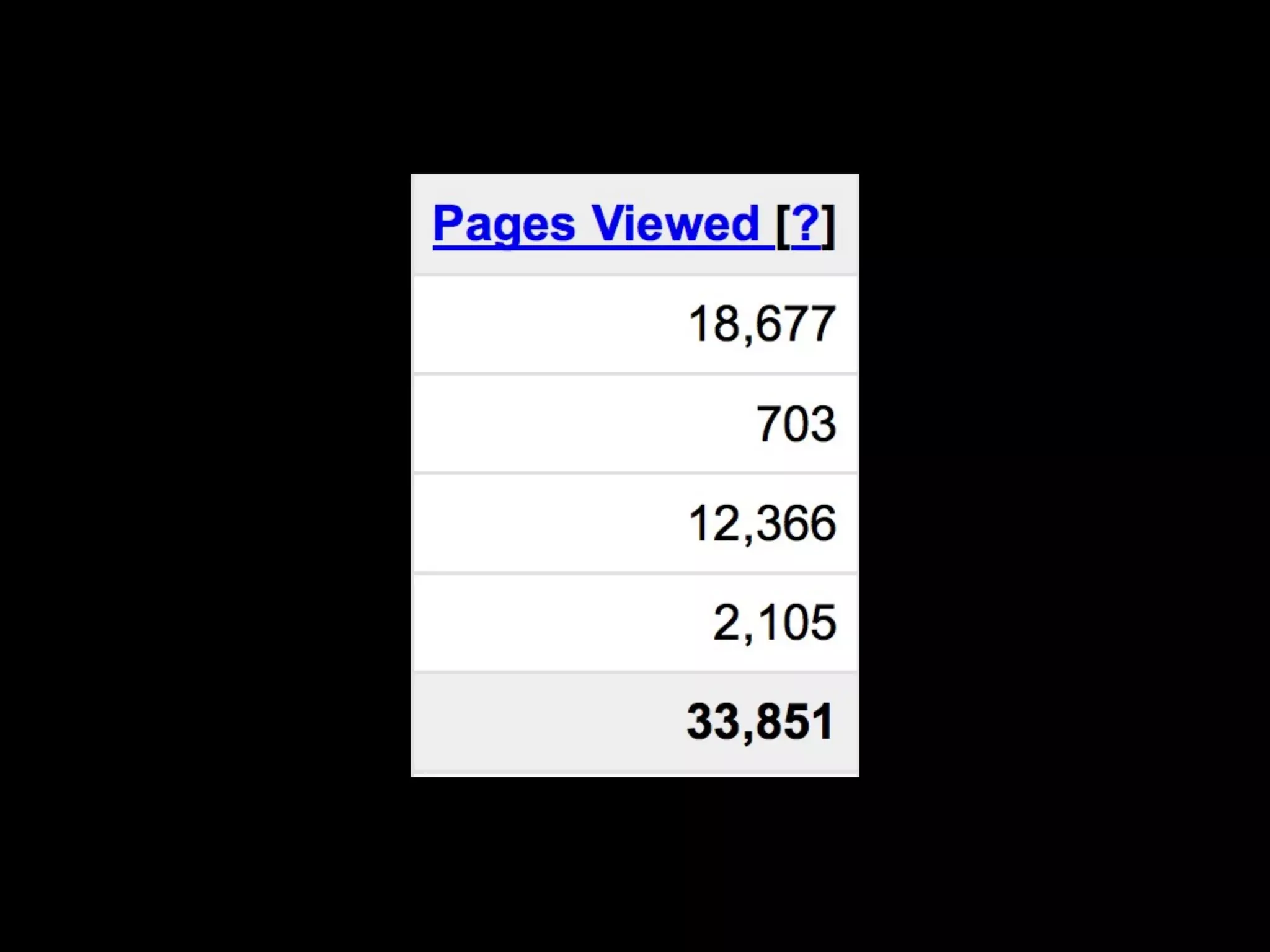
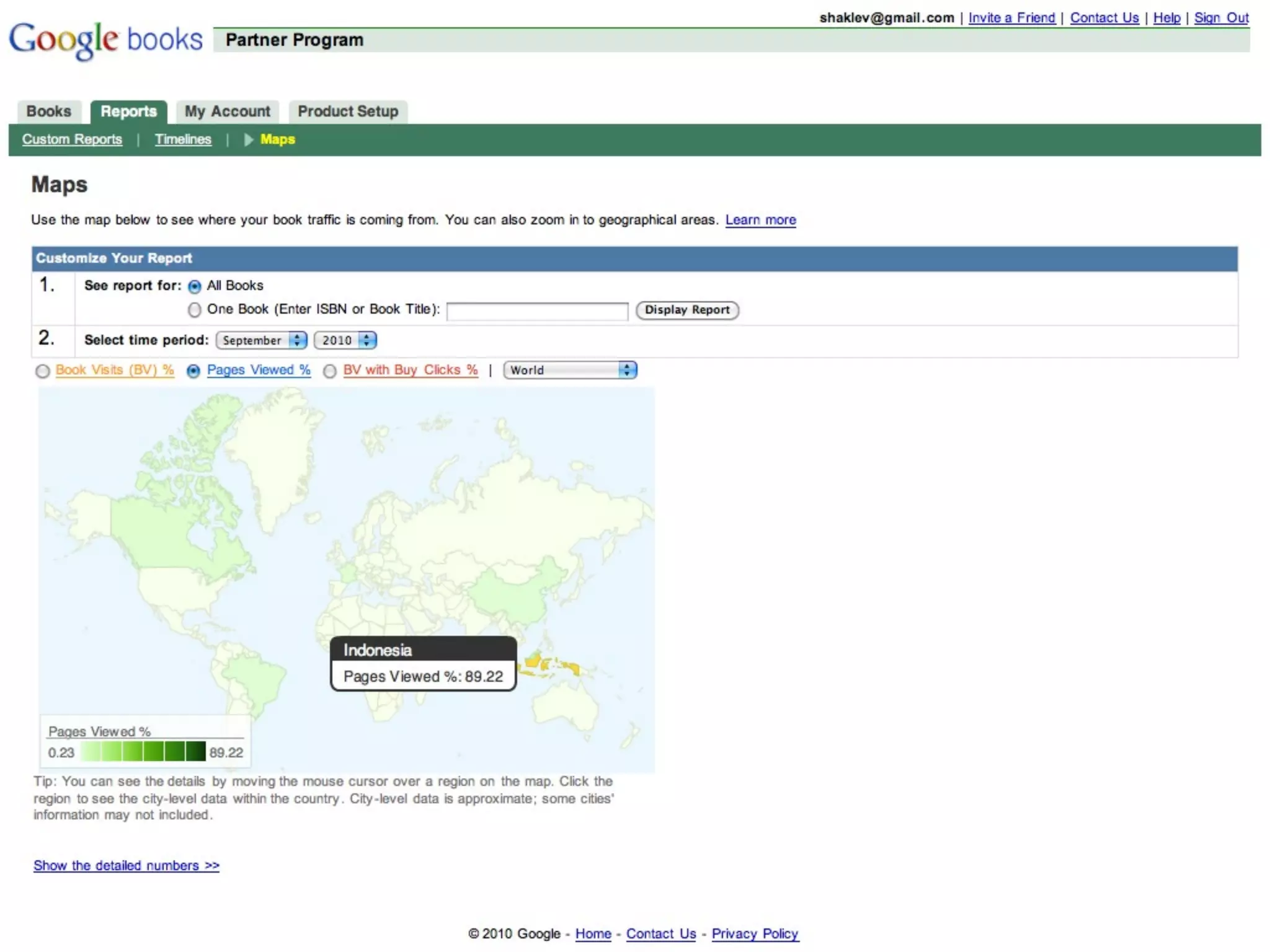
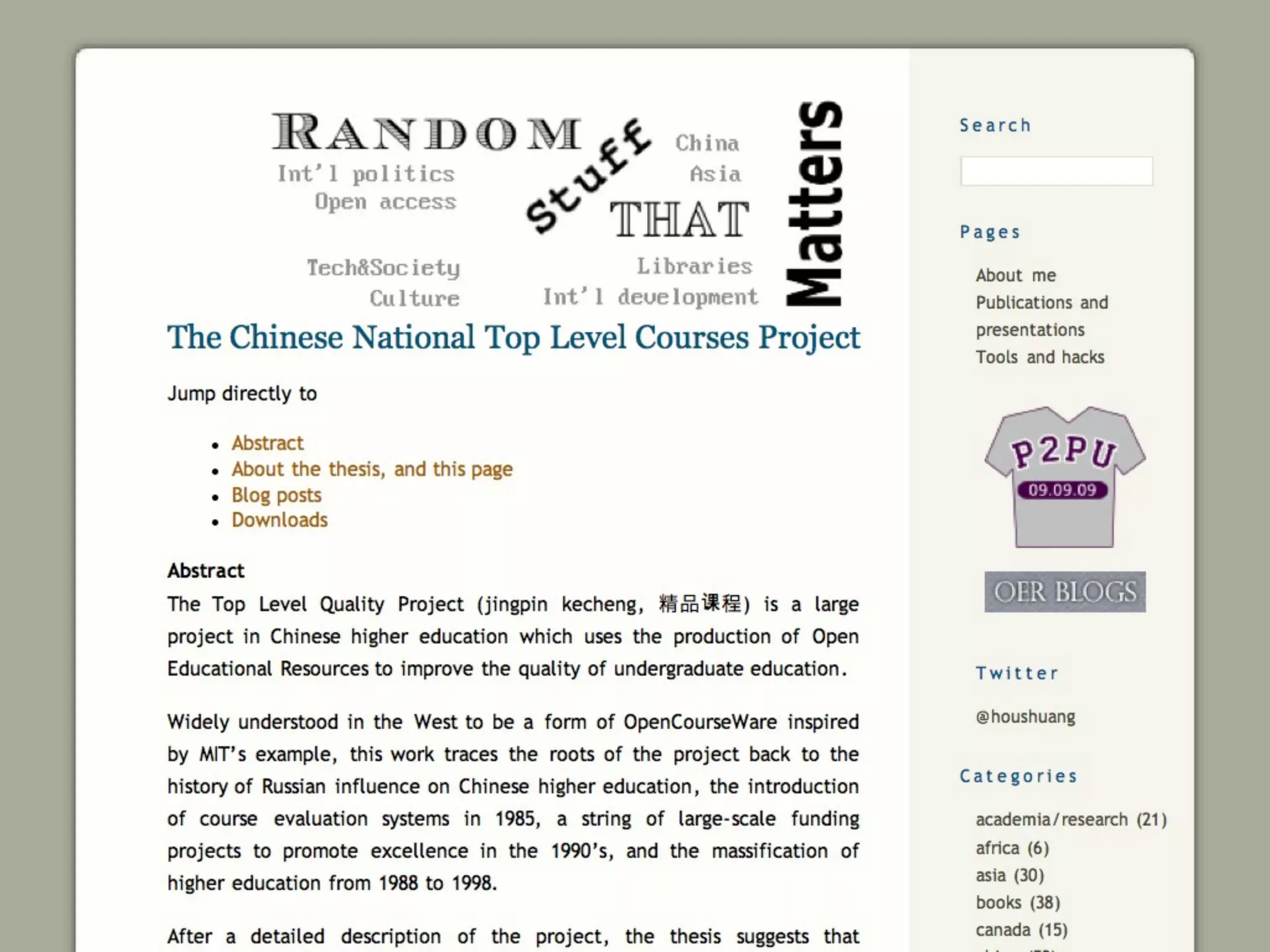
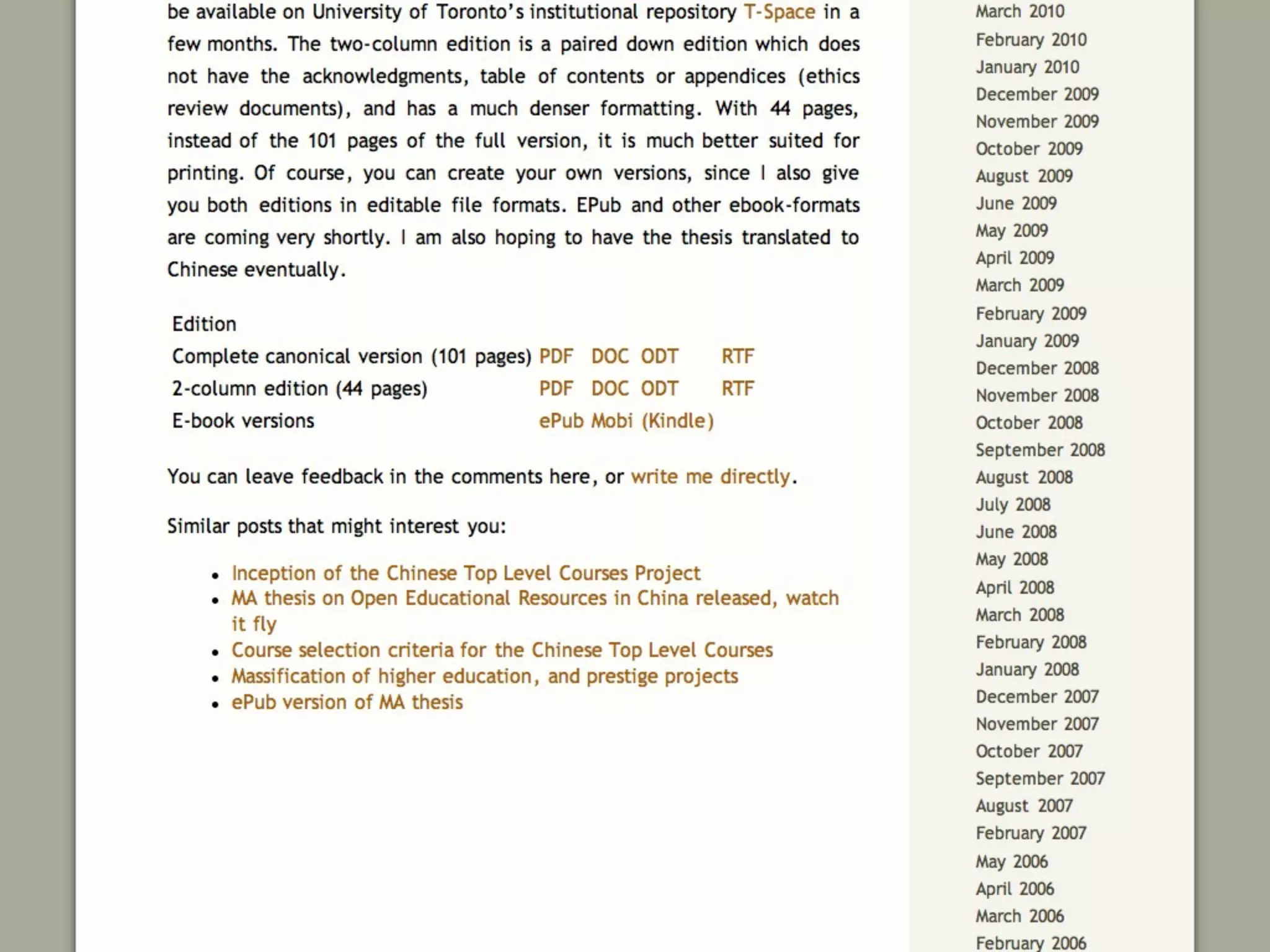
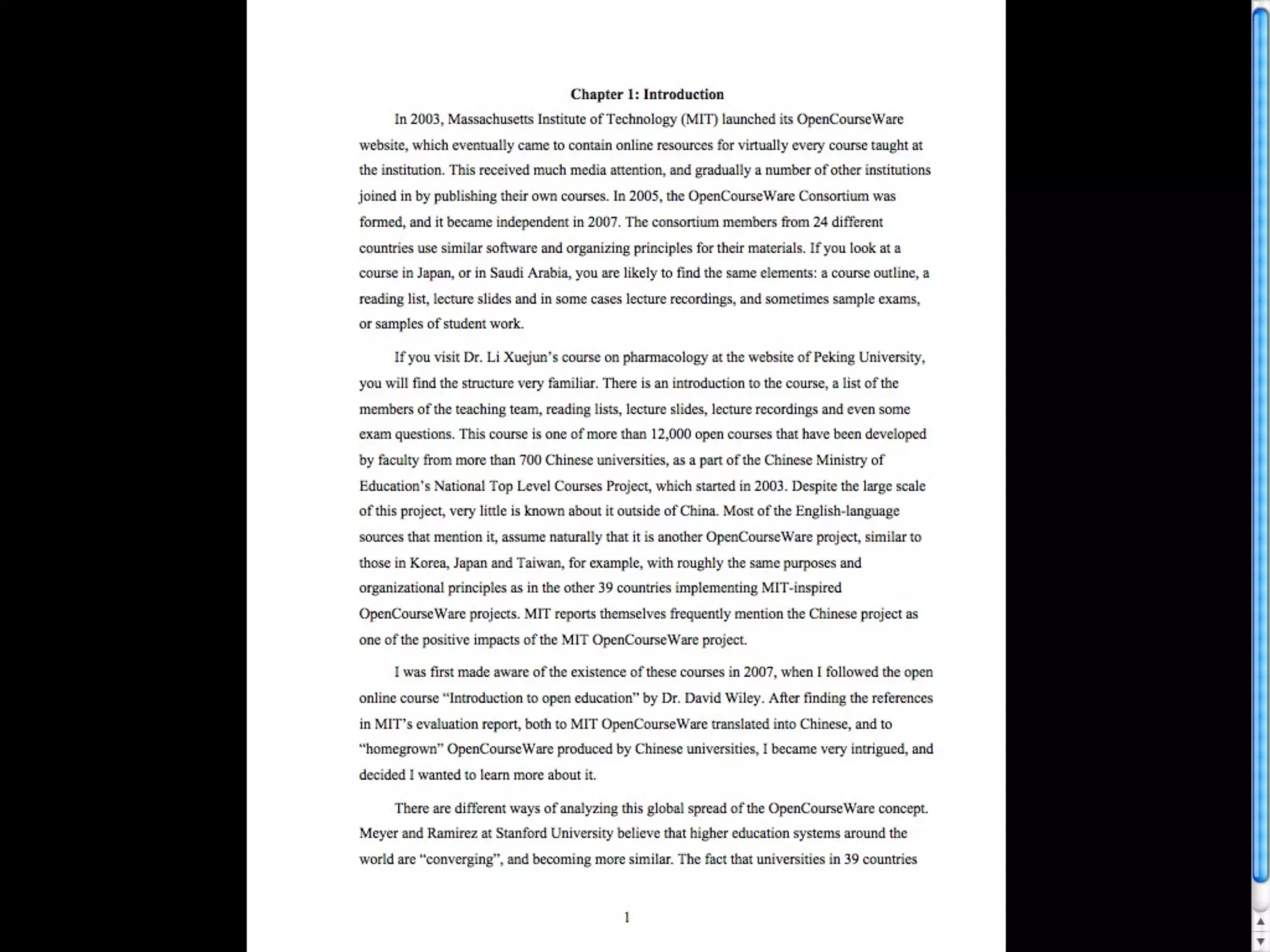
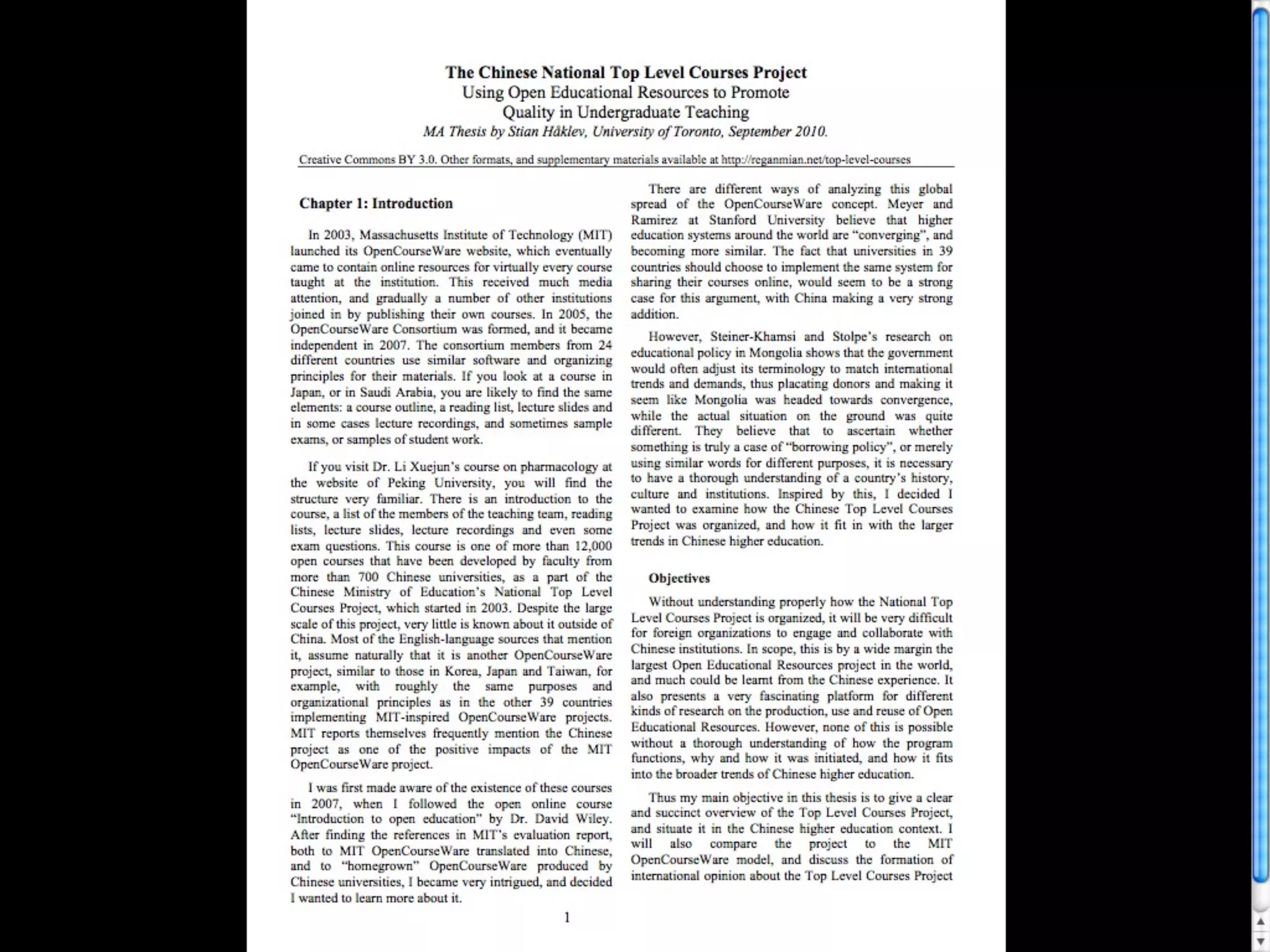
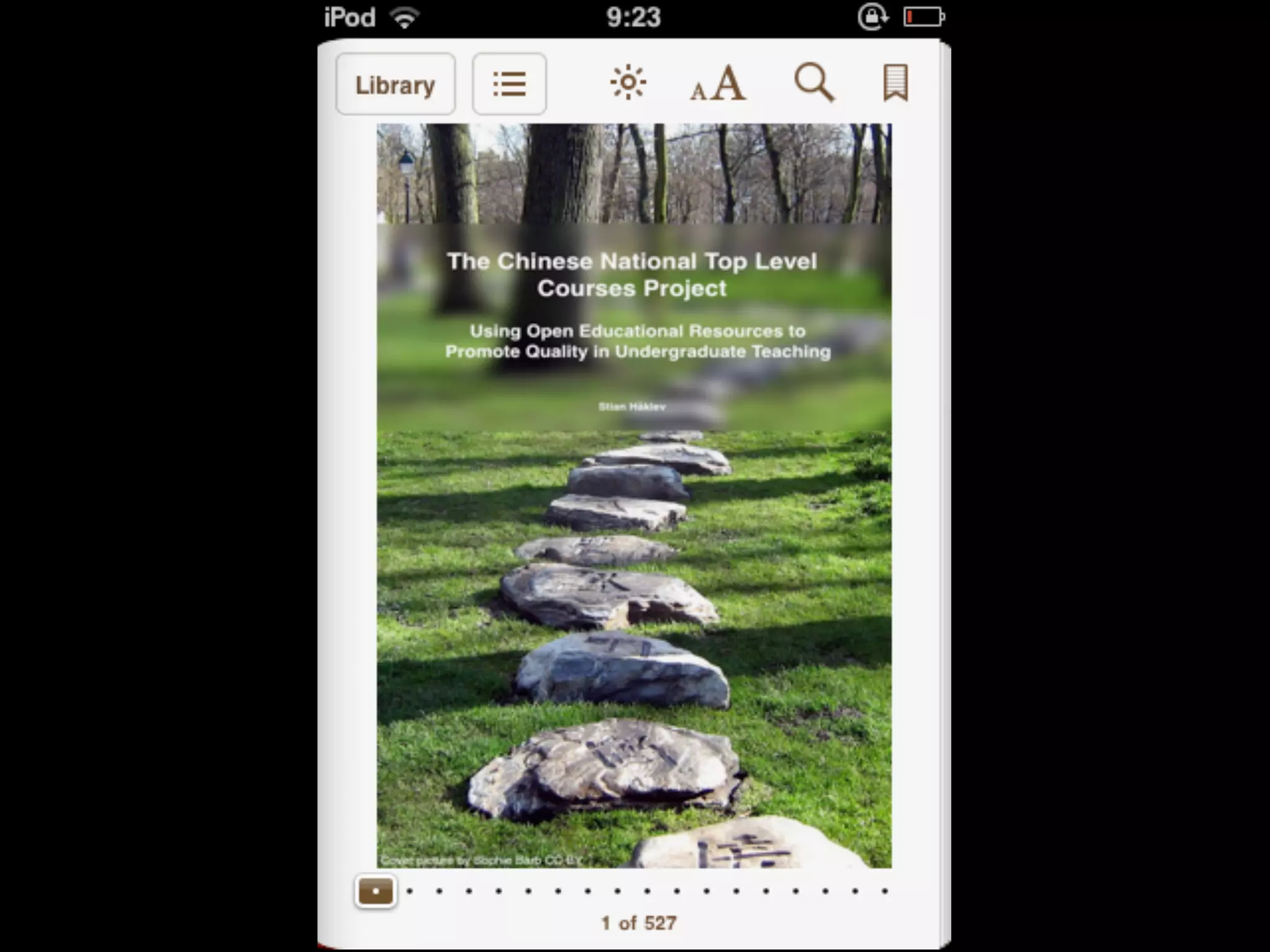
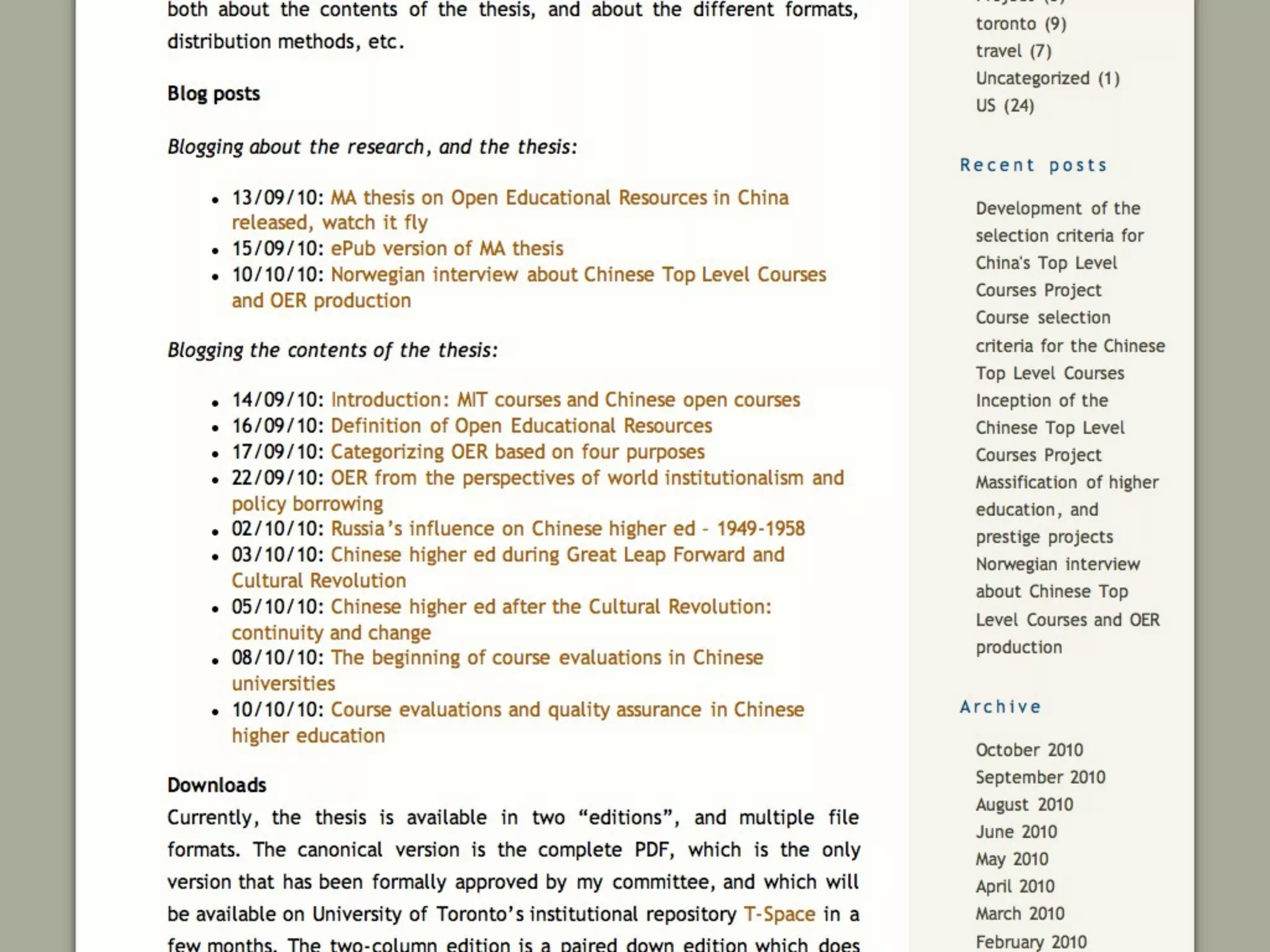
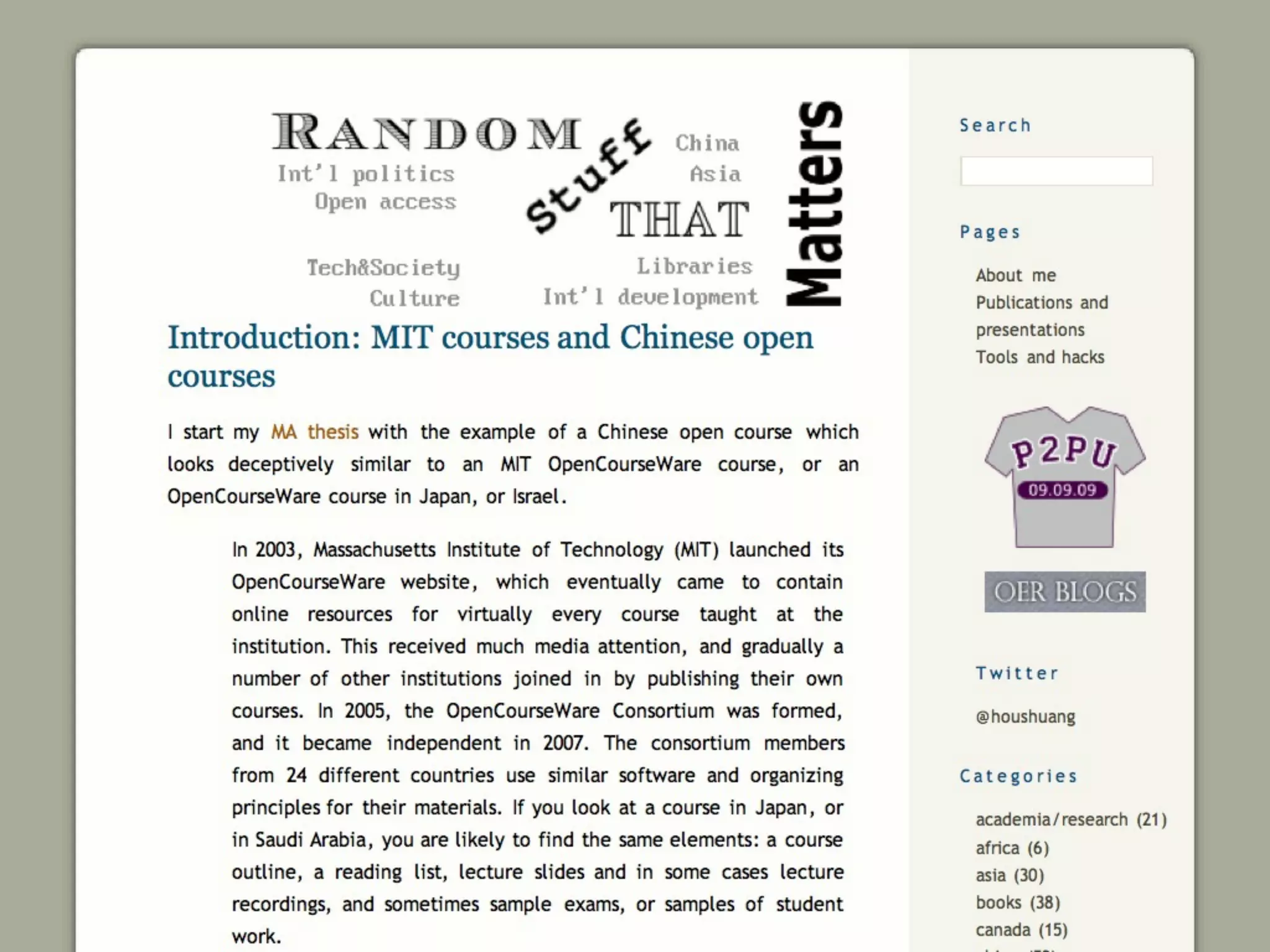
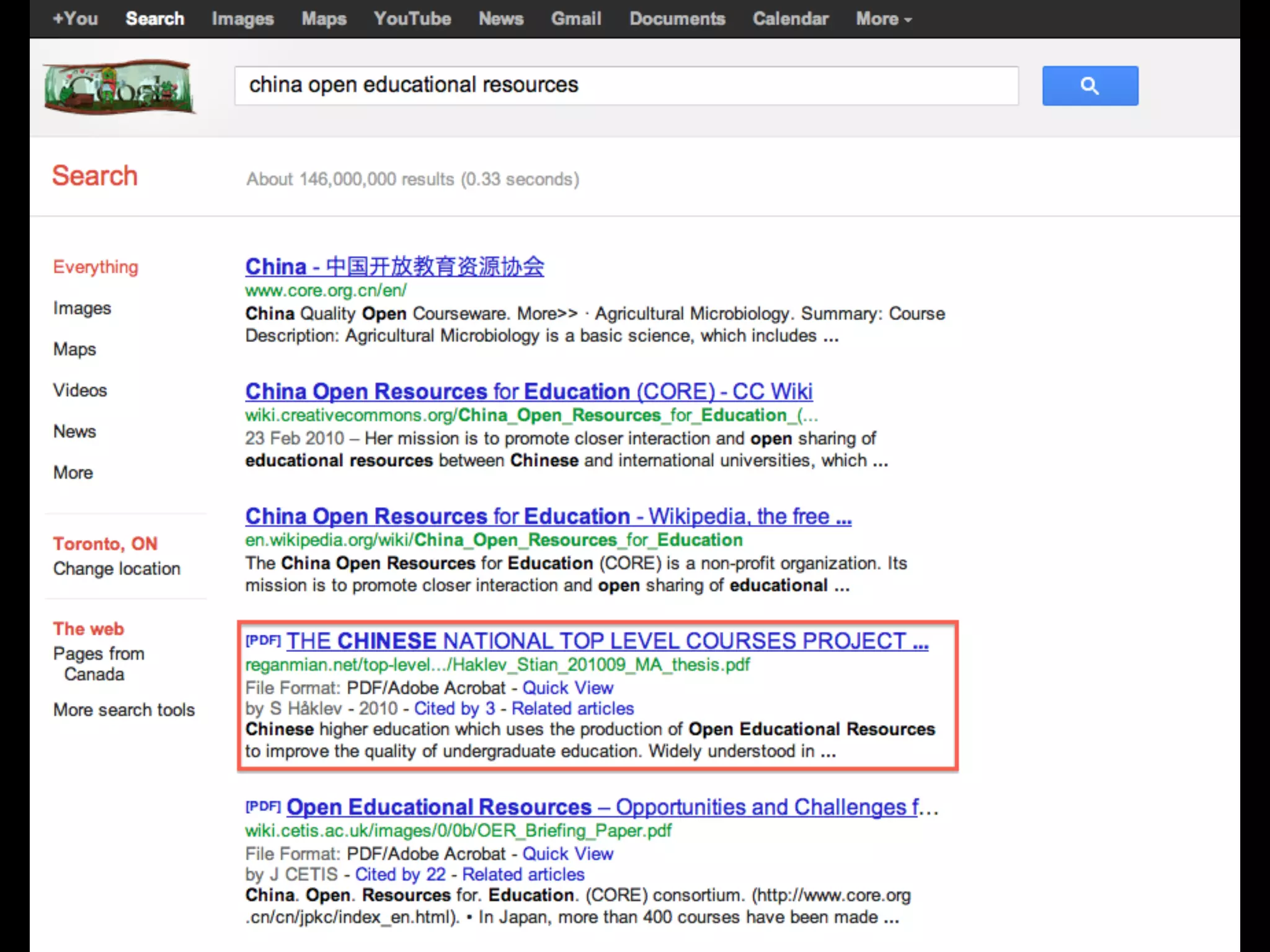
MA thesis
Being an Open Scholar
Improves the quality of your research
Increases your connections, reach, opportunities
“Flattens” the world of academia
Don’t have to do all, but try some of it!
How do people find you?
It takes time, but quality content gets recognized
Comment on others’ blogs, retweet or answer Tweets
Conferences, hashtags
Don’t be so afraid of putting out unfinished work
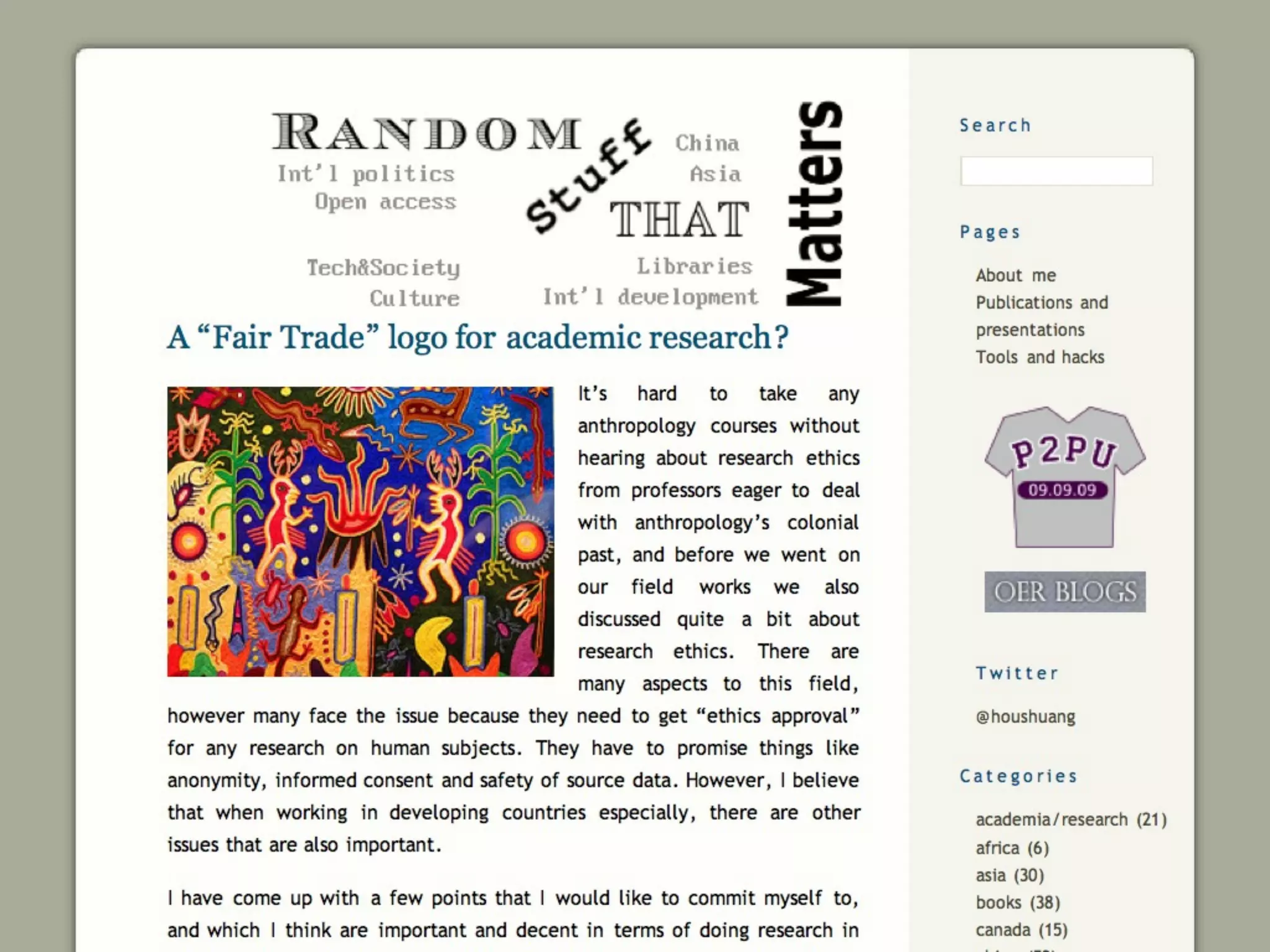
Make it possible to “follow” you
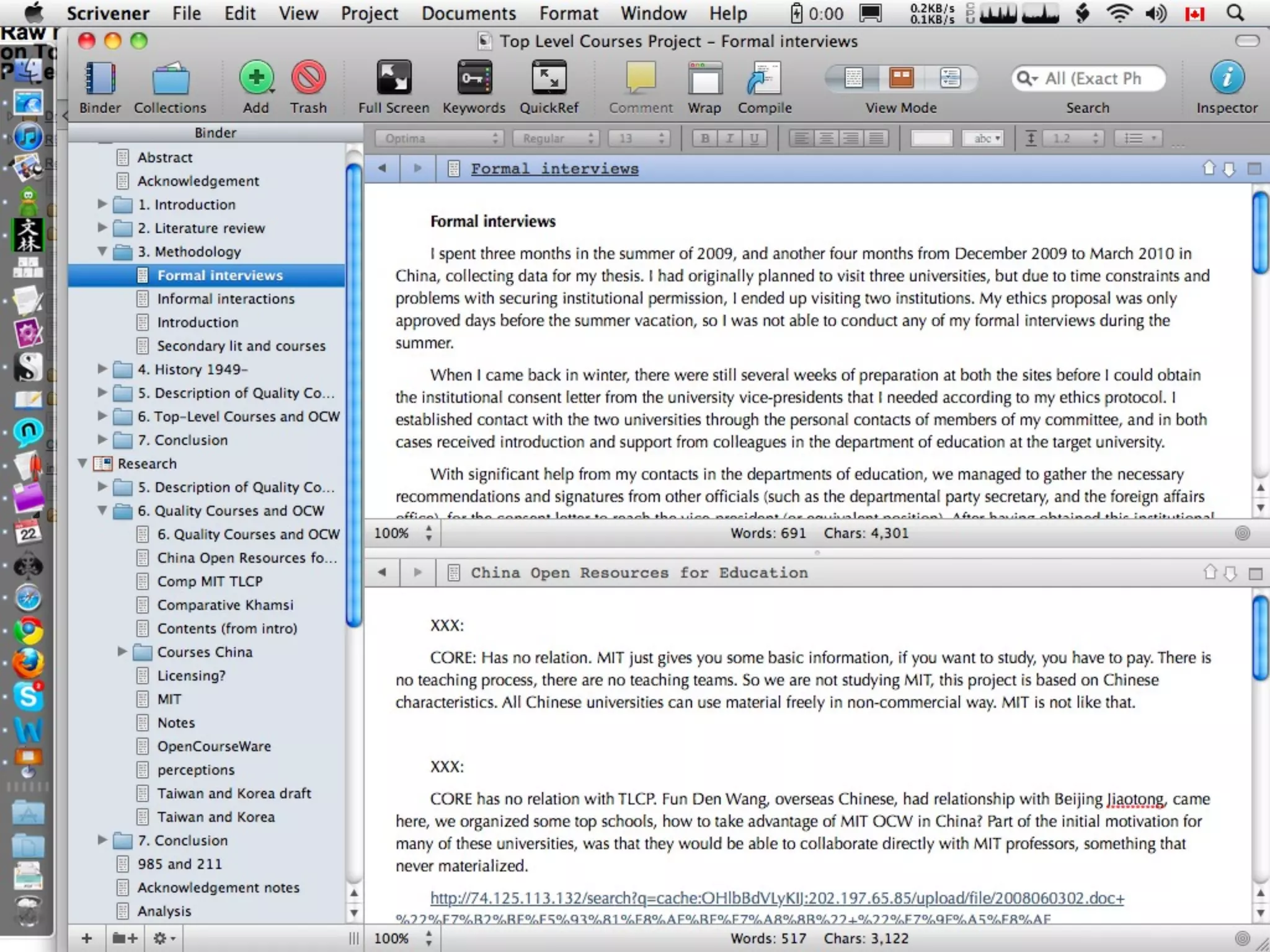
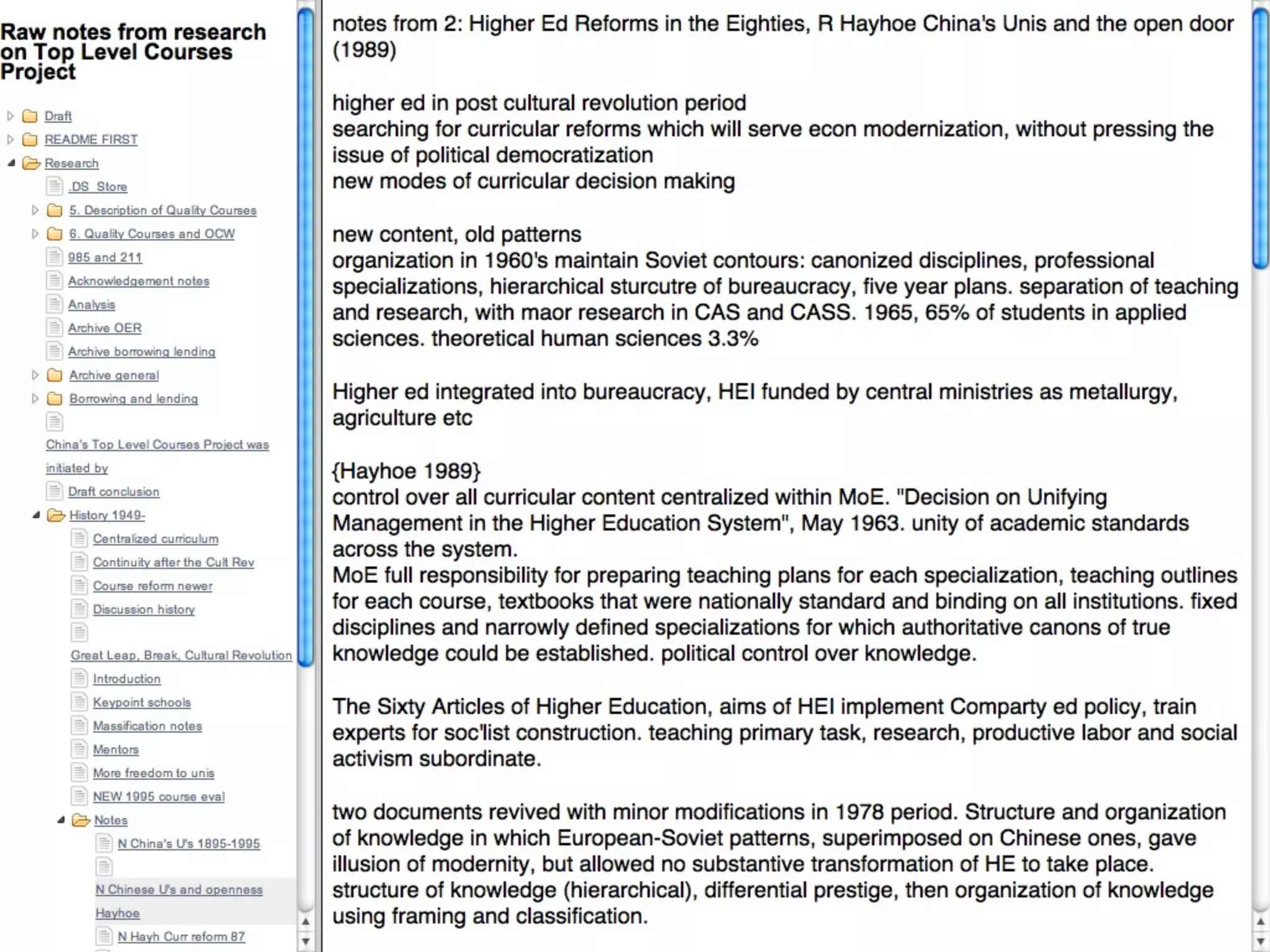
Current research,
projects in progress
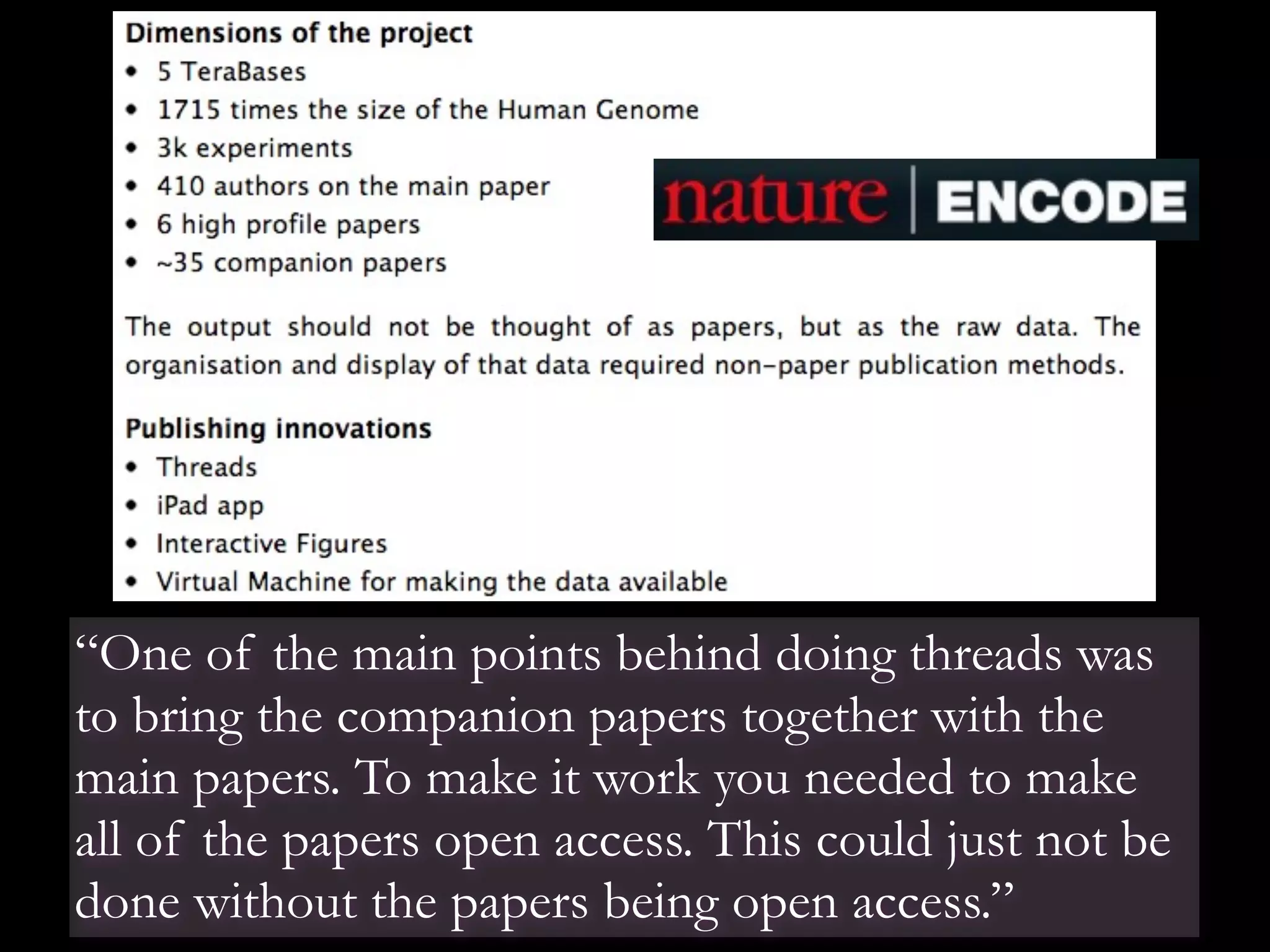
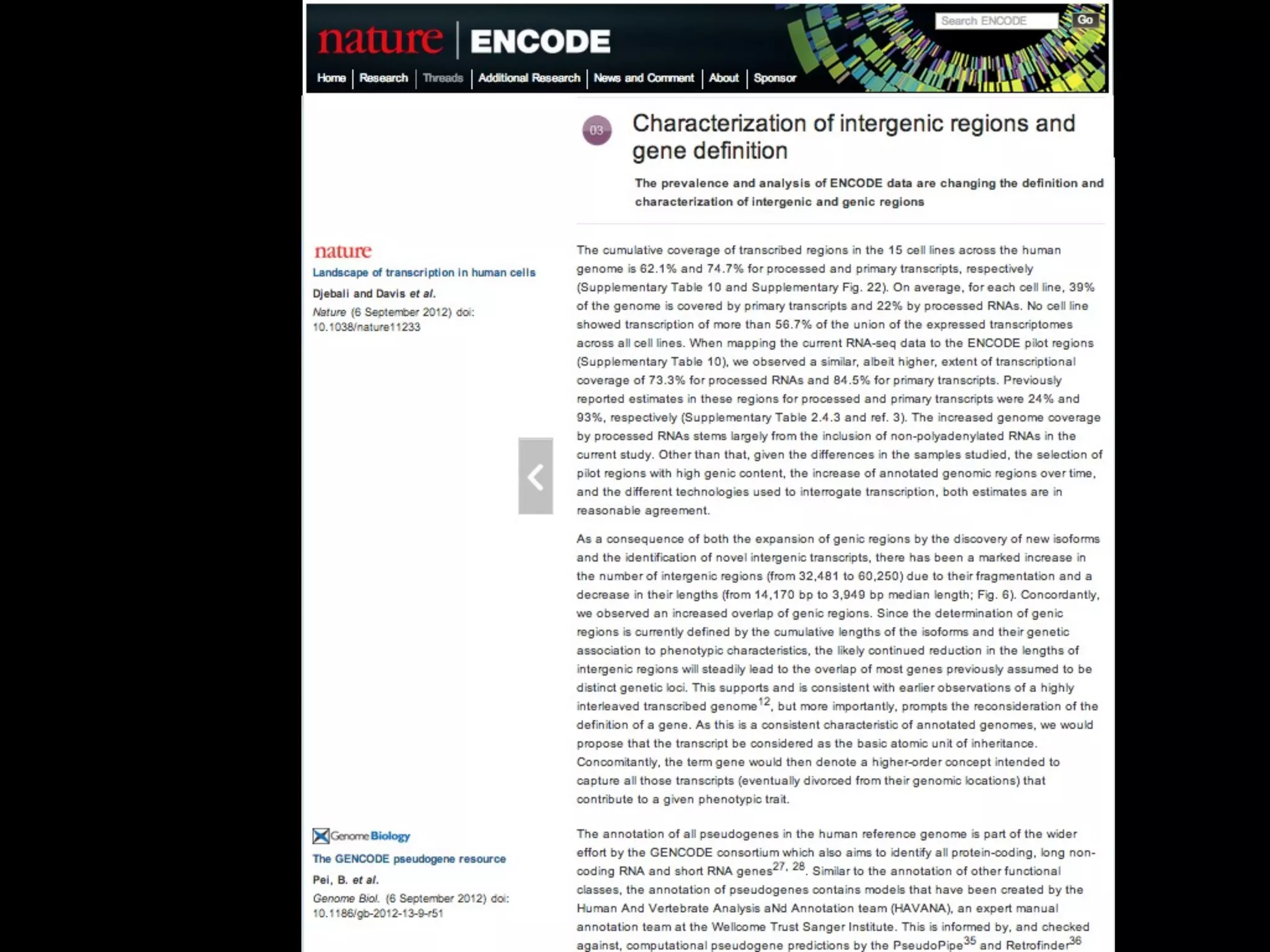
“One of the main points behind doing threads was
to bring the companion papers together with the
main papers. To make it work you needed to make
all of the papers open access. This could just not be
done without the papers being open access.”
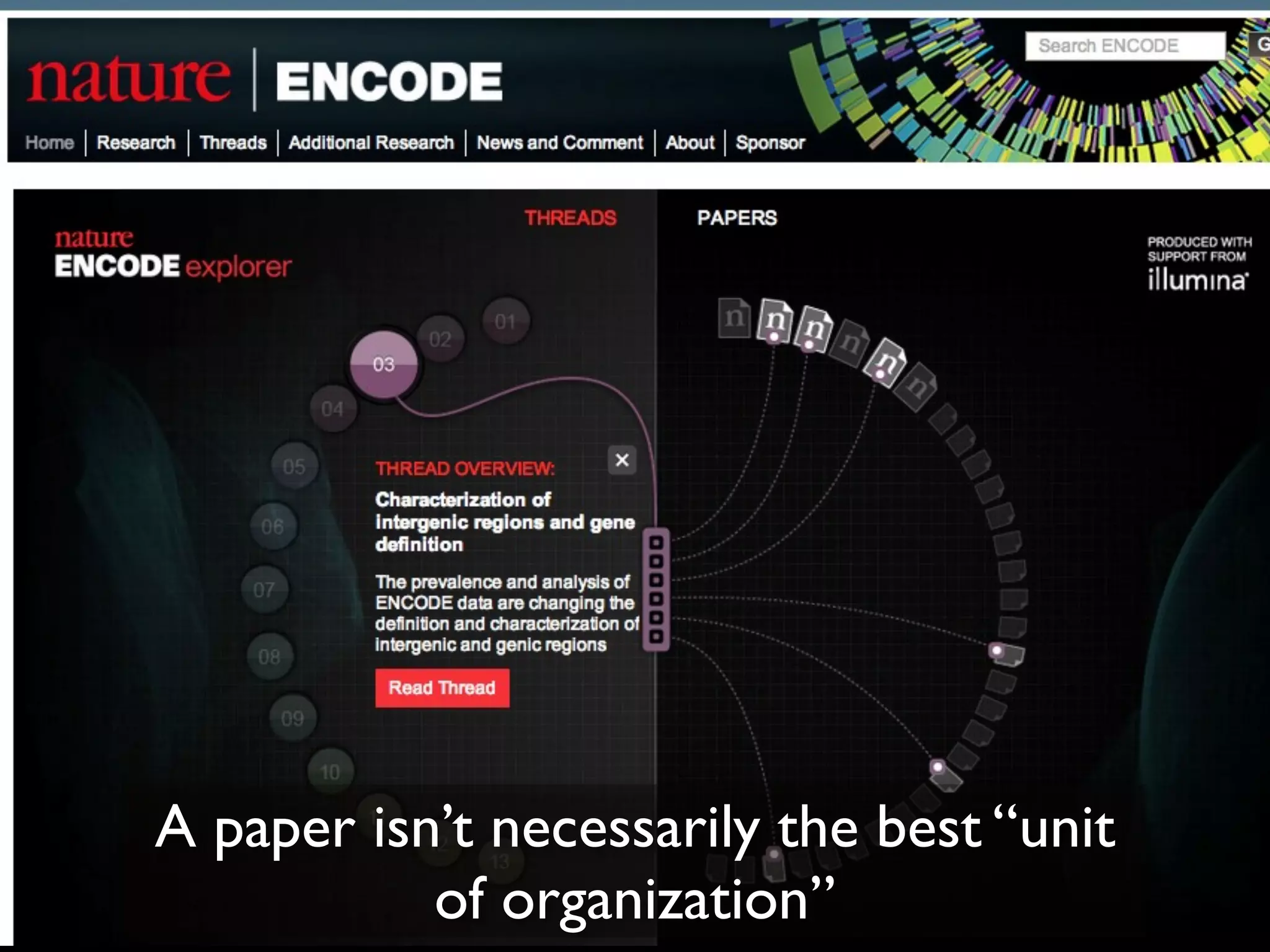
A paper isn’t necessarily the best “unit
of organization”
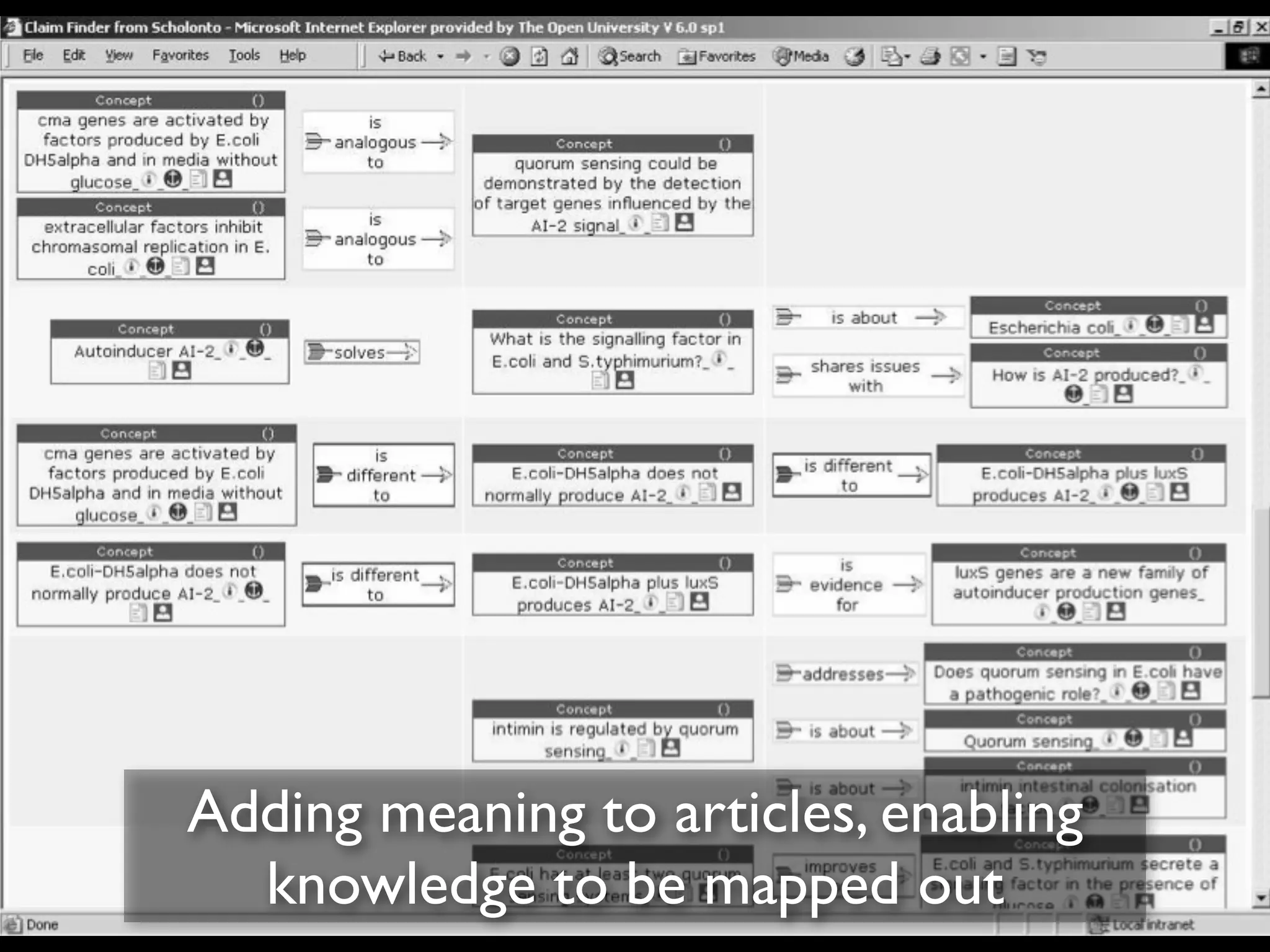
Adding meaning to articles, enabling
knowledge to be mapped out
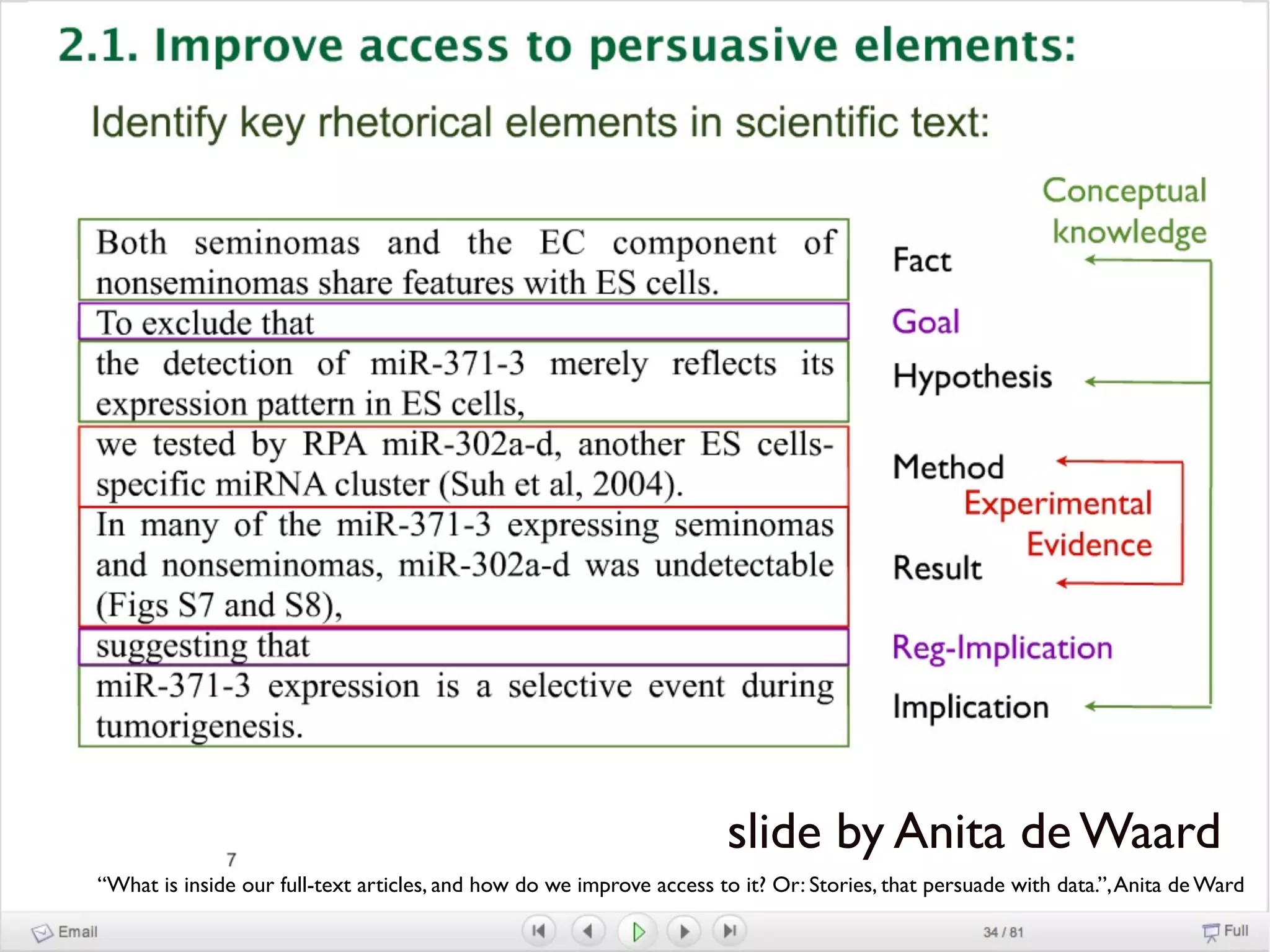
slide by Anita de Waard
“What is inside our full-text articles, and how do we improve access to it? Or: Stories, that persuade with data.”, Anita de Ward
谢谢!Thank you!

s

shaklev@gmail.com
http://reganmian.net/blog
http://reganmian.net/wiki
CC BY

What it means to be an Open Scholar