Presented by:
Dr. RAJAT SINGLA
 Introduction
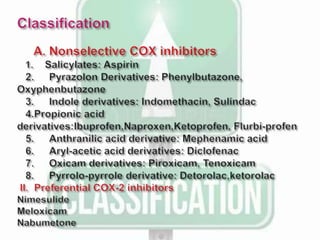
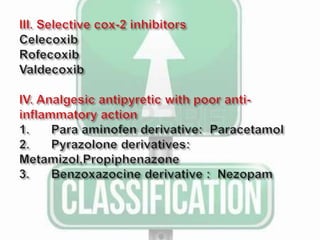
 Classification of NSAID’S
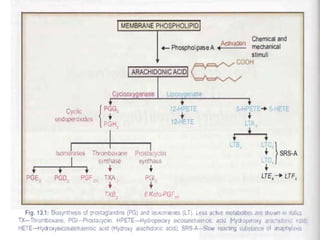
 General Mechanism Of Action
 Beneficial Actions Of NSAID’s
 Risk factors of NSAID’S
 Brief Drugs Description:
 Aspirin, Diflunisal
Piroxicam ,
ketorolac
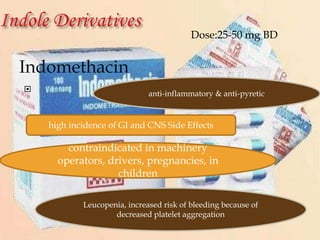
 Indomethacin
 Phenylbutazone,
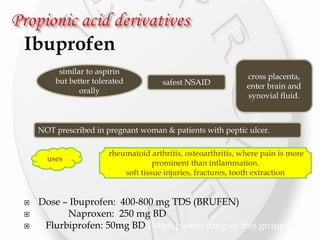
 Ibuprofen,Flurbiprofen
 Mephenamic acid
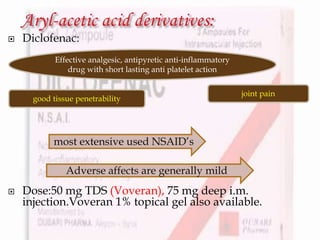
 Diclofenac
 Selective COX-2 Inhibitor
 Role Of Anti-inflammatory Drug In
Periodontics
 History Of Prostaglandin: Implications In
Periodontics
 Role Of NSAID’S In Control Of Disease
Progression
 Current Recommendations of NSAID’S
 Choice Of NSAID’S Recommended
 Role Of NSAID’S In Future
 References
 non-narcotic, non-opioid or aspirin like
drugs
All drugs grouped in this class have analgesic,
antipyretic and anti-inflammatory actions in different
measures
weaker
analgesics
do not depress CNS
do not produce physical dependence and have no
abuse liability
INTRODUCTION
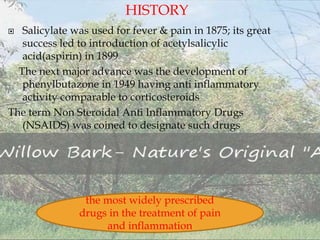
 Salicylate was used for fever & pain in 1875; its great
success led to introduction of acetylsalicylic
acid(aspirin) in 1899
The next major advance was the development of
phenylbutazone in 1949 having anti inflammatory
activity comparable to corticosteroids
The term Non Steroidal Anti Inflammatory Drugs
(NSAIDS) was coined to designate such drugs
the most widely prescribed
drugs in the treatment of pain
and inflammation
HISTORY
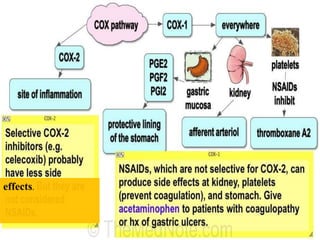
effects.
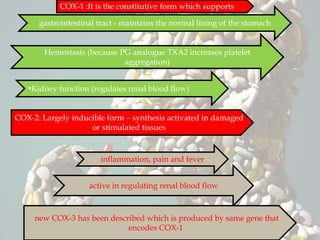
COX-1 :It is the constitutive form which supports
gastrointestinal tract - maintains the normal lining of the stomach
Hemostasis (because PG analogue TXA2 increases platelet
aggregation)
Kidney function (regulates renal blood flow)
COX-2: Largely inducible form – synthesis activated in damaged
or stimulated tissues
inflammation, pain and fever
active in regulating renal blood flow
new COX-3 has been described which is produced by same gene that
encodes COX-1
Analgesia:
Prostaglandins induce hyperalgesia by affecting the
transducting property of free nerve endings-stimuli that
normally do not elicit pain.
NSAID’S do not affect tenderness induced by direct
application of Prostaglandin but block the pain sensitizing
mechanism induced by bradykinin,TNF, other algesic
substances.
They are therefore more effectively against inflammation-
associated pain.
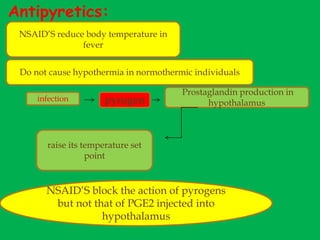
Antipyretics:
NSAID’S reduce body temperature in
fever
Do not cause hypothermia in normothermic individuals
infection pyrogen
Prostaglandin production in
hypothalamus
raise its temperature set
point
NSAID’S block the action of pyrogens
but not that of PGE2 injected into
hypothalamus
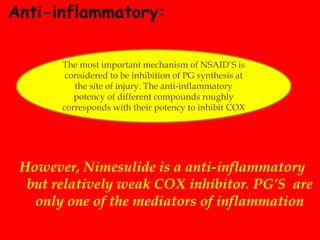
Anti-inflammatory:
However, Nimesulide is a anti-inflammatory
but relatively weak COX inhibitor. PG’S are
only one of the mediators of inflammation
The most important mechanism of NSAID’S is
considered to be inhibition of PG synthesis at
the site of injury. The anti-inflammatory
potency of different compounds roughly
corresponds with their potency to inhibit COX
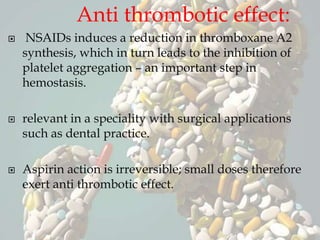
Anti thrombotic effect:
 NSAIDs induces a reduction in thromboxane A2
synthesis, which in turn leads to the inhibition of
platelet aggregation – an important step in
hemostasis.
 relevant in a speciality with surgical applications
such as dental practice.
 Aspirin action is irreversible; small doses therefore
exert anti thrombotic effect.
Closure of ductus arteriosus:
The ductus arteriosus diverts an
important proportion of pulmonary
artery blood flow towards the
descending aorta. Under normal
conditions the duct functionally seals
off immediately after delivery
The use of NSAID’s in the third trimester of pregnancy is assc
with premature closure of the ductus arteriosus, found the risk
of such premature closure to increase as much as 15-fold in the
offspring of women who had used indomethacin for short
periods of time
 Gastric mucosal damage
 Bleeding inhibition of platelet
function
 Limitation of renal blood flow:
Na+ and water retention
 Delay /prolongation of labour
 Asthma and anaphylactoid reaction
in susceptible individuals.
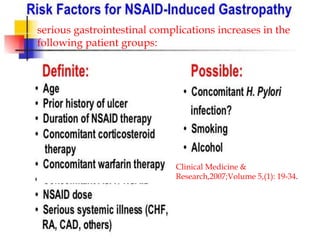
Clinical Medicine &
Research,2007;Volume 5,(1): 19-34.
serious gastrointestinal complications increases in the
following patient groups:
These are esters or salts of salicylic
acid, e.g. methyl salicylate
It can also occur as salicylate esters of
organic acids such as acetyl salicylic
acid (Aspirin)
It is one of the oldest analgesic-anti-
inflammatory drugs and is still widely
used.

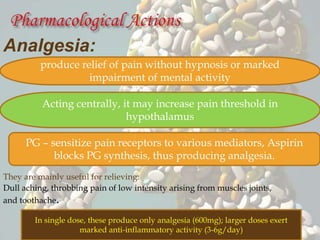
Analgesia:
They are mainly useful for relieving:
Dull aching, throbbing pain of low intensity arising from muscles joints,
and toothache.
produce relief of pain without hypnosis or marked
impairment of mental activity
Acting centrally, it may increase pain threshold in
hypothalamus
PG – sensitize pain receptors to various mediators, Aspirin
blocks PG synthesis, thus producing analgesia.
In single dose, these produce only analgesia (600mg); larger doses exert
marked anti-inflammatory activity (3-6g/day)
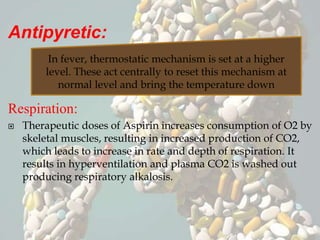
Antipyretic:
Respiration:
 Therapeutic doses of Aspirin increases consumption of O2 by
skeletal muscles, resulting in increased production of CO2,
which leads to increase in rate and depth of respiration. It
results in hyperventilation and plasma CO2 is washed out
producing respiratory alkalosis.
In fever, thermostatic mechanism is set at a higher
level. These act centrally to reset this mechanism at
normal level and bring the temperature down
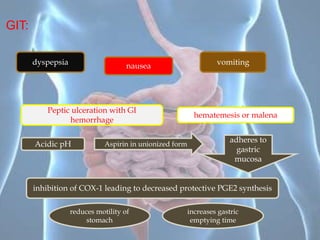
GIT:
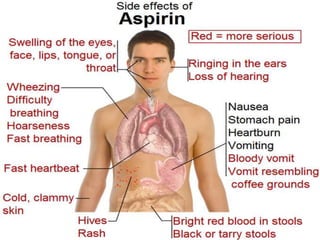
dyspepsia nausea vomiting
Peptic ulceration with GI
hemorrhage
hematemesis or malena
Acidic pH Aspirin in unionized form
adheres to
gastric
mucosa
inhibition of COX-1 leading to decreased protective PGE2 synthesis
reduces motility of
stomach
increases gastric
emptying time
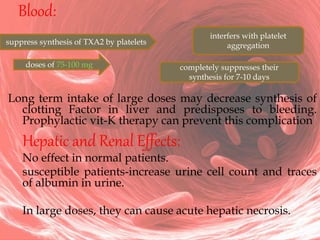
Blood:
Long term intake of large doses may decrease synthesis of
clotting Factor in liver and predisposes to bleeding.
Prophylactic vit-K therapy can prevent this complication
Hepatic and Renal Effects:
No effect in normal patients.
susceptible patients-increase urine cell count and traces
of albumin in urine.
In large doses, they can cause acute hepatic necrosis.
suppress synthesis of TXA2 by platelets
interfers with platelet
aggregation
doses of 75-100 mg completely suppresses their
synthesis for 7-10 days
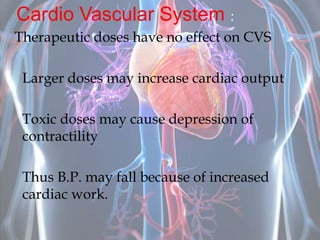
Cardio Vascular System :
Therapeutic doses have no effect on CVS
Larger doses may increase cardiac output
Toxic doses may cause depression of
contractility
Thus B.P. may fall because of increased
cardiac work.
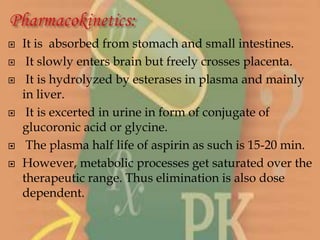
 It is absorbed from stomach and small intestines.
 It slowly enters brain but freely crosses placenta.
 It is hydrolyzed by esterases in plasma and mainly
in liver.
 It is excerted in urine in form of conjugate of
glucoronic acid or glycine.
 The plasma half life of aspirin as such is 15-20 min.
 However, metabolic processes get saturated over the
therapeutic range. Thus elimination is also dose
dependent.
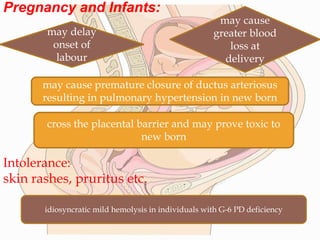
Pregnancy and Infants:
Intolerance:
skin rashes, pruritus etc.
may delay
onset of
labour
may cause
greater blood
loss at
delivery
may cause premature closure of ductus arteriosus
resulting in pulmonary hypertension in new born
cross the placental barrier and may prove toxic to
new born
idiosyncratic mild hemolysis in individuals with G-6 PD deficiency
Rye’s syndrome:
Salicylism:
Child (below 12 years) -viral infection
aspirin initial stages,
fatal complication.
hepatic injury leading to liver dysfunction.
Use -(Juvenile Rheumatic arthritis)
prolonged administration of aspirin.
characterized by headache, dizziness, vertigo,lethargy,
mental confusion, nausea, vomiting and diarrhea.
 4-10% of adult asthmatic patients are aspirin
intolerant
Acute salicylate poisioning :
 It may be due to overzealous therapy in infants or
accidental ingestion by children and adults
 Serum level of 50 mg% -mild toxicity, level above 75
mg% are potentially fatal
 Characteristic features are hyperglycemia, vomiting,
dehydration, GI disturbances and occasional
hemorrhages.
Samter’s Sndrome
Sinusitis, Nasal polyposis, asthma
It is mainly supportive and symptomatic.
Gastric lavage done to remove unabsorbed drug.
 I.V. fluids to correct dehydration and acid base imbalance.
Blood transfusion & vitamin K should be given , if bleeding
occurs.
Diflunisal:
 It is non-acetylated salicylate which has analgesic and anti-
inflammatory properties. It has greater potency, better
tolerance and greater duration of action than aspirin. It has
less Gastric Irritation than aspirin.
 It is alternative drug of choice to aspirin and other NSAID’S
in situation where prolonged duration of action presents
therapeutic benefit.
mild to moderate pain, an initial dose of 1000 mg followed by
500 mg every 12 hours is recommended for most patients.
For osteoarthritis and rheumatoid arthritis, the suggested
dosage range is 250 mg to 500 mg twice daily
Changes in inflammatory and anti-inflammatory
mediator levels were not statistically significant Aspirin
can have an affect on BOP in naturally occurring
gingivitis patients. Although most of the inflammatory
mediators did not show significantly detectable changes
after aspirin treatment for 7 days.
David M. Kim,* Kristian L. Et al 2007
found Effect of Aspirin on Gingival
Crevicular Fluid Levels of
Inflammatory
and Anti-Inflammatory Mediators in
Patients With Gingivitis
 It was introduced in 1949 and soon its active metabolite
oxyphenbutazone was also marketed. These two are
patent anti-inflammatory drugs but rarely used now
due to residual risk of bone marrow depression and
other toxicity.
 phenylbutazone and oxyphenbutazone
have been banned in many countries
metamizol and
propiphenazone
Analgesic and antipyretic action is
poorer and slower in onset
used only in
severe cases not
responding to
other NSAID’S
Indomethacin

anti-inflammatory & anti-pyretic
high incidence of GI and CNS Side Effects
Leucopenia, increased risk of bleeding because of
decreased platelet aggregation
contraindicated in machinery
operators, drivers, pregnancies, in
children
Dose:25-50 mg BD
Nyman et al (2000) reported that in beagle dogs with
ligature-induced periodontitis the inflammatory
response and, the alveolar bone resorption was
suppressed by the daily administration of
indomethacin.
The induced bone loss in the periapical regions was inhibited by the
administration of indomethacin
It could be hypothesized from this study that
indomethacin, if given at the early onset of
periodontal disease, could lessen the progression of
the disease and result in less overall bone lossWeaks-
Dybvig et al, 1982)
 Diclofenac:
 Dose:50 mg TDS (Voveran), 75 mg deep i.m.
injection.Voveran 1% topical gel also available.
Effective analgesic, antipyretic anti-inflammatory
drug with short lasting anti platelet action
good tissue penetrability
joint pain
most extensive used NSAID’s
Adverse affects are generally mild
Ibuprofen
 Dose – Ibuprofen: 400-800 mg TDS (BRUFEN)
 Naproxen: 250 mg BD
 Flurbiprofen: 50mg BD (Most potent drug of this group )
similar to aspirin
but better tolerated
orally
safest NSAID
cross placenta,
enter brain and
synovial fluid.
NOT prescribed in pregnant woman & patients with peptic ulcer.
uses
rheumatoid arthritis, osteoarthritis, where pain is more
prominent than inflammation.
soft tissue injuries, fractures, tooth extraction
Milanko Ð. Ðuriã 2002 reported
CLINICAL EFFECT OF IBUPROFEN AS
AN ADJUNCT TO NON-SURGICAL
PERIODONTAL DISEASE TREATMENT
And he found systemic ibuprofen had no
significant effect on plaque, gingival or
bleeding index score
IJDR 2008 Volume19( 1): 22-25 The effect of ibuprofen
on bleeding during periodontal surgery
increase in intraoperative bleeding during
periodontal surgery when ibuprofen was pre-
administered. So, Ibuprofen taken prior to
periodontal surgery increases intraoperative
bleeding and should be administered cautiously
before periodontal surgeries.
 Abramson et al (2002) showed that the
levels of prostaglandin (PGE2) and
thromboxane (TXA2) remained constant
in GCF for the duration of flurbiprofen
treatment in patients with early adult
periodontitis
Ketoprofen:
 It is chemically related to other propionic acid
derivatives with analgesic & antipyretic
properties.
 It acts peripherally via inhibition of
prostaglandin and leukotriene synthesis but it
thought to act centrally as well (willer et al
1989)
 It is effective as an analgesic for the relief of mild
or moderate pain in doses ranging from 50-
100mg B.D
 Mephenamic Acid:
 Side Effects:
 Diarrhea is the main complication.
 Dizziness, Headache
 Hemolytic anemias are serious but rare complications.
 Dose: 250-500 mg TDS
All the three
properties
Is mainly useful in chronic and
dull aching pains
peripheral as well as central analgesic action
Piroxicam
 A long acting potent NSAID’s with anti-
inflammatory potency similar to
indomethacin.
 It is suitable for use a short-term analgesic as
well as long-term anti-inflammatory drug.
 Given orally, have long half life i.e nearly 2
days. It inhibits COX reversibly and lowers
PG concentration in synovial fluid.
 Side effects are heart burn, nausea and
anorexia.
 Dose: 20 mg OD
Ketorolac:
 Plasma half-life is 5-7 hours.
 It is frequently used in postoperative and acute musculoskeletal pain.
 Also in renal colic,migraine & pain due to bony metastasis.
Dose: 15-30 mg i.m/iv every 4-6hrs.Continuous use for more than 5
days not recommended.
Contraindications: patients on anticoagulants.
Adverse effects: Nausea, abdominal pain, dyspepsia, loose stools,
drowsiness, nervousness and pain on injection site.
potent analgesic and modest anti-inflammatory
activity
equals the
efficacy of
morphine
does not produce side
effects of it
Khalid Al-Hezaimi,* Mansour Al-
Askar(2013) found that Adhesive
film containing 30 mg of Ketorolac
tromethamine (KT) was effective in
controlling post-surgical pain with
no observable gastrointestinal effects
 Nimesulide is a preferential COX-2 inhibitor and
therefore, assumed to be safer in clinical use, its
gastrointestinal tolerance has not been proven to be
superior to other NSAIDs
 "various epidemiological studies give little weight to the
hypothesis that selective inhibition of COX-2 may have a
sparing effect on the GI Tract.
 It has been used primarily for short lasting painful
inflammatory conditions mostly asthmatics or
intolerance to aspirin.
 Other NSAID’S do not cross react with nimesulide. It
specific usefulness appears to be only to such
patients.
 Dose: 100mg BD (nimolid, nimodol)
Meloxicam:
 Gastric sides effects are milder
 Nabumetone a recently developed pro-drug:
generates an active metabolite which is relatively
more potent cox-2 than cox-1 inhibitor.
Effective in rheumatoid arthritis, osteoarthritis and soft
tissue injury
 Nabuflam- 500mg O.D
lower incidence of gastric erosions, ulcers and bleeding,
probably because the active COX inhibitor is produced in tissues
after absorption.
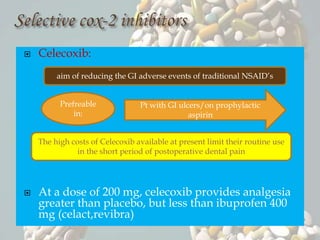
 Celecoxib:
 At a dose of 200 mg, celecoxib provides analgesia
greater than placebo, but less than ibuprofen 400
mg (celact,revibra)
The high costs of Celecoxib available at present limit their routine use
in the short period of postoperative dental pain
aim of reducing the GI adverse events of traditional NSAID’s
Prefreable
in:
Pt with GI ulcers/on prophylactic
aspirin
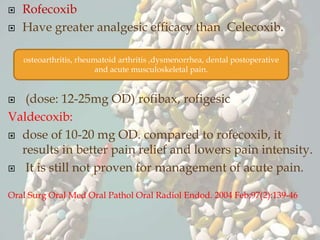
 Rofecoxib
 Have greater analgesic efficacy than Celecoxib.
 (dose: 12-25mg OD) rofibax, rofigesic
Valdecoxib:
 dose of 10-20 mg OD. compared to rofecoxib, it
results in better pain relief and lowers pain intensity.
 It is still not proven for management of acute pain.
Oral Surg Oral Med Oral Pathol Oral Radiol Endod. 2004 Feb;97(2):139-46
osteoarthritis, rheumatoid arthritis ,dysmenorrhea, dental postoperative
and acute musculoskeletal pain.
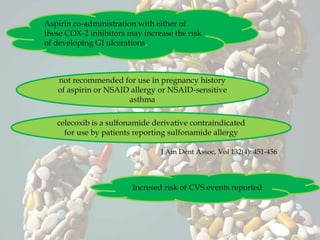
J Am Dent Assoc, Vol 132(4): 451-456
Aspirin co-administration with either of
these COX-2 inhibitors may increase the risk
of developing GI ulcerations.
not recommended for use in pregnancy history
of aspirin or NSAID allergy or NSAID-sensitive
asthma
celecoxib is a sulfonamide derivative contraindicated
for use by patients reporting sulfonamide allergy
Incresed risk of CVS events reported
C. Alec Yen,* Petros D. 2008 found
Celecoxib can be an effective
adjunctive treatment to SRP to
reduce progressive attachment loss
in subjects with CP. Its beneficiary
effect persisted even at 6months
postadministration.
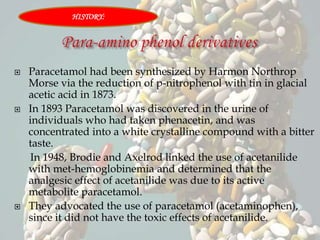
 Paracetamol had been synthesized by Harmon Northrop
Morse via the reduction of p-nitrophenol with tin in glacial
acetic acid in 1873.
 In 1893 Paracetamol was discovered in the urine of
individuals who had taken phenacetin, and was
concentrated into a white crystalline compound with a bitter
taste.
In 1948, Brodie and Axelrod linked the use of acetanilide
with met-hemoglobinemia and determined that the
analgesic effect of acetanilide was due to its active
metabolite paracetamol.
 They advocated the use of paracetamol (acetaminophen),
since it did not have the toxic effects of acetanilide.
HISTORY:
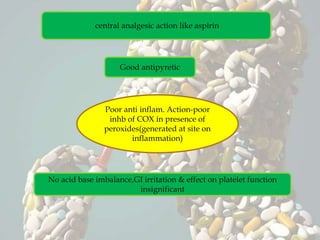
central analgesic action like aspirin
Good antipyretic
Poor anti inflam. Action-poor
inhb of COX in presence of
peroxides(generated at site on
inflammation)
No acid base imbalance,GI irritation & effect on platelet function
insignificant
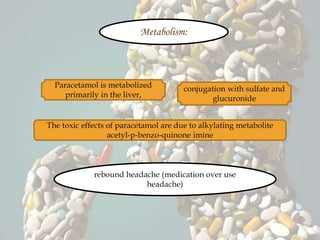
Metabolism:
Paracetamol is metabolized
primarily in the liver,
conjugation with sulfate and
glucuronide
The toxic effects of paracetamol are due to alkylating metabolite
acetyl-p-benzo-quinone imine
rebound headache (medication over use
headache)
Rashwan WA.2009 found that
Acetaminophen with caffeine can be
used efficiently in controlling
postoperative pain after open flap
debridement, especially in patients
with gastric ulcers or bleeding
tendency because acetaminophen is
less hazardous than ibuprofen.
 The toxic dose of paracetamol is highly variable. In
children acute doses above 200 mg/kg could
potentially cause toxicity.
 Acute paracetamol overdose in children rarely
causes illness or death with chronic
supratherapeutic doses being the major cause of
toxicity in children.
 Individuals who have overdosed on paracetamol
generally have no specific symptoms for the first
24 hours. Damage generally occurs in hepatocytes
as they metabolize the paracetamol.
Toxicity:
 Acetylcysteine works to reduce paracetamol
toxicity by supplying sulfhydryl groups (mainly in
the form of gluta-thione, of which it is a precursor)
to react with the toxic (N-acetyl-p-benzo-quinone
imine)NAPQI metabolite so that it does not
damage cells and can be safely excreted.
 Oral acetylcysteine 140 mg/kg loading dose
followed by 70 mg/kg every 4 hours for 17 more
doses.
 I.V acetylcysteine(Parvolex/Acetadote) is used as a
continuous intravenous infusion over 20 hours
(total dose 300 mg/kg).
Prognosis :
The mortality rate from
paracetamol overdose increases
2 days after the ingestion,
reaches a maximum on day 4,
and then gradually decreases.
Cambridge Encyclopedia Vol. 56
 Nefopam:
 Dose: 30-60mg TDS (oral), 20 mg i.m.6 hrly(nefomax)
Traumatic & postoperative pain
Efficiency near to morphine
Side effects: dry mouth.urinary retention blurred vision
Tachycardia, nervousness
Contraindicated in
epileptic
 Diclofenac 1% gel – VOVARAN EMULGEL, RELAXYL GEL,
DICLONAC GEL
 Ibuprofen 10% gel – RIBUFEN GEL
 Naproxen 10% gel – NAPROSYN GEL
 Flurbiprofen 5% gel – FROBEN GEL
 Nimesulide 1% gel – NIMULID TRANS GEL, ZOLANDIN GEL,
NIMEGESIC-T-GEL
 Piroxicam 0.5% gel- DOLONEX GEL, MOVON GEL, PIROX GEL,
MINICAM GEL
Topical preparations of
NSAID’S
Role of NSAID’S in Periodontics:
Development of periodontal disease is a
consequence of inflammatory &
immunological reactions of host to
bacterial plaque on tooth surface
Drug that has anti-inflammatory properties
,therefore should be capable of modifying the
host reactions to bacterial insult & have a
clinical effect upon progression of disease
During the 1970s, the prostaglandins
were implicated in the pathogenesis of
periodontal disease in a number of
studies (Goodson et al, 1974)
 Prostaglandins and the
metabolites associated with the
breakdown of arachidonic acid
were discovered in the 1930s
The human serum was found to
contract isolated uterine and other
smooth muscle strips and to cause fall
in BP in animals. The active principle
was termed ‘prostaglandin’, thinking
that it was derived from prostate
In the 1960s, several reports, (Hinman
1972, Kuehl 1980) implicated
prostaglandins as mediators of the
cardinal signs of inflammation: redness,
edema, pain, heat, and loss of function
(Raisz et al 1979, Dewhirst et al 1983,
Newman et al 1984
 These studies confirm that the metabolites of
arachidonic acid breakdown are potent stimulators
of bone resorption and are likely to be mediators in
diseases of bone loss.
In the late 1970’s and the early 1980’s multiple studies
found that in addition to prostaglandins, the
prostacyclines and phospholipases also caused bone
resorption. However, prostaglandins, specifically those of
the E series, were far more potent in their ability to resorb
bone than were the other metabolites of arachidonic acid
breakdown
 Offenbacher et al (1981, 1984, 1986)
 Increased levels of prostaglandins were
seen in the sites where there was loss of
attachment and/or radiographic bone
loss indicative of periodontal disease,
and that the levels of prostaglandins in
healthy tissue were significantly lower
compared the gingival
attachment levels and
radiographic bone loss with the
levels of prostaglandins
The Role of NSAIDs in
the Control of
Periodontal Disease
Progression
The studies are not in total agreement,
NSAID’s research shows great promise
in the treatment of periodontal disease.
 Much of the research of NSAIDs has
concentrated on three major groups.
They are: 1) Pyrazolone compounds
(indomethacin, phenylbutazone)
 2) The phenylproprionic acid derivatives
(ibuprofen, ketoprofen, naproxen) and
 3) Flurbiprofen and the oxicams -
specifically piroxicam.
 Most of the earliest work
studying the inhibition of
periodontal bone loss was with
indomethacin
 It was found to be a significant
inhibitor of bone resorption in
both tissue cultures and animal
studies.
 Lasfargues and Saffar et al (1983)
induced periodontitis in hamsters to
study the effect of indomethacin on bone
resorption and compare with
calcitonin(polypeptide hormone).
 It was seen that daily doses of
indomethacin (2.0 mg/kg) reduced bone
loss by 28% .
 combination of calcitonin with
indomethacin significantly reduced bone
loss & decrease number of osteoclast as
compared to control.
 Jeffcoat et al used subtraction radiography in 1988
to show that flurbiprofen significantly slowed the
progression of human periodontal disease
 These further studies confirmed the
effectiveness of NSAIDs in the treatment of
periodontal disease and showed that
flurbiprofen, specifically, was a proven
inhibitor of bone loss
(Haesman et al,
1989),
systemic administration of flurbiprofen
decrease in gingival inflammation and crevicular
fluid flow
 Another compound of interest has been piroxicam
 It is known that piroxicam is effective in
penetrating inflamed tissue easily, which makes it
a good choice for topical applications of NSAIDS
Howell et al (1991)
topical application of piroxicam was tested on the development of
gingivitis in beagle dogs
significant reduction in the gingival index and the
number of bleeding points for the piroxicam- treated
group
 Holzhausen et al 2002 seen the effect of celecoxib on
ligature induced periodontitis in rats
 Gurgel et al 2004 seen the effect of meloxicam on
bone loss in ligature induced periodontitis in rats
 It showed reduced bone loss
celecoxib inhibited bone loss in shorter
peroid than 30 days
Acetylsalicylic acid (ASA):
 Flemming et al (1995)
 They concluded 0.3% ASA in addition to
regular oral hygiene can be a beneficial adjunct
to periodontal supportive therapy in patients
over a 6-month period
investigated adjunctive supragingival irrigation with 0.3% acetylsalicylic acid in
patients with moderate to severe periodontitis
Flurbi-profen, Mephenamic acid, and ibuprofen-
 subgingival irrigation.
 Haesman et al in 1989 determined that topically-
applied NSAIDs may be of benefit in the
management of periodontal inflammation, as
the study reported that the systemic absorption
of flurbi-profen may have reduced the severity
of the developing inflammatory lesions.
 The evidence for the gastrointestinal and
cardiovascular adverse effects of NSAIDs
have substantial implications for public
health,
 Patient education and therapeutic
decision making on the part of
physicians charged with managing pain-
related conditions.
prescribed with the lowest effective dose
and for the shortest duration.
 Use of a COX-2 inhibitor with PPI co-
therapy is appropriate only in patients at
very high risk, such as those with a
previous gastrointestinal event who are
taking aspirin, and those who are taking
aspirin plus steroids
Clinical Medicine & Research
Volume2007; 5(1): 19-34
 An agent with comparatively less GI side
effects like ibuprofen and diclofenac should be
preferred in place of indomethacin, piroxicam,
or naproxan, which are more gastrotoxic.
 In situations, e.g., osteoarthritis where
inflammation of joints is minimal analgesics,
like paracetamol should be preferred over anti-
inflammatory drugs like ibuprofen.

JIACM 2002; 3(4): 332-8
 Stroke prevention, post-myocardial infarction
prophylaxis, are therapeutic situations where
aspirin is the drug of choice
 Mefenamic acid is supposed to relieve the pain
of dysmenorrhoea better than other NSAIDs,
although GI side effects often limit its use.
 Newer agents like celecoxib, nabumatone, and
etodolac have been shown to be almost 4-fold
less GI toxic than the older ones.
Ulcer prophylaxis can be
started with misoprostol
(PGE1) 100 microgram
daily in four divided
dosages.
Use of antacids for the prevention of
NSAID-induced ulcers should be avoided
Choice of NSAIDs in children is
generally restricted to
paracetamol, aspirin, naproxan
 All NSAIDs in general are to be avoided in
pregnancy. If NSAID is required, then a low
dose of aspirin is probably the safest.
 Paracetamol is another drug of this class that
can be used for the same purpose.
 Aspirin should be stopped prior to delivery to
avoid complications like prolonged labour,
increased post-partum haemorrhage, and
premature closure of ductus arteriosus.
JIACM 2002; 3(4): 332-8
 It is clear that the COX-2 inhibitors are safer,
better tolerated, and equally efficacious, but
many clinical issues need to be fully resolved.
 Early results show that these do not have
significant gastrotoxicity or nephrotoxicity
even in doses greater than those required for
anti-inflammatory effects.
 FLUSOLIDE are COX-2 inhibitors that are
being developed and have more than 1,000
times selectivity for COX-2.
 The data clearly show the abilities of the
NSAIDs to inhibit arachidonic acid
metabolite breakdown and to slow the
progression of periodontal disease, either
by topical or systemic applications.
However, there is still much research
needed to clarify the specific role of
NSAIDs in the treatment of periodontal
disease.
 Separate studies by Weber et al (1994), Jeffcoat et al
(1995), and Reddy et al (1990) have shown:
 These studies have shown, far, positive results with
NSAIDs in slowing the rate of resorption of bone
supporting the implants.
Another current problem and definitely one of future
concern is bone resorption around dental implants.
bone resorbing effects of peri-implantitis most likely caused by the
same mechanisms as periodontal disease
 With the popularity of implants increasing
dramatically, future studies need to assess the
role of NSAIDs in the maintenance of dental
implants.
 There is ample evidence presented here
supporting the role of non-steroidal anti-
inflammatory drugs in the treatment of
periodontal disease
 It appears that these drugs may serve as
potential adjunctive treatments
 K.d Tripathi – Essentials of Medical Pharmacology(5TH Edition)
 DRUG DISEASE & PERIODONTIUM by Heasman & Seymour
 J Am Dent Assoc 2001 Vol 132,( 4)451-456. The role of COX-2
inhibitors in dental practice
 Anesth Analg. 2010 Feb 8.Combining Paracetamol
(Acetaminophen) with NSAID’S
 JIACM 2002; 3(4): 332-8.Newer NSAID’S :A Review of their
Therapeutic Potential and Adverse Drug Reactions
 Indian Journal of Pharmacology 2003; 35: 121-122. Nimesulide:
The Current Controversy
 Cambridge Encyclopedia Vol. 56. Paracetamol - History,
Mechanism of action, Metabolism, Comparison with NSAIDs,
Toxicity, Danger to animals
 Med Oral Patol Oral Cir Bucal 2007;12:10-8. Antiinflammatory
drugs Use of nonsteroidal antiinflammatory drugs in dental
practice. A review
 IJDR 2008 Volume 19(1 ): 22-25 The effect of ibuprofen on
bleeding during periodontal surgery
 Journal of Periodontal Research Volume 17( 1) : 90 –
100.The effect of indomethacin on alveolar bone loss in
experimental periodontitis
 J.C. P;VoL 13 (2):139 – 144.The effects of a topically-active
non-steroidal anti inflammatory drug on ligature-induced
periodontal disease in the squirrel monkey
 Crit. Rev. Oral Biol. Med. 2001; 12; 315.Therapeutic Uses of
Non-Steroidal Anti-Inflammatory Drugs in Dentistry
 Clinical Medicine & Research,2007;Volume 5,(1): 19-34. An
Evidence-Based Update on Nonsteroidal Anti-
Inflammatory Drugs
NSAIDS

NSAIDS

  • 1.
  • 2.
     Introduction  Classificationof NSAID’S  General Mechanism Of Action  Beneficial Actions Of NSAID’s  Risk factors of NSAID’S  Brief Drugs Description:  Aspirin, Diflunisal Piroxicam , ketorolac  Indomethacin  Phenylbutazone,  Ibuprofen,Flurbiprofen  Mephenamic acid  Diclofenac
  • 3.
     Selective COX-2Inhibitor  Role Of Anti-inflammatory Drug In Periodontics  History Of Prostaglandin: Implications In Periodontics  Role Of NSAID’S In Control Of Disease Progression  Current Recommendations of NSAID’S  Choice Of NSAID’S Recommended  Role Of NSAID’S In Future  References
  • 4.
     non-narcotic, non-opioidor aspirin like drugs All drugs grouped in this class have analgesic, antipyretic and anti-inflammatory actions in different measures weaker analgesics do not depress CNS do not produce physical dependence and have no abuse liability INTRODUCTION
  • 5.
     Salicylate wasused for fever & pain in 1875; its great success led to introduction of acetylsalicylic acid(aspirin) in 1899 The next major advance was the development of phenylbutazone in 1949 having anti inflammatory activity comparable to corticosteroids The term Non Steroidal Anti Inflammatory Drugs (NSAIDS) was coined to designate such drugs the most widely prescribed drugs in the treatment of pain and inflammation HISTORY
  • 9.
  • 10.
    COX-1 :It isthe constitutive form which supports gastrointestinal tract - maintains the normal lining of the stomach Hemostasis (because PG analogue TXA2 increases platelet aggregation) Kidney function (regulates renal blood flow) COX-2: Largely inducible form – synthesis activated in damaged or stimulated tissues inflammation, pain and fever active in regulating renal blood flow new COX-3 has been described which is produced by same gene that encodes COX-1
  • 12.
    Analgesia: Prostaglandins induce hyperalgesiaby affecting the transducting property of free nerve endings-stimuli that normally do not elicit pain. NSAID’S do not affect tenderness induced by direct application of Prostaglandin but block the pain sensitizing mechanism induced by bradykinin,TNF, other algesic substances. They are therefore more effectively against inflammation- associated pain.
  • 13.
    Antipyretics: NSAID’S reduce bodytemperature in fever Do not cause hypothermia in normothermic individuals infection pyrogen Prostaglandin production in hypothalamus raise its temperature set point NSAID’S block the action of pyrogens but not that of PGE2 injected into hypothalamus
  • 14.
    Anti-inflammatory: However, Nimesulide isa anti-inflammatory but relatively weak COX inhibitor. PG’S are only one of the mediators of inflammation The most important mechanism of NSAID’S is considered to be inhibition of PG synthesis at the site of injury. The anti-inflammatory potency of different compounds roughly corresponds with their potency to inhibit COX
  • 15.
    Anti thrombotic effect: NSAIDs induces a reduction in thromboxane A2 synthesis, which in turn leads to the inhibition of platelet aggregation – an important step in hemostasis.  relevant in a speciality with surgical applications such as dental practice.  Aspirin action is irreversible; small doses therefore exert anti thrombotic effect.
  • 16.
    Closure of ductusarteriosus: The ductus arteriosus diverts an important proportion of pulmonary artery blood flow towards the descending aorta. Under normal conditions the duct functionally seals off immediately after delivery The use of NSAID’s in the third trimester of pregnancy is assc with premature closure of the ductus arteriosus, found the risk of such premature closure to increase as much as 15-fold in the offspring of women who had used indomethacin for short periods of time
  • 17.
     Gastric mucosaldamage  Bleeding inhibition of platelet function  Limitation of renal blood flow: Na+ and water retention  Delay /prolongation of labour  Asthma and anaphylactoid reaction in susceptible individuals.
  • 18.
    Clinical Medicine & Research,2007;Volume5,(1): 19-34. serious gastrointestinal complications increases in the following patient groups:
  • 19.
    These are estersor salts of salicylic acid, e.g. methyl salicylate It can also occur as salicylate esters of organic acids such as acetyl salicylic acid (Aspirin) It is one of the oldest analgesic-anti- inflammatory drugs and is still widely used.
  • 20.
    Analgesia: They are mainlyuseful for relieving: Dull aching, throbbing pain of low intensity arising from muscles joints, and toothache. produce relief of pain without hypnosis or marked impairment of mental activity Acting centrally, it may increase pain threshold in hypothalamus PG – sensitize pain receptors to various mediators, Aspirin blocks PG synthesis, thus producing analgesia. In single dose, these produce only analgesia (600mg); larger doses exert marked anti-inflammatory activity (3-6g/day)
  • 21.
    Antipyretic: Respiration:  Therapeutic dosesof Aspirin increases consumption of O2 by skeletal muscles, resulting in increased production of CO2, which leads to increase in rate and depth of respiration. It results in hyperventilation and plasma CO2 is washed out producing respiratory alkalosis. In fever, thermostatic mechanism is set at a higher level. These act centrally to reset this mechanism at normal level and bring the temperature down
  • 22.
    GIT: dyspepsia nausea vomiting Pepticulceration with GI hemorrhage hematemesis or malena Acidic pH Aspirin in unionized form adheres to gastric mucosa inhibition of COX-1 leading to decreased protective PGE2 synthesis reduces motility of stomach increases gastric emptying time
  • 23.
    Blood: Long term intakeof large doses may decrease synthesis of clotting Factor in liver and predisposes to bleeding. Prophylactic vit-K therapy can prevent this complication Hepatic and Renal Effects: No effect in normal patients. susceptible patients-increase urine cell count and traces of albumin in urine. In large doses, they can cause acute hepatic necrosis. suppress synthesis of TXA2 by platelets interfers with platelet aggregation doses of 75-100 mg completely suppresses their synthesis for 7-10 days
  • 24.
    Cardio Vascular System: Therapeutic doses have no effect on CVS Larger doses may increase cardiac output Toxic doses may cause depression of contractility Thus B.P. may fall because of increased cardiac work.
  • 26.
     It isabsorbed from stomach and small intestines.  It slowly enters brain but freely crosses placenta.  It is hydrolyzed by esterases in plasma and mainly in liver.  It is excerted in urine in form of conjugate of glucoronic acid or glycine.  The plasma half life of aspirin as such is 15-20 min.  However, metabolic processes get saturated over the therapeutic range. Thus elimination is also dose dependent.
  • 27.
    Pregnancy and Infants: Intolerance: skinrashes, pruritus etc. may delay onset of labour may cause greater blood loss at delivery may cause premature closure of ductus arteriosus resulting in pulmonary hypertension in new born cross the placental barrier and may prove toxic to new born idiosyncratic mild hemolysis in individuals with G-6 PD deficiency
  • 28.
    Rye’s syndrome: Salicylism: Child (below12 years) -viral infection aspirin initial stages, fatal complication. hepatic injury leading to liver dysfunction. Use -(Juvenile Rheumatic arthritis) prolonged administration of aspirin. characterized by headache, dizziness, vertigo,lethargy, mental confusion, nausea, vomiting and diarrhea.
  • 29.
     4-10% ofadult asthmatic patients are aspirin intolerant Acute salicylate poisioning :  It may be due to overzealous therapy in infants or accidental ingestion by children and adults  Serum level of 50 mg% -mild toxicity, level above 75 mg% are potentially fatal  Characteristic features are hyperglycemia, vomiting, dehydration, GI disturbances and occasional hemorrhages. Samter’s Sndrome Sinusitis, Nasal polyposis, asthma
  • 30.
    It is mainlysupportive and symptomatic. Gastric lavage done to remove unabsorbed drug.  I.V. fluids to correct dehydration and acid base imbalance. Blood transfusion & vitamin K should be given , if bleeding occurs. Diflunisal:  It is non-acetylated salicylate which has analgesic and anti- inflammatory properties. It has greater potency, better tolerance and greater duration of action than aspirin. It has less Gastric Irritation than aspirin.  It is alternative drug of choice to aspirin and other NSAID’S in situation where prolonged duration of action presents therapeutic benefit. mild to moderate pain, an initial dose of 1000 mg followed by 500 mg every 12 hours is recommended for most patients. For osteoarthritis and rheumatoid arthritis, the suggested dosage range is 250 mg to 500 mg twice daily
  • 31.
    Changes in inflammatoryand anti-inflammatory mediator levels were not statistically significant Aspirin can have an affect on BOP in naturally occurring gingivitis patients. Although most of the inflammatory mediators did not show significantly detectable changes after aspirin treatment for 7 days. David M. Kim,* Kristian L. Et al 2007 found Effect of Aspirin on Gingival Crevicular Fluid Levels of Inflammatory and Anti-Inflammatory Mediators in Patients With Gingivitis
  • 32.
     It wasintroduced in 1949 and soon its active metabolite oxyphenbutazone was also marketed. These two are patent anti-inflammatory drugs but rarely used now due to residual risk of bone marrow depression and other toxicity.  phenylbutazone and oxyphenbutazone have been banned in many countries metamizol and propiphenazone Analgesic and antipyretic action is poorer and slower in onset used only in severe cases not responding to other NSAID’S
  • 33.
    Indomethacin  anti-inflammatory & anti-pyretic highincidence of GI and CNS Side Effects Leucopenia, increased risk of bleeding because of decreased platelet aggregation contraindicated in machinery operators, drivers, pregnancies, in children Dose:25-50 mg BD
  • 34.
    Nyman et al(2000) reported that in beagle dogs with ligature-induced periodontitis the inflammatory response and, the alveolar bone resorption was suppressed by the daily administration of indomethacin. The induced bone loss in the periapical regions was inhibited by the administration of indomethacin It could be hypothesized from this study that indomethacin, if given at the early onset of periodontal disease, could lessen the progression of the disease and result in less overall bone lossWeaks- Dybvig et al, 1982)
  • 35.
     Diclofenac:  Dose:50mg TDS (Voveran), 75 mg deep i.m. injection.Voveran 1% topical gel also available. Effective analgesic, antipyretic anti-inflammatory drug with short lasting anti platelet action good tissue penetrability joint pain most extensive used NSAID’s Adverse affects are generally mild
  • 36.
    Ibuprofen  Dose –Ibuprofen: 400-800 mg TDS (BRUFEN)  Naproxen: 250 mg BD  Flurbiprofen: 50mg BD (Most potent drug of this group ) similar to aspirin but better tolerated orally safest NSAID cross placenta, enter brain and synovial fluid. NOT prescribed in pregnant woman & patients with peptic ulcer. uses rheumatoid arthritis, osteoarthritis, where pain is more prominent than inflammation. soft tissue injuries, fractures, tooth extraction
  • 38.
    Milanko Ð. Ðuriã2002 reported CLINICAL EFFECT OF IBUPROFEN AS AN ADJUNCT TO NON-SURGICAL PERIODONTAL DISEASE TREATMENT And he found systemic ibuprofen had no significant effect on plaque, gingival or bleeding index score
  • 39.
    IJDR 2008 Volume19(1): 22-25 The effect of ibuprofen on bleeding during periodontal surgery increase in intraoperative bleeding during periodontal surgery when ibuprofen was pre- administered. So, Ibuprofen taken prior to periodontal surgery increases intraoperative bleeding and should be administered cautiously before periodontal surgeries.
  • 40.
     Abramson etal (2002) showed that the levels of prostaglandin (PGE2) and thromboxane (TXA2) remained constant in GCF for the duration of flurbiprofen treatment in patients with early adult periodontitis
  • 41.
    Ketoprofen:  It ischemically related to other propionic acid derivatives with analgesic & antipyretic properties.  It acts peripherally via inhibition of prostaglandin and leukotriene synthesis but it thought to act centrally as well (willer et al 1989)  It is effective as an analgesic for the relief of mild or moderate pain in doses ranging from 50- 100mg B.D
  • 42.
     Mephenamic Acid: Side Effects:  Diarrhea is the main complication.  Dizziness, Headache  Hemolytic anemias are serious but rare complications.  Dose: 250-500 mg TDS All the three properties Is mainly useful in chronic and dull aching pains peripheral as well as central analgesic action
  • 43.
    Piroxicam  A longacting potent NSAID’s with anti- inflammatory potency similar to indomethacin.  It is suitable for use a short-term analgesic as well as long-term anti-inflammatory drug.  Given orally, have long half life i.e nearly 2 days. It inhibits COX reversibly and lowers PG concentration in synovial fluid.  Side effects are heart burn, nausea and anorexia.  Dose: 20 mg OD
  • 44.
    Ketorolac:  Plasma half-lifeis 5-7 hours.  It is frequently used in postoperative and acute musculoskeletal pain.  Also in renal colic,migraine & pain due to bony metastasis. Dose: 15-30 mg i.m/iv every 4-6hrs.Continuous use for more than 5 days not recommended. Contraindications: patients on anticoagulants. Adverse effects: Nausea, abdominal pain, dyspepsia, loose stools, drowsiness, nervousness and pain on injection site. potent analgesic and modest anti-inflammatory activity equals the efficacy of morphine does not produce side effects of it
  • 45.
    Khalid Al-Hezaimi,* MansourAl- Askar(2013) found that Adhesive film containing 30 mg of Ketorolac tromethamine (KT) was effective in controlling post-surgical pain with no observable gastrointestinal effects
  • 46.
     Nimesulide isa preferential COX-2 inhibitor and therefore, assumed to be safer in clinical use, its gastrointestinal tolerance has not been proven to be superior to other NSAIDs  "various epidemiological studies give little weight to the hypothesis that selective inhibition of COX-2 may have a sparing effect on the GI Tract.  It has been used primarily for short lasting painful inflammatory conditions mostly asthmatics or intolerance to aspirin.  Other NSAID’S do not cross react with nimesulide. It specific usefulness appears to be only to such patients.  Dose: 100mg BD (nimolid, nimodol)
  • 47.
    Meloxicam:  Gastric sideseffects are milder  Nabumetone a recently developed pro-drug: generates an active metabolite which is relatively more potent cox-2 than cox-1 inhibitor. Effective in rheumatoid arthritis, osteoarthritis and soft tissue injury  Nabuflam- 500mg O.D lower incidence of gastric erosions, ulcers and bleeding, probably because the active COX inhibitor is produced in tissues after absorption.
  • 48.
     Celecoxib:  Ata dose of 200 mg, celecoxib provides analgesia greater than placebo, but less than ibuprofen 400 mg (celact,revibra) The high costs of Celecoxib available at present limit their routine use in the short period of postoperative dental pain aim of reducing the GI adverse events of traditional NSAID’s Prefreable in: Pt with GI ulcers/on prophylactic aspirin
  • 49.
     Rofecoxib  Havegreater analgesic efficacy than Celecoxib.  (dose: 12-25mg OD) rofibax, rofigesic Valdecoxib:  dose of 10-20 mg OD. compared to rofecoxib, it results in better pain relief and lowers pain intensity.  It is still not proven for management of acute pain. Oral Surg Oral Med Oral Pathol Oral Radiol Endod. 2004 Feb;97(2):139-46 osteoarthritis, rheumatoid arthritis ,dysmenorrhea, dental postoperative and acute musculoskeletal pain.
  • 50.
    J Am DentAssoc, Vol 132(4): 451-456 Aspirin co-administration with either of these COX-2 inhibitors may increase the risk of developing GI ulcerations. not recommended for use in pregnancy history of aspirin or NSAID allergy or NSAID-sensitive asthma celecoxib is a sulfonamide derivative contraindicated for use by patients reporting sulfonamide allergy Incresed risk of CVS events reported
  • 51.
    C. Alec Yen,*Petros D. 2008 found Celecoxib can be an effective adjunctive treatment to SRP to reduce progressive attachment loss in subjects with CP. Its beneficiary effect persisted even at 6months postadministration.
  • 52.
     Paracetamol hadbeen synthesized by Harmon Northrop Morse via the reduction of p-nitrophenol with tin in glacial acetic acid in 1873.  In 1893 Paracetamol was discovered in the urine of individuals who had taken phenacetin, and was concentrated into a white crystalline compound with a bitter taste. In 1948, Brodie and Axelrod linked the use of acetanilide with met-hemoglobinemia and determined that the analgesic effect of acetanilide was due to its active metabolite paracetamol.  They advocated the use of paracetamol (acetaminophen), since it did not have the toxic effects of acetanilide. HISTORY:
  • 54.
    central analgesic actionlike aspirin Good antipyretic Poor anti inflam. Action-poor inhb of COX in presence of peroxides(generated at site on inflammation) No acid base imbalance,GI irritation & effect on platelet function insignificant
  • 55.
    Metabolism: Paracetamol is metabolized primarilyin the liver, conjugation with sulfate and glucuronide The toxic effects of paracetamol are due to alkylating metabolite acetyl-p-benzo-quinone imine rebound headache (medication over use headache)
  • 56.
    Rashwan WA.2009 foundthat Acetaminophen with caffeine can be used efficiently in controlling postoperative pain after open flap debridement, especially in patients with gastric ulcers or bleeding tendency because acetaminophen is less hazardous than ibuprofen.
  • 57.
     The toxicdose of paracetamol is highly variable. In children acute doses above 200 mg/kg could potentially cause toxicity.  Acute paracetamol overdose in children rarely causes illness or death with chronic supratherapeutic doses being the major cause of toxicity in children.  Individuals who have overdosed on paracetamol generally have no specific symptoms for the first 24 hours. Damage generally occurs in hepatocytes as they metabolize the paracetamol. Toxicity:
  • 58.
     Acetylcysteine worksto reduce paracetamol toxicity by supplying sulfhydryl groups (mainly in the form of gluta-thione, of which it is a precursor) to react with the toxic (N-acetyl-p-benzo-quinone imine)NAPQI metabolite so that it does not damage cells and can be safely excreted.  Oral acetylcysteine 140 mg/kg loading dose followed by 70 mg/kg every 4 hours for 17 more doses.  I.V acetylcysteine(Parvolex/Acetadote) is used as a continuous intravenous infusion over 20 hours (total dose 300 mg/kg).
  • 59.
    Prognosis : The mortalityrate from paracetamol overdose increases 2 days after the ingestion, reaches a maximum on day 4, and then gradually decreases. Cambridge Encyclopedia Vol. 56
  • 60.
     Nefopam:  Dose:30-60mg TDS (oral), 20 mg i.m.6 hrly(nefomax) Traumatic & postoperative pain Efficiency near to morphine Side effects: dry mouth.urinary retention blurred vision Tachycardia, nervousness Contraindicated in epileptic
  • 61.
     Diclofenac 1%gel – VOVARAN EMULGEL, RELAXYL GEL, DICLONAC GEL  Ibuprofen 10% gel – RIBUFEN GEL  Naproxen 10% gel – NAPROSYN GEL  Flurbiprofen 5% gel – FROBEN GEL  Nimesulide 1% gel – NIMULID TRANS GEL, ZOLANDIN GEL, NIMEGESIC-T-GEL  Piroxicam 0.5% gel- DOLONEX GEL, MOVON GEL, PIROX GEL, MINICAM GEL Topical preparations of NSAID’S
  • 62.
    Role of NSAID’Sin Periodontics:
  • 63.
    Development of periodontaldisease is a consequence of inflammatory & immunological reactions of host to bacterial plaque on tooth surface Drug that has anti-inflammatory properties ,therefore should be capable of modifying the host reactions to bacterial insult & have a clinical effect upon progression of disease During the 1970s, the prostaglandins were implicated in the pathogenesis of periodontal disease in a number of studies (Goodson et al, 1974)
  • 64.
     Prostaglandins andthe metabolites associated with the breakdown of arachidonic acid were discovered in the 1930s
  • 65.
    The human serumwas found to contract isolated uterine and other smooth muscle strips and to cause fall in BP in animals. The active principle was termed ‘prostaglandin’, thinking that it was derived from prostate In the 1960s, several reports, (Hinman 1972, Kuehl 1980) implicated prostaglandins as mediators of the cardinal signs of inflammation: redness, edema, pain, heat, and loss of function
  • 66.
    (Raisz et al1979, Dewhirst et al 1983, Newman et al 1984  These studies confirm that the metabolites of arachidonic acid breakdown are potent stimulators of bone resorption and are likely to be mediators in diseases of bone loss. In the late 1970’s and the early 1980’s multiple studies found that in addition to prostaglandins, the prostacyclines and phospholipases also caused bone resorption. However, prostaglandins, specifically those of the E series, were far more potent in their ability to resorb bone than were the other metabolites of arachidonic acid breakdown
  • 67.
     Offenbacher etal (1981, 1984, 1986)  Increased levels of prostaglandins were seen in the sites where there was loss of attachment and/or radiographic bone loss indicative of periodontal disease, and that the levels of prostaglandins in healthy tissue were significantly lower compared the gingival attachment levels and radiographic bone loss with the levels of prostaglandins
  • 68.
    The Role ofNSAIDs in the Control of Periodontal Disease Progression
  • 69.
    The studies arenot in total agreement, NSAID’s research shows great promise in the treatment of periodontal disease.  Much of the research of NSAIDs has concentrated on three major groups. They are: 1) Pyrazolone compounds (indomethacin, phenylbutazone)  2) The phenylproprionic acid derivatives (ibuprofen, ketoprofen, naproxen) and  3) Flurbiprofen and the oxicams - specifically piroxicam.
  • 70.
     Most ofthe earliest work studying the inhibition of periodontal bone loss was with indomethacin  It was found to be a significant inhibitor of bone resorption in both tissue cultures and animal studies.
  • 71.
     Lasfargues andSaffar et al (1983) induced periodontitis in hamsters to study the effect of indomethacin on bone resorption and compare with calcitonin(polypeptide hormone).  It was seen that daily doses of indomethacin (2.0 mg/kg) reduced bone loss by 28% .  combination of calcitonin with indomethacin significantly reduced bone loss & decrease number of osteoclast as compared to control.
  • 72.
     Jeffcoat etal used subtraction radiography in 1988 to show that flurbiprofen significantly slowed the progression of human periodontal disease  These further studies confirmed the effectiveness of NSAIDs in the treatment of periodontal disease and showed that flurbiprofen, specifically, was a proven inhibitor of bone loss (Haesman et al, 1989), systemic administration of flurbiprofen decrease in gingival inflammation and crevicular fluid flow
  • 73.
     Another compoundof interest has been piroxicam  It is known that piroxicam is effective in penetrating inflamed tissue easily, which makes it a good choice for topical applications of NSAIDS Howell et al (1991) topical application of piroxicam was tested on the development of gingivitis in beagle dogs significant reduction in the gingival index and the number of bleeding points for the piroxicam- treated group
  • 74.
     Holzhausen etal 2002 seen the effect of celecoxib on ligature induced periodontitis in rats  Gurgel et al 2004 seen the effect of meloxicam on bone loss in ligature induced periodontitis in rats  It showed reduced bone loss celecoxib inhibited bone loss in shorter peroid than 30 days
  • 75.
    Acetylsalicylic acid (ASA): Flemming et al (1995)  They concluded 0.3% ASA in addition to regular oral hygiene can be a beneficial adjunct to periodontal supportive therapy in patients over a 6-month period investigated adjunctive supragingival irrigation with 0.3% acetylsalicylic acid in patients with moderate to severe periodontitis
  • 76.
    Flurbi-profen, Mephenamic acid,and ibuprofen-  subgingival irrigation.  Haesman et al in 1989 determined that topically- applied NSAIDs may be of benefit in the management of periodontal inflammation, as the study reported that the systemic absorption of flurbi-profen may have reduced the severity of the developing inflammatory lesions.
  • 77.
     The evidencefor the gastrointestinal and cardiovascular adverse effects of NSAIDs have substantial implications for public health,  Patient education and therapeutic decision making on the part of physicians charged with managing pain- related conditions. prescribed with the lowest effective dose and for the shortest duration.
  • 78.
     Use ofa COX-2 inhibitor with PPI co- therapy is appropriate only in patients at very high risk, such as those with a previous gastrointestinal event who are taking aspirin, and those who are taking aspirin plus steroids Clinical Medicine & Research Volume2007; 5(1): 19-34
  • 79.
     An agentwith comparatively less GI side effects like ibuprofen and diclofenac should be preferred in place of indomethacin, piroxicam, or naproxan, which are more gastrotoxic.  In situations, e.g., osteoarthritis where inflammation of joints is minimal analgesics, like paracetamol should be preferred over anti- inflammatory drugs like ibuprofen.  JIACM 2002; 3(4): 332-8
  • 80.
     Stroke prevention,post-myocardial infarction prophylaxis, are therapeutic situations where aspirin is the drug of choice  Mefenamic acid is supposed to relieve the pain of dysmenorrhoea better than other NSAIDs, although GI side effects often limit its use.  Newer agents like celecoxib, nabumatone, and etodolac have been shown to be almost 4-fold less GI toxic than the older ones.
  • 81.
    Ulcer prophylaxis canbe started with misoprostol (PGE1) 100 microgram daily in four divided dosages.
  • 82.
    Use of antacidsfor the prevention of NSAID-induced ulcers should be avoided Choice of NSAIDs in children is generally restricted to paracetamol, aspirin, naproxan
  • 83.
     All NSAIDsin general are to be avoided in pregnancy. If NSAID is required, then a low dose of aspirin is probably the safest.  Paracetamol is another drug of this class that can be used for the same purpose.  Aspirin should be stopped prior to delivery to avoid complications like prolonged labour, increased post-partum haemorrhage, and premature closure of ductus arteriosus. JIACM 2002; 3(4): 332-8
  • 84.
     It isclear that the COX-2 inhibitors are safer, better tolerated, and equally efficacious, but many clinical issues need to be fully resolved.  Early results show that these do not have significant gastrotoxicity or nephrotoxicity even in doses greater than those required for anti-inflammatory effects.  FLUSOLIDE are COX-2 inhibitors that are being developed and have more than 1,000 times selectivity for COX-2.
  • 85.
     The dataclearly show the abilities of the NSAIDs to inhibit arachidonic acid metabolite breakdown and to slow the progression of periodontal disease, either by topical or systemic applications. However, there is still much research needed to clarify the specific role of NSAIDs in the treatment of periodontal disease.
  • 86.
     Separate studiesby Weber et al (1994), Jeffcoat et al (1995), and Reddy et al (1990) have shown:  These studies have shown, far, positive results with NSAIDs in slowing the rate of resorption of bone supporting the implants. Another current problem and definitely one of future concern is bone resorption around dental implants. bone resorbing effects of peri-implantitis most likely caused by the same mechanisms as periodontal disease
  • 87.
     With thepopularity of implants increasing dramatically, future studies need to assess the role of NSAIDs in the maintenance of dental implants.
  • 88.
     There isample evidence presented here supporting the role of non-steroidal anti- inflammatory drugs in the treatment of periodontal disease  It appears that these drugs may serve as potential adjunctive treatments
  • 89.
     K.d Tripathi– Essentials of Medical Pharmacology(5TH Edition)  DRUG DISEASE & PERIODONTIUM by Heasman & Seymour  J Am Dent Assoc 2001 Vol 132,( 4)451-456. The role of COX-2 inhibitors in dental practice  Anesth Analg. 2010 Feb 8.Combining Paracetamol (Acetaminophen) with NSAID’S  JIACM 2002; 3(4): 332-8.Newer NSAID’S :A Review of their Therapeutic Potential and Adverse Drug Reactions  Indian Journal of Pharmacology 2003; 35: 121-122. Nimesulide: The Current Controversy  Cambridge Encyclopedia Vol. 56. Paracetamol - History, Mechanism of action, Metabolism, Comparison with NSAIDs, Toxicity, Danger to animals  Med Oral Patol Oral Cir Bucal 2007;12:10-8. Antiinflammatory drugs Use of nonsteroidal antiinflammatory drugs in dental practice. A review
  • 90.
     IJDR 2008Volume 19(1 ): 22-25 The effect of ibuprofen on bleeding during periodontal surgery  Journal of Periodontal Research Volume 17( 1) : 90 – 100.The effect of indomethacin on alveolar bone loss in experimental periodontitis  J.C. P;VoL 13 (2):139 – 144.The effects of a topically-active non-steroidal anti inflammatory drug on ligature-induced periodontal disease in the squirrel monkey  Crit. Rev. Oral Biol. Med. 2001; 12; 315.Therapeutic Uses of Non-Steroidal Anti-Inflammatory Drugs in Dentistry  Clinical Medicine & Research,2007;Volume 5,(1): 19-34. An Evidence-Based Update on Nonsteroidal Anti- Inflammatory Drugs

Editor's Notes

  • #14  Body temperature is controlled by the thermostatic centre in the hypothalamus. Certain protein and polysaccharide substances called pyrogens
  • #21 Hypnosis is a state of human consciousness involving focused attention and reduced peripheral awareness characterized by an enhanced capacity for response to suggestion.
  • #24 Thromboxane A2 is a type of thromboxane that is produced by activated platelets and has prothrombotic properties: it stimulates activation of new platelets as well as increases platelet aggregation. 
  • #28 G6PD deficiency is an inherited condition in which the body doesn't have enough of the enzyme glucose-6-phosphate dehydrogenase, or G6PD, which helps red blood cells (RBCs) function normally. This deficiency can cause hemolytic anemia, usually after exposure to certain medications, foods, or even infections.
  • #53 Methemoglobinemia (or methaemoglobinaemia) is a disorder characterized by the presence of a higher than normal level ofmethemoglobin (metHb, `in the blood. Methemoglobin is a form of hemoglobin that contains ferric iron and has a decreased ability to bind oxygen.