




Flipping the language classroom
Jo Gakonga
About me, about you...
What is the
‘flipped’
classroom?
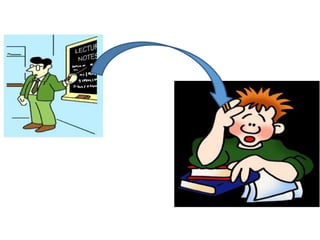
Traditional
class
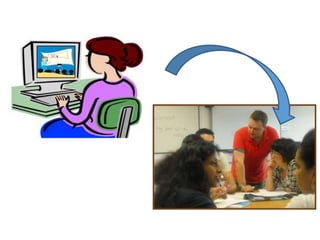
Flipped class
Flipped class
The theory…..
Social constructivist
approach
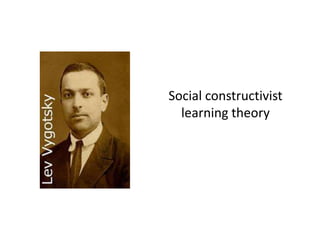
Social constructivist
learning theory
Promotes
learner
autonomy
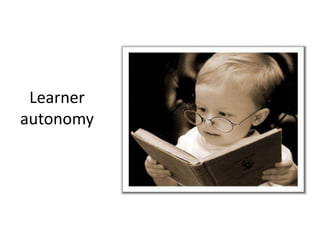
Learner
autonomy
Lovett, Meyer, and Thille (2008)
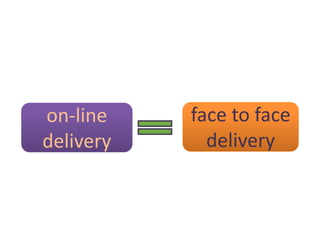
on-line
delivery
face to face
delivery
Lovett, Meyer, and Thille (2008)
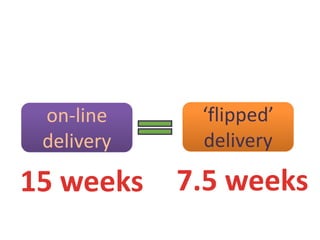
on-line
delivery
‘flipped’
delivery
15 weeks 7.5 weeks
Potential benefits
Come to class ‘ready’
Potential benefits
‘Frees up’ time in class
for practice
Potential benefits
Preview
and revisit
No internet access
No internet?
They don’t/ won’t do
the work/ watch the
videos..
More work for teacher...
A platform….
https://www.blendspace.com
An example….
jims
Thoughts…..
Work through the lesson…
What would you do in class afterwards?
Would this work in your context?
Do you like these resources?
Is it too much? What would be enough?
How to use Blendspace
Practical ideas
Vocabulary
Using Quizlet - make your own
or use/ edit other people’s
https://quizlet.com/leosel
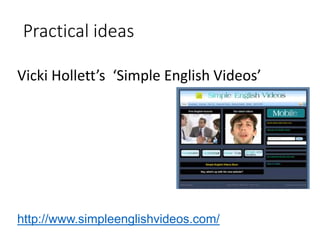
Practical ideas
Vicki Hollett’s ‘Simple English Videos’
http://www.simpleenglishvideos.com/
Practical ideas
Listening
http://www.elllo.org/
Try some of these - how could you use them after listening in class?
Advantages of doing this rather than listening IN class?
Your turn!
Any questions?

NILE Manchester- Flipping the language classroom

Editor's Notes

  • #3 10 mins
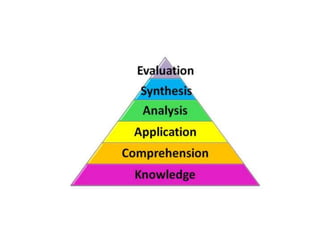
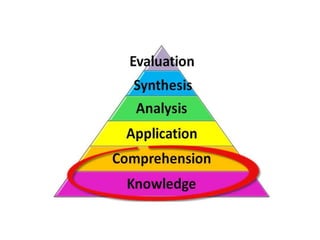
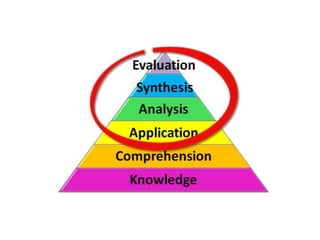
  • #8 In relation to Bloom’s taxonomy (Bloom et al 1956), this allows the class time to be utilised for tasks requiring higher order thinking skills (analysing, evaluation and creation) at a time when the teacher’s help is available.
  • #11 This approach is deeply grounded in social constructivism, Vygotsky contending that education is not imitation, but is the development of higher psychological functions through the use of language to mediate understanding (Vygotsky 1978). Providing opportunities for learners to construct new knowledge and cement understanding of new concepts as they are processed in talk with others is therefore an essential part of learning and is a central tenet of the ‘flipped’ approach.
  • #14 15 weeksone group were taught using only on-line methods and the second were taught using a hybrid methodology, accessing on-line presentations as well as twice weekly 50 minute face to face collaborative sessions, the course being only seven and a half weeks in comparison to the 15 week on-line course. Although both groups of students studied for a similar amount of time per week, the hybrid group did as well or better than their on-line only counterparts, despite the fact that the hybrid group had had only half as much study time, showing a very significant advantage to this form of learning. Additionally, when students were tested six months later, the hybrid group seemed to show better retention of learning
  • #20 Already stressed and stretched….
  • #21 But once they’re made, they’re reusable and can use other people’s resources 25 mins to here
  • #22 Log n with jo.Gakonga@gmail.com & Moodle pw
  • #23 look at this one... What do you think?
  • #24 look at this one... What do you think?
  • #25 look at this one... What do you think?
  • #26 Log in with fb – jo Gakonga@elt-training and singer
  • #27 how would you incorporate this as a flipped example? brainstorm...
  • #28 they look through - as a jigsaw listening? in groups?