BY 
T. BHAVANI 
11121A02A3 
Department of EEE 
1
CONTENTS 
 Introduction 
What is Net metering? 
Why Net metering is required? 
Structure of Net metering system 
Net meter- Bi directional meter 
Benefits of Net metering 
Limitations 
Net metering in India-AP 
Future scope 
Conclusion 
2
Demand for electricity is growing day by day 
Power generation is not up to the mark 
Deficit about 6-8% in India 
Need for developing alternatives to reduce power 
deficit 
Power generation through rooftop solar is 
considered as the best alternative 
Solar has some drawbacks 
Net metering is the solution for those drawbacks 
3
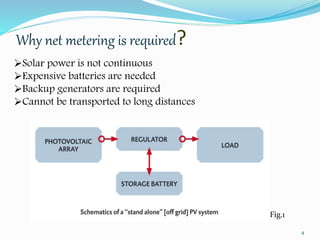
Why net metering is required? 
4 
Fig.1 
Solar power is not continuous 
Expensive batteries are needed 
Backup generators are required 
Cannot be transported to long distances
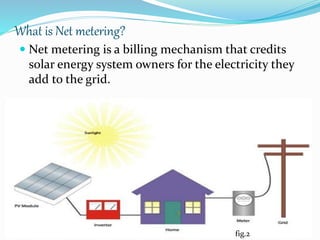
What is Net metering? 
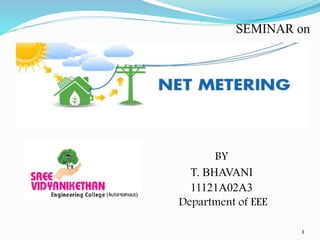
 Net metering is a billing mechanism that credits 
solar energy system owners for the electricity they 
add to the grid. 
fig.2 5
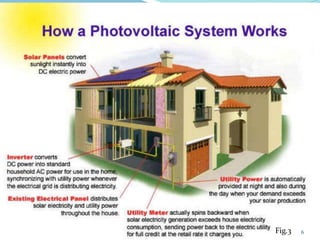
Fig.3 6
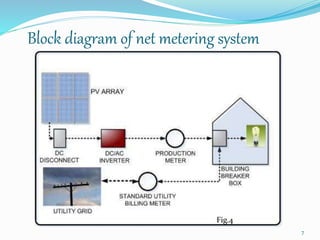
Block diagram of net metering system 
7 
Fig.4
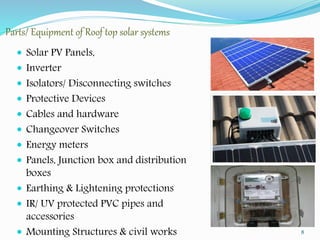
Parts/ Equipment of Roof top solar systems 
 Solar PV Panels, 
 Inverter 
 Isolators/ Disconnecting switches 
 Protective Devices 
 Cables and hardware 
 Changeover Switches 
 Energy meters 
 Panels, Junction box and distribution 
boxes 
 Earthing & Lightening protections 
 IR/ UV protected PVC pipes and 
accessories 
 Mounting Structures & civil works 8
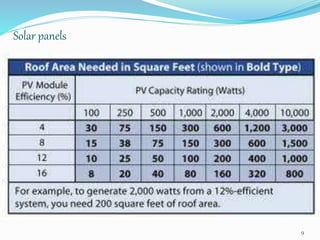
Solar panels 
9
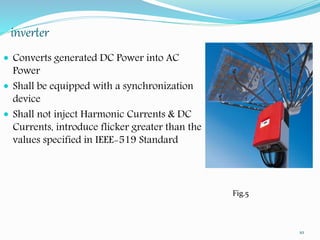
inverter 
 Converts generated DC Power into AC 
Power 
 Shall be equipped with a synchronization 
device 
 Shall not inject Harmonic Currents & DC 
Currents, introduce flicker greater than the 
values specified in IEEE-519 Standard 
10 
Fig.5
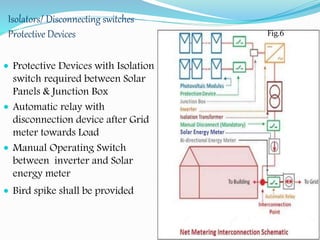
Isolators/ Disconnecting switches 
Protective Devices 
 Protective Devices with Isolation 
switch required between Solar 
Panels & Junction Box 
 Automatic relay with 
disconnection device after Grid 
meter towards Load 
 Manual Operating Switch 
between inverter and Solar 
energy meter 
 Bird spike shall be provided 
11 
Fig.6
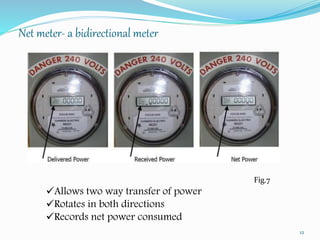
Net meter- a bidirectional meter 
12 
Fig.7 
Allows two way transfer of power 
Rotates in both directions 
Records net power consumed
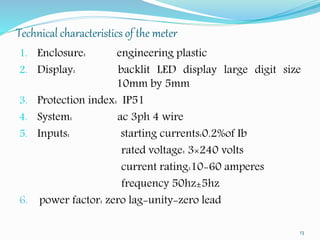
Technical characteristics of the meter 
1. Enclosure: engineering plastic 
2. Display: backlit LED display large digit size 
10mm by 5mm 
3. Protection index: IP51 
4. System: ac 3ph 4 wire 
5. Inputs: starting currents:0.2%of Ib 
rated voltage: 3×240 volts 
current rating:10-60 amperes 
frequency 50hz±5hz 
6. power factor: zero lag-unity-zero lead 
13
Benefits of net metering 
 Financial Credit for Extra Solar Power Produced 
 No Battery Storage System Needed 
 No Backup Generator for when Solar Power is Not 
Available 
Reduces electricity lost over wires 
Pressure on the grid is reduced 
Environment pollution can be reduced 
Awareness on power consumption will be increased 
14
limitations 
 It has very less drawbacks 
 Requires installation of additional equipment 
 Additional precautions to be taken in operation and 
maintenance of system 
 Cost of net metering equipment is to be bared by the 
consumers themselves 
15
Net metering in India 
 Started in 2009 
 MNRE is undertaking this. Govt. is facilitating 30% of the 
total money as subsidy needed for equipping net 
metering system 
 For generating 1MW of electricity through net metering 
it costs about 7-8 crores in India. After installation plant 
gains about 1.6 crores per annum for 25 years 
 Kerala, Andhra Pradesh, Maharashtra are also well 
implementing this 
16
Net metering in Andhra Pradesh 
 Started net metering in 2013 
 APCPDCL started net metering in September 2013. it 
permits consumers with 3 ph supply to equip net 
metering 
 Under APCPDCL Satyasai deemed university has been 
implementing the net metering successfully in 
Ananthapur dist. 
 APEPDCL and APSPDCL have also started net metering in 
November 2013 
17
Future scope 
18 
 Indian govt. has decided to equip all the govt. 
offices, hospitals, institutions, jails with rooftop PV 
systems and to involve them in net metering.
As the power produced by solar energy using PV 
systems is difficult and costly to store, this net metering 
provides opportunity to supply the excess power 
produced to grid and when solar power is not sufficient 
or unavailable, power can be drawn from grid, thus 
creating an opportunity of two way supply and making 
solar energy more reliable. 
19
References 
 http://www. indianenvironmental.com/net_metering.pdf 
 http://www.howtousesolar.com/uses_netmetering/ 
 http://www.efficientenergy.com 
 Net metering is a boon to utilities and local consumers 
http://www.efficientcarbon.com/rooftop_solar_and_netmeteri 
ng/ 
 www.sunlightelectric.com 
 Rooftop Solar Systems Basic Installations and Role & 
Responsibility of Field Staff –a report by ch.chakrapani 
20

Net metering seminar

  • 1.
    BY T. BHAVANI 11121A02A3 Department of EEE 1
  • 2.
    CONTENTS  Introduction What is Net metering? Why Net metering is required? Structure of Net metering system Net meter- Bi directional meter Benefits of Net metering Limitations Net metering in India-AP Future scope Conclusion 2
  • 3.
    Demand for electricityis growing day by day Power generation is not up to the mark Deficit about 6-8% in India Need for developing alternatives to reduce power deficit Power generation through rooftop solar is considered as the best alternative Solar has some drawbacks Net metering is the solution for those drawbacks 3
  • 4.
    Why net meteringis required? 4 Fig.1 Solar power is not continuous Expensive batteries are needed Backup generators are required Cannot be transported to long distances
  • 5.
    What is Netmetering?  Net metering is a billing mechanism that credits solar energy system owners for the electricity they add to the grid. fig.2 5
  • 6.
  • 7.
    Block diagram ofnet metering system 7 Fig.4
  • 8.
    Parts/ Equipment ofRoof top solar systems  Solar PV Panels,  Inverter  Isolators/ Disconnecting switches  Protective Devices  Cables and hardware  Changeover Switches  Energy meters  Panels, Junction box and distribution boxes  Earthing & Lightening protections  IR/ UV protected PVC pipes and accessories  Mounting Structures & civil works 8
  • 9.
  • 10.
    inverter  Convertsgenerated DC Power into AC Power  Shall be equipped with a synchronization device  Shall not inject Harmonic Currents & DC Currents, introduce flicker greater than the values specified in IEEE-519 Standard 10 Fig.5
  • 11.
    Isolators/ Disconnecting switches Protective Devices  Protective Devices with Isolation switch required between Solar Panels & Junction Box  Automatic relay with disconnection device after Grid meter towards Load  Manual Operating Switch between inverter and Solar energy meter  Bird spike shall be provided 11 Fig.6
  • 12.
    Net meter- abidirectional meter 12 Fig.7 Allows two way transfer of power Rotates in both directions Records net power consumed
  • 13.
    Technical characteristics ofthe meter 1. Enclosure: engineering plastic 2. Display: backlit LED display large digit size 10mm by 5mm 3. Protection index: IP51 4. System: ac 3ph 4 wire 5. Inputs: starting currents:0.2%of Ib rated voltage: 3×240 volts current rating:10-60 amperes frequency 50hz±5hz 6. power factor: zero lag-unity-zero lead 13
  • 14.
    Benefits of netmetering  Financial Credit for Extra Solar Power Produced  No Battery Storage System Needed  No Backup Generator for when Solar Power is Not Available Reduces electricity lost over wires Pressure on the grid is reduced Environment pollution can be reduced Awareness on power consumption will be increased 14
  • 15.
    limitations  Ithas very less drawbacks  Requires installation of additional equipment  Additional precautions to be taken in operation and maintenance of system  Cost of net metering equipment is to be bared by the consumers themselves 15
  • 16.
    Net metering inIndia  Started in 2009  MNRE is undertaking this. Govt. is facilitating 30% of the total money as subsidy needed for equipping net metering system  For generating 1MW of electricity through net metering it costs about 7-8 crores in India. After installation plant gains about 1.6 crores per annum for 25 years  Kerala, Andhra Pradesh, Maharashtra are also well implementing this 16
  • 17.
    Net metering inAndhra Pradesh  Started net metering in 2013  APCPDCL started net metering in September 2013. it permits consumers with 3 ph supply to equip net metering  Under APCPDCL Satyasai deemed university has been implementing the net metering successfully in Ananthapur dist.  APEPDCL and APSPDCL have also started net metering in November 2013 17
  • 18.
    Future scope 18  Indian govt. has decided to equip all the govt. offices, hospitals, institutions, jails with rooftop PV systems and to involve them in net metering.
  • 19.
    As the powerproduced by solar energy using PV systems is difficult and costly to store, this net metering provides opportunity to supply the excess power produced to grid and when solar power is not sufficient or unavailable, power can be drawn from grid, thus creating an opportunity of two way supply and making solar energy more reliable. 19
  • 20.
    References  http://www.indianenvironmental.com/net_metering.pdf  http://www.howtousesolar.com/uses_netmetering/  http://www.efficientenergy.com  Net metering is a boon to utilities and local consumers http://www.efficientcarbon.com/rooftop_solar_and_netmeteri ng/  www.sunlightelectric.com  Rooftop Solar Systems Basic Installations and Role & Responsibility of Field Staff –a report by ch.chakrapani 20