NATCEP Day Thirty Four & Thirty Five
 Define

mental health, mental
illness, developmental disability, and
intellectual disability (ID/DD)
 List methods to identify and utilize the
resident’s strengths to reinforce appropriate
behavior and reduce or eliminate
inappropriate behavior
 Identify roles and responsibilities of the
nurse aide when caring for residents with
mental illness or ID/DD
A

person’s ability to cope with and adjust to
everyday stresses in ways that are accepted
by society
A

disturbance in the ability to cope or adjust
to stress; behavior and function are
impaired; mental disorder, emotional illness,
psychiatric disorder
 Functional





Including mood, thought and personality
disorders
Person is out of touch with reality to the degree
that he/she is unable to function in real-life
situations
Examples: PTSD, Bipolar disorder, anxiety &
panic disorders

 Organic



Occurs as a result of reversible or irreversible
change in brain function
Examples: Schizophrenia, Dementia, Alzheimer’s
A

disability occurring before the age of 22
 Can be physical, cognitive, psychological,
sensory or a speech disability
 Permanent
 Function is limited in 3 or more life skills:








Self-care
Learning
Mobility
Self-direction
Capacity for independent living
Economic self-sufficiency
Understanding and expressing language


Intellectual Disability
Previously known as mental retardation
IQ below 70-75
 Limits in 2 or more adaptive skills areas
 Condition is present before 18 years of age



Down Syndrome
 Cerebral Palsy
 Autism
 Epilepsy
 Spinal Bifida




ID/DD


Abbreviation for Intellectual Disability and
Developmental Disabilities
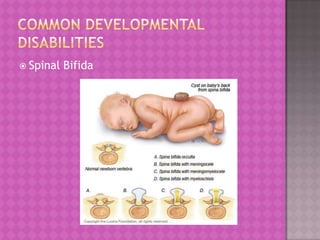
 Spinal

Bifida
 Redirect


inappropriate behavior

How?

 Appropriate

behavior may be reinforced
according to plan of care




Focus on strengths
Verbal praise
Rewards
 Know

and consistently reinforce plan of
treatment
 Be alert to changes in behavior
 Report changes promptly
 Be patient
 Focus on the resident as a person


AVOID LABELING

 Maintain

resident safety
NATCEP Day Thirty Five
 Define

sex & sexuality
 Identify factors that my affect sexuality in
the aging person
 Discuss actions nurse aides can take to
protect a resident’s sexuality
 Discuss approptiate nurse aide responses to
perceived sexual advances from a resident
(or others)
 Illness,











injury or surgery

Diabetes
Cancer of the Colon
Depression
Alcoholism
Tranquilizers
Anti-hypertensives
Stroke
Death of a sexual partner

 Normal

aging process
 Men



Enlarged prostate
Decrease in hormone production

 Women




Vaginitis
Dryness
Decrease in hormone production
 Allow

& encourage close relationships and/or
intimacy
 Respect & privacy


Confidential – should not share with family
members

 Protected

from unwanted advances from

others
 Allow & encourage privacy for sexual activity
 Accept sexual relationships – do not judge or
gossip
 Calm,

firm tone
 Let resident know actions are inappropriate
 Calmly remove resident’s hands from your
body
 Report actions and your response to charge
nurse
 With charge nurse, explain to resident that
you do not want to be touched or spoken to
in that way

Natcep day 34 & 35

  • 1.
    NATCEP Day ThirtyFour & Thirty Five
  • 2.
     Define mental health,mental illness, developmental disability, and intellectual disability (ID/DD)  List methods to identify and utilize the resident’s strengths to reinforce appropriate behavior and reduce or eliminate inappropriate behavior  Identify roles and responsibilities of the nurse aide when caring for residents with mental illness or ID/DD
  • 3.
    A person’s ability tocope with and adjust to everyday stresses in ways that are accepted by society
  • 4.
    A disturbance in theability to cope or adjust to stress; behavior and function are impaired; mental disorder, emotional illness, psychiatric disorder
  • 5.
     Functional    Including mood,thought and personality disorders Person is out of touch with reality to the degree that he/she is unable to function in real-life situations Examples: PTSD, Bipolar disorder, anxiety & panic disorders  Organic   Occurs as a result of reversible or irreversible change in brain function Examples: Schizophrenia, Dementia, Alzheimer’s
  • 6.
    A disability occurring beforethe age of 22  Can be physical, cognitive, psychological, sensory or a speech disability  Permanent  Function is limited in 3 or more life skills:        Self-care Learning Mobility Self-direction Capacity for independent living Economic self-sufficiency Understanding and expressing language
  • 7.
     Intellectual Disability Previously knownas mental retardation IQ below 70-75  Limits in 2 or more adaptive skills areas  Condition is present before 18 years of age   Down Syndrome  Cerebral Palsy  Autism  Epilepsy  Spinal Bifida   ID/DD  Abbreviation for Intellectual Disability and Developmental Disabilities
  • 8.
  • 9.
     Redirect  inappropriate behavior How? Appropriate behavior may be reinforced according to plan of care    Focus on strengths Verbal praise Rewards
  • 10.
     Know and consistentlyreinforce plan of treatment  Be alert to changes in behavior  Report changes promptly  Be patient  Focus on the resident as a person  AVOID LABELING  Maintain resident safety
  • 11.
  • 12.
     Define sex &sexuality  Identify factors that my affect sexuality in the aging person  Discuss actions nurse aides can take to protect a resident’s sexuality  Discuss approptiate nurse aide responses to perceived sexual advances from a resident (or others)
  • 13.
     Illness,         injury orsurgery Diabetes Cancer of the Colon Depression Alcoholism Tranquilizers Anti-hypertensives Stroke Death of a sexual partner  Normal aging process
  • 14.
     Men   Enlarged prostate Decreasein hormone production  Women    Vaginitis Dryness Decrease in hormone production
  • 15.
     Allow & encourageclose relationships and/or intimacy  Respect & privacy  Confidential – should not share with family members  Protected from unwanted advances from others  Allow & encourage privacy for sexual activity  Accept sexual relationships – do not judge or gossip
  • 16.
     Calm, firm tone Let resident know actions are inappropriate  Calmly remove resident’s hands from your body  Report actions and your response to charge nurse  With charge nurse, explain to resident that you do not want to be touched or spoken to in that way