DEPRESSSION
SUBMITTED TO:
RAMON OBLIGAR
SUBMITTED BY:
*ANNA MARIE AGUIRRE
*CATHLYN LAPU-OS
GRADE 11-ABM 1
DEPRESSION
-Depression is an extremely complex disease. No one knows exactly what causes it,
but it can occur for a variety of reason. Some people experience depression during
a serious medical illness. Others may have depression with changes such as a move
or the death of a loved one. Still others have a family history of depression and feel
overwhelmed with sadness and loneliness no known reason.
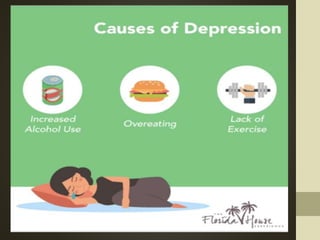
WHAT ARE THE MAIN CAUSES OF DEPRESION?
There are a number of factors that may increase the chance of depression,
including the following;
*ABUSE
*CERTAIN MEDICATION
*CONFLICT
*DEATH OR A LOSS
*GENETICS
*MAJOR EVENTS
*OTHER PERSONAL PROBLEM
*SERIOUS ILLNESSESS
*SUBSTANCE ABUSE
DEPRESSION- does not just affect the mind; it also affects the body. Some of the
physical effects include erratic sleep habits , loss, of appetite 9or increased appetite
with atypical depression), constant fatigue, muscle aches, head aches, and back
pain.
Sort Term and Long Term Effect of Depression
In the sort term, depression is likely to cause loss of appetite, weight loss, and
other physical symptoms. If you develop insomnia or hypersomnia( sleeping too
much), you will be fatigued and lethargic. In the long term, you can experience
malnutrition from not eating enough of become obese from eating too much. You
can also experience a drop in a short-term memory, finding it easier to forget
things. Long-term depression can also lead to suicide ; Everyday Health states that
over 66% of suicide have depression as a factor.
The effect of depression can be devastating in all areas of person’s life. The
side effects of depression can often be seen at work, school, and home as well as in
the personal relationship of the patient. Diagnosis treatment minimizes the effect
of depression so early intervention is key. Without depression treatment, 40%of
depressed individuals will be still meet a diagnosis of depression after one year.
Depression often affects people during periods of change in their lives. The effects
of depression on pregnancy include lower birthrates and preterm labor. Babies
born to depressed mothers also show:
*increased inactivity
*less activity
*less attentiveness
*fewer facial expression
Depressionisasclassifiedasamooddisorder.Itmaybedescribedasfeelingofsadness, loss,oranger
thatinterferewithaperson’severydayactivity.
Itisalsofairlycommon.TheCentersofDiseaseControlandPrevention(CDC)Trustedsource
estimatesthat8.1percentofAmericanadultages20andoverhaddepressioninanygiventwo-week
periodfrom2013to2016.
Peopleexperiencedepressionindifferentways.Itmayinterfere withyourdailywork,resultingin
losttimeandlowerproductivity.Italsocaninfluencerelationshipsandsomechronichealthconditions.
Conditionsthatcangetworstduetodepressioninclude:
*arthritis
*asthma
*cardiovasculardisease
*cancer
*diabetes
*obesity
Itisimportanttorealizethatfeelingattimesis anormalpartoflife.Sadandupsettingevents
happentoeveryone.But,ifyoufeelingmiserableorhopelessonaregularbasis,youcouldbedealing
withdepression..
Depressionisconsideraseriousmedicalcondition,anditcangetworsewithoutpropertreatments
insymptomsinjustafewweeks.
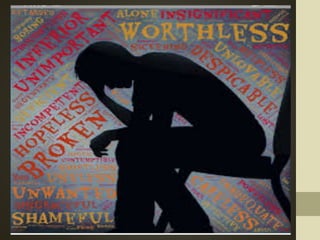
Depressed mood on most days, including feelings of sadness or
emptiness loss of pleasure in previously enjoyed activities too little or
too much sleep most days unintended weight loss or gain or change
in appetite physical agitation or feelings of sluggishness low energy or
fatigue feeling worthless or guilty trouble concentrating or making
decisions intrusive of death or suicide. Feeling of sadness, tearfulness,
emptiness, hopelessness, angry out burst, irritability, or frustration ,
even over small matters loss of interest or pleasure in most or all
normal activities, such as sex, hobbies or sports, sleeping
disturbances, including insomnia or sleeping too much tiredness and
lack of energy, so even small task take extra effort reduce appetite
and weight loss or increased craving for weight gain anxiety, agitation
or restlessness, slowed thinking, speaking or body movements,
feeling of worthlessness or guilt, fixating on pass failures or self-
blame, trouble thinking , concentrating, making decision and
remembering things, frequent or recurrent thoughts of death, suicidal
attempts or suicide, unexplained physical problem such as back pain
or headaches.

DEPRESSION (ABM 1)

  • 1.
    DEPRESSSION SUBMITTED TO: RAMON OBLIGAR SUBMITTEDBY: *ANNA MARIE AGUIRRE *CATHLYN LAPU-OS GRADE 11-ABM 1
  • 2.
    DEPRESSION -Depression is anextremely complex disease. No one knows exactly what causes it, but it can occur for a variety of reason. Some people experience depression during a serious medical illness. Others may have depression with changes such as a move or the death of a loved one. Still others have a family history of depression and feel overwhelmed with sadness and loneliness no known reason. WHAT ARE THE MAIN CAUSES OF DEPRESION? There are a number of factors that may increase the chance of depression, including the following; *ABUSE *CERTAIN MEDICATION *CONFLICT *DEATH OR A LOSS *GENETICS *MAJOR EVENTS *OTHER PERSONAL PROBLEM *SERIOUS ILLNESSESS *SUBSTANCE ABUSE
  • 3.
    DEPRESSION- does notjust affect the mind; it also affects the body. Some of the physical effects include erratic sleep habits , loss, of appetite 9or increased appetite with atypical depression), constant fatigue, muscle aches, head aches, and back pain. Sort Term and Long Term Effect of Depression In the sort term, depression is likely to cause loss of appetite, weight loss, and other physical symptoms. If you develop insomnia or hypersomnia( sleeping too much), you will be fatigued and lethargic. In the long term, you can experience malnutrition from not eating enough of become obese from eating too much. You can also experience a drop in a short-term memory, finding it easier to forget things. Long-term depression can also lead to suicide ; Everyday Health states that over 66% of suicide have depression as a factor. The effect of depression can be devastating in all areas of person’s life. The side effects of depression can often be seen at work, school, and home as well as in the personal relationship of the patient. Diagnosis treatment minimizes the effect of depression so early intervention is key. Without depression treatment, 40%of depressed individuals will be still meet a diagnosis of depression after one year. Depression often affects people during periods of change in their lives. The effects of depression on pregnancy include lower birthrates and preterm labor. Babies born to depressed mothers also show: *increased inactivity *less activity *less attentiveness *fewer facial expression
  • 5.
    Depressionisasclassifiedasamooddisorder.Itmaybedescribedasfeelingofsadness, loss,oranger thatinterferewithaperson’severydayactivity. Itisalsofairlycommon.TheCentersofDiseaseControlandPrevention(CDC)Trustedsource estimatesthat8.1percentofAmericanadultages20andoverhaddepressioninanygiventwo-week periodfrom2013to2016. Peopleexperiencedepressionindifferentways.Itmayinterfere withyourdailywork,resultingin losttimeandlowerproductivity.Italsocaninfluencerelationshipsandsomechronichealthconditions. Conditionsthatcangetworstduetodepressioninclude: *arthritis *asthma *cardiovasculardisease *cancer *diabetes *obesity Itisimportanttorealizethatfeelingattimesisanormalpartoflife.Sadandupsettingevents happentoeveryone.But,ifyoufeelingmiserableorhopelessonaregularbasis,youcouldbedealing withdepression.. Depressionisconsideraseriousmedicalcondition,anditcangetworsewithoutpropertreatments insymptomsinjustafewweeks.
  • 9.
    Depressed mood onmost days, including feelings of sadness or emptiness loss of pleasure in previously enjoyed activities too little or too much sleep most days unintended weight loss or gain or change in appetite physical agitation or feelings of sluggishness low energy or fatigue feeling worthless or guilty trouble concentrating or making decisions intrusive of death or suicide. Feeling of sadness, tearfulness, emptiness, hopelessness, angry out burst, irritability, or frustration , even over small matters loss of interest or pleasure in most or all normal activities, such as sex, hobbies or sports, sleeping disturbances, including insomnia or sleeping too much tiredness and lack of energy, so even small task take extra effort reduce appetite and weight loss or increased craving for weight gain anxiety, agitation or restlessness, slowed thinking, speaking or body movements, feeling of worthlessness or guilt, fixating on pass failures or self- blame, trouble thinking , concentrating, making decision and remembering things, frequent or recurrent thoughts of death, suicidal attempts or suicide, unexplained physical problem such as back pain or headaches.