Made by
Sameer Shindadkar
What is multiculturalism?
As a descriptive term it refers to cultural
diversity where two or more groups with
distinctive beliefs/cultures exist in a
society.
How To Achieve?
• What we want currently is the understanding
between nations and races.
•In order to learn and understand the other
races, multiculturalism is crucial in achieving the
said objective
• Thus, we must conquer the stalemate of mutual
understanding
Origin and development of
multiculturalism
 Emerged as a result of black consciousness movements in
the 1960s.
 Has been helped by trends in international migration since
1945.
 And Ethnocultural nationalism have inspired many minority
communities to assert themselves.
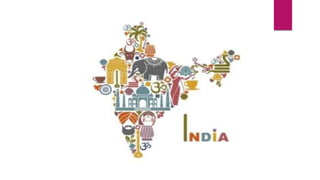
Where it mainly Practiced ?
 It is mainly practiced all over the world but in huge amount it is Practiced in
following countries.
 U.S.A
 Canada
 Germany
 India
Principles of multiculturalism
 Politics of recognition
 Culture and identity
 Minority rights
 Diversity
Minority rights
• In the case of immigration, the granting of polytechnic rights- e.g. legal exemptions-
halal or kosher butchers.
• Minority or multicultural rights are separate from liberal view on rights because they
belong to the group rather than an individual. Hence multiculturalism is essentially
collective and communitarian.
Diversity
 Multiculturalists believe that cultural diversity is compatible with political
cohesion. People have multiple identities and therefore loyalties.
• People are able to participate in society because they have a firm and secure
identity rooted in their own culture. Denial of culture results in isolation and
powerlessness providing a breeding ground for extremism.
• Diversity should be celebrated. It fosters cross cultural tolerance and understanding.
Multiculturalism in global age
 Multiculturalism may well be the successor to the nationalism of the nineteenth
and twentieth centuries.
 Multiculturalism could prove to be an unstoppable force in the twenty-first
century and beyond.
 Multiculturalism might prove however to have its limitations, and become
unfashionable.
Multicultural Education
 Field of study and an emerging discipline whose major aim is to create equal
educational opportunities from racial, ethnic, social class and cultural groups.
 It is progressive approach for transforming education that holistically critiques and
addresses current shortcomings, failings and discriminatory practices in education.
Advantages
 With multiculturalism, racial discrimination is decreased. People from one culture
could share information regarding their own culture, which helps other cultures
understand the rationale behind certain traditions and practices regardless of their
obscenity or offending nature.
 Multiculturalism helps promote integrated efforts to help improve a culture that
could be offending certain human rights or discriminating against people in the
same culture. The capability of voicing out opinion from one culture to another
could have a forum through the Internet.
Disadvantages
 Brings anxiety to stability to national identity.
 Creates national disunity
 Questionable loyalties.
 Genocide
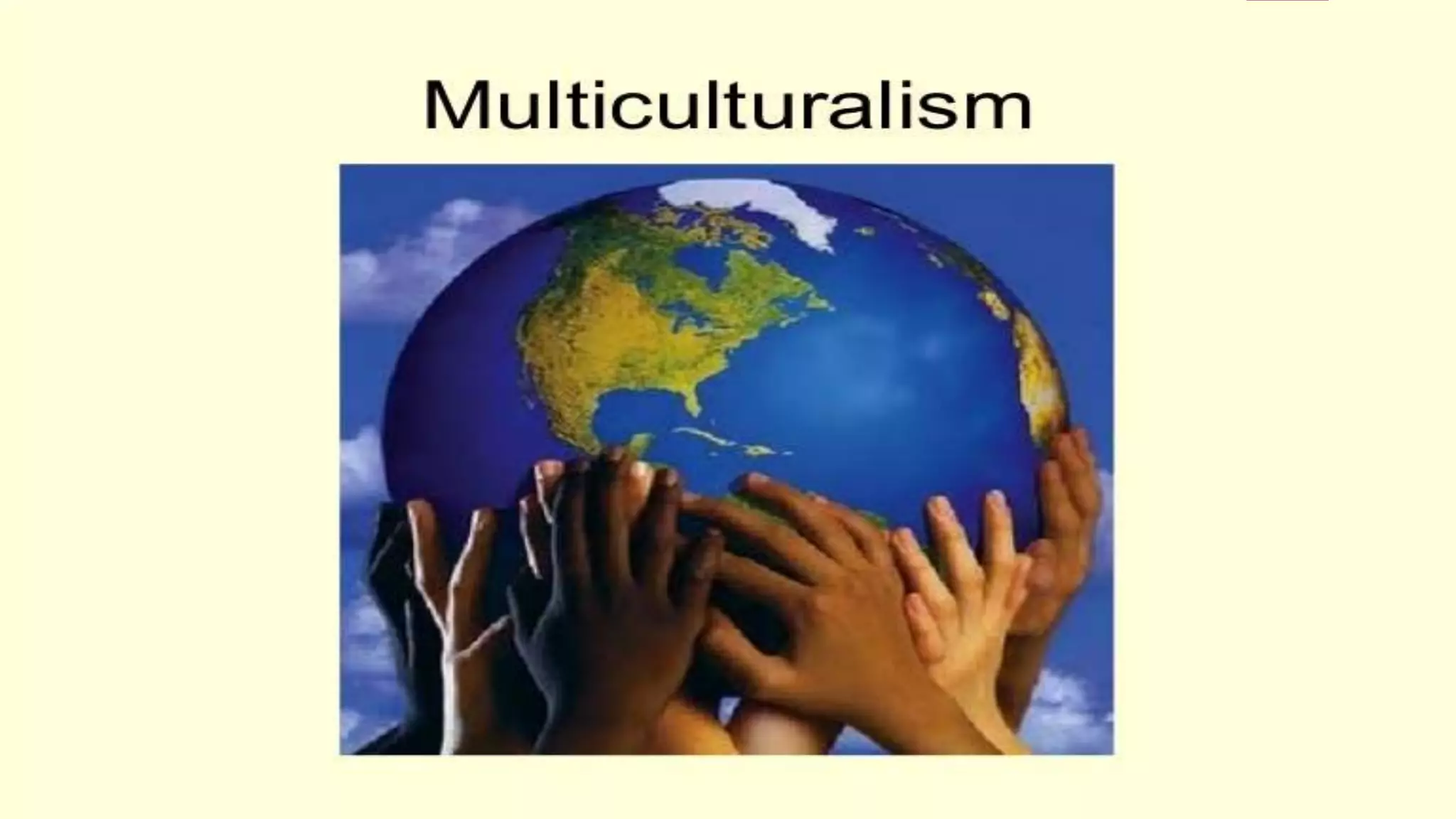
Multicultralism

Multicultralism

  • 2.
  • 3.
    What is multiculturalism? Asa descriptive term it refers to cultural diversity where two or more groups with distinctive beliefs/cultures exist in a society.
  • 5.
    How To Achieve? •What we want currently is the understanding between nations and races. •In order to learn and understand the other races, multiculturalism is crucial in achieving the said objective • Thus, we must conquer the stalemate of mutual understanding
  • 6.
    Origin and developmentof multiculturalism  Emerged as a result of black consciousness movements in the 1960s.  Has been helped by trends in international migration since 1945.  And Ethnocultural nationalism have inspired many minority communities to assert themselves.
  • 8.
    Where it mainlyPracticed ?  It is mainly practiced all over the world but in huge amount it is Practiced in following countries.  U.S.A  Canada  Germany  India
  • 9.
    Principles of multiculturalism Politics of recognition  Culture and identity  Minority rights  Diversity
  • 12.
    Minority rights • Inthe case of immigration, the granting of polytechnic rights- e.g. legal exemptions- halal or kosher butchers. • Minority or multicultural rights are separate from liberal view on rights because they belong to the group rather than an individual. Hence multiculturalism is essentially collective and communitarian.
  • 13.
    Diversity  Multiculturalists believethat cultural diversity is compatible with political cohesion. People have multiple identities and therefore loyalties. • People are able to participate in society because they have a firm and secure identity rooted in their own culture. Denial of culture results in isolation and powerlessness providing a breeding ground for extremism. • Diversity should be celebrated. It fosters cross cultural tolerance and understanding.
  • 14.
    Multiculturalism in globalage  Multiculturalism may well be the successor to the nationalism of the nineteenth and twentieth centuries.  Multiculturalism could prove to be an unstoppable force in the twenty-first century and beyond.  Multiculturalism might prove however to have its limitations, and become unfashionable.
  • 16.
    Multicultural Education  Fieldof study and an emerging discipline whose major aim is to create equal educational opportunities from racial, ethnic, social class and cultural groups.  It is progressive approach for transforming education that holistically critiques and addresses current shortcomings, failings and discriminatory practices in education.
  • 17.
    Advantages  With multiculturalism,racial discrimination is decreased. People from one culture could share information regarding their own culture, which helps other cultures understand the rationale behind certain traditions and practices regardless of their obscenity or offending nature.  Multiculturalism helps promote integrated efforts to help improve a culture that could be offending certain human rights or discriminating against people in the same culture. The capability of voicing out opinion from one culture to another could have a forum through the Internet.
  • 18.
    Disadvantages  Brings anxietyto stability to national identity.  Creates national disunity  Questionable loyalties.  Genocide