Mulligan Concept
Ashutosh Singh
MULLIGAN CONCEPT
• Comfort and capabilities restored instantly in a pain-free way.
Brian R. Mulligan, FNZSP (Hon.), Diploma MT,CMP,MCTA
Indications
• Any neuromusculoskeletal pain(if not contraindicated).
• Hypomobility (due to any post operative pain/ joint stiffness)
• To maintain mobility (arthritis/aging)
• Delaying the hypomobility (Ankylosing Spondylitis).
IF NOT CONTRAINDICATED IT IS INDICATED
AND ITS WORTH TRYING
Contra Indications
• Yellow Flags – Osteopenia, Hypermobility, pregnancy and if the
patient is on anti coagulant therapy.
• Red Flags- Osteoporosis, Active Inflammation, Metabolic bone
diseases, myelopathies, neurological deficit, unstable joint/fracture
site and non united fracture.
Pain is our friend not Enemy
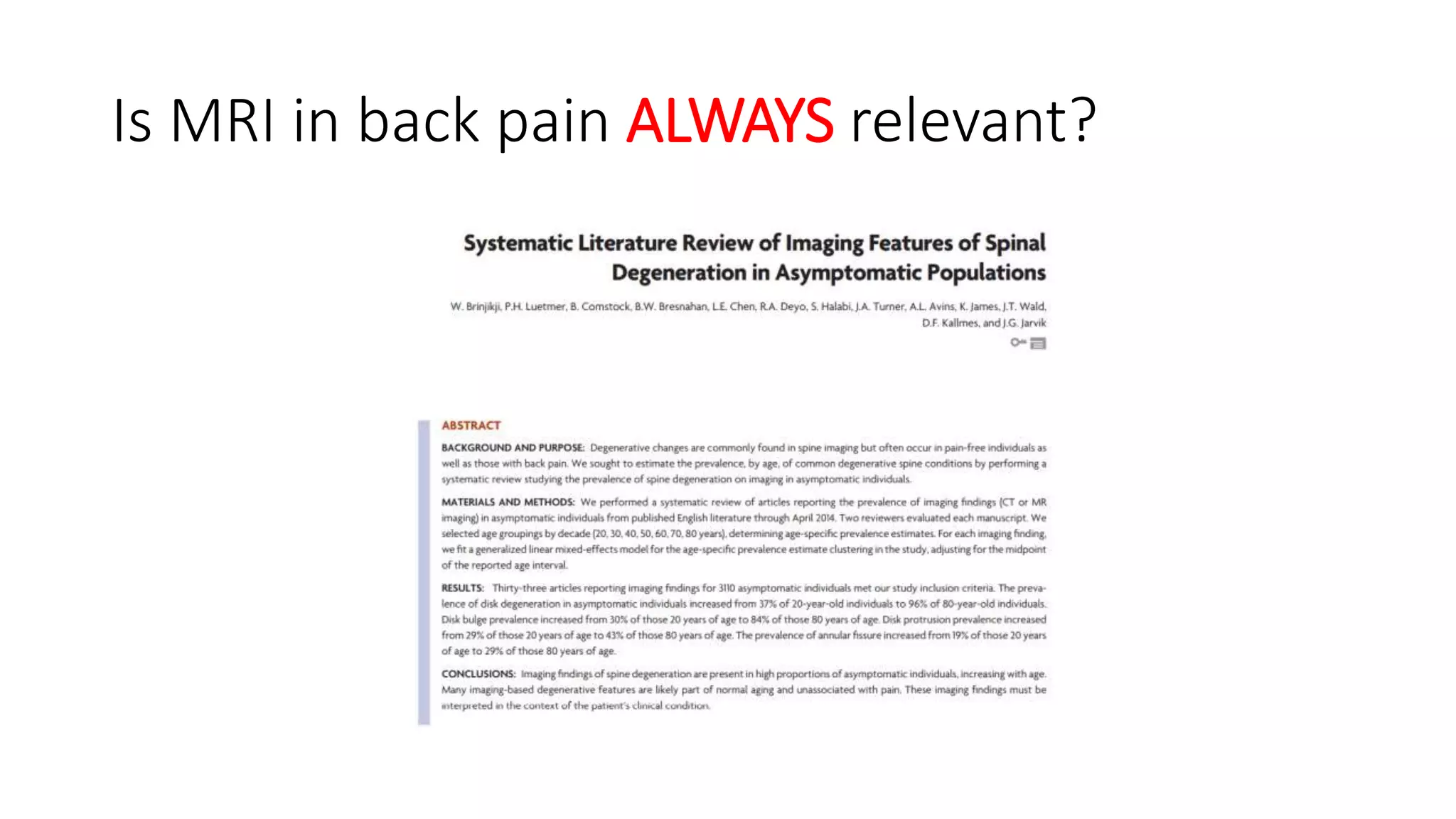
Is MRI in back pain ALWAYS relevant?
HOW DOES MULLIGAN CONCEPT WORK ?
Neurophysiological Effect
• Pain gate theory (given by Melzack & Wall)
• Express highway theory – believed by various manual schools that
Stimulation of the mechanoreceptors and proporioceptors in and
around the joint which probably releases much stronger chemicals,
which not only relieve pain but also increases ROM.
Joint Nutrition
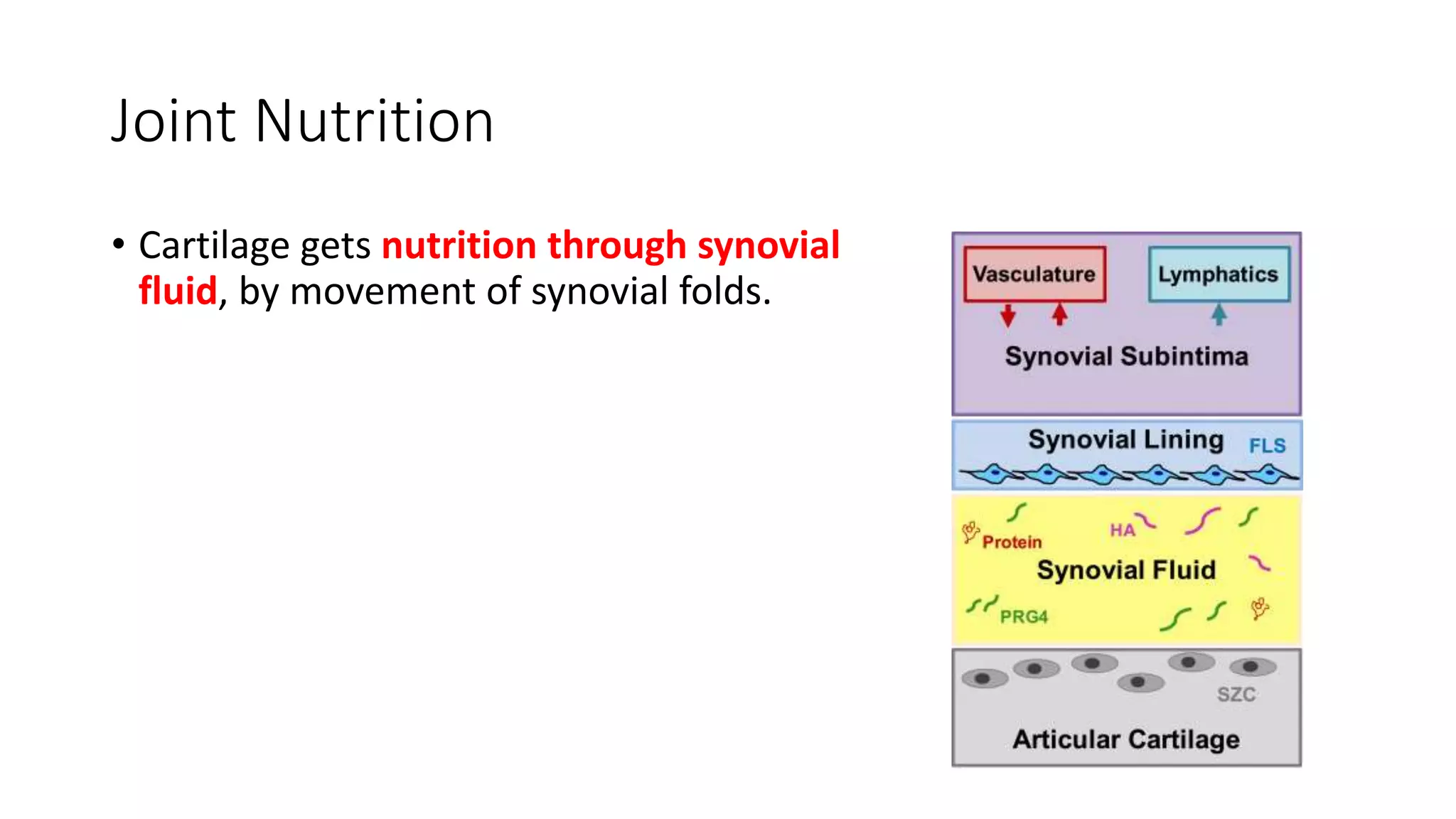
• Cartilage gets nutrition through synovial
fluid, by movement of synovial folds.
Joint Range of Motion
• No Medicine can increase joint range of motion.
The Positional Fault theory
• Micro malalignment of the two joint surfaces which can not be seen
on radiological investigations.
• Corrects the joint alignment by mulligan concept and later, strengthen
the weak muscles and stretch the tight muscles.
• Biomechanical faults cannot be corrected Biochemically.
Patho mechanics example
• Barbara Hetherington
1. She said that the lateral ligament of
ankle is very strong ligament. It is so
strong that it avulses the fibula then
how such ligament can get sprained?
2. Why less pain when push fibula back
and do offending movements?
Salient features of Mulligan Concept
1.Weight Bearing
Eg- In case of OA knee or hip patient complains of pain in walking,
ascending or descending stairs So Why should we treat them in lying
postions?
2.Active movements followed by Passive over
pressure
3.Pain free
• Whenever you give the glide, it must reduce pain to great extent and
increase the range of motion. If any of it does not occur then you are
not give glide correctly.
4.Treat in available End range of motion
• If you are not in end range , you will not gain new range of motion.

Hence you need to work in the available end range of motion at any
joint.
5.Sustain your Glide
• The very difference between mulligan concept and other concepts is
that the glides are sustained (instead of repeated oscillations) while
patient performs the offending/restricted movement.
• Once you find the correct glide, correct force and direction, sustain it
for at least 6-10 reps. Repeat 3 times
6. Teach Self Treatment
• You are applying glide only for 5-10 minutes but what about the other
23 hours and 50 minutes of the day.
• In mulligan concept the glide is sustained with the help of tape, and
the patient is able to do the offending movements, leading to speedy
recovery.
7. Follow the Treatment Plane
• Majority of the time the glide is parallel to the treatment plane and
perpendicular to the movement plane
• There is a treatment technique for each loss of motion.
Cervical Spine- 1. Gross loss of motion – NAGS
2. Loss in particular plane – SNAGS
3. Radiating Pain - SMWAM
Focus on following points for the best results
1. Always treat your patient in weight bearing or in painful positions,
perform offending movements in a pain free way.
2. Movements must be pain free. If not change the
pressure/hold/angle/level/side(spine). If worse please reverse.
3. Check the resultant vector /angle of push/parallel position of the
treatment belt to floor.
4. Don’t forget to sustain glide, until you return to the starting
position.
5. Always work in available end range of motion.
6. Don’t forget the passive overpressure at the end of the range, it
works like cream on milk.
7. Be parallel to treatment plane and perpendicular to movement
plane.
8. Synchronize properly between your hand/ forearm/ pelvis/body and
the treatment plane.
9. Your position or handgrip must not block the patients movement.
10. Take care of amount of pressure applied on the joints.
11. After the good stabilisation only you can have a good mobilisation.
12. Grip must be firm but painless.
13. Hand / belt placement must be close to the treatment plane/ joint
line. Ensure proper translation avoid rotation.
14. Check The Pain and A Pain.
15. Do not over treat follow Rule of Three.
16. You must teach self treatment, whenever possible.
17. Finally STOP Acting START Treating.
Mulligan Concept .ppt

Mulligan Concept .ppt

  • 1.
  • 2.
    MULLIGAN CONCEPT • Comfortand capabilities restored instantly in a pain-free way. Brian R. Mulligan, FNZSP (Hon.), Diploma MT,CMP,MCTA
  • 3.
    Indications • Any neuromusculoskeletalpain(if not contraindicated). • Hypomobility (due to any post operative pain/ joint stiffness) • To maintain mobility (arthritis/aging) • Delaying the hypomobility (Ankylosing Spondylitis). IF NOT CONTRAINDICATED IT IS INDICATED AND ITS WORTH TRYING
  • 4.
    Contra Indications • YellowFlags – Osteopenia, Hypermobility, pregnancy and if the patient is on anti coagulant therapy. • Red Flags- Osteoporosis, Active Inflammation, Metabolic bone diseases, myelopathies, neurological deficit, unstable joint/fracture site and non united fracture.
  • 5.
    Pain is ourfriend not Enemy
  • 6.
    Is MRI inback pain ALWAYS relevant?
  • 7.
    HOW DOES MULLIGANCONCEPT WORK ?
  • 8.
    Neurophysiological Effect • Paingate theory (given by Melzack & Wall) • Express highway theory – believed by various manual schools that Stimulation of the mechanoreceptors and proporioceptors in and around the joint which probably releases much stronger chemicals, which not only relieve pain but also increases ROM.
  • 9.
    Joint Nutrition • Cartilagegets nutrition through synovial fluid, by movement of synovial folds.
  • 10.
    Joint Range ofMotion • No Medicine can increase joint range of motion.
  • 11.
    The Positional Faulttheory • Micro malalignment of the two joint surfaces which can not be seen on radiological investigations. • Corrects the joint alignment by mulligan concept and later, strengthen the weak muscles and stretch the tight muscles. • Biomechanical faults cannot be corrected Biochemically.
  • 12.
    Patho mechanics example •Barbara Hetherington 1. She said that the lateral ligament of ankle is very strong ligament. It is so strong that it avulses the fibula then how such ligament can get sprained? 2. Why less pain when push fibula back and do offending movements?
  • 13.
    Salient features ofMulligan Concept 1.Weight Bearing Eg- In case of OA knee or hip patient complains of pain in walking, ascending or descending stairs So Why should we treat them in lying postions?
  • 14.
    2.Active movements followedby Passive over pressure
  • 15.
    3.Pain free • Wheneveryou give the glide, it must reduce pain to great extent and increase the range of motion. If any of it does not occur then you are not give glide correctly.
  • 16.
    4.Treat in availableEnd range of motion • If you are not in end range , you will not gain new range of motion. Hence you need to work in the available end range of motion at any joint.
  • 17.
    5.Sustain your Glide •The very difference between mulligan concept and other concepts is that the glides are sustained (instead of repeated oscillations) while patient performs the offending/restricted movement. • Once you find the correct glide, correct force and direction, sustain it for at least 6-10 reps. Repeat 3 times
  • 18.
    6. Teach SelfTreatment • You are applying glide only for 5-10 minutes but what about the other 23 hours and 50 minutes of the day. • In mulligan concept the glide is sustained with the help of tape, and the patient is able to do the offending movements, leading to speedy recovery.
  • 19.
    7. Follow theTreatment Plane • Majority of the time the glide is parallel to the treatment plane and perpendicular to the movement plane • There is a treatment technique for each loss of motion. Cervical Spine- 1. Gross loss of motion – NAGS 2. Loss in particular plane – SNAGS 3. Radiating Pain - SMWAM
  • 20.
    Focus on followingpoints for the best results 1. Always treat your patient in weight bearing or in painful positions, perform offending movements in a pain free way. 2. Movements must be pain free. If not change the pressure/hold/angle/level/side(spine). If worse please reverse. 3. Check the resultant vector /angle of push/parallel position of the treatment belt to floor. 4. Don’t forget to sustain glide, until you return to the starting position. 5. Always work in available end range of motion.
  • 21.
    6. Don’t forgetthe passive overpressure at the end of the range, it works like cream on milk. 7. Be parallel to treatment plane and perpendicular to movement plane. 8. Synchronize properly between your hand/ forearm/ pelvis/body and the treatment plane. 9. Your position or handgrip must not block the patients movement. 10. Take care of amount of pressure applied on the joints. 11. After the good stabilisation only you can have a good mobilisation. 12. Grip must be firm but painless. 13. Hand / belt placement must be close to the treatment plane/ joint line. Ensure proper translation avoid rotation.
  • 22.
    14. Check ThePain and A Pain. 15. Do not over treat follow Rule of Three. 16. You must teach self treatment, whenever possible. 17. Finally STOP Acting START Treating.

Editor's Notes

  • #9 Vibration or thermal sensations arrive at the synapses in the substantia gelatinosa of the posterior horn of the spinal cord faster than the nocioceptive stimulus, therby inhibiting the pain sensations and release neurotransmitters like endorphins and encephalins
  • #10 To move the the joint we need to have some range of motion we need to have joint play. To restore joint play we need to deliever accessory movements by manual therapy.So with the help of manual therapy we provide nutrition to the affected joint as well