Mini Inquiry
 Research Project:
Motivating Students
     to Read
      By Lynn Stephenson
School Reading
      Homework

Read for 30 minutes each night.

Earn a certain number of Accelerated Reader
points.

Read 25 books during the school year, but you
have to read a few books from each genre.
“A student will not master a skill
without a significant amount of
practice” (Hill and Flynn, 2006).
Problem: Children will
not do their independent
reading assignments.
Frustrated parents and
children.
Question: What motivates
people to read, and what
can I do to help motivate
these children to read for
school without parent
pressure?
Survey
How many books have you read this past year?

Why do you read?
What kinds of books do you like to read?
What do you read other than books?

What motivates you to want to read?

What motivates you to not want to read?

How do you/did you feel when a teacher or other person tells
you that you have to read?

Tell me about a person who inspired you to read. What did they
do?

What advise would you give a teacher who is trying to motivate
her students to read?
Results
66% read 15 or more books this past year.

25% read for school assignments and 58% read for
pleasure.

66% read magazines and newspapers.

The love of reading and entertainment were the most
common reasons for a person to read.

Being busy was the most common reason for a person
not to read.
Do people like to be
required to read by
teachers?

    83% said that being required
    to read makes them to not
    want to read.
Who inspired you to read?


         Teachers

          Mothers
What am I going to
do to help
motivate my son
my and students to
read?
Student Choice
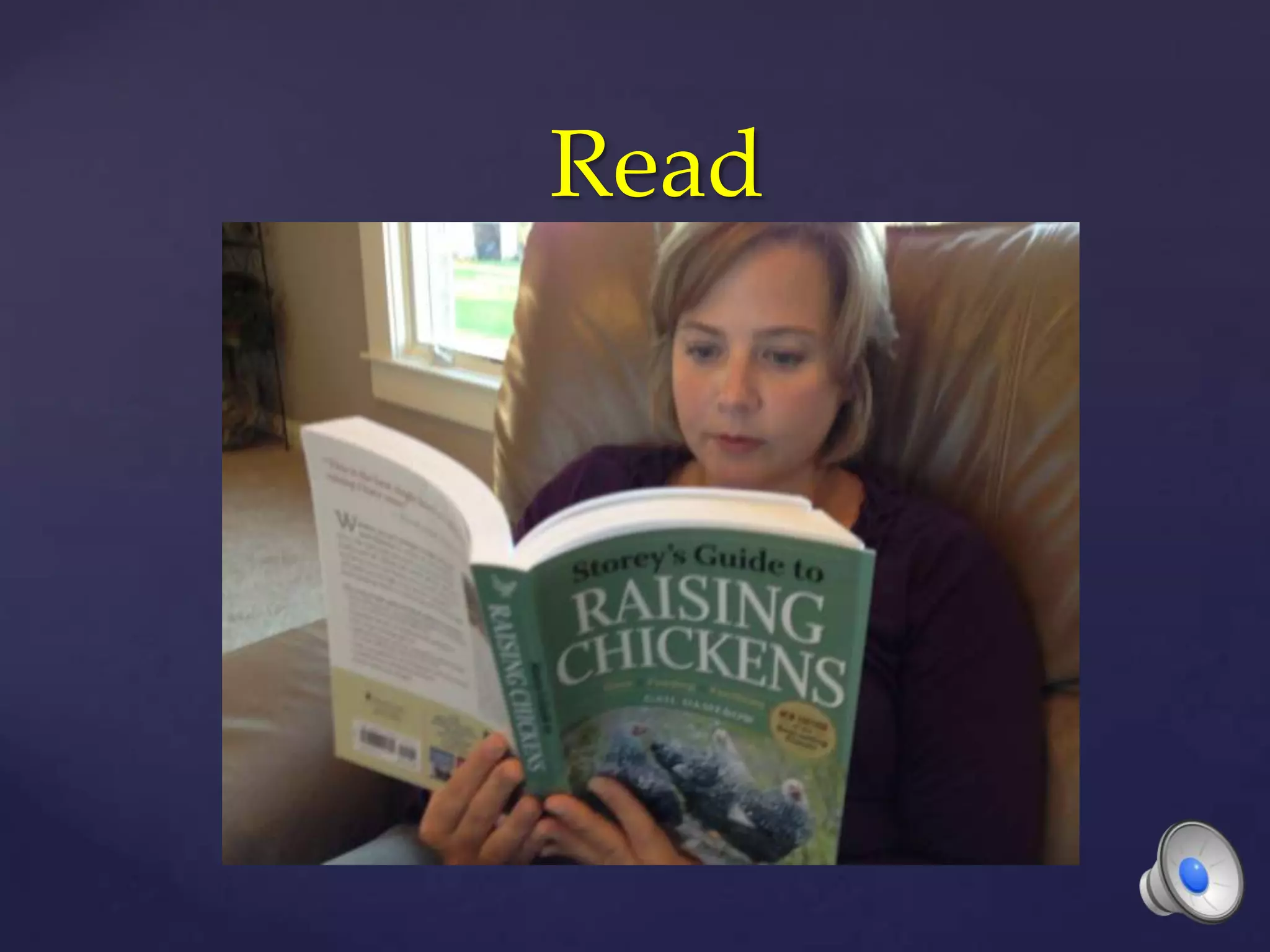
Read
What Other Teachers
Should Consider:
    Provide students with independent reading time.

    Help students develop intrinsic motivation.

    Match students with appropriate reading material.

    Provide students with real-world experiences and
    personal connections.

    Encourage collaboration and discussion among
    students.
                             Reed (2000)
Works Cited
Hill, Jane and Kathleen Flynn. (2006). Classroom Instruction that
Works with English language Learners. Alexandria, VA: Association
for      Supervision & Curriculum Development.

Reed, Deborah. Motivating Students to Read Issues and Practices.
SEDL Letter Volume XVll, Number 1, June 2005, Reaching Our
Reading       Goals.

Mini Inquiry Research Project

  • 1.
    Mini Inquiry ResearchProject: Motivating Students to Read By Lynn Stephenson
  • 2.
    School Reading Homework Read for 30 minutes each night. Earn a certain number of Accelerated Reader points. Read 25 books during the school year, but you have to read a few books from each genre.
  • 3.
    “A student willnot master a skill without a significant amount of practice” (Hill and Flynn, 2006).
  • 4.
    Problem: Children will notdo their independent reading assignments.
  • 5.
  • 6.
    Question: What motivates peopleto read, and what can I do to help motivate these children to read for school without parent pressure?
  • 7.
    Survey How many bookshave you read this past year? Why do you read? What kinds of books do you like to read? What do you read other than books? What motivates you to want to read? What motivates you to not want to read? How do you/did you feel when a teacher or other person tells you that you have to read? Tell me about a person who inspired you to read. What did they do? What advise would you give a teacher who is trying to motivate her students to read?
  • 8.
    Results 66% read 15or more books this past year. 25% read for school assignments and 58% read for pleasure. 66% read magazines and newspapers. The love of reading and entertainment were the most common reasons for a person to read. Being busy was the most common reason for a person not to read.
  • 9.
    Do people liketo be required to read by teachers? 83% said that being required to read makes them to not want to read.
  • 10.
    Who inspired youto read? Teachers Mothers
  • 11.
    What am Igoing to do to help motivate my son my and students to read?
  • 12.
  • 13.
  • 14.
    What Other Teachers ShouldConsider: Provide students with independent reading time. Help students develop intrinsic motivation. Match students with appropriate reading material. Provide students with real-world experiences and personal connections. Encourage collaboration and discussion among students. Reed (2000)
  • 16.
    Works Cited Hill, Janeand Kathleen Flynn. (2006). Classroom Instruction that Works with English language Learners. Alexandria, VA: Association for Supervision & Curriculum Development. Reed, Deborah. Motivating Students to Read Issues and Practices. SEDL Letter Volume XVll, Number 1, June 2005, Reaching Our Reading Goals.