{
Supply Chain Management of
Maruti Suzuki
Prepared By :- AMIT KUMAR
1853362
INTRODUCTION
1. Maruti Suzuki India Ltd was incorporated on
February 24, 1981 , Headquartered in Delhi.
2. Originally owned by Government of India,
named Maruti Udyog Ltd.
3. Entered in Joint Venture with
Suzuki Motor Corporation of Japan.
4. Maruti had a market share of , 51% of the Indian
passenger car market.
INDIAN AUTOMOBILE INDUSTRY DIVISON
1. Passenger Cars.
2. Multi- Utility Vehicles (MUVs).
3. Two- and Three- Vehicles.
4. Commercial Vehicles - Light Commercial Vehicles
(LCVs) / Medium and
Heavy Commercial Vehicles (MHCVs).
5. Tractors.
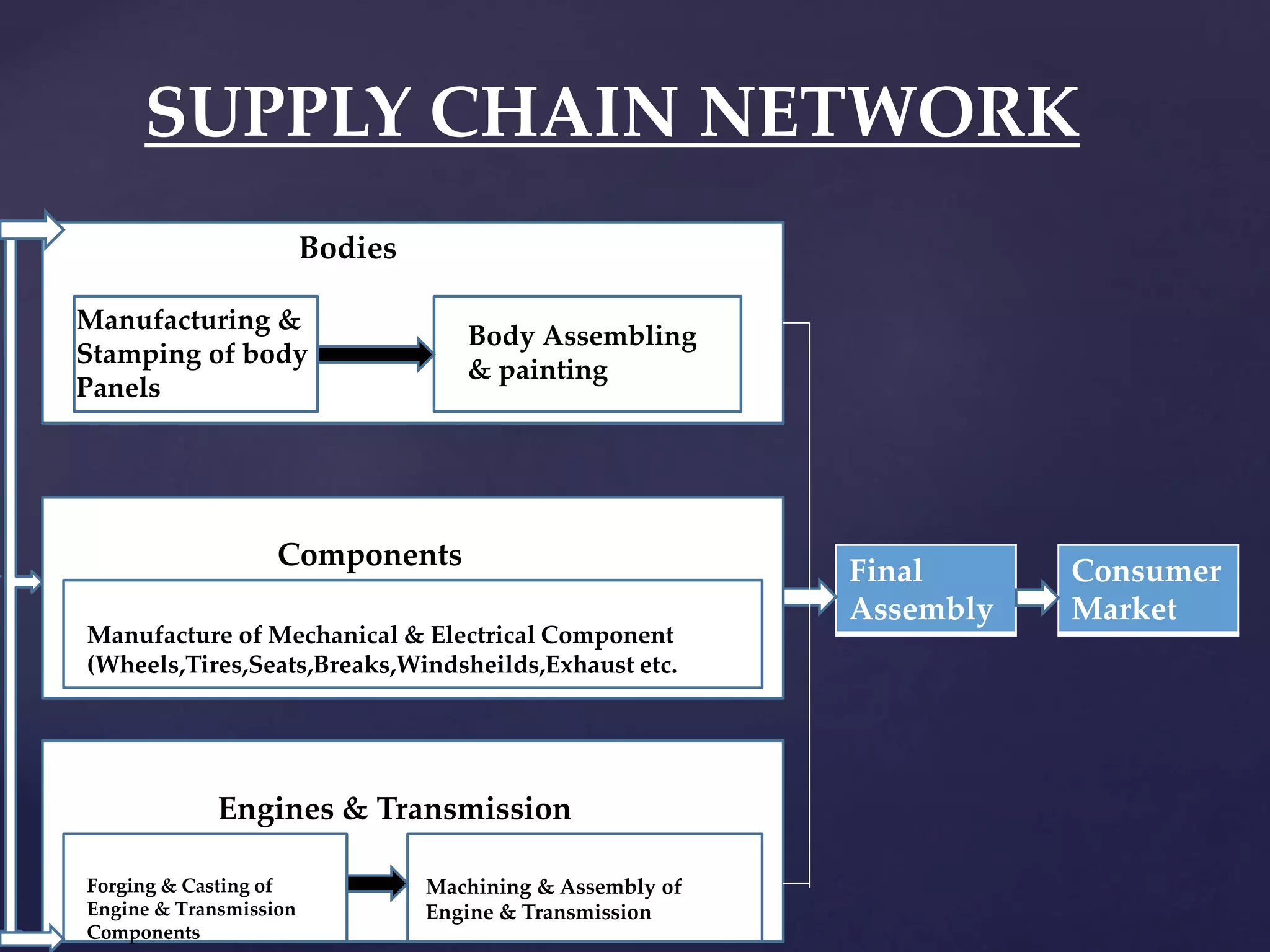
SUPPLY CHAIN NETWORK
Manufacturing &
Stamping of body
Panels
Bodies
Body Assembling
& painting
Components
Manufacture of Mechanical & Electrical Component
(Wheels,Tires,Seats,Breaks,Windsheilds,Exhaust etc.
Engines & Transmission
Forging & Casting of
Engine & Transmission
Components
Machining & Assembly of
Engine & Transmission
Final
Assembly
Consumer
Market
MARUTI SUZUKI DISTRIBUTION CHANNEL
MARUTI SUZUKI INDIA LTD.
Nexa True Value Dealership
Model
Service
Centres
SUPPLY CHAIN ECOSYSTEM
Assets
. Location
. Infrastructure
. Industry
. Supply Chain Capability
Supply Chain
Ecosystems
. Collaboration
. Strategic Alignment
. Partnerships
Outcomes
. Low Cost
. Reduced Time
. Reduced Risk
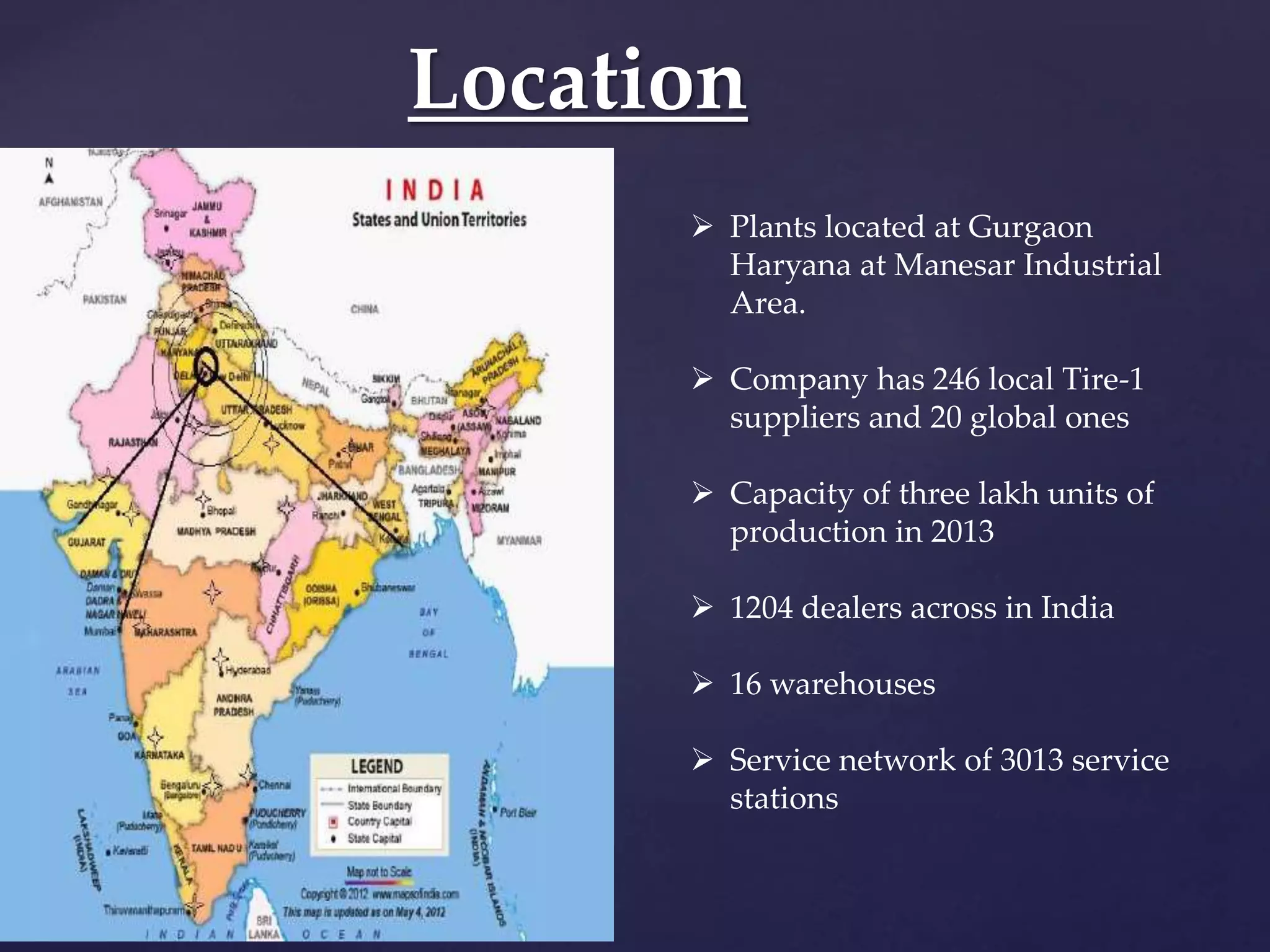
Location
 Plants located at Gurgaon
Haryana at Manesar Industrial
Area.
 Company has 246 local Tire-1
suppliers and 20 global ones
 Capacity of three lakh units of
production in 2013
 1204 dealers across in India
 16 warehouses
 Service network of 3013 service
stations
Vendor Management
Sources 70-80% of its component requirements form
locally developed vendors.
Primary raw material- Steel coils and paint.
Strategized logistics.
Manufacturing Lead time reduced from 57 days in 1992
to 19 days in 2003.
Automated Material Receipt System and Wi-Fi enabled
handheld devices.
MILK RUN SYSTEM
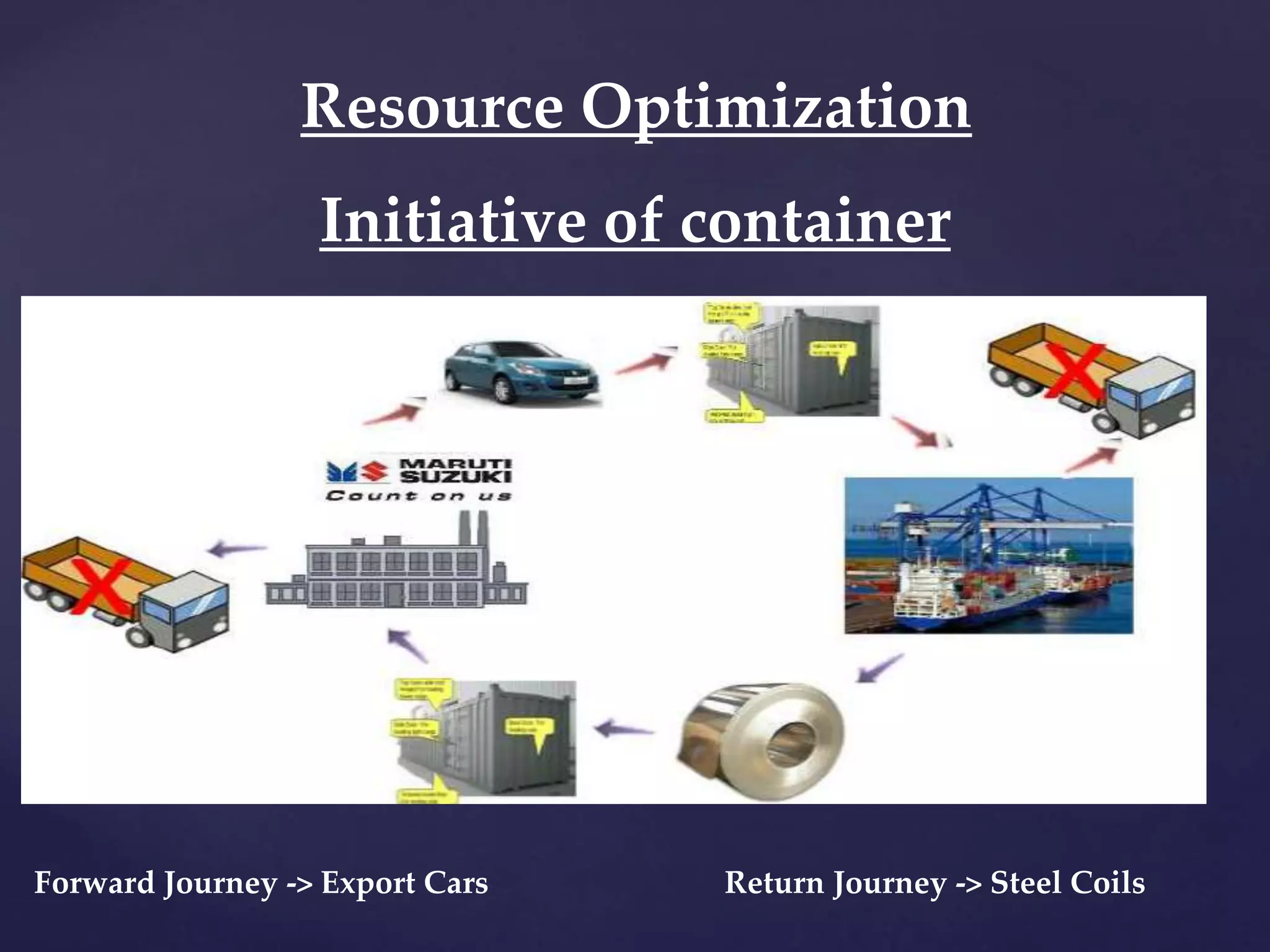
Resource Optimization
Initiative of container
Forward Journey -> Export Cars Return Journey -> Steel Coils
Multi – Purpose use of Container’s
5 CARS 3 COILS
Benefits - Optimum Rack Utilization , Reducing Truck Loads
rward
urney:
ports
rs from
ockyard
Port
Return
Journey:
Steel Coil
from port
to
Stockyard
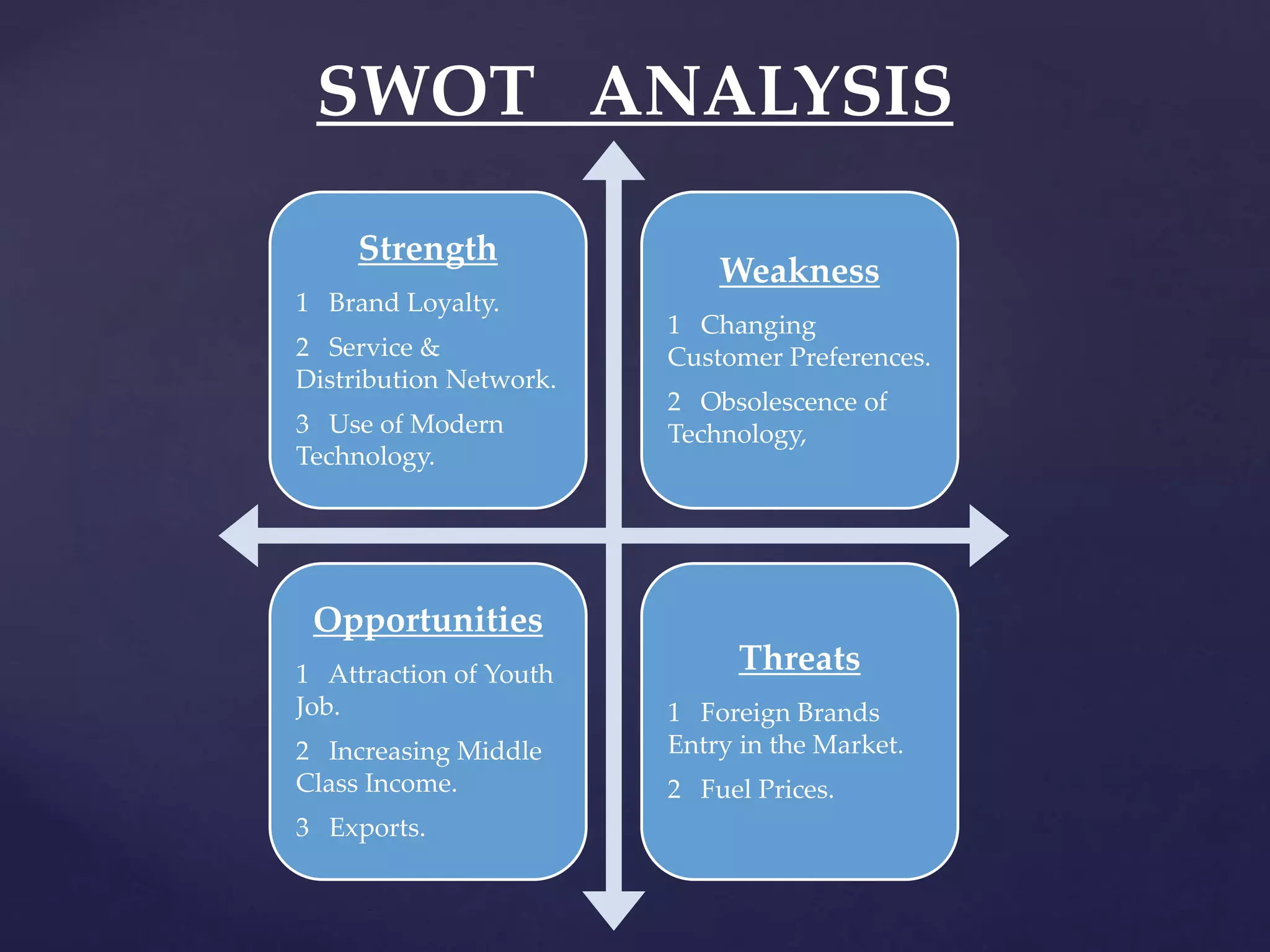
SWOT ANALYSIS
Strength
1 Brand Loyalty.
2 Service &
Distribution Network.
3 Use of Modern
Technology.
Weakness
1 Changing
Customer Preferences.
2 Obsolescence of
Technology,
Opportunities
1 Attraction of Youth
Job.
2 Increasing Middle
Class Income.
3 Exports.
Threats
1 Foreign Brands
Entry in the Market.
2 Fuel Prices.
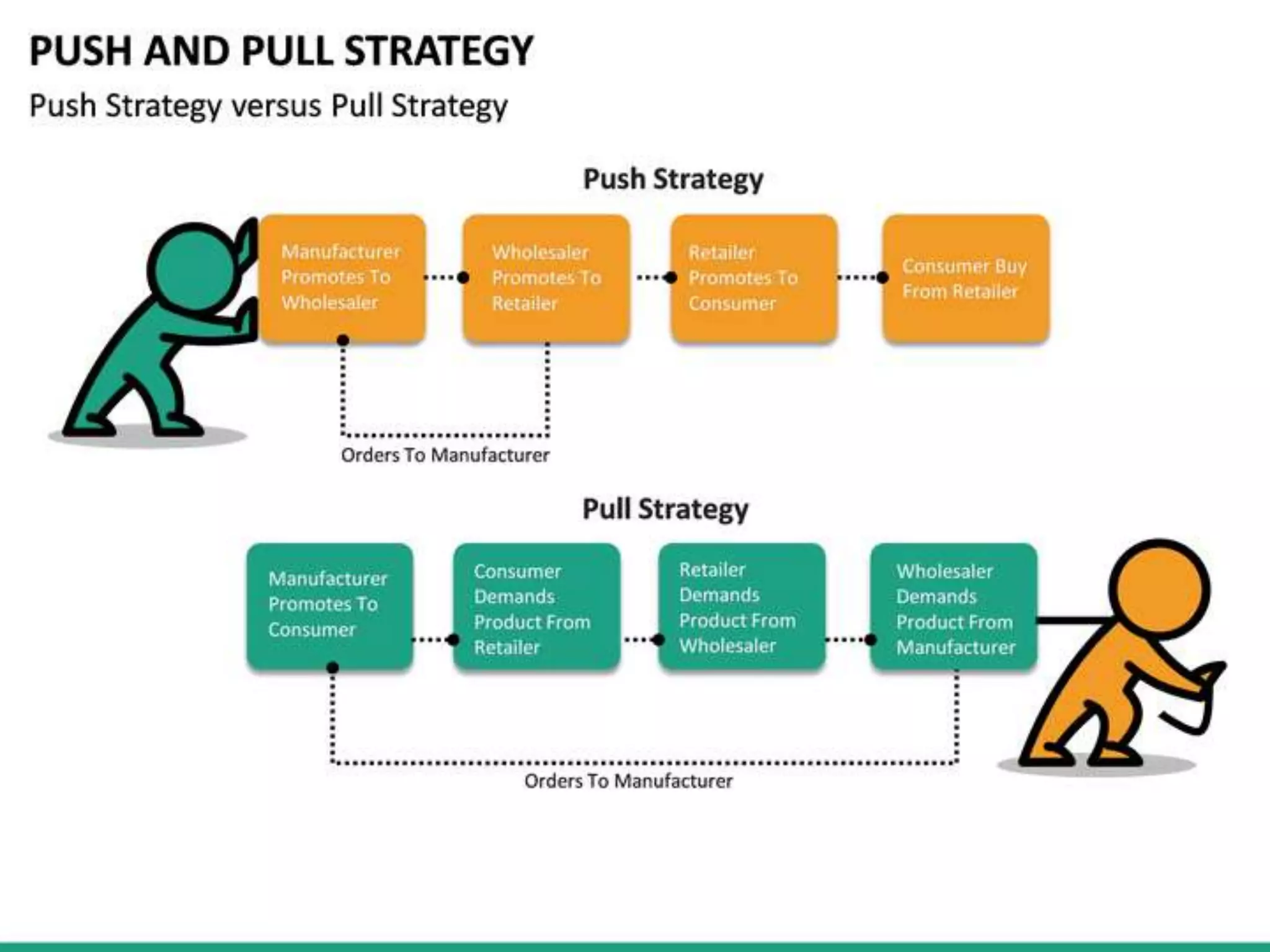
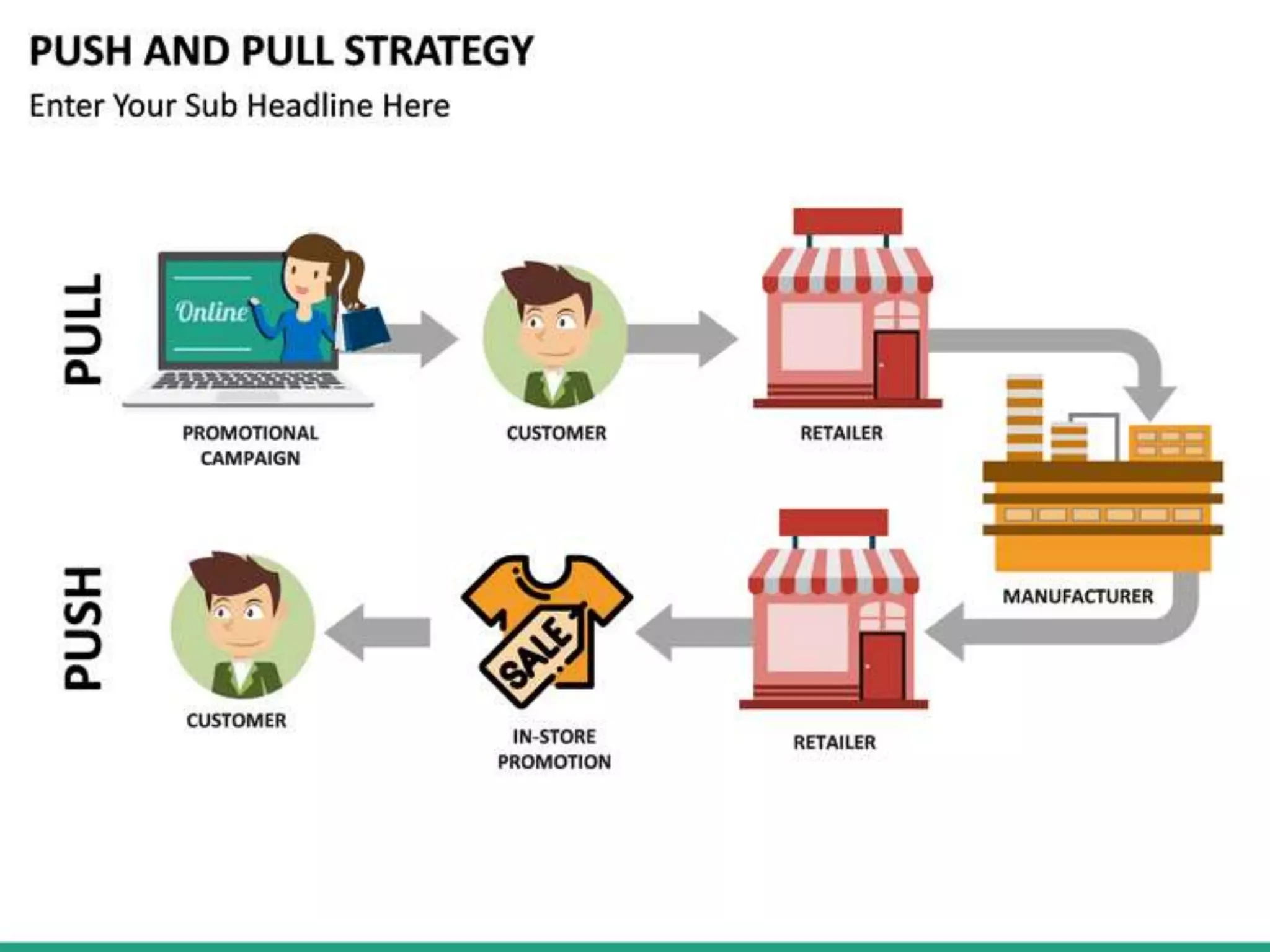
PUSH & PULL FOR MARUTI SUZUKI
PUSH and PULL , is used in operations management, logistics
and supply chain management.
It is a Manufacturing Strategy.
In PUSH system production orders begin upon inventory
reaching to a certain level of market (make-to-stock).
In PULL system production begins based on demand
(forecasted or actual demand) (make-to-order).
Pull System reduce waste in the production process.
Conclusion
1. Maruti Suzuki has strong supply chain capability.
2. It uses green manufacturing process.
3. Its supply chain ecosystem is strategically aligned
and collaborative.
4. Its Product outcomes are low cost, reduced time
and reduced risk.

Maruti Suzuki Supply Chain Management

  • 1.
    { Supply Chain Managementof Maruti Suzuki Prepared By :- AMIT KUMAR 1853362
  • 2.
    INTRODUCTION 1. Maruti SuzukiIndia Ltd was incorporated on February 24, 1981 , Headquartered in Delhi. 2. Originally owned by Government of India, named Maruti Udyog Ltd. 3. Entered in Joint Venture with Suzuki Motor Corporation of Japan. 4. Maruti had a market share of , 51% of the Indian passenger car market.
  • 3.
    INDIAN AUTOMOBILE INDUSTRYDIVISON 1. Passenger Cars. 2. Multi- Utility Vehicles (MUVs). 3. Two- and Three- Vehicles. 4. Commercial Vehicles - Light Commercial Vehicles (LCVs) / Medium and Heavy Commercial Vehicles (MHCVs). 5. Tractors.
  • 4.
    SUPPLY CHAIN NETWORK Manufacturing& Stamping of body Panels Bodies Body Assembling & painting Components Manufacture of Mechanical & Electrical Component (Wheels,Tires,Seats,Breaks,Windsheilds,Exhaust etc. Engines & Transmission Forging & Casting of Engine & Transmission Components Machining & Assembly of Engine & Transmission Final Assembly Consumer Market
  • 5.
    MARUTI SUZUKI DISTRIBUTIONCHANNEL MARUTI SUZUKI INDIA LTD. Nexa True Value Dealership Model Service Centres
  • 6.
    SUPPLY CHAIN ECOSYSTEM Assets .Location . Infrastructure . Industry . Supply Chain Capability Supply Chain Ecosystems . Collaboration . Strategic Alignment . Partnerships Outcomes . Low Cost . Reduced Time . Reduced Risk
  • 7.
    Location  Plants locatedat Gurgaon Haryana at Manesar Industrial Area.  Company has 246 local Tire-1 suppliers and 20 global ones  Capacity of three lakh units of production in 2013  1204 dealers across in India  16 warehouses  Service network of 3013 service stations
  • 8.
    Vendor Management Sources 70-80%of its component requirements form locally developed vendors. Primary raw material- Steel coils and paint. Strategized logistics. Manufacturing Lead time reduced from 57 days in 1992 to 19 days in 2003. Automated Material Receipt System and Wi-Fi enabled handheld devices.
  • 9.
  • 10.
    Resource Optimization Initiative ofcontainer Forward Journey -> Export Cars Return Journey -> Steel Coils
  • 11.
    Multi – Purposeuse of Container’s 5 CARS 3 COILS Benefits - Optimum Rack Utilization , Reducing Truck Loads rward urney: ports rs from ockyard Port Return Journey: Steel Coil from port to Stockyard
  • 12.
    SWOT ANALYSIS Strength 1 BrandLoyalty. 2 Service & Distribution Network. 3 Use of Modern Technology. Weakness 1 Changing Customer Preferences. 2 Obsolescence of Technology, Opportunities 1 Attraction of Youth Job. 2 Increasing Middle Class Income. 3 Exports. Threats 1 Foreign Brands Entry in the Market. 2 Fuel Prices.
  • 13.
    PUSH & PULLFOR MARUTI SUZUKI PUSH and PULL , is used in operations management, logistics and supply chain management. It is a Manufacturing Strategy. In PUSH system production orders begin upon inventory reaching to a certain level of market (make-to-stock). In PULL system production begins based on demand (forecasted or actual demand) (make-to-order). Pull System reduce waste in the production process.
  • 17.
    Conclusion 1. Maruti Suzukihas strong supply chain capability. 2. It uses green manufacturing process. 3. Its supply chain ecosystem is strategically aligned and collaborative. 4. Its Product outcomes are low cost, reduced time and reduced risk.