Multiple Access
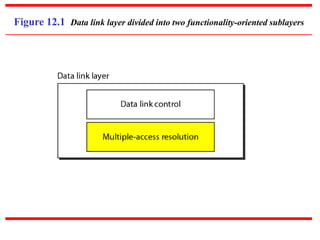
Figure 12.1 Data link layer divided into two functionality-oriented sublayers
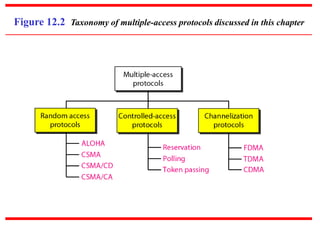
Figure 12.2 Taxonomy of multiple-access protocols discussed in this chapter
12-1 RANDOM ACCESS
In random access or contention methods, no station is
superior to another station and none is assigned the
control over another. No station permits, or does not
permit, another station to send. At each instance, a
station that has data to send uses a procedure defined
by the protocol to make a decision on whether or not to
send.
ALOHA
Carrier Sense Multiple Access
Carrier Sense Multiple Access with Collision Detection
Carrier Sense Multiple Access with Collision Avoidance
Topics discussed in this section:
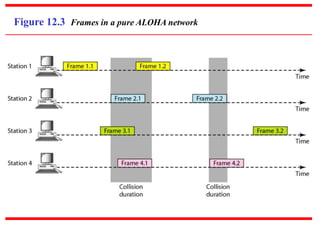
Figure 12.3 Frames in a pure ALOHA network
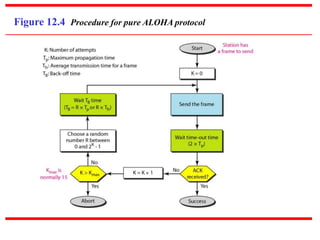
Figure 12.4 Procedure for pure ALOHA protocol
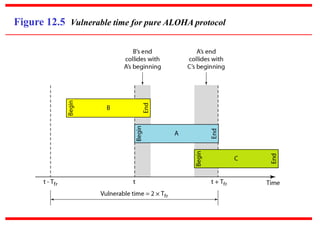
Figure 12.5 Vulnerable time for pure ALOHA protocol
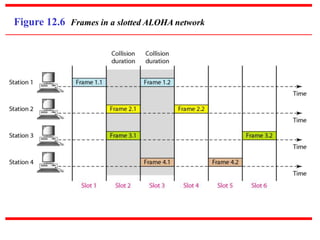
Figure 12.6 Frames in a slotted ALOHA network
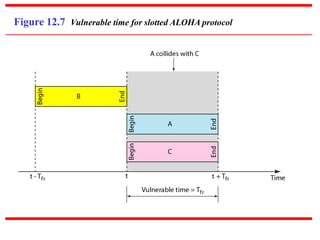
Figure 12.7 Vulnerable time for slotted ALOHA protocol
CSMA(Carrier Sense Multiple
Access)
 Develop to overcome the problem found
in Aloha ie to minimize the chances of
collision , and to imrove the performance
12.13
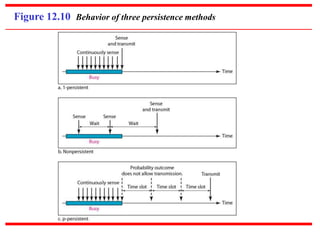
Figure 12.10 Behavior of three persistence methods
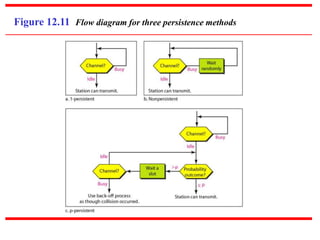
Figure 12.11 Flow diagram for three persistence methods
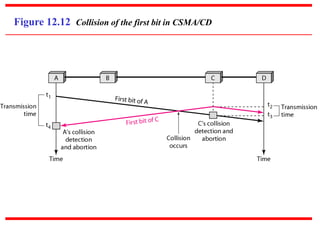
Figure 12.12 Collision of the first bit in CSMA/CD
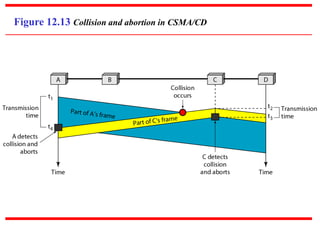
Figure 12.13 Collision and abortion in CSMA/CD
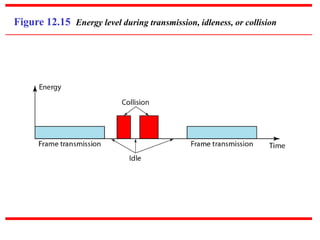
Figure 12.15 Energy level during transmission, idleness, or collision
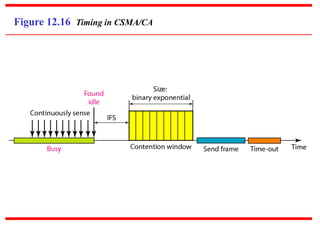
Figure 12.16 Timing in CSMA/CA
In CSMA/CA, the IFS can also be used to
define the priority of a station or a frame.
Note
In CSMA/CA, if the station finds the
channel busy, it does not restart the
timer of the contention window;
it stops the timer and restarts it when
the channel becomes idle.
Note
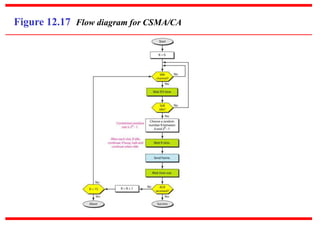
Figure 12.17 Flow diagram for CSMA/CA
12-2 CONTROLLED ACCESS
In controlled access, the stations consult one another
to find which station has the right to send. A station
cannot send unless it has been authorized by other
stations. We discuss three popular controlled-access
methods.
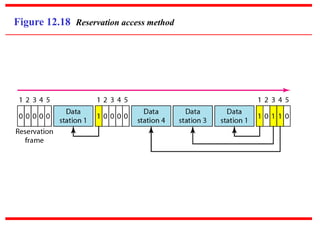
Reservation
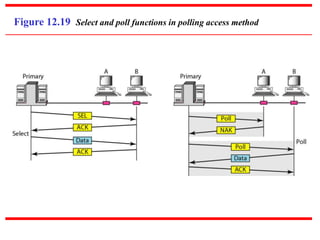
Polling
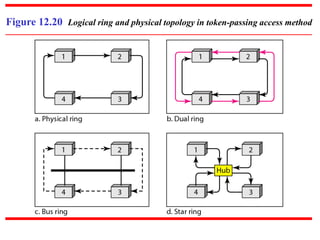
Token Passing
Topics discussed in this section:
Figure 12.18 Reservation access method
Figure 12.19 Select and poll functions in polling access method
Figure 12.20 Logical ring and physical topology in token-passing access method
12-3 CHANNELIZATION
Channelization is a multiple-access method in which
the available bandwidth of a link is shared in time,
frequency, or through code, between different stations.
In this section, we discuss three channelization
protocols.
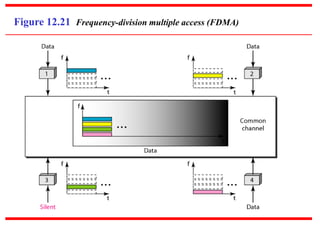
Frequency-Division Multiple Access (FDMA)
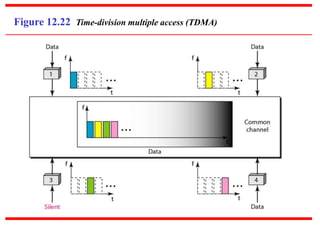
Time-Division Multiple Access (TDMA)
Code-Division Multiple Access (CDMA)
Topics discussed in this section:
Figure 12.21 Frequency-division multiple access (FDMA)
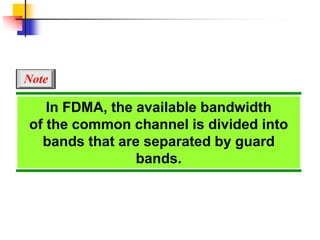
In FDMA, the available bandwidth
of the common channel is divided into
bands that are separated by guard
bands.
Note
Figure 12.22 Time-division multiple access (TDMA)
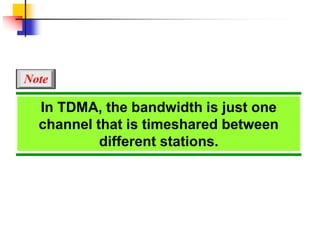
In TDMA, the bandwidth is just one
channel that is timeshared between
different stations.
Note
In CDMA, one channel carries all
transmissions simultaneously.
Note
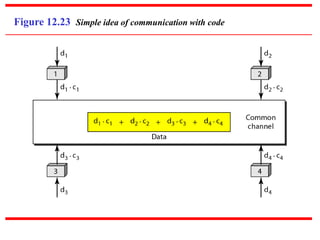
Figure 12.23 Simple idea of communication with code
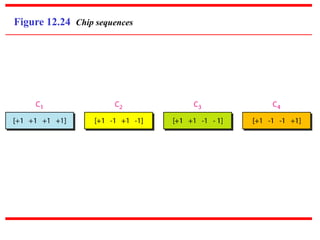
Figure 12.24 Chip sequences
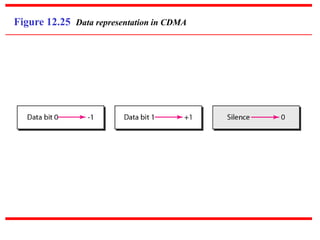
Figure 12.25 Data representation in CDMA
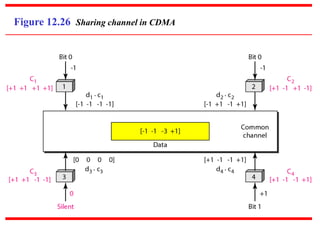
Figure 12.26 Sharing channel in CDMA
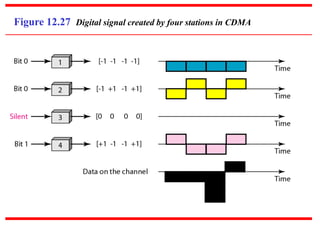
Figure 12.27 Digital signal created by four stations in CDMA
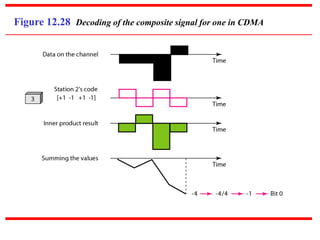
Figure 12.28 Decoding of the composite signal for one in CDMA
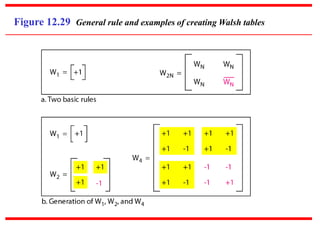
Figure 12.29 General rule and examples of creating Walsh tables
The number of sequences in a Walsh
table needs to be N = 2m.
Note
Example 12.8
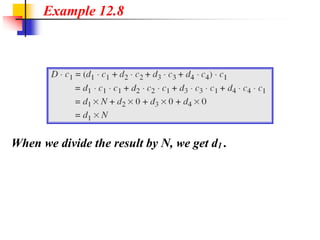
When we divide the result by N, we get d1 .

mac-protocols