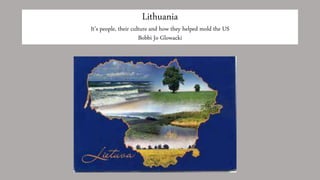
Lithuania
It’s people, their culture and how they helped mold the US
Bobbi Jo Glowacki
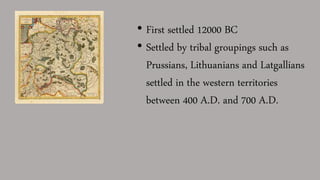
• First settled 12000 BC
• Settled by tribal groupings such as
Prussians, Lithuanians and Latgallians
settled in the western territories
between 400 A.D. and 700 A.D.
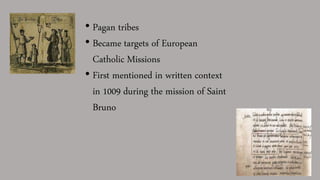
• Pagan tribes
• Became targets of European
Catholic Missions
• First mentioned in written context
in 1009 during the mission of Saint
Bruno
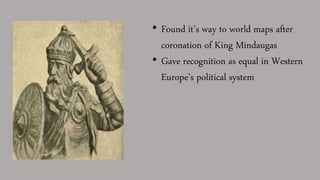
• Found it’s way to world maps after
coronation of King Mindaugas
• Gave recognition as equal in Western
Europe’s political system
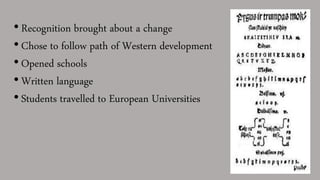
• Recognition brought about a change
• Chose to follow path of Western development
• Opened schools
• Written language
• Students travelled to European Universities
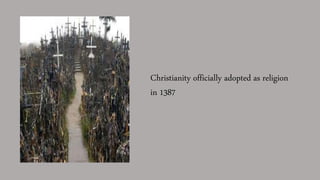
Christianity officially adopted as religion
in 1387
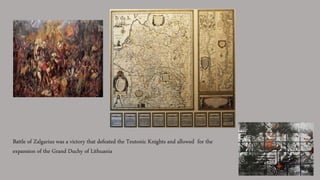
Battle of Zalgarius was a victory that defeated the Teutonic Knights and allowed for the
expansion of the Grand Duchy of Lithuania
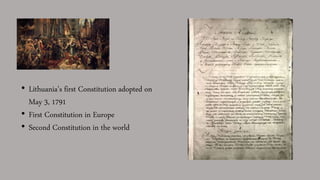
• Lithuania’s first Constitution adopted on
May 3, 1791
• First Constitution in Europe
• Second Constitution in the world
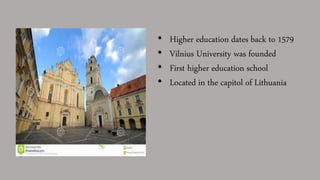
• Higher education dates back to 1579
• Vilnius University was founded
• First higher education school
• Located in the capitol of Lithuania
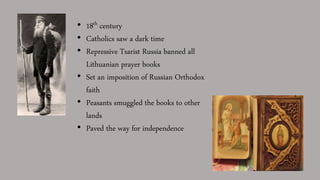
• 18th century
• Catholics saw a dark time
• Repressive Tsarist Russia banned all
Lithuanian prayer books
• Set an imposition of Russian Orthodox
faith
• Peasants smuggled the books to other
lands
• Paved the way for independence
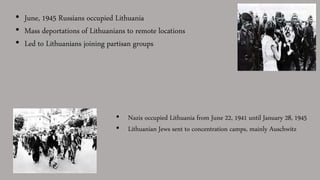
• June, 1945 Russians occupied Lithuania
• Mass deportations of Lithuanians to remote locations
• Led to Lithuanians joining partisan groups
• Nazis occupied Lithuania from June 22, 1941 until January 28, 1945
• Lithuanian Jews sent to concentration camps, mainly Auschwitz
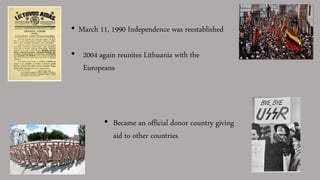
• March 11, 1990 Independence was reestablished
• 2004 again reunites Lithuania with the
Europeans
• Became an official donor country giving
aid to other countries
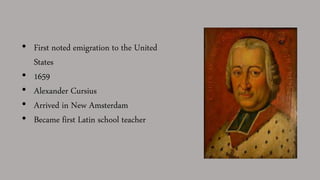
• First noted emigration to the United
States
• 1659
• Alexander Cursius
• Arrived in New Amsterdam
• Became first Latin school teacher
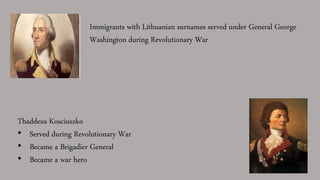
Immigrants with Lithuanian surnames served under General George
Washington during Revolutionary War
Thaddeus Kosciuszko
• Served during Revolutionary War
• Became a Brigadier General
• Became a war hero
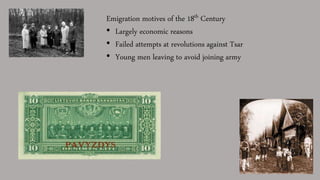
Emigration motives of the 18th Century
• Largely economic reasons
• Failed attempts at revolutions against Tsar
• Young men leaving to avoid joining army
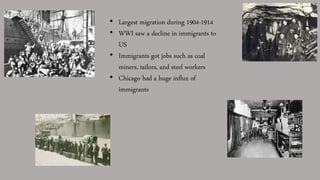
• Largest migration during 1904-1914
• WWI saw a decline in immigrants to
US
• Immigrants got jobs such as coal
miners, tailors, and steel workers
• Chicago had a huge influx of
immigrants
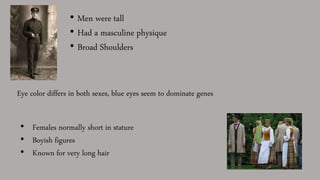
• Men were tall
• Had a masculine physique
• Broad Shoulders
Eye color differs in both sexes, blue eyes seem to dominate genes
• Females normally short in stature
• Boyish figures
• Known for very long hair
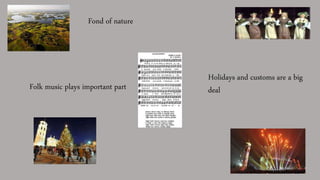
Fond of nature
Folk music plays important part
Holidays and customs are a big
deal
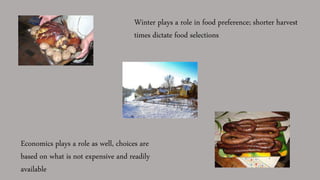
Winter plays a role in food preference; shorter harvest
times dictate food selections
Economics plays a role as well, choices are
based on what is not expensive and readily
available
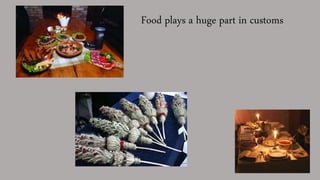
Food plays a huge part in customs
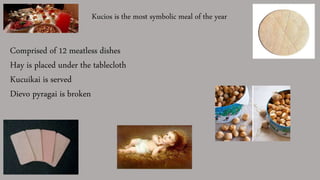
Kucios is the most symbolic meal of the year
Comprised of 12 meatless dishes
Hay is placed under the tablecloth
Kucuikai is served
Dievo pyragai is broken
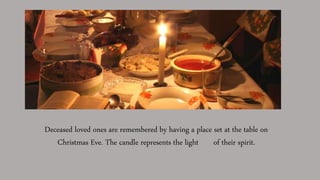
Deceased loved ones are remembered by having a place set at the table on
Christmas Eve. The candle represents the light of their spirit.
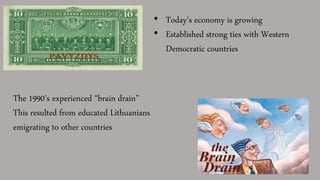
• Today’s economy is growing
• Established strong ties with Western
Democratic countries
The 1990’s experienced “brain drain”
This resulted from educated Lithuanians
emigrating to other countries
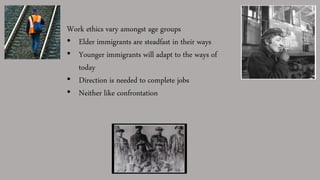
Work ethics vary amongst age groups
• Elder immigrants are steadfast in their ways
• Younger immigrants will adapt to the ways of
today
• Direction is needed to complete jobs
• Neither like confrontation
Elder Lithuanian immigrants prefer to speak their native tongue
Younger immigrants or American born Lithuanians prefer to speak
English and easily adapt to the language
Healthcare workers need to be conscious of age groups
they are dealing with
Broken English, if any English will be spoken
Healthcare workers need to be certain instructions are
fully understood
• Stigmas still surround mental illness for elder Lithuanians
• Younger families will be supportive and encourage
treatment
• Western medicine is accepted
• Physicians are preferred to be female
• Healthcare is accepted from either sex by patients
• Prefer natural childbirth
Lithuanians are modest. The healthcare worker should
be certain to provide adequate amounts of privacy.
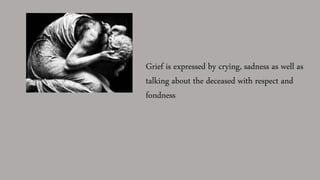
Grief is expressed by crying, sadness as well as
talking about the deceased with respect and
fondness
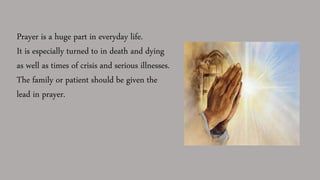
Prayer is a huge part in everyday life.
It is especially turned to in death and dying
as well as times of crisis and serious illnesses.
The family or patient should be given the
lead in prayer.
Other interesting information ;-)
• Outside of private insurance in Lithuania, the State provides the insurance
• You do not have to pay a premium so it is “free”, however there is a contribution in the
form of a work tax
• If you have a long term illness, you are exempt from paying those contributions
• The heart transplant surgery was pioneered in Lithuania
• Be sure to go and get palms on Palm Sunday, if not those who return home with them will
whip you
Lithuania presentation hcs 320

Lithuania presentation hcs 320

  • 1.
    Lithuania It’s people, theirculture and how they helped mold the US Bobbi Jo Glowacki
  • 2.
    • First settled12000 BC • Settled by tribal groupings such as Prussians, Lithuanians and Latgallians settled in the western territories between 400 A.D. and 700 A.D.
  • 3.
    • Pagan tribes •Became targets of European Catholic Missions • First mentioned in written context in 1009 during the mission of Saint Bruno
  • 4.
    • Found it’sway to world maps after coronation of King Mindaugas • Gave recognition as equal in Western Europe’s political system
  • 5.
    • Recognition broughtabout a change • Chose to follow path of Western development • Opened schools • Written language • Students travelled to European Universities
  • 6.
  • 7.
    Battle of Zalgariuswas a victory that defeated the Teutonic Knights and allowed for the expansion of the Grand Duchy of Lithuania
  • 8.
    • Lithuania’s firstConstitution adopted on May 3, 1791 • First Constitution in Europe • Second Constitution in the world
  • 9.
    • Higher educationdates back to 1579 • Vilnius University was founded • First higher education school • Located in the capitol of Lithuania
  • 10.
    • 18th century •Catholics saw a dark time • Repressive Tsarist Russia banned all Lithuanian prayer books • Set an imposition of Russian Orthodox faith • Peasants smuggled the books to other lands • Paved the way for independence
  • 11.
    • June, 1945Russians occupied Lithuania • Mass deportations of Lithuanians to remote locations • Led to Lithuanians joining partisan groups • Nazis occupied Lithuania from June 22, 1941 until January 28, 1945 • Lithuanian Jews sent to concentration camps, mainly Auschwitz
  • 12.
    • March 11,1990 Independence was reestablished • 2004 again reunites Lithuania with the Europeans • Became an official donor country giving aid to other countries
  • 13.
    • First notedemigration to the United States • 1659 • Alexander Cursius • Arrived in New Amsterdam • Became first Latin school teacher
  • 14.
    Immigrants with Lithuaniansurnames served under General George Washington during Revolutionary War Thaddeus Kosciuszko • Served during Revolutionary War • Became a Brigadier General • Became a war hero
  • 15.
    Emigration motives ofthe 18th Century • Largely economic reasons • Failed attempts at revolutions against Tsar • Young men leaving to avoid joining army
  • 16.
    • Largest migrationduring 1904-1914 • WWI saw a decline in immigrants to US • Immigrants got jobs such as coal miners, tailors, and steel workers • Chicago had a huge influx of immigrants
  • 17.
    • Men weretall • Had a masculine physique • Broad Shoulders Eye color differs in both sexes, blue eyes seem to dominate genes • Females normally short in stature • Boyish figures • Known for very long hair
  • 18.
    Fond of nature Folkmusic plays important part Holidays and customs are a big deal
  • 19.
    Winter plays arole in food preference; shorter harvest times dictate food selections Economics plays a role as well, choices are based on what is not expensive and readily available
  • 20.
    Food plays ahuge part in customs
  • 21.
    Kucios is themost symbolic meal of the year Comprised of 12 meatless dishes Hay is placed under the tablecloth Kucuikai is served Dievo pyragai is broken
  • 22.
    Deceased loved onesare remembered by having a place set at the table on Christmas Eve. The candle represents the light of their spirit.
  • 23.
    • Today’s economyis growing • Established strong ties with Western Democratic countries The 1990’s experienced “brain drain” This resulted from educated Lithuanians emigrating to other countries
  • 24.
    Work ethics varyamongst age groups • Elder immigrants are steadfast in their ways • Younger immigrants will adapt to the ways of today • Direction is needed to complete jobs • Neither like confrontation
  • 25.
    Elder Lithuanian immigrantsprefer to speak their native tongue Younger immigrants or American born Lithuanians prefer to speak English and easily adapt to the language
  • 26.
    Healthcare workers needto be conscious of age groups they are dealing with Broken English, if any English will be spoken Healthcare workers need to be certain instructions are fully understood
  • 27.
    • Stigmas stillsurround mental illness for elder Lithuanians • Younger families will be supportive and encourage treatment • Western medicine is accepted • Physicians are preferred to be female • Healthcare is accepted from either sex by patients • Prefer natural childbirth
  • 28.
    Lithuanians are modest.The healthcare worker should be certain to provide adequate amounts of privacy.
  • 29.
    Grief is expressedby crying, sadness as well as talking about the deceased with respect and fondness
  • 30.
    Prayer is ahuge part in everyday life. It is especially turned to in death and dying as well as times of crisis and serious illnesses. The family or patient should be given the lead in prayer.
  • 31.
    Other interesting information;-) • Outside of private insurance in Lithuania, the State provides the insurance • You do not have to pay a premium so it is “free”, however there is a contribution in the form of a work tax • If you have a long term illness, you are exempt from paying those contributions • The heart transplant surgery was pioneered in Lithuania • Be sure to go and get palms on Palm Sunday, if not those who return home with them will whip you