K-12 Literacy CommitteeMeetingK-12 Literacy Committee
Desired OutcomesUnderstand the need for a Literacy PlanAgree on what Literacy meansIncrease knowledge and understanding for:The Common Core StandardsSchedule next meetingK-12 Literacy Committee
Code of Cooperation		Actively ParticipateListen as an Ally	Speak from Awareness	Suspend Certainty	Celebrate diversity	Stay Engaged   Mind the ScheduleK-12 Literacy Committee
The farther backward you can look, the farther forward you are likely to see.Winston ChurchillK-12 Literacy Committee
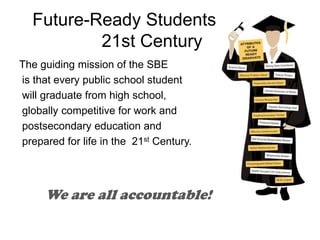
Future-Ready Students for the21st CenturyThe guiding mission of the SBEis that every public school student  will graduate from high school,  globally competitive for work and  postsecondary education and  prepared for life in the  21st Century.                                               We are all accountable!
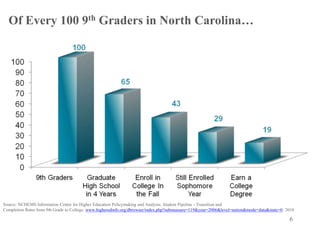
Of Every 100 9th Graders in North Carolina…Source: NCHEMS Information Center for Higher Education Policymaking and Analysis. Student Pipeline - Transition andCompletion Rates from 9th Grade to College. www.higheredinfo.org/dbrowser/index.php?submeasure=119&year=2006&level=nation&mode=data&state=0. 2010 6
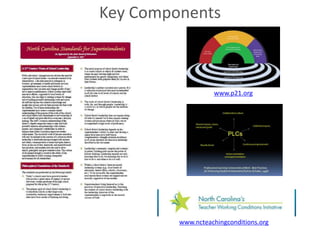
Key Componentswww.p21.orgwww.ncteachingconditions.org
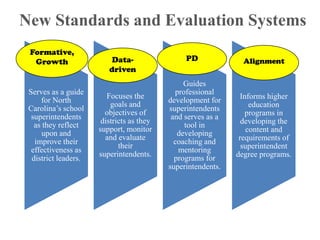
New Standards and Evaluation SystemsFormative, GrowthPDAlignmentData-driven
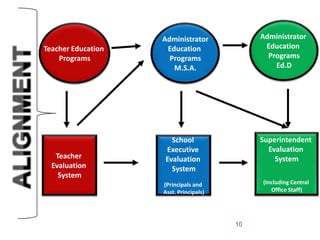
Administrator Education ProgramsEd.DTeacher Education ProgramsAdministratorEducation ProgramsM.S.A.ALIGNMENTSuperintendent Evaluation System(Including Central Office Staff)Teacher Evaluation SystemSchool Executive Evaluation System(Principals and Asst. Principals)10
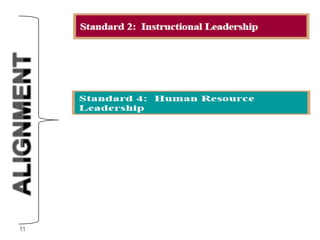
11ALIGNMENT
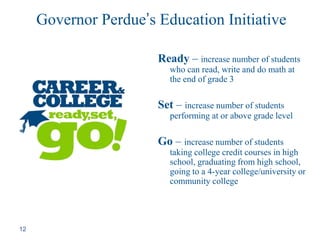
Governor Perdue’s Education Initiative12Ready – increase number of students who can read, write and do math at the end of grade 3Set – increase number of students performing at or above grade levelGo – increase number of students taking college credit courses in high school, graduating from high school, going to a 4-year college/university or community college
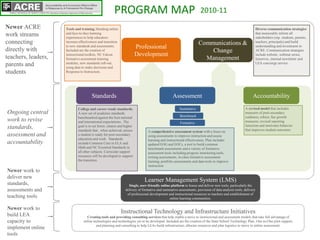
PROGRAM MAP 2010-11Newer ACRE work streams connecting directly with teachers, leaders, parents and studentsDiverse communication strategies that memorably inform all stakeholders (esp. students, parents, teachers, principals) and build understanding and investment in ACRE. Communication strategies include website, webinar series, listserves, internal newsletter and LEA concierge service.Tools and training, blending online and face-to-face learning experiences to help educators increase effectiveness and transition to new standards and assessments.  Included are the creation of instructional toolkits, NC Falcon formative assessment training modules, new standards roll-out, using data to make decisions and Response to Instruction.Professional DevelopmentCommunications &Change ManagementStandardsAssessmentAccountabilityA revised model that includes measures of post-secondary readiness, robust, fair growth measures, revised reporting functions and motivates behavior that improves student outcomes.College and career-ready standards. A new set of academic standards benchmarked against the best national and international expectations.  The goal is to set fewer, clearer and higher standards that , when achieved, ensure a student is ready for post-secondary education and work.  Standards include Common Core in ELA and Math and NC Essential Standards in all other subjects. Curricular support resources will be developed to support the transition.SummativeOngoing central work to revise standards, assessment and accountabilityBenchmarkFormativeA comprehensive assessment system with a focus on using assessments to improve instruction and assess learning and instructional effectiveness. Plan includes updated EOG and EOCs, a tool to build common benchmark assessments and a variety of formative assessment tools including progress monitoring tools, writing assessments, in-class formative assessment training, portfolio assessments and data tools to improve instruction.Newer work to deliver new standards, assessments and teaching toolsLearner Management System (LMS)Single, user-friendly online platform to house and deliver new tools, particularly the delivery of formative and summative assessments, provision of data analysis tools, delivery of professional development and instructional resources to teachers and establishment of online learning communities.Newer work to build LEA capacity to implement online toolsInstructional Technology and Infrastructure InitiativesCreating tools and providing consulting-services that help enable a move to instructional and assessment models that take full advantage of online technologies and technologies yet to be developed. Included are the creation of the State School Technology Plan, One-to-One pilot support, and planning and consulting to help LEAs build infrastructure, allocate resources and plan logistics to move to online assessment.
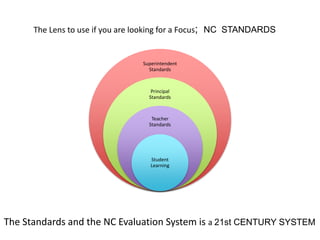
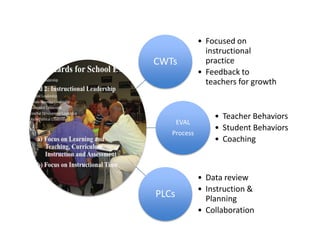
The Lens to use if you are looking for a Focus;  NC  STANDARDSThe Standards and the NC Evaluation System is a 21st CENTURY SYSTEM
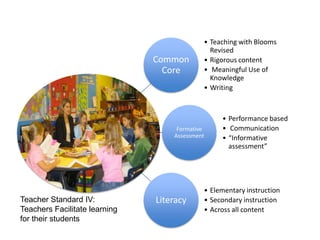
Teacher Standard IV:Teachers Facilitate learning for their students
Where are We?K-12 Literacy Committee
TransformationHelp establish  Collaborative Environment for students and staffBuild Leadership Capacity for principals and administratorsProvide coaching for principals and teachersAssist with the alignment of the NC Evaluation process and district initiativesK-12 Literacy Committee
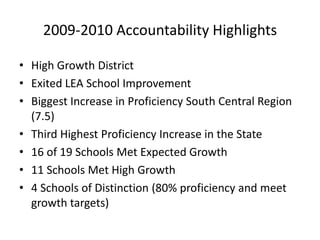
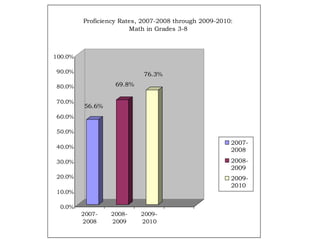
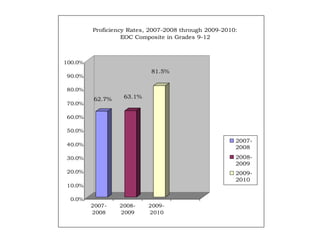
2009-2010 Accountability HighlightsHigh Growth DistrictExited LEA School Improvement Biggest Increase in Proficiency South Central Region (7.5)Third Highest Proficiency Increase in the State16 of 19 Schools Met Expected Growth11 Schools Met High Growth4 Schools of Distinction (80% proficiency and meet growth targets)
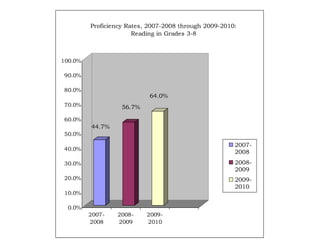
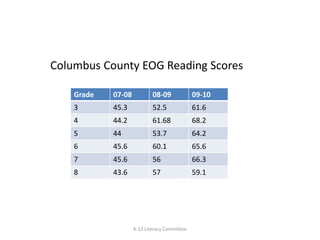
           Columbus County EOG Reading ScoresK-12 Literacy Committee
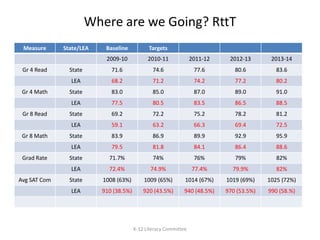
Where are we Going? RttTK-12 Literacy Committee
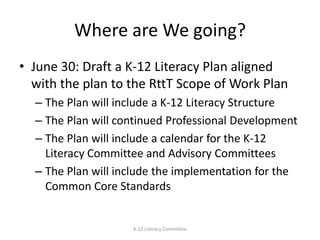
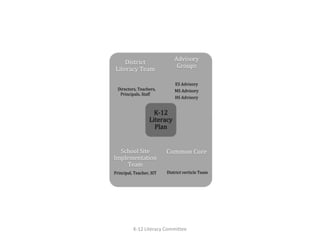
Where are We going?June 30: Draft a K-12 Literacy Plan aligned with the plan to the RttT Scope of Work PlanThe Plan will include a K-12 Literacy StructureThe Plan will continued Professional DevelopmentThe Plan will include a calendar for the K-12 Literacy Committee and Advisory CommitteesThe Plan will include the implementation for the Common Core StandardsK-12 Literacy Committee
K-12 Literacy Committee
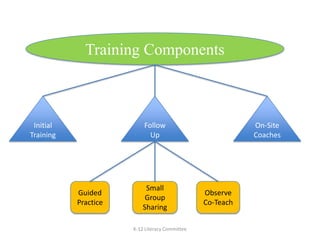
K-12 Literacy CommitteeTraining ComponentsInitialTrainingOn-SiteCoachesFollow UpGuidedPracticeSmall GroupSharingObserveCo-Teach
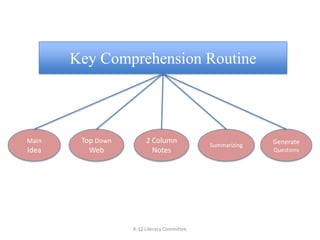
K-12 Literacy CommitteeKey Comprehension RoutineMain IdeaTop Down Web2 Column NotesSummarizingGenerateQuestions
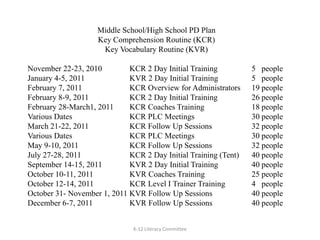
K-12 Literacy CommitteeMiddle School/High School PD PlanKey Comprehension Routine (KCR)Key Vocabulary Routine (KVR)November 22-23, 2010		   KCR 2 Day Initial Training			5   peopleJanuary 4-5, 2011			   KVR 2 Day Initial Training			5   peopleFebruary 7, 2011			   KCR Overview for Administrators	19 peopleFebruary 8-9, 2011			   KCR 2 Day Initial Training			26 peopleFebruary 28-March1, 2011	   KCR Coaches Training			18 peopleVarious Dates				   KCR PLC Meetings				30 peopleMarch 21-22, 2011			   KCR Follow Up Sessions			32 peopleVarious Dates				   KCR PLC Meetings				30 peopleMay 9-10, 2011			   KCR Follow Up Sessions			32 peopleJuly 27-28, 2011 			   KCR 2 Day Initial Training (Tent) 	40 peopleSeptember 14-15, 2011		   KVR 2 Day Initial Training			40 peopleOctober 10-11, 2011		   KVR Coaches Training			25 peopleOctober 12-14, 2011		   KCR Level I Trainer Training		4   peopleOctober 31- November 1, 2011 KVR Follow Up Sessions			40 peopleDecember 6-7, 2011		   KVR Follow Up Sessions			40 people

Lit com mtg

  • 1.
  • 2.
    Desired OutcomesUnderstand theneed for a Literacy PlanAgree on what Literacy meansIncrease knowledge and understanding for:The Common Core StandardsSchedule next meetingK-12 Literacy Committee
  • 3.
    Code of Cooperation ActivelyParticipateListen as an Ally Speak from Awareness Suspend Certainty Celebrate diversity Stay Engaged Mind the ScheduleK-12 Literacy Committee
  • 4.
    The farther backwardyou can look, the farther forward you are likely to see.Winston ChurchillK-12 Literacy Committee
  • 5.
    Future-Ready Students forthe21st CenturyThe guiding mission of the SBEis that every public school student will graduate from high school, globally competitive for work and postsecondary education and prepared for life in the 21st Century. We are all accountable!
  • 6.
    Of Every 1009th Graders in North Carolina…Source: NCHEMS Information Center for Higher Education Policymaking and Analysis. Student Pipeline - Transition andCompletion Rates from 9th Grade to College. www.higheredinfo.org/dbrowser/index.php?submeasure=119&year=2006&level=nation&mode=data&state=0. 2010 6
  • 8.
  • 9.
    New Standards andEvaluation SystemsFormative, GrowthPDAlignmentData-driven
  • 10.
    Administrator Education ProgramsEd.DTeacherEducation ProgramsAdministratorEducation ProgramsM.S.A.ALIGNMENTSuperintendent Evaluation System(Including Central Office Staff)Teacher Evaluation SystemSchool Executive Evaluation System(Principals and Asst. Principals)10
  • 11.
  • 12.
    Governor Perdue’s EducationInitiative12Ready – increase number of students who can read, write and do math at the end of grade 3Set – increase number of students performing at or above grade levelGo – increase number of students taking college credit courses in high school, graduating from high school, going to a 4-year college/university or community college
  • 13.
    PROGRAM MAP 2010-11NewerACRE work streams connecting directly with teachers, leaders, parents and studentsDiverse communication strategies that memorably inform all stakeholders (esp. students, parents, teachers, principals) and build understanding and investment in ACRE. Communication strategies include website, webinar series, listserves, internal newsletter and LEA concierge service.Tools and training, blending online and face-to-face learning experiences to help educators increase effectiveness and transition to new standards and assessments. Included are the creation of instructional toolkits, NC Falcon formative assessment training modules, new standards roll-out, using data to make decisions and Response to Instruction.Professional DevelopmentCommunications &Change ManagementStandardsAssessmentAccountabilityA revised model that includes measures of post-secondary readiness, robust, fair growth measures, revised reporting functions and motivates behavior that improves student outcomes.College and career-ready standards. A new set of academic standards benchmarked against the best national and international expectations. The goal is to set fewer, clearer and higher standards that , when achieved, ensure a student is ready for post-secondary education and work. Standards include Common Core in ELA and Math and NC Essential Standards in all other subjects. Curricular support resources will be developed to support the transition.SummativeOngoing central work to revise standards, assessment and accountabilityBenchmarkFormativeA comprehensive assessment system with a focus on using assessments to improve instruction and assess learning and instructional effectiveness. Plan includes updated EOG and EOCs, a tool to build common benchmark assessments and a variety of formative assessment tools including progress monitoring tools, writing assessments, in-class formative assessment training, portfolio assessments and data tools to improve instruction.Newer work to deliver new standards, assessments and teaching toolsLearner Management System (LMS)Single, user-friendly online platform to house and deliver new tools, particularly the delivery of formative and summative assessments, provision of data analysis tools, delivery of professional development and instructional resources to teachers and establishment of online learning communities.Newer work to build LEA capacity to implement online toolsInstructional Technology and Infrastructure InitiativesCreating tools and providing consulting-services that help enable a move to instructional and assessment models that take full advantage of online technologies and technologies yet to be developed. Included are the creation of the State School Technology Plan, One-to-One pilot support, and planning and consulting to help LEAs build infrastructure, allocate resources and plan logistics to move to online assessment.
  • 14.
    The Lens touse if you are looking for a Focus; NC STANDARDSThe Standards and the NC Evaluation System is a 21st CENTURY SYSTEM
  • 17.
    Teacher Standard IV:TeachersFacilitate learning for their students
  • 18.
    Where are We?K-12Literacy Committee
  • 19.
    TransformationHelp establish Collaborative Environment for students and staffBuild Leadership Capacity for principals and administratorsProvide coaching for principals and teachersAssist with the alignment of the NC Evaluation process and district initiativesK-12 Literacy Committee
  • 20.
    2009-2010 Accountability HighlightsHighGrowth DistrictExited LEA School Improvement Biggest Increase in Proficiency South Central Region (7.5)Third Highest Proficiency Increase in the State16 of 19 Schools Met Expected Growth11 Schools Met High Growth4 Schools of Distinction (80% proficiency and meet growth targets)
  • 24.
    Columbus County EOG Reading ScoresK-12 Literacy Committee
  • 25.
    Where are weGoing? RttTK-12 Literacy Committee
  • 26.
    Where are Wegoing?June 30: Draft a K-12 Literacy Plan aligned with the plan to the RttT Scope of Work PlanThe Plan will include a K-12 Literacy StructureThe Plan will continued Professional DevelopmentThe Plan will include a calendar for the K-12 Literacy Committee and Advisory CommitteesThe Plan will include the implementation for the Common Core StandardsK-12 Literacy Committee
  • 27.
  • 28.
  • 29.
    K-12 Literacy CommitteeTrainingComponentsInitialTrainingOn-SiteCoachesFollow UpGuidedPracticeSmall GroupSharingObserveCo-Teach
  • 30.
    K-12 Literacy CommitteeKeyComprehension RoutineMain IdeaTop Down Web2 Column NotesSummarizingGenerateQuestions
  • 31.
    K-12 Literacy CommitteeMiddleSchool/High School PD PlanKey Comprehension Routine (KCR)Key Vocabulary Routine (KVR)November 22-23, 2010 KCR 2 Day Initial Training 5 peopleJanuary 4-5, 2011 KVR 2 Day Initial Training 5 peopleFebruary 7, 2011 KCR Overview for Administrators 19 peopleFebruary 8-9, 2011 KCR 2 Day Initial Training 26 peopleFebruary 28-March1, 2011 KCR Coaches Training 18 peopleVarious Dates KCR PLC Meetings 30 peopleMarch 21-22, 2011 KCR Follow Up Sessions 32 peopleVarious Dates KCR PLC Meetings 30 peopleMay 9-10, 2011 KCR Follow Up Sessions 32 peopleJuly 27-28, 2011 KCR 2 Day Initial Training (Tent) 40 peopleSeptember 14-15, 2011 KVR 2 Day Initial Training 40 peopleOctober 10-11, 2011 KVR Coaches Training 25 peopleOctober 12-14, 2011 KCR Level I Trainer Training 4 peopleOctober 31- November 1, 2011 KVR Follow Up Sessions 40 peopleDecember 6-7, 2011 KVR Follow Up Sessions 40 people