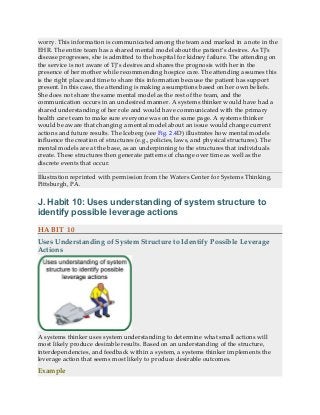
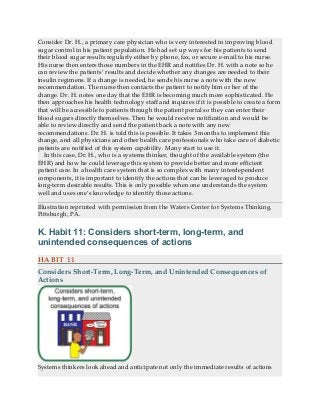
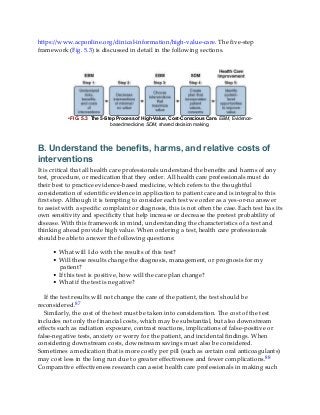
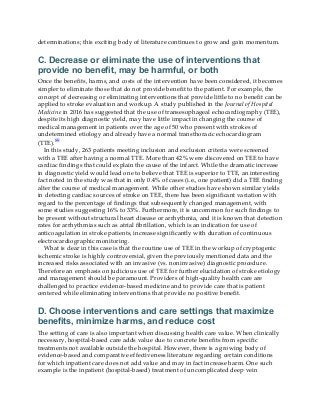
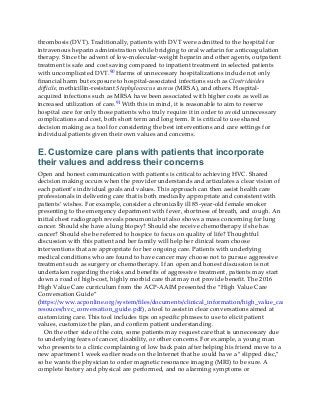
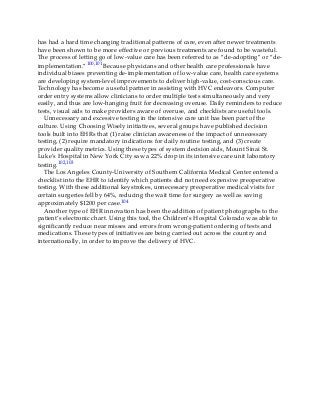
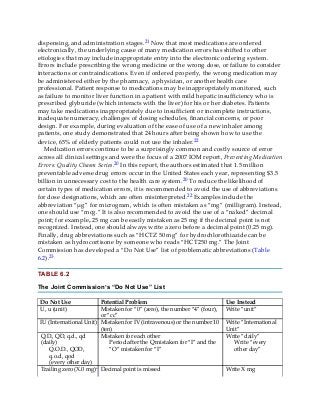
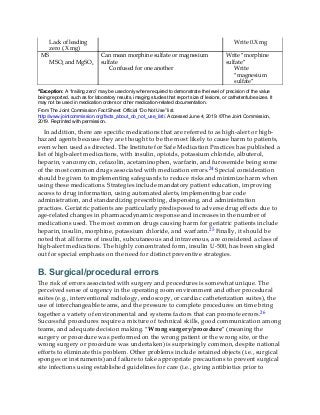
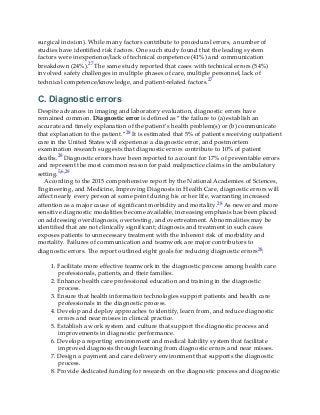
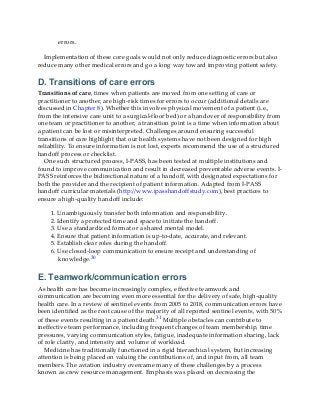
HEALTH SYSTEMS SCIENCE
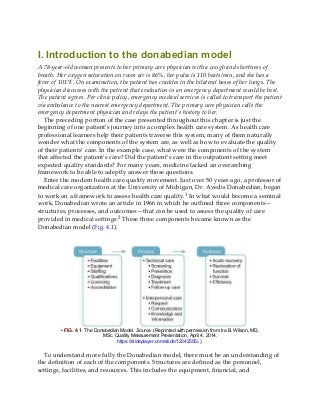
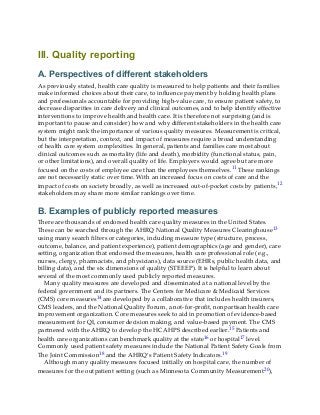
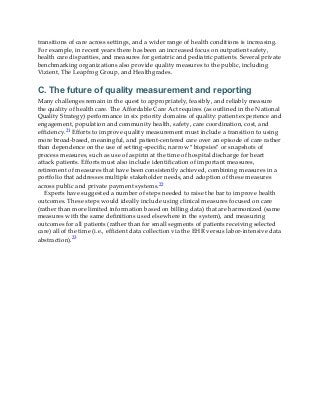
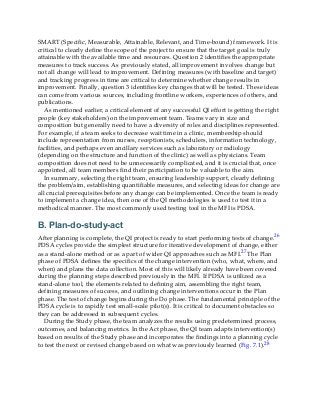
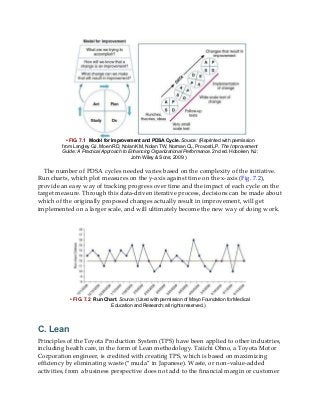
AMA Education Consortium
SECOND EDITION
Editors-in-Chief:
Susan E. Skochelak, MD, MPH
Maya M. Hammoud, MD, MBA
Kimberly D. Lomis, MD
Editors:
Jeffrey M. Borkan, MD, PhD
Jed D. Gonzalo, MD, MSc
Luan E. Lawson, MD, MAEd
Stephanie R. Starr, MD
Table of Contents
Cover image
Title page
Copyright
Contributors
Foreword
Preface
1. What is health systems science? Building an integrated vision
I. The need for curricula in health systems science
II. The rapidly changing health care environment
III. Clinician readiness to practice in the evolving health care system
IV. The third medical science: Health systems science
V. Health systems science curricular domains
VI. Case studies: Renal disease and treatment—where basic, clinical, and health
systems science merge
VII. Professional identity formation
VIII. Challenges for learners to engage health systems science
IX. Chapter summary
X. Overview of book chapters
XI. Chapter template
Questions for further thought
References
Annotated bibliography
References
2. Systems thinking in health care: Addressing the complex dynamics of patients and
health systems
I. Burning platform for change in health care delivery and the need for systems
thinking
II. Systems thinking in health care
III. Health care delivery as complex adaptive challenges
IV. The habits of a systems thinker
V. Application of systems thinking to health care
VI. Chapter summary
Questions for further thought
Annotated bibliography
References
3. The health care delivery system
I. Desired outcomes of health care delivery
II. Catalysts for change in US health care delivery
III. New models of health care delivery
IV. Congruence of current delivery systems with accountable care and population
health
V. Closing gaps in the health care delivery system
VI. Chapter summary
Questions for further thought
Annotated bibliography
References
4. Health care structures and processes
I. Introduction to the donabedian model
II. Structures across the continuum of care
III. Processes within the health care system
IV. Clinical microsystems
V. Future directions
VI. Chapter summary
Questions for further thought
Annotated bibliography
References
5. Value in health care
I. Introduction to value in health care
II. Knowledge and education gaps in high-value care
III. Defining value
IV. Value from stakeholders’ perspectives
V. Assessing the current value of US health care
VI. Key attributes of a high-value health care system
VII. Barriers to high-value care
VIII. What can health care professionals do to promote high-value care?
IX. Chapter summary
Questions for further thought
Annotated bibliography
References
6. Patient safety
I. Introduction
II. Basic principles of patient safety
III. Specific types of medical errors
IV. Factors contributing to error
V. Communicating with patients after adverse events due to medical errors
VI. Second victims
VII. Reporting systems—mandatory versus voluntary
VIII. Assessment of risk and mitigation of medical errors
IX. Evaluation of near misses and errors
X. Patient safety improvement strategies
XI. Changing the future of patient safety
XII. Chapter summary
Questions for further thought
Annotated bibliography
References
7. Quality improvement
I. Quality improvement in health care
II. Quality measurement
III. Quality reporting
IV. Quality improvement methods
V. Common quality issues and successful interventions
VI. Quality improvement scholarship
VII. Chapter summary
Questions for further thought
Annotated bibliography
References
8. Principles of teamwork and team science
I. Introduction—teams as a critical aspect of health systems science
II. The promise of interprofessional practice
III. Teams and collaboration
IV. Evaluating teams and teamwork
V. Understanding health systems, systems thinking, and teams
VI. Team training
VII. Chapter summary
Questions for further thought
Annotated bibliography
References
9. Leadership in health care
I. Introduction
II. The health care leadership imperative
III. Who are health care leaders?
IV. The importance of clinician leadership
V. Influential leadership theories
VI. Guiding principles of health care leadership
VII. Health care leadership competencies
VIII. Specific attributes for health care leaders in different settings
IX. Pathways to leadership
X. New leadership roles
XI. Chapter summary
Questions for further thought
Annotated bibliography
References
10. Clinical informatics
I. Rationale and terminology of clinical informatics
II. Use of clinical informatics in health care delivery
III. Secondary use of clinical data
IV. Outcomes and implications of clinical informatics
V. Competencies of clinical informatics
VI. Chapter summary
Questions for further thought
Annotated bibliography
References
11. Population health
I. Introduction
II. What is population health?
III. Why a focus on population health?
IV. Solutions to improve population health
V. Future of population health
VI. Education initiatives in population health
VII. Chapter summary
Questions for further thought
Annotated bibliography
References
12. Structural and social determinants of health
I. Introduction
II. Case studies and exercise
III. How structural and social determinants lead to adverse health outcomes
IV. Structural determinants of health inequities
V. Social determinants of health
VI. Interventions focusing on root causes
VII. Case study conclusions
VIII. Chapter summary
Questions for further thought
Acknowledgments
Annotated bibliography
References
13. Health law and ethics
I. Introduction: Law and ethics in health systems change
II. Fiduciary duty and conflict of interest
III. Professional self-regulation and market competition
IV. Fraud and abuse
V. Privacy and confidentiality
VI. Health insurance
VII. Informed consent to treatment
VIII. Medical malpractice and redressing error
IX. Withholding and withdrawing care
X. Chapter summary
Questions for further thought
Annotated bibliography
References
14. Health care policy and economics
I. Introduction
II. Core principles of health policy
III. Core principles of health care economics
IV. Theories and history of health care reform
V. The path to the Affordable Care Act
VI. The major components of the ACA
VII. The effect of the ACA on patients, health care professionals, and institutions
VIII. Policy controversies and challenges
IX. Chapter summary
Questions for further thought
Annotated bibliography
References
15. Application of health systems science competencies in patient care
I. Introduction: Foundational skills for health care delivery
II. Evidence-based medicine
III. Communication skills via new technology
IV. Teamwork
V. Professionalism
VI. Chapter summary
Questions for further thought
Annotated bibliography
References
16. The use of assessment to support students’ learning and improvement in health
systems science
I. Introduction
II. Current attention to health systems science in major assessment frameworks in
US medical education
III. Assessment of knowledge, skills, and practice performance in health systems
science
IV. Student-directed assessment strategies for the clinical workplace
V. Assessment of team performance
VI. Chapter summary
Questions for further thought
Annotated bibliography
References
17. Looking ahead: The dynamic nature of health systems science, future trends, and the
role of learners as change agents
I. Health systems science—a dynamic, rapidly developing domain and field of
inquiry
II. Future trends and their implications for health systems science
III. Health professions students and trainees as master adaptive learners and
change agents
IV. Future directions for health systems science
V. Chapter summary
Questions for further thought
Annotated bibliography
References
Glossary
Index
Copyright
Elsevier
1600 John F. Kennedy Blvd.
Ste 1800
Philadelphia, PA 19103-2899
HEALTH SYSTEMS SCIENCE, SECOND EDITION ISBN: 978-0-323-69462-9
Copyright © 2021 by Elsevier, Inc. All rights reserved.
No part of this publication may be reproduced or transmitted in any form or by any
means, electronic or mechanical, including photocopying, recording, or any information
storage and retrieval system, without permission in writing from the publisher. Details
on how to seek permission, further information about the Publisher’s permissions
policies and our arrangements with organizations such as the Copyright Clearance
Center and the Copyright Licensing Agency, can be found at our website:
www.elsevier.com/permissions.
This book and the individual contributions contained in it are protected under
copyright by the Publisher (other than as may be noted herein).
Notice
Practitioners and researchers must always rely on their own experience and knowledge
in evaluating and using any information, methods, compounds or experiments
described herein. Because of rapid advances in the medical sciences, in particular,
independent verification of diagnoses and drug dosages should be made. To the fullest
extent of the law, no responsibility is assumed by Elsevier, authors, editors or
contributors for any injury and/or damage to persons or property as a matter of
products liability, negligence or otherwise, or from any use or operation of any
methods, products, instructions, or ideas contained in the material herein.
Previous edition copyrighted 2017.
Library of Congress Control Number: 2020932480
Publisher: Elyse O’Grady
Content Development Specialist: Sara Watkins
Publishing Services Manager: Catherine Jackson
Senior Project Manager: Claire Kramer
Design Direction: Renee Duenow
Printed in Canada.
Last digit is the print number: 9 8 7 6 5 4 3 2 1
Contributors
Neera Agrwal, MD, PhD
Mayo Clinic Arizona
Chapter 5: Value in Health Care
Jose Azar, MD
Indiana University
Chapter 15: Application of Health Systems Science Competencies in Patient Care
Elizabeth Baxley, MD
American Board of Family Medicine
Chapter 12: Structural and Social Determinants of Health
Jeffrey M. Borkan, MD, PhD
Brown University
Chapter 1: What Is Health Systems Science? Building an Integrated Vision
Chapter 17: Looking Ahead: The Dynamic Nature of Health Systems Science, Future Trends,
and the Role of Learners as Change Agents
Brian Clyne, MD, MHL
Brown University
Chapter 9: Leadership in Health Care
I. Glenn Cohen, JD
Harvard Law School
Chapter 13: Health Law and Ethics
Elliott J. Crigger, PhD
American Medical Association
Chapter 13/sidebar: The Code of Medical Ethics
Matthew Davis, MD, MAPP
Northwestern University Feinberg School of Medicine
Chapter 14: Health Care Policy and Economics
Ami L. DeWaters, MD, MSc
Penn State College of Medicine
Chapter 4: Health Care Structures and Processes
Jesse M. Ehrenfeld, MD, MPH
Medical College of Wisconsin School of Medicine
Chapter 6: Patient Safety
Chapter 10: Clinical Informatics
Victoria Stagg Elliott, MA
American Medical Association
Chapter 17: Looking Ahead: The Dynamic Nature of Health Systems Science, Future Trends,
and the Role of Learners as Change Agents
Tonya Fancher, MD, MPH
University of California, Davis, School of Medicine
Chapter 12: Structural and Social Determinants of Health
Martha E. (Meg) Gaines, JD, LLM
University of Wisconsin Law School
Chapter 1/sidebar: Patients: The Missing Critical Voice in Health Systems Science
Paul George, MD, MHPE
Brown University
Chapter 11: Population Health
Alicia Gonzalez-Flores, MD
University of California, Davis, School of Medicine
Chapter 12: Structural and Social Determinants of Health
Jed D. Gonzalo, MD, MSc
Penn State College of Medicine
Chapter 1: What Is Health Systems Science? Building an Integrated Vision
Chapter 2: Systems Thinking in Health Care: Addressing the Complex Dynamics of Patients
and Health Systems
Sara Jo Grethlein, MD
Indiana University
Chapter 9: Leadership in Health Care
Chapter 15: Application of Health Systems Science Competencies in Patient Care
Maya M. Hammoud, MD, MBA
University of Michigan and the American Medical Association
Chapter 2: Systems Thinking in Health Care: Addressing the Complex Dynamics of Patients
and Health Systems
Chapter 8: Principles of Teamwork and Team Science
Iman Hassan, MD
Albert Einstein College of Medicine
Chapter 17: Looking Ahead: The Dynamic Nature of Health Systems Science, Future Trends,
and the Role of Learners as Change Agents
Karen E. Hauer, MD, PhD
University of California, San Francisco, School of Medicine
Chapter 16: The Use of Assessment to Support Students’ Learning and Improvement in Health
Systems Science
William R. Hersh, MD
Oregon Health & Science University
Chapter 10: Clinical Informatics
Jason Higginson, MD, MA
Brody School of Medicine at East Carolina University
Chapter 8: Principles of Teamwork and Team Science
Allison K. Hoffman, JD
University of Pennsylvania Law School
Chapter 13: Health Law and Ethics
Linda Hofler, PhD, RN, NEA-BC
Vidant Health
Chapter 8: Principles of Teamwork and Team Science
Jill Huber, MD
Mayo Clinic
Chapter 11: Population Health
Ian Kim, MD
University of California, Davis, School of Medicine
Chapter 12: Structural and Social Determinants of Health
Russell W.H. Kridel, MD
American Medical Association
Chapter 4/sidebar: Is Private (Solo or Group) Practice for You?
Natalie Landman, PhD
Arizona State University
Chapter 5: Value in Health Care
Luan E. Lawson, MD, MAEd
Brody School of Medicine at East Carolina University
Chapter 6: Patient Safety
Kimberly D. Lomis, MD
American Medical Association
Chapter 12: Structural and Social Determinants of Health
Chapter 16: The Use of Assessment to Support Students’ Learning and Improvement in Health
Systems Science
Chapter 17: Looking Ahead: The Dynamic Nature of Health Systems Science, Future Trends,
and the Role of Learners as Change Agents
Barbara McAneny, MD
American Medical Association
Chapter 4/sidebar: Ask an Expert About Private Practice
Erin McKean, MD, MBA
University of Michigan
Chapter 9: Leadership in Health Care
Ryan Munyon, MD
Penn State Hershey Medical Center
Chapter 4: Health Care Structures and Processes
Chemen Neal, MD
Indiana University
Chapter 15: Application of Health Systems Science Competencies in Patient Care
Robert E. Nesse, MD
Mayo Clinic
Chapter 3: The Health Care Delivery System
Timothy Reeder, MD, MPH
Brody School of Medicine at East Carolina University
Chapter 6: Patient Safety
William M. Sage, MD, JD
University of Texas at Austin
Chapter 13: Health Law and Ethics
Mark D. Schwartz, MD
New York University Langone Health
Chapter 14: Health Care Policy and Economics
Mamta K. Singh, MD, MS
Case Western Reserve University School of Medicine
Chapter 7: Quality Improvement
Susan E. Skochelak, MD, MPH
American Medical Association
Chapter 1: What Is Health Systems Science? Building an Integrated Vision
Stephanie R. Starr, MD
Mayo Clinic
Chapter 2: Systems Thinking in Health Care: Addressing the Complex Dynamics of Patients
and Health Systems
Chapter 3: The Health Care Delivery System
Sara Teasdale, MD
University of California, Davis, School of Medicine
Chapter 12: Structural and Social Determinants of Health
Elizabeth Tobin-Tyler, JD, MA
Brown University
Chapter 14: Health Care Policy and Economics
Anne Tomolo, MD, MPH
Emory University
Chapter 7: Quality Improvement
Paul F. Weber, MD, RPh, MBA
Rutgers Robert Wood Johnson Medical School
Chapter 7: Quality Improvement
Natalia Wilson, MD, MPH
Arizona State University
Chapter 11: Population Health
Daniel R. Wolpaw, MD
Penn State College of Medicine
Chapter 1: What Is Health Systems Science? Building an Integrated Vision
Therese Wolpaw, MD, MHPE
Penn State College of Medicine
Chapter 17: Looking Ahead: The Dynamic Nature of Health Systems Science, Future Trends,
and the Role of Learners as Change Agents
Steven Yuen, MD
Barrow Neurological Institute
Chapter 5: Value in Health Care
Foreword
James L. Madara, MD, Executive Vice President and CEO, American Medical
Association
Technology is changing our world and the practice of medicine at a pace unmatched in
human history. Yet for all the societal advancements and technological marvels over the
last century, the way we train and educate new doctors has changed little.
Medical school curricula have, of course, expanded over the years to include
important new medical breakthroughs and discoveries, but their focus and overall
structure remain stubbornly captive to early 20th-century thinking. The result is an
ever-widening gap between how physicians in the United States are trained and
educated and the realities of the modern health care environment.
Recognizing this gap, the American Medical Association (AMA) in 2013 set out to
transform and modernize medical education in this country by creating, and providing
funding for, a diverse network of medical schools to innovate, share practices, and push
the boundaries of traditional medical education. In short, we inspired them to think big.
This reinvention of the medical school of the future was part of a strategic
realignment at the AMA to further our mission to promote the art and science of
medicine and the betterment of public health. The other pillars in our renewed strategic
focus areas include creating the tools and resources to help physicians thrive in modern
health care and developing new and better approaches to combat America’s growing
health epidemic of chronic disease. Many opportunities for innovation were identified
in these efforts; to address these, an AMA innovation ecosystem was created with
nodes, including a Chicago-based health care start-up incubator (MATTER) and a
Silicon Valley–based innovation company (Health2047). Together, these initiatives are
foundational to the AMA’s work to lead meaningful innovation and enable a better
health care system for patients, physicians, and the nation.
Each of these three core focus areas is shaping health care today and long into the
future. However, it is our efforts around medical education, our exciting Accelerating
Change in Medical Education initiative, that may ultimately be the most far-reaching
and impactful.
Now, more than 5 years into this program, the schools in our Accelerating Change in
Medical Education Consortium regularly meet, develop, and share their curricular
innovations, which, when aggregated, form a vision of the medical schools of the
future: one that measures competency; one that responds to the needs of chronic disease
through team-based care approaches, greater continuity, and more outpatient exposure;
and one that adopts new technologies for education and creates new fields of medical
science.
These 37 consortium members are schools that will do more than prepare young
doctors to care for patients. They will prepare physicians for a lifetime of training and
learning. They will prepare them to take leadership roles in their practices, while also
exploring the most innovative ways to care for patients, populations, and communities.
The emergence of health systems science will be a key component of the medical
schools of the future, bridging the study of basic and clinical sciences and giving new
physicians a broad view of the societal influences and administrative challenges that
sometimes complicate patient care. Health systems science is that window into the lives
of our patients and our communities that makes us more effective, compassionate, and
knowledgeable doctors. This offering has been well received, and thus we have
produced this—the second edition.
It is important to remember that the history of medicine is the history of innovation
and change. For nearly 170 years, physicians have relied on the AMA to keep them
informed, engaged, and at the forefront of technological advancements so that they can
better meet the ever-changing needs of their patients. With the innovations, tools, and
products emerging from the AMA strategic arcs, the AMA is positioning itself as the
physician’s powerful ally in patient care.
By reinventing medical education and encouraging our doctors of tomorrow to
rethink how we deliver care in this new digital age of medicine, the AMA is bringing
the future of our profession into sharper focus and improving health care for
generations to come.
Preface
Susan E. Skochelak, MD, MPH, Maya M. Hammoud, MD, MBA, Kimberly D. Lomis,
MD, Jeffrey M. Borkan, MD, PhD, Jed D. Gonzalo, MD, MSc, Luan E. Lawson, MD,
MAEd, Stephanie R. Starr, MD
Since the first edition of this textbook was published in 2017, health systems science has
increasingly become integrated into medical education. Competency in this realm
ensures that medical school graduates and those graduating from other health
professions schools can effectively translate and apply the basic and clinical sciences
and meaningfully improve patients’ health at the individual, community, and
population levels.
The concept of health systems science as a required third pillar of medical education
emerged after long debate among members of the American Medical Association
(AMA) Accelerating Change in Medical Education Consortium. This consortium was
formed by the AMA in 2013 after awarding initial grants to 11 medical schools from
across the country. The consortium is a unique, innovative collaboration that allows for
the sharing and dissemination of groundbreaking ideas and projects. In 2016, the AMA
awarded grants to another 21 schools. In 2019, five more schools were added. The
consortium represents one-fifth of allopathic and osteopathic medical schools. These
schools are delivering forward-thinking educational experiences to nearly 24,000
medical students—students who will provide care to a potential 41 million patients
annually.
More than a century ago, the Flexner report recommended significant changes to
increase the scientific rigor and standardization of medical school curricula. The
consortium recommends health systems science as the third critical science required of
physicians and other health professionals to prepare them for their future roles and to
enable them to have the greatest impact on the health of patients and society. Basic
science is about understanding the mechanisms and functions of the human body.
Clinical science is focused on diagnosis, treatment, and prevention—obtaining histories,
examining patients, and choosing interventions that maintain health, ameliorate
decline, and maximize the function of the human body. Even if basic and clinical
sciences are expertly learned and executed, without health systems science physicians
cannot realize their full potential impact on patients’ health or on the health of the
population. Health systems science includes all the factors in the lives of patients that
influence their well-being (e.g., social determinants of health and health disparities); the
structures and processes of the health system itself (e.g., patient access, financing,
quality improvement); societal factors (e.g., health policy and advocacy);
communication (e.g., verbal, written, team); and information technology (e.g., electronic
health records, search engines). Incorporating an understanding of health systems
science in medical education will improve the quality and value of care that physicians
and other health professionals deliver and that patients and communities experience.
There are other textbooks that explore health systems science from the perspective of
managers, administrators, or policymakers, and there are other textbooks that delve
more fully into the subjects of each individual chapter of this book. This textbook was
the first aiming to define the canon of health systems science and elucidate the health
systems science framework for educating health care professionals. We hope it will
serve as the base for ever-expanding advancements in the teaching of health systems
science and the incorporation of health systems science into practice.
Although this textbook seeks to define health systems science, it is important to note
that health systems science is still an emerging discipline. We know health systems
science is a dynamic, rapidly changing field. Our intention is that this textbook will
serve as a platform on which changes can be made over time. We are just at the
beginning of our health systems science journey.
The editors and authors would like to thank the members of the AMA Accelerating
Change in Medical Education Consortium for their tireless work to transform medical
education by implementing health systems science as well as other significant
innovations. This textbook is dedicated to the patients, communities, and populations
we serve.
What is health systems science? Building
an integrated vision
Jed D. Gonzalo, MD, MSc, Susan E. Skochelak, MD, MPH, Jeffrey M. Borkan, MD, PhD,
Daniel R. Wolpaw, MD
CHAPTER OUTLINE
I. The Need for Curricula in Health Systems Science, 2
II. The Rapidly Changing Health Care Environment, 2
A. Health Care Policy Initiatives, 3
B. Payment Reform and Value, 3
C. Health Care Delivery System Innovation and Transformation, 3
D. Transformative Health Information Technology, Data, and Informatics, 4
III. Clinician Readiness to Practice in the Evolving Health Care System, 5
IV. The Third Medical Science: Health Systems Science, 5
A. The Current Two-Pillar Model of Medical Education, 5
B. Conceptualizing Health Systems Science—The “Third Pillar” of Medical
Education, 5
C. What Is Health Systems Science?, 6
D. Engel’s Biopsychosocial Model, 7
E. How Health Systems Science Is More Than the Individual Components,
7
F. How Health Systems Science Is Connected to the Triple and Quadruple
Aims, 8
V. Health Systems Science Curricular Domains, 8
A. Core Functional Domains, 8
1. Patient, Family, and Community, 8
2. Health Care Structure and Process, 8
3. Health Care Policy and Economics, 9
4. Clinical Informatics and Health Technology, 9
5. Population, Public, and Social Determinants of Health, 9
6. Value in Health Care, 10
7. Health System Improvement, 10
B. Foundational Domains, 10
1. Change Agency, Management, and Advocacy, 10
2. Ethics and Legal, 10
3. Leadership, 10
4. Teaming, 11
C. Linking Domain: Systems Thinking, 11
VI. Case Studies: Renal Disease and Treatment—Where Basic, Clinical, and
Health Systems Science Merge, 11
VII. Professional Identity Formation, 12
A. Physician-Centric Role Identity, 13
B. Patient-Centered, Systems Role Identity, 14
VIII. Challenges for Learners to Engage Health Systems Science, 15
A. Address the Hidden Curriculum, 15
B. Demonstrate the Potential for Adding Value to the Practice, 15
C. Improve the Undergraduate-to-Graduate Medical Education Transition,
16
IX. Chapter Summary, 16
X. Overview of Book Chapters, 17
XI. Chapter Template, 17
In this chapter
For over 100 years, medical education has relied upon two pillars for training
physicians ready to practice medicine: basic science and clinical science. Health
systems science—the understanding of how care is delivered, how health care
professionals work together to deliver that care, and how the health system can
improve patient care and health care delivery—has been part of the hidden
curriculum or taught as part of elective courses. There have been many attempts
to formalize the role of health systems science in medical school curriculum and
make it the third pillar of physician education. Progress toward that goal is
steadily advancing.
Health systems science is intimately intertwined with the two pillars of medical
education but is also a subject in its own right requiring study by medical
students. Additionally, physicians’ roles in the health care system are changing
significantly, and physicians need to understand health systems science in
order to fulfill their evolving roles. Health systems science competencies extend
beyond the historically segregated boundaries of physician training and are
applicable to all health professions students.
Learning Objectives
1. Identify the need to align medical education with ongoing changes in health care
systems.
2. Differentiate the traditional “two pillar” model from the emerging “three pillar”
model of medical education.
3. Describe the conceptual framework of health systems science and compare it to
other systems-related concepts in medical education and care delivery.
4. Justify the importance of integrating health systems science with the basic and
clinical sciences to achieve the goals of the Triple and Quadruple Aims.
5. Understand the patient perspective on the need for health systems science
education.
6. Compare and contrast a traditional view of professional identity formation with
the emerging concept of systems citizenship.
7. Identify and discuss barriers for learners to engage in health systems science in
clinical learning environments.
This book is devoted to health systems science, which is the fundamental
understanding of how care is delivered, how health care professionals work together to
deliver that care, and how the health system can improve patient care and health care
delivery. An understanding of health systems science provides the building blocks for
physicians and other health care professionals to improve all aspects of patient care and
health care delivery. Additionally, awareness of health systems science and
mindfulness of its role in understanding health care delivery helps to ensure that
significant advancements in basic and clinical sciences ultimately translate to improved
patient outcomes and improved satisfaction for medical professionals.
“We will never transform the prevailing system of management without transforming our
prevailing system of education. They are the same system.”
Edwards Deming, an American engineer and quality improvement expert, believed
that if people fail in their roles within their jobs, it is because they are socialized in ways
of thinking and acting that are embedded in their formative institutional experiences.1,2
Although this philosophy was proposed for management in business and organizations
outside of health care, this philosophy directly applies to the urgent need for health care
transformation as well as medical education reform. Rapidly evolving challenges in
health care mandate changes in the way health care professionals are educated, and
these educational systems will in turn directly impact the health of patients.
I. The need for curricula in health systems
science
Health systems are rapidly evolving in the face of substantial challenges. Health
systems need to provide care to expanding and diverse patient populations, including
the underserved, patients at the extremes of age, and those with chronic, often
environmentally enabled, comorbid conditions. The exploding growth of health care-
related knowledge and technology promises remarkable benefits but also has the
potential for compromising value and even doing harm. At the same time, social,
economic, and political forces have become an integral part of the health care
transformation. The successful alignment of all of these factors with our goals for the
optimal health of people and populations will require that health professions students
and medical education programs step up to the plate and engage in an entirely new
game. This change requires increased focus on health care delivery and patient-centered
care rather than just clinicians’ skills in diagnosis and treatment. It is not just that the
players, rules, and equipment in the health care game are new—more importantly, they
are constantly changing and evolving. Old or static models of education and health care
delivery will simply not work. In order to meet Deming’s challenge to change the
system through educational transformation, health professions students and medical
educators must critically prioritize content to ensure adaptive thinking skills and the
associated professional identity formation.
II. The rapidly changing health care environment
Health care is currently undergoing and will continue to undergo significant redesigns
and changes that will impact the ways in which patients receive care and how
physicians and health care professionals “deliver” care. Although several paradigms
have been proposed that reflect that ultimate goal of the ideal health care system, the
Institute for Healthcare Improvement’s (IHI’s) Triple Aim (Fig. 1.1) goals of improved
patient experience, improved health of populations, and decreased cost embody the key
points in all of these models, and reflect the overall goals of the evolving US health care
system.3 Additionally, Porter further defined value as the quality of care relative to the
cost required for the care (value = quality/cost).4 Combined, these two principles form a
unifying thread throughout the subsequent chapters in this book.
• FIG. 1.1 The Triple Aim of Health Care Reform. The IHI Triple Aim framework was
developed by the Institute for Healthcare Improvement in Boston, Massachusetts
( www.ihi.org).
There are four ongoing developments in US health care that highlight this rapidly
changing health care environment: (1) health care policy initiatives, (2) payment reform
and value, (3) health care delivery system innovation and transformation, and (4)
transformative health information technology, data, and informatics. Identifying these
four shifts allows for the elucidation of key implications for physicians and other health
care professionals practicing in and leading change within these health systems.
A. Health care policy initiatives
The recognition of the high cost and comparatively moderate quality of US health care
has led to years of ongoing debate and policy initiatives to stimulate change and
transformation. Signed into law in 2010, the Patient Protection and Affordable Care Act
(better known as the Affordable Care Act) seeks to improve the quality and
affordability of health insurance, lower the number of uninsured patients by increasing
insurance coverage, and reduce health care costs. The Affordable Care Act (often
referred to as “Obamacare” or the ACA), along with other policy initiatives, provides
critical drivers for change in US health care at all levels. It has sought to transform
health care by improving its value and efficiency, implementing preventive strategies,
and refocusing on population health. However, these initiatives are insufficient by
themselves to impact the health of patients and populations. In addition, multiple
efforts to modify or reverse the ACA (described in later chapters) are currently
underway, and future directions for US health care policy are in question at the present
time. Nonetheless, whatever direction is taken, the way forward will require
professionals who are fluent in a new language and perspective of health care goals and
systems.
B. Payment reform and value
For decades, the fee-for-service model of health care has been the predominant method
of reimbursement. In this model, health systems and clinicians are provided
reimbursement for health care delivery and services independent of the quality of the
care delivered or the outcomes obtained. With the recognition of the need for change,
there is an evolving push toward reimbursing high-value care rather than quantity of
service provided.5 Several strategies are being used to achieve this transformation. Pay
for performance (P4P) and value-based purchasing seek to reimburse based on a reward
model for meeting quality measures in care delivery. These strategies depend on
utilization of electronic health records and patient registries, while shifting
accountability to clinicians and systems to design and implement the best strategies to
obtain quality outcomes. In this process, clinicians and systems must reduce
inappropriate use of health care resources (e.g., laboratory tests, radiographic testing),
understand and employ evidence-based strategies for best outcomes, and initiate health
systems change to reach these goals. Bundled payments incorporate expected costs for a
typical encounter or episode of care into a single payment. The team of physicians and
other health care professionals is held accountable for the communication and
coordination along the continuum of care to improve the outcomes of care
interventions. For example, a knee replacement surgery for a patient involves numerous
physicians and other health care professionals, including the orthopedic surgeon,
anesthesiologist, physical therapists, nursing staff, and care coordinators, who
collectively seek to provide safe and effective care from the hospital to home or
rehabilitation facility, improve function and quality of life, and support seamless
transitions of care within a collaborating team of physicians and other health care
professionals. This “bundled” approach to organizing and reimbursing care requires an
entirely new approach to the process of health care delivery. Lastly, shared savings
plans seek to provide financial incentives to health plans and clinicians to improve
quality while reducing cost. All of these payment reform initiatives and the
predominant shift toward value require physicians and other health care professionals
to understand and engage in the individual and team skills necessary to achieve best
outcomes.
C. Health care delivery system innovation and
transformation
With the need to implement new health care policies and value, US health systems must
redesign and transform the structures and processes of health care to achieve the Triple
Aim.3 The current system is often fragmented, with inadequate processes for
communication and collaboration. The result is one of high cost and inefficiency,
unacceptable levels of patient safety events and medical errors, and a compromise in
the kinds of authentic patient-clinician partnerships required for shared decision
making and patient-centered care. Additionally, current health system design and
delivery processes are not well aligned with the needs of the most vulnerable patient
populations, specifically those with behavioral and mental health challenges, those from
racial or ethnic minority groups, and those from rural and socioeconomically
disadvantaged backgrounds.6,7 The current shift in health care transformation seeks to
drive the health system to operate more like an ideal system—one that aligns with
person- and population-centered care goals, allowing for appropriate distribution of
resources where they are most needed.
To this end, health systems will increasingly seek to develop team-based models of
care that optimize interprofessional collaboration and communities of care. This will
require a frameshift not only in how physicians and other health care professionals
view all members of the health care team but also in how teams coordinate care in the
larger context of the health system, and how patients, families, and social networks are
engaged as well. There is growing appreciation for the multiple social and ecological
determinants of health that require health systems and clinician teams to factor homes,
neighborhoods, and communities into plans for health promotion and disease
prevention. Health systems are transforming to add a focus on populations or groups of
patients, expanding the traditional lens of one patient at any given time. This transition
to population-based care requires a skill set not previously addressed in the education
of most physicians and other health care professionals.
D. Transformative health information technology, data,
and informatics
The success of health care delivery innovation and transformation relies upon working
expertise in health information technology and “big data.” There has been an explosion
of readily available clinical data and discovery, all of which requires critical appraisal
and thoughtful application in health systems and at the point of care. Electronic health
records are currently a mixed blessing, offering up equal measures of timely
information exchange and frustrating barriers.8 Large databases are offering previously
unavailable windows into health care at the practice level as well as the larger health
system levels but also carry their own set of pitfalls. These unprecedented opportunities
and challenges require clinicians and health systems to understand, engage, and
redesign system and point-of-care information technology resources to improve health
for patients and populations.
The “iceberg” of health care transformation (Fig. 1.2) highlights the numerous
concepts and factors that are intricately connected and interrelated to care provided to
any one patient in any one episode of care. Traditionally, the focus of health care
delivery has remained “above the water,” on the clinician-patient encounter within a
clinic, hospital, or other health care setting. Patient care must continue to be a necessary
focus of health care as well as medical education. Clinicians must be able to
communicate with patients, pursue and make accurate diagnoses about medical issues,
and determine best treatment modalities, all while using shared decision-making
processes. They must utilize the continuously updated knowledge cloud and contribute
where appropriate to discovery. These are evolving perspectives on traditional
physician-centric roles—almost all above the water. Medical education leaders, medical
students, and those studying in other health care fields can no longer ignore the
complex network of processes, systems, and insights that lie beneath the surface of the
individual patient encounter. The rest of the iceberg is fast becoming foundational
preparation for contributing to optimal patient care in the evolving health care
environment of the 21st century. This, in a nutshell, is the focus of this textbook.
• FIG. 1.2 The “Iceberg” of Health Care Concepts Impacting Health. Numerous factors and
concepts are often underappreciated in the clinician-patient interaction within a clinic room.
Traditionally, these concepts have not been included in the scope of medical education.
III. Clinician readiness to practice in the evolving
health care system
This expanded view of this mandate for the medical education system translates
directly into role expectations for physicians and other health care professionals in
evolving health systems and, in turn, highlights unmet needs in our current approach to
training. Physicians and other health care professionals will be expected to move
beyond traditional narrowly defined roles to participate in collaborative teams as both
leaders and supporting players and, perhaps most importantly, to contribute to a
system’s view of meaningful patient outcomes beyond disease-specific diagnosis and
treatment. The following reports highlight the “new” and emerging needs for learners
who will soon be entering the health care workforce and need to learn health systems
science9:
• Chang and colleagues identified essential skills needed for medical student
graduates to be better prepared to practice in 21st-century health care, including
leadership skills, understanding of organization norms and values, navigating
health care finances, quality improvement skills, information technology, and
patient engagement.10,11
• Crosson and coauthors identified health systems leaders’ perceptions regarding
the areas in which graduates were not adequately prepared to practice in health
systems, including office-based practice competencies, care coordination,
continuity of care, familiarity with clinical information technology, leadership
and management skills, systems thinking perspectives, and procedural skills.12
• Thibault highlighted the need for interprofessional collaboration skills to
improve the transition from undergraduate medical education to residency
training.13
• Skochelak reviewed recommendations for change in medical education and
identified common themes of better aligning physicians’ skills with the changes
in the health care delivery system, emphasis on social accountability, and
importance of leadership.14
• Lucey identified the need for future clinicians to embrace the knowledge and
skills of clinical quality, patient safety, data-driven improvement, and
innovation in order to improve systems of care.15
• Combes and Arespacochaga, in a report from leaders in the American Hospital
Association, identified a range of “deficits” encountered in graduates from US
training programs, including cost-conscious care, care coordination, and
interprofessional communication.16
IV. The third medical science: Health systems
science
A. The current two-pillar model of medical education
In 1910, Abraham Flexner published the first comprehensive review of American and
Canadian medical education, effectively revolutionizing medical education in the
United States and Canada. The report established that medical education for physicians
should include a rigorous grounding in biologic sciences and scientific theory as the
underpinning of medical practice.17 The report called for training physicians to practice
in a scientific manner and to engage in research. It also must be noted that an
unintended consequence of Flexner’s report was the closure of a number of medical
schools that had been servicing those underrepresented in medicine, such as physicians
of color and women physicians, thereby reducing the number of those trained for
decades.18
Nevertheless, Flexner’s recommendations have had a profound impact on medical
education, with many of the core tenets of the report still in place over 100 years later,
including a requirement for a certain number of years dedicated to medical education
and a firm grounding in scientific theory. A specific result of Flexner’s report was the
2+2 model of education, featuring 2 years of pre-clerkship learning in the basic and
clinical sciences followed by 2 years of immersive clinical education and
apprenticeships, something not standard at many medical schools of that era. While the
time devoted to the pre-clerkship period has been truncated in recent curriculum
revisions, the basic format of an initial bolus of basic science is still the norm in most US
medical schools,17 and until very recently this science content has been based primarily
on a two-pillar model (Fig. 1.3).
• FIG. 1.3 Traditional Two-Pillar Model of Medical Education. Basic science topic areas have
included subjects such as biochemistry, anatomy, physiology, and pathology. Clinical science
topic areas have included subjects such as physician examination skills, communication, and
clinical diagnosis.
B. Conceptualizing health systems science—the “third
pillar” of medical education
Abraham Flexner’s report in the early 20th century helped fulfill a critical need of the
time: standardizing and elevating the rigor of science in medical training.13 Even
though most medical educators in US medical schools since Flexner have recognized
the limitations of focusing entirely on the basic and clinical sciences, the core curricular
structure has remained the same.12,14,16,19,20 In the meantime, the landscape of health
care has changed dramatically: foundational science along with diagnostic and
therapeutic options have exploded in range and complexity, the understanding of the
biopsychosocial-environmental model of health and disease has progressed
dramatically, and societal-economic-political pressures have emerged as major
influencers, all supported by unprecedented data and information systems. Aligned
with a growing appreciation of the expanded health care “iceberg” depicted in Fig. 1.2,
educators have proposed a “third pillar” of medical education, termed health systems
science (Fig. 1.4).9,21
• FIG. 1.4 Three-Pillar Model of Medical Education. Health systems science—the “third
science”—complements and synergizes with basic and clinical sciences and addresses subject
areas including value-based care, teamwork, and health system improvement.
The shifts in systems of care are having a direct impact on the profession of medicine
and are changing how doctors work and contribute to the health of society. The
contemporary practice of medicine requires a fundamental adjustment for doctors
trained in Flexner’s model of rigorous education in the basic sciences followed by
clinical application and research under the supervision of experienced professors.13,20
This professional development pathway revolved around the idea of sovereign
physicians utilizing enlightened biomedical science to lead the way in curing disease.
Although scientific discovery continues to enhance health care capabilities and
opportunities, the world of medical practice and physician roles have changed and
continue to evolve, and it is clear that basic and clinical science alone are insufficient to
reach our goals in health care. Optimal health care in the 21st century requires the
expertise and integration of multiple domains of health systems science. It is no longer
enough to know why and how biologic systems work or to prescribe and implement the
latest medical or surgical therapy; health professionals must be able to factor in the
multiple complexities of social, environmental, economic, and technical systems and
translate this expertise to the care of individual patients and populations. The challenge
for medical education is to introduce this systems complexity into the traditional
bimodal sequence of biomedical and clinical science in a substantive, meaningful
fashion. To achieve this goal, a range of attitudes, skills, and knowledge domains that
had been previously marginalized or assumed—such as learning to function in
interprofessional teams, communicating effectively across multiple mediums from
cultural divides to electronic databases, linking the ability to make a diagnosis and
treatment plan with action and advocacy in an expanded view of professionalism,
improving patient and population experience while reducing costs, and navigating
fragmented social, economic, and policy gaps—will need to be incorporated into the
foundations of educational curriculum. Whether pursuing the Triple Aim, pursuing the
Quadruple Aim (which also includes health care worker wellness), or preparing
students to succeed in the 21st century, medical educators need to completely rethink
how classroom and experiential learning are structured, while students must consider
the prioritization of these topics in their learning. This will require not only significant
reengineering of classrooms and practice experiences but also attention to how our
learners view themselves as the professionals who will embrace and lead meaningful
change that improves care.
Filling in these gaps requires a new knowledge base and skill set for future physicians
to both participate in and contribute to the transformation of the health care delivery
system in order to achieve the Triple Aim and the Quadruple Aim. The third pillar of
science in medical education—health systems science, described in this chapter—
provides much of what is needed, particularly when it is seamlessly integrated with the
basic and clinical sciences. The development of new types of physicians and health care
professionals who are competent in all three medical sciences is required for both the
patients for whom they will care and the health of society as a whole.
C. What is health systems science?
Health systems science is defined as the study of how health care is delivered, how
health care professionals work together to deliver that care, and how the health system
can improve patient care and health care delivery. Health systems science provides a
comprehensive and holistic vision of topics, subjects, and competencies for individuals
training and providing care within health care systems.11,12,21,22 This third medical
science should ideally synergize, complement, and be integrated with the core content
and concepts of the traditional basic and clinical sciences. Using a person-centered
perspective that also reflects the Triple Aim, the basic and clinical sciences cannot
meaningfully be applied to patient care in the absence of health systems science—this
integration provides the context necessary for the care of individual patients and
achieving desired outcomes.
D. Engel’s biopsychosocial model
In the 1970s, George Engel described the goals of the patient-physician relationship as
including (1) the promotion of healing, (2) relief of suffering, and (3) encouragement
and education regarding behaviors to improve health.23 He explained the need for
physicians to understand their patients in several dimensions, both diagnostically and
personally, to achieve the goals of this relationship. He emphasized the perspective of
illness manifesting at numerous levels of patient- and systems-related factors in
addition to disease pathophysiology. His biopsychosocial model of medicine proposes
that effective physicians in the 21st century cannot isolate and focus on only one
component (i.e., pathophysiology) of the organized whole, as doing so will neglect or
compromise the object of study (the patient). Physicians must have holistic approaches
that integrate the biologic, psychological, social, and systems components in order to
help patients make the most informed and effective medical decisions, resulting in the
greatest impact on the process and outcomes of care. The biopsychosocial perspective
requires one to consider a human being to be both a biologic organism and a person
who lives in the context of family and community. Engel believed:
Patients’ journeys through health and illness are often not predictable. Clinicians
who have the skills and willingness to accompany their patients on these complex
journeys will be more effective as healers and more satisfied with their work.
The foundation of Engel’s model is based upon general systems theory, as described
by Bertalanffy24 and later by Senge (Fig. 1.5).1 Systems theory proposes that every level
of organization—including molecular, cellular, organic, personal, interpersonal,
familial, societal, and biospheric—affects every other level. Systems theory provides a
conceptual framework whereby both the organized whole and the component parts can
be studied and therefore supplies the basis for health systems science. The health
systems science curricular framework and definition are an expanded view of the
“sociological” domain to include sciences related to health care delivery and
improvement sciences, among others.
• FIG. 1.5 Engel’s Biopsychosocial Conceptual Model for Medicine. This model is used in the
identification of a health systems science curriculum. The three tiers—biological, psychological,
and sociological—are designated on the right side of the figure.
E. How health systems science is more than the individual
components
The awareness and inclusion of health systems science topics in medical education
programs at the undergraduate medical education (UME), graduate medical education
(GME), and practice levels have been patchy at best, though the field has been rapidly
evolving and advancing in recent years. Numerous publications and presentations have
addressed selected content areas within health systems science domains, including
novel curricular innovations and assessments of such curricula.14,15,25,26 Multiple works
have described ideal physician outcomes, curricula, or both, addressing content beyond
the traditional basic and clinical sciences such as quality improvement, interprofessional
teamwork, health care policy, transitions of care, and related areas of physician
development.16,27-29 Since 2000, several textbooks have been published exploring areas
of education and care delivery related to specific health systems science domains. For
example, Understanding Patient Safety,30 Understanding Value-Based Healthcare,31 and The
Health Care Handbook32 eloquently describe some of the core concepts in health systems
science.
Collectively, these contributions are critical for advancing learners’ knowledge,
attitudes, behaviors, and skills in these areas. However, there remains an important
need to fully define the scope of the principles and application of health systems
science, identify a full range of core health systems science topics, make explicit the
relationships across and between topics that could be included in health systems science
domains, and provide an integrated, comprehensive model of health systems science.
Overall, despite a range of innovative and effective focused curricular enhancements,
efforts to engage learners in a systematically designed health systems science
curriculum have been limited.
F. How health systems science is connected to the triple
and quadruple aims
There is broad agreement that the US health care system is not operating in a manner
that is effective or satisfying for many patients or their clinicians. In addition, US per
capita health care costs greatly exceed those of any other country in the world while
health outcomes lag as measured by almost any indicator.33 Multiple initiatives on local,
regional, national, and international levels have attempted to address this state of
affairs, though most of these efforts have been limited and narrowly focused. Donald
Berwick, the former head of both the IHI and the Centers for Medicare & Medicaid
Services, proposed the Triple Aim as a strategic organizing framework that is relatively
comprehensive, addressing many of the major deficiencies in the current US health care
system.3
It is believed that pursuing these linked goals of improving the experience of care,
improving the health of populations, and reducing per capita costs of health care will
help the United States achieve high-value health care. A 2015 follow-up study of the
impact of the Triple Aim 7 years after its publication found that the framework is now
widely recognized and utilized because many organizations collaborated with the IHI
and the Triple Aim was adopted as part of the national strategy for US health care in the
ACA.34
One critique of the Triple Aim is that it does not account for the workforce burnout
that is threatening its effectiveness as a framework for improving health outcomes. The
increasing awareness of the statistics on burnout symptoms are sobering (nearly half of
physicians are reporting burnout), and impaired physicians are at risk for not delivering
high-quality care.35 Bodenheimer and Sinsky have incorporated this idea into a friendly
amendment to the Triple Aim, proposing “adding the goal of improving the work life of
health care providers, including clinicians and staff” to create the Quadruple Aim.36
Causes of burnout are complex, ranging from long, often unpredictable workloads to
loss of control over the workplace environment and time-consuming electronic health
record documentation that can distract from the process of caring. Many physician and
health care organizations are now investing significant resources in identifying and
ameliorating the systematic causes of burnout while seeking means to increase
physician resilience.
The Triple Aim and the Quadruple Aim are widely recognized as the touchstones of
health care transformation. It is abundantly clear that the traditional biomedical
sciences cannot achieve improved health care outcomes alone. To a large extent the
United States has tried, at great expense, and the results are hugely disappointing.
Health systems science provides not only the missing pieces of this complex
undertaking but the robust framework needed to support and advance the remarkable
achievements and promise of our scientific understandings and therapies. It supplies
the knowledge, attitudes, and skills required to identify challenges through broader
person and population lenses, integrate and optimize interventions across the full
spectrum of our capabilities, and track the results. It is also interesting to consider that
the Quadruple Aim is a direct result of sophisticated systems thinking, and systems
thinking is a critical element of the practice and educational agenda of health systems
science.
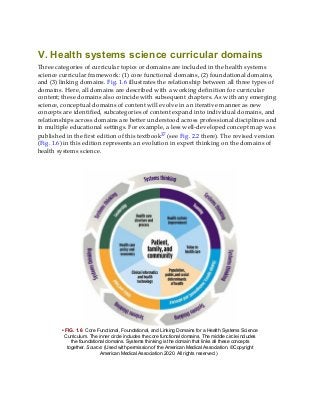
V. Health systems science curricular domains
Three categories of curricular topics or domains are included in the health systems
science curricular framework: (1) core functional domains, (2) foundational domains,
and (3) linking domains. Fig. 1.6 illustrates the relationship between all three types of
domains. Here, all domains are described with a working definition for curricular
content; these domains also coincide with subsequent chapters. As with any emerging
science, conceptual domains of content will evolve in an iterative manner as new
concepts are identified, subcategories of content expand into individual domains, and
relationships across domains are better understood across professional disciplines and
in multiple educational settings. For example, a less well-developed concept map was
published in the first edition of this textbook37 (see Fig. 2.2 there). The revised version
(Fig. 1.6) in this edition represents an evolution in expert thinking on the domains of
health systems science.
• FIG. 1.6 Core Functional, Foundational, and Linking Domains for a Health Systems Science
Curriculum. The inner circle includes the core functional domains. The middle circle includes
the foundational domains. Systems thinking is the domain that links all these concepts
together. Source: (Used with permission of the American Medical Association. ©Copyright
American Medical Association 2020. All rights reserved.)
A. Core functional domains
1. Patient, family, and community
The patient, family, and community domain includes all issues focused on the patient’s
experience of care, the values each patient has in his or her own health, and the patient’s
behaviors and motivations for engaging in health care and his or her own health, as
well as the contextual influence of patients’ families and communities.
2. Health care structure and process
The health care structure and process domain includes all of the health care elements of
how health care is provided, such as the organization of individuals, institutions,
resources, and processes for delivery of health care to meet the needs of patients or
populations of patients, including the processes of collaboration and coordination.
Several specific examples of curricular content in this domain include (1) knowledge of
clinical settings (i.e., clinics, hospital units, etc.) and processes occurring within
outpatient and inpatient settings; (2) fragmentation and insufficiencies encountered by
patients in the health care continuum; and (3) the ability to identify the importance of
teamwork within clinical “teams” and “communities” that span diverse settings.
3. Health care policy and economics
The health care policy and economics domain encompasses all issues related to the
decisions, plans, and actions undertaken to achieve specific health care goals and the
issues related to efficiency, effectiveness, value, and behavior in the production and
consumption of health care. These sciences are used to promote health through the
study of all components of the health care system and managed care. Specific examples
of curricular content in this domain include (1) history and core principles of health care
policy, (2) the basics of how health care is financed and the impact of health care policy
on insurance and reimbursement, and (3) incentives for clinicians and hospitals within
different US payment models.
4. Clinical informatics and health technology
The clinical informatics and health technology domain includes all issues related to the
application of informatics and information technology to deliver health care services,
including clinical decision support, documentation, technology, and tools (e.g.,
electronic health records), and the utilization of data to improve health. Specific
curricular examples in this domain include (1) core principles of informatics sciences,
including biomedical informatics, patient security, and rights protection in regard to
data; (2) awareness of real-time data viewing and decision support to manage data
registries and analyze clinical reports; and (3) awareness of current functionality and
challenges in current health information exchange.
5. Population, public, and social determinants of health
The population, public, and social determinants of health domain includes all issues
related to traditional public health and preventive medicine, including the full range of
social determinants of health affecting the entire population rather than only sick
individuals, and the improvement strategies at the population health level to address
gaps in care. The content in this domain also includes the organized assessment,
monitoring, or measurement to prevent disease and injury, promote health, prolong
life, or improve any other health outcome for a group of individuals (e.g., geographic
populations such as nations, communities, ethnic groups, or any other defined group),
including the access to and distribution of such outcomes within the group, and the
dynamic interrelationships among various personal, socioeconomic, and environmental
factors that relate to health outcomes or prevention. Specific curricular examples for this
domain include (1) the ability to build a community asset map to identify local
resources that can help address a leading health indicator, (2) definition of patient risk
behaviors within the context of health determinants in uninsured populations, and (3)
development of cultural skills to work with individuals from diverse cultural
backgrounds.
6. Value in health care
The value in health care domain broadly includes content related to the performance of
a health system in terms of quality of care delivery, cost, and waste. From the quality
perspective, the content in this domain maps to one of the six Institute of Medicine
dimensions of quality: patient safety, timeliness, effectiveness, efficiency, equitability,
and patient-centeredness.7,31 (Note: The Institute of Medicine was renamed the National
Academy of Medicine in 2015.) The content also includes all issues related to the cost of
health care, waste components, and service requirements. Finally, the content includes
understanding the epidemiology of, as well as seeing and classifying, gaps in care and
care delivery. Specific curricular examples for this domain include (1) definition and
stakeholder perspectives of value in health care; (2) components of high-value health
care systems; (3) key correlations of quality and safety principles with patient outcomes;
(4) the importance of identifying, reporting, and analyzing safety events; and (5) the
relationship between quality and cost and efforts by health care professionals and teams
to address costs of care.
7. Health system improvement
The health system improvement domain includes all content related to processes of
identifying, analyzing, or implementing changes in policy, health care delivery, or any
other function of the health care system to improve the performance of any component
of the health care system. Issues herein include quantifying and closing gaps (action),
variation/measurement (specifically related to quantifying and closing gaps, not to
health care measures in general), analysis of data, interventions, and innovation and
scholarship. Specific curricular examples in this domain include (1) selecting a quality
indicator and developing an improvement plan, (2) drafting a Plan-Do-Study-Act
worksheet that outlines a test of change, and (3) developing the ability to adapt to
different improvement challenges with different evidence-based methodologies.
Additionally, the scholarship approach to improving health systems is addressed by
this domain, which includes all content relevant to the conduct and scholarly
dissemination of health systems science content, health services research that
investigates any health systems science domain, or both. Scholarship is defined as (1)
discovery, which is consistent with traditional research; (2) integration, which makes
connections across disciplines and places specialties in a larger context; (3) application,
which demonstrates the vital interaction between research and practice; and (4)
teaching (educational scholarship), which emphasizes the creation of new knowledge
about teaching and learning in the presence of learners.38 Specific curricular examples
in this domain include (1) development, completion, and presentation of scholarly
quality and patient safety projects; (2) opportunities for population-based research
projects; and (3) expertise through advanced application of knowledge and skills in
interprofessional team-based care, quality improvement, leadership, and change
management, as demonstrated through scholarly projects.
B. Foundational domains
Topics (knowledge and skills) identified as transcending multiple core curricular
domains are clustered into foundational domains. These domains, especially leadership
and teaming, relate to direct patient care competencies and serve to connect and
highlight the relationship (and sometimes tensions) between direct patient care
priorities and a systems-focused view. Therefore many UME curricula traditionally
address this content, but these domains must be emphasized within the health systems
science context.
1. Change agency, management, and advocacy
The change agency, management, and advocacy domain includes all content,
knowledge, and skills focused on the recognition by all health care professionals that
they ought to be agents of change to improve health systems for patients. Each health
care professional should feel empowered to advocate for his or her individual patients
to receive the best-quality care and to suggest and implement changes in the health care
system. In order to advocate and make changes, knowledge and skills in change
management processes are critical to ensure ideal outcomes. Specific examples of
curricular content in this domain include (1) knowledge and awareness of how health
care professionals at all levels can impact and change the system; (2) the skills required
to advocate for patients at the individual, group, and population levels; and (3) the
ability to identify and address barriers to implementing necessary change.
2. Ethics and legal
The ethics and legal domain includes all content focused on the ethical and legal issues
and factors involved in health care delivery and the health systems science areas.
Specific examples of curricular content in this domain include (1) understanding the
relationship between law and ethics in the design and operation of US health care and
(2) the ability to describe the ways in which the transition from a one patient and one
doctor dynamic to a systems approach based on teams, organizations, and populations
presents challenges for health law and ethics.
3. Leadership
Leadership includes all content related to inspiring motivation in others to create goals
toward a desirable vision. In the context of UME, leadership pertains to team-based
care, quality improvement projects, and the like. Specific curricular examples for this
domain include (1) types of leadership in health care (and key competencies required
for each type) and key skills physicians must develop to become true leaders and (2)
reflection on personal values and synchrony with life goals as well as understanding
how successful leaders create alignment between personal and institutional values.
4. Teaming
The teaming domain includes all issues related to collaboration and team science,
specifically through the process of individuals working together on specified tasks to
achieved shared goals. This domain fully encompasses interprofessional education.
Specific curricular examples for this domain include (1) knowledge and awareness of
interprofessional providers’ roles and skills, (2) communication required to function in
teams in an integrated/coordinated system, and (3) skills to function in a team and
apply reflective practice in the context of quality improvement and patient safety.
C. Linking domain: Systems thinking
Systems thinking as a linking domain refers to the content that unifies or “links” the
core curricular domains or subcategories to other core curricular domains, or links core
curricular domains or subcategories to contents of the broader medical school
curriculum.1,39 The knowledge and skills of systems thinking allow students to be
cognizant of and apply a comprehensive, holistic approach to medical care and health
care issues. It includes all issues related to the attention to a complex web of
interdependencies, an awareness of the “whole” and not just the parts, and the ability to
recognize multidirectional cause-and-effect relationships with all causes emerging as
the effect of another system dynamic. For example, systems thinking allows learners to
understand the influence of the ACA on the determinants of health within a community
and, as a result, the ability for their patients to access health care and adhere to care
plans.
As with any emerging science and its inclusion in professional education, the richness
and greatest impact of systems thinking lies at the intersection of conceptual content
domains, and there is considerable overlap in the conceptual areas described
previously. These domains are not discrete and separate categories but overlap and
interrelate as they comprise the integrated whole of health systems science. For
example, discussion of health care processes and microsystems directly relates to
specific and detailed discussions regarding teamwork, provider incentives discussed in
health policy and economics directly influence value-based care and improvement, and
professionalism implications must be included in conversations related to patient data
protection concepts in clinical informatics and health information technology.
VI. Case studies: Renal disease and treatment—
where basic, clinical, and health systems science
merge
These cases offer evolutionary developmental steps whereby health systems science
concepts are introduced at each stage but with increasing complexity to match the level
of the learner.
Case study 1: First year of medical school dilemma
A first-year student learns about kidney biochemistry and physiology and notes that on the
Chronic Kidney Disease Epidemiology Collaboration (CKD-EPI) equation for estimating
glomerular filtration rates (GFR) found on the National Institutes of Health website,40 the
formulas are divided between “blacks” and “whites.” She asks her renal faculty member who has
lectured for decades during the Renal Block about this, and he replies that these are the
established formulas and no one has ever questioned them before. When probing deeper, he
suggests that the reason may be due to greater muscle mass among blacks. The student asks
further questions:
1. What is the scientific basis for the racial “profiling” of renal function or muscle
mass?
2. Is there evidence that blacks have different kidneys than whites?
3. What might be the interwoven social, medical, and economic factors that play
into this—from occupational differences to poverty to differential access to care
and treatments?
4. Who is considered “black” and who is considered “white” in America? She
herself has a dark brown complexion with parents from Argentina and Brazil,
while her anatomy partner is dark skinned but his parents are from southern
India.
Case study 2: Third year of medical school dilemma
A group of third-year medical students, halfway through their clinical rotations, meet up in the
hospital cafeteria and compare notes about their experiences so far. Although they are excited by
the opportunity to apply their newly acquired medical knowledge and skills to patients, they are
shocked by the state of the electronic health record (EHR) systems they are encountering—and
the deleterious effects they see on patients and physicians. For example:
• On their family medicine rotation, patients showed up at their primary care physician
after discharge from the hospital with no records—paper or electronic—of what
happened. There is no way for their EHR to access these records, even if this information
is critical to patients’ health and to prevent readmission for the same problems that got
them admitted in the first place. The patients do not remember what medications were
changed or what they were supposed to do after discharge, and hoped their primary care
doctors might know.
• On their inpatient internal medicine rotation, they watched as their supervising
residents and attendings spent triple the time on EHR documentation as compared to
direct contact with patients and heard them gripe, “Did we sign up to be typists or
doctors?” and “I have to put in 2 hours every night finishing my charts after I go home
—when I should be spending time with my kids or catching up on journals.”
• On their outpatient pediatric rotation during well-child visits, their attendings paid
more attention to checking the boxes in the EHR than they did to their patients, and
later the students overheard some parents saying that “the doctor hardly even looked at
my child.”
• On their surgery rotation, the students were invited to learn to prescribe medication and
found that it took them 3 minutes and 27 clicks to order acetaminophen with codeine,
and, even then, they were not sure if they had prescribed the right dosage or
formulation.
The students develop questions to help resolve these problems:
1. What are the system issues present in these examples, and how might they be
corrected?
2. What are the financial implications?
3. What harm may there be to the patient, and how could it be corrected?
4. How might a care team approach help with documentation?
5. What technological or organizational innovations might you like to see in EHRs
during your professional lifetime?
Case study 3: Intern dilemma
A family medicine intern prepares to discharge from the hospital to home a 71-year-old male
patient following a long hospitalization for new-onset congestive heart failure complicated by
acute renal failure. The discharge instructions include six new medications, a low-salt diet,
support hose, exercise, and follow-up with a primary care physician in 5 days. She orders a
visiting home nurse to go to the house and provide guidance, help administer and monitor
medication adherence, check home safety, and measure blood pressure and weight.
Unfortunately, the medications are administered on different schedules (once a day in the
morning, twice a day, three times a day, once in the evening, etc.), and two of the medications are
“off-formulary” and are unaffordable for the patient. In addition, there are no primary care
physicians in his area that accept his insurance. The patient lives in a community that is a “food
desert” and is unable to get low-salt food. There are no sidewalks, and the visiting home nurses
consider his neighborhood too dangerous to service. The patient quickly deteriorates, and after 4
days he decompensates sufficiently that his family calls 911. An ambulance takes him back to the
hospital’s emergency department, and he is admitted to the intensive care unit for a week.
1. How might the discharge be handled, given the barriers to care?
2. How can rehospitalization be avoided?
3. How might the hospital, residents, staff, and attendings help reduce the health
disparities in the community?
4. How can the health system assume responsibility for “episodes of care,”
including follow-up?
5. How might community-wide interventions reduce rates of disease prevalence
and incidence?
Case study 4: Renal fellow dilemma
A renal fellow quickly masters the treatments for renal failure, including the physiology and
chemistry of renal dialysis. When involved in renal consults in a major teaching hospital, he
notices that many of the patients scheduled to start renal dialysis have other serious
comorbidities ranging from advanced Alzheimer’s disease to end-stage metastatic cancer. He is
pretty certain that neither quality of life nor life expectancy is influenced by the dialysis, but his
attending chides him, “Look, who are you to be a one-man death panel?” and “Anyway, there is
a special federal law that pays for all of it that was pushed by kidney patients in the 1980s.”
1. What are the indications and counterindications for dialysis for patients at the
end of life?
2. How might renal dialysis or other expensive medical interventions be
judiciously applied to individual patients and populations—and is rationing
reasonable?
3. What evidence is required to support the broad utilization of a medical
intervention?
4. What health policy and legislative initiatives are reasonable for special interest
groups?
VII. Professional identity formation
Physicians have traditionally been trained to care for one patient at a time in the office
or hospital, making autonomous decisions and utilizing supporting personnel.
Additionally, other health care professionals have been trained to focus on their area of
expertise and contribute to a physician’s ultimate decision in the hope of improving
patient care. Political and business perspectives have increasingly affected how
medicine is delivered and altered expectations of the clinicians within the system,
resulting in many clinicians who are ill-equipped to venture outside of this model,
migrating more and more to an “employee” approach to medical practice. The lack of
training in systems and the complex determinants of care has become a self-fulfilling
prophecy. As a result, change in health care is often led by managers, accountants, and
policymakers who are skilled in understanding the financial implications of potential
change but may not be well versed in understanding the needs of person-centered
care.11 It is clearly time for physicians to engage in this process. One of the key
foundational principles of this textbook is that the goals of education in the health
professions need to be broadened and rebalanced. Knowledge acquisition in the basic
and clinical sciences is not enough. Practicing within an increasingly limited box of
diagnosis and treatment is not enough. Physicians and health care professionals need to
be collaborators and leaders in a system transformation that is already well on its way,
and medical education must do its part to develop and support students for these new
professional roles.
An interesting way to conceptualize this need for a different “type” of provider is
through the constructive-developmental theory as set forth by Kegan.41,42 In studying
adult learning, he described “orders of mind,” each with a qualitative shift in
complexity. Most adults and clinicians live in a “socialized” or a self-authoring mindset.
In the socialized mindset, physicians and health care professionals have the ability to
subordinate their desires to the desires of others (this very nicely describes the
“employee” mentality alluded to earlier). They are guided by others or institutions and
are focused on “getting along” rather than changing or confronting a problematic
situation. Individuals exhibiting a “self-authoring” mind are inclined to “own” their
work, exhibiting agency, self-motivation, and vision (though this may be fairly rigid
and uncompromising). These “self-authoring” qualities are often viewed as essential
characteristics of leadership. They can also be viewed as characterizing the old model of
a physician as an independent agent or “cowboy,” acting alone in calling the shots and
pointing the way. However, the self-authoring mind may lack the capacity for
meaningful teamwork and collaboration and is at risk of falling short in the context of
the kind of complex adaptive challenges that are so common in health care. Kegan’s
model of development describes one additional step—the “self-transforming” mind. A
self-transforming mind is characterized by the ability to mediate conflicts, thoughtfully
review and appropriately integrate input from multiple sources and perspectives, see
the larger context and backstories, and flexibly lead in an environment of uncertainty
and change. This aptly describes the environment in health care today, and the goal of
our educational systems should be to support the development of self-transforming
minds in our learners. Health professions students must begin to view this as a process
and outcome of their own personal growth in medicine.
The process of becoming a self-transforming leader is complex, but there is a clear
relationship between this mindset and the health systems science skills and knowledge
required to be a leader and a change agent in evolving health systems and in associated
educational pathways.41 Systems thinking in particular, with its emphasis on
complexity, depth of insight, and metacognition, is emerging as a critical component of
a new professionalism. In order to become effective contributors to a health care
environment that is more collaborative than “self-authoring,” future physicians will
need to aspire to a new professional identity. They will require a native “fluency” in the
language of teams, a vision that takes into account the entire “iceberg,” and an ability to
apply the domains of health systems science to the care of patients and populations.1
The rapidly evolving health care landscape creates an immediate need to reevaluate
medical education curriculum and meaningfully incorporate health systems science.
The key here is “meaningful”—the two-pillar model is deeply embedded in our
educational DNA and career pathways, and this will require no less than a
transformative rebalancing of priorities and incentives. At the core of this
transformation is a need to develop and educate a new generation of clinicians with a
different view of their roles and responsibilities.
Health systems science consists of knowledge and concepts that are patient-centric
rather than physician-centric. The goal is not limited to the treatment of disease—it is
guided by the health and outcomes of patients and populations, taking into account
multiple complex factors. Health systems science fluency requires the clinician to
understand the challenges and successes encountered by patients as they traverse the
health “system” to obtain care and achieve or sustain health. This understanding is
independent of any one profession or health care role. This new professional identity is
required by all health professionals not only to provide patient-centered care but also to
appropriately function in the rapidly evolving and increasingly collaborative care
models needed to achieve the Triple Aim.
A. Physician-centric role identity
In traditional models of medical education, students entered medical school and
assumed the role of the “apprentice.” In a method adopted and advanced by Flexner in
the early 1900s, students’ learning occurred primarily from working with and observing
more senior physicians. Physicians were viewed as an actively practicing repository of
knowledge, information, and decision-making processes for nearly all aspects of a
patient’s care. In this model, students observed or “shadowed” in the clinical
environment before developing more autonomy over time toward a path of
independent practice. Fig. 1.7 depicts this traditional view of medical student education
and professional role identity formation.
• FIG. 1.7 Traditional View of Medical Student Education and Professional Role Identity
Formation. Student growth during medical school has traditionally focused on “physician-
centric” education, which is, by and large, separated and divorced from authentic perspectives
into health care processes and interprofessional collaboration.
While this basic model has remained in place over the last 100 years, the experience of
this pathway has changed dramatically. Increasing regulatory and supervisory
requirements have effectively limited the ability of learners to authentically experience
and contribute to patient care. As a result, students are often viewed as extraneous and
even a burden on the functions and process of patient care, making them feel devalued
(Fig. 1.8).
• FIG. 1.8 Conceptual schematic of the current chasm between traditional physician-centric
medical education and making authentic patient-centered contributions in care delivery.
A key analogy that captures the essence of the new professional role identity needed
in evolving health care systems is one of the digital native versus the digital immigrant.
A digital immigrant is an individual who was born into a culture without all of the
current-day technological advances. While these individuals adapt as best they can,
they often find it difficult to fully integrate new and emerging technology into the fabric
of their lives. In contrast, digital natives are those who were born into the technology
environment, and therefore it becomes part of their “DNA.” Extending this analogy to
the challenge of educating for emerging systems of care, health professions schools and
training programs need to find ways to promote and support the knowledge, skills, and
professional identity of “health systems science natives.”
B. Patient-centered, systems role identity
For clinicians in training to develop an early professional role identity that aligns with
the needs of the 21st-century health care system, students must be provided with early
immersive experiences to learn about and engage in health systems science. Akin to the
need to perform clinical preceptorships to learn clinical skills such as cardiac and lung
auscultation, communication, and history taking, students must authentically engage
with health systems science through clinical work. This involves students being
embedded into interprofessional care teams and becoming true contributors to health
care teams (Fig. 1.9). In this model, students engage in health systems science by
participating in roles that are not traditionally physician-centric roles. When students
serve in these collaborative team environments and provide value through engagement
in concepts outside of the physician-patient interface (the tip of the iceberg in Fig. 1.2),
they can begin to understand the roles of other health professionals and have the
opportunity to develop a new patient-centered systems role identity.
• FIG. 1.9 Model for Medical Student Education and Professional Identity Formation in the
Context of a Health Systems Science Curriculum. Within health systems science, medical
students can begin to view health care systems in new ways and potentially undertake
authentic systems roles (e.g., patient navigator). Through these roles, students fully engage
with the health system and see firsthand the roles of other team members and health care
processes. This proposed model provides students with opportunities to see their professional
role as one within the health system and among other team members.
On a larger level, the shift toward health systems science is emerging as a new
professional identity in health care, the “systems citizen.”43,45,46,61 As new health care
delivery models become more prevalent, there is an extension of the physician’s
professional identity that moves beyond individual behaviors or traits (e.g., altruism,
showing respect to others, trustworthiness) and the ability to make accurate diagnoses
and prescribe correct therapeutics. The new professional identity is a patient-centered
systems identity—a systems citizen—that promotes a more proactive and symbiotic
relationship for a physician with the health care system.47-49,61 The health systems
science competencies embodied by systems citizen physicians will allow for the
transformation of the health care delivery system and improve patient health.
VIII. Challenges for learners to engage health
systems science
A number of important factors remain to be addressed to best implement health
systems science in medical education. Progress is being made, but the following factors
are important to address.
A. Address the hidden curriculum
The hidden curriculum is the influence of institutional structure and culture on the
learning environment.50 Policies, the formal curriculum, examinations, and the
professional development of faculty reflect institutional goals and values, which in turn
affect the learning environment.31,51,52 Additionally, the hidden curriculum often
reinforces the notions of physician autonomy and authority, influencing trainees’
perceptions of patient worth and team member roles as they model faculty behaviors.53-
55 Although trainees have identified gaps in their health systems science education, this
content is assigned a lower priority because it is not included in licensing and board
examinations and residency placement criteria (Fig. 1.10).29,56-61 The environments in
which physicians are training may have a lasting effect on their behaviors.
• FIG. 1.10 Medical Student Competing Agendas as the Primary Pedagogical Challenge for a
Health Systems Science Curriculum in Undergraduate Medical Education. The left side of the
figure reflects student perspectives of current priority areas for their education. The basic and
clinical sciences are viewed as essential components of learning for grades and board
examinations, both of which primarily test biomedical concepts. These evaluative measures
are perceived as the primary influence on acceptance into the best residency program of their
choice. The right side of the figure demonstrates student perspectives on their awareness of
the importance to focus on alternative areas. Students identify the importance of balancing
basic, clinical, and health systems sciences, which will allow them to develop a skill set for
patient-centered care. Students identify these skills as critical for transitioning into graduate
medical education (GME) training to be able to better care for patients.
Emerging evidence suggests that students who train in clinical environments with
lower resource utilization are more likely to practice similar methods in the future,
suggesting that role modeling during training years is a critical element in learner
development.62,63 If role models do not demonstrate health systems science-informed
clinical practice, learners will be less likely to incorporate these behaviors into their own
practice.64,65 Creating initiatives to introduce health systems science curricula will
require a change in institutional values and culture. Therefore implementation and
evaluation of specific curricular changes will model the expected value changes for the
rest of the medical education community at each institution.50 Since perceptions of
learning environments vary between institutions, efforts to evaluate the effects of the
hidden curriculum must be directed toward each specific locale.66 Understanding each
community’s readiness for educational change will assist the institution’s leadership in
understanding the barriers and tensions of implementing the formal curriculum and
allow them to devise incentive structures for faculty (via resources and promotion) and
students (via examinations) accordingly. Increasing students’ recognition of the
importance of health systems science to their careers could be addressed by exposing
students to integrated, longitudinal, and meaningful patient-centered experiences.
Aligning their health systems science education with positive experiences in health
systems improvement efforts may reduce gaps in the curriculum and create a “fluid”
learning environment. Evolving discourse on health systems science education at the
national level should include conversations about student, medical school, and
physician accountability in espousing health systems science tenets in their practice and
teaching of medicine.
B. Demonstrate the potential for adding value to the
practice
Traditionally, clinical training experiences in UME link students directly with residents
and attending physicians during clinical care duties.20 This apprenticeship model
requires time to mentor and educate students, which often decreases efficiency and
negatively impacts physician productivity and profitability of the health system.67-71
The increasing need for physicians and care delivery models to optimize efficiency and
quality while minimizing cost, and the added work in mentoring medical students in
today’s models, need to be reexamined. Faculty and schools have traditionally
presumed that students cannot add value to patient care today. Recommendations have
been made for increased education and research into further integrating medical
schools with academic health centers and community health programs.72,73 Recently,
educators have recommended an increased focus on identifying and providing value-
added roles for medical students to “share the care” of health care delivery.74,75 The
application of health systems science competencies in experiential roles within the
health care system can oftentimes be “lower stakes” (e.g., health coaching) compared
with traditional biomedical decisions (e.g., ordering medications). This key difference
opens several opportunities for medical students to engage with the health system by
performing authentic systems-based tasks that can add value and improve care
processes and patient outcomes, while also promoting learning of health systems
science content.21,25,75 Students can add value by serving as patient navigators and
health coaches, facilitating effective care transitions, and assisting with medication
reconciliation and education. These meaningful roles align with the clinical care needs
of the health system, specifically focusing on important quality and efficiency metrics
such as reducing readmissions, improving care transitions, and improving patient
satisfaction. These new student roles have the potential to lessen the “burden” on the
system and mentors, enhance student education in health systems science, and
potentially improve health outcomes.
C. Improve the undergraduate-to-graduate medical
education transition
In the current education model, students progress from medical school into residency
programs, often in different health systems. This transition between UME and GME
creates unique challenges for education programs seeking to enhance learning and
assessment in health systems science–related competencies.12,13,16,77 The GME
milestones as part of the Accreditation Council for Graduate Medical Education’s Next
Accreditation System and the UME Entrustable Professional Activities outcome goals
for graduating medical students developed by the Association of American Medical
Colleges are not similar in language or content, limiting the assessment in this
transition.78-80 Although Entrustable Professional Activities and milestones can be used
in a complementary manner, ideal educational “handoffs” are hindered by a lack of
consistency in how they are defined and developed.81 Additionally, variation across
GME programs’ expectations of graduating medical student competence in health
systems science, and assessment and prioritization of these areas in the residency
selection process, further reinforce gaps in the UME-to-GME transition. Medical
education initiatives are seeking to achieve a common language to guide learning and
assessment, specifically for health systems science, to reliably ensure that physicians are
prepared to meaningfully participate in complex, evolving, team-based care models. In
the coming years, a common “transition” competency and assessment language and
system will allow for a more meaningful and seamless transition from UME to GME.
IX. Chapter summary
Despite these and other challenges, progress is occurring. David Sklar, then editor of
Academic Medicine, in an article titled, “What Would Excellence in Health Professions
Education Mean If It Addressed Our Most Pressing Health Problems?” recognized the
importance of health systems science by saying, “The success of the medical school and
its rating for excellence would partly depend on the effectiveness of its education and
care in health systems sciences, which would include population management.”82 The
United States Medical Licensing Examination now includes health systems science
questions in each of the three step examinations, and the National Board of Medical
Examiners has developed a subject examination on health systems science. Students at
schools that emphasize health systems science are reporting that residency program
directors are interested in their experiences and health systems science projects in
residency application interviews. In aggregate, these and other examples indicate that
health systems science as the third pillar of medical education has been well established
and is strengthening through dissemination across the education and training
continuum.
X. Overview of book chapters
The subsequent 16 chapters of this book address the key components of health systems
science. This book has been specifically designed for all health professions students,
including students in medicine, physician assistant, nursing, and public health schools.
However, these core concepts are applicable to all clinicians with an interest in these
areas and to medical education faculty responsible for educating the next generation of
health providers about health systems science and the evolving frontier of health care
education.
In Chapter 2, the authors explore systems thinking, the domain that links all health
systems science domains. In Chapters 3 through 15, each chapter takes on a critical
component of health systems science, with a discussion of the key concepts that are
applicable to current-day practice and factor in the evolving landscape of health care
delivery. Chapter 16 provides students with insights into assessment strategies and how
they might utilize feedback from a variety of sources to help them understand how they
are performing within health care systems in which they are learning and assisting in
the provision of patient-centered care. Finally, Chapter 17 explores the future of health
systems science, including a science fiction story about how health professionals and
health professions students may one day address an emerging health threat.
XI. Chapter template
The goal of this textbook is to enhance education for health professions students,
faculty, and other individuals interested in advancing their knowledge and skills in
health systems science, with the aim of ultimately improving the health of patients. To
this end, each chapter of this book is intended to provide useful information and
stimulating concepts for the reader to consider on a broad scale. Each chapter highlights
salient aspects of medicine that are deemed appropriate for the soon-to-be or currently
practicing clinician within the health care system. Each chapter additionally seeks to
incorporate tables, case studies, and exercises to stimulate further engagement with
each of the concepts.
CHAPTER TEMPLATE
Learning Objectives
Chapter Outline
Core Chapter Content
Chapter Summary
Questions for Further Thought
Annotated Bibliography and References
The authors fully anticipate, given the rapid transformation of health care redesign,
that specific content that could be included in a textbook such as this could quickly
become out of date. Each chapter has been purposefully designed to build a framework
for subsequent knowledge and conceptual learning, so the anticipated changes could
still be directly applied to this structure and therefore be applicable across time. Readers
are encouraged to supplement this reading and content with other resources that have
the potential to build upon these concepts in a synergistic manner.
Questions for further thought
1. What is health systems science, and why is it important to 21st-century health
care delivery?
2 How will success in achieving the elements of the Triple and the Quadruple
Aims address some of the most serious problems confronting health care in the
United States?
3. What are three payment (reform) strategies that are designed to replace the
current fee-for-service model and enhance the value of health care delivery?
4. How can development of the knowledge and skills necessary to function and
lead change in our health care systems lead to enhanced patient-centered care?
5. What meaningful roles can students assume during immersive experiences in
our health care systems that allow them to participate authentically as members
of a health care team? How are these roles different than those previously
available through an apprenticeship model of medical education?
PATIENTS: THE MISSING CRITICAL VOICE IN HEALTH
SYSTEMS SCIENCE
Martha E. (Meg) Gaines, JD, LLM
“The energy of patients and members of the public worldwide who care about
improving health is a huge, but still largely unrecognized and untapped, resource.
The aim of patient engagement is to shift the clinical paradigm from determining
“what is the matter?” to discovering “what matters to you?”1
“If the 20th
-century was about thinking the world apart, then the 21st
-century must
be about thinking it back together again.”2
During the last century, scientists—physicians chief among them—achieved
remarkable advancements in medicine leading to significant increases in life
expectancy for many. This focus on scientific achievement was driven by a search for
knowledge, however, and not primarily by any systematic inquiry regarding the needs
of patients, families, and communities (“patients”). “Patients” is used for brevity here
and refers in all instances to patients, families, and communities.
The 21st-century challenge to apply these advances to patients in health care settings
must fold our voices back into the process. Without us, successful application will be
sporadic at best, depending on clinicians to guess what patients will and won’t
“comply with” or “adhere” to; the existing examples of these pernicious obstacles are
too many.
Clinicians and students seeking to develop competency in health systems science
would do well to stretch their thinking about the role patients can and must play at all
levels of system change: the clinic and hospital (microsystem), the organization and
community (mesosystem), and national policy decision forums (macrosystem). Simply
put, the failure to engage patients fully as partners in health systems change amounts
to doing the same thing over and over again while expecting a different result—
insanity.
There science, though our failure to emphasize its importance makes funding for
research and publication in this area more difficult. Still, patient-centered outcomes
research funding in the United States has spurred new projects that allow us to join
other countries that have been exploring this field for almost a decade.3
So how can educators prepare 21st-century physicians to fully engage patients as
partners in their own care, in how care is “delivered,” and in reforming how health
care is valued, reimbursed, measured, and administered (i.e., the fundamentals of
health care infrastructure)?
We can begin by attending to our language to ensure that we really say what we
mean and mean what we say.4 Training physicians to “deliver” health care to patients
is very different from training them to co-create health care with patients. Do we want
patients to “receive” deliveries or co-create with clinicians? If we mean the latter, we
need to embed that intention in the words we use with students and patients. A
number of recent evidence-based techniques have been developed to more effectively
and systematically learn from patient experience and incorporate that feedback into
quality improvement initiatives at the practice and health system levels.5,6
Likewise, we must be careful in our approach to “interprofessional collaboration”
and “team-based care.” Patients are not commonly included in those constructs. In the
team-based care model proposed in this chapter, we must beware of patients
continuing to be isolated in the middle, remaining “out of the loop” of their own care
even as we seek to engage students more meaningfully in the schema. Perhaps if we
draw arrows between and among all the members of the team and the patient in the
model—all of which connect through the patient in the center—we will ensure that
health care is answering the important question “what matters to you?” and not merely
“what is the matter with you?”
Twenty-first century clinicians must learn the skills necessary for co-creation, the
ability to:
• Listen without preconceptions.
• Learn from every patient.
• Respect patients’ hard-earned skills and knowledge.
• Help patients believe in their innate ability to make decisions even in health care
matters.
• Partner fully to co-create health care that matters to patients.
• Teach what patients want and need to learn and when.
• Encourage patients to ask questions, research information, and own their own
health.
• Create and protect the space and time necessary to form real relationships.
• Understand the essential complexity and fallibility of all humans.
• Blame neither themselves nor their patients for common human frailties.
This will require educators and patients to travel an as-yet unpaved road to co-create
a curriculum together. In the end, our students will remember what we do and not
what we say; we must show them the kind of radical transformative process we want
them to replicate in their health systems science work.
Martha E. (Meg) Gaines, JD, LLM, is the director of the Center for Patient Partnerships and
a Distinguished Clinical Professor of Law at the University of Wisconsin–Madison. The Center
conducts research about issues relevant to patient care and health care delivery from the
patient’s perspective.
References
1. Laurance J, Henderson S, Howitt PJ. et al. Patient engagement four
case studies that highlight the potential for improved health
outcomes and reduced costs Health Aff (Millwood) 9, 2014;33: 1627-
1634.
2. Peercy PS. Former dean 2012; University of Wisconsin School of
Engineering Presentation.
3. Tsianakas V, Robert G, Maben J. et al. Implementing patient-centred
cancer care using experience-based co-design to improve patient
experience in breast and lung cancer services Support Care Cancer
11, 2012;20: 2639-2647.
4. Horton Hatches the Egg. MGM Album Discography Leo the Lion
Records C/CH-1013 1965; MGM Records – A Division of Metro-
Goldwyn-Mayer, Inc Hollywood, CA.
5. Grob R, Schlesinger M, Parker AM. et al. Breaking narrative ground
innovative methods for rigorously eliciting and assessing patient
narratives Health Serv Res suppl 2, 2016;51: 1248-1272.
6. Donetto S, Pierri P, Tsianakas V, Robert G. Experience-based co-design
and healthcare improvement realizing participatory design in the
public sector Des J 2, 2015;18: 227-248.
Annotated bibliography
Berwick DM, Nolan TW, Whittington J. The Triple Aim care, health, and
cost Health Aff (Millwood) 3, 2008;27: 759-769.
This paper sets the stage for the current quality movement.
Committee on Quality of Health Care in America. Institute of
Medicine. Crossing the Quality Chasm A New Health System for the
21st Century 2001; National Academies Press Washington, DC.
This landmark report identifies significant problems with the quality of health
care provided in the United States.
Gonzalo JD, Haidet P, Papp KK. et al. Educating for the 21st-century
health care system an interdependent framework of basic, clinical and
systems sciences Acad Med 1, 2017;92: 35-39.
This paper outlines the framework for health systems science and forms the
basis for this textbook.
Skochelak SE. A decade of reports calling for change in medical education
what do they say Acad Med suppl 9, 2010;85: S26-S33.
This important paper summarizes the modern medical education reform
movement.
References
1. Senge PM. The Fifth Discipline The Art and Practice of the Learning
Organization Rev. and updated. ed. 2006; Doubleday/Currency New
York.
2. Deming WE. Out of the Crisis 1986; Massachusetts Institute of
Technology, Center for Advanced Engineering Study Cambridge,
MA.
3. Berwick DM, Nolan TW, Whittington J. The Triple Aim care, health,
and cost Health Aff (Millwood) 3, 2008;27: 759-769.
4. Porter ME. What is value in health care N Engl J Med 26, 2010;363:
2477-2481.
5. Porter ME, Pabo EA, Lee TH. Redesigning primary care a strategic
vision to improve value by organizing around patients’ needs
Health Aff (Millwood) 3, 2013;32: 516-525.
6. Hirmas Adauy M, Poffald Angulo L, Jasmen Sepulveda AM,
Aguilera Sanhueza X, Delgado Becerra I, Vega Morales J. Health care
access barriers and facilitators a qualitative systematic review Rev
Panam Salud Publica 3, 2013;33: 223-229.
7. Committee on Quality of Health Care in America. Institute of
Medicine. Crossing the Quality Chasm A New Health System for the
21st Century 2001; National Academies Press Washington, DC.
8. Friedberg MW. RAND Health, American Medical Association. Factors
Affecting Physician Professional Satisfaction and Their Implications for
Patient Care, Health Systems, and Health Policy 2013; RAND
Corporation Santa Monica, CA.
9. Gonzalo J, Dekhtyar M, Starr SR. et al. Healthcare delivery science
curricula in undergraduate medical education identifying and defining a
potential curricular framework Acad Med 1, 2017;92: 123-131.
10. Chang A, Bowen JL, Buranosky RA. et al. Transforming primary care
training—patient-centered medical home entrustable professional activities
for internal medicine residents J Gen Intern Med 6, 2013;28: 801-809.
11. Chang A, Ritchie C. Patient-centered models of care closing the gaps in
physician readiness J Gen Intern Med 7, 2015;30: 870-872.
12. Crosson FJ, Leu J, Roemer BM, Ross MN. Gaps in residency training
should be addressed to better prepare doctors for a twenty-first-century
delivery system Health Aff (Millwood) 11, 2011;30: 2142-2148.
13. Thibault GE. Reforming health professions education will require culture
change and closer ties between classroom and practice Health Aff
(Millwood) 11, 2013;32: 1928-1932.
14. Skochelak SE. A decade of reports calling for change in medical education
what do they say Acad Med suppl 9, 2010;85: S26-S33.
15. Lucey CR. Medical education part of the problem and part of the
solution JAMA Intern Med 17, 2013;173: 1639-1643.
16. Combes JR, Arespacochaga E. Physician competencies for a 21st
century health care system J Grad Med Educ 3, 2012;4: 401-405.
17. Flexner A. Medical education in the United States and Canada. From the
Carnegie Foundation for the Advancement of Teaching, Bulletin Number
Four, 1910 Bull World Health Organ 7, 2002;80: 594-602.
18. Sullivan LW, Suez Mittman I. The state of diversity in the health
professions a century after Flexner Acad Med 2, 2010;85: 246-253.
19. Greysen SR, Schiliro D, Cury L, Bradley EH, Horwitz LI. Learning by
doing”—resident perspectives on developing competency in high-quality
discharge care J Gen Intern Med 9, 2012;27: 1188-1194.
20. Ludmerer KM. Time to Heal American Medical Education from the
Turn of the Century to the Era of Managed Care 1999; Oxford
University Press Oxford, NY.
21. Gonzalo JD, Haidet P, Papp KK. et al. Educating for the 21st-century
health care system an interdependent framework of basic, clinical, and
systems sciences Acad Med 1, 2017;92: 35-39.
22. Frenk J, Chen L, Bhutta ZA. et al. Health professionals for a new
century transforming education to strengthen health systems in an
interdependent world Lancet 9756, 2010;376: 1923-1958.
23. Engel GL. The clinical application of the biopsychosocial model Am J
Psychiatry 5, 1980;137: 535-544.
24. Bertalanffy LV. Perspectives on General System Theory Scientific-
Philosophical Studies 1975; G. Braziller New York.
25. Gonzalo JD, Haidet P, Wolpaw DR. Authentic clinical experiences and
depth in systems toward a 21st century curriculum Med Educ 2,
2014;48: 104-105.
26. Pershing S, Fuchs VR. Restructuring medical education to meet current
and future health care needs Acad Med 12, 2013;88: 1798-1801.
27. Armstrong G, Headrick L, Madigosky W, Ogrinc G. Designing
education to improve care Jt Comm J Qual Patient Saf 1, 2012;38: 5-14.
28. Interprofessional Education Collaborative. Core Competencies for
Interprofessional Collaborative Practice Report of an Expert Panel
Available at https://www.aacom.org/docs/default-
source/insideome/ccrpt05-10-11.pdf?sfvrsn=77937f97_2 Published
2011; Accessed December 12, 2019.
29. Kasper J, Greene JA, Farmer PE, Jones DS. All health is global health,
all medicine is social medicine integrating the social sciences into the
preclinical curriculum Acad Med 5, 2016;91: 628-632.
30. Wachter RM. Understanding Patient Safety, 2nd ed. 2012; McGraw
Hill Medical New York.
31. Moriates C, Arora V, Shah N. Understanding Value-Based Healthcare
2015; McGraw-Hill Education New York.
32. Askin E, Moore N, Shankar V. The Health Care Handbook A Clear and
Concise Guide to the United States Health Care System 2nd ed 2014;
Washington University in St Louis St Louis, MO.
33. Papanicolas I, Woskie LR, Jha AK. Health care spending in the United
States and other high-income countries JAMA 10, 2018;319: 1024-1039.
34. Whittington JW, Nolan K, Lewis N, Torres T. Pursuing the Triple Aim
the first 7 years Milbank Q 2, 2015;93: 263-300.
35. Berg S. Physician burnout it’s not you, it’s your medical specialty.
AMA News Available at https://wire.ama-assn.org/life-
career/physician-burnout-it-s-not-you-it-s-your-medical-specialty
Published August 3, 2018; Accessed December 12, 2019.
36. Bodenheimer T, Sinsky C. From Triple to Quadruple Aim care of the
patient requires care of the provider Ann Fam Med 6, 2014;12: 573-
576.
37. Gonzalo JD, Starr SR, Borkan JM. What is health systems science?
Building an integrated vision Skochelak SE Hawkins RE Health
Systems Science 1st ed 2017; Elsevier Philadelphia 14.
38. Boyer EL. Scholarship Reconsidered Priorities of the Professoriate
1990; Carnegie Foundation for the Advancement of Teaching
Princeton, NJ.
39. Plack MM, Goldman EF, Scott AR. et al. Systems thinking and
systems-based practice across the health professions an inquiry into
definitions, teaching practices, and assessment Teach Learn Med 3,
2018;30: 242-254.
40. Estimating glomerular filtration rate. National Institute of Diabetes
and Digestive and Kidney Diseases Available at
http://www.niddk.nih.gov/health-information/health-
communication-programs/nkdep/lab-
evaluation/gfr/estimating/Pages/estimating.aspx 2019; Accessed
December 12.
41. Kegan R. The Evolving Self Problem and Process in Human
Development 1982; Harvard University Press Cambridge, MA.
42. Kegan R, Lahey LL. Immunity to Change How to Overcome It and
Unlock Potential in Yourself and Your Organization 2009; Harvard
Business Press Boston, MA.
43. Gonzalo JD, Wolpaw T, Wolpaw D. Curricular transformation in
health systems science the need for global change Acad Med 10,
2018;93: 1431-1433.
44. Deleted in review.
45. Davis C, Gonzalo JD. How medical schools can promote community
collaboration through health systems science education AMA J Ethics 3,
2019;21: E239-E247.
46. Gonzalo JD, Singh MK. Building Systems Citizenship in Health
Professions Education The Continued Call for Health Systems
Science Curricula. Agency for Healthcare Research and Quality
Patient Safety Network Available at
https://psnet.ahrq.gov/perspective/building-systems-citizenship-
health-professions-education-continued-call-health-systems
Published February 1, 2019; Accessed December 12, 2019.
47. Hafferty FW, Levinson D. Moving beyond nostalgia and motives
towards a complexity science view of medical professionalism
Perspect Biol Med 4, 2008;51: 599-615.
48. Brennan TA. Physicians’ professional responsibility to improve the
quality of care Acad Med 10, 2002;77: 973-980.
49. Senge PM. Systems citizenship the leadership mandate for this
millennium. Reflections. 2006;7(3) Available at
https://www.conservationgateway.org/ConservationPlanning/cbd/guidance-
document/key-
advances/Documents/Systems%20Citizenship_The%20Leadership%20Mandate%
2019; Accessed December 12.
50. Hafferty FW. Beyond curriculum reform confronting medicine’s
hidden curriculum Acad Med 4, 1998;73: 403-407.
51. Hafferty FW, O’Donnell JF. The Hidden Curriculum in Health
Professional Education 2014; Dartmouth College Press Hanover, NH.
52. Hafler JP, Ownby AR, Thompson BM. et al. Decoding the learning
environment of medical education a hidden curriculum perspective for
faculty development Acad Med 4, 2011;86: 440-444.
53. Michalec B, Hafferty FW. Stunting professionalism the potency and
durability of the hidden curriculum within medical education Soc
Theory Health 4, 2013;11: 388-406.
54. Karnieli-Miller O, Vu TR, Frankel RM. et al. Which experiences in the
hidden curriculum teach students about professionalism Acad Med 3,
2011;86: 369-377.
55. Higashi RT, Tillack A, Steinman MA, Johnston CB, Harper GM. The
‘worthy’ patient rethinking the ‘hidden curriculum’ in medical
education Anthropol Med 1, 2013;20: 13-23.
56. Patel MS, Lypson ML, Davis MM. Medical student perceptions of
education in health care systems Acad Med 9, 2009;84: 1301-1306.
57. Brooks KC. A piece of my mind. A silent curriculum JAMA 19,
2015;313: 1909-1910.
58. Garvey KC, Kesselheim JC, Herrick DB, Woolf AD, Leichtner AM.
Graduate medical education in humanism and professionalism a needs
assessment survey of pediatric gastroenterology fellows J Pediatr
Gastroenterol Nutr 1, 2014;58: 34-37.
59. Gonzalo JD PH, Blatt B, Wolpaw D. Identifying challenges in
implementing systems-based curriculum a qualitative assessment of
medical student perspectives. Paper presented at 2015; National
Society of General Internal Medicine Conference Toronto, Ontario,
Canada.
60. Butler JM, Anderson KA, Supiano MA, Weir CR. It Feels Like a Lot of
Extra Work resident attitudes about quality improvement and
implications for an effective learning health care system Acad Med
7, 2017;92: 984-990.
61. Gonzalo JD, Ogrinc G. Health systems science the “broccoli” of
undergraduate medical student education Acad Med 10, 2019;94:
1425-1432.
62. Chen C, Petterson S, Phillips R, Bazemore A, Mullan F. Spending
patterns in region of residency training and subsequent expenditures for
care provided by practicing physicians for Medicare beneficiaries JAMA
22, 2014;312: 2385-2393.
63. Sirovich BE, Lipner RS, Johnston M, Holmboe ES. The association
between residency training and internists’ ability to practice conservatively
JAMA Intern Med 10, 2014;174: 1640-1648.
64. Leep Hunderfund AN, Dyrbye LN, Starr SR. et al. Role modeling and
regional health care intensity U.S. medical student attitudes toward
and experiences with cost-conscious care Acad Med 5, 2017;92: 694-
702.
65. Leep Hunderfund AN, Starr SR, Dyrbye LN. et al. Imprinting on
clinical rotations multisite survey of high- and low-value medical
student behaviors and relationship with healthcare intensity J Gen
Intern Med 7, 2019;34: 1131-1138.
66. Dunham L, Dekhtyar M, Gruener G. et al. Medical student perceptions
of the learning environment in medical school change as students transition
to clinical training in undergraduate medical school Teach Learn Med 4,
2017;29: 383-391.
67. Jones RF, Korn D. On the cost of educating a medical student Acad Med
3, 1997;72: 200-210.
68. Shea S, Nickerson KG, Tenenbaum J. et al. Compensation to a
department of medicine and its faculty members for the teaching of medical
students and house staff N Engl J Med 3, 1996;334: 162-167.
69. Baldor RA, Brooks WB, Warfield ME, O’Shea K. A survey of primary
care physicians’ perceptions and needs regarding the precepting of medical
students in their offices Med Educ 8, 2001;35: 789-795.
70. Chandra A, Khullar D, Wilensky GR. The economics of graduate
medical education N Engl J Med 25, 2014;370: 2357-2360.
71. Wynn BO, Smalley R, Cordasco KM. Does it cost more to train
residents or to replace them? A look at the costs and benefits of
operating graduate medical education programs. Rand Corporation
https://www.rand.org/pubs/research_reports/RR324.html Published
2013; Accessed February 3, 2020.
72. Clancy GP. Good neighbors shared challenges and solutions toward
increasing value at academic medical centers and universities Acad
Med 12, 2015;90: 1607-1610.
73. Walsh K. Oxford Textbook of Medical Education 2013; Oxford
University Press Oxford.
74. Lin SY, Schillinger E, Irby DM. Value-added medical education
engaging future doctors to transform health care delivery today J
Gen Intern Med 2, 2015;30: 150-151.
75. Gonzalo J, Thompson B. Value-Added Student Roles That Align
Education and Health System Needs Available at
http://www.iamse.org/websem/value-added-student-roles-align-
education-health-system-needs/ 2015; Podcast.
76. Deleted in review.
77. Hirsh DA, Ogur B, Thibault GE, Cox M. “Continuity” as an
organizing principle for clinical education reform N Engl J Med 8,
2007;356: 858-866.
78. Swing SR. The ACGME outcome project retrospective and prospective
Med Teach 7, 2007;29: 648-654.
79. Core Entrustable. Professional Activities for Entering Residency
Curriculum Developers’ Guide 2014; American Association of Medical
Colleges Washington, DC.
80. Accreditation Council for Graduate Medical Education. Milestones
https://www.acgme.org/What-We-
Do/Accreditation/Milestones/Overview 2020; Accessed February 3.
81. Hawkins RE, Welcher CM, Holmboe ES. et al. Implementation of
competency-based medical education are we addressing the concerns
and challenges Med Educ 11, 2015;49: 1086-1102.
82. Sklar DP. What would excellence in health professions education mean if
it addressed our most pressing health problems Acad Med 1, 2019;94: 1-3.
Systems thinking in health care:
Addressing the complex dynamics of
patients and health systems
Jed D. Gonzalo, MD, MSc, Maya M. Hammoud, MD, MBA, Stephanie R. Starr, MD
CHAPTER OUTLINE
I. Burning Platform for Change in Health Care Delivery and the Need for
Systems Thinking, 22
II. Systems Thinking in Health Care, 22
A. Linear and Systems Thinking, 22
III. Health Care Delivery as Complex Adaptive Challenges, 22
IV. The Habits of a Systems Thinker, 23
A. Habit 1: Seeks to Understand the Big Picture, 24
B. Habit 2: Observes How Elements Within Systems Change Over Time,
Generating Patterns and Trends, 24
C. Habit 3: Recognizes That a System’s Structure Generates Its Behavior,
25
D. Habit 4: Identifies the Circular Nature of Complex Cause and Effect
Relationships, 25
E. Habit 5: Makes Meaningful Connections Within and Between Systems,
26
F. Habit 6: Changes Perspectives to Increase Understanding, 27
G. Habit 7: Surfaces and Tests Assumptions, 27
H. Habit 8: Considers an Issue Fully and Resists the Urge to Come to a
Quick Conclusion, 28
I. Habit 9: Considers How Mental Models Affect Current Reality and the
Future, 29
J. Habit 10: Uses Understanding of System Structure to Identify Possible
Leverage Actions, 29
K. Habit 11: Considers Short-Term, Long-Term, and Unintended
Consequences of Actions, 30
L. Habit 12: Pays Attention to Accumulations and Their Rates of Change,
31
M. Habit 13: Recognizes the Impact of Time Delays When Exploring
Cause and Effect Relationships, 31
N. Habit 14: Checks Results and Changes Actions If Needed: “Successive
Approximation”, 32
V. Application of Systems Thinking to Health Care, 32
VI. Chapter Summary, 35
In this chapter
Systems thinking is a philosophy, mindset, and set of tools that facilitate an
individual’s thought process to see the interrelatedness of the parts of a system
and the cohesion across those parts. The benefit of systems thinking is higher-
leverage thinking and action. Systems thinking principles have been
increasingly promoted as critical for innovation, problem solving, and
collaboration in multiple fields, including the health professions. As health care
becomes more complex, with raised awareness that patient and health system
issues are complex, adaptive challenges, medical educators are seeking to
develop higher-order competencies for current and future health care
professionals to address these challenges. This chapter explores the concept of
systems thinking, applies systems thinking habits and tools to health care
situations, and demonstrates the importance of systems thinking to health and
health care.
Learning Objectives
1. Define systems thinking.
2. Explain the characteristics of a complex system.
3. Identify why health systems fit the definition of complex systems.
4. List and summarize the habits and tools of a systems thinking health care
professional.
5. Explain the importance of systems thinking to patient care.
I. Burning platform for change in health care
delivery and the need for systems thinking
Physicians have traditionally been trained to care for one patient at a time in the office
or hospital, making diagnostic and therapeutic decisions and working with supporting
personnel when necessary. As politics, business, and health systems have increasingly
encroached on prerogatives over the last few decades, many physicians are ill-equipped
to venture outside of this traditional physician-based model. The belief that physicians
are either unable to participate in or uninterested in systems and in understanding the
multiple and complex factors and determinants of health that impact care has become a
self-fulfilling prophecy. This means change in health care is often led by managers,
accountants, and policymakers who are skilled in understanding the financial
implications of potential change but may not be well versed in understanding person-
centered care, the biopsychosocial model of care that occurs with individual patients, or
the system in which this care is delivered.1 It is imperative for systems and physicians
to engage in a more holistic view of health care delivery and the change process.
Practicing in an increasingly limited box of diagnosis and treatment is not enough.
Physicians need to be collaborators and leaders in a system transformation that is
already well underway.2 They need new learning capabilities to optimize the health of
patients and to thrive in an increasingly complex, interdependent, and changing world.
Systems thinking is the critical ingredient in this transformational process.
II. Systems thinking in health care
Systems thinking is a holistic approach to understanding a system’s component parts,
and the interrelatedness of these parts, to better understand how a system works and
evolves over time.3,4 This competency and mindset has been recommended by
educators and systems leaders alike to be increasingly developed in both current-day
and future physicians. As a result, the past several years have witnessed an increase in
graduate medical education with the systems-based practice competency domain and in
undergraduate medical education with the focus on health systems science
competencies (the component parts of patient care and health systems), and the ability
to integrate these component parts in the decision-making and thinking process.5-10
A. Linear and systems thinking
In general, there are two different types of thinking: linear thinking and systems
thinking. Linear thinking approaches problems in a logical, sequential manner. If there
is a challenge, one must identify the issue and implement a solution to obtain an end
result. Systems thinking, however, takes a more holistic and cohesive approach to
challenges and visualizes the seen and unseen drivers, connections, and consequences
of interactions at play in any given situation.10,11 One must examine the system as a
whole while simultaneously understanding the component parts in order to understand
and influence a system. To provide patient-centered care, physicians and other health
care professionals must take into account all the systems around the patient and how
they interact with each other. For example, a patient’s health is not only determined by
the treatment prescribed. It is also determined by the support and resources available in
the home, community, and workplace.12 Therefore a physician or other health care
professional must consider the patient’s system and address the social determinants of
health to understand the environments in which people are born, live, learn, and work
that can affect a wide range of health, functioning, and quality-of-life outcomes and
risks. Furthermore, a patient’s interaction with a physician or other health care
professional is only a fraction of his or her interaction with the larger health care
system; therefore a provider must consider and evaluate those interactions and be ready
to call for change if the system is not optimized for ideal patient care.
This approach may be counterintuitive to human beings, especially as physicians and
other health care professionals were trained in a paradigm that seeks to break issues
down into component parts so that they can be fixed or at least understood. In this
reductionist approach, physicians and other health care professionals may come to
believe that understanding each part allows an understanding of the larger system.
However, this approach may fail to allow physicians and other health care professionals
to see the behavior of the system as a whole for two main reasons. First, in the process
of deconstructing the system into component parts, the cohesion and functional aspects
of that system are lost—the connectedness disappears in the process of analysis. Second,
the system itself may manifest behaviors or characteristics that do not reflect behaviors
of any one individual component. This therefore prevents the study of a system by only
examining the constituent parts.13 Balanced with more traditional linear and analytic
thinking, systems thinking provides the necessary insights during an individual’s or
team’s approach to patient or systems issues to achieve better outcomes.
III. Health care delivery as complex adaptive
challenges
The US health care delivery system involves numerous structures and processes that
seek to align and achieve high-quality patient outcomes. Health systems, though, are
complicated, nuanced, and complex. They rarely lend themselves to analysis,
assessment, or improvement through simple means. Health care involves a complex
web of interdependent and interrelated parts that influence each other on a constant
basis, creating a larger system that is continually in flux and dynamic, rather than static.
Managed care required physicians to think more broadly about a patient’s care, the
environment, and the neighborhood in which the patient lived. Fast-forward to today,
and the gaps in current medical education programs are increasingly clearer.
For authentic and sustained change in health care, patients and systems alike need
physicians and other health care professionals with the knowledge, skills, and systems
thinking mindset to initiate, contribute to, and facilitate change—at both the patient and
the system levels. Complex adaptive challenges by their nature require systems
thinking skills and mindset to approach and make change. Systems thinking is a key
skill and foundational educational process that is critical to agency and making a
difference; to make a difference requires a more complete, nonlinear, and nonreductive
perspective. Systems thinking provides a set of tools and skills, in addition to a mindset
and perspective, that allows one to think about, operate in, and improve the system.
IV. The habits of a systems thinker
The Waters Foundation identified and developed a library of “Habits of a Systems
Thinker” (Fig. 2.1) and tools (see Figs. 2.2 and 2.4) that are used in multiple international
settings, especially education. The habits and tools allow individuals and teams to
examine systems and thinking processes. The following sections summarize each
“habit” and provide a clinical example of its application to health care.
• FIG. 2.1 The Habits of a Systems Thinker. Source: (Reprinted with permission from the
Waters Center for Systems Thinking, Pittsburgh, PA.)
A. Habit 1: Seeks to understand the big picture
HABIT 1
Seeks to Understand the Big Picture
The core of systems thinking is the desire and ability to see situations using a holistic
lens. Human nature (and often health professions training) tends to encourage a focus
on the details of the immediate situation at hand. Systems thinkers fundamentally seek
to understand the big picture as they address the situation’s specifics. To do this,
systems thinkers consider previous events or factors that may have influenced or
contributed to the present situation as well as possible results (i.e., downstream effects)
of present actions. Systems thinkers also pause to consider factors somewhat removed
from the situation that may have bearing on what is occurring in the present. They
maintain balance between the big picture and important details. Physicians and other
health care professionals work in fast-paced environments and are trained to use their
expertise to apply the ideal interventions (tests, procedures, treatments) to diagnose
disease, cure illness, and minimize suffering for the patient immediately in front of
them. An inability to see the big picture may lead to unintended negative consequences
for the patients in their care.
Example
Consider the case of a 44-year-old male patient seen by his physician for uncontrolled
chronic asthma. The physician has been well trained, adeptly classifies the man’s
asthma, and prescribes the appropriate daily control medication. She reviews his use of
medications and ways to prevent exposure to his asthma triggers. She does this with
compassion and caring, bringing the best asthma care to his situation. In her busy clinic
day, she does not think to ask whether he has concerns regarding his ability to pay for
his medications and does not anticipate that the treatment she has prescribed may not
be started because he cannot afford the medication’s cost. Upon discharge from the
clinic, the patient goes to the pharmacy to learn that the prescribed medication is too
costly for him to purchase. Without his medications, several weeks later he has an
asthma exacerbation and is admitted to the hospital for acute care. The physician’s
inability to see the big picture may also result in missed opportunities to improve the
care for future similar patients. Even after the visit is completed, a systems thinker may
take a moment to recognize that adding a routine question soliciting patient concerns
for medication costs may help identify opportunities for her to prescribe a reasonable
lower-cost alternative.
Illustration reprinted with permission from the Waters Center for Systems Thinking,
Pittsburgh, PA.
B. Habit 2: Observes how elements within systems
change over time, generating patterns and trends
HABIT 2
Observes How Elements Within Systems Change Over Time, Generating
Patterns and Trends
Systems thinkers observe how components of a system change over time and are able
to see patterns and trends as they emerge. Systems thinkers consider the important
elements that change in the system and how they have changed over time. They
observe how quickly or slowly the important elements increase or decrease, and they
derive the patterns or trends that emerge over time. Systems thinkers use this habit to
move beyond the here and now and see the system as dynamic and changing over
time. Health systems and the sequence of events in caring for patients are constantly
changing, and while changes are ideally made to improve the quality of care, their
cumulative impact can have negative effects on patients and on the health care team.
Without this habit, health care professionals miss opportunities to improve patient care
and the wellness of their colleagues.
Example
Consider a busy pediatric clinic in a community-based setting. Over several years,
patient complaints regarding wait times have increased, and the nurse practitioners
and pediatricians comment to each other about increasing burnout given upset families
who complain about the length of time they spend in the clinic. The health care
professionals want to provide optimal care in a timely manner, and the families’
frustrations add to their long work days. The clinic director feels the care team has not
changed their approach in working as hard as they can to provide best care in a timely
way and is unable to consider how the system may have changed over time to
contribute to increased patient wait times. If he reflected on how the steps of checking
patients in have changed in the preceding 18 months, he would further uncover the
new questions that are being asked as a requirement at the reception desk, additional
questionnaires that are required for patients to complete before they are roomed, and
three new screening questions that are now asked by a nursing assistant once the
patient is roomed. These data would create a better appreciation for how the changing
system has resulted in unintended negative consequences (patient and health care
professional dissatisfaction). He would also be more likely to see concrete opportunities
for changing the system, such as allowing patients to complete questionnaires prior to
arriving for appointments, to improve care.
Systems thinkers identify important trends to which they need to pay attention to
help them achieve their goals and desired outcomes. In this example, the clinic director
needs to notice the trend in increasing paperwork and information collection from
patients, which is contributing to the lengthy visits and patients’ frustration.
Recognizing those changes over time would allow him to address the concerns and be
proactive about anticipating future changes.
Illustration reprinted with permission from the Waters Center for Systems Thinking,
Pittsburgh, PA.
C. Habit 3: Recognizes that a system’s structure
generates its behavior
HABIT 3
Recognizes That a System’s Structure Generates Its Behavior
A systems thinker focuses on system structure and avoids blaming individuals when
things go wrong. As Paul Batalden has stated, “Every process (system) is designed to
perfectly achieve the results it gets.”15 Systems thinkers observe how the parts of the
system affect one another and how the organization and the interaction of the parts
influence the outputs or outcomes of the system. When things go wrong, systems
thinkers reflect on how the existing system, the interaction of its parts, or both have
contributed to the poor outcome. They focus on internal causes rather than dwelling on
external blame. In years past, medical errors have often been attributed to the mistakes
of individual health care professionals. Health care systems are complex systems, and
without systems thinking, health care professionals and leaders cannot see how a
system’s structure can be the reason for errors or put patients at risk for safety events.
Example
Electronic health records (EHR) have been widely adopted in medical practice. They
are made up of the electronic patient chart, including laboratory and imaging results,
and typically include computerized provider order entry and many safety and best
practice alerts. While in theory such an electronic and comprehensive system should
create user-friendly comprehensive access to patients’ information and increase patient
safety, the system has also created unanticipated negative consequences that can
potentially increase the risks to patients. The EHR has led to a decrease in medication
errors and improved guideline adherence; however, due to some design issues, it
sometimes creates a mismatch between user and clinical workflow, leading to work
disruption and provider dissatisfaction and burnout.16 In addition, the excessive
number of alerts lead to “alert fatigue,” and physicians and other health care
professionals may begin to ignore the alerts and compromise patient care.17 The EHR is
an example of a system in which structure influences the behaviors of the person using
it. As systems thinkers, physicians and other health care professionals should reflect on
how the system is influencing their behavior and challenge themselves to contribute to
creating better systems for optimal patient care. They can envision the desired system
behavior and help create the structures that will produce the desired outcomes.
Illustration reprinted with permission from the Waters Center for Systems Thinking,
Pittsburgh, PA.
D. Habit 4: Identifies the circular nature of complex cause
and effect relationships
HABIT 4
Identifies the Circular Nature of Complex Cause and Effect Relationships
A systems thinker sees the interdependencies in a system and uncovers circular causal
connections or feedback loops. Complex cause and effect relationships are often
circular, and the effect comes back around and impacts the cause. Systems thinkers
observe how the parts affect one another and determine where the feedback loops
emerge. They study the feedback loops to determine if one loop is more influential over
time than another. Systems thinkers use causal loops as a visual tool to represent
complex cause and effect relationships. Causal loop diagrams can be utilized in health
care to understand cause and effect and improve patient and population outcomes. The
diagram consists of the variables, the causal loops, and the identification of the loop as
either reinforcing or balancing. By representing a problem or issue from a causal
perspective, the structural forces that produce the behavior can be more easily
explored. The diagrams can be used for a variety of purposes, including designing and
building an intervention, interpreting research findings that are conflicting, or building
new theories.
Example
Individuals respond to stress differently, and these differences may interact with stress-
generating social exposures over time to affect many health outcomes, such as diabetes
and hypertension. The impact later in life of early-life exposure and stress
responsiveness demonstrates that parental behavior can modify the long-term
responsiveness of offspring through mechanisms involving epigenetic modifications of
the glucocorticoid receptor gene.18,19 Greater stress responsiveness could also promote
the selection into environments that tend to reduce stress, creating a balancing
feedback loop. Additionally, stress responsiveness and parental behavior affect the
behavior of the offspring toward their own offspring as well as their stress
responsiveness. A causal loop diagram showing the long-term effects and
transgenerational transmission of early life experiences (Fig. 2.2) can help better
capture the dynamic processes that shape these effects over time by illustrating the
interconnections between all the variables.20
The health of individuals and populations is a manifestation of a system, which
depends on biology, individuals’ interactions with each other, and individuals’
interactions with their environment over time. A systems approach and identifying the
processes that operate at the level of the individuals and populations and their
interconnections can help develop theories in population health, including the problem
in health disparities.20
Illustration reprinted with permission from the Waters Center for Systems Thinking,
Pittsburgh, PA.
• FIG. 2.2 Causal loop diagram showing the long-term effects and transgenerational
transmission of early life experience. B, Balancing; HPA, hypothalamic-pituitary-adrenal; R,
reinforcing. Source: (Used with permission from Diez Roux AV. Complex systems thinking and
current impasses in health disparities research. Am J Public Health. 2011;101[9]:1627-1634.)
E. Habit 5: Makes meaningful connections within and
between systems
HABIT 5
Makes Meaningful Connections Within and Between Systems
A systems thinker sees how concepts, facts, and ideas link together, which can lead to
new learning, discoveries, and innovations. Systems thinkers study the relationships
among pieces of the system and how they affect understanding of the whole. They
consider how the different perspectives of a system work together to benefit the
system, and they appreciate how the understanding of one system transfers to the
understanding of another system.
Example
Dr. G. runs a medicine inpatient service in a large hospital system. He is often
pressured to discharge patients as soon as safely possible because of a shortage of beds
and patients experiencing long waits in the emergency department. Dr. G. is frustrated
because he typically rounds on the patients to be discharged first thing in the morning
and writes their discharge orders. He does not understand why some of those patients
do not physically leave the floor until the evening. To address this issue, Dr. G. needs
to consider all the pieces of his system and the interactions with the other systems that
are affecting the outcome (Fig. 2.3). Currently, he is only focused on his piece of seeing
the patient and writing the discharge order. First, he needs to consider the rest of his
system, such as the clerk processing the discharge order and the nurse’s timing of the
discharge instructions, and how it is affecting the discharge time. He also needs to
consider the interaction of the patient with the larger health care system, such as
securing the medications from the pharmacy prior to discharge or arranging for a home
visiting nurse. Dr. G. also needs to think about how the patient’s own system is
affecting the time of the discharge. For example, is a family member available to pick
up the patient when he or she is ready to leave? Dr. G. needs to consider all these
variables and how they are linked to the patient being able to physically leave the floor
to develop a more efficient discharge process. He might also want to consider
reviewing the operations of another unit that has proven to be efficient with discharges.
It may be possible to transfer that unit’s practices to his own unit.
Increasing efficiency and quality improvement in complex hospital systems require
the ability to make connections and transfer information to enhance understanding of
the system and the ability of physicians and other health care professionals to work
and learn within that system.
Illustration reprinted with permission from the Waters Center for Systems Thinking,
Pittsburgh, PA.
• FIG. 2.3 Intersection of the Different Systems in Health Care.
F. Habit 6: Changes perspectives to increase
understanding
HABIT 6
Changes Perspectives to Increase Understanding
A systems thinker increases understanding by changing the ways he or she looks at the
system. Individuals see the world from their own perspective reflecting their personal
point of view shaped by their personal experiences and values. While an individual’s
perception is his or her reality, the more perspectives that are considered, the closer
physicians and other health care professionals get to a shared or actual reality. In order
to increase understanding by changing perspective, one must be willing to seek, take,
and coordinate the perspectives of others. The medical profession operates at a very
fast pace, and physicians and other health care professionals see the system through
their own lens. If they do not step back and take in the perspectives of others,
suboptimal care results.
Example
Consider the case of a patient who has just had major surgery and is ready to be
discharged home because he has met all the criteria to be discharged from the
physician’s perspective. However, this patient is recently divorced and his grown
children do not live in town, so he has no assistance at home. Medically, it may be safe
to discharge him, but he needs assistance for postoperative care, meal preparation,
transportation, and other activities of daily living. In this case, in order to provide
optimal care the physician needs to be willing to:
• Seek the patient’s perspective
• Take the patient’s perspective into consideration
• Coordinate the patient’s perspective into the care plan
Physicians work in large teams. The patient is a part of the team, and it is very
important take all perspectives into consideration in order to better understand the
system and be willing to change practice based on those perspectives.
Illustration reprinted with permission from the Waters Center for Systems Thinking,
Pittsburgh, PA.
G. Habit 7: Surfaces and tests assumptions
HABIT 7
Surfaces and Tests Assumptions
A systems thinker tests theories and surfaces assumptions, perhaps with others, in
order to improve performance. Physicians and other health care professionals make
assumptions every day. These assumptions are based on experiences, and they can be
very helpful in assisting physicians and other health care professionals to understand
the world around them. Occasionally, these assumptions can hinder the understanding
of reality, so it becomes very important to surface and test these assumptions in order
to improve performance. This becomes especially important in the current complex
health care system so physicians and other health care professionals do not jump to the
wrong conclusions. Clinicians are under a lot of pressure to act now, rather than spend
time reasoning things out with others on the team and thinking about the facts.
Clinicians need to make sure actions and decisions are founded on reality. Likewise,
when physicians and other health care professionals accept or reject other people’s
conclusions, they need be confident that their reasoning is based on facts. This can be
achieved by understanding the Ladder of Inference theory (Fig 2.4E). People perceive
reality and facts based on their beliefs, which lead them to make assumptions and take
actions based on those assumptions.
Example
Consider the case of a clinic where patients often show up late to appointments. The
physician who recently came from a different health care system became very
frustrated with those patients and set a 20-minute late show rule. If patients were more
than 20 minutes late, he would not see them. In his previous private practice, this rule
decreased the no-show rate significantly. In this new practice, this rule did not seem to
help as much. The physician then learned from his team that between the hours of 1
and 3 pm every day, it can take over an hour for his patients to find a parking spot in
the congested hospital lot, so he asked his clerical staff to inform patients of the
problem with the parking at that time. This helped his patients plan better, and his
clinic ran more efficiently and on time.
This is a simple example of how previous beliefs and assumptions make individuals
take actions that can compound the problem instead of solving it. It was important for
the physician in this case to consider whether his assumptions about his patients and
his new system were similar to what he experienced previously before applying the
same solution to the same problem in a different environment. A systems thinker will
rigorously examine assumptions in order to gain insight into a system. Insight put into
action can lead to improved performance. The Ladder of Inference is a visual tool that
helps people consider how and why assumptions are made, how one’s experiences
develop one’s beliefs, and how actions are taken based on perceived data. This will
help them examine carefully how their theory or model matches the current system
under study and ask questions.
Illustration reprinted with permission from the Waters Center for Systems Thinking,
Pittsburgh, PA.
• FIG. 2.4 Tools of Systems Thinking. (A) Tool 1—Behavior-Over-Time Graph. (B) Tool 2—
Connection Circle. (C) Tool 3—Causal Loop. (D) Tool 4—Iceberg. (E) Tool 5—Ladder of
Inference. R, Reinforcing. Source: (Reprinted with permission from the Waters Center for
Systems Thinking, Pittsburgh, PA.)
H. Habit 8: Considers an issue fully and resists the urge to
come to a quick conclusion
HABIT 8
Considers an Issue Fully and Resists the Urge to Come to a Quick
Conclusion
A systems thinker takes the necessary time to understand the dynamics of a system
before taking action. In the fast modern world, people can often be under pressure to
devise quick fixes to the problems encountered. Quick fixes in a complex system might
work in the short term, but they can have unintended and undesired consequences in
the long term. Taking a systems view helps one see the impact of an action on all the
parts, short and long term, as well as helping one recognize the impact of feedback and
time delays in implementing a solution. Visual representation of the components of the
system and their relationship to one another can help one understand cause and effect
of different actions on the entire system. More importantly, building these diagrams
can help the team come together and reach important insights, which can contribute to
reaching robust solutions.
Example
Consider the case of a hospital that has been experiencing significant operating room
delays. While cases are scheduled from 7 am to 5 pm every day, the majority of the
operating rooms have been running until 8 pm. This has been costly to the system
because it requires a lot of staff overtime and causes patient dissatisfaction with the
delays. In trying to solve this problem, one can quickly jump to conclusions and
assume the surgeons are scheduling less time than they actually need and request that
all surgeons schedule more time for their procedures. While this might look like an
attractive short-term solution, one has to consider all the unintended consequences of
this decision. Importantly, it is critical to consider the issue fully and address all the
components that can be contributing to this problem. Operating room delays can be
due to many issues in the system, including surgeon delay, operating room turnover,
and postanesthesia care unit (PACU) overflow. These all in turn can be due to lack of
available hospital beds. Each of these causes will require a different solution. It is
crucial to look at the entire system before making assumptions, reaching quick
conclusions, and implementing solutions that will not fix the problem. If the problem of
significant operating room delays was due to PACU overflow resulting from a lack of
hospital beds that in turn was resulting from delayed discharges, extending the
surgeons’ procedure time will not fix the problem, and it will lead to fewer procedures
per day, increased costs to the system, and longer wait times for patients. The solution
should be focused on more timely discharges.
A systems thinker is patient and will take time to understand the system’s structure,
connections, and behaviors before recommending and implementing a solution. A
systems thinker also understands that a quick solution can create more problems in the
long term and is able to balance the tension created when a solution is not immediately
implemented with the importance of a deeper understanding of the system so the right
long-term solution can be developed.
Illustration reprinted with permission from the Waters Center for Systems Thinking,
Pittsburgh, PA.
I. Habit 9: Considers how mental models affect current
reality and the future
HABIT 9
Considers How Mental Models Affect Current Reality and the Future
A systems thinker is aware of how beliefs and attitudes influence perspectives and
actions. In any given situation, an individual perceives and interprets what is
happening, thus creating a picture, or mental model, of some aspect of the world. A
systems thinker is aware of how these mental models influence perspectives and,
ultimately, actions taken. In today’s rapidly changing and complex health care
environment, where interprofessional collaborations are more important than ever,
shared mental models are a critical component of effective teamwork. Team members
must be able to have a shared understanding of their tasks and roles and must be able
to communicate and understand each other’s and patients’ perspectives through
shared mental models.
Example
Consider the case of TJ, a 32-year-old woman with metastatic cervical cancer. Her care
team involves the gynecologic oncologist, an oncology nurse practitioner, and a social
worker. TJ expresses to the team that she does not desire to know much information
about her diagnosis or prognosis. She also does not want her mother to know about her
prognosis because her mother has heart problems and TJ does not want her mother to
worry. This information is communicated among the team and marked in a note in the
EHR. The entire team has a shared mental model about the patient’s desires. As TJ’s
disease progresses, she is admitted to the hospital for kidney failure. The attending on
the service is not aware of TJ’s desires and shares the prognosis with her in the
presence of her mother while recommending hospice care. The attending assumes this
is the right place and time to share this information because the patient has support
present. In this case, the attending is making assumptions based on her own beliefs.
She does not share the same mental model as the rest of the team, and the
communication occurs in an undesired manner. A systems thinker would have had a
shared understanding of her role and would have communicated with the primary
health care team to make sure everyone was on the same page. A systems thinker
would be aware that changing a mental model about an issue would change current
actions and future results. The Iceberg (see Fig. 2.4D) illustrates how mental models
influence the creation of structures (e.g., policies, laws, and physical structures). The
mental models are at the base, as an underpinning to the structures that individuals
create. These structures then generate patterns of change over time as well as the
discrete events that occur.
Illustration reprinted with permission from the Waters Center for Systems Thinking,
Pittsburgh, PA.
J. Habit 10: Uses understanding of system structure to
identify possible leverage actions
HABIT 10
Uses Understanding of System Structure to Identify Possible Leverage
Actions
A systems thinker uses system understanding to determine what small actions will
most likely produce desirable results. Based on an understanding of the structure,
interdependencies, and feedback within a system, a systems thinker implements the
leverage action that seems most likely to produce desirable outcomes.
Example
Consider Dr. H., a primary care physician who is very interested in improving blood
sugar control in his patient population. He had set up ways for his patients to send
their blood sugar results regularly either by phone, fax, or secure e-mail to his nurse.
His nurse then enters those numbers in the EHR and notifies Dr. H. with a note so he
can review the patients’ results and decide whether any changes are needed to their
insulin regimens. If a change is needed, he sends his nurse a note with the new
recommendation. The nurse then contacts the patient to notify him or her of the
change. Dr. H. notes one day that the EHR is becoming much more sophisticated. He
then approaches his health technology staff and inquires if it is possible to create a form
that will be accessible to patients through the patient portal so they can enter their
blood sugars directly themselves. Then he would receive notification and would be
able to review directly and send the patient back a note with any new
recommendations. Dr. H. is told this is possible. It takes 3 months to implement this
change, and all physicians and other health care professionals who take care of diabetic
patients are notified of this system capability. Many start to use it.
In this case, Dr. H., who is a systems thinker, thought of the available system (the
EHR) and how he could leverage this system to provide better and more efficient
patient care. In a health care system that is so complex with many interdependent
components, it is important to identify the actions that can be leveraged to produce
long-term desirable results. This is only possible when one understands the system
well and uses one’s knowledge to identify those actions.
Illustration reprinted with permission from the Waters Center for Systems Thinking,
Pittsburgh, PA.
K. Habit 11: Considers short-term, long-term, and
unintended consequences of actions
HABIT 11
Considers Short-Term, Long-Term, and Unintended Consequences of
Actions
Systems thinkers look ahead and anticipate not only the immediate results of actions
but also the effects down the road. They think about and evaluate the short- and long-
term unintended consequences of their actions that could lead to new actions and then
consider the tradeoffs. They take the necessary time to reflect on the consequences of
their actions and think about who will be impacted and what possible results, both
desirable and undesirable, they will see from the decision. They carefully weigh the
price of the short-term pain with the value of the long-term gain.
Example
Dr. M. is a medical oncologist whose practice is part of a large, very busy,
multidisciplinary team in the breast care center. He hired a new nurse practitioner,
Sarah B., 3 months ago to help with the patient load. Sarah B. is a great team player and
has excellent communication skills. Since she joined the practice, she has received
multiple accolades from patients and other team members. However, while working
with Sarah B., some knowledge deficits have been identified, and she does not follow
up on laboratory results in a timely fashion despite multiple reminders from Dr. M. At
this point, Dr. M. does not see a future for Sarah B. in the practice because these deficits
are compromising patient care and she does not seem to be willing to learn or change.
Dr. M. is contemplating letting go of Sarah B. before her 6-month probationary period
is up. He also has the opportunity to hire a nurse practitioner who used to work for
him at a previous practice. Taking immediate action will relieve him of having to worry
about Sarah B.’s performance and allow him to hire a more competent nurse
practitioner. As a systems thinker, Dr. M. needs to weigh the consequences of firing
Sarah B. versus giving her more time to possibly improve. While the benefits are clear
to his practice, he needs to think of the tradeoffs. How is this going to impact the other
team members and the patients? Sarah B. is very well liked, and others do not know of
the knowledge deficits and follow-up care issues. Are others going to think that he
terminated Sarah B.’s employment so he can hire his “friend,” the nurse practitioner he
knew previously? How is this going to affect others’ morale? What if the new nurse
practitioner does not get along with the team as well as Sarah B. did? Is the team going
to give the new employee the chance to succeed? In order to be prepared for the
unintended consequences of his action, Dr. M. needs to consider multiple factors when
making that decision. He needs to think about all those who will be impacted by his
decision and how the unintended consequences can create new problems that might
affect patient care that would then need fixing. He needs to carefully consider if there is
a solution, such as developing Sarah B.’s knowledge in areas in which she is deficient,
that might take more time to implement but would potentially minimize the risks of
unintended consequences.
Health care is complex, and there are many interconnections. When considering
taking action to fix a problem, it is important for the physician or other health care
professional to consider the bigger picture and broaden the boundaries of what he or
she pays attention to so he or she can carefully evaluate the short-term and long-term
consequences.
Illustration reprinted with permission from the Waters Center for Systems Thinking,
Pittsburgh, PA.
L. Habit 12: Pays attention to accumulations and their
rates of change
HABIT 12
Pays Attention to Accumulations and Their Rates of Change
Systems thinkers pay attention to the elements in the systems that change. They see the
quantity of material or information that has built up or diminished over time. They
identify what they can measure and assess and how quickly or slowly accumulations
increase or decrease. They also evaluate how these accumulations impact other
elements in the system and what might happen if an accumulation reaches a tipping
point.
Example
Dr. R. recently joined an obstetrics practice that is working toward growth in response
to the recent building of a new women’s hospital that can accommodate more
deliveries. Dr. R. is well liked by her patients and her reputation in the community
grows as an excellent physician. She does not put a limit on the number of new
obstetrics patients she takes, and her practice grows very quickly. Several months later,
her patients begin to complain that they cannot schedule appointments because there
are no openings in her schedule. Dr. R. quickly realizes that, when she was accepting a
large number of new patients, she did not account for the increasing frequency at
which she needs to see her obstetric patients later in their pregnancies. She did not pay
attention to the rate of the growth of her practice and how that will affect patient care.
In addition, she recently learned that the increasing number of patients in her practice
as well as in the practices of the two other obstetricians who were hired at the same
time will exceed the number of deliveries the new hospital will be able to
accommodate. In this case, neither Dr. R. nor the two other doctors had considered the
effect of their growing practices on the number of additional deliveries the new
hospital could handle. Systems thinkers pay attention to the rate of growth of their
practice while paying attention to how this accumulation will impact other elements of
the system—in this case, the ability of the new hospital to handle all the deliveries.
Tracking patterns and trends in health care delivery can help monitor a system and
its rate of change. Graphing the actual accumulation over time makes the changes
visual and can be helpful in determining the effects of the inflow and outflow on the
accumulation. This can be applied to concrete measures such as number of patients
served or more abstract measures such as patients’ perceptions of the quality of care
they receive. This can inform the physician or other health care professional of
adjustments needed to provide optimal patient care.
Illustration reprinted with permission from the Waters Center for Systems Thinking,
Pittsburgh, PA.
M. Habit 13: Recognizes the impact of time delays when
exploring cause and effect relationships
HABIT 13
Recognizes the Impact of Time Delays When Exploring Cause and Effect
Relationships
Systems thinkers understand that cause and effect are frequently not closely related in
time. They consider whether the change they are making will show immediate results
or will require patience to see the impact. If they need to wait, they consider how long
it will take to see desired results once the change is made to the system. They recognize
the need to monitor the results, consider the impact of time delays, and make minor
adjustments before discarding a potentially valuable idea.
Example
Dr. L. is an orthopedic surgeon whose clinic consistently runs behind despite being
staffed by an excellent physician assistant and nurse team. While his patients like him a
lot, they frequently complain of the wait times. Long waits are affecting his patients’
satisfaction scores. Dr. L. reviews his schedule and recognizes an opportunity to
improve patient flow if he changes the schedule template to stagger new and return
visits. Even though the new template is stricter on the schedulers, he believes it will
better utilize the physician assistant team member’s skills. Dr. L. estimates that his
patients’ satisfaction scores will increase by at least 10% because most of the
dissatisfaction seems to be connected to wait times. Dr. L. implements the change and
carefully considers the role of time delays in the effects he expects to see. He takes into
account that his schedule is usually full almost 3 months in advance, so the new
template will not be fully implemented for several months. He also recognizes that he
receives patients’ satisfaction scores about 3 months after the patients complete them.
Therefore, he will not expect to see the full results of the change he makes to his
schedule for at least 6 to 9 months. If Dr. L. did not take into account the time delay in
seeing the effect on his scores, after only 1 or 2 months he would assume that his
changes did not make a difference and might not continue to adopt them.
Many of the quality improvement projects in health care can have a significant delay
before achieving fully desirable effects. This is true whether the change affects the
efficiency of the system itself or patient outcomes, especially when considering the
effects of particular interventions on chronic disease. It is important to always
recognize the impact of time delays when exploring cause and effect relationships.
Illustration reprinted with permission from the Waters Center for Systems Thinking,
Pittsburgh, PA.
N. Habit 14: checks results and changes actions if
needed: “successive approximation”
HABIT 14
Checks Results and Changes Actions If Needed: “Successive
Approximation”
Systems thinkers establish benchmarks to help assess gradual improvement. They
consider the indicators they expect to see as they are looking for progress, and they
schedule time to pause and assess the effects of the current plan in order to take
necessary actions and adjustments. They embrace change as a process and constantly
strive for improvement. They learn from experience and use that experience to improve
their actions through a successive approximation process such as a Plan-Do-Study-Act
(PDSA) cycle (see Chapter 7).21
Example
Dr. A. is an internist who takes care of many obese patients with chronic diseases such
as hypertension and diabetes. She consistently counsels her patients on lifestyle
modifications without much success. She notices that patients often set ambitious goals.
The gap between their current fitness levels and their fitness goals is so wide that if any
of their fitness indicators plateau (weight, lower blood pressure, good glycemic control,
etc.), they easily get discouraged and do not sustain their efforts. She hires a wellness
coach to assist her patients in reaching their goals. Every 3 months, she reviews the
fitness indicators for the patients who are receiving coaching, assesses the effectiveness
of individual patients’ plans, and makes adjustments as necessary in order to achieve
desired goals. Dr. A. recognizes the importance of checking results through successive
approximation and changing actions as needed.
The PDSA cycle is part of the Institute for Healthcare Improvement (IHI) Model for
Improvement. It is a common tool used for quality improvement projects. It helps
individuals and teams test a change, see how it works, and make changes as necessary
for continuous improvement.
Illustration reprinted with permission from the Waters Center for Systems Thinking,
Pittsburgh, PA.
V. Application of systems thinking to health care
While the examples in the previous section review each of the systems thinking habits
in isolation for simplicity, it is important to recognize that a systems thinker will apply
multiple habits in most health care scenarios. In this section, we review cases that
incorporate several habits and integrate systems thinking tools. These cases allow
consideration of how the habits of a systems thinker can help clinicians optimize patient
care while considering the systems that could influence the patient’s outcomes. In any
one case, some habits may be required, used, and used well, or perhaps neglected and
not used at all.
Case study 1
Mrs. Wilson is 28 weeks pregnant. She has missed the majority of her prenatal care
appointments and has not had any of the recommended laboratory testing. As her physician, you
seek to understand the reasons behind her missing visits and testing as you emphasize the
importance of prenatal care.
Chapter 1 explains the importance of using concepts and skills from basic, clinical,
and health systems science to improve the health of all individual patients and groups
of patients. Many clinicians (including trainees) may more readily consider a systems
thinking approach when working on quality improvement projects (discussed in
Chapter 7) and other initiatives to improve the system or the health of a group of
patients. Systems thinking is just as important and relevant when caring for individual
patients.
Many well-meaning clinicians might first experience frustration and jump to
conclusions regarding potential reasons for Mrs. Wilson’s missed appointments. A
common first step is to begin by explaining the importance of prenatal visits. However,
she may already know these visits are important but may have barriers to following
through with scheduled visits and testing despite her best attempts. A systems thinking
mindset provides one framework for compassionate clinicians as they work to ensure
Mrs. Wilson delivers a healthy term infant and receives care that respects her unique
circumstances and challenges. As a systems thinker, you might begin by surfacing and
testing assumptions (Habit 7). Are you assuming Mrs. Wilson does not know that the
visits and labs are important? Simply stating this fact at the beginning of the visit, while
factual and appropriate, may close Mrs. Wilson off to sharing specific challenges she
faces that you might help her address so she can make her appointments. A clinician in
this situation could use the Ladder of Inference tool (see Fig. 2.4E), which helps identify
how beliefs lead to actions and what individuals choose to notice in the future. This is
closely related to the concept of unconscious bias, where minds have evolved to
translate past experiences into “fast thinking” that can result in jumping to inaccurate
conclusions.
You begin by listening to Mrs. Wilson’s story to get to know her and understand how
her pregnancy has been progressing thus far from her perspective. This demonstrates
changing your perspective to increase understanding (Habit 6), and your ability to consider
the issues fully and resist the urge to come to a quick conclusion (Habit 8). In doing so, you
learn that she has multiple barriers to keeping her appointments (transportation
challenges, change in insurance, and inability to miss work).
As a systems thinker, as you continue to gather her history and perform her
examination, you explicitly consider how mental models affect current reality and the future
(Habit 9). In this case, considering both your own mental models and those of Mrs.
Wilson might help you more quickly arrive at a plan that integrates your goals for her,
her own goals, and her life situation. This habit is especially germane when there are
potential cultural differences between the clinician and the patient. Using this habit
might help the clinician identify Mrs. Wilson’s culturally specific beliefs about
pregnancy and the role of the medical system in the health of her baby.
Case study 2
You notice it takes several hours for patients who are admitted to the hospital to be moved from
the emergency department (ED) to their hospital-based units. This is causing significant delays
and contributing to wait time for other patients who cannot be evaluated because there are not
enough open ED beds. You and your team wish to evaluate the cause of the delays.
There are many types of projects teams can design and complete to improve health
care; Chapters 6 and 7 explore these topics in detail. Physicians and other health care
professionals who use their systems thinking mindset to see and successfully close
system gaps in care not only impact the individual patients they directly care for, but
also improve the care of future patients and multiply their impact. Many habits of a
systems thinker are routinely employed in health care improvement efforts.
In this example, each role on the ED clinical microsystem team (physicians, nurses,
desk staff, etc.) sees the patients’ movement through the ED from a different
perspective. The collective perspective of all roles is needed on the quality improvement
team as each member seeks to understand the big picture (Habit 1). The team members
fully consider each step a patient experiences in his or her journey from the first step
(checking in at the ED front desk) to the final step (being discharged from the ED or
being successfully transferred to a hospital-based unit). Because the team makes
meaningful connections within and between systems (Habit 5), it recognizes that there are
likely factors affecting the ability of hospital-based units to be ready to receive patients
when the ED is ready to send them. This, then, requires the involvement of both
microsystems (the ED and the inpatient medicine team) at the mesosystem level in
order to step back and consider all of the potential points at which delays can occur and
why they occur.
Successful quality improvement teams identify a specific goal (in this case, perhaps
the number of minutes waiting from when ED staff members are ready to send a patient
to a hospital unit to the time the patient actually moves to the unit) to be sure the
interventions they try actually result in the desired change. In this case, the team
measures the average wait time for each shift over 1 week at the beginning of the
project. Stated another way, the team members pay attention to accumulations (here, wait
time) and their rates of change (Habit 12) as they implement the changes they design.
How will they know what changes to make to ensure they see a decrease in the wait
time when transferring patients? The team members must use their understanding of
system structure to identify possible leverage actions (Habit 10). This means they use their
map or outline of the patient steps (from ED check-in to arrival at the hospital unit) to
consider where the wait time is greatest. They observe how elements within systems change
over time, generating patterns and trends (Habit 2). They change perspectives to increase
understanding (Habit 6) by talking with members of the ED and hospital unit teams to
learn which factors likely play the largest role in wait times (such as short staffing on
the hospital units overnight, patient transfers occurring at the same time as a nursing
change of shift, or slow hospital unit patient discharges to home, limiting available
hospital unit beds). Once they develop and implement their changes (perhaps
streamlining the steps needed to transfer patients, changing staffing, and anticipating
ways to minimize transfers at times of change of shift), this effective quality
improvement team checks results and changes actions if needed: “successive approximation”
(Habit 14). The team members will remeasure the average daily transfer wait times over
a week and learn whether they achieved their desired improvements.
The importance of a systems thinking mindset for all quality improvement team
members cannot be understated. While many physicians and other health care
professionals have early ideas for what will be most effective in improving the care of
patients (in this case, decreasing time to transfer from the ED to a hospital unit), well-
meaning professionals will experience frustration and not succeed unless they have the
necessary roles on their team, a rigorous approach to understanding the current system,
specific measurement to know if desired change has occurred, and multiple iterations of
improvement until desired change is seen.
Run charts (discussed in Chapter 7) are one type of Behavior-Over-Time graph (see
Fig. 2.4A) critical to measuring success or failure. This quality improvement team
would plot dates or other time points along the x-axis and average transfer wait time on
the y-axis as a data display to help the team see progress over time.
Case study 3
As an intern, you are involved in the care of a 35-year-old woman seen in the ED for fatigue and
indigestion. After a complete history and physical examination, laboratory results show a normal
complete blood count and chemistry panel. She is diagnosed with gastroesophageal reflux and
insufficient sleep and discharged to home. The patient returns 8 hours later for worsening
symptoms. This time another attending physician recognizes the possibility of heart attack and
correctly makes this diagnosis. He mentions two other female patients with recent missed heart
attacks and suggests your involvement in a planned review of the cases to identify and suggest
potential systems issues that can be leveraged to prevent future missed diagnoses. The team
convenes to analyze these three cases using a systems lens.
Diagnostic errors (missed diagnoses because of either delay in diagnosis or making
an incorrect diagnosis) can occur when clinicians fail to elicit a key part of the history or
physical examination required to make an accurate diagnosis, or when they have
underdeveloped diagnostic and critical thinking skills. However, there are increasing
efforts to conceptualize diagnostic errors more broadly as systems errors (Fig. 2.5).14 A
missed or wrong diagnosis can be caused by one or more systems issues.
• FIG. 2.5 National Academy of Medicine Representation of Diagnostic Error
Process. Source: (Reprinted with permission from Balogh E, Miller BT, Ball J, eds; Institute of
Medicine; Board on Health Care Services; Committee on Diagnostic Error in Health Care.
Improving Diagnosis in Health Care. Washington, DC: The National Academies Press; 2015.)
There is a necessary balance when considering diagnostic errors that needs to be
identified between the system driving diagnostic errors and the human operators
making decisions within the system. Certainly, individual decision making and one’s
reflection in and on action skills must be considered in all situations involving a
diagnostic error. Similarly, one must never assume or punitively attribute the sole
contributor to a diagnostic error as the individual involved. The work system and
context are at the core of many unsafe events or errors, and if the human operator was
performing the same task in a different system, the result may have been different.
As part of their analysis, the team looks at visit notes for each of the three cases, with
the goal of determining whether they can identify obvious omissions in the history
gathering, the reported physical examinations, the studies (labs, radiographic studies,
specialty consultations), or a combination of these, used to make the initial diagnoses
during prior presentations. Before their work begins, the team members decide to
approach the case review using a systems thinking lens. First, they agree to surface and
test their own assumptions (Habit 7), specifically that they do not make assumptions
about the physician’s decisions in a case without understanding the context. Because
they are retrospectively looking at a known error, the team proceeds using an important
systems thinking habit: they consider the error fully and resist the urge to come to a quick
conclusion (Habit 8). After carefully considering the individual patient-physician
interaction details, they do not find an obvious reason for the missed diagnosis other
than perhaps failure to consider myocardial infarction as a possible diagnosis. They
decide to use a Ladder of Inference (see Fig. 2.4E) tool to further analyze the physicians’
thinking and look for any relevant assumptions. They use another systems thinking
habit: considering how mental models affect current reality and the future (Habit 9). They
recognize that all three cases of missed myocardial infarction involved female patients.
After discussing the cases further with the original physicians who evaluated each
patient, they recognize that the patients’ gender (in some cases, age and gender)
triggered implicit assumptions by each clinician that myocardial infarction was not a
potential diagnosis to be considered.
The team then steps back to analyze the three cases using a microsystem lens. Using
the systems model of diagnostic errors of the National Academy of Medicine, it lists the
steps leading up to and following the physician-patient encounter that could have
impacted diagnostic accuracy. The team members use another systems thinking habit as
they recognize that a system’s structure generates its behavior (Habit 3). They remember that
the ED does have a protocol in place at the admissions desk that triggers evaluation for
myocardial infarction based on presenting age and symptoms but recognize that all
three patients did not meet criteria for the protocol, which includes only male patients if
age is less than 65 years. They also recognize that in two cases the patients were being
evaluated during change of shift, and the patients experienced a transition from one
physician to another early in their evaluation. The team considers again how mental models
affect current reality and the future (Habit 9) when it recognizes that the physician
receiving the handover may have accepted an abbreviated list of diagnostic possibilities
from her or his colleague without probing more deeply or taking an independent
history.
Following these and other steps in the analysis of these three cases, the team uses its
understanding of system structure to identify possible leverage actions (Habit 10) to prevent
similar diagnostic errors. The team members create an intervention team with
stakeholders from the microsystem (ED nurses, electrocardiogram technicians,
physicians) to revise the protocol to include a broader patient age range and list of
presenting complaints based on the cases and their review of the literature. They
consider the short-term, long-term, and unintended consequences of their actions (Habit 11),
such as delays in care for other ED patients from an anticipated increase in patients
requiring additional evaluation. They track the patients in their health system
diagnosed with heart attack to look for other cases of missed diagnosis of heart attack in
the ED. They work with the practice to track patient wait times with other measures to
ensure there are no unintended negative consequences from the new protocol.
In short, this example highlights the need to use both analytic and systems thinking
when providing care and seeking to improve the care delivery process after less-than-
ideal outcomes occur.
VI. Chapter summary
Medical education is well along its journey of embracing the three pillars of medical
education: basic science, clinical science, and health systems science. Certainly, the skills
and knowledge in health systems science must move beyond the classroom and formal
education and become part of the fabric of current health care systems and care
delivery. Systems thinking is an essential component of a health care professional’s
mindset and skill set. In a world of health care that is by definition complex, involving
people and associated relationships and interconnections, important and meaningful
change is not possible without this kind of mindset and approach to thinking.
Questions for further thought
1. What is systems thinking?
2. What is the importance of being a systems thinker?
3. How do I use systems thinking tools?
4. How do I know whether I am a systems thinker?
Annotated bibliography
Gonzalo JD, Ahluwalia A, Hamilton M, Wolf H, Wolpaw DR,
Thompson BM. Aligning education with health care transformation
identifying a shared mental model of “new” faculty competencies
for academic faculty Acad Med 2, 2018;93: 256-264.
This exploratory qualitative research study was performed by interviewing
health system leaders to identify the competencies needed by clinicians in
evolving systems of care. One of the key findings is the need for systems
thinking by all clinicians to better reach ideal health outcomes.
Senge PM. The Fifth Discipline The Art and Practice of the Learning
Organization Rev. and updated ed 2006; Doubleday/Currency New
York.
This pivotal book by Peter Senge provides a road map for organizations to
become learning organizations. In the book, five disciplines necessary for
learning organizations are described, including systems thinking, personal
mastery, mental models, shared vision, and team learning. The description
of systems thinking informs understanding of this philosophy, skills for
health care, and the context of this health systems science book.
Sweeney LB, Meadows D. The Systems Thinking Playbook Exercises to
Stretch and Build Learning and Systems Thinking Capabilities 2010;
Chelsea Green Publishing White River Junction, VT.
The Systems Thinking Playbook provides a myriad of short gaming
exercises that can be used by educators within classroom settings or
workshops to demonstrate the core principles of systems thinking. These are
classified by the areas of learning including systems thinking, mental
models, team learning, shared vision, and personal mastery. The book has a
companion DVD, which provides authentic examples of the authors
introducing and facilitating the games.
References
1. Chang A, Ritchie C. Patient-centered models of care closing the gaps in
physician readiness J Gen Intern Med 7, 2015;30: 870-872.
2. Kopach-Konrad R, Lawley M, Criswell M. et al. Applying systems
engineering principles in improving health care delivery J Gen Intern Med
2007; 431-437 22 suppl 3.
3. Senge PM. The Fifth Discipline The Art and Practice of the Learning
Organization Rev. and updated ed 2006; Doubleday/Currency New
York.
4. Sweeney LB, Meadows D. The Systems Thinking Playbook Exercises
to Stretch and Build Learning and Systems Thinking Capabilities
2010; Chelsea Green Publishing White River Junction, VT.
5. Lucey CR. Medical education part of the problem and part of the
solution JAMA Intern Med 17, 2013;173: 1639-1643.
6. Gonzalo JD, Dekhtyar M, Starr SR. et al. Health systems science
curricula in undergraduate medical education identifying and defining a
potential curricular framework Acad Med 1, 2017;92: 123-131.
7. Gonzalo JD, Ahluwalia A, Hamilton M, Wolf H, Wolpaw DR,
Thompson BM. Aligning education with health care transformation
identifying a shared mental model of “new” faculty competencies
for academic faculty Acad Med 2, 2018;93: 256-264.
8. Skochelak SE, Hawkins RE. AMA Education Consortium. Health
Systems Science, 1st ed. 2017; Elsevier Philadelphia, PA.
9. Johnson JK, Miller SH, Horowitz SD. Systems-based practice
improving the safety and quality of patient care by recognizing and
improving the systems in which we work Available at
https://www.ahrq.gov/downloads/pub/advances2/vol2/Advances-
Johnson_90.pdf 2008; Accessed July 10, 2019.
10. Plack MM, Goldman EF, Scott AR. et al. Systems thinking and
systems-based practice across the health professions an inquiry into
definitions, teaching practices, and assessment Teach Learn Med 3,
2018;30: 242-254.
11. Colbert CY, Ogden PE, Ownby AR, Bowe C. Systems-based practice in
graduate medical education systems thinking as the missing
foundational construct Teach Learn Med 2, 2011;23: 179-185.
12. Hood CM, Gennuso KP, Swain GR, Catlin BB. County health rankings
relationships between determinant factors and health outcomes Am
J Prev Med 2, 2016;50: 129-135.
13. Sherwood D. Seeing the Forest for the Trees A Manager’s Guide to
Applying Systems Thinking 2002; Nicholas Brealey Publishing
Boston, MA.
14. Balogh E, Miller BT, Ball J. Institute of Medicine; Board on Health Care
Services; Committee on Diagnostic Error in Health Care Improving
Diagnosis in Health Care 2015; The National Academies Press
Washington, DC.
15. IHI Multimedia Team. Like magic? (“Every system is perfectly
designed..”) Available at
http://www.ihi.org/communities/blogs/origin-of-every-system-is-
perfectly-designed-quote Published 2015; Accessed July 10, 2019.
16. Furukawa MF, Spector WD, Limcangco MR, Encinosa WE.
Meaningful use of health information technology and declines in in-hospital
adverse drug events J Am Med Inform Assoc 4, 2017;24: 729-736.
17. Embi PJ, Leonard AC. Evaluating alert fatigue over time to EHR-based
clinical trial alerts findings from a randomized controlled study J Am
Med Inform Assoc e1, 2012;19: e145-e148.
18. Weaver IC, Diorio J, Seckl JR, Szyf M, Meaney MJ. Early
environmental regulation of hippocampal glucocorticoid receptor gene
expression characterization of intracellular mediators and potential
genomic target sites Ann N Y Acad Sci 2004;1024: 182-212.
19. Diorio J, Meaney MJ. Maternal programming of defensive responses
through sustained effects on gene expression J Psychiatry Neurosci 4,
2007;32: 275-284.
20. Diez Roux AV. Complex systems thinking and current impasses in health
disparities research Am J Public Health 9, 2011;101: 1627-1634.
21. Agency for Healthcare Research and Quality. Quality Tool Plan-Do-
Study-Act (PDSA) cycle Available at
https://innovations.ahrq.gov/qualitytools/plan-do-study-act-pdsa-
cycle 2019; Accessed July 10.
The health care delivery system
Stephanie R. Starr, MD, Robert E. Nesse, MD
CHAPTER OUTLINE
I. Desired Outcomes of Health Care Delivery, 37
II. Catalysts for Change in US Health Care Delivery, 38
A. Poor Integration, Payment Misalignment, and Unnecessary Variation in
Care, 38
B. Legislative Action, 40
C. Accountable Care Organizations, 40
D. Value-Based Payment, 40
III. New Models of Health Care Delivery, 41
IV. Congruence of Current Delivery Systems With Accountable Care and
Population Health, 43
V. Closing Gaps in the Health Care Delivery System, 44
A. Population Management, 44
B. Information Systems, 45
C. Data Analytics, 45
D. Displays of Population Data, 45
E. Health Care Improvement Strategies, 46
VI. Chapter Summary, 47
In this chapter
The US health care system is not currently designed to center on outcomes from
patients’ perspectives nor align incentives to achieve the Institute for Healthcare
Improvement’s Triple Aim. All health care professionals must have a basic
understanding of this dynamic and complex delivery system, including the
desired outcomes for health care delivery, the forces for system change
(specifically, accountable care and value-based payment reform), and the
challenges posed by these anticipated changes. They must also understand the
structures and processes, deliverables (outcomes), and limitations of current US
health care delivery. The Affordable Care Act increased access to care, and the
Medicare Access and CHIP Reconciliation Act (MACRA) legislated new
performance metrics and payment models for care. Payment for value based on
outcomes and total cost (versus a fee-for-service model) are demanding and
accelerating change in the system.
Patient-centered medical homes and other new models for outpatient care are
relatively new structures for US health care delivery. Those who seek to be
collaborative members of high-functioning teams must adopt a patient-centered
view of the system and embrace the expanded roles of all team members,
regardless of discipline and commensurate with their training and licensure.
Current delivery systems must become congruent with accountable care and
population health mandates. Health care professionals must understand how
planned payment reforms will realign the system and how care teams must
leverage health care improvement strategies, data analytics, and population
management to close current deficiencies in care delivery and ensure that
patients receive care, education, and support to maximize their health.
Learning Objectives
1. Describe the desired outcomes of health care delivery and the catalysts for
system change.
2. Predict the implications of recent changes such as accountable care and
payment for value on health care delivery systems.
3. Review the congruence of current delivery systems with accountable care
performance requirements and new population health care models.
4. Summarize the use of improvement strategies, population management, and
data analytics to close gaps in health care delivery.
I. Desired outcomes of health care delivery
The complex US health care system is not the product of a deliberate, thoughtful,
coordinated, and evidence-based approach to maximizing the health of society.
Individual health care professionals and frontline multidisciplinary teams may be
exemplary in their training and practice, but optimal health outcomes do not occur
when these professionals and teams are ineffectively integrated to coordinate a patient’s
episodic or longitudinal care. The ingredients for success (regardless of practice model)
include effective teams focused on patient outcomes and experiences, with aligned
systems of care delivery that share information. Over time there have been competing
priorities, legislation, and historical accommodations to address changing societal
health priorities. The early 20th-century focus on infectious diseases is shifting to an
emphasis on safe, high-quality care and the burden of chronic disease in an aging
population. These changes have not included an explicit focus on a patient-centered
system. In 2016, direct provision of health care was estimated to contribute only 16% to
health outcomes, with health determinants and health behaviors contributing 47% and
34%, respectively.1 The diverse US population (spread across a wide geographic
footprint) and influence of multiple stakeholders with disparate perspectives contribute
to the complexity we see today.
Political acrimony and unresolved gaps in health care quality, access to care, and cost
have accelerated demands for change in recent years, with no clear solution to meet
these demands. Many groups (including pharmaceutical manufacturers, providers,
insurers, and others) have been “blamed” for high costs and health care
underperformance.2,3 Two reports by the Institute of Medicinea (IOM)—To Err is
Human4 and Crossing the Quality Chasm5—ignited national conversations about the gaps
in health care delivery and health outcomes and, most concerning, how the system itself
has harmed the patients who entrust their care to physicians and other health care
professionals. There is no single answer to what is wrong and what must be corrected to
“fix” the US health care system, and its complexity will require transformative changes,
recognizing we will always be working to improve an imperfect system.
Health care professionals and trainees often have personal experiences as patients
and family members that highlight the system’s flaws. Even as insiders, health care
professionals frequently feel powerless to address the gaps they see. This sense of
powerlessness stems in part from the lack of understanding of current health care
systems, the factors contributing to gaps in these systems, and the tools to close the
gaps. This lack of understanding is not specific to level of training or profession; few
participants in the system have even a limited understanding of the network of
interactions, competing priorities, resources, and economic pressures in the existing
system or for the future needed to truly heal the sick, ameliorate suffering, and, ideally,
achieve health for all.
It was not until 2008 that the health professions began to share a common mantra for
societal health system goals that also considered both the gains and the costs in the
ledger: the Triple Aim.6 Published by the Institute for Healthcare Improvement (IHI),
the Triple Aim seeks to ensure (1) health for all individuals (population health), (2) an
ideal experience for all patients as they interface with the system (including quality and
satisfaction), and (3) achieving both at the lowest possible cost (reducing the per capita
cost of health care). Physicians and other health care professionals have an opportunity
and moral obligation to transform and align the US system to achieve the Triple Aim by
closing gaps in all aspects of health care quality. Because physicians are more likely to
be successful in this endeavor while experiencing satisfaction in their work with aligned
incentives and system support,7 health care professional wellness is the fourth
component of the “Quadruple Aim.”8 The IOM defines health care quality as including
six dimensions: care that is safe, timely, effective, efficient, equitable, and patient-
centered5 (often abbreviated as STEEEP; see Chapter 7). The system must focus on the
needs of the population (society) and the needs of individual patients.
So, what constitutes an ideal experience for patients? The immediate goals of patients
are relief of symptoms and suffering and preservation of health. All patients deserve
interactions with the health care system that acknowledge and, when possible,
incorporate their preferences, values, and capacity. Patients need timely access to and
respect from the physicians and other professionals in the system, and shared decision
making with those professionals in order to understand the choices they make
regarding their care. Patients deserve equity; Chapter 12 discusses structural and social
determinants of health that place some patients at increased risk for disparities in care
delivery. Patients need to accomplish these goals of care without having to choose food
over medications or worry about financial ruin because of a chronic or life-threatening
health condition.
Health care organizations, payers, and society need a system that achieves the Triple
Aim, rewards high-value care (as defined later), and ensures the recruitment,
development, and retention of caring and competent health care professionals.9
II. Catalysts for change in US health care delivery
A. Poor integration, payment misalignment, and
unnecessary variation in care
The US health care system comprises a plethora of health care organizations, including
academic, public, private, not-for-profit multispecialty, community-based, and
government institutions (such as the Department of Defense, the Indian Health Service,
and the Department of Veterans Affairs [VA]). Hospitals, and by extension, outpatient
centers, clinics, and acute care facilities, are the central focus of health care delivery.
Patients encounter many facilities as they move through a continuum from self-care to
primary care within patient-centered medical homes (PCMHs), episodic specialty care,
and inpatient care. From patients’ perspectives, this system exists in name only, in that
the care is often not coordinated and the players in these settings do not reliably
communicate or share resources in an effective way. Reimbursement mechanisms have
selectively favored procedures, tests, and other interventions at the relative exclusion of
health maintenance and coordination of care that does not require in-person encounters.
For example, if a primary care practice utilizes a patient portal to provide health advice
that precludes the need for an office visit, this interaction is frequently not reimbursed.
Traditional fee-for-service models that reimburse for care delivery and services
regardless of the efficacy or value of that service have provided a distinct disincentive
to addressing the quality and cost of care, or the patient’s experience of care. In addition
to calls to transform the system to meet patient and societal needs, there is increasing
acknowledgment of unprecedented misallocation of resources and waste.10
One way of benchmarking the health care system and its historical evolution is to
compare it with the airline industry. Both the health care and airline industries had
similar origins as “craftsman” systems, in which successful outcomes were determined
largely by the capability (intelligence, memory, and other skills) of individual
professionals (health care providers and pilots, respectively).11 It is helpful to reflect on
how the two systems have diverged significantly. Pilots are trained and work in a
“production” model, whereby they perform “standard work” with frequent data
provided to them in real time to allow and support needed changes in the protocol. In
contrast, traditional health care professional education and care delivery has been based
on an “apprentice” model with a focus on individual, not system, learning and
performance. In the apprentice model, there is infrequent recognition of standard work
(Fig. 3.1). Patient outcomes are too dependent on the individual physician involved, as
well as the strengths or weakness of the systems and processes that inform and support
the delivery of care.11
• FIG. 3.1 Health Care System Evolution, From Craftsman to Production
System. Source: (Modified with permission from Burton DA. Anatomy of healthcare delivery
model: how a systemic approach can transform care delivery. Health Catalyst; 2014. Available
at: https://www.healthcatalyst.com/anatomy-healthcare-delivery-model-transform-care.
Accessed October 18, 2019.)
The Dartmouth Institute has documented variations in quality and use of resources in
the current system that include overuse and underuse of care (with poorer outcomes
associated with higher use of resources).12 While some variation in care is appropriate
based on comorbid conditions and patient preferences and values, there is compelling
evidence care delivery can be improved by applying “standard care protocols” or “care
pathways” for common conditions for which there is strong evidence for best care.
Care pathways (e.g., diagnostic steps via laboratory and imaging studies) are now
frequently embedded in electronic health records (EHRs) to provide specific
information, support provider decision making, and promote best practice using the
experience of colleagues and experts who developed the protocols. Best practice is
always a balance between the delivery of efficient and effective care with an optimal use
of resources and the recognition that patient care requires personal attention so that
subtle problems are not missed and the patients’ interests are served.
To illustrate the concept of care pathways, consider a patient evaluated for anemia.
This evaluation includes blood tests (applied in the proper sequence) to identify the
cause of the anemia. Rather than order all the tests at the outset, when the clinician
consults the anemia pathway he or she would be directed to first check the size of the
red blood cells, and if the cells are small (microcytic) to then order a ferritin level, which
is a first-line test for iron deficiency anemia. If that test is abnormal and there is no
evidence of blood loss, iron replacement is the likely best treatment. However, if the test
is normal, thalassemia is possible and further evaluation is needed. Practice guidelines
alone are not a panacea, and optimal practice occurs when health care professionals use
clinical judgment that synthesizes the evidence, the patient’s context, and the patient’s
preferences and values.13
Comparing both industries provides two insights: (1) health care can be improved by
applying a production model where appropriate, and (2) we must recognize the
important differences between health care and the airline industry, especially as it
relates to patient safety.14 Pilots operate complex machines doing duplicative work.
Physicians and other health care professionals function in a less predictable
environment. Health care delivery is complex, requiring systems and critical thinking
with incorporation of patients’ preferences and values (i.e., care that reflects needs of
individual patients). Health care professionals often lack systems that inform and
support them to ensure high-quality care (STEEEP) for all patients. Physicians and other
health care professionals often want to do “everything” for the patient before them, so
aligning resources in order to not only support the individual patient but also sustain
the system can lead to cognitive dissonance between personal ideals and the reality of
health care delivery. Rather than aspire to do everything for everybody, the system
must leverage expertise and a better understanding of value to provide the right care
for the right patient at the right time (see Chapter 5).
The efficient practice of medicine combines the effective use of production systems
(standard work for the majority of patients for a given condition or in a given setting)
with the precepts of professionalism to create capacity for the artful diagnosis and
compassionate treatment of patients as individuals based on trusting relationships. Both
the production model and appropriate individualization are needed to achieve the
Triple Aim.
B. Legislative action
Recent legislation has introduced new structures for the delivery of health care and new
payment models. While it is not necessary to know all the acronyms, it is helpful to
understand the basics of the new legislation and its influence on the milieu of value-
based care, a foundational element of payment reform. All value-based care models
include an element that makes health care professionals accountable for their
performance and contains financial penalties and rewards based on measures of
quality, service, and cost.
Two seminal pieces of legislation codified this change in the United States. The
Affordable Care Act of 2010 (ACA) increased access to affordable care for many
individuals by expanding eligibility for Medicaid and introducing a federal program for
individual and small-group insurance known informally as “The Exchange.”15 Chapter
14 describes the development of the ACA in detail. The Medicare Access and CHIP
Reconciliation Act of 2015 (MACRA) legislated new provider performance metrics and
payment models for care. The Merit-based Incentive Payment System, (MIPS) a
Medicare program outlined in MACRA, provides additional remuneration based on
“shared savings” for providers who meet performance targets for quality, safety, use of
EHRs, and cost. MACRA also introduced a variety of Advanced Alternative Payment
Models (AAPMs), which seek to change reimbursement from payment for individual
services to payments for care provided for a condition over time. In these models,
physicians share financial risk in the care process. An example AAPM, the Medicare
Pathways to Success program, sets targets for performance and cost, then shares risk by
rewarding provider groups that meet those targets and penalizing those who do not
after 3 years. Other AAPMs include the Bundled Payments for Care Improvement
Advanced (BPCIa), which sets a target price for condition management over time, and
Comprehensive Primary Care Plus (CPC+), which supports comprehensive primary
care patient management over time for a defined population of patients.
The implementation of value-based payment models mandated by the ACA and
MACRA are underway, but it is too early to measure their success or failure. While it is
not necessary for physicians and other health care professionals to know the details of
all value-based care models, it is helpful to understand their basic components and their
impact on care delivery. This chapter focuses more generally on the components of
value-based payment reform, including the growth of accountable care organizations
(ACOs), the specific payment models mandated by MACRA, and the effects that they
are having on the US health care system.
C. Accountable care organizations
MACRA-related financial incentives and legislative mandates are increasing the
number of new US care models and organizational structures for care delivery, such as
ACOs.15 Recognizing that fragmentation of care has contributed significantly to errors
and other gaps in quality while also increasing costs (such as those attributed to
redundant care),16 ACOs are provider-led organizations charged to manage the entire
continuum of care, overall costs, and quality of care for a defined population.17 ACOs
seek to improve coordination of care by establishing a “medical home” to manage
patient care.
ACOs can take a variety of forms and functions, including outpatient practice settings
such as primary care clinics, large integrated group practices, and hospital practice
groups, as well as government systems such as the Department of Defense and the VA.
A provider-driven care model that accepts accountability for measuring performance
and outcomes and assumes risk (or shares gains) for that performance can be
established in a variety of settings. These ACOs are structured based on criteria defined
by the Centers for Medicare & Medicaid Services (CMS), and regulatory structures are
intended to support patient choice and the organized delivery of care. ACOs are
provider driven by statute, with specific rules that mandate provider and patient
presence on associated boards of directors. Most ACOs provide governance and
systems to support implementation of AAPMs (described earlier) and coordinate the
care of multiple providers engaged in an episode of care. ACOs that include a strong
presence of primary care physicians (commonly called a “medical home”) can support
an ongoing relationship over time for continuing care.
D. Value-based payment
Value in health care can be expressed as the quality of care (the sum of outcomes,
safety, and service) divided by the cost of care over time.18,19 Many stakeholders are
now using an expanded definition that reflects the STEEEP IOM dimensions of quality
mentioned earlier. The value equation relates directly to the Triple Aim as it
encompasses the overarching goal of best experience of care and best health (outcomes)
for the population at the lowest cost, but its components allow stakeholders in the
system to more easily measure quality and value gaps to improve care. Chapters 5 and
7 provide more detail on the concepts of value, quality, and measurement.
The ACA focuses on increasing health insurance coverage. It provides financial
incentives and supports demonstration projects to develop new care and payment
models for a more integrated, less fragmented system focused on high value (highest
quality at the lowest cost). In April 2015, MACRA repealed the sustainable growth rate
formula for Medicare payments and empowered the Secretary of Health and Human
Services to replace that system with the MIPS, which supports value-based incentive
payments, along with alternative payment models (APMs). In 2019 and beyond,
medical groups with a high percentage of Medicare patients in APM contracts are
eligible for a lump-sum annual bonus based on their Medicare expenditures. It is the
intent of the CMS to move beyond pay-for-performance models such as the MIPS
program to broader implementation of APMs in the coming years. Differential payment
updates and bonuses will be awarded to providers who implement APMs for a
significant percentage of their patients (compared to providers who continue traditional
fee-for-service Medicare payments or “upside only” pay-for-performance models).
The shift from a fee-for-service model to a value-based model is complex and faces
many challenges. Value-based models are dependent on reporting of quality, safety,
and patient experience measures. In a value-based model, providers need sophisticated
analytics to enable ongoing monitoring of financial and quality performance for each
population of patients. The ACA includes a number of provisions designed to positively
affect the Triple Aim, including expanded use of PCMHs, bundled payments, value-
based purchasing, and payment reform. All of these initiatives depend on sharing of
clinical information and improved feedback regarding performance that is actionable
and available in a timely manner. Given current limitations of information sharing and
measurement of value in the context of the preferences, values, and circumstances of
individual patients, health care professionals are challenged to ensure that patients
remain the center of the focus in value-based models. Payment systems will continue to
change, and there will likely continue to be a blend of both fee-for-service and value-
based models in the near term.
III. New models of health care delivery
As noted previously and in Chapter 5, mandates to improve the value of care and new
payment models that seek to reward higher quality, lower cost, and better outcomes of
care are changing the way medical groups deliver that care.
Health care professionals must understand where and how often patients actually
encounter the health care system to ensure that the system is truly patient centered and
designed to address the Triple Aim. Fig. 3.2 represents the percentage of US health care
system encounters by one segment of patients (adults ages 55 to 64 years) over 12
months, by visit type.20 Approximately 12% of adults in this age group had no
physician visits whatsoever. This should not be a surprise because the United States
focuses on ensuring a patient-centered health care system (Fig. 3.3), with patients and
families working to achieve and maintain health via efforts that start at home. Next,
patients and families are more likely to address health needs with community-based
components of the system (e.g., schools and pharmacies) outside of traditional clinics
and hospitals. Traditionally the greatest focus on costs and poor outcomes has been for
those patients admitted to the hospital; this makes sense given the greater cost and
acuity if hospitalized. It is critically important to note that for this age cohort,
approximately 10% of all individuals in this age group were hospitalized. To achieve
the Triple Aim, our system structures and processes must include all individuals,
whether or not they directly interface with the medical portion of the system.
• FIG. 3.2 Patient-reported (ages 55 to 64) encounters with the US health care system in the
previous 12 months (2012–2013). Respondents were asked about their health care contacts in
the past 12 months. Fewer than 1% had an emergency department visit or a hospitalization,
but no doctor visits, in 2012–2013. “No visit” is no doctor visit, emergency department visit, or
hospital stay in the past 12 months. Source: (Modified from Centers for Disease Control and
Prevention. Health, United States, 2014. 2015. Available at:
http://www.cdc.gov/nchs/data/hus/hus14.pdf. Accessed October 18, 2019.)
• FIG. 3.3 A Patient-Centered Health Care Delivery System. Source: (Modified from Nelson
EC, Godfrey MM, Batalden PB, et al. Clinical microsystems, part 1. The building blocks of
health systems. Jt Comm J Qual Patient Saf. 2008;34[7]:367-378.)
An increasing number of integrated community care practices have begun to provide
coordinated nonvisit patient care (such as via online patient portals). These and other
new care models will continue to grow and align with ongoing care. PCMHs are
medical groups that have achieved recognition and in many cases certification for their
ability to provide coordinated ongoing care to include health maintenance, wellness,
and acute and chronic care needs.21 PCMHs may be primary care clinics within a
variety of practice models, such as multispecialty group practices, integrated health care
systems, or community health centers, but can also be care teams dedicated to patients
with specific complex needs. These specialty medical homes can provide
comprehensive care to patients with significant complex episodic or complex chronic
conditions. Examples include care for patients with hemophilia, end-stage renal disease,
cystic fibrosis, and cancer, as well as posttransplant patients.
In addition to the changes in traditional inpatient and outpatient settings, new
models of outpatient care have developed. Retail clinics, often located in pharmacies
and grocery stores, compete for patients who require routine care and vaccinations.
Online practices offer medical advice and management and are readily available on the
Internet. Concierge practices compete for patients who value personal high-service care
delivery that is supported by extra fees for access and service. Hospitals are now
delivering more complex care in an outpatient environment. While inpatient admissions
have declined in recent years, the use of hospital-associated outpatient services for
patients with acute medical needs has increased. Sophisticated imaging, such as
magnetic resonance imaging, has increased the precision of diagnoses prior to
admission. The numbers of outpatient surgery and infusion clinics have grown. It is
critical to note that whether the structures of the system are existing (e.g., nursing
homes) or new models of care (e.g., retail clinics), they are infrequently integrated well
with other portions of the system.
The personnel who provide care and support the care delivery system are varied. In
an integrated system, all personnel engaged in health care delivery are part of a team.
Emerging models centered on high-value care and population health have highlighted
the importance of high-performance teams in care delivery and patient outcomes. The
success of high-functioning teams hinges on the skill and reliability of all team members
who work together.22 Team-based health care is the provision of health services to
individuals, families, their communities, or a combination of these by at least two health
providers who work collaboratively with patients and their caregivers—to the extent
preferred by each patient—to accomplish shared goals within and across settings to
achieve coordinated, high-quality care.23
While past, training and practice has focused on the physician as the center of the
team, now the patient is recognized as the central member of any high-functioning care
team. All members of the team play a critical role to optimize patient health outcomes.
The roles necessary for a high-functioning team at the clinical microsystem level will
depend on the setting. For example, operating room teams include operating room
nurses and technicians, anesthesiologists and nurse anesthetists, and surgeons.
Neonatal intensive care unit teams include pediatric pharmacists and dietitians,
neonatal nurses, neonatologists, neonatal nurse practitioners, social workers, and
respiratory therapists as well as chaplains.
Given the growth of accountable care models, the composition of primary care
delivery teams is changing dramatically to reflect their role as the “core” population
health care teams. The roles and professions represented on traditional primary care
teams (physicians, registered nurses [RNs], licensed practical nurses, desk staff,
administrative assistants) have expanded to include nurse practitioners, physician
assistants, RNs in care manager roles, social workers, and other integrated behavioral
health professionals, such as psychologists. Many other roles may be selectively
represented on expanded teams, including pharmacists, therapists, audiologists,
dietitians, podiatrists, optometrists, oral health care providers, and community health
workers. A primary goal of these population health care teams is to implement
processes of care delivery that enable every member to perform at the maximum of his
or her licensure.
There are many other health care professionals and members of health care teams not
listed specifically in this chapter. For further reading, The Health Care Handbook has an
expanded list of health care professionals, their training, and their common roles in the
system.24 The roles of health care professionals and the concept of teamwork are
addressed in Chapter 8.
IV. Congruence of current delivery systems with
accountable care and population health
To succeed in the new health care system, provider groups must develop a network of
providers with aligned purpose that considers all contacts individuals may have with
the health care system, as demonstrated earlier via one patient segment (adults ages 55
to 64 years) in Fig. 3.2. They can then use interdisciplinary teams to coordinate the care
delivery supported by timely, actionable analytics and an aligned financial model. The
CMS accountable care performance requirements are designed to foster a high-value
system that meets the goals of patients and of the Triple Aim. New population health
models seek to operationalize this system on the premise that the foundation of the
ideal health system lies in PCMH.17
ACO performance relies on timely performance measurement to evaluate the quality
of care that is provided. Alignment between the metrics for financial success and
performance incentives can make provider teams aware of both potential overuse (i.e.,
in disintegrated systems) and underuse (e.g., in organizations that lack awareness of
patient needs for preventive care).17 The existing culture in many organizations and
communities is entrenched in a narrow view of each service line (such as cardiovascular
surgery) or in the structures, processes, and outcomes associated within or across
microsystems, when evaluating value and cost. Significant change (with strong
leadership) is required to transform these silos within the system into a coordinated and
cohesive mesosystem or macrosystem with a focus on aligning incentives for high-value
care models based on patient outcomes and costs of care over time.
The presence of a coordinated system of care for primary care needs (such as the
PCMH model) is critically important to health system reform. The PCMH model can
help increase value by providing higher-quality care at a lower cost over time in a
coordinated way. It combines attention to the ongoing and acute care needs of patients
in a patient-centered manner that is supported by practice innovations, including
population health approaches to chronic disease, effective uses of information
technology, new models of care delivery, and health care improvement.17 This model
focuses on the preferences and values of patients and their families as well as payment
reform that rewards value over finite interventions and provisions of care.
The transformation to accountable care and the PCMH model is challenged by the
current state of many health care systems. Current information technology systems
(discussed in more detail in Chapter 10) are often insufficient to measure and provide
real-time feedback to frontline teams and to help leaders anticipate whether the
mesosystem or macrosystem is on track to meet ACO requirements. Clinical revenue
systems have traditionally used production-based workflow and compensation models
that do not align the systems to support collaborative discussions regarding transitions
in care, much less high-value care or the Triple Aim.
Case study 1: Health improvement at the macrosystem level
A team responsible for the health of a large population of Native Americans identified multiple
gaps in care delivery and health outcomes. How did they use health care improvement strategies
at the organizational (macrosystem) level to help close the gaps they identified?
The Chinle Service Unit (CSU) serves 31 Navajo communities in the central region of
the Navajo Nation as part of the Indian Health Service (IHS). The IHS is a federal
agency in the US Department of Health and Human Services. After developing a
patient-centered, culturally influenced improvement model in 2005 and engaging in
primary care transformation via a collaborative in 2007, the CSU committed to further
pursue the Triple Aim to provide higher-value care for their population of over 35,000
primarily Native American patients. They created and implemented a portfolio of
projects to include a medical home model (including childhood immunizations,
emergency department visits, and access to care), inpatient safety, diabetes, inpatient
satisfaction, and collaboration of the IHS’s community health improvement councils.
The CSU organized the projects based on the Triple Aim. Their project outcome
measures included emergency department and urgent care visits, childhood
immunization rates (medical home care), diabetes outcome bundle control (hemoglobin
A1c, low-density lipoprotein, blood pressure), hospitalization rates (diabetes), and
coalition development scores (community health improvement council collaboration).
The teams also followed population outcome measures for each dimension of the Triple
Aim: population health (self-reported health status, childhood healthy weight, diabetes
incidence and prevalence), experience of care (ambulatory care patient satisfaction, 30-
day readmission rate, and diabetes outcome bundle), and per capita cost (estimated
based on emergency department and urgent care utilization and hospital bed days). The
teams made significant and sustained improvement in many of their measures;
participation in the projects has positively impacted the long-term culture of quality
improvement across their unit.38
V. Closing gaps in the health care delivery
system
The breadth and speed of changes and the rapid emergence of high-value care models
to meet the Triple Aim of care requires physicians and other health care professionals to
reenvision and execute on specific opportunities to advance the system forward for
patients and society.
A. Population management
The IHI defines population management as management of and payment for health
care services for a discrete or defined population. Contrast this with population
medicine, which IHI defines as the design, delivery, coordination, and payment of high-
quality health care services to manage the Triple Aim using the best resources
available.25 Population medicine is discussed in more detail in Chapter 11.
Effective population management requires the stratification or segmentation of
patients based on level of risk of poorer health outcomes. Roughly half of patients in a
primary care population are healthy (bottom of the pyramid) and constitute 10% to 20%
of total health care dollars spent. Thirty percent to 45% of the population has limited or
stable chronic disease, or both; the cost of caring for this group is roughly 30% to 40% of
total costs. The sickest patients are in the smallest percentage (5%) of the population and
are often described as “super-utilizers.” They are often elderly, frail, and disadvantaged
socioeconomically and have psychosocial barriers to care, multiple health issues, many
emergency department visits and hospitalizations, or a combination of these. They
account for 45% to 50% of health care costs in the population.26
Health organizations seeking to meet the Triple Aim and improve outcomes while
minimizing cost must target high-risk, high-cost subpopulations proactively and
differently than those with lower risk. At the outset, this requires organizations to
correctly identify these patients. For example, ACOs must be able to determine which
patients are at high risk of readmission, with a focus on patients with a rising risk index,
such as congestive heart failure patients with sudden weight gains or diabetic patients
with worsening hemoglobin A1c values.27 Current risk prediction models lack precision
and are difficult to generalize across a broad, diverse population. Ongoing study of
internal performance and benchmarking to similar groups will allow a broader
understanding of risk. Emerging systems are collecting and sharing de-identified data
from EHRs and other sources to better characterize and predict risk to help ACOs with
projections of patient outcomes and financial performance.28
Patient registries are organized systems that use observational study methods to
collect uniform data (including clinical data) to evaluate specific outcomes
(predetermined for scientific, clinical, or policy purposes) for a population of patients.29
The population may be defined by a particular disease, condition, or exposure. The files
derived from the registry are called the registry database. Registries are designed
according to their purpose, because different levels of rigor are required for registries
used to support decision making as compared to those used for descriptive purposes.
Registries may be used for determining clinical, cost, or comparative effectiveness of a
test or treatment; they may be used to monitor or measure the safety of specific
products and treatments; they may be used to measure or improve quality of care
within a health care improvement initiative at the microsystem, mesosystem, or
macrosystem level; and they may also be used to assess the natural history, magnitude,
incidence, prevalence, and trend of a disease, or a combination of these, over time.29 In
the context of population management, patient registries are important tools not only
for quality and process improvement efforts, but for active management or care of
patients with specific diseases or conditions by frontline (microsystem) teams.
Case study 2: Use of patient registry and a community approach via
crowdsourcing and technology to improve asthma outcomes
The mayor of a moderately sized city challenged by poor air quality considered a cross-sector
partnership between city leaders and health providers to improve the health of the city’s asthma
patients. What structures and processes might be used to implement this population health
approach?
The Louisville Metro Government in Kentucky recognized the significant health and
economic burden of respiratory diseases and created a collaborative team (city leaders,
a local nonprofit, and a digital health company) to launch the AIR Louisville project.
Asthma patients were identified using a patient registry. All participants used electronic
inhaler sensors that passively measured date and time of medication use; data were
transmitted via Bluetooth (for patients with smartphones) or wireless hub technology
(for patients without smartphones). Self-management strategies were enforced via
smartphones giving feedback on medication use and asthma control. Data were shared
with health care professionals, so medication changes could be made based on data
trends (e.g., increasing medication use as a marker for worsening asthma exacerbation).
Hot spots of poor asthma control were identified as highest-risk neighborhoods based
on top quartile of asthma burden (asthma prevalence and expected short-acting
medication use per person), highest air pollution, lowest tree canopy, highest
impervious surface, and highest urban heat. Small focus groups and a large policy
summit of partners were convened to generate ideas and provide feedback on the
project and potential policy interventions.
Participants experienced significant improvement in clinical asthma outcomes,
including a 78% reduction in rescue inhaler use and a 48% improvement in symptom-
free days. Patients expressed increased confidence in avoiding asthma attacks and in
asthma understanding. In addition to improving health outcomes for participants, the
data (crowdsourced data on inhaler use and environmental data) led to local policy
changes (such as enhancing tree canopy, recommended truck routes, and development
of a community asthma notification system) that have the potential to improve
respiratory health for other community members.39
B. Information systems
There are three fundamental prerequisites for an information system designed to
support the Triple Aim: content, analytics, and deployment.32 Content broadly includes
“What should we be doing?”, such as evidence-based decision making for diagnosis,
treatment, and prevention, as well as the best practices (including care models) needed
to provide optimal care to patients. Analytics refers to the system that answers the
questions “How are we doing?” and “What is the system’s performance on measures of
importance?” For example, what percentage of children in a particular population is
fully vaccinated at 2 years of age (process measure)? What is the inpatient mortality rate
for patients admitted with a diagnosis of myocardial infarction (outcome measure)?
Analytics that connect the processes of care to patient outcomes are particularly
important and require a data source that transcends any particular structure in the
system. Content includes extant evidence (knowledge, including practice guidelines) as
well as the implementation of the evidence via health care improvement strategies to
minimize delays between identifying what physicians and other health care
professionals should do and actually ensuring that it happens consistently in practice.
Deployment (“How do we transform?”) ensures that improvements become part of
routine care delivery through changes in culture, dissemination, leadership, and
accountability.32 Effectiveness depends upon how improvements are adapted or
adopted by microsystems of care.
C. Data analytics
Data analytics that collate and display observational data from national and
international billing data and de-identified clinical data is another critical tool for
closing the knowledge gap between the current health care system and the system of
the future. These “big data” collections consist of large integrated data sources accessed
with alternate techniques such as machine learning. Data are often displayed as graphic
analytics and “heat maps” of data that can link diagnoses and use of resources. The
complexity and breadth of the data plus the need to access multiple databases
simultaneously to develop a comprehensive observational data set require use of
resources and software that is beyond the capacity or purpose of commonly available
data management software that is used for internal process and outcomes analytics.
Data analytics and patient registries are discussed in more detail in Chapter 10.
Although data analytics is a potential resource to better understand national care
patterns and the natural history of diseases, it presents several limitations. Big data
collections are generally limited to observational data, and decisions regarding specific
clinical interventions may often require more detailed clinical studies. In addition, most
providers are primarily interested in discovering and benchmarking the performance of
their frontline team. This type of data analysis includes three phases: data collection,
data sharing, and data analytics. Data analytics is the discovery and communication of
meaningful patterns in data.31 Institutions across the health care system have moved or
are moving toward EHRs, but this intervention alone is not enough to significantly
close system gaps, since they typically benchmark past performance. The full potential
of EHRs will be realized in a data-driven health care culture aligned with rapid cycle
improvement. In this culture, data will be analyzed, exploited, and benchmarked to
other providers to improve outcomes and align financial incentives via a value-based
model to the work of clinical teams.31
It is helpful to consider how organizations might improve their awareness of
unexpected practice variation and improvement of their performance through adoption
of analytics. Many start by collecting and integrating data through use of standardized
definitions to allow collation of information and develop patient registries. Analysis of
internal data benchmarked to other providers can improve understanding of
performance gaps and drive a response to waste and unexpected variation in care.
Eventually the system will evolve to a higher level with population health management
and predictive analytics. Predictive modeling is a statistical process that analyzes
historical data in order to create an algorithm that can be used to determine the
likelihood of a future event. Predictive modeling helps identify the risk of an outcome,
based on an in-depth understanding and analysis of what has happened in the past.32
At this more advanced level, organizations may seek to use clinical risk intervention
and analytics to tailor patient care based on population outcomes and genetic data.31
Organizations that have achieved an evidence-based, patient-centered, data-driven
culture with a consistent analytic feedback loop for understanding clinical outcomes can
effectively execute population health management and likely move closer to the Triple
Aim. These organizations are aligned with the goals of accountable care, sharing in the
financial risk and reward of clinical outcomes; more than half of acute care cases are
managed under bundled payments (payments based on the entire episode of care, not
on fee-for-service for each health care intervention or encounter). Clinical teams
(microsystems) have access to point-of-care analytics that are aligned with the Triple
Aim.31
D. Displays of population data
To become successful in providing high-value care to a population of patients, provider
groups must structure their practice to analyze data and intervene when needed to
support the health and well-being of the population that they serve. The emerging
model of team-based care is well aligned with this care model. Good intentions must be
supported by sophisticated analytics that display the current status of the population
with enough granularity and timeliness to support action, move forward, and
proactively manage and predict risk for the population. With this in place, medical
groups must develop data-based learning communities to accelerate adoption of new
care models and adapt the system when confronted with unexpected outcomes or
evidence of low-value care. EHRs will provide evidence and focus caregiver attention
based on formal problem lists, reconciled medication lists, tests, and imaging. However,
the clinical profile of patients at present is not fully captured by available risk scoring or
formal documentation and coding.33 Large databases that selectively navigate provider
and payer databases are often supported by natural language processing and have large
patient cohorts with the power to reach statistical significance for subsets of the
population that cannot be profiled by many groups. These systems offer health care
providers the potential to use integrated data for detailed predictive care modeling and
comparison with a national database of matched de-identified patients.
How can the health care system define and capture the promise of population health,
and how does this differ from public health? Many authors have offered definitions of
population health, including “the health outcomes of a group of individuals, including
the distribution of such outcomes within the group.”34 Chapter 11 provides a detailed
review of population health and its intersection with public health. Public health
typically assumes a direct relationship with government health departments, whereas
population health is a broader topic that includes the health care delivery system in
total.35 Currently most consider population health as a spectrum, wherein the
population in any given context may be patients defined by specific characteristics such
as their residence, their provider group, their disease, or their insurer.
Health care professionals in a typical clinical practice must improve population
health one patient at a time; professionals in teams at all levels of the system
(microsystem, mesosystem, and macrosystem) must proactively provide high-value
care and promote health for individual patients as well as the group of patients they are
responsible for. The system must include the structures (personnel, training, team
composition, settings, means of communication) and processes that ensure the care
provided is truly patient centered. Health care professionals must be facile in effective
shared decision making and incorporate patients’ preferences, values, context, and
capacity for completing care recommendations with advanced information systems and
analytics.36
E. Health care improvement strategies
Health care improvement is a broad term that encompasses traditional process and quality
improvement and patient safety efforts to close gaps aligned with the six IOM
dimensions of quality. Batalden and Davidoff defined it as
the combined and unceasing efforts of everyone—health care professionals,
patients and their families, researchers, payers, planners and educators—to make
the changes that will lead to better patient outcomes (health), better system
performance (care) and better professional development.37
Chapters 6 and 7 provide detailed explanations of patient safety and quality
improvement strategies and tools that are used up to the macrosystem (health care
organization) level. Health care improvement empowers every member of the health
care team to close gaps and hold gains in quality and value within the system. It also
adds the challenge of change management and the work necessary to disseminate,
adapt, and operationalize improvements across a system. Health care improvement is
fundamental to both content (“What should we be doing?”) and deployment (“How do
we transform?”).
Five types of knowledge must be applied in concert to drive system improvement:
scientific evidence, context awareness, performance measurement, plans for change,
and execution of planned changes. Scientific evidence informs plans for change (or
interventions aimed to make the desired improvement) within a particular context
(microsystem setting); knowledge related to system improvement (change
management, leadership) is required to ensure that the needle successfully moves from
baseline performance measure to desired performance measure. Quality improvement
efforts occur at the microsystem, mesosystem, and macrosystem levels; successful
initiatives include representatives from all roles in the process or work that is being
improved.
All health care professionals should understand early in their education and training
that they have two jobs: delivering high-value care to patients (doing the work) and
improving the process and outcomes of care (improving the work).37 Improving the
work requires professionals to employ systems thinking skills in every aspect of health
care (see Chapter 2). Although health care professionals (even within a single discipline)
will have varying levels of expertise in planning and executing quality improvement
projects, it is important for all team members to visualize health care delivery as a series
of processes that become standard work. Systematizing care via this “standard work”
will ensure better outcomes and provide capacity for individualizing care (based on
patient preferences, value, and context) when needed. Chapter 7 describes rapid cycle
changes—Lean, Six Sigma, and change management by leaders and the importance of
measurement. Related chapters include Chapter 9 (a broad overview of leadership) and
Chapter 14 (discusses health policy, a means for improving the system at a level higher
than the macrosystem or health care organization level).
The remainder of this book elaborates additional approaches that are critical to
closing gaps in current systems. To promote value, physicians must be trained in
quality improvement methods and principles of patient safety. Successful systems will
rely upon robust clinical informatics and a shift to greater emphasis on population
health.
VI. Chapter summary
US health care is undergoing unprecedented and exponential change. Patients and
society need the health care system to maximize the health of all individuals
(population health) and ensure a patient-centered experience of care while minimizing
unnecessary costs (i.e., the Triple Aim). To advance the Triple Aim, health care
professionals must have a basic understanding of the current and anticipated structures
and processes of the US health care system and the levels of a patient-centered system.
They must appreciate the current dissonance between what patients perceive as the
system of care and the reality of poorly integrated health care structures and processes
that do not provide ideal outcomes, quality of care, or value for all individuals. They
must also see the gap between the current US health care system and evolving new
payment, population management, and care delivery models. They should understand
how health care improvement strategies, population management, and data analytics
must be used to close health care gaps. Together, these evolving efforts must be
integrated with compassionate care that reflects the preferences, values, and context of
individual patients.
Questions for further thought
1. How is accountable care changing the health care landscape?
2. What kind of measures would you use to improve the quality of care in an
intensive care unit?
3. What type of data can be collected via the electronic health record for use in
quality improvement and research?
4. What is your role in your health care mesosystem? How does this compare to
your role in the microsystem and the macrosystem?
a
Note: the Institute of Medicine changed its name to the National Academy of Medicine
in 2015.
Annotated bibliography
Burton DA. Anatomy of healthcare delivery model how a systematic
approach can transform care delivery. Health Catalyst Available at
https://www.healthcatalyst.com/anatomy-healthcare-delivery-
model-transform-care 2014; Accessed October 18, 2019.
This white paper provides a high-level overview of how US health
organizations can transform to close gaps in value (quality and cost) in the
evolving environment.
Burton DA. A guide to successful outcomes using population health
analytics. Health Catalyst Available at
https://downloads.healthcatalyst.com/wp-
content/uploads/2015/05/A-Guide-to-Successful-Outcomes-using-
Population-Health-Analytics.pdf 2015; Accessed October 18, 2019.
This white paper gives a high-level overview of how population health and
data analytics can be successfully used to improve health and health care
outcomes.
Nelson EC, Godfrey MM, Batalden PB. et al. Clinical microsystems, part
1. The building blocks of health systems Jt Comm J Qual Patient Saf 7,
2008;34: 367-378.
This journal article provides a commonly used nomenclature for
understanding and communicating the different levels of the health care
system (microsystems, mesosystems, and macrosystems).
Rittenhouse DR, Shortell SM, Fisher ES. Primary care and accountable
care—two essential elements of delivery-system reform N Engl J Med 24,
2009;361: 2301-2303.
This commentary article nicely summarizes the importance of primary care
and accountable care as two necessary ingredients for US health care
delivery reform.
References
1. Hood CM, Gennuso KP, Swain GR, Catlin BB. County health
rankings relationships between determinant factors and health outcomes
Am J Prev Med 2, 2016;50: 129-135.
2. Papanicolas I, Woskie LR, Jha AK. Health care spending in the United
States and other high-income countries JAMA 10, 2018;319: 1024-1039.
3. Schneider EC, Sarnak DO, Squires D, Shah A. Doty MM for The
Commonwealth Fund. Mirror, mirror 2017 international comparison
reflects flaws and opportunities for better U.S. health care Available
at https://interactives.commonwealthfund.org/2017/july/mirror-
mirror/ 2019; Accessed October 18.
4. Kohn LT, Corrigan JM, Donaldson MS. To Err is Human Building a
Safer Health System Available at
https://www.nap.edu/catalog/9728/to-err-is-human-building-a-safer-
health-system 1999; Accessed October 18, 2019.
5. Institute of Medicine. Crossing the Quality Chasm. A New Health
System for the 21st Century Available at
https://www.nap.edu/catalog/10027/crossing-the-quality-chasm-a-
new-health-system-for-the 2001; Accessed October 18, 2019.
6. Berwick DM, Nolan TW, Whittington J. The Triple Aim care, health,
and cost Health Aff (Millwood) 3, 2008;27: 759-769.
7. West CP, Dyrbye LN, Erwin PJ, Shanafelt TD. Interventions to
prevent and reduce physician burnout a systematic review and meta-
analysis Lancet 10057, 2016;388: 2272-2281.
8. Bodenheimer T, Sinsky C. From triple to quadruple aim care of the
patient requires care of the provider Ann Fam Med 2014;12: 573-576.
9. Nelson EC, Godfrey MM, Batalden PB. et al. Clinical microsystems,
part 1. The building blocks of health systems Jt Comm J Qual Patient Saf
7, 2008;34: 367-378.
10. Berwick DM, Hackbarth AD. Eliminating waste in US health care
JAMA 14, 2012;307: 1513-1516.
11. Burton DA. Anatomy of healthcare delivery model how a
systematic approach can transform care delivery. Health Catalyst
Available at https://www.healthcatalyst.com/anatomy-healthcare-
delivery-model-transform-care 2014; Accessed October 18, 2019.
12. A Dartmouth Atlas project topic brief. Effective care there is
unwarranted variation in the practice of medicine and the use of
medical resources in the United States. The Dartmouth Atlas
Available at
http://www.dartmouthatlas.org/downloads/reports/effective_care.pdf
2007; Accessed October 18, 2019.
13. Hoffmann TC, Montori VM, Del Mar C. The connection between
evidence-based medicine and shared decision making JAMA 13, 2014;312:
1295-1296.
14. Kapur N, Parand A, Soukup T, Reader T, Sevdalis N. Aviation and
healthcare a comparative review with implications for patient safety
JRSM Open 1, 2015;7: 2054270415616548.
15. Carman KG, Eibner C, Paddock SM. Trends in health insurance
enrollment, 2013–15 Health Aff (Millwood) 6, 2015;34: 1044-1048.
16. Perla RJ, Pham H, Gilfillan R. et al. Government as innovation catalyst
lessons from the early Center for Medicare and Medicaid Innovation
models Health Aff (Millwood) 2, 2018;37: 213-221.
17. Rittenhouse DR, Shortell SM, Fisher ES. Primary care and accountable
care—two essential elements of delivery-system reform N Engl J Med 24,
2009;361: 2301-2303.
18. Smoldt RK, Cortese DA. Pay-for-performance or pay for value Mayo
Clin Proc 2, 2007;82: 210-213.
19. Porter ME. What is value in health care N Engl J Med 26, 2010;363:
2477-2481.
20. Centers for Disease Control and Prevention. Health, United States,
2014 Available at http://www.cdc.gov/nchs/data/hus/hus14.pdf 2015;
Accessed October 18, 2019.
21. Patient Centered Primary Care Collaborative. Joint principles of the
primary care medical home Available at
https://www.pcpcc.org/about/medical-home 2015; Accessed October
18, 2019.
22. Mitchell P, Wynia M, Golden R. et al. Core principles & values of
effective team-based health care. Institute of Medicine Available at
https://nam.edu/perspectives-2012-core-principles-values-of-
effective-team-based-health-care/ 2012; Accessed October 18, 2019.
23. Naylor MD, Coburn KD, Kurtzman ET. et al. Inter-professional team-
based primary care for chronically ill adults state of the science 2010;
Unpublished white paper presented at the ABIM Foundation
Meeting to Advance Team-Based Care for the Chronically Ill in
Ambulatory Settings Philadelphia, PA.
24. Askin E, Moore N, Shankar V. Health care providers. In: The Health
Care Handbook A Clear and Concise Guide to the United States
Health Care System 2014; Washington University in St Louis St
Louis, MO.
25. Lewis N. Populations, population health, and the evolution of
population management making sense of the terminology in US
health care today. Institute for Healthcare Improvement Available at
http://www.ihi.org/communities/blogs/_layouts/ihi/community/blog/itemview.as
List=81ca4a47-4ccd-4e9e-89d9-14d88ec59e8d&ID=50 2014; Accessed
October 18, 2019.
26. CliftonLarsonAllen. Moving from traditional care delivery models
to population health management Available at
http://www.claconnect.com/Health-Care/Transition-From-
Traditional-Care-Delivery-Models-to-Population-Health-
Management.aspx 2016; Accessed October 18, 2019.
27. Just. E. Understanding risk stratification, comorbidities, and the
future of healthcare Health Catalyst Available at
https://www.healthcatalyst.com/wp-
content/uploads/2014/11/Understanding-Risk-Stratification-
Comorbidities-and-the-Future-of-Healthcare.pdf 2014; Accessed
October 18, 2019.
28. Furukawa MF, Patel V, Charles D, Swain M, Mostashari F. Hospital
electronic health information exchange grew substantially in 2008-12
Health Aff (Millwood) 8, 2013;32: 1346-1354.
29. Gliklich RE, Dreyer NA. Registries for Evaluating Patient Outcomes A
User’s Guide (Prepared by Outcome DEcIDE Center [Outcome
Sciences, Inc. dba Outcome] under Contract No. HHSA29020050035I
TO1.) AHRQ Publication No. 07-EHC001-1 2007; Agency for
Healthcare Research and Quality Rockville, MD.
30. Burton DA. A guide to successful outcomes using population health
analytics Health Catalyst Available at
https://www.healthcatalyst.com/wp-content/uploads/2015/05/A-
Guide-to-Successful-Outcomes-using-Population-Health-
Analytics.pdf 2014; Accessed October 18, 2019.
31. Sanders D, Burton DA, Protti D. The Healthcare Analytics Adoption
Model a framework and roadmap. Health Catalyst Available at
https://www.healthcatalyst.com/wp-
content/uploads/2013/11/analytics-adoption-model-Nov-2013.pdf
2013; Accessed October 18, 2019.
32. Hodgman S. Predictive modeling—to improve outcomes in patients and
home care Prof Case Manag 1, 2008;13: 19-23.
33. Mechanic RE. Mandatory Medicare bundled payment—is it ready for
prime time N Engl J Med 2015;373: 1291-1293.
34. Kindig DA, Stoddart G. What is population health Am J Public Health
2003;93: 380-383.
35. Stoto MA. Population Health in the Affordable Care Act Era 2013;
Academy Health Washington, DC.
36. May C, Montori V, Mair FS. We need minimally disruptive medicine
BMJ 7719, 2009;339: 485-487.
37. Batalden PB, Davidoff F. What is “quality improvement” and how can it
transform healthcare Qual Saf Health Care 2007;16: 2-3.
38. Whittington JW, Nolan K, Lewis N, Torres T. Indian Health Service
Chinle Service Unit A Triple Aim improvement story. Cambridge,
MA: Institute for Healthcare Improvement Available at
http://www.ihi.org/resources/Pages/Publications/PursuingTripleAimFirstSevenY
2015; Accessed October 18, 2019.
39. Barrett M, Combs V, Su JG, Henderson K, Tuffli M. AIR Louisville
Collaborative. AIR Louisville addressing asthma with technology,
crowdsourcing, cross-sector collaboration, and policy Health Aff
(Millwood) 4, 2018;37: 525-534.
Health care structures and processes
Ami L. DeWaters, MD, MSc, Ryan Munyon, MD
CHAPTER OUTLINE
I. Introduction to the Donabedian Model, 49
II. Structures Across the Continuum of Care, 50
A. Personnel, 50
1. Hospitalists, 50
2. Advanced Practice Providers, 51
3. Care Coordinators, Social Workers, and Patient Navigators, 51
B. Settings, 52
C. Financing, 54
D. Equipment, 55
III. Processes Within the Health Care System, 55
A. Transitions and Coordination of Care, 55
B. Shared Decision Making, 56
C. Coordinated Care, 56
IV. Clinical Microsystems, 56
V. Future Directions, 59
VI. Chapter Summary, 59
In this chapter
This chapter defines the Donabedian model, as well as multiple different
components of health care structures, including the different care settings that
patients encounter in the United States. It also discusses processes that may be
commonly encountered by physicians and other health care professionals. The
effects of certain structural and process advancements are described. Finally,
this chapter discusses the future directions of health care structures and
processes, including advancements in telemedicine and the shifting landscape
of inpatient medicine.
Learning Objectives
1. Describe the Donabedian model.
2. Discuss the components of health care structures and processes.
3. Evaluate how certain structural and process advancements have affected patient
outcomes.
4. Discuss future directions for health care structures and processes.
I. Introduction to the donabedian model
A 78-year-old woman presents to her primary care physician with a cough and shortness of
breath. Her oxygen saturation on room air is 86%, her pulse is 110 beats/min, and she has a
fever of 101°F. On examination, the patient has crackles in the bilateral bases of her lungs. The
physician discusses with the patient that evaluation in an emergency department would be best.
The patient agrees. Per clinic policy, emergency medical services is called to transport the patient
via ambulance to the nearest emergency department. The primary care physician calls the
emergency department physician and relays the patient’s history to her.
The preceding portion of the case presented throughout this chapter is just the
beginning of one patient’s journey into a complex health care system. As health care
professional learners help their patients traverse this system, many of them naturally
wonder what the components of the system are, as well as how to evaluate the quality
of their patients’ care. In the example case, what were the components of the system
that affected the patient’s care? Did the patient’s care in the outpatient setting meet
expected quality standards? For many years, medicine lacked an overarching
framework to be able to adeptly answer those questions.
Enter the modern health care quality movement. Just over 50 years ago, a professor of
medical care organization at the University of Michigan, Dr. Avedis Donabedian, began
to work on a framework to assess health care quality.1 In what would become a seminal
work, Donabedian wrote an article in 1966 in which he outlined three components—
structures, processes, and outcomes—that can be used to assess the quality of care
provided in medical settings.2 These three components became known as the
Donabedian model (Fig. 4.1).
• FIG. 4.1 The Donabedian Model. Source: (Reprinted with permission from Ira B. Wilson, MD,
MSc. Quality Measurement Presentation, April 4, 2014.
https://slideplayer.com/slide/12342555/.)
To understand more fully the Donabedian model, there must be an understanding of
the definition of each of the components. Structures are defined as the personnel,
settings, facilities, and resources. This includes the equipment, financial, and
administrative structure present in a system. For instance, in the example case, there are
two different facilities, the emergency department and the primary care office, which
are part of the structure of the health care system. Likewise, there are multiple
personnel at the clinic, including the physician, the emergency medical responders, the
nurses, and the assistants. The pulse oximeter, thermometer, and heart monitor used to
assess the patient’s vital signs are all equipment that is part of the structure. The
administrative structure that allows for quick response by emergency medical services
to the office to take the patient to the emergency department is also included in the
overall structure of the system.
Processes are defined as the actual work performed by physicians and other health
care professionals, including physical examinations, laboratory tests, procedures, and
coordination of care. The lung exam and communication between the primary care and
emergency department physicians in the example case are both examples of processes.
Interestingly, Donabedian also listed “acceptability of care to the recipient” as a
process.2 Therefore the shared decision-making conversation between the primary care
physician and patient regarding transfer to the emergency department would also be
considered a process in the system.
Outcomes are defined as the result of the care provided. Mortality, level of function,
duration of illness, patient satisfaction, and recurrence of illness are all frequently
reported outcomes. It is important to note that, historically, evaluating outcomes alone
was the primary method of assessing quality of care. However, the Donabedian model
helps avoid the pitfalls inherent in this single methodology. Using the example case at
the start of this chapter, imagine if only an outcome measure such as admission to the
emergency department were used to determine the quality of the clinic’s care. Was the
clinic’s care low quality because a patient was transferred to the emergency
department? Not necessarily. In this case, it was the appropriate medical choice. In
addition, examining outcomes alone does not allow for an in-depth understanding of
the contributors to poor-quality care. As Donabedian noted, “although outcomes might
indicate good or bad care in the aggregate, they do not give an insight into the nature
and location of the deficiencies or strengths to which the outcome might be attributed.”2
The power of the Donabedian model therefore lies in its ability to comprehensively
examine a health care system for its components, as well as assess the system for
quality. This chapter identifies and defines certain prevalent structures and processes
within the health care system. These structures and processes are necessary for
understanding health care systems as a whole. In addition, commentary is provided on
how certain developments have affected the quality of patient care.
II. Structures across the continuum of care
A. Personnel
1. Hospitalists
The 78-year-old woman is transferred from the primary care clinic to the emergency department.
An emergency department physician examines her and verifies the same vitals and physical
exam findings as were noted by her primary care physician. A complete blood count is obtained
and a white blood cell count of 15,000/mm3 is noted. A chest radiograph is obtained and shows
bilateral, patchy infiltrates in the bases of both lungs. The emergency department physician calls
the on-call hospitalist for admission to the hospital for this patient with a suspected diagnosis of
sepsis secondary to community-acquired pneumonia.
Personnel are a large component of the structure in a health care system. One of the
most interesting changes in personnel in the last 20 years has been the development of
the hospitalist. The patient in the example case was admitted to the hospital by a
hospitalist, a general internist or family medicine physician who specializes in inpatient
care. A hospitalist typically spends greater than 90% of his or her time caring for
patients working inside a hospital. While inpatient specialists have been a part of the
British and Canadian health care systems for many years, the development of hospital-
based physicians only began to grow in the United States in the 1990s. Drs. Bob Wachter
and Lee Goldman popularized the term hospitalists in 1996.3 The field has steadily
grown. Prior to the development of hospitalists, primary care physicians would follow
their patients into the hospital, prior to a workday in clinic, or designate one of the
practice members to manage the inpatient workload. To change physicians to someone
outside the practice at such a critical time would have seemed irrational and dangerous
in the 1980s and before. Nonetheless, hospitalist medicine has become the dominant
style of inpatient general internal medicine in many locations. Over 50,000 hospitalists
now work at greater than 75% of hospitals,4 with even higher percentages at hospitals
with more than 250 beds. The mental model of being assigned a new physician on
admission to a hospital is becoming widely accepted.
This dramatic and rapid change in health care delivery has come about due to several
pressures. The first is workforce. With the average complexity of patients increasing, the
ability of primary care physicians to complete work in two locations, sometimes
switching multiple times a day, is limited. Primary care physicians are also under
constant pressure to see more patients, take on larger panels, and respond to increasing
amounts of indirect patient care, such as electronic messages, phone calls, and electronic
prescription refills. Adding complex inpatient care with pressing issues and hospital
system demands could be untenable.
Second, hospitalist-driven care models have shown decreased length of stay for
patients and decreased cost of hospitalizations, while having no worse outcomes in
regard to 30-day mortality or readmissions.5-8 In comparison, a study by Dr. Stevens
and colleagues compared hospitalist care with inpatient care provided by primary care
physicians or “covering” nonhospitalists and found that primary care physicians caring
for their patients had the lowest 30-day mortality and 30-day readmission rates.
However, hospitalists performed better than “covering” physicians, which in any larger
practice can be the reality. In essence, patient care can be improved with physicians
who either know the patient or know the system.9
Finally, hospitalists are well positioned to help with inpatient quality improvement
projects. The growth of hospitalist medicine coincided with growing interest in safety
culture, quality improvement attempts, and accountable care initiatives on the heels of
the Institute of Medicine report To Err Is Human: Building a Safer Medical System.10 This
report focused on medical errors in the hospital and the resulting outstanding cost to
human life and to medical systems. The change that followed in hospital culture and
medical service lines viewed hospitalists as a natural source of improvement ideas,
implementation specialists, and leaders.
2. Advanced practice providers
Once the patient is admitted to the hospital, she is seen on a daily basis by a physician assistant.
A second major shift in personnel in recent years has been the increasing integration
into daily clinical practice of nurse practitioners and physician assistants, often referred
to collectively as advanced practice providers. One study noted that by 2006, 77% of
emergency departments reported the use of advanced practice providers, as opposed to
28% in 1997.11 According to the Bureau of Labor Statistics, there were 118,000 physician
assistants in 2018. An additional 37,000 jobs for physician assistants are expected to be
created by 2028.12 As of 2019, there were more than 270,000 nurse practitioners, and
more than 28,000 nurse practitioners finished their academic programs in 2018.13
Advanced practice providers are trained to assess patient needs, diagnose illnesses,
prescribe medications, and form treatment plans in collaboration with a physician or, in
some states, as independent clinicians. Physicians work alongside advanced practice
providers in every clinical setting, from the emergency department to the hospital to the
primary care clinic.
There are a number of reasons for this trend. First, quality of care has been
comparable between advanced practice providers and physicians in multiple settings.
In a study of over 1000 patients at a large, urban primary care clinic, patients were
randomized to treatment by a physician or a nurse practitioner. Patients in both groups
had similar physiologic measures, such as blood pressure and blood glucose, after 6
months of treatment. Likewise, the patient satisfaction scores were similar for both
groups of patients.14 A systematic review on the subject noted that advanced practice
providers had been found to have patient care outcomes equivalent to those of
physicians in acute and critical care settings.15 A second reason for the growing
utilization of advanced practice providers is that they may be more cost-effective than
physicians, due to relatively higher physician salaries.16 As a result, physicians
practicing medicine today and in the future can expect to be working with advanced
practice providers daily.
3. Care coordinators, social workers, and patient navigators
While admitted, the patient mentions to her nurse that she needs help applying for Medicare
Part D insurance to help pay for her medications. The nurse calls a social worker to come and
assist the patient.
The complexity of the current health care system in the United States has necessitated
the development of roles for individuals to help guide patients through the system.
Social workers, care coordinators, and patient navigators have filled these roles. A social
worker usually has a bachelor’s or master’s degree and can help patients interact with
their employers, find housing, and find placement in other health care facilities, such as
skilled nursing facilities. A care coordinator is usually a registered nurse who helps
manage care by coordinating with a patient’s insurance company, finding affordable
medications, setting up home health care, and contacting other health care professionals
to ensure that all members of the team are aware of the treatment plans. Patient
navigators build longitudinal relationships with patients in order to help support them
and their communication with their health care team, and, therefore, facilitate the
development of patient-centered treatment plans. These roles are essential to the health
care system, and the integration of these roles is further discussed later.
B. Settings
During the patient’s third day in the hospital, she walks to the bathroom, has an episode of
orthostatic hypotension, and falls. She develops immediate pain in her right hip, and she is sent
for an urgent CT scan of her right hip and femur, which shows a right proximal femoral neck
fracture. She requires surgery. After her surgery, she is evaluated by a physical therapist who
recommends that discharge to a rehabilitation center would be best. The patient agrees and asks if
she can get help investigating independent or assisted living facilities for after her rehab stay.
She states she no longer feels comfortable at home alone.
Health care is provided in a multitude of different settings (Fig. 4.2). The most
fundamental difference is between inpatient and outpatient settings (Table 4.1).
Inpatient facilities include hospitals and mental health facilities where patients stay
overnight and are receiving active medical treatment. They also include inpatient
rehabilitation facilities, skilled nursing facilities, and long-term acute care hospitals;
these facilities are referred to collectively as post–acute care facilities. Outpatient
facilities are offices where patients are seen by physicians and other health care
professionals, receive treatment, but do not stay overnight.17 The patient in the example
case is transitioning from one inpatient facility (the hospital) to another (an inpatient
rehabilitation facility) before attempting to transition to home. As in this patient’s case,
each individual’s needs will dictate which setting is best when the time comes to leave
the hospital.
• FIG. 4.2 The Settings of the United States Health Care System. APP, Advanced practice
provider.
TABLE 4.1
Post–Acute Care Settings
IRF, Inpatient rehabilitation facility; LTACH, long-term acute care hospital; N/A, not available.
Reprinted from Stefanacci RG. Admission criteria for facility-based post–acute services. Ann Long Term Care Clin
Care Aging. 2015;23(11):18-20, with permission.
If patients are able to care for their medical conditions and navigate their home
independently or with strong family support, they will be discharged to their home.
Those patients will return to seeing their physicians in the outpatient, also called
ambulatory, setting. If a patient who is being discharged is without a home, a social
worker may assist him or her in locating transitional housing. Transitional housing,
such as a shelter, is usually time-limited, meaning individuals are generally not allowed
to stay beyond 24 months.
Individuals who are mostly independent but have specific additional needs may be
able to be discharged home with home health care. Home health care is ordered by a
physician and involves a licensed nurse going to the patient’s home on a regular basis.
For instance, if a patient requires assistance organizing his or her medications or
requires frequent blood work, a nurse may come to the home and help distribute the
medications into a pill box and draw blood every week. Alternatively, in-home care is
available for non–health care needs. A professional, such as a home health aide who is
not a nurse, may come to the home to help with light housekeeping, prepare meals, and
so on. It is important to note that in-home care and home health care are expensive, and
most individuals will require insurance to cover the cost. According to an annual cost-
of-care survey performed by Genworth Financial, the average cost of a home health
aide was $52,624 annually in 2019.18
The patient in the example case no longer feels comfortable at home, and she wants to
investigate other options such as independent or assisted living. Each facility that offers
independent or assisted living will have its own set of care options available. It is
important to advise patients to look into each facility to see what is specifically offered.
In general, people in independent living communities have their own apartments or
condominiums and perform all their own activities of daily living (cooking their own
meals, medication management, housekeeping). But they have access to an on-site
cafeteria, and the community offers social activities and gatherings. There are no
medical services provided in independent living facilities. At an assisted living facility,
people still have their own apartments or condominiums; however, medical staff are
available. Medical staff may assist community members with taking and organizing
their medications and are available for emergencies. Meal preparation and assistance
with housekeeping may also be offered. Cost remains a prohibitive factor for many
individuals exploring this option, with the average assisted living facility charging
$48,612 annually.18
For individuals who have more complex medical needs, post–acute care facilities may
be the best option. Skilled nursing facilities, also called nursing homes, provide 24/7
licensed nursing care. In a skilled nursing facility, individuals have rooms, not
apartments, and the rooms may be semiprivate or private. Physicians visit individuals
in nursing homes usually on a weekly basis to review their medical conditions. For
patients who have medical conditions requiring regular monitoring throughout the day,
a long-term acute care hospital may be the best option. At a long-term acute care
hospital, a licensed nurse and physician care for each patient daily; the setting is very
similar to that of a hospital. Patients in these facilities may require mechanical
ventilation, tube feeding, frequent intravenous medication treatments, or extensive
wound care.
Some patients, like the patient in the example case, may require a short stay in a
rehabilitation facility to gain more independence and function before transitioning back
to home or another facility. Both acute and subacute rehabilitation facilities are
available. Acute rehabilitation facilities generally require patients to participate in
therapy 3 hours a day, and the average length of stay is about 12 days. Subacute
rehabilitation facilities generally require patients to participate in therapy for an hour a
day. Complicating the picture is the fact that many skilled nursing facilities have
combined with subacute rehabilitation facilities to form one facility that functions as a
nursing home with subacute rehabilitation options.
As an example of how a setting may relate to an outcome per the Donabedian model,
a recent comparison between skilled nursing facilities and inpatient rehabilitation
facilities found that patients who received rehabilitation at skilled nursing facilities had
higher mortality within 2 years after discharge, though costs were lower.19 Overall, it is
not clear if one setting is truly superior to another, but as investigations into health care
costs continue to garner interest, additional research into settings that provide quality
patient outcomes at low cost will be performed.
In addition, there is no doubt that health care settings have dramatically changed in
certain ways over the last 50 years. Post–acute care facilities grew in both the number of
facilities and costs to Medicare, though both have slowed over the last decade.20 Per the
Centers for Disease Control and Prevention, the number of hospitals in the United
States declined by about 22% between 1975 and 2014. This translates to a decrease of
about half a million hospital beds.21 Concurrently, the number of outpatient visits to
practices associated with hospitals has quadrupled.22 With this shifting landscape, it is
important to keep in mind that the majority of health care is delivered in the outpatient
setting. A study by Green and colleagues estimated that, while a fifth of the US
population will visit a physician in the ambulatory setting, less than 1% of the
population will be hospitalized. Notably, less than 0.1% will be hospitalized in an
academic health center or a hospital associated with a medical school.23
With the predominance of health care occurring in the outpatient setting, it is
imperative to examine some of the changes that have occurred in that setting in the
United States that have affected quality of care. Private practices are defined as
professional businesses that are independently owned and not owned by a larger
company, such as a hospital, or by the government. The total number of private practice
organizations has been decreasing for decades. By 2016, the percentage of physicians
working in private practices was less than 50% for the first time.24 The reason for this
shift “has likely been accelerated by recent policy changes, such as quality and
outcomes reporting, health information technology requirements, and the scale
requirements needed to participate in accountable care organizations and other value-
based purchasing programs.”25 In other words, the degree of administrative tasks
necessary to prove that high-quality care is being delivered may be shifting physicians
away from private practice. This does not mean that private practices provide lower-
quality care. In fact, data suggest that smaller private practices have lower hospital
admission rates compared to larger hospital-owned practices.25 Many physicians
continue to find independent practice highly rewarding. See the sidebar in this chapter
by Dr. McAneny and the sidebar by Dr. Kridel for more perspectives on the rewards of
private practice.
A second change is the interplay between the settings and personnel components of
health care structure. While outpatient office visits are increasing and the majority of
care continues to occur in the outpatient setting, the number of primary care physicians
is also decreasing.26 Primary care physicians are physicians who care for the general
medical and preventive needs of the population; they can be family medicine, pediatric,
or internal medicine physicians. Some include obstetrician-gynecologists in this group.
There is growing concern that the primary care medical needs of the US population will
outgrow the ability of the medical workforce to provide care.
However, this concern has not gone without response. The need for more general
medical ambulatory care combined with the need to broaden medical care beyond the
scope of biogenetic factors alone led to the development of the patient-centered medical
home. Recognition is growing that social and environmental factors, as well as
individual behaviors, contribute to 60% of premature deaths.27 The patient-centered
medical home movement is the result of over 40 years of effort to redesign the primary
care setting to help address these social and environmental factors, as well as provide
more comprehensive ambulatory care. Theoretically, a coordinated effort to treat
patients on multiple levels will create a healthier population and allow for a shrinking
workforce of physicians and advanced practice providers to manage a larger population
of patients. Patient-centered medical homes are defined as a medical office that
provides (1) team-based care, defined as two or more clinicians working together to
provide care; (2) a partnership and personal relationship developed and maintained
over time and directed toward care for the whole person; and (3) enhanced access to
care, coordinated care, comprehensive care, and a systems-based approach to
improving quality of care.28 This model has also expanded to include some specialty
care practices.29
It should be noted that in order to develop patient-centered medical homes, many
clinics began to incorporate care coordinators, social workers, and patient navigators
into their clinical sites to fulfill the requirements of providing comprehensive,
coordinated care that included care for social determinants of health factors.30
Therefore, major personnel changes were required to make the development of patient-
centered medical homes possible. While it is not entirely clear that the medical home
has resulted in better patient outcomes, it is clear that patients and staff are more
satisfied with the care being delivered.28 Today, patient-centered medical homes have
become integrally embedded in the outpatient setting.
C. Financing
The patient is medically ready for discharge, and the social worker is now contacting inpatient
rehabilitation centers to determine which ones are in-network with the patient’s insurance.
The financing of health care is a major structural component that should not be
overlooked. Consider again the example case in this chapter. The patient has Medicare
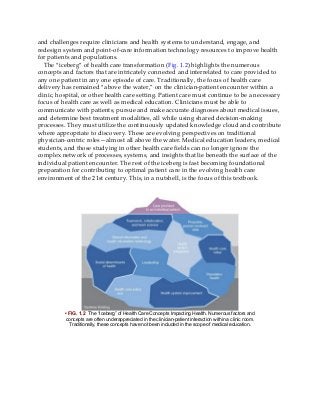
insurance. Medicare is a federally funded insurance program for individuals who are
older than 65 or who are younger than 65 and permanently disabled or diagnosed with
amyotrophic lateral sclerosis, end-stage renal disease, or a condition that resulted due to
a hazard exposure from an emergency declaration area after 2009.17 Since the patient in
this chapter’s example case is older than 65, she has qualified for Medicare.
There are multiple different components of Medicare. Part A will provide financial
coverage for inpatient stays. Part B will provide insurance for outpatient visits. Part C
allows individuals to get additional private insurance, which may give them even better
insurance coverage. Part D provides financial support for prescription drugs.17 It is not
unusual for individuals to have certain parts of Medicare but not all. Parts A and B of
Medicare are considered “original” Medicare, but part D is additional coverage that
requires an additional cost per month. Therefore, not all individuals can afford Part D
Medicare and may not receive insurance to help pay for prescription medications. This
is a substantial problem given that in 2015 the average annual cost of one drug used to
treat a chronic condition was $5807.00.31 The example case describes a common scenario
of a patient needing to apply for Medicare Part D in order to help cover the costs of
medications.
Separate from Medicare is Medicaid (Table 4.2). Medicaid is a jointly funded federal
and state insurance program. Americans who are parents with dependent children,
pregnant women, seniors, children, and individuals with disabilities who have incomes
below a certain threshold will be eligible for Medicaid. Each state is allowed to choose
its own threshold, which is some percentage below the federal poverty line.17 When the
Affordable Care Act was passed, it attempted to mandate an expansion of Medicaid to
any individual with an income less than 138% of the federal poverty level. However,
that was ruled to be unconstitutional, and therefore each state was allowed to decide
whether or not to expand Medicaid.32
TABLE 4.2
Medicare and Medicaid Compared
Medicare Medicaid
• Federal program
• Basically the same everywhere in the United States
• Run by the Centers for Medicare & Medicaid
Services
• Federal-state program
• Varies based on location
• Run by state and local governments
within federal guidelines
Insurance program Assistance program
Medical bills are paid from trust funds that those
covered have paid into
Paid for by public funds collected
through taxes
Serves primarily people over age 65 years
regardless of income. Also serves younger people
with disabilities and those with certain medical
conditions
Serves low-income people of every
age
Patients pay part of costs through deductibles.
Small monthly premiums are required for
nonhospital coverage
Patients usually pay no part of costs
for covered medical expenses. A
small copayment is sometimes
required
From: Department of Health and Human Services. What is the difference between Medicare and Medicaid? Available
at: https://www.hhs.gov/answers/medicare-and-medicaid/what-is-the-difference-between-medicare-
medicaid/index.html. Accessed November 7, 2019.
Alternative to state and federal insurance, many Americans receive insurance from
their employers via private insurance companies. Private insurance companies may
have a specifically defined network. The network is composed of hospitals and
ambulatory offices, including private practices, that have made contracts with that
specific insurance company for certain rates of reimbursement for each service
provided. An out-of-network provider would be a hospital or ambulatory office that
has no contract with that particular insurance company, potentially resulting in higher
costs. The cost of health care in the United States is covered in more detail in Chapter
14.
In an effort to combat rising costs, insurance companies have attempted several
different plan designs. Health maintenance organizations (HMOs) are insurance plans
that allow beneficiaries, or individuals with that insurance, to see only physicians who
are in-network. Primary care physicians may be assigned by the HMO, and access to
subspecialists is only via referral from a primary care physician. Alternatively,
preferred provider organizations (PPOs) are insurance plans that allow individuals to
see physicians who are out-of-network but at a higher expense than those physicians
who are in-network. In addition, referrals to subspecialists do not have to go through a
primary care physician. Medicare beneficiaries may be a part of an accountable care
organization (ACO), which is a group of health care providers that is accountable for
the quality, cost, and care of the beneficiaries.
Overall, it is not clear that any of these organizational structures actually improve
patient outcomes,33 but it is clear that individuals without insurance have significantly
worse health outcomes compared to those who do.30 While the number of uninsured
Americans has decreased since the Affordable Care Act, according to the United States
Census Bureau there remained over 28 million uninsured Americans in 2017.
D. Equipment
The patient is transferred from the hospital to the rehabilitation center via ambulance. A
discharge summary accompanies the patient. There is no communication between the hospital’s
electronic health record (EHR) and the rehabilitation center’s EHR.
The largest change in equipment in the health care setting in recent history has
undoubtedly been adoption of the EHR. With the passage of the Health Information
Technology for Economic and Clinical Health (HITECH) Act as part of the American
Recovery and Reinvestment Act of 2009, health care facilities in the United States were
mandated to transition away from paper medical records and to institute EHRs.
According to the National Center for Health Statistics, by 2017, 86.9% of office-based
physicians and 96% of hospitals used some sort of EHR compared to 34.8% and 50%,
respectively, in 2007.30 The hope was that the implementation of the EHR would be a
structural change that would significantly improve patient outcomes by reducing
medical errors made as the result of documentation that was sloppy and difficult to
track and transmit. However, the data are not clear. According to one systematic
review, EHRs improved the structure aspect of primary care clinics by eliminating
records that were illegible; however, it was not clear that any patient outcomes actually
improved.34
At this point, the systems thinker will likely see an emerging theme. While
advancements in one component of structure may be intended to have large, positive
effects on patient outcomes, without adjustments in other areas of structure or process
to help facilitate the change, the effects are likely to be limited.
III. Processes within the health care system
A. Transitions and coordination of care
At rehab, the patient has another fall. There is concern she may have re-fractured her hip. She is
transferred back to the hospital. An urgent consult is placed to orthopedic surgery, and surgery
is planned for the next morning at 7:00. The patient is admitted to the orthopedic surgery
service, with internal medicine as a comanagement service.
Comanagement is a model of care that allows surgical teams to take care of patients
with multiple medical issues and continue to remain the primary service for admitted
patients. In this type of care, the hospitalist follows the patient as a consultant
throughout the hospitalization but is permitted to place orders directly, based on an
agreement between departments. Such agreements also typically involve protocols for
common, high-risk situations, such as traumatic hip fractures in the elderly. In this
example, the hospitalist will not be limited to treating a particular medical issue from a
narrow consultation but rather will ensure that the patient’s multiple medical issues are
appropriately transitioned from outpatient, through the stress of surgery and recovery,
and back to outpatient again. At the same time, any acute issues that could have a
significant effect on surgical outcomes can be addressed. On the surgical side,
coordination of care between teams that typically work together is not fragmented. The
surgical team continues to have the same physical therapist, nursing staff, and care
coordination team members as it would normally. Various populations have shown
differing effects of comanagement, but typical benefits are shortened length of stay35-37
or increased likelihood of return to the community,38 and surgeon satisfaction.39
B. Shared decision making
After surgery, the patient recovers well. She did not like the rehabilitation center she was sent to
and requests to be allowed to go straight home. Her physicians and other health care
professionals express hesitation about her safety given her history of two serious falls. The
patient is steadfast that she will not go to a rehabilitation center, though she certainly
understands the risks of falling. She asks if she could go to her nephew’s house, where she can
receive 24-hour care and home physical therapy. The physician agrees to this plan.
Shared decision making is the process by which clinicians and patients “share the
best available evidence when faced with the task of making decisions, and where
patients are supported to consider options, to achieve informed preferences.”40 Shared
decision making has become a foundational component of patient-centered care over
the last 2 decades; however, it was not always a process that was part of the health care
system. Previously, paternalistic medicine, or physician-driven decision making, was a
more common practice. While there is significant debate about the role of medical
paternalism,41 there is no doubt that shared decision making is a process that is actively
present in today’s health care system. Future physicians and other health care
professionals will undoubtedly encounter scenarios, such as the one described in the
example case, in which shared decision making will be utilized.
As the patient prepares for discharge, the provider is working with the care coordinator and
social worker to ensure that home physical therapy is set up and that she will be able to afford all
her medications at discharge. The provider also speaks with the primary care physician to update
her on the patient’s condition.
C. Coordinated care
Coordination of care is a necessity. Physicians and other health care professionals are
working on interdisciplinary teams daily to ensure that patients’ medical care is
continued safely after moving from one medical setting to the next. As already
discussed, care coordinators, social workers, and patient navigators have been
integrated into innovations such as the patient-centered medical home to ensure that
these transitions between settings are successful. In addition, ACOs are now employing
care coordinators to help provide quality care and reduce costs. As of 2017, 76% of
ACOs had already implemented care coordinators as a strategy to help reduce costs,
and another 19% planned to implement care coordinators.42 The ACOs described the
top five reasons care coordinators were employed as (1) to follow up after hospital
discharge, (2) to coordinate with post–acute care providers, (3) to coordinate with
community resources (such as transport resources), (4) to coordinate with family and
caregivers, and (5) to schedule follow-up care.42 There is hope that significant
investment in coordinated care will produce a positive effect on health outcomes, but it
is not yet clear if that is the case.43-45
IV. Clinical microsystems
In addition to the basic structures and processes of care, health care professionals must
be able to visualize the delivery system as four levels, or as four concentric circles.
Patients (the population for whom the system is responsible) and their families are
appropriately in the center of this model. The subsequent levels (larger circles beyond
the center) are microsystems, mesosystems, and macrosystems (see Fig. 3.3). The
microsystem most familiar to patients is the team of physicians and other health care
professionals who provide care and support for patients in a clinic or during a
hospitalization. This clinical microsystem (commonly called the care team) typically
consists of physicians, nurses, therapists, and other professionals who directly contact
patients. These microsystems also include administrative support (desk staff,
secretaries) as well as the processes (e.g., ensuring results of laboratory tests are
provided to patients) needed to ensure good care. Mesosystems are the collection of
microsystems; they include the clinical programs and centers that are often part of
larger organizations. For example, there are often many individual microsystems or
care teams within one hallway of a larger mesosystem (outpatient family medicine
clinic). Macrosystems (such as hospitals, multispecialty group practices, and integrated
health systems) are the larger collection of mesosystems. The ideal is for patients to
interact with each level seamlessly as they engage the system from start to finish.
• FIG. 4.3 Patient’s View of the Health Care Encounter. Source: (Created by Stephanie R.
Starr, MD, and Robert E. Nesse, MD. Reprinted with permission.)
Consider this common example as a way to better understand one of many processes
in health care and the different levels of the system. A woman decides to contact her
primary care clinic because she has a new symptom and wants to schedule a visit with
her physician. She starts by calling the desk staff (or sends an Internet-based portal
message) to schedule an appointment. On the day of the appointment she is greeted by
a receptionist and escorted to a room by another team member, who often obtains vital
signs and clarifies the reason for the visit. Next, the physician conducts the office visit
and, if needed, orders additional tests and images or a consultation or both to make an
accurate diagnosis and appropriate treatment plan. If a prescription is written, the
patient next encounters the pharmacy team (another microsystem) to get information
regarding the drug and have the prescription filled. If her symptoms resolve, she may
not reconnect with the system until the next time she has a health concern or preventive
services are due. If tests are ordered, she needs to learn the results of the tests, and how
to best manage her condition and (if necessary) schedule follow-up care. If she requires
hospitalization, her physician will transfer her immediate care to an inpatient care team
(another new microsystem involved in her episode of care).
The steps in the process of contacting a primary care clinic to be seen for a visit, have
testing completed, fill a prescription, and make plans for follow-up care may appear
relatively straightforward to many patients. Fig. 4.3 is one representation of our
patients’ view of processes across our current health care system. However, health care
professionals and the nonclinical teams that constitute the mesosytems and
macrosystems of care delivery must cope with the complexity of the current system in a
way most patients do not see. Fig. 4.4 is one representation of the current health care
delivery system as seen by many individuals working within the system. This chaotic
flow diagram is representative of most current systems, which were not deliberately
designed and do not align with patient priorities or the Triple Aim. It is understandable
that the complex system represented by Fig. 4.4 often frustrates and baffles
professionals as they deliver care. Even where exemplary health care professionals or
microsystems exist, they are often not optimally integrated with other microsystems.
• FIG. 4.4 A System View of the Anatomy of Health Care. ICU, Intensive care unit; IP,
inpatient; IRF, inpatient rehabilitation facility; SNF, skilled nursing facility. Source: (Modified
with permission from Burton DA. The anatomy of healthcare delivery model: how a systemic
approach can transform care delivery. Health Catalyst; 2014. Available at:
https://www.healthcatalyst.com/anatomy-healthcare-delivery-model-transform-care.)
One common example is poor integration across microsystems during times of
patient handoffs (such as dismissal from the hospital team to the outpatient team or
from the emergency department to the intensive care unit). Those who receive care
must be supported as they navigate in this system or their care will suffer. While health
care will remain complex, those within the system can only improve it if the system is
oriented around patients. Health care professionals must work in multidisciplinary
teams to modify processes to center on patients and their quality of care. Chapter 7
provides more detail regarding methods used in process improvement.
Each microsystem has numerous processes or flows of work that are part of daily
work and routines. Health care improvement projects (discussed in detail in Chapter 7)
often focus on these processes of care, especially when decreased variation in the
process has been linked with better patient outcomes. Transitions of care processes
across clinical microsystems are particularly important to address to improve the
patient experience and identify and close gaps in care delivery. Many clinicians and
patients have experienced and understand typical transitions such as the transition
from hospital care to home care. These transitions often occur within an established
health care setting (e.g., from an emergency department to an intensive care unit).
Transitions also occur across health care settings (e.g., from a hospital inpatient unit to
the outpatient setting or from a provider visit to ongoing nonvisit care conducted
between patients and population health care teams). Patient-centered medical home
models also generate transitions between traditional health care, individual care
locations, and community partners (such as public health departments, schools, and
health clubs). Patients are often more vulnerable to errors and unsafe care by the system
during these times of transition due to poor exchange of information and the
complexity of transitions that accompany an integrated high-value health care system;
diligent attention is needed to deliver seamless care. New information systems such as
EHRs that share information simultaneously across multiple settings are increasingly
essential to prevent errors and duplication of work.
V. Future directions
Many have noted that physicians are progressively being asked to spend more time as
coordinators of the total care provided. In the short term, it is unlikely that this role, or
the time spent on coordination of care, will decrease. While many of the processes of
care, such as coordination of care, will always be a part of the clinician’s role, the
settings in which medical care is delivered may change significantly. In the past 10
years, the role of inpatient medicine has faced several experiments in care delivery. One
of the most promising has been “hospital at home,” a return to physician care models
from the early 20th century. In this style, a general practitioner, generally a hospital-
based physician, sees a patient in the emergency department and allows the patient to
go home to receive daily care, or if the patient worsens, to be transported to the
hospital. Similar to home health nursing or outpatient parenteral antimicrobial therapy,
there are significant benefits to having daily physician and nursing care in a patient’s
home: decreased risks of hospital-acquired infections, delirium, and falls. Multiple
small observational studies in select populations have shown safety, but large meta-
analyses46,47 have been limited due to significant variation in the studies. To date, this
remains an intervention on the vanguard of development.
Likewise, telemedicine, or medical care delivered virtually, continues to increase.
Telemedicine is particularly appealing because of its ability to bring medical care to
previously unreachable areas and the potential for it to help reduce health care costs.48
With the progression of telemedicine and innovations like the Hospital at Home,
developed by the Johns Hopkins University Schools of Medicine and Public Health and
tested at medical centers across the country, it is possible that the setting of health care
will return more toward patients’ homes, and away from physical offices.
VI. Chapter summary
The patient arrives at her nephew’s home. In the last 2 weeks, she has been cared for by 10
physicians, two advanced practice providers, one care coordinator, one social worker, and a dozen
nurses and physical therapists. She has received medical care in four different settings: a primary
care office, the hospital, the rehabilitation center, and her home. Through shared decision making
and coordination of care, she is on her way to a successful recovery.
In the Donabedian model, structures and processes combine to have effects on patient
health outcomes. Various structures and outcomes have been defined, but the
overarching theme has been that innovations in one component of the Donabedian
model are not necessarily sufficient to create a large, positive effect on health outcomes.
It is far more likely that by understanding each of the individual components, the
systems thinker can combine innovative components into a comprehensive model that
generates an innovative health care system—one that can improve outcomes for
patients across the United States.
Case study
You are working with a primary care physician. One of the patients you see that day has just
been discharged from the hospital 2 days prior. The patient is not clear what occurred during his
hospitalization, and he brings a discharge summary with him that states “Primary diagnosis:
atrial fibrillation—please discuss anticoagulation with PCP.” The patient asks you what
anticoagulation is and whether or not he needs it. You explain the reasoning behind
anticoagulation, and the risks and benefits, and after hearing from the patient that he does not
want frequent blood draws, you decide together to start apixaban. You inform the attending of
this conversation, who then talks with his care coordinator to ensure that the patient’s insurance
will cover the cost of apixaban.
Questions for further thought
1. This case study provides an example of paternalistic medical decision making.
True or False?
Answer: False. This case demonstrates shared decision making, which is a process in
the health care system that leads to management/treatment decisions. What would
this interaction look like if it was an example of paternalistic medical decision
making?
2. Explain why discussing this example case with a care coordinator is essential.
If the patient is unable to afford the medication, then he will not be able to take a
medication that could have significant positive effects on morbidity by preventing
stroke. Therefore, it is essential that the cost factor be explored prior to the patient
leaving the office. Consider how and in what situations you would work with a care
coordinator. When is a care coordinator necessary? When is a care coordinator not
needed?
3. The discharge summary is an example of a
a. Structure
b. Process
c. Outcome
d. A and B
Answer: D. The discharge summary is an example of communication between the
hospital clinician and the primary care physician, and therefore would be a process.
However, it is also a part of the EHR and therefore is a part of structure. Not all
components of a system may fit neatly into one category. Consider what other
components of the health system may fit into more than one category. How does
this change your view of these components?
4. Do you think this visit could have been completed via telemedicine?
It is possible that conversations like this could take place via telemedicine since they
do not necessarily require anything that has to be done in person, such as a physical
exam or labs. What do you think this visit would look like if it took place via
telemedicine? However, it is important to note that some patients may prefer in-
person visits.
ASK AN EXPERT ABOUT PRIVATE PRACTICE
Barbara McAneny, MD
What is independent (private) practice like?
An independent practitioner must want to be in charge of their own life and work. It
helps to have an entrepreneurial spirit, since you become an owner of a small business.
With the ability to design your work environment to best suit your patients and your
partners, you also gain direct responsibility for your own actions and your patients’
outcomes. Team-based care is more natural, since you select staff members who share
your vision, then train and collaborate with your employees to serve your patients
well. You have to trust your partners and share best practices, so that you know your
patients receive consistent care when you cover for one another. You have to treat
partners, staff, and patients the way you want to be treated.
Innovation is easier in an agile independent practice. I recognized that
hospitalizations related to side effects of treatment resulted in lower quality of life and
posed financial hardships for my patients. I created processes to intervene early in the
development of side effects and avoid hospitalizations. I realized that I was saving a lot
of money for the system, and I was able to frame those processes as the COME HOME
program. This garnered a financial award for health care innovation from the Centers
for Medicare & Medicaid Services and helped to change oncology practices of other
groups as well. That would never have happened if I didn’t have partners who trusted
me or if I had been bogged down getting approvals from hospital committees!
When you run your practice effectively, independent practice can offer your patients
several benefits. These doctors are readily accessible to their patients and know them
well, so patients may avoid visits to the emergency department for issues that can be
managed in the office, and handoffs between providers (a potential source of error) are
minimized. Independent practitioners are highly aware of the impact that accurate
documentation and preauthorization have on what insurers cover, so they are careful
to avoid having patients getting stuck with bills. Due to differences in reimbursement,
patient copays are often lower, hospital facility fees are avoided, and costs of testing
may be lower in the independent setting. You can refer patients to whomever you think
will do the best job and get along best with a given patient. If a patient has a financial
hardship, you can often write off copays or chose to deliver free care, as long as these
actions are in compliance with applicable insurance contracts. Such independence
allows you to form strong relationships with your patients and fosters a sense of
connection to your community.
You set your own priorities. Your salary as an independent practitioner is what you
earn after expenses. No one gives you raises or bonuses, you have to earn them. If you
want more money, work harder and take less vacation; if you want to have more
vacations, or if you want to reduce your caseload so you can spend more time with
each patient, be prepared to earn less. Other than licensure and insurance companies,
you only answer to your partners for your actions, and no one else. As a partner, you
gain equity in the practice, which has to be paid to you if you relocate or retire. You
also gain job security—you cannot be fired without a supermajority of the partners,
unlike contracted employment, which often has a surprisingly short-term termination
clause by which you can be fired without cause (for instance, if an organization is
downsizing). You can be creative and agile in advancing care delivery. If an
independent practice wishes to buy new equipment or add a new service, they just
evaluate their options, figure out if they can afford it (e.g., develop a business plan),
and then do it.
Do I need different skills in health systems science to be successful in
independent practice?
I think you have to like business to do a good job, but it grows on you! Developing
negotiation skills helps you to reach common decisions with your partners and to
contract effectively with affiliated health care systems and insurers; these skills are also
useful in your personal life. You will need an accountant to help with taxes and setting
up the cash flow, and an office manager to develop and monitor effective processes. If
you are joining an established practice these roles will already be in place, but it is
important to understand operations for yourself. These are similar skills that you
would need if you wanted to assume a management role in an academic department or
hospital.
There are lots of places to learn these skills—local medical societies, night courses,
the Medical Group Management Association, the AMA, and so on. Join groups of
practices in your specialty and share best practices. Participate in the Contractor
Advisory Committees so that you understand Medicare. Take a course on billing and
coding. I think it is wise to take some basic business courses—health law, accounting,
human resources. You don’t have to do it all at once, and you do not necessarily need
to pursue a degree. You certainly need to focus on leadership skills, since your
partners, staff, and patients are all relying on your vision and execution.
Essentially, independent practice is just that—you have greater independence (and
responsibility) to structure your part of the health care system to optimize the
experiences of your patients, your team, and yourself. If you have a vision about how
to provide better care to patients and their families, independent practice offers you the
flexibility and control to bring your ideas to fruition.
Barbara McAneny, MD, is a medical oncologist who served as the 173rd president of the
American Medical Association (AMA) from 2018 to 2019, has been a member of the AMA
Board of Trustees since 2010, and is the founder and board chair at the National Cancer Care
Alliance. McAneny is a managing partner of the New Mexico Cancer Center in Albuquerque,
where she pioneered the Community Oncology Medical Home (COME HOME) model to give
cancer patients medical services when and where they needed care, rather than when or where it
was convenient for the people providing the care. She has embraced her role in physician
leadership as the health care sector shifts from fee-for-service medicine to value-based care
models.
IS PRIVATE (SOLO OR GROUP) PRACTICE FOR YOU?
Russell W. H. Kridel, MD
As reimbursements decline, red tape and daunting regulations increase, and external
interferences interpose themselves between patients and their physicians, physicians
have to decide whether private (solo or group) practice is where they will blossom or
whether they might be happier in an employed model with a hospital or integrated
system. Whether in a private or an employed situation, physician burnout and
decreased practice satisfaction are major issues. Physicians spend more time in
complex documentation and administrative interactions and less time with patients,
despite the fact that more patients have multiple chronic diseases demanding face-to-
face physician-patient time.
Numerous surveys have shown that physicians have greater satisfaction in their
practice if they have enough time to spend with patients, have an impact on the health
of their patients, and retain autonomy in decision making with patients and in the
management of their practice circumstances. Physicians as a group do not want
policymakers or administrators to dictate medical decisions. Physicians know what will
work best for their patients. All physicians are losing some of that autonomy today and
feel somewhat powerless in coping with the red tape, regulations, and documentation
required by insurance companies and the government. Some of those administrative
hassles are diminished in an employed practice, but there is a great loss of autonomy as
administrators, deans, and hospitals control hours, numbers of patients seen, where
referrals go, whether or not purchases will be made, and the like. There may be a
guaranteed income/salary in an employed situation, but that can be ratcheted down
when contracts come up for renewal. And if the new figures are not favorable, a
noncompete clause can force the doctor to leave town rather than set up practice in the
same city.
Running a practice is not a walk in the park and requires attention to fine details as
well as keeping a focus on short- and long-term goals. But there are rewards for the
successful practice, and it’s not just financial; it’s what I call “freedom from arbitrary
power.” I have been in private practice for over 30 years, and I still enjoy what I do
immensely because of the autonomy that I have built into my practice. My colleagues
employed in academic centers or by hospitals voice to me the frustrations they meet
daily, where bureaucracy, resistance to change, slowness to act, and hesitance to
innovate are rampant. If I want to buy a special instrument or device in my private
practice, I don’t have to go through a committee and months of meetings before I get
the go-ahead. With online retailers, I can have that instrument or camera or device in
my office in just a few days. True, I am not insulated from the potential that the
purchase may not produce income, and true, the money left over to pay me at the end
of the month will be less—but the choice was mine.
In private practice, I am free to refer my patients to any doctors I choose in the
community based on their quality of care; I am not restricted to only refer to those in
my hospital or system. If I can get an MRI done for a patient for $500 in one
radiologist’s private office, I don’t need to send the patient to the hospital for an MRI
that costs the patient $2500! If I want to take 4 weeks’ vacation or take a day off next
month, I don’t need to ask permission and apply months in advance. On the other
hand, if the computer goes down, I have to pay to get it fixed.
In private practice, I can act quickly, and I live or die by my decisions. I can hire a
new employee or fire a nonproducing employee today. I can accept or reject an
insurance contract without having to agree with what the institution has decided. I can
correct an intraoffice system error today. My salary is determined by how hard I work;
once I have paid all the expenses, some months I may not earn as much as others. Yes, I
made many mistakes as I started out, but through trial and error and with training and
assistance from qualified practice managers, I have learned the wise tenets that make a
private practice thrive.
Sure, there are hassles in running a private practice, and it is true that most
physicians have little training in running a business, which is so important and integral
in a private practice setting. Success in practice involves so much more than expertise
in medicine. Just as we as physicians realize that lifetime education in our medical or
surgical disciplines is essential, we must keep up to date in recognizing and adapting
to the myriad of external changes foisted upon us by third-party payers, the federal
and state governments, and their legislators. We must learn from the successes of
consultants in medical and nonmedical fields who provide different perspectives that
can successfully be applied to medical practice models.
Teams in health care delivery work well in the hospital and in the office. Through
delegation of tasks and leveraging the abilities of nonphysician providers, a physician’s
time can be optimized. Similarly, to make a practice work, an office team must be
developed and coordinated, and all staff must have a feeling of ownership and mutual
respect. All employees must be superstars, and the selection process is key. Prospective
employees must have the passion, the personality, the initiative, and the desire to grow
and learn on the job. As the old adage goes, a great staff can make a mediocre physician
shine, and a mediocre staff can make a great physician look ordinary. There have to be
mission goals and action plans that all team members understand and embrace. In my
practice, we have weekly team meetings to briefly reiterate a few of our guiding
principles on a rotating basis so we all maintain a clear picture of our obligations to
patients, their safety, their satisfaction, and our practice goals.
In private practice, many decisions need to be made but you make the call, not
someone else—not the dean or department chair if you are in academics and not the
administrator if you are working for the hospital. Some of the administrative demands
created by external regulations are daunting and resource-intensive for an independent
practice. The AMA advocates for physicians and provides resources to help physicians
understand regulatory requirements. Interactive practice transformation tools such as
the AMA’s Steps Forward (https://edhub.ama-assn.org/practice-transformation-topics)
provide pragmatic tips for successful practice management.
For me and for many, the freedom that private practice affords and the autonomy it
preserves are more than enough reason to not be employed by a system that tells me
what to do and makes medical decisions for my patients.
Russell W. H. Kridel, MD, is a Houston-based double board-certified facial plastic and
reconstructive surgeon in private practice with more than 30 years of experience. Dr. Kridel
serves as a clinical professor of the Division of Facial Plastic Surgery at the University of Texas,
Houston, and is a past president of the American Academy of Facial Plastic and Reconstructive
Surgery (AAFPRS). He serves on the American Medical Association (AMA) Board of Trustees
and is secretary of the board, which places him on the Executive Committee. In Texas Dr. Kridel
has held numerous leadership positions at the state and local levels.
Dr. Kridel’s interests have always been community-oriented. In 1995 Dr. Kridel founded The
Face Foundation, which provides surgical care at no fee to financially disadvantaged individuals
who are survivors of domestic violence. During his tenure as president of the Harris County
Medical Society, Dr. Kridel created the Committee on Personal Responsibility and the “Shut
Out Sugar” campaign to support physicians in addressing obesity. He also served for 2 years as
president of the Texas Medical Association Foundation, which has improved outcomes for many
through its immunization programs, science teacher awards, and minority scholarships.
Annotated bibliography
Askin E, Moore N. The Health Care Handbook A Clear and Concise
Guide to the United States Health Care System 2012; Washington
University in St Louis St Louis, MO.
A concise guide of critical terminology for understanding health care
structures.
Baker DW, Sudano JJ, Albert JM, Borawski EA, Dor A. Lack of health
insurance and decline in overall health in late middle age N Engl J Med
15, 2001;345: 1106-1112.
This article defines the increased risk of patients without insurance.
Donabedian A. Evaluating the quality of medical care Milbank Q 3,
1966;44: 166-206.
This is the seminal work in which Dr. Donabedian outlines the model that
drove the modern health care quality movement.
Kohn LT, Corrigan JM, Donaldson MS. To Err Is Human Building a
Safer Health System 2000; National Academies Press Washington,
DC.
This is the definitive work that pushed health care providers and settings to
consider that they themselves were contributing to poor health outcomes.
References
1. Ayanian JZ, Markel H. Donabedian’s lasting framework for health care
quality N Engl J Med 3, 2016;375: 205-207.
2. Donabedian A. Evaluating the quality of medical care Milbank Q 3,
1966;44: 166-206.
3. Wachter RM, Goldman L. The emerging role of “hospitalists” in the
American health care system N Engl J Med 1996;335: 514-517.
4. Wachter RM, Goldman L. Zero to 50,000—the 20th anniversary of the
hospitalist N Engl J Med 11, 2016;375: 1009-1011.
5. Meltzer D, Manning WG, Morrison J. et al. Effects of physician
experience on costs and outcomes on an academic general medicine service
results of a trial of hospitalists Ann Intern Med 11, 2002;137: 866-874.
6. Auerbach AD, Wachter RM, Katz P, Showstack J, Baron RB,
Goldman L. Implementation of a voluntary hospitalist service at a
community teaching hospital improved clinical efficiency and patient
outcomes Ann Intern Med 11, 2002;137: 859-865.
7. Goodwin JS, Lin YL, Singh S, Kuo YF. Variation in length of stay and
outcomes among hospitalized patients attributable to hospitals and
hospitalists J Gen Intern Med 3, 2013;28: 370-376.
8. Lindenauer PK, Rothberg MB, Pekow PS, Kenwood C, Benjamin
EM, Auerbach AD. Outcomes of care by hospitalists, general internists,
and family physicians N Engl J Med 25, 2007;357: 2589-2600.
9. Stevens JP, Nyweide DJ, Maresh S, Hatfield LA, Howell MD,
Landon BE. Comparison of hospital resource use and outcomes among
hospitalists, primary care physicians, and other generalists JAMA Intern
Med 12, 2017;177: 1781-1787.
10. Kohn LT, Corrigan JM, Donaldson MS. To Err Is Human Building a
Safer Health System 2000; National Academies Press Washington,
DC.
11. Menchine MD, Wiechmann W, Rudkin S. Trends in midlevel provider
utilization in emergency departments from 1997 to 2006 Acad Emerg
Med 10, 2009;16: 963-969.
12. Bureau of Labor Statistics. Physician assistants Available at
https://www.bls.gov/ooh/healthcare/physician-assistants.htm
Updated September 4, 2019; Accessed November 6, 2019.
13. American Association of Nurse Practitioners. NP fact sheet
Available at https://www.aanp.org/about/all-about-nps/np-fact-
sheet Updated August 2019; Accessed November 6, 2019.
14. Mundinger MO, Kane RL, Lenz ER. et al. Primary care outcomes in
patients treated by nurse practitioners or physicians a randomized trial
JAMA 1, 2000;283: 59-68.
15. Kleinpell RM, Ely EW, Grabenkort R. Nurse practitioners and
physician assistants in the intensive care unit an evidence-based review
Crit Care Med 10, 2008;36: 2888-2897.
16. Bauer JC. Nurse practitioners as an underutilized resource for health
reform evidence-based demonstrations of cost-effectiveness J Am
Acad Nurse Pract 4, 2010;22: 228-231.
17. Askin E, Moore N. The Health Care Handbook A Clear and Concise
Guide to the United States Health Care System 2012; Washington
University in St Louis St Louis, MO.
18. Genworth Financial. Cost of Care Survey 2019 Available at
https://www.genworth.com/aging-and-you/finances/cost-of-
care.html Published 2019; Accessed November 6, 2019.
19. Edelman TS. Center for Medicare Advocacy. Inpatient rehabilitation
facilities and skilled nursing facilities vive la difference Available at
https://www.medicareadvocacy.org/inpatient-rehabilitation-
facilities-and-skilled-nursing-facilities-vive-la-difference/ Published
July 31, 2014; Accessed November 6, 2019.
20. MedPac. Post-acute care Available at
http://www.medpac.gov/docs/default-source/data-
book/jun17_databooksec8_sec.pdf 2019; Accessed November 6.
21. Centers for Disease Control and Prevention. Table 89. hospitals,
beds, and occupancy rates, by type of ownership and size of hospital
United States, selected years 1975–2014 Available at
https://www.cdc.gov/nchs/data/hus/2016/089.pdf 2019; Accessed
November 6.
22. Centers for Disease Control and Prevention. Table 82. hospital
admission, average length of stay, outpatient visits, and outpatient
surgery, by type of ownership and size of hospital United States,
selected years 1975–2015 Available at
https://www.cdc.gov/nchs/data/hus/2017/082.pdf 2019; Accessed
November 6.
23. Green LA, Fryer GE Jr, Yawn BP, Lanier D, Dovey SM. The ecology of
medical care revisited N Engl J Med 26, 2001;344: 2021-2025.
24. Kane CK. Updated Data on Physician Practice Arrangements Physician
Ownership Drops Below 50 Percent. Policy research perspectives
2017; American Medical Association Chicago, IL.
25. Khullar D, Burke GC, Casalino LP. Can small physician practices
survive Sharing services as a path to viability JAMA 13, 2018;319:
10321-10322.
26. Meyers DS, Clancy CM. Primary care too important to fail Ann
Intern Med 4, 2009;150: 272-273.
27. Schroeder SA. We can do better—improving the health of the American
people N Engl J Med 12, 2007;357: 1221-1228.
28. Jackson GL, Powers BJ, Chatterjee R. et al. The patient-centered
medical home a systematic review Ann Intern Med 3, 2013;158: 169-
178.
29. National Committee for Quality Assurance. Patient-centered
specialty practice (PCSP) recognition Available at
https://www.ncqa.org/programs/health-care-providers-
practices/patient-centered-specialty-practice-recognition-pcsp/ 2019;
Accessed November 6.
30. Rich E, Lipson D, Libersky J, Parchman M. Coordinating Care for
Adults with Complex Care Needs in the Patient-Centered Medical Home
Challenges and Solutions 2012; Agency for Healthcare Research and
Quality Rockville, MD.
31. National Center for Health Statistics. National Health Care Surveys.
Published June 2019 Available at
https://www.cdc.gov/nchs/data/factsheets/factsheet_nhcs.pdf 2019;
Accessed November 6.
32. Rosenbaum S, Westmoreland TM. The Supreme Court’s surprising
decision on the medicaid expansion how will the federal government
and states proceed Health Aff (Millwood) 8, 2012;31: 1663-1672.
33. Barnes AJ, Unruh L, Chukmaitov A, van Ginneken E. Accountable
care organizations in the USA types, developments and challenges
Health Policy 1, 2014;118: 1-7.
34. Holroyd-Leduc JM, Lorenzetti D, Straus SE, Sykes L, Quan H. The
impact of the electronic medical record on structure, process, and outcomes
within primary care a systematic review of the evidence J Am Med
Inform Assoc 6, 2011;18: 732-737.
35. Macpherson DS, Parenti C, Nee J, Petzel RA, Ward H. An internist
joins the surgery service J Gen Intern Med 8, 1994;9: 440-444.
36. Phy MP, Vanness DJ, Melton LJ. et al. Effects of a hospitalist model on
elderly patients with hip fracture Arch Intern Med 7, 2005;165: 796-801.
37. Rohatgi N, Loftus P, Grujic O, Cullen M, Hopkins J, Ahuja N.
Surgical comanagement by hospitalists improves patient outcomes Ann
Surg 2, 2016;264: 275-282.
38. Walke LM, Rosenthal RA, Trentalange M. et al. Restructuring care for
older adults undergoing surgery preliminary data from the Co-
Management of Older Operative Patients En Route Across
Treatment Environments (CO-OPERATE) model of care J Am
Geriatr Soc 11, 2014;62: 2185-2190.
39. Huddleston JM, Long KH, Naessens JM. et al. Medical and surgical
comanagement after elective hip and knee arthroplasty a randomized,
controlled trial Ann Intern Med 1, 2004;141: 28-38.
40. Elwyn G, Laitner S, Coulter A, Walker E, Watson P, Thomson R.
Implementing shared decision making in the NHS BMJ 2010;341: c5146.
41. Drolet BC, White CL. Selective paternalism AMA J Ethics 7, 2012;14:
582-588.
42. de Lisle K, Litton T, Brennan A, Muhlestein D. The 2017 ACO
Survey what do current trends tell us about the future of
accountable care? Health Affairs Blog Available at
https://www.healthaffairs.org/do/10.1377/hblog20171021.165999/full/
2017; Accessed November 7, 2019.
43. Baker DP, Day R, Salas E. Teamwork as an essential component of high-
reliability organizations Health Serv Res 4 Pt 2, 2006;41: 1576-1598.
44. Bosch M, Faber MJ, Cruijsberg J. et al. Effectiveness of patient care
teams and the role of clinical expertise and coordination Med Care Res
Rev suppl 6, 2009;66: 5S-35S.
45. Lemieux-Charles L, McGuire WL. What do we know about health care
team effectiveness? A review of the literature Med Care Res Rev 3,
2006;63: 263-300.
46. Shepperd S, Doll H, Angus RM. et al. Admission avoidance hospital at
home Cochrane Database Syst Rev 2008;4: CD007491.
47. Sriskandarajah S, Hobbs J, Roughead E, Ryan M, Reynolds K. Safety
and effectiveness of “hospital in the home” and “outpatient parenteral
antimicrobial therapy” in different age groups a systematic review of
observational studies Int J Clin Pract 2018; e13216.
48. Hjelm N. Benefits and drawbacks of telemedicine J Telemed Telecare 2,
2005;11: 60-70.
Value in health care
Neera Agrwal, MD, PhD, Steven Yuen, MD, Natalie Landman, PhD
CHAPTER OUTLINE
I. Introduction to Value in Health Care, 65
II. Knowledge and Education Gaps in High-Value Care, 65
III. Defining Value, 66
IV. Value From Stakeholders’ Perspectives, 67
V. Assessing the Current Value of US Health Care, 70
A. Outcomes, 70
B. Safety, 70
C. Service, 71
D. Cost of Care, 71
VI. Key Attributes of a High-Value Health Care System, 72
VII. Barriers to High-Value Care, 73
A. Conflicting Stakeholder Incentives, 73
B. Lack of Shared Reality, 74
C. Poor Integration and Coordination, 74
D. Inadequate Education of Health Care Professionals, 74
E. Serial Nature of Health Insurance Coverage in the United States, 75
F. Perverse Provider Reimbursement Structures, 75
VIII. What Can Health Care Professionals Do to Promote High-Value Care?,
76
A. Identify and Classify Value Gaps, 76
B. Understand the Benefits, Harms, and Relative Costs of Interventions, 76
C. Decrease or Eliminate the Use of Interventions That Provide No Benefit,
May Be Harmful, or Both, 77
D. Choose Interventions and Care Settings That Maximize Benefits,
Minimize Harms, and Reduce Cost, 77
E. Customize Care Plans With Patients That Incorporate Their Values and
Address Their Concerns, 78
F. Identify System-Level Opportunities to Improve Outcomes, Minimize
Harms, and Reduce Health Care Waste, 78
IX. Chapter Summary, 79
In this chapter
Value in health care is a strategic priority in the United States. All members of
society want a health system that provides care that is highly effective, safe,
patient centered, and affordable. This chapter defines value in health care,
explores what value means to all stakeholders in society, and discusses the
barriers to high-value health care. While on average the US health care system
falls short on value, many institutions and health care systems in the United
States are championing high-value initiatives. This chapter highlights some of
these high-value systems that are providing much-needed innovations in the
field of health care delivery and strategies physicians can use to promote high-
value care.
Learning Objectives
1. Explain the concept of value and how it applies to health care.
2. Review the essential components of a high-value health care system.
3. Summarize the current state of value in US health care.
4. Discuss key barriers to patient-centered, high-value health care.
5. List strategies physicians can use to promote high-value care.
“Achieving high value for patients must become the overarching goal of health care
delivery. This goal is what matters for patients and unites the interests of all actors in the
system. If value improves, patients, payers, providers, and suppliers can all benefit while the
economic sustainability of the health care system increases.”
—Michael Porter, PhD1
I. Introduction to value in health care
As described in Chapter 3, payment for health care is moving from the traditional fee-
for-service and volume-based reimbursement to one that is value based, in part because
of mandates from the Department of Health and Human Services. The National
Academy of Medicine (NAM; formerly called the Institute of Medicine, or IOM) has
defined high-value care (HVC) as the “best care for the patient, with optimal results for
the circumstances, delivered at the right price.”2 All health care stakeholders want
HVC, regardless of whether they are patients, health care professionals, health care
delivery institutions, or payers. Therefore HVC needs to span the full health care
continuum from the macrosystem (national and local health care systems) to the
microsystem (the team providing care at the individual patient level). Much of medical
training and practice has historically focused on acquiring medical knowledge, ordering
and interpreting tests, and prescribing medications. With the ongoing changes in the
health care delivery environment described in Chapter 3, there is a growing call for
HVC education models and competencies for health professions training.
II. Knowledge and education gaps in high-value
care
In order to improve value in health care delivery, we must improve the education for
those providing health care. Gaps in this knowledge base exist throughout the spectrum
of health care professionals and across the continuum of physician training. The gaps in
undergraduate medical education and graduate medical education have been widely
recognized and are described by Skochelak3 and others. Fifteen US and Canadian
reports published over a decade uniformly called for a significant change in education
practice to align with the goals of high-value health care delivery. The gaps in HVC
education have become wider over time as the pace of change in medicine becomes
steeper, and educators are working to modernize their curricula.4
Ryskina and colleagues conducted a survey of US internal medicine residents’
knowledge of HVC. While the residents felt they were aware of the principles of HVC,
only one in four reported knowledge of cost information, and fewer than one-half
discussed costs of care with patients.5 A study from Kaiser Permanente surveyed
leaders regarding the ability of newly graduated physicians within their divisions to
practice within a highly organized care delivery system. The survey included
competence in care coordination, continuity of care, clinical information technology,
leadership, management skills, and systems thinking. Thirty percent to 50% of those
surveyed felt that this cohort of physicians showed significant deficiencies in these core
competencies, indicating a lack of training in health systems science in graduate
medical education.6
The training environment appears to be critical in the development of physicians who
can practice HVC. Sirovich and colleagues assessed the ability of first-time test takers of
the American Board of Internal Medicine certifying examination to recognize HVC
practices. They noted that internists trained in lower-intensity medical practice regions
were more likely to recognize when conservative management was appropriate,
although they remained capable of choosing appropriate aggressive therapies when
indicated.7 A similar analysis by Chen and coworkers demonstrated that physician
training location and local practice patterns determined how physicians spent resources
throughout their careers. Those who trained in lower-spending regions continued to
spend up to 7% less during the first 15 years of their practice, compared to their
counterparts who trained in higher-spending regions. This difference did decrease with
time, and by 16 to 19 years of practice, there appeared to be no spending differential.8
Ryskina and associates found that one determinant of internal medicine resident
trainees who participated in HVC practices was their institutional leaders’ investment
in and support of HVC teaching. Those residents who trained in a program with a
formal HVC curriculum were more likely to report involvement in HVC quality
improvement (odds ratio, 1.83). Likewise, residents were more likely to discuss HVC
principles such as harms, benefits, and cost of care if the faculty had undergone training
in HVC faculty development (odds ratio, 1.21).9 The influence of learning environment
and awareness of HVC practices is observed at the undergraduate medical education
level as well. Leep Hunderfund and colleagues surveyed 3395 medical students,
examining their attitudes toward cost-conscious care. They found that 90% of the
students believed containing costs is the responsibility of the physician, although many
also reported barriers in doing so. Not surprisingly, students who trained in regions of
higher health care intensity (defined by medical specialty visits as well as
hospitalization days) also reported observing fewer cost-conscious role-modeling
behaviors in their mentors.10 These studies underscore the importance of training health
care professionals early in their careers about health care policy, health care costs and
financing, and the financial burdens to patients and society.
Another key message in health professions training should be that HVC is not simply
a formula for cost containment. It is a recipe for improved health care outcomes.11,12 The
Accreditation Council for Graduate Medical Education has defined six general
competency domains for physician education: medical knowledge, patient care,
professionalism, interpersonal and communication skills, practice-based learning and
improvement, and systems-based practice. Weinberger proposed that providing high-
value, cost-conscious care should be a critical seventh general competency for physician
training.13
Educating health care professionals to provide HVC is not a simple task, in part
because it requires mastery of many competencies. The University of California, San
Francisco, Center for Healthcare Value Training Initiative proposed 21 competencies in
health care value that should be considered in the education of all health care
professionals. These are defined by learner levels and include the core principles of
health care delivery, financing, and organizations.14 The American Hospital Association
noted “that to work in a reformed health care environment, physicians need to develop
skills to both lead and facilitate a care team, understand and use systems theory and
information technology to improve quality and patient safety.”15 In order to meet these
goals, the American Hospital Association recommends lifelong learning in HVC,
starting in the medical school curriculum and continuing through residency and
postgraduate practice.
One such curriculum that spans the entire educational and practice career has been
developed as a collaborative effort by the Alliance for Academic Internal Medicine
(AAIM), the American Board of Internal Medicine, and the American College of
Physicians (ACP).16 The AAIM-ACP HVC curriculum was launched in 2012, and
although initially intended for internal medicine residents and fellows, it has been
adapted for medical students and practicing physicians and could serve as a model for
additional health care professionals. Other institutions are moving forward with
curricula that address rising health care expenditures,17 suboptimal health care metrics,
overtesting, and shared decision making.18 McDaniel and coworkers published a high-
value rounding tool that may be used in teaching HVC principles at the bedside. Using
a Delphi method, the authors identified 10 items that may be discussed at the bedside to
promote HVC topics that focus on both costs of care and patient-centered goals.19 As
eloquently stated by Parikh and associates, “Tomorrow’s physicians will find it difficult
to serve their patients and the public without understanding the economic effects of
their decisions on all stakeholders.”20
III. Defining value
Individuals expect value in their lives, whether buying consumer goods, such as a car,
or purchasing a service from an airline or hospital. While some have argued that it is
impossible to measure value in health care, there is increasing recognition that it can be
measured and improved.
What constitutes high-value health care, and how is it defined? A widely accepted
approach was proposed by the NAM in 2001 and includes six health system goals.
Health care should be safe, timely, effective, efficient, equitable, and patient centered
(STEEEP)21:
• Safe: Medical errors account for between 44,000 and 98,000 deaths per year,22
and there is much room for improvement. Avoiding injuries to patients and
eliminating medical errors is a crucial component of any high-value system.
• Timely: Patients should be able to access care as expeditiously as possible, with a
premium set on reducing waiting times and potentially harmful delays in both
evaluation and treatment.
• Effective: Health care organizations should provide the most up-to-date services
following established guidelines and best practices. These services should be
evidence based. Care that does not provide a clear benefit should be withheld to
avoid unintended harm.
• Efficient: Waste in US health care is an important issue, with some estimates
ranging between $500 billion and $900 billion of wasteful care provided each
year.23 Avoiding duplication and other sources of wasted equipment, supplies,
and other resources is crucial to improving quality.
• Equitable: Care should be provided without prejudice to all patients regardless of
individual characteristics such as gender, ethnicity, socioeconomic status,
geographic location, or sexual orientation.
• Patient centered: Patients should be at the center of decisions affecting their
health and well-being. Care should be taken to ensure that individual patient
preferences and values are accounted for at each step in the decision-making
process. Consumer-directed values of accessibility, service, effectiveness, and
costs should be upheld whenever possible.
A system that is able to improve care in all of these domains will go a long way
toward achieving HVC. As the NAM stated:
A health care system that achieves major gains in these six areas would be far better
at meeting patient needs. Patients would experience care that is safer, more reliable,
more responsive to their needs, more integrated, and more available, and they
could count on receiving the full array of preventive, acute, and chronic services
that are likely to prove beneficial. Health care professionals would also benefit
through increased satisfaction from being better able to do their jobs and thereby
bring improved health, greater longevity, less pain and suffering, and increased
personal productivity to those who receive their care.21
The formidable goals put forth by the NAM have since been distilled into an
actionable framework, known as the Triple Aim, by the Institute for Healthcare
Improvement (IHI)24:
1. Improve the health of a defined population.
2. Enhance the patient care experience, including quality, access, and reliability.
3. Control and reduce the per capita cost of care.
The Triple Aim in practice would support a defined population, with a system
optimized to do so. The system would provide coordinated care for individuals in the
population, with access to up-to-date knowledge and evidence on effective care. The
costs of doing so should be transparent, especially the costs over time both for the
individual and for the population.
After establishing what kind of health care is desired by all (NAM STEEEP), as well
as the high-level tactics to get there (Triple Aim), a common framework is needed to
translate the vision and aspirations into a set of measures to (1) determine the size of the
gap between the current and desired states, (2) create a plan for closing this gap, and (3)
monitor the progress on the path toward a high-value health care system for all. This is
where the concept of a value equation becomes particularly useful. While the specific
metrics to measure value will vary depending on whose perspective is considered (e.g.,
patient, payer, provider) and the exact population of patients in question (e.g., asthma
patients vs. diabetes patients), in the simplest terms, value can be defined as quality
relative to costs.
Fig. 5.1 shows an example value equation. Quality forms the numerator of the
equation and has at least three key elements: outcomes, safety, and service. Each of
these elements is a multidimensional term that can include a variety of specific metrics
that reflect stakeholder perspectives and the population of patients being addressed:
• Outcomes may include patient mortality, complications, functional status, and
workplace productivity or consistent school attendance. The measures that fall
under this term aim to capture the “effective” and “patient-centered”
components of the NAM STEEEP vision. “Equitable” care also implies the goal
of similar outcomes regardless of social determinants of health or other factors
known to negatively impact health equity.
• Safety, one of the most important determinants of HVC, may include metrics
such as infection rates, accidental falls, and medication errors. The measures
included here are meant to reflect the “safe” component of STEEEP.
• Service may include patient satisfaction; waiting times to be seen by a given
health care provider; access to a physician, a given treatment, or a procedure;
and access to affordable insurance. The “timely” and “equitable” care
components of STEEEP are reflected in the measures that fall under the service
term of the value equation.25 “Efficient” is represented because service also
includes minimizing unnecessary use of resources (including patient time).
• FIG. 5.1 The Value Equation. Source: (Included with permission from Dr. Denis Cortese,
Mayo Clinic Health Policy Center.)
The denominator of the value equation, “total cost,” can be defined in various ways,
for example, per line item of service, per visit, per episode, per disease, or per year.
However, to determine greatest value, cost must be defined as the total amount spent
per patient over the length of the condition being treated. This long-term view is
essential, as in some instances higher costs in the short term actually lead to lower
overall costs of treatment. Thus value in health care is defined as quality achieved per
dollar spent for the entire course of the disease over time.
The following are examples of HVC that have initial higher costs but lead to higher
quality and lower overall costs in the long term26:
• At the Intermountain Medical Group, outpatient mental health care is combined
with primary care. Primary care physicians are empowered to provide
treatment for more common mental health conditions such as mild or moderate
depression, and several types of mental health professionals are integrated into
primary care practices. Patients receive coordinated behavioral care, leading to
improved outcomes. Although costs are higher up front, overall costs are lower
due to reductions in emergency department visits and other care.
• The Mayo Clinic studied teams who analyze pathology evaluations of frozen
specimens during breast cancer surgery to ensure that surgical margins are
cancer free. While this process adds time in the operating room initially, it may
prevent a second surgery. In a study of breast cancer lumpectomy surgery at 5
years after the procedure, the 30-day reoperation rate was 3.6% at the Mayo
Clinic, compared with 13.2% nationally. Short-term costs were higher but
overall costs were lower, thus promoting HVC.
• The MedStar House Call Program (MSHP) is a mobile care intervention that
provides a “single, comprehensive source of home-based medical and social
services for frail elders and their families” in the Washington, DC area. Core
MSHP services include home-based primary care, 24/7 on-call medical staff,
physician continuity to the hospital, intensive social services, and coordination
of needed specialty and ancillary services. Despite intensive (and thus higher-
cost) primary care services, a comparison of MSHP patient outcomes and
overall costs with a matched set of controls showed that MSHP patients have
similar survival outcomes at a 17% lower cost than control elders.27
The Centers for Medicare & Medicaid Services (CMS) Hospital Value-Based
Purchasing Program uses a version of the value equation, with very similar dimensions
(clinical care ≈ outcomes, safety ≈ safety, patient- and caregiver-centered experience of
care ≈ service, efficiency and cost reduction ≈ total cost) to determine the value of care
provided by a given hospital and, consequently, the size of the year-over-year update in
hospital payments28 (Box 5.1).
• BOX 5.1
Value-Based Health Care vs. Cost-Effectiveness Analysis
As high-value care (HVC) becomes a more prominent feature of the US health care
system, it is often conflated with cost-effectiveness, a relative value analysis of different
medical interventions. While both concepts focus on determining what we get
(outcomes) for the money spent (cost), there are some key differences that warrant
clarification. Those differences include the types of costs and outcomes considered by
each approach but also, and most importantly, the frame of reference that characterizes
each approach. As stated by Tsevat and Moriates, “CEA [cost-effectiveness analysis]
generally considers costs and benefits from the societal or health care sector
perspectives, whereas HVC is intended to adopt the patient perspective. As such, CEA
is intended to inform coverage decisions at a group or population level and HVC is
intended to be implemented at the level of clinician–patient interactions.”29 A detailed
comparison between the two approaches is provided in their article (“Value-Based
Health Care Meets Cost-Effectiveness Analysis”).
IV. Value from stakeholders’ perspectives
Physicians and other health care professionals who strive to provide HVC must
consider the perspectives of the various stakeholders in the health care system. The
health care system is a large ecosystem, ranging from the macrosystem to the local
microsystem. An action by a specific entity in the system, whether a provider, a payer,
or the patient, may lead to outcomes affecting quality and cost and have an effect on
other stakeholders. Given the currently fragmented nature of the US health care system,
the integration across components of the system is not optimized. The lack of synergy
across systems means the definition of health care value can vary widely depending on
whose perspective is being considered.30
Who are the players in our health care system, and what do they value? The health
care system can be defined as a complex, intertwined organism comprising five key
domains (Table 5.1). The knowledge domain includes research and education.
Stakeholders include a variety of institutions, including universities, research institutes,
academic medical centers, and pharmaceutical and medical device manufacturers, as
well as the agencies that fund their activities, such as the National Institutes of Health.25
Maximizing return on investment by these organizations can contribute to increasing
health system costs.
TABLE 5.1
The Five Domains of Health Care
AHRQ, Agency for Healthcare Research and Quality; ATSDR, Agency for Toxic Substances and Disease Registry;
CDC, Centers for Disease Control and Prevention; FDA, Food and Drug Administration; HRSA, Health Resources
and Services Administration; IHS, Indian Health Service; NIH, National Institutes of Health; SAMHSA, Substance
Abuse and Mental Health Services Administration.
Reprinted with permission from Dr. Natalie Landman and Dr. Denis Cortese.
The care delivery domain is the primary place where patients and their families reside.
It includes the broad range of health care professionals and institutions across the
patient care continuum, from primary care to postacute and long-term care. In defining
value, the patient’s perspective includes outcomes of mortality, survival, complications,
return to normal activity, and access to care. The health care professional is concerned
with mortality, survival, complications, and patient satisfaction. Neither group has
historically focused on the cost of care, although awareness of costs of care is changing
as patients share an increasingly higher proportion of costs as out-of-pocket payments
for health care.
The primary function of the payer domain is to pay for health care services provided; it
includes individuals, private insurance companies, employers, and state and federal
government agencies. Private payers want to keep the bottom line solvent, as many
must report to stockholders, while self-insured employers look for satisfied employees
and their rapid return to work, as well as a healthy bottom line.
The medical-legal domain, which includes the malpractice system, often exists in an
adversarial relationship with the care delivery domain. Although this domain often
may serve a watchdog function, under the current structure it also has the ability to
profit from the health system’s mistakes.
Finally, the regulatory domain, the domain of legislative enactment and associated
administrative interpretation, derived from national, state, and local actions, exerts a
powerful influence across the other domains. Regulatory efforts may increase or
decrease costs, sometimes through unintended or unanticipated consequences.
Although understanding the value from the perspective of all stakeholders in the
health care system is important, the most important perspective to be considered is that
of the patient. Thus defining value (and paying for value) requires measuring what
actually matters to patients.31 Ideally, a high-value health care system would identify
each individual’s priorities and measure the extent to which these priorities are met.
Despite the need for a patient-centric definition of HVC, the vast majority of current
quality metrics reflect professional standards. For example, outcomes of interest to
people living with frailty or advanced illnesses may not be well represented in the
current set of quality metrics used by the CMS. Among the elderly, priorities include
maximizing physical comfort, avoiding delirium, receiving care at home, maintaining
independence, and maintaining relationships with family and friends. Younger
disabled persons may have a different set of priorities: restoring function, returning to
work, earning a living, supporting a family, and being in control of their own lives.
Thus HVC may be a moving target and must be defined for each patient in a manner
that meets his or her needs.
Case study 1: Direct contracting
Data from the National Business Group on Health reveal that the average annual cost of
health care coverage per employee continues to rise at a consistent rate of 5% per year.32
Consequently, several alternative models of care have arisen in an effort to maximize
value and trim unnecessary expenditures. One such model is direct contracting,
wherein self-insured employers and provider organizations directly negotiate the terms
under which health care is provided to an employer’s beneficiaries and dependents,
bypassing traditional commercial payers. These arrangements may be limited to specific
high-cost and high-volume services, such as joint replacement, or may involve the
entire spectrum of health care services for a given patient population.33
These direct health system–to-employer contracts allow for the design and delivery of
health care in ways that maximize value for patients and purchasers (employers). By
changing provider incentives away from fee-for-service and reducing the
administrative burden of billing and preauthorization for every diagnostic or
therapeutic decision, this model affords providers with the flexibility to practice in a
patient-centered manner. Providers are free to deploy the most appropriate services and
health care providers to achieve the best patient outcomes at the most reasonable costs.
In turn, health care organizations are assured a group of beneficiaries with a known and
predetermined health risk profile, allowing them to more accurately forecast costs and
anticipate the health care needs of a particular population.34
According to the National Business Group on Health, only 3% of employers currently
use direct contracting. However, this model is expected to grow in popularity given
current trends in increasing costs of providing care to patients. Several large Fortune
500 companies, including Amazon, Boeing, General Electric, General Motors, and
Walmart, have embarked on various direct contracting models aimed at increasing
value and reducing overall cost.35 Some of these are more limited in scope, with
contracted bundles for specific high-cost and high-volume interventions, such as total
joint replacement, cardiac catheterization, oncologic care, or organ transplantation,
while other arrangements are more comprehensive in nature and include primary care
provider services and case management, as well as care coordination.
1. The definition of value can vary widely among health care ecosystem
participants and may at times conflict. How, then, can payers and care delivery
organizations find common ground to provide the highest value to the patient?
2. What potential challenges will delivery organizations face as they embark on the
road to providing HVC?
V. Assessing the current value of US health care
Much has been written about rapidly rising costs, uneven access to health care services,
and patient outcomes that consistently place the United States at the bottom of the
developed world when ranked against other nations’ health care systems.36 Beneath the
surface there is a more complex story, however, which is not surprising given the sheer
size and heterogeneity of the US population. A deeper look at US health care data
suggests that value is variable and often falls short on basic dimensions of quality and
cost.
As the NAM stated in its 2013 report Best Care at Lower Cost: The Path to Continuously
Learning Health Care in America:
If banking were like health care, automated teller machine (ATM) transactions
would take days or longer as a result of unavailable or misplaced records.... If home
building were like health care, carpenters, electricians, and plumbers each would
work with different blueprints, with very little coordination.... If shopping were
like health care, product prices would not be posted, and the price charged would
vary widely within the same store, depending on the source of payment.... If airline
travel were like health care, each pilot would be free to design his or her own
preflight safety check, or not to perform one at all.... If automobile manufacturing
were like health care, warranties for cars that would require manufacturers to pay
for defects would not exist. As a result, few factories would seek to monitor and
improve production line performance and product quality.2
So where does the United States stand in terms of achieving high-value health care
for all? This section examines each of the components of the value equation
individually.
A. Outcomes
The US health care system produces some of the best and some of the worst patient
outcomes in the world, as measured by mortality amenable to health care. The measure
of “deaths... before age 75 potentially preventable with timely and effective health care”
is often used to assess the performance of health care systems.37 Data collected by the
Commonwealth Fund show that the United States consistently ranks last in mortality
amenable to health care among developed nations. However, a more detailed review
highlights a more than twofold variation in this measure across the United States,
ranging from 54.7 deaths per 100,000 people in Minnesota (the best-performing state) to
142.4 in Mississippi (the worst-performing state).38 This variation within the United
States is more extensive than what has been observed across Organization for Economic
Cooperation and Development (OECD) member nations. Moreover, the top five states
in the United States consistently rank among the best OECD nations, while the bottom
five states trail all of the OECD nations. The variability in mortality outcomes holds
true, even when we look at a smaller subset of health care providers (e.g., teaching
hospitals). We might expect that teaching hospitals would consistently show the best
patient outcomes in the country given their access to the latest in medical technology
and use of best practices. However, analysis of Medicare Provider Analysis and Review
(MedPAR) data shows that in 2009, mortality outcomes in teaching hospitals varied
approximately threefold between the best and the worst facilities.39
B. Safety
Safety is a major factor contributing to poor-quality care. The NAM’s landmark 2000
report To Err Is Human: Building a Safer Health System22 estimated that avoidable medical
errors account for between 44,000 and 98,000 deaths annually in the United States.
Despite numerous initiatives over the past 10+ years, medical errors remain a major
system issue. A 2010 Department of Health and Human Services report showed that
nearly one in seven (or 13.5%) hospitalized Medicare beneficiaries experienced an
adverse medical event, while an additional 13.5% experienced temporary harm. The
same study determined that nearly one-half of these events were clearly or likely
preventable.40 A 2011 study of a broader patient population by Classen and colleagues
found that one in three patients in the United States experiences an adverse event
during a hospital stay.41 Medical errors also increase health care costs. Van Den Bos and
colleagues estimated that medical errors cost the United States approximately $17.1
billion in 2008.42
The Hospital Safety Grade, published by the Leapfrog Group, has become a key
measure of patient safety. A single score is calculated based on 28 approved
performance measures and represents a hospital’s overall performance in relation to
preventable harm and medical errors. The spring 2018 Hospital Safety Grade report
showed that only 30% of over 2500 hospitals across the nation received an A grade. The
data also showed significant variability in hospital safety scores across the nation. For
example, the percentage of hospitals that received grade A scores in a given state
ranged from 72.7% in Hawaii to 0% in Alaska, Delaware, and North Dakota.43,44
Variability in patient safety is also found when examining specific individual
procedures. For example, a 2012 study of total joint procedures by the High-Value
Healthcare Collaborative (a consortium of 17 health care delivery systems and the
Dartmouth Institute) showed “substantial variations across the participating health care
organizations in... in-hospital complication rates.”45
C. Service
Patient satisfaction, one metric of service, also varies greatly across the nation. The
Hospital Consumer Assessment of Healthcare Providers and Systems survey is a
national, standardized, publicly reported survey of patients’ perspectives of hospital
care. The July 2018 survey release showed that 88% of patients were highly satisfied
with their experience at the best-ranked hospitals, while only 56% reported the same
level of satisfaction in facilities ranked in the bottom 5%.46 At the state level, the
percentage of patients who “would definitely recommend the hospital” ranged from
79% in Nebraska (the best-performing state) to 63% in New Mexico (the worst-
performing state in the continental United States).47
It should be noted that while patient satisfaction continues to play a role in
Medicare’s Value-Based Purchasing Program, a growing number of quality experts and
health services researchers are moving away from patient satisfaction to patient
experience of care metrics. In contrast to patient satisfaction surveys, which focus on
patient “opinion” of care received, patient experience surveys are designed to collect
information on what patients actually did or did not experience in their interactions
with the health care system. For example, instead of asking whether the patient would
recommend a given facility (a measure of patient satisfaction), a patient experience of
care survey may inquire about ease of scheduling appointments or transparency
regarding the costs of care. Thus surveys of patient experience are presumed to provide
not only more accurate but also more actionable information toward understanding and
improving the value of health care.
D. Cost of care
“Price is what you pay, value is what you get.”
WARREN BUFFETT
The United States spends significantly more per capita and a higher percentage of its
gross domestic product (GDP) on health care than other countries spend.48 In 2016, the
United States spent 17.1% of its GDP on health care. In contrast, the next highest
spender, Switzerland, saw 12.2% of its GDP go to health care, while the United
Kingdom spent 9.8% of its GDP on financing the health of its citizens. Per capita
spending in the United States stands at $9832, more than double that of the United
Kingdom ($4164).49 Private health care spending, which includes both insurance
premiums and out-of-pocket spending, is also highest in the United States. All of these
observations are sources of concern in assessing value in US health care.
Due to high (and rising) costs, health care in the US is becoming increasingly
unaffordable for the average citizen50 and, as one of the major contributors to US debt,
may be putting the financial health of the nation at risk.51 Federal spending on health
care has grown from 5% of the federal budget in 1970 to nearly 25% of the federal
budget in 2013. Some have estimated that if the current trends continue, federal
spending on Social Security and health care, plus payment for interest on the national
debt, may exceed total US revenue by 2025. Thus no federal funding would be available
for other government initiatives, including education, infrastructure, social services,
and defense.
Does higher US spending on health care translate to higher-quality care?
Unfortunately, many studies demonstrate that the higher spending does not necessarily
translate into better quality of care (and thus higher value). For example, when
compared with other developed nations, OECD health data show that Americans have
fewer physician visits (4 vs. 6.5 average for member nations), fewer practicing
physicians (2.6 per 1000 population vs. an average of 3.4 across OECD countries), and
poor population health despite the high level of health care spending. In 2016, the US
life expectancy at birth was 78.6 years, whereas the average life expectancy of OECD
member nations was 80.8 years.49 One explanation for why higher health care spending
in the United States does not lead to higher life expectancy is that the majority of health
care dollars in the United States are spent on a relatively small population of highly sick
patients52 and on acute interventions that have limited impact on life expectancy of the
overall population. Comparatively little funding goes to primary prevention and health
promotion, addressing lifestyle, environmental, and social circumstances that have a
much greater impact on overall population health than health care delivery.53
The limited correlation between quality and cost of care also holds true when we
examine specific patient populations or conditions. Fig. 5.2 provides an illustration of
quality of care and costs of care for Medicare beneficiaries.54 The near-zero correlation
between the dollars spent and hospital quality of care suggests significant waste and
room for improvement. Analysis of coronary artery bypass grafting (arterial grafts for
blocked coronary arteries) outcomes and costs in California hospitals has resulted in
similar observations and set of conclusions.55 An estimated 15% to 30% of all health care
spending is either low value or of no value at all to the patient. To put this degree of
waste into perspective, the 30% estimate (approximately $750 billion in 2010) is greater
“than our nation’s entire budget for K-12 education.”56
• FIG. 5.2 Higher hospital spending does not correlate with better outcomes, suggesting
system waste and opportunities for improvement. Spending Indicator Source: Data Year: 2015
—Geographic Variation Public Use File, April 2017 (CMS Office of Enterprise Data and
Analytics). Spending Indicator Notes: Spending estimates are for inpatient acute care hospitals
paid under the prospective payment system and reflect only the age 65+ population with
traditional fee-for-service Medicare. Spending estimates are standardized to account for local
wage differences using the CMS hospital wage index. Payments for engaging in medical
education and treating a disproportionate share of low-income patients have been
excluded. Source: (Printed with permission of The Commonwealth Fund.)
The NAM defines six categories of health care waste; two (unnecessary services and
inefficient care) are under the influence of health care providers and account for nearly
one-half of overall estimated waste. Geographic variation in the cost of care for
Medicare beneficiaries has been well documented over the past 20 years by the
Dartmouth Atlas Project (https://www.dartmouthatlas.org). In 2011, the NAM released
its own set of standardized and risk-adjusted Medicare data that corroborated
Dartmouth’s findings. While Medicare spent $7500 per beneficiary on average in 2008,
there was a 40% difference in spending between the geographic areas with the 10%
lowest-cost providers and those with the 10% highest-cost providers.57
In his much-discussed article in The New Yorker, “The Cost Conundrum,” Atul
Gawande, MD, MPH, examined two Texas towns, McAllen and El Paso, which despite
similarities in location and demographics cost Medicare vastly different amounts of
money. In 2006, McAllen cost $14,946 per Medicare enrollee, essentially double the cost
of $7504 per enrollee in El Paso.58 Data from the Dartmouth Atlas Project suggest that
the difference is driven to a large extent by the amount and type of care ordered for
patients and is a reflection of physician practice style and system incentives.
VI. Key attributes of a high-value health care
system
The experience of select health care organizations such as Advocate Aurora Health,
discussed in detail later, suggests that high-value health care in the United States is both
feasible and occurring in some parts of the country. Which health care system features
need to be in place to support the STEEEP aims put forth by the NAM and create HVC
for all? The key components of a high-value health care system include the following
characteristics25,59:
1. A clear, shared vision, with the patient at the center, to deliver the highest-value
care possible
2. Leadership and professionalism on the part of health care professionals, with
corresponding training that emphasizes teamwork, systems engineering, and
process improvement
3. A robust information technology (IT) infrastructure that supports the
development and maintenance of a learning health care system, one
characterized by seamless information exchanges, stringent peer review, use of
best practice, and evidence-based medicine
4. Insurance for all, wherein individuals own their insurance and have the means
to choose and access appropriate medical care
5. Reimbursement models that remove incentives for volume-based care and
instead promote integration and coordination, prevention, and health
promotion
In the absence of a carefully designed national system that supports HVC, it is not
surprising that the focus on HVC often falls to organizations under the umbrella of
“integrated” systems. There is confusion regarding what constitutes an integrated
delivery system, and in our view simple vertical integration wherein a hospital
purchases a physician organization (or vice versa) does not ensure meaningful
integration that promotes value. We endorse Shortell and colleagues’ definition of an
integrated delivery system as “a network of organizations that provides or arranges to
provide a coordinated continuum of services to a defined population and is willing to
be held clinically and fiscally accountable for the outcomes and health status of the
population served.”60 This authentic integration may be vertical (as in the case of Kaiser
Permanente, in which payers and providers are all part of a single entity) or virtual
(e.g., Grand Junction, Colorado, where payers and providers make contractual
arrangements to function as a single integrated system while remaining independent
organizations).
The key is to align the incentives of health care professionals with delivery of value-
based care for patients and establish a culture of integrated and coordinated care that is
supported by evidence-based medicine and a robust IT infrastructure (for a detailed
discussion of integrated delivery systems, see Enthoven61). A 2009 Commonwealth
Fund survey of health care leaders endorsed promoting the growth of integrated
delivery systems as the best way to reduce the growth in US health care costs.62
Case study 2: Advocate health care/physician partners comprehensive
population health program
(Updated case study courtesy of Advocate Aurora Health)
Advocate Physician Partners (based in Rolling Meadows, Illinois) is part of Advocate
Aurora Health, the 10th largest not-for-profit, integrated health system in the country.
The organization’s clinical integration program, which began in the early 2000s to align
what would otherwise be a fragmented group of thousands of independently practicing
physicians, has evolved into a comprehensive population health program to provide
value-based care.
The collaborative brings together 5000 physicians and 12 partnered hospitals to drive
targeted improvements in health care safety, quality, efficiency, and outcomes.
Composed of a common set of quality goals and measures across all insurance carriers,
the program incorporates the most current standards of evidence-based medicine and
has successfully driven high-quality outcomes across more than 1 million lives. More
than 150 clinical performance metrics are tracked in a robust, web-based patient registry
system that provides physicians with robust, actionable information to manage patients
in real time. This online tool is used to measure and monitor patients, identify gaps in
care, and offer recommended targeted interventions. Physicians are also provided
personalized support, from integrated care managers to patient-centered medical home
advisers, to help manage patients with standardized protocols, toolkits, and targeted
action plans.
Through the program in 2017, an asthma initiative resulted in $6.1 million in annual
savings while preventing 56,000 days of lost productivity and absenteeism. A diabetes
initiative led to $7.3 million in savings and 29,000 years of additional life. A childhood
immunization initiative saved nearly $6 million in avoided hospitalization costs for
rotavirus-related diseases, and a generic prescribing initiative reduced out-of-pocket
expenses by $93 million. One of the most powerful measures of success going forward
will be to track how many days per year patients are at home.
In recent years, Advocate has kept costs under control for payers, employers, and
individuals participating in the CMS’s Medicare Shared Savings Program, despite hikes
in US health care spending. This has been achieved by reducing congestive heart failure
hospitalizations through better postdischarge follow-up care, expanded partnerships
with its postacute network, and increased primary care services with a sharper focus on
preventive health and wellness visits. Using the same care model that delivers quality
outcomes and cost savings to the commercially insured, Advocate’s affiliated
accountable care organization has saved the federal government $165 million through
the Medicare Shared Savings Program since 2012.
VII. Barriers to high-value care
The previous sections have described ways to achieve HVC in the United States at the
macrosystem level and, as highlighted in Table 5.1, how each of the domains of the
health care system plays a role in promoting HVC. Health care professionals seeking to
promote and provide HVC need to understand the key barriers that stand in the way of
high-value health care delivery being the US norm.
A. Conflicting stakeholder incentives
“In any field, improving performance and accountability depends on having a shared goal....
In health care, however, stakeholders have myriad, often conflicting goals.... Lack of clarity
about goals has led to divergent approaches, gaming of the system, and slow progress in
performance improvement.”
MICHAEL PORTER, PhD1
One barrier that precludes full adoption of HVC practice is conflicting incentives across
various health care stakeholder groups. Health care professionals play a pivotal role in
determining health care spending because of their responsibility for ordering services,
medications, and treatments. It has been estimated that physicians are responsible for
more than 80% of health care costs, based on the decisions made about patient
treatment plans.63 Certainly, much of this spending is necessary to provide appropriate
care; however, the amount of overuse is substantial. Health care in the United States has
historically been permeated by the idea that more care is better care, and this concept
has been reinforced over generations of training.64 More recently, physicians and other
health care professionals have started to actively combat the challenge of health care
waste through initiatives such as Choosing Wisely65 and the Do No Harm Project.66
Patients also sometimes assume that more medical care is better, despite the potential
harm of unnecessary testing and interventions. Direct-to-consumer advertising by
pharmaceutical, medical device, and other health care companies may lead patients to
request specific tests, drugs, and procedures that may be unnecessary. Direct-to-
consumer advertising in the form of television and magazine advertisements may be
used to promote the sale of newer, more expensive medications that may not
necessarily increase value or safety over other, lower-priced medications.67 It has been
suggested that advertisements for medications should include cost information or a
notation that generics may be cheaper; however, this is not current practice.68 Moreover,
with the rise of third-party payers, patients with health insurance became increasingly
insulated from true costs of care and have few incentives to be prudent consumers of
health care services. The introduction of high-deductible health plans, as well as copays
and co-insurance structures, aims to bring at least a portion of health care costs to light
for patients.
In contrast, the payers (whether private insurers or the government) are interested in
decreasing the use of health care services and the corresponding cost of health care.
Over the past few decades, insurance companies have tried a variety of ways to contain
costs and spending, including setting prices (government payers), negotiating
discounts, aggressive gatekeeping of services, bundled payments to hospitals based on
specific diagnoses, and financial incentives to physicians for their ordering habits.69
B. Lack of shared reality
In order to improve health care value, all stakeholders need to openly and honestly
appraise the current state of US health care. This shared reality is pivotal to dispelling
deeply ingrained assumptions and generalizations and helps drive actions and
prioritization of opportunities. Yet the fragmented nature of the health care system and
the current state of health care IT systems make it difficult to measure and improve
health care value. Ideally, health care professionals would make assumptions and create
strategies based on reliable, relevant, and meaningful data. However, lack of a national
health data infrastructure, poor health IT interoperability, and health IT systems
designed primarily for billing rather than patient care purposes limit the ability to
collate data, study outcomes, and publish results. Design and implementation of
patient-centered IT is vital in providing safe and effective care for all patients and
mandatory if the US is to generate new strategies for HVC. In an ideal state of health IT,
all information about an individual’s health care would be immediately available to
both physician and patient, anywhere in the world, with the simple click of a computer
key. Currently, this ideal is far from realized.
These inherent challenges in measurement have encouraged an explosion of quality
metrics, quality measuring agencies, and a focus on what is easy to measure (process)
instead of what is meaningful (outcomes). As stated by Porter:
Since value depends on results, not inputs, value in health care is measured by the
outcomes achieved, not the volume of services delivered.... Nor is value measured
by the process of care used; process measurement and improvement are important
tactics but are no substitutes for measuring outcomes and costs.1
The future of quality measurement may lie in harnessing the “big data” available in
electronic health records (EHRs) across systems to identify areas in which better value
can be achieved. An article by Bates and colleagues suggested that there are six practical
areas in which big data can be used to reduce costs of health care: high-cost patients,
readmissions, triage, decompensation, adverse events, and treatment optimization for
diseases affecting multiple organ systems.70 Through this approach, organizations may
have an opportunity to increase the quality of care while decreasing costs. A more in-
depth discussion of quality improvement and measurement is included in Chapter 7.
C. Poor integration and coordination
Increasing specialization and the growing number of health care professionals involved
in a given patient’s care, combined with insufficient communication among them and a
fragmented payment system, have resulted in health care that is complex and lacking in
care continuity and coordination. In the worst examples, this is a system of duplicated
tests, confusion about care plans, and not surprisingly, poor patient outcomes at higher
costs.50 This is particularly true for patients who are the highest cost and highest need
and tend to see a multitude of providers for their complex care needs. The current
system is discussed in additional detail in previous chapters.
Improvement is possible; the integrated delivery systems discussed earlier show both
higher quality and better cost containment than the status quo.60,71 On average, true
integrated delivery systems engage in more prevention and health promotion than
nonintegrated groups and score better on a variety of Healthcare Effectiveness Data and
Information Set measures. In these organizations:
Care is integrated across settings (inpatient, outpatient, home, doctor’s office, etc.)...
handoffs between settings are smooth, with all necessary information transferred to
the providers in the receiving setting.... And decisions are made with the total
results, i.e. patient outcomes and total resource use, in mind, and not sub-
optimization in one or another silo.61
These organizations accomplish their results through a combination of aligned
incentives, deployment of evidence-based medicine, robust and patient-centered IT
infrastructure, and the greater use of team-based care.
D. Inadequate education of health care professionals
It has been said that the most expensive piece of medical technology is the physician’s
pen.58 After all, providers “are the ones who order the expensive new drugs, tests, and
procedures, often unnecessarily or inappropriately, and at times indiscriminately.”72
Despite this, most health professions training programs lack formal education on
methods to systematically improve care delivery. Health care professionals may have
some exposure to these concepts as part of their training, but often it is not at the level
of rigor that includes how value is measured and monitored, and how data can be used
for continuous improvement. Despite the growing recognition that team-based care
results in higher value for patients and the health care system overall, health
professions training programs are still in the early stages of developing meaningful
interprofessional training.73
It is important to understand the role of physicians (and, increasingly, other
independent health care professionals) in contributing to wasteful spending in health
care. It starts with the development of ordering habits in medical school and residency
and leads to the formation of practice patterns following training. Indeed, on traditional
rounds in a hospital medicine ward, errors of omission (e.g., missing tests that could
have been ordered but were not) are more likely to attract the criticism of attending
physicians than errors of commission (e.g., ordering too many unnecessary tests). This
problem is compounded by the lack of easily accessible costs of laboratory tests and
images. It has been shown that making fee information available to providers at the
time the order is placed results in decreased ordering.74
E. Serial nature of health insurance coverage in the united
states
The United States is the only developed nation that currently lacks universal health
insurance coverage, with 8.8% of the population uninsured as of 2017.75 Moreover,
unlike other developed nations that cover their populations in a single insurance
scheme “from cradle to grave” (either government-based like the United Kingdom’s
National Health Service or private insurance with government oversight such as in the
Netherlands), health insurance coverage in the United States comes “in series.” In this
arrangement, private insurers cover the younger and healthier working-age population,
while the government finances the coverage for the elderly and the disadvantaged. This
coverage structure creates limited incentives for private payers to manage the health of
their insured population because (1) primary, secondary, and even tertiary prevention
and health promotion efforts pay off only in the long term, thus private payers are not
likely to reap significant savings from their young insured population as it matures, and
(2) the majority of health care spending occurs in the age 55+ population and thus
becomes the problem of the government/taxpayer.76
F. Perverse provider reimbursement structures
Despite the recent moves toward pay-for-value, the majority of health care providers
continue to be paid fee-for-service, which in combination with 30+ years of Medicare
price controls tends to incentivize volume over value:
Fee for service [FFS] theoretically aligns providers and patients’ interests by
removing any incentive to deny or refuse potentially beneficial care.... The
downside is that FFS creates incentives to provide ever more narrowly defined,
specialized, and higher priced services, even when expected clinical value added is
doubtful or non-existent. Providers gain from delivering more care, but are not
rewarded [for], and will often lose revenue from evidence-based parsimony.77
Moreover, the providers are often paid in silos, with conflicting incentives, and there
is no financial downside to physicians and other health care professionals for providing
unnecessary care. For example, consider the case of Elena, a 70-year-old Medicare
patient with congestive heart failure who is admitted to the hospital with a broken hip.
At the end of the hospital stay she is discharged to a nursing home for rehabilitation.78
Table 5.2 summarizes how some of the providers in her care will be paid and the
incentives for each.
TABLE 5.2
Health Care Providers Are Paid in Silos and Often With Conflicting Incentives
Provider
Type
Payment Type Incentive
Hospital One bundled fee (DRG) to the hospital to cover room and
board, nursing services, prescription drugs, etc., during the
hospital stay.
Use fewer resources,
discharge quickly,
drive more
admissions
Skilled
nursing
facility
A per diem payment amount to skilled nursing facility to
cover room and board, nursing services, prescription drugs,
and rehabilitation services during the patient’s nursing home
stay.
Keep the patient as
long as possible
Physicians Separate fee-for-service payments are made for services
provided by the physicians who care for the patient during the
hospitalization.
Perform many
services
DRG, Diagnosis-related group.
Additional examples of perverse incentives include but are not limited to:
• Site-of-care differential payments for oncology services that favor hospital
outpatient facilities versus free-standing physician clinics, and not surprisingly
lead to a shift toward more hospital-based care79
• Relative value units (RVUs) that have resulted in a proliferation of specialists
and a dearth of primary care physicians
While both the CMS and private payers have been making attempts to pay for value
for several years now, with the most recent examples being accountable care
organizations, bundled payments, and the Medicare Access and CHIP Reauthorization
Act, these initiatives often fail to deliver on their promises due to several
implementation shortcomings, which include the following80:
• Patient attribution methodology and patient engagement
• Provider access to timely and actionable data
• Continued payment of frontline providers on a fee-for-service basis, even when
the parent organization is under a value-based contract
• Shifting metrics and targets that often penalize already-efficient providers while
rewarding those that are historically high cost
• Administrative complexity
• Volunteer nature of programs and a multitude of opt-out opportunities
“What may seem to be a sound strategy from Washington’s perspective can run into
problems if it is overly prescriptive, poorly designed, and implemented without
sufficient regard for conditions in local health markets.”80
It is of interest to note that true integrated delivery systems (such as Kaiser
Permanente, Geisinger, and Intermountain Healthcare) have found a way to deliver
HVC within the constraints of the current payment system. Perhaps the focus of further
regulatory efforts should shift from payment demonstration programs to creating
market conditions that promote the formation of such systems nationwide.
VIII. What can health care professionals do to
promote high-value care?
Thus far, this chapter has focused at a high level on the national macrosystem and the
dynamics that contribute to the value of health care. Health care professionals need to
have a basic understanding of the forces occurring at this level so they can understand
how and when those forces impact patients. Health care professionals have a
responsibility to promote value, and need the knowledge and skills to promote HVC by
improving outcomes, decreasing cost, increasing safety, and increasing patient
satisfaction through application of principles presented in this chapter (i.e., by
increasing the numerator and decreasing the denominator in Fig. 5.1).81
A. Identify and classify value gaps
In order to avoid the unabated growth in health care spending, health care professionals
must serve as leaders in identifying and minimizing care that is inappropriate and
focusing on delivering care that is appropriate and necessary.82 An important first step
is to “see” (identify) and classify gaps in HVC. The most common value gaps include
overuse, misuse, underuse, and overdiagnosis. Overuse and misuse refer to the waste
that occurs when care is provided that cannot help patients, such as ordering advanced
imaging to evaluate acute low back pain without concerning findings.23 Underuse
occurs when screening opportunities are missed, such as early detection of colorectal or
cervical cancer in at-risk individuals. On the other end of the spectrum, overdiagnosis
refers to detection of cancers that will not become symptomatic in a patient’s lifetime.83
Increasingly, physicians and health care professionals are leading the charge to
decrease health care waste and increase value. One example is the Choosing Wisely
campaign, which launched in 2012 as a collaboration between the American Board of
Internal Medicine and Consumer Reports. In this forum, societies of medical specialists
developed lists of tests, treatments, and services that often are used but should be
questioned by both health care providers and patients.84 As of late 2015, over 70
professional societies are represented in the Choosing Wisely campaign. The
overarching goal of the Choosing Wisely campaign (https://www.choosingwisely.org) is
to decrease the utilization of services that provide harm or little benefit; the next steps
include evaluating the effect of the campaign on ordering practices of providers.85
Education of future health care professionals is a key focus in the drive toward HVC.
It has been shown that internal medicine residents demonstrate inconsistent
stewardship practices in hypothetical situations.86 One way to combat inconsistent
education in HVC is to provide a national curriculum in this area. In 2012, the ACP
collaborated with the AAIM to launch a national curriculum for internal medicine
residents that introduces a five-step framework for HVC delivery and promotes
evidence-based, thoughtful, patient-centered care that adds value.64 The curriculum
was updated in 2014 and again in 2016; materials are available at
https://www.acponline.org/clinical-information/high-value-care. The five-step
framework (Fig. 5.3) is discussed in detail in the following sections.
• FIG. 5.3 The 5-Step Process of High-Value, Cost-Conscious Care. EBM, Evidence-
based medicine; SDM, shared decision making.
B. Understand the benefits, harms, and relative costs of
interventions
It is critical that all health care professionals understand the benefits and harms of any
test, procedure, or medication that they order. All health care professionals must do
their best to practice evidence-based medicine, which refers to the thoughtful
consideration of scientific evidence in application to patient care and is integral to this
first step. Although it is tempting to consider each test we order as a yes-or-no answer
to assist with a specific complaint or diagnosis, this is not often the case. Each test has its
own sensitivity and specificity that help increase or decrease the pretest probability of
disease. With this framework in mind, understanding the characteristics of a test and
thinking ahead provide high value. When ordering a test, health care professionals
should be able to answer the following questions:
• What will I do with the results of this test?
• Will these results change the diagnosis, management, or prognosis for my
patient?
• If this test is positive, how will the care plan change?
• What if the test is negative?
If the test results will not change the care of the patient, the test should be
reconsidered.87
Similarly, the cost of the test must be taken into consideration. The cost of the test
includes not only the financial costs, which may be substantial, but also downstream
effects such as radiation exposure, contrast reactions, implications of false-positive or
false-negative tests, anxiety or worry for the patient, and incidental findings. When
considering downstream costs, downstream savings must also be considered.
Sometimes a medication that is more costly per pill (such as certain oral anticoagulants)
may cost less in the long run due to greater effectiveness and fewer complications.88
Comparative effectiveness research can assist health care professionals in making such
determinations; this exciting body of literature continues to grow and gain momentum.
C. Decrease or eliminate the use of interventions that
provide no benefit, may be harmful, or both
Once the benefits, harms, and costs of the intervention have been considered, it becomes
simpler to eliminate those that do not provide benefit to the patient. For example, the
concept of decreasing or eliminating interventions that provide little to no benefit can be
applied to stroke evaluation and workup. A study published in the Journal of Hospital
Medicine in 2016 has suggested that the use of transesophageal echocardiography (TEE),
despite its high diagnostic yield, may have little impact in changing the course of
medical management in patients over the age of 50 who present with strokes of
undetermined etiology and already have a normal transthoracic echocardiogram
(TTE).89
In this study, 263 patients meeting inclusion and exclusion criteria were screened
with a TEE after having a normal TTE. More than 42% were discovered on TEE to have
cardiac findings that could explain the cause of the infarct. While the dramatic increase
in diagnostic yield would lead one to believe that TEE is superior to TTE, an interesting
fact noted in the study was that in only 0.4% of cases (i.e., one patient) did a TEE finding
alter the course of medical management. While other studies have shown similar yields
in detecting cardiac sources of stroke on TEE, there has been significant variation with
regard to the percentage of findings that subsequently changed management, with
some studies suggesting 16% to 33%. Furthermore, it is uncommon for such findings to
be present without structural heart disease or arrhythmia, and it is known that detection
rates for arrhythmias such as atrial fibrillation, which is an indication for use of
anticoagulation in stroke patients, increase significantly with duration of continuous
electrocardiographic monitoring.
What is clear in this case is that the routine use of TEE in the workup of cryptogenic
ischemic stroke is highly controversial, given the previously mentioned data and the
increased risks associated with an invasive (vs. noninvasive) diagnostic procedure.
Therefore an emphasis on judicious use of TEE for further elucidation of stroke etiology
and management should be paramount. Providers of high-quality health care are
challenged to practice evidence-based medicine and to provide care that is patient
centered while eliminating interventions that provide no positive benefit.
D. Choose interventions and care settings that maximize
benefits, minimize harms, and reduce cost
The setting of care is also important when discussing health care value. When clinically
necessary, hospital-based care adds value due to concrete benefits from specific
treatments not available outside the hospital. However, there is a growing body of
evidence-based and comparative effectiveness literature regarding certain conditions
for which inpatient care does not add value and may in fact increase harm. One such
example is the inpatient (hospital-based) treatment of uncomplicated deep vein
thrombosis (DVT). Traditionally, patients with DVT were admitted to the hospital for
intravenous heparin administration while bridging to oral warfarin for anticoagulation
therapy. Since the advent of low-molecular-weight heparin and other agents, outpatient
treatment is safe and cost saving compared to inpatient treatment in selected patients
with uncomplicated DVT.90 Harms of unnecessary hospitalizations include not only
financial harm but exposure to hospital-associated infections such as Clostridioides
difficile, methicillin-resistant Staphylococcus aureus (MRSA), and others. Hospital-
acquired infections such as MRSA have been associated with higher costs as well as
increased utilization of care.91 With this in mind, it is reasonable to aim to reserve
hospital care for only those patients who truly require it in order to avoid unnecessary
complications and cost, both short term and long term. It is critical to use shared
decision making as a tool for considering the best interventions and care settings for
individual patients given their own values and concerns.
E. Customize care plans with patients that incorporate
their values and address their concerns
Open and honest communication with patients is critical to achieving HVC. Shared
decision making occurs when the provider understands and articulates a clear vision of
each patient’s individual goals and values. This approach can then assist health care
professionals in delivering care that is both medically appropriate and consistent with
patients’ wishes. For example, consider a chronically ill 85-year-old female smoker
presenting to the emergency department with fever, shortness of breath, and cough. An
initial chest radiograph reveals pneumonia but also shows a mass concerning for lung
cancer. Should she have a lung biopsy? Should she receive chemotherapy if she has
cancer? Should she be referred to hospice to focus on quality of life? Thoughtful
discussion with this patient and her family will help her clinical team choose
interventions that are appropriate for her ongoing care. Patients with underlying
medical conditions who are found to have cancer may choose not to pursue aggressive
treatment such as surgery or chemotherapy. If an open and honest discussion is not
undertaken regarding the risks and benefits of aggressive treatment, patients may start
down a road of high-cost, highly morbid care that may not provide benefit. The 2016
High Value Care curriculum from the ACP-AAIM presented the “High Value Care
Conversation Guide”
(https://www.acponline.org/system/files/documents/clinical_information/high_value_care/medical_ed
resouces/hvc_conversation_guide.pdf), a tool to assist in clear conversations aimed at
customizing care. This tool includes tips on specific phrases to use to elicit patient
values, customize the plan, and confirm patient understanding.
On the other side of the coin, some patients may request care that is unnecessary due
to underlying fears of cancer, disability, or other concerns. For example, a young man
who presents to a clinic complaining of low back pain after helping his friend move to a
new apartment 1 week earlier reads on the Internet that he could have a “slipped disc,”
so he wants the physician to order magnetic resonance imaging (MRI) to be sure. A
complete history and physical are performed, and no alarming symptoms or
examination findings are identified. In this case, skilled communication is necessary to
reassure the patient that his concern (slipped disc) is highly unlikely or at least unlikely
to cause disability and that the MRI is unnecessary and potentially harmful. Resources
such as Choosing Wisely (http://www.choosingwisely.org) offer patient handouts on
challenging topics such as these to encourage thoughtful communication in the
provision of patient care when patients request tests or studies.
F. Identify system-level opportunities to improve
outcomes, minimize harms, and reduce health care waste
Institutional leaders have the responsibility to harness the culture of their organizations
and use it to forward the mission of HVC.92 This mission is often accomplished through
health care improvement (quality improvement [QI] and patient safety) initiatives
driven by those who are on the ground seeing patients and working in the health care
system directly. QI efforts are critical in the quest to provide health care with increased
quality at decreased cost, thereby decreasing the denominator of the value equation.
One QI success story is found at the Everett Clinic, a physician group practice in
Snohomish County, Washington, that employs 500 providers and cares for 300,000
patients. A multidisciplinary team recognized the high expense and minimal benefit of
advanced imaging studies (such as computed tomography, MRI, and positron emission
tomography scans) when they are not clinically indicated and developed a set of criteria
that health care providers must use to order such studies. As a result, unnecessary
imaging was reduced by 39% in 2 years, saving the system $3.2 million annually.93
Chapter 7 provides more details about the role of QI in institutional change.
Patient safety efforts, as addressed in Chapter 6, play a key role in both individual
and system-level efforts to minimize harms and thereby increase both quality and
value. The NAM report To Err Is Human brought patient safety initiatives to the
forefront of medical care.22 Most institutions have patient safety reporting systems in
which any individual who has patient contact may anonymously report witnessed
patient safety events. These observations are then investigated in a nonjudgmental
fashion and, in many cases, lead to improved patient safety throughout the system. The
goal of safety reporting systems is to encourage a culture of safety throughout the
system.
Overuse of diagnostic and therapeutic medical modalities is a well-recognized
problem in health care.56,94-96 It results in high costs for patients and health systems and
is a leading cause of low-value care. Some suggest that excess resource utilization may
be considered an adverse medical event, since it subjects patients to pain, excess
radiation, phlebotomy-associated anemia, risk of secondary infections from antibiotics,
and high costs.97 Korenstein and colleagues have developed a conceptual model of
overuse, showing that there are not only short-term consequences of excess use of
medical care but long-term consequences as well. These encompass physical,
psychological, social, and financial realms of a patient’s life.98
Reducing low-value care and excess health care has been difficult.99 The United States
has had a hard time changing traditional patterns of care, even after newer treatments
have been shown to be more effective or previous treatments are found to be wasteful.
The process of letting go of low-value care has been referred to as “de-adopting” or “de-
implementation.”100,101 Because physicians and other health care professionals have
individual biases preventing de-implementation of low-value care, health care systems
are developing system-level improvements to deliver high-value, cost-conscious care.
Technology has become a useful partner in assisting with HVC endeavors. Computer
order entry systems allow clinicians to order multiple tests simultaneously and very
easily, and thus are low-hanging fruit for decreasing overuse. Daily reminders to reduce
tests, visual aids to make providers aware of overuse, and checklists are useful tools.
Unnecessary and excessive testing in the intensive care unit has been part of the
culture. Using Choosing Wisely initiatives, several groups have published decision
tools built into EHRs that (1) raise clinician awareness of the impact of unnecessary
testing, (2) require mandatory indications for daily routine testing, and (3) create
provider quality metrics. Using these types of system decision aids, Mount Sinai St.
Luke’s Hospital in New York City saw a 22% drop in its intensive care unit laboratory
testing.102,103
The Los Angeles County-University of Southern California Medical Center entered a
checklist into the EHR to identify which patients did not need expensive preoperative
testing. With these additional keystrokes, unnecessary preoperative medical visits for
certain surgeries fell by 64%, reducing the wait time for surgery as well as saving
approximately $1200 per case.104
Another type of EHR innovation has been the addition of patient photographs to the
patient’s electronic chart. Using this tool, the Children’s Hospital Colorado was able to
significantly reduce near misses and errors from wrong-patient ordering of tests and
medications. These types of initiatives are being carried out across the country and
internationally, in order to improve the delivery of HVC.
IX. Chapter summary
Over recent years, health care reimbursement in the United States has been shifting
from a system based on volume to one based on providing value. Despite this
important change, gaps remain in teaching value-based care to health care professionals
at all points in training. Encouragingly, multiple new initiatives are currently underway
to combat these deficiencies in the education of HVC, and excellent resources are
readily available.
HVC is best defined by the value equation, or the quality of care divided by cost of
care over time. Other ways to understand value-based care include analyzing various
domains in the health care ecosystem and determining value from the perspective of
these stakeholders. Finally, the NAM’s STEEEP model, which says that health care
should be safe, timely, effective, efficient, equitable, and patient centered, provides
another way of defining value. This model has been crafted into a framework for action
by the IHI’s Triple Aim, which aspires to improve the health of a defined population,
enhance the patient care experience, and reduce the per capita costs of care.
Despite the efforts of organizations such as the IHI and the NAM, the United States as
a whole continues to struggle to provide HVC, as evidenced by the variation
throughout the country regarding patient outcomes, safety, satisfaction, and costs of
care. This may be due to barriers such as poor integration and coordination of services,
fragmented and volume-based provider reimbursement, conflicting stakeholder
incentives, and social determinants of health. Fuchs addressed two types of
inefficiencies: “micro-inefficiencies,” which relate to individual patient-provider
interactions, and “macro-inefficiencies,” which relate to health policy and the larger
system. He argued that the United States may actually have good micro-efficiency but
rather suffers from macro-inefficiency.105 It is therefore heartening that despite the
variability in health care quality and value across the United States as a whole,
examples of HVC systems, including some integrated systems highlighted in this
chapter, have demonstrated the ability to produce high-quality care at low costs.
What can health care professionals do to promote HVC? Health care professionals
should understand the relative benefit, harm, and cost of every intervention
undertaken. An evidence-based approach should be used to assess options, and if an
intervention provides no benefit or is shown to be harmful, it should not be used. Care
plans should be customized to each patient’s values and address all concerns, placing
the patient and his or her family in the center of the decisions made with the care team.
Finally, because health care professionals are uniquely positioned to affect change on a
systemic level, they should provide leadership in identifying opportunities to improve
outcomes, minimize harms, and reduce health care waste.
Exercise
A patient is admitted for sepsis and respiratory failure to the intensive care unit at your
hospital. Your supervisory staff reminds you to order daily labs and radiographs. How
should you respond? Could your patient experience harm from daily testing? Why do
clinical providers have a difficult time de-adopting low-value care? How could your
institution assist you in providing HVC?
Questions for further thought
1. Among the six NAM goals for quality health care, what are the specific
meanings of “effective” and “equitable”?
2. Within the health care system, what are the knowledge and payer domains, and
how do their value goals differ?
3. How do health care quality and cost outcomes in the United States compare to
quality and cost outcomes in other developed countries?
4. What are the key components of a high-value health care system?
5. What are the key barriers to delivery of high-quality care? What can you do to
improve the value of the care provided to patients?
Annotated bibliography
Berwick DM, Hackbarth AD. Eliminating waste in US health care JAMA
14, 2012;307: 1513-1516.
This short article identifies the six categories of waste that account for more
than 20% of total health care expenditures and suggests a model to reduce
health care spending.
Institute of Medicine, Committee on Quality of Health Care in
America. Crossing the Quality Chasm A New Health System for the
21st Century 2001; National Academies Press Washington, DC.
A key publication that outlines the framework medicine must use to provide
high-value care in the 21st century.
Owens DK, Qaseem A, Chou R, Shekelle P. Clinical Guidelines
Committee of the American College of Physicians. High-value, cost-
conscious health care concepts for clinicians to evaluate the benefits,
harms, and costs of medical interventions Ann Intern Med 3,
2011;154: 174-180.
This article discusses key concepts for understanding how to assess the value
of health care services. These concepts serve as the basis for the framework
outlined in the ACP High-Value Care Curriculum.
Porter ME. What is value in health care N Engl J Med 26, 2010;363: 2477-
2481.
This article is an excellent and key synopsis of the framework of value in
health care.
Squires D, Anderson C. U.S. Health Care From a Global Perspective
Spending, Use of Services, Prices, and Health in 13 Countries. The
Commonwealth Fund Available at
https://www.commonwealthfund.org/publications/issue-
briefs/2015/oct/us-health-care-global-perspective October 8, 2015.
This online article discusses data published by the OECD, in which US health
care spending is compared to that of 13 other high-income countries.
References
1. Porter ME. What is value in health care N Engl J Med 26, 2010;363:
2477-2481.
2. Smith M, Saunders R, Stuckhardt L MJ. Best Care at Lower Cost The
Path to Continuously Learning Health Care in America 2013;
National Academies Press Washington, DC.
3. Skochelak SE. A decade of reports calling for change in medical education
what do they say Acad Med suppl 9, 2010;85: S26- S33.
4. Cayea D, Tartaglia K, Pahwa A, Harrell H, Shaheen A, Lang VJ.
Current and optimal training in high-value care in the internal medicine
clerkship Acad Med 10, 2018;93: 1511-1516.
5. Ryskina KL, Smith CD, Weissman A. et al. U.S. internal medicine
residents’ knowledge and practice of high-value care Acad Med 10,
2015;90: 1373-1379.
6. Crosson FJ, Leu J, Roemer BM, Ross MN. Gaps in residency training
should be addressed to better prepare doctors for a twenty-first-century
delivery system Health Aff (Millwood) 11, 2011;30: 2142- -2148.
7. Sirovich BE, Lipner RS, Johnston M, Holmboe ES. The association
between residency training and internists’ ability to practice conservatively
JAMA Intern Med 10, 2014;174: 1640-.
8. Chen C, Petterson S, Phillips R, Bazemore A, Mullan F. Spending
patterns in region of residency training and subsequent expenditures for
care provided by practicing physicians for Medicare beneficiaries JAMA
22, 2014;312: 2385-.
9. Ryskina KL, Smith CD, Arora VM. et al. Relationship between
institutional investment in High-Value Care (HVC) performance
improvement and internal medicine residents’ perceptions of HVC training
Acad Med 10, 2018;93: 1517-1523.
10. Leep Hunderfund AN, Dyrbye LN, Starr SR. et al. Role modeling and
regional health care intensity: U.S. medical student attitudes toward and
experiences with cost-conscious care Acad Med 5, 2017;92: 694-702.
11. Cooke M. Cost consciousness in patient care—what is medical
education’s responsibility N Engl J Med 14, 2010;362: 1253-1255.
12. Korenstein D. Charting the route to high-value care the role of medical
education JAMA 22, 2015;314: 2359-2361.
13. Weinberger SE. Providing high-value, cost-conscious care a critical
seventh general competency for physicians Ann Intern Med 6,
2011;155: 386-.
14. Moriates C, Dohan D, Spetz J, Sawaya GF. Defining competencies for
education in health care value Acad Med 4, 2015;90: 421-424.
15. Combes JR, Arespacochaga E. Lifelong learning physician
competency development Available at http://www.ahaphysician
forum.org/files/pdf/physician-competency-development.pdf 2012;
Accessed June 3, 2019.
16. Smith CD, Levinson WS. Internal Medicine HVC Advisory Board. A
commitment to high-value care education from the internal medicine
community Ann Intern Med 9, 2015;162: 639-.
17. Faber E, Wells D. Incorporating high value care into undergraduate
medical education Univers J Educ Res 7, 2017;5: 1145-1148.
18. Natt N, Starr SR, Reed DA, Park YS, Dyrbye LN, Leep Hunderfund
AN. High-value, cost-conscious communication skills in undergraduate
medical education validity evidence for scores derived from two
standardized patient scenarios Simul Healthc 5, 2018;13: 316-323.
19. McDaniel CE, White AA, Bradford MC. et al. The high-value care
rounding tool Acad Med 2, 2018;93: 199-206.
20. Parikh RB, Milstein A, Jain SH. Getting real about health care costs - a
broader approach to cost stewardship in medical education N Engl J Med
10, 2017;376: 913-915.
21. Institute of Medicine, Committee on Quality of Health Care in
America. Crossing the Quality Chasm A New Health System for the
21st Century 2001; National Academies Press Washington, DC.
22. Kohn LT, Corrigan JM, Donaldson MS. To Err Is Human Building a
Safer Health System 2000; National Academies Press Washington,
DC.
23. Berwick DM, Hackbarth AD. Eliminating waste in US health care
JAMA 14, 2012;307: 1513-.
24. Beasley C. The Triple Aim optimizing health, care, and cost
Healthcare Executive 1, 2009;24: 64-65 Available at
http://www.ihi.org/resources/Pages/Publications/TripleAimOptimizingHealthCa
Accessed June 3, 2019.
25. Rouse WB, Cortese DA. Engineering the system of healthcare
delivery. Introduction Stud Health Technol Inform 2010;153: 3-14
Available at http://www.ncbi.nlm.nih.gov/pubmed/20543235
Accessed June 3, 2019.
26. Kaiser LS, Lee TH. Turning value-based health care into a real
business model Harv Bus Rev October 8, 2015; Available at
https://hbr.org/2015/10/turning-value-based-health-care-into-a-real-
business-model Accessed June 3, 2019.
27. De Jonge KE, Jamshed N, Gilden D, Kubisiak J, Bruce SR, Taler G.
Effects of home-based primary care on Medicare costs in high-risk elders J
Am Geriatr Soc 10, 2014;62: 1825-1831.
28. Centers for Medicare & Medicaid Services. Hospital Value-Based
Purchasing Fact Sheet Available at https://www.cms.gov/Outreach-
and-Education/Medicare-Learning-Network-
MLN/MLNProducts/downloads/Hospital_VBPurchasing_Fact_Sheet_ICN907664
Published September 2017; Accessed June 3, 2019.
29. Tsevat J, Moriates C. Value-based health care meets cost-effectiveness
analysis Ann Intern Med 5, 2018;169: 329-.
30. The state of value in U.S. health care. University of Utah Health
Available at https://uofuhealth.utah.edu/value/ 2017; Accessed June
3, 2019.
31. Lynn J, McKethan A, Jha AK. Value-based payments require valuing
what matters to patients JAMA 14, 2015;314: 1445-.
32. Large U.S. Employers Eye Changes to Health Care Delivery System
as Cost to Provide Health Benefits Nears $15,000 per Employee.
National Business Group on Health. Press release Available at
https://www.businessgrouphealth.org/who-we-
are/newsroom/press-releases/large-us-employers-eye-changes-to-
health-care-delivery Published August 7, 2018; Accessed February
12, 2020.
33. Jones Day. Direct Contracting 101 Collaborations Between
Employers and Health Care Providers Available at
https://www.jonesday.com/files/Publication/c0b05fa8-2026-4d6d-
bf86-486a77d14c23/Presentation/PublicationAttachment/a53f7ed5-
6288-4535-bbab-49e04fced56d/DirectContracting 101.pdf 2018;
Accessed June 3, 2019.
34. Livingston S. Left out of the game health systems offer direct-to-
employer contracting to eliminate insurers. Modern Healthcare
Available at
https://www.modernhealthcare.com/article/20180127/NEWS/180129919/left-
out-of-the-game-health-systems-offer-direct-to-employer-
contracting-to-eliminate-insurers January 27, 2018; Access February
12, 2020.
35. Court E. How changing the way we pay for health care could save
money and lives. Market Watch Available at
https://www.marketwatch.com/story/how-changing-the-way-we-
pay-for-health-care-could-save-money-and-lives-2018-10-01 October
2, 2018; Accessed June 3, 2019.
36. Schneider EC, Sarnak DO, Squires D, Shah A, Doty M. Mirror,
Mirror 2017 International Comparison Reflects Flaws and
Opportunities for Better U.S. Health Care. The Commonwealth Fund
Available at
https://interactives.commonwealthfund.org/2017/july/mirror-mirror/
2017; Accessed June 3, 2019.
37. Schoenbaum SC, Schoen C, Nicholson JL, Cantor JC. Mortality
amenable to health care in the United States the roles of demographics
and health systems performance J Public Health Policy 4, 2011;32:
407-429.
38. Mortality amenable to health care, deaths per 100,000 population.
state health system ranking - health systems data center. The
Commonwealth Fund Available at https://datacenter.
commonwealthfund.org/ 2019; Accessed June 3.
39. Cortese DA, Smoldt RK. A Roadmap to High-Value Healthcare
Delivery Available at https://www.amazon.com/Roadmap-High-
Value-Healthcare-Delivery/dp/1477421173 2012; Accessed June 3,
2019.
40. Levinson DR. Adverse Events in Hospitals National Incidence
Among Medicare Beneficiaries Available at
https://psnet.ahrq.gov/resources/resource/19811/Adverse-Events-in-
Hospitals-National-Incidence-Among-Medicare-Beneficiaries—
2010; Accessed June 3, 2019.
41. Classen DC, Resar R, Griffin F. et al. Global trigger tool’ shows that
adverse events in hospitals may be ten times greater than previously
measured Health Aff (Millwood) 4, 2011;30: 581-589.
42. Van Den Bos J, Rustagi K, Gray T, Halford M, Ziemkiewicz E,
Shreve J. The $17.1 billion problem the annual cost of measurable
medical errors Health Aff (Millwood) 4, 2011;30: 596-603.
43. How Safe is Your Hospital. Leapfrog Hospital Safety Grade State
rankings. The Leapfrog Group Available at
http://www.hospitalsafetygrade.org/your-hospitals-safety-
grade/state-rankings 2019; Accessed June 3.
44. Five Hospitals Progress from “F” to a First-time “A” in the Nation’s
Leading Scorecard on Hospital Errors, Accidents and Infections. The
Leapfrog Group Available at http://www.hospital
safetygrade.org/about-us/newsroom/display/663012 2018; Accessed
June 3, 2019.
45. Tomek IM, Sabel AL, Froimson MI. et al. A collaborative of leading
health systems finds wide variations in total knee replacement delivery and
takes steps to improve value Health Aff (Millwood) 6, 2012;31: 1329-
1338.
46. Centers for Medicare & Medicaid Services. HCAHPS percentiles—
October 2016-September 2017 Available at
https://www.hcahpsonline.org/globalassets/hcahps/summary-
analyses/percentiles/july-2018-public-report-october-2016—-
september-2017-discharges.pdf 2018; Accessed June 3, 2019.
47. Centers for Medicare & Medicaid Services. Summary of HCAHPS
survey results—states Available at
https://www.hcahpsonline.org/globalassets/hcahps/summary-
analyses/results/2018-07_ summary-analyses_states-results.pdf 2018;
Accessed June 3, 2019.
48. Squires D, Anderson C. U.S. Health Care from a Global Perspective
Spending, Use of Services, Prices, and Health in 13 Countries. The
Commonwealth Fund Available at https://www.common
wealthfund.org/publications/issue-briefs/2015/oct/us-health-care-
global-perspective?redirect_source=/publications/issue-
briefs/2015/oct/us-health-care-from-a-global-perspective 2015;
Accessed June 3, 2019.
49. OECD health statistics 2018. OECD; June 28 release Available at
http://www.oecd.org/els/health-systems/health-data.htm Updated
2019; Accessed June 3, 2019.
50. Moriates C, Arora V, Shah N. Understanding Value-Based Healthcare
2015; McGraw-Hill Education New York.
51. Meeker MG. USA Inc A Basic Summary of America’s Financial
Statements 2011; Kleiner Perkins Caufield & Byers Menlo Park, CA
Available at https://www.amazon.com/USA-Inc-Americas-Financial-
Statements/dp/1450764509 Accessed June 3, 2019.
52. Concentration of health care spending in the U.S. population, 2010.
The Kaiser Family Foundation Available at
https://www.kff.org/health-costs/slide/concentration-of-health-care-
spending-in-the-u-s-population-2010/ 2013; Accessed June 3, 2019.
53. McGinnis JM, Williams-Russo P, Knickman JR. The case for more
active policy attention to health promotion Health Aff (Millwood) 2,
2002;21: 78-93.
54. Quality-spending interactive. The Commonwealth Fund Available
at http://tools.commonwealthfund.org/interactives-and-
data/spending-vs-quality-interactive#?
qi=Hospital&loc=HRRs&viz=scatter&s=hospitals 2017 update;
Accessed November 25, 2018.
55. Smoldt RK. Healthcare Integration Organizational and Cultural Issues
MGMA Health Systems Forum Keynote Session September 9, 2014.
56. Gawande A. Overkill. The New Yorker Available at
https://www.newyorker.com/magazine/2015/05/11/overkill-atul-
gawande May 2015; Accessed June 3, 2019.
57. Newhouse JP, Garber AM, Graham RP, McCoy MA, Mancher M,
Kibria A. Variation in Health Care Spending 2013; National Academies
Press Washington, DC.
58. Gawande A. The cost conundrum. The New Yorker Available at
https://www.newyorker.com/magazine/2009/06/01/the-cost-
conundrum June 2009; Accessed June 3, 2019.
59. McCarthy D, Mueller K, Wrenn J. Kaiser Permanente bridging the
quality divide with integrated practice, group accountability, and
health information technology. The Commonwealth Fund Available
at https://collections.nlm.nih.gov/catalog/nlm:nlmuid-101537925-pdf
2009; Accessed June 3, 2019.
60. Shortell SM, McCurdy RK. Integrated health systems Rouse WB
Cortese DA Engineering the System of Healthcare Delivery 2009;
IOS Press BV Amsterdam.
61. Enthoven AC. What is an integrated health care financing and delivery
system (IDS)? and what must would-be IDS accomplish to become
competitive with them Health Econ Outcome Res Open Access 2,
2016;2: 1-9.
62. Guterman S, Davis K, Stremikis K. Health care opinion leaders’
views on payment system reform. The Commonwealth Fund
Available at
https://www.commonwealthfund.org/publications/publication/2008/nov/health-
care-opinion-leaders-views-payment-system-reform?
redirect_source=/publications/data-briefs/2008/nov/health-care-
opinion-leaders-views-on-payment-system-reform 2008; Accessed
June 3, 2019.
63. Crosson FJ. Change the microenvironment delivery system reform
essential to controlling costs. The Commonwealth Fund Available at
https://www.commonwealthfund.org/publications/publication/2009/apr/change-
microenvironment-delivery-system-reform-essential?
redirect_source=/publications/commentaries/2009/apr/change-the-
microenvironment April 27, 2009; Accessed June 3, 2019.
64. Smith CD. Alliance for Academic Internal Medicine–American College of
Physicians High Value, Cost-Conscious Care Curriculum Development
Committee. Teaching high-value, cost-conscious care to residents the
Alliance for Academic Internal Medicine–American College of
Physicians curriculum Ann Intern Med 4, 2012;157: 284-286.
65. Choosing Wisely. an initiative of the ABIM Foundation Available at
http://www.choosingwisely.org 2019; Accessed June 3.
66. Welcome. to the Do No Harm Project Available at
https://medschool.cuanschutz.edu/general-internal-
medicine/education/do-no-harm-project 2019; Accessed June 3.
67. Ventola CL. Direct-to-Consumer Pharmaceutical Advertising
Therapeutic or Toxic P T 10, 2011;36: 669-684 Available at
http://www.ncbi.nlm.nih.gov/pubmed/22346300 Accessed June 3,
2019.
68. Frosch DL, Grande D, Tarn DM, Kravitz RL. A decade of controversy
balancing policy with evidence in the regulation of prescription drug
advertising Am J Public Health 1, 2010;100: 24-32.
69. Riggs KR, Alexander GC. Cost containment and patient well-being J
Gen Intern Med 6, 2015;30: 701-702.
70. Bates DW, Saria S, Ohno-Machado L, Shah A, Escobar G. Big data in
health care using analytics to identify and manage high-risk and
high-cost patients Health Aff (Millwood) 7, 2014;33: 1123-1131.
71. Hwang W, Chang J, Laclair M, Paz H. Effects of integrated delivery
system on cost and quality Am J Manag Care 5, 2013;19: e175- e184
Available at http://www.ncbi.nlm.nih.gov/pubmed/23781916
Accessed June 3, 2019.
72. Fred HL. Cutting the cost of health care the physician’s role Tex Heart
Inst J 1, 2016;43: 4-6.
73. Landman N, Aannestad LK, Smoldt RK, Cortese DA. Teamwork in
health care Nurs Adm Q 3, 2014;38: 198-205.
74. Feldman LS, Shihab HM, Thiemann D. et al. Impact of providing fee
data on laboratory test ordering a controlled clinical trial JAMA Intern
Med 10, 2013;173: 903-.
75. Berchick ER, Hood E, Barnett JC. Health Insurance Coverage in the
United States 2017 Current Population Reports Available at
https://www.census.gov/content/dam/Census/library/publications/2018/demo/p6
264.pdf 2018; Accessed June 3, 2019.
76. Cortese DA, Klink A. High-value healthcare for all innovative
approaches in the United States and the Netherlands van den
Breemen H Murray D Bilski B Verkerk M Breakthrough From
Innovation to Impact 1st ed 2016; The Owls Foundation Lunteren,
The Netherlands 257-290.
77. O’Kane M, Corrigan J, Foote SM. et al. Crossroads in quality Health
Aff (Millwood) 3, 2008;27: 749-758.
78. Calsyn M, Oshima Lee E. Alternatives to fee-for-service payments in
health care. Center for American Progress Available at
https://www.americanprogress.org/issues/healthcare/reports/2012/09/18/38320/al
to-fee-for-service-payments-in-health-care/ 2012; Accessed June 3,
2019.
79. Fitch K, Pelizzari PM, Pyenson B. Cost drivers of cancer care a
retrospective analysis of Medicare and commercially insured
population claim data 2004-2014. Milliman Available at
http://www.milliman.com/uploadedFiles/insight/2016/trends-in-
cancer-care.pdf 2016; Accessed June 3, 2019.
80. Antos JR, Capretta JC. The future of delivery system reform. Health
Affairs Blog Available at
https://www.healthaffairs.org/do/10.1377/hblog20170420.059715/full/
April 20, 2017; Accessed February 12, 2020.
81. American Medical Association. Physician Stewardship of Health
Care Resources. American Medical Association. AMA Principles of
Medical Ethics I, V, VII, VIII, IX Available at https://www.ama-
assn.org/delivering-care/physician-stewardship-health-care-
resources 2019; Accessed June 3.
82. Brook RH. The role of physicians in controlling medical care costs and
reducing waste JAMA 6, 2011;306: 650-651.
83. Harris RP, Wilt TJ, Qaseem A. High Value Care Task Force of the
American College of Physicians. A value framework for cancer screening
advice for high-value care from the american college of physicians
Ann Intern Med 10, 2015;162: 712-.
84. Cassel CK, Guest JA. Choosing Wisely JAMA 17, 2012;307: 1801-.
85. Bhatia RS, Levinson W, Shortt S. et al. Measuring the effect of Choosing
Wisely an integrated framework to assess campaign impact on low-
value care BMJ Qual Saf 8, 2015;24: 523-531.
86. Green J, Bell DS, Wenger NS. Stewardship decisions among internal
medicine residents responses to common challenges using vignettes
Teach Learn Med 2, 2013;25: 141-147.
87. Qaseem A, Alguire P, Dallas P. et al. Appropriate use of screening and
diagnostic tests to foster high-value, cost-conscious care Ann Intern Med
2, 2012;156: 147-.
88. Owens DK, Qaseem A, Chou R, Shekelle P. Clinical Guidelines
Committee of the American College of Physicians. High-value, cost-
conscious health care concepts for clinicians to evaluate the benefits,
harms, and costs of medical interventions Ann Intern Med 3,
2011;154: 174-.
89. Marino B, Jaiswal A, Goldbarg S, Bernardini GL, Kerwin T, Kerwin
T. Impact of transesophageal echocardiography on clinical management of
patients over age 50 with cryptogenic stroke and normal transthoracic
echocardiogram J Hosp Med 2, 2016;11: 95-98.
90. Segal JB, Streiff MB, Hofmann LV, Thornton K, Bass EB.
Management of venous thromboembolism a systematic review for a
practice guideline Ann Intern Med 3, 2007;146: 211-222 Available at
http://www.ncbi.nlm.nih.gov/pubmed/17261856 Accessed June 3,
2019.
91. Nelson RE, Jones M, Liu CF. et al. The impact of healthcare-associated
methicillin-resistant Staphylococcus aureus infections on post-discharge
healthcare costs and utilization Infect Control Hosp Epidemiol 5,
2015;36: 534-542.
92. Gabow P, Halvorson G, Kaplan G. Marshaling leadership for high-
value health care JAMA 3, 2012;308: 239-240.
93. Managing the use of diagnostic imaging. The Everett Clinic
Available at http://www.everettclinic.com/about-us/our-core-
values/adding-value-healthcare/managing-use-diagnostic-imaging
2016; Accessed June 3, 2019.
94. Chassin MR, Galvin RW. The urgent need to improve health care quality
Institute of Medicine National Roundtable on Health Care Quality
JAMA 11, 1998;280: 1000-1005.
95. Fisher ES, Welch HG. Avoiding the unintended consequences of growth
in medical care. how might more be worse JAMA 5, 1999;281: 446-.
96. Kale MS, Korenstein D. Overdiagnosis in primary care framing the
problem and finding solutions BMJ 2018;362: k2820-.
97. Zapata JA, Lai AR, Moriates C. Is excessive resource utilization an
adverse event JAMA 8, 2017;317: 849-.
98. Korenstein D, Chimonas S, Barrow B, Keyhani S, Troy A, Lipitz-
Snyderman A. Development of a conceptual map of negative consequences
for patients of overuse of medical tests and treatments JAMA Intern Med
10, 2018;178: 1401-.
99. Esmail L, Wolfson, Daniel, Simpson L. Reducing low value care
research questions identified by researchers, patients, physicians,
and stakeholders. Academy Health Available at
https://www.academyhealth.org/publications/2016-04/reducing-low-
value-care-research-questions-identified-researchers-patients 2016;
Accessed June 3, 2019.
100. Roman BR, Asch DA. Faded promises the challenge of deadopting
low-value care Ann Intern Med 2, 2014;161: 149-.
101. van Bodegom-Vos L, Davidoff F, Marang-van de Mheen PJ.
Implementation and de-implementation two sides of the same coin BMJ
Qual Saf 6, 2017;26: 495-501.
102. Sadowski BW, Lane AB, Wood SM, Robinson SL, Kim CH. High-
value, cost-conscious care iterative systems-based interventions to
reduce unnecessary laboratory testing Am J Med 9, 2017;130:
1112.e1-1112.e7.
103. Kotecha N, Shapiro JM, Cardasis J, Narayanswami G. Reducing
unnecessary laboratory testing in the medical ICU Am J Med 6, 2017;130:
648-651.
104. Cooper T, Allen S, Balan-Cohen A. The right health care the right
way. Global case studies in reducing low-value care. A report by the
center for health solutions. Deloitte Available at
https://www2.deloitte.com/content/dam/insights/us/articles/4386_Right-
care-right-way/DI-Low-value-care.pdf 2018; Accessed June 3, 2019.
105. Fuchs VR. Is US medical care inefficient JAMA 10, 2018;320: 971-.
Patient safety
Luan E. Lawson, MD, MAEd, Jesse M. Ehrenfeld, MD, MPH, Timothy Reeder, MD,
MPH
CHAPTER OUTLINE
I. Introduction, 85
II. Basic Principles of Patient Safety, 85
A. Nomenclature and Definitions, 85
B. Slips, Lapses, Mistakes, and Violations, 86
C. Systems Approach to Error, 87
III. Specific Types of Medical Errors, 88
A. Medication Errors, 89
B. Surgical/Procedural Errors, 91
C. Diagnostic Errors, 92
D. Transitions of Care Errors, 92
E. Teamwork/Communication Errors, 92
F. Health Care-Associated Infections, 93
G. Documentation Errors, 94
H. Patient Identification Errors, 95
I. Device-Related Errors, 95
IV. Factors Contributing to Error, 95
A. Patient, Task, and Individual Factors, 95
B. Workplace, Team, Organizational, and Institutional Factors, 96
C. Factors Related to Health Professionals, 96
V. Communicating With Patients After Adverse Events Due to Medical
Errors, 98
VI. Second Victims, 99
VII. Reporting Systems—Mandatory Versus Voluntary, 99
VIII. Assessment of Risk and Mitigation of Medical Errors, 100
IX. Evaluation of Near Misses and Errors, 101
A. Error Analysis Tools, 101
1. Root Cause Analysis/Event Analysis, 101
2. Failure Mode and Effects Analysis, 101
3. Barrier Analysis, 101
4. Common Cause Analysis, 103
5. Morbidity, Mortality, and Improvement Conferences, 103
X. Patient Safety Improvement Strategies, 103
XI. Changing the Future of Patient Safety, 103
XII. Chapter Summary, 104
In this chapter
Patient safety rose to the attention of patients, physicians, payers, and the
public after the Institute of Medicine’s landmark report To Err Is Human: Building
a Safer Healthcare System, was released in 1999. Despite significant
technological and clinical advances, understanding how to deliver safe care in a
complex, rapidly changing environment with tremendous time constraints is one
of the greatest challenges in health care today. Too often, errors have been
attributed to the mistakes of individuals, instead of focusing on how the health
care system contributes to making health care delivery prone to error. This
chapter aims to teach the key principles of patient safety and provide
foundational learning for health care professionals to effectively change the
culture and systems in which they care for patients. Understanding the
epidemiology and types of errors is essential to investigating solutions. Clinical
examples are utilized to demonstrate the types and etiologies of medical errors.
This chapter also discusses the importance of error disclosure and care of
“second victims,” both of which are essential in promoting a “Just Culture. ”
Finally, reporting systems and analysis of errors and near misses are described
as an opportunity to prevent and correct system failures in a nonpunitive
manner. Understanding these concepts will provide health care professionals
with the requisite knowledge and skills needed to change the future of health
care and patient safety.
Learning Objectives
1. Describe the history of the patient safety movement as it has evolved into a
priority for high-value care.
2. Describe the classification of medical errors and analyze the epidemiology of
common errors.
3. Discuss the elements of full disclosure and apology when dealing with the victims
of medical errors.
4. Discuss the importance of human factors, systems thinking, Just Culture, and
other components that can contribute to improved patient safety.
I. Introduction
Patient safety has received increasing focus over the past several decades as the impact
of medical errors in health care has drawn increasing attention from the public and the
medical community. The World Health Organization defines patient safety as “the
reduction of risk of unnecessary harm associated with health care to an acceptable
minimum.”1 Others have described patient safety as
a discipline in the health care sector that applies safety science methods toward the
goal of achieving a trustworthy system of health care delivery. Patient safety is also
an attribute of health care systems; it minimizes the incidence and impact of, and
maximizes recovery from, adverse events.2
The importance of patient safety came to the forefront of public discourse in 1999
after the Institute of Medicine (IOM; renamed the National Academy of Medicine in
2015) published the landmark report To Err Is Human: Building a Safer Healthcare System,
which estimated that between 44,000 and 98,000 people die each year in US hospitals
from medical errors and that over half of these deaths are preventable.3 Until this report
was released, the inherent high-risk environment of medicine that includes complex
patient conditions and tasks coupled with time and workflow pressures was largely
unrecognized by the general public. This greater transparency prompted the public,
who are essentially the patients advocating for their own health, to hasten the
systematic evaluation of the problem.
While there is clear evidence that adverse events and medical errors in our health
care system are compromising the safety of patients, there remains inconsistency from
study to study and ambiguity in terminology as to what constitutes a medical error.
This has created significant debate as to the most reliable estimates of errors, near
misses, and patient harm. The death estimates reported by the IOM were drawn from
over 45,000 discharge records in New York, Colorado, and Utah in the mid-1980s to the
early 1990s.4-6 Another study indicated that 142,000 people die globally each year from
medical errors.7 Using broader definitions, yet another study suggested that over
400,000 patients die prematurely each year due to preventable medical errors, making
medical errors the third leading cause of death in the United States.8 In addition,
patients experience harm 10 to 20 times more frequently than death, demonstrating
significant morbidity.8 Staggering accounts of wrong-site surgeries, missed diagnoses,
poor discharge processes, retained surgical sponges, incorrect patient procedures,
transfusion and transplant mishaps, and medication errors have been reported. Yet
medical errors continue to impact patients and clinicians regularly and represent a
leading cause of injury and mortality in the United States. In addition to the impact on
patients, families, and clinicians, medical errors and preventable deaths cost
approximately $20 billion annually in lost income and health care expenditures.9 Health
care professionals, who pursued a career in medicine with a desire to help others, also
suffer emotionally from their role in untoward events and may have their careers
potentially derailed. Patients and health care professionals alike are united in the call to
improve the safety of health care through a nonpunitive culture aimed at creating
systems less prone to error.
II. Basic principles of patient safety
A. Nomenclature and definitions
While many patients experience adverse outcomes relative to their underlying medical
condition, an adverse event is defined as “harm caused by medical treatment,” whether
it is associated with an error or considered preventable.4 An error is defined as “the
failure of a planned action to be completed as intended or the use of a wrong plan to
achieve an aim.”10 Although the term error may have a negative connotation, it is not
meant to imply judgment, blame, or fault. A preventable adverse event is “an adverse
event that is attributable to error.”4 Preventable adverse events that satisfy the legal
criteria for negligence, in which the care provided to the patient did not meet the
standard of care an average physician would provide, are known as negligent adverse
events.4 Criteria to determine medical malpractice include occurrence of a negligent
adverse event and demonstration that the physician or other health care professional
had a duty to care, that negligence contributed to an injury, and that the injury led to
specific damages.
Not all errors result in adverse events or harm to the patient. However, even near
misses, in which an unplanned event or close call did not reach the patient or cause an
injury or damage to the patient, can impact the patient-clinician interaction and serve as
valuable learning opportunities to evaluate potential safety risks within the health care
system. Historically, the majority of serious, recognized adverse events occurred in
hospital-based settings, with the operating room, hospital room, emergency
department, intensive care unit, and labor and delivery unit being the most common
locations for errors.5 Initial patient safety efforts focused largely on the inpatient setting,
but increased awareness that the majority of health care occurs in the ambulatory
setting has called for increased attention to patient safety across all health care settings.
Understanding patient safety nomenclature is critical to interpreting and applying
evidence-based patient safety interventions to clinical scenarios. Unfortunately, there is
no standard nomenclature accepted throughout all health systems, so general concepts
are discussed in this chapter. Consider the following patient scenario to illustrate the
subtle differences in patient safety nomenclature. Mr. Jones is a 56-year-old male with a
history of coronary artery disease who is prescribed daily aspirin to decrease risks of
vascular complications. Unfortunately, Mr. Jones develops a gastrointestinal
hemorrhage requiring transfusion, even though he does not have a history of peptic
ulcer disease. Mr. Jones experienced an adverse event as a result of the recommended
treatment; the gastrointestinal hemorrhage would not be considered preventable in this
situation. If Mr. Jones has a history of gastrointestinal bleeding, but in a thorough risk-
to-benefit analysis it is determined that the potential benefit of the treatment outweighs
the risk and he is prescribed aspirin, then this scenario may be described as a
preventable adverse event. However, if Mr. Jones has a documented history of
anaphylaxis to aspirin and has recent gastrointestinal hemorrhages requiring blood
transfusion, then prescribing aspirin to this patient could be considered negligent and
the resulting hemorrhage a negligent adverse event.
B. Slips, lapses, mistakes, and violations
Another way of looking at errors relates to the level of intent that underlies the action of
a physician or other health care professional (Fig. 6.1). Understanding the intent can be
useful when trying to understand the nature of an error. One can ask the following
questions to further understand the nature of an error:
1. Was the action intentional? Was it a conscious or unconscious action?
2. Did the action occur as planned?
3. Did the action bring about the expected outcome?
• FIG. 6.1 How medical error classification works based on cognitive intent, including
examples of common medical errors.
Slips and lapses result from an unconscious, automatic action at the execution stage
(either action or memory), making them easier to detect. A slip occurs when an action
does not occur as planned. For example, a physician breaks a suture when she is tying it
because she pulls too hard on the material. A lapse occurs when an action is missed or a
person forgets to do something. For example, a nurse forgets to turn on a patient’s
intermittent pneumatic compression device as indicated to prevent a venous
thromboembolism during surgery. Slips and lapses often occur because the routine
action is being performed at a subconscious level. These familiar tasks may not engage
conscious thoughts. A mistake, either rule based or knowledge based, occurs during
conscious problem-solving activity when someone does something he or she thought to
be correct but it was not. A mistake could result from using the wrong rule, such as
evaluating a patient with chest pain for acute coronary syndrome instead of pulmonary
embolism, or misapplying a rule, such as applying an evidence-based guideline for
head trauma in adults to a pediatric patient suffering head trauma. Mistakes may also
be knowledge based and result from incomplete education, experience, or familiarity
with a particular environment or equipment. A violation occurs when a deliberate,
illegal, or otherwise unsanctioned action is undertaken.11 An example would be
knowingly skipping a mandatory surgical time-out that is a requirement of both a
hospital and The Joint Commission (the largest international accrediting body for
health care organizations).
Not all harms are the result of error. Multiple harms exist in health care related to the
underlying condition of a patient, known complications of a therapy, or expected
natural course of a disease process. Assessing harm in health care is more difficult than
in many other industries. Patients frequently present to physicians and other health care
professionals in a poor state of health, and it is difficult to separate the impact of an
error from consequences related to the underlying medical condition. Further
complicating this separation is that some treatments, such as chemotherapy or
radiation, are understood to cause some harm in the process of treating an underlying
illness. In a patient-centered approach, physicians and other health care professionals
must weigh the risks and benefits of various testing and treatment options to determine
the best approach for each individual patient. Many medical errors may not have
immediate obvious negative outcomes, and it may be difficult to attribute the later
injury to a specific error.
Despite the intentions of physicians and other health care professionals to deliver
excellent care to every patient, adverse events due to medical errors occur in health care
settings on a daily basis. When an error occurs, it is human nature to try to identify “the
fall guy,” the person who will be individually held responsible for the event. It is
tempting to simply say the caregiver most culpable should be reprimanded to prevent
further errors. In fact, one of the principles of “quality assurance” was to identify the
outlier and change his or her individual behavior. At the same time, physicians and
other health care professionals do not come to work intending to do harm. Well-trained,
well-meaning professionals still make mistakes and can inadvertently cause patient
injury simply because humans are imperfect. In fact, a good mindset and organizational
culture are to assume that mistakes will be made and develop systems and processes to
prevent them or minimize their impact. Human errors are frequently a warning sign
that the systems around the individual are broken and require further evaluation. In
fact, a study of medication errors and near misses found that at least 78% of the issues
were attributable to system issues, not human errors.12
C. Systems approach to error
Because defective systems have been identified as the most predominant source of
error, health care must adopt a systems approach to eliminate preventable errors.13
Focused on improving and redesigning the environment and care processes, a systems
approach promotes the anticipation and evaluation of errors instead of focusing on the
behavior of individuals. Other industries, such as aviation, nuclear power, and the
military, have made significant improvements in safety; their containment of errors can
serve as a conceptual framework for reducing medical errors in health care.
Organizations in these fields also successfully operate under complex, hazardous
conditions for extensive periods of time without serious accidents. High-reliability
organizations (HROs) emphasize safety by maintaining an environment of collective
mindfulness in which all workers identify and report small problems before those
issues pose a significant risk and result in harm.14 Safety is prioritized over other
performance measures, and each individual in the organization has the authority,
responsibility, and expectation to make adjustments to maintain safety and avoid error.
Weick and Sutcliffe articulated five characteristics that allow HROs to manage the
unexpected15,16:
1. Preoccupation with failure: Everyone is continuously aware of and thinking about
the potential for failure and maintains vigilance for subtle signs of potential
problems. Near misses are viewed as opportunities to evaluate and improve
systems.
2. Commitment to resilience: HROs recognize that systems are unpredictable and at
risk for errors that could threaten safety despite efforts to anticipate and mitigate
them. HROs regularly practice risk assessments and potential responses that
would contain errors before they are compounded. The hallmark of an HRO is
not that it is error free but that errors do not disable it.
3. Sensitivity to operations: A high awareness of operational conditions is maintained
and the environment is constantly monitored for small changes or deviations
that suggest a potential problem.
4. Reluctance to simplify: Work is complex and dynamic. HROs seek to explore
complex explanations and processes instead of simplifying or relying on
superficial explanations.
5. Deference to expertise: Decision-making authority is delegated to the individual
with the most expertise, not necessarily the most senior or highest-ranked
person.
The traditional health care culture that emphasizes “error-free practice” tends to
create an environment that precludes open discussions of error and organizational
learning, limiting the ability to improve care. Much of the framework of HROs can be
transferred to health care, leading to opportunities to improve patient safety and health.
Dr. James Reason, a British psychologist and leader in the study of accidents and
unintended events, described errors as circumstances in which planned actions fail to
achieve the desired outcome.13 He explained that human error can be viewed in either a
persons approach or a systems approach. The persons approach focuses on the errors of
individuals at the bedside, or the sharp end of the system, such as the physician, nurse,
or other caregiver in contact with the patient (Fig. 6.2).13 The “sharp end” refers to any
personnel or components of the health care system that directly contact the patient in
the provision of care. Such human errors are often attributed to forgetfulness, lack of
knowledge, and carelessness. Methods such as poster campaigns, training, and
disciplinary measures are utilized to counteract these errors, viewed as the
responsibility of individuals. In contrast, the “blunt end” refers to the many layers of
the health care organization removed from direct patient contact but directly
influencing what happens to the patient.13 Organizational leaders and managers,
biomedical engineers, clinician administrators, policymakers, and software developers
all reside at the blunt end, away from the patient’s bedside. In a systems approach to
error, one assumes that humans are fallible and human error is likely to occur, even in
the best organizations, and that the system of care surrounding the caregivers must be
assessed and improved.17 It is important that physicians and other health care
professionals providing care at the bedside (sharp end) become systems citizens to more
effectively and efficiently improve health care. Using a systems approach,
countermeasures to prevent error focus on system defenses, barriers, and safeguards to
error.
• FIG 6.2 The relationship between a systems (“blunt end”) perspective and a persons (“sharp
end”) perspective. Source: (Image courtesy J. Ehrenfeld.)
Dr. Reason performed an analysis of errors and determined that most accidents occur
as the result of multiple, small errors occurring in an organization with system flaws,
rather than from the singular errors of individuals.13,17 He went on to describe the
Swiss cheese model of system failure, which recognizes that error is inevitable and
every step in a process (such as health care delivery) has the potential for failure (Fig.
6.3).17 Each layer of the system can serve as a defensive barrier to identify and catch the
error before harm reaches the patient.13 In the Swiss cheese model, the medical system
is envisioned as a stack of Swiss cheese slices, with the slices representing the system
defenses and the holes representing a process failure or system error. In order for harm
to reach the patient, the error must pass through holes in multiple defense mechanisms
represented by the slices of cheese. Ideally, errors will be prevented through the
application of multiple defenses and safeguards (additional layers of cheese) and
improved processes (smaller holes in the cheese) that will function as a safety net to
prevent errors and subsequent harm from reaching the patient.
• FIG. 6.3 The Swiss Cheese Model of System Failure Source: (Reproduced with
permission from Collins SJ, Newhouse R, Porter J, Talsma A. Effectiveness of the surgical
safety checklist in correcting errors: a literature review applying Reason’s Swiss cheese model.
AORN J. 2014;100[1]:65-79.)
The holes in the cheese are the result of both latent and active failures. Latent failures
(or latent errors) occur at the blunt end as the result of system or design flaws removed
from the patient’s bedside that allow active errors to occur and result in harm.13 Latent
failures are less obvious than active failures and may include equipment design flaws,
decreased staffing for fiscal reasons, and software interface issues. Addressing latent
flaws requires an understanding of how the complex system interacts with individuals;
flaws in leadership, work environment, or institutional policies may be identified as the
source of error. Active failures (or active errors) involve frontline personnel at the
sharp end and occur as the result of an individual’s failure.13 These types of errors
normally occur as the result of mental lapses, errors in judgment, or procedural
violations. Examples of active errors include administering the incorrect medication,
performing surgery on the wrong site, or lacking knowledge of the treatment for a
particular illness.
Case study 1
You discharge a patient from the hospital who goes home with a prescription intended for a
different patient. The patient takes the medication, and it cross-reacts with one the patient is
already taking and causes an anaphylactic reaction requiring readmission to the intensive care
unit.
A systems review of this case reveals contributing factors. An administrator had
called you shortly before the event, asking that as many patients as possible be
discharged right away to open beds for patients coming out of surgery. You had been
up all night with critically ill patients and were trying to discharge three patients
simultaneously but the EHR “went down.” You resorted to handwritten prescriptions
instead, and the nurse of one of the patients was helping you by putting patient labels
on the prescriptions. The incorrect patient label was placed on the prescription in
question. The pharmacy filled the prescription without identifying the potential drug
interaction.
1. Can you identify both the latent and active errors in this case?
2. What was the nurse’s responsibility? What was the pharmacist’s responsibility?
3. Should you or the nurse be reprimanded or fired?
4. How can this be prevented in the future?
III. Specific types of medical errors
Medical errors are ubiquitous in the existing complex health care system. There are a
number of classification systems and taxonomies for categorizing medical errors. Since
medical errors often fall into a specific area or activity, one can organize them as
demonstrated in Table 6.1. Common types of medical errors include those related to
medications, surgical/procedural errors, diagnostic errors, errors in transitions of care,
and teamwork/communication errors.
TABLE 6.1
Examples of Common Medical Errors
Type of Medical Error Examples
Medication errors • A physician writes a prescription for 5.0 mg of lisinopril, and the
order is misread as 50 mg.
• A physician orders Zyban for smoking cessation, not realizing the
patient is already taking the drug Wellbutrin for depression—
which contains the same active ingredient, bupropion.
• A pharmacist mistakes a prescription for eribulin for epirubicin
(both are drugs used to treat breast cancer).
Surgical/procedural errors • An elderly patient’s left kidney is removed instead of the right
kidney.
• A physician places a central line in a sedated patient in the
intensive care unit. However, it was the wrong patient.
• During an emergency laparotomy procedure for a teenager
involved in a motor vehicle crash, a surgical sponge is left hidden
behind the spleen.
Diagnostic errors • A 19-year-old patient with abdominal pain, vomiting, and loss of
appetite is diagnosed with acute gastroenteritis rather than
appendicitis.
• A lung nodule on a chest radiograph is not recognized by a
radiologist.
• A 63-year-old woman arrives in the emergency department with
shoulder pain and palpitations after lifting a set of heavy boxes.
She is diagnosed with a shoulder strain rather than a myocardial
infarction.
Transitions of care errors • A 72-year-old woman was readmitted to a hospital for heart
failure 2 weeks after being discharged for treatment of the same
condition. Upon reviewing her medication list, the admitting
physician discovered that the patient’s diuretic and ACE inhibitor
were not prescribed at discharge.
• A 63-year-old man was transferred from a long-term care facility
to an emergency department with an acute decline in mental
status and shortness of breath. Laboratory analysis revealed that
the patient was in acute renal failure. On arrival at the hospital,
medication reconciliation was completed between an emergency
department nurse practitioner and a pharmacy technician at a
local drugstore. The patient was restarted on a digoxin, a
medication that was stopped by the patient’s internist a year prior.
The patient was subsequently diagnosed with digoxin toxicity.
Teamwork/communication
errors
• A medical intern decides not to wake up her attending physician
at 2:00 AM for a patient who has taken a turn for the worse,
exposing the patient to unnecessary risk.
• A patient is started on an antihypertensive medication that has a
known side effect of increasing potassium levels. The prescribing
physician schedules a potassium level to be drawn 2 weeks after
the medication is started but fails to notify the follow-up
physician. A month later the patient is hospitalized with
hyperkalemia.
Health care–associated
infections
• A patient develops pneumonia after being intubated for asthma.
• A patient develops a urinary tract infection after having an
indwelling bladder catheter placed to monitor urine output during
an exacerbation of congestive heart failure.
Documentation errors • A patient’s medical record contains erroneous information that
documents that she has had a hysterectomy. In evaluating her for
pelvic pain, the physician fails to confirm the accuracy of that
surgical history and does not order a pregnancy test. As a result,
the patient has a delayed diagnosis of ectopic pregnancy.
• An EHR contains erroneous documentation that a patient has an
allergy to aspirin. Failure to confirm this information upon his
presentation with acute myocardial infarction results in the patient
not receiving aspirin as clinically indicated.
Patient identification
errors
• Patients with similar names are located in rooms beside each
other. Failure to confirm the patient’s identity leads to the wrong
patient having surgery.
• A patient has a Pap smear performed for routine health screening
and the specimens are mislabeled with another patient’s name. As
a result, the patient has a delayed diagnosis of cervical cancer and
another patient undergoes unnecessary invasive testing.
Device-related errors • In a medical ICU, an infusion pump was reprogrammed from 2.1
to 209 mL/hr, when the intention was 2.9 mL/hr. As a result, the
patient receives a 100-fold increase of the intended medication.
ACE, Angiotensin-converting enzyme; EHR, electronic health record; ICU, intensive care unit.
A. Medication errors
The exponential increase in prescription and over-the-counter drugs has led to a
tremendous increase in complexity of prescribing and administering medications. An
adverse drug event, experienced by at least 5% of hospitalized patients, is harm that is
experienced by a patient either from a side effect or as the result of a medication error.18
It is estimated that over 7000 patients die each year due to preventable medication
errors.19 The costs of medication errors have been estimated to waste over $21 billion
dollars annually.19,20 While previous discussions focused on illegible handwriting as the
cause of medication errors, errors can occur in any of the ordering, transcribing,
dispensing, and administration stages.21 Now that most medications are ordered
electronically, the underlying cause of many medication errors has shifted to other
etiologies that may include inappropriate entry into the electronic ordering system.
Errors include prescribing the wrong medicine or the wrong dose, or failure to consider
interactions or contraindications. Even if ordered properly, the wrong medication may
be administered either by the pharmacy, a physician, or another health care
professional. Patient response to medications may be inappropriately monitored, such
as failure to monitor liver function in a patient with mild hepatic insufficiency who is
prescribed glyburide (which interacts with the liver) for his or her diabetes. Patients
may take medications inappropriately due to insufficient or incomplete instructions,
inadequate numeracy, challenges of dosing schedules, financial concerns, or poor
design. For example, during evaluation of the ease of use of a new inhaler among
patients, one study demonstrated that 24 hours after being shown how to use the
device, 65% of elderly patients could not use the inhaler.22
Medication errors continue to be a surprisingly common and costly source of error
across all clinical settings and were the focus of a 2007 IOM report, Preventing Medication
Errors: Quality Chasm Series.20 In this report, the authors estimated that 1.5 million
preventable adverse drug errors occur in the United States each year, representing $3.5
billion in unnecessary cost to the health care system.20 To reduce the likelihood of
certain types of medication errors, it is recommended to avoid the use of abbreviations
for dose designations, which are often misinterpreted.22 Examples include the
abbreviation “µg” for microgram, which is often mistaken as “mg” (milligram). Instead,
one should use “mcg.” It is also recommended to avoid the use of a “naked” decimal
point; for example,.25 mg can be easily mistaken as 25 mg if the decimal point is not
recognized. Instead, one should always write a zero before a decimal point (0.25 mg).
Finally, drug abbreviations such as “HCTZ 50 mg” for hydrochlorothiazide can be
mistaken as hydrocortisone by someone who reads “HCT250 mg.” The Joint
Commission has developed a “Do Not Use” list of problematic abbreviations (Table
6.2).23
TABLE 6.2
The Joint Commission’s “Do Not Use” List
Do Not Use Potential Problem Use Instead
U, u (unit) Mistaken for “0” (zero), the number “4” (four),
or “cc”
Write “unit”
IU (International Unit) Mistaken for IV (intravenous) or the number 10
(ten)
Write “International
Unit”
Q.D., QD, q.d., qd
(daily)
Q.O.D., QOD,
q.o.d, qod
(every other day)
Mistaken for each other
Period after the Q mistaken for “I” and the
“O” mistaken for “I”
Write “daily”
Write “every
other day”
Trailing zero (X.0 mg)a
Decimal point is missed Write X mg
Lack of leading
zero (.X mg)
Write 0.X mg
MS
MSO4 and MgSO4
Can mean morphine sulfate or magnesium
sulfate
Confused for one another
Write “morphine
sulfate”
Write
“magnesium
sulfate”
aException: A “trailing zero” may be used only where required to demonstrate the level of precision of the value
being reported, such as for laboratory results, imaging studies that report size of lesions, or catheter/tube sizes. It
may not be used in medication orders or other medication-related documentation.
From The Joint Commission Fact Sheet: Official “Do Not Use” list.
http://www.jointcommission.org/facts_about_do_not_use_list/. Accessed June 4, 2019. ©The Joint Commission,
2019. Reprinted with permission.
In addition, there are specific medications that are referred to as high-alert or high-
hazard agents because they are thought to be the most likely to cause harm to patients,
even when used as directed. The Institute for Safe Medication Practices has published a
list of high-alert medications, with insulin, opioids, potassium chloride, albuterol,
heparin, vancomycin, cefazolin, acetaminophen, warfarin, and furosemide being some
of the most common drugs associated with medication errors.24 Special consideration
should be given to implementing safeguards to reduce risks and minimize harm when
using these medications. Strategies include mandatory patient education, improving
access to drug information, using automated alerts, implementing bar code
administration, and standardizing prescribing, dispensing, and administration
practices. Geriatric patients are particularly predisposed to adverse drug effects due to
age-related changes in pharmacodynamic response and increases in the number of
medications used. The most common drugs causing harm for geriatric patients include
heparin, insulin, morphine, potassium chloride, and warfarin.25 Finally, it should be
noted that all forms of insulin, subcutaneous and intravenous, are considered a class of
high-alert medications. The highly concentrated form, insulin U-500, has been singled
out for special emphasis on the need for distinct preventive strategies.
B. Surgical/procedural errors
The risk of errors associated with surgery and procedures is somewhat unique. The
perceived sense of urgency in the operating room environment and other procedural
suites (e.g., interventional radiology, endoscopy, or cardiac catheterization suites), the
use of interchangeable teams, and the pressure to complete procedures on time bring
together a variety of environmental and systems factors that can promote errors.26
Successful procedures require a mixture of technical skills, good communication among
teams, and adequate decision making. “Wrong surgery/procedure” (meaning the
surgery or procedure was performed on the wrong patient or the wrong site, or the
wrong surgery or procedure was undertaken) is surprisingly common, despite national
efforts to eliminate this problem. Other problems include retained objects (i.e., surgical
sponges or instruments) and failure to take appropriate precautions to prevent surgical
site infections using established guidelines for care (i.e., giving antibiotics prior to
surgical incision). While many factors contribute to procedural errors, a number of
studies have identified risk factors. One such study found that the leading system
factors were inexperience/lack of technical competence (41%) and communication
breakdown (24%).27 The same study reported that cases with technical errors (54%)
involved safety challenges in multiple phases of care, multiple personnel, lack of
technical competence/knowledge, and patient-related factors.27
C. Diagnostic errors
Despite advances in imaging and laboratory evaluation, diagnostic errors have
remained common. Diagnostic error is defined as “the failure to (a) establish an
accurate and timely explanation of the patient’s health problem(s) or (b) communicate
that explanation to the patient.”28 It is estimated that 5% of patients receiving outpatient
care in the United States will experience a diagnostic error, and postmortem
examination research suggests that diagnostic errors contribute to 10% of patient
deaths.28 Diagnostic errors have been reported to account for 17% of preventable errors
and represent the most common reason for paid malpractice claims in the ambulatory
setting.5,6,29
According to the 2015 comprehensive report by the National Academies of Sciences,
Engineering, and Medicine, Improving Diagnosis in Health Care, diagnostic errors will
affect nearly every person at some point during his or her life, warranting increased
attention as a major cause of significant morbidity and mortality.28 As newer and more
sensitive diagnostic modalities become available, increasing emphasis has been placed
on addressing overdiagnosis, overtesting, and overtreatment. Abnormalities may be
identified that are not clinically significant; diagnosis and treatment in such cases
exposes patients to unnecessary treatment with the inherent risk of morbidity and
mortality. Failures of communication and teamwork are major contributors to
diagnostic errors. The report outlined eight goals for reducing diagnostic errors28:
1. Facilitate more effective teamwork in the diagnostic process among health care
professionals, patients, and their families.
2. Enhance health care professional education and training in the diagnostic
process.
3. Ensure that health information technologies support patients and health care
professionals in the diagnostic process.
4. Develop and deploy approaches to identify, learn from, and reduce diagnostic
errors and near misses in clinical practice.
5. Establish a work system and culture that support the diagnostic process and
improvements in diagnostic performance.
6. Develop a reporting environment and medical liability system that facilitate
improved diagnosis through learning from diagnostic errors and near misses.
7. Design a payment and care delivery environment that supports the diagnostic
process.
8. Provide dedicated funding for research on the diagnostic process and diagnostic
errors.
Implementation of these core goals would not only reduce diagnostic errors but also
reduce many other medical errors and go a long way toward improving patient safety.
D. Transitions of care errors
Transitions of care, times when patients are moved from one setting of care or
practitioner to another, are high-risk times for errors to occur (additional details are
discussed in Chapter 8). Whether this involves physical movement of a patient (i.e.,
from the intensive care unit to a surgical-floor bed) or a handover of responsibility from
one team or practitioner to another, a transition point is a time when information about
a patient can be lost or misinterpreted. Challenges around ensuring successful
transitions of care highlight that our health systems have not been designed for high
reliability. To ensure information is not lost, experts recommend the use of a structured
handoff process or checklist.
One such structured process, I-PASS, has been tested at multiple institutions and
found to improve communication and result in decreased preventable adverse events. I-
PASS reinforces the bidirectional nature of a handoff, with designated expectations for
both the provider and the recipient of patient information. Adapted from I-PASS
handoff curricular materials (http://www.ipasshandoffstudy.com), best practices to
ensure a high-quality handoff include:
1. Unambiguously transfer both information and responsibility.
2. Identify a protected time and space to initiate the handoff.
3. Use a standardized format or a shared mental model.
4. Ensure that patient information is up-to-date, accurate, and relevant.
5. Establish clear roles during the handoff.
6. Use closed-loop communication to ensure receipt and understanding of
knowledge.30
E. Teamwork/communication errors
As health care has become increasingly complex, effective teamwork and
communication are becoming even more essential for the delivery of safe, high-quality
health care. In a review of sentinel events from 2005 to 2018, communication errors have
been identified as the root cause of the majority of all reported sentinel events, with 50%
of these events resulting in a patient death.31 Multiple obstacles can contribute to
ineffective team performance, including frequent changes of team membership, time
pressures, varying communication styles, fatigue, inadequate information sharing, lack
of role clarity, and intensity and volume of workload.
Medicine has traditionally functioned in a rigid hierarchical system, but increasing
attention is being placed on valuing the contributions of, and input from, all team
members. The aviation industry overcame many of these challenges by a process
known as crew resource management. Emphasis was placed on decreasing the
authority gradient, a term used to describe the psychological distance between a
worker and a supervisor.32 A less hierarchical environment promotes effective
communication that is complete, clear, concise, and timely. Situational awareness
refers to actively and openly monitoring changes in a patient’s clinical status or a busy
work environment. This enables collective adaptation to emerging situations by
generating a shared mental model and aligning team members toward the same goal.
Programs such as Team Strategies and Tools to Enhance Performance and Patient Safety
(TeamSTEPPS), developed by the Department of Defense, utilize standardized
communication behaviors such as briefings, debriefings, checklists, and critical
language to create a culture that encourages all members of the team to speak up in the
interest of patient safety.33 Manufacturers such as Toyota have employed a process in
which any worker can stop the manufacturing line by pulling the “Andon cord” to
signal the need to immediately fix a problem and prevent an error.34 Health care
settings have begun to employ this “stop the line” strategy to encourage all health care
workers—from ancillary staff, such as housekeeping and food services, to clinical staff,
such as nurses and physicians—to alert the team to a patient safety concern before any
harm is experienced by the patient.
The physician has traditionally been positioned at the pinnacle of the hierarchy, with
the communication divide between physicians, nurses, and other staff being quite wide.
While it remains necessary to have a leader of a team, the team will function more
effectively if its members are not afraid to speak out and warn of a potential risk to the
patient. The term flattening the hierarchy refers to creating an environment in which all
members of the team feel safe in providing input, are valued for speaking up, and are
not deprecated for doing so.35 By permitting a free flow of information up and down
the leadership chain, many potential adverse events can be thwarted.
Communication can be enhanced by use of structured conversations at critical
junctures in care. Many health care systems use a tool called SBAR for communication
during transitions of care and critical events.36 SBAR stands for Situation, Background,
Assessment, and Recommendation. The speaker first describes the current situation
(Mr. Saunders has developed a sudden onset of shortness of breath). Additional details are
then provided. The second component is the background pertinent to the current
situation (He has a history of COPD and CHF. Yesterday he underwent emergency surgery for
a blood clot in his leg. He had bleeding resulting in his anticoagulant being held). The key
information needed to put the current situation into context is provided. This is
followed by an assessment (I am concerned that he has developed a pulmonary embolus. He
may also be in congestive heart failure from all the fluid given during surgery). The final
component is the recommendation (Please come assess the patient. I can call for a chest x-ray
in the meantime). This standard format allows for clear and concise information to be
transmitted during what may be a stressful situation.
The surgical “time-out” is another example of structured communication. In 2008, the
World Health Organization (WHO) published a free checklist (Fig. 6.4) with just 19
items to be reviewed at the preoperative, intraoperative, and postoperative stages of a
surgical procedure to reduce the number of surgical complications occurring globally.37
With over 234 million operations occurring annually around the world and an
estimated half-million deaths from these operations deemed to be preventable, the “Safe
Surgery Saves Lives” multinational endeavor sought to improve both morbidity and
mortality resulting from preventable human errors.38 In the first major study looking at
patient safety before and after implementation of the checklist, major complications
were decreased on average by 36% and deaths declined by 47%.39 The unexpectedly
impressive results led some critics to argue that the results were too good to be true.
However, a meta-analysis of studies employing the WHO checklist has confirmed those
findings, showing a marked decrease in surgical complications (risk ratio, 0.59),
particularly in studies in which compliance with the checklist was high.40 It is not often
that a free tool that takes less than 2 minutes to apply to a patient can save millions of
lives. Yet there remains some reluctance among physicians and nurses regarding
checklist implementation. In one study, despite the expectation of 100% utilization of
the checklist, it was incompletely used in 60% of operations and not utilized at all in
10%.41 This emphasizes the importance of changing both the individual and
organizational culture to implement patient safety methodologies, even when the
technology to do so is provided at no cost.
• FIG. 6.4 WHO Surgical Safety Checklist Source: (Reprinted with permission from the
World Health Organization.
http://apps.who.int/iris/bitstream/10665/44186/2/9789241598590_eng_Checklist.pdf.)
F. Health care-associated infections
A growing body of evidence demonstrates the risk of infection to patients in health care
settings, primarily hospitals. These health care-associated infections (HAIs) contribute
to significant morbidity and mortality. Judging these to be mostly preventable,
Medicare began withholding payments for HAIs in 2008. While any infection contracted
in a health care setting is considered a HAI, the most common HAIs are surgical site
infection, ventilator-associated pneumonia, central line–associated bloodstream
infection, and catheter-associated urinary tract infection.
Risk factors contributing to HAIs include underlying complex medical problems,
extremes of age, indwelling devices, surgical procedures, and antibiotic use. Several
strategies and interventions have been designed to mitigate the risk and reduce the
infections. A systemic culture of hand washing is the single best strategy to prevent
infection. Development of evidence-based checklists and care bundles for indwelling
devices has been shown to reduce HAIs. Care bundles typically consist of three to five
evidence-based guidelines shown to have better outcomes when implemented
collectively.42 Strategies for preventing surgical site infections include adminstering
appropriately timed preoperative antibiotics, maintaining normothermia, discontinuing
prophylactic antibiotics within 24 hours, and completing proper preoperative hair
removal with clippers. Bundles for ventilator-associated pneumonia prevention include
efforts to avoid intubation in the first place or, upon intubation, elevation of the head of
the bed, regular oral care, mimimization and interruption of sedation, and early
ventilator weaning protocols. Prevention of catheter-associated urinary tract infection is
enhanced by restrictive use of a catheter, insertion by trained personnel using a
standard technique, and maintaining a closed system of collection that remains below
the level of the bladder at all times.
G. Documentation errors
With the advent of electronic health records (EHRs), errors associated with illegibility
have largely disappeared. Unfortunately, other documentation errors have become
ubiquitous and can rapidly propagate throughout the EHR with far-reaching
implications. The health record should serve as a platform for communication about the
patient’s history and condition; however, many current EHRs are better designed to
support billing and regulatory needs than patient care. Errors of commission occur
when incorrect or inaccurate information is entered into the record. Examples of these
may be a typing or voice recognition error in which hypertension is entered instead of
hypotension. Prepopulated notes or copy-and-paste functions can be time-saving tools;
however, they may also result in entering incorrect information, such as documenting a
normal extremity examination on a patient who has undergone amputation. Entering
information in the wrong patient record also commonly occurs. Physician order entry
into an EHR has reduced errors; however, overreliance on tools such as medication
dose options has contributed to errors. EHRs build in alerts that appear during the
order entry process to warn physicians and other health care professionals of potential
drug interactions or incorrect dosing. However, excessive warnings can lead to alert
fatigue, prompting them to be ignored. Unapproved abbreviations and typographic
errors remain a problem in the electronic records similar to the paper chart. Errors of
omission result from the failure to enter pertinent information. These may include
failure to enter allergies into the proper field to enable automated safety monitoring of
medication orders, failure to document significant findings such as a heart murmur, or
failure to document adequate clinical reasoning to justify a procedure. Finally, the
ability to import extensive data from other sections of the EHR, such as laboratory
results or medication lists, into patient notes creates chart bloat. This is when a daily
progress note becomes several “pages” long and does not convey a sense of the
patient’s condition or pertinent information—the very features a medical record is
intended to convey.
H. Patient identification errors
The Joint Commission requires using at least two patient identifiers directly associated
with an individual patient when providing care, treatment, or services. Institutions are
responsible for determining the specific identifiers, but those commonly used include
patient name, date of birth, medical record number, address, photo, or phone number.
Using two identifiers mitigates the likelihood of errors and improves overall safety. The
growing issue of medical identity theft has created an additional source of error. When
a false identity is used, the EHR may become populated with erroneous medications,
past medical history, problem lists, and procedure notes. In addition to the financial
implications of such fraud, inaccurate health data can result in delays in diagnosis and
treatment, leading to serious consequences for all those involved.
I. Device-related errors
The explosion of medical technology has created an entirely new source of errors
related to technology. Manufacturing errors include issues related to poor design,
mechanical weakness, and software programming failures. User errors include incorrect
device assembly, failure to follow instructions, and improper connections between
components. Deference to and overreliance on technology also leads to errors such as
failing to fully assess a patient, to recognize a change in patient status, and to manually
verify medication, concentration, and dose.
Case study 2
A 72-year-old veteran with memory loss, diabetes, and hypertension is admitted to his local
Department of Veterans Affairs (VA) facility after he develops difficulty breathing, tongue
swelling, and facial numbness. He is diagnosed with angiotensin-converting enzyme (ACE)
inhibitor angioedema. You stabilize the patient and monitor him in the intensive care unit before
discharging him 48 hours later. Upon discharge, you update the patient’s record to indicate that
he has an allergy to ACE inhibitors, and you prescribe a new antihypertensive medication from a
different drug class.
A month later, the patient presents again to the emergency department with signs of
angioedema. Upon review, it is determined that the patient started taking his ACE inhibitor
again. The patient is stabilized and admitted for observation, and the internist on call speaks to
the patient’s wife regarding how this occurred a second time.
The internist discovers that the patient has a local, non-VA primary care physician. After his
hospital discharge a month earlier, the patient did well until he ran out of his medications. His
wife, who is the patient’s primary caregiver, called his local doctor to obtain refills. However, the
other physician did not have access to the VA records and was unaware that the patient was
recently hospitalized. The local physician refilled all of the patient’s previous medications—
including the ACE inhibitor, which had been discontinued.
1. How common is it for patients to move among health care systems?
2. What can be done to prevent this type of error from occurring in the future?
IV. Factors contributing to error
Multiple factors can contribute to errors in health care. Reason’s Swiss cheese model of
organizational accidents emphasizes that the “root causes” allowing an error to occur
should be investigated and identified.13 Using this as a foundation, Charles Vincent
developed a framework for classifying factors affecting clinical practice. Contributory
factors influencing safety are divided into seven broad categories: patient factors, task
factors, individual factors, team factors, work environment, organizational and
management factors, and institutional context.43,44
A. Patient, task, and individual factors
Patient factors such as personality, language, culture, and illness complexity have a
direct impact on communication and bias. While the patient’s condition has the most
direct impact on care, individual patient factors, including language, cultural
expectations, and psychological factors, may impact the way in which the patient
interacts with physicians and other health care professionals. Clinician knowledge,
skills, experience, and other individual factors affect clinical practice and outcomes,
especially in stressful conditions requiring high levels of skill. Fatigue, stress, or lack of
familiarity with procedures can negatively impact the ability of a physician or health
care professional to safely perform procedures and subsequently impair the ability to
deal with complications. Availability and use of clear protocols and the accessibility of
accurate test results are examples of task factors. For example, institutions with
protocols whereby a laboratory technician immediately contacts the physician or nurse
with abnormal results associated with increased morbidity and mortality are much
more likely to address these abnormalities compared to institutions that simply report
such results in the EHR without any notification procedures.
B. Workplace, team, organizational, and institutional
factors
Workplace factors (staffing, physical environment, light, heat, and interruptions)
contribute to the physician’s ability to carry out a task without being distracted. Heavy
workloads without administrative support create a stressful environment that makes
communication difficult, limits time at the bedside with patients, and increases the
likelihood of an error. High-performance teams acknowledge that all members of the
team, from environmental engineering personnel to leadership executives, are critical
team members. Each person is a member of multiple teams contributing to patient care.
The respect, mutual support, and communication skills between team members directly
impact the patient and the care provided. Poor communication is most likely to
contribute to poor teamwork and medical errors, but poor supervision or the
unwillingness of less experienced team members to ask for assistance also have
deleterious consequences. Organizational factors impact care through policies and
processes related to leadership, education, supervision, and availability of equipment or
supplies. Senior management can engage standards and goals to support an
organizational culture of safety that is valued above purely financial metrics. External
regulatory agencies, the medicolegal environment, and financial constraints affect the
institutional context.
C. Factors related to health professionals
While we can readily evaluate systems and processes for opportunities to improve
safety, there remain human components to errors that are more difficult to evaluate and
address. The study of this human component and how individuals make decisions is
termed cognitive science. Classifying these errors into the categories of inadequate
medical knowledge, incomplete data collection, and poor decision making can help
identify areas for future improvement (Table 6.3).45
TABLE 6.3
Examples of Cognitive Contributions to Errors
Category Type Example
Faulty Knowledge Knowledge base inadequate
or defective
Clinicians not aware of the disease called
Fournier gangrene
Diagnostic skills inadequate
or defective
Missed diagnosis due to misread
electrocardiogram
Therapeutic skills
inadequate or defective
Patient suffers adverse event because of not
being warned of potential side effects
Faulty Data
Gathering
Ineffective, incomplete, or
faulty workup, history, or
physical examination
Failure to consult the patient’s old medical
records, leading to delayed diagnosis of
drug-related lupus
Faulty test or procedure
techniques
Reversal of electrocardiogram leads
prompts wrong diagnosis of myocardial
infarction
Failure to perform indicated
screening
Missed colon cancer due to failure to obtain
colonoscopy
Faulty Synthesis:
Information
Processing or
Verification
Faulty context generation Missed perforated ulcer in a patient
presenting with chest pain and laboratory
evidence of myocardial infarction
Failure to order or follow up
on appropriate test
No further imaging after a chest radiograph
first reveals a small nodule
Failed heuristics or “rules of
thumb”
Diagnosis of bronchitis in a patient later
found to have a pulmonary embolism
Faulty interpretation of a
test result
Missed diagnosis of Clostridioides difficile in
a patient with a negative stool culture
In addition to the caregiver needing a solid foundation of medical knowledge, the
process by which he or she interprets this information and makes a decision about
urgency and severity is equally important. Every patient is unique, requiring decisions
that consider that uniqueness. When patients present to the emergency department,
they are assessed or triaged based on a constellation of questions, their initial
appearance, and just a few key pieces of information. To make judgments, physicians
and other health care professionals use a set of constructs known as heuristics and
biases. A heuristic is a pattern, or “rule of thumb,” used to approach a problem. A bias
is a tendency to think one way or have a gut feeling about a situation, and it originates
in one’s unconscious. Both can be helpful or harmful in certain circumstances.
Intuition is a key skill, especially when time is of the essence, for recognizing when a
patient is critically ill or predicting what complication may occur. Individuals gain
intuition through pattern recognition. Increased exposures create memories of how
certain diseases progress in most patients. When similar patients or problems are
encountered in the future, the physician or other health care professional
subconsciously begins to match the old experiences with the new and apply what has
been seen in the past to the present situation. On a positive note, these biases and
heuristics allow physicians and other health care professionals to quickly make
decisions. While largely effective, this can also cause failure through use of an incorrect
decision tree. Premature closure may cause a physician and other health care
professionals to discount information about the patient that does not fit the expected
pattern or to persist in treating along a standardized pathway, even when a patient is
not responding, because similar patients in the past did improve. Cognitive scientists
have identified a number of biases that guide how physicians and other health care
professionals make decisions. Understanding and recognizing these influences on daily
decision making mitigates the potential for bias to result in patient harm.
Common biases impacting physicians and other health care professionals include:
1. Availability bias: Overestimating the probability of something that is relatively
easy to recall. Judging the likeliness of an event by how readily it is recalled, not
by careful assessment of all data.
2. Confirmation bias: Selective gathering and interpretation of evidence confirming a
diagnosis while ignoring contradictory information. Tendency to seek out
information that affirms one’s initial choice and discount information that is
contradictory.
3. Omission bias: Reluctance to take action out of fear of being held responsible for
the outcome.
4. Commission bias: Tendency toward action rather than inaction.
5. Hindsight bias: Once a correct outcome is known, believing one accurately
predicted the outcome, reducing the ability to learn from the past.
6. Regret: Overestimating the probability of a diagnosis with possible severe
consequences because of anticipated regret if the diagnosis were to be missed.
7. Recency bias: It is easier to access recent information than older information, even
if the older information is more relevant to the situation.
8. Anchoring bias: Making a decision based on initial starting points or impressions
and failing to change despite further information.
9. Aggregate bias: Believing a given scenario is unusual or atypical, leading one to
ignore guidelines.
10. Search-satisfying error: Discontinuing a search for an answer once one comes
across a reasonable finding.
11. Sunk cost effect bias: So much has been invested in a decision that one feels
compelled to persist with it.
Human errors can also occur because of competing demands. Undoubtedly, patients
expect that physicians and other health care professionals arrive at work each day
awake, alert, and focused on their needs. Yet the realities of human life mean physicians
and other health care professionals may be stressed, ill, fatigued, and less focused than
desired. The need to provide 24-hour care and make rapid, critical decisions increases
the stakes of such physical and emotional factors. In response to such concerns, the
Accreditation Council for Graduate Medical Education has restricted work hours for
resident physicians and trainees. First instituted in 2003, resident duty hour restrictions
have undergone a series of changes based on research and outcomes to strike a balance
between the competing forces of continuity of patient care, education, and patient
safety.46 Practicing physicians are expected to self-assess, weighing the risk of their own
fatigue that makes them vulnerable to error against the risk of transitioning care to
different physicians who may not know the patient.
Other high-stakes industries, such as the aviation industry, have legislated work and
wellness policies, but health care has not done so for a number of reasons. Due to
specialized individual skill sets, there may not always be another physician or system
redundancy to whom a fatigued physician can transition the care of a particular patient.
For example, consider a newborn infant with a severe congenital birth defect who
rapidly becomes unstable and will only survive with an emergency operation. If the
institution has only one pediatric surgeon trained to correct the defect but that surgeon
has just finished operating for nearly 30 hours without rest, the risks of transferring a
patient to a different hospital or to a less specialized caregiver must be weighed against
delaying care or the provision of care by a fatigued physician at risk of making a human
error.
As described previously, systems-based approaches to decreasing risk, such as
structured forms of communication and standardized pathways for patient care, can be
very effective, but individuals occasionally circumvent these processes. When
physicians and other health care professionals repeatedly use a shortcut that deviates
from a protocol, accept lower standards due to time or resource constraints, or conform
to a different level of expectation, a new normal is created. Such recurrent deviation
from standards and policy without repercussion is referred to as normalization of
deviance. For example, a patient monitor sounds an alarm 10 times in an hour, and the
nurse notes each time it is a false alert. The 11th time the alarm sounds, it is likely
silenced without the nurse looking at the screen. This normalization of deviance could
put the patient at grave risk if the 11th alarm was detecting an arrhythmia. The nurse
has fallen prey to bias. A more appropriate response would be to investigate the cause
of the repeated false alarms, reviewing monitor settings or adjusting the patient leads.
Similarly, some physicians and other health care professionals do not contribute to an
environment of open communication and may be dismissive of the input of other team
members; the lack of confronting such behaviors is a normalization of deviance.
Adverse events arising from normalization of deviance are inevitable unless the
institutional culture values addressing problems in real time. It is incumbent upon all
team members to question deviance and support one another in adhering to vetted
protocols. While this can be particularly challenging for trainees, due to fear of reprisal
or concern about feeling incompetent, it is an important skill to master.
One technique to facilitate this conversation is described as the AAA (Ask, Advocate,
Assert) method. The method relies on escalation of safety concerns to the team in a
clear, respectful way. The first step is to ask clarifying questions. For example, a learner
may ask, “Why do we give this drug if the patient has a listed allergy?” If the concern
was not adequately addressed, the next step would be to advocate for a certain action:
“I see that the patient has a documented allergy in the EHR. I don’t think we should
prescribe this medication.” Finally, if there was an insufficient response, the next step
would be to assert an action: “We should not prescribe this drug, and we need to
involve the attending physician.”
Although it is clear that many system and human factors contribute to medical errors,
seeking systems-based solutions does not abdicate individuals from personal duty. Both
individuals and institutions need to be held responsible for safety. In his description of
a “Just Culture,” James Reason distinguishes between inadvertent human error and
egregious disregard of safety.13 In a Just Culture, every employee advocates for an
environment in which safety concerns can be assessed in a nonpunitive manner with
willingness to address underlying causes. Individuals who provide unacceptable or
negligent care resulting in harm should be held responsible for their actions. However,
institutions embracing a Just Culture will thoroughly evaluate the circumstances and
mitigating factors surrounding the event with an eye toward improvement before
blaming individuals.47
V. Communicating with patients after adverse
events due to medical errors
Medical errors can be devastating for the affected patients, families, caregivers, and
organizations, but each of these stakeholders has a very different perspective. While
patients often experience physical trauma after a medical error, the emotional trauma
for the patients and family members can be decreased through respectful, empathetic
communication from the physician and other health care professionals.48 Patients and
their families are typically fearful of further harm and need information about the
injury and future health care consequences. Patients experiencing open communication
and support from physicians and other health care professionals are more likely to
continue the patient-clinician relationship after a medical error.49 Alternatively, patients
and families are more likely to pursue litigation if they feel the clinician was not caring
and compassionate.49 Failure to disclose a medical error to a patient and his or her
family results in frustration, anger, and suspicion that erodes the patient-physician
relationship and hinders further medical care. This leaves the patient not only injured
from the adverse event but potentially secondarily injured from avoidance of further
treatment. Patients want to be assured that their physicians and other health care
professionals are truly sorry for the error and want to understand how they will ensure
that other patients will not experience a similar outcome. In addition, patients may be
forced to pursue litigation to deal with the financial impact of an injury.
Physicians and other health care professionals experience a significant amount of
guilt in response to medical errors, but the majority have little experience with open
disclosure of errors. Without the opportunity to disclose the error and reestablish an
honest therapeutic relationship, physicians and other health care professionals may
develop deleterious methods of coping or even choose to leave medicine after being
involved in a medical error. Despite common fears of professional repercussions,
experiences from the University of Michigan Health System and Veterans Affairs
suggest that malpractice claims may be reduced through early disclosure.50-52 A lack of
transparency between patients and physicians erodes the therapeutic relationship,
leading to dissatisfaction for both patients and physicians.50 Both patients and
physicians require resources to deal with the emotional stress precipitated by medical
errors.
When a patient has been harmed, health care professionals, in consultation with the
health system’s department of quality, should approach the situation with transparency
and provide honest communication to patients and families. Full disclosure of a medical
error includes (1) an explanation of why the error occurred; (2) an apology; (3) an
explanation of how the impact on the patient’s health will be minimized, including an
explanation of anticipated future care; and (4) a discussion regarding actions that will
be taken to minimize the chance for future occurrence of similar injury to other
patients.53,54 The patient should receive a straightforward account of how the error
occurred without placing blame or making accusations. The physician and other
members of the care team should acknowledge and take responsibility for their roles in
the error when appropriate. It is impossible to predict how all patients will respond to
full disclosure and apology following a medical error that results in significant harm.
Patients report feeling a mixture of emotions, including sorrow, anxiety, depression,
and frustration at the prospect that the error was preventable, but they are more likely
to accept an apology when it is offered with expressions of remorse, sincerity, and a
willingness to discuss the next steps in treatment.53 While these conversations will be
uncomfortable for those involved and perhaps difficult to hear, it is essential that
clinicians remain attentive, listen actively, and demonstrate understanding, concern,
and empathy for the patient’s self-interests. These actions will help achieve the goal of
rebuilding confidence in physicians and other health care professionals and begin the
healing process. Many patients will be grateful for the transparent and honest nature of
full disclosure accompanied by a sincere apology. Many patients appreciate the
opportunity to voice their concerns and feel empowered by offering solutions to
prevent the error recurrence.
Open error disclosure is an essential component of improving patient safety through
organizational learning while simultaneously supporting the healing process.
Communication with the patient and his or her family should be open and occur
regularly following error disclosure. The initial disclosure may be overwhelming for
patients but will inevitably prompt additional questions after they have had time to
process the information. Many institutions have patient-clinician liaisons who provide a
consistent relationship and communication schedule between the family, physicians,
other health care professionals, and the organization. Most importantly, physicians and
other health care professionals should continue to provide treatment and avoid
withdrawing from the patient due to embarrassment or guilt.
VI. Second victims
Physicians and other health care professionals are nearly universally impacted by
involvement in a medical error, even if they were not primarily responsible, making
them the second victims of an adverse event or medical error. The emotional effect
from adverse events impacts the entire organization and requires skillful management
with compassion and empathy. An organization that effectively supports second
victims will facilitate honest discussion with physicians and other health care
professionals as they describe their involvement in adverse events. Shame, humiliation,
and fear of punishment often isolate clinicians after they are involved in a poor
outcome, especially if they are viewed by their colleagues as being primarily
responsible for the error. Due to embarrassment, fear of punitive action, and concerns of
loss of professional respect, physicians and other health care professionals frequently
withdraw after an error occurs.55,56 Traditional medical culture that emphasizes “error-
free practice” tends to create an environment that precludes open discussion of errors
and organizational learning.57 Organizational support of frontline clinicians through
formal procedures to support second victims involved in the adverse event is
essential.58,59 Institutional openness, discussion of error, and training in disclosure can
help physicians and other health care professionals navigate difficult situations.
Support services, including psychological counseling and peer support, are important
in providing clinicians with effective coping strategies and cautions against
maladaptive mechanisms.
VII. Reporting systems—mandatory versus
voluntary
Error reporting systems are an important part of improving health care practice,
enabling learning from errors and near misses. Such systems may be either voluntary or
mandatory, and each approach has a distinct set of advantages and disadvantages.
Voluntary reporting systems often receive error reports from clinicians who are
directly involved in the event, as opposed to mandatory reporting systems, which
typically receive error reports from a designated person who often is not directly
involved in the error. When a report is generated from a person who has only second-
hand knowledge of an event, important details necessary for an event analysis may be
omitted.60 Voluntary reporting systems are ubiquitous across health care systems and
are commonly implemented using a web-based secure data collection process.
Mandatory reporting systems include both federal and state efforts. The US Food and
Drug Administration (FDA) medical device error reporting system requires hospitals
and surgical facilities to submit reports to the FDA of suspected medical device–related
deaths or serious injuries. Additionally, as of 2014, 26 states plus the District of
Columbia have mandatory reporting systems for events that lead to a patient death or
serious injury.
Reporting systems are most effective when they are perceived as designed to facilitate
the improvement of patient safety. Voluntary systems are often perceived as more
credible, and physicians and other health care professionals often place a higher level of
trust in how submitted information will be used for learning and prevention of
recurrence. This is in contrast to many mandatory reporting systems, which often
generate a sense among practitioners that blame is likely to be assigned when an event
is submitted. Reporting is typically mandatory for serious events (Box 6.1), including
death, retained foreign object after surgery, radiation overdose, or transfusion error.61,62
Initially these events were coined never events, implying that shocking, largely
preventable actions such as wrong-site surgery or retained sponges should never occur.
The National Quality Forum has expanded this Serious Reportable Events list to include
serious and usually (but not always) preventable events divided into six categories:
surgical or invasive procedure product or device, patient protection, care management,
environmental, and radiologic, and potential criminal. According to Joint Commission
standards, a sentinel event is one that reaches a patient and results in death, permanent
harm, or severe temporary harm.63 These events are deemed sentinel because they
signal the need for immediate investigation and system improvement to protect the
patient and prevent further harm. Although The Joint Commission does not require
reporting of sentinel events, reporting is strongly encouraged to provide expertise
during review of the event and contribute to a transparent safety culture.
• BOX 6.1
The National Quality Forum’s Health Care Serious Reportable
Events (2011 Revision)
Surgical or invasive procedure events
• Surgery or other invasive procedure performed on the wrong site
• Surgery or other invasive procedure performed on the wrong patient
• Wrong surgical or other invasive procedure performed on a patient
• Unintended retention of a foreign object in a patient after surgery or other invasive
procedure
• Intraoperative or immediately postoperative/postprocedure death in an ASA Class
1 patient
Product or device events
• Patient death or serious injury associated with the use of contaminated drugs,
devices, or biologics provided by the health care setting
• Patient death or serious injury associated with the use or function of a device in
patient care, in which the device is used for functions other than as intended
• Patient death or serious injury associated with intravascular air embolism that
occurs while being cared for in a health care setting
Patient protection events
• Discharge or release of a patient/resident of any age, who is unable to make
decisions, to other than an authorized person
• Patient death or serious injury associated with patient elopement (disappearance)
• Patient suicide, attempted suicide, or self-harm that results in serious injury, while
being cared for in a health care setting
Care management events
• Patient death or serious injury associated with a medication error (e.g., errors
involving the wrong drug, wrong dose, wrong patient, wrong time, wrong rate,
wrong preparation, or wrong route of administration)
• Patient death or serious injury associated with unsafe administration of blood
products
• Maternal death or serious injury associated with labor or delivery in a low-risk
pregnancy while being cared for in a health care setting
• Death or serious injury of a neonate associated with labor or delivery in a low-risk
pregnancy
• Patient death or serious injury associated with a fall while being cared for in a
health care setting
• Any stage 3, stage 4, and unstageable pressure ulcers acquired after
admission/presentation to a health care setting
• Artificial insemination with the wrong donor sperm or wrong egg
• Patient death or serious injury resulting from the irretrievable loss of an
irreplaceable biological specimen
• Patient death or serious injury resulting from failure to follow up or communicate
laboratory, pathology, or radiology test results
Environmental events
• Patient or staff death or serious injury associated with an electric shock in the
course of a patient care process in a health care setting
• Any incident in which systems designated for oxygen or other gas to be delivered
to a patient contain no gas, the wrong gas, or are contaminated by toxic substances
• Patient or staff death or serious injury associated with a burn incurred from any
source in the course of a patient care process in a health care setting
• Patient death or serious injury associated with the use of physical restraints or
bedrails while being cared for in a health care setting
Radiologic events
• Death or serious injury of a patient or staff associated with introduction of a
metallic object into the MRI area
Potential criminal events
• Any instance of care ordered by or provided by someone impersonating a
physician, nurse, pharmacist, or other licensed health care provider
• Abduction of a patient/resident of any age
• Sexual abuse/assault on a patient or staff member within or on the grounds of a
health care setting
• Death or serious injury of a patient or staff member resulting from a physical
assault (i.e., battery) that occurs within or on the grounds of a health care setting
ASA, American Society of Anesthesiologists; MRI, magnetic resonance imaging.
Reproduced with permission from the National Quality Forum.
The success of reporting systems is almost entirely dependent on the ability of the
system to facilitate process improvement and error identification. Since 2008 the federal
government, through the Centers for Medicare & Medicaid Services, has stopped
paying for the extra costs associated with a growing list of serious preventable errors,
and other payers have adopted similar payment policies. In coming years, both
physician and hospital payments will be linked to quality and safety metrics established
by the Centers for Medicare & Medicaid Services and other payers. Many errors have
been identified and corrected as a result of reporting systems, including errors that
originate outside of the direct care environment, such as medical device problems and
drug manufacturing errors.
VIII. Assessment of risk and mitigation of medical
errors
The prevention of medical errors and adverse events can be approached with a variety
of strategies. One important concept is that of anticipating and mitigating risk. Active
management of risk occurs in a continuous cycle beginning with assessment of risk,
system evaluation, management or mitigation of the identified risks, and then
assessment of the impact of the interventions (Fig. 6.5). Assessment of risk begins with
an objective evaluation that considers the probability that an event will occur, as well as
the potential impact of a given event. The approach to prevention of a rare but
catastrophic event (e.g., a large earthquake or performing surgery on the wrong patient)
is often different from the approach to managing a common but less devastating error
(e.g., not following up on routine laboratory tests or administering a medication orally
instead of intravenously).
• FIG. 6.5 The Cycle of Assessing and Managing Risk of Medical Errors.
In assessing risk, it is important to consider the many factors that influence our health
systems. These include the work environment, team and individual factors, and
characteristics specific to a given patient. A systematic approach to risk assessment and
mitigation enables the development of specific strategies, which may include the
adoption of policies or protocols, the addition of training requirements, and the
implementation of checklists or customized electronic reminder systems. To be
effective, however, these strategies should be informed by a thorough understanding of
the system to which they are being applied and the specific risk(s) they are designed to
alter.17
IX. Evaluation of near misses and errors
There is a body of scientific literature for analysis of both human and system errors.
Several tools and techniques can be used to aid understanding of errors and
development of solutions. The IOM report Patient Safety: Achieving a New Standard for
Care describes aspects of event analysis, and many resources have been developed to
facilitate the evaluation process.64
A key point in the evaluation of near misses and errors that cannot be overstated is
the intent to identify solutions to problems rather than to assign blame to particular
individuals. Although human factors play an important role in adverse events, they are
rarely the only factor. There is an important distinction between ensuring adherence to
protocols and standards versus making negative statements about an individual
involved in a given situation. Blame can quickly erode trust and teamwork.
A. Error analysis tools
This section provides a brief overview of common error analysis tools. Inherent in all of
these tools is a foundation of sound and robust science. Use of the tools is best
accomplished by convening an interprofessional team of frontline staff, with expert
facilitators and supported by leadership in a culture and system of safety.
1. Root cause analysis/event analysis
The overall goal of an event analysis is to understand the underlying causes that led to a
particular event. Once commonly referred to as root cause analysis, most experts in the
field now refer to these activities as event analysis (EA) in recognition that many events
have more than one underlying cause. Although human factors contribute to most
errors, the goal in an EA is to identify the system factors leading to the error so that
appropriate solutions can be developed and implemented. An important tool in an EA
is the iterative “5 Whys” technique. In this method, one keeps asking “Why” a
particular action occurred until arriving at the underlying system issue(s) that
contributed to the error. Table 6.4 outlines the key steps of an EA.65
TABLE 6.4
The Steps of an Event Analysis
Step 1:
Awareness
of the Event
All health care workers must be empowered to recognize and report an event or a
near miss. Additionally, systems should be implemented to enable routine analysis
of significant events.
Step 2:
Information
Gathering
Collect as much factual information about the event as possible. Sources should
include the medical record and interviews with staff involved, and site visit of the
incident.
Step 3:
Facilitated
An effective team meeting will include a detailed discussion of the event,
respecting the opinions of all present and avoiding the assignment of blame.
Team
Meeting
Step 4:
Analyze the
Event
Answer these four fundamental questions:
• What happened?
• Why did it happen? (Use “5 Whys” process.)
• What have we learned from this event?
• What should we change moving forward?
Step 5:
Implement
a Change
Depending on the event analysis, it may be decided that no action is needed.
However, often there are gaps in processes identified that are amenable to change.
These changes should be implemented by a designated person and their
implementation monitored.
Step 6:
Write it Up
Develop a comprehensive written record of the event analysis and ensure that the
proper procedure was followed.
Step 7:
Report Out
In order to ensure that others can benefit from the knowledge gained, a formal
report should be generated and shared.
Adapted from NHS Education for Scotland and the National Patient Safety Agency. Significant event analysis:
guidance for primary care teams. NHS Scotland. https://www.nes.scot.nhs.uk/media/346578/sea_-_full_guide_-
_2011.pdf. Published 2011.
Tools commonly used in an event analysis include process mapping, a cause-and-
effect diagram (also called a fishbone or Ishikawa diagram), and key driver diagrams
(Fig. 6.6). Each facilitates an understanding of the various factors that contributed to a
given event. A process map is a visual representation of a process showing how a
sequence of events leads to a given outcome. Created on paper, electronically, or even
using sticky notes, a process map can be used to identify the current state of a process—
a key step in selecting changes or identifying areas for improvements. A process map
can be used to demonstrate where in the process a system failure occurred. A cause-
and-effect diagram shows the specific causes of an event, often categorized into groups
such as people, processes, equipment, and environmental factors. A cause-and-effect
diagram is powerful because it can reveal key relationships between a number of
variables impacting a process. Finally, a key driver diagram shows the relationship
between the aim of a process, the primary drivers that contribute to the aim, and
secondary drivers that are necessary for the primary drivers.
• FIG. 6.6 Examples of a Process Map, a Cause-and-Effect Diagram, and a Key Driver
Diagram.
2. Failure mode and effects analysis
This error analysis and prevention tool developed by the US military in the 1940s also
uses a process or flow map but identifies the potential sources of system failure, the
likelihood of failure, and the relative impact of failure on the system before an adverse
event actually occurs. Failure mode and effects analysis uses a step-by-step approach to
understand and describe all possible design, manufacturing, implementation, or use
failures of a given product or service. This technique is particularly useful to prevent
failures in the design of a new process. Once sources of potential failure are identified,
corrective actions and redesign and mitigation strategies can be developed and
implemented for improvement or even before starting a new process.
3. Barrier analysis
This tool identifies the safeguards that could be implemented or instituted to protect
vulnerable objects (patients) from harm. The barriers can be categorized in several
ways: (1) physical, such as locked doors to medication rooms or limits on intravenous
pump machines; (2) administrative policy and procedures, such as two-nurse review
before administration of insulin; and (3) individual and team-based human actions,
such as standard communication tools for change of shift. Using the analogy of the
Swiss cheese model, barrier analysis seeks to add more slices of cheese or make the
holes in each slice smaller.
4. Common cause analysis
This tool analyzes the cause of error across multiple events over a specific time period.
This process allows for greater understanding of trends and themes of errors in a
particular system. By viewing errors across the system, leaders are able to better
prioritize and implement improvements with the greatest overall impact on patient
safety. A Pareto chart, in which individual factors are displayed in descending order as
bars and the cumulative total is represented by an overarching line, can be a useful tool
to visualize the type and frequency of errors in a system.
5. Morbidity, mortality, and improvement conferences
Morbidity and mortality (M&M) conferences have been a long-standing venue in which
to objectively discuss and learn from adverse events. Born from early efforts to examine
surgical errors, these conferences are now an important venue across all specialties to
discuss improvement opportunities in a confidential manner protected by peer-review
legal protections. Many institutions have renamed these meetings morbidity, mortality,
and improvement (MM&I) conferences to emphasize a focus on creating system-level
improvements. Interprofessional individuals have been integrated into these
conferences, significantly enhancing the ability to consider system-level issues. The
Accreditation Council for Graduate Medical Education now requires for accreditation
that programs conduct MM&I conferences. Hosting standardized recurring meetings in
which clinicians share their experiences with an eye toward system performance
provides important evidence of an institutional culture of safety and improvement.66
X. Patient safety improvement strategies
Only after the “how” and “why” of an adverse event are understood can systems and
processes to prevent recurrence be created. This chapter introduces the foundational
concepts of patient safety and quality improvement. Chapter 7 provides more detail on
these principles. Two of the most common methodologies for prevention of errors
include standardization and constraint. In standardization, the expectation of how a
process is normally expected to occur is clearly defined, and all team members are
expected to meet the requirements without exception. In creating standards, care is
taken to simplify processes, use technology or equipment to minimize human error, and
reduce the probability of cognitive errors. Standards should be created by those closest
to their use, flexible enough for wide applicability, and easily understood for training
and implementation. Examples of successful application of standards to health care
include The Joint Commission’s “Do Not Use” List (Table 6.2) and the WHO Surgical
Safety Checklist (Fig. 6.4).23,37 At a local level, many institutions develop clinical
pathways or protocols to standardize the care of patients with specific disease
processes, allowing all team members to care for a patient using evidence-based
guidelines, resulting in consistent care.
While requiring some loss of autonomous decision making, the use of such protocols
has been shown to improve outcomes, reduce complications, and even lower the cost of
care. In the 1980s, Toyota’s manufacturing process was so streamlined and standardized
that people came from around the world to observe their techniques. Their system of
simplification with repetition became known as Lean, and soon industries far and wide
were applying Lean to their own processes.67 The health care industry shortly followed
suit and began applying these same concepts to patient care in efforts to prevent harm,
improve throughput, and enhance value.
Patient safety can also be improved through constraint, the creation of limitations in a
system. Known in other industries as a “force function,” a constraint requires a person
to slow down at a critical juncture and complete certain steps or goals to proceed with
the intended action. For example, if a hospital decided to employ the WHO Surgical
Safety Checklist prior to every invasive procedure, the constraint might be set up that
the nurse cannot provide the equipment for beginning the procedure until the checklist
is completed. Another common example is the requirement that two medical
professionals confirm blood type, crossmatch, and the patient’s identification prior to
transfusing blood. Policies utilizing constraints are intended to stimulate situational
awareness, a recognition that an event with increased potential for harm is about to
occur and all focus should be on the prevention of such harm.
Constraint can also occur through external forces, including governmental and
regulatory agencies. An analysis of adverse events related to medical device failures
was conducted by the FDA from 1985 to 1989. The FDA determined that nearly half of
all recalls related to these devices occurred due to poor product design, inclusive of
software errors. As a result, Congress empowered the FDA through the Safe Medical
Devices Act of 1990 to create and enforce manufacturing processes and standards for
medical devices aimed at improving patient safety.68
XI. Changing the future of patient safety
In addition to culture change, perhaps the greatest opportunity for improving patient
safety lies in advances in technology. The use of handheld computers (e.g.,
smartphones) has fundamentally changed the way humans interact with each other.
These same technologies are already beginning to alter and enhance the way clinicians
interact with patients. Interoperable EHRs can improve the accuracy and availability of
information, leading to improved diagnosis and treatment through broad access to
records and results from diverse medical settings. Warnings and alerts embedded in
electronic systems can minimize human error by calling attention to potential drug
interactions. Protocols created through standardization can be embedded in order entry
platforms to guide the novice caregiver through the orders needed for a particular care
pathway.69 Digital technology can also create new types of errors and risks; however,
the promise for improvement of these devices overshadows their flaws.
A range of devices from bar codes on patient identification bands to “smart” insulin
pumps that evaluate blood glucose to determine appropriate dosing without human
interaction all have the potential to protect patients from harm. Consideration of the
interface of the instrument with the patient and with the physician or other health care
professional is critical to inform the efforts of engineers in the design and redesign of
medical devices from the perspective of safety. For example, many patients have been
harmed by the accidental connection of enteral feeding solutions to an intravenous line.
It is not uncommon for a critically ill patient to have six or more intravenous lines with
associated pumps that may be adjacent to a feeding pump, all clamped to the same
pole. Envisioning this scenario makes it easier to understand how tubing could be
connected to the incorrect delivery line. Historically, all of these devices used
connectors of the same size and shape—a setup for error. In 2013, the International
Organization for Standardization engineered a new design and standard for enteral
devices.70 Once this is fully implemented, enteral and intravenous connections will no
longer be compatible, virtually eliminating the potential for erroneous administration. It
is through these and similar technologies that health care will become safer.
Perhaps the greatest impact on patient safety will come from changes in the
education of physicians and other health care professionals and the culture of medical
delivery. Traditional medical education has emphasized the medical knowledge
necessary for patient care with a paucity of training in how to ensure safe delivery of
care. Recognition of the importance of systems-based care, interprofessionalism,
leadership, and communication in the prevention of medical errors has led to
incorporation of these topics into medical school and residency curriculums to varying
degrees. This textbook is an effort to provide the reader with these core concepts in
recognition of the need to fundamentally change the way professionals are trained by
melding core scientific knowledge with health systems science.
In 2012, Eastern Virginia Medical School became the first to require for graduation the
completion of the Institute for Healthcare Improvement Open School Basic Certificate
program on quality, patient safety, and related delivery skills, and scores of medical
schools have since followed suit.71 The Institute for Healthcare Improvement Open
School program is available without fee to medical students, residents, and faculty and
lays the foundation for improved delivery of safe patient care. More extensive
curricular change can be found in other medical schools where education in patient
safety is fully integrated into the coursework alongside medical knowledge.72,73 By
teaching these skills at the onset of medical education as integral to patient care, the
culture of safety can be changed for the better. Through these efforts, it is hoped that all
health care professionals enter practice understanding their essential role in creating a
patient-centered and team-based approach to patient safety.
XII. Chapter summary
Faced with overwhelming evidence that our health care system is causing harm,
significant effort is underway to make it safer. These measures include recognition that
most errors occur largely due to system errors, though human error was historically the
focus of blame. Efforts must be made at the individual, local, and even international
levels to create and implement tools for evaluating and preventing episodes of patient
harm. Research utilizing reporting systems and enhanced technology has the potential
to mitigate errors on a larger scale in the future. Through acknowledgment of human
fallibility, routine error assessment, and standardization in communication, a culture of
vigilance can supplement current prevention efforts and improve the safety of our
health care systems. Providing the right care for every patient at the right time requires
that all members of the health care team understand errors and error prevention while
being committed to creating solutions to improve patient care.
Exercise
Patient safety has risen to the forefront of public attention as the health care system
struggles with how to provide safe, efficient, and effective patient care. Have you or a
family member been impacted by medical error? If so, how did this impact the patient
and your family? How has this impacted you as a clinician?
Describe an experience in which you witnessed a medical error or near miss. Ask
yourself how the system contributed to the error, even if it seems an individual is to
blame. How did the physicians, other health care professionals, or system respond to
the event? Did you witness an impact on the clinicians involved in the case? How could
a similar error be prevented in the future?
Questions for further thought
1. Describe the difference between an error and an adverse event.
2. Describe the difference between a latent error and an active error, and how they
potentially interact in leading to an adverse event.
3. How does the operating room environment increase the risk for errors, and what
interventions can be put in place to mitigate that risk?
4. How can medical education have an impact on reducing cognitive errors that
can ultimately lead to patient harm?
Annotated bibliography
Brennan TA, Leape LL, Laird NM. et al. Incidence of adverse events and
negligence in hospitalized patients results of the Harvard Medical
Practice Study N Engl J Med 1991;324: 370-376.
The Harvard Medical Practice Study was designed to study the incidence of
injuries resulting from medical management, negligence, and malpractice.
More than 30,000 charts were reviewed from a large, randomized sample of
medical patients discharged from New York hospitals in 1984. The study
revealed a high incidence of adverse events and negligence, with adverse
events occurring in 3.7% of all hospitalizations and 27% of these adverse
events due to negligence.
Kohn LT, Corrigan JM, Donaldson MS. Committee on Quality Health
Care in America, Institute of Medicine. To Err Is Human Building a
Safer Health System 2000; National Academies Press Washington,
DC.
Issued in 1999 by the Institute of Medicine (since renamed the National
Academy of Medicine), this landmark report cited the high frequency and
costs of medical errors and provided impetus for the growth of the patient
safety movement by bringing patient safety issues to the forefront of public
concern. Based on multiple studies, it concluded that between 44,000 and
98,000 people die each year as the result of medical errors. The report
described the epidemiology of errors and concluded that the majority of
errors in medicine are attributable to faulty systems. The report called for a
comprehensive approach to improved systems of care by physicians, health
care professionals, consumers, payers, governmental agencies, and
accreditation bodies.
Lazare A. Apology in medical practice an emerging clinical skill JAMA
11, 2006;296: 1401-1404.
The author describes that an effective apology is the logical next step after
disclosure of a medical error. He suggests that apologizing for a medical
error can promote healing and strengthen relationships between clinicians
and patients. An apology should include an acknowledgment of the offense,
an explanation, an expression of remorse, and reparation. The author offers
10 mechanisms through which apologies promote healing.
Reason J. Human error models and management BMJ 2000;320: 768-770.
The author describes the concepts of human error and explains that human
error can be viewed in either a persons approach or a systems approach. He
then describes the Swiss cheese model of system failure, which recognizes
that error is inevitable and that every step in a process (such as health care
delivery) has the potential for failure, with each layer of the system serving
as a defensive layer to identify and catch the error before harm reaches the
patient. High-reliability organizations focus on transitioning from a
persons approach to a systems approach.
Wachter RM, Pronovost JP. Balancing “no blame” with accountability in
patient safety N Engl J Med 2009;361: 1401-1406.
The authors in this commentary explore the relationship between blame and
accountability, and why enforcement of standards for physicians tends to be
weak, and propose a balance that can promote a safety culture and safe
patient care. In this perspective, the authors, who are two patient safety
leaders, describe noncompliance with hand washing as a pointed example of
a physician behavior that can be dealt with by holding people accountable
for failure to adhere to a safety standard.
References
1. World Health Organization. Patient Safety Curriculum Guide
Multi-Professional Edition. World Health Organization Available at
http://apps.who.int/iris/bitstream/10665/44641/1/9789241501958_eng.pdf
2011; Accessed June 5, 2019.
2. Emanuel L, Berwick D, Conway J. et al. What exactly is patient safety
Henriksen K Battles JB Keyes MA Advances in Patient Safety New
Directions and Alternative Approaches (Vol. 1Assessment) 2008;
Agency for Healthcare Research and Quality Rockville, MD.
3. Kohn LT, Corrigan JM, Donaldson MS. Committee on Quality Health
Care in America, Institute of Medicine. To Err Is Human Building a Safer
Health System 2000; National Academies Press Washington, DC.
4. Brennan TA, Leape LL, Laird NM. et al. Incidence of adverse events
and negligence in hospitalized patients. Results of the Harvard Medical
Practice Study N Engl J Med 1991;324: 370-376.
5. Leape LL, Brennan TA, Laird N. et al. The nature of adverse events
and negligence in hospitalized patients. Results of the Harvard Medical
Practice Study II N Engl J Med 6, 1991;324: 377-384.
6. Leape LL. Error in medicine JAMA 1994;272: 1851-1857.
7. GBD 2013 Mortality and Causes of Death Collaborators. Global,
regional, and national age-sex specific all-cause and cause-specific mortality
for 240 causes of death, 1990-2013 a systematic analysis for the Global
Burden of Disease Study 2013 Lancet 9963, 2015;385: 117-171.
8. James JT. A new, evidence-based estimate of patient harms associated
with hospital care J Patient Saf 3, 2013;9: 122-128.
9. Van Den Bos J, Rustagi K, Gray T. The $17.1 billion problem the
annual cost of measurable medical errors Health Aff (Millwood) 4,
2011;30: 596-603.
10. Von Laue NC, Schwappach DL, Koeck CM. The epidemiology of
medical errors a review of the literature Wien Klin Wochenschr 10,
2003;115: 318-325.
11. Reason J. Human Error 1990; Cambridge University Press New York.
12. Leape LL, Bates DW, Cullen DJ. et al. Systems analysis of adverse drug
events JAMA 1, 1995;274: 35-43.
13. Reason J. Human error models and management BMJ 2000;320: 768-
770.
14. Chassin MR, Loeb JM. High-reliability health care getting there from
here Milbank Q 3, 2013;91: 459-490.
15. Weick KE, Sutcliffe KM. Managing the Unexpected 2015; John Wiley
& Sons Hoboken, NJ.
16. Sutcliffe KM. High reliability organizations (HROs) Best Pract Res Clin
Anaesthesiol 2, 2011;25: 133-144.
17. Collins SJ, Newhouse R, Porter J. et al. Effectiveness of the surgical
safety checklist in correcting errors a literature review applying
Reason’s Swiss cheese model AORN J 1, 2014;100: 65-79.
18. Lesar TS, Briceland L, Stein DS. Factors related to errors in medication
prescribing JAMA 4, 1997;277: 312-317.
19. Preventing Medication Errors. A $21 Billion Opportunity.
Washington, DC National Priorities Partnership and National
Quality Forum Available at
https://psnet.ahrq.gov/resources/resource/20529 December 2010;
Accessed June 5, 2019.
20. Aspden P. Institute of Medicine (US) Committee on Identifying and
Preventing Medication Errors. Preventing Medication Errors Quality
Chasm Series 2007; National Academies Press Washington, DC.
21. Bates DW, Cullen DJ, Laird N. et al. Incidence of adverse drug events
and potential adverse drug events. Implications for prevention. ADE
Prevention Study Group JAMA 1995;274: 29-34.
22. Diggory P, Fernandez C, Humphrey A. et al. Comparison of elderly
people’s technique in using two dry powder inhalers to deliver zanamivir
randomized controlled trial BMJ 7286, 2001;322: 577-579.
23. Facts about the official “Do Not Use” list of abbreviations. The Joint
Commission Available at
http://www.jointcommission.org/facts_about_do_not_use_list/ June
30, 2015; Accessed June 5, 2019.
24. Institute for Safe Medication Practices. List of high-alert medications
in acute care settings. Institute for Safe Medication Practices
Available at https://www.ismp.org/tools/highalertmedications.pdf
August 23, 2018; Accessed June 5, 2019.
25. Santell JP, Hicks RW. Medication errors involving geriatric patients Jt
Comm J Qual Patient Saf 4, 2005;31: 233-238.
26. Sarker SK, Vincent C. Errors in surgery Int J Surg 1, 2005;3: 75-81.
27. Rogers SO, Gawande AA, Kwaan M. et al. Analysis of surgical errors
in closed malpractice claims at 4 liability insurers Surgery 1, 2006;140:
25-33.
28. National Academies of Sciences, Engineering, and Medicine.
Improving Diagnosis in Health Care 2015; National Academies Press
Washington, DC.
29. Bishop TF, Ryan AK, Casalino LP. Paid malpractice claims for adverse
events in inpatient and outpatient settings JAMA 2011;305: 2427-2431.
30. Starmer A, Spector N, Srivastava R. et al. I-PASS, a mnemonic to
standardize verbal handoffs Pediatrics 2, 2012;129: 201-204.
31. Joint Commission on Accreditation of Healthcare Organizations.
Sentinel event statistics Available at
https://www.jointcommission.org/assets/1/6/summary_4Q_2018.pdf
2019; Accessed June 5.
32. Salas E, Wilson K, Burke CS. et al. Does crew resource management
training work? An update, an extension, and some critical needs Hum
Factors 2, 2006;48: 392-412.
33. Agency for Healthcare Research and Quality. TeamSTEPPS
strategies and tools to enhance performance and patient safety
Available at
http://www.ahrq.gov/professionals/education/curriculum-
tools/teamstepps/index.html 2019; Accessed June 5.
34. Teich ST, Faddoul FF. Lean management—the journey from Toyota to
healthcare Rambam Maimonides Med J 2, 2013;4: e0007-.
35. Hughes A, Salas E. Hierarchical medical teams and the science of
teamwork Virtual Mentor 6, 2013;15: 529-533.
36. Haig KM, Sutton S, Whittington J. SBAR a shared mental model for
improving communication between clinicians Jt Comm J Qual
Patient Saf 3, 2006;32: 167-175.
37. World Health Organization. WHO Surgical Safety Checklist
Available at
http://apps.who.int/iris/bitstream/10665/44186/2/9789241598590_eng_Checklist.pd
2009; Accessed June 5, 2019.
38. World Alliance for Patient Safety. The second global patient safety
challenge safe surgery saves lives. World Health Organization
Available at
http://www.who.int/patientsafety/safesurgery/knowledge_
base/SSSL_Brochure_finalJun08.pdf 2008; Accessed June 5, 2019.
39. Haynes AB, Weiser TG, Berry WR. et al. A surgical safety checklist to
reduce morbidity and mortality in a global population N Engl J Med 5,
2009;360: 491-499.
40. Bergs J, Hellings J, Cleemput I. et al. Systematic review and meta-
analysis of the effect of the World Health Organization surgical safety
checklist on postoperative complications Br J Surg 3, 2014;101: 150-158.
41. Fourcade A, Blache JL, Grenier C. et al. Barriers to staff adoption of a
surgical safety checklist BMJ Qual Saf 3, 2012;21: 191-197.
42. Resar R, Griffin FA, Haraden C, Nolan TW. Using Care Bundles to
Improve Health Care Quality. IHI Innovation Series white paper 2012;
Institute for Healthcare Improvement Cambridge, Massachusetts.
43. Vincent C, Taylor-Adams S, Stanhope N. Framework for analysing risk
and safety in clinical medicine BMJ 7138, 1998;316: 1154-1157.
44. Vincent C. Understanding and responding to adverse events N Engl J
Med 11, 2003;348: 1051-1056.
45. Graber ML, Franklin N, Gordon R. Diagnostic error in internal
medicine Arch Intern Med 13, 2005;165: 1493-1499.
46. ACGME Task Force on Quality Care and Professionalism. The
ACGME 2011 duty hour standards enhancing quality of care,
supervision, and resident professional development. Accreditation
Council on Graduate Medical Education Available at
http://www.acgme.org/acgmeweb/Portals/0/PDFs/jgme-
monograph[1].pdf 2011; Accessed June 5, 2019.
47. Wachter RM, Pronovost JP. Balancing “no blame” with accountability
in patient safety N Engl J Med 2009;361: 1401-1406.
48. Dulclos C, Eichler M, Taylor L. et al. Patient perspectives of patient-
provider communication after adverse events Int J Qual Health Care 6,
2005;17: 479-486.
49. Levinson W, Roter D, Mullooly J. et al. Physician-Patient
communication the relationship with malpractice claims among
primary care physicians and surgeons JAMA 7, 1997;277: 553-559.
50. Kachalia A, Kaufman SR, Boothman R. et al. Liability claims and costs
before and after implementation of a medical error disclosure program Ann
Intern Med 2010;153: 213-221.
51. Kraman SS, Cranfill L, Hamm G, Woodard T. John M. Eisenberg
Patient Safety Awards. Advocacy the Lexington Veterans Affairs
Medical Center Jt Comm J Qual Improv 12, 2002;28: 646-650.
52. Kraman SS, Hamm G. Risk management extreme honesty may be the
best policy Ann Intern Med 1999;131: 963-967.
53. Lazare A. Apology in medical practice an emerging clinical skill JAMA
11, 2006;296: 1401-1404.
54. Massachusetts Coalition for the Prevention of Medical Errors. When
things go wrong responding to adverse events Available at
http://www.macoalition.org/documents/responding
ToAdverseEvents.pdf 2006; Accessed June 5, 2019.
55. Wu A. Medical error the second victim BMJ 2000;320: 726-727.
56. Gallagher TH, Waterman AD, Ebers AG, Fraser VJ, Levinson W.
Patients’ and physicians’ attitudes regarding the disclosure of medical
errors JAMA 8, 2003;289: 1001-1007.
57. Wilf Miron R, Lewenoff I, Benyamini Z. et al. From aviation to
medicine applying concepts of aviation safety to risk management in
ambulatory care Qual Saf Health Care 2003;12: 35-39.
58. Seys D, Wu AW, Van Gerven E. et al. Health care professionals as
second victims after adverse events a systematic review Eval Health
Prof 2013;36: 135-162.
59. Stewart K, Lawton R, Harrison R. Supporting “second victims” is a
system-wide responsibility BMJ 2015;350: h2341-.
60. Mahajan RP. Critical incident reporting and learning Br J Anaesth 1,
2010;105: 69-75.
61. Liang BA. Risks of reporting sentinel events Health Aff (Millwood) 5,
2000;19: 112-120.
62. National Quality Forum (NQF). Serious reportable events in healthcare
2011 update a consensus report 2011; NQF Washington, DC.
63. The Joint Commission. Patient safety systems Available at:
Available at
http://www.jointcommission.org/assets/1/18/PSC_for_Web.pdf
January 2016; Accessed June 5, 2019.
64. Institute of Medicine. Patient Safety Achieving a New Standard for
Care 2004; National Academies Press Washington, DC.
65. NHS Education for Scotland and the National Patient Safety
Agency. Significant event analysis guidance for primary care teams
Available at https://learn.nes.nhs.scot/903/patient-safety-
zone/enhanced-significant-learning-event-analysis-sea 2019;
Published September 28, 2014. Updated June 12, 2018. Accessed June
5.
66. Deis JN, Smith KM, Warren MD. et al. Transforming the morbidity and
mortality conference into an instrument for systemwide improvement
Henriksen K Battles JB Keyes MA Grady ML Advances in Patient
Safety New Directions and Alternative Approaches (Volume
2Culture and Redesign) 2008; Agency for Healthcare Research and
Quality(US) Rockville, MD Advances in Patient Safety.
67. Institute for Healthcare Improvement. Going Lean in Health Care.
IHI Innovation Series white paper Available at
http://www.ihi.org/resources/pages/ihiwhitepapers/goingleaninhealthcare.aspx
2019; Accessed June 5.
68. United States Food and Drug Administration. Human factors
implications of the new GMP rule overall requirements of the new
Quality System Regulation Available at
http://www.fda.gov/MedicalDevices/DeviceRegulationandGuidance/HumanFact
2019; Accessed June 5.
69. Koutkias VG, Mcnair P, Kilintzis V. et al. From adverse drug event
detection to prevention Methods Inf Med 6, 2014;53: 482-492.
70. Stay Connected. New global design standards for enteral device
feeding connections Available at http://stayconnected.org 2019;
Accessed June 5.
71. Institute for Healthcare Improvement Open School. More medical
and nursing schools to require IHI open school basic certificate
Available at
http://www.ihi.org/education/ihiopenschool/resources/Pages/MoreMedicalAndN
May 2012; Accessed June 5, 2019.
72. Institute of Healthcare Improvement Open School. Systems change
with innovation grant and the open school, brody school of medicine
changes education Available at
http://www.ihi.org/education/ihiopenschool/resources/Pages/SystemsChangeBro
Published August 2015; Accessed June 5, 2019.
73. American Medical Association. Accelerating Change in Medical
Education Monograph Available at https://download.ama-
assn.org/resources/doc/about-ama/x-pub/ace-monograph-inter
active.pdf 2015; Accessed February 6, 2016.
Quality improvement
Paul F. Weber, MD, RPh, MBA, Anne Tomolo, MD, MPH, Mamta K. Singh, MD, MS
CHAPTER OUTLINE
I. Quality Improvement in Health Care, 109
A. Definition, 109
B. Relationship to Value and Patient Safety, 109
C. Relationship to High-Reliability Organizations, 109
D. Relationship to Human Factors Engineering, 110
E. Human-Centered Design, 110
II. Quality Measurement, 110
A. Measuring Quality, 110
B. Types of Quality Measures, 111
1. Structural, 111
2. Process, 111
3. Outcome Measures, 111
4. Balancing, 112
5. Patient Experience, 112
C. Sources of Data, 112
1. Administrative Data, 112
2. Abstracted Data, 113
3. Registries, 113
4. Surveillance Data, 113
5. Surveys, 113
6. Electronic Health Records, 113
7. Directly Observed Data, 113
III. Quality Reporting, 113
A. Perspectives of Different Stakeholders, 113
B. Examples of Publicly Reported Measures, 114
C. The Future of Quality Measurement and Reporting, 114
IV. Quality Improvement Methods, 114
A. Model for Improvement, 115
B. Plan-Do-Study-Act, 115
C. Lean, 115
D. Six Sigma, 118
E. Lean Six Sigma, 120
V. Common Quality Issues and Successful Interventions, 120
A. Clinical Decision Support, 121
B. Standardization: Protocols and Order Sets, 121
C. Equipment Redesign and Forcing Functions, 121
D. Frontline Engagement and Team-Based Care, 121
E. Leadership and Board Accountability, 122
F. Change Management, 122
VI. Quality Improvement Scholarship, 122
VII. Chapter Summary, 123
In this chapter
This chapter defines quality improvement (QI) in health care and the relationship
of quality to health care value (Chapter 5) and to patient safety (Chapter 6). It
summarizes the importance of measuring quality for the purpose of public
reporting as well as for improving health care quality. It defines types of quality
measures and data sources and their associated limitations. It describes the
most commonly used QI methods in health care (Model for Improvement, Plan-
Do-Study-Act, Lean, and Six Sigma). Examples of the most common challenges
in health care quality (clinical decision support, standardization, equipment
redesign and forcing functions, frontline engagement of clinical microsystem
teams, leadership, and change management) are described with examples of
successful interventions to address each challenge. Lastly, the chapter
summarizes the relationship between QI and scholarship.
Learning Objectives
1. Distinguish quality improvement in health care from value, patient safety, high-
reliability organizations, and human factors engineering.
2. Summarize the types and limitations of quality measures and data sources.
3. Explain the quality improvement methods used most frequently in health care
(Model for Improvement, Plan-Do-Study-Act, Lean, and Six Sigma).
4. Describe several common quality challenges in health care and successful
interventions employed to address each challenge.
5. Contrast quality improvement scholarship with traditional research.
I. Quality improvement in health care
A. Definition
Quality improvement (QI) in health care is defined as the combined and unceasing
efforts of everyone (health care professionals, patients, their families, researchers,
payers, planners, and educators) to make changes that will lead to better patient
outcomes (health), better system performance (care), and better professional
development (learning). Taken this way, QI encompasses all of the changes made to
improve health and health care delivery. As such, QI should be interwoven into the
daily activities of all health care professionals, as each professional really has two jobs
when he or she comes to work every day: to do his or her work and to improve his or
her work.1 For some, the most useful QI definition comes from the Agency for
Healthcare Research and Quality (AHRQ): systematic and continuous actions that lead
to measurable improvement in health care services and the health status of targeted
patient groups.2 It must be remembered that while all improvement involves change,
not all change produces measurable improvement.
B. Relationship to value and patient safety
Patients expect quality health care, and therefore they typically assume care is safe.
Quality and safety are not synonymous, however. In addition, any discussion of quality
care necessitates a discussion of cost and value. Chapter 5 provides a detailed
discussion of value in health care, including the links between quality and safety. It
defines health care value as the quality of care divided by the total cost of care. Quality
can be defined as the sum of patient outcomes, safety, and service, or as including six
dimensions: care that is safe, timely, effective, efficient, equitable, and patient centered
(STEEEP).3 Chapter 5 discusses the well-documented dissonance between US health
care spending and many measures of quality. Thus health care professionals must
recognize early in their training that QI efforts should focus on safety, distributive
justice, and resource utilization in addition to costs.
Chapter 5 also suggests five actions that health care professionals can and should take
to provide high-value care:
1. Understand the benefits, harms, and relative costs of interventions.
2. Decrease or eliminate the use of interventions that provide no benefit, may be
harmful, or both.
3. Choose interventions and care settings that maximize benefits, minimize harms,
and reduce costs.
4. Customize care plans with patients that incorporate patients’ values and address
their concerns.
5. Identify system-level opportunities to improve outcomes, minimize harms, and
reduce health care waste.
If a service is overused (such as daily complete blood count testing in stable
inpatients or advanced imaging in acute low back pain), a QI approach would provide a
useful and necessary framework to reduce waste. By contrast, if a service is deemed to
be of value (such as use of a series of specific steps shown to decrease risk for central
line–associated bloodstream infections), the focus of the QI effort is likely to be change
management, implementation, and support, in addition to cost reduction.
In addition to the deeper discussion of health care value in Chapter 5, several other
chapters relate directly to QI. Several chapters discuss the US health care system at large
and review the structure and processes of health care systems in more detail. Chapter 6
is dedicated to patient safety. This chapter focuses on the use of QI interventions in
health care improvement up to the health care organization level, including an
introduction to high-reliability organizations (HROs) that emphasize learning and
culture, acknowledge risks, and support standardization in order to continually
improve. Many QI methodologies were appropriated from other industries (such as
Lean from Toyota and Six Sigma from Motorola) and applied to health care. Other
methodologies and tools for improving quality, such as systems engineering, are
beyond the scope of this chapter.
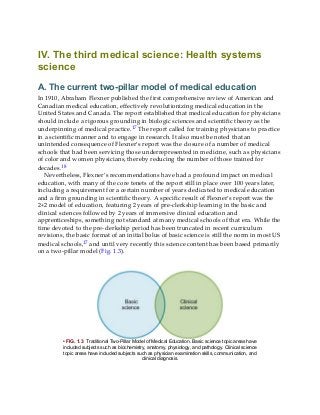
Case study 1
HRO Health System just acquired a neighboring acute care hospital with a general medical
practice that had been part of a pilot accountable care organization. During this process, HRO
noted that the acquired institution failed to meet multiple clinical care quality measures such as
percentage of patients with blood pressure at goal. Among its top priorities, the new leadership
team will initiate efforts to transform the hospital to a high-reliability organization in alignment
with the rest of its member institutions within HRO Health System.
1. Consider your role in this transition, whether you are a leader of HRO Health
System, at the newly acquired acute care hospital, or with the general medical
practice. What could be your role if you are a medical (health professions)
student on a clerkship rotation or a resident at this health system?
2. How are quality and high-reliability organizations connected?
3. What five principles are integral to high-reliability organizations?
4. What are the five characteristic ways of thinking at a high-reliability
organization?
5. What are the relevance of culture and learning at high-reliability organizations?
C. Relationship to high-reliability organizations
HROs are defined by the AHRQ’s Patient Safety Network as organizations that operate
in complex, high-hazard domains for extended periods without serious accidents or
catastrophic failures. Chapter 6 provides more detail on HROs and their role in
improving patient safety and therefore improving health care quality. This concept is
relevant and attractive for health care due to the complexity of its operations and the
risk of significant and even potentially catastrophic consequences when failures occur.
Importantly, high reliability does not exclusively mean effective standardization of all
health care processes. Furthermore, standardization, while necessary, is insufficient for
achieving resilient and reliable organizations. The principles of high reliability seek to
achieve a condition of persistent mindfulness within an organization. HROs cultivate
resilience by relentlessly prioritizing quality and safety. In addition, HRO personnel are
empowered to make real-time operational adjustments to maintain safe operations.
HROs work to create environments in which potential problems are anticipated,
detected early, and addressed via rapid response to prevent catastrophic consequences.
This organizational mindset is supported by five characteristic ways of thinking: (1)
preoccupation with failure; (2) reluctance to simplify explanations for operations,
successes, and failures; (3) sensitivity to operations (situation awareness); (4) deference
to frontline expertise; and (5) commitment to resilience.4
To complement HRO initiatives, The Joint Commission suggests that hospitals and
health care organizations work to develop a leadership commitment to zero-harm goals,
establish a positive safety and quality culture, and institute a robust process
improvement culture before they can begin to mature as HROs.5 As organizations on
their journey to becoming HROs achieve a culture supporting early acknowledgement
of unsafe situations by any employee, they incorporate disciplines such as human
factors engineering to make improvements.
D. Relationship to human factors engineering
Technology and equipment are rapidly and exponentially being integrated into health
care delivery, including electronic health records (EHRs), point-of-care devices, and
smart device applications (apps). It is imperative that the human element be fully
considered for these technologies to reach their promise and improve health, making
human factors engineering an essential consideration to optimize design, functionality,
and outcomes. Human factors engineering is the discipline of applying what is known
about human capabilities and limitations to the design of products, processes, systems,
and work environments. It can be applied to the design of systems having a human
interface, including but not limited to hardware and software. Its application to system
design can improve ease of use, system performance and reliability, and user
satisfaction while reducing operational errors, operator stress, training requirements,
user fatigue, and product liability. Furthermore, human factors engineering is
distinctive in being the only discipline that relates humans to technology.6 Systems that
recognize and incorporate human factors from design to clinical application are more
likely to enable improved health care quality (outcomes, safety, and service) for
patients. One such framework is human-centered design.
E. Human-centered design
With recognition and support globally, human-centered design has received the rigor of
a standard sanctioned by the International Organization for Standardization (ISO) with
a formal listing as ISO 9241-210:2010 (Ergonomics of human-system interaction—Part
210: Human-centered design for interactive systems).7 Per this ISO standard, human-
centered design
is an approach to interactive systems development that aims to make systems
usable and useful by focusing on the users, their needs and requirements, and by
applying human factors/ergonomics... and contextual framing.7
As a result, human-centered design develops solutions to problems by involving the
human perspective at every step of the problem-solving process.8
II. Quality measurement
A. Measuring quality
Earlier chapters have highlighted many gaps in health care, including the six
dimensions of quality (STEEEP) mentioned earlier. Gaps in health care can be
recognized, measured, or both at multiple levels: a frontline care delivery team (clinical
microsystem), a hospital or clinic (mesosystem), a health care system (macrosystem), a
region, or even a nation. Existing gaps in health care quality may be unrecognized,
recognized or “seen” but not measured, measured and used internally for local health
care improvement efforts, measured and published as health care improvement or
health services research, or measured and publicly reported.
Not everything in health care can be measured, so it is important to prioritize which
gaps must be reduced so one can decide what should be measured. Meaningful data are
needed to stimulate change, and measurement is needed to know if improvement has
occurred. Measurement moves health care from opinion-driven to data-driven decision
making. It is the key to dispelling deeply ingrained assumptions and generalizations as
well. Any discussion of QI must therefore include an explanation of quality measures.
In general, quality is measured for the following reasons9:
• Measuring quality enables teams to identify what works and what does not work in
health care (through health care improvement efforts, research, or both). Measuring
health care quality is essential not only to evaluate the performance of the
health system and the care experience, but also to drive necessary improvement
where the delivery of care falls short of expectation or desired outcomes. There
are reasons other than QI to measure quality.
• Measuring quality helps consumers (patients and their families) make informed choices
about their care. Health care decisions are complex, and patients face a variety of
choices. Measuring and reporting the quality of health care can help patients get
the information they need in order to make decisions about where and when to
seek health care.
• Measuring quality influences payment by holding health plans and providers
accountable for providing high-quality health care. Tying accreditation, certification,
public reporting, and financial incentives (or penalties) to the quality of health
care can encourage health plans, physicians, and other health care professionals
to deliver the best care possible.
• Measuring quality promotes a culture of safety by preventing overuse, underuse, and
misuse of health care. Overuse and misuse of health care services (procedures,
tests, and medications) can lead to preventable complications and death.
Measuring health care quality helps to ensure that patients receive the right care
at the right time, the first time, every time.
• Measuring disparities in health care delivery and outcomes maintains focus on all
dimensions of quality. Racial and ethnic minorities routinely face more barriers to
care and receive poorer quality care. Measuring health care quality can help us
understand the effectiveness of care that diverse populations receive, which can
help policymakers target improvements and hold physicians and health care
professionals accountable.
B. Types of quality measures
Within the last 2 decades, measurement of health care quality has come to embody an
emerging principle of “while some is good, more is not necessarily better and may be
harmful.” Clearly measurement is important for the United States to know its current
health care performance, know how it performs in relationship to other countries, and
establish goals for future performance. However, measurement and reporting can
expend tremendous time and resources. There are nuances to interpreting quality
measures, making interpretation difficult for health care professionals as well as lay
individuals. For example, a brief review of hospital mortality rates by practice leaders in
a specific hospital may not consider inclusion of variables such as risk adjustment (i.e.,
how sick the patients were to begin with) and expected mortality (preventable death).
For some measures, it may not be clear whether it is good to be high, low, or
somewhere in between (e.g., cesarean section rates). The proliferation of measures also
has created a signal-to-noise problem. What does the United States need to focus on to
have the greatest impact on patient care and well-being?
As described in previous chapters, Avedis Donabedian (widely regarded as the father
of health care quality measurement) took up this topic nearly a half-century ago and
provided a framework for understanding how we might measure and understand
quality in health care: structure, process, and outcome.10
1. Structural
Structural measures are often accessible and “concrete” measures. Examples include
nurse-to-patient ratios in the intensive care unit (ICU), numbers of advanced practice
providers attaining certain credentials, and the number of monitored beds in a facility.
Structural measures are used when it is known that care settings meeting certain
standards are more likely to provide higher-quality care; they are easier to capture and
most revealing when deficiencies are found.11 Their major limitation is that the
relationship between structures and outcomes is often not well established.
Furthermore, just because a specific infrastructure exists, that does not mean that the
system actually uses the capability. Thus it may not be clear if a structural measure truly
results in better patient health such as for EHRs.
2. Process
Process measures are typically assessments of activities carried out by health care
professionals to deliver services. Examples include the percentage of patients with
symptomatic or asymptomatic left ventricular (LV) dysfunction (LV ejection fraction
<40%) who are placed on angiotensin-converting enzyme inhibitors, the percentage of
patients receiving prompt antibiotics after recognition of sepsis, and the percentage of 2-
year-olds in a primary care population receiving vaccinations aligned with national
practice guidelines. Good process measures should always be backed by evidence that
reliably links the process measured with improved outcomes. Process measures also
have limitations, in part because evidence-based process measures are not available for
many areas of care. Process measures tend to focus on preventive care and management
of acute or chronic disease, but are difficult to identify for areas such as teamwork and
organizational culture. They may not capture the true quality of care delivered by an
individual provider, as different health care professionals may contribute to varying
degrees to the care that is being measured.12
3. Outcome measures
Outcome measures are generally defined as the health state of a patient resulting from
health care. It is helpful to consider two types of clinical outcome measures:
intermediate outcome measures and long-term outcome measures. Intermediate
outcome measures reflect changes in physiology that lead to longer-term health
outcomes. Examples of intermediate outcomes include blood pressure, body mass
index, and laboratory tests such as hemoglobin A1c or low-density lipoprotein
cholesterol. Long-term outcome examples include quality of life, occurrence of types of
unwanted events that can cause morbidity (e.g., a heart attack or stroke), and mortality.
Long-term outcome measures are those measures that patients are most willing to pay
for (i.e., perceive as most valuable or relevant). They are the measures that health care
professionals and teams most want to improve. While Donabedian supported outcomes
measures as the ultimate validation of the effectiveness and quality of medical care,
they may not be practical in cases in which the outcome is rare, when failures are
evident only years after a procedure or other health care intervention, and when
outcomes are subject to sample-size considerations. Outcome measures are also subject
to a variety of influences, not always easily captured and not always obviously related
to the systems or processes of care, such as the 30-day readmission rate.9 For this
reason, process measures (linked by evidence to good clinical outcomes) are often used
instead as “proxies” for health outcomes.
4. Balancing
Balancing (or counterbalance) measures highlight the impact of a system change from a
different perspective. As stated in Chapter 2, the components of a complex system are
interdependent. Balancing measures help identify how an intervention may
unintentionally affect other aspects of the system. For instance, if a clinic tries to
improve the number of foot examinations of their diabetic patients by measuring foot
examination documentation (process measure), the balancing measure would be to
check how this extra documentation is impacting patient wait times during clinic visits.
One major advantage of balancing measures is that they require a clear sense of the
interdependencies within the process and anticipate the collateral impact of a given
change on another part of the system.
Table 7.1 provides examples of structural, process, outcome, and balancing measures
that hospitals might use in an effort to limit one unwanted health care event: hospital-
acquired blood infections after intravenous lines are placed in large (or central) veins
(central line–associated bloodstream infections).
TABLE 7.1
Examples of Structure, Process, Outcome, and Balancing Measures to Help
Decrease CLABSIs in an ICU
CL, Central line; CLABSI, central line–associated bloodstream infection; ICU, intensive care unit.
5. Patient experience
More recently, patient experience (previously satisfaction) measures have been
developed and used to give feedback to health care professionals and systems on
patients’ experiences of their care, including the interpersonal aspects of care. These
measures may assess many other aspects of care, including the clarity and accessibility
of information from physicians and other health care professionals, whether teams
provide patients with test results, and how quickly patients are able to get
appointments for urgently needed care. Patients with better care experiences are often
more engaged in their care, more committed to treatment plans, and more receptive to
medical advice.9
C. Sources of data
Data are at the core of any QI initiative because they are needed to define the extent of
the problem and to assess the impact of improvement. Just as there are a variety of QI
methodologies, there are many types and sources of data that can be utilized in a QI
effort. Data may range from large databases with national and international scope to
back-of-the-envelope counts. The big categories of data sources include administrative
data, abstracted data, and surveillance data, as well as data from direct observation,
surveys, EHRs, and registries.
1. Administrative data
Perhaps the most well-known example of administrative data is the Medicare Provider
Analysis and Review (MedPAR) file, which contains data from claims for services
provided to beneficiaries admitted to Medicare-certified inpatient hospitals and skilled
nursing facilities. It contains details on demographics as well as diagnoses, procedures,
and discharge dispositions, including deaths and readmissions. These data are analyzed
and repackaged in numerous public websites comparing and grading facilities and used
in formulas for value-based purchasing and other federal programs linking
performance to reimbursement. MedPAR also provides a rich source for data for
research purposes. While the MedPAR data are often 3 or more years old, hospitals
typically have internal access to these data within weeks after patients are discharged
from the hospital. The data are not real time but can guide efforts aimed at improving
hospital-based clinical outcomes. Researchers can query specific diagnoses (e.g., sepsis,
stroke, pneumonia) to determine outcomes such as mortality, length of stay, resource
utilization, and discharge status (e.g., home, nursing home, hospice) or extract codes
classified as “complications” (e.g., iatrogenic pneumothorax or accidental puncture) to
conduct further evaluations.
2. Abstracted data
Data abstracted from patient records can provide more clinical detail than
administrative data based on claims. While coding and claims data allow for analysis
related to outcomes (such as mortality, readmissions, and cost) and even regional or
national trends, or both, with regard to variations, they do not provide detail on clinical
practice (such as compliance with evidence-based standards of care). For example, the
use of beta blockers during both acute and long-term management of heart attack
reduces mortality, yet reports have indicated that they are only prescribed
appropriately in a minority of cases. Chart abstraction is needed to determine whether
eligible patients received the recommended treatment or it was withheld for an
acceptable reason (presuming that this is documented in the chart). Determining
compliance with recommended practice in this manner is time and labor intensive and
is therefore reserved for more prevalent conditions associated with morbidity and
mortality (e.g., heart attack, heart failure, stroke, pneumonia, sepsis) for which endorsed
best practices are available.
3. Registries
Many organizations and professional societies have developed registries focused on
specific populations (e.g., trauma, cancer, stroke) or procedures (e.g., cardiac surgery,
all surgical care, cardiopulmonary resuscitation). Data are abstracted into a standard
tool, submitted to a central clearinghouse, and subsequently analyzed. The advantage
of registry data over claims data is the detailed clinical information often available in
registries, including functional status after an event such as stroke or joint replacement
surgery. As with data abstraction and direct observation, the disadvantage of registry
data is the labor-intensive process to build and maintain the registry. In addition, many
registries come with significant fees. In the future, use of registries may be facilitated
and made more efficient as EHRs and other clinical databases are able to transmit data
to registries electronically.
4. Surveillance data
Surveillance data are collected and analyzed in order to understand the health of a
population and do not focus on individual patients or clinical encounters. The most
common surveillance efforts in hospitals are related to surveillance for hospital-
acquired infections. The collection of these data is independent of the clinical care and
the decision making of the physician or other health care professional of record. Instead,
system reports of patient populations (e.g., patients with central lines or urinary
catheters hospitalized within a specific time period) and test results (e.g., positive blood
or urine cultures) are collected and analyzed based on criteria developed by an
oversight body (such as the Centers for Disease Control and Prevention).
5. Surveys
The most common surveys used to collect data for health care measurement focus on
patient experience. While there are many ways to survey patients, the standardized tool
mandated for hospitalized patients is the Hospital Consumer Assessment of Healthcare
Providers and Systems (HCAHPS) survey. Surveys can also be used for other purposes
as varied as measuring employee engagement or safety culture. A major challenge with
all survey data is ensuring an adequate response rate.
6. Electronic health records
EHRs have great potential to provide quality data at the level of individual patients, all
patients for a given physician or other health care professional, and all patients in a
system across the continuum of care. There are many challenges in using EHRs for
meaningful quality reporting, including difficulty in extracting information in a free text
form, invalid reports resulting from incomplete input of needed data, and lack of
compatibility of EHRs with other data systems used in gathering and analyzing quality
data.
7. Directly observed data
While most quality data are gathered from patient records, administrative codes, and
test results, some behaviors are best collected via direct observation. Hand hygiene
compliance is one such measure. Washing hands is generally accepted as a low-cost,
low-risk intervention that can help reduce transmission of infections to patients. While
proxy measures such as soap usage may suggest the level of hand hygiene, the most
legitimate way of measuring hand hygiene compliance among health care workers is to
directly observe whether or not they wash their hands. Similar to abstracted data, direct
observation is labor intensive, and the challenge is ensuring that there are an adequate
number of observations to make data meaningful.
III. Quality reporting
A. Perspectives of different stakeholders
As previously stated, health care quality is measured to help patients and their families
make informed choices about their care, to influence payment by holding health plans
and professionals accountable for providing high-value care, to ensure patient safety, to
decrease disparities in care delivery and clinical outcomes, and to help identify effective
interventions to improve health and health care. It is therefore not surprising (and is
important to pause and consider) how and why different stakeholders in the health care
system might rank the importance of various quality measures. Measurement is critical,
but the interpretation, context, and impact of measures require a broad understanding
of health care system complexities. In general, patients and families care most about
clinical outcomes such as mortality (life and death), morbidity (functional status, pain,
or other limitations), and overall quality of life. Employers would agree but are more
focused on the costs of employee care than the employees themselves.11 These rankings
are not necessarily static over time. With an increased focus on costs of care and the
impact of costs on society broadly, as well as increased out-of-pocket costs by patients,12
stakeholders may share more similar rankings over time.
B. Examples of publicly reported measures
There are thousands of endorsed health care quality measures in the United States.
These can be searched through the AHRQ National Quality Measures Clearinghouse13
using many search filters or categories, including measure type (structure, process,
outcome, balance, and patient experience), patient demographics (age and gender), care
setting, organization that endorsed the measures, health care professional role (e.g.,
nurses, clergy, pharmacists, and physicians), data source (EHRs, public health data, and
billing data), and the six dimensions of quality (STEEEP). It is helpful to learn about
several of the most commonly used publicly reported measures.
Many quality measures are developed and disseminated at a national level by the
federal government and its partners. The Centers for Medicare & Medicaid Services
(CMS) core measures14 are developed by a collaborative that includes health insurers,
CMS leaders, and the National Quality Forum, a not-for-profit, nonpartisan health care
improvement organization. Core measures seek to aid in promotion of evidence-based
measurement for QI, consumer decision making, and value-based payment. The CMS
partnered with the AHRQ to develop the HCAHPS described earlier.15 Patients and
health care organizations can benchmark quality at the state16 or hospital17 level.
Commonly used patient safety measures include the National Patient Safety Goals from
The Joint Commission18 and the AHRQ’s Patient Safety Indicators.19
Although many quality measures focused initially on hospital care, the number of
measures for the outpatient setting (such as Minnesota Community Measurement20),
transitions of care across settings, and a wider range of health conditions is increasing.
For example, in recent years there has been an increased focus on outpatient safety,
health care disparities, and measures for geriatric and pediatric patients. Several private
benchmarking organizations also provide quality measures to the public, including
Vizient, The Leapfrog Group, and Healthgrades.
C. The future of quality measurement and reporting
Many challenges remain in the quest to appropriately, feasibly, and reliably measure
the quality of health care. The Affordable Care Act requires (as outlined in the National
Quality Strategy) performance in six priority domains of quality: patient experience and
engagement, population and community health, safety, care coordination, cost, and
efficiency.21 Efforts to improve quality measurement must include a transition to using
more broad-based, meaningful, and patient-centered care over an episode of care rather
than dependence on the use of setting-specific, narrow “biopsies” or snapshots of
process measures, such as use of aspirin at the time of hospital discharge for heart
attack patients. Efforts must also include identification of important measures,
retirement of measures that have been consistently achieved, combining measures in a
portfolio that addresses multiple stakeholder needs, and adoption of these measures
across public and private payment systems.22
Experts have suggested a number of steps needed to raise the bar to improve health
outcomes. These steps would ideally include using clinical measures focused on care
(rather than more limited information based on billing data) that are harmonized (same
measures with the same definitions used elsewhere in the system), and measuring
outcomes for all patients (rather than for small segments of patients receiving selected
care) all of the time (i.e., efficient data collection via the EHR versus labor-intensive data
abstraction).23
IV. Quality improvement methods
Many QI methodologies are currently utilized in health care, and they have more
similarities than differences. Some have advantages in their simplicity (e.g., Plan-Do-
Study-Act [PDSA]), while others tap into experience from other industries (e.g., Toyota
Lean model). Some health care organizations choose to declare allegiance to a single
methodology (e.g., Six Sigma), while many others will have a more blended or context-
specific approach. Some health care delivery problems require more precision (e.g.,
preventing wrong-site surgery or ensuring that newborn babies go home with the
correct parent), necessitating choice of one method (such as Six Sigma, which seeks to
eliminate errors or “defects”) over another. While it is common to have a core group of
experts, some level of training and familiarity with these principles in leaders and
frontline teams is critical for successful use of these methods. Many use the term method
to refer to the higher-level view of the entire QI philosophy or approach and use the
term tool to refer to specific (smaller-scale) approaches to one small part of a larger QI
initiative or project. In order to close gaps and improve care delivery with any
methodology, the improvement team members must clearly define the gap they seek to
close and the measures (data) needed to determine whether they have succeeded.
A. Model for improvement
The Model for Improvement (MFI) is the most commonly used QI approach in health
care and was popularized by the Institute for Healthcare Improvement as a framework
to guide improvement efforts.24 This framework is meant to work in concert with any
QI methodology that an organization may be using and involves two parts. Before
applying the MFI, it is essential to assemble a team that includes key stakeholders and
ensure leadership support of the QI effort. Together the team members will explore the
system failure that requires improvement. Use of fundamental improvement tools such
as process maps, frontline staff interviews, and cause-and-effect diagrams enables the
team to thoroughly analyze the current state and serves as the foundation for
improvement.
After the team has a shared understanding of the current process, the team members
answer three critical questions from the MFI (in any order) before testing change ideas
using QI methods25:
1. What are we trying to accomplish?
2. How will we know that the change is an improvement?
3. What changes can we make that will result in an improvement?
As a Chinese proverb states, “The beginning of wisdom is to call things by their
proper name.” Question 1 requires the team to define the problem and the aim of the
improvement exercise. The aim should be measurable, time specific, and clear in scope
and population impacted. A commonly used acronym for goal setting is to use the
SMART (Specific, Measurable, Attainable, Relevant, and Time-bound) framework. It is
critical to clearly define the scope of the project to ensure that the target goal is truly
attainable with the available time and resources. Question 2 identifies the appropriate
measures to track success. As previously stated, all improvement involves change but
not all change will lead to improvement. Defining measures (with baseline and target)
and tracking progress in time are critical to determine whether change results in
improvement. Finally, question 3 identifies key changes that will be tested. These ideas
can come from various sources, including frontline workers, experiences of others, and
publications.
As mentioned earlier, a critical element of any successful QI effort is getting the right
people (key stakeholders) on the improvement team. Teams vary in size and
composition but generally need to have a diversity of roles and disciplines represented.
For example, if a team seeks to decrease wait time in a clinic, membership should
include representation from nurses, receptionists, schedulers, information technology,
facilities, and perhaps even ancillary services such as laboratory or radiology
(depending on the structure and function of the clinic) as well as physicians. Team
composition does not need to be unnecessarily complicated, and it is crucial that, once
appointed, all team members find their participation to be valuable to the aim.
In summary, selecting the right team, ensuring leadership support, clearly defining
the problem/aim, establishing quantifiable measures, and selecting ideas for change are
all crucial prerequisites before any change can be implemented. Once the team is ready
to implement a change idea, then one of the QI methodologies is used to test it in a
methodical manner. The most commonly used testing tool in the MFI is PDSA.
B. Plan-do-study-act
After planning is complete, the QI project is ready to start performing tests of change.26
PDSA cycles provide the simplest structure for iterative development of change, either
as a stand-alone method or as a part of wider QI approaches such as MFI.27 The Plan
phase of PDSA defines the specifics of the change intervention (who, what, where, and
when) and plans the data collection. Most of this will likely already have been covered
during the planning steps described previously in the MFI. If PDSA is utilized as a
stand-alone tool, the elements related to defining aim, assembling the right team,
defining measures of success, and outlining change interventions occur in the Plan
phase. The test of change begins during the Do phase. The fundamental principle of the
PDSA cycle is to rapidly test small-scale pilot(s). It is critical to document obstacles so
they can be addressed in subsequent cycles.
During the Study phase, the team analyzes the results using predetermined process,
outcomes, and balancing metrics. In the Act phase, the QI team adapts intervention(s)
based on results of the Study phase and incorporates the findings into a planning cycle
to test the next or revised change based on what was previously learned (Fig. 7.1).28
• FIG. 7.1 Model for Improvement and PDSA Cycle. Source: (Reprinted with permission
from Langley GJ, Moen RD, Nolan KM, Nolan TW, Norman CL, Provost LP. The Improvement
Guide: A Practical Approach to Enhancing Organizational Performance. 2nd ed. Hoboken, NJ:
John Wiley & Sons; 2009.)
The number of PDSA cycles needed varies based on the complexity of the initiative.
Run charts, which plot measures on the y-axis against time on the x-axis (Fig. 7.2),
provide an easy way of tracking progress over time and the impact of each cycle on the
target measure. Through this data-driven iterative process, decisions can be made about
which of the originally proposed changes actually result in improvement, will get
implemented on a larger scale, and will ultimately become the new way of doing work.
• FIG. 7.2 Run Chart. Source: (Used with permission of Mayo Foundation for Medical
Education and Research; all rights reserved.)
C. Lean
Principles of the Toyota Production System (TPS) have been applied to other industries,
including health care, in the form of Lean methodology. Taiichi Ohno, a Toyota Motor
Corporation engineer, is credited with creating TPS, which is based on maximizing
efficiency by eliminating waste (“muda” in Japanese). Waste, or non–value-added
activities, from a business perspective does not add to the financial margin or customer
experience and therefore needs to be eliminated. Seven different types of health care
waste have been identified29:
1. Waste of overproduction (largest waste)
2. Waste of inventory or stock at hand
3. Waste of rework (e.g., assembly mistakes)
4. Waste of movement (e.g., poor work area ergonomics)
5. Waste associated with waiting (e.g., patients waiting to be seen for
appointments)
6. Waste of processing (e.g., outdated policies and procedures)
7. Waste of transport or handling
Lean tools aim to eliminate every form of waste and simplify and maximize value by
putting the right processes in place. The first step in improvement is to identify all the
steps in the existing process or “current state.” This is best accomplished by bringing a
cross section of workers, from the service chief to frontline staff, together to develop a
common understanding of each existing process step (process mapping). Since most
professionals are focused on their task, it is often eye-opening to review the full picture
together. This highlights the importance of ensuring that each step in the process is
represented by someone on the team who routinely does the work. The team then seeks
to improve performance by removing all steps that do not create value.
Fig. 7.3 illustrates two process maps, one representing an existing laboratory process
(Fig. 7.3A) and the other representing the process after it has been streamlined using
Lean methodology (Fig. 7.3B). It demonstrates how wasted steps can be reduced to
improve efficiency and timeliness in processing laboratory specimens.30
• FIG. 7.3 Laboratory Process Flow Before and After Lean Intervention.The top diagram
(A) shows the steps in processing lab specimens before Lean methodology was used to
streamline the process; the bottom diagram (B) shows the final process after the improvements
were made. Source: (Used with permission of Mayo Foundation for Medical Education and
Research; all rights reserved.)
Value stream mapping is a more complex Lean tool (Fig. 7.4). This detailed process
map includes estimates of time taken for each step and the quality of the work done at
each step. Value is always determined from the perspective of the customer (typically
the patients in health care). Lean tools such as value stream mapping are often used to
decrease turnaround time for services (e.g., laboratory testing or imaging) or to improve
throughput through a busy area, as depicted in Fig. 7.4, which shows steps in a clinic or
emergency department flow.
• FIG. 7.4 Value Stream Mapping.This value stream map depicts steps in a clinic or
emergency department check-in process. Source: (Used with permission of Mayo Foundation
for Medical Education and Research; all rights reserved.)
When clinical teams seek to improve their productivity (e.g., increase the number of
completed surgical procedures in a given day), they often initially plan to build more
structure, such as operating rooms, to increase their output. Lean teaches that work is
either value-added work (i.e., something that patients will pay for, such as having an
ultrasound performed), incidental work (such as billing and coding by physicians), or
waste. If there is significant existing waste in the process to start, building more
structure will magnify the waste, whereas Lean tools might provide more capacity by
eliminating waste, as is shown in Fig. 7.5.
• FIG. 7.5 Increasing Productivity With Lean. Note that if waste is not removed from the
process, then the waste is magnified when more resources are added to expand the
process. Source: (Used with permission of Mayo Foundation for Medical Education and
Research; all rights reserved.)
For example, Park Nicollet Medical Center in Minnesota eliminated the need for
patient wait rooms in its new ambulatory clinic by redesigning workflow. Instead of
scheduling patients in “batches” (e.g., five patients assigned to five rooms at one time),
patients were instead checked in using the concept of continuous flow.
Another key concept in Lean methodology relates to standardization and eliminating
inappropriate variation in practice. As mentioned in previous chapters, health care
professionals must balance eliminating variation and individualizing care for patients.
Health care can never be 100% standardized, but by eliminating variation that does not
add value (thus standardizing the roughly 80% of common situations), the system
creates capacity for tailoring the situation for the remaining work. At Park Nicollet,
orthopedic surgeons were shown case carts with all the instruments and supplies they
had ordered for total hip and total knee replacement surgery, each with a price tag
attached. The surgeons were unaware of the variability in use of instruments and
supplies for the same procedures and the cost impact. Through discussion, there was a
60% reduction in the number of instruments. The exercise was expanded to general
surgery, and the net effect reported was 40,000 fewer items per month that needed to be
sterilized.
D. Six sigma
Like Lean, Six Sigma originated in the manufacturing industry. It was developed by the
Motorola Corporation in the mid-1980s. While both methodologies focus on eliminating
waste, Lean emphasizes removal of all unnecessary and wasteful steps, whereas Six
Sigma eliminates variation by minimizing defects in a process. A defect is defined as
any instance when a product or outcome is not within acceptable standards. Examples
can include harmful events such as wrong-site surgery or wasteful events such as
wrongly labeled laboratory specimens. “Sigma” is a statistical unit that compares how
many standard deviations a process is performing when compared to perfection. The
level of sigma performance (a scale of 1 through 6) correlates with the defects per
million opportunities (DPMO), which in turn allows calculation of the defect or error-
free rate (Table 7.2). The DPMO is essentially the observed defect rate extrapolated to
every 1,000,000 opportunities. When a process is functioning at Six Sigma level, there
are 3.4 DPMO, yielding an error-free rate of 99.99966% (i.e., virtually error free). While
an error-free rate of 99% may seem excellent—it is the often-quoted rate for airline
performance in returning lost luggage—it is considered inadequate simply given the
high number of opportunities. While it may not be feasible to achieve Six Sigma in
every process, some health care “defects” (such as sending a newborn infant home with
the wrong parents or wrong-site surgery) require a methodology that seeks to get as
close to error free as possible. This methodology challenges preconceived notions
regarding what is impossible in improvement.
TABLE 7.2
Sigma Levels
Sigma Level Defects per Million Yield
1 690,000 31%
2 308,000 69.20%
3 66,800 93.320%
4 6210 99.3790%
5 230 99.9770%
6 3.4 99.99966%
Six Sigma performance is achieved through systematic steps to help identify and
address root causes. The five steps are Define, Measure, Analyze, Improve, and Control
(DMAIC). In the Define step, the improvement team creates a project charter, which
describes the scope, purpose, goals, and stakeholders for the project. It is important that
all members of the QI team agree on these details of the project before moving forward.
The Measure step is the second step, when the team develops a plan for data collection,
including details related to the target defects, and collects baseline data on how the
process is performing. Some health care organizations using a hybrid approach to QI
methodologies use DMAIC to plan, execute, and communicate their QI work.
Health care professionals tend to jump to solutions before ensuring that all team
members have accurate information about what is actually occurring before
improvements are designed and implemented. In addition to drawing a process flow as
shown in Fig. 7.3, other QI tools are available to help accomplish this step. Examples
include:
• Drawing a cause-and-effect (fishbone) diagram (Fig. 7.6) to help narrow down
root causes by collecting contributing factors in broad categories such as people,
equipment, environment, and supplies
• Conducting time and motion studies (direct observation of a task, recording the
time it takes to complete the task, such as nursing time spent to complete
documentation during a shift)
• Completing a SWOT (Strengths-Weaknesses-Opportunities-Threats) analysis
• FIG. 7.6 Fishbone Diagram or Cause-and-Effect Diagram.This diagram represents
potential different reasons for late administration of medications. Source: (Used with
permission of Mayo Foundation for Medical Education and Research; all rights reserved.)
In the Analyze step of DMAIC, the baseline performance is analyzed using statistical
and other QI tools to ascertain the reasons for the defects. Use of specific QI tools (such
as the “5 Whys”31) helps ensure that the team adequately understands what is
contributing to the defects (quality gap). Many health care professionals on QI teams
are quick to suggest solutions before the quality gap has been adequately defined, the
baseline (preintervention) performance has been measured, and the team has
sufficiently considered the key factors or reasons for the gap. Those new to QI may find
it helpful to consider a response to the question, “If you have 1 hour to save the world,
how would you spend that hour?” Some have attributed this answer to Albert Einstein:
“I would spend 55 minutes defining the problem and then 5 minutes solving it.”32
After analyzing the baseline performance (i.e., data), the team develops creative
solutions or interventions that are implemented in the Improve step. During this fourth
step, postintervention data are collected (often at multiple points) to identify which
interventions are most effective.
In the fifth and final step (the Control step), processes are developed to ensure that
successful interventions are adopted as new standards and that reverting to old
processes is impossible. Mechanisms to monitor compliance with new processes are
also developed in this step.
E. Lean six sigma
The Lean and Six Sigma strategies have been combined into a methodology known as
Lean Six Sigma. Joint implementation may overcome weaknesses of either system when
implemented alone. Lean offers standard solutions to common problems by focusing on
the value stream and the customer but is seen as weak on organizational infrastructure
and analytic tools. Six Sigma includes a strong emphasis on defining defects using QI
tools but is often perceived as too complex.33 Combining the two approaches provides a
framework for evaluating workflows to ensure efficiency and value (Lean) and a focus
on measuring and eliminating errors (Six Sigma).34 In combination, these approaches
foster an environment that focuses on measurement and rapid continuous
improvement.
There is belief that Lean, Six Sigma, Lean Six Sigma, and PDSA are vehicles to sustain
high-quality health care, but whether widespread adoption of these methodologies in
health care will be effective is an open question. Systematic reviews of PDSA,27 Lean,
Six Sigma,35 and Lean Six Sigma all report a lack of rigorous evaluation in health care.
Furthermore, there is clearly a lack of adherence to the principles of the QI
methodologies, such as PDSA applications reported without any iterative cycles of
change and Six Sigma studies reported without error rate calculations of sigma levels. It
is therefore difficult to ascertain whether a particular method is effective in health care.
In summary, no one QI method has proven superior to others in the health care
setting, and no one method is ideal for all situations. Using a QI methodology ensures a
standardized and rigorous approach to closing gaps without missing a crucial step. The
underlying principles of analysis, measurement, and review are consistent across all
methodologies, and the disciplined application of all steps is far more important than
the choice of the specific method (Table 7.3).
TABLE 7.3
Summary of Specific Quality Improvement Approaches
a
Langley GJ, Moen RD, Nolan KM, Nolan TW, Norman CL, Provost LP. The Improvement Guide: A Practical
Approach to Enhancing Organizational Performance. 2nd ed. Hoboken, NJ: John Wiley & Sons; 2009.
V. Common quality issues and successful
interventions
As described, successful QI interventions clearly define the problem (quality gap),
measure baseline and postintervention performance, establish the existing and desired
processes, implement QI methods and tools in a disciplined manner, and use iterative
testing of small-scale change. The change ideas that lead to desired outcomes are often
combined into a finalized protocol or proven set of recommendations and readied for
widespread dissemination. Unfortunately, widespread expansion of a quality initiative
frequently does not yield the desired outcomes, often leading to disappointment,
cynicism, and continued suboptimal care. This can occur because success often hinges
on adoption and behavior change by frontline providers, who may view the change as
“one more thing to do” or the “flavor of the month.” Simply providing the methods and
telling people to do something does not assure that it will get done. In order to
maximize the chance of successful implementation of any initiative, it is important to
leverage the system that supports humans in doing their best work (i.e., making it
difficult to do the wrong thing). Several such strategies are highlighted in this section.
A. Clinical decision support
A clinical decision support (CDS) system links patient data with stored knowledge in a
database and provides suggestions to physicians and other health care professionals to
improve the care they deliver.36 Given the volume and complexity of clinical
information, CDS systems leverage the power of the EHR to link that knowledge to an
individual patient problem and inform physicians and other health care professionals in
real time how to translate that knowledge into patient care. CDS can take the form of
medication order support (e.g., prompting adjustment for diminished renal function)
and order sets that incorporate recommended practices (e.g., pneumonia or sepsis care,
reminders to discontinue catheters or monitors, or critical laboratory notifications). On
occasion, CDS systems can result in alert fatigue and even cause harm by delaying
treatment. One potential cause for delay is the use of the hard stop to avoid harmful
consequences (e.g., drug-drug interaction in medication prescribing software). A
seemingly well-intended alert can interrupt care, and efforts to bypass alerts for
legitimate and unanticipated circumstances can cause direct patient harm. Similarly,
alert fatigue can arise from a high number of clinically insignificant alerts that consume
time and cause mental distraction. Increasing the specificity of alerts by employing
mechanisms to prevent unnecessary notifications (such as ensuring a patient is on
enteral nutrition before suggesting an intravenous-to-oral medication change) can help
decrease clinically insignificant alerts. See Chapter 10 for more details on CDS systems.
B. Standardization: Protocols and order sets
Traditional approaches to diagnosing and treating patients have relied upon physicians
making decisions based on their education and training and the application of clinical
knowledge. One consequence of this individualized approach has been wide variation
in care, some of which may be acceptable based on patient-specific or system factors but
sometimes does not meet the definition of quality care. One way to address
unacceptable variations in care is through the use of protocols and order sets. For
certain conditions, best practices can be built into algorithms or protocols that drive the
frontline providers to deliver those processes as long as clinical criteria are met.
Embedding these best practices into the EHR so the standard choices are ordered by the
physician or other health care professional via order entry is done by use of order sets.
Protocols can be very specific (e.g., hypoglycemia protocol that directs the nurse to
administer the precise dosage of dextrose for blood sugar <50 mg/dL) or more
comprehensive, as has been done in recent efforts related to care redesign.37
C. Equipment redesign and forcing functions
Overreliance on memory and dependence on education (and reeducation) of staff is not
an effective QI strategy. All too often, especially when things get busy, staff juggling
multiple priorities will miss critical steps, make errors, and risk causing harm to
patients. One example of this has been staff accidently connecting enteral tube feeds to
intravenous catheters. Instructing staff to “be more careful” is less effective than using
catheters with connectors that are incompatible with the incorrect receiver. This is an
example of equipment redesign that makes it impossible for a human to erroneously
make an incorrect connection. One example of a forcing function is to make it
impossible for a clinician to complete order entry on a patient until he or she addresses
critical elements such as code status and prophylaxis to prevent deep venous
thrombosis (blood clot). As discussed earlier, forcing functions in the EHR can have
unintended consequences and need to be utilized with caution.
D. Frontline engagement and team-based care
Any QI effort requiring behavior change by frontline providers requires an
understanding of factors associated with successful behavior change. Too many great
ideas fail to take hold because the individuals most impacted do not see the value or
(worse) believe the change to be detrimental to safety, quality, or efficiency. Input from
frontline staff in every aspect of care redesign is vital to fostering ownership.
Additionally, ensuring that staff receive adequate feedback once an initiative is
underway helps ensure follow-through and hardwiring of the new practice. Audit with
feedback is one strategy used in the belief that health care professionals are prompted to
modify their practice when their performance is inconsistent with a desired target.38
While it can be effective, the effectiveness seems to depend on baseline performance
and how the feedback is provided. For example, feedback is more likely to be effective if
it is delivered by a supervisor or trusted colleague, provided multiple times, delivered
in both verbal and written form, and includes an explicit target and action plan. The
challenge in every QI project is not simply developing a good intervention but ensuring
its successful execution. That is where frontline engagement and teamwork become
vital.
E. Leadership and board accountability
Quality and safety as organizational priorities must start from the top, and for most
hospitals the top is a board of trustees. Ensuring that leadership is working tirelessly to
improve outcomes and remove barriers for frontline staff to do their best work is a key
responsibility of the board. This notion was popularized when included as a key
element of the Institute for Healthcare Improvement’s 5 Million Lives Campaign. This
campaign aimed to reduce patient harm in hospitals, and included full engagement of
the governing leadership in quality and safety as the sole nonclinical intervention. This
intervention was commonly known as “Getting Boards on Board.”39 In a previous era,
hospital boards were primarily responsible for the organization’s financial status and
reputation. From a more modern view, boards (in partnership with executive leaders)
set system-level expectations and accountability for safety and quality. This core
responsibility is translated into action by setting specific aims to reduce harm and
improve quality, reviewing data and hearing stories that put a human face to data,
fostering an environment of transparency, and ensuring continuous learning and
support of patients, families, and staff. Finally, the board holds the executive team
accountable for achieving clear QI goals.
F. Change management
Virtually all QI efforts involve making a change at some scale. People have varying
responses to change, from innovators and early adopters to laggards (the last to adopt
an innovation). In addition to frontline engagement, a key element of successful QI
efforts includes the early identification of champions. A champion is typically an early
adopter who embraces the challenges and is knowledgeable of the alignment with the
organization’s strategic goals. Much of the change needed involves changing behavior,
highlighting the importance of connecting to motivation, making the right thing easy to
do, offering reward and recognition in a meaningful way (which is not always
financial), and fostering an environment of engagement by all.
The variety of attitudes and actions that take place when system- or process-level
change is proposed has implications for the implementation and adoption of
innovations and interventions. As a result, the application of the PDSA cycle does not
follow the completed cycles proceeding up a ramp of improvement, as depicted in Fig.
7.1. This representation is useful for demonstrating a path for successful improvement
through the connection of learning from successive cycles; however, its use in practice
may not be linear. The limitations of the ramp of the neatly mapped-out PDSA cycles
may become apparent through application to health system improvement initiatives
with incomplete cycles, roadblocks, and failed cycles, as seen Fig. 7.7.40 Despite these
experiences, the rapid cycle learning that occurs using the MFI provides a framework
for successful improvement, although the graphic depiction of the cycles may vary.
• FIG. 7.7 Revised Conceptual Model of Rapid Cycle Change. Source: (Reprinted with
permission from Tomolo AM, Lawrence RH, Aron DC. A case study of translating ACGME
practice-based learning and improvement requirements into reality: systems quality
improvement projects as the key component to a comprehensive curriculum. Qual Saf Health
Care. 2009;18[3]:217-224.)
VI. Quality improvement scholarship
Until recently, QI reporting in the literature was challenging because it lacked formal
publishing guidelines. Authors tried to publish their iterative, dynamic, context-
dependent improvement projects into traditional research frameworks ranging from
case reports to randomized controlled trials (RCTs).41 Given the differences between QI
and research, these reporting frameworks fell short of capturing the improvement
efforts. This tension between QI work (improving processes of care) and advances in
scientific knowledge (improving clinical evidence) was highlighted in an editorial by
Don Berwick in 2008 in which he discussed the limitations of the oft-glorified RCT to
address all-needed learning.42 He explained why the traditional RCT model cannot be
directly applied to many health care improvement attempts. Most system
improvements (such as rapid response teams for deteriorating hospitalized patients) are
complex and have many components, requiring social change. The effectiveness of
systems (and therefore of system improvements) relies in part on leadership, changing
environments, organizational history, and many other factors. As QI uses this
explanatory approach that encourages broader evaluations of the context and lessons
learned, it is critical to recognize and report this context. QI work that is not shared in a
systematic way can limit the learning from and spread of the work, and lead to
redundancy as professionals repeatedly reinvent the wheel.
Reports of scholarly health care improvement work became standardized in 2008
with the initial publication of Standards for QUality Improvement Reporting Excellence
(SQUIRE)43 guidelines, which were revised (as SQUIRE 2.0) in 2015.44 The guidelines
provide a framework for reporting new knowledge about improving health care and
are intended for reports that describe system-level work to improve the quality, safety,
and value of health care. They detail methods to establish that an observed outcome is
due to the planned intervention. (More information about SQUIRE guidelines can be
found at http://www.squire-statement.org.) Many health care improvement teams also
use these guidelines to help plan, execute, and report their projects. An in-depth
discussion of the opportunities to improve the rigor of health care improvement
scholarship is beyond the scope of this chapter, but several common themes are
included here.
There are frequent inconsistencies in the description of and adherence to QI
methodologies in the literature (when compared to how they are actually used in
practice). For example, a systematic review of the application of the PDSA method
found that many studies utilizing and reporting PDSA fail to include key features of the
methodology (such as iterative cycles, prediction-based test of change, small-scale
testing, use of data over time, and documentation).27 This is not a problem with the tool,
per se, but with its use.
QI and other health care improvement teams are not effective at telling their stories.
The SQUIRE 2.0 guidelines highlight several important ways in which QI can and
should be different from traditional research, including context. In addition, the
intervention may and likely will change throughout the study in response to feedback,
continuous data analysis, and interaction with the context. The SQUIRE 2.0 guidelines
emphasize the importance of facilitating this change in order to advance the science and
know what works, rather than remaining focused on a fixed intervention that does or
does not work.
Health care professionals are not good at understanding the stories QI teams have to
tell. There are many issues in interpreting evidence from a QI study, including whether
the intended interventions actually occurred, data quality was assessed, follow-up was
sufficiently long to allow for a drift in clinical behavior, and all patient-important
outcomes were considered.
Finally, at the heart of any QI reporting is the recognition of the sometimes-subtle
differences and frequent overlap between clinical research and QI activities. An
instrument to distinguish between the two is reported in the literature, which highlights
differences and allows for professionals to decide how to proceed with their
institutional review boards prior to conducting such projects.45 As many activities fall in
between, Fig. 7.8 illustrates the relationship between QI activities and the continuum of
patient care and scientific inquiry.45
• FIG. 7.8 The Continuum of Patient Care, Quality Improvement, and Research.
Examples are provided relating to patient care, quality improvement, and research for acute
myocardial infarction (AIM). ED, Emergency department. Source: (Reprinted with permission
from Ogrinc G, Nelson WA, Adams SM, O’Hara AE. An instrument to differentiate between
clinical research and quality improvement. IRB. 2013;35[5]:1-8.)
VII. Chapter summary
QI in health care includes any effort (small or large scale) to improve health care
delivery, outcomes, or both. QI is part of the health care value equation (defined as
quality of care divided by cost over time) and includes patient safety. Quality is
measured in order to improve care, help consumers make choices, and influence
payment of health care professionals and organizations in ways that will improve care.
There are several types of quality measures, including structural, process, outcome,
balancing, and patient experience measures. Each has its strengths and weaknesses, and
a combination is required to ensure comprehensive quality care. Measures are taken
from many data sources, each with its strengths and weaknesses, including
administrative data, abstracted data from patient records, registries, surveillance data
on populations of patients, survey data, EHR data, and directly observed and recorded
data.
Each stakeholder group in health care varies in how it ranks the importance of quality
measure types. Many measures are publicly reported and can be obtained at the
national, state, or local (i.e., by hospital) level. Many necessary changes are anticipated
in how quality measures are developed, adopted, and used in the future.
The MFI and PDSA are two commonly used QI methods in health care. Other
commonly used QI methods (Lean and Six Sigma) originated in the manufacturing
industry and have been applied to health care problems. Use of one method over
another varies frequently by institution, by the quality gap each QI team is seeking to
close, or both.
Successful QI interventions for common health care problems have included CDS
systems, protocols and order sets, equipment redesign and forcing functions, frontline
engagement and team-based care, leadership and board accountability, and change
management.
There are distinct differences between traditional scientific research and QI
scholarship. Use of the SQUIRE 2.0 guidelines, the current benchmark for publishing QI
interventions, both to plan and to disseminate projects can help teams improve the rigor
of QI scholarship.
Exercise
Quality improvement (QI) has become a key function of health care professionals and
the health system. QI projects also are a required component of graduate medical
education. There are often several QI initiatives that are planned, are ongoing, or have
been completed.
Consider the ones that have been completed. Identify those that were sustained, and
those that were abandoned. Talk to those persons involved. Ask questions that may
identify why a QI initiative did or did not have enduring effects. Consider how those
factors should impact any planned quality initiatives.
Case study 2
The Keystone Study looked at 103 ICUs in Michigan and aimed to reduce the median and mean
rates of catheter-related bloodstream infections utilizing a central line bundle with the following
components: hand washing, using full-barrier precautions during central line insertion, cleaning
the site with chlorhexidine, avoiding the femoral site if possible, and removing unnecessary
catheters. The ICU department also used a daily goal sheet to improve clinician-to-clinician
communication, implemented interventions to reduce the incidence of ventilator-associated
pneumonia, and attempted to improve unit-level safety culture. Those involved in this study also
engaged local champions, encouraged partnering with local hospital-based infection control
practitioners, delivered extensive education, revamped central line kits, proposed “emergency
stops,” engaged in daily rounds discussion, and involved C-suite–level leadership (chief
executives or officers).
While this project was successful, you could conclude that the use of this checklist in
any ICU could lead to the same results. Furthermore, the methodology of the study
reveals a bundle of interventions beyond the ones stated earlier. The authors themselves
note that they “did not evaluate the relative effectiveness of the separate components of
the intervention.”
1. What questions should you ask to identify why the project was successful and
how the success may be replicated in other settings?
2. Can you identify the key challenges of this study and devise ways to make it
more likely that useful conclusions will emerge?
Questions for further thought
1. Why is it important to measure health care quality, and how might the
measurement results be useful to different stakeholders (patients, payers,
institutional leaders, and public health officials)?
2. What characterizes a high-reliability organization?
3. What are the five types of quality measures and their strengths and limitations?
4. Which QI method—a PDSA cycle, Lean, or Six Sigma—would be most
appropriately applied to improving patient experience during the activities
comprising a doctor’s appointment (related to time spent waiting to see the
physician, having laboratory tests drawn, and filling a prescription)? Which
method might be better to identify and reduce errors within the same processes?
5. What are some things that can be done in terms of facilitating technology, system
processes, or leadership qualities to enable quality and safety improvement
efforts to succeed?
Annotated bibliography
Batalden P, Davidoff F. What is “quality improvement” and how can it
transform healthcare Qual Saf Health Care 1, 2007;16: 2-3.
The authors highlight the domains of interest in quality improvement, selected
tools, methods used to close specific quality gaps, and the knowledge
systems involved in health care improvement.
Committee on Quality Health Care in America. Institute of Medicine.
Crossing the Quality Chasm A New Health System for the 21st
Century Available at http://www.nationalacade
mies.org/hmd/Reports/2001/Crossing-the-Quality-Chasm-A-New-
Health-System-for-the-21st-Century.aspx March 1, 2001; Accessed
June 7, 2019.
This white paper classifies the types of quality gaps (dimensions of quality)
that health systems must target in their health improvement efforts and
lays out the road map for how to improve US health care quality.
Donabedian A. The quality of care how should it be assessed JAMA 12,
1988;260: 1743-1748.
This sentinel article summarizes the initial national discussion on measuring
health care quality.
Glasgow JM, Scott-Caziewell J, Kaboli P. Guiding inpatient quality
improvement a systematic review of Lean and Six Sigma Jt Comm J
Qual Patient Saf 12, 2010;36: 533-540.
This systematic review summarizes what is known about the effectiveness of
Lean and Six Sigma in health care, as well as the limitations of the existing
literature.
Taylor M, McNicholas C, Nicolay C, Darzi A, Bell D, Reed J. Systematic
review of the application of the plan-do-study-act method to improve
quality in healthcare BMJ Qual Saf 2014;23: 290-298.
This systematic review summarizes what is known about the effectiveness of
Plan-Do-Study-Act cycles in health care, as well as the limitations of the
existing literature.
References
1. Batalden P, Davidoff F. What is ‘quality improvement’ and how can it
transform healthcare Qual Saf Health Care 1, 2007;16: 2-3.
2. Agency for Healthcare Research and Quality. AHRQ definition of
quality improvement Available at
https://www.ahrq.gov/topics/quality-improvement.html 2019;
Accessed June 7.
3. Committee on Quality Health Care in America. Institute of
Medicine Crossing the Quality Chasm: A New Health System for the
21st Century Available at http://www.
nationalacademies.org/hmd/Reports/2001/Crossing-the-Quality-
Chasm-A-New-Health-System-for-the-21st-Century.aspx March 1,
2001; Accessed June 7, 2019.
4. AHRQ Patient Safety Network Patient Primer. High reliability
Available at https://psnet.ahrq.gov/primers/primer/31/high-
reliability January 2019; Accessed June 7, 2019.
5. Chassin MR, Loeb JM. High-reliability healthcare getting there from
here Milbank Q 3, 2013;91: 459-490.
6. Human Factor Engineering. Acquisition encyclopedia. Defense
Acquisition University Available at
https://www.dau.mil/acquipedia/Pages/ArticleDetails.aspx?
aid=0c5c5460-dab7-4e5d-b274-352ae76fc30a 2018; Accessed
December 12.
7. International Organization for Standardization. ISO 9241-210:2010
ergonomics of human-system interaction—part 210: human-centred
design for interactive systems Available at
https://www.iso.org/standard/52075.html March 2010; Accessed
June 7, 2019.
8. Kachirskaia I, Mate KS, Neuwirth E. Human-centered design and
performance improvement better together. NEJM Catalyst Available
at https://catalyst.nejm.org/hcd-human-centered-design-
performance-improvement/ June 28, 2018; Accessed June 7, 2019.
9. Families USA. Measuring Health Care Quality An Overview of
Quality Measures. Issue Brief Available at http://familiesusa.org
May 2014; Accessed June 7, 2019.
10. Donabedian A. The quality of care how should it be assessed JAMA
12, 1988;260: 1743-1748.
11. Ransom SB, Joshi M, Nash DB. The Healthcare Quality Book Vision,
Strategy and Tools 2004; Health Administration Press Chicago, IL.
12. Schoen C, Radley D, Collins SR. Commonwealth Fund. State trends
in the cost of employer health insurance coverage, 2003–2013
Available at http://www.commonwealthfund.org/
∼/media/files/publications/issue-
brief/2015/jan/1798_schoen_state_trends_2003_2013.pdf January
2015; Accessed June 7, 2019.
13. Agency for Healthcare Research and Quality. National Quality
Measures Clearinghouse Available at
https://www.ahrq.gov/gam/index.html 2019; Accessed June 7.
14. Centers for Medicare & Medicaid Services. Core measures Available
at https://www.cms.gov/Medicare/Quality-Initiatives-Patient-
Assessment-Instruments/QualityMeasures/Core-Measures.html
2019; Accessed June 7.
15. HCAHPS. (Hospital Consumer Assessment of Healthcare Providers
and Systems). CAHPS Hospital Survey Available at
https://www.hcahpsonline.org/ 2019; Accessed June 7.
16. Agency for Healthcare Research and Quality. National healthcare
quality and disparities reports, state view Available at
http://nhqrnet.ahrq.gov/inhqrdr/state/select 2019; Accessed June 7.
17. Leapfrog. Hospital safety score Available at
http://www.hospitalsafetyscore.org/ 2019; Accessed June 7.
18. The Joint Commission. National patient safety goals Available at
http://www.jointcommission.org/standards_information/npsgs.aspx
2019; Accessed June 7.
19. Agency for Healthcare Research and Quality. Patient safety
indicators overview Available at
http://www.qualityindicators.ahrq.gov/modules/psi_overview.aspx
2019; Accessed June 7.
20. MN Community. Measurement Available at http://mncm.org/ 2019;
Accessed June 7.
21. U.S. Department of Health and Human Services. Annual progress
report to Congress National Quality Strategy annual reports
Available at
http://www.ahrq.gov/workingforquality/nqs/nqs2012annlrpt.pdf
2019; Accessed June 7.
22. Conway PH, Mostashari F, Clancy C. The future of quality
measurement for improvement and accountability JAMA 21, 2013;309:
2215-2216.
23. Panzer RJ, Gitomer RS, Greene WH, Webster PR, Landry KR,
Riccobono CA. Increasing demands for quality measurement JAMA 18,
2013;310: 1971-1980.
24. Agency for Healthcare Research and Quality. Module 4.
Approaches to Quality Improvement May 2013; Agency for
Healthcare Research and Quality Rockville, MD Available at
https://www.ahrq.gov/professionals/prevention-chronic-
care/improve/system/pfhandbook/mod4.html Accessed June 7, 2019.
25. Schriefer J, Leonard M. Patient safety and quality improvement an
overview of QI Pediatr Rev 8, 2012;33: 353-359 doi:10.1542/pir.33-8-
353.
26. Lau CY. Quality improvement tools and processes Neurosurg Clin N
Am 2015;26: 177-187.
27. Taylor M, McNicholas C, Nicolay C, Darzi A, Bell D, Reed J.
Systematic review of the application of the plan-do-study-act method to
improve quality in healthcare BMJ Qual Saf 2014;23: 290-298.
28. API. Associates in Process Improvement Available at
www.apiweb.org 2019; Accessed June 7.
29. Varkey P, Reller K, Resar R. Basics of quality improvement in health
care Mayo Clin Proc 6, 2007;82: 735-739.
30. White BA, Baron JM, Dighe JS, Camargo CA Jr, Brown DF. Applying
Lean methodologies reduces ED laboratory turnaround times Am J Emerg
Med 2015;33: 1572-1576.
31. iSixSigma. Determine the root cause the 5 whys Available at
http://www.isixsigma.com/tools-templates/cause-effect/determine-
root-cause-5-whys/ 2019; Accessed June 7.
32. Quote. Investigator Available at
http://quoteinvestigator.com/2014/05/22/solve/ 2019; Accessed June
7.
33. Koning H, Verver J, Heuvel J, Bisgaard S, Does R. Lean Six Sigma in
healthcare J Healthc Qual 2, 2006;28: 4-11.
34. Glasgow JM, Scott-Caziewell J, Kaboli P. Guiding inpatient quality
improvement a systematic review of Lean and Six Sigma Jt Comm J
Qual Patient Saf 12, 2010;36: 533-540.
35. DelliFraine J, Wang Z, McCaughey D, Langabeer JR, Erwin CO. The
use of six sigma in health care management are we using it to its full
potential Qual Manag Health Care 3, 2013;22: 210-223.
36. Beeler PE, Bates DW, Hug BL. Clinical decision support systems Swiss
Med Wkly 2014;144: w14073-.
37. Cook D, Thompson JE, Habermann EB. et al. From “solution shop”
model to “focused factory” in hospital surgery increasing care value and
predictability Health Aff (Millwood) 5, 2014;33: 746-755
doi:10.1377/hlthaff.2013.1266.
38. Ivers N, Jamtvedt G, Young J. et al. Audit and feedback effects on
professional practice and healthcare outcomes Cochrane Database
Syst Rev 2012;6: CD000259.
39. Conway J. Getting boards on board engaging governing boards in
quality and safety Jt Comm J Qual Patient Saf 4, 2008;34: 214-220.
40. Tomolo AM, Lawrence RH, Aron DC. A case study of translating
ACGME practice-based learning and improvement requirements into
reality systems quality improvement projects as the key component
to a comprehensive curriculum Qual Saf Health Care 3, 2009;18: 217-
224.
41. Cook DA, Beckman TJ, Bordage G. A systematic review of titles and
abstracts of experimental studies in medical education many informative
elements missing Med Educ 11, 2007;41: 1074-1081.
42. Berwick DM. The science of improvement JAMA 10, 2008;299: 1182-
1184.
43. Davidoff F, Batalden P, Stevens D, Ogrinc G, Mooney S. Publication
guidelines for quality improvement in health care evolution of the
SQUIRE project BMJ Qual Saf suppl 1, 2008;17: i3- i9.
44. Ogrinc G, Davies L, Goodman D, Batalden P, Davidoff F, Stevens D.
SQUIRE 2.0 (Standards for QUality Improvement Reporting Excellence)
revised publication guidelines from a detailed consensus process
BMJ Qual Saf 12, 2016;25: 986-992.
45. Ogrinc G, Nelson WA, Adams SM, O’Hara AE. An instrument to
differentiate between clinical research and quality improvement IRB 5,
2013;35: 1-8.
Principles of teamwork and team science
Jason Higginson, MD, MA, Linda Hofler, PhD, RN, NEA-BC, Maya M. Hammoud, MD,
MBA
CHAPTER OUTLINE
I. Introduction—Teams as a Critical Aspect of Health Systems Science, 127
II. The Promise of Interprofessional Practice, 128
A. Defining Teams, 128
B. High-Performing Teams, 128
C. Leading Teams, 129
D. Constructing Teams, 130
E. Stages of Team Development, 130
III. Teams and Collaboration, 130
IV. Evaluating Teams and Teamwork, 131
V. Understanding Health Systems, Systems Thinking, and Teams, 131
A. Teamwork and the National Landscape, 131
B. Interprofessional Collaborative Practice and Competencies: Improving
Health Care Through Relationships, 132
VI. Team Training, 133
A. Educating Teams—Theory, 133
B. Educating Teams—Practice (Models for Medical Team Training), 134
VII. Chapter Summary, 136
In this chapter
Health care is undergoing a revolution, moving from a lone-provider model to
one that embraces the recognition that the system of care is the essential
element to the health of patients. The goals of the Triple Aim, improving quality,
outcomes, and costs of health care delivery for patients and populations, and
the Quadruple Aim, which also includes team member well-being, require
teamwork and an understanding of team science. Teams working toward a
common goal can improve health outcomes for individuals and communities. An
understanding of teams, their structures, and their critical elements will enable
health professions students to fully engage in this critical component of the
future of health care. This chapter outlines for health professions students the
basic framework by which teams are formed, educated, and trained. This
understanding of teams will be reinforced by a discussion of how
interprofessional collaboration is the cornerstone of future health professions
education. Focusing on both the theory and practice of team science will equip
students with the necessary knowledge to be effective members and leaders of
teams.
Learning Objectives
1. Describe the importance of teams to patient safety and patient-centered care.
2. Identify who comprises a team and the hallmarks of effective teams.
3. Explain the relationship between teams and interprofessional practice.
4. Describe the components of collaboration required to create effective teams.
I. Introduction—teams as a critical aspect of
health systems science
In any human endeavor where complexity and multiple variables coexist with
significant consequences for failure, risk is mitigated when teamwork and team
performance are emphasized. The focus of this chapter is on teams, teamwork, team
science, and interprofessional collaborative practice and their relationship to health care
and health systems science (HSS). Effective teams and team membership are crucial
elements to success in any undertaking that involves more than one individual. High-
reliability organizations (HROs) operate in complex, hazardous environments, making
few mistakes over long periods of time. HROs are increasingly becoming a focus in HSS
because of the recognition that they represent a model approach to improving several
core domains of HSS. A key aspect of HROs is a focus on teams.1,2
As noted in Chapter 1, the goals of HSS are improving understanding and application
of the principles, methods, and practice of improving quality, outcomes, and costs of
health care delivery for patients and populations within systems of medical care. Teams
are an integral component of HSS. Applying lessons on teams from HROs can inform
those interested in HSS about the incorporation of teams and teamwork into health care
environments. Notable HROs often studied for their incredible record of safety and
attention to teamwork are aviation, naval nuclear propulsion, and civilian nuclear
power generation. Case studies in these environments demonstrate that failures are
rarely the result of the actions of a single individual but are often the result of collective
systems failures.2,3 The root cause of these failures is often the result of elements of poor
team performance, such as communication failure, poor interpersonal interaction, and
lack of role clarity.
The landmark Institute of Medicine report To Err Is Human: Building a Safer Health
System found that potentially 98,000 preventable deaths occurred in the United States
annually due to medical error.3 (Note: The Institute of Medicine was renamed the
National Academy of Medicine in 2015.) One of the key recommendations from this
report was the need to “establish interdisciplinary team training programs, such as
simulation, that incorporate proven methods of team management.” Understanding the
attributes and theory behind team science will better prepare health professions
students to incorporate a team-centered focus into their career and will lead to
significant improvement in achieving the goals of the Triple Aim—health for all
individuals (population health), an ideal experience for all patients as they interface
with the system (including quality and satisfaction), and a reduction in the per capita
cost of health care—as well as the Quadruple Aim, which includes the wellness of
physicians and other health care professionals.2,4
II. The promise of interprofessional practice
The individual expert model prevalent today in health care must be transformed to a
model that crosses disciplines, generations, professions, and groups—to a more team-
based collaborative partnership, which will produce STEEEP (safe, timely, effective,
efficient, equitable, and patient-centered) care.3
Teams are now recognized as a crucial element of HSS. Health care delivery systems
involve numerous interfaces and patient handoffs among many health care
professionals for any given patient regardless of the context of care. For example, in a 3-
day hospital stay, a patient may interact with as many as 30 different professionals,
including physicians, nurses, x-ray and laboratory technicians, nutritional staff, and
transport team members. Team collaboration is essential to ensure that the diverse
group of professionals interacting with patients on a daily basis integrates their
activities with the patient’s best interest at the center of their actions. Collaborative
teamwork in health care is commonly referred to as interprofessional practice. The
promise of interprofessional practice is “when multiple health workers from different
professional backgrounds work together with patients, families, caregivers, and
communities to deliver the highest quality of care.”5
The growing complexity of health care mandates the need for team science education
at all levels from health professions students to seasoned health care professionals as it
provides the basis for overhauling the health care system and improving health
outcomes. The US health care system is the most costly in the world, accounting for
17.9%6 of the gross domestic product, with estimates that this percentage will grow to
19.4% by 20277 yet with comparatively poorer outcomes. A plethora of publications
over the last 3 decades have called for significant changes in health care systems due to
the recognition that the United States is not achieving the best health outcomes for
individuals or whole populations, yet the United States spends an exorbitant amount
for poor-quality health care.8
A. Defining teams
What defines a team? Over the last half-century, much work in the social sciences has
been focused on defining what makes a team and what elements contribute to effective
team performance. The National Academy of Sciences in 2015 released Enhancing the
Effectiveness of Team Science, which aimed to summarize the state of this varied
literature.9 It identified the widely accepted definition of a team as two or more
individuals brought together by an organization who are working or interacting (face-to-face or
virtually) on one or more institutionally important common goals or tasks and are assigned
different roles and responsibilities while embedded in an encompassing organizational system
with linkages to the broader system or task environment.
Why are teams defined in this way? The prevailing heuristic that leads to this
conclusion on the definition of a team is the input-process-output model developed by
McGrath.10 By studying groups of individuals working together, it becomes clear that
input factors such as individual personalities and identities, individual skill, team task
definition, and team structure and size alter the functioning of the team. Processes such
as how teams are assembled and composed and the rules that govern interaction
modulate many of the inputs and result in the team’s ultimate output effectiveness (Fig.
8.1).
• FIG. 8.1 Input-Process-Output Framework. Source: (Reprinted with permission from
Fernandez R, Kozlowski S, Shapiro M, Salas E. Toward a definition of teamwork in emergency
medicine. Acad Emerg Med. 2008;15[11]:1104-1112.)
B. High-performing teams
Team effectiveness is defined by evaluating whether a team achieves its goals.
References about effective teams in the medical literature frequently derive conclusions
and parallels from studies of teams that function in fields other than health care. Given
the unique nature of health care, it is important to note that these parallels should be
reviewed with caution. The study of teams in health care is an area open to continued
investigation as health care contains nuances that may alter the prevailing operational
theories of team performance. Nonetheless, many common elements have been
identified as characteristics of high-performing teams.9
First, teams with a shared understanding of their goal have been demonstrated to be
significantly more effective than those without a universal understanding of their goal.
If all team members understand the output they are trying to achieve, it is more likely
that efforts will be directed toward that goal. Second, clear definitions as to team
members’ roles (i.e., role clarity) are another essential element in team effectiveness. By
focusing on role clarity, teams are able to efficiently deploy the various skills that exist
and reduce duplication of efforts to achieve defined goals. Third, team cohesion and
low levels of conflict are critical to effective team performance. Teams must be cohesive
and limit friction among members to ensure that effort by all will be utilized for goal
achievement. When friction and disunity take hold, effort is often wasted or team
members limit their participation. Building team cohesion results in trust among team
members, facilitates task engagement, and builds team citizenship, all of which result in
improved effectiveness. As an example, the elements of team effectiveness related to
patient safety and quality improvement are displayed in Table 8.1.
TABLE 8.1
Overview of Teamwork Aspects Relevant to Quality and Patient Safety
Aspect of
Teamwork
Examples of Safety-Relevant Characteristics
Quality of
collaboration
Mutual respect
Trust
Shared mental
models
Strength of shared goals
Shared perception of a situation
Shared understanding of team structure, team task, team roles, etc.
Coordination Adaptive coordination (e.g., dynamic task allocation when new members join
the team; shift between explicit and implicit forms of coordination; increased
information exchange and planning in critical situations)
Communication Openness of communication
Quality of communication (e.g., shared frames of reference)
Specific communication practices (e.g., team briefing)
Leadership Leadership style (value contributions from staff, encourage participation in
decision making, etc.)
Adaptive leadership behavior (e.g., increased explicit leadership behavior
in critical situations)
Used with permission from Manser T. Teamwork and patient safety in dynamic domains of healthcare: a review of the
literature. Acta Anaesthesiol Scand. 2009;53(2):143-151.
C. Leading teams
The effectiveness of a team is a function of both its assembly and subsequent
leadership.11 Leadership is not the focus of this chapter and is dealt with in more depth
in Chapter 9. Reflection on observed styles of leadership by health professions students
can help draw the link between observed team performance and leadership
performance. Leading requires a diverse array of talents, including vision, strategy,
resource allocation, operational tactics, professionalism, inspiration, integrity, emotional
intelligence, and mission-mindedness, to name but a few of the necessary qualities.
Over the last century, many theories regarding effective leadership have been explored
and developed, often in fields other than health care. However, understanding the
various leadership models that have emerged can inform the growing health care leader
as to potential approaches to leadership.12
The reality of considering various leadership models is that in most contexts, some
elements from each will be necessary. Each leader and team will be unique and require
different techniques to achieve team goals. Leadership of a team can be approached in a
myriad of ways, and no one approach or person will be suited to every situation.
However, what is generally accepted is that effective leaders foster an environment in
which mutual respect and support develop, a common vision and goal for the team is
established, communication is appropriate, and conflict is managed within the team.
The science defining what constitutes effective leadership is difficult to evaluate as
leadership is difficult to define and measure. Regardless of the strategies employed,
leading a team requires a balance of coaching and directive approaches. Knowing team
dynamics, understanding the change process, and bringing the best out of individuals
contribute to effective team functioning. Making the study of leadership an aim in
health professions education will allow students to think more deeply about leadership,
hone and practice leadership skills, and reflect on their strengths and weaknesses.
D. Constructing teams
As much as the leader influences the effectiveness of a team, the team members are
equally important. Selecting team personnel is an important process, and individual
members must possess the knowledge, skills, and attitudes to accomplish the defined
goal. However, team membership is not always a completely volitional process. Often
team members are drawn from the already assembled workforce. Outlining the
essential attributes required of the team prior to team assembly is a critical step in
developing a successful team. Thought should be employed in explicitly defining what
the goal will be and what tasks will need to be accomplished and by whom. Clear
expectations as to the requisite knowledge, skills, and attitudes should be applied to
team-member selection. Identifying who will be empowered to perform the various
tasks needed to achieve the goal will inform decisions as to membership needs. In most
circumstances where teams are drawn from already established work pools, it is
incumbent that leaders take into account the various knowledge, skills, and attitudes of
those individuals assigned to the team and ascribe roles that are commensurate with the
talents available.
Choosing the appropriate team size is equally important to membership as it relates
to effectiveness. Team size influences communication patterns as well as the ability to
meet, to assign work, and to redirect activity toward goal achievement. After the team is
assembled, some thought should be employed to define the operational rules of the
team: when and how communication and meetings will occur, how decisions will be
reached, and who possesses decision rights. Understanding team growth and dynamics
will allow a leader to anticipate and respond to the challenges faced while leading a
team.
E. Stages of team development
Health care professionals, and more specifically health professions students, are
frequently joining new teams as part of their everyday experience. Teams constantly
change and progress through well-recognized stages. Reflection on the stages of team
development can provide insight for health professions students as they examine the
teams they join. Students may note that their experiences on highly effective teams are a
reflection of a team that is mature in team development. This may contrast with
dysfunctional teams that are low performing and have yet to build trust and team
cohesion.
There are four well-established stages of team development:
• Stage 1: Forming—exploration and building trust
• Stage 2: Storming—attitude changes, competitiveness, tension, disunity
• Stage 3: Norming—satisfaction, respect development, decision making
• Stage 4: Performing—high level of interaction, performance increased and
optimized, confidence within the team1
In stage 1, team members are identified, group goals are set, and the members begin
to understand the capabilities of the various team members. Once the team is formed,
stage 2 begins, and roles and responsibilities are delineated. Patterns of communication
are established. This can be one of the more difficult phases to progress through, as
there are numerous points where tension and disunity can develop. It is important to
note that leadership is essential in this phase to ensure that open communication,
despite conflict or tension, becomes the norm. This will help to maintain those valuable
to the team as team members and prevent transitions of the disgruntled to the sidelines.
It must be noted that this does not mean harmony and consensus must reign but that
collegiality in the face of disagreement must become the norm.
Stage 3 begins when team trust is established. This allows for effort toward achieving
the team’s goals to begin. During this stage, team members come to understand that
they can rely on one another’s abilities and can disagree openly with maintenance of
mutual respect. Finally, the last stage is that of a mature team in which a shared
common goal has been established, trust is a norm, and productive work is performed
with efficiency.
Not all teams mature through these stages. However, growth through these stages
will result in teams that exhibit backup behavior in which team members compensate
for each other, manage conflict within the team, regularly provide feedback, and self-
correct.1 The definition of an effective team is a goal-driven group of individuals with a
common shared mental model for success. They exhibit mutual aid and trust and are
able to achieve the team’s desired end state.
III. Teams and collaboration
Zwarenstein and colleagues have reviewed the existing literature relevant to
interprofessional collaboration and noted measurable changes in patient outcomes
when structured processes for interaction and collaboration were initiated.13 Their
findings highlight a key question in evaluating teamwork: Is organized collaboration
teamwork? Often in the literature, the concepts of teams, teamwork, and collaboration
are used synonymously.14
For the most part, this is a reasonable approach, but it is important to note that the
commitment to a common goal may not be as strong or made as explicit in a
collaborative setting as it is with a clearly defined team. Recall that the definition of a
team makes explicit that the group objective is a common goal, whereas in collaboration
some goals may overlap but individuals may not share the same priority. In HSS, there
is an overarching goal for collaborative efforts: health for all individuals, an ideal
experience, and achieving both at the lowest possible cost. Given this context, studies
citing outcomes for interprofessional collaboration in health care are relevant to
evaluating team performance. Zwarenstein and colleagues noted in their review of the
collaborative practice literature that there is a relatively low sample size of studies.13
Many interventions have yet to be replicated, but the evidence that exists suggests
collaboration does improve outcomes.
IV. Evaluating teams and teamwork
Specifically demonstrating the connection between teamwork and actual patient
outcomes or successful goal achievement, as noted, remains challenging.12 The reason
for this difficulty is that evaluation of teamwork requires quantification of complex
behaviors that do not, in and of themselves, directly correlate to the desired outcome15;
however, the utilization of a validated and reliable scoring tool can provide valuable
feedback to a team and redirect the efforts of teams. Numerous tools are available. The
key consideration in tool selection is determining if the selected tool is applicable to the
team environment it will be used to evaluate.16
The main domains generally evaluated by the available tools examine one or more of
four aspects of teamwork, team training, or both: attitude, comprehension, behavior,
and process. As discussed earlier, a high-functioning team has a shared vision for
success, and this can readily be measured by assessing the attitudes and understanding
of team members in relation to team goals. There is a growing literature demonstrating
that awareness of goals does alter patient outcomes. A good example comes from
infection control research demonstrating that knowledge of hygiene goals such as hand
washing will increase rates of hand washing and decrease nosocomial infections. The
behavioral assessment tools available usually measure communication and
coordination between team members. While these are clearly important elements of
teamwork, the available literature is not as robust regarding the measured effect on
health outcomes. The literature that does exist in this area is often from the procedural
specialties and does demonstrate improved performance with better communication
from team members. However, it is likely safe to assume, and there is growing evidence
to support the notion, that higher levels of communication and coordination are
desirable in all areas and will improve outcomes and increase value in health care.
Finally, process assessments measure rates at which teams complete or utilize a
prescribed process. Again, these have been demonstrated in procedural specialties such
as surgery, anesthesia, and intensive care to improve coordination of efforts, increase
role clarity, and enhance care delivery.
Regardless of the noted difficulty in measuring team performance, it is generally
acknowledged that evaluating the function of teams is an important aspect of improved
patient safety and quality of care. The number of tools available to health system
leaders increases every day, and they are available and applicable in ever more
numerous environments in which health care teams operate.
V. Understanding health systems, systems
thinking, and teams
Systems thinking is a crucial element of any HSS endeavor, as described in Chapter 2.
Systems thinking allows recognition, understanding, and synthesis of the complex
interdependencies and relationships within a functional system such as health care. The
components of a system are the constantly changing workings of a multilayered
organization. The ability to recognize patterns and repetitions of daily interactions and
how they work together in accomplishing a specific purpose is essential to maximizing
the outcome of those interactions.17 Systems thinking allows the formation of linkages
among disparate areas of activity in health care to advance the overarching goal of HSS:
improving outcomes, patient experience, and value in health care. Competency in HSS
requires that health professions students understand how patient care relates to the
health system as a whole and how to use the system to improve the quality, experience,
and value of patient care (the Triple Aim) and team-member well-being (the Quadruple
Aim).4 Health professions students are therefore expected to demonstrate an awareness
of and responsiveness to the larger context and system of health care, as well as the
ability to call effectively on other resources in the system to provide optimal health
care.18
A. Teamwork and the national landscape
Teamwork and teams are now widely regarded by national organizations as a critical
element of the national approach to quality and patient safety. Various agencies are
defining how teamwork relates to their diverse activities, including regulation and
policy, education, clinical practice standards, professional networks, and community
outreach.
The Health Resources and Services Administration (HRSA), an agency of the US
Department of Health and Human Services, is the primary federal agency charged with
improving health and achieving health equity through access to quality services and a
skilled health care workforce. HRSA directs its efforts by coordinating the efforts of 90-
plus programs and more than 3000 grantees. One way HRSA has demonstrated the
contribution of teams and systems thinking in patient safety and health outcomes is
with its Patient Safety and Clinical Pharmacy Services Collaborative (PSPC).
The PSPC reported in May 2013 the results of a team-based initiative that included
344 teams of community health care providers, representing more than 885
organizations of community-based health care providers across 48 states, the District of
Columbia, Puerto Rico, and the Virgin Islands.19 Team members represented
community health centers, hospitals, and schools of pharmacy, nursing, and medicine.
The PSPC teamwork initiative decreased adverse drug events that caused harm to
patients, with an average improvement of 40% between 2009 and 2010 for a high-risk
patient population. Numerous different approaches to similar problems were observed,
reflecting different local needs. Success was achieved by allowing organizations
participating in the initiative the ability to identify their own needs, their own delivery
system, and key processes that needed attention. Another key finding was the
importance of widening the definition of the team and including patients in the
solutions. Patient needs and expectations were drivers of many of the team-based
innovations.
B. Interprofessional collaborative practice and
competencies: Improving health care through
relationships
A critical turning point in health over the last couple of decades was the release of
Health Professions Education: A Bridge to Quality by the Institute of Medicine,20 which
identified the core competencies needed for health care professionals of the future (Fig.
8.2). The report emphasized that health care professionals should be educated to deliver
patient-centered care as members of teams, emphasizing evidence-based practice,
quality improvement approaches, and informatics.
• FIG. 8.2 Health Professions Core Competencies. Source: (Reprinted with permission from
Greiner A, Knebel E. Health Professions Education: A Bridge to Quality. Washington, DC:
National Academies Press; 2003.)
The World Health Organization also prepared a framework and definition for
interprofessional education and collaborative practice that is widely accepted:
Interprofessional education occurs when students from two or more professions
learn about, from, and with each other to enable effective collaboration and
improve health outcomes. Once students understand how to work
interprofessionally, they are ready to enter the workplace as a member of the
collaborative practice team. This is a key step in moving health systems from
fragmentation to a position of strength.5
This recognition that interprofessional education represented a critical aspect of the
future of health care led to the formation in 2009 of the Interprofessional Education
Collaborative (IPEC) by six US education associations of health professions to promote
and encourage constituent efforts that would advance substantive interprofessional
learning experiences to help prepare future health care professionals for enhanced
team-based care and improved population health outcomes.21 The IPEC organizations
represent allopathic and osteopathic medicine, dentistry, nursing, pharmacy, and public
health. IPEC created core competencies for interprofessional collaborative practice to
guide curricula development across health professions schools. Examination of the
IPEC core competencies can enhance understanding of the essential elements that will
help an interprofessional team be successful.
IPEC core competencies for interprofessional collaborative practice include four
domains. The first domain centers on changing the manner in which formation of
professional identity is approached. The underlying philosophical principle guiding
this is the recognition that health care is an ethical pursuit. Situating the learner’s ethical
obligations around his or her role as a member of a health care team would advance
interconnectedness among health professions. Previously, professional identity formed
in ways that fostered silos and separation of the various health professions, each with a
separate perception of practitioners’ ethical obligations. IPEC advances the notion that
emphasizing the common ethical imperative of collaborative practice and patient-
centeredness will be critical in development of an interprofessional ethos in health care
education, practice, and teams.
The second domain focuses on ensuring that health professions students understand
and can articulate their roles and responsibilities and how these relate to the roles and
responsibilities of others on the health care team. Diversity of capabilities is identified as
the underpinning of functional teams. Furthermore, the ability to evaluate and
understand the capabilities of team members fosters an environment of trust and
support. Inaccurate understanding of role scope and capabilities can lead to friction and
poor team performance due to mismatched expectations and abilities.
The third domain focuses on communication among health care professionals. It has
long been known that communication is an essential element of teamwork. It is now
becoming clear that communication among interprofessional teams is an essential
element needed in health professions education. Communication patterns and abilities
set the mode and manner of team interactions. Poor patterns that are heavy in
nonshared jargon disrupt teamwork. Clear communication with a shared lexicon and
mutually agreed-upon patterns and methods improves team functioning.
The fourth and last IPEC domain is teams and teamwork. Forming and functioning as
a team is a complex task. Education for health care professionals needs to focus on the
elements of team performance shown to improve effectiveness. There is an imperative
that health care move to a paradigm with shared accountability for the outcomes of the
patients being cared for by the health care system. Shared accountability can be seen as
setting a common team goal by which all team members understand they have a role to
play in the eventual outcome. For this notion to take root, shared problem solving,
shared decision making, relinquishment of professional sovereignty with acceptance of
group dynamics, and acceptance of shared expertise are vital.
For the competencies contained in these four domains to become an integral part of
health care teams, they must become part of the everyday environment in health care.
This will begin to be the case when students of all the health care disciplines learn
together routinely, practice as teams, and gain clinical skills in a team-focused
environment. Institutions will need to make this a priority and develop faculty capable
of leading the transition to team-based care. Students will need to be evaluated and
mentored not only in the knowledge, skills, and attitudes necessary for their chosen
career specialties, but also in their performance as members of a team.
VI. Team training
A. Educating teams—theory
While teams are part of everyday experience, forming and maintaining effective teams
is not routinely taught. Understanding the methods and theories by which people learn
is an essential aspect of developing teams and teamwork. It is only part of the job to
understand the competencies necessary for effective teams to operate. It is equally
important to understand how those competencies are transmitted to health professions
students and practitioners. Furthermore, as discussed earlier, health care is only now
realizing the need for health professions students to learn together before they can work
together as a team.
Theories about learning are plentiful, and the details are beyond the scope of this
chapter. However, it is important to note the basics of these theories, which inform how
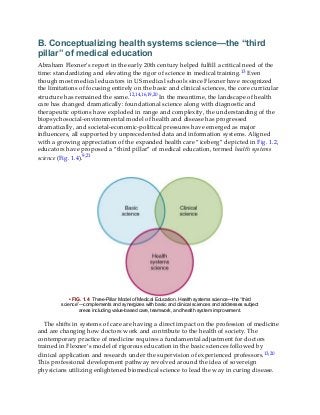
education on teams may be enhanced. There are broad categories of learning theory that
need to be considered when thinking about interprofessional education: behaviorist
theory focuses on the outcomes of learning or behaviors, cognitivist theory emphasizes
the role of internal thought, and constructivist theory focuses on the person who is
learning.22,23
Behaviorists posit that learning occurs through trial and error and experientially.
Furthermore, all learning results in outcomes that can be measured. Thus
interprofessional education models that take a behaviorist approach often focus on
what can be measured at the end of the education process and find methods to ensure
that desired behaviors are learned. The learning may be reinforced by rewarding the
desired behaviors. Using a behaviorist model can result in learners who exhibit
significant behavioral change due to the inherent capacity of students to focus on what
they know will be rewarded. However, some argue that this ignores an important
element of education: thoughtfulness about why actions are being taken. Behaviorist
models can at times fail to reinforce reflection by students as to why they are doing
what they are doing and the consequences of such learned behavior.
Cognitivist and constructivist theories, which address the process of learning and the
learner, aim to establish higher-order skills that build patterns of problem solving and
insight. These theories form the foundation for commonly used experiential learning
models such as problem-based learning or inquiry-based learning. The tenets of these
educational theories are reflected in the key assumptions of adult learning theory. These
tenets state that adults are self-directed and independent, tap into previous experience
to inform current learning, value learning that has a direct impact on their daily
experience and problems, and respond to internal motivation above external
motivation. Proponents of cognitivist/constructivist theory feel that students in these
models will change their behavior because they have an awareness of the reasons
behind the need for a given pattern of action.
It is likely that some coupling of all the various educational models will be necessary
to develop best practices for education on teams to impact patient safety and quality in
health care (Fig. 8.3). It will be equally important to be able to ensure that behaviors
change through reward and feedback while simultaneously ensuring that students are
equipped with the higher-order problem-solving abilities necessary to meet challenges
that are not easily identified.
• FIG. 8.3 Learning Theory and Effective Interprofessional Education (IPE).
B. Educating teams—practice (models for medical team
training)
As discussed previously, recognition that teams are the base unit that will improve
health care and achieve national patient safety objectives derives from work on
teamwork in other industries. The easiest example to cite, and the archetype most often
followed for medical team training, is that of commercial aviation. The flight industry
has a fatal mishap rate of 0.2 lives lost per every 1 million miles of travel. This
represents a sixfold decrease in fatalities since the 1970s and is a remarkable
achievement given that air travel has seen increasing volume over that same time
period.24 Aviation adopted the team training model known as Crew Resource
Management (CRM). CRM was a response by the aviation industry to an alarming
number of fatal accidents that occurred in the late 1970s and early 1980s. The aim of
CRM was to change the aviation industry culture from an individualistic pilot-centric
culture to one that embraced the team concept of safety. No longer did all direction and
corrective monitoring sit with one individual, the pilot; rather, the entire team was
responsible for the safe operation of the aircraft. This was not an easy transition, and
formation of a team ethos did not occur by decree. An active process was necessary to
change the industry standard; CRM became that standard. A similar shift is ongoing in
health care.
Prior to the CRM movement, a pilot was solely evaluated on the technical skills of
flying; performance as a team member was not evaluated. CRM utilized full team
simulation to evaluate team performance—in particular, situational awareness,
metacognition of team members (i.e., “do team members have insight into their thought
patterns?”), shared mental models, and efficiency of resource management. These are
all the hallmarks of functional teams. Another aspect of CRM is that it progresses
through three phases. Phase one is indoctrination and awareness, characterized by
development of a shared vision for safe operations of an aircraft, shared vocabulary,
and shared expectations for interpersonal interaction and decision making. CRM also
reframes outdated leadership expectations and focuses on standard operating
procedures. Phase one is accomplished through didactic lectures, group discussion,
analysis of cases, and role-playing training/simulation exercises. Often CRM is
modulated in response to surveys from crews as to areas of perceived need or poor
performance.
Phase two is characterized by recurrent training. No matter how well executed the
indoctrination is, ongoing reinforcement and practice are key to successful CRM
training. Furthermore, team needs may change over time, and assessment and
redirection are often needed to maintain team skills and focus.
Phase three is continuous reinforcement characterized by focusing on CRM concepts
outside of the training environment. This is often accomplished by making the CRM
concepts part of mishap reporting and standard performance evaluations. Applying the
concepts this way sends the message that CRM is an important aspect of everyday
operations.
The success of CRM in aviation has seen its adaptation to health care in the form of
medical team training. The most common team training method discussed in health
care is Team Strategies and Tools to Enhance Performance and Patient Safety
(TeamSTEPPS). TeamSTEPPS is derived from collaboration among the Department of
Defense Patient Safety Program, TRICARE Management Activity, and the Agency for
Healthcare Research and Quality and was rolled out in 2006.25 TeamSTEPPS focuses on
many of the areas discussed in this chapter that lead to teams becoming high
functioning. It has the broadest application of the various programs that exist because it
is not based on any one health care discipline but targets team concepts in general. As
illustrated in Fig. 8.4, the four main areas of focus are leadership, situation monitoring,
mutual support, and communication. TeamSTEPPS is taught via a mixture of didactic
lectures, discussions, and simulation events. Much like CRM, it is a multistep process
from initial training to sustainment (Fig. 8.5).
• FIG. 8.4 TeamSTEPPS Instructional Framework. Source: (From King H, Battles J, Baker
D, Alonso A. TeamSTEPPS™: team strategies and tools to enhance performance and patient
safety. In: Henriksen K, Battles JB, Keyes MA, Grady ML, eds. Advances in Patient Safety:
New Directions and Alternative Approaches [Vol. 4: Technology and Medication Safety].
Rockville, MD: Agency for Healthcare Research and Quality; 2008.
http://www.ncbi.nlm.nih.gov/books/NBK43770/. Accessed July 15, 2019.)
• FIG. 8.5 TeamSTEPPS Resources Implementation: A Culture Shift Toward
Safety. Source: (From King H, Battles J, Baker D, Alonso A. TeamSTEPPS™: team strategies
and tools to enhance performance and patient safety. In: Henriksen K, Battles JB, Keyes MA,
Grady ML, eds. Advances in Patient Safety: New Directions and Alternative Approaches [Vol.
4: Technology and Medication Safety]. Rockville, MD: Agency for Healthcare Research and
Quality; 2008. http://www.ncbi.nlm.nih.gov/books/NBK43770/. Accessed July 15, 2019.)
Numerous other programs are available for team training. Some of these are
specifically focused and include Anesthesia Crisis Resource Management, which brings
CRM concepts to anesthesia, and Team-Oriented Medical Simulation, which focuses on
the entire operating room.
VII. Chapter summary
Study of HSS, the third science, is increasingly recognized as equal in importance to
learning the clinical and basic sciences. All three areas of expertise have equal
applicability to health care’s ultimate goal of delivering high-quality care as safely as
possible. Outlined in this chapter are the critical pieces to forming and maintaining
high-performing teams and the role teams play in interprofessional collaborative
practice. Health care is evolving with the goal of improving patient care, experience,
and value. These goals form the framework for HSS, and teamwork and team science
are the critical connection between plans and execution in any health care setting.
Attention to the aspects of teams, team functions, leadership, education, and training
will be essential to achieving mastery of HSS and advancing the goals of high-quality
and high-value patient care.
Questions for further thought
1. What is the definition of a team?
2. What are the qualities present on an effective team?
3. What are the four defined stages of team formation?
4. Why are teams critical to health systems science?
Case study 1
You are an orthopedic surgeon. The discharge of your patients is frequently delayed due to late or
incomplete discharge orders from the medical team, or both. This delay in the timeliness of the
discharge process results in patient confusion regarding departure from the medical facility and
causes increased patient frustration with a prolonged discharge process. In addition, the delay in
discharge creates bottlenecks and delays in the pharmacy, delaying discharge medication retrieval
and preventing or truncating nurse discharge teaching. Finally, as an added problem, the backup
results in a lack of bed availability for new surgical patients on this unit.
1. Who are the members of your interprofessional health care team involved in this
process?
2. What is your role?
3. What are the possible consequences of the poorly functioning team beyond those
stated in this case study?
4. Where could this process be improved and by whom?
5. How could this health care team improve its effectiveness and provide a positive
patient experience?
The interprofessional team in this situation is everyone involved in the care of the
patients (doctors, nurses, and pharmacists) and the patients themselves. Breakdown in
this discharge process can have significant ramifications for the patients. Medical errors
can occur due to the patients not being fully informed as to discharge instructions and
medication use. Patients could suffer significantly because of the likelihood of
frustration mounting with a delayed and rushed discharge. Staff discord could mount
as the ability to complete assigned tasks becomes more challenging due to wasted time
waiting for orders to initiate tasks. The process of discharge requires multiple levels of
communication and will require the formation of a team among all involved. First, the
medical team can define and communicate the patient goals/factors that will result in
discharge following admission or surgery. Predefining the goals and communicating
them to other staff members on the team can allow for anticipation of possible
discharges. Once discharge is anticipated, staff members can be proactive in requesting
discharge orders once a patient meets predefined parameters, instead of waiting for the
medical team to reevaluate the patient. Second, communication between the pharmacy
and the physician/nursing team members can establish a mechanism to review the
patient’s medications and anticipate potential discharge orders prior to actual
discharge. This process can allow early ordering and teaching of medication
information, reducing the rush on the day of discharge and likely improving
communication. Decreasing wait time, increasing patient knowledge, and setting and
meeting expectations through these processes have been demonstrated to reduce errors
and increase patient satisfaction.
Case study 2
You are a solo family physician working in a rural area. You pride yourself on your dedication
and commitment to maintaining your practice at the cutting edge of evidence-based medicine.
You no longer admit patients to your local hospital because it has moved to a hospitalist model;
you still follow their progress while admitted and see them in your office once discharged.
Recently, you have noted wide variation in the management of your patients with regard to
medication use and length of stay. You feel you could make some suggestions to the hospitalist
team since you are current on the literature and in the unique position of seeing the variation
that exists.
1. Is there a need for a team in this situation?
2. What should be the goal of the team?
3. How might a team help?
4. How should you approach forming a team with the hospitalists?
5. Who should lead this team?
6. What factors might decide this choice?
There is a need to form a team in this situation. The goals of HSS are to improve
individual patient and population outcomes, better patient experiences, and increase
the value of care. Your recognition of wide variation of practice among the hospitalists
suggests there is likely an opportunity to improve both individual and population
outcomes. A team approach to this problem could help align everyone’s efforts, build
consensus as to best practices, and alert people to alternative opinions within the group.
This level of alignment can improve inpatient care by ensuring that practice is based on
evidence and decreasing staff confusion through a common approach. Outpatient care
will likewise benefit as the bond and communication to the inpatient area will likely
improve through team interaction. Your approach to forming a team with the
hospitalists will be critical to achieving success. How you frame the issue will determine
interest levels and commitment. It is critical to not alienate the hospitalists through
accusations, but to solicit help in solving a problem. In health care, forming teams often
involves getting people to rally behind a shared common aspiration. You should frame
this as intending to improve patient outcomes. In this situation, choosing a leader is
critical. Often leaders are assigned by organizations. Here there is no mandate to form a
team, and therefore no clear leader. Leadership will reside in whoever is passionate
about the task at hand. You, having identified the problem and having concern for the
outcome, are an obvious choice. However, your role as leader may change as the work
progresses if others are interested or the work to be done is more on the inpatient side.
Case study 3
You are the medical director of a neonatal intensive care unit and a member of its quality
council. After reviewing yearly quality data, it is discovered that the unit is performing very
poorly in central line–related bloodstream infections. Everyone is dismayed and turns to you for
guidance. You immediately recognize this as a major concern. You state up front that you are
not sure how to solve the problem, but that addressing it is your top priority for the unit going
forward. You immediately begin to alert everyone who works in the unit of the quality council’s
discovery, begin to solicit people interested in helping solve the problem, and elicit their opinions
for possible solutions. After forming the team, you discover that a number of newly hired nurses
do not know the unit policy for maintaining central lines. You are also informed that the
pharmacy has recently changed vendors for total parenteral nutrition (TPN), and the new
vendor’s TPN bags require a work-around by the nurses to connect to the unit’s IV tubing.
During a team meeting, your charge nurse informs you that she has a friend who works in a
nearby unit that had the same issue and now has not had an infection in over 500 days. That
unit has a bundle of interventions they are confident led to their success.
1. What have you done well in this process?
2. What stage is this team currently in in team formation?
3. What is this team’s way forward?
You have done a number of things well in leading this process. First, you were very
responsive to the unit council’s concerns regarding the infection problem, immediately
raising the issue and soliciting help and solutions. Communication is a critical element
of any successful team. Your communication resulted in numerous findings from the
staff that may have direct bearing on fixing the problem. Furthermore, your
communication with the team resulted in your charge nurse discovering another team
with the same problem and a potential solution. That team is currently formed, has
well-established communication and trust with many potential solutions in place, and is
therefore entering the final stage of team development. The way forward for your team
is to evaluate the information the team members have received, adapt that information
to the local situation, communicate the plan to the unit, and enact the plan. The team
has to manage the change process and ensure that points of tension and friction are
promptly managed. Continual messaging of the overall goal is needed as well as
keeping everyone well informed of intended changes. Establishing feedback
mechanisms on the impact of the changes is also critical.
Case study 4
You are a busy family medicine physician with a full schedule of patients to see in your office
every day. The office is staffed with a medical office assistant with Lean improvement training, a
physician assistant, a registered nurse, and a registration/discharge associate.
There have been recent changes in the patient/family education documentation requirements
from insurance payers for office visits aimed at improving patient safety. It is important for the
practice to comply with the educational activity and documentation, both for patient safety and
for payment for the medical care provided.
At least five patients a day have a visit type that would require the changed education and
documentation. Meeting this requirement will involve a complete change in workflow, which
could impact every patient seen by the practice.
1. Is there a need for a team to solve this situation?
2. Who should lead the team?
3. What are the consequence of inaction to you? To the patients? To the health care
professionals? To the practice?
4. What would be the goal of the team?
You would first identify and communicate with the staff member with the most
knowledge and competence to assess the impact of this change on the operations of the
office. In assessing workflow to determine what kind of team to assemble to study the
impact and plan the change, it will be important to determine who has decision rights
to implement change, what the communication plan is, and who is going to lead the
work group to determine what, if any, changes need to be made to the workflow. The
consequences of inaction could be catastrophic both clinically, from a safety perspective
for patients, and from a financial perspective in the business functions of the office.
The goal of the team would be to assess the impact, process map the current process,
process map the proposed new process, and design a workflow to ensure that the goals
of patient safety and business needs of the practice are met. Your role is to ensure that
the team leader and the team members understand the goals, decision rights, and
process for understanding and changing workflow, in addition to how the team will
communicate with patients and fellow team members.
Annotated bibliography
Cooke NJ, Hilton ML. Enhancing the Effectiveness of Team Science
2015; National Academies Press Washington, DC.
This National Academy of Sciences report determines what is currently
known about the processes and products of team science and the
circumstances under which investments in team-based research are most
likely to yield intellectually novel discoveries and demonstrable
improvements in contemporary social, environmental, and public health
problems.
Gordon S, Mendenhall P, O’Connor B. Beyond the Checklist What Else
Health Care Can Learn from Aviation Teamwork and Safety 2012;
ILR Press Ithaca, NY.
Overview of teamwork and crew resource management strategies learned in
aviation and applied to the medical setting.
Hopkins D. Framework for Action on Interprofessional Education and
Collaborative Practice 2010; World Health Organization Geneva.
The Framework for Action on Interprofessional Education and Collaborative
Practice highlights the current status of interprofessional collaboration
around the world and identifies the mechanisms that shape successful
collaborative teamwork.
Lekka C. High Reliability Organisations A Review of the Literature
2011; Health and Safety Executive Books Derbyshire, United
Kingdom.
Peer-reviewed papers that discuss the processes and practices in place in high-
reliability organizations.
Zwarenstein M, Goldman J, Reeves S. Interprofessional collaboration
effects of practice-based interventions on professional practice and
healthcare outcomes Cochrane Database Syst Rev 2009;3: CD000072.
This review suggests that practice-based interprofessional collaboration
interventions can improve health care processes and outcomes.
References
1. Baker D, Day R, Salas E. Teamwork as an essential component of high-
reliability organizations Health Serv Res 4 Pt 2, 2006;41: 1576-1598.
2. Weick K, Sutcliffe K. Managing the Unexpected Resilient
Performance in an Age of Uncertainty 2nd ed 2007; John Wiley and
Sons, Inc San Francisco.
3. Lekka C. High Reliability Organisations A Review of the Literature
2011; Health and Safety Executive Books Derbyshire, United
Kingdom.
4. Bodenheimer T, Sinsky C. From triple to quadruple aim care of the
patient requires care of the provider Ann Fam Med 6, 2014;12: 573-
576.
5. Hopkins D. Framework for Action on Interprofessional Education and
Collaborative Practice 2010; World Health Organization Geneva.
6. National health expenditures 2017 highlights. Centers for Medicare
and Medicaid Services Available at https://www.cms.gov/Research-
Statistics-Data-and-Systems/Statistics-Trends-and-
Reports/NationalHealthExpendData/Downloads/highlights.pdf
updated April 26, 2019; Accessed June 26, 2019.
7. National health expenditure projections 2018-2027. Centers for
Medicare and Medicaid Services Available at
https://www.cms.gov/Research-Statistics-Data-and-
Systems/Statistics-Trends-and-
Reports/NationalHealthExpendData/Downloads/ForecastSummary.pdf
updated April 26, 2019; Accessed June 26, 2019.
8. Health at a glance 2017. Organisation for Economic Cooperation
and Development Available at https://www.oecd-ilibrary.org/social-
issues-migration-health/health-at-a-glance-2017_health_glance-2017-
en Published November 10, 2017; Accessed June 26, 2019.
9. Cooke NJ, Hilton ML. Enhancing the Effectiveness of Team Science
2015; National Academies Press Washington DC.
10. McGrath JE. Social Psychology A Brief Introduction 1964; Holt,
Rhinehart and Winston New York, NY.
11. Fiore SM. Interdisciplinarity as teamwork how the science of teams can
inform team science Small Group Res 2008;39: 251-277.
12. Trastek V, Hamilton N, Niles E. Leadership models in health care—a
case for servant leadership Mayo Clin Proc 3, 2014;89: 374-381.
13. Zwarenstein M, Goldman J, Reeves S. Interprofessional collaboration
effects of practice-based interventions on professional practice and
healthcare outcomes Cochrane Database Syst Rev 2009;3: CD000072.
14. Yan X, Parker S, Manser T. Teamwork and collaboration Rev Hum
Factors Ergon 2013;8: 55-102.
15. Whittaker G, Abboudi H, Khan MS, Dasgupta P, Ahmed K.
Teamwork assessment tools in modern surgical practice a systematic
review Surg Res Prac 2015;2015: 494827.
16. Rosen M, Weaver S, Lazzara E. Tools for evaluating team performance
in simulation-based training J Emerg Trauma Shock 4, 2010;3: 353-359.
17. Nelson E, Batalden P, Lazar J. Practice-Based Learning and
Improvement A Clinical Improvement Action Guide Joint
Commission Resource 2012; Joint Commission Resources Oakbrook
Terrace.
18. Swing SR. The ACGME outcome project retrospective and prospective
Med Teach 2007;29: 648-654.
19. Health Resources and Services Administration. The National
Quality Strategy, 2015 Available at
http://www.ahrq.gov/workingforquality/pias/pspcpia.htm Updated
July 2017; Accessed June 26, 2019.
20. Greiner A, Knebel E. Health Professions Education A Bridge to Quality
2003; National Academies Press Washington, DC.
21. Core competencies for interprofessional collaborative practice: 2016
Update. Interprofessional Education Collaborative Available at
https://hsc.unm.edu/ipe/resources/ipec-2016-core-competencies.pdf
2016; Accessed July 15, 2019.
22. Ertmer P, Newby T. Behaviorism, cognitivism, constructivism
comparing critical features from an instructional design perspective
Perform Improv Q 2, 2013;26: 43-71.
23. Hean S, Craddock D, O’Halloran C. Learning theories and
interprofessional education a user’s guide Learning Health Soc Care 4,
2009;8: 250-262.
24. Gordon S, Mendenhall P, O’Connor B. Beyond the Checklist What
Else Health Care Can Learn from Aviation Teamwork and Safety
2012; ILR Press Ithaca, NY.
25. King H, Battles J, Baker D, Alonso A. TeamSTEPPS™ team
strategies and tools to enhance performance and patient safety
Henriksen K Battles JB Keyes MA Grady ML Advances in Patient
Safety New Directions and Alternative Approaches (Vol.
4Technology and Medication Safety) 2019; Agency for Healthcare
Research and Quality Washington, DC Available at
http://www.ncbi.nlm.nih.gov/books/NBK43770/ Accessed July 15.
Leadership in health care
Sara Jo Grethlein, MD, Brian Clyne, MD, MHL, Erin McKean, MD, MBA
CHAPTER OUTLINE
I. Introduction, 140
II. The Health Care Leadership Imperative, 140
III. Who Are Health Care Leaders?, 141
IV. The Importance of Clinician Leadership, 142
V. Influential Leadership Theories, 143
A. Transformational Theory, 143
B. Situational Theory, 143
C. Servant Theory, 144
D. Emergent Leadership, 144
VI. Guiding Principles of Health Care Leadership, 144
VII. Health Care Leadership Competencies, 145
A. Foundational Competencies Specific to Health Care, 146
1. Maintaining Patient-Centeredness,146
2. Professionalism, 146
B. Self-Management, 146
1. Serving Selflessly, 146
2. Achievement Orientation, 146
3. Emotional Intelligence, 146
4. Accepting Feedback, 146
5. Willingness to Change, 146
6. Self-Care, 147
C. Team Management, 147
1. Relationship Management, 147
2. Developing New Talent, 147
3. Human Resources, 147
D. Influence and Communication, 147
1. Communicating Effectively, 147
2. Advocacy, 148
3. Having Challenging Conversations, 148
4. Navigating Politics, 148
E. Systems-Based Practice/Management, 149
1. Knowledge of the Health Care Environment, 149
2. Business Knowledge and Skills, 149
F. Executing Toward a Vision, 149
1. Vision-Setting and Strategy, 149
2. Creating Culture, 150
3. Creating Sustainable Solutions, 150
4. Change Management, 150
G. Student Development for Leadership Competency, 151
VIII. Specific Attributes for Health Care Leaders in Different Settings, 151
IX. Pathways to Leadership, 151
X. New Leadership Roles, 153
XI. Chapter Summary, 153
In this chapter
In considering how to best develop effective health care leaders, some
fundamental questions arise. How is leadership best taught and learned? What
leadership models or theories are most applicable to health care? How does
health care leadership differ from management, and how do leadership and
management intersect? Is health care leadership distinct from leadership in
other industries? Are there distinguishing leadership competencies in a health
care environment? What are the opportunities and pathways to health care
leadership? This chapter addresses these and other questions as the
multifaceted topic of leadership in health care is explored.
Learning Objectives
1. Understand the factors driving the leadership imperative in health care.
2. Describe key competencies related to health care leadership.
3. Describe pathways to formal leadership roles across multiple domains in health
care.
4. Understand the concept of professional identity formation as it relates to
leadership.
I. Introduction
The US health care system is undergoing disruptive change characterized by major
shifts in the traditional models of care delivery, payment, and government regulation.
Spiraling costs, inadequate access, inconsistent quality, increased competition, and the
need for improved population health are just a few of the challenges facing modern
health care. In response to these challenges and an increasingly complex system, the
demand for effective leadership has never been higher. From the primary care
physician leading a team in an office practice to the chief executive officer (CEO) tasked
with managing a hospital system, leaders in many forms will shape the future success
of the health care industry.
Many of these future leaders will be physicians and other health care professionals.
According to a 2014 survey, 60% of hospitals plan to hire more physician leaders in the
next 5 years.1 Traditionally, physicians have ascended to leadership roles based on
clinical skills, scholarly productivity, or research excellence. However, it is becoming
clear that successful health care leadership demands intentional development of skills
such as creative thinking, an ability to work across disciplines, operational skills, and an
understanding of organizational culture—topics notably absent from most health care
professional school curricula and residency training programs.
Despite a growing emphasis on preparing clinician leaders, some experts have
speculated that deeply ingrained physician characteristics and the culture of medical
training run counter to the forms of leadership now required. Consider the formative
members of the leadership pipeline—health care professional school applicants—whose
early lives are filled with achievement and leadership potential. If leadership is valued
highly by the profession, essential for the future of health care, and vital for acceptance
to our professional schools, how then does the health system end up with practicing
physicians who require intensive retraining as leaders? Some have speculated that
characteristics that have traditionally led to acceptance to medical school, such as
competitiveness and independent-mindedness, may neutralize necessary leadership
skills. For example, physicians typically value autonomy and are taught to act in the
best interest of individual patients. Health care systems are traditionally hierarchical,
rewarding individual achievements. This may not be the optimal foundation for leading
change that requires collaboration, relational skills, emotional intelligence, and systems
thinking. This might explain the recent proliferation of academies, courses, and degree
programs designed to train (or intensively retrain) health care leaders.
II. The health care leadership imperative
To confront the many challenges facing the US health care system, experts and
organizations have pointed out the critical need for effective leadership. Physicians and
other professionals are being called upon to develop and demonstrate the capabilities to
lead health care transformation.2-4 The Institute of Medicine (renamed the National
Academy of Medicine in 2015) has described the need to “develop leaders at all levels
who can manage the organizational and systems changes necessary to improve
health.”5 The Association of American Medical Colleges (AAMC) has called for “new
roles for physician leaders” and a “focus on organizational leadership in a new era of
health care.”6 The American Association of Colleges of Nursing, along with other health
care organization collaborators, introduced the Clinical Nurse Leader role in 2003.
Clinical practices, hospitals, and health care systems need strong, competent, and
visionary leaders to navigate the changing landscape. Professional organizations (such
as the American Medical Association and the American College of Healthcare
Executives) provide education, leadership development, and options for collective
action. Government agencies, such as health departments and the military, are also in
need of health care leaders.
Medical education accreditation bodies are incorporating leadership competencies
into their training and practice standards. For example, leadership has become an
essential competency for medical students as described in the AAMC Core Entrustable
Professional Activities for Entering Residency. Among the expected behaviors of
medical school graduates is the ability to “provide leadership skills that enhance team
functioning, the learning environment, and/or the health care delivery system.”7 In
graduate medical education, the requirement to develop physician leaders is explicit.
The Accreditation Council for Graduate Medical Education requires residents to
demonstrate the ability to “work effectively as a member or leader of a health care team
or other professional group.”8 In 2013, the American Association of Colleges of Nursing
described entry-level competencies for all Clinical Nurse Leaders, including
maintaining an outcomes focus, interprofessional communication skills, and the ability
to apply improvement science and systems theory.9 The Royal College of Physicians
and Surgeons of Canada’s CanMEDS Physician Competency Framework was modified
in 2015 to include “Leader” as one of the essential roles of physicians (Fig. 9.1).10 This
change from “Manager” to “Leader” in the CanMEDS framework reflects the emphasis
on clinicians working collaboratively and “[engaging] with others to contribute to a
vision of a high-quality health care system and take responsibility for the delivery of
excellent patient care through their activities as clinicians, administrators, scholars, or
teachers.”
• FIG. 9.1 CanMEDS Diagram Reflecting “Leader” as One of the Essential Roles of
Physicians. Source: (Copyright © 2015 The Royal College of Physicians and Surgeons of
Canada. http://www.royalcollege.ca/rcsite/canmeds/canmeds-framework-e. Reproduced with
permission.)
Distinction is often made between managers and leaders, with the commonly held
belief that “Managers do things right. Leaders do the right things.”11 In this dichotomy,
managers are portrayed as orderly, predictable figures who focus on structure,
planning, and execution. Leaders, by contrast, are the visionary catalysts focused on
defining purpose and executing change. In health care, managers are needed to identify
efficiencies and improve operational structures, especially in the clinical setting.
Leaders must be skilled at seeing connections and future opportunities in a rapidly
changing and competitive landscape. While the core functions of managers and leaders
may be different, there is significant overlap in their requisite skill sets. Both roles are
crucial to organizational success, and management skills make leaders more effective.
III. Who are health care leaders?
Traditional thinking in health care left leadership to administrators, often limiting
physicians and nurses to patient management or departmental/unit service roles. Fast-
forward to the current environment, where clinician leadership has been shown to
improve patient outcomes, decrease clinical operational and capital expenditures,
improve efficiency, and improve staff satisfaction and retention.4,12 Barriers to
physicians and other health care professionals engaging in leadership have included the
lack of leadership training, the lack of a common language in quality and leadership,
the assumption that physicians will resist change, the undervaluing of the cumulative
effect of incremental changes, and a lack of institutional culture that empowers frontline
clinicians and staff. Changes to a deeply ingrained culture often require moments of
crisis. The value crisis in health care has provided an opportunity to change how the
health system thinks about and designs leadership training in health care. Professional
development to succeed in both formal, authority-based roles and informal,
transformational leadership roles is necessary.
In the realm of formal administrative leadership, several collaboratives have emerged
to represent groups of leaders. The Institute for Healthcare Improvement (IHI)
Leadership Alliance13 is a collaborative of health care leaders committed to the science
of improvement and the Triple Aim: improving the experience of care, improving the
health of populations, and reducing per capita costs of health care. Berwick and
colleagues argued that “Leaders involved in health care must be actively and directly
involved in catalyzing change needed to achieve the Triple Aim” because of contextual
challenges in redesigning systems of care, rapid evolution of delivery innovations that
outpace the development of national or state policies, the need for trusting relationships
with the public, and bipartisan political gridlock that squelches authentic dialogue and
progress.14
The IHI has proposed four mental models for health care delivery: (1) consideration
of individuals and their families as partners in care; (2) a focus on value (defined as
quality per cost); (3) service alignment with value-based payment systems (e.g.,
organizing care based on value rather than organizing care based on volume and the
fee-for-service system); and (4) empowerment of all participants as improvers.15 These
models in turn demand high-impact leadership behaviors, including person-
centeredness, frontline engagement, relentless focus, transparency (about results,
progress, aims, and defects), and boundarylessness.
Person-centeredness requires considering the needs and values of patients, families,
and communities, not single-mindedly focusing on disease statistics and dollars.
Frontline engagement demands that leaders be present and transparent, sharing
information and asking open questions while adapting to the needs of the team or
organization. Relentless focus requires articulating a clear vision and aligning activities
with priorities to achieve stated aims. Boundarylessness extends frontline engagement
to include transparency, sharing lessons learned, and collaborating throughout a system
or organization. These models and behaviors are thought to characterize true leaders in
both formal and informal positions within health care. Competencies demanded of
leaders in health care are elaborated later in this chapter.
The National Center for Healthcare Leadership (NCHL),16 a United States–based
think tank of physicians, health care professionals, system administrators, suppliers,
and academics, is a nonprofit organization focused on the development of health care
leaders in the formal administrative setting in order to improve health care delivery and
population health. The NCHL offers structured coaching, executive fellowships, and
consulting services aimed at improving the leadership capabilities of executives and
their teams, regardless of background or path to leadership. The NCHL has specific
initiatives on women’s leadership and diversity leadership, attempting to understand
the gaps in formal leadership opportunities and preparation for these groups, as well as
aiming to positively impact executive leadership diversity.
There is less literature and discussion about informal leadership in health care,
though this does not reflect its relative importance. Nonadministrative leaders often are
experts in their respective fields with great potential to influence processes and
behaviors. By definition, leaders must have followers. Followers need not be direct
reporters, and expert leaders of engaged followers very often are found outside of the
executive suite. When these leaders are identified, empowered, and trained, they have
the capacity to influence culture change and process improvement. Each day, there are
countless examples of effective frontline leadership in health care. The system depends
on individuals without formal titles to identify problems, take action, and initiate
meaningful change. Mona Hanna-Attisha, MD, MPH, a pediatrician in Flint, Michigan,
challenged state government officials with her research showing a spike in lead levels in
children after alterations in the city’s water supply.17 Her persistence, coupled with
courage and an intense patient-centered mindset, led to statewide changes and a
national focus on health care disparities and environmental health. She embodied
professionalism, outcomes focus, team management, effective communication, and
navigation of the politics in microsystems and macrosystems.
Students and staff who are in entry-level positions often question why they are being
given leadership training or being exposed to a leadership curriculum. In an ideal
health care environment, any member of the team is empowered to demonstrate
situational leadership. It is easy to underestimate the power of leading from within or
influencing organizational behavior without holding a formal administrative role. As an
example, a nursing student studying hospital-acquired infections became concerned
that the computer keyboards on mobile workstations were the source of a recent
Clostridioides difficile outbreak on the medical wards. Assuming responsibility for
improving the system, the student gathered data and reframed the problem as both a
patient safety issue and a financial concern for the hospital. He engaged key
stakeholders in infection control and identified areas of best practice. He communicated
his findings to the hospital leadership, appealing to them by sharing persuasive
firsthand patient stories. Ultimately, he gained support for implementing a solution—a
modification to the hand hygiene policy that includes cleaning of all computer
keyboards.18
Another informal leadership example can be the exertion of influence by
organizations. One excellent example comes from the American Medical Student
Association (AMSA). Concerned by examples of conflict of interest between the
pharmaceutical industry and medical school faculty or staff and the lack of education
around this issue, the AMSA began a PharmFree campaign in 2002 by gathering
information about the relationships between institutions and the pharmaceutical
industry. The organization hoped that by publicizing the identified potential conflicts of
interest, they would encourage schools to limit gifts, advertising, and contact with sales
representatives in order to minimize undue influence of commercial entities in medical
decision making about therapeutic choices.19 Through this program, in 2006, the
students invited each school to submit its policies and curriculum for evaluation and
then published an 11-point PharmFree Score Card. High-profile schools initially scored
poorly, and the resultant publicity spurred change. In 2008 the AAMC and in 2009 the
Institute of Medicine formally called for inclusion of conflict-of-interest education in the
curriculum of medical schools. The AMSA has continued its leadership in this domain,
publishing model curricula and updating the annual scorecard. The impact of this effort
has expanded at many institutions, where student input is now incorporated into both
curriculum and policy formulation.20
Case study 1
After graduating from a prestigious residency program where she had been chief resident, Dr.
Hogan completed a competitive fellowship in infectious diseases. She quickly earned a reputation
for clinical excellence, strong research skills, and dedication to bedside teaching. She became the
youngest division director and fellowship director in the institution before her recent promotion
to chief academic officer. Almost immediately, Dr. Hogan was overwhelmed with the complexity
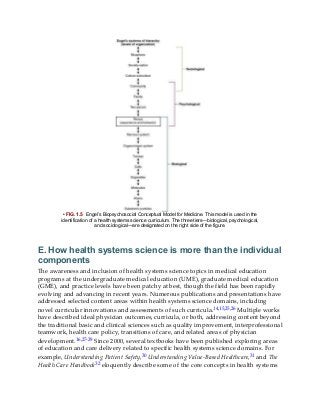
of the job and began questioning her decision to join the executive ranks of the hospital’s
administration. She had inherited a staff with low morale due to conflicts between two key
members of the group. There were also major budget constraints, programs facing loss of
accreditation, and physicians in need of professionalism remediation. From her day-to-day
schedule to long-term strategic planning, Dr. Hogan decided to take on every issue personally.
She was frustrated to learn that her talents as a clinician and teacher were less relevant as she
dealt with finances, human resource policies, conflict, and change initiatives. Things reached a
critical point when the board voted to acquire a network of local hospitals to enhance clinical
revenue and reduce outside competition. Dr. Hogan was charged with leading the integration of
all educational programs in the system, a monumental undertaking. She knew that to be
successful and advance in her career, she would need a new set of skills. Dr. Hogan enrolled in a
leadership training course at the local business school and, over time, she learned to be as
effective in the boardroom as she had been at the bedside.
1. Are health care professionals like Dr. Hogan prepared for leadership roles?
2. What factors contribute to the demand for leadership skills among health care
professionals?
3. Can leadership skills be learned? If so, how do health care professionals go about
acquiring foundational leadership skills?
4. What are some common pathways to health care leadership?
IV. The importance of clinician leadership
The American Association for Physician Leadership (AAPL) was founded in the 1970s
in order to develop physician managers. An AAPL white paper reported that only 5%
of hospital leaders were physicians in 2014.21 However, hospitals with physician
executives are highly ranked and disproportionately outperform other hospitals in
cancer care, management of digestive disorders, cardiology, and cardiac surgery.
Physician-led hospitals also score higher in performance management and Lean
management (i.e., management focused on continuous quality improvement). This
improved performance may come from leaders with deep knowledge of the core
business. In almost all industries, executive leadership of companies or systems comes
from the core business function domain. For example, executives in the competitive soft
drink industry tend to have strong marketing and strategy backgrounds, while auto
industry executives tend to have strong backgrounds in operations, engineering, or
product development. Again, this intimate knowledge of the industry may provide a
greater ability to create a vision, address core values, focus on both process and
outcomes, strategize, assess data in context, communicate and empathize with
stakeholders, and engage frontline leaders to execute a plan.
A 2013 white paper by the McKinsey & Company consulting group12 noted the
critical importance of direct involvement of frontline clinicians and physician
engagement. The authors estimated from their consulting experience in over 150
hospitals that if a system strives to achieve an overall 5% to 10% reduction in
operational costs, nonclinical variable costs would need to be reduced 30% if clinical
operations were left unchanged. This would be nearly impossible. In other words,
improvement in health care value cannot be fully achieved without changes to the
actual delivery of clinical care. To achieve changes in clinical care, the participants in
care processes must be engaged, informed, and empowered.
V. Influential leadership theories
Cultures throughout history have celebrated leaders as heroic figures who possess
special qualities. Emperors, generals, and business tycoons are depicted as having
exceptional strength, courage, or brilliance resulting in positions of high status. As
leadership became a topic of academic study in the early 20th century, the initial
research focused on identifying the personality traits that distinguish these leaders from
nonleaders. The “great man” theory and other trait theories of leadership suggested
that charisma, self-confidence, intelligence, and extroversion made leaders different
from everyone else. Subsequent research on behavioral theories sought to isolate the
behavior patterns that distinguish leaders. Behaviorists focused on how leaders act and
identified different leadership styles, including people oriented versus task oriented.
Trait theory implied that leadership is innate and predisposed; behavioral theory
suggested that people could learn to be leaders by understanding how to behave and
interact with others.
The notion that leaders are made rather than born sparked decades of further
research attempting to describe and quantify leadership on many dimensions, but it
remains an elusive subject from the point of academic study. Ultimately, effective
leadership likely requires the right combination of personality traits, modifiable
behaviors, and context. Several modern leadership theories—transformational,
situational, and servant—have dominated the physician leadership development
movement and are further described here. Other leadership theories exist, such as
transactional leadership, in which the leader alone sets goals along with rewards and
penalties. Such hierarchical leadership roles are commonly seen in health care but lack
alignment with behaviors known to empower patients and professionals to improve
outcomes. For example, the 2014 Veterans Health Administration scandal in the United
States regarding wait times shed light on transactional leadership styles in which
impossible standards conflicted with professional obligations and available resources,
leading to fear, falsification of records, and cover-ups.22
A. Transformational theory
Transformational leadership theory is focused on how leaders stimulate others to
transcend their own self-interests to reach higher-order goals or visions. It involves
building a commitment to organizational objectives and empowering others to
accomplish those objectives.23 Transformational leaders motivate others through raising
awareness of idealized goals and through role modeling. The “four Is” of
transformational leadership as described by Bass and Avolio are idealized influence,
inspirational motivation, intellectual stimulation, and individualized consideration.24
Quinn described transformational leadership functionally as being results centered,
internally directed (acting on values and with integrity), other focused (committing to
the collective good even at personal cost), and externally open (adapting to feedback
and the environment, taking appropriate risk).25
In health care, transformational leadership could be demonstrated in guiding
departmental leaders to work toward overall institutional success rather than focusing
solely on their departmental goals. This could manifest as more prosperous units
supporting less profitable ones, sharing resources, or approving priorities that place
other groups’ needs before their own for the betterment of the entire organization.
Another illustration of transformational leadership could be fostering behaviors,
policies, and processes that imbue a culture of diversity, equity, and inclusion. This
would be values based, oriented toward gaining improved patient care results, focused
on collective good, and adaptive to current societal and patient needs.
B. Situational theory
In situational leadership theory, effective leadership depends on selecting the right style
contingent on the followers or context. Situational leaders shift among four behaviors
depending on how willing and able followers are to complete a task: directing,
coaching, supporting, or delegating.26 In this model, the effectiveness of a leader is
determined more by environmental factors, the characteristics of the followers, and the
nature of the work at hand. Situational leadership requires attention to the needs of
subordinates and the complexity of the task. In the clinical context, leading a team to
resuscitate a critical patient might require a combination of delegating, directing, and
coaching, all in a matter of minutes. For hospital executives, leading a merger between
two institutions would require a different style than responding to a public relations
crisis such as a highly publicized patient safety issue.
C. Servant theory
Servant leadership theory contends that a leader’s influence derives from serving
others. While it has some features similar to transformational leadership theory, servant
leaders are primarily focused on the needs of followers rather than organizational
objectives. Characteristic behaviors of servant leaders include listening, empathizing,
accepting stewardship, and actively developing others’ potential.27 Countless examples
of servant leadership exist in health care, where professionals use these behaviors to
care for patients and bring out the best in others. Frontline clinicians and primary care
physicians are often the archetype for servant leadership in health care—the image of a
devoted clinician who delivers care directly to his or her patients and to the community.
Others work to promote health equity and use their positions to advocate on behalf of
those who cannot. Examples include public health leaders advocating for gun safety in
order to prevent childhood injuries or clinicians working to curb the epidemic of deaths
from opioid abuse through prevention (i.e., improved physician education) and
treatment programs.
D. Emergent leadership
Leadership may be required of individuals without formal or structured roles. This may
occur either in relation to a time of crisis or in response to chronic concern. In contrast to
traditional leaders who are elected or appointed, emergent leaders arise informally
within groups. Characteristics of the emergent leader include situational awareness,
confidence, flexibility, and the ability to inspire.
For example, consider a medical student who recognizes that high school students
from underrepresented groups have limited opportunities to explore health care
careers. She comprehends this as a structural issue and is aware of the need for a more
diverse health workforce to mitigate against health inequities. She has experienced the
value of longitudinal clinical mentorship in building skills, confidence, and interest in
medicine, and wonders if a similar strategy could be used to diversify the medicine
pipeline. Collaborating with classmates and organizing volunteers, she develops a new
program to provide clinical exposure, advising, and education to local high school
students interested in medicine. By aligning her program with growing initiatives for
institutional diversity, she is able to secure funding and administrative support to create
a sustainable pipeline model.
VI. Guiding principles of health care leadership
The response to the leadership imperative in health care has been an explosion of
training programs, targeting all levels of experience across the full range of disciplines.
Many academic medical centers, major universities, and professional and specialty
societies now sponsor leadership training programs.28,29 Some are comprehensive and
ambitious, such as the United Kingdom’s National Health Service, which established a
Healthcare Leadership Model and a development program for all physicians and health
care professionals.30
Although there is growing emphasis on leadership development, there is no clear
consensus on what defines effective health care leadership, nor is there much evidence
about best practices to guide training. As a result, programs emphasize a wide range of
skills and vary in their methods.31 Some heath care leadership programs stress quality
improvement, while others emphasize technical competencies such as finance or
strategic planning. Still others focus on clinical or academic development. The clinician
leadership movement has evolved to the point where one can pursue very specific
leadership training to enhance business acumen, communication skills, political
sophistication, emotional intelligence, and many other targeted, core leadership skills.
Most contemporary leadership programs are organized by broad domains (e.g.,
direction setting, working with others) that are further classified into the specific
knowledge or skills desired. Several published studies have sought to identify the most
important competencies for health care leaders. One study that examined physician
beliefs regarding leadership competencies determined that interpersonal and
communication skills, professional ethics and responsibility, and continuous learning
and improvement were the most important.32 A study of physician leaders found that
emotional intelligence and vision were among the fundamental competencies to being a
successful physician leader.33 Another study found that communication, ethics, and
conflict resolution were the most highly rated competencies for health care leadership.34
Stoller contended that having a service orientation, being collaborative and adaptable,
being a change agent, having vision and initiative, and developing others are especially
important for effective health care leadership.35 The Stoller model overlaps with the
Feagin Medical Leadership Model from the Duke Institute for Health Innovation, which
describes patient-centeredness as the core of health care leadership, followed closely by
teamwork, selfless service, integrity, emotional intelligence, and critical thinking.36
Interprofessional leadership programs and those designed specifically for nurses,
pharmacists, and health care administrators emphasize the same content areas as those
targeted toward physicians.37,38 One example is the Woodruff Leadership Academy at
Emory University, which is designed for health care professionals from many
disciplines. The content includes seminars on strategic thinking, personal awareness,
negotiation, and conflict management, all within a health care context.39 Nursing-
specific leadership programs incorporate leadership theory and change management,
with particular emphasis on teamwork and professional ethics.40,41
The NCHL has created a copyrighted model of “competencies required for
outstanding health care leadership for the future.” The Healthcare Leadership Alliance
Model is interprofessional and emphasizes core leadership and management
competencies developed through psychometric analysis and a modified Delphi
technique with experts from different areas of health care administration. In this model,
competencies are organized into domains of transformation (achievement orientation,
analytic thinking, community orientation, financial skills, information seeking,
innovative thinking, and strategic orientation); people (human resources, interpersonal
understanding, professionalism, relationship building, self-confidence, self-
development, talent development, and team leadership); and execution (accountability,
change leadership, collaboration, communication skills, impact and influence,
information technology management, initiative, organizational awareness, performance
measurement, process management/organizational design, and project management).42
The United Kingdom’s Healthcare Leadership Model includes nine dimensions (or
domains), with detailed descriptions of leadership competencies within each
dimension.43 The Medical Leadership Competency Framework, also developed by the
United Kingdom’s National Health Service, is centered around “delivering the service”
and describes domains of shared leadership, including setting direction, demonstrating
certain personal qualities, working with others, managing services, and improving
services.44 Within each domain, there are four elements, and within those elements are
four competencies each. The tool is progressive, noting three distinct phases of
leadership growth anchored to relevant and timely learning phases: undergraduate,
postgraduate, and continuing practice.
In 2011, Al-Touby proposed the Functional Results-Oriented Healthcare Leadership
model.45 This model is directed toward “attaining excellent patient outcomes” and
postulates that leadership must serve the predefined task, the team, and the individuals
within the team, having a constant focus on exceptional results. In many ways, this
model emphasizing a central purpose of excellent patient outcomes is similar to the
Toyota Production System (TPS) model. The TPS is a model for manufacturing that has
been applied to service industries, utilizing Lean production. Lean production focuses
on doing more with less. There is continuous effort to eliminate waste and leave only
value-added steps in a process. “Waste” includes defects or errors, overproduction
(unnecessary services given), wait (or wasted time), excess processing or movement,
and not using talent. More importantly than Lean management alone, the TPS employs
“A3 management,” which emphasizes purpose (including the patient as the center of
health care delivery), processes (continual pursuit of perfection and team-based
problem solving), and people (“horizontal” and interprofessional thinking, individual
empowerment and ownership of problem solving, and coaching without usurping the
process).46
A vast array of leadership models exists in business and other industries, but there is
no universal skill set or proven formula for effective leadership. The same is true in the
health care sector, though research and expert opinion suggest that certain qualities and
skills are more advantageous in this realm. Demonstrating patient-centeredness, a
service orientation, integrity, and strong relational skills are among the threshold
competencies for effective health care leaders.
VII. Health care leadership competencies
Health care leadership competencies are the combination of observable and measurable
knowledge, skills, abilities, and personal attributes that effective leaders demonstrate.
Although this list is not exhaustive, competencies in the following domains are
frequently noted in the previously mentioned leadership models and appear to be
required for managing change. The competencies may be arranged in the categories of
foundational, self-management, team management, influence and communication,
systems-based practice/management, and change management (or executing toward a
vision); further detail within each domain is provided in Fig 9.2.
• FIG. 9.2 Health care leadership competencies by domains of foundational competencies,
self-management, team management, influence and communication, systems-based practice,
and executing toward a vision.
A. Foundational competencies specific to health care
1. Maintaining patient-centeredness
Health care leaders often answer to multiple constituencies such as patients, staff,
communities, and those with financial interests in the institutions they lead. Competing
priorities are a routine challenge, and it is the responsibility of a leader to ensure that
the best interests of patients remain central. The CEO of a hospital may be faced with
deciding whether to close a financially unprofitable primary care clinic, or the dean of a
medical school may have to prioritize which educational or research programs to
support based on the impact and benefit to patients.
2. Professionalism
Leaders serve as role models for their institutions and constituents. Demonstrating
excellence in one’s professional field, commitment to ongoing professional
development, and adherence to ethical and legal standards of practice allow a leader to
serve as an example. Without the respect of those he or she serves, a leader cannot
succeed. Consistent adherence to ethical standards, truth-telling, and fairness are
fundamental attributes of leadership. Balancing competing interests can present
challenges related to professionalism. Take the example of a health care worker with a
substance use problem. If a leader accepts the disease model of addiction, how does he
or she simultaneously respect the rights of the recovering professional and the safety of
patients? Should a patient come to harm due to care provided by an impaired physician
or other health care professional, the hospital that knew of the impairment bears some
liability.47 But if an employee knows that seeking help for an addiction ends his or her
career, he or she may avoid treatment. Taken a step further, does a patient have the
right to know that his or her physician is in recovery? These issues have also been
brought to the fore in times of emerging infectious diseases, such as AIDS. Do patients
have the right to know that their nurse or physician has the condition?48 Leaders in
health care contribute to the evaluation of such issues on both local and broader scales
and must balance truth-telling (full disclosure) with fairness.
B. Self-management
1. Serving selflessly
Putting the interests of others first is important to the success of a leader. Behaving with
partiality can undermine credibility, especially if favors flow to the leader’s own unit.
Medical professionals accept the need to serve selflessly when they work with
infectious patients or stay to care for unstable patients despite their nominal workday
ending; similar altruism is demanded in leadership decision making.
2. Achievement orientation
Guiding individuals and institutions to higher achievement is part of the leader’s job.
Creating a culture that enables and rewards achievement, clearing barriers to the
pursuit of excellence, and garnering sufficient resources to facilitate success is part of a
leader’s role. Modeling these ideals for the community can propel organizations
forward. As the concept of accountable care is increasingly operationalized, leaders will
be called upon to set and meet intermediate goals that combine to achieve externally
determined care targets.
3. Emotional intelligence
Awareness of one’s own and others’ emotions can transform an adequate leader into an
exceptional one by enabling him or her to defuse conflict as well as motivate and
empathize with others. At the most senior levels, it may be difficult to stay connected to
large constituencies. Many leaders structure routine opportunities for interaction with
their staff to remain attuned. On a smaller scale, contemplating the needs, fears, and
motivations of those with whom one interacts can often help facilitate team building
and the construction of mutually beneficial strategies.
4. Accepting feedback
Leaders are humans with egos, strengths, and weaknesses like everyone else. The most
effective leaders are able to learn, grow, and incorporate constructive suggestions
without displaying defensiveness. Although not in health care, one of the most often
cited examples of this ability was President Lincoln’s inclusion of his former political
competitors in his cabinet. Doris Kearns Goodwin’s book Team of Rivals delineated how
effective this can be:
This, then, is a story of Lincoln’s political genius revealed through his
extraordinary array of personal qualities that enabled him to form friendships with
men who had previously opposed him; to repair injured feelings that, left
untended, might have escalated into permanent hostility; to assume responsibility
for the failures of subordinates; to share credit with ease; and to learn from
mistakes. He possessed an acute understanding of the sources of power inherent in
the presidency, an unparalleled ability to keep his governing coalition intact, a
tough-minded appreciation of the need to protect his presidential prerogatives, and
a masterful sense of timing.49
The importance of seeking and acting upon feedback is further illustrated by the
Master Adaptive Learner model and strategies for self-regulated learning, discussed in
Chapter 17 of this text.
5. Willingness to change
Adaptability of an organization is critical to its survival in the rapidly evolving field of
health care. This same trait is essential for leaders: if executives cannot change course in
response to new data or circumstances, they will not be effective in moving their
institutions. More importantly, role models for change can be instrumental in
amplifying new initiatives. Imagine if a hospital CEO refused to adopt the technology of
the electronic health record (EHR). How effective would implementing it system-wide
be? Leaders who embrace change can encourage the cascading of change throughout
their organization. One such leader, Methodist Hospital of Southern California’s Chief
Medical Officer and Patient Safety Officer Bala Chandrasekhar, MD, MMM, said
“Patients essentially want three things from their hospitals: don’t hurt me, heal me, and
be nice to me. And they want them in that order.” By focusing his organization’s
officers on these goals, and by demonstrating his own flexibility in changing his
antibiotic practice, he has led the hospital to safer antibiotic use, faster sepsis
intervention, improved consistency in ventilator settings, and better data analytics and
documentation.50
6. Self-care
Working in health care is personally challenging. The combination of long work hours,
growing administrative burdens, and immersion in patients’ tragedies on a frequent
basis takes a physical and emotional toll. Traditional medical training created a culture
that glorified the denial of normal human needs such as sleep, food, and time away
from work. Recognition of the toll that fatigue places on safe performance led to a
restriction on work hours but did not begin to address the broader concern. Many
health care entities are now appointing wellness officers charged with fostering the
physical and mental health of employees and staff. Despite this and related efforts,
professions that tout selflessness as a virtue do not foster habits of self-care.
There is now recognition of disengagement, low morale, and burnout within
medicine. A lack of joy and meaning in work may also be contributing to difficulties
maintaining a healthy, vibrant workforce. In response to this, some have expanded the
Triple Aim to the Quadruple Aim, incorporating health care professional self-care as an
important focus. Paying attention to physical wellness through healthy eating, activity,
and rest, coupled with diligence in tending to emotional and spiritual vigor, are habits
that need to be bolstered. Institutions are beginning to address this through policies
such as flexibility in schedules, financial support for gym memberships, mindfulness
workshops, and team-building activities. Incorporating self-care as a goal in training for
these professions is a necessary next step. A joyful and engaged workforce provides
safer care.
C. Team management
1. Relationship management
Leaders rarely attain success solely through their own efforts. Tending to the
aspirations and needs of colleagues and staff, apportioning credit fairly, and treating
others with respect are necessary. Creating and sustaining good working relationships
include explicitly inviting subordinates and peers to provide candid feedback and to
voice concerns. Receiving and learning from criticism is a mark of a mature leader, as is
giving meaningful feedback to develop others.
2. Developing new talent
The talents and challenges that each individual brings to the work environment must be
evaluated proactively. Leaders must identify ways to support, advance, and retain
constructive and productive team members. Forging plans to reengage and redirect
disruptive or nonproductive workers is often a harder task, but individuals deserve
meaningful feedback and an opportunity to improve. Jim Collins, writing in Good to
Great, suggested that a key to successful organizations is “getting the right people on
the bus, the wrong people off the bus, and the right people in the right seats.”51
Facilitating interactions, managing diverse personalities and work styles, and
troubleshooting dysfunctional interactions can convert lackluster groups into energetic
teams with the strength to tackle significant issues and the resilience to ride out
setbacks.
3. Human resources
Many leaders, especially those with clinical backgrounds, have no experience
performing basic management tasks such as running a meeting. Health care
professionals without formal management training particularly lack knowledge about
the role of human resources in complicated institutions. Human resource skills include
the ability to conduct effective interviews in order to hire based on values and qualities
consistent with those of the organization. Equally important is the ability to direct the
work of teams and incentivize individual performance through reward or recognition
programs that honor the achievements of others. Other human resource skills include
delegating responsibilities, holding others accountable, and deciding when to discipline
or terminate an underperforming employee. While these skills are best learned through
firsthand experience, health care professionals can enhance their leadership capacity by
acknowledging gaps in their human resources skills and forging a plan for personal
development.
D. Influence and communication
1. Communicating effectively
Leaders cannot accomplish anything without crafting and conveying compelling
messages that inspire, educate, and motivate people. Communication is
multidirectional. A leader must understand the perspective of those being led; to gain
that knowledge, one must, through oral or written means, be receptive to opinions,
concerns, and suggestions. Some choose to structure such communication through
surveys or town halls; others rely on sporadic or spontaneous information. The term
affirmative listening refers to the practice of listening with sincerity and with the intent to
learn and act. Creating a Just Culture in which subordinates feel empowered to voice
concerns without fear of reprisal is the responsibility of leadership.
Creating and implementing a vision is a critical task for leaders. Doing so requires
sharing that vision with those impacted by change. This may include both employees
and the broader community. As an example, if an institution chooses to expand
outpatient opioid addiction treatment programs, it would be important to share the
rationale with staff who will need, in turn, to explain it to the community that might
have concerns about a possible increased presence of individuals with past criminal
behavior. Ideally, representatives of key stakeholders would have participated in
making such decisions before they are solidified.
A delicate balance needs to be struck between sharing too much or too little
information, releasing data too early or too late, and selecting how widely or narrowly
to disseminate information. As the options for communication have expanded to
include social media in addition to more traditional streams, savvy leaders need to
construct communication strategies and policies for both themselves and their units.
Both casual and structured communication can be effective tools to engage internal and
external communities, allow nimble and timely responses to the opportunities
presented by events in real time, and inspire confidence. Reactive e-mails or unrefined
use of media can undo the best strategic endeavors. Successful leaders are attentive to
the messages they and their institutions send, and they practice self-awareness in
communication. During times of crisis, leaders may have to be creative in their methods
of communication. Following Hurricane Katrina in 2005, students, residents, fellows,
faculty, and staff from the hospitals and medical schools of New Orleans were
distributed across a multistate area. Main methods of communication were down. The
power for the region was out, and there were many injured and dead.52 Recognizing
how critical it was to establish communication channels, one medical school
communicated using a student listserv, and the other rapidly established a website
hosted by an institution in another state. This required an extraordinary level of
proficiency in communication that allowed the schools to literally weather the storm.
Both institutions were able to resume classes within 4 weeks.
2. Advocacy
Leaders advocate for specific people, programs, and ideas within their institutions and
advocate for their institutions within the larger world. While the ability to fundraise is
often used as a scorecard to measure effectiveness in this domain, leaders serve as
advocates in many other arenas. For example, common tasks for institutional leaders
can include intervening with legislators to seek approval for new programs or funding
for facilities. Advocating for the adoption of policies supporting public health goals is
also a responsibility of health care leaders. Recent examples include hospital leaders
lobbying for tobacco taxes, sugary beverage taxes, and the building of bicycle paths
within urban communities.
3. Having challenging conversations
A successful leader manages conflict by rephrasing rants into heartfelt concerns and
using fundamental values and motivations to redirect team members toward success.
Clinicians are often adept at having difficult conversations with patients; having
challenging conversations with colleagues and team members is equally important. A
white paper cosponsored by the American Association of Critical-Care Nurses noted
that “a majority of health care workers have sincere concerns about a coworker’s
performance, usually regarding broken rules, mistakes, lack of support, incompetence,
poor teamwork, disrespect, or micromanagement, and asserts that ‘silence kills.’”53
Reasons cited for avoiding difficult conversations include lack of ability, lack of
“ownership” (belief it is not “their job”), low confidence that it will result in change,
time constraints, and fear of retaliation. Leaders must create a culture of safety for
holding these challenging conversations and must artfully address poor teamwork and
team concerns.
4. Navigating politics
Health care systems are complex organizations complete with internal politics and
competition. While individual health care professionals might share a common goal to
improve patient care, many are part of larger coalitions with parochial beliefs and
interests, each seeking various forms of power or access to finite resources. Consider a
common scenario playing out in many academic medical centers today, where large
multispecialty practice plans are replacing previously independent clinical departments
or private physician groups. Politics is a central theme in the consolidation of these
various physician groups into systems of care. Inevitable conflicts arise related to
sharing risk, compensation, governance structure, transparency, and, fundamentally,
power. In this context, the term politics often evokes strong negative feelings, and it is
easy to grow cynical when political agendas corrupt important decisions, especially in
health care. To be effective, health care leaders must first realize that politics and
leadership are universally intertwined. In limited-resource environments such as health
care, leaders can navigate politics more constructively by identifying key stakeholders
and seeking to understand the interests of both supporters and adversaries. Indeed,
political effectiveness draws on many leadership competencies simultaneously:
articulating a vision, negotiation skills, team building, and strategic planning. Through
practice and preparation, health care leaders can use political skill constructively to
create more effective organizations.
Case study 2
After 5 years working as a physical therapist at a large community hospital, Mark was eager to
go out on his own. When a retiring colleague offered to sell Mark his office practice, he jumped at
the opportunity. As a new small-business owner, Mark soon realized he was in way over his
head. The practice had an outdated computer system that led to delays in appointment
scheduling, billing, and reimbursement. The front office employees he inherited were set in their
ways. They resisted any change to the patient flow process as well as a proposed redesign of the
clinic to maximize space and efficiency. Mark openly expressed his frustration over the group’s
skepticism and the slow pace of change. Within 3 months of his taking over, a dissatisfied
administrator and a well-liked physical therapist resigned and left Mark short staffed. He began
to wonder if he had the requisite skills and temperament to lead this practice. Every day, he
thought about returning to his hospital-based job without all the headaches.
1. What type of person is well suited to serving in a leadership role?
2. Do certain personality traits predict effective leadership?
3. What leadership competencies are important for leading an office-based
practice?
4. What are the unique challenges in this health care environment?
E. Systems-based practice/management
1. Knowledge of the health care environment
To shepherd a health care institution through the maze of regulations, accreditations,
financial challenges, and evolving medical care models, a leader must commit to
staying knowledgeable. Participating in regional or national peer group organizations
and pursuing degrees such as a master’s degree in health care administration or a
master’s degree in public health are common strategies to keep abreast of the ever-
changing health care marketplace. As elements of the Affordable Care Act came on line,
dramatic changes in health care reimbursement, auditing, and reporting requirements
necessitated fluidity in the management of most health care enterprises. The imperative
to implement EHRs and the requirement to meet successively higher targets for
“meaningful use” with the EHR dramatically changed clinical practice patterns and
workflow, creating new challenges across the spectrum of individuals collaborating in
the delivery of health care.
2. Business knowledge and skills
Guiding an institution through changes in delivery models, reimbursement, legislative
support, and the impact of economic upswings and downturns requires in-depth
understanding of business methods. A leader must be able to absorb and evaluate the
streams of financial, market, and operational data to steward resources and negotiate
favorable conditions for his or her institution. Engaging in strategic planning to chart an
institution’s direction involves assigning priorities to different programs or missions
and allocating resources accordingly.
A bare minimum for a leader is the ability to read and interpret financial reports and
budgets. Understanding the revenue and expense streams for his or her unit is essential
for a leader making decisions about operations or planning for the future. Emotional
reactions are normal in the business context of health care; a leader must make
decisions driven by analysis of data and contextualized by the organization’s mission,
and use emotion in a purposeful way.
Clinics, hospitals, and health systems function within a dynamic universe. The
development of new technology and the passage of new legislation are examples of
common perturbations in health care environments. Mass casualty events or epidemics
call for immediate responses. In 2014, the Ebola epidemic in West Africa required rapid
development of new procedures and policies and led to changes in hospital practice
around the world. The urgency of the situation overrode existing budgets and strategic
plans and prompted revision of priorities. Despite tremendous fear associated with
these events, health care leaders provided clear, calm, and transparent strategies.
Change in health care is not always emergent. Expanding or contracting clinical
services, switching models of staff payment, responding to unionization of workers,
and merging with other institutions are common long-term changes. A leader must be
sensitive to the fears and concerns of those impacted and provide information and
opportunities for input. He or she must address each stratum of employees, make the
case for change, and foster a sense of ownership of the change. Where possible, a leader
should incentivize joining the change. Assessing the organization’s culture and directly
addressing counterproductive elements are part of the strategy as the leader crafts his
or her message.
Case study 3
Angela is a senior member of a midsized private neurology practice in the process of forming a
multispecialty group with six other practices. Integrating these seven groups of varying sizes
with different systems, cultures, and priorities has been a complex project. As head of the
Compensation Working Group, Angela is charged with establishing the process by which annual
profits will be distributed among physicians across all specialties. She has been approached
separately by the practice leaders from each group trying to justify why their physicians should
receive a disproportionate share of the group’s revenues. Despite prior collegial relationships, she
is surprised at how unwilling these leaders are to compromise and is concerned that this issue
will threaten the group’s future.
1. What parallels can be drawn between the principles of ethical decision making in
clinical care and those of ethical decision making in Angela’s leadership
challenge?
2.d How can the governance structure of an organization contribute to or detract
from equity?
F. Executing toward a vision
1. Vision-setting and strategy
Identifying organizational goals and designing aligned strategies to achieve them is one
of the most important responsibilities of health care leaders. The strata occupied and the
urgency of needs will dictate the breadth of goals. The leader of a clinic will likely focus
on improving the patient experience, operational efficiency, and financial viability. The
head of a statewide health care system has the opportunity to impact the health of many
people and should set goals accordingly. It can be challenging to motivate people
around more routine operational goals, so clarity of organizational interdependencies
must be emphasized. President John F. Kennedy inspired America by setting the goal of
putting a man on the moon by the end of the 1960s, but seeking the same level of
support for significant changes to the operating budget of the Department of Education
would likely have been less exhilarating. Health care organizations often seek to raise
funds for new hospitals or facilities and research to cure diseases; leaders communicate
that replacing the hospital heating system may be just as necessary.
2. Creating culture
Creating the culture and climate in which positive change can flourish is of utmost
importance for senior leadership. Creative solutions to challenging problems in health
care can be stifled by poor leadership. In contrast, strong leaders can empower
individuals and teams, implement exciting approaches that improve care delivery,
enhance diversity and inclusion, save money, and improve resource utilization.
Innovative solutions tackle ineffective tradition, standard operating procedure, and red
tape. Strong leaders create space within an institution for such deviations from the
norm. For example, Oregon’s health care system has responded to individuals who use
emergency department resources disproportionately with the institution of case
management and the provision of items such as shoes and sleeping bags. By addressing
needs not normally covered by health plans, the system provides these patients better
care and benefits from dramatic drop-offs in emergency department visits while
achieving greater patient satisfaction.54 Convincing the system to pilot this approach
required clear and effective messaging by leaders who framed the situation in patient-
centered terms. Strong working relationships based on a track record of trustworthiness
and accountability set the stage for this program to be accepted.
Beyond encouraging a culture of innovation, leaders are critical in creating a culture
of quality and safety. Industrial studies have long shown the importance of
organizational culture (or climate) in creating and sustaining meaningful safety
outcomes.1,2 “Participative management,” in which workers are involved in decision-
making processes, has been shown to be a better predictor of safety outcomes than
authoritative management.4 This transformational management style involves
communication, involvement, and empowerment in a setting of relationships
characterized by trust, openness, and honesty. Participative management focuses less
on individual blame (which is convenient though ineffective in preventing future
problems) and more on analysis of root causes of problems. In 2010, Vogus and
colleagues reviewed industrial safety and more specifically health care literature,
proposing a participative culture model of “enabling, enacting and elaborating.”5
“Enabling” requires leaders to draw attention to safety within the organization and also
to empower frontline workers to act deliberately when caring for patients. “Enacting”
means having systems to act upon safety concerns expressed by enabled workers, as
well as mobilizing resources to create safety systems and achieve goals. “Elaborating”
focuses on the Plan-Do-Study-Act (PDSA) process (which has been found to be highly
valuable in quality improvement collaboratives),6 taking learning and processes from
small-scale to larger-scale system-wide practices while continually learning and
refining.
3. Creating sustainable solutions
Creativity and innovation are critical in solving health care problems, though
innovative measures must be tailored, improved, and sustained for optimal benefit.
Leaders can create sustainable solutions by employing the PDSA cycle, which is
presented in more detail in Chapter 7 of this text. Like any other form of scientific
problem solving, organizational solutions can be piloted, studied, implemented,
analyzed, and revised over time. Organizational leaders capitalize on approaches such
as Lean management principles, PDSA, and kaizen (continuous incremental
improvement to create value while reducing waste) by applying and studying their role
in health care. Leaders at ThedaCare in northeast Wisconsin instituted training and
application of Lean management that led to sustained improvement and value
creation.55 All ThedaCare staff members must participate in an event week in which
they have dedicated time to improve their work. Event weeks incorporate three tenets
for change: respect for people, teaching through experience, and focus on world-class
performance. Staff are asked to improve care through improving staff morale,
improving quality (reducing error or defects), and improving productivity. Through
event weeks and the overall change in culture, ThedaCare realized millions of dollars in
savings, a decrease in accounts receivable (days to be paid for services), a 35% decrease
in phone triage (hold) time, a 50% decrease in time to complete admission paperwork,
and a decrease in medication distribution time to patients from 15 to 8 minutes.
4. Change management
Every organization faces large, complex challenges that share a common underlying
theme—they require major change. One could argue that guiding others through
change is both a defining characteristic and an ultimate test of a leader. Fast and volatile
changes in health care, including new delivery and payment models, shifting patient
demographics, new technologies (e.g., EHRs), increased competition, and changes in
the physician workforce, all suggest that how we do things today will not be an option
tomorrow. While change is often viewed initially with some skepticism, it can drive
improved organizational culture, enhanced quality, and elevated individual
performance. When managing change, health care leaders must recognize (1) that
change is usually a long process that goes through stages, (2) the common reasons for
resistance to change, and (3) the need to monitor and manage the personal and
organizational distress associated with change initiatives.
Kotter’s foundational work56 described an eight-step process that has become the
defining framework for effecting organizational change. It begins by creating a sense of
urgency for change and then compelling others by making “the status quo seem more
dangerous than launching into the unknown.” Subsequent steps include forming a
powerful coalition, creating and communicating a vision for change, removing
obstacles, and creating short-term wins. After that, the focus turns to building on
successes and establishing new cultural norms. While this is a valuable theoretical
framework, change invariably triggers emotional responses of loss and fear.57 Leaders
must understand the parallels between organizational change and the Kübler-Ross
stages of grief to respond effectively to people’s emotional needs.58
Kotter’s subsequent work expanded on the original eight-step method and presented
a model for change management in rapidly changing environments such as health care.
The original stepwise process is modified with change “accelerators” that reduce
hierarchy, engage many people from all parts of an organization, and create ongoing
cycles of change management.59
Common sources of resistance to change and strategies that leaders can use to
overcome them have been studied.60 Frequently cited reasons to resist change include
fear of losing something of value—be it status, expertise, or other self-interest; a
differing assessment of the need for change; misinformation or lack of understanding;
lack of trust; and organizational inertia that results in general low tolerance for change.
It is critical for leaders to diagnose the source of resistance and then apply the right
strategy to manage it. For example, if resistance derives from misunderstanding or lack
of information, the right approach might include an aggressive educational campaign. If
resistance is due to lack of commitment, countering it may require finding ways of
increasing engagement and participation in the process. If adjustment fears or fears of
being left behind result in hesitance, the appropriate strategy might include additional
training or support.
G. Student development for leadership competency
Students can start developing the previously mentioned competencies within the
context of coursework and rotations. Given their relative lack of authority within
educational and health care systems, students may need to draw upon additional skills
useful to capitalize on opportunities to lead. The concept of “managing up” refers to
proactively working with one’s manager, team leader, or another person of authority
toward mutual goals that are in the best interest of the organization. Managing up is
characterized by making a leader’s job easier by anticipating his or her needs and
understanding his or her work habits and preferred communication style.61 Practically,
managing up requires followers to be reliable and dependable and to frame the work as
a partnership with shared objectives. Adapting to a leader’s behaviors and decision-
making style can ultimately benefit followers as they become more influential and
contribute more to organizational goals.
VIII. Specific attributes for health care leaders in
different settings
Leadership in health care takes place through formal administrative structures as well
as in an ad hoc situational fashion. The balance between leadership-specific and
management-specific skill sets may vary in the distinct domain of health care
leadership. At the front line, the abilities to engage, motivate, and problem-solve in
teams are most critical and embody transformational leadership attributes. This is true
in clinical care, education, and research. In the formal administrative realm (whether in
private practice, running one’s own laboratory, departmental management, or system-
level management), a leader must still possess self-management and core leadership
traits, particularly the abilities to set a vision, communicate effectively to broad
audiences, and influence individuals and organizations. Beyond this, additional
management knowledge and skills augment the leader’s ability to execute change.
Table 9.1 describes opportunities for impacting health care delivery and outcomes by
business function. Furthermore, specific knowledge and skills training that may be
needed in formal and informal settings are described. Cross-cutting all of these
functional areas are the foundations of patient-centeredness and professionalism and
the competencies of self-management, team management, influence and
communication, and systems-based problem solving.
TABLE 9.1
Suggestions for Leadership and Management Training by Specific Health Care
Business Function
Business
Function
Domain of
Health Care
Leadership
Training Required for Leadership/Management
Operations Day-to-day
patient care,
quality and
safety
programs
Clinicians optimally positioned both informally and
formally; Lean training; specific operations management
training for chief operations officer (COO), chief quality
officer (CQO), chief medical officer (CMO), chief nursing
officer (CNO)
Marketing Market
analysis and
positioning,
needs
assessment
Marketing-specific training; course-based and experiential
training; advanced training for chief marketing officer (also
labeled CMO, often not existing in health care
administration)
Finance Financial
decision
making,
projections of
volume and
revenue
Chief financial officer (CFO) requires advanced business-
specific degree and experience; chief executive officer (CEO)
requires accounting and finance training for understanding
Inbound patient
flow logistics
Referrals,
scheduling
Physicians and advanced practitioners optimally positioned
to engage front-office staff to optimize patient intake; Lean
training; functions report to COO
Outbound
patient flow
logistics
Coordination
of patients
leaving the site
of care (clinic,
hospital)
Nursing and social work teams optimally positioned to
improve transitions of care; Lean training; functions report to
COO
Accounting Billing
(receivable),
budgeting and
purchasing
(payable)
Course-based accounting training; functions usually report
up to CFO with advanced training
Human
resources (HR)
Hiring,
scheduling, etc.
Course-based management training, legal training, conflict
resolution experience; HR matters for faculty and
professional staff often run through chief of staff, CMO, or
both
Communications Website,
community
presence
Communications training and experience; marketing
experience and course-based training
Executive Visioning,
strategy,
executive
functioning
Advanced degree generally helpful for CEO; basic
understanding of all business functions to oversee and
coordinate; communications training
It is important to note that physicians leading smaller practices must address all of
these functions without the benefit of a large management team. It can be difficult to
conceive of clearing time from one’s busy practice to seek training in these domains via
the professional organizations and learning opportunities described earlier in this
chapter. Investment in one’s professional development, however, results in downstream
efficiencies that recoup the time of training and generates a sense of control that can
positively impact physician satisfaction.62
IX. Pathways to leadership
Formal pathways to leadership generally are through hospital or health system
administrative structures, professional societies, nongovernmental organizations, and
governmental/policy or political affiliations. Within health systems, elected positions
such as chief of staff (COS) or other positions within the COS office are common
launchpads for physician leaders in a formal setting. Appointment as the chief medical
officer (CMO), chief nursing officer (CNO), or chief academic officer, or to a hospital or
organizational board of directors, allows opportunity to gain experience and “big
picture” understanding. CMOs, CNOs, and board members may be chief operations
officers (COOs) or CEOs in training. Generally, formal training in organizational
management is not required in the COS office or for board participation, but it is
certainly highly valued. Networking is an important aspect of these positions, and
management skills may be developed on the job. Within academics, departmental
administration is another pathway to formal leadership. Traditionally, academic chairs
have come to positions of authority through the ability to obtain grants and publish, as
well as through networking and departmental service. Although these principles for
climbing the academic ladder are well ingrained, there is a slow shift toward appointing
chairs with more formal management and finance experience. From the chair position
in academia, a further step may be dean or an institutional vice president for
medical/health affairs.
Individuals with a pure business administration background tend to have little to no
expertise in direct patient care. Physicians and other health care professionals without
additional training generally have little to no expertise in business management
(particularly human resources, logistics, strategy, accounting, and financial decision
making on a systems level). Advanced training in management may be obtained
through competency-directed courses (e.g., executive education programs at business
schools or within faculty development programs) or degree programs such as master of
business administration (MBA) or master of health care service administration (often
within public health programs). Private for-profit and not-for-profit entities, such as the
AAPL or the American College of Medical Practice Executives, offer certification
programs toward Certified Physician Executive (CPE) or Certified Medical Practice
Executive (CMPE) designations. In general, there is a trend away from health care
service administration master’s degrees with an increase in MBA degrees among
physician executives. There are few data on certification programs and outcomes.
Organizational and specialty society leadership positions are more traditional
pathways to formal health care leadership. Clinicians have the opportunity through
organized medicine to be mentored by respected peers who possess experience in
advocacy, policy, and communication. Local and regional roles may allow for the
development of the knowledge and skills required for specialty- or domain-specific
leadership, which in turn may lead to national roles.
Informally, clinicians in all settings are seen as leaders and can greatly impact patient
safety and quality initiatives and directly improve outcomes. Clinicians can bring a
valuable perspective on operations management (the day-to-day functioning in a
hospital or clinic). In 2005, the Canadian Medical Association conducted a series of
focus groups and found that most physicians ended up in leadership roles
unintentionally as “accidental leaders.”63 Because of professional commitments to
patient welfare and continuing education, clinicians value improvement in health care
and naturally end up leading transformation in health care. Once in these roles,
additional training is often required. Through mentored problem solving, clinicians
learn to respect the roles, expertise, and motivations of other team members. This can
lead to a culture of empowerment and openness to change. Lean training and other
domain-specific training opportunities are regionally abundant and often financially
and administratively supported by local hospitals and health care systems.
Other leadership positions may require clinicians to step out of their clinical care roles
and step into public health, media, or policy roles. There is generally no formal path or
training for this, and again, clinicians in these roles frequently cite identifying a need
and embracing the unique opportunity to have an impact via such roles.
X. New leadership roles
As health care and society change, needs are identified that were previously not as well
defined. For example, the chief diversity and inclusion officer (CDIO) implements
strategies and priorities to ensure equity of opportunity in hiring, advancement, and
resource allocation, and develops programs that foster inclusion. The CDIO also
impacts population health initiatives and investment decisions. Chief population health
officers (CPHOs) create strategy and help institutions respond to emerging population
trends. If the population an institution serves experiences an increase in immigrant
groups, the CDIO and the CPHO would play key roles in preparing to meet the dual
language and cultural needs of patients. Accountable care organizations coordinate care
for a defined population “to ensure that patients get the right care at the right time,
while avoiding unnecessary duplication of services and preventing medical errors”64;
the CPHO may engage the community in programs and policy to promote preventative
health practices.
The roles of chief information officer (CIO) and chief information security officer
(CISO) have developed in response to the rapid expansion of information and social
media and the application of data analytics in improving health care and business
outcomes. The CISO directs strategy and operations across the enterprise around its
information assets. Protecting an organization from hacking, Health Insurance
Portability and Accountability Act violations, and cybercrimes requires a sophisticated,
knowledgeable leader. The CIO takes leadership in developing and implementing the
vision for technology and communication across the enterprise. Critical decisions
around selection and operation of an EHR, for example, require considerable leadership
skills.
One of the newer C-suite roles is the chief wellness officer (CWO). This individual
leads efforts to care for staff and address burnout, drug abuse, obesity, and other threats
to the well-being of employees. Recruiting and retaining quality staff, minimizing
absenteeism, and reducing costs due to employee health issues are corporate goals
served by this position.
XI. Chapter summary
The ever-changing landscape of medicine has created an imperative for the health
system to do a better job of preparing the emerging health care workforce to manage
new therapies, new health care reimbursement models, new technologies, and the
changing expectations of patients. This demands education and skills development in
the domains of exerting influence and managing both one’s self and teams. Significant
preparation is necessary in practical management of clinical operations and the business
aspects of health care. One of the most challenging competencies to master is change
management, as it incorporates elements of the other competencies. Individuals who
excel in these areas may exert influence informally or may pursue either elected or
appointed formal positions of authority. As students and learners envision their careers,
it would be prudent to invest some time and energy in developing the key
competencies outlined in this chapter.
Exercise
Leadership has emerged as a crucial skill for everyone working in the health system. As
you go through your day, think about how you are currently playing a leadership role
or could potentially lead more effectively. How do you apply leadership skills as a
student? As a resident? As a practicing physician? Discuss your leadership experiences
with a mentor, adviser, or trusted colleague. Consider how you could increase your
influence. How can you be a more impactful leader from your vantage point in the
health care hierarchy?
Questions for further thought
1. What mental models and high-impact behaviors, as described by the IHI, enable
health care leaders to promote change?
2. How do the personal qualities rewarded during the traditional education of
clinicians match with those necessary to successfully lead change in our health
care systems?
3. What opportunities exist outside of a formal leadership role for a health
professions student to exhibit leadership?
4. Although leadership models may vary in how they define essential leadership
qualities, what are some of the competencies that emerge from these models that
are important for effective leadership?
5. What opportunities exist for health care professionals to gain experience in
leadership positions or acquire additional expertise in leadership competency
areas?
Annotated bibliography
Atchison TA, Bujak JS. Leading Transformational Change The Physician-
Executive Partnership 2001; Health Administration Press Chicago, IL.
This book suggests ways to build productive relationships between
physicians and executives to implement change. It addresses the
differences between physicians and administrators, the reasons why
collaboration efforts fail, and the importance of leadership style.
Barker A. Improve Your Communication Skills 2006; Kogan Page
London.
This short book describes the basics of persuasive communication in
the context of leadership and management.
Collins JC. Good to Great and the Social Sectors Why Business
Thinking Is Not the Answer. A Monograph to Accompany Good to
GreatWhy Some Companies Make The Leap..and Others Don’t 2005;
HarperBusiness Boulder, CO.
Collins published this following the success of his book Good to Great,
which sought to identify how companies achieve superior
performance and enduring impact. The monograph describes how
the Good to Great framework applies to social sector organizations,
including nonprofits and the health care industry.
Fisher R, Ury W, Patton B. Getting to Yes Negotiating Agreement
Without Giving In 1991; Penguin Books New York, NY.
This book about conflict resolution and negotiation simplifies the
process by separating people from problems, focusing on interests
rather than positions, inventing options for mutual gain, and using
objective criteria.
HBR’s. 10 Must Reads on Leadership 2011; Harvard Business Review
Press Boston, MA.
This is a compendium of 10 classic articles on the central theme of
leadership taken from the Harvard Business Review. Many of the
articles are drawn from the business sector but have broad
application to leadership in other settings.
Quinn RE. Moments of greatness entering the fundamental state of
leadership 191 Harv Bus Rev 7, 2005;83: 74-83.
This article describes the “fundamental state of leadership,” the state of
leading with one’s deepest values and instincts that come out in
times of crisis. Dr. Quinn is a preeminent expert in transformational
leadership who describes the value of being results centered,
internally directed, other focused, and externally open.
Swensen S, Pugh M, McMullan C, Kabcenell A. High Impact
Leadership Improve the Health of Populations, and Reduce Costs.
IHI White Paper 2013; Institute for Healthcare Improvement
Cambridge, MA.
This paper describes mental models, attributes, and behaviors of high-
functioning leaders in health care. Exemplars of leadership traits are
identified within the paper, and the behaviors and outcomes of these
exemplars are described.
References
1. Robeznieks A. Hospitals hire more doctors as CEOs as focus on
quality grows. Modern Healthcare Available at
http://www.modernhealthcare.com/article/20140510/MAGAZINE/305109988
May 10, 2014; Accessed June 12, 2019.
2. Feeley D. Leading improvement in population health focusing on
population health requires a new leadership approach Healthc Exec
3, 2014;29: 84-85 82.
3. Swensen S, Pugh M, McMullan C, Kabcenell A. High Impact
Leadership Improve the Health of Populations, and Reduce Costs. IHI
White Paper 2013; Institute for Healthcare Improvement Cambridge,
MA.
4. Gabow P, Halvorson G, Kaplan G. Marshaling leadership for high-
value health care an Institute of Medicine discussion paper JAMA 3,
2012;308: 239-240.
5. Vogus T, Weick K, Sutcliffe K. Doing no harm enabling, enacting,
and elaborating a culture of safety in health care Academy of
Management Perspectives 2010;24: 60-77.
6. Enders T, Conroy J. Advancing the Academic Health System for the
Future A Report of the AAMC Health Advisory Panel 2014; The
Association of American Medical Colleges Washington, DC.
7. Core Entrustable Professional Activities for Entering Residency.
Curriculum Developer’s Guide 2014; The Association of American
Medical Colleges Washington, DC.
8. The Accreditation Council for Graduate Medical Education.
ACGME Common Program Requirements Available at
https://www.acgme.org/What-We-Do/Accreditation/Common-
Program-Requirements 2018; Accessed June 12, 2019.
9. American Association of Colleges of Nursing. Competencies and
curricular expectations for Clinical Nurse Leader education and
practice Available at
https://www.aacnnursing.org/Portals/42/AcademicNursing/CurriculumGuideline
Competencies-October-2013.pdf October 2013; Accessed June 12,
2019.
10. Royal College of Physicians and Surgeons of Canada. CanMEDS
better standards, better physicians, better care Available at
http://www.royalcollege.ca/rcsite/canmeds/canmeds-framework-e
Accessed June 12, 2019.
11. Bennis W. On Becoming a Leader 1989; Addison-Wesley Publishing
Co, Inc Reading, MA.
12. Broome B, Grote K, Scott J, Sutaria S, Urban P. Clinical operations
excellence unlocking a hospital’s true potential. McKinsey &
Company Available at https://healthcare.mckinsey.com/clinical-
operations-excellence-unlocking-hospital%E2%80%99s-true-
potential May 2013; Accessed February 18, 2020.
13. Institute for Healthcare Improvement. IHI Leadership Alliance
Available at
http://www.ihi.org/Engage/collaboratives/LeadershipAlliance
Accessed June 12, 2019.
14. Berwick DM, Feeley D, Loehrer S. Change from the inside out health
care leaders taking the helm JAMA 17, 2015;313: 1707-1708.
15. IHI Multimedia Team. How leaders think new mental models for
health care leadership Available at
http://www.ihi.org/communities/blogs/_layouts/15/ihi/community/blog/itemview
List= 7d1126ec-8f63-4a3b-9926-c44ea3036813&ID=336 Accessed June
12, 2019.
16. National Center for Healthcare. Leadership Available at
www.nchl.org 2019; Accessed June 12.
17. Flint doctor Mona Hanna-Attisha on how she fought gov’t denials
to expose poisoning of city’s kids. Democracy Now Available at
http://www.democracynow.org/2016/1/15/flint_doctor_mona_hanna_attisha_on
January 15, 2016; Accessed June 13, 2019.
18. Reinertsen J. Institute for Healthcare Improvement. Becoming a
leader in health care Available at
http://app.ihi.org/lms/coursedetailview.aspx?
CourseGUID=c1164ba8-5af1-438b-
8a1fd409911a4948&CatalogGUID=6cb1c614-884b-43ef-9abd-
d90849f183d4&LessonGUID=00000000-0000-0000-0000-000000000000
2019; Accessed June 13.
19. Moghimi Y. The “PharmFree” campaign educating medical
students about industry influence PLoS Med 1, 2006;3: e30-
Available at http://journals.plos.org/plosmedicine/article?
id=10.1371/journal.pmed.0030030 Accessed June 13, 2019.
20. American Medical Student Association. AMSA PharmFree
campaign Available at http://www.pharmfree.org/campaign?id=
0004 2019; Accessed June 13.
21. Angood P, Birk S. The value of physician leadership Physician Exec 3,
2014;40: 6-20.
22. Bloche GM. Scandal as a sentinel event – recognizing hidden cost-quality
trade-offs N Engl J Med 11, 2016;374: 1001-1003.
23. Yukl G. Leadership in Organizations. 4th ed. Upper Saddle River,
NJ: Prentice Hall, Inc.
24. Bass BM, Avolio B. Improving Organizational Effectiveness Through
Transformational Leadership 1994; Sage Thousand Oaks, NJ.
25. Quinn RE. Moments of greatness entering the fundamental state of
leadership Harv Bus Rev 7, 2005;83: 74-83 191.
26. Hersey P, Blanchard K. Management of Organizational Behavior
Utilizing Human Resources, 6th ed. 1993; Prentice Hall Englewood
Cliffs, NJ.
27. Greenleaf RK. Servant Leadership A Journey into the Nature of
Legitimate Power and Greatness 1977; Paulist Press Mahwah, NJ.
28. Day CS, Tabrizi S, Kramer J, Yule AC, Ahn BS. Effectiveness of the
AAOS leadership fellows program for orthopaedic surgeons J Bone Joint
Surg Am 16, 2010;92: 2700-2708.
29. Straus SE, Soobiah C, Levinson W. The impact of leadership training
programs on physicians in academic medical centers a systematic review
Acad Med 5, 2013;88: 710-723.
30. Storey J, Holti R. Towards a new model of leadership for the NHS.
National Health System (NHS) Leadership Academy Available at
https://www.leadershipacademy.nhs.uk/wp-
content/uploads/2013/05/Towards-a-New-Model-of-Leadership-
2013.pdf 2013; Accessed June 11, 2019.
31. Webb AM, Tsipis NE, McClellan TR. et al. A first step toward
understanding best practices in leadership training in undergraduate
medical education a systematic review Acad Med 11, 2014;89: 1563-
1570.
32. McKenna MK, Gartland MP, Pugno PA. Development of physician
leadership competencies perceptions of physician leaders, physician
educators and medical students J Health Adm Educ 2004;21: 343-
354.
33. Taylor C, Taylor JC, Stoller JK. Exploring leadership competencies in
established and aspiring physician leaders an interview-based study J
Gen Intern Med 6, 2008;23: 748-754.
34. Varkey P, Peloquin J, Reed D, Lindor K, Harris I. Leadership
curriculum in undergraduate medical education a study of student and
faculty perspectives Med Teach 3, 2009;31: 244-250.
35. Stoller JK. Recommendations and remaining questions for health care
leadership training programs Acad Med 2013;88: 12-15.
36. Boyle M, Mullin T, Neumann J, Tsipsis N, Webb AB, Yerxa J. Duke
Institute for Health Innovation. The Feagin Medical Leadership
Model Available at
http://www.dihi.org/sites/default/files/ldrmedmodel1.pdf 2019;
Accessed June 13.
37. Calhoun JG, Dollett L, Sinioris ME. et al. Development of an
interprofessional competency model for healthcare leadership J Healthc
Manag 6, 2008;53: 375-391.
38. Traynor AP, Boyle CJ, Janke KK. Guiding principles for student
leadership development in the doctor of pharmacy program to assist
administrators and faculty members in implementing or refining curricula
Am J Pharm Educ 10, 2013;77: 1-10.
39. Korschun HW, Redding D, Teal GL. et al. Realizing the vision of
leadership development in an academic health center the Woodruff
Leadership Academy Acad Med 2007;82: 264-271.
40. Abraham PJ. Developing nurse leaders a program enhancing staff
nurse leadership skills and professionalism Nurs Adm Q 4, 2011;35:
306-312.
41. Omoike O, Stratton KM, Brooks BA. et al. Advancing nursing
leadership a model for program implementation and measurement
Nurs Adm Q 4, 2011;35: 323-332.
42. Decker M. Healthcare Leadership Competency Model. National
Center for Healthcare Leadership Available at
http://www.nchl.org/Documents/Ctrl_Hyperlink/doccopy5754_uid8292018505022
pdf 2019; Accessed June 13.
43. NHS Leadership Academy. The Healthcare Leadership Model,
version 1.0 Available at http://www.leadershipacademy.nhs.uk/wp-
content/uploads/dlm_uploads/2014/10/NHSLeadership-
LeadershipModel-colour.pdf 2019; Accessed June 13.
44. Academy of Medical Royal Colleges. NHS Institute for Innovation
and Improvement. Medical Leadership Competency Framework
enhancing engagement in medical leadership Available at
http://www.leadershipacademy.nhs.uk/wp-
content/uploads/2012/11/NHSLeadership-Leadership-Framework-
Medical-Leadership-Competency-Framework-3rd-ed.pdf July 2010;
Accessed June 13, 2019.
45. Al-Touby SS. Functional results-oriented healthcare leadership a novel
leadership model Oman Med J 2, 2012;27: 104-107.
46. Shook J. Managing to Learn Using the A3 Management Process to
Solve Problems, Gain Agreement, Mentor and Lead 2008; Lean
Enterprise Institute Cambridge, MA.
47. Liang BA, Connelly NR, Raghunathan K. To tell the truth potential
liability for concealing physician impairment J Clin Anesth 2007;19:
638-641.
48. Jacobson JA. A surgeon with HIV. American Medical Association
Journal of Ethics Available at https://journalofethics.ama-
assn.org/article/surgeon-hiv/2009-12 December 1, 2009; Accessed
June 13, 2019.
49. Goodwin DK. Team of Rivals The Political Genius of Abraham
Lincoln 2005; Simon and Schuster New York.
50. Bolduc J. Quality care in a nutshell Available at
https://www.allscripts.com/news-insights/blog/blog/2017/08/quality-
care-in-a-nutshell?postId=ab5b799e-f1e4-4506-b8a2-88e3b78012f0
August 31, 2017; Accessed June 13, 2019.
51. Collins J. Good to Great 2001; HarperCollins Inc New York.
52. Krane NK, DiCarlo RP, Kahn MJ. Medical education in post-Katrina
New Orleans a story of survival and renewal JAMA 9, 2007;298: 1052-
1055.
53. American Association of Critical-Care Nurses. Silence kills. the
seven crucial conversations in healthcare Available at
https://www.aacn.org/nursing-excellence/healthy-work-
environments/~/media/aacn-website/nursing-excellence/healthy-
work-environment/silencekills.pdf?la=en 2019; Accessed June 13.
54. Foden-Vencil K. How Oregon is getting ‘frequent flyers’ out of hospital
ERs July 10, 2013; Oregon Public Broadcasting.
55. Institute for Healthcare Improvement. Going Lean in health care
Available at
http://www.ihi.org/resources/pages/ihiwhitepapers/goingleaninhealthcare.aspx
2005; Accessed June 13, 2019.
56. Kotter JP. Leading Change 1996; Harvard Business School Press
Boston.
57. Souba WW, McFadden DW. The double whammy of change J Surg Res
1, 2009;151: 1-5.
58. Kübler-Ross E. On Death and Dying What the Dying Have to Teach
Doctors, Nurses, Clergy and Their Own Families 2009; Routledge
London.
59. Kotter JP. Accelerate Harvard Business Review 11, 2012;90: 45-58.
60. Kotter JP, Schlesinger LA. Choosing strategies for change Asch D
Bowman C Readings in Strategic Management 1989; Palgrave
Macmillan London 294-306.
61. Simpson L. Why Managing Up Matters Harv Manage Update 8,
2002;7: 3- Available at https://hbr.org/product/why-managing-up-
matters/U0208A-PDF-ENG Accessed June 13, 2019.
62. Friedberg MW, Chen PG, Van Busum KR. et al. Factors Affecting
Physician Professional Satisfaction and Their Implications for Patient
Care, Health Systems, and Health Policy 2013; RAND Corporation
Santa Monica, CA Available at
https://www.rand.org/pubs/research_reports/RR439.html Accessed
June 13, 2019.
63. Collins-Nakai R. Leadership in medicine Mcgill J Med 1, 2006;9: 68-73.
64. Accountable care organizations (ACOs) Available at
https://www.cms.gov/Medicare/Medicare-Fee-for-Service-
Payment/ACO/ May 3, 2018; Accessed June 13, 2019.
10
Clinical informatics
William R. Hersh, MD, Jesse M. Ehrenfeld, MD, MPH
CHAPTER OUTLINE
I. Rationale and Terminology of Clinical Informatics, 156
A. Value of Clinical Informatics in Improving the Quality, Safety, and
Efficiency of Health Care, 157
B. Definitions of Informatics and Related Terms, 157
C. Subspecialty Certification in Clinical Informatics, 158
II. Use of Clinical Informatics in Health Care Delivery, 158
A. Electronic Health Records, 158
B. Standards and Interoperability, 159
C. Beyond the Electronic Health Record, 160
III. Secondary Use of Clinical Data, 160
A. Data Analytics, 160
B. Making Use of Data, 161
C. Formulating Questions, 162
D. Clinical Data Warehousing, Registries, and Quality Reporting, 163
E. Challenges for Data Analytics, 163
IV. Outcomes and Implications of Clinical Informatics, 163
A. Adverse Effects of Electronic Health Records, 163
B. Benefits of Electronic Health Records, 164
C. Clinical Informatics Research: Challenges and Opportunities, 164
V. Competencies of Clinical Informatics, 165
VI. Chapter Summary, 165
In this chapter
This chapter begins by describing the importance and relevance of health
information technology and clinical informatics to the provision of safe and
effective patient care. Applications of clinical informatics, particularly the
electronic health record (EHR), are discussed. The value of the EHR in
supporting high-quality patient care and the importance of EHR interoperability
are emphasized. Next, the use of data analytics to support various information
needs of physicians, health care professionals, and health systems are
elucidated. Challenges and opportunities related to the use of EHRs and
informatics are presented. Finally, recently developed competencies in clinical
informatics are highlighted and future directions in this increasingly important
area in health care and medical education are given brief reflection. Throughout
the chapter, key terms and concepts are defined and described.
Learning Objectives
1 Define the major terminology of clinical informatics and related topics.
2 Describe the role of clinical informatics in health care delivery.
3 Discuss the ways that clinical data are reused.
4 Describe the outcomes of the applications of clinical informatics in health care
delivery.
The optimal function of health systems requires data and information. The discipline
devoted to the efficient storage, acquisition, and use of information in health care is
called biomedical and health informatics.1 The area within the discipline of informatics
that is focused on health care delivery is known as clinical informatics. This chapter
focuses on how clinical informatics can be used to improve the quality, safety, and
efficiency of health systems and health care delivery. Some of the key limitations and
drawbacks currently being addressed by the field are also discussed.
I. Rationale and terminology of clinical
informatics
The importance of clinical informatics in health care delivery began to emerge in the
latter part of the 20th century. A series of seminal reports from the National Academy of
Medicine (NAM; formerly known as the Institute of Medicine) documented significant
problems in health care delivery and led to proposed solutions based on best
information technology (IT) and evidence supporting its use. The first NAM report
documented the harms resulting from incomplete and illegible paper-based medical
records.2 Probably the most high-profile of these reports focused on errors in hospitals
estimated to result in up to 96,000 deaths per year.3 Another NAM report described
deficiencies in the quality of health care as a “chasm” between known, evidence-based
best practices and their actual use in the health care system. Constraints on exploiting
the revolution in IT were named as one of the underlying reasons for inadequate quality
of care, and increasing the use of IT was cited as a means of improving quality of care.4
A number of studies supported the conclusions of these reports. In 1995, Bates and
colleagues documented error rates of 6.5 adverse drug events per 100 hospitalized
patients.5 Quality problems were quantified more clearly in 2003 by McGlynn and
associates, who assessed the records of 6259 patients in 12 metropolitan areas and found
that only 54.9% of care delivered was consistent with evidence-based known best
practices.6 Paper-based medical information was associated with clinical decisions
being made with incomplete information, as Smith and colleagues showed that
information was missing and impacted up to 44% of patients in primary care settings.7
A. Value of clinical informatics in improving the quality,
safety, and efficiency of health care
Additionally, there was emerging evidence for the value of health IT. In 1993, Tierney
and associates documented that computerized provider order entry (CPOE) in
hospitals was associated with a 12.7% decrease in total charges and 0.9 days shorter
length of stay.8 Shortly afterward, Bates and colleagues showed that CPOE reduced
serious medication errors by 55%, with adverse drug events reduced by 17%.9 Other
studies showed that CPOE led to a reduction in redundant laboratory tests10 and
increased prescribing of equally efficacious but less costly medications.11 Much of this
work culminated in a systematic review of 257 studies of health IT, documenting its
association with increased adherence to guideline-based care, enhanced surveillance
and monitoring, and fewer medical errors.12
Modeling studies were also being published demonstrating return on investment for
electronic health records (EHRs) as well as for health information exchange (HIE), the
exchange of information across the boundaries of health care organizations.13 Johnston
and colleagues assessed the potential benefit of CPOE in ambulatory settings and noted
savings of up to $28,000 per practice per year, although most of the savings went to
laboratories and insurance companies, not the physician practices making the
investment.14 Another modeling study by Hillestad and coworkers applied results of
known research in an attempt to scale them to the entire US health care system, finding
that HIE could potentially result in savings of $81 billion per year to the system and a
reduction of 200,000 adverse drug events per year.15
This evidence for the benefit of EHRs and HIE led to an effort to provide incentives
for their adoption as part of the American Recovery and Reinvestment Act, the
economic stimulus that was passed in an effort to rescue the economy in early 2009. The
American Recovery and Reinvestment Act included the Health Information Technology
for Economic and Clinical Health (HITECH) Act, which allocated about $30 billion for
investment in adoption of EHRs.16 There already existed a template for the concept of
“meaningful use” of the EHR (i.e., applied to health care system goals) to measure
adoption for incentive purposes that had been put forth earlier by Congressman Pete
Stark.17
After its inception in 2010, the HITECH Act led to substantial growth of EHR
adoption,18 with nearly all hospitals (96%)19 and over four-fifths of office-based
physicians (87%)20 using EHRs. However, many challenges have emerged with the
introduction of EHRs into health care, such as disruption in workflow, increased time
required for patient documentation, and distraction by the computer in the examination
room,21,22 providing further imperative for the optimal understanding and application
of clinical informatics. One study estimated that for every hour ambulatory physicians
spend providing direct patient care, nearly 2 additional hours are spent on EHR and
desk work within the clinic day.23
B. Definitions of informatics and related terms
A critical aspect of informatics is its focus on information and not technology. While IT
infrastructure (i.e., the networks, devices, and software) is essential for effective
application of informatics, the larger goal is the benefit that information provides to
health care and optimal health of individuals and populations.1,24-26 Friedman has
defined the “fundamental theorem” of informatics, which states that informatics is
more about using technology to help people perform their work better than about
building systems to mimic or replace human expertise.27 He has also described what
informatics is (information sciences applied in a biomedical application domain with
the aim of helping people) and is not (any use of IT in health care).28
While informatics is a relatively new discipline compared to others in medicine, it has
accumulated a history of over a half-century that has evolved with advances in IT.29 The
various areas within biomedical and health informatics are depicted in Fig. 10.1.
Sometimes narrower words appear in front of the term informatics. Clinical informatics
generally refers to informatics applied in health care settings.30 Sometimes medical
informatics is used to describe this application as well. Other uses of informatics in
biomedical and health-related areas include:
• Bioinformatics—the application of informatics in cellular and molecular
biology, often with a focus on genomics31
• Imaging informatics—informatics with a focus on imaging, including the use of
systems to store and retrieve images across all types of informatics32
• The application of informatics focused on specific health care disciplines, such
as nursing (nursing informatics),33 dentistry (dental informatics), and
pathology (pathology informatics)34
• Consumer health informatics—the field devoted to informatics from a
consumer view, often with a focus on mobile health35
• Clinical research informatics—the use of informatics to facilitate clinical
research, with increasing emphasis on translational research that aims to
accelerate research findings into clinical practice36
• Public health informatics—the application of informatics in areas of public
health, including surveillance, reporting, and health promotion37
• FIG. 10.1 Areas Within Biomedical and Health Informatics, Including Clinical
Informatics. Source: (Adapted from Hersh W. A stimulus to define informatics and health
information technology. BMC Med Inform Decis Mak. 2009;9:24.)
C. Subspecialty certification in clinical informatics
Even though not limited to the work of physicians, clinical informatics has been
recognized as a medical subspecialty30 and has been defined by the Accreditation
Council for Graduate Medical Education as the field that “transforms health care by
analyzing, designing, implementing, and evaluating information and communication
systems to improve patient care, enhance access to care, advance individual and
population health outcomes, and strengthen the clinician-patient relationship.”38 Since
2013, physicians who have worked in the field or completed a fellowship in informatics
and have a primary board certification in their specialty have been eligible to become
additionally board certified in clinical informatics. That subspecialty certification is
available to physician specialists who are certified by any of the 24 member boards of
the American Board of Medical Specialties, which endorses the broad clinical relevance
of expertise in clinical informatics.30 Since the first certification examination was offered
in 2013, over 1600 physicians have become board certified.
II. Use of clinical informatics in health care
delivery
There are many applications of clinical informatics, with the EHR occupying a central
role. The EHR serves several key functions to improve care delivery, not only in
documenting data and information of care delivery, but also in providing access to
other participants in the system, most importantly the patient.
A. Electronic health records
One of the most central applications of clinical informatics is the EHR. In the past, the
term electronic medical record was more commonly used, but EHR implies a broader and
more longitudinal collection of information about the patient. There is also increasing
use of the term personal health record (PHR). This usually refers to the patient-controlled
aspect of the health record and may or may not be tethered to one or more EHRs from
health care delivery organizations. Growing numbers of health systems have adopted
the OpenNotes approach, which provides patients access to clinical notes along with a
substantial amount of other data.39-41
The EHR is not meant to be a mere replacement for the paper-based record; rather, it
should ideally serve as a tool to transform and improve health care delivery. One major
component of the EHR is clinical decision support (CDS), which allows detection of
errors and adverse events and can facilitate improved care delivery and quality.42 The
most critical time for intervention is when the physician is entering patient orders, so
the optimal time to make CDS readily available is within the functioning of CPOE.
Related to CPOE is electronic prescribing (e-prescribing), which focuses more narrowly
on the electronic ordering of medications. The major categories of CDS include:
• Information display—showing general or patient-specific information in the
context of the current clinical situation
• Reminder systems—reminding clinicians to perform actions, such as preventive
measures, when they are due
• Alerts or notifications—alerting to critical clinical situations (e.g., interacting
drugs or abnormal laboratory values) that may negatively impact patient safety
and health outcomes
• Clinical practice guidelines—guiding treatment to promote consistent care
based on best evidence
An exemplar EHR is the Veterans Health Information Systems and Technology
Architecture (VistA) system, which is used in 1800 locations around the world,
including all Department of Veterans Affairs medical centers as well as the national
health systems of Finland, Egypt, and Jordan. Fig. 10.2 shows the cover page of the
EHR, which provides an overview of the patient, including his or her active problems
and medications as well as recent results. This page also shows an example of CDS,
listing relevant clinical reminders. The tabs at the bottom of the screen allow the user to
drill down into more details on specific aspects of the patient’s care, such as
medications and laboratory results. Many of these screens feature additional CDS, such
as indicating drug-drug interactions. Current Department of Veterans Affairs plans
include replacing VistA with a commercial EHR to better align with the commercial
EHR system adopted by the Department of Defense so the care of military personnel
can be seamlessly integrated as they transition to veteran status.
• FIG. 10.2 Cover Page of the Veterans Health Information Systems and Technology
Architecture (VistA) System. Source: (VistA, http://www.ehealth.va.gov/vista.asp.)
As the use of EHRs has grown, it has become apparent that information does not
seamlessly flow between physicians and health care professionals or across different
health care organizations. This has led to growing advocacy for HIE, which is the
exchange of health information for patient care across traditional business boundaries
in health care. Even many health care organizations that have exemplary health IT
systems have difficulty providing their patient information to other entities where the
patient may receive care. An increasingly mobile population demands data that follow
patients as they move into, out of, and across health care systems.
B. Standards and interoperability
One of the impediments to HIE has been suboptimal interoperability of EHR systems,
with systems unable to seamlessly exchange data. Optimal interoperability requires
adoption and adherence to standards to define data structures and formats. Although
many standards exist for exchange of information and uniform use of terminology, they
have not been consistently applied for a variety of reasons.43 The major categories of
standards include:
• Identifiers—of patients, clinicians, health plans, insurance companies, etc.
• Transactions—eligibility, enrollment, payments, etc.
• Message exchange—transmission of data, images, documents, etc.
• Terminology—standard descriptions of diagnoses, tests, treatments, etc.
The longest-standing and most widely used messaging standard in health care is
Health Level 7 (HL7) Version 2. However, in addition to a number of technological
limitations, there are no formal standard terminology requirements for names of
diagnoses, tests, and treatments in HL7 Version 2, which limits its accomplishing of
interoperability. These limitations have led to a new messaging standard, the Fast
Healthcare Interoperability Resources (FHIR). A key element of FHIR is Resources,
which provide structured and standardized modeling of all data components of health
care, from patients to observations to medications.44,45 A complementary standard is
Substitutable Medical Apps, Reusable Technology (SMART), which provides a
standardized platform for building EHR and PHR applications (“apps,” which can be
web-based or run on mobile devices). These two have been married to form SMART on
FHIR, which aims to provide new forms of interaction based on standardized data on
top of the EHR.46
The presence of standardized interoperable data and systems not only leads to
improved direct care of patients but also enables reuse (also called secondary use) of
clinical data, wherein data from clinical settings is used for other applications, such as
quality measurement and improvement, clinical and translational research, and public
health.47 All of these systems come together in the concept advanced by the NAM of the
learning health system.48,49
It is important to mention that interoperability also requires the willingness of
organizations, vendors, physicians, health care professionals, and patients to share data
among themselves. There continue to be widespread concerns about so-called
information blocking, or steps an organization may take to actively prevent data from
being shared across platforms.50 Additionally, in the United States the lack of a
universal national patient identifier has complicated data exchange efforts compared to
what has occurred in other countries.
C. Beyond the electronic health record
Clinical informatics is not limited to EHRs. Another vital component for optimal patient
care is access to information and knowledge. The field devoted to indexing and retrieval
of knowledge-based information is called information retrieval or search.51 Searching
is a requisite skill in the practice of evidence-based medicine (EBM), a skill set that
includes the proper phrasing of clinical questions, seeking the best evidence to answer
such questions, critically appraising what was retrieved, and applying such evidence to
patient care. One recent textbook of EBM noted, “Searching for current best evidence in
the medical literature has become a central skill in clinical practice. On average,
clinicians have 5 to 8 questions about individual patients per daily shift.... Some now
even consider that ‘the use of search engines is as essential as the stethoscope.’”52 The
importance of search goes beyond EBM, as clinicians must have skills in finding high-
quality information for use by professionals and patients alike.
Additional important applications of clinical informatics are telemedicine and
telehealth.53 Telemedicine is the delivery of health care when the participants are
separated by time, distance, or both, while telehealth has a larger aspect of all
telecommunications applications devoted to health. As with informatics, the “tele-”
terms sometimes reflect medical specialties in which they are applied (e.g.,
teleradiology and telepathology). A variety of practice models embracing telehealth
have now emerged, including electronic intensive care unit (e-ICU) and telestroke
services, which are commonly employed to deliver expertise to a broader population.
Table 10.1 lists some of the other chapters in this book and the role that informatics
plays in topics discussed within them.
TABLE 10.1
Role of Clinical Informatics in Topics Covered in Other Select Chapters
Chapter Title Role of Clinical Informatics
5 Value in Health Care Providing decision support to
achieve value
6 Patient Safety Early detection of, and action upon,
safety issues
7 Quality Improvement Measurement and improvement of
quality
8 Principles of Teamwork and Team Science Facilitating care coordination
among teams
9 Leadership in Health Care Allowing leaders to make better
decisions
11 Population Health Management and surveillance of
populations
14 Health Care Policy and Economics Evidence to inform policy decisions
15 Application of Health Systems Science
Competencies in Patient Care
Access to evidence-based
information
16 The Use of Assessment to Support Students’
Learning and Improvement in Health Systems
Science
Access to quality data and clinical
evidence to improve delivery of
care
III. Secondary use of clinical data
One of the promises of the growing critical mass of clinical data accumulating in the
EHR is secondary use (or reuse) of the data for other purposes, such as quality
improvement, operations management, and clinical research.47 There has also been
substantial growth in other kinds of health-related data, most notably through efforts to
sequence genomes and other biologic structures and functions. The analysis of these
data is usually called analytics or data analytics.54
A. Data analytics
The terminology surrounding the use of large and varied types of data in health care is
evolving, but the term analytics is achieving wide use both in and out of health care. A
long-time leader in the field defines analytics as “the extensive use of data, statistical
and quantitative analysis, explanatory and predictive models, and fact-based
management to drive decisions and actions.”55 The company IBM defines analytics as
“the systematic use of data and related business insights developed through applied
analytical disciplines (e.g. statistical, contextual, quantitative, predictive, cognitive,
other [including emerging] models) to drive fact-based decision making for planning,
management, measurement, and learning. Analytics may be descriptive, predictive, or
prescriptive.”56
Adams and Klein have authored a primer on analytics in health care that defines
different levels of the application of analytics and describes their attributes.57 They note
three levels of analytics, each with increasing functionality and value:
• Descriptive—standard types of reporting that describe current situations and
problems (e.g., reports of patients with certain diagnoses or outlier test results)
• Predictive—simulation and modeling techniques that identify trends and
portend outcomes of actions taken (e.g., lists of patients who may be at risk for
poor outcomes or repeated admissions to the hospital)
• Prescriptive—optimizing clinical, financial, and other outcomes (e.g.,
recommendations for patients to maintain health or to prevent poor outcomes)
Much work is focusing now on predictive analytics, especially in clinical settings
attempting to optimize health and financial outcomes, including in clinical practice.58
There are a number of terms related to data analytics. A core methodology in data
analytics is machine learning, which is the area of computer science that aims to build
systems and algorithms that learn from data.59,60 The field of machine learning has been
around for decades, but it has been enabled more recently by several factors, including
the availability of large amounts of data, powerful computers to process the data, and
the development of so-called deep-learning algorithms based on computer programs
called neural networks.61 These systems may profoundly impact the practice of
medicine in the near future.62
Deep-learning algorithms have been developed for many tasks, especially those in
physician specialties that use imaging. A sampling of these studies includes:
• Radiology—diagnosis comparable to radiologists for pneumonia,63
tuberculosis,64 and intracranial hemorrhage65
• Dermatology—detecting skin cancer from images66-68
• Ophthalmology—detecting diabetic retinopathy from fundal images,69,70
diagnosing plus disease,71 and predicting cardiovascular risk factors from
retinal fundus photographs72
• Pathology—classifying various forms of cancer from histopathology images73,74
and detecting lymph node metastases75
• Cardiology—cardiac arrhythmia detection comparable to cardiologists76
• Gastroenterology—assessing endocytoscopic images for diagnose-and-leave
strategy for diminutive, non-neoplastic, rectosigmoid polyps77
• Hospital medicine—prediction of in-hospital mortality, 30-day unplanned
readmission, prolonged length of stay, and the patient’s final diagnoses78
A number of these computational approaches have come to be known collectively as
artificial intelligence. Artificial intelligence can be described as using computational
methods to perform tasks normally requiring human intelligence. In health care,
however, a more appropriate term may be augmented intelligence, reflecting the
enhanced capabilities of human clinical decision making when boosted by
computational methods.79
As noted earlier, one of the reasons for the growth and success of data analytics and
deep learning has been the development of “big data,” which refers to the large and
ever-increasing quantities of data that adhere to the following attributes80:
• Volume—ever-increasing amounts
• Velocity—quickly generated
• Variety—many different types
• Variability—variation in amounts, generation, and types
B. Making use of data
Hospitals and other health care organizations are generating a rapidly escalating
amount of data. Clinical data take a variety of forms, from structured (e.g., images,
laboratory results) to unstructured (e.g., textual notes, including clinical narratives,
reports, and other types of documents). Additionally, health care organizations capture
and generate data as a byproduct of the care delivery process. This can include billing,
quality, management, and other financial data that are increasingly important in the
optimization of health care delivery. Kaiser Permanente estimated in 2013 that its data
store for its 9+ million members exceeded 30 petabytes (30 million gigabytes) of data.81
Other organizations are planning for a data-intensive future. For example, the American
Society of Clinical Oncology has been developing its Cancer Learning Intelligence
Network for Quality (CancerLinQ).82 CancerLinQ will provide a comprehensive system
for clinicians and researchers consisting of EHR data collection, application of CDS,
data mining and visualization, and quality measurement for improvement.
The world’s growing base of scientific literature is another source of data and can be
linked with EHR and other patient data to improve outcomes of care. One approach to
this problem that has generated attention is the IBM Watson project, which was made
famous by winning at the TV game show Jeopardy!83 One of the areas where IBM and its
partners have been applying Watson is in the health care arena.84
The growing quantity of data requires that its users have a good understanding of its
provenance, which is where the data originated and how trustworthy it is for large-
scale processing and analysis.85 A number of researchers and thought leaders have
started to specify the path that will be required for big data to be applied in health care
and biomedicine.86-88 Bates and coworkers have elucidated a number of use cases in
which big data methods might lead to improved outcomes89:
• High-cost patients—looking for ways to intervene early
• Readmissions—preventing
• Triage—providing appropriate level of care
• Decompensation—alerting when a patient’s condition worsens
• Adverse events—raising awareness
• Treatment optimization—especially for diseases affecting multiple organ
systems
Patients are increasingly interested in seeing more than just basic transactional data
(i.e., a test result or notice of an overdue payment). They want summarized information
of their health data, along with recommendations for care that are personalized for
them. Similarly, payers, physicians, health care professionals, and health care
institutions are all increasingly seeking insights, not just information, that can help them
predict how to better serve their customers, clients, and patients.
A more peripheral but related term is business intelligence, which in health care refers
to the “processes and technologies used to obtain timely, valuable insights into business
and clinical data.”57 Another relevant term is the notion promoted by the NAM of the
learning health system.48,49 Advocates of this approach note that routinely collected data
can be used for continuous learning to allow the health care system to better carry out
disease surveillance and response, targeting of health care services, improving decision
making, managing misinformation, reducing harm, avoiding costly errors, and
advancing clinical research.90
Another set of related terms comes from the call for new and much more data-
intensive approaches to diagnosis and treatment of disease, originally called
personalized medicine91 but now labeled precision medicine (i.e., identifying which
approaches will be effective for which patients based on genetic, environmental, and
lifestyle factors).92 Pharmacogenomics is a subset of precision medicine that studies
how genetics affect a person’s response to particular drugs. The US government has
recently committed a substantial investment in research around precision medicine.93
However, the major motivator for data-driven decision making in health care is
probably the move from volume-driven (e.g., fee-for-service) to value-driven (where
health systems and physicians share risk) reimbursement.94
As clinical data accumulate, so does the amount of metadata (or data about data).
Metadata can be defined as data points used to identify data (e.g., who authored a
particular clinical note), how data are linked together (e.g., vital signs from multiple
records that represent a single patient), or how data have been utilized (e.g., data access
and audit logs). Analysis of metadata, rather than the underlying clinical data itself, can
be informative. In the United States, since 1996 the Health Insurance Portability and
Accountability Act (HIPAA) has required that hospitals maintain audit trails for 6 years.
Metadata have been used by many researchers to understand health care processes in
support of quality improvement. For example, a study of preoperative anesthesia notes
used EHR metadata to evaluate access patterns. This analysis revealed patterns of note
utilization that had not been previously identified, including usage of anesthesia notes
by surgical residents, surgical faculty, and pathologists both before and after the
surgical event. In this case, knowledge of these dependencies revealed by the analysis of
metadata directly informed efforts to restructure workflow.95
C. Formulating questions
The true utility of clinical data and metadata can only be realized when one is able to
use these resources to answer relevant questions. Formulating such a question begins
with a problem statement and an understanding of the underlying data that are
available to help provide an answer. Treating the data and selecting an appropriate
analytic approach should be the final step. For example, one might ask, “How often do
medical students participate in vaginal deliveries?” or “How often are surgical cases
canceled the morning of surgery?” Depending on the data available in the EHR, these
types of questions might be easily answered by relatively simple case log queries. More
complex questions such as “How often are dialysis patients readmitted within 30 days
after arteriovenous fistula creation due to a surgical complication?” pose more
challenges, depending on how the underlying data are stored. In the latter example,
most EHRs can provide admission and readmission data, but fewer store the data on
the reason for a readmission in a structured fashion. Depending on what data are
available in a particular system, the question about readmissions from surgical
complications may or may not be able to be answered using data queried from an EHR.
D. Clinical data warehousing, registries, and quality
reporting
Clinical data warehouses are central repositories of data where information is
integrated together from disparate sources. They are typically maintained at the
institutional level (i.e., within a hospital or health care system). Clinical data registries
are collections of data about patients with a similar disease or therapeutic process. For
example, the Cancer Genetics Network collects data about patients with cancer, and the
Society of Thoracic Surgeons Database collects data from 1100 hospitals about patients
who have undergone cardiothoracic surgery. The Multicenter Perioperative Outcomes
Groups (MPOG) is a consortium of 47 medical centers that share anesthesia and surgical
outcomes data. In 2014, the federal government created a standardized approach to
reporting to clinical data registries through the Qualified Clinical Data Registry (QCDR)
reporting mechanism. This was an attempt to foster quality improvement via
reimbursement systems, incentivizing physicians to collect clinical data and penalizing
those who did not.
The case study for this chapter describes the INPC, an HIE implementation that
covers most of Indiana and provides data that facilitate care in hospitals, emergency
departments, outpatient settings, long-term care facilities, and public health agencies.96
Data from the INPC not only improve access to data for direct care but also facilitate
population health management and calculation of quality measures. Although HIE
efforts have been challenging to generalize, they have been associated with improved
quality and efficiency of care.97
E. Challenges for data analytics
A concern for more intensive use of data is that data generated in the routine care of
patients may be limited for analytic purposes.98 For example, such data may be
inaccurate or incomplete. The data may be transformed in ways that undermine their
meaning (e.g., coding for billing priorities). For example, services or diagnoses that are
highly reimbursed may be coded more reliably than other entities. The data may exhibit
the well-known statistical phenomenon of censoring: the first instance of disease in the
EHR may not be when it was first manifested (left censoring), or the data source may
not cover a sufficient time interval to reflect the full course of disease (right censoring).
Data may incompletely adhere to well-known standards, which makes combining them
from different sources more difficult.
An emerging base of research demonstrates how data from operational clinical
systems can be used to identify critical situations or patients whose costs are atypical.
There is less research, however, demonstrating how these data can be put to use to
improve clinical outcomes or reduce costs. Studies using EHR data for clinical
prediction have been proliferating. One common area of focus has been the use of data
analytics to identify patients at risk for hospital readmission within 30 days of
discharge. The importance of this factor stems from the Centers for Medicare &
Medicaid Services Readmissions Reduction Program, which penalizes hospitals for
excessive rates of readmission.99 This has led several researchers to assess the value of
EHR data to predict patients at risk for readmission.100-103
Likewise, the deep-learning systems described earlier must be integrated into health
systems and then assessed for their value in real-world settings. Indeed, one study
assessing the clinical outcomes of patients with diabetic retinopathy found that while
the system provided value, its performance was not perfect, and indeed some patients
had images that were not interpretable.104 Clearly, more studies of real-world use are
needed, and it is important to recognize the limitations of these systems.62,105
IV. Outcomes and implications of clinical
informatics
With the massive adoption of EHRs in the United States driven by the HITECH Act,
focused research on current systems and their impact on medical practice demonstrates
a dichotomy between specific benefits and general dissatisfaction. Following the
original systematic review in 2006, three subsequent reviews using a similar
methodology published in 2009,106 2011,107 and 2014108 have shown persistent benefits
for health IT.
A. Adverse effects of electronic health records
Simultaneously, there have been great concerns about the adverse impact of EHR use in
health care delivery. A number of surveys have documented substantial dissatisfaction
among EHR users109 and identified EHRs as a major source of physician dissatisfaction
in medical practice.110 It is unknown whether this is a temporary transitional problem
pending better systems or is indicative of likely ongoing problems with EHR use in
medical practice.21
A growing number of problems have been identified related to the use of EHRs in
clinical practice. One of these is excessive focus on the computer over the patient.111,112
Another is the demise of traditional communications during care, such as radiology
rounds.113 There are also problems with losing the patient’s story through use of
documentation templates that replace the narrative with elements such as
checkboxes.114 While this structuring of data assists with the use of data for other
purposes, it loses the nuance of the patient’s and clinician’s narrative. Finally,
inappropriate use of “copy and paste” may propagate errors and lead to uncertainly as
to which physicians or health care professionals rendered specific observations and
recommendations (attribution).115
Another challenge is the increased time EHRs require of physicians and other
clinicians, which takes time away from direct care of patients. Several recent time-
motion studies have found that physicians spend up to half their work day interacting
with the computer.23,116,117 This has been shown as one of the major causes of the
growing epidemic of physician burnout.118 It is important to note that studies of
physician time over several decades, even in the pre-EHR era, showed physicians spend
up to half of their time in “indirect care.” They are not in the presence of patients, but
are performing tasks such as documentation; engaging in asynchronous communication
with patients, other physicians, and other clinical staff; and in transit.119,120 One reason
for excess time requirements for the EHR in the United States is the increased billing
and regulatory burden, as evidenced by the fact that physician notes in US EHRs are
longer, sometimes severalfold, than notes of physicians in other countries where EHRs
are used.121 There is no question that US physicians spend too much time entering data
into the EHR, but it must also be determined what is the optimal time that should be
devoted to documentation to enter data that informs the system to enable improved
care.
Although EHRs have been touted to improve patient safety, there are also growing
concerns that some aspects of their use may introduce new safety problems.122 Two
recent high-profile mishaps were CDS leading to massive overdosing of a common
antibiotic123 and poor communication between clinicians that resulted in the accidental
discharge of a patient infected by the Ebola virus.124 There are also growing concerns
over the security of health information.125 The year 2015 saw several massive security
breaches, leading to exposure of records of over 100 million Americans.126-128 The black-
market value of a medical record has been estimated to be 10 times that of a credit card
number due to it containing larger quantities of, and more sensitive, information.129
It is clear that EHRs must continue to improve in order to leverage their benefits and
to improve health care delivery. Several professional organizations have issued white
papers specifying improvements in the EHR130 and patient documentation.131 The
American Medical Association has laid out a set of principles for improved usability
and interoperability132:
• Enhance physicians’ ability to provide high-quality patient care
• Support team-based care
• Promote care coordination
• Offer product modularity and configurability
• Reduce cognitive workload
• Promote data liquidity
• Facilitate digital and mobile patient engagement
• Expedite user input into product design and postimplementation feedback
A report from the Pew Charitable Trusts, the American Medical Association, and
MedStar Health focused on methods for improving EHR safety.133 The report noted
seven usability or safety issues where efforts should be focused:
• Data entry—EHR data entry is difficult or not possible given the clinicians’ work
process, preventing the clinician from appropriately entering desired
information.
• Alerting—EHR alerts or other feedback from the system are inadequate because
they are absent, incorrect, or ambiguous.
• Interoperability—Interoperability is inadequate within components of the same
EHR or from the EHR to other systems, hindering the communication of
information.
• Visual display—EHR display of information is confusing, cluttered, or inaccurate,
resulting in clinicians having difficulty interpreting information.
• Availability of information—EHR availability of clinically relevant information is
hindered because information is entered or stored in the wrong location or is
otherwise inaccessible.
• System automation and defaults—EHR automates or defaults to information that is
unexpected, unpredictable, or not transparent to the clinician.
• Workflow support—EHR workflow is not supported due to a mismatch between
the EHR and intent of the end user.
B. Benefits of electronic health records
In balance, a (mostly) positive evidence base continues to accumulate on EHR use.
Evidence in support of the value of EHRs shows that they detect and help overcome
delays in cancer diagnosis,134,135 reduce risk of hospital readmission,136,137 and improve
identification of postoperative complications.138 EHRs have also been show to enhance
patient-physician communication139 and facilitate research through extracting
phenotype information about patients.140,141 Among surgical patients, EHRs have been
shown to improve care in a number of ways by reducing postoperative nausea and
vomiting, surgical site infections, and wrong-sided surgeries.142,143 There are even
emerging models for more optimal examination-room use of EHRs.144 Optimists
continue to note other benefits, such as the “data dividend” of EHR adoption from the
HITECH Act.145 Others note that diagnostic146 and therapeutic147 errors in health care
persist, serving as continuing motivation for appropriate use of the EHR. One recent
survey of physicians found that despite dissatisfaction with current systems, most
physicians wanted to see EHRs improved and not abandoned.148
C. Clinical informatics research: Challenges and
opportunities
Informatics has tremendous potential to facilitate both high-quality outcomes research
and quality improvement efforts. EHRs, data warehouses, and clinical registries are all
tools that have become ubiquitous across health care. New approaches to data storage,
management, and analysis are enabling a growing number of end users to turn data
into information with greater ease. These tools, when taken together, can be used to
identify patients or processes of interests, obtain data, and study interventions in ways
that have been impossible heretofore. Additionally, clinical data that are reused for
these purposes often come at a fraction of the price of data that would otherwise be
manually extracted or collected by research personnel. The success of these efforts,
however, is dependent on data quality, standards, and availability. Additionally,
overcoming the regulatory challenges associated with data sharing and privacy
concerns remains a significant issue. Finally, none of this work is possible without
expert informaticians who are able to lead these efforts.
V. Competencies of clinical informatics
Health care providers, including physicians and medical students, have been using
health IT for decades. During this time, the role of health IT has changed dramatically
from a useful tool for data access and occasional information retrieval to a ubiquitous
presence that permeates health care and medical practice in many ways. But 21st-
century clinicians face a clinical world that is quite different from that of their
predecessors. The quantity of biomedical knowledge continues to expand, with an
attendant increase in the primary scientific literature.149 Secondary sources that
summarize this information are proliferating, for use not only by clinicians but also by
patients and healthy citizens interested in consuming health-related information. The
accelerated adoption of EHRs under the HITECH Act requires competency in their use,
including skills for secondary uses as described earlier. Patients want to interact with
the health care system in a manner similar to the ways they have long interacted with
airlines, banks, and retailers: through digital means using technologies such as the
PHR.150 Patients, payers, and purchasers demand more accountability regarding health
care quality, safety, and cost.151 There is an expectation of routine measurement and
reporting of quality of care as part of participation in new delivery mechanisms such as
primary care patient-centered medical homes and accountable care organizations. These
trends emphasize the need for health care professionals to develop and maintain the
knowledge, skills, and attitudes necessary to use clinical informatics optimally in
delivering safe and effective patient care. Box 10.1 lists competencies developed for
medical education, updated to cover machine learning and artificial/augmented
intelligences, that apply to physicians beyond medical school as well as other health
care professionals.152
• BOX 10.1
Competencies and Learning Objectives in Clinical Informatics
for Health Care Professionals152
1. Find, search, and apply knowledge-based information to patient care and other
clinical tasks.
a. Information retrieval/search—choose correct sources for specific task, search
using advanced features, apply results.
b. Evaluate information resources (literature, databases, etc.) for their quality,
funding sources, biases.
c. Identify tools to assess patient safety (e.g., medication interactions).
d. Utilize knowledge-based tools to answer clinical questions at the point of
care (e.g., text resources, calculators).
e. Formulate an answerable clinical question.
f. Determine the costs/charges of medications and tests.
g. Identify deviations from normal (labs/x-rays/results) and develop a list of
causes of the deviation.
2. Effectively read from, and write to, the electronic health record for patient care
and other clinical activities.
a. Graph, display, and trend vital signs and laboratory values over time.
b. Adopt a uniform method of reviewing a patient record.
c. Create and maintain an accurate problem list.
d. Recognize medical safety issues related to poor chart maintenance.
e. Identify a normal range of results for a specific patient.
f. Access and compare radiographs over time.
g. Identify inaccuracies in the problem list/history/medications list/allergies.
h. Create useable notes.
i. Write orders and prescriptions.
j. List common errors with data entry (drop-down lists, copy and paste, etc.).
3. Use and guide implementation of clinical decision support (CDS).
a. Recognize different types of CDS.
b. Be able to use different types of CDS.
c. Work with clinical and informatics colleagues to guide CDS use in clinical
settings.
4. Provide care using population health management approaches.
a. Utilize patient record (data collection and data entry) to assist with disease
management.
b. Create reports for populations in different health care delivery systems.
c. Use and apply data in accountable care, care coordination, and the primary
care medical home settings.
5. Protect patient privacy and security.
a. Use security features of information systems.
b. Adhere to Health Insurance Portability and Accountability Act (HIPAA)
privacy and security regulations.
c. Describe and manage ethical issues in privacy and security.
6. Use information technology to improve patient safety.
a. Perform a root cause analysis to uncover patient safety problems.
b. Maintain familiarity with safety issues.
c. Use resources to solve safety issues.
7. Engage in quality measurement selection and improvement.
a. Recognize the types and limitations of different types of quality measures.
b. Determine the pros and cons of a quality measure, how to measure it, and
how to use it to change care.
8. Use health information exchange (HIE) to identify and access patient information
across clinical settings.
a. Recognize issues of dispersed patient information across clinical locations.
b. Participate in the use of HIE to improve clinical care.
9. Engage patients to improve their health care delivery though personal health
records (PHRs) and patient portals.
a. Instruct patients in proper use of a PHR.
b. Write an e-message to a patient using a patient portal.
c. Demonstrate appropriate written communication with all members of the
health care team.
d. Integrate technology into patient education (e.g., decision-making tools,
diagrams, patient education).
e. Educate patients to discern quality of online medical resources (websites,
apps, patient support groups, social media, etc.).
f. Maintain patient engagement while using an electronic health record (EHR)
(eye contact, body language, etc.).
10. Maintain professionalism through use of information technology tools.
a. Describe and manage ethics of media use (cloud storage issues, texting, cell
phones, social media professionalism).
11. Provide clinical care via telemedicine and refer patients as indicated.
a. Be able to function clinically in telemedicine/telehealth environments.
12. Apply personalized/precision medicine.
a. Recognize growing role of genomics and personalized medicine in care.
b. Identify resources enabling access to actionable information related to
precision medicine.
13. Participate in practice-based clinical and translational research.
a. Use EHR alerts and other tools to identify patients and populations eligible
for participation in clinical trials.
b. Participate in practice-based research to advance medical knowledge.
14. Apply machine learning applications in clinical care.
a. Discuss the applications of artificial/augmented intelligence in clinical
settings.
b. Describe the limitations and potential biases of data and algorithms.
While all physicians need basic competence in clinical informatics, there is also a need
for a modest-sized cadre of experts in the area. Growing numbers of physicians assume
roles in health care settings under titles such as chief medical informatics officer
(CMIO).153 There are also opportunities in industry, government, and other settings.
These opportunities have led to the designation of the new medical subspecialty (of all
medical specialties) of clinical informatics described earlier.30 As such, fellowship
programs accredited by the Accreditation Council for Graduate Medical Education have
been established.154 This underscores the need for introduction of the concepts and
competencies of this clinical informatics subspecialty as part of medical training.
VI. Chapter summary
Across health care, major changes have been spawned by innovation, regulatory efforts,
and consumer demands. All three are likely to play a role in shaping the future of
clinical informatics. The United States will undoubtedly see continued innovation as
technology evolves and continues to permeate our health care delivery systems. The
government, through its purchasing power, regulatory requirements, and incentive
programs, will shape the use of clinical informatics. What is less clear is what role
consumers will play. Some predict that consumer demand for access to health care
information will drive changes to EHRs, interoperability, information exchange, and the
use of personal health records. Others have predicted that today’s EHRs will be
replaced entirely by cloud-based approaches to managing health IT. Regardless of what
the future holds, clinical informatics will be an important tool in optimizing the care
physicians and other health care professionals deliver to patients.
One of the ongoing challenges facing the health care system is the need for astute
clinicians who understand how information systems work and what their limitations
are. Astute clinicians who can provide leadership in the design and redesign of medical
systems are necessary. Many challenges arise when information systems are either
developed or implemented without a clear understanding of the clinical workflow or
how end users (i.e., clinicians) intend to use them. This will be critically important as
our society enters an era that heavily relies on artificial/augmented intelligence systems.
Although many EHR vendors employ clinicians in a variety of advisory capacities, even
well-intentioned systems can fail if not implemented in a way that matches the local
workflow of a given clinical environment. Hence the increased demand for trained
informaticians and for all clinicians to possess basic competency in informatics.
Questions for further thought
1. What forms of clinical decision support (CDS) are available for use in association
with electronic health records (EHRs)? How might CDS help improve the safety
and quality of health care while reducing costs?
2. What are the three types of data analytics, and how can each one help manage or
improve the value of care provided to a population of patients?
3. What are some of the areas in which the use of big data can potentially lead to
improved health outcomes?
4. Why have EHRs not obtained uniform support within the patient and physician
communities?
5. Which of the clinical informatics competencies do you feel least comfortable
with, and how can you target your learning activities and clinical experiences to
improve your knowledge and skills in these areas?
Case study
One Saturday evening, an elderly patient who lives in a suburb of Indianapolis develops sharp
abdominal pain while visiting her sister in northern Indiana. The patient, who has difficulty
keeping track of her medicines, decides to go to the local emergency department. During the
triage process, the patient is asked to provide information about her medical history and a
current list of medications. She is unable to provide much information, given her limited
capacity. Given that her regular doctor’s office is closed and she is at a hospital she has never
visited before, what steps can the treating team use to provide the best patient-centered care for
this woman?
The Indiana Network for Patient Care (INPC) is part of the Indiana Health
Information Exchange (IHIE; www.ihie.org), which is one of the largest and original
HIE efforts in the world. The IHIE allows over 100 hospitals and 22,000 physicians,
along with long-term care facilities, laboratories, and public health organizations, to
share data for patient care, research, public health, and other purposes.96 The INPC is
the data repository that enables the IHIE, with over 11 million patients and 4 billion
structured observations. The emergency departments of all hospitals can access the
records of patients who have received care at any of the IHIE-connected hospitals, with
the physicians able to query laboratory, radiology, and other reports of all patients in
the INPC repository.
The INPC facilitates a number of best practices to use for improving patient care. A
few examples include when patients present in the following situations155:
• Emergency department—accessing recent care activity and results from other
care settings can reduce unnecessary redundant testing, facilitate medication
reconciliation, and help clinicians identify patients at risk for medication abuse
and “doctor shopping”; HIE is particularly helpful when patients present after
hours for urgent conditions
• Inpatient—providing a more complete picture of the patient at admission and
facilitating medication reconciliation
• Case management—allowing better coordination of care and reducing
redundant testing
• Radiology departments and centers—providing results for comparative
assessment and reducing cost and radiation exposure
• Outpatient—preparing a chart prior to patient arrival and providing
information about past visits to develop a more informed care plan
• Quality and performance improvement—accessing data for quality measures
• Accountable care organization (ACO) managers—facilitating access to
information about the patient’s care, including outside the ACO
• Long-term care—improving transitions of care and providing information when
the patient needs to visit the emergency department or outpatient settings
Consider your care of this patient if you had to rely on the limited information that she and her
family can provide during the initial evaluation, versus how you might proceed if the INPC were
available to help fill in the gaps.
1. How might your diagnostic process be accelerated?
2. What tests might be avoided?
3. What medication-associated risks could be mitigated?
4. A team member would typically devote significant time attempting to obtain
external records; how would that time be redeployed toward care or learning?
5. How might the family’s anxiety be assuaged knowing the care team is aware of,
and acting upon, preexisting care information?
Annotated bibliography
Detmer DE, Shortliffe EH. Clinical informatics prospects for a new
medical subspecialty JAMA 2014;311: 2067-2068.
An overview of the clinical informatics subspecialty.
Hersh W. A stimulus to define informatics and health information
technology BMC Med Inform Decis Mak 2009;9: 24- Available at
https://bmcmedinformdecismak.biomedcentral.com/articles/10.1186/1472-
6947-9-24/ Accessed June 14, 2019.
Definitions of biomedical and health informatics field.
Hoyt RE, Hersh WR. Health Informatics Practical Guide, 7th ed. 2018;
Lulu.com Pensacola, FL.
An introductory applied textbook.
Kulikowski CA, Shortliffe EH, Currie LM. et al. AMIA Board white paper
definition of biomedical informatics and specification of core
competencies for graduate education in the discipline J Am Med
Inform Assoc 2012;19: 931-938.
Outlines the core competencies of the biomedical informatics field.
References
1. Hersh W. A stimulus to define informatics and health information
technology BMC Med Inform Decis Mak 2009;9: 24- Available at
https://bmcmedinformdecismak.biomedcentral.com/articles/10.1186/1472-
6947-9-24/ Accessed June 14, 2019.
2. Dick R, Steen E, Detmer D. The Computer-Based Patient Record An
Essential Technology for Health Care Revised Edition 1997; National
Academies Press Washington, DC.
3. Kohn L, Corrigan J, Donaldson M. To Err Is Human Building a Safer
Health System 2000; National Academies Press Washington, DC.
4. Institute of Medicine. Crossing the Quality Chasm A New Health
System for the 21st Century 2001; National Academies Press
Washington, DC.
5. Bates D, Cullen D, Laird N. et al. Incidence of adverse drug events and
potential adverse drug events. Implications for prevention. ADE
Prevention Study Group JAMA 1995;274: 29-34.
6. McGlynn E, Asch S, Adams J. et al. The quality of health care delivered
to adults in the United States N Engl J Med 2003;348: 2635-2645.
7. Smith P, Araya-Guerra R, Bublitz C. et al. Missing clinical
information during primary care visits JAMA 2005;293: 565-571.
8. Tierney W, Miller M, Overhage J, McDonald C. Physician inpatient
order writing on microcomputer workstations effects on resource
utilization JAMA 1993;269: 379-383.
9. Bates D, Leape L, Cullen D. et al. Effect of computerized physician
order entry and a team intervention on prevention of serious medication
errors JAMA 1998;280: 1311-1316.
10. Bates D, Kuperman G, Rittenberg E. et al. A randomized trial of a
computer-based intervention to reduce utilization of redundant laboratory
tests Am J Med 1999;106: 144-150.
11. Teich J, Merchia P, Schmiz J, Kuperman G, Spurr C, Bates D. Effects
of computerized physician order entry on prescribing practices Arch Intern
Med 2000;160: 2741-2747.
12. Chaudhry B, Wang J, Wu S. et al. Systematic review impact of health
information technology on quality, efficiency, and costs of medical
care Ann Intern Med 2006;144: 742-752.
13. Williams C, Mostashari F, Mertz K, Hogin R, Atwal P. From the
Office of the National Coordinator the strategy for advancing the
exchange of health information Health Aff (Millwood) 2012;31: 527-
536.
14. Johnston D, Pan E, Walker J, Bates D, Middleton B. The Value of
Computerized Provider Order Entry in Ambulatory Settings 2003; Center
for Information Technology Leadership Boston, MA.
15. Hillestad R, Bigelow J, Bower A. et al. Can electronic medical record
systems transform health care Health Aff (Millwood) 2005;24: 1103-
1117.
16. Blumenthal D. Launching HITECH N Engl J Med 2010;362: 382-385.
17. Stark P. Congressional intent for the HITECH Act Am J Manag Care
2010;16: SP24- SP28.
18. Washington V, DeSalvo K, Mostashari F, Blumenthal D. The
HITECH era and the path forward N Engl J Med 2017;377: 904-906.
19. Henry J, Pylypchuk Y, Searcy T, Patel V. Adoption of Electronic Health
Record Systems Among U.S. Non-Federal Acute Care Hospitals 2008-2015
May 2016; Department of Health and Human Services Washington,
DC.
20. Anonymous. Office-based Physician Electronic Health Record Adoption
December 2016; Department of Health and Human Services
Washington, DC.
21. Rosenbaum L. Transitional chaos or enduring harm? The EHR and the
disruption of medicine N Engl J Med 2015;373: 1585-1588.
22. Halamka J, Tripathi M. The HITECH era in retrospect N Engl J Med
2017;377: 907-909.
23. Sinsky C, Colligan L, Li L. et al. Allocation of physician time in
ambulatory practice a time and motion study in 4 specialties Ann
Intern Med 2016;165: 753-760.
24. Kulikowski C, Shortliffe E, Currie L. et al. AMIA Board white paper
definition of biomedical informatics and specification of core
competencies for graduate education in the discipline J Am Med
Inform Assoc 2012;19: 931-938.
25. Shortliffe E, Cimino J. Biomedical Informatics Computer Applications
in Health Care and Biomedicine, 4th ed. 2014; Springer London,
England.
26. Hoyt RE, Hersh WR. Health Informatics Practical Guide, 7th ed. 2018;
Lulu.com Pensacola, FL.
27. Friedman C. A ‘fundamental theorem’ of biomedical informatics J Am
Med Inform Assoc 2009;16: 169-170.
28. Friedman C. What informatics is and isn’t J Am Med Inform Assoc
2012;20: 224-226.
29. Collen M, Ball M. The History of Medical Informatics in the United
States 2015; Springer New York, NY.
30. Detmer DE, Shortliffe EH. Clinical informatics prospects for a new
medical subspecialty JAMA 2014;311: 2067-2068.
31. Lesk A. Introduction to Bioinformatics, 4th ed. 2014; Oxford
University Press Oxford, England.
32. Bui A, Taira R. Medical Imaging Informatics 2010; Springer New York,
NY.
33. Ball M, Douglas J, Hinton-Walker P. et al. Nursing Informatics Where
Technology and Caring Meet, 4th ed. 2011; Springer New York.
34. Pantanowitz L, Tuthill J, Balis U. Pathology Informatics Theory and
Practice 2011; American Society for Clinical Pathology Chicago, IL.
35. Wetter T. Consumer Health Informatics - New Services, Roles, and
Responsibilities 2016; Springer New York, NY.
36. Richesson R, Andrews J. Clinical Research Informatics 2012; Springer
New York, NY.
37. Magnuson J, Fu P. Public Health Informatics and Information Systems
2014; Springer New York, NY.
38. Accreditation Council for Graduate Medical Education. ACGME
Program Requirements for Graduate Medical Education in Clinical
Informatics February 03, 2014; Accreditation Council for Graduate
Medical Education Chicago, IL.
39. Delbanco T, Walker J, Darer J. et al. Open notes doctors and patients
signing on Ann Intern Med 2010;153: 121-125.
40. Meltsner M. A patient’s view of OpenNotes Ann Intern Med 2012;157:
523-524.
41. Nazi K, Turvey C, Klein D, Hogan T, Woods S. VA OpenNotes
exploring the experiences of early patient adopters with access to
clinical notes J Am Med Inform Assoc 2014;22: 380-389.
42. Greenes R. Clinical Decision Support - The Road to Broad Adoption, 2nd
ed. 2014; Elsevier Amsterdam, Netherlands.
43. Connecting Health and Care for the Nation. A Shared Nationwide
Interoperability Roadmap Version 1.0 (Roadmap) October 6, 2015;
Department of Health and Human Services Washington, DC.
44. Comstock J. Apple to launch Health Records app with HL7’s FHIR
specifications at 12 hospitals. Healthcare IT News Available at
https://www.healthcareitnews.com/news/apple-launch-health-
records-app-hl7s-fhir-specifications-12-hospitals 2018.
45. Hay D. FHIR for Clinicians - How to Blaze Through Health IT Projects
2017; Orion Scottsdale, AZ.
46. Mandel J, Kreda D, Mandl K, Kohane I, Ramoni R. SMART on FHIR
a standards-based, interoperable apps platform for electronic health
records J Am Med Inform Assoc 2016;23: 899-908.
47. Safran C, Bloomrosen M, Hammond W. et al. Toward a national
framework for the secondary use of health data an American Medical
Informatics Association white paper J Am Med Inform Assoc
2007;14: 1-9.
48. Friedman C, Wong A, Blumenthal D. Achieving a nationwide learning
health system Sci Transl Med 57, 2010;2: 57cm29-.
49. Smith M, Saunders R, Stuckhardt L, McGinnis J. Best Care at Lower
Cost The Path to Continuously Learning Health Care in America
2012; National Academies Press Washington, DC.
50. Mello M, Adler-Milstein J, Ding K, Savage L. Legal barriers to the
growth of health information exchange - boulders or pebbles Milbank Q
2018;96: 110-143.
51. Hersh W. Information Retrieval A Health and Biomedical Perspective,
3rd ed. 2009; Springer New York, NY.
52. Guyatt G, Rennie D, Meade M, Cook D. Users’ Guides to the Medical
Literature A Manual for Evidence-Based Clinical Practice, 3rd ed.
2014; McGraw-Hill New York, NY.
53. vanDyk L. A review of telehealth service implementation frameworks Int J
Envir Res Public Health 2014;11: 1279-1298.
54. Hersh W. Healthcare data analytics Hoyt R Hersh W Health
Informatics Practical Guide, 7th ed. 2018; Lulu.com Pensacola, FL
149-160.
55. Davenport T, Harris J. Competing on Analytics The New Science of
Winning 2007; Harvard Business School Press Cambridge, MA.
56. The Value of Analytics in Healthcare. From Insights to Outcomes
2012; IBM Global Services Somers, NY.
57. Adams J, Klein J. Business Intelligence and Analytics in Health Care - A
Primer August 22, 2011; The Advisory Board Company Washington,
DC.
58. Sniderman A, D’Agostino R, Pencina M. The role of physicians in the
era of predictive analytics JAMA 2015;314: 25-26.
59. Beam A, Kohane I. Big data and machine learning in health care JAMA
2018;319: 1317-1318.
60. Naylor C. Clinical decisions from art to science and back again Lancet
2001;358: 523-524.
61. Hinton G. Deep learning—a technology with the potential to transform
health care JAMA. 2018;320: 1101-1102.
62. Stead W. Clinical implications and challenges of artificial intelligence and
deep learning JAMA 2018;320: 1107-1108.
63. Rajpurkar P, Irvin J, Zhu K. et al. CheXNet radiologist-level
pneumonia detection on chest x-rays with deep learning arXivorg
2017;arXiv: 1711-05225.
64. Lakhani P, Sundaram B. Deep learning at chest radiography automated
classification of pulmonary tuberculosis by using convolutional
neural networks Radiology 2017;284: 574-582.
65. Arbabshirani M, Fornwalt B, Mongelluzzo G. et al. Advanced machine
learning in action identification of intracranial hemorrhage on
computed tomography scans of the head with clinical workflow
integration NPJ Digit Med 2018; 1-9.
66. Esteva A, Kuprel B, Novoa R. et al. Dermatologist-level classification of
skin cancer with deep neural networks Nature 2017;542: 115-118.
67. Haenssle H, Fink C, Schneiderbauer R. et al. Man against machine
diagnostic performance of a deep learning convolutional neural
network for dermoscopic melanoma recognition in comparison to 58
dermatologists Ann Oncol 2018;29: 1836-1842.
68. Han S, Kim M, Lim W, Park G, Park I, Chang S. Classification of the
clinical images for benign and malignant cutaneous tumors using a deep
learning algorithm J Invest Dermatol 2018;138: 1529-1538.
69. Gulshan V, Peng L, Coram M. et al. Development and validation of a
deep learning algorithm for detection of diabetic retinopathy in retinal
fundus photographs JAMA 2016;316: 2402-2410.
70. Ting D, Cheung C, Lim G. et al. Development and validation of a deep
learning system for diabetic retinopathy and related eye diseases using
retinal images from multiethnic populations with diabetes JAMA
2017;318: 2211-2223.
71. Brown J, Campbell J, Beers A. et al. Automated diagnosis of plus disease
in retinopathy of prematurity using deep convolutional neural networks
JAMA Ophthalmol 2018;136: 803-810.
72. Poplin R, Varadarajan A, Blumer K. et al. Predicting cardiovascular
risk factors from retinal fundus photographs using deep learning arXivorg
2017;arXiv: 1708-09843.
73. Bejnordi B, Zuidhof G, Balkenhol M. et al. Context-aware stacked
convolutional neural networks for classification of breast carcinomas in
whole-slide histopathology images J Med Imag 4, 2017;4: 044504-.
74. Liu Y, Gadepalli K, Norouzi M. et al. Detecting cancer metastases on
gigapixel pathology images arXivorg 2017;arXiv: 1703-02442.
75. Bejnordi B, Veta M, vanDiest P. et al. Diagnostic assessment of deep
learning algorithms for detection of lymph node metastases in women with
breast cancer JAMA 2017;318: 2199-2210.
76. Rajpurkar P, Hannun A, Haghpanahi M, Bourn C, Ng A.
Cardiologist-level arrhythmia detection with convolutional neural networks
arXivorg 2017;arXiv: 1707-01836.
77. Mori Y, Kudo S, Misawa M. et al. Real-time use of artificial intelligence
in identification of diminutive polyps during colonoscopy a prospective
study Ann Intern Med 2018;169: 357-366.
78. Rajkomar A, Oren E, Chen K. et al. Scalable and accurate deep learning
for electronic health records NPJ Digit Med 2018;1: 18-.
79. American Medical Association. Augmented Intelligence (AI) in Health
Care 2018; American Medical Association Chicago, IL.
80. Chang WL, Grady N. NIST Big Data Interoperability Framework
Volume 1, Definitions October 21, 2019; National Institute for
Standards and Technology Gaithersurg, MD Available at
https://www.nist.gov/publications/nist-big-data-interoperability-
framework-volume-1-definitions Accessed February 20, 2020.
81. Gardner E. The HIT approach to big data Health Data Manag 2013;21:
34-.
82. Sledge G, Miller R, Hauser R. CancerLinQ and the future of cancer care
Am Soc Clin Oncol Educ Book 2013; 430-434.
83. Ferrucci D, Brown E, Chu-Carroll J. et al. Building Watson an
overview of the DeepQA Project AI Magazine 3, 2010;31: 59-79.
84. Ferrucci D, Levas A, Bagchi S, Gondek D, Mueller E. Watson beyond
Jeopardy Artif Intell 2012;199-200: 93-105.
85. Buneman P, Davidson S. Data Provenance – The Foundation of Data
Quality September 1, 2010; Carnegie Mellon University Software
Engineering Institute Pittsburgh, PA.
86. Minelli M, Chambers M, Dhiraj A. Big Data, Big Analytics Emerging
Business Intelligence and Analytic Trends for Today’s Businesses
2013; Wiley Hoboken, NJ.
87. Murdoch T, Detsky A. The inevitable application of big data to health
care JAMA 2013;309: 1351-1352.
88. Groves, Kayyali B, Knott D, VanKuiken S. The Big-Data Revolution in
US Health Care 2013; Accelerating Value and Innovation McKinsey
Global Institute.
89. Bates D, Saria S, Ohno-Machado L, Shah A, Escobar G. Big data in
health care using analytics to identify and manage high-risk and
high-cost patients Health Aff (Millwood) 2014;33: 1123-1131.
90. Okun S, McGraw D, Stang P. et al. Making the Case for Continuous
Learning from Routinely Collected Data April 15, 2013; Institute of
Medicine Washington, DC.
91. Hamburg M, Collins F. The path to personalized medicine N Engl J
Med 2010;363: 301-304.
92. National Research Council. Toward Precision Medicine Building a
Knowledge Network for Biomedical Research and a New Taxonomy
of Disease 2011; National Academies Press Washington, DC.
93. Collins F, Varmus H. A new initiative on precision medicine N Engl J
Med 2015;372: 793-795.
94. Burwell S. Setting value-based payment goals - HHS efforts to improve
U.S. health care N Engl J Med 2015;372: 897-899.
95. Wanderer J, Gruss C, Ehrenfeld J. Using visual analytics to determine
the utilization of preoperative anesthesia assessments Appl Clin Inform
2015;6: 629-637.
96. Overhage J. Case Study 1 The Indiana Health Information Exchange
Dixon B Health Information Exchange - Navigating and Managing a
Network of Health Information Systems 2016; Elsevier Amsterdam,
Netherlands 267-280.
97. Hersh W, Totten A, Eden K. et al. Outcomes from health information
exchange systematic review and future research needs JMIR Med
Inform 4, 2015;3: e39-.
98. Hersh W, Weiner M, Embi P. et al. Caveats for the use of operational
electronic health record data in comparative effectiveness research Med
Care suppl 3, 2013;51: S30- S37.
99. Readmissions. Reduction Program October 2, 2013; Centers for
Medicare and Medicaid Services Washington, DC.
100. Amarasingham R, Moore B, Tabak Y. et al. An automated model to
identify heart failure patients at risk for 30-day readmission or death using
electronic medical record data Med Care 2010;48: 981-988.
101. Donzé J, Aujesky D, Williams D, Schnipper J. Potentially avoidable
30-day hospital readmissions in medical patients derivation and
validation of a prediction model JAMA Intern Med 2013;173: 632-
638.
102. Gildersleeve R, Cooper P. Development of an automated, real time
surveillance tool for predicting readmissions at a community hospital Appl
Clin Inform 2013;4: 153-169.
103. Golas S, Shibahara T, Agboola S. et al. A machine learning model to
predict the risk of 30-day readmissions in patients with heart failure a
retrospective analysis of electronic medical records data BMC Med
Inform Decis Mak 2018;18: 44-.
104. Abràmoff M, Lavin P, Birch M, Shah N, Folk J. Pivotal trial of an
autonomous AI-based diagnostic system for detection of diabetic
retinopathy in primary care offices NPJ Digit Med 2018;1: 39-.
105. Keane P, Topol E. With an eye to AI and autonomous diagnosis NPJ
Digit Med 2018;1: 40-.
106. Goldzweig C, Towfigh A, Maglione M, Shekelle P. Costs and benefits
of health information technology new trends from the literature Health
Aff (Millwood) 2009;28: w282- w293.
107. Buntin M, Burke M, Hoaglin M, Blumenthal D. The benefits of health
information technology a review of the recent literature shows
predominantly positive results Health Aff (Millwood) 2011;30: 464-
471.
108. Jones S, Rudin R, Perry T, Shekelle P. Health information technology
an updated systematic review with a focus on meaningful use Ann
Intern Med 2014;160: 48-54.
109. Martineau M, Brookstone A, Stringham T, Hodgkins M. Physicians
Use of EHR Systems 2014 September 2014; AmericanEHR Vancouver,
BC.
110. Friedberg M, Chen P, VanBusum K. et al. Factors Affecting Physician
Professional Satisfaction and Their Implications for Patient Care, Health
Systems, and Health Policy 2013; RAND Corp Santa Monica, CA.
111. Toll E. The cost of technology JAMA 2012;307: 2497-2498.
112. Patel J. Writing the wrong JAMA 2015;314: 671-672.
113. Jersild S. The cause of—and solution to—radiology’s problems.
Diagnostic Imaging Available at
https://www.diagnosticimaging.com/rsna-2012/informatics-cause—
and-solution—radiologys-problems November 27, 2012; Accessed
February 20, 2020.
114. Lewis S. Brave new EMR Ann Intern Med 2011;154: 368-369.
115. O’Reilly K. EHRs “Sloppy and paste” endures despite patient safety
risk. American Medical News Available at
https://amednews.com/article/20130204/profession/130209993/2/
February 4, 2013.
116. Tai-Seale M, Olson C, Li J. et al. Electronic health record logs indicate
that physicians split time evenly between seeing patients and desktop
medicine Health Aff (Millwood) 2017;36: 655-662.
117. Arndt B, Beasley J, Watkinson M. et al. Tethered to the EHR primary
care physician workload assessment using EHR event log data and
time-motion observations Ann Fam Med 2017;15: 419-426.
118. Shanafelt T, Dyrbye L, Sinsky C. et al. Relationship between clerical
burden and characteristics of the electronic environment with physician
burnout and professional satisfaction Mayo Clin Proc 2016;91: 836-848.
119. Mamlin J, Baker D. Combined time-motion and work sampling study in
a general medicine clinic Med Care 1973;11: 449-456.
120. Tipping M, Forth V, Magill D, Englert K, Williams M. Systematic
review of time studies evaluating physicians in the hospital setting J Hosp
Med 2010;5: 353-359.
121. Downing N, Bates D, Longhurst C. Physician burnout in the electronic
health record era are we ignoring the real cause Ann Intern Med
2018;169: 50-51.
122. Committee on Patient Safety and Health Information Technology,
Institute of Medicine. Health IT and Patient Safety Building Safer
Systems for Better Care 2012; National Academies Press
Washington, DC.
123. Wachter R. The Digital Doctor Hope, Hype, and Harm at the Dawn
of Medicine’s Computer Age 2015; McGraw-Hill New York, NY.
124. Cortese D, Abbott P, Chassin M, Lyon G, Riley W. The Expert Panel
Report to Texas Health Resources Leadership on the 2014 Ebola Events
September 04, 2015; Texas Health Resources Arlington, TX.
125. Perakslis E. Cybersecurity in health care N Engl J Med 2014;371: 395-
397.
126. Rubenfire A. Hackers breach Anthem; 80M exposed. Modern
Healthcare Available at https://www.
modernhealthcare.com/article/20150909/NEWS/150909880/cyberattack-
on-new-york-blues-plan-excellus-affects-10-million February 04,
2015.
127. Rubenfire A. Cyberattack on New York Blues plan Excellus affects
10 million. Modern Healthcare Available at
http://www.modernhealthcare.com/article/20150909/NEWS/1509098
September 9, 2015.
128. Vinton K. Premera Blue cross breach may have exposed 11 million
customers’ medical and financial data. Forbes Available at
https://www.forbes.com/sites/katevinton/2015/03/17/11-million-
customers-medical-and-financial-data-may-have-been-exposed-in-
premera-blue-cross-breach/#361bbf3975d9 May 17, 2015.
129. Humer C, Finkle J. Your medical record is worth more to hackers
than your credit card. Reuters Available at
https://www.reuters.com/article/us-cybersecurity-hospitals/your-
medical-record-is-worth-more-to-hackers-than-your-credit-card-
idUSKCN0HJ21I20140924 September 24, 2014; Accessed February
20, 2020.
130. Payne T, Corley S, Cullen T. et al. Report of the AMIA EHR-2020 Task
Force on the status and future direction of EHRs J Am Med Inform
Assoc 2015;22: 1102-1110.
131. Kuhn T, Basch P, Barr M, Yackel T. Clinical documentation in the 21st
century executive summary of a policy position paper from the
American College of Physicians Ann Intern Med 2015;162: 301-303.
132. Improving Care. Priorities to Improve Electronic Health Record
Usability September 16, 2014; American Medical Association
Chicago, IL.
133. Ways to Improve. Electronic Health Record Safety August 28, 2018;
Pew Charitable Trust Washington, DC.
134. Murphy D, Laxmisan A, Reis B. et al. Electronic health record-based
triggers to detect potential delays in cancer diagnosis BMJ Qual Saf
2014;23: 8-16.
135. Murphy D, Wu L, Thomas E, Forjuoh S, Meyer A, Singh H.
Electronic trigger-based intervention to reduce delays in diagnostic
evaluation for cancer a cluster randomized controlled trial J Clin Oncol
2015;33: 3560-3567.
136. Amarasingham R, Patel P, Toto K. et al. Allocating scarce resources in
real-time to reduce heart failure readmissions a prospective, controlled
study BMJ Qual Saf 2013;22: 998-1005.
137. Hebert C, Shivade C, Foraker R. et al. Diagnosis-specific readmission
risk prediction using electronic health data a retrospective cohort study
BMC Med Inform Decis Mak 2014;14: 65-.
138. Menendez M, Janssen S, Ring D. Electronic health record-based triggers
to detect adverse events after outpatient orthopaedic surgery BMJ Qual Saf
2015;25: 25-30.
139. Berry D, Blumenstein B, Halpenny B. et al. Enhancing patient-
provider communication with the electronic self-report assessment for
cancer a randomized trial J Clin Oncol 2011;29: 1029-1035.
140. Denny J, Bastarache L, Ritchie M. et al. Systematic comparison of
phenome-wide association study of electronic medical record data and
genome-wide association study data Nature Biotechnol 2013;31: 1102-
1111.
141. Wei W, Denny J. Extracting research-quality phenotypes from electronic
health records to support precision medicine Genome Med 1, 2015;7: 41-.
142. Kooij F, Vos N, Siebenga P, Klok T, Hollmann M, Kal J. Automated
reminders decrease postoperative nausea and vomiting incidence in a
general surgical population Br J Anaesth 2012;108: 961-965.
143. Ehrenfeld J, Wanderer J, Terekhov M, Rothman B, Sandberg W. A
perioperative systems design to improve intraoperative glucose monitoring
is associated with a reduction in surgical site infections in a diabetic patient
population Anesthesiology 2017;126: 431-440.
144. Duke P, Frankel R, Reis S. How to integrate the electronic health record
and patient-centered communication into the medical visit a skills-based
approach Teach Learn Med 2013;25: 358-365.
145. Walsh B. Endless possibilities for the digital infrastructure’s data
dividend Clinical Innovation & Technology Available at
https://www.aiin.healthcare/topics/business-intelligence/endless-
possibilities-digital-infrastructures-data-dividend August 11, 2015.
146. National Academy of Sciences. Improving Diagnosis in Healthcare
2015; Institute of Medicine Washington, DC.
147. James J. A new, evidence-based estimate of patient harms associated with
hospital care J Patient Saf 2013;13: 122-128.
148. How Doctors Feel About Electronic Health Records. National
Physician Poll June 2018; Stanford Medicine Palo Alto, CA.
149. Bastian H, Glasziou P, Chalmers I. Seventy-five trials and eleven
systematic reviews a day how will we ever keep up PLoS Medicine 9,
2010;7: e1000326.
150. Miller H, Yasnoff W, Burde H. Personal Health Records The Essential
Missing Element in 21st Century Healthcare 2009; Healthcare
Information and Management Systems Society Chicago, IL.
151. Berwick D, Nolan T, Whittington J. The Triple Aim care, health, and
cost Health Aff (Millwood) 2008;27: 759-769.
152. Hersh W, Gorman P, Biagioli F, Mohan V, Gold J, Mejicano G.
Beyond information retrieval and EHR use competencies in clinical
informatics for medical education Adv Med Educ Prac 2014;5: 205-
212.
153. Hersh W. The health information technology workforce estimations of
demands and a framework for requirements Appl Clin Inform
2010;1: 197-212.
154. Longhurst C, Pageler N, Palma J. et al. Early experiences of accredited
clinical informatics fellowships J Am Med Inform Assoc 2016;23: 829-
834.
155. Best Practice and Use Cases 2013; Indiana Health Information
Exchange Indianapolis, IN.
11
Population health
Natalia Wilson, MD, MPH, Paul George, MD, MHPE, Jill Huber, MD
CHAPTER OUTLINE
I. Introduction, 172
II. What Is Population Health?, 173
A. Definition and Characteristics, 173
B. Determinants of Population Health, 173
C. Social Determinants of Health, 174
D. Key Influencers of Population Health, 175
E. Why Is Population Health Not Public Health?, 176
III. Why a Focus on Population Health?, 176
A. Limitations and Outcomes in US Health and Health Care, 176
B. Health Disparities and Inequity, 178
C. Constraints in Health Care Delivery, 179
IV. Solutions to Improve Population Health, 179
A. Regulatory Drivers, 179
B. Solutions within Health Care Delivery, 180
1. New Tools Supporting Population Health, 180
2. New Types of Health Care Workers, 182
C. Community-Focused Approaches for Health Disparities and Inequity,
183
D. Population Health Initiatives, 184
1. Hotspotting: Camden Coalition of Healthcare Providers, 184
2. Homeless Patient Aligned Care Teams, 185
3. Million Hearts 2022, 185
V. Future of Population Health, 185
VI. Education Initiatives in Population Health, 186
VII. Chapter Summary, 186
In this chapter
This chapter focuses on the dynamic and evolving area of population health, a
topic that has attracted increasing attention in the United States over the past
decade. Discussed are key influencers of population health that include the
health care delivery system, the public health system, community organizations,
health policy, and evidence generation. The role of population health in health
care delivery is a primary focal point, with attention to new models of care,
alternative payment models, new technology, and new, evolving roles for health
care workers. The foundational work of the public health system through its core
functions of assessment, policy development, and assurance is detailed, as is
the role of organizations in the broader community. Drivers of a population
health focus through health policy changes are introduced. Examples of
population health initiatives bridging medical care, the public health system, and
community organizations are provided to help illustrate ongoing work to
develop and test new models and generate evidence for population health
improvement. The chapter concludes with a focus on the future of population
health, including new directions in health professions education.
Learning Objectives
1. Describe population health and its determinants.
2. Analyze the impact of the social determinants of health on population health.
3. Appraise the roles and contributions of the health care delivery system, the
public health system, community organizations, health policy, and evidence
generated through initiatives and research to population health improvement.
4. Summarize how population health is being implemented in medical care.
I. Introduction
The changing landscape of health and health care in the United States has fueled a shift
in focus from individual care alone toward individual and population health
management. This shift is driven by many factors, including greater attention to quality
of patient care, patient safety, and the rapidly increasing cost of health care. Increased
awareness of the limitations of US health care, including less than ideal national health
outcomes despite the high cost of care and a growing consensus that the status quo in
US health care is unsustainable, has helped expand the conversation from the health of
individuals to the health of populations. Many key health issues facing the United
States—chronic disease, obesity, disability, and behavioral health issues—are
particularly well addressed through a population health focus from both disease
management and prevention perspectives. Finally, there is growing recognition of the
acute need to address the determinants of population health, particularly the social
determinants of health, which fall outside of the usual purview of the health care arena.
A population health focus within health care delivery broadens perspective from the
traditional 1:1 individual focus of medical care to include considerations of a group of
individuals, a community, or population(s). The goal is to improve health outcomes
through health care delivery changes, including the use of new strategies and tools that
are discussed further in this chapter as well as through awareness of and integration
with efforts and resources from other key influencers of population health, such as the
public health system, community organizations, and new models of care being
developed and tested through initiatives or research. Population health, both as a
concept and a field of study, is undergoing considerable evolution and growth and is
garnering increased attention from the traditional health care delivery sectors in the
United States. Several factors have contributed to this new focus, including shifting
health care reimbursement to alternative payment models (APMs), moving from
volume care (fee-for-service) to value-based care, and giving heightened attention to
measuring quality outcomes in health. Other factors reinforcing the increased focus on
population health within health care delivery include the Institute for Healthcare
Improvement’s goals of improved patient experience of care, improved health of
populations, and reduced per capita cost of health care, termed the Triple Aim,1,2 and
the movement toward new models of care delivery, such as those supported by policy
change through implementation of the Affordable Care Act (ACA). The Triple Aim has
been augmented by a fourth goal, focusing on the clinician experience, wellness, and
burnout.3 These four goals are collectively termed the Quadruple Aim and are
referenced throughout this chapter.
The increased emphasis on population health is supporting a growing number of
initiatives focused on collaborative efforts between health care delivery, the public
health system, and community organizations. Greater attention is being given to the
impact of social and behavioral determinants on population health, and medical schools
are increasingly including population health content in their curriculum.
II. What is population health?
A. Definition and characteristics
Population health has been viewed through different lenses and within different
contexts, but is most commonly defined as “the health outcomes of a group of
individuals, including the distribution of health outcomes within the group.”4 The
National Academy of Medicine Roundtable on Population Health Improvement further
elaborated on this definition: “while not part of the definition itself, it is understood that
such population health outcomes are the product of multiple determinants of health.”5
Population health extends beyond the individual patient focus of traditional medical
care and encompasses health outcomes of groups, communities, or populations of
individuals. Individuals are members of a variety of populations, communities, or
groups, and collectively individual health constitutes the health of populations. US
population health is the health of the nation as a whole, including members of various
subpopulations, communities, and groups.
Populations may be defined in multiple ways, and the definition is often dependent
on the view of the stakeholder. Physicians and others in the health care setting typically
define populations within a designated clinical setting or with particular medical
diagnoses. A population may be a patient panel in a medical practice; a patient-centered
medical home (PCMH) or an accountable care organization (ACO); patients with certain
identifying characteristics, such as ethnicity or age; or patients with a specific medical
condition such as diabetes mellitus or cardiovascular disease. The public health system
typically defines populations within a specific geographic area or community.
Community organizations define their population based on who is in need of their
services. Focus could be on support for a particular medical condition, health care
coverage, economic security, housing, transportation, food access, or other nonhealth
areas that can be very impactful on health and health outcomes. Employers typically
view their employees as the population, whereas payers view individuals within their
health insurance plan.
Population health has been described as having four major pillars: chronic care
management, quality and safety, public health, and health policy.6 Population health
encompasses the influence of multiple stakeholders, including those in health care
delivery, the public health system, community organizations, health policy, employers,
insurers, and those generating evidence through research and other initiatives.
Population health is strongly focused on analysis of outcomes to drive process change
and new policy.6 Chronic care management, quality, and safety are activities that
historically have been primarily delivered within health care settings but increasingly
extend into the community. The public health system has traditionally focused on the
community setting. Health policy is a significant driver to influence change in many
stakeholder groups as well as across groups.
B. Determinants of population health
The overall measure of the health of populations results from the interplay of
determinants of health, which are the multiple factors that influence an individual’s
health and the health of populations. Determinants are typically characterized as
behavior, genetics, social circumstances, environmental exposures, and health care, as
indicated in Fig. 11.1.7,8
• FIG. 11.1 Determinants of Population Health. Source: (From Schroeder SA. Shattuck
Lecture. We can do better—improving the health of the American people. N Engl J Med.
2007;357(12):1221-1228. Adapted from McGinnis JM, Williams-Russo P, Knickman JR. The
case for more active policy attention to health promotion. Health Aff [Millwood]. 2002;21[2]:78-
93.)
Behavioral determinants of health include smoking, risk-taking behaviors, exercise,
and nutrition. Examples of genetic determinants are age, biologic sex, and inherited
health conditions. Social determinants include income, social support, and education.
Physical and environmental determinants include the natural environment, such as
green spaces, as well as the built environment, housing quality, conditions, and
exposures. Health care determinants include the availability of quality health care,
access, and health insurance.
Historically, initiatives and programs provided through the US public health system
have been designed to address behavioral, social, and environmental determinants of
health. The health care system has concentrated on providing disease-based diagnosis,
care, and treatment, and while it also works to address the additional determinants of
health, its historic focus on these areas has generally not been robust. It is noteworthy
that only 10% of the determinants of population health are attributed to medical care,
yet medical care is the predominant focus in the health arena in the United States. The
vast majority of population health determinants fall into the collective realm of behavior
or lifestyle choices, social circumstances, and environmental exposures. Improving US
population health will necessitate broad, prolonged, and determined change and
collaboration across multiple stakeholders.
C. Social determinants of health
A significant focus on social determinants of health (SDOH) and their influence on
population health has followed the recognition that health begins where people live,
work, play, and age.9-11 SDOH broadly encompass the social circumstances,
environmental exposures, and health care determinants of health.10 The social
environment, physical environment, and health care services all contribute to “the social
patterning of health, disease and illness.”9 They are recognized as interacting with and
influencing behavior and contributing substantially to differences in health outcomes
between groups of people.10
Healthy People 2020, a national initiative focused on promoting health for all, has
identified five key areas of the SDOH: economic stability, education, social and
community context, health and health care, and the neighborhood and built
environment.11 Examples of unique factors in these categories, outlined by Healthy
People 2020, include:
1. Economic stability: poverty, food security, employment
2. Education: quality of education, rate of high school graduation, secondary
education, early childhood education and development
3. Social and community context: civic participation and sense of community,
perceptions of discrimination and equity, incarceration
4. Health and health care: access to health care and insurance, health literacy,
prescription coverage
5. Neighborhood and built environment: access to healthy foods and areas to
exercise, quality of housing, crime and violence
A population health focus recognizes that an individual’s health status is linked to his
or her home, work, school, and other environments and not just determined by his or
her interactions with the health care system. New strategies are needed to improve the
health of populations, working beyond the health care setting with enhanced
collaboration with the public health system and organizations in the broader
community, including organizations that have traditionally not been focused on health
care. For example, immunization programs in the schools help avoid challenges with
health care access, transportation, or the ability to take time away from school and work
for appointments. The goal is to work collaboratively to support positive change in the
places in which people live, work, and learn, thereby promoting the ability to live
healthy lives.
As an example, consider a 21-year-old woman with insulin-dependent diabetes
mellitus. She has been hospitalized six times in the preceding 6 weeks with diabetic
ketoacidosis (markedly elevated blood sugars causing acid buildup in the blood). The
patient is homeless, cannot afford food or insulin, and has no transportation to get to
regularly scheduled health care appointments. Without addressing her social
determinants of health and working to find her support for the barriers she faces—lack
of housing, food insecurity, and lack of transportation—her diabetes cannot be treated
adequately. More detailed information on SDOH is provided in Chapter 12.
D. Key influencers of population health
Population health (“the health outcomes of a group of individuals”) is impacted by
more than one sector or discipline. Health care delivery, the public health system,
organizations in the broader community, health policy, and evidence generated through
initiatives and research all have a key influence on current population health and its
improvement.
Population health within health care delivery has been described in more than one
way. Population medicine is defined as “The design, delivery, coordination, and
payment of high-quality health care services to manage the Triple Aim for a population
using the best resources we have available within the health care system.”12 Population
health management is commonly defined as “The iterative process of strategically and
proactively managing clinical and financial opportunities to improve health outcomes
and patient engagement, while also reducing costs.”13 A population health focus within
health care delivery has been driven in large part by health policy changes. The ACA
has supported implementation of new models of care and APMs, with a shift of priority
and reimbursement from volume to value and required reporting of quality and cost
metrics. More recently, the Medicare Access and CHIP Reauthorization Act (MACRA)
created a Quality Payment Program, the new method to reimburse physicians and other
health care professionals, inclusive of enhanced reporting and link of reimbursement to
quality and cost-related metrics.
Public health has been defined as “What we as a society do collectively to assure the
conditions in which people can be healthy.”13 Public health is a long-standing discipline
that has focused on the health of entire populations, communities, states, countries, and
even regions of the world. Public health is organized through agencies at the federal,
state, local, and tribal levels, although primary responsibility rests at the state and local
levels. Important public health fundamentals include prevention of disease, promotion
of health, protection against environmental hazards, disaster preparedness, and
assurance of health care quality and accessibility.14 The public health system is not
focused on individual medical care and private sector health care delivery. Public
health has three core functions—assessment, policy development, and assurance—and
10 essential services (Fig. 11.2).
• FIG. 11.2 Public Health Core Functions and Essential Services. Source: (From Centers
for Disease Control and Prevention, Office for State, Local, Tribal, and Territorial Support.
National public health performance standards overview. Atlanta, GA: Centers for Disease
Control and Prevention.)
The reach of public health is extensive and includes public, private, and voluntary
entities15 (Fig. 11.3). The broader community encompasses many resources and types of
support in addition to those available through traditional public health. These are made
available through other government-funded agencies, not-for-profit or faith-based
groups, or collaborative initiatives. Examples of resources include work groups, classes,
educational materials, research projects, and initiatives. The focus can be on health and
health care, such as the prevention, self-management, or overall education on a
particular disease, or support to obtain insurance coverage, as well as on nonhealth
areas that impact person and population health. Examples of the latter include support
in the areas of economic stability, housing, transportation, or food access.
• FIG. 11.3 Reach of the Public Health System. Source: (From Centers for Disease Control
and Prevention, Office for State, Local, Tribal and Territorial Support. National public health
performance standards overview. Atlanta, GA: Centers for Disease Control and Prevention.)
Health policy has been defined as “A law, regulation, procedure, administrative
action, incentive, or voluntary practice of governments and other institutions.”16 Health
policy plays an important role in driving change. In the case of the population health
focus within health care delivery, national-level policy has particularly driven change
through its impact on reimbursement and requirements for extensive quality and cost
reporting.
Evidence for new population health initiatives is developed through traditional
research and ongoing initiatives that are maturing and testing new models of care and
reimbursement, addressing SDOH, assessing new tools and strategies, and working on
integration between population health stakeholders. Funding is available not only
through traditional routes but also through new funding sources implemented as part
of national-level policy change, such as the Center for Medicare & Medicaid Innovation
and the Patient-Centered Outcomes Research Institute.
E. Why is population health not public health?
A question commonly asked is “Why is population health not public health?” The
answer has several parts. As mentioned previously, the public health system is not
focused on individual medical care and private sector health care delivery. Instead, the
public health system has traditionally focused on the health of entire communities,
populations, states, countries, and regions. In addition, public health interventions tend
to be at a higher organizational level than the individual or practice, such as clean air
and healthy food initiatives. Although the public health system is a key pillar for
population health and its improvement, population health is significantly influenced by
more than one sector, as indicated earlier. As an important example, health care
delivery, which is not under the purview of public health, is a key influencer of
population health.
As we consider presented definitions, “the health outcomes of a group of
individuals” is truly a result of “what we as a society do collectively to assure the
conditions in which people can be healthy,” but they are not synonymous.
III. Why a focus on population health?
A. Limitations and outcomes in US health and health care
A number of significant limitations in US health care must be overcome in order to
achieve improved population health. These include:
• A focus on sick care over prevention and wellness. Clinical training has traditionally
emphasized acute illness and chronic disease care over prevention and
wellness. The fee-for-service reimbursement system has been more heavily
based on acute care and procedures.17 Prevention, chronic disease management,
nutrition, and behavioral health have been traditionally undervalued and
reimbursed at a rate less than acute care. There is minimal reimbursement for
nonclinic follow-up, such as an online portal communication or telephone calls,
which are commonly used strategies for surveillance in chronic disease
prevention and management. Preventive services for patients are also generally
more difficult to receive than acute care services in the United States, with some
speculating that one contributing reason may be more medical school graduates
entering specialties rather than primary care.18 In addition, the public health
sector, with its focus on prevention and health promotion, has been relatively
underfunded when compared with acute care reimbursement19 and has not
been well integrated with medical care.20
• Siloed and fragmented efforts for health and health care. Health care is often
organized and prioritized around the health care delivery system rather than
the patient. Patients typically must initiate contact and access many different
points in order to receive their health care. Lack of coordination, integration,
and communication between different points of a patient’s care all contribute to
fragmentation of the health care system. Frequent changes in a patient’s
insurance coverage or changes in provider networks for insurance companies
can also contribute to fragmentation as patients may need to access new
physicians or other health care professionals based on requirement of their
current insurance coverage.21 Connections between medical care, public health,
and community resources for patients to support their health and health care
have been limited.22
• Inadequate assimilation and use of data. Communication and sharing information
between the various parties involved in the care of a patient is often limited.
Barriers to greater communication and coordination of care include
interoperability of electronic health records (EHRs) and limitation in capability
for health information exchange.23 For data that are available, clear delineation
of information needed, goals for data analysis, and data analysis itself are often
inadequate and inconsistent. Medical care and public health data sources are
not well connected.
• Suboptimal patient engagement. Lack of defined teams for patient care, lack of
tools, and time constraints on an individual physician impact the ability for
greater engagement of patients in their health care. Patient-centeredness and
shared decision making, as well as the methods to operationalize these concepts
in a busy clinical practice, have typically not been robust areas of emphasis in
clinical training. Patient education resources and tools are often inadequate.
Additionally, most care has been delivered via an in-clinic setting; however, it
may not be feasible for patients to take time away from school, work, family, or
other obligations to be optimally engaged in their health and health care.
Strategies for ongoing surveillance of health that patients find convenient and
cost effective and are reimbursed are not optimally developed.
• Inequality and inequity in health and health outcomes. Where people live; their
socioeconomic status; and their race, ethnicity, gender, age, sexual orientation,
and disability status have historically impacted health and health outcomes.24
Comprehensive solutions to address the impact of the SDOH on health
outcomes have been difficult to develop. Root causes are often complex, and
policy, funding, and support targeted at these areas have not been robust.25
• Reimbursement systems, incentives, education, and culture that support the status quo.
A fee-for-service reimbursement system often reinforces fragmented efforts as
individual physicians are paid separately for their part of a patient’s care. In
many systems, physicians are not held accountable, and often not reimbursed,
for the quality of care provided or care coordination in a traditional fee-for-
service system. Finally, as mentioned previously, incentives are often
misaligned in health care as acute care and procedures are reimbursed at a
greater rate than preventive care. This is accentuated by the training of medical
students, residents, and other health professionals in hospitals where sick care
is most often provided.
Outcomes of these limitations are significant from a clinical, cost, and population
health perspective. Challenges include a significant prevalence of chronic disease
(including diabetes, hypertension, and cardiovascular disease), an obesity epidemic, an
aging population, and dysfunctional behavioral health care. Data illuminating these
challenges are eye-opening. Fifty percent of US adults have at least one chronic
disease.20,26 In 2016, the leading causes of death were a chronic disease or were
generally associated with patients with a chronic disease.27 Forty percent of US adults
are obese, and 18.5% of children and adolescents are obese.28 Obesity is associated with
significant comorbidities, including cardiovascular disease, hypertension, type 2
diabetes, and cancer.29 Evidence is accumulating of cardiovascular damage in obese
children.30 Projections indicate that by 2030, one in five persons in the United States will
be an older adult.31 Dysfunctional behavioral health care with a siloed focus on physical
and mental health is not a new problem; however, there is greater awareness of the
impact of mental health on physical health.32,33
National health care expenditures were 17.9% of the gross domestic product (GDP) in
2016, with total health care expenditures at $3.5 trillion.34 The breakdown of
expenditures included 32.4% spent on hospital care, 19.9% on physician and clinical
services, and 9.8% on prescription medications.35 Eighty-six percent of health care costs
are attributed to treating chronic disease.36
In a global comparison, the United States spends the highest percentage of GDP on
health care by far. However, in comparison to countries of similar income, the United
States lags on key outcome measures, including life expectancy and prevalence of
chronic disease.37,38
Optimal disease management necessitates coordinated care along with use and
exchange of data and patient engagement. In addition, physicians and other health care
professionals must have greater knowledge of and connection with the resources
outside of the health care system, including those resources in the public health sector
and the broader community where individuals spend the majority of their time. Finally,
in order to optimize the health of a population, there needs to be much greater focus on
and support for prevention. All of these areas are limitations in the current US health
care system. The overall impact is relatively poor population health in the United States
and comparatively poor population health in relation to countries of similar income
globally.
Case study 1
Mr. Reed is a 66-year-old male with type 2 diabetes whose blood sugar control has not been
optimal. Additionally, he is overweight and is not physically active. His primary care physician
(PCP) has had multiple discussions with Mr. Reed about the importance of good blood sugar
control, optimal weight, and regular exercise. The PCP has discussed concerns about
development of comorbidities, particularly coronary artery disease. Mr. Reed has been referred to
the dietitian at the local hospital, but the PCP has had to make alterations to Mr. Reed’s diabetes
medication multiple times as his diabetes markers continue to show inadequate glycemic control.
Mr. Reed’s PCP recently became part of an ACO and is evaluating and optimizing
support for the population of diabetic patients, including Mr. Reed. Steps taken include:
• Obtaining data from the electronic health record on all of the patients with
diabetes for the past 2 years, including hemoglobin A1c values, number of
emergency department visits, number of hospitalizations, and compliance with
routine office visits.
• Risk-stratifying patients with diabetes into high-, medium-, and low-risk
categories based on these data.
• Developing a process for follow-up with high- and medium-risk patients to
ensure that they are taking their medications, keeping routine office visits,
staying up to date with their preventive care, and do not have problems or
barriers to controlling their diabetes. A nurse care manager in the PCP’s office
has been designated with this job.
• Creating a patient portal where patients can access their lab results; send e-mails
to the PCP or his or her nurse/medical assistant; make office appointments; and
access resources, including transportation options, listed with contact
information.
• Providing patient education brochures and materials to be made available in the
waiting room and exam rooms as well health educators to help patients gain
understanding of their medical conditions and gain skills in self-management.
• Providing support for patients with diabetes to optimize their diet and physical
activity. After investigation by the PCP’s office staff, the PCP becomes aware of
a number of resources available in the community. These include diabetes self-
management classes; nutrition classes where patients are taught how to shop,
cook, and make choices while eating out; and exercise programs at both the
local YMCA and the senior center. The PCP is able to get a list of locations,
dates/times, and contact information for these classes to provide to patients in
the office and through the patient portal. Additionally, a local supermarket
chain offers reduced prices for fruit and vegetables with a physician’s
prescription “coupon.”
• The local hospital’s Community Health Needs Assessment and the county’s
Health Improvement Plan both indicate diabetes as a high-priority condition
and are instituting a number of planned targeted initiatives at the community
level. The local hospital is now offering a sustainability program for seniors.
1. How might these changes to the PCP’s practice impact Mr. Reed’s health status?
How might they affect his health outcomes? How might they impact his quality
of life?
2. Are there any other changes that the PCP should consider to further improve the
health of Mr. Reed and other patients with diabetes in the practice?
3. How will the type of practice affect the types of interventions that are possible?
4. What if the PCP is in a solo private practice? A small primary care group practice
of fewer than five physicians? A midsized practice? A large multispecialty
practice? An academic practice? A hospital-owned practice?
B. Health disparities and inequity
A fundamental health care question is “Why are some Americans healthier than
others?” The answer is complex. Differences in health and health outcomes between
groups of people are considered health disparities. There are a number of proposed
definitions for health disparities or health inequalities, terms often used
interchangeably, and the definition applied is often related to the context in which it is
used.39 Additional discussion of these concepts and terms is provided in Chapter 12.
Healthy People 2020 defines a health disparity as “a particular type of health
difference that is closely linked with social, economic, and/or environmental
disadvantage. Health disparities adversely affect groups of people who have
systematically experienced greater obstacles to health based on their racial or ethnic
group; religion; socioeconomic status; gender; age; mental health; cognitive, sensory, or
physical disability; sexual orientation or gender identity; geographic location; or other
characteristics historically linked to discrimination or exclusion.”40 These differences are
significantly influenced by SDOH at the individual and population levels and
associated differences in the allocation of resources. These differences are often
considered avoidable, unjust, or unfair and sometimes referred to as health inequity.39
Sadly, there are innumerous examples of health disparities in the United States. In
Chicago, the difference in life expectancy is 16 years between the Washington Park
neighborhood on the South Side, which is predominantly black, and the Loop in the city
center just 5 miles away and predominantly white.41 Nationally, infant mortality
remains highest for non-Hispanic black women.42 Diabetes prevalence is highest among
males, persons age 65 years or older, non-Hispanic blacks, those of mixed race,
Hispanics, persons with less than a high school education, those who are poor, and
those with a disability.42 These disparities often relate to the complex interplay between
social, economic, environmental, and systemic factors, making it difficult to design
readily applicable solutions.
In addition, the absence of disease does not necessarily denote health. For example,
there remain differences in an individual’s ability to lead a healthy lifestyle and avoid
disease. In 2011, 30% of people did not have close access to stores with healthy foods.42
The combined cost of health inequalities and premature deaths in the United States
between 2003 and 2006 was estimated to be $1.24 trillion.43
Ultimately, health and health care efforts aim to achieve health equity, or the state in
which all individuals achieve their full health potential. As the cause for health
disparities is complex, the solution to eliminate avoidable disparities is also complex.
This requires a collaborative effort with policymakers, national initiatives focused on
health promotion, and research on health outcomes, disparities, the health care system,
public health agencies, social services, and community programs.
C. Constraints in health care delivery
Prior to the passage of the ACA in 2010, health care delivery focused primarily on the
care of individual patients. As an example, when a physician saw a patient with
diabetes, he or she would likely prescribe medication to control the patient’s blood
sugar, ensure that the patient had received influenza and pneumonia vaccines, ensure
that the patient saw an ophthalmologist for eye care and a podiatrist for foot care, and
check laboratory values, such as a hemoglobin A1c, every 3 to 6 months. The physician
was likely solely focused on and responsible for ensuring that the individual patient
received recommended care. If this patient presented to the physician’s office with a
hemoglobin A1c that was markedly elevated, his or her diabetic medications would be
increased. If it was noted that the same patient may not have seen an ophthalmologist
for 2 or 3 years, he or she would be counseled on the importance of having an eye
examination.
Despite the potential to provide excellence in individual care, both patient and
physician face limitations. These included siloed and fragmented efforts impacting
coordination, integration, and communication between different points of a patient’s
care; less use of technology and data analysis to inform clinical decision making and
better track patient adherence with recommendations; time constraints on an individual
physician or other health care professional impacting the ability for greater patient
engagement in a patient’s health care; lack of priority to probe the impact of social
determinants of health and other barriers outside the walls of the clinic on the patient;
and a lack of requirement in the fee-for-service reimbursement system for achieving a
level of quality, outcomes, or accountability.
IV. Solutions to improve population health
A. Regulatory drivers
The Quadruple Aim of improved patient experience, improved health of populations,
lowered per capita cost, and improved clinician experience focuses attention on key
outcome goals for US health care delivery. The ACA instituted new models of care and
alternative payment models, such as PCMHs, ACOs, and bundled payments, that are
focused on and responsive to these goals. Through these models the 1:1 medical care
focus is being broadened to incorporate a population health focus that includes
population health management. Physicians and other health care professionals are
expected to manage individual patients but are also increasingly responsible for
managing populations of patients.44
The PCMH is a model of primary care that provides comprehensive, team-based,
patient-centered, coordinated, accessible care focused on quality and patient safety.
PCMHs are additionally focused on patient engagement in self-management, utilization
of community support and resources, and population health management.45 The
patient-centered medical neighborhood (Fig. 11.4) is a framework to further enhance
PCMHs by linking primary care, specialty care, health care delivery sites, public health,
and community resources, consistent with a population health approach.46 The ACO,
which is an entity in a formal agreement with a payer to care for a population of
patients, is accountable for quality, cost, and outcomes of its population of patients.47
This accountability has prompted ACOs to focus on a number of areas, including
process improvement, judicious use of data, transitions of care, and optimal patient
follow-up. In bundled payment arrangements, the clinicians and the hospital are
accountable for the quality and cost of the patient’s episode of care (e.g., total knee
arthroplasty), encouraging care coordination.48 Important to consider is that process
improvement, greater care coordination, and enhanced quality impact not only the
individual patient, but also the population of patients who may experience the
particular episode of care.
• FIG. 11.4 The Patient-Centered Medical Neighborhood. Source: (From Taylor EF, Lake T,
Nysenbaum J, Peterson G, Meyers D. Coordinating Care in the Medical Neighborhood: Critical
Components and Available Mechanisms. AHRQ Publication No. 11-0064. Rockville, MD:
Agency for Healthcare Research and Quality; June 2011.)
Other programs impacting traditional reimbursement, such as value-based
purchasing, the Medicare Hospital Readmission Reduction Program, and the Medicare
Hospital-Acquired Condition Reduction Program, were designed to drive higher
quality and accountability for the care of both individual patients and populations.
Hospitals have had to analyze process, quality, transitions of care, and patient
satisfaction. Their efforts have also had to be grounded in evidence in order to achieve
high quality of care and avoid financial penalties. These improvements benefit not only
the individual patient but also the population of patients that may be hospitalized. The
ACA requirement for a community health needs assessment (CHNA)47 also contributes
to broadening the population health focus and consideration of the health needs of
communities beyond the walls of a clinic or hospital. Some hospitals are working
collaboratively with local public health agencies on the CHNA and solutions.
In addition, MACRA, passed by Congress in 2015, repealed the Sustainable Growth
Rate in which physicians faced annual reimbursement cuts through Medicare. This act
created a framework for physicians to provide higher quality care through the Quality
Payment Program and further incentivized a population health focus. The Quality
Payment Program includes two tracks: the Merit-based Incentive Payment System, in
which physicians report data from four categories (quality, cost, interoperability, and
improvement activities), and the Advanced Alternative Payment Model track.49
New models of care and APMs have made a significant contribution to the paradigm
shift toward population health. Data collection, analysis, and research on the success of
these programs are ongoing to determine the most effective interventions to
disseminate for population health improvement.
B. Solutions within health care delivery
1. New tools supporting population health
In addition to new models of care and APMs, new technology is being introduced to
help manage a population’s health. These tools include:
• Electronic health records
• Risk stratification and analytic software
• Patient portals
• Wearable devices and biosensors
• Virtual health
a. Electronic health records
According to the US Department of Health and Human Services (HHS), EHRs “are built
to go beyond standard clinical data collected in a provider’s office and are inclusive of a
broader view of a patient’s care. EHRs contain information from all the clinicians
involved in a patient’s care, and all authorized clinicians involved in a patient’s care can
access the information to provide care to that patient. EHRs also share information with
other health care providers, such as laboratories and specialists. EHRs follow patients—
to the specialist, the hospital, the nursing home, or even across the country.”50
The goal is for EHRs to allow timely, efficient access to large sets of population data,
such as hemoglobin A1c readings for populations of diabetic patients, blood pressure
readings for populations of hypertensive patients, and cholesterol data for populations
of patients with lipid disorders. Access to these data allows individual physicians, other
health care professionals, medical practices, and health care systems to analyze how
well clinicians are managing both acute and chronic disease processes for individual
patients and populations of patients.
While an EHR allows for timely and efficient access to data, there are limitations at
this time. Many EHR systems do not communicate with each other, limiting the
generalizability of data to settings outside of the population the EHR is serving. In
addition, EHRs may not contain retrievable data on the SDOH (such as socioeconomic
status), and thus a complete picture of a population’s health status may not be
achievable solely through use of an EHR.
b. Risk stratification and analytic software
The use of risk stratification and analytics to manage populations of patients is
becoming increasingly prevalent. In order to effectively utilize risk stratification and
analytics to manage populations, systems must be able to:
1. Integrate data from multiple health sources across the continuum of care,
including from EHRs but also from mobile applications, wearable technology,
and other data sources with which a patient may interact.
2. Develop and then integrate clinical risk algorithms into the care of patients and
populations to ensure that those who need treatment receive it and those who
do not need treatment are not “overtreated.”
3. Deliver the analysis of data to those who must act on it, such as health care
administrators, who must allocate resources based on population need;
clinicians, who must act on their data to improve the clinical care of patients and
populations; and individual members within the population, who can use the
data to advocate for their own health and health care needs.
c. Patient portals
A patient portal is “a secure website that can interface with an EHR. It serves as a 24/7
access point for patients and can provide two-way communications between patients
and practices, including providers, care teams, and administrative staff.”51 Patients can
typically access the following through a portal:
• Summaries of recent physician visits
• Hospital discharge summaries
• Medications
• Immunizations
• Allergies
• Laboratory results
Depending on the patient portal, patients may also be able to schedule physician
visits, e-mail their physicians with nonurgent questions about their health, and request
prescription refills.52
Patient portals may benefit physicians, other health care professionals, and patients
and are important for patient- and population-focused care. Physicians, other health
care professionals, and patients may e-mail each other with nonurgent questions,
decreasing the need for phone calls. Patients have access to their health care record and
can check to ensure medications and refills are correct. Portals are designed to allow
easier, more direct communication between patients and physicians or other health care
professionals. For example, if a medicine needs to be adjusted for better diabetes or
blood pressure control, a physician or other health care professional may simply e-mail
a patient through the portal instead of trying to track a patient down by phone or
making the patient come for an office visit.
d. Wearable devices and biosensors
Wearable technology can be defined as “mobile electronic devices that can be
unobtrusively embedded in the user’s outfit as part of the clothing or an accessory.”53
Wearable technology allows for monitoring of factors influencing an individual’s
health, including monitoring of vital signs (such as heart rate and blood pressure) and
number of steps an individual has taken. The information gathered from this wearable
technology can then be integrated with other health care data to more effectively
manage the health of an individual or a population.
One recent example of wearable technology is the Apple Watch (a trademark of
Apple Inc., registered in the United States and other countries). The Apple Watch, like
many smart watches, can monitor an individual’s heart rate along with other measures
of health, such as calories burned and steps and miles walked (or bicycled). The Apple
Watch, however, has gained approval from the US Food and Drug Administration for
an electrical heart sensor, capable of performing an electrocardiogram.54 Another
example of wearable technology is Google Glass, which is placed on an individual’s
face as a set of eyeglasses would be. Google Glass is voice control enabled to record
both audio and video. Among its different functionalities, Google Glass allows surgeons
to record their surgery from a first-person perspective, allowing for the teaching of a
procedure to a multitude of learners. Google Glass also allows for remote consultations
(e.g., by transmitting an image of a rash to a remote dermatologist).55
e. Virtual health
According to the American Academy of Family Physicians, virtual health “is the use of
medical information that is exchanged from one site to another through electronic
communications. It includes varying types of processes and services intended to enrich
the delivery of medical care and improve the health status of patients.”56 Examples
include:
• A dermatologist in a remote setting providing care to a patient in a rural setting
through an Internet connection to examine a newly developed rash; or the
broader use for dermatologic screenings of populations of farmers with a
history of sun exposure
• A patient admitted to an intensive care unit at a rural hospital being monitored
remotely by a team of physicians and nurses
• A panel of diabetic patients monitoring their blood sugars at home and
uploading their blood sugar values to an endocrinologist, who will then adjust
insulin doses to improve hemoglobin A1c values across a population
• A patient with a sore throat who sees his or her primary care physician virtually
through a smartphone application
2. New types of health care workers
The health care system of the 21st century still requires the knowledge and skills of
traditional health care providers, including physicians, nurses, and pharmacists.
However, as health care becomes increasingly complex and physicians and other health
care professionals are asked to manage both individual patients and populations, other
interdisciplinary health care providers with new knowledge and skills are required.
These new types of health care professionals include:
• Nurse care managers
• Community health workers
• Patient navigators
• Integrated behavioral health specialists
a. Nurse care managers
Nurse care managers coordinate and organize clinical care around individual patients
as well as populations of patients.57 Nurse care managers may perform some or all of
the following tasks:
• Act as a conduit between patient and physician
• Answer patient questions
• Assist in managing chronic medical conditions
• Facilitate the transfer of information among a patient’s providers, including
specialty physicians
• Conduct home or hospital visits
Nurse care managers often serve as a bridge between patients and their physicians
and health care professionals in primary care or specialty practices. For example, in a
busy primary care practice, a primary care physician may have only 15 minutes to
spend with a patient who has multiple chronic medical issues, such as diabetes, chronic
obstructive pulmonary disease (COPD), and hypertension. A nurse care manager may
reach out between office visits to ensure that this patient’s blood sugars are controlled,
the patient has oxygen for his or her COPD, and the patient is taking blood pressure
medications.
b. Community health workers
The American Public Health Association defines a community health worker as “a
frontline public health worker who is a trusted member of and/or has an unusually
close understanding of the community served.”58 Community health workers are
located not only in the United States but also worldwide. Their role is typically adapted
to the needs of the community they serve. For example, a community health worker in
an urban location in the United States may provide counseling around sexually
transmitted diseases or provide directly observed therapy for tuberculosis. The role of
community health workers is expanding to integration into hospital and clinic health
care teams with a greater focus on chronic disease management.59
c. Patient navigators
A patient navigator is defined as “a member of the health care team who helps patients
‘navigate’ the health care system and get timely care. Navigators help coordinate
patient care, connect patients with resources, and help patients understand the health
care system.”60 Patient navigators are often found in physician offices and help navigate
patients through one or more chronic health care conditions, such as diabetes or cancer.
Some medical schools now train early medical students to serve as patient navigators to
gain an understanding of the health care system prior to taking care of patients.61
The roles of a patient navigator and a community health worker overlap to some
extent. However, for the purposes of this text, a patient navigator does not necessarily
need to be a trusted member of the community in order to serve a population.
d. Integrated behavioral health specialists
Behavioral health specialists, such as psychiatrists, psychologists, social workers, and
other mental health workers, are frequently being incorporated into primary care clinic
settings. These behavioral health specialists are often available for initial consults,
ongoing management, and medication management as needed by primary care
physicians to care for patients’ behavioral health concerns.
There are many other types of health care professionals who contribute to the care of
individual patients and populations, including physicians, nurses, nurse practitioners,
physician assistants, diabetes educators, pharmacists, dentists, social workers, and
medical assistants. These health professionals and others are discussed in Chapter 8.
Case study 2
Mr. Reed, the 66-year-old male with type 2 diabetes introduced in Case Study 1, presents to the
emergency department with a complaint of weakness. Workup in the emergency department is
significant for elevated blood pressure and elevated nonfasting blood sugar. In light of Mr.
Reed’s complaint and medical history, he is admitted to the hospitalist service at the hospital to
rule out a cardiac event. During his hospitalization his blood pressure is controlled and his blood
sugar improves with a diabetic diet and rest. A myocardial infarction is ruled out. Mr. Reed is
discharged home on a new medication for blood pressure.
In the past, Mr. Reed would have received discharge instructions and a new
prescription and would have been instructed to schedule a follow-up appointment with
his PCP. Mr. Reed might not have done this. The hospital discharge summary may have
arrived in the PCP’s office several days later or may have had to be requested when Mr.
Reed next had an appointment and said he had been hospitalized.
In this current situation, the hospital where Mr. Reed was hospitalized is part of the
same ACO as his PCP. New changes are instituted to support Mr. Reed:
• Upon discharge, Mr. Reed is assigned a nurse care manager to oversee his
transition from the hospital to home.
• His care manager is tasked with ensuring that his PCP receives discharge
paperwork, contacting Mr. Reed by phone within 48 hours of his hospital
discharge, and helping facilitate a follow-up primary care appointment.
• Mr. Reed will also receive a visit from a community nurse within 30 days of
discharge through a hospital program. The hospital is working to optimize
support for the population of patients in the ACO.
1 How might these interventions impact Mr. Reed’s health status? How might they
affect his health outcomes and risk of readmission? How might they impact his
quality of life?
2 Are there any other interventions that the hospital or PCP should consider to
further improve the health of Mr. Reed and other patients with diabetes?
C. Community-focused approaches for health disparities
and inequity
Through a population health focus, disparities and associated SDOH at the local,
community, and national levels can be analyzed to identify trends and associated
solutions. In addition, contributing to ongoing population health research efforts,
including community engagement designs such as translational research and
community-based participatory research, is important.
Health care organizations can collaborate with public health agencies, community
residents, and local organizations to define health priorities for communities through
CHNAs. A CHNA is a “process that uses quantitative and qualitative methods to
systematically collect and analyze data to understand health within a specific
community. The data can inform community decision-making, the prioritization of
health problems, and the development, implementation, and evaluation of community
health improvement plans.”62
Innovative health care delivery models focusing on value, using enhanced
technology, incorporating team-based approaches, and integrating community
resources and support are key new initiatives with promise to improve population
health. National initiatives, such as Healthy People 2020, the National Partnership for
Action to End Health Disparities sponsored by the Office of Minority Health within the
HHS, and the National Institutes of Health Centers for Population Health and Health
Disparities are important because they further inform health policy and legislation
designed to eliminate health disparities and lead to improved population health (Table
11.1).
TABLE 11.1
Key Influencers in a Population Health Approach to Type 2 Diabetes
BRFSS, Behavioral Risk Factor Surveillance System; CDC, Centers for Disease Control and Prevention; CHNA,
community health needs assessment; EHR, electronic health record; HbA1c, hemoglobin A1c.
D. Population health initiatives
1. Hotspotting: Camden coalition of healthcare providers
Camden, New Jersey, is a city located across from Philadelphia, Pennsylvania, and the
Delaware River runs between the two very different cities. Camden has the highest rate
of crime of any city in the United States63 and is one of the poorest cities in the United
States, with over one-third of its population living below the poverty line. The Camden
Coalition of Healthcare Providers is a prime example of a local organization integrating
public health, clinical medicine, and the community in a poor, urban area through
innovative use of data, care management, focus on critical barriers, and development of
resources, tools, and strategies.
Founded by Jeffrey Brenner, MD, the Camden Coalition of Healthcare Providers is a
nonprofit “citywide coalition of hospitals, primary care providers, and community
representatives that collaborate to deliver better health care to the most vulnerable
citizens.” Its mission is to “spark a field and movement that unites communities of
caregivers in Camden and across the nation to improve the wellbeing of individuals
with complex health and social needs.”64
At the center of the Coalition’s work is “hotspotting.”65 This is a data-driven process
in which the highest utilizers of health care resources are identified (e.g., in many
communities, as few as 10% of hospital patients account for 75% of health care
spending). The Coalition uses insurance data to identify these high health care utilizers
and uses real-time data through its health information exchange to identify those who
are hospitalized. Once these patients are identified, resources are mobilized. These
resources include a care management team composed of multiple health care
professionals, including social workers, nurses, community health workers, and others,
who visit the patient while in the hospital and once discharged to help manage disease,
address complex social issues, reduce readmissions to the hospital,66 and maximize
health.
2. Homeless patient aligned care teams
An example of a national initiative integrating population health into clinical medicine
is the Homeless Patient Aligned Care Teams (H-PACTs). H-PACTs are being
implemented nationally at Veterans Administration (VA) medical centers. The goal of
the H-PACTs is to end veteran homelessness in this high-risk population.
H-PACTs are located on the campuses of VA medical centers. H-PACTs integrate
many health professionals, including physicians, nurses, social workers, behavioral
health specialists, and substance abuse counselors. This team provides services to
homeless veterans, including helping find permanent housing. Patients can also receive
medical care through H-PACTs as well as a warm shower and clean clothes, if needed.
One of H-PACT’s main tenets is that improving health goes beyond medical care. H-
PACTs espouse the idea that providing safe, stable housing is providing health care.
While the data analyzing H-PACT outcomes are pending, preliminary results
demonstrate that patients enrolled in an H-PACT are hospitalized and use the
emergency department less than patients not enrolled. This decrease in hospital
utilization translates to savings for the VA system of about $5 million per year.67
3. Million hearts 2022
Million Hearts is an extensive national-level initiative whose goal is to prevent 1 million
heart attacks and strokes by 2022. Priorities of the initiative include keeping people
healthy, optimizing care, and improving outcomes for priority populations. Keeping
people healthy is a targeted focus on changing the environment to decrease smoking,
reduce sodium intake, and increase physical activity. Optimizing care includes
improved ABCS: aspirin use, blood pressure control, cholesterol management, and
smoking cessation. It also includes increased use of cardiac rehabilitation and engaging
patients in heart-healthy behaviors within a framework of health technology and tools
and innovation in health care delivery. Priority populations are “Blacks/African
Americans with hypertension, 35- to 65-year olds, people who have had a heart attack
or stroke, and people with mental and/or substance use disorders.”68
Million Hearts has extensive partners from the public and private health care sectors,
inclusive of federal agencies, state departments of health, national specialty and disease-
focused associations, health care systems, physician groups, local associations, and
payers. The partnership includes 100 Congregations for Million Hearts. This faith-based
program includes congregations that have committed to strengthening relationships
with community resources, including community health centers and community health
workers, for their members.69
Through Million Hearts, a significant number of protocols, guides, and tools have
been made available for clinicians, patients, public health agencies, and employers to
focus on control of hypertension and cardiovascular health. Collaborations are bringing
together public health and medical care surrounding cardiovascular health and
prevention.70,71
V. Future of population health
Population health is growing and evolving. A number of new initiatives set the tone for
this growth to accelerate and to continue to impact medical care. The HHS has been
increasingly focused on payment for quality over quantity. Goals have been set to tie
certain percentages of traditional payments from Medicare to APMs such as ACOs or
bundled payments and tie all Medicare payments to quality or value through value-
based purchasing or the Hospital Readmission Reduction Program.72 In addition, full
implementation of MACRA and the Quality Payment Program is likely to affect
population health while reducing the cost of care.
The Health Care Payment Learning and Action Network was created in 2015 by the
HHS to bring together public and private payers to delineate best practices and
acceleration of transition from the traditional fee-for-service payment model to APMs
focused on improved quality, health outcomes, and lowered costs.70 Hospital providers
in an industry consortium, the Health Care Transformation Task Force, have committed
to 75% of their business operating in value-based payment arrangements by 2020.71
ACOs may be required to take on greater risk in the near future.73 Increased
accountability and financial risk are accelerating the focus in medical care on optimizing
quality, cost, outcomes, and health for individual patients and populations of patients.
Significant work is ongoing through the State Innovation Models initiative to test
state-led multipayer health care delivery and payment models. This is inclusive of work
focused on Accountable Health Communities74 as well as other collaborative efforts
among primary care providers, public health agencies, community organizations, and
social services.75 Particular focus is being paid to the SDOH.76
The American College of Cardiology advanced its focus on population health
through the creation of a population health committee. Its goals include a focus on
primary prevention, health promotion, greater collaboration with primary care, and
greater attention to the behavioral and social determinants of health. This is a significant
paradigm shift for a specialty group that has been historically procedure based rather
than focused on prevention and population health.77
Significant opportunity exists for collaborative efforts among medical care, the public
health system, and initiatives in the broader community. The siloed nature of these key
influencers on population health as well as different sources of funding and
reimbursement have been barriers. However, ongoing initiatives such as the Camden
Coalition of Healthcare Providers, Homeless Patient Aligned Care Teams, and Million
Hearts are bridging health care delivery, public health, and the community. The ACA
has supported assessment and connection to community resources through new models
of care and other requirements. Outcomes of State Innovation Models, including
Accountable Health Communities, are expected to provide insight into ways to support
health care delivery–public health–community collaborations.
Despite these encouraging efforts, there is still much work to do. A population health
focus in medical care needs to expand to all specialties and sites of care. As noted
earlier, health care is deemed to be responsible for only 10% of the determinants of
population health, yet health care in the United States garners the most attention and
financial support. The health care delivery system–public health–community
collaboration needs to become much more comprehensive so that resources, attention to
prevention and health promotion, efforts focused on disease management and self-
management, and data are shared more effectively. Attention and action to address the
SDOH and their root causes need to be much more robust. Population health will
achieve its greatest improvement in the future with the broad acceptance of
responsibility beyond one sector or one determinant and with multi-stakeholder
engagement and collaboration.
VI. Education initiatives in population health
Realizing that physicians must possess the knowledge and skills related to population
health in a rapidly evolving health care system, medical schools across the United States
are responding by integrating population health content into curriculum. The following
are examples of schools integrating population health content:
• The Warren Alpert Medical School of Brown University (AMS): The AMS
created a dual degree program. Students receive a medical degree and a Master
of Science in Population Medicine degree in 4 years. A proportion of all of their
students enter this program each year. Students take courses directly related to
population health, including courses on health disparities, social determinants
of health, leadership, health systems, biostatistics, epidemiology, and the
intersection of population health with clinical medicine.
• Mayo Clinic Alix School of Medicine: The Mayo Clinic, in collaboration with
Arizona State University’s College of Health Solutions, has developed a
required certificate in the science of health care delivery for their medical
students. Both online and classroom teaching is delivered throughout the 4
years of medical school in the areas of population-centered care, high-value
care, team-based care, leadership, person-centered care, health policy,
economics, and technology.78,79 Expansion of the curriculum has included
global health and unconscious bias. Students have the option to complete a
Master of Science in the Science of Health Care Delivery degree through
Arizona State University to expand knowledge and tools in biostatistics, process
engineering, health care management, and finance and to complete an applied
project.
• Pennsylvania State University College of Medicine: Penn State created a
longitudinal course that all students take directly related to population health.
This course intertwines content on evidence-based medicine, teamwork, and
leadership. In addition, all students at Penn State become patient navigators,
helping patients navigate through the different facets of the health care system.
Other examples of schools responding to the need to integrate population health into
their curriculum include Case Western Reserve University School of Medicine, which
introduced a similar patient navigator program into its curriculum; Florida
International University Herbert Wertheim College of Medicine, which has integrated
the social determinants of health into its curriculum; and Rutgers Robert Wood Johnson
Medical School, which is training its medical students in care coordination. The
American Medical Association’s Accelerating Change in Medical Education grant
initiative has provided support for these innovative changes in medical school
education.80
VII. Chapter summary
Population health as a concept and field is gaining significant momentum due to policy,
regulatory change, research funding, and multi-stakeholder engagement through
collaborative initiatives at the national, state, community, public health, and medical
care levels. The population health agenda is aligned with the goals of the Triple and
Quadruple Aims, new models of care, and APMs with a population health focus.
National and local population health initiatives and the Center for Medicare &
Medicaid Innovation funding are establishing new models that can be disseminated
and emulated more broadly. Integration of population health content into health
professions curriculum is producing a new generation of health care professionals
ready to employ the principles of population health to improve the health of
individuals and groups across the United States.
Much work remains, but current efforts are creating a foundation for both a focus on
population health and a means for improvement of population health in the United
States.
Questions for further thought
1. What are drivers of the population health focus in the United States?
2. How do the key influencers of population health contribute to population
health improvement?
3. What are the determinants of population health, and how much does health
care play a role?
4. What is setting the tone for the future of population health?
5. How is a population health focus being operationalized in the medical care
setting?
Exercise
Population health is increasingly a focus of health care professionals and the health
system. Consider one of your recent interactions with a patient. How is a population
health focus currently impacting that patient’s health care and health status, if at all?
Consider how a population health focus could have more or less of an impact on that
patient’s health in the future. What types of interventions could provide the most
benefit? What interventions could provide the least? What are the barriers to
implementing population-based interventions for this particular patient?
Annotated bibliography
Bodenheimer T, Grumbach K. Understanding Health Policy, 7th ed.
2016; McGraw-Hill New York, NY.
This textbook on health policy is edited by two leading health policy
experts, Dr. Bodenheimer and Dr. Grumbach, both from the
Department of Family Medicine, University of California, San
Francisco, School of Medicine. The text focuses on multiple aspects
of medicine related to population health, including access to and
paying for health care; the organization of health care, including
primary, secondary, and tertiary care; costs of care, including how to
control costs; and other health care systems. Throughout the text,
examples of the Triple Aim and population health are emphasized,
including quality health care, controlling costs, and enhancing the
patient experience.
Healthy. People 2020 Updated June 19, 2019; US Department of Health
and Human Services, Office of Disease Prevention and Health
Promotion Washington, DC Available at
https://www.healthypeople.gov Accessed June 19, 2019.
Healthy People 2020 is managed by the Office of Disease Prevention
and Health Promotion within the US Department of Health and
Human Services but is a collaboration with other federal agencies as
well as local community organizations. This initiative is a
nationwide program to improve the health of all through a focus on
disease prevention and health promotion. The original health goals
were issued in 1979. Updates were subsequently made with new
goals for improved health over 10 years by 2000, 2010, and 2020.
Current goals are to attain high-quality, longer lives free of
preventable disease, disability, injury, and premature death; achieve
health equity; eliminate disparities; improve the health of all groups;
create social and physical environments that promote good health
for all; and promote quality of life, healthy development, and
healthy behaviors across all life stages.
Kindig D, Stoddart G. What is population health Am J Public Health 3,
2003;93: 380-383.
This is a seminal article on population health. Dr. Kindig from the
Department of Population Health Sciences, University of Wisconsin–
Madison School of Medicine, and Dr. Stoddard from the Department
of Clinical Epidemiology and Biostatistics, McMaster University
Health Science Centre, very thoughtfully consider the meaning of
population health based on prior definitions and considerations.
They discuss population health as a concept of health that most
appropriately involves health outcomes, determinants of health, and
policy. In the article, they put forth a definition of population health
to provide some consensus for the field. Their definition—“the
health outcomes of a group of individuals, including the distribution
of such outcomes within the group”—is now widely used and
respected. The authors further discuss the concern of population
health with interactions between determinants of population health
and the importance of multi-stakeholder “attention and action” for
improved population health. Lastly, they put forth population
health as a framework to consider health outcomes and their
distribution, and to assess the determinants of population health,
forcing broad responsibility for population health beyond one sector
or one determinant.
McGinnis JM, Williams-Russo P, Knickman JR. The case for more active
policy attention to health promotion Health Affairs 2, 2002;21: 78-93.
This article, authored by a group from the Robert Wood Johnson
Foundation, provides a comprehensive review of the determinants
of health, genetics, social circumstances, environmental conditions,
behavioral choices, and medical care, to emphasize the importance
of supporting policy and funding of health promotion initiatives to
meaningfully improve population health. Included is a review on
factors limiting these initiatives and recommendations for further
progress.
Nash DB, Fabius RJ, Skoufalos A, Clarke JL, Horowitz MR. Population
Health Creating a Culture of Wellness, 2nd ed. 2016; Jones & Bartlett
Learning Burlington, MA.
This textbook on population health is edited by a group of educators
including Founding Dean David Nash, MD, MPH, from the
Jefferson School of Population Health. Particularly aimed at those
training and working in health care delivery sites, the book focuses
both on key aspects of population health management and on a
strategy for creation of a culture of wellness in the United States. The
impact of the ACA on population health is woven throughout the
book. The book is organized into five sections that highlight key
concepts of population health; the role of the consumer in a health
care system characterized by population health; consideration of the
continuum of care; population health and the business case for a
value-driven health care delivery system; and future directions in
research. Put forth are four pillars of population health inclusive of
chronic care management, quality and safety, public health, and
health policy. Discussed is the broad set of initiatives that define
population health, including health promotion, disease prevention,
and engagement of multiple stakeholders in the areas of prevention,
health care delivery, medical intervention, public health, and policy.
Lastly, the book emphasizes the strong focus of population health on
analysis of outcomes to drive process change and new policy.
References
1. Berwick DM, Nolan TW, Whittington J. The Triple Aim care, health
and cost Health Aff (Millwood) 3, 2008;27: 759-769.
2. Institute for Healthcare Improvement. IHI Triple Aim Initiative
Available at
http://www.ihi.org/engage/initiatives/tripleaim/Pages/default.aspx
2016; Accessed January 3.
3. Bodenheimer T, Sinsky C. From Triple to Quadruple Aim care of the
patient requires care of the provider Ann Fam Med 6, 2014;12: 573-
576.
4. Kindig D, Stoddart G. What is population health Am J Public Health
3, 2003;93: 380-383.
5. The National Academies of Science. Engineering, and Medicine.
Vision, mission, and definition of the Roundtable on Population
Health Improvement Available at
http://nationalacademies.org/HMD/Activities/PublicHealth/PopulationHealthImp
Updated June 14, 2019; Accessed June 21, 2019.
6. Nash DB, Fabius RJ, Skoufalos A, Clarke JL, Horowitz MR.
Population Health Creating a Culture of Wellness, 2nd ed. 2016; Jones
& Bartlett Learning Burlington, MA.
7. Centers for Disease Control and Prevention. National Center for
HIV/AIDS, Viral Hepatitis, STD, and TB Prevention social
determinants of health Available at
http://www.cdc.gov/nchhstp/socialdeterminants/definitions.html
Updated March 10, 2014; Accessed June 21, 2019.
8. McGinnis JM, Williams-Russo P, Knickman JR. The case for more
active policy attention to health promotion Health Aff (Millwood) 2,
2002;21: 78-93.
9. Commission on Social Determinants of Health (CSDH). Closing the
Gap in a Generation Health Equity Through Action on the Social
Determinants of Health. Final Report of the Commission on Social
Determinants of Health 2008; World Health Organization Geneva.
10. Healthy People 2020. Social determinants of health Available at
http://www.healthypeople.gov/2020/topics-objectives/topic/social-
determinants-health Updated June 20, 2019; Accessed June 21, 2019.
11. U.S. Department of Health and Human Services. Healthy People
2020 An Opportunity to Address the Societal Determinants of
Health in the United States Available at
https://www.healthypeople.gov/sites/default/files/SocietalDeterminantsHealth.pd
Revised July 26, 2010; Accessed June 21, 2019.
12. Lewis N. Populations, population health, and the evolution of
population management making sense of the terminology in US
health care today. Institute for Healthcare Improvement Available at
http://www.ihi.org/communities/blogs/population-health-
population-management-terminology-in-us-health-care March 19,
2014; Accessed June 21, 2019.
13. Kindig D. What are we talking about when we talk about
population health? Health Aff (Millwood) Available at
https://www.healthaffairs.org/do/10.1377/hblog20150406.046151/full/
April 6, 2015; Accessed June 21, 2019.
14. Centers for Disease Control and Prevention. National Public Health
Performance Standards the public health system and the 10 essential
public health services Available at
http://www.cdc.gov/nphpsp/essentialservices.html Updated October
4, 2018; Accessed June 21, 2019.
15. Schneider MJ. Introduction to Public Health, 4th ed. 2014; Jones &
Bartlett Learning Burlington, MA.
16. Centers for Disease Control and Prevention. Public health policy
Available at http://www.cdc.gov/stltpublichealth/Policy/ Updated
March 12, 2019; Accessed June 21, 2019.
17. Marvasti FF, Stafford RS. From sick care to health care – reengineering
prevention into the U.S. system N Engl J Med 10, 2012;367: 889-891.
18. DesRoches CM, Buerhaus P, Dittus RS, Donelan K. Primary care
workforce shortages and career recommendations from practicing clinicians
Acad Med 2015;90: 671-677.
19. Levi J, Segal LM, Gougelet R, St. Laurent R. Investing in America’s
Health Available at https://www.tfah.org/wp-
content/uploads/archive/assets/files/TFAH-2015-
InvestInAmericaRpt-FINAL.pdf 2015; Accessed June 21, 2019.
20. Bauer UE, Briss PA, Goodman RA, Bowman BA. Prevention of
chronic disease in the 21st century elimination of the leading
preventable causes of premature death and disability in the USA
Lancet 9937, 2014;384: 45-52.
21. Pizer SD, Gardner JA. Is fragmented financing bad for your health
Inquiry 2011;48: 109-122.
22. Stoto MA. Population health in the Affordable Care Act era.
Academy Health Available at
https://www.academyhealth.org/files/publications/files/AH2013pophealth.pdf
February 21, 2013; Accessed June 21, 2019.
23. Bendix J. Meaningful use 2 2013’s interoperability challenge.
Connectivity barriers remain as physicians move from EHR
implementation to data exchange, communication Med Econ
2013;90: 24-27 18-19.
24. Braveman P, Egerter S. Overcoming Obstacles to Health in 2013 and
Beyond. RWJF Commission to Build a Healthier America Available
at https://www.rwjf.org/en/library/research/2013/06/overcoming-
obstacles-to-health-in-2013-and-beyond.html January 1, 2013;
Accessed June 21, 2019.
25. Woolf SH, Braveman P. Where health disparities begin the role of
social and economic determinants —and why current policies may
make matters worse Health Aff (Millwood) 10, 2011;30: 1852-1859.
26. Ward BW, Schiller JS. Prevalence of multiple chronic conditions among
US adults estimates from the National Health Interview Survey, 2010
Prev Chronic Dis 2013;10: E65-.
27. Heron M. Deaths Leading causes for 2016 Natl Vital Stat Rep 6,
2018;67:.
28. Hales C, Fryar O. Prevalence of obesity among adults and youth US,
2015-2016. NCHS Data Brief, No. 288 Available at
https://www.cdc.gov/nchs/products/databriefs/db288.htm October
2017; Accessed February 21, 2020.
29. Clinical Guidelines on the Identification. Evaluation and Treatment
of Overweight and Obesity in Adults. NIH Publication No. 98-4083
Available at https://www.ncbi.nlm.nih.gov/books/NBK2003/
September 1998; Accessed February 21, 2020.
30. Cote AT. et al. Childhood obesity and cardiovascular dysfunction Am
Coll Cardiol 15, 2013;62: 1309-1319.
31. Centers for Disease Control and Prevention. The State of Aging &
Health in America 2013 2013; Centers for Disease Control and
Prevention, US Dept of Health and Human Services Atlanta, GA.
32. Kuehn BM. AAP toxic stress threatens kids’ long-term health JAMA
6, 2014;312: 585-586.
33. Dicat L, Philipson LH, Anderson BJ. The mental health comorbidities of
diabetes JAMA 7, 2014;312: 691-692.
34. Centers for Medicare & Medicaid Services. NHE factsheet Available
at https://www.cms.gov/research-statistics-data-and-
systems/statistics-trends-and-reports/nationalhealthexpenddata/nhe-
fact-sheet.html Updated April 26, 2019; Accessed June 21, 2019.
35. Centers for Medicare & Medicaid Services. Office of the Actuary
Health Statistics Group, National Health Expenditure Accounts, National
Health Expenditures Aggregate 1960-2016 2017; Published in Health
United States.
36. Gerteis J, Izrael D, Deitz D. et al. Multiple Chronic Conditions
Chartbook. AHRQ Publications No. Q14-0038 April 2014; Agency for
Healthcare Research and Quality Rockville, MD.
37. OECD. OECD health statistics 2015 Available at
http://www.oecd.org/unitedstates/Country-Note-
UNITED%20STATES-OECD-Health-Statistics-2015.pdf July 7, 2015;
Accessed June 21, 2019.
38. Squires D, Anderson C. US healthcare from a global perspective
spending, use of services, prices and health in 13 countries
Commonw Fund 15, 2015;1819: 1-15.
39. Braveman P. Health disparities and health equity concepts and
measurement Annu Rev Public Health 2006;27: 167-194.
40. U.S. Department of Health and Human Services. The Secretary’s
Advisory Committee on National Health Promotion and Disease
Prevention Objectives for 2020. Phase I Report Recommendations for
the Framework and Format of Health People 2020 Available at
http://www.healthypeople.gov/sites/default/files/PhaseI_0.pdf
October 28, 2008; Accessed June 21, 2019.
41. Robert Wood Johnson Foundation. Mapping life expectancy
Chicago Available at
http://www.rwjf.org/en/library/infographics/life-expectancy-map—
chicago.html?cq_ck=1430259368495 April 29, 2015; Accessed June 21,
2019.
42. Centers for Disease Control and Prevention. CDC Health Disparities
and Inequalities Report - United States, 2013 MMWR suppl 3, 2013;62:
1-184.
43. LaVeist TA, Gaskin D, Richard P. Estimating the economic burden of
racial health inequalities in the United States Int J Health Serv 2, 2011;41:
231-238.
44. Bodenheimer T, Grumbach K. Understanding Health Policy, 7th ed.
2016; McGraw-Hill New York, NY.
45. Agency for Healthcare Research and Quality. Patient centered
medical home resource center available at
https://pcmh.ahrq.gov/page/defining-pcmh Accessed June 21, 2019.
46. Agency for Healthcare Research and Quality. Coordinating Care in
the Medical Neighborhood Critical Components and Available
Mechanisms. AHRQ Publication No.11-0064 Available at
https://pcmh.ahrq.gov/page/coordinating-care-medical-
neighborhood-critical-components-and-available-mechanisms June,
2011; Accessed June 21, 2019.
47. Kaiser Family Foundation. Health reform summary of the
Affordable Care Act Available at http://kff.org/health-reform/fact-
sheet/summary-of-the-affordable-care-act/ April 25, 2013; Accessed
June 21, 2019.
48. Centers for Medicare & Medicaid Services. Bundled Payments for
Care Improvement initiative Available at
http://innovation.cms.gov/initiatives/bundled-payments/ Updated
April 17, 2019; Accessed June 21, 2019.
49. Centers for Medicare & Medicaid Services. MACRA Available at
https://www.cms.gov/medicare/quality-initiatives-patient-
assessment-instruments/value-based-programs/macra-mips-and-
apms/macra-mips-and-apms.html Updated June 14, 2019; Accessed
June 21, 2019.
50. Office of the National Coordinator for Health Information
Technology. What are the differences between electronic medical
records, electronic health records, and personal health records
Available at https://www.healthit.gov/providers-
professionals/faqs/what-are-differences-between-electronic-medical-
records-electronic Updated May 2, 2019; Accessed June 21, 2019.
51. Patient portals. essential but underused by physicians. Medical
Economics Available at https://www. medicaleconomics.com/health-
care-information-technology/patient-portals-essential-underused-
physicians April 29, 2015; Accessed June 21, 2019.
52. Office of the National Coordinator for Health Information
Technology. What is a patient portal Available at
https://www.healthit.gov/providers-professionals/faqs/what-patient-
portal Updated September 29, 2017; Accessed June 21, 2019.
53. Lukowicz P, Kirstein T, Troster G. Wearable systems for health care
applications Methods Inf Med 2004;43: 232-238.
54. Apple. Apple Watch series 4. beautifully redesigned with
breakthrough communication, fitness and health capabilities
Available at https://www.
apple.com/newsroom/2018/09/redesigned-apple-watch-series-4-
revolutionizes-communication-fitness-and-health/ Published
September 12, 2018; Accessed June 21, 2019.
55. Aungst TD, Lewis TL. Potential uses of wearable technology in medicine
lessons learnt from Google Glass Int J Clinic Pract 2015;69: 1179-
1183.
56. American Academy of Family Physicians. Telemedicine Available at
http://www.aafp.org/about/policies/all/telemedicine.html Published
July, 2016; Accessed June 21, 2019.
57. DeJesus RS, Howell L, Williams M, Hathaway J, Vickers KS.
Collaborative care management effectively promotes self-management
patient evaluation of care management for depression in primary
care Postgrad Med 2, 2014;126: 141-146.
58. American Public Health Association. Community health workers
Available at https://www.apha.org/apha-communities/member-
sections/community-health-workers Accessed June 21, 2019.
59. Allen CG, Escoffery C, Satsangi A, Brownstein JN. Strategies to
improve the integration of community health workers into health care teams
a little fish in a big pond Prev Chronic Dis 2015;12: 150199-.
60. Patient Navigator. Training Collaborative Available at
http://patientnavigatortraining.org/ Accessed June 21, 2019.
61. Gonzalo JD, Haidet P, Papp KK. et al. Educating for the 21st-century
health care system an interdependent framework of basic, clinical and
systems sciences Acad Med 1, 2017;92: 35-39.
62. National Association of County and City Health Officials.
Definitions of community health assessments (CHA) and
community health improvement plans (CHIPs) Available at
http://naccho.org/topics/infrastructure/community-health-
assessment-and-improvement-planning/upload/Definitions.pdf
Accessed June 21, 2019.
63. Federal Bureau of Investigation. Crime in the United States 2012.
New Jersey offenses known to law enforcement by city Available at
https://www.fbi.gov/about-us/cjis/ucr/crime-in-the-u.s/2012/crime-
in-the-u.s.-2012/tables/8tabledatadecpdf/table-8-state-
cuts/table_8_offenses_known_to_law_enforcement_by_new_jersey_by_city_2012
2012; Accessed June 21, 2019.
64. Camden Coalition of. Healthcare Providers Available at
https://www.camdenhealth.org/ 2019; Accessed June 21.
65. Robert Wood Johnson Foundation. A revolutionary approach to
improving health care delivery Available at
http://www.rwjf.org/en/library/articles-and-
news/2014/02/improving-management-of-health-care-
superutilizers.html Published February 1, 2014; Accessed June 21,
2019.
66. Center for Health Care Strategies. Hotspotting the driver behind the
Camden Coalition’s innovations Available at
http://www.chcs.org/hotspotting-driver-behind-camden-coalitions-
innovations/ September 23, 2014; Accessed June 21, 2019.
67. US Department of Veterans Affairs. Homeless veterans
http://www.va.gov/homeless/h_pact.asp Updated February 19, 2019;
June 21, 2019. Available at.
68. Centers for Disease Control and Prevention. Public Health Grant
Rounds. Preventing a million heart attacks and strokes a turning
point for impact Available at https://www.cdc.gov/grand-
rounds/pp/2014/20140916-heart-abcs.html 2020; Presented
September 16, 2014. Accessed February 24.
69. Million Hearts. Million Hearts 2022 partners Available at
https://millionhearts.hhs.gov/partners-progress/partners/index.html
2019; Accessed June 21.
70. Centers for Medicare & Medicaid Services. Healthcare Payment
Learning and Action Network Available at
http://innovation.cms.gov/initiatives/Health-Care-Payment-
Learning-and-Action-Network/ Updated September 5, 2017;
Accessed June 21, 2019.
71. Healthcare Transformation. Task Force Available at
http://www.hcttf.org/aboutus/ Accessed June 21, 2019.
72. Burwell SM. Setting value-based payment goals—HHS efforts to improve
U.S. health care N Engl J Med 10, 2015;372: 897-899.
73. Verma S. Health Affairs Blog Available at
https://www.healthaffairs.org/do/10.1377/hblog20180809. 12285/full/
August 9, 2018; Accessed June 21, 2019.
74. Centers for Medicare & Medicaid Services. Accountable Health
Communities model Available at
https://innovation.cms.gov/initiatives/ahcm/ Updated April 30, 2019;
Accessed June 21, 2019.
75. Kaiser Family Foundation. The State Innovation Models (SIM)
program an overview Available at http://kff.org/medicaid/fact-
sheet/the-state-innovation-models-sim-program-an-overview/
December 9, 2014; Accessed June 21, 2019.
76. Tipirnene R, Vickery KD, Ehlinger EP. Accountable communities for
health moving from providing accountable care to creating health
Ann Fam Med 2015;13: 367-369.
77. Williams KA, Martin GR. New American College of Cardiology
population health agenda to focus on primary prevention J Am Coll
Cardiol 14, 2015;66: 1625-1626.
78. Starr SR. et al. Science of health care delivery Mayo Clin Proc Innov
Qual Outcomes 2, 2017;1: 117-129.
79. Mayo Clinic. Mayo Clinic School of Medicine gives medical
education a new twist Available at
https://newsnetwork.mayoclinic.org/discussion/mayo-clinic-school-
of-medicine-gives-medical-education-a-new-twist/ July 18, 2017;
Accessed June 21, 2019.
80. American Medical Association. Accelerating change in medical
education Available at https://www.ama-
assn.org/education/accelerating-change-medical-education 2019;
Accessed June 21.
12
Structural and social determinants of
health
Ian Kim, MD, Elizabeth Baxley, MD, Sara Teasdale, MD, Alicia Gonzalez-Flores, MD,
Kimberly D. Lomis, MD, Tonya Fancher, MD, MPH
CHAPTER OUTLINE
I. Introduction, 192
II. Case Studies and Exercise, 192
III. How Structural and Social Determinants Lead to Adverse Health
Outcomes, 193
IV. Structural Determinants of Health Inequities, 194
A. Class, 194
B. Gender, 194
C. Race and Ethnicity, 195
D. Education, 195
V. Social Determinants of Health, 196
A. Material Circumstances, 196
1. Neighborhood and Built Environment, 196
2. Food Environment, 197
B. Socio-environmental Circumstances, 199
1. Early Childhood Development and Adverse Childhood
Experiences, 199
2. Populations Subject to Societal Discrimination, 199
C. Psychosocial Intermediaries, 201
D. Behavioral and Biologic Factors, 201
E. The Health System, 202
1. Health Literacy, 202
2. Physician Workforce, 202
VI. Interventions Focusing on Root Causes, 202
A. Individual Interventions, 203
B. Community, 206
1. Equitable Practice Design, 206
2. Moving Care Out of Clinics, 207
3. Using Practice Data to Support Community-Based Change,
207
C. Public Policy and Advocacy, 208
D. Global Considerations, 210
1. Climate Change, 210
2. Immigration, 210
VII. Case Study Conclusions, 211
VIII. Chapter Summary, 211
In this chapter
The structural and social determinants of health are crucial to overall population
health and to the equitable distribution of health within a population. Exploring
the reasons why structural, social, and economic conditions are so strongly
correlated with health outcomes helps explain the wide health disparities that
exist in the United States and in many other places around the world. This
chapter describes the evidence base and impact of structural and social
determinants of health and concludes with suggested steps to address these
determinants.
Learning Objectives
1. Describe the relationship between structural and social determinants of health,
health equity, health disparities, and health inequities.
2. Describe how structural and social determinants of health and health inequity
lead to adverse health outcomes for patients and populations.
3. Describe examples of structural and social determinants of health and how each
impacts health outcomes.
4. Describe how physicians, health care professionals, health systems, and
communities can address structural and social determinants of health and health
inequity.
5. Describe opportunities for physicians and health care professionals to be
advocates for patients and populations.
“Health inequalities result from social inequalities.”1
—Michael Marmot
I. Introduction
Americans tend to see health as a function of access to health care services, assuming
that those who are unhealthy are so primarily because they lack access to health care.
However, direct care delivery accounts for only a fraction of health outcomes. As
leading social epidemiologist Ichiro Kawachi put it, the fact that aspirin treats fever
does not imply that the cause of fever is lack of aspirin.2 Simply put, health is not
equivalent to health care.
This chapter explores how the conditions in which people live, work, play, and age—
commonly known collectively as the social determinants of health—influence health
outcomes. Such factors, however, are not simply attributable to individual life choices.
There are structures in place that drive inequities in health and predetermine many of
the social determinants impacting an individual or community. Social stratification
results in differential exposure to health-damaging conditions and results in differential
consequences of ill health for more and less advantaged groups.3 In arguing the need
for structural competency, Metzl and Hansen4 proposed that:
clinicians require skills that help them treat persons that come to clinics as patients,
and at the same time recognize how social and economic determinants, biases,
inequities, and blind spots shape health and illness long before doctors or patients
enter examination rooms.
The chapter elucidates these factors that profoundly influence health and outlines the
roles health providers can serve in addressing the needs of individual patients,
communities, and society.
II. Case studies and exercise
As you read through this chapter, keep in mind the experiences of the patients
presented in these case studies. Look for relevant information and consider the
questions about each situation.
Case study 1
G.C., 22 years old, is coming into your clinic to establish care and discuss hormone therapy.
When you walk into the room and introduce yourself and ask, “What brings you to the clinic
today?” G.C. says, “I identify as a man, and I want to talk about starting hormone therapy.”
G.C. goes on to say that when he was 7, he started to realize that he did not feel like the girl
everyone told him he was. He started to dress and act like a boy at around 10, but his parents
were never supportive. His pediatrician would not discuss his gender with him. He got really
depressed by the time he was in high school and started drinking and using drugs at 15. He had
a few car accidents while under the influence of alcohol and did attempt to cut his wrists out of
anger. He denies suicidal intent or attempts. He dropped out of high school during his senior
year. He had met some friends online who also identified as male and decided to move to the city
to find people who were more like-minded. For the last 2 years he has been living as a man,
working odd jobs, and feeling happier with his new peer group. He has cut back drinking to
about two to three times per month and never more than four drinks at a time. He does have sex
with both men and women and uses condoms most of the time. He has not been screened for
sexually transmitted infections in the last 8 years. After his experience with the health care
system, he has been hesitant to see a doctor and has not had any age-appropriate vaccines or
screenings since he was 16.
1. What about the health care system leads transgender individuals to develop
mistrust of physicians and other health care professionals? What strategies can
physicians, other health care professionals, and health systems use to improve
the experience for transgender individuals or other groups of patients?
2 How are health outcomes different in transgender populations? What strategies
can physicians, health care professionals, and health systems use to improve
health outcomes for this population?
Case study 2
M.K. is a 65-year-old African American man presenting to establish care in your clinic. He has a
history of anxiety and tobacco dependence. The last time he saw a primary care doctor was 20
years ago. He uses the emergency department as needed for care. His primary complaint is
intermittent chest pain. When you ask more about the chest pain, you learn that it comes on
when he is thinking about his grandson’s night job. M.K. has helped raise his grandson from the
time he was a small child. His grandson is in high school and works at night to earn money in
hopes of attending college. M.K. is troubled by stories on the news about racial profiling. In a
recent incident in their neighborhood, a young Black man was shot by the police. M.K. loses sleep
over his grandson being out on the streets at night.
1 What are the chronic effects of structural racism?
2 What factors might be contributing to M.K.’s use of the emergency department
rather than accessing primary care? How might you help him to navigate the
health system?
Case study 3
R.L. is a 30-year-old, Thai-speaking woman with a history of gestational diabetes presenting to
the student-run free clinic for headaches. She has a headache that is on both sides of her head,
occurs most days, and improves with rest. She has no photophobia or changes in vision, and her
blood pressure is normal. The headaches start around 2 pm when her children get home from
school. She is working part time and managing the household. She is married and has three
children, ages 5, 7, and 11. Her husband works in construction. R.L. does not have time to
exercise and finds that she eats a lot of fast food because the kids like it and it is easy for her. Her
support system is limited; most of her family is in Thailand, where she grew up. R.L. comfortably
volunteers that she is undocumented as she talks about her situation. Her children qualify for
supplemental nutrition programs and free meals at school.
1. How do immigration and documentation status impact R.L.’s health?
2. What strategies can providers and health systems use to improve health
outcomes for individuals like R.L.?
3. Consider who is responsible for R.L.’s reliance on fast food outlets. How might
you ask about food insecurity? What other social determinants would you want
to ask about? How would you go about exploring this family’s needs?
Exercise
The Adverse Childhood Experiences (ACE) study revealed powerful connections
between long-term health and the social and environmental circumstances of an
individual during his or her childhood. Ask permission to interview people in the local
community about their childhood experiences using the ACE Questionnaire and
calculate their ACE scores:
• ACE Questionnaire:
https://www.ncjfcj.org/sites/default/files/Finding%20Your%20ACE%20Score.pdf
• ACE background:
https://acestoohigh.com/got-your-ace-score/
Discuss your findings with a fellow student or a mentor. What surprised you about
the results of the interviews? Did you identify “resilience factors” among those sharing
distressing experiences that may protect them from long-term adverse health outcomes?
Are there modifiable risk factors currently exhibited by any of these individuals that
could be addressed?
III. How structural and social determinants lead to
adverse health outcomes
The World Health Organization (WHO) published a framework (Fig. 12.1) in 2010 to
conceptualize the impact of social structures on the health of populations and
individuals.3 Clarity about the sources of health inequities is important to appropriately
direct action on the social determinants of health; differing issues demand differing
responses. This model describes structural drivers of health inequities that
predetermine the distribution among individuals of more immediately visible social
determinants of health, such as housing and access to nutritious foods. Such framing
helps physicians and other health care professionals understand that individuals do not
freely chose to pursue unhealthy behaviors; many people are placed in situations
beyond their control.
• FIG. 12.1 Final Form of the World Health Organization’s Commission on Social
Determinants of Health Conceptual Framework for Action on the Social Determinants of
Health. Source: (From Solar O, Irwin A. A conceptual framework for action on the social
determinants of health. Social Determinants of Health Discussion Paper 2 [Policy and
Practice]. Geneva: World Health Organization; 2010.)
The ultimate impact of social pressures is a strong correlation between socioeconomic
position, educational attainment, and health outcomes. The effect of poverty is visible in
undesirable living conditions, poor nutrition, and inadequate access to health care. For
almost every condition, there are differences in mortality and morbidity related to
socioeconomic position. This finding is compounded by a vicious cycle—poor health in
turn diminishes one’s socioeconomic status—making it difficult for individuals to
overcome the original structural drivers.
It would be an oversimplification, however, to assume that socioeconomic position
alone accounts for differences in health outcomes. The American culture values the
concept of social mobility—that an individual has opportunity to better his or her
situation. However, upwardly mobile individuals have been found to have worse
health outcomes than others in the class that they enter.5 For example, studies have
documented that the risk of preterm birth among African American women is about
50% higher than among white women, even after correcting for household income and
education levels. Contemporary research seeks to understand how socioeconomic status
itself is an etiologic factor that influences biologic functions.6 A national working group
funded by the MacArthur Foundation and led by physician and researcher Nancy Adler
produced a body of research and reports tackling the question of mechanisms for how
social conditions impact health.7
The central model that has gained wide acceptance focuses on stress. Most of the
time, stress does not lead to illness. However, repeated exposures to stress over time
can accumulate in an individual, referred to as allostatic load, and may contribute to
adverse health outcomes.8 This allostatic load hypothesis begins with the
neuroendocrine fight-or-flight response. In reaction to a noxious stimulus, the body is
flooded with stress hormones, including cortisol. After neutralizing or avoiding a
threat, the physiologic response typically shuts off and the body gradually returns to its
baseline.8 But what happens if the fight-or-flight response does not shut off? What
happens if it stays switched on, for days, weeks, or months at a time? Physician and
epidemiologist Camara Phyllis Jones has described this in the context of racism, by
likening the stress of structural discrimination to an automobile running at high RPMs
continuously for days, weeks, and months.2 Eventually, the automobile breaks down.
The human body is not all that different in this way. Stressors can be physical or social
and can be acute or chronic. Human stress responses are typically measured via the
accumulation of cortisol, and persistently high cortisol levels have been strongly linked
with multiple morbidities and mortalities,8 including many of the most prevalent
diseases in the United States today.2,9-11 The persistent accumulation of cortisol may be
especially damaging during the sensitive and critical period of early childhood. Indeed,
a number of studies have documented the ways in which the accumulation of stress
hormones is neurotoxic and can actually disrupt the architecture of the developing
brain with lifelong (and perhaps even intergenerational) consequences.12 Sustained
psychosocial stress is associated with shorter telomeres. Reduced telomere length, a
proxy for cellular aging, is linked with chronic diseases such as diabetes, cancer, and
heart disease.13
Other mechanisms under investigation to explain how inequities within the social
determinants impact health include negative impacts in neuroanatomy and
neuroplasticity (early childhood stressors and trauma influence brain architecture and
development, impacting the ability to learn new skills, regulate stress, and adapt to
future adversity)13,14; immune dysregulation (interleukins and immune proteins create
chronic inflammation that increases the risk of heart disease and other chronic
diseases)15; and epigenetic changes (chronic stress affects methylation of DNA and
causes epigenetic changes that “turn on” expression of genes that may cause cancer and
other diseases).16
IV. Structural determinants of health inequities
A. Class
The term socioeconomic position or socioeconomic status refers to the social standing or
class of an individual or group and is often measured as a combination of education,
income, and occupation. The Whitehall Studies—a longitudinal cohort study initiated in
the 1950s of British civil servants who all had access to medical services through the
National Health Service—evaluated the impact of different variables on the
participants’ health.17 Since all participants had health care provided through the
National Health Service, health disparities could not be attributed to differences in
access to care. The Whitehall Studies found that employment grade, as a proxy for
socioeconomic status, has a strong and graded relationship with health. A graded
relationship between socioeconomic status and health has been found in nearly every
industrialized country in which it has been studied.7
While socioeconomic position can drive health outcomes, the reverse is also true—
health status can affect an individual’s ability to earn or retain wealth. Medical bills are
a leading cause of bankruptcy in the United States. Elements of socioeconomic position
are cumulative. Race, social class, and early childhood education are each strongly and
independently correlated with population health, so people of color from families
whose income is low and who are without access to preschool education face a
convergence of disadvantages that are interwoven and that may multiply negative
impacts on health outcomes.
B. Gender
Gender is socially constructed, defining expected roles and relationships. In many
cultures, women have systematic unequal access to power and resources. A physical
manifestation of the impact of gender on health is apparent in violence against women
—battery and rape. The recent #MeToo movement has demonstrated women’s
pervasive experience with sexual harassment and assault.18
Gender-based discrimination also impacts educational and employment
opportunities. Young women are dissuaded from pursuing education in certain fields,
such as science, technology, engineering, and math (STEM).19 Repeated studies
demonstrate a pay gap between men and women in the same jobs.20 Women are more
likely to reduce hours or leave work related to the responsibilities of maintaining a
household, which in turn limits advancement. This impact of gender persists even
among the highly educated and professionally employed. For example, in a study of
dual-physician couples,21 weekly hours worked by women with children were lower
than among women without children, whereas similar differences were not observed
among the male physicians. In a survey of practicing surgeons,22 female surgeons were
more likely than their male counterparts to be married to another professional, yet the
female surgeon partner in those dual-profession relationships was more likely to have
responsibility for child care and grocery shopping.
Women of color and female immigrants suffer disproportionately from gender
effects, partially due to the compounding effects of other variables such as
socioeconomic status and racial discrimination. Kimberlé Williams Crenshaw described
the concept of “intersectionality” to illustrate the limitations of political advocacy based
on identity—women of color do not have the same experiences as other women related
to gender discrimination nor the same experiences as Black men related to racism, so
larger identity-based advocacy movements commonly fail them. As with all social
determinants, differing solutions are needed to fully address variations in individual
circumstances.23
C. Race and ethnicity
Health disparities by race are pervasive and persistent. According to the Centers for
Disease Control and Prevention24,25:
• Blacks have significantly higher early death rates compared to whites from heart
disease, cancer, stroke, diabetes, kidney disease, hypertension, and homicide.
Blacks have higher rates of preterm births and infant mortality, independent of
educational attainment and income.
• Rates for drug-induced deaths are highest among American Indians/Alaska
Natives and non-Hispanic whites.
• Suicide rates are higher for American Indian/Alaska Natives and non-Hispanic
whites compared with non-Hispanic Blacks, Asians/Pacific Islanders, and
persons of Hispanic ethnicity.
• People of color experience higher rates of human immunodeficiency virus (HIV)
diagnosis; Blacks are less likely to be prescribed antiretroviral therapy than
whites.
• Mexican Americans with hypertension experience poorer blood pressure control
than members of all other racial/ethnic groups.
• The likelihood of working in a high-risk occupation is greatest for those who are
Hispanic.
• Asian Americans and Pacific Islander Americans are more likely to have
diabetes and end-stage renal disease, tuberculosis, hepatitis B, and liver cancer
compared to whites.26
National data show that disparities by race are present after controlling for
socioeconomic status, and at every level of socioeconomic status.27 In one national
study, after adjusting for income, education, gender, and age, Blacks had higher
measures of blood pressure, inflammatory markers, and total disease risk compared to
whites. This was true even after adjusting for health behaviors.28
What role do genetics play in these disparities? Researchers have suggested that
genetic predispositions can explain only a portion of the noted racial health disparities.
Similar racial health disparities exist all over the world among divergent genetic
ancestry groups.29,30 Additionally, disparities are observed based on not only race but
also ethnicity, which refers to cultural factors, including nationality, religion, regional
cultures, and languages. Most social epidemiologists argue that the primary explanation
is structural racism.
The term racism refers to an organized system that categorizes population groups into
“races” and uses this ranking to preferentially allocate societal goods and resources to
groups regarded as superior.31,32 Americans often think of racism in terms of individual
behavior, but to understand racism, one must examine how it operates in institutions
and systems of society. This concept is often referred to as structural racism. Gee and
Ford offer the useful metaphor of an iceberg.33 Obvious, individual acts of racism are
the visible tip, while inequitable policies and procedures form the hidden base of the
iceberg below the waterline. Interventions directed at the former may do little to
address the latter. Structural racism is evident in many facets of American society,
including allocation of educational funds, juvenile and criminal justice policies and
procedures, housing and real estate, and the health care system.
D. Education
Education—generalized education from preschool to high school graduation and
continuing in young adulthood with postsecondary education—has a profound impact
on health for individuals, communities, and populations.34-37 Importantly, the United
States has near-universal commitment to K–12 compulsory schooling.
Access to, and quality of, education are impacted by socioeconomic status. In turn,
education leads to health benefits by multiple mechanisms, both direct and indirect.
Education directly contributes to cognitive skills, problem-solving ability, learned
effectiveness, and personal control, all of which contribute to a greater ability to pursue
healthy behaviors and can mediate an individual’s exposure to and management of
stress and allostatic load. Higher education indirectly boosts health status by improving
access to jobs and social resources. Individuals with educational advantage can better
avoid economic hardship such as unemployment, and secure employment enhances the
likelihood of having the resources to minimize and manage the consequences of disease
once it occurs.38
There is a persistent and growing gap in health status between Americans with high
and low educational attainment.37 The relationship between years of education and
health benefits is graded. In the K–12 pathway, each additional year of completed
education has accumulating reduction in mortality risk, becoming more pronounced at
high school graduation, which has a fivefold greater reduction in mortality risk
compared to completion of any preceding year. This suggests particular importance of
the high school diploma as a credential. Education beyond high school also has
comparatively larger health benefits.
Causality also operates in the reverse direction. Those dealing with chronic illness
have greater difficulty succeeding in school. Basch proposed five pathways by which
health affects motivation and ability to learn: sensory perceptions, cognition, school
connectedness and engagement, absenteeism, and temporary or permanent dropping
out.39 Intuitively, learning depends on adequate vision, hearing, cognition (executive
function, memory, and attention span), and consistent school attendance; health
conditions can affect any of these factors. Facilitating health care access can help ensure
that identified problems (e.g., with vision, asthma, or attention-deficit/hyperactivity
disorder) are addressed.
Health care professionals should consider advocating for policy that can overcome
educational inequalities just as they might “advocate against smoking or in support of
early childhood immunization.”36 The connection between educational attainment and
early childhood development is especially significant. Unlike many other industrialized
nations, the United States does not ensure universal preschool for families. Preschool is
available only to those communities or those families that have the resources to provide
for it, likely giving rise to significant disparities in development and health. The
evidence is strong showing that the kind of education and environments that occur in
early childhood are uniquely important in determining population health across the
entire life span. The reliance on local and municipal resources for funding public
schools contributes to educational inequalities. Towns and communities have widely
variable tax bases, and poorer communities have fewer resources to support
educational programs in and out of schools. These variable resources lead to
widespread educational inequalities, which then correlate strongly with health
disparities.35,36
V. Social determinants of health
A. Material circumstances
1. Neighborhood and built environment
A person’s zip code is a better predictor of health outcomes than his or her genetic code.
The National Collaborative for Health Equity characterized the impact of neighborhood
and zip code on health under the heading “Place Matters.”42
Residential segregation in the United States may be one of the most pernicious and
health-adverse dimensions of structural racism. As Williams and Mohammed observed,
“Historically, two pronounced patterns of residential segregation in the United States
have been the geographic isolation of American Indians on reservations and the
residential concentration of African Americans in poor urban areas.”31 The practice of
redlining is a primary factor responsible for racial residential segregation and refers to
the practice of refusing a home loan to someone due to a belief that the individual lives
in an area of high financial risk. The Federal Housing Administration (FHA), created in
the 1930s after the Great Depression, established and promoted race-based redlining.
The FHA systematically assigned its highest-risk category to African American
neighborhoods, channeling funding away from those neighborhoods. As a result of
these policies, the vast majority of FHA mortgage loans went to borrowers in white
middle-class neighborhoods, and very few were awarded to Black neighborhoods in
central cities.43 Because homeownership is an important step in developing personal
capital, this limited the ability of many families to advance economically. Businesses
were discouraged from investing in these neighborhoods deemed “high risk,” resulting
in poor infrastructure. Although redlining was made illegal in 1968 with the Fair
Housing Act, the ongoing, persistent consequences for population health cannot be
underestimated.44 Braveman elaborated:
A legacy of racial residential segregation continues to track many Blacks and
Latinos into neighborhoods not only with directly unhealthy influences on
nutrition and physical activity, but also with poor employment opportunities and
poorly performing schools. Because educational attainment shapes employment
opportunities, racial segregation propagates the inter-generational transmission of
poverty and the ill health that accompanies it.45
Braveman and colleagues offered a three-level analysis emphasizing (1) physical
conditions within homes, (2) conditions in the neighborhoods surrounding the homes,
and (3) housing affordability.46 Avoidance of investment in poor communities
perpetuates poor conditions at all three levels. Taking these in order, one can
understand how physical conditions within and around homes can shape overall
health.
First, a home that features high levels of mold can be dangerous to its occupants,
especially where one or more of the inhabitants experiences a respiratory illness such as
asthma or reactive airways disease. An estimated two-thirds of the time American
families spend indoors is spent at home, with children being home an even larger
proportion of that time.46 Another example of a dangerous condition in the home that
can disproportionately impact child health and development is the presence of lead-
based paint. According to the US Department of Housing and Urban Development’s
2011 American Healthy Homes Survey, almost 35% of American homes (37.1 million
homes total) have lead-based paint located somewhere in the relevant structure, with
children younger than 6 years of age being exposed to this hazard in 3.6 million
homes.47 The hazards of lead exposure are distributed along a wealth gradient, with
low-income households experiencing a higher prevalence of lead-based paint hazards.
Second, neighborhood conditions also matter. Braveman and colleagues pointed out
the following:
[A] neighborhood’s physical characteristics may promote health by providing safe
places for children to play and for adults to exercise that are free from crime,
violence and pollution.... Social and economic conditions in neighborhoods may
improve health by affording access to employment opportunities and public
resources including efficient transportation, an effective police force and good
schools.46
Lighting and sidewalks are correlated with perceived safety and willingness to
exercise outdoors. Living in a neighborhood experiencing higher crime rates and
violence impacts exercise, physical health, and mental health.
Third, housing affordability also has a significant health impact:
the shortage of affordable housing limits families’ and individuals’ choices about
where they live, often relegating lower-income families to substandard housing in
unsafe, overcrowded neighborhoods with higher rates of poverty and fewer
resources for health promotion.46
Developers avoid investment in areas in which they anticipate lesser profits. The
ability to afford a given level of housing is obviously connected to wealth, income, and
class.
Homelessness is the extreme experience of an inadequate built environment. As
defined in the Stewart B. McKinney Homeless Assistance Act47a (H.R.558, enacted in
July 1987), homeless includes:
• an individual who lacks a fixed, regular, and adequate nighttime residence
[or]
• an individual who has a primary nighttime residence that is:
• a supervised or publicly operated shelter designed to provide temporary
living accommodations (including welfare hotels, congregate shelters, and
transitional housing for the mentally ill);
• an institution that provides a temporary residence for individuals intended
to be institutionalized;
• a public or private place not designed for, or ordinarily used as, a regular
sleeping accommodation for human beings.
Despite society’s common focus on individual attributes, structural drivers of
homelessness include unavailability of low-cost housing, high poverty, poor economic
conditions, concentrations of minorities and female-headed families, and insufficient
mental health care for the indigent. The results of a multivariate analysis show that the
availability of low-income housing and of mental health care are the strongest
predictors.48 A recent report from the Chicago Coalition for the Homeless estimated
that among the 86,000 homeless people in the city, some 18,000 have completed some
college and another 13,400 have some form of employment.
Homelessness is associated with a disproportionate burden of illness. According to
the Street Medicine Institute,
Street people in the United States die on average nearly three decades earlier than
their housed peers, most commonly due to preventable and treatable chronic
medical conditions. Meanwhile, their health care utilization costs are more than
five times the national average, primarily as a result of over reliance on the
emergency room for routine medical care and increased hospitalization rates for
illnesses presenting in advanced stages. These observations provide evidence that
mainstream health care delivery models are failing to meet the complex needs of
this vulnerable population in a socially responsible manner.49
It is estimated that 60,000 families with children are homeless on any given night in
the United States.
2. Food environment
Limited access to healthy foods is a common problem associated with chronic poverty
and has significant implications for health. This section defines and discusses food
insecurity, healthy-food deserts, and the known health problems associated with these.
The US Department of Agriculture defines food security as
Access by all people at all times to enough food for an active, healthy life. Food
security includes at a minimum: (1) the ready availability of nutritionally adequate
and safe foods, and (2) an assured ability to acquire acceptable foods in socially
acceptable ways (e.g., without resorting to emergency food supplies, scavenging,
stealing, or other coping strategies).50
Food insecurity is a structural process that can and should be addressed by public
policy.
Screening for food insecurity in the clinic is an important method for understanding
the challenges patients face in managing their health. Food insecurity has three
components:
• Availability (Does enough food physically exist to meet caloric and nutritional
needs?)
• Access (Can existing food be obtained in socially acceptable ways?)
• Utilization (Do individuals and households make good and appropriate use of
the food that they have accessed?)
These components are hierarchical. Access requires availability, and utilization
requires access. A fourth component, stability, considers whether food security is
consistent and can withstand stressors and disruptions to livelihoods and economies.50
Food security can be categorized as “low” and “very low.” Those in “low-food-
secure” households report anxiety about running out of food, the experience of running
out of food, and the inability to afford balanced meals. In addition to these patterns,
those in “very low-food-secure” households cut the size of their meals or skip meals, eat
less than they feel they should, and experience the physical sensation of hunger.51 Note
that hunger is not the same as food insecurity. Hunger is a physical discomfort or pain
caused by a lack of food. Hunger is a potential, although not necessary, consequence of
food insecurity.
Food insecurity is often cyclic and episodic. Many families have food budgets that
provide enough for the first few weeks of the month, when paychecks or Supplemental
Nutrition Assistance Program (SNAP) benefits are distributed, but food money often
runs out by the last week of the month. For other families, food insecurity does not arise
monthly but is a recurring struggle whenever food budgets are strained. For example,
difficulties may arise during winter months when heating bills are high or in summer
months when school-based breakfast and lunch for children are not always available.
Unpredictable expenditures (temporary unemployment, episodes of ill health, or other
recurring adverse events) are also drivers of recurring food insecurity for many
households.
A large number of Americans experience food insecurity. The US Department of
Agriculture reports that nearly one in eight American households faced low or very low
food security in 2017.52 Rates of food insecurity are disproportionately high in African
American and Latino households.51 Other strong risk factors for food insecurity include
old age, pregnancy, households with children (particularly single-parent households),
lack of employment, and undocumented residency.53
Food insecurity in the United States is generally not due to a lack of available food. It
is a socially patterned problem largely determined by policy and economics. Indeed, the
vast majority of food insecurity is associated not with catastrophes such as natural
disasters, but rather with chronic poverty.54
SNAP, formerly known as the Food Stamp Program, is a national program funded by
the federal government to address food insecurity. This program reached 42 million
people in 2017.55 SNAP is available to households earning less than 130% of the federal
poverty line, as well as seniors and those with disabilities. Of note, about one-third of
households with food insecurity have incomes too high (greater than 130% of the
poverty line) to qualify for SNAP.56 SNAP provides modest financial support that
varies based on need (on average, about $1.40 per meal). About half of all SNAP
participants are children, and over two-thirds of all SNAP participants live in families
with children.57 Other federal programs—such as the Special Supplemental Nutrition
Program for Women, Infants, and Children (WIC), the National School Lunch Program,
and Temporary Assistance for Needy Families—as well as various state-level
supplemental programs, play important roles supporting those facing food insecurity.
The term healthy food deserts refers to limited supermarket access in low-income
neighborhoods.58 Studies have demonstrated that low-income neighborhoods have
fewer supermarkets and those markets are farther away compared to high-income
neighborhoods. In a national survey, the lowest-income neighborhoods had nearly 30%
fewer supermarkets than the highest-income neighborhoods.58
Healthy food deserts make it even more difficult for food-insecure households to
purchase fresh fruits, vegetables, and perishable foods. Meanwhile, energy-dense
“empty calorie” foods are readily available at nearby convenience stores and fast food
restaurants.58 Many low-income households make a single monthly shopping trip to a
large supermarket, usually right after receiving SNAP benefits or a paycheck.56
Additional shopping during the month to replace perishable items often occurs at
nearby convenience stores, where fresh fruits and vegetables are rarely stocked.
Households with low income may struggle with transportation to supermarkets
outside of their immediate neighborhood. They are less likely to own or have access to
cars. Features of their neighborhood built environment, influenced by real estate
developers and banks, may make walking less safe. Public transit may be less available,
difficult to afford, and challenging to transport and carry purchased goods. Meanwhile,
individuals may face significant time constraints due to work schedules or single
parenthood.58
Healthy food deserts involve significant racial disparities. For example, a study found
that the availability of chain supermarkets in neighborhoods populated predominantly
by Black families was only 52% of that in neighborhoods populated by white families.59
These differences still existed after controlling for neighborhood income. Partnerships
between local government and supermarket leaders have been developed to bring
supermarkets into underserved areas, with significant examples in multiple cities
including Pittsburgh, Boston, and New York.60,61 These partnerships seek to increase
supermarket access within neighborhoods that have historically been avoided by food
retailers.
Households facing food insecurity engage in commonly observed strategies to avoid
the physical sensation of hunger, such as relying on low-cost, energy-dense (“empty
calories”) foods that have low nutritional value. These compensatory strategies are
experienced first among adults in the household and only affect children as household
food insecurity becomes more severe.56 In the United States, foods with the highest
energy density tend to cost the least, enabling individuals to meet or exceed their daily
caloric needs while saving money. “Oil, shortening, butter, cookies, sugar, bread, pasta,
and rice all cost far less per calorie of energy than fruits, vegetables, meat, and most
dairy products.”56,62
Food insecurity is associated with poor health outcomes. Food insecurity has a well-
established association with a myriad of health problems among children. Among
school-age children, food insecurity negatively affects cognitive, academic, and
psychosocial development.63 Among infants and toddlers, food insecurity confers
greater risks of illnesses serious enough to require hospitalization.64
Food insecurity is associated with obesity, hypertension, and diabetes, which then
places people at greater risk for cardiovascular disease.65 The risk of diabetes is about
2.5 times higher in very low-food-secure households compared to food-secure
households in the United States. Diabetes is also more likely to be poorly controlled,
even after controlling for income level. In one study, only 46% of those living in food-
secure households had poorly controlled diabetes, compared to 70% of those living with
very low food security. These individuals are more likely to have higher hemoglobin
A1c values and more frequent hypoglycemic episodes.56
The recurring experience of food insecurity may result in disordered eating, in
particular binge-fast cycles, in which individuals overconsume at times when food is
available in expectation of food shortage later in the month. Disordered eating may also
be a consequence of the high levels of stress that accompany food insecurity.66
B. Socio-environmental circumstances
1. Early childhood development and adverse childhood experiences
The evidence linking early childhood development to health across the life span is so
impressive that it has given birth to an entire subfield of epidemiology, typically
referred to as life course epidemiology.67 Early childhood is an epidemiologically
critical and sensitive period. A critical period is defined as “a limited time window in
which an exposure can have adverse or protective effects on development and
subsequent disease outcome.”67 Outside this window, this developmental mechanism
for mediating exposure and disease risk is no longer available. A sensitive period is “a
time period when an exposure has a stronger effect on development and hence disease
risk than it would at other times.”67 Taken together, this means that experiences during
early childhood have a disproportionately strong impact on health across the lifespan.
Adverse childhood experiences (ACEs) describe all types of abuse (sexual, emotional,
physical), neglect (physical, emotional), and trauma (violence, substance misuse, or
mental illness in the household; parental separation or divorce; incarcerated household
member) that occur during childhood and adversely impact health and well-being in
adulthood. A graded dose-response relationship links ACEs to subsequent risky
behavior, poor physical and mental health, and premature death.68
Adverse conditions in early childhood can have major negative health impacts later
in life. A 1998 study led by the Centers for Disease Control and Prevention and Kaiser
Permanente asked adults about childhood exposures and assigned a score based on the
accumulation of ACEs.69 Health outcomes linked to childhood adversity include:
• Alcoholism and alcohol abuse
• Chronic obstructive pulmonary disease
• Depression
• Fetal death
• Ischemic heart disease
• Liver disease
• Risk for intimate partner violence
• Multiple sexual partners
• Sexually transmitted diseases
• Smoking
• Suicide attempts
The connection between adverse childhood conditions and health is so strong that it
can be demonstrated intergenerationally. Epidemiologists have found connections
between the social conditions of parents in their early childhood and the longitudinal
health outcomes of their offspring later in life.67,70 One group of researchers even found
an attenuated but statistically significant effect of early childhood hardship on the
longitudinal health outcomes of grandchildren.71
Public investments in early childhood development are critical. Many cases of
adverse childhood events are preventable with appropriate social services and
improvement of home conditions. As with all social determinants, there is an economic
benefit to addressing the root causes. Nobel laureate economist James Heckman, for
example, produced an important longitudinal study known as The Abecedarian Project.
Heckman and colleagues documented remarkable results: every $1 invested in intensive
early childhood development would return approximately $2.50 in avoided costs.72
Heckman and colleagues concluded that such investment would “prevent costly
chronic diseases, increase productivity and potentially reduce health spending.”73
2. Populations subject to societal discrimination
Socioeconomic position leads to stratification of stressors. According to the WHO,
“Different social groups are exposed in different degrees to experiences and life
situations that are perceived as threatening, frightening and difficult for coping in the
everyday. This partly explains the long term pattern of social inequalities in health.” In
addition to the profound influence of race and ethnicity discussed earlier in this
chapter, other populations are subject to systematic discrimination that impacts their
health.
a. Persons with differences of sexual orientation and gender identity
Lesbian, gay, bisexual, transgender, intersex, and questioning (LGBTIQ+) individuals
experience unique health disparities. Until 1973, homosexuality was labeled as a
psychiatric condition, so named in the Diagnostic and Statistical Manual of Mental
Disorders. LGBTIQ+ individuals have been largely discriminated against and oppressed
through laws and barriers to care that stigmatized nonheterosexual and gender-diverse
individuals. For example, legal discrimination in access to health care, marriage,
adoption, and housing all impact physical and emotional health. There is a shortage of
physicians and other health care professionals with adequate training to treat LGBTIQ+
patients in both a scientifically and culturally competent manner. For transgender
patients in particular, the Diagnostic and Statistical Manual continues to pathologize
transgender/gender-diverse individuals with the current diagnosis of “gender
dysphoria,” leading to delegitimization and ongoing stigma. Lack of awareness (or
outright refusal) among physicians to appropriately address the needs of this group—
for instance, refusing to use a patient’s preferred name and pronouns—has created a
long-standing distrust in the medical system, producing barriers to safe, effective, and
lifesaving care.
In 2011 the Institute of Medicine issued a report on the health status and research
needs of the lesbian, gay, bisexual, and transgender (LGBT) population.74 The
framework for these recommendations was based around four concepts:
1. Events at each stage of life influence subsequent stages, and experiences are
shaped by age and history (life course framework);
2. Sexual and gender minorities experience chronic stress due to stigmatization
from being minorities (minority stress model);
3. Individuals’ multiple identities and how they interact (intersectionality); and
4. Individuals are surrounded by spheres of influence made up of families,
communities, and society (social ecology perspective).
Prior to the report, few data had been collected on sexual orientation and gender
nonconformity, partly due to an absence of queries on federal surveys and the lack of a
standardized method for collection in electronic health records (EHRs).74
Identifying as LGBT is associated with exposure to increased risks and unequal
health outcomes. For example, compared with heterosexual cisgender youth, LGBT
youth experience higher rates of violence, victimization, and harassment, particularly
school bullying. Overall, LGBT youth have higher rates of smoking, alcohol and
substance use, and homelessness. As a result, they have increased risks for depression
and suicide.75,76 Higher rates of mood disorders among LGBT individuals persist into
adulthood. Lesbian, bisexual, and gay adults, particularly women, have higher rates of
smoking, alcohol use, and substance use.77,78 In the 2012 National Transgender
Discrimination Survey, 41% of respondents reported attempting suicide, compared to
1.6% of the general population.79 Gaps in education on LGBT health have resulted in
decades of physicians undertrained in cultural, gender, and sexuality sensitive care. As
a result, lesbian and bisexual women use fewer preventive health services, contributing
to disparate health outcomes such as higher rates of breast cancer than are found in
heterosexual women.80 HIV/AIDS disproportionately affected the gay community at the
onset of the epidemic and still disproportionately affects young men who have sex with
men, particularly Black and Latino men.81 In the 2015 US Transgender Survey,
“Respondents were living with HIV (1.4%) at nearly five times the rate in the US
population (0.3%). HIV rates were higher among transgender women (3.4%), especially
transgender women of color. Nearly one in five (19%) Black transgender women were
living with HIV, and American Indian (4.6%) and Latina (4.4%) women also reported
higher rates.”82 Opportunities to help advance and improve social determinants of
health include better collection of data on LGBT populations on national and local
levels, decreasing violence toward LGBT populations in schools and communities, and
increasing and improving medical education in LGBT-related health needs. Protective
factors for youth include family support and community support, awareness of
isolation of LGBT elders, development of social programs to assist in their needs, and
recognizing and standardizing care.
b. Persons with disabilities
Disability arises when people with health conditions or impairments are confronted by
social conditions that limit their everyday activities and social participation.83 A
disability is not an intrinsic characteristic of a person; it is a socially determined
outcome based on environmental factors and interaction with culture and society. There
is an abundance of evidence that people with disabilities experience poorer health
outcomes compared to nondisabled peers. Disabilities can lead to other health problems
that are not directly related, including mental health conditions, obesity, hypertension,
diabetes, heart disease, and stroke. Family caregivers of disabled children and adults
also experience poorer health outcomes.
Disability often intersects with other social determinants of health. For example, the
direct and indirect financial costs of caring for a child or adult with a disability can lead
to economic hardship and loss of socioeconomic status for a family. Persons with
disabilities are often excluded from educational and employment opportunities. The
effects of discrimination against those with disabilities are also linked to poorer health
outcomes. Such discrimination leads to social exclusion and loss of social capital.
Furthermore, the experiences of discrimination itself can lead to an allostatic load that
has negative impacts on physical and emotional health.
Of note, health literature generally treats disability as a health condition, without
recognizing disability as a social determinant of health. As pointed out by Emerson and
colleagues,
Disability, just like health in general, is not the outcome of a particular disease or
condition. It is an outcome of being a particular person in a particular society at a
particular point in time who experiences a particular health condition. One
potentially discriminatory consequence of conflating disability and health
conditions (e.g. in the use of health metrics based on disability-free life expectancy)
is that interventions will, by definition, prove less effective for disabled people.84
Greater research and discourse are needed to understand and address disability as a
social determinant of health. Physicians and other health care professionals should
approach the disabilities of their patients not just in a biomedical fashion, but also with
an appreciation for how disabilities interlock with other health risks and outcomes as
well as other social determinants of health.84,85
c. Persons with mental illness
The nature of some mental illness limits one’s ability to seek medical care and to
appropriately follow care plans. The illness itself may generate a lack of motivation,
impaired judgment, or diminished cognitive ability, and the effects of medications used
in treatment may compound these issues. However, societal stigma has a much more
profound impact on health outcomes for this population.
Stigma around mental illness is multifactorial.86 Misunderstanding about locus of
control and the idea of personal responsibility is one important aspect. For example,
differences in behavior related to drug addiction may be perceived as the individual’s
choice, whereas similar behavior following a head injury is not deemed the fault of the
individual. Opinions about responsibility can generate emotional responses among
others of anger or pity, both of which are limiting. Persons with mental illness are often
viewed as unpredictable, with risk for danger or violence.
Stigma is a strong deterrent to seeking care. Persons with mental illness fear labeling
and adverse consequences related to discrimination. This is illustrated even among
medical students. Although multiple studies document a significant rate of mental
illness among medical students—with depressive symptoms reported by nearly one-
third—students also admit they hesitate to seek care due to perceptions of personal
weakness, public devaluation, and social/professional discrimination.87,88 Access to care
is further limited by a lack of parity in funding, even in an insured population.
C. Psychosocial intermediaries
Psychosocial consequences arise from structural and social inequities. Almost without
exception, studies find that higher levels of discrimination are associated with poorer
mental health status.31 The WHO defines mental health as “a state of well-being in
which every individual realizes his or her own potential, can cope with the normal
stresses of life, can work productively and fruitfully, and is able to make a contribution
to her or his community.”89 Many studies have shown associations between poverty
measures and mental health. For example, in European countries, higher rates of
depression and anxiety are associated with lower education levels, unemployment, and
social isolation with aging. A cycle then develops whereby mental illness leads to
reduced income and employment, making it more difficult to get out of poverty,
leading to worsening mental illness.90 In the United States, the prevalence of mental
illness results in a high burden of disease.91 Suicide was the 2nd leading cause of death
in 10- to 34-year-olds and the 10th leading cause of death in 2016 in all age groups.92
Mental health is strongly linked with socioeconomic status. For example, it has been
shown that mothers experiencing food insecurity have higher rates of depression and
anxiety disorders, even when controlling for physical health, substance use, and
domestic violence. Their children, not surprisingly, experience high rates of behavioral
problems as levels of food insecurity increase.93 Income inequality, in and of itself, is
linked with mental health outcomes. Societies with greater inequality have a higher
prevalence of depression, even factoring in per capita income, education, and age.94
Individual and systemic racism and discrimination are associated with poor mental
health.
As was discussed in the adverse childhood events section, many disadvantages start
before birth and accumulate through life, leaving lasting impacts on individuals. When
thinking about how social determinants ultimately affect mental health, it is important
to understand needs at different stages of life.90 The WHO developed areas to target
strategies and interventions to reduce mental disorders. These include:
1. Life course: prenatal, pregnancy and perinatal periods, early childhood,
adolescence, working and family-building years, and older ages
2. Parents, families, and households: parenting behaviors/attitudes, material
conditions (income, access to resources, food/nutrition, water, sanitation,
housing, employment), employment conditions, parental physical and mental
health, pregnancy and maternal care, social support
3. Community: neighborhood trust and safety, community-based participation,
violence/crime, attributes of the natural and built environment, neighborhood
deprivation
4. Local services: early-years child care and education provision, schools,
youth/adolescent services, health care, social services, clean water and sanitation
5. Country-level factors: poverty reduction, inequality, discrimination, governance,
human rights, armed conflict, national policies to promote access to education,
employment, health care, housing and services proportionate to need, social
protection policies that are universal and proportionate to need90
Improving the mental health of individuals and communities is a considerable
challenge. It requires work at the individual level to assess and improve access to food,
shelter, financial support, and safety. It also requires advocacy at the local, state, and
national levels to improve access to basic needs and medical care, while challenging
oppressive and discriminatory laws.
D. Behavioral and biologic factors
Factors such as diet, smoking, and drug and alcohol use were historically framed in
medical training as individual lifestyle choices. The structural drivers of these health
risk behaviors are now better understood. In the case of cigarette smoking, years of
manipulation by the tobacco industry culminated in multiple class-action lawsuits that
made the harmful effects known to the public.95 Smoking among more affluent citizens
declined, but low socioeconomic position remains strongly associated with initiation of
smoking and inversely with the ability to successfully quit.3 Now similar concerns are
arising related to e-cigarettes and “vaping,” with advertising and product development
(candy-like flavors and compact dispensers) targeted to youth.96 The opioid epidemic97
and the “diseases of despair”—referring to the interconnected trends in fatal drug
overdose, alcohol-related disease, and suicide—also demonstrate significant racial and
socioeconomic inequities in impact and access to treatment. Trauma is a leading cause
of premature death and debilitation in the United States, associated with risk-taking
behaviors that are linked to socioeconomic status.98
Gun violence has been identified as a public health crisis in the United States by a
coalition of medical societies.99 A societal choice to permit guns to be readily accessible
contributes to approximately 30,000 deaths annually by suicide, homicide, and
accidents.100 There is a disproportionate impact on communities of color, contributing
to the finding that Black males are twice as likely as white males to die before age 20.100
Participation in criminal activity is associated with significant health risk and is now
more clearly recognized to be linked to structural and social determinants. Systematic
differences in prosecution of similar crimes across race, coupled with privatization of
prison systems operated by for-profit corporations, has contributed to mass
incarceration with dire health consequences. Now one in three Black male youths and
one in six Latino male youths are projected to go to jail or prison in their lifetimes,
sequestering entire populations, with deleterious effects on families.101
Physicians and other health care professionals who are more aware of the structural
and social determinants of these behavioral intermediaries may be more empathetic
when caring for the resultant health consequences and can serve as advocates to
address the underlying drivers of behavior.
E. The health system
The system of delivery of health care is itself a social construct and is thus vulnerable to
contributing to disparities in health outcomes. As described elsewhere in this text,
access to care is strongly linked to employment and varies significantly across
socioeconomic positions. Additionally, many groups of patients have suffered frank
discrimination in the process of care, which leads to a lack of trust in current systems.
Other social constructs that limit the effectiveness of care for certain individuals and
populations include health literacy and a lack of diversity of the health care workforce.
1. Health literacy
Health literacy is the ability to read, comprehend, and analyze information,
instructions, symbols, charts, and diagrams to make appropriate health decisions.102
Limited health literacy affects people of all ages, races, incomes, and education levels,
but its impact disproportionately affects lower socioeconomic, immigrant, and minority
groups.103-105 Patients with low health literacy may experience difficulty understanding
prescription labels and navigating complex health forms and systems, resulting in
poorer health outcomes and higher costs. Addressing health literacy for all patients is a
necessity that includes the need to provide verbal and written information that is
appropriate for all patients.102 Language barriers further confound this.
2. Physician workforce
The US health workforce does not match the patient population in terms of social or
economic background.107 For example, most medical students are children of parents
with high levels of education.108 Roughly one-half of medical students’ fathers have a
graduate degree compared with 12% of men in the US population. Similarly, roughly
one-third of medical students’ mothers have a graduate degree compared with
approximately 10% of US women. There are similar trends for parental income.108 The
fraction of medical students from the lowest quintile of parental income in the United
States has never been greater than 5.5%. The race and ethnicity of physicians is skewed
compared to the US population. In California, less than 5% of physicians self-identify as
Latino, whereas nearly 40% of Californians report Latino race.109 The number of Black
men in medicine is declining.110 Similar demographic skew is seen in other health care
professions. According to the American Association of Colleges of Nursing, gender bias
is significant, with men comprising only 11% of students in baccalaureate programs,
10% of master’s students, 8% of research-focused doctoral students, and 10% of
practice-focused doctoral students.108
Diversity of physicians impacts health outcomes. Studies have demonstrated that
patients are more likely to pursue preventive measures presented by a race-concordant
provider.111 Physicians are more likely to practice in underserved communities when
they come from such communities.112 Physicians underrepresented in medicine are
more likely to practice primary care.113 Further, more diversity among medical trainees
can improve the cultural humility and structural competency of the entire group. Like
all people, physicians carry implicit bias that can impact care; personal experience with
diverse people can break down bias.114 Cultural humility incorporates a “lifelong
commitment to self-evaluation and self-critique, to redressing the power imbalances in
the patient-physician dynamic, and to developing mutually beneficial and
nonpaternalistic clinical and advocacy partnerships with communities on behalf of
individuals and defined populations.”115 The lack of diversity in the health care
workforce is a structural issue that must be addressed via efforts to encourage more
diverse students to pursue health careers, a close examination of admissions processes
to mitigate against bias, and provision of appropriate support structures to promote the
success of diverse students (pathways, recruitment, selection, and retention).
VI. Interventions focusing on root causes
Health care professionals have ample opportunities to address structural determinants
of health inequities and social determinants of health. Education and training in the
recognition and mitigation of structural and social determinants should occur across the
continuum of medical education (from premedical to continuing professional
development). The Association of American Medical Colleges and the Liaison
Committee on Medical Education (the accrediting body for Doctor of Medicine
programs in the United States and Canada) call on medical school curricula to prepare
students to recognize social determinants of health and the potential impact of
behavioral and socioeconomic factors on health.116,117 Similar requirements (or strong
suggestions of a requirement) are found for the education of health care professionals at
all levels, including practicing professionals, medical residents, nurses, public health
providers, and physician assistants, among others.118,119 Health care professionals are
influential allies when speaking alongside communities to campaign for better social
conditions. Some educators feel that skill-based curriculum in advocacy should be
mandatory for all medical trainees.120
Interventions to address social determinants of health can be initiated at multiple
levels: in the care of individual patients, by actively partnering with communities, and
by serving as allies and advocates in policymaking, as summarized in Fig. 12.2. Health
professions students can lead in all these areas to improve health equity and health
outcomes for their patients and the populations they serve.
• FIG. 12.2 World Health Organization Framework for Tackling Social Determinants of
Health Inequities. SDH, Social determinants of health. Source: (From Solar O, Irwin A. A
conceptual framework for action on the social determinants of health. Social Determinants of
Health Discussion Paper 2 [Policy and Practice]. Geneva: World Health Organization; 2010.)
A. Individual interventions
Health care professionals often equate addressing social determinants with the need to
change the social, political, and economic causes of disease that lie outside the health
care system.121 While such advocacy is critical, this view largely ignores the potential to
address social determinants on a routine basis within the process of health care
delivery.122 Numerous health care systems, physicians and other health care
professionals are working to incorporate processes that would support identification
and documentation of social needs and appropriate interventions (Fig. 12.3).
• FIG. 12.3 Source: Reprinted with permission from Fair M, Arceneaux
Mallery T. AM Last Page. How can academic medical centers and teaching
hospitals address the social determinants of health? Acad Med. 2016;91:443.
Just as detailed symptom, medical, and family history forms the foundation of
accurate diagnosis, a patient-level assessment of social needs is essential to each
patient’s care. For example, in treating a patient with diabetes, the physician must
consider: Are they able to afford the medication prescribed? Do they have sufficient
food security to manage their blood sugars? Is something in their life, such as abuse,
high stress, or lack of support for lifestyle change, standing in their way of reaching
mutually set goals for care? A broader contextual understanding of the patient’s needs
informs care teams and improves patient engagement and outcomes.123
Standardized screening for social determinants and documentation in EHRs is
endorsed by the National Academy of Medicine (formerly the Institute of Medicine), the
2016 Centers for Medicare & Medicaid Services’ Quality Strategy, and the Medicare
Access and CHIP Reauthorization Act of 2015 (MACRA), as well as many professional
organizations. Starting with simply asking the question “Do you have difficulty making
ends meet at the end of the month?” is a sensitive and specific predictor for detecting
individuals living below the poverty line.124 Questions about basic needs, such as food,
shelter, and safety, can be asked by clinical staff, or patients can directly respond to
paper-based or electronic questionnaires that are subsequently imported into the EHR.
Screening questions should be asked of all patients, in all practice settings, at every
visit, not just of patients from disadvantaged areas.125 Predictions about which families
are at increased risk of exposure to adverse social conditions are fraught with problems,
as social determinants have potential impact on health risks for everyone.126 Targeting
families based on such characteristics as residence, age, education, or underrepresented
minority status may only reinforce stereotypes and prejudicial presumptions, as well as
stigmatize the screening process.
Tools assessing social needs should be integrated into the EHR to enable a routine
clinic workflow and to make this information available to all members of the care
team.127 The Institute of Medicine’s Committee on Recommended Social and Behavioral
Domains and Measures for Electronic Health Records suggested a set of demographic
and social domains for inclusion in all EHRs (Box 12.1).128 These include factors such as
race and ethnicity, education, employment, financial resources, country of origin, sexual
orientation, psychological assets and stressors, health literacy, mental health issues,
physical activity, nutritional patterns, social connections or isolation, and use of or
exposure to tobacco, alcohol, and drugs. Documentation of such information not only
aids individual care discussions and shared decision making, but facilitates the ongoing
tracking of social constructs across service providers in the health care system or
community, thus expanding the capacity to better address population health needs.
• BOX 12.1
Social and Behavioral Domains for Inclusion in Electronic
Health Records
Sociodemographic domains
• Sexual orientation
• Race and ethnicity
• Country of origin/US born or non-US born
• Education
• Employment
• Financial resource strain: Food and housing insecurity
Psychological domains
• Health literacy
• Stress
• Negative mood and affect: Depression and anxiety
• Psychological assets: Conscientiousness, patient engagement/activation, optimism,
and self-efficacy
Behavioral domains
• Dietary patterns
• Physical activity
• Tobacco use and exposure
• Alcohol use
Individual-level social relationships and living conditions domains
• Social connections and social isolation
• Exposure to violence
Fr
[libribook.com] Health Systems Science 2nd Edition.Pdf
[libribook.com] Health Systems Science 2nd Edition.Pdf
[libribook.com] Health Systems Science 2nd Edition.Pdf
[libribook.com] Health Systems Science 2nd Edition.Pdf
[libribook.com] Health Systems Science 2nd Edition.Pdf
[libribook.com] Health Systems Science 2nd Edition.Pdf
[libribook.com] Health Systems Science 2nd Edition.Pdf
[libribook.com] Health Systems Science 2nd Edition.Pdf
[libribook.com] Health Systems Science 2nd Edition.Pdf
[libribook.com] Health Systems Science 2nd Edition.Pdf
[libribook.com] Health Systems Science 2nd Edition.Pdf
[libribook.com] Health Systems Science 2nd Edition.Pdf
[libribook.com] Health Systems Science 2nd Edition.Pdf
[libribook.com] Health Systems Science 2nd Edition.Pdf
[libribook.com] Health Systems Science 2nd Edition.Pdf
[libribook.com] Health Systems Science 2nd Edition.Pdf
[libribook.com] Health Systems Science 2nd Edition.Pdf
[libribook.com] Health Systems Science 2nd Edition.Pdf
[libribook.com] Health Systems Science 2nd Edition.Pdf
[libribook.com] Health Systems Science 2nd Edition.Pdf
[libribook.com] Health Systems Science 2nd Edition.Pdf
[libribook.com] Health Systems Science 2nd Edition.Pdf
[libribook.com] Health Systems Science 2nd Edition.Pdf
[libribook.com] Health Systems Science 2nd Edition.Pdf
[libribook.com] Health Systems Science 2nd Edition.Pdf
[libribook.com] Health Systems Science 2nd Edition.Pdf
[libribook.com] Health Systems Science 2nd Edition.Pdf
[libribook.com] Health Systems Science 2nd Edition.Pdf
[libribook.com] Health Systems Science 2nd Edition.Pdf
[libribook.com] Health Systems Science 2nd Edition.Pdf
[libribook.com] Health Systems Science 2nd Edition.Pdf
[libribook.com] Health Systems Science 2nd Edition.Pdf
[libribook.com] Health Systems Science 2nd Edition.Pdf
[libribook.com] Health Systems Science 2nd Edition.Pdf
[libribook.com] Health Systems Science 2nd Edition.Pdf
[libribook.com] Health Systems Science 2nd Edition.Pdf
[libribook.com] Health Systems Science 2nd Edition.Pdf
[libribook.com] Health Systems Science 2nd Edition.Pdf
[libribook.com] Health Systems Science 2nd Edition.Pdf
[libribook.com] Health Systems Science 2nd Edition.Pdf
[libribook.com] Health Systems Science 2nd Edition.Pdf
[libribook.com] Health Systems Science 2nd Edition.Pdf
[libribook.com] Health Systems Science 2nd Edition.Pdf
[libribook.com] Health Systems Science 2nd Edition.Pdf
[libribook.com] Health Systems Science 2nd Edition.Pdf
[libribook.com] Health Systems Science 2nd Edition.Pdf
[libribook.com] Health Systems Science 2nd Edition.Pdf
[libribook.com] Health Systems Science 2nd Edition.Pdf
[libribook.com] Health Systems Science 2nd Edition.Pdf
[libribook.com] Health Systems Science 2nd Edition.Pdf
[libribook.com] Health Systems Science 2nd Edition.Pdf
[libribook.com] Health Systems Science 2nd Edition.Pdf
[libribook.com] Health Systems Science 2nd Edition.Pdf
[libribook.com] Health Systems Science 2nd Edition.Pdf
[libribook.com] Health Systems Science 2nd Edition.Pdf
[libribook.com] Health Systems Science 2nd Edition.Pdf
[libribook.com] Health Systems Science 2nd Edition.Pdf
[libribook.com] Health Systems Science 2nd Edition.Pdf
[libribook.com] Health Systems Science 2nd Edition.Pdf
[libribook.com] Health Systems Science 2nd Edition.Pdf
[libribook.com] Health Systems Science 2nd Edition.Pdf
[libribook.com] Health Systems Science 2nd Edition.Pdf
[libribook.com] Health Systems Science 2nd Edition.Pdf
[libribook.com] Health Systems Science 2nd Edition.Pdf
[libribook.com] Health Systems Science 2nd Edition.Pdf
[libribook.com] Health Systems Science 2nd Edition.Pdf
[libribook.com] Health Systems Science 2nd Edition.Pdf
[libribook.com] Health Systems Science 2nd Edition.Pdf
[libribook.com] Health Systems Science 2nd Edition.Pdf
[libribook.com] Health Systems Science 2nd Edition.Pdf
[libribook.com] Health Systems Science 2nd Edition.Pdf
[libribook.com] Health Systems Science 2nd Edition.Pdf
[libribook.com] Health Systems Science 2nd Edition.Pdf
[libribook.com] Health Systems Science 2nd Edition.Pdf
[libribook.com] Health Systems Science 2nd Edition.Pdf
[libribook.com] Health Systems Science 2nd Edition.Pdf
[libribook.com] Health Systems Science 2nd Edition.Pdf
[libribook.com] Health Systems Science 2nd Edition.Pdf
[libribook.com] Health Systems Science 2nd Edition.Pdf
[libribook.com] Health Systems Science 2nd Edition.Pdf
[libribook.com] Health Systems Science 2nd Edition.Pdf
[libribook.com] Health Systems Science 2nd Edition.Pdf
[libribook.com] Health Systems Science 2nd Edition.Pdf
[libribook.com] Health Systems Science 2nd Edition.Pdf
[libribook.com] Health Systems Science 2nd Edition.Pdf
[libribook.com] Health Systems Science 2nd Edition.Pdf
[libribook.com] Health Systems Science 2nd Edition.Pdf
[libribook.com] Health Systems Science 2nd Edition.Pdf
[libribook.com] Health Systems Science 2nd Edition.Pdf
[libribook.com] Health Systems Science 2nd Edition.Pdf
[libribook.com] Health Systems Science 2nd Edition.Pdf
[libribook.com] Health Systems Science 2nd Edition.Pdf
[libribook.com] Health Systems Science 2nd Edition.Pdf
[libribook.com] Health Systems Science 2nd Edition.Pdf
[libribook.com] Health Systems Science 2nd Edition.Pdf
[libribook.com] Health Systems Science 2nd Edition.Pdf
[libribook.com] Health Systems Science 2nd Edition.Pdf
[libribook.com] Health Systems Science 2nd Edition.Pdf
[libribook.com] Health Systems Science 2nd Edition.Pdf
[libribook.com] Health Systems Science 2nd Edition.Pdf
[libribook.com] Health Systems Science 2nd Edition.Pdf
[libribook.com] Health Systems Science 2nd Edition.Pdf
[libribook.com] Health Systems Science 2nd Edition.Pdf
[libribook.com] Health Systems Science 2nd Edition.Pdf
[libribook.com] Health Systems Science 2nd Edition.Pdf
[libribook.com] Health Systems Science 2nd Edition.Pdf
[libribook.com] Health Systems Science 2nd Edition.Pdf
[libribook.com] Health Systems Science 2nd Edition.Pdf
[libribook.com] Health Systems Science 2nd Edition.Pdf
[libribook.com] Health Systems Science 2nd Edition.Pdf
[libribook.com] Health Systems Science 2nd Edition.Pdf
[libribook.com] Health Systems Science 2nd Edition.Pdf
[libribook.com] Health Systems Science 2nd Edition.Pdf
[libribook.com] Health Systems Science 2nd Edition.Pdf
[libribook.com] Health Systems Science 2nd Edition.Pdf
[libribook.com] Health Systems Science 2nd Edition.Pdf
[libribook.com] Health Systems Science 2nd Edition.Pdf
[libribook.com] Health Systems Science 2nd Edition.Pdf
[libribook.com] Health Systems Science 2nd Edition.Pdf
[libribook.com] Health Systems Science 2nd Edition.Pdf
[libribook.com] Health Systems Science 2nd Edition.Pdf
[libribook.com] Health Systems Science 2nd Edition.Pdf
[libribook.com] Health Systems Science 2nd Edition.Pdf
[libribook.com] Health Systems Science 2nd Edition.Pdf
[libribook.com] Health Systems Science 2nd Edition.Pdf
[libribook.com] Health Systems Science 2nd Edition.Pdf
[libribook.com] Health Systems Science 2nd Edition.Pdf
[libribook.com] Health Systems Science 2nd Edition.Pdf
[libribook.com] Health Systems Science 2nd Edition.Pdf
[libribook.com] Health Systems Science 2nd Edition.Pdf
[libribook.com] Health Systems Science 2nd Edition.Pdf
[libribook.com] Health Systems Science 2nd Edition.Pdf
[libribook.com] Health Systems Science 2nd Edition.Pdf
[libribook.com] Health Systems Science 2nd Edition.Pdf
[libribook.com] Health Systems Science 2nd Edition.Pdf
[libribook.com] Health Systems Science 2nd Edition.Pdf
[libribook.com] Health Systems Science 2nd Edition.Pdf
[libribook.com] Health Systems Science 2nd Edition.Pdf
[libribook.com] Health Systems Science 2nd Edition.Pdf
[libribook.com] Health Systems Science 2nd Edition.Pdf
[libribook.com] Health Systems Science 2nd Edition.Pdf
[libribook.com] Health Systems Science 2nd Edition.Pdf
[libribook.com] Health Systems Science 2nd Edition.Pdf
[libribook.com] Health Systems Science 2nd Edition.Pdf
[libribook.com] Health Systems Science 2nd Edition.Pdf
[libribook.com] Health Systems Science 2nd Edition.Pdf
[libribook.com] Health Systems Science 2nd Edition.Pdf
[libribook.com] Health Systems Science 2nd Edition.Pdf
[libribook.com] Health Systems Science 2nd Edition.Pdf
[libribook.com] Health Systems Science 2nd Edition.Pdf
[libribook.com] Health Systems Science 2nd Edition.Pdf
[libribook.com] Health Systems Science 2nd Edition.Pdf
[libribook.com] Health Systems Science 2nd Edition.Pdf
[libribook.com] Health Systems Science 2nd Edition.Pdf
[libribook.com] Health Systems Science 2nd Edition.Pdf
[libribook.com] Health Systems Science 2nd Edition.Pdf
[libribook.com] Health Systems Science 2nd Edition.Pdf
[libribook.com] Health Systems Science 2nd Edition.Pdf
[libribook.com] Health Systems Science 2nd Edition.Pdf
[libribook.com] Health Systems Science 2nd Edition.Pdf
[libribook.com] Health Systems Science 2nd Edition.Pdf
[libribook.com] Health Systems Science 2nd Edition.Pdf
[libribook.com] Health Systems Science 2nd Edition.Pdf
[libribook.com] Health Systems Science 2nd Edition.Pdf
[libribook.com] Health Systems Science 2nd Edition.Pdf
[libribook.com] Health Systems Science 2nd Edition.Pdf
[libribook.com] Health Systems Science 2nd Edition.Pdf
[libribook.com] Health Systems Science 2nd Edition.Pdf
[libribook.com] Health Systems Science 2nd Edition.Pdf
[libribook.com] Health Systems Science 2nd Edition.Pdf
[libribook.com] Health Systems Science 2nd Edition.Pdf
[libribook.com] Health Systems Science 2nd Edition.Pdf
[libribook.com] Health Systems Science 2nd Edition.Pdf
[libribook.com] Health Systems Science 2nd Edition.Pdf
[libribook.com] Health Systems Science 2nd Edition.Pdf
[libribook.com] Health Systems Science 2nd Edition.Pdf
[libribook.com] Health Systems Science 2nd Edition.Pdf
[libribook.com] Health Systems Science 2nd Edition.Pdf
[libribook.com] Health Systems Science 2nd Edition.Pdf
[libribook.com] Health Systems Science 2nd Edition.Pdf
[libribook.com] Health Systems Science 2nd Edition.Pdf
[libribook.com] Health Systems Science 2nd Edition.Pdf
[libribook.com] Health Systems Science 2nd Edition.Pdf
[libribook.com] Health Systems Science 2nd Edition.Pdf
[libribook.com] Health Systems Science 2nd Edition.Pdf
[libribook.com] Health Systems Science 2nd Edition.Pdf
[libribook.com] Health Systems Science 2nd Edition.Pdf
[libribook.com] Health Systems Science 2nd Edition.Pdf
[libribook.com] Health Systems Science 2nd Edition.Pdf
[libribook.com] Health Systems Science 2nd Edition.Pdf
[libribook.com] Health Systems Science 2nd Edition.Pdf
[libribook.com] Health Systems Science 2nd Edition.Pdf
[libribook.com] Health Systems Science 2nd Edition.Pdf
[libribook.com] Health Systems Science 2nd Edition.Pdf
[libribook.com] Health Systems Science 2nd Edition.Pdf
[libribook.com] Health Systems Science 2nd Edition.Pdf
[libribook.com] Health Systems Science 2nd Edition.Pdf
[libribook.com] Health Systems Science 2nd Edition.Pdf
[libribook.com] Health Systems Science 2nd Edition.Pdf
[libribook.com] Health Systems Science 2nd Edition.Pdf
[libribook.com] Health Systems Science 2nd Edition.Pdf
[libribook.com] Health Systems Science 2nd Edition.Pdf
[libribook.com] Health Systems Science 2nd Edition.Pdf
[libribook.com] Health Systems Science 2nd Edition.Pdf
[libribook.com] Health Systems Science 2nd Edition.Pdf
[libribook.com] Health Systems Science 2nd Edition.Pdf
[libribook.com] Health Systems Science 2nd Edition.Pdf
[libribook.com] Health Systems Science 2nd Edition.Pdf
[libribook.com] Health Systems Science 2nd Edition.Pdf
[libribook.com] Health Systems Science 2nd Edition.Pdf
[libribook.com] Health Systems Science 2nd Edition.Pdf
[libribook.com] Health Systems Science 2nd Edition.Pdf
[libribook.com] Health Systems Science 2nd Edition.Pdf
[libribook.com] Health Systems Science 2nd Edition.Pdf
[libribook.com] Health Systems Science 2nd Edition.Pdf
[libribook.com] Health Systems Science 2nd Edition.Pdf
[libribook.com] Health Systems Science 2nd Edition.Pdf
[libribook.com] Health Systems Science 2nd Edition.Pdf
[libribook.com] Health Systems Science 2nd Edition.Pdf
[libribook.com] Health Systems Science 2nd Edition.Pdf
[libribook.com] Health Systems Science 2nd Edition.Pdf
[libribook.com] Health Systems Science 2nd Edition.Pdf
[libribook.com] Health Systems Science 2nd Edition.Pdf
[libribook.com] Health Systems Science 2nd Edition.Pdf
[libribook.com] Health Systems Science 2nd Edition.Pdf
[libribook.com] Health Systems Science 2nd Edition.Pdf
[libribook.com] Health Systems Science 2nd Edition.Pdf
[libribook.com] Health Systems Science 2nd Edition.Pdf
[libribook.com] Health Systems Science 2nd Edition.Pdf
[libribook.com] Health Systems Science 2nd Edition.Pdf
[libribook.com] Health Systems Science 2nd Edition.Pdf
[libribook.com] Health Systems Science 2nd Edition.Pdf
[libribook.com] Health Systems Science 2nd Edition.Pdf
[libribook.com] Health Systems Science 2nd Edition.Pdf
[libribook.com] Health Systems Science 2nd Edition.Pdf
[libribook.com] Health Systems Science 2nd Edition.Pdf
[libribook.com] Health Systems Science 2nd Edition.Pdf
[libribook.com] Health Systems Science 2nd Edition.Pdf
[libribook.com] Health Systems Science 2nd Edition.Pdf
[libribook.com] Health Systems Science 2nd Edition.Pdf
[libribook.com] Health Systems Science 2nd Edition.Pdf
[libribook.com] Health Systems Science 2nd Edition.Pdf
[libribook.com] Health Systems Science 2nd Edition.Pdf
[libribook.com] Health Systems Science 2nd Edition.Pdf
[libribook.com] Health Systems Science 2nd Edition.Pdf
[libribook.com] Health Systems Science 2nd Edition.Pdf
[libribook.com] Health Systems Science 2nd Edition.Pdf
[libribook.com] Health Systems Science 2nd Edition.Pdf
[libribook.com] Health Systems Science 2nd Edition.Pdf
[libribook.com] Health Systems Science 2nd Edition.Pdf
[libribook.com] Health Systems Science 2nd Edition.Pdf
[libribook.com] Health Systems Science 2nd Edition.Pdf
[libribook.com] Health Systems Science 2nd Edition.Pdf
[libribook.com] Health Systems Science 2nd Edition.Pdf
[libribook.com] Health Systems Science 2nd Edition.Pdf
[libribook.com] Health Systems Science 2nd Edition.Pdf
[libribook.com] Health Systems Science 2nd Edition.Pdf
[libribook.com] Health Systems Science 2nd Edition.Pdf
[libribook.com] Health Systems Science 2nd Edition.Pdf
[libribook.com] Health Systems Science 2nd Edition.Pdf
[libribook.com] Health Systems Science 2nd Edition.Pdf
[libribook.com] Health Systems Science 2nd Edition.Pdf
[libribook.com] Health Systems Science 2nd Edition.Pdf
[libribook.com] Health Systems Science 2nd Edition.Pdf
[libribook.com] Health Systems Science 2nd Edition.Pdf
[libribook.com] Health Systems Science 2nd Edition.Pdf
[libribook.com] Health Systems Science 2nd Edition.Pdf
[libribook.com] Health Systems Science 2nd Edition.Pdf
[libribook.com] Health Systems Science 2nd Edition.Pdf
[libribook.com] Health Systems Science 2nd Edition.Pdf
[libribook.com] Health Systems Science 2nd Edition.Pdf
[libribook.com] Health Systems Science 2nd Edition.Pdf
[libribook.com] Health Systems Science 2nd Edition.Pdf
[libribook.com] Health Systems Science 2nd Edition.Pdf
[libribook.com] Health Systems Science 2nd Edition.Pdf
[libribook.com] Health Systems Science 2nd Edition.Pdf
[libribook.com] Health Systems Science 2nd Edition.Pdf
[libribook.com] Health Systems Science 2nd Edition.Pdf
[libribook.com] Health Systems Science 2nd Edition.Pdf
[libribook.com] Health Systems Science 2nd Edition.Pdf
[libribook.com] Health Systems Science 2nd Edition.Pdf
[libribook.com] Health Systems Science 2nd Edition.Pdf
[libribook.com] Health Systems Science 2nd Edition.Pdf
[libribook.com] Health Systems Science 2nd Edition.Pdf
[libribook.com] Health Systems Science 2nd Edition.Pdf
[libribook.com] Health Systems Science 2nd Edition.Pdf
[libribook.com] Health Systems Science 2nd Edition.Pdf
[libribook.com] Health Systems Science 2nd Edition.Pdf
[libribook.com] Health Systems Science 2nd Edition.Pdf
[libribook.com] Health Systems Science 2nd Edition.Pdf
[libribook.com] Health Systems Science 2nd Edition.Pdf
[libribook.com] Health Systems Science 2nd Edition.Pdf
[libribook.com] Health Systems Science 2nd Edition.Pdf
[libribook.com] Health Systems Science 2nd Edition.Pdf
[libribook.com] Health Systems Science 2nd Edition.Pdf
[libribook.com] Health Systems Science 2nd Edition.Pdf
[libribook.com] Health Systems Science 2nd Edition.Pdf
[libribook.com] Health Systems Science 2nd Edition.Pdf
[libribook.com] Health Systems Science 2nd Edition.Pdf
[libribook.com] Health Systems Science 2nd Edition.Pdf
[libribook.com] Health Systems Science 2nd Edition.Pdf
[libribook.com] Health Systems Science 2nd Edition.Pdf
[libribook.com] Health Systems Science 2nd Edition.Pdf
[libribook.com] Health Systems Science 2nd Edition.Pdf
[libribook.com] Health Systems Science 2nd Edition.Pdf
[libribook.com] Health Systems Science 2nd Edition.Pdf
[libribook.com] Health Systems Science 2nd Edition.Pdf
[libribook.com] Health Systems Science 2nd Edition.Pdf
[libribook.com] Health Systems Science 2nd Edition.Pdf
[libribook.com] Health Systems Science 2nd Edition.Pdf
[libribook.com] Health Systems Science 2nd Edition.Pdf
[libribook.com] Health Systems Science 2nd Edition.Pdf
[libribook.com] Health Systems Science 2nd Edition.Pdf
[libribook.com] Health Systems Science 2nd Edition.Pdf
[libribook.com] Health Systems Science 2nd Edition.Pdf
[libribook.com] Health Systems Science 2nd Edition.Pdf
[libribook.com] Health Systems Science 2nd Edition.Pdf
[libribook.com] Health Systems Science 2nd Edition.Pdf
[libribook.com] Health Systems Science 2nd Edition.Pdf
[libribook.com] Health Systems Science 2nd Edition.Pdf
[libribook.com] Health Systems Science 2nd Edition.Pdf
[libribook.com] Health Systems Science 2nd Edition.Pdf

[libribook.com] Health Systems Science 2nd Edition.Pdf

  • 2.
    HEALTH SYSTEMS SCIENCE AMAEducation Consortium SECOND EDITION Editors-in-Chief: Susan E. Skochelak, MD, MPH Maya M. Hammoud, MD, MBA Kimberly D. Lomis, MD Editors: Jeffrey M. Borkan, MD, PhD Jed D. Gonzalo, MD, MSc Luan E. Lawson, MD, MAEd Stephanie R. Starr, MD
  • 4.
    Table of Contents Coverimage Title page Copyright Contributors Foreword Preface 1. What is health systems science? Building an integrated vision I. The need for curricula in health systems science II. The rapidly changing health care environment III. Clinician readiness to practice in the evolving health care system IV. The third medical science: Health systems science V. Health systems science curricular domains VI. Case studies: Renal disease and treatment—where basic, clinical, and health systems science merge VII. Professional identity formation VIII. Challenges for learners to engage health systems science IX. Chapter summary X. Overview of book chapters
  • 5.
    XI. Chapter template Questionsfor further thought References Annotated bibliography References 2. Systems thinking in health care: Addressing the complex dynamics of patients and health systems I. Burning platform for change in health care delivery and the need for systems thinking II. Systems thinking in health care III. Health care delivery as complex adaptive challenges IV. The habits of a systems thinker V. Application of systems thinking to health care VI. Chapter summary Questions for further thought Annotated bibliography References 3. The health care delivery system I. Desired outcomes of health care delivery II. Catalysts for change in US health care delivery III. New models of health care delivery IV. Congruence of current delivery systems with accountable care and population health V. Closing gaps in the health care delivery system VI. Chapter summary
  • 6.
    Questions for furtherthought Annotated bibliography References 4. Health care structures and processes I. Introduction to the donabedian model II. Structures across the continuum of care III. Processes within the health care system IV. Clinical microsystems V. Future directions VI. Chapter summary Questions for further thought Annotated bibliography References 5. Value in health care I. Introduction to value in health care II. Knowledge and education gaps in high-value care III. Defining value IV. Value from stakeholders’ perspectives V. Assessing the current value of US health care VI. Key attributes of a high-value health care system VII. Barriers to high-value care VIII. What can health care professionals do to promote high-value care? IX. Chapter summary Questions for further thought
  • 7.
    Annotated bibliography References 6. Patientsafety I. Introduction II. Basic principles of patient safety III. Specific types of medical errors IV. Factors contributing to error V. Communicating with patients after adverse events due to medical errors VI. Second victims VII. Reporting systems—mandatory versus voluntary VIII. Assessment of risk and mitigation of medical errors IX. Evaluation of near misses and errors X. Patient safety improvement strategies XI. Changing the future of patient safety XII. Chapter summary Questions for further thought Annotated bibliography References 7. Quality improvement I. Quality improvement in health care II. Quality measurement III. Quality reporting IV. Quality improvement methods V. Common quality issues and successful interventions
  • 8.
    VI. Quality improvementscholarship VII. Chapter summary Questions for further thought Annotated bibliography References 8. Principles of teamwork and team science I. Introduction—teams as a critical aspect of health systems science II. The promise of interprofessional practice III. Teams and collaboration IV. Evaluating teams and teamwork V. Understanding health systems, systems thinking, and teams VI. Team training VII. Chapter summary Questions for further thought Annotated bibliography References 9. Leadership in health care I. Introduction II. The health care leadership imperative III. Who are health care leaders? IV. The importance of clinician leadership V. Influential leadership theories VI. Guiding principles of health care leadership VII. Health care leadership competencies
  • 9.
    VIII. Specific attributesfor health care leaders in different settings IX. Pathways to leadership X. New leadership roles XI. Chapter summary Questions for further thought Annotated bibliography References 10. Clinical informatics I. Rationale and terminology of clinical informatics II. Use of clinical informatics in health care delivery III. Secondary use of clinical data IV. Outcomes and implications of clinical informatics V. Competencies of clinical informatics VI. Chapter summary Questions for further thought Annotated bibliography References 11. Population health I. Introduction II. What is population health? III. Why a focus on population health? IV. Solutions to improve population health V. Future of population health VI. Education initiatives in population health
  • 10.
    VII. Chapter summary Questionsfor further thought Annotated bibliography References 12. Structural and social determinants of health I. Introduction II. Case studies and exercise III. How structural and social determinants lead to adverse health outcomes IV. Structural determinants of health inequities V. Social determinants of health VI. Interventions focusing on root causes VII. Case study conclusions VIII. Chapter summary Questions for further thought Acknowledgments Annotated bibliography References 13. Health law and ethics I. Introduction: Law and ethics in health systems change II. Fiduciary duty and conflict of interest III. Professional self-regulation and market competition IV. Fraud and abuse V. Privacy and confidentiality VI. Health insurance
  • 11.
    VII. Informed consentto treatment VIII. Medical malpractice and redressing error IX. Withholding and withdrawing care X. Chapter summary Questions for further thought Annotated bibliography References 14. Health care policy and economics I. Introduction II. Core principles of health policy III. Core principles of health care economics IV. Theories and history of health care reform V. The path to the Affordable Care Act VI. The major components of the ACA VII. The effect of the ACA on patients, health care professionals, and institutions VIII. Policy controversies and challenges IX. Chapter summary Questions for further thought Annotated bibliography References 15. Application of health systems science competencies in patient care I. Introduction: Foundational skills for health care delivery II. Evidence-based medicine III. Communication skills via new technology
  • 12.
    IV. Teamwork V. Professionalism VI.Chapter summary Questions for further thought Annotated bibliography References 16. The use of assessment to support students’ learning and improvement in health systems science I. Introduction II. Current attention to health systems science in major assessment frameworks in US medical education III. Assessment of knowledge, skills, and practice performance in health systems science IV. Student-directed assessment strategies for the clinical workplace V. Assessment of team performance VI. Chapter summary Questions for further thought Annotated bibliography References 17. Looking ahead: The dynamic nature of health systems science, future trends, and the role of learners as change agents I. Health systems science—a dynamic, rapidly developing domain and field of inquiry II. Future trends and their implications for health systems science III. Health professions students and trainees as master adaptive learners and change agents
  • 13.
    IV. Future directionsfor health systems science V. Chapter summary Questions for further thought Annotated bibliography References Glossary Index
  • 14.
    Copyright Elsevier 1600 John F.Kennedy Blvd. Ste 1800 Philadelphia, PA 19103-2899 HEALTH SYSTEMS SCIENCE, SECOND EDITION ISBN: 978-0-323-69462-9 Copyright © 2021 by Elsevier, Inc. All rights reserved. No part of this publication may be reproduced or transmitted in any form or by any means, electronic or mechanical, including photocopying, recording, or any information storage and retrieval system, without permission in writing from the publisher. Details on how to seek permission, further information about the Publisher’s permissions policies and our arrangements with organizations such as the Copyright Clearance Center and the Copyright Licensing Agency, can be found at our website: www.elsevier.com/permissions. This book and the individual contributions contained in it are protected under copyright by the Publisher (other than as may be noted herein). Notice Practitioners and researchers must always rely on their own experience and knowledge in evaluating and using any information, methods, compounds or experiments described herein. Because of rapid advances in the medical sciences, in particular, independent verification of diagnoses and drug dosages should be made. To the fullest extent of the law, no responsibility is assumed by Elsevier, authors, editors or contributors for any injury and/or damage to persons or property as a matter of products liability, negligence or otherwise, or from any use or operation of any methods, products, instructions, or ideas contained in the material herein. Previous edition copyrighted 2017. Library of Congress Control Number: 2020932480
  • 15.
    Publisher: Elyse O’Grady ContentDevelopment Specialist: Sara Watkins Publishing Services Manager: Catherine Jackson Senior Project Manager: Claire Kramer Design Direction: Renee Duenow Printed in Canada. Last digit is the print number: 9 8 7 6 5 4 3 2 1
  • 16.
    Contributors Neera Agrwal, MD,PhD Mayo Clinic Arizona Chapter 5: Value in Health Care Jose Azar, MD Indiana University Chapter 15: Application of Health Systems Science Competencies in Patient Care Elizabeth Baxley, MD American Board of Family Medicine Chapter 12: Structural and Social Determinants of Health Jeffrey M. Borkan, MD, PhD Brown University Chapter 1: What Is Health Systems Science? Building an Integrated Vision Chapter 17: Looking Ahead: The Dynamic Nature of Health Systems Science, Future Trends, and the Role of Learners as Change Agents Brian Clyne, MD, MHL Brown University Chapter 9: Leadership in Health Care I. Glenn Cohen, JD Harvard Law School Chapter 13: Health Law and Ethics Elliott J. Crigger, PhD American Medical Association Chapter 13/sidebar: The Code of Medical Ethics Matthew Davis, MD, MAPP Northwestern University Feinberg School of Medicine Chapter 14: Health Care Policy and Economics Ami L. DeWaters, MD, MSc Penn State College of Medicine Chapter 4: Health Care Structures and Processes
  • 17.
    Jesse M. Ehrenfeld,MD, MPH Medical College of Wisconsin School of Medicine Chapter 6: Patient Safety Chapter 10: Clinical Informatics Victoria Stagg Elliott, MA American Medical Association Chapter 17: Looking Ahead: The Dynamic Nature of Health Systems Science, Future Trends, and the Role of Learners as Change Agents Tonya Fancher, MD, MPH University of California, Davis, School of Medicine Chapter 12: Structural and Social Determinants of Health Martha E. (Meg) Gaines, JD, LLM University of Wisconsin Law School Chapter 1/sidebar: Patients: The Missing Critical Voice in Health Systems Science Paul George, MD, MHPE Brown University Chapter 11: Population Health Alicia Gonzalez-Flores, MD University of California, Davis, School of Medicine Chapter 12: Structural and Social Determinants of Health Jed D. Gonzalo, MD, MSc Penn State College of Medicine Chapter 1: What Is Health Systems Science? Building an Integrated Vision Chapter 2: Systems Thinking in Health Care: Addressing the Complex Dynamics of Patients and Health Systems Sara Jo Grethlein, MD Indiana University Chapter 9: Leadership in Health Care Chapter 15: Application of Health Systems Science Competencies in Patient Care Maya M. Hammoud, MD, MBA University of Michigan and the American Medical Association Chapter 2: Systems Thinking in Health Care: Addressing the Complex Dynamics of Patients and Health Systems Chapter 8: Principles of Teamwork and Team Science Iman Hassan, MD Albert Einstein College of Medicine Chapter 17: Looking Ahead: The Dynamic Nature of Health Systems Science, Future Trends,
  • 18.
    and the Roleof Learners as Change Agents Karen E. Hauer, MD, PhD University of California, San Francisco, School of Medicine Chapter 16: The Use of Assessment to Support Students’ Learning and Improvement in Health Systems Science William R. Hersh, MD Oregon Health & Science University Chapter 10: Clinical Informatics Jason Higginson, MD, MA Brody School of Medicine at East Carolina University Chapter 8: Principles of Teamwork and Team Science Allison K. Hoffman, JD University of Pennsylvania Law School Chapter 13: Health Law and Ethics Linda Hofler, PhD, RN, NEA-BC Vidant Health Chapter 8: Principles of Teamwork and Team Science Jill Huber, MD Mayo Clinic Chapter 11: Population Health Ian Kim, MD University of California, Davis, School of Medicine Chapter 12: Structural and Social Determinants of Health Russell W.H. Kridel, MD American Medical Association Chapter 4/sidebar: Is Private (Solo or Group) Practice for You? Natalie Landman, PhD Arizona State University Chapter 5: Value in Health Care Luan E. Lawson, MD, MAEd Brody School of Medicine at East Carolina University Chapter 6: Patient Safety Kimberly D. Lomis, MD American Medical Association Chapter 12: Structural and Social Determinants of Health
  • 19.
    Chapter 16: TheUse of Assessment to Support Students’ Learning and Improvement in Health Systems Science Chapter 17: Looking Ahead: The Dynamic Nature of Health Systems Science, Future Trends, and the Role of Learners as Change Agents Barbara McAneny, MD American Medical Association Chapter 4/sidebar: Ask an Expert About Private Practice Erin McKean, MD, MBA University of Michigan Chapter 9: Leadership in Health Care Ryan Munyon, MD Penn State Hershey Medical Center Chapter 4: Health Care Structures and Processes Chemen Neal, MD Indiana University Chapter 15: Application of Health Systems Science Competencies in Patient Care Robert E. Nesse, MD Mayo Clinic Chapter 3: The Health Care Delivery System Timothy Reeder, MD, MPH Brody School of Medicine at East Carolina University Chapter 6: Patient Safety William M. Sage, MD, JD University of Texas at Austin Chapter 13: Health Law and Ethics Mark D. Schwartz, MD New York University Langone Health Chapter 14: Health Care Policy and Economics Mamta K. Singh, MD, MS Case Western Reserve University School of Medicine Chapter 7: Quality Improvement Susan E. Skochelak, MD, MPH American Medical Association Chapter 1: What Is Health Systems Science? Building an Integrated Vision Stephanie R. Starr, MD
  • 20.
    Mayo Clinic Chapter 2:Systems Thinking in Health Care: Addressing the Complex Dynamics of Patients and Health Systems Chapter 3: The Health Care Delivery System Sara Teasdale, MD University of California, Davis, School of Medicine Chapter 12: Structural and Social Determinants of Health Elizabeth Tobin-Tyler, JD, MA Brown University Chapter 14: Health Care Policy and Economics Anne Tomolo, MD, MPH Emory University Chapter 7: Quality Improvement Paul F. Weber, MD, RPh, MBA Rutgers Robert Wood Johnson Medical School Chapter 7: Quality Improvement Natalia Wilson, MD, MPH Arizona State University Chapter 11: Population Health Daniel R. Wolpaw, MD Penn State College of Medicine Chapter 1: What Is Health Systems Science? Building an Integrated Vision Therese Wolpaw, MD, MHPE Penn State College of Medicine Chapter 17: Looking Ahead: The Dynamic Nature of Health Systems Science, Future Trends, and the Role of Learners as Change Agents Steven Yuen, MD Barrow Neurological Institute Chapter 5: Value in Health Care
  • 21.
    Foreword James L. Madara,MD, Executive Vice President and CEO, American Medical Association Technology is changing our world and the practice of medicine at a pace unmatched in human history. Yet for all the societal advancements and technological marvels over the last century, the way we train and educate new doctors has changed little. Medical school curricula have, of course, expanded over the years to include important new medical breakthroughs and discoveries, but their focus and overall structure remain stubbornly captive to early 20th-century thinking. The result is an ever-widening gap between how physicians in the United States are trained and educated and the realities of the modern health care environment. Recognizing this gap, the American Medical Association (AMA) in 2013 set out to transform and modernize medical education in this country by creating, and providing funding for, a diverse network of medical schools to innovate, share practices, and push the boundaries of traditional medical education. In short, we inspired them to think big. This reinvention of the medical school of the future was part of a strategic realignment at the AMA to further our mission to promote the art and science of medicine and the betterment of public health. The other pillars in our renewed strategic focus areas include creating the tools and resources to help physicians thrive in modern health care and developing new and better approaches to combat America’s growing health epidemic of chronic disease. Many opportunities for innovation were identified in these efforts; to address these, an AMA innovation ecosystem was created with nodes, including a Chicago-based health care start-up incubator (MATTER) and a Silicon Valley–based innovation company (Health2047). Together, these initiatives are foundational to the AMA’s work to lead meaningful innovation and enable a better health care system for patients, physicians, and the nation. Each of these three core focus areas is shaping health care today and long into the future. However, it is our efforts around medical education, our exciting Accelerating Change in Medical Education initiative, that may ultimately be the most far-reaching and impactful. Now, more than 5 years into this program, the schools in our Accelerating Change in Medical Education Consortium regularly meet, develop, and share their curricular innovations, which, when aggregated, form a vision of the medical schools of the future: one that measures competency; one that responds to the needs of chronic disease through team-based care approaches, greater continuity, and more outpatient exposure;
  • 22.
    and one thatadopts new technologies for education and creates new fields of medical science. These 37 consortium members are schools that will do more than prepare young doctors to care for patients. They will prepare physicians for a lifetime of training and learning. They will prepare them to take leadership roles in their practices, while also exploring the most innovative ways to care for patients, populations, and communities. The emergence of health systems science will be a key component of the medical schools of the future, bridging the study of basic and clinical sciences and giving new physicians a broad view of the societal influences and administrative challenges that sometimes complicate patient care. Health systems science is that window into the lives of our patients and our communities that makes us more effective, compassionate, and knowledgeable doctors. This offering has been well received, and thus we have produced this—the second edition. It is important to remember that the history of medicine is the history of innovation and change. For nearly 170 years, physicians have relied on the AMA to keep them informed, engaged, and at the forefront of technological advancements so that they can better meet the ever-changing needs of their patients. With the innovations, tools, and products emerging from the AMA strategic arcs, the AMA is positioning itself as the physician’s powerful ally in patient care. By reinventing medical education and encouraging our doctors of tomorrow to rethink how we deliver care in this new digital age of medicine, the AMA is bringing the future of our profession into sharper focus and improving health care for generations to come.
  • 23.
    Preface Susan E. Skochelak,MD, MPH, Maya M. Hammoud, MD, MBA, Kimberly D. Lomis, MD, Jeffrey M. Borkan, MD, PhD, Jed D. Gonzalo, MD, MSc, Luan E. Lawson, MD, MAEd, Stephanie R. Starr, MD Since the first edition of this textbook was published in 2017, health systems science has increasingly become integrated into medical education. Competency in this realm ensures that medical school graduates and those graduating from other health professions schools can effectively translate and apply the basic and clinical sciences and meaningfully improve patients’ health at the individual, community, and population levels. The concept of health systems science as a required third pillar of medical education emerged after long debate among members of the American Medical Association (AMA) Accelerating Change in Medical Education Consortium. This consortium was formed by the AMA in 2013 after awarding initial grants to 11 medical schools from across the country. The consortium is a unique, innovative collaboration that allows for the sharing and dissemination of groundbreaking ideas and projects. In 2016, the AMA awarded grants to another 21 schools. In 2019, five more schools were added. The consortium represents one-fifth of allopathic and osteopathic medical schools. These schools are delivering forward-thinking educational experiences to nearly 24,000 medical students—students who will provide care to a potential 41 million patients annually. More than a century ago, the Flexner report recommended significant changes to increase the scientific rigor and standardization of medical school curricula. The consortium recommends health systems science as the third critical science required of physicians and other health professionals to prepare them for their future roles and to enable them to have the greatest impact on the health of patients and society. Basic science is about understanding the mechanisms and functions of the human body. Clinical science is focused on diagnosis, treatment, and prevention—obtaining histories, examining patients, and choosing interventions that maintain health, ameliorate decline, and maximize the function of the human body. Even if basic and clinical sciences are expertly learned and executed, without health systems science physicians cannot realize their full potential impact on patients’ health or on the health of the population. Health systems science includes all the factors in the lives of patients that influence their well-being (e.g., social determinants of health and health disparities); the structures and processes of the health system itself (e.g., patient access, financing,
  • 24.
    quality improvement); societalfactors (e.g., health policy and advocacy); communication (e.g., verbal, written, team); and information technology (e.g., electronic health records, search engines). Incorporating an understanding of health systems science in medical education will improve the quality and value of care that physicians and other health professionals deliver and that patients and communities experience. There are other textbooks that explore health systems science from the perspective of managers, administrators, or policymakers, and there are other textbooks that delve more fully into the subjects of each individual chapter of this book. This textbook was the first aiming to define the canon of health systems science and elucidate the health systems science framework for educating health care professionals. We hope it will serve as the base for ever-expanding advancements in the teaching of health systems science and the incorporation of health systems science into practice. Although this textbook seeks to define health systems science, it is important to note that health systems science is still an emerging discipline. We know health systems science is a dynamic, rapidly changing field. Our intention is that this textbook will serve as a platform on which changes can be made over time. We are just at the beginning of our health systems science journey. The editors and authors would like to thank the members of the AMA Accelerating Change in Medical Education Consortium for their tireless work to transform medical education by implementing health systems science as well as other significant innovations. This textbook is dedicated to the patients, communities, and populations we serve.
  • 25.
    What is healthsystems science? Building an integrated vision Jed D. Gonzalo, MD, MSc, Susan E. Skochelak, MD, MPH, Jeffrey M. Borkan, MD, PhD, Daniel R. Wolpaw, MD CHAPTER OUTLINE I. The Need for Curricula in Health Systems Science, 2 II. The Rapidly Changing Health Care Environment, 2 A. Health Care Policy Initiatives, 3 B. Payment Reform and Value, 3 C. Health Care Delivery System Innovation and Transformation, 3 D. Transformative Health Information Technology, Data, and Informatics, 4 III. Clinician Readiness to Practice in the Evolving Health Care System, 5 IV. The Third Medical Science: Health Systems Science, 5 A. The Current Two-Pillar Model of Medical Education, 5 B. Conceptualizing Health Systems Science—The “Third Pillar” of Medical Education, 5 C. What Is Health Systems Science?, 6 D. Engel’s Biopsychosocial Model, 7 E. How Health Systems Science Is More Than the Individual Components, 7 F. How Health Systems Science Is Connected to the Triple and Quadruple Aims, 8 V. Health Systems Science Curricular Domains, 8 A. Core Functional Domains, 8 1. Patient, Family, and Community, 8 2. Health Care Structure and Process, 8 3. Health Care Policy and Economics, 9 4. Clinical Informatics and Health Technology, 9 5. Population, Public, and Social Determinants of Health, 9 6. Value in Health Care, 10
  • 26.
    7. Health SystemImprovement, 10 B. Foundational Domains, 10 1. Change Agency, Management, and Advocacy, 10 2. Ethics and Legal, 10 3. Leadership, 10 4. Teaming, 11 C. Linking Domain: Systems Thinking, 11 VI. Case Studies: Renal Disease and Treatment—Where Basic, Clinical, and Health Systems Science Merge, 11 VII. Professional Identity Formation, 12 A. Physician-Centric Role Identity, 13 B. Patient-Centered, Systems Role Identity, 14 VIII. Challenges for Learners to Engage Health Systems Science, 15 A. Address the Hidden Curriculum, 15 B. Demonstrate the Potential for Adding Value to the Practice, 15 C. Improve the Undergraduate-to-Graduate Medical Education Transition, 16 IX. Chapter Summary, 16 X. Overview of Book Chapters, 17 XI. Chapter Template, 17 In this chapter For over 100 years, medical education has relied upon two pillars for training physicians ready to practice medicine: basic science and clinical science. Health systems science—the understanding of how care is delivered, how health care professionals work together to deliver that care, and how the health system can improve patient care and health care delivery—has been part of the hidden curriculum or taught as part of elective courses. There have been many attempts to formalize the role of health systems science in medical school curriculum and make it the third pillar of physician education. Progress toward that goal is steadily advancing. Health systems science is intimately intertwined with the two pillars of medical education but is also a subject in its own right requiring study by medical students. Additionally, physicians’ roles in the health care system are changing significantly, and physicians need to understand health systems science in order to fulfill their evolving roles. Health systems science competencies extend
  • 27.
    beyond the historicallysegregated boundaries of physician training and are applicable to all health professions students. Learning Objectives 1. Identify the need to align medical education with ongoing changes in health care systems. 2. Differentiate the traditional “two pillar” model from the emerging “three pillar” model of medical education. 3. Describe the conceptual framework of health systems science and compare it to other systems-related concepts in medical education and care delivery. 4. Justify the importance of integrating health systems science with the basic and clinical sciences to achieve the goals of the Triple and Quadruple Aims. 5. Understand the patient perspective on the need for health systems science education. 6. Compare and contrast a traditional view of professional identity formation with the emerging concept of systems citizenship. 7. Identify and discuss barriers for learners to engage in health systems science in clinical learning environments. This book is devoted to health systems science, which is the fundamental understanding of how care is delivered, how health care professionals work together to deliver that care, and how the health system can improve patient care and health care delivery. An understanding of health systems science provides the building blocks for physicians and other health care professionals to improve all aspects of patient care and health care delivery. Additionally, awareness of health systems science and mindfulness of its role in understanding health care delivery helps to ensure that significant advancements in basic and clinical sciences ultimately translate to improved patient outcomes and improved satisfaction for medical professionals. “We will never transform the prevailing system of management without transforming our prevailing system of education. They are the same system.” Edwards Deming, an American engineer and quality improvement expert, believed that if people fail in their roles within their jobs, it is because they are socialized in ways of thinking and acting that are embedded in their formative institutional experiences.1,2 Although this philosophy was proposed for management in business and organizations outside of health care, this philosophy directly applies to the urgent need for health care transformation as well as medical education reform. Rapidly evolving challenges in health care mandate changes in the way health care professionals are educated, and these educational systems will in turn directly impact the health of patients.
  • 28.
    I. The needfor curricula in health systems science Health systems are rapidly evolving in the face of substantial challenges. Health systems need to provide care to expanding and diverse patient populations, including the underserved, patients at the extremes of age, and those with chronic, often environmentally enabled, comorbid conditions. The exploding growth of health care- related knowledge and technology promises remarkable benefits but also has the potential for compromising value and even doing harm. At the same time, social, economic, and political forces have become an integral part of the health care transformation. The successful alignment of all of these factors with our goals for the optimal health of people and populations will require that health professions students and medical education programs step up to the plate and engage in an entirely new game. This change requires increased focus on health care delivery and patient-centered care rather than just clinicians’ skills in diagnosis and treatment. It is not just that the players, rules, and equipment in the health care game are new—more importantly, they are constantly changing and evolving. Old or static models of education and health care delivery will simply not work. In order to meet Deming’s challenge to change the system through educational transformation, health professions students and medical educators must critically prioritize content to ensure adaptive thinking skills and the associated professional identity formation.
  • 29.
    II. The rapidlychanging health care environment Health care is currently undergoing and will continue to undergo significant redesigns and changes that will impact the ways in which patients receive care and how physicians and health care professionals “deliver” care. Although several paradigms have been proposed that reflect that ultimate goal of the ideal health care system, the Institute for Healthcare Improvement’s (IHI’s) Triple Aim (Fig. 1.1) goals of improved patient experience, improved health of populations, and decreased cost embody the key points in all of these models, and reflect the overall goals of the evolving US health care system.3 Additionally, Porter further defined value as the quality of care relative to the cost required for the care (value = quality/cost).4 Combined, these two principles form a unifying thread throughout the subsequent chapters in this book. • FIG. 1.1 The Triple Aim of Health Care Reform. The IHI Triple Aim framework was developed by the Institute for Healthcare Improvement in Boston, Massachusetts ( www.ihi.org). There are four ongoing developments in US health care that highlight this rapidly changing health care environment: (1) health care policy initiatives, (2) payment reform and value, (3) health care delivery system innovation and transformation, and (4) transformative health information technology, data, and informatics. Identifying these four shifts allows for the elucidation of key implications for physicians and other health care professionals practicing in and leading change within these health systems. A. Health care policy initiatives The recognition of the high cost and comparatively moderate quality of US health care has led to years of ongoing debate and policy initiatives to stimulate change and transformation. Signed into law in 2010, the Patient Protection and Affordable Care Act
  • 30.
    (better known asthe Affordable Care Act) seeks to improve the quality and affordability of health insurance, lower the number of uninsured patients by increasing insurance coverage, and reduce health care costs. The Affordable Care Act (often referred to as “Obamacare” or the ACA), along with other policy initiatives, provides critical drivers for change in US health care at all levels. It has sought to transform health care by improving its value and efficiency, implementing preventive strategies, and refocusing on population health. However, these initiatives are insufficient by themselves to impact the health of patients and populations. In addition, multiple efforts to modify or reverse the ACA (described in later chapters) are currently underway, and future directions for US health care policy are in question at the present time. Nonetheless, whatever direction is taken, the way forward will require professionals who are fluent in a new language and perspective of health care goals and systems. B. Payment reform and value For decades, the fee-for-service model of health care has been the predominant method of reimbursement. In this model, health systems and clinicians are provided reimbursement for health care delivery and services independent of the quality of the care delivered or the outcomes obtained. With the recognition of the need for change, there is an evolving push toward reimbursing high-value care rather than quantity of service provided.5 Several strategies are being used to achieve this transformation. Pay for performance (P4P) and value-based purchasing seek to reimburse based on a reward model for meeting quality measures in care delivery. These strategies depend on utilization of electronic health records and patient registries, while shifting accountability to clinicians and systems to design and implement the best strategies to obtain quality outcomes. In this process, clinicians and systems must reduce inappropriate use of health care resources (e.g., laboratory tests, radiographic testing), understand and employ evidence-based strategies for best outcomes, and initiate health systems change to reach these goals. Bundled payments incorporate expected costs for a typical encounter or episode of care into a single payment. The team of physicians and other health care professionals is held accountable for the communication and coordination along the continuum of care to improve the outcomes of care interventions. For example, a knee replacement surgery for a patient involves numerous physicians and other health care professionals, including the orthopedic surgeon, anesthesiologist, physical therapists, nursing staff, and care coordinators, who collectively seek to provide safe and effective care from the hospital to home or rehabilitation facility, improve function and quality of life, and support seamless transitions of care within a collaborating team of physicians and other health care professionals. This “bundled” approach to organizing and reimbursing care requires an entirely new approach to the process of health care delivery. Lastly, shared savings plans seek to provide financial incentives to health plans and clinicians to improve quality while reducing cost. All of these payment reform initiatives and the predominant shift toward value require physicians and other health care professionals
  • 31.
    to understand andengage in the individual and team skills necessary to achieve best outcomes. C. Health care delivery system innovation and transformation With the need to implement new health care policies and value, US health systems must redesign and transform the structures and processes of health care to achieve the Triple Aim.3 The current system is often fragmented, with inadequate processes for communication and collaboration. The result is one of high cost and inefficiency, unacceptable levels of patient safety events and medical errors, and a compromise in the kinds of authentic patient-clinician partnerships required for shared decision making and patient-centered care. Additionally, current health system design and delivery processes are not well aligned with the needs of the most vulnerable patient populations, specifically those with behavioral and mental health challenges, those from racial or ethnic minority groups, and those from rural and socioeconomically disadvantaged backgrounds.6,7 The current shift in health care transformation seeks to drive the health system to operate more like an ideal system—one that aligns with person- and population-centered care goals, allowing for appropriate distribution of resources where they are most needed. To this end, health systems will increasingly seek to develop team-based models of care that optimize interprofessional collaboration and communities of care. This will require a frameshift not only in how physicians and other health care professionals view all members of the health care team but also in how teams coordinate care in the larger context of the health system, and how patients, families, and social networks are engaged as well. There is growing appreciation for the multiple social and ecological determinants of health that require health systems and clinician teams to factor homes, neighborhoods, and communities into plans for health promotion and disease prevention. Health systems are transforming to add a focus on populations or groups of patients, expanding the traditional lens of one patient at any given time. This transition to population-based care requires a skill set not previously addressed in the education of most physicians and other health care professionals. D. Transformative health information technology, data, and informatics The success of health care delivery innovation and transformation relies upon working expertise in health information technology and “big data.” There has been an explosion of readily available clinical data and discovery, all of which requires critical appraisal and thoughtful application in health systems and at the point of care. Electronic health records are currently a mixed blessing, offering up equal measures of timely information exchange and frustrating barriers.8 Large databases are offering previously unavailable windows into health care at the practice level as well as the larger health system levels but also carry their own set of pitfalls. These unprecedented opportunities
  • 32.
    and challenges requireclinicians and health systems to understand, engage, and redesign system and point-of-care information technology resources to improve health for patients and populations. The “iceberg” of health care transformation (Fig. 1.2) highlights the numerous concepts and factors that are intricately connected and interrelated to care provided to any one patient in any one episode of care. Traditionally, the focus of health care delivery has remained “above the water,” on the clinician-patient encounter within a clinic, hospital, or other health care setting. Patient care must continue to be a necessary focus of health care as well as medical education. Clinicians must be able to communicate with patients, pursue and make accurate diagnoses about medical issues, and determine best treatment modalities, all while using shared decision-making processes. They must utilize the continuously updated knowledge cloud and contribute where appropriate to discovery. These are evolving perspectives on traditional physician-centric roles—almost all above the water. Medical education leaders, medical students, and those studying in other health care fields can no longer ignore the complex network of processes, systems, and insights that lie beneath the surface of the individual patient encounter. The rest of the iceberg is fast becoming foundational preparation for contributing to optimal patient care in the evolving health care environment of the 21st century. This, in a nutshell, is the focus of this textbook. • FIG. 1.2 The “Iceberg” of Health Care Concepts Impacting Health. Numerous factors and concepts are often underappreciated in the clinician-patient interaction within a clinic room. Traditionally, these concepts have not been included in the scope of medical education.
  • 33.
    III. Clinician readinessto practice in the evolving health care system This expanded view of this mandate for the medical education system translates directly into role expectations for physicians and other health care professionals in evolving health systems and, in turn, highlights unmet needs in our current approach to training. Physicians and other health care professionals will be expected to move beyond traditional narrowly defined roles to participate in collaborative teams as both leaders and supporting players and, perhaps most importantly, to contribute to a system’s view of meaningful patient outcomes beyond disease-specific diagnosis and treatment. The following reports highlight the “new” and emerging needs for learners who will soon be entering the health care workforce and need to learn health systems science9: • Chang and colleagues identified essential skills needed for medical student graduates to be better prepared to practice in 21st-century health care, including leadership skills, understanding of organization norms and values, navigating health care finances, quality improvement skills, information technology, and patient engagement.10,11 • Crosson and coauthors identified health systems leaders’ perceptions regarding the areas in which graduates were not adequately prepared to practice in health systems, including office-based practice competencies, care coordination, continuity of care, familiarity with clinical information technology, leadership and management skills, systems thinking perspectives, and procedural skills.12 • Thibault highlighted the need for interprofessional collaboration skills to improve the transition from undergraduate medical education to residency training.13 • Skochelak reviewed recommendations for change in medical education and identified common themes of better aligning physicians’ skills with the changes in the health care delivery system, emphasis on social accountability, and importance of leadership.14 • Lucey identified the need for future clinicians to embrace the knowledge and skills of clinical quality, patient safety, data-driven improvement, and innovation in order to improve systems of care.15 • Combes and Arespacochaga, in a report from leaders in the American Hospital Association, identified a range of “deficits” encountered in graduates from US training programs, including cost-conscious care, care coordination, and interprofessional communication.16
  • 34.
    IV. The thirdmedical science: Health systems science A. The current two-pillar model of medical education In 1910, Abraham Flexner published the first comprehensive review of American and Canadian medical education, effectively revolutionizing medical education in the United States and Canada. The report established that medical education for physicians should include a rigorous grounding in biologic sciences and scientific theory as the underpinning of medical practice.17 The report called for training physicians to practice in a scientific manner and to engage in research. It also must be noted that an unintended consequence of Flexner’s report was the closure of a number of medical schools that had been servicing those underrepresented in medicine, such as physicians of color and women physicians, thereby reducing the number of those trained for decades.18 Nevertheless, Flexner’s recommendations have had a profound impact on medical education, with many of the core tenets of the report still in place over 100 years later, including a requirement for a certain number of years dedicated to medical education and a firm grounding in scientific theory. A specific result of Flexner’s report was the 2+2 model of education, featuring 2 years of pre-clerkship learning in the basic and clinical sciences followed by 2 years of immersive clinical education and apprenticeships, something not standard at many medical schools of that era. While the time devoted to the pre-clerkship period has been truncated in recent curriculum revisions, the basic format of an initial bolus of basic science is still the norm in most US medical schools,17 and until very recently this science content has been based primarily on a two-pillar model (Fig. 1.3). • FIG. 1.3 Traditional Two-Pillar Model of Medical Education. Basic science topic areas have included subjects such as biochemistry, anatomy, physiology, and pathology. Clinical science topic areas have included subjects such as physician examination skills, communication, and clinical diagnosis.
  • 35.
    B. Conceptualizing healthsystems science—the “third pillar” of medical education Abraham Flexner’s report in the early 20th century helped fulfill a critical need of the time: standardizing and elevating the rigor of science in medical training.13 Even though most medical educators in US medical schools since Flexner have recognized the limitations of focusing entirely on the basic and clinical sciences, the core curricular structure has remained the same.12,14,16,19,20 In the meantime, the landscape of health care has changed dramatically: foundational science along with diagnostic and therapeutic options have exploded in range and complexity, the understanding of the biopsychosocial-environmental model of health and disease has progressed dramatically, and societal-economic-political pressures have emerged as major influencers, all supported by unprecedented data and information systems. Aligned with a growing appreciation of the expanded health care “iceberg” depicted in Fig. 1.2, educators have proposed a “third pillar” of medical education, termed health systems science (Fig. 1.4).9,21 • FIG. 1.4 Three-Pillar Model of Medical Education. Health systems science—the “third science”—complements and synergizes with basic and clinical sciences and addresses subject areas including value-based care, teamwork, and health system improvement. The shifts in systems of care are having a direct impact on the profession of medicine and are changing how doctors work and contribute to the health of society. The contemporary practice of medicine requires a fundamental adjustment for doctors trained in Flexner’s model of rigorous education in the basic sciences followed by clinical application and research under the supervision of experienced professors.13,20 This professional development pathway revolved around the idea of sovereign physicians utilizing enlightened biomedical science to lead the way in curing disease.
  • 36.
    Although scientific discoverycontinues to enhance health care capabilities and opportunities, the world of medical practice and physician roles have changed and continue to evolve, and it is clear that basic and clinical science alone are insufficient to reach our goals in health care. Optimal health care in the 21st century requires the expertise and integration of multiple domains of health systems science. It is no longer enough to know why and how biologic systems work or to prescribe and implement the latest medical or surgical therapy; health professionals must be able to factor in the multiple complexities of social, environmental, economic, and technical systems and translate this expertise to the care of individual patients and populations. The challenge for medical education is to introduce this systems complexity into the traditional bimodal sequence of biomedical and clinical science in a substantive, meaningful fashion. To achieve this goal, a range of attitudes, skills, and knowledge domains that had been previously marginalized or assumed—such as learning to function in interprofessional teams, communicating effectively across multiple mediums from cultural divides to electronic databases, linking the ability to make a diagnosis and treatment plan with action and advocacy in an expanded view of professionalism, improving patient and population experience while reducing costs, and navigating fragmented social, economic, and policy gaps—will need to be incorporated into the foundations of educational curriculum. Whether pursuing the Triple Aim, pursuing the Quadruple Aim (which also includes health care worker wellness), or preparing students to succeed in the 21st century, medical educators need to completely rethink how classroom and experiential learning are structured, while students must consider the prioritization of these topics in their learning. This will require not only significant reengineering of classrooms and practice experiences but also attention to how our learners view themselves as the professionals who will embrace and lead meaningful change that improves care. Filling in these gaps requires a new knowledge base and skill set for future physicians to both participate in and contribute to the transformation of the health care delivery system in order to achieve the Triple Aim and the Quadruple Aim. The third pillar of science in medical education—health systems science, described in this chapter— provides much of what is needed, particularly when it is seamlessly integrated with the basic and clinical sciences. The development of new types of physicians and health care professionals who are competent in all three medical sciences is required for both the patients for whom they will care and the health of society as a whole. C. What is health systems science? Health systems science is defined as the study of how health care is delivered, how health care professionals work together to deliver that care, and how the health system can improve patient care and health care delivery. Health systems science provides a comprehensive and holistic vision of topics, subjects, and competencies for individuals training and providing care within health care systems.11,12,21,22 This third medical science should ideally synergize, complement, and be integrated with the core content and concepts of the traditional basic and clinical sciences. Using a person-centered
  • 37.
    perspective that alsoreflects the Triple Aim, the basic and clinical sciences cannot meaningfully be applied to patient care in the absence of health systems science—this integration provides the context necessary for the care of individual patients and achieving desired outcomes. D. Engel’s biopsychosocial model In the 1970s, George Engel described the goals of the patient-physician relationship as including (1) the promotion of healing, (2) relief of suffering, and (3) encouragement and education regarding behaviors to improve health.23 He explained the need for physicians to understand their patients in several dimensions, both diagnostically and personally, to achieve the goals of this relationship. He emphasized the perspective of illness manifesting at numerous levels of patient- and systems-related factors in addition to disease pathophysiology. His biopsychosocial model of medicine proposes that effective physicians in the 21st century cannot isolate and focus on only one component (i.e., pathophysiology) of the organized whole, as doing so will neglect or compromise the object of study (the patient). Physicians must have holistic approaches that integrate the biologic, psychological, social, and systems components in order to help patients make the most informed and effective medical decisions, resulting in the greatest impact on the process and outcomes of care. The biopsychosocial perspective requires one to consider a human being to be both a biologic organism and a person who lives in the context of family and community. Engel believed: Patients’ journeys through health and illness are often not predictable. Clinicians who have the skills and willingness to accompany their patients on these complex journeys will be more effective as healers and more satisfied with their work. The foundation of Engel’s model is based upon general systems theory, as described by Bertalanffy24 and later by Senge (Fig. 1.5).1 Systems theory proposes that every level of organization—including molecular, cellular, organic, personal, interpersonal, familial, societal, and biospheric—affects every other level. Systems theory provides a conceptual framework whereby both the organized whole and the component parts can be studied and therefore supplies the basis for health systems science. The health systems science curricular framework and definition are an expanded view of the “sociological” domain to include sciences related to health care delivery and improvement sciences, among others.
  • 38.
    • FIG. 1.5Engel’s Biopsychosocial Conceptual Model for Medicine. This model is used in the identification of a health systems science curriculum. The three tiers—biological, psychological, and sociological—are designated on the right side of the figure. E. How health systems science is more than the individual components The awareness and inclusion of health systems science topics in medical education programs at the undergraduate medical education (UME), graduate medical education (GME), and practice levels have been patchy at best, though the field has been rapidly evolving and advancing in recent years. Numerous publications and presentations have addressed selected content areas within health systems science domains, including novel curricular innovations and assessments of such curricula.14,15,25,26 Multiple works have described ideal physician outcomes, curricula, or both, addressing content beyond the traditional basic and clinical sciences such as quality improvement, interprofessional teamwork, health care policy, transitions of care, and related areas of physician development.16,27-29 Since 2000, several textbooks have been published exploring areas of education and care delivery related to specific health systems science domains. For example, Understanding Patient Safety,30 Understanding Value-Based Healthcare,31 and The Health Care Handbook32 eloquently describe some of the core concepts in health systems
  • 39.
    science. Collectively, these contributionsare critical for advancing learners’ knowledge, attitudes, behaviors, and skills in these areas. However, there remains an important need to fully define the scope of the principles and application of health systems science, identify a full range of core health systems science topics, make explicit the relationships across and between topics that could be included in health systems science domains, and provide an integrated, comprehensive model of health systems science. Overall, despite a range of innovative and effective focused curricular enhancements, efforts to engage learners in a systematically designed health systems science curriculum have been limited. F. How health systems science is connected to the triple and quadruple aims There is broad agreement that the US health care system is not operating in a manner that is effective or satisfying for many patients or their clinicians. In addition, US per capita health care costs greatly exceed those of any other country in the world while health outcomes lag as measured by almost any indicator.33 Multiple initiatives on local, regional, national, and international levels have attempted to address this state of affairs, though most of these efforts have been limited and narrowly focused. Donald Berwick, the former head of both the IHI and the Centers for Medicare & Medicaid Services, proposed the Triple Aim as a strategic organizing framework that is relatively comprehensive, addressing many of the major deficiencies in the current US health care system.3 It is believed that pursuing these linked goals of improving the experience of care, improving the health of populations, and reducing per capita costs of health care will help the United States achieve high-value health care. A 2015 follow-up study of the impact of the Triple Aim 7 years after its publication found that the framework is now widely recognized and utilized because many organizations collaborated with the IHI and the Triple Aim was adopted as part of the national strategy for US health care in the ACA.34 One critique of the Triple Aim is that it does not account for the workforce burnout that is threatening its effectiveness as a framework for improving health outcomes. The increasing awareness of the statistics on burnout symptoms are sobering (nearly half of physicians are reporting burnout), and impaired physicians are at risk for not delivering high-quality care.35 Bodenheimer and Sinsky have incorporated this idea into a friendly amendment to the Triple Aim, proposing “adding the goal of improving the work life of health care providers, including clinicians and staff” to create the Quadruple Aim.36 Causes of burnout are complex, ranging from long, often unpredictable workloads to loss of control over the workplace environment and time-consuming electronic health record documentation that can distract from the process of caring. Many physician and health care organizations are now investing significant resources in identifying and ameliorating the systematic causes of burnout while seeking means to increase physician resilience.
  • 40.
    The Triple Aimand the Quadruple Aim are widely recognized as the touchstones of health care transformation. It is abundantly clear that the traditional biomedical sciences cannot achieve improved health care outcomes alone. To a large extent the United States has tried, at great expense, and the results are hugely disappointing. Health systems science provides not only the missing pieces of this complex undertaking but the robust framework needed to support and advance the remarkable achievements and promise of our scientific understandings and therapies. It supplies the knowledge, attitudes, and skills required to identify challenges through broader person and population lenses, integrate and optimize interventions across the full spectrum of our capabilities, and track the results. It is also interesting to consider that the Quadruple Aim is a direct result of sophisticated systems thinking, and systems thinking is a critical element of the practice and educational agenda of health systems science.
  • 41.
    V. Health systemsscience curricular domains Three categories of curricular topics or domains are included in the health systems science curricular framework: (1) core functional domains, (2) foundational domains, and (3) linking domains. Fig. 1.6 illustrates the relationship between all three types of domains. Here, all domains are described with a working definition for curricular content; these domains also coincide with subsequent chapters. As with any emerging science, conceptual domains of content will evolve in an iterative manner as new concepts are identified, subcategories of content expand into individual domains, and relationships across domains are better understood across professional disciplines and in multiple educational settings. For example, a less well-developed concept map was published in the first edition of this textbook37 (see Fig. 2.2 there). The revised version (Fig. 1.6) in this edition represents an evolution in expert thinking on the domains of health systems science. • FIG. 1.6 Core Functional, Foundational, and Linking Domains for a Health Systems Science Curriculum. The inner circle includes the core functional domains. The middle circle includes the foundational domains. Systems thinking is the domain that links all these concepts together. Source: (Used with permission of the American Medical Association. ©Copyright American Medical Association 2020. All rights reserved.)
  • 42.
    A. Core functionaldomains 1. Patient, family, and community The patient, family, and community domain includes all issues focused on the patient’s experience of care, the values each patient has in his or her own health, and the patient’s behaviors and motivations for engaging in health care and his or her own health, as well as the contextual influence of patients’ families and communities. 2. Health care structure and process The health care structure and process domain includes all of the health care elements of how health care is provided, such as the organization of individuals, institutions, resources, and processes for delivery of health care to meet the needs of patients or populations of patients, including the processes of collaboration and coordination. Several specific examples of curricular content in this domain include (1) knowledge of clinical settings (i.e., clinics, hospital units, etc.) and processes occurring within outpatient and inpatient settings; (2) fragmentation and insufficiencies encountered by patients in the health care continuum; and (3) the ability to identify the importance of teamwork within clinical “teams” and “communities” that span diverse settings. 3. Health care policy and economics The health care policy and economics domain encompasses all issues related to the decisions, plans, and actions undertaken to achieve specific health care goals and the issues related to efficiency, effectiveness, value, and behavior in the production and consumption of health care. These sciences are used to promote health through the study of all components of the health care system and managed care. Specific examples of curricular content in this domain include (1) history and core principles of health care policy, (2) the basics of how health care is financed and the impact of health care policy on insurance and reimbursement, and (3) incentives for clinicians and hospitals within different US payment models. 4. Clinical informatics and health technology The clinical informatics and health technology domain includes all issues related to the application of informatics and information technology to deliver health care services, including clinical decision support, documentation, technology, and tools (e.g., electronic health records), and the utilization of data to improve health. Specific curricular examples in this domain include (1) core principles of informatics sciences, including biomedical informatics, patient security, and rights protection in regard to data; (2) awareness of real-time data viewing and decision support to manage data registries and analyze clinical reports; and (3) awareness of current functionality and challenges in current health information exchange. 5. Population, public, and social determinants of health The population, public, and social determinants of health domain includes all issues
  • 43.
    related to traditionalpublic health and preventive medicine, including the full range of social determinants of health affecting the entire population rather than only sick individuals, and the improvement strategies at the population health level to address gaps in care. The content in this domain also includes the organized assessment, monitoring, or measurement to prevent disease and injury, promote health, prolong life, or improve any other health outcome for a group of individuals (e.g., geographic populations such as nations, communities, ethnic groups, or any other defined group), including the access to and distribution of such outcomes within the group, and the dynamic interrelationships among various personal, socioeconomic, and environmental factors that relate to health outcomes or prevention. Specific curricular examples for this domain include (1) the ability to build a community asset map to identify local resources that can help address a leading health indicator, (2) definition of patient risk behaviors within the context of health determinants in uninsured populations, and (3) development of cultural skills to work with individuals from diverse cultural backgrounds. 6. Value in health care The value in health care domain broadly includes content related to the performance of a health system in terms of quality of care delivery, cost, and waste. From the quality perspective, the content in this domain maps to one of the six Institute of Medicine dimensions of quality: patient safety, timeliness, effectiveness, efficiency, equitability, and patient-centeredness.7,31 (Note: The Institute of Medicine was renamed the National Academy of Medicine in 2015.) The content also includes all issues related to the cost of health care, waste components, and service requirements. Finally, the content includes understanding the epidemiology of, as well as seeing and classifying, gaps in care and care delivery. Specific curricular examples for this domain include (1) definition and stakeholder perspectives of value in health care; (2) components of high-value health care systems; (3) key correlations of quality and safety principles with patient outcomes; (4) the importance of identifying, reporting, and analyzing safety events; and (5) the relationship between quality and cost and efforts by health care professionals and teams to address costs of care. 7. Health system improvement The health system improvement domain includes all content related to processes of identifying, analyzing, or implementing changes in policy, health care delivery, or any other function of the health care system to improve the performance of any component of the health care system. Issues herein include quantifying and closing gaps (action), variation/measurement (specifically related to quantifying and closing gaps, not to health care measures in general), analysis of data, interventions, and innovation and scholarship. Specific curricular examples in this domain include (1) selecting a quality indicator and developing an improvement plan, (2) drafting a Plan-Do-Study-Act worksheet that outlines a test of change, and (3) developing the ability to adapt to different improvement challenges with different evidence-based methodologies. Additionally, the scholarship approach to improving health systems is addressed by
  • 44.
    this domain, whichincludes all content relevant to the conduct and scholarly dissemination of health systems science content, health services research that investigates any health systems science domain, or both. Scholarship is defined as (1) discovery, which is consistent with traditional research; (2) integration, which makes connections across disciplines and places specialties in a larger context; (3) application, which demonstrates the vital interaction between research and practice; and (4) teaching (educational scholarship), which emphasizes the creation of new knowledge about teaching and learning in the presence of learners.38 Specific curricular examples in this domain include (1) development, completion, and presentation of scholarly quality and patient safety projects; (2) opportunities for population-based research projects; and (3) expertise through advanced application of knowledge and skills in interprofessional team-based care, quality improvement, leadership, and change management, as demonstrated through scholarly projects. B. Foundational domains Topics (knowledge and skills) identified as transcending multiple core curricular domains are clustered into foundational domains. These domains, especially leadership and teaming, relate to direct patient care competencies and serve to connect and highlight the relationship (and sometimes tensions) between direct patient care priorities and a systems-focused view. Therefore many UME curricula traditionally address this content, but these domains must be emphasized within the health systems science context. 1. Change agency, management, and advocacy The change agency, management, and advocacy domain includes all content, knowledge, and skills focused on the recognition by all health care professionals that they ought to be agents of change to improve health systems for patients. Each health care professional should feel empowered to advocate for his or her individual patients to receive the best-quality care and to suggest and implement changes in the health care system. In order to advocate and make changes, knowledge and skills in change management processes are critical to ensure ideal outcomes. Specific examples of curricular content in this domain include (1) knowledge and awareness of how health care professionals at all levels can impact and change the system; (2) the skills required to advocate for patients at the individual, group, and population levels; and (3) the ability to identify and address barriers to implementing necessary change. 2. Ethics and legal The ethics and legal domain includes all content focused on the ethical and legal issues and factors involved in health care delivery and the health systems science areas. Specific examples of curricular content in this domain include (1) understanding the relationship between law and ethics in the design and operation of US health care and (2) the ability to describe the ways in which the transition from a one patient and one doctor dynamic to a systems approach based on teams, organizations, and populations
  • 45.
    presents challenges forhealth law and ethics. 3. Leadership Leadership includes all content related to inspiring motivation in others to create goals toward a desirable vision. In the context of UME, leadership pertains to team-based care, quality improvement projects, and the like. Specific curricular examples for this domain include (1) types of leadership in health care (and key competencies required for each type) and key skills physicians must develop to become true leaders and (2) reflection on personal values and synchrony with life goals as well as understanding how successful leaders create alignment between personal and institutional values. 4. Teaming The teaming domain includes all issues related to collaboration and team science, specifically through the process of individuals working together on specified tasks to achieved shared goals. This domain fully encompasses interprofessional education. Specific curricular examples for this domain include (1) knowledge and awareness of interprofessional providers’ roles and skills, (2) communication required to function in teams in an integrated/coordinated system, and (3) skills to function in a team and apply reflective practice in the context of quality improvement and patient safety. C. Linking domain: Systems thinking Systems thinking as a linking domain refers to the content that unifies or “links” the core curricular domains or subcategories to other core curricular domains, or links core curricular domains or subcategories to contents of the broader medical school curriculum.1,39 The knowledge and skills of systems thinking allow students to be cognizant of and apply a comprehensive, holistic approach to medical care and health care issues. It includes all issues related to the attention to a complex web of interdependencies, an awareness of the “whole” and not just the parts, and the ability to recognize multidirectional cause-and-effect relationships with all causes emerging as the effect of another system dynamic. For example, systems thinking allows learners to understand the influence of the ACA on the determinants of health within a community and, as a result, the ability for their patients to access health care and adhere to care plans. As with any emerging science and its inclusion in professional education, the richness and greatest impact of systems thinking lies at the intersection of conceptual content domains, and there is considerable overlap in the conceptual areas described previously. These domains are not discrete and separate categories but overlap and interrelate as they comprise the integrated whole of health systems science. For example, discussion of health care processes and microsystems directly relates to specific and detailed discussions regarding teamwork, provider incentives discussed in health policy and economics directly influence value-based care and improvement, and professionalism implications must be included in conversations related to patient data protection concepts in clinical informatics and health information technology.
  • 46.
    VI. Case studies:Renal disease and treatment— where basic, clinical, and health systems science merge These cases offer evolutionary developmental steps whereby health systems science concepts are introduced at each stage but with increasing complexity to match the level of the learner. Case study 1: First year of medical school dilemma A first-year student learns about kidney biochemistry and physiology and notes that on the Chronic Kidney Disease Epidemiology Collaboration (CKD-EPI) equation for estimating glomerular filtration rates (GFR) found on the National Institutes of Health website,40 the formulas are divided between “blacks” and “whites.” She asks her renal faculty member who has lectured for decades during the Renal Block about this, and he replies that these are the established formulas and no one has ever questioned them before. When probing deeper, he suggests that the reason may be due to greater muscle mass among blacks. The student asks further questions: 1. What is the scientific basis for the racial “profiling” of renal function or muscle mass? 2. Is there evidence that blacks have different kidneys than whites? 3. What might be the interwoven social, medical, and economic factors that play into this—from occupational differences to poverty to differential access to care and treatments? 4. Who is considered “black” and who is considered “white” in America? She herself has a dark brown complexion with parents from Argentina and Brazil, while her anatomy partner is dark skinned but his parents are from southern India. Case study 2: Third year of medical school dilemma A group of third-year medical students, halfway through their clinical rotations, meet up in the hospital cafeteria and compare notes about their experiences so far. Although they are excited by the opportunity to apply their newly acquired medical knowledge and skills to patients, they are shocked by the state of the electronic health record (EHR) systems they are encountering—and the deleterious effects they see on patients and physicians. For example: • On their family medicine rotation, patients showed up at their primary care physician after discharge from the hospital with no records—paper or electronic—of what happened. There is no way for their EHR to access these records, even if this information is critical to patients’ health and to prevent readmission for the same problems that got them admitted in the first place. The patients do not remember what medications were
  • 47.
    changed or whatthey were supposed to do after discharge, and hoped their primary care doctors might know. • On their inpatient internal medicine rotation, they watched as their supervising residents and attendings spent triple the time on EHR documentation as compared to direct contact with patients and heard them gripe, “Did we sign up to be typists or doctors?” and “I have to put in 2 hours every night finishing my charts after I go home —when I should be spending time with my kids or catching up on journals.” • On their outpatient pediatric rotation during well-child visits, their attendings paid more attention to checking the boxes in the EHR than they did to their patients, and later the students overheard some parents saying that “the doctor hardly even looked at my child.” • On their surgery rotation, the students were invited to learn to prescribe medication and found that it took them 3 minutes and 27 clicks to order acetaminophen with codeine, and, even then, they were not sure if they had prescribed the right dosage or formulation. The students develop questions to help resolve these problems: 1. What are the system issues present in these examples, and how might they be corrected? 2. What are the financial implications? 3. What harm may there be to the patient, and how could it be corrected? 4. How might a care team approach help with documentation? 5. What technological or organizational innovations might you like to see in EHRs during your professional lifetime? Case study 3: Intern dilemma A family medicine intern prepares to discharge from the hospital to home a 71-year-old male patient following a long hospitalization for new-onset congestive heart failure complicated by acute renal failure. The discharge instructions include six new medications, a low-salt diet, support hose, exercise, and follow-up with a primary care physician in 5 days. She orders a visiting home nurse to go to the house and provide guidance, help administer and monitor medication adherence, check home safety, and measure blood pressure and weight. Unfortunately, the medications are administered on different schedules (once a day in the morning, twice a day, three times a day, once in the evening, etc.), and two of the medications are “off-formulary” and are unaffordable for the patient. In addition, there are no primary care physicians in his area that accept his insurance. The patient lives in a community that is a “food desert” and is unable to get low-salt food. There are no sidewalks, and the visiting home nurses consider his neighborhood too dangerous to service. The patient quickly deteriorates, and after 4 days he decompensates sufficiently that his family calls 911. An ambulance takes him back to the hospital’s emergency department, and he is admitted to the intensive care unit for a week. 1. How might the discharge be handled, given the barriers to care? 2. How can rehospitalization be avoided?
  • 48.
    3. How mightthe hospital, residents, staff, and attendings help reduce the health disparities in the community? 4. How can the health system assume responsibility for “episodes of care,” including follow-up? 5. How might community-wide interventions reduce rates of disease prevalence and incidence? Case study 4: Renal fellow dilemma A renal fellow quickly masters the treatments for renal failure, including the physiology and chemistry of renal dialysis. When involved in renal consults in a major teaching hospital, he notices that many of the patients scheduled to start renal dialysis have other serious comorbidities ranging from advanced Alzheimer’s disease to end-stage metastatic cancer. He is pretty certain that neither quality of life nor life expectancy is influenced by the dialysis, but his attending chides him, “Look, who are you to be a one-man death panel?” and “Anyway, there is a special federal law that pays for all of it that was pushed by kidney patients in the 1980s.” 1. What are the indications and counterindications for dialysis for patients at the end of life? 2. How might renal dialysis or other expensive medical interventions be judiciously applied to individual patients and populations—and is rationing reasonable? 3. What evidence is required to support the broad utilization of a medical intervention? 4. What health policy and legislative initiatives are reasonable for special interest groups?
  • 49.
    VII. Professional identityformation Physicians have traditionally been trained to care for one patient at a time in the office or hospital, making autonomous decisions and utilizing supporting personnel. Additionally, other health care professionals have been trained to focus on their area of expertise and contribute to a physician’s ultimate decision in the hope of improving patient care. Political and business perspectives have increasingly affected how medicine is delivered and altered expectations of the clinicians within the system, resulting in many clinicians who are ill-equipped to venture outside of this model, migrating more and more to an “employee” approach to medical practice. The lack of training in systems and the complex determinants of care has become a self-fulfilling prophecy. As a result, change in health care is often led by managers, accountants, and policymakers who are skilled in understanding the financial implications of potential change but may not be well versed in understanding the needs of person-centered care.11 It is clearly time for physicians to engage in this process. One of the key foundational principles of this textbook is that the goals of education in the health professions need to be broadened and rebalanced. Knowledge acquisition in the basic and clinical sciences is not enough. Practicing within an increasingly limited box of diagnosis and treatment is not enough. Physicians and health care professionals need to be collaborators and leaders in a system transformation that is already well on its way, and medical education must do its part to develop and support students for these new professional roles. An interesting way to conceptualize this need for a different “type” of provider is through the constructive-developmental theory as set forth by Kegan.41,42 In studying adult learning, he described “orders of mind,” each with a qualitative shift in complexity. Most adults and clinicians live in a “socialized” or a self-authoring mindset. In the socialized mindset, physicians and health care professionals have the ability to subordinate their desires to the desires of others (this very nicely describes the “employee” mentality alluded to earlier). They are guided by others or institutions and are focused on “getting along” rather than changing or confronting a problematic situation. Individuals exhibiting a “self-authoring” mind are inclined to “own” their work, exhibiting agency, self-motivation, and vision (though this may be fairly rigid and uncompromising). These “self-authoring” qualities are often viewed as essential characteristics of leadership. They can also be viewed as characterizing the old model of a physician as an independent agent or “cowboy,” acting alone in calling the shots and pointing the way. However, the self-authoring mind may lack the capacity for meaningful teamwork and collaboration and is at risk of falling short in the context of the kind of complex adaptive challenges that are so common in health care. Kegan’s model of development describes one additional step—the “self-transforming” mind. A self-transforming mind is characterized by the ability to mediate conflicts, thoughtfully review and appropriately integrate input from multiple sources and perspectives, see the larger context and backstories, and flexibly lead in an environment of uncertainty and change. This aptly describes the environment in health care today, and the goal of
  • 50.
    our educational systemsshould be to support the development of self-transforming minds in our learners. Health professions students must begin to view this as a process and outcome of their own personal growth in medicine. The process of becoming a self-transforming leader is complex, but there is a clear relationship between this mindset and the health systems science skills and knowledge required to be a leader and a change agent in evolving health systems and in associated educational pathways.41 Systems thinking in particular, with its emphasis on complexity, depth of insight, and metacognition, is emerging as a critical component of a new professionalism. In order to become effective contributors to a health care environment that is more collaborative than “self-authoring,” future physicians will need to aspire to a new professional identity. They will require a native “fluency” in the language of teams, a vision that takes into account the entire “iceberg,” and an ability to apply the domains of health systems science to the care of patients and populations.1 The rapidly evolving health care landscape creates an immediate need to reevaluate medical education curriculum and meaningfully incorporate health systems science. The key here is “meaningful”—the two-pillar model is deeply embedded in our educational DNA and career pathways, and this will require no less than a transformative rebalancing of priorities and incentives. At the core of this transformation is a need to develop and educate a new generation of clinicians with a different view of their roles and responsibilities. Health systems science consists of knowledge and concepts that are patient-centric rather than physician-centric. The goal is not limited to the treatment of disease—it is guided by the health and outcomes of patients and populations, taking into account multiple complex factors. Health systems science fluency requires the clinician to understand the challenges and successes encountered by patients as they traverse the health “system” to obtain care and achieve or sustain health. This understanding is independent of any one profession or health care role. This new professional identity is required by all health professionals not only to provide patient-centered care but also to appropriately function in the rapidly evolving and increasingly collaborative care models needed to achieve the Triple Aim. A. Physician-centric role identity In traditional models of medical education, students entered medical school and assumed the role of the “apprentice.” In a method adopted and advanced by Flexner in the early 1900s, students’ learning occurred primarily from working with and observing more senior physicians. Physicians were viewed as an actively practicing repository of knowledge, information, and decision-making processes for nearly all aspects of a patient’s care. In this model, students observed or “shadowed” in the clinical environment before developing more autonomy over time toward a path of independent practice. Fig. 1.7 depicts this traditional view of medical student education and professional role identity formation.
  • 51.
    • FIG. 1.7Traditional View of Medical Student Education and Professional Role Identity Formation. Student growth during medical school has traditionally focused on “physician- centric” education, which is, by and large, separated and divorced from authentic perspectives into health care processes and interprofessional collaboration. While this basic model has remained in place over the last 100 years, the experience of this pathway has changed dramatically. Increasing regulatory and supervisory requirements have effectively limited the ability of learners to authentically experience and contribute to patient care. As a result, students are often viewed as extraneous and even a burden on the functions and process of patient care, making them feel devalued (Fig. 1.8). • FIG. 1.8 Conceptual schematic of the current chasm between traditional physician-centric medical education and making authentic patient-centered contributions in care delivery. A key analogy that captures the essence of the new professional role identity needed in evolving health care systems is one of the digital native versus the digital immigrant.
  • 52.
    A digital immigrantis an individual who was born into a culture without all of the current-day technological advances. While these individuals adapt as best they can, they often find it difficult to fully integrate new and emerging technology into the fabric of their lives. In contrast, digital natives are those who were born into the technology environment, and therefore it becomes part of their “DNA.” Extending this analogy to the challenge of educating for emerging systems of care, health professions schools and training programs need to find ways to promote and support the knowledge, skills, and professional identity of “health systems science natives.” B. Patient-centered, systems role identity For clinicians in training to develop an early professional role identity that aligns with the needs of the 21st-century health care system, students must be provided with early immersive experiences to learn about and engage in health systems science. Akin to the need to perform clinical preceptorships to learn clinical skills such as cardiac and lung auscultation, communication, and history taking, students must authentically engage with health systems science through clinical work. This involves students being embedded into interprofessional care teams and becoming true contributors to health care teams (Fig. 1.9). In this model, students engage in health systems science by participating in roles that are not traditionally physician-centric roles. When students serve in these collaborative team environments and provide value through engagement in concepts outside of the physician-patient interface (the tip of the iceberg in Fig. 1.2), they can begin to understand the roles of other health professionals and have the opportunity to develop a new patient-centered systems role identity. • FIG. 1.9 Model for Medical Student Education and Professional Identity Formation in the
  • 53.
    Context of aHealth Systems Science Curriculum. Within health systems science, medical students can begin to view health care systems in new ways and potentially undertake authentic systems roles (e.g., patient navigator). Through these roles, students fully engage with the health system and see firsthand the roles of other team members and health care processes. This proposed model provides students with opportunities to see their professional role as one within the health system and among other team members. On a larger level, the shift toward health systems science is emerging as a new professional identity in health care, the “systems citizen.”43,45,46,61 As new health care delivery models become more prevalent, there is an extension of the physician’s professional identity that moves beyond individual behaviors or traits (e.g., altruism, showing respect to others, trustworthiness) and the ability to make accurate diagnoses and prescribe correct therapeutics. The new professional identity is a patient-centered systems identity—a systems citizen—that promotes a more proactive and symbiotic relationship for a physician with the health care system.47-49,61 The health systems science competencies embodied by systems citizen physicians will allow for the transformation of the health care delivery system and improve patient health.
  • 54.
    VIII. Challenges forlearners to engage health systems science A number of important factors remain to be addressed to best implement health systems science in medical education. Progress is being made, but the following factors are important to address. A. Address the hidden curriculum The hidden curriculum is the influence of institutional structure and culture on the learning environment.50 Policies, the formal curriculum, examinations, and the professional development of faculty reflect institutional goals and values, which in turn affect the learning environment.31,51,52 Additionally, the hidden curriculum often reinforces the notions of physician autonomy and authority, influencing trainees’ perceptions of patient worth and team member roles as they model faculty behaviors.53- 55 Although trainees have identified gaps in their health systems science education, this content is assigned a lower priority because it is not included in licensing and board examinations and residency placement criteria (Fig. 1.10).29,56-61 The environments in which physicians are training may have a lasting effect on their behaviors. • FIG. 1.10 Medical Student Competing Agendas as the Primary Pedagogical Challenge for a Health Systems Science Curriculum in Undergraduate Medical Education. The left side of the figure reflects student perspectives of current priority areas for their education. The basic and clinical sciences are viewed as essential components of learning for grades and board examinations, both of which primarily test biomedical concepts. These evaluative measures are perceived as the primary influence on acceptance into the best residency program of their choice. The right side of the figure demonstrates student perspectives on their awareness of the importance to focus on alternative areas. Students identify the importance of balancing basic, clinical, and health systems sciences, which will allow them to develop a skill set for patient-centered care. Students identify these skills as critical for transitioning into graduate medical education (GME) training to be able to better care for patients.
  • 55.
    Emerging evidence suggeststhat students who train in clinical environments with lower resource utilization are more likely to practice similar methods in the future, suggesting that role modeling during training years is a critical element in learner development.62,63 If role models do not demonstrate health systems science-informed clinical practice, learners will be less likely to incorporate these behaviors into their own practice.64,65 Creating initiatives to introduce health systems science curricula will require a change in institutional values and culture. Therefore implementation and evaluation of specific curricular changes will model the expected value changes for the rest of the medical education community at each institution.50 Since perceptions of learning environments vary between institutions, efforts to evaluate the effects of the hidden curriculum must be directed toward each specific locale.66 Understanding each community’s readiness for educational change will assist the institution’s leadership in understanding the barriers and tensions of implementing the formal curriculum and allow them to devise incentive structures for faculty (via resources and promotion) and students (via examinations) accordingly. Increasing students’ recognition of the importance of health systems science to their careers could be addressed by exposing students to integrated, longitudinal, and meaningful patient-centered experiences. Aligning their health systems science education with positive experiences in health systems improvement efforts may reduce gaps in the curriculum and create a “fluid” learning environment. Evolving discourse on health systems science education at the national level should include conversations about student, medical school, and physician accountability in espousing health systems science tenets in their practice and teaching of medicine. B. Demonstrate the potential for adding value to the practice Traditionally, clinical training experiences in UME link students directly with residents and attending physicians during clinical care duties.20 This apprenticeship model requires time to mentor and educate students, which often decreases efficiency and negatively impacts physician productivity and profitability of the health system.67-71 The increasing need for physicians and care delivery models to optimize efficiency and quality while minimizing cost, and the added work in mentoring medical students in today’s models, need to be reexamined. Faculty and schools have traditionally presumed that students cannot add value to patient care today. Recommendations have been made for increased education and research into further integrating medical schools with academic health centers and community health programs.72,73 Recently, educators have recommended an increased focus on identifying and providing value- added roles for medical students to “share the care” of health care delivery.74,75 The application of health systems science competencies in experiential roles within the health care system can oftentimes be “lower stakes” (e.g., health coaching) compared with traditional biomedical decisions (e.g., ordering medications). This key difference opens several opportunities for medical students to engage with the health system by
  • 56.
    performing authentic systems-basedtasks that can add value and improve care processes and patient outcomes, while also promoting learning of health systems science content.21,25,75 Students can add value by serving as patient navigators and health coaches, facilitating effective care transitions, and assisting with medication reconciliation and education. These meaningful roles align with the clinical care needs of the health system, specifically focusing on important quality and efficiency metrics such as reducing readmissions, improving care transitions, and improving patient satisfaction. These new student roles have the potential to lessen the “burden” on the system and mentors, enhance student education in health systems science, and potentially improve health outcomes. C. Improve the undergraduate-to-graduate medical education transition In the current education model, students progress from medical school into residency programs, often in different health systems. This transition between UME and GME creates unique challenges for education programs seeking to enhance learning and assessment in health systems science–related competencies.12,13,16,77 The GME milestones as part of the Accreditation Council for Graduate Medical Education’s Next Accreditation System and the UME Entrustable Professional Activities outcome goals for graduating medical students developed by the Association of American Medical Colleges are not similar in language or content, limiting the assessment in this transition.78-80 Although Entrustable Professional Activities and milestones can be used in a complementary manner, ideal educational “handoffs” are hindered by a lack of consistency in how they are defined and developed.81 Additionally, variation across GME programs’ expectations of graduating medical student competence in health systems science, and assessment and prioritization of these areas in the residency selection process, further reinforce gaps in the UME-to-GME transition. Medical education initiatives are seeking to achieve a common language to guide learning and assessment, specifically for health systems science, to reliably ensure that physicians are prepared to meaningfully participate in complex, evolving, team-based care models. In the coming years, a common “transition” competency and assessment language and system will allow for a more meaningful and seamless transition from UME to GME.
  • 57.
    IX. Chapter summary Despitethese and other challenges, progress is occurring. David Sklar, then editor of Academic Medicine, in an article titled, “What Would Excellence in Health Professions Education Mean If It Addressed Our Most Pressing Health Problems?” recognized the importance of health systems science by saying, “The success of the medical school and its rating for excellence would partly depend on the effectiveness of its education and care in health systems sciences, which would include population management.”82 The United States Medical Licensing Examination now includes health systems science questions in each of the three step examinations, and the National Board of Medical Examiners has developed a subject examination on health systems science. Students at schools that emphasize health systems science are reporting that residency program directors are interested in their experiences and health systems science projects in residency application interviews. In aggregate, these and other examples indicate that health systems science as the third pillar of medical education has been well established and is strengthening through dissemination across the education and training continuum.
  • 58.
    X. Overview ofbook chapters The subsequent 16 chapters of this book address the key components of health systems science. This book has been specifically designed for all health professions students, including students in medicine, physician assistant, nursing, and public health schools. However, these core concepts are applicable to all clinicians with an interest in these areas and to medical education faculty responsible for educating the next generation of health providers about health systems science and the evolving frontier of health care education. In Chapter 2, the authors explore systems thinking, the domain that links all health systems science domains. In Chapters 3 through 15, each chapter takes on a critical component of health systems science, with a discussion of the key concepts that are applicable to current-day practice and factor in the evolving landscape of health care delivery. Chapter 16 provides students with insights into assessment strategies and how they might utilize feedback from a variety of sources to help them understand how they are performing within health care systems in which they are learning and assisting in the provision of patient-centered care. Finally, Chapter 17 explores the future of health systems science, including a science fiction story about how health professionals and health professions students may one day address an emerging health threat.
  • 59.
    XI. Chapter template Thegoal of this textbook is to enhance education for health professions students, faculty, and other individuals interested in advancing their knowledge and skills in health systems science, with the aim of ultimately improving the health of patients. To this end, each chapter of this book is intended to provide useful information and stimulating concepts for the reader to consider on a broad scale. Each chapter highlights salient aspects of medicine that are deemed appropriate for the soon-to-be or currently practicing clinician within the health care system. Each chapter additionally seeks to incorporate tables, case studies, and exercises to stimulate further engagement with each of the concepts. CHAPTER TEMPLATE Learning Objectives Chapter Outline Core Chapter Content Chapter Summary Questions for Further Thought Annotated Bibliography and References The authors fully anticipate, given the rapid transformation of health care redesign, that specific content that could be included in a textbook such as this could quickly become out of date. Each chapter has been purposefully designed to build a framework for subsequent knowledge and conceptual learning, so the anticipated changes could still be directly applied to this structure and therefore be applicable across time. Readers are encouraged to supplement this reading and content with other resources that have the potential to build upon these concepts in a synergistic manner.
  • 60.
    Questions for furtherthought 1. What is health systems science, and why is it important to 21st-century health care delivery? 2 How will success in achieving the elements of the Triple and the Quadruple Aims address some of the most serious problems confronting health care in the United States? 3. What are three payment (reform) strategies that are designed to replace the current fee-for-service model and enhance the value of health care delivery? 4. How can development of the knowledge and skills necessary to function and lead change in our health care systems lead to enhanced patient-centered care? 5. What meaningful roles can students assume during immersive experiences in our health care systems that allow them to participate authentically as members of a health care team? How are these roles different than those previously available through an apprenticeship model of medical education? PATIENTS: THE MISSING CRITICAL VOICE IN HEALTH SYSTEMS SCIENCE Martha E. (Meg) Gaines, JD, LLM “The energy of patients and members of the public worldwide who care about improving health is a huge, but still largely unrecognized and untapped, resource. The aim of patient engagement is to shift the clinical paradigm from determining “what is the matter?” to discovering “what matters to you?”1 “If the 20th -century was about thinking the world apart, then the 21st -century must be about thinking it back together again.”2 During the last century, scientists—physicians chief among them—achieved remarkable advancements in medicine leading to significant increases in life expectancy for many. This focus on scientific achievement was driven by a search for knowledge, however, and not primarily by any systematic inquiry regarding the needs of patients, families, and communities (“patients”). “Patients” is used for brevity here and refers in all instances to patients, families, and communities. The 21st-century challenge to apply these advances to patients in health care settings must fold our voices back into the process. Without us, successful application will be sporadic at best, depending on clinicians to guess what patients will and won’t “comply with” or “adhere” to; the existing examples of these pernicious obstacles are too many. Clinicians and students seeking to develop competency in health systems science would do well to stretch their thinking about the role patients can and must play at all levels of system change: the clinic and hospital (microsystem), the organization and community (mesosystem), and national policy decision forums (macrosystem). Simply
  • 61.
    put, the failureto engage patients fully as partners in health systems change amounts to doing the same thing over and over again while expecting a different result— insanity. There science, though our failure to emphasize its importance makes funding for research and publication in this area more difficult. Still, patient-centered outcomes research funding in the United States has spurred new projects that allow us to join other countries that have been exploring this field for almost a decade.3 So how can educators prepare 21st-century physicians to fully engage patients as partners in their own care, in how care is “delivered,” and in reforming how health care is valued, reimbursed, measured, and administered (i.e., the fundamentals of health care infrastructure)? We can begin by attending to our language to ensure that we really say what we mean and mean what we say.4 Training physicians to “deliver” health care to patients is very different from training them to co-create health care with patients. Do we want patients to “receive” deliveries or co-create with clinicians? If we mean the latter, we need to embed that intention in the words we use with students and patients. A number of recent evidence-based techniques have been developed to more effectively and systematically learn from patient experience and incorporate that feedback into quality improvement initiatives at the practice and health system levels.5,6 Likewise, we must be careful in our approach to “interprofessional collaboration” and “team-based care.” Patients are not commonly included in those constructs. In the team-based care model proposed in this chapter, we must beware of patients continuing to be isolated in the middle, remaining “out of the loop” of their own care even as we seek to engage students more meaningfully in the schema. Perhaps if we draw arrows between and among all the members of the team and the patient in the model—all of which connect through the patient in the center—we will ensure that health care is answering the important question “what matters to you?” and not merely “what is the matter with you?” Twenty-first century clinicians must learn the skills necessary for co-creation, the ability to: • Listen without preconceptions. • Learn from every patient. • Respect patients’ hard-earned skills and knowledge. • Help patients believe in their innate ability to make decisions even in health care matters. • Partner fully to co-create health care that matters to patients. • Teach what patients want and need to learn and when. • Encourage patients to ask questions, research information, and own their own health. • Create and protect the space and time necessary to form real relationships. • Understand the essential complexity and fallibility of all humans. • Blame neither themselves nor their patients for common human frailties.
  • 62.
    This will requireeducators and patients to travel an as-yet unpaved road to co-create a curriculum together. In the end, our students will remember what we do and not what we say; we must show them the kind of radical transformative process we want them to replicate in their health systems science work. Martha E. (Meg) Gaines, JD, LLM, is the director of the Center for Patient Partnerships and a Distinguished Clinical Professor of Law at the University of Wisconsin–Madison. The Center conducts research about issues relevant to patient care and health care delivery from the patient’s perspective.

  • 63.
    References 1. Laurance J,Henderson S, Howitt PJ. et al. Patient engagement four case studies that highlight the potential for improved health outcomes and reduced costs Health Aff (Millwood) 9, 2014;33: 1627- 1634. 2. Peercy PS. Former dean 2012; University of Wisconsin School of Engineering Presentation. 3. Tsianakas V, Robert G, Maben J. et al. Implementing patient-centred cancer care using experience-based co-design to improve patient experience in breast and lung cancer services Support Care Cancer 11, 2012;20: 2639-2647. 4. Horton Hatches the Egg. MGM Album Discography Leo the Lion Records C/CH-1013 1965; MGM Records – A Division of Metro- Goldwyn-Mayer, Inc Hollywood, CA. 5. Grob R, Schlesinger M, Parker AM. et al. Breaking narrative ground innovative methods for rigorously eliciting and assessing patient narratives Health Serv Res suppl 2, 2016;51: 1248-1272. 6. Donetto S, Pierri P, Tsianakas V, Robert G. Experience-based co-design and healthcare improvement realizing participatory design in the public sector Des J 2, 2015;18: 227-248.
  • 64.
    Annotated bibliography Berwick DM,Nolan TW, Whittington J. The Triple Aim care, health, and cost Health Aff (Millwood) 3, 2008;27: 759-769. This paper sets the stage for the current quality movement. Committee on Quality of Health Care in America. Institute of Medicine. Crossing the Quality Chasm A New Health System for the 21st Century 2001; National Academies Press Washington, DC. This landmark report identifies significant problems with the quality of health care provided in the United States. Gonzalo JD, Haidet P, Papp KK. et al. Educating for the 21st-century health care system an interdependent framework of basic, clinical and systems sciences Acad Med 1, 2017;92: 35-39. This paper outlines the framework for health systems science and forms the basis for this textbook. Skochelak SE. A decade of reports calling for change in medical education what do they say Acad Med suppl 9, 2010;85: S26-S33. This important paper summarizes the modern medical education reform movement.
  • 65.
    References 1. Senge PM.The Fifth Discipline The Art and Practice of the Learning Organization Rev. and updated. ed. 2006; Doubleday/Currency New York. 2. Deming WE. Out of the Crisis 1986; Massachusetts Institute of Technology, Center for Advanced Engineering Study Cambridge, MA. 3. Berwick DM, Nolan TW, Whittington J. The Triple Aim care, health, and cost Health Aff (Millwood) 3, 2008;27: 759-769. 4. Porter ME. What is value in health care N Engl J Med 26, 2010;363: 2477-2481. 5. Porter ME, Pabo EA, Lee TH. Redesigning primary care a strategic vision to improve value by organizing around patients’ needs Health Aff (Millwood) 3, 2013;32: 516-525. 6. Hirmas Adauy M, Poffald Angulo L, Jasmen Sepulveda AM, Aguilera Sanhueza X, Delgado Becerra I, Vega Morales J. Health care access barriers and facilitators a qualitative systematic review Rev Panam Salud Publica 3, 2013;33: 223-229. 7. Committee on Quality of Health Care in America. Institute of Medicine. Crossing the Quality Chasm A New Health System for the 21st Century 2001; National Academies Press Washington, DC. 8. Friedberg MW. RAND Health, American Medical Association. Factors Affecting Physician Professional Satisfaction and Their Implications for Patient Care, Health Systems, and Health Policy 2013; RAND Corporation Santa Monica, CA. 9. Gonzalo J, Dekhtyar M, Starr SR. et al. Healthcare delivery science curricula in undergraduate medical education identifying and defining a potential curricular framework Acad Med 1, 2017;92: 123-131. 10. Chang A, Bowen JL, Buranosky RA. et al. Transforming primary care training—patient-centered medical home entrustable professional activities for internal medicine residents J Gen Intern Med 6, 2013;28: 801-809. 11. Chang A, Ritchie C. Patient-centered models of care closing the gaps in physician readiness J Gen Intern Med 7, 2015;30: 870-872. 12. Crosson FJ, Leu J, Roemer BM, Ross MN. Gaps in residency training should be addressed to better prepare doctors for a twenty-first-century delivery system Health Aff (Millwood) 11, 2011;30: 2142-2148. 13. Thibault GE. Reforming health professions education will require culture
  • 66.
    change and closerties between classroom and practice Health Aff (Millwood) 11, 2013;32: 1928-1932. 14. Skochelak SE. A decade of reports calling for change in medical education what do they say Acad Med suppl 9, 2010;85: S26-S33. 15. Lucey CR. Medical education part of the problem and part of the solution JAMA Intern Med 17, 2013;173: 1639-1643. 16. Combes JR, Arespacochaga E. Physician competencies for a 21st century health care system J Grad Med Educ 3, 2012;4: 401-405. 17. Flexner A. Medical education in the United States and Canada. From the Carnegie Foundation for the Advancement of Teaching, Bulletin Number Four, 1910 Bull World Health Organ 7, 2002;80: 594-602. 18. Sullivan LW, Suez Mittman I. The state of diversity in the health professions a century after Flexner Acad Med 2, 2010;85: 246-253. 19. Greysen SR, Schiliro D, Cury L, Bradley EH, Horwitz LI. Learning by doing”—resident perspectives on developing competency in high-quality discharge care J Gen Intern Med 9, 2012;27: 1188-1194. 20. Ludmerer KM. Time to Heal American Medical Education from the Turn of the Century to the Era of Managed Care 1999; Oxford University Press Oxford, NY. 21. Gonzalo JD, Haidet P, Papp KK. et al. Educating for the 21st-century health care system an interdependent framework of basic, clinical, and systems sciences Acad Med 1, 2017;92: 35-39. 22. Frenk J, Chen L, Bhutta ZA. et al. Health professionals for a new century transforming education to strengthen health systems in an interdependent world Lancet 9756, 2010;376: 1923-1958. 23. Engel GL. The clinical application of the biopsychosocial model Am J Psychiatry 5, 1980;137: 535-544. 24. Bertalanffy LV. Perspectives on General System Theory Scientific- Philosophical Studies 1975; G. Braziller New York. 25. Gonzalo JD, Haidet P, Wolpaw DR. Authentic clinical experiences and depth in systems toward a 21st century curriculum Med Educ 2, 2014;48: 104-105. 26. Pershing S, Fuchs VR. Restructuring medical education to meet current and future health care needs Acad Med 12, 2013;88: 1798-1801. 27. Armstrong G, Headrick L, Madigosky W, Ogrinc G. Designing education to improve care Jt Comm J Qual Patient Saf 1, 2012;38: 5-14. 28. Interprofessional Education Collaborative. Core Competencies for Interprofessional Collaborative Practice Report of an Expert Panel Available at https://www.aacom.org/docs/default-
  • 67.
    source/insideome/ccrpt05-10-11.pdf?sfvrsn=77937f97_2 Published 2011; AccessedDecember 12, 2019. 29. Kasper J, Greene JA, Farmer PE, Jones DS. All health is global health, all medicine is social medicine integrating the social sciences into the preclinical curriculum Acad Med 5, 2016;91: 628-632. 30. Wachter RM. Understanding Patient Safety, 2nd ed. 2012; McGraw Hill Medical New York. 31. Moriates C, Arora V, Shah N. Understanding Value-Based Healthcare 2015; McGraw-Hill Education New York. 32. Askin E, Moore N, Shankar V. The Health Care Handbook A Clear and Concise Guide to the United States Health Care System 2nd ed 2014; Washington University in St Louis St Louis, MO. 33. Papanicolas I, Woskie LR, Jha AK. Health care spending in the United States and other high-income countries JAMA 10, 2018;319: 1024-1039. 34. Whittington JW, Nolan K, Lewis N, Torres T. Pursuing the Triple Aim the first 7 years Milbank Q 2, 2015;93: 263-300. 35. Berg S. Physician burnout it’s not you, it’s your medical specialty. AMA News Available at https://wire.ama-assn.org/life- career/physician-burnout-it-s-not-you-it-s-your-medical-specialty Published August 3, 2018; Accessed December 12, 2019. 36. Bodenheimer T, Sinsky C. From Triple to Quadruple Aim care of the patient requires care of the provider Ann Fam Med 6, 2014;12: 573- 576. 37. Gonzalo JD, Starr SR, Borkan JM. What is health systems science? Building an integrated vision Skochelak SE Hawkins RE Health Systems Science 1st ed 2017; Elsevier Philadelphia 14. 38. Boyer EL. Scholarship Reconsidered Priorities of the Professoriate 1990; Carnegie Foundation for the Advancement of Teaching Princeton, NJ. 39. Plack MM, Goldman EF, Scott AR. et al. Systems thinking and systems-based practice across the health professions an inquiry into definitions, teaching practices, and assessment Teach Learn Med 3, 2018;30: 242-254. 40. Estimating glomerular filtration rate. National Institute of Diabetes and Digestive and Kidney Diseases Available at http://www.niddk.nih.gov/health-information/health- communication-programs/nkdep/lab- evaluation/gfr/estimating/Pages/estimating.aspx 2019; Accessed December 12.
  • 68.
    41. Kegan R.The Evolving Self Problem and Process in Human Development 1982; Harvard University Press Cambridge, MA. 42. Kegan R, Lahey LL. Immunity to Change How to Overcome It and Unlock Potential in Yourself and Your Organization 2009; Harvard Business Press Boston, MA. 43. Gonzalo JD, Wolpaw T, Wolpaw D. Curricular transformation in health systems science the need for global change Acad Med 10, 2018;93: 1431-1433. 44. Deleted in review. 45. Davis C, Gonzalo JD. How medical schools can promote community collaboration through health systems science education AMA J Ethics 3, 2019;21: E239-E247. 46. Gonzalo JD, Singh MK. Building Systems Citizenship in Health Professions Education The Continued Call for Health Systems Science Curricula. Agency for Healthcare Research and Quality Patient Safety Network Available at https://psnet.ahrq.gov/perspective/building-systems-citizenship- health-professions-education-continued-call-health-systems Published February 1, 2019; Accessed December 12, 2019. 47. Hafferty FW, Levinson D. Moving beyond nostalgia and motives towards a complexity science view of medical professionalism Perspect Biol Med 4, 2008;51: 599-615. 48. Brennan TA. Physicians’ professional responsibility to improve the quality of care Acad Med 10, 2002;77: 973-980. 49. Senge PM. Systems citizenship the leadership mandate for this millennium. Reflections. 2006;7(3) Available at https://www.conservationgateway.org/ConservationPlanning/cbd/guidance- document/key- advances/Documents/Systems%20Citizenship_The%20Leadership%20Mandate% 2019; Accessed December 12. 50. Hafferty FW. Beyond curriculum reform confronting medicine’s hidden curriculum Acad Med 4, 1998;73: 403-407. 51. Hafferty FW, O’Donnell JF. The Hidden Curriculum in Health Professional Education 2014; Dartmouth College Press Hanover, NH. 52. Hafler JP, Ownby AR, Thompson BM. et al. Decoding the learning environment of medical education a hidden curriculum perspective for faculty development Acad Med 4, 2011;86: 440-444. 53. Michalec B, Hafferty FW. Stunting professionalism the potency and durability of the hidden curriculum within medical education Soc
  • 69.
    Theory Health 4,2013;11: 388-406. 54. Karnieli-Miller O, Vu TR, Frankel RM. et al. Which experiences in the hidden curriculum teach students about professionalism Acad Med 3, 2011;86: 369-377. 55. Higashi RT, Tillack A, Steinman MA, Johnston CB, Harper GM. The ‘worthy’ patient rethinking the ‘hidden curriculum’ in medical education Anthropol Med 1, 2013;20: 13-23. 56. Patel MS, Lypson ML, Davis MM. Medical student perceptions of education in health care systems Acad Med 9, 2009;84: 1301-1306. 57. Brooks KC. A piece of my mind. A silent curriculum JAMA 19, 2015;313: 1909-1910. 58. Garvey KC, Kesselheim JC, Herrick DB, Woolf AD, Leichtner AM. Graduate medical education in humanism and professionalism a needs assessment survey of pediatric gastroenterology fellows J Pediatr Gastroenterol Nutr 1, 2014;58: 34-37. 59. Gonzalo JD PH, Blatt B, Wolpaw D. Identifying challenges in implementing systems-based curriculum a qualitative assessment of medical student perspectives. Paper presented at 2015; National Society of General Internal Medicine Conference Toronto, Ontario, Canada. 60. Butler JM, Anderson KA, Supiano MA, Weir CR. It Feels Like a Lot of Extra Work resident attitudes about quality improvement and implications for an effective learning health care system Acad Med 7, 2017;92: 984-990. 61. Gonzalo JD, Ogrinc G. Health systems science the “broccoli” of undergraduate medical student education Acad Med 10, 2019;94: 1425-1432. 62. Chen C, Petterson S, Phillips R, Bazemore A, Mullan F. Spending patterns in region of residency training and subsequent expenditures for care provided by practicing physicians for Medicare beneficiaries JAMA 22, 2014;312: 2385-2393. 63. Sirovich BE, Lipner RS, Johnston M, Holmboe ES. The association between residency training and internists’ ability to practice conservatively JAMA Intern Med 10, 2014;174: 1640-1648. 64. Leep Hunderfund AN, Dyrbye LN, Starr SR. et al. Role modeling and regional health care intensity U.S. medical student attitudes toward and experiences with cost-conscious care Acad Med 5, 2017;92: 694- 702. 65. Leep Hunderfund AN, Starr SR, Dyrbye LN. et al. Imprinting on
  • 70.
    clinical rotations multisitesurvey of high- and low-value medical student behaviors and relationship with healthcare intensity J Gen Intern Med 7, 2019;34: 1131-1138. 66. Dunham L, Dekhtyar M, Gruener G. et al. Medical student perceptions of the learning environment in medical school change as students transition to clinical training in undergraduate medical school Teach Learn Med 4, 2017;29: 383-391. 67. Jones RF, Korn D. On the cost of educating a medical student Acad Med 3, 1997;72: 200-210. 68. Shea S, Nickerson KG, Tenenbaum J. et al. Compensation to a department of medicine and its faculty members for the teaching of medical students and house staff N Engl J Med 3, 1996;334: 162-167. 69. Baldor RA, Brooks WB, Warfield ME, O’Shea K. A survey of primary care physicians’ perceptions and needs regarding the precepting of medical students in their offices Med Educ 8, 2001;35: 789-795. 70. Chandra A, Khullar D, Wilensky GR. The economics of graduate medical education N Engl J Med 25, 2014;370: 2357-2360. 71. Wynn BO, Smalley R, Cordasco KM. Does it cost more to train residents or to replace them? A look at the costs and benefits of operating graduate medical education programs. Rand Corporation https://www.rand.org/pubs/research_reports/RR324.html Published 2013; Accessed February 3, 2020. 72. Clancy GP. Good neighbors shared challenges and solutions toward increasing value at academic medical centers and universities Acad Med 12, 2015;90: 1607-1610. 73. Walsh K. Oxford Textbook of Medical Education 2013; Oxford University Press Oxford. 74. Lin SY, Schillinger E, Irby DM. Value-added medical education engaging future doctors to transform health care delivery today J Gen Intern Med 2, 2015;30: 150-151. 75. Gonzalo J, Thompson B. Value-Added Student Roles That Align Education and Health System Needs Available at http://www.iamse.org/websem/value-added-student-roles-align- education-health-system-needs/ 2015; Podcast. 76. Deleted in review. 77. Hirsh DA, Ogur B, Thibault GE, Cox M. “Continuity” as an organizing principle for clinical education reform N Engl J Med 8, 2007;356: 858-866. 78. Swing SR. The ACGME outcome project retrospective and prospective
  • 71.
    Med Teach 7,2007;29: 648-654. 79. Core Entrustable. Professional Activities for Entering Residency Curriculum Developers’ Guide 2014; American Association of Medical Colleges Washington, DC. 80. Accreditation Council for Graduate Medical Education. Milestones https://www.acgme.org/What-We- Do/Accreditation/Milestones/Overview 2020; Accessed February 3. 81. Hawkins RE, Welcher CM, Holmboe ES. et al. Implementation of competency-based medical education are we addressing the concerns and challenges Med Educ 11, 2015;49: 1086-1102. 82. Sklar DP. What would excellence in health professions education mean if it addressed our most pressing health problems Acad Med 1, 2019;94: 1-3.
  • 72.
    Systems thinking inhealth care: Addressing the complex dynamics of patients and health systems Jed D. Gonzalo, MD, MSc, Maya M. Hammoud, MD, MBA, Stephanie R. Starr, MD CHAPTER OUTLINE I. Burning Platform for Change in Health Care Delivery and the Need for Systems Thinking, 22 II. Systems Thinking in Health Care, 22 A. Linear and Systems Thinking, 22 III. Health Care Delivery as Complex Adaptive Challenges, 22 IV. The Habits of a Systems Thinker, 23 A. Habit 1: Seeks to Understand the Big Picture, 24 B. Habit 2: Observes How Elements Within Systems Change Over Time, Generating Patterns and Trends, 24 C. Habit 3: Recognizes That a System’s Structure Generates Its Behavior, 25 D. Habit 4: Identifies the Circular Nature of Complex Cause and Effect Relationships, 25 E. Habit 5: Makes Meaningful Connections Within and Between Systems, 26 F. Habit 6: Changes Perspectives to Increase Understanding, 27 G. Habit 7: Surfaces and Tests Assumptions, 27 H. Habit 8: Considers an Issue Fully and Resists the Urge to Come to a Quick Conclusion, 28 I. Habit 9: Considers How Mental Models Affect Current Reality and the Future, 29 J. Habit 10: Uses Understanding of System Structure to Identify Possible Leverage Actions, 29 K. Habit 11: Considers Short-Term, Long-Term, and Unintended Consequences of Actions, 30
  • 73.
    L. Habit 12:Pays Attention to Accumulations and Their Rates of Change, 31 M. Habit 13: Recognizes the Impact of Time Delays When Exploring Cause and Effect Relationships, 31 N. Habit 14: Checks Results and Changes Actions If Needed: “Successive Approximation”, 32 V. Application of Systems Thinking to Health Care, 32 VI. Chapter Summary, 35 In this chapter Systems thinking is a philosophy, mindset, and set of tools that facilitate an individual’s thought process to see the interrelatedness of the parts of a system and the cohesion across those parts. The benefit of systems thinking is higher- leverage thinking and action. Systems thinking principles have been increasingly promoted as critical for innovation, problem solving, and collaboration in multiple fields, including the health professions. As health care becomes more complex, with raised awareness that patient and health system issues are complex, adaptive challenges, medical educators are seeking to develop higher-order competencies for current and future health care professionals to address these challenges. This chapter explores the concept of systems thinking, applies systems thinking habits and tools to health care situations, and demonstrates the importance of systems thinking to health and health care. Learning Objectives 1. Define systems thinking. 2. Explain the characteristics of a complex system. 3. Identify why health systems fit the definition of complex systems. 4. List and summarize the habits and tools of a systems thinking health care professional. 5. Explain the importance of systems thinking to patient care.
  • 74.
    I. Burning platformfor change in health care delivery and the need for systems thinking Physicians have traditionally been trained to care for one patient at a time in the office or hospital, making diagnostic and therapeutic decisions and working with supporting personnel when necessary. As politics, business, and health systems have increasingly encroached on prerogatives over the last few decades, many physicians are ill-equipped to venture outside of this traditional physician-based model. The belief that physicians are either unable to participate in or uninterested in systems and in understanding the multiple and complex factors and determinants of health that impact care has become a self-fulfilling prophecy. This means change in health care is often led by managers, accountants, and policymakers who are skilled in understanding the financial implications of potential change but may not be well versed in understanding person- centered care, the biopsychosocial model of care that occurs with individual patients, or the system in which this care is delivered.1 It is imperative for systems and physicians to engage in a more holistic view of health care delivery and the change process. Practicing in an increasingly limited box of diagnosis and treatment is not enough. Physicians need to be collaborators and leaders in a system transformation that is already well underway.2 They need new learning capabilities to optimize the health of patients and to thrive in an increasingly complex, interdependent, and changing world. Systems thinking is the critical ingredient in this transformational process.
  • 75.
    II. Systems thinkingin health care Systems thinking is a holistic approach to understanding a system’s component parts, and the interrelatedness of these parts, to better understand how a system works and evolves over time.3,4 This competency and mindset has been recommended by educators and systems leaders alike to be increasingly developed in both current-day and future physicians. As a result, the past several years have witnessed an increase in graduate medical education with the systems-based practice competency domain and in undergraduate medical education with the focus on health systems science competencies (the component parts of patient care and health systems), and the ability to integrate these component parts in the decision-making and thinking process.5-10 A. Linear and systems thinking In general, there are two different types of thinking: linear thinking and systems thinking. Linear thinking approaches problems in a logical, sequential manner. If there is a challenge, one must identify the issue and implement a solution to obtain an end result. Systems thinking, however, takes a more holistic and cohesive approach to challenges and visualizes the seen and unseen drivers, connections, and consequences of interactions at play in any given situation.10,11 One must examine the system as a whole while simultaneously understanding the component parts in order to understand and influence a system. To provide patient-centered care, physicians and other health care professionals must take into account all the systems around the patient and how they interact with each other. For example, a patient’s health is not only determined by the treatment prescribed. It is also determined by the support and resources available in the home, community, and workplace.12 Therefore a physician or other health care professional must consider the patient’s system and address the social determinants of health to understand the environments in which people are born, live, learn, and work that can affect a wide range of health, functioning, and quality-of-life outcomes and risks. Furthermore, a patient’s interaction with a physician or other health care professional is only a fraction of his or her interaction with the larger health care system; therefore a provider must consider and evaluate those interactions and be ready to call for change if the system is not optimized for ideal patient care. This approach may be counterintuitive to human beings, especially as physicians and other health care professionals were trained in a paradigm that seeks to break issues down into component parts so that they can be fixed or at least understood. In this reductionist approach, physicians and other health care professionals may come to believe that understanding each part allows an understanding of the larger system. However, this approach may fail to allow physicians and other health care professionals to see the behavior of the system as a whole for two main reasons. First, in the process of deconstructing the system into component parts, the cohesion and functional aspects of that system are lost—the connectedness disappears in the process of analysis. Second, the system itself may manifest behaviors or characteristics that do not reflect behaviors
  • 76.
    of any oneindividual component. This therefore prevents the study of a system by only examining the constituent parts.13 Balanced with more traditional linear and analytic thinking, systems thinking provides the necessary insights during an individual’s or team’s approach to patient or systems issues to achieve better outcomes.
  • 77.
    III. Health caredelivery as complex adaptive challenges The US health care delivery system involves numerous structures and processes that seek to align and achieve high-quality patient outcomes. Health systems, though, are complicated, nuanced, and complex. They rarely lend themselves to analysis, assessment, or improvement through simple means. Health care involves a complex web of interdependent and interrelated parts that influence each other on a constant basis, creating a larger system that is continually in flux and dynamic, rather than static. Managed care required physicians to think more broadly about a patient’s care, the environment, and the neighborhood in which the patient lived. Fast-forward to today, and the gaps in current medical education programs are increasingly clearer. For authentic and sustained change in health care, patients and systems alike need physicians and other health care professionals with the knowledge, skills, and systems thinking mindset to initiate, contribute to, and facilitate change—at both the patient and the system levels. Complex adaptive challenges by their nature require systems thinking skills and mindset to approach and make change. Systems thinking is a key skill and foundational educational process that is critical to agency and making a difference; to make a difference requires a more complete, nonlinear, and nonreductive perspective. Systems thinking provides a set of tools and skills, in addition to a mindset and perspective, that allows one to think about, operate in, and improve the system.
  • 78.
    IV. The habitsof a systems thinker The Waters Foundation identified and developed a library of “Habits of a Systems Thinker” (Fig. 2.1) and tools (see Figs. 2.2 and 2.4) that are used in multiple international settings, especially education. The habits and tools allow individuals and teams to examine systems and thinking processes. The following sections summarize each “habit” and provide a clinical example of its application to health care. • FIG. 2.1 The Habits of a Systems Thinker. Source: (Reprinted with permission from the Waters Center for Systems Thinking, Pittsburgh, PA.) A. Habit 1: Seeks to understand the big picture HABIT 1 Seeks to Understand the Big Picture
  • 79.
    The core ofsystems thinking is the desire and ability to see situations using a holistic lens. Human nature (and often health professions training) tends to encourage a focus on the details of the immediate situation at hand. Systems thinkers fundamentally seek to understand the big picture as they address the situation’s specifics. To do this, systems thinkers consider previous events or factors that may have influenced or contributed to the present situation as well as possible results (i.e., downstream effects) of present actions. Systems thinkers also pause to consider factors somewhat removed from the situation that may have bearing on what is occurring in the present. They maintain balance between the big picture and important details. Physicians and other health care professionals work in fast-paced environments and are trained to use their expertise to apply the ideal interventions (tests, procedures, treatments) to diagnose disease, cure illness, and minimize suffering for the patient immediately in front of them. An inability to see the big picture may lead to unintended negative consequences for the patients in their care. Example Consider the case of a 44-year-old male patient seen by his physician for uncontrolled chronic asthma. The physician has been well trained, adeptly classifies the man’s asthma, and prescribes the appropriate daily control medication. She reviews his use of medications and ways to prevent exposure to his asthma triggers. She does this with compassion and caring, bringing the best asthma care to his situation. In her busy clinic day, she does not think to ask whether he has concerns regarding his ability to pay for his medications and does not anticipate that the treatment she has prescribed may not be started because he cannot afford the medication’s cost. Upon discharge from the clinic, the patient goes to the pharmacy to learn that the prescribed medication is too costly for him to purchase. Without his medications, several weeks later he has an asthma exacerbation and is admitted to the hospital for acute care. The physician’s inability to see the big picture may also result in missed opportunities to improve the care for future similar patients. Even after the visit is completed, a systems thinker may take a moment to recognize that adding a routine question soliciting patient concerns for medication costs may help identify opportunities for her to prescribe a reasonable lower-cost alternative. Illustration reprinted with permission from the Waters Center for Systems Thinking, Pittsburgh, PA.
  • 80.
    B. Habit 2:Observes how elements within systems change over time, generating patterns and trends HABIT 2 Observes How Elements Within Systems Change Over Time, Generating Patterns and Trends Systems thinkers observe how components of a system change over time and are able to see patterns and trends as they emerge. Systems thinkers consider the important elements that change in the system and how they have changed over time. They observe how quickly or slowly the important elements increase or decrease, and they derive the patterns or trends that emerge over time. Systems thinkers use this habit to move beyond the here and now and see the system as dynamic and changing over time. Health systems and the sequence of events in caring for patients are constantly changing, and while changes are ideally made to improve the quality of care, their cumulative impact can have negative effects on patients and on the health care team. Without this habit, health care professionals miss opportunities to improve patient care and the wellness of their colleagues. Example Consider a busy pediatric clinic in a community-based setting. Over several years, patient complaints regarding wait times have increased, and the nurse practitioners and pediatricians comment to each other about increasing burnout given upset families who complain about the length of time they spend in the clinic. The health care professionals want to provide optimal care in a timely manner, and the families’ frustrations add to their long work days. The clinic director feels the care team has not changed their approach in working as hard as they can to provide best care in a timely way and is unable to consider how the system may have changed over time to contribute to increased patient wait times. If he reflected on how the steps of checking patients in have changed in the preceding 18 months, he would further uncover the new questions that are being asked as a requirement at the reception desk, additional questionnaires that are required for patients to complete before they are roomed, and three new screening questions that are now asked by a nursing assistant once the patient is roomed. These data would create a better appreciation for how the changing
  • 81.
    system has resultedin unintended negative consequences (patient and health care professional dissatisfaction). He would also be more likely to see concrete opportunities for changing the system, such as allowing patients to complete questionnaires prior to arriving for appointments, to improve care. Systems thinkers identify important trends to which they need to pay attention to help them achieve their goals and desired outcomes. In this example, the clinic director needs to notice the trend in increasing paperwork and information collection from patients, which is contributing to the lengthy visits and patients’ frustration. Recognizing those changes over time would allow him to address the concerns and be proactive about anticipating future changes. Illustration reprinted with permission from the Waters Center for Systems Thinking, Pittsburgh, PA. C. Habit 3: Recognizes that a system’s structure generates its behavior HABIT 3 Recognizes That a System’s Structure Generates Its Behavior A systems thinker focuses on system structure and avoids blaming individuals when things go wrong. As Paul Batalden has stated, “Every process (system) is designed to perfectly achieve the results it gets.”15 Systems thinkers observe how the parts of the system affect one another and how the organization and the interaction of the parts influence the outputs or outcomes of the system. When things go wrong, systems thinkers reflect on how the existing system, the interaction of its parts, or both have contributed to the poor outcome. They focus on internal causes rather than dwelling on external blame. In years past, medical errors have often been attributed to the mistakes of individual health care professionals. Health care systems are complex systems, and without systems thinking, health care professionals and leaders cannot see how a system’s structure can be the reason for errors or put patients at risk for safety events. Example
  • 82.
    Electronic health records(EHR) have been widely adopted in medical practice. They are made up of the electronic patient chart, including laboratory and imaging results, and typically include computerized provider order entry and many safety and best practice alerts. While in theory such an electronic and comprehensive system should create user-friendly comprehensive access to patients’ information and increase patient safety, the system has also created unanticipated negative consequences that can potentially increase the risks to patients. The EHR has led to a decrease in medication errors and improved guideline adherence; however, due to some design issues, it sometimes creates a mismatch between user and clinical workflow, leading to work disruption and provider dissatisfaction and burnout.16 In addition, the excessive number of alerts lead to “alert fatigue,” and physicians and other health care professionals may begin to ignore the alerts and compromise patient care.17 The EHR is an example of a system in which structure influences the behaviors of the person using it. As systems thinkers, physicians and other health care professionals should reflect on how the system is influencing their behavior and challenge themselves to contribute to creating better systems for optimal patient care. They can envision the desired system behavior and help create the structures that will produce the desired outcomes. Illustration reprinted with permission from the Waters Center for Systems Thinking, Pittsburgh, PA. D. Habit 4: Identifies the circular nature of complex cause and effect relationships HABIT 4 Identifies the Circular Nature of Complex Cause and Effect Relationships A systems thinker sees the interdependencies in a system and uncovers circular causal connections or feedback loops. Complex cause and effect relationships are often circular, and the effect comes back around and impacts the cause. Systems thinkers observe how the parts affect one another and determine where the feedback loops emerge. They study the feedback loops to determine if one loop is more influential over time than another. Systems thinkers use causal loops as a visual tool to represent
  • 83.
    complex cause andeffect relationships. Causal loop diagrams can be utilized in health care to understand cause and effect and improve patient and population outcomes. The diagram consists of the variables, the causal loops, and the identification of the loop as either reinforcing or balancing. By representing a problem or issue from a causal perspective, the structural forces that produce the behavior can be more easily explored. The diagrams can be used for a variety of purposes, including designing and building an intervention, interpreting research findings that are conflicting, or building new theories. Example Individuals respond to stress differently, and these differences may interact with stress- generating social exposures over time to affect many health outcomes, such as diabetes and hypertension. The impact later in life of early-life exposure and stress responsiveness demonstrates that parental behavior can modify the long-term responsiveness of offspring through mechanisms involving epigenetic modifications of the glucocorticoid receptor gene.18,19 Greater stress responsiveness could also promote the selection into environments that tend to reduce stress, creating a balancing feedback loop. Additionally, stress responsiveness and parental behavior affect the behavior of the offspring toward their own offspring as well as their stress responsiveness. A causal loop diagram showing the long-term effects and transgenerational transmission of early life experiences (Fig. 2.2) can help better capture the dynamic processes that shape these effects over time by illustrating the interconnections between all the variables.20 The health of individuals and populations is a manifestation of a system, which depends on biology, individuals’ interactions with each other, and individuals’ interactions with their environment over time. A systems approach and identifying the processes that operate at the level of the individuals and populations and their interconnections can help develop theories in population health, including the problem in health disparities.20 Illustration reprinted with permission from the Waters Center for Systems Thinking, Pittsburgh, PA.
  • 84.
    • FIG. 2.2Causal loop diagram showing the long-term effects and transgenerational transmission of early life experience. B, Balancing; HPA, hypothalamic-pituitary-adrenal; R, reinforcing. Source: (Used with permission from Diez Roux AV. Complex systems thinking and current impasses in health disparities research. Am J Public Health. 2011;101[9]:1627-1634.) E. Habit 5: Makes meaningful connections within and between systems HABIT 5 Makes Meaningful Connections Within and Between Systems A systems thinker sees how concepts, facts, and ideas link together, which can lead to new learning, discoveries, and innovations. Systems thinkers study the relationships among pieces of the system and how they affect understanding of the whole. They consider how the different perspectives of a system work together to benefit the system, and they appreciate how the understanding of one system transfers to the understanding of another system. Example Dr. G. runs a medicine inpatient service in a large hospital system. He is often pressured to discharge patients as soon as safely possible because of a shortage of beds and patients experiencing long waits in the emergency department. Dr. G. is frustrated
  • 85.
    because he typicallyrounds on the patients to be discharged first thing in the morning and writes their discharge orders. He does not understand why some of those patients do not physically leave the floor until the evening. To address this issue, Dr. G. needs to consider all the pieces of his system and the interactions with the other systems that are affecting the outcome (Fig. 2.3). Currently, he is only focused on his piece of seeing the patient and writing the discharge order. First, he needs to consider the rest of his system, such as the clerk processing the discharge order and the nurse’s timing of the discharge instructions, and how it is affecting the discharge time. He also needs to consider the interaction of the patient with the larger health care system, such as securing the medications from the pharmacy prior to discharge or arranging for a home visiting nurse. Dr. G. also needs to think about how the patient’s own system is affecting the time of the discharge. For example, is a family member available to pick up the patient when he or she is ready to leave? Dr. G. needs to consider all these variables and how they are linked to the patient being able to physically leave the floor to develop a more efficient discharge process. He might also want to consider reviewing the operations of another unit that has proven to be efficient with discharges. It may be possible to transfer that unit’s practices to his own unit. Increasing efficiency and quality improvement in complex hospital systems require the ability to make connections and transfer information to enhance understanding of the system and the ability of physicians and other health care professionals to work and learn within that system. Illustration reprinted with permission from the Waters Center for Systems Thinking, Pittsburgh, PA. • FIG. 2.3 Intersection of the Different Systems in Health Care.
  • 86.
    F. Habit 6:Changes perspectives to increase understanding HABIT 6 Changes Perspectives to Increase Understanding A systems thinker increases understanding by changing the ways he or she looks at the system. Individuals see the world from their own perspective reflecting their personal point of view shaped by their personal experiences and values. While an individual’s perception is his or her reality, the more perspectives that are considered, the closer physicians and other health care professionals get to a shared or actual reality. In order to increase understanding by changing perspective, one must be willing to seek, take, and coordinate the perspectives of others. The medical profession operates at a very fast pace, and physicians and other health care professionals see the system through their own lens. If they do not step back and take in the perspectives of others, suboptimal care results. Example Consider the case of a patient who has just had major surgery and is ready to be discharged home because he has met all the criteria to be discharged from the physician’s perspective. However, this patient is recently divorced and his grown children do not live in town, so he has no assistance at home. Medically, it may be safe to discharge him, but he needs assistance for postoperative care, meal preparation, transportation, and other activities of daily living. In this case, in order to provide optimal care the physician needs to be willing to: • Seek the patient’s perspective • Take the patient’s perspective into consideration • Coordinate the patient’s perspective into the care plan Physicians work in large teams. The patient is a part of the team, and it is very important take all perspectives into consideration in order to better understand the system and be willing to change practice based on those perspectives.
  • 87.
    Illustration reprinted withpermission from the Waters Center for Systems Thinking, Pittsburgh, PA. G. Habit 7: Surfaces and tests assumptions HABIT 7 Surfaces and Tests Assumptions A systems thinker tests theories and surfaces assumptions, perhaps with others, in order to improve performance. Physicians and other health care professionals make assumptions every day. These assumptions are based on experiences, and they can be very helpful in assisting physicians and other health care professionals to understand the world around them. Occasionally, these assumptions can hinder the understanding of reality, so it becomes very important to surface and test these assumptions in order to improve performance. This becomes especially important in the current complex health care system so physicians and other health care professionals do not jump to the wrong conclusions. Clinicians are under a lot of pressure to act now, rather than spend time reasoning things out with others on the team and thinking about the facts. Clinicians need to make sure actions and decisions are founded on reality. Likewise, when physicians and other health care professionals accept or reject other people’s conclusions, they need be confident that their reasoning is based on facts. This can be achieved by understanding the Ladder of Inference theory (Fig 2.4E). People perceive reality and facts based on their beliefs, which lead them to make assumptions and take actions based on those assumptions. Example Consider the case of a clinic where patients often show up late to appointments. The physician who recently came from a different health care system became very frustrated with those patients and set a 20-minute late show rule. If patients were more than 20 minutes late, he would not see them. In his previous private practice, this rule decreased the no-show rate significantly. In this new practice, this rule did not seem to help as much. The physician then learned from his team that between the hours of 1 and 3 pm every day, it can take over an hour for his patients to find a parking spot in the congested hospital lot, so he asked his clerical staff to inform patients of the
  • 88.
    problem with theparking at that time. This helped his patients plan better, and his clinic ran more efficiently and on time. This is a simple example of how previous beliefs and assumptions make individuals take actions that can compound the problem instead of solving it. It was important for the physician in this case to consider whether his assumptions about his patients and his new system were similar to what he experienced previously before applying the same solution to the same problem in a different environment. A systems thinker will rigorously examine assumptions in order to gain insight into a system. Insight put into action can lead to improved performance. The Ladder of Inference is a visual tool that helps people consider how and why assumptions are made, how one’s experiences develop one’s beliefs, and how actions are taken based on perceived data. This will help them examine carefully how their theory or model matches the current system under study and ask questions. Illustration reprinted with permission from the Waters Center for Systems Thinking, Pittsburgh, PA. • FIG. 2.4 Tools of Systems Thinking. (A) Tool 1—Behavior-Over-Time Graph. (B) Tool 2— Connection Circle. (C) Tool 3—Causal Loop. (D) Tool 4—Iceberg. (E) Tool 5—Ladder of Inference. R, Reinforcing. Source: (Reprinted with permission from the Waters Center for Systems Thinking, Pittsburgh, PA.) H. Habit 8: Considers an issue fully and resists the urge to come to a quick conclusion HABIT 8
  • 89.
    Considers an IssueFully and Resists the Urge to Come to a Quick Conclusion A systems thinker takes the necessary time to understand the dynamics of a system before taking action. In the fast modern world, people can often be under pressure to devise quick fixes to the problems encountered. Quick fixes in a complex system might work in the short term, but they can have unintended and undesired consequences in the long term. Taking a systems view helps one see the impact of an action on all the parts, short and long term, as well as helping one recognize the impact of feedback and time delays in implementing a solution. Visual representation of the components of the system and their relationship to one another can help one understand cause and effect of different actions on the entire system. More importantly, building these diagrams can help the team come together and reach important insights, which can contribute to reaching robust solutions. Example Consider the case of a hospital that has been experiencing significant operating room delays. While cases are scheduled from 7 am to 5 pm every day, the majority of the operating rooms have been running until 8 pm. This has been costly to the system because it requires a lot of staff overtime and causes patient dissatisfaction with the delays. In trying to solve this problem, one can quickly jump to conclusions and assume the surgeons are scheduling less time than they actually need and request that all surgeons schedule more time for their procedures. While this might look like an attractive short-term solution, one has to consider all the unintended consequences of this decision. Importantly, it is critical to consider the issue fully and address all the components that can be contributing to this problem. Operating room delays can be due to many issues in the system, including surgeon delay, operating room turnover, and postanesthesia care unit (PACU) overflow. These all in turn can be due to lack of available hospital beds. Each of these causes will require a different solution. It is crucial to look at the entire system before making assumptions, reaching quick conclusions, and implementing solutions that will not fix the problem. If the problem of significant operating room delays was due to PACU overflow resulting from a lack of hospital beds that in turn was resulting from delayed discharges, extending the surgeons’ procedure time will not fix the problem, and it will lead to fewer procedures per day, increased costs to the system, and longer wait times for patients. The solution
  • 90.
    should be focusedon more timely discharges. A systems thinker is patient and will take time to understand the system’s structure, connections, and behaviors before recommending and implementing a solution. A systems thinker also understands that a quick solution can create more problems in the long term and is able to balance the tension created when a solution is not immediately implemented with the importance of a deeper understanding of the system so the right long-term solution can be developed. Illustration reprinted with permission from the Waters Center for Systems Thinking, Pittsburgh, PA. I. Habit 9: Considers how mental models affect current reality and the future HABIT 9 Considers How Mental Models Affect Current Reality and the Future A systems thinker is aware of how beliefs and attitudes influence perspectives and actions. In any given situation, an individual perceives and interprets what is happening, thus creating a picture, or mental model, of some aspect of the world. A systems thinker is aware of how these mental models influence perspectives and, ultimately, actions taken. In today’s rapidly changing and complex health care environment, where interprofessional collaborations are more important than ever, shared mental models are a critical component of effective teamwork. Team members must be able to have a shared understanding of their tasks and roles and must be able to communicate and understand each other’s and patients’ perspectives through shared mental models. Example Consider the case of TJ, a 32-year-old woman with metastatic cervical cancer. Her care team involves the gynecologic oncologist, an oncology nurse practitioner, and a social worker. TJ expresses to the team that she does not desire to know much information about her diagnosis or prognosis. She also does not want her mother to know about her prognosis because her mother has heart problems and TJ does not want her mother to
  • 91.
    worry. This informationis communicated among the team and marked in a note in the EHR. The entire team has a shared mental model about the patient’s desires. As TJ’s disease progresses, she is admitted to the hospital for kidney failure. The attending on the service is not aware of TJ’s desires and shares the prognosis with her in the presence of her mother while recommending hospice care. The attending assumes this is the right place and time to share this information because the patient has support present. In this case, the attending is making assumptions based on her own beliefs. She does not share the same mental model as the rest of the team, and the communication occurs in an undesired manner. A systems thinker would have had a shared understanding of her role and would have communicated with the primary health care team to make sure everyone was on the same page. A systems thinker would be aware that changing a mental model about an issue would change current actions and future results. The Iceberg (see Fig. 2.4D) illustrates how mental models influence the creation of structures (e.g., policies, laws, and physical structures). The mental models are at the base, as an underpinning to the structures that individuals create. These structures then generate patterns of change over time as well as the discrete events that occur. Illustration reprinted with permission from the Waters Center for Systems Thinking, Pittsburgh, PA. J. Habit 10: Uses understanding of system structure to identify possible leverage actions HABIT 10 Uses Understanding of System Structure to Identify Possible Leverage Actions A systems thinker uses system understanding to determine what small actions will most likely produce desirable results. Based on an understanding of the structure, interdependencies, and feedback within a system, a systems thinker implements the leverage action that seems most likely to produce desirable outcomes. Example
  • 92.
    Consider Dr. H.,a primary care physician who is very interested in improving blood sugar control in his patient population. He had set up ways for his patients to send their blood sugar results regularly either by phone, fax, or secure e-mail to his nurse. His nurse then enters those numbers in the EHR and notifies Dr. H. with a note so he can review the patients’ results and decide whether any changes are needed to their insulin regimens. If a change is needed, he sends his nurse a note with the new recommendation. The nurse then contacts the patient to notify him or her of the change. Dr. H. notes one day that the EHR is becoming much more sophisticated. He then approaches his health technology staff and inquires if it is possible to create a form that will be accessible to patients through the patient portal so they can enter their blood sugars directly themselves. Then he would receive notification and would be able to review directly and send the patient back a note with any new recommendations. Dr. H. is told this is possible. It takes 3 months to implement this change, and all physicians and other health care professionals who take care of diabetic patients are notified of this system capability. Many start to use it. In this case, Dr. H., who is a systems thinker, thought of the available system (the EHR) and how he could leverage this system to provide better and more efficient patient care. In a health care system that is so complex with many interdependent components, it is important to identify the actions that can be leveraged to produce long-term desirable results. This is only possible when one understands the system well and uses one’s knowledge to identify those actions. Illustration reprinted with permission from the Waters Center for Systems Thinking, Pittsburgh, PA. K. Habit 11: Considers short-term, long-term, and unintended consequences of actions HABIT 11 Considers Short-Term, Long-Term, and Unintended Consequences of Actions Systems thinkers look ahead and anticipate not only the immediate results of actions
  • 93.
    but also theeffects down the road. They think about and evaluate the short- and long- term unintended consequences of their actions that could lead to new actions and then consider the tradeoffs. They take the necessary time to reflect on the consequences of their actions and think about who will be impacted and what possible results, both desirable and undesirable, they will see from the decision. They carefully weigh the price of the short-term pain with the value of the long-term gain. Example Dr. M. is a medical oncologist whose practice is part of a large, very busy, multidisciplinary team in the breast care center. He hired a new nurse practitioner, Sarah B., 3 months ago to help with the patient load. Sarah B. is a great team player and has excellent communication skills. Since she joined the practice, she has received multiple accolades from patients and other team members. However, while working with Sarah B., some knowledge deficits have been identified, and she does not follow up on laboratory results in a timely fashion despite multiple reminders from Dr. M. At this point, Dr. M. does not see a future for Sarah B. in the practice because these deficits are compromising patient care and she does not seem to be willing to learn or change. Dr. M. is contemplating letting go of Sarah B. before her 6-month probationary period is up. He also has the opportunity to hire a nurse practitioner who used to work for him at a previous practice. Taking immediate action will relieve him of having to worry about Sarah B.’s performance and allow him to hire a more competent nurse practitioner. As a systems thinker, Dr. M. needs to weigh the consequences of firing Sarah B. versus giving her more time to possibly improve. While the benefits are clear to his practice, he needs to think of the tradeoffs. How is this going to impact the other team members and the patients? Sarah B. is very well liked, and others do not know of the knowledge deficits and follow-up care issues. Are others going to think that he terminated Sarah B.’s employment so he can hire his “friend,” the nurse practitioner he knew previously? How is this going to affect others’ morale? What if the new nurse practitioner does not get along with the team as well as Sarah B. did? Is the team going to give the new employee the chance to succeed? In order to be prepared for the unintended consequences of his action, Dr. M. needs to consider multiple factors when making that decision. He needs to think about all those who will be impacted by his decision and how the unintended consequences can create new problems that might affect patient care that would then need fixing. He needs to carefully consider if there is a solution, such as developing Sarah B.’s knowledge in areas in which she is deficient, that might take more time to implement but would potentially minimize the risks of unintended consequences. Health care is complex, and there are many interconnections. When considering taking action to fix a problem, it is important for the physician or other health care professional to consider the bigger picture and broaden the boundaries of what he or she pays attention to so he or she can carefully evaluate the short-term and long-term consequences. Illustration reprinted with permission from the Waters Center for Systems Thinking, Pittsburgh, PA.
  • 94.
    L. Habit 12:Pays attention to accumulations and their rates of change HABIT 12 Pays Attention to Accumulations and Their Rates of Change Systems thinkers pay attention to the elements in the systems that change. They see the quantity of material or information that has built up or diminished over time. They identify what they can measure and assess and how quickly or slowly accumulations increase or decrease. They also evaluate how these accumulations impact other elements in the system and what might happen if an accumulation reaches a tipping point. Example Dr. R. recently joined an obstetrics practice that is working toward growth in response to the recent building of a new women’s hospital that can accommodate more deliveries. Dr. R. is well liked by her patients and her reputation in the community grows as an excellent physician. She does not put a limit on the number of new obstetrics patients she takes, and her practice grows very quickly. Several months later, her patients begin to complain that they cannot schedule appointments because there are no openings in her schedule. Dr. R. quickly realizes that, when she was accepting a large number of new patients, she did not account for the increasing frequency at which she needs to see her obstetric patients later in their pregnancies. She did not pay attention to the rate of the growth of her practice and how that will affect patient care. In addition, she recently learned that the increasing number of patients in her practice as well as in the practices of the two other obstetricians who were hired at the same time will exceed the number of deliveries the new hospital will be able to accommodate. In this case, neither Dr. R. nor the two other doctors had considered the effect of their growing practices on the number of additional deliveries the new hospital could handle. Systems thinkers pay attention to the rate of growth of their practice while paying attention to how this accumulation will impact other elements of the system—in this case, the ability of the new hospital to handle all the deliveries. Tracking patterns and trends in health care delivery can help monitor a system and
  • 95.
    its rate ofchange. Graphing the actual accumulation over time makes the changes visual and can be helpful in determining the effects of the inflow and outflow on the accumulation. This can be applied to concrete measures such as number of patients served or more abstract measures such as patients’ perceptions of the quality of care they receive. This can inform the physician or other health care professional of adjustments needed to provide optimal patient care. Illustration reprinted with permission from the Waters Center for Systems Thinking, Pittsburgh, PA. M. Habit 13: Recognizes the impact of time delays when exploring cause and effect relationships HABIT 13 Recognizes the Impact of Time Delays When Exploring Cause and Effect Relationships Systems thinkers understand that cause and effect are frequently not closely related in time. They consider whether the change they are making will show immediate results or will require patience to see the impact. If they need to wait, they consider how long it will take to see desired results once the change is made to the system. They recognize the need to monitor the results, consider the impact of time delays, and make minor adjustments before discarding a potentially valuable idea. Example Dr. L. is an orthopedic surgeon whose clinic consistently runs behind despite being staffed by an excellent physician assistant and nurse team. While his patients like him a lot, they frequently complain of the wait times. Long waits are affecting his patients’ satisfaction scores. Dr. L. reviews his schedule and recognizes an opportunity to improve patient flow if he changes the schedule template to stagger new and return visits. Even though the new template is stricter on the schedulers, he believes it will better utilize the physician assistant team member’s skills. Dr. L. estimates that his patients’ satisfaction scores will increase by at least 10% because most of the
  • 96.
    dissatisfaction seems tobe connected to wait times. Dr. L. implements the change and carefully considers the role of time delays in the effects he expects to see. He takes into account that his schedule is usually full almost 3 months in advance, so the new template will not be fully implemented for several months. He also recognizes that he receives patients’ satisfaction scores about 3 months after the patients complete them. Therefore, he will not expect to see the full results of the change he makes to his schedule for at least 6 to 9 months. If Dr. L. did not take into account the time delay in seeing the effect on his scores, after only 1 or 2 months he would assume that his changes did not make a difference and might not continue to adopt them. Many of the quality improvement projects in health care can have a significant delay before achieving fully desirable effects. This is true whether the change affects the efficiency of the system itself or patient outcomes, especially when considering the effects of particular interventions on chronic disease. It is important to always recognize the impact of time delays when exploring cause and effect relationships. Illustration reprinted with permission from the Waters Center for Systems Thinking, Pittsburgh, PA. N. Habit 14: checks results and changes actions if needed: “successive approximation” HABIT 14 Checks Results and Changes Actions If Needed: “Successive Approximation” Systems thinkers establish benchmarks to help assess gradual improvement. They consider the indicators they expect to see as they are looking for progress, and they schedule time to pause and assess the effects of the current plan in order to take necessary actions and adjustments. They embrace change as a process and constantly strive for improvement. They learn from experience and use that experience to improve their actions through a successive approximation process such as a Plan-Do-Study-Act (PDSA) cycle (see Chapter 7).21
  • 97.
    Example Dr. A. isan internist who takes care of many obese patients with chronic diseases such as hypertension and diabetes. She consistently counsels her patients on lifestyle modifications without much success. She notices that patients often set ambitious goals. The gap between their current fitness levels and their fitness goals is so wide that if any of their fitness indicators plateau (weight, lower blood pressure, good glycemic control, etc.), they easily get discouraged and do not sustain their efforts. She hires a wellness coach to assist her patients in reaching their goals. Every 3 months, she reviews the fitness indicators for the patients who are receiving coaching, assesses the effectiveness of individual patients’ plans, and makes adjustments as necessary in order to achieve desired goals. Dr. A. recognizes the importance of checking results through successive approximation and changing actions as needed. The PDSA cycle is part of the Institute for Healthcare Improvement (IHI) Model for Improvement. It is a common tool used for quality improvement projects. It helps individuals and teams test a change, see how it works, and make changes as necessary for continuous improvement. Illustration reprinted with permission from the Waters Center for Systems Thinking, Pittsburgh, PA.
  • 98.
    V. Application ofsystems thinking to health care While the examples in the previous section review each of the systems thinking habits in isolation for simplicity, it is important to recognize that a systems thinker will apply multiple habits in most health care scenarios. In this section, we review cases that incorporate several habits and integrate systems thinking tools. These cases allow consideration of how the habits of a systems thinker can help clinicians optimize patient care while considering the systems that could influence the patient’s outcomes. In any one case, some habits may be required, used, and used well, or perhaps neglected and not used at all. Case study 1 Mrs. Wilson is 28 weeks pregnant. She has missed the majority of her prenatal care appointments and has not had any of the recommended laboratory testing. As her physician, you seek to understand the reasons behind her missing visits and testing as you emphasize the importance of prenatal care. Chapter 1 explains the importance of using concepts and skills from basic, clinical, and health systems science to improve the health of all individual patients and groups of patients. Many clinicians (including trainees) may more readily consider a systems thinking approach when working on quality improvement projects (discussed in Chapter 7) and other initiatives to improve the system or the health of a group of patients. Systems thinking is just as important and relevant when caring for individual patients. Many well-meaning clinicians might first experience frustration and jump to conclusions regarding potential reasons for Mrs. Wilson’s missed appointments. A common first step is to begin by explaining the importance of prenatal visits. However, she may already know these visits are important but may have barriers to following through with scheduled visits and testing despite her best attempts. A systems thinking mindset provides one framework for compassionate clinicians as they work to ensure Mrs. Wilson delivers a healthy term infant and receives care that respects her unique circumstances and challenges. As a systems thinker, you might begin by surfacing and testing assumptions (Habit 7). Are you assuming Mrs. Wilson does not know that the visits and labs are important? Simply stating this fact at the beginning of the visit, while factual and appropriate, may close Mrs. Wilson off to sharing specific challenges she faces that you might help her address so she can make her appointments. A clinician in this situation could use the Ladder of Inference tool (see Fig. 2.4E), which helps identify how beliefs lead to actions and what individuals choose to notice in the future. This is closely related to the concept of unconscious bias, where minds have evolved to translate past experiences into “fast thinking” that can result in jumping to inaccurate conclusions. You begin by listening to Mrs. Wilson’s story to get to know her and understand how her pregnancy has been progressing thus far from her perspective. This demonstrates changing your perspective to increase understanding (Habit 6), and your ability to consider
  • 99.
    the issues fullyand resist the urge to come to a quick conclusion (Habit 8). In doing so, you learn that she has multiple barriers to keeping her appointments (transportation challenges, change in insurance, and inability to miss work). As a systems thinker, as you continue to gather her history and perform her examination, you explicitly consider how mental models affect current reality and the future (Habit 9). In this case, considering both your own mental models and those of Mrs. Wilson might help you more quickly arrive at a plan that integrates your goals for her, her own goals, and her life situation. This habit is especially germane when there are potential cultural differences between the clinician and the patient. Using this habit might help the clinician identify Mrs. Wilson’s culturally specific beliefs about pregnancy and the role of the medical system in the health of her baby. Case study 2 You notice it takes several hours for patients who are admitted to the hospital to be moved from the emergency department (ED) to their hospital-based units. This is causing significant delays and contributing to wait time for other patients who cannot be evaluated because there are not enough open ED beds. You and your team wish to evaluate the cause of the delays. There are many types of projects teams can design and complete to improve health care; Chapters 6 and 7 explore these topics in detail. Physicians and other health care professionals who use their systems thinking mindset to see and successfully close system gaps in care not only impact the individual patients they directly care for, but also improve the care of future patients and multiply their impact. Many habits of a systems thinker are routinely employed in health care improvement efforts. In this example, each role on the ED clinical microsystem team (physicians, nurses, desk staff, etc.) sees the patients’ movement through the ED from a different perspective. The collective perspective of all roles is needed on the quality improvement team as each member seeks to understand the big picture (Habit 1). The team members fully consider each step a patient experiences in his or her journey from the first step (checking in at the ED front desk) to the final step (being discharged from the ED or being successfully transferred to a hospital-based unit). Because the team makes meaningful connections within and between systems (Habit 5), it recognizes that there are likely factors affecting the ability of hospital-based units to be ready to receive patients when the ED is ready to send them. This, then, requires the involvement of both microsystems (the ED and the inpatient medicine team) at the mesosystem level in order to step back and consider all of the potential points at which delays can occur and why they occur. Successful quality improvement teams identify a specific goal (in this case, perhaps the number of minutes waiting from when ED staff members are ready to send a patient to a hospital unit to the time the patient actually moves to the unit) to be sure the interventions they try actually result in the desired change. In this case, the team measures the average wait time for each shift over 1 week at the beginning of the project. Stated another way, the team members pay attention to accumulations (here, wait time) and their rates of change (Habit 12) as they implement the changes they design. How will they know what changes to make to ensure they see a decrease in the wait
  • 100.
    time when transferringpatients? The team members must use their understanding of system structure to identify possible leverage actions (Habit 10). This means they use their map or outline of the patient steps (from ED check-in to arrival at the hospital unit) to consider where the wait time is greatest. They observe how elements within systems change over time, generating patterns and trends (Habit 2). They change perspectives to increase understanding (Habit 6) by talking with members of the ED and hospital unit teams to learn which factors likely play the largest role in wait times (such as short staffing on the hospital units overnight, patient transfers occurring at the same time as a nursing change of shift, or slow hospital unit patient discharges to home, limiting available hospital unit beds). Once they develop and implement their changes (perhaps streamlining the steps needed to transfer patients, changing staffing, and anticipating ways to minimize transfers at times of change of shift), this effective quality improvement team checks results and changes actions if needed: “successive approximation” (Habit 14). The team members will remeasure the average daily transfer wait times over a week and learn whether they achieved their desired improvements. The importance of a systems thinking mindset for all quality improvement team members cannot be understated. While many physicians and other health care professionals have early ideas for what will be most effective in improving the care of patients (in this case, decreasing time to transfer from the ED to a hospital unit), well- meaning professionals will experience frustration and not succeed unless they have the necessary roles on their team, a rigorous approach to understanding the current system, specific measurement to know if desired change has occurred, and multiple iterations of improvement until desired change is seen. Run charts (discussed in Chapter 7) are one type of Behavior-Over-Time graph (see Fig. 2.4A) critical to measuring success or failure. This quality improvement team would plot dates or other time points along the x-axis and average transfer wait time on the y-axis as a data display to help the team see progress over time. Case study 3 As an intern, you are involved in the care of a 35-year-old woman seen in the ED for fatigue and indigestion. After a complete history and physical examination, laboratory results show a normal complete blood count and chemistry panel. She is diagnosed with gastroesophageal reflux and insufficient sleep and discharged to home. The patient returns 8 hours later for worsening symptoms. This time another attending physician recognizes the possibility of heart attack and correctly makes this diagnosis. He mentions two other female patients with recent missed heart attacks and suggests your involvement in a planned review of the cases to identify and suggest potential systems issues that can be leveraged to prevent future missed diagnoses. The team convenes to analyze these three cases using a systems lens. Diagnostic errors (missed diagnoses because of either delay in diagnosis or making an incorrect diagnosis) can occur when clinicians fail to elicit a key part of the history or physical examination required to make an accurate diagnosis, or when they have underdeveloped diagnostic and critical thinking skills. However, there are increasing efforts to conceptualize diagnostic errors more broadly as systems errors (Fig. 2.5).14 A missed or wrong diagnosis can be caused by one or more systems issues.
  • 101.
    • FIG. 2.5National Academy of Medicine Representation of Diagnostic Error Process. Source: (Reprinted with permission from Balogh E, Miller BT, Ball J, eds; Institute of Medicine; Board on Health Care Services; Committee on Diagnostic Error in Health Care. Improving Diagnosis in Health Care. Washington, DC: The National Academies Press; 2015.) There is a necessary balance when considering diagnostic errors that needs to be identified between the system driving diagnostic errors and the human operators making decisions within the system. Certainly, individual decision making and one’s reflection in and on action skills must be considered in all situations involving a diagnostic error. Similarly, one must never assume or punitively attribute the sole contributor to a diagnostic error as the individual involved. The work system and context are at the core of many unsafe events or errors, and if the human operator was performing the same task in a different system, the result may have been different. As part of their analysis, the team looks at visit notes for each of the three cases, with the goal of determining whether they can identify obvious omissions in the history gathering, the reported physical examinations, the studies (labs, radiographic studies, specialty consultations), or a combination of these, used to make the initial diagnoses during prior presentations. Before their work begins, the team members decide to approach the case review using a systems thinking lens. First, they agree to surface and test their own assumptions (Habit 7), specifically that they do not make assumptions about the physician’s decisions in a case without understanding the context. Because they are retrospectively looking at a known error, the team proceeds using an important systems thinking habit: they consider the error fully and resist the urge to come to a quick conclusion (Habit 8). After carefully considering the individual patient-physician interaction details, they do not find an obvious reason for the missed diagnosis other than perhaps failure to consider myocardial infarction as a possible diagnosis. They decide to use a Ladder of Inference (see Fig. 2.4E) tool to further analyze the physicians’ thinking and look for any relevant assumptions. They use another systems thinking
  • 102.
    habit: considering howmental models affect current reality and the future (Habit 9). They recognize that all three cases of missed myocardial infarction involved female patients. After discussing the cases further with the original physicians who evaluated each patient, they recognize that the patients’ gender (in some cases, age and gender) triggered implicit assumptions by each clinician that myocardial infarction was not a potential diagnosis to be considered. The team then steps back to analyze the three cases using a microsystem lens. Using the systems model of diagnostic errors of the National Academy of Medicine, it lists the steps leading up to and following the physician-patient encounter that could have impacted diagnostic accuracy. The team members use another systems thinking habit as they recognize that a system’s structure generates its behavior (Habit 3). They remember that the ED does have a protocol in place at the admissions desk that triggers evaluation for myocardial infarction based on presenting age and symptoms but recognize that all three patients did not meet criteria for the protocol, which includes only male patients if age is less than 65 years. They also recognize that in two cases the patients were being evaluated during change of shift, and the patients experienced a transition from one physician to another early in their evaluation. The team considers again how mental models affect current reality and the future (Habit 9) when it recognizes that the physician receiving the handover may have accepted an abbreviated list of diagnostic possibilities from her or his colleague without probing more deeply or taking an independent history. Following these and other steps in the analysis of these three cases, the team uses its understanding of system structure to identify possible leverage actions (Habit 10) to prevent similar diagnostic errors. The team members create an intervention team with stakeholders from the microsystem (ED nurses, electrocardiogram technicians, physicians) to revise the protocol to include a broader patient age range and list of presenting complaints based on the cases and their review of the literature. They consider the short-term, long-term, and unintended consequences of their actions (Habit 11), such as delays in care for other ED patients from an anticipated increase in patients requiring additional evaluation. They track the patients in their health system diagnosed with heart attack to look for other cases of missed diagnosis of heart attack in the ED. They work with the practice to track patient wait times with other measures to ensure there are no unintended negative consequences from the new protocol. In short, this example highlights the need to use both analytic and systems thinking when providing care and seeking to improve the care delivery process after less-than- ideal outcomes occur.
  • 103.
    VI. Chapter summary Medicaleducation is well along its journey of embracing the three pillars of medical education: basic science, clinical science, and health systems science. Certainly, the skills and knowledge in health systems science must move beyond the classroom and formal education and become part of the fabric of current health care systems and care delivery. Systems thinking is an essential component of a health care professional’s mindset and skill set. In a world of health care that is by definition complex, involving people and associated relationships and interconnections, important and meaningful change is not possible without this kind of mindset and approach to thinking.
  • 104.
    Questions for furtherthought 1. What is systems thinking? 2. What is the importance of being a systems thinker? 3. How do I use systems thinking tools? 4. How do I know whether I am a systems thinker?
  • 105.
    Annotated bibliography Gonzalo JD,Ahluwalia A, Hamilton M, Wolf H, Wolpaw DR, Thompson BM. Aligning education with health care transformation identifying a shared mental model of “new” faculty competencies for academic faculty Acad Med 2, 2018;93: 256-264. This exploratory qualitative research study was performed by interviewing health system leaders to identify the competencies needed by clinicians in evolving systems of care. One of the key findings is the need for systems thinking by all clinicians to better reach ideal health outcomes. Senge PM. The Fifth Discipline The Art and Practice of the Learning Organization Rev. and updated ed 2006; Doubleday/Currency New York. This pivotal book by Peter Senge provides a road map for organizations to become learning organizations. In the book, five disciplines necessary for learning organizations are described, including systems thinking, personal mastery, mental models, shared vision, and team learning. The description of systems thinking informs understanding of this philosophy, skills for health care, and the context of this health systems science book. Sweeney LB, Meadows D. The Systems Thinking Playbook Exercises to Stretch and Build Learning and Systems Thinking Capabilities 2010; Chelsea Green Publishing White River Junction, VT. The Systems Thinking Playbook provides a myriad of short gaming exercises that can be used by educators within classroom settings or workshops to demonstrate the core principles of systems thinking. These are classified by the areas of learning including systems thinking, mental models, team learning, shared vision, and personal mastery. The book has a companion DVD, which provides authentic examples of the authors introducing and facilitating the games.
  • 106.
    References 1. Chang A,Ritchie C. Patient-centered models of care closing the gaps in physician readiness J Gen Intern Med 7, 2015;30: 870-872. 2. Kopach-Konrad R, Lawley M, Criswell M. et al. Applying systems engineering principles in improving health care delivery J Gen Intern Med 2007; 431-437 22 suppl 3. 3. Senge PM. The Fifth Discipline The Art and Practice of the Learning Organization Rev. and updated ed 2006; Doubleday/Currency New York. 4. Sweeney LB, Meadows D. The Systems Thinking Playbook Exercises to Stretch and Build Learning and Systems Thinking Capabilities 2010; Chelsea Green Publishing White River Junction, VT. 5. Lucey CR. Medical education part of the problem and part of the solution JAMA Intern Med 17, 2013;173: 1639-1643. 6. Gonzalo JD, Dekhtyar M, Starr SR. et al. Health systems science curricula in undergraduate medical education identifying and defining a potential curricular framework Acad Med 1, 2017;92: 123-131. 7. Gonzalo JD, Ahluwalia A, Hamilton M, Wolf H, Wolpaw DR, Thompson BM. Aligning education with health care transformation identifying a shared mental model of “new” faculty competencies for academic faculty Acad Med 2, 2018;93: 256-264. 8. Skochelak SE, Hawkins RE. AMA Education Consortium. Health Systems Science, 1st ed. 2017; Elsevier Philadelphia, PA. 9. Johnson JK, Miller SH, Horowitz SD. Systems-based practice improving the safety and quality of patient care by recognizing and improving the systems in which we work Available at https://www.ahrq.gov/downloads/pub/advances2/vol2/Advances- Johnson_90.pdf 2008; Accessed July 10, 2019. 10. Plack MM, Goldman EF, Scott AR. et al. Systems thinking and systems-based practice across the health professions an inquiry into definitions, teaching practices, and assessment Teach Learn Med 3, 2018;30: 242-254. 11. Colbert CY, Ogden PE, Ownby AR, Bowe C. Systems-based practice in graduate medical education systems thinking as the missing foundational construct Teach Learn Med 2, 2011;23: 179-185. 12. Hood CM, Gennuso KP, Swain GR, Catlin BB. County health rankings relationships between determinant factors and health outcomes Am
  • 107.
    J Prev Med2, 2016;50: 129-135. 13. Sherwood D. Seeing the Forest for the Trees A Manager’s Guide to Applying Systems Thinking 2002; Nicholas Brealey Publishing Boston, MA. 14. Balogh E, Miller BT, Ball J. Institute of Medicine; Board on Health Care Services; Committee on Diagnostic Error in Health Care Improving Diagnosis in Health Care 2015; The National Academies Press Washington, DC. 15. IHI Multimedia Team. Like magic? (“Every system is perfectly designed..”) Available at http://www.ihi.org/communities/blogs/origin-of-every-system-is- perfectly-designed-quote Published 2015; Accessed July 10, 2019. 16. Furukawa MF, Spector WD, Limcangco MR, Encinosa WE. Meaningful use of health information technology and declines in in-hospital adverse drug events J Am Med Inform Assoc 4, 2017;24: 729-736. 17. Embi PJ, Leonard AC. Evaluating alert fatigue over time to EHR-based clinical trial alerts findings from a randomized controlled study J Am Med Inform Assoc e1, 2012;19: e145-e148. 18. Weaver IC, Diorio J, Seckl JR, Szyf M, Meaney MJ. Early environmental regulation of hippocampal glucocorticoid receptor gene expression characterization of intracellular mediators and potential genomic target sites Ann N Y Acad Sci 2004;1024: 182-212. 19. Diorio J, Meaney MJ. Maternal programming of defensive responses through sustained effects on gene expression J Psychiatry Neurosci 4, 2007;32: 275-284. 20. Diez Roux AV. Complex systems thinking and current impasses in health disparities research Am J Public Health 9, 2011;101: 1627-1634. 21. Agency for Healthcare Research and Quality. Quality Tool Plan-Do- Study-Act (PDSA) cycle Available at https://innovations.ahrq.gov/qualitytools/plan-do-study-act-pdsa- cycle 2019; Accessed July 10.
  • 108.
    The health caredelivery system Stephanie R. Starr, MD, Robert E. Nesse, MD CHAPTER OUTLINE I. Desired Outcomes of Health Care Delivery, 37 II. Catalysts for Change in US Health Care Delivery, 38 A. Poor Integration, Payment Misalignment, and Unnecessary Variation in Care, 38 B. Legislative Action, 40 C. Accountable Care Organizations, 40 D. Value-Based Payment, 40 III. New Models of Health Care Delivery, 41 IV. Congruence of Current Delivery Systems With Accountable Care and Population Health, 43 V. Closing Gaps in the Health Care Delivery System, 44 A. Population Management, 44 B. Information Systems, 45 C. Data Analytics, 45 D. Displays of Population Data, 45 E. Health Care Improvement Strategies, 46 VI. Chapter Summary, 47 In this chapter The US health care system is not currently designed to center on outcomes from patients’ perspectives nor align incentives to achieve the Institute for Healthcare Improvement’s Triple Aim. All health care professionals must have a basic understanding of this dynamic and complex delivery system, including the desired outcomes for health care delivery, the forces for system change (specifically, accountable care and value-based payment reform), and the
  • 109.
    challenges posed bythese anticipated changes. They must also understand the structures and processes, deliverables (outcomes), and limitations of current US health care delivery. The Affordable Care Act increased access to care, and the Medicare Access and CHIP Reconciliation Act (MACRA) legislated new performance metrics and payment models for care. Payment for value based on outcomes and total cost (versus a fee-for-service model) are demanding and accelerating change in the system. Patient-centered medical homes and other new models for outpatient care are relatively new structures for US health care delivery. Those who seek to be collaborative members of high-functioning teams must adopt a patient-centered view of the system and embrace the expanded roles of all team members, regardless of discipline and commensurate with their training and licensure. Current delivery systems must become congruent with accountable care and population health mandates. Health care professionals must understand how planned payment reforms will realign the system and how care teams must leverage health care improvement strategies, data analytics, and population management to close current deficiencies in care delivery and ensure that patients receive care, education, and support to maximize their health. Learning Objectives 1. Describe the desired outcomes of health care delivery and the catalysts for system change. 2. Predict the implications of recent changes such as accountable care and payment for value on health care delivery systems. 3. Review the congruence of current delivery systems with accountable care performance requirements and new population health care models. 4. Summarize the use of improvement strategies, population management, and data analytics to close gaps in health care delivery.
  • 110.
    I. Desired outcomesof health care delivery The complex US health care system is not the product of a deliberate, thoughtful, coordinated, and evidence-based approach to maximizing the health of society. Individual health care professionals and frontline multidisciplinary teams may be exemplary in their training and practice, but optimal health outcomes do not occur when these professionals and teams are ineffectively integrated to coordinate a patient’s episodic or longitudinal care. The ingredients for success (regardless of practice model) include effective teams focused on patient outcomes and experiences, with aligned systems of care delivery that share information. Over time there have been competing priorities, legislation, and historical accommodations to address changing societal health priorities. The early 20th-century focus on infectious diseases is shifting to an emphasis on safe, high-quality care and the burden of chronic disease in an aging population. These changes have not included an explicit focus on a patient-centered system. In 2016, direct provision of health care was estimated to contribute only 16% to health outcomes, with health determinants and health behaviors contributing 47% and 34%, respectively.1 The diverse US population (spread across a wide geographic footprint) and influence of multiple stakeholders with disparate perspectives contribute to the complexity we see today. Political acrimony and unresolved gaps in health care quality, access to care, and cost have accelerated demands for change in recent years, with no clear solution to meet these demands. Many groups (including pharmaceutical manufacturers, providers, insurers, and others) have been “blamed” for high costs and health care underperformance.2,3 Two reports by the Institute of Medicinea (IOM)—To Err is Human4 and Crossing the Quality Chasm5—ignited national conversations about the gaps in health care delivery and health outcomes and, most concerning, how the system itself has harmed the patients who entrust their care to physicians and other health care professionals. There is no single answer to what is wrong and what must be corrected to “fix” the US health care system, and its complexity will require transformative changes, recognizing we will always be working to improve an imperfect system. Health care professionals and trainees often have personal experiences as patients and family members that highlight the system’s flaws. Even as insiders, health care professionals frequently feel powerless to address the gaps they see. This sense of powerlessness stems in part from the lack of understanding of current health care systems, the factors contributing to gaps in these systems, and the tools to close the gaps. This lack of understanding is not specific to level of training or profession; few participants in the system have even a limited understanding of the network of interactions, competing priorities, resources, and economic pressures in the existing system or for the future needed to truly heal the sick, ameliorate suffering, and, ideally, achieve health for all. It was not until 2008 that the health professions began to share a common mantra for societal health system goals that also considered both the gains and the costs in the ledger: the Triple Aim.6 Published by the Institute for Healthcare Improvement (IHI),
  • 111.
    the Triple Aimseeks to ensure (1) health for all individuals (population health), (2) an ideal experience for all patients as they interface with the system (including quality and satisfaction), and (3) achieving both at the lowest possible cost (reducing the per capita cost of health care). Physicians and other health care professionals have an opportunity and moral obligation to transform and align the US system to achieve the Triple Aim by closing gaps in all aspects of health care quality. Because physicians are more likely to be successful in this endeavor while experiencing satisfaction in their work with aligned incentives and system support,7 health care professional wellness is the fourth component of the “Quadruple Aim.”8 The IOM defines health care quality as including six dimensions: care that is safe, timely, effective, efficient, equitable, and patient- centered5 (often abbreviated as STEEEP; see Chapter 7). The system must focus on the needs of the population (society) and the needs of individual patients. So, what constitutes an ideal experience for patients? The immediate goals of patients are relief of symptoms and suffering and preservation of health. All patients deserve interactions with the health care system that acknowledge and, when possible, incorporate their preferences, values, and capacity. Patients need timely access to and respect from the physicians and other professionals in the system, and shared decision making with those professionals in order to understand the choices they make regarding their care. Patients deserve equity; Chapter 12 discusses structural and social determinants of health that place some patients at increased risk for disparities in care delivery. Patients need to accomplish these goals of care without having to choose food over medications or worry about financial ruin because of a chronic or life-threatening health condition. Health care organizations, payers, and society need a system that achieves the Triple Aim, rewards high-value care (as defined later), and ensures the recruitment, development, and retention of caring and competent health care professionals.9
  • 112.
    II. Catalysts forchange in US health care delivery A. Poor integration, payment misalignment, and unnecessary variation in care The US health care system comprises a plethora of health care organizations, including academic, public, private, not-for-profit multispecialty, community-based, and government institutions (such as the Department of Defense, the Indian Health Service, and the Department of Veterans Affairs [VA]). Hospitals, and by extension, outpatient centers, clinics, and acute care facilities, are the central focus of health care delivery. Patients encounter many facilities as they move through a continuum from self-care to primary care within patient-centered medical homes (PCMHs), episodic specialty care, and inpatient care. From patients’ perspectives, this system exists in name only, in that the care is often not coordinated and the players in these settings do not reliably communicate or share resources in an effective way. Reimbursement mechanisms have selectively favored procedures, tests, and other interventions at the relative exclusion of health maintenance and coordination of care that does not require in-person encounters. For example, if a primary care practice utilizes a patient portal to provide health advice that precludes the need for an office visit, this interaction is frequently not reimbursed. Traditional fee-for-service models that reimburse for care delivery and services regardless of the efficacy or value of that service have provided a distinct disincentive to addressing the quality and cost of care, or the patient’s experience of care. In addition to calls to transform the system to meet patient and societal needs, there is increasing acknowledgment of unprecedented misallocation of resources and waste.10 One way of benchmarking the health care system and its historical evolution is to compare it with the airline industry. Both the health care and airline industries had similar origins as “craftsman” systems, in which successful outcomes were determined largely by the capability (intelligence, memory, and other skills) of individual professionals (health care providers and pilots, respectively).11 It is helpful to reflect on how the two systems have diverged significantly. Pilots are trained and work in a “production” model, whereby they perform “standard work” with frequent data provided to them in real time to allow and support needed changes in the protocol. In contrast, traditional health care professional education and care delivery has been based on an “apprentice” model with a focus on individual, not system, learning and performance. In the apprentice model, there is infrequent recognition of standard work (Fig. 3.1). Patient outcomes are too dependent on the individual physician involved, as well as the strengths or weakness of the systems and processes that inform and support the delivery of care.11
  • 113.
    • FIG. 3.1Health Care System Evolution, From Craftsman to Production System. Source: (Modified with permission from Burton DA. Anatomy of healthcare delivery model: how a systemic approach can transform care delivery. Health Catalyst; 2014. Available at: https://www.healthcatalyst.com/anatomy-healthcare-delivery-model-transform-care. Accessed October 18, 2019.) The Dartmouth Institute has documented variations in quality and use of resources in the current system that include overuse and underuse of care (with poorer outcomes associated with higher use of resources).12 While some variation in care is appropriate based on comorbid conditions and patient preferences and values, there is compelling evidence care delivery can be improved by applying “standard care protocols” or “care pathways” for common conditions for which there is strong evidence for best care. Care pathways (e.g., diagnostic steps via laboratory and imaging studies) are now frequently embedded in electronic health records (EHRs) to provide specific information, support provider decision making, and promote best practice using the experience of colleagues and experts who developed the protocols. Best practice is always a balance between the delivery of efficient and effective care with an optimal use of resources and the recognition that patient care requires personal attention so that subtle problems are not missed and the patients’ interests are served. To illustrate the concept of care pathways, consider a patient evaluated for anemia. This evaluation includes blood tests (applied in the proper sequence) to identify the cause of the anemia. Rather than order all the tests at the outset, when the clinician consults the anemia pathway he or she would be directed to first check the size of the red blood cells, and if the cells are small (microcytic) to then order a ferritin level, which is a first-line test for iron deficiency anemia. If that test is abnormal and there is no evidence of blood loss, iron replacement is the likely best treatment. However, if the test is normal, thalassemia is possible and further evaluation is needed. Practice guidelines alone are not a panacea, and optimal practice occurs when health care professionals use clinical judgment that synthesizes the evidence, the patient’s context, and the patient’s preferences and values.13
  • 114.
    Comparing both industriesprovides two insights: (1) health care can be improved by applying a production model where appropriate, and (2) we must recognize the important differences between health care and the airline industry, especially as it relates to patient safety.14 Pilots operate complex machines doing duplicative work. Physicians and other health care professionals function in a less predictable environment. Health care delivery is complex, requiring systems and critical thinking with incorporation of patients’ preferences and values (i.e., care that reflects needs of individual patients). Health care professionals often lack systems that inform and support them to ensure high-quality care (STEEEP) for all patients. Physicians and other health care professionals often want to do “everything” for the patient before them, so aligning resources in order to not only support the individual patient but also sustain the system can lead to cognitive dissonance between personal ideals and the reality of health care delivery. Rather than aspire to do everything for everybody, the system must leverage expertise and a better understanding of value to provide the right care for the right patient at the right time (see Chapter 5). The efficient practice of medicine combines the effective use of production systems (standard work for the majority of patients for a given condition or in a given setting) with the precepts of professionalism to create capacity for the artful diagnosis and compassionate treatment of patients as individuals based on trusting relationships. Both the production model and appropriate individualization are needed to achieve the Triple Aim. B. Legislative action Recent legislation has introduced new structures for the delivery of health care and new payment models. While it is not necessary to know all the acronyms, it is helpful to understand the basics of the new legislation and its influence on the milieu of value- based care, a foundational element of payment reform. All value-based care models include an element that makes health care professionals accountable for their performance and contains financial penalties and rewards based on measures of quality, service, and cost. Two seminal pieces of legislation codified this change in the United States. The Affordable Care Act of 2010 (ACA) increased access to affordable care for many individuals by expanding eligibility for Medicaid and introducing a federal program for individual and small-group insurance known informally as “The Exchange.”15 Chapter 14 describes the development of the ACA in detail. The Medicare Access and CHIP Reconciliation Act of 2015 (MACRA) legislated new provider performance metrics and payment models for care. The Merit-based Incentive Payment System, (MIPS) a Medicare program outlined in MACRA, provides additional remuneration based on “shared savings” for providers who meet performance targets for quality, safety, use of EHRs, and cost. MACRA also introduced a variety of Advanced Alternative Payment Models (AAPMs), which seek to change reimbursement from payment for individual services to payments for care provided for a condition over time. In these models, physicians share financial risk in the care process. An example AAPM, the Medicare
  • 115.
    Pathways to Successprogram, sets targets for performance and cost, then shares risk by rewarding provider groups that meet those targets and penalizing those who do not after 3 years. Other AAPMs include the Bundled Payments for Care Improvement Advanced (BPCIa), which sets a target price for condition management over time, and Comprehensive Primary Care Plus (CPC+), which supports comprehensive primary care patient management over time for a defined population of patients. The implementation of value-based payment models mandated by the ACA and MACRA are underway, but it is too early to measure their success or failure. While it is not necessary for physicians and other health care professionals to know the details of all value-based care models, it is helpful to understand their basic components and their impact on care delivery. This chapter focuses more generally on the components of value-based payment reform, including the growth of accountable care organizations (ACOs), the specific payment models mandated by MACRA, and the effects that they are having on the US health care system. C. Accountable care organizations MACRA-related financial incentives and legislative mandates are increasing the number of new US care models and organizational structures for care delivery, such as ACOs.15 Recognizing that fragmentation of care has contributed significantly to errors and other gaps in quality while also increasing costs (such as those attributed to redundant care),16 ACOs are provider-led organizations charged to manage the entire continuum of care, overall costs, and quality of care for a defined population.17 ACOs seek to improve coordination of care by establishing a “medical home” to manage patient care. ACOs can take a variety of forms and functions, including outpatient practice settings such as primary care clinics, large integrated group practices, and hospital practice groups, as well as government systems such as the Department of Defense and the VA. A provider-driven care model that accepts accountability for measuring performance and outcomes and assumes risk (or shares gains) for that performance can be established in a variety of settings. These ACOs are structured based on criteria defined by the Centers for Medicare & Medicaid Services (CMS), and regulatory structures are intended to support patient choice and the organized delivery of care. ACOs are provider driven by statute, with specific rules that mandate provider and patient presence on associated boards of directors. Most ACOs provide governance and systems to support implementation of AAPMs (described earlier) and coordinate the care of multiple providers engaged in an episode of care. ACOs that include a strong presence of primary care physicians (commonly called a “medical home”) can support an ongoing relationship over time for continuing care. D. Value-based payment Value in health care can be expressed as the quality of care (the sum of outcomes, safety, and service) divided by the cost of care over time.18,19 Many stakeholders are
  • 116.
    now using anexpanded definition that reflects the STEEEP IOM dimensions of quality mentioned earlier. The value equation relates directly to the Triple Aim as it encompasses the overarching goal of best experience of care and best health (outcomes) for the population at the lowest cost, but its components allow stakeholders in the system to more easily measure quality and value gaps to improve care. Chapters 5 and 7 provide more detail on the concepts of value, quality, and measurement. The ACA focuses on increasing health insurance coverage. It provides financial incentives and supports demonstration projects to develop new care and payment models for a more integrated, less fragmented system focused on high value (highest quality at the lowest cost). In April 2015, MACRA repealed the sustainable growth rate formula for Medicare payments and empowered the Secretary of Health and Human Services to replace that system with the MIPS, which supports value-based incentive payments, along with alternative payment models (APMs). In 2019 and beyond, medical groups with a high percentage of Medicare patients in APM contracts are eligible for a lump-sum annual bonus based on their Medicare expenditures. It is the intent of the CMS to move beyond pay-for-performance models such as the MIPS program to broader implementation of APMs in the coming years. Differential payment updates and bonuses will be awarded to providers who implement APMs for a significant percentage of their patients (compared to providers who continue traditional fee-for-service Medicare payments or “upside only” pay-for-performance models). The shift from a fee-for-service model to a value-based model is complex and faces many challenges. Value-based models are dependent on reporting of quality, safety, and patient experience measures. In a value-based model, providers need sophisticated analytics to enable ongoing monitoring of financial and quality performance for each population of patients. The ACA includes a number of provisions designed to positively affect the Triple Aim, including expanded use of PCMHs, bundled payments, value- based purchasing, and payment reform. All of these initiatives depend on sharing of clinical information and improved feedback regarding performance that is actionable and available in a timely manner. Given current limitations of information sharing and measurement of value in the context of the preferences, values, and circumstances of individual patients, health care professionals are challenged to ensure that patients remain the center of the focus in value-based models. Payment systems will continue to change, and there will likely continue to be a blend of both fee-for-service and value- based models in the near term.
  • 117.
    III. New modelsof health care delivery As noted previously and in Chapter 5, mandates to improve the value of care and new payment models that seek to reward higher quality, lower cost, and better outcomes of care are changing the way medical groups deliver that care. Health care professionals must understand where and how often patients actually encounter the health care system to ensure that the system is truly patient centered and designed to address the Triple Aim. Fig. 3.2 represents the percentage of US health care system encounters by one segment of patients (adults ages 55 to 64 years) over 12 months, by visit type.20 Approximately 12% of adults in this age group had no physician visits whatsoever. This should not be a surprise because the United States focuses on ensuring a patient-centered health care system (Fig. 3.3), with patients and families working to achieve and maintain health via efforts that start at home. Next, patients and families are more likely to address health needs with community-based components of the system (e.g., schools and pharmacies) outside of traditional clinics and hospitals. Traditionally the greatest focus on costs and poor outcomes has been for those patients admitted to the hospital; this makes sense given the greater cost and acuity if hospitalized. It is critically important to note that for this age cohort, approximately 10% of all individuals in this age group were hospitalized. To achieve the Triple Aim, our system structures and processes must include all individuals, whether or not they directly interface with the medical portion of the system. • FIG. 3.2 Patient-reported (ages 55 to 64) encounters with the US health care system in the previous 12 months (2012–2013). Respondents were asked about their health care contacts in the past 12 months. Fewer than 1% had an emergency department visit or a hospitalization, but no doctor visits, in 2012–2013. “No visit” is no doctor visit, emergency department visit, or hospital stay in the past 12 months. Source: (Modified from Centers for Disease Control and Prevention. Health, United States, 2014. 2015. Available at: http://www.cdc.gov/nchs/data/hus/hus14.pdf. Accessed October 18, 2019.)
  • 118.
    • FIG. 3.3A Patient-Centered Health Care Delivery System. Source: (Modified from Nelson EC, Godfrey MM, Batalden PB, et al. Clinical microsystems, part 1. The building blocks of health systems. Jt Comm J Qual Patient Saf. 2008;34[7]:367-378.) An increasing number of integrated community care practices have begun to provide coordinated nonvisit patient care (such as via online patient portals). These and other new care models will continue to grow and align with ongoing care. PCMHs are medical groups that have achieved recognition and in many cases certification for their ability to provide coordinated ongoing care to include health maintenance, wellness, and acute and chronic care needs.21 PCMHs may be primary care clinics within a variety of practice models, such as multispecialty group practices, integrated health care systems, or community health centers, but can also be care teams dedicated to patients with specific complex needs. These specialty medical homes can provide comprehensive care to patients with significant complex episodic or complex chronic conditions. Examples include care for patients with hemophilia, end-stage renal disease, cystic fibrosis, and cancer, as well as posttransplant patients. In addition to the changes in traditional inpatient and outpatient settings, new models of outpatient care have developed. Retail clinics, often located in pharmacies and grocery stores, compete for patients who require routine care and vaccinations. Online practices offer medical advice and management and are readily available on the Internet. Concierge practices compete for patients who value personal high-service care delivery that is supported by extra fees for access and service. Hospitals are now delivering more complex care in an outpatient environment. While inpatient admissions have declined in recent years, the use of hospital-associated outpatient services for patients with acute medical needs has increased. Sophisticated imaging, such as magnetic resonance imaging, has increased the precision of diagnoses prior to admission. The numbers of outpatient surgery and infusion clinics have grown. It is critical to note that whether the structures of the system are existing (e.g., nursing homes) or new models of care (e.g., retail clinics), they are infrequently integrated well with other portions of the system. The personnel who provide care and support the care delivery system are varied. In an integrated system, all personnel engaged in health care delivery are part of a team. Emerging models centered on high-value care and population health have highlighted
  • 119.
    the importance ofhigh-performance teams in care delivery and patient outcomes. The success of high-functioning teams hinges on the skill and reliability of all team members who work together.22 Team-based health care is the provision of health services to individuals, families, their communities, or a combination of these by at least two health providers who work collaboratively with patients and their caregivers—to the extent preferred by each patient—to accomplish shared goals within and across settings to achieve coordinated, high-quality care.23 While past, training and practice has focused on the physician as the center of the team, now the patient is recognized as the central member of any high-functioning care team. All members of the team play a critical role to optimize patient health outcomes. The roles necessary for a high-functioning team at the clinical microsystem level will depend on the setting. For example, operating room teams include operating room nurses and technicians, anesthesiologists and nurse anesthetists, and surgeons. Neonatal intensive care unit teams include pediatric pharmacists and dietitians, neonatal nurses, neonatologists, neonatal nurse practitioners, social workers, and respiratory therapists as well as chaplains. Given the growth of accountable care models, the composition of primary care delivery teams is changing dramatically to reflect their role as the “core” population health care teams. The roles and professions represented on traditional primary care teams (physicians, registered nurses [RNs], licensed practical nurses, desk staff, administrative assistants) have expanded to include nurse practitioners, physician assistants, RNs in care manager roles, social workers, and other integrated behavioral health professionals, such as psychologists. Many other roles may be selectively represented on expanded teams, including pharmacists, therapists, audiologists, dietitians, podiatrists, optometrists, oral health care providers, and community health workers. A primary goal of these population health care teams is to implement processes of care delivery that enable every member to perform at the maximum of his or her licensure. There are many other health care professionals and members of health care teams not listed specifically in this chapter. For further reading, The Health Care Handbook has an expanded list of health care professionals, their training, and their common roles in the system.24 The roles of health care professionals and the concept of teamwork are addressed in Chapter 8.
  • 120.
    IV. Congruence ofcurrent delivery systems with accountable care and population health To succeed in the new health care system, provider groups must develop a network of providers with aligned purpose that considers all contacts individuals may have with the health care system, as demonstrated earlier via one patient segment (adults ages 55 to 64 years) in Fig. 3.2. They can then use interdisciplinary teams to coordinate the care delivery supported by timely, actionable analytics and an aligned financial model. The CMS accountable care performance requirements are designed to foster a high-value system that meets the goals of patients and of the Triple Aim. New population health models seek to operationalize this system on the premise that the foundation of the ideal health system lies in PCMH.17 ACO performance relies on timely performance measurement to evaluate the quality of care that is provided. Alignment between the metrics for financial success and performance incentives can make provider teams aware of both potential overuse (i.e., in disintegrated systems) and underuse (e.g., in organizations that lack awareness of patient needs for preventive care).17 The existing culture in many organizations and communities is entrenched in a narrow view of each service line (such as cardiovascular surgery) or in the structures, processes, and outcomes associated within or across microsystems, when evaluating value and cost. Significant change (with strong leadership) is required to transform these silos within the system into a coordinated and cohesive mesosystem or macrosystem with a focus on aligning incentives for high-value care models based on patient outcomes and costs of care over time. The presence of a coordinated system of care for primary care needs (such as the PCMH model) is critically important to health system reform. The PCMH model can help increase value by providing higher-quality care at a lower cost over time in a coordinated way. It combines attention to the ongoing and acute care needs of patients in a patient-centered manner that is supported by practice innovations, including population health approaches to chronic disease, effective uses of information technology, new models of care delivery, and health care improvement.17 This model focuses on the preferences and values of patients and their families as well as payment reform that rewards value over finite interventions and provisions of care. The transformation to accountable care and the PCMH model is challenged by the current state of many health care systems. Current information technology systems (discussed in more detail in Chapter 10) are often insufficient to measure and provide real-time feedback to frontline teams and to help leaders anticipate whether the mesosystem or macrosystem is on track to meet ACO requirements. Clinical revenue systems have traditionally used production-based workflow and compensation models that do not align the systems to support collaborative discussions regarding transitions in care, much less high-value care or the Triple Aim. Case study 1: Health improvement at the macrosystem level
  • 121.
    A team responsiblefor the health of a large population of Native Americans identified multiple gaps in care delivery and health outcomes. How did they use health care improvement strategies at the organizational (macrosystem) level to help close the gaps they identified? The Chinle Service Unit (CSU) serves 31 Navajo communities in the central region of the Navajo Nation as part of the Indian Health Service (IHS). The IHS is a federal agency in the US Department of Health and Human Services. After developing a patient-centered, culturally influenced improvement model in 2005 and engaging in primary care transformation via a collaborative in 2007, the CSU committed to further pursue the Triple Aim to provide higher-value care for their population of over 35,000 primarily Native American patients. They created and implemented a portfolio of projects to include a medical home model (including childhood immunizations, emergency department visits, and access to care), inpatient safety, diabetes, inpatient satisfaction, and collaboration of the IHS’s community health improvement councils. The CSU organized the projects based on the Triple Aim. Their project outcome measures included emergency department and urgent care visits, childhood immunization rates (medical home care), diabetes outcome bundle control (hemoglobin A1c, low-density lipoprotein, blood pressure), hospitalization rates (diabetes), and coalition development scores (community health improvement council collaboration). The teams also followed population outcome measures for each dimension of the Triple Aim: population health (self-reported health status, childhood healthy weight, diabetes incidence and prevalence), experience of care (ambulatory care patient satisfaction, 30- day readmission rate, and diabetes outcome bundle), and per capita cost (estimated based on emergency department and urgent care utilization and hospital bed days). The teams made significant and sustained improvement in many of their measures; participation in the projects has positively impacted the long-term culture of quality improvement across their unit.38
  • 122.
    V. Closing gapsin the health care delivery system The breadth and speed of changes and the rapid emergence of high-value care models to meet the Triple Aim of care requires physicians and other health care professionals to reenvision and execute on specific opportunities to advance the system forward for patients and society. A. Population management The IHI defines population management as management of and payment for health care services for a discrete or defined population. Contrast this with population medicine, which IHI defines as the design, delivery, coordination, and payment of high- quality health care services to manage the Triple Aim using the best resources available.25 Population medicine is discussed in more detail in Chapter 11. Effective population management requires the stratification or segmentation of patients based on level of risk of poorer health outcomes. Roughly half of patients in a primary care population are healthy (bottom of the pyramid) and constitute 10% to 20% of total health care dollars spent. Thirty percent to 45% of the population has limited or stable chronic disease, or both; the cost of caring for this group is roughly 30% to 40% of total costs. The sickest patients are in the smallest percentage (5%) of the population and are often described as “super-utilizers.” They are often elderly, frail, and disadvantaged socioeconomically and have psychosocial barriers to care, multiple health issues, many emergency department visits and hospitalizations, or a combination of these. They account for 45% to 50% of health care costs in the population.26 Health organizations seeking to meet the Triple Aim and improve outcomes while minimizing cost must target high-risk, high-cost subpopulations proactively and differently than those with lower risk. At the outset, this requires organizations to correctly identify these patients. For example, ACOs must be able to determine which patients are at high risk of readmission, with a focus on patients with a rising risk index, such as congestive heart failure patients with sudden weight gains or diabetic patients with worsening hemoglobin A1c values.27 Current risk prediction models lack precision and are difficult to generalize across a broad, diverse population. Ongoing study of internal performance and benchmarking to similar groups will allow a broader understanding of risk. Emerging systems are collecting and sharing de-identified data from EHRs and other sources to better characterize and predict risk to help ACOs with projections of patient outcomes and financial performance.28 Patient registries are organized systems that use observational study methods to collect uniform data (including clinical data) to evaluate specific outcomes (predetermined for scientific, clinical, or policy purposes) for a population of patients.29 The population may be defined by a particular disease, condition, or exposure. The files derived from the registry are called the registry database. Registries are designed
  • 123.
    according to theirpurpose, because different levels of rigor are required for registries used to support decision making as compared to those used for descriptive purposes. Registries may be used for determining clinical, cost, or comparative effectiveness of a test or treatment; they may be used to monitor or measure the safety of specific products and treatments; they may be used to measure or improve quality of care within a health care improvement initiative at the microsystem, mesosystem, or macrosystem level; and they may also be used to assess the natural history, magnitude, incidence, prevalence, and trend of a disease, or a combination of these, over time.29 In the context of population management, patient registries are important tools not only for quality and process improvement efforts, but for active management or care of patients with specific diseases or conditions by frontline (microsystem) teams. Case study 2: Use of patient registry and a community approach via crowdsourcing and technology to improve asthma outcomes The mayor of a moderately sized city challenged by poor air quality considered a cross-sector partnership between city leaders and health providers to improve the health of the city’s asthma patients. What structures and processes might be used to implement this population health approach? The Louisville Metro Government in Kentucky recognized the significant health and economic burden of respiratory diseases and created a collaborative team (city leaders, a local nonprofit, and a digital health company) to launch the AIR Louisville project. Asthma patients were identified using a patient registry. All participants used electronic inhaler sensors that passively measured date and time of medication use; data were transmitted via Bluetooth (for patients with smartphones) or wireless hub technology (for patients without smartphones). Self-management strategies were enforced via smartphones giving feedback on medication use and asthma control. Data were shared with health care professionals, so medication changes could be made based on data trends (e.g., increasing medication use as a marker for worsening asthma exacerbation). Hot spots of poor asthma control were identified as highest-risk neighborhoods based on top quartile of asthma burden (asthma prevalence and expected short-acting medication use per person), highest air pollution, lowest tree canopy, highest impervious surface, and highest urban heat. Small focus groups and a large policy summit of partners were convened to generate ideas and provide feedback on the project and potential policy interventions. Participants experienced significant improvement in clinical asthma outcomes, including a 78% reduction in rescue inhaler use and a 48% improvement in symptom- free days. Patients expressed increased confidence in avoiding asthma attacks and in asthma understanding. In addition to improving health outcomes for participants, the data (crowdsourced data on inhaler use and environmental data) led to local policy changes (such as enhancing tree canopy, recommended truck routes, and development of a community asthma notification system) that have the potential to improve respiratory health for other community members.39
  • 124.
    B. Information systems Thereare three fundamental prerequisites for an information system designed to support the Triple Aim: content, analytics, and deployment.32 Content broadly includes “What should we be doing?”, such as evidence-based decision making for diagnosis, treatment, and prevention, as well as the best practices (including care models) needed to provide optimal care to patients. Analytics refers to the system that answers the questions “How are we doing?” and “What is the system’s performance on measures of importance?” For example, what percentage of children in a particular population is fully vaccinated at 2 years of age (process measure)? What is the inpatient mortality rate for patients admitted with a diagnosis of myocardial infarction (outcome measure)? Analytics that connect the processes of care to patient outcomes are particularly important and require a data source that transcends any particular structure in the system. Content includes extant evidence (knowledge, including practice guidelines) as well as the implementation of the evidence via health care improvement strategies to minimize delays between identifying what physicians and other health care professionals should do and actually ensuring that it happens consistently in practice. Deployment (“How do we transform?”) ensures that improvements become part of routine care delivery through changes in culture, dissemination, leadership, and accountability.32 Effectiveness depends upon how improvements are adapted or adopted by microsystems of care. C. Data analytics Data analytics that collate and display observational data from national and international billing data and de-identified clinical data is another critical tool for closing the knowledge gap between the current health care system and the system of the future. These “big data” collections consist of large integrated data sources accessed with alternate techniques such as machine learning. Data are often displayed as graphic analytics and “heat maps” of data that can link diagnoses and use of resources. The complexity and breadth of the data plus the need to access multiple databases simultaneously to develop a comprehensive observational data set require use of resources and software that is beyond the capacity or purpose of commonly available data management software that is used for internal process and outcomes analytics. Data analytics and patient registries are discussed in more detail in Chapter 10. Although data analytics is a potential resource to better understand national care patterns and the natural history of diseases, it presents several limitations. Big data collections are generally limited to observational data, and decisions regarding specific clinical interventions may often require more detailed clinical studies. In addition, most providers are primarily interested in discovering and benchmarking the performance of their frontline team. This type of data analysis includes three phases: data collection, data sharing, and data analytics. Data analytics is the discovery and communication of meaningful patterns in data.31 Institutions across the health care system have moved or are moving toward EHRs, but this intervention alone is not enough to significantly close system gaps, since they typically benchmark past performance. The full potential
  • 125.
    of EHRs willbe realized in a data-driven health care culture aligned with rapid cycle improvement. In this culture, data will be analyzed, exploited, and benchmarked to other providers to improve outcomes and align financial incentives via a value-based model to the work of clinical teams.31 It is helpful to consider how organizations might improve their awareness of unexpected practice variation and improvement of their performance through adoption of analytics. Many start by collecting and integrating data through use of standardized definitions to allow collation of information and develop patient registries. Analysis of internal data benchmarked to other providers can improve understanding of performance gaps and drive a response to waste and unexpected variation in care. Eventually the system will evolve to a higher level with population health management and predictive analytics. Predictive modeling is a statistical process that analyzes historical data in order to create an algorithm that can be used to determine the likelihood of a future event. Predictive modeling helps identify the risk of an outcome, based on an in-depth understanding and analysis of what has happened in the past.32 At this more advanced level, organizations may seek to use clinical risk intervention and analytics to tailor patient care based on population outcomes and genetic data.31 Organizations that have achieved an evidence-based, patient-centered, data-driven culture with a consistent analytic feedback loop for understanding clinical outcomes can effectively execute population health management and likely move closer to the Triple Aim. These organizations are aligned with the goals of accountable care, sharing in the financial risk and reward of clinical outcomes; more than half of acute care cases are managed under bundled payments (payments based on the entire episode of care, not on fee-for-service for each health care intervention or encounter). Clinical teams (microsystems) have access to point-of-care analytics that are aligned with the Triple Aim.31 D. Displays of population data To become successful in providing high-value care to a population of patients, provider groups must structure their practice to analyze data and intervene when needed to support the health and well-being of the population that they serve. The emerging model of team-based care is well aligned with this care model. Good intentions must be supported by sophisticated analytics that display the current status of the population with enough granularity and timeliness to support action, move forward, and proactively manage and predict risk for the population. With this in place, medical groups must develop data-based learning communities to accelerate adoption of new care models and adapt the system when confronted with unexpected outcomes or evidence of low-value care. EHRs will provide evidence and focus caregiver attention based on formal problem lists, reconciled medication lists, tests, and imaging. However, the clinical profile of patients at present is not fully captured by available risk scoring or formal documentation and coding.33 Large databases that selectively navigate provider and payer databases are often supported by natural language processing and have large patient cohorts with the power to reach statistical significance for subsets of the
  • 126.
    population that cannotbe profiled by many groups. These systems offer health care providers the potential to use integrated data for detailed predictive care modeling and comparison with a national database of matched de-identified patients. How can the health care system define and capture the promise of population health, and how does this differ from public health? Many authors have offered definitions of population health, including “the health outcomes of a group of individuals, including the distribution of such outcomes within the group.”34 Chapter 11 provides a detailed review of population health and its intersection with public health. Public health typically assumes a direct relationship with government health departments, whereas population health is a broader topic that includes the health care delivery system in total.35 Currently most consider population health as a spectrum, wherein the population in any given context may be patients defined by specific characteristics such as their residence, their provider group, their disease, or their insurer. Health care professionals in a typical clinical practice must improve population health one patient at a time; professionals in teams at all levels of the system (microsystem, mesosystem, and macrosystem) must proactively provide high-value care and promote health for individual patients as well as the group of patients they are responsible for. The system must include the structures (personnel, training, team composition, settings, means of communication) and processes that ensure the care provided is truly patient centered. Health care professionals must be facile in effective shared decision making and incorporate patients’ preferences, values, context, and capacity for completing care recommendations with advanced information systems and analytics.36 E. Health care improvement strategies Health care improvement is a broad term that encompasses traditional process and quality improvement and patient safety efforts to close gaps aligned with the six IOM dimensions of quality. Batalden and Davidoff defined it as the combined and unceasing efforts of everyone—health care professionals, patients and their families, researchers, payers, planners and educators—to make the changes that will lead to better patient outcomes (health), better system performance (care) and better professional development.37 Chapters 6 and 7 provide detailed explanations of patient safety and quality improvement strategies and tools that are used up to the macrosystem (health care organization) level. Health care improvement empowers every member of the health care team to close gaps and hold gains in quality and value within the system. It also adds the challenge of change management and the work necessary to disseminate, adapt, and operationalize improvements across a system. Health care improvement is fundamental to both content (“What should we be doing?”) and deployment (“How do we transform?”).
  • 127.
    Five types ofknowledge must be applied in concert to drive system improvement: scientific evidence, context awareness, performance measurement, plans for change, and execution of planned changes. Scientific evidence informs plans for change (or interventions aimed to make the desired improvement) within a particular context (microsystem setting); knowledge related to system improvement (change management, leadership) is required to ensure that the needle successfully moves from baseline performance measure to desired performance measure. Quality improvement efforts occur at the microsystem, mesosystem, and macrosystem levels; successful initiatives include representatives from all roles in the process or work that is being improved. All health care professionals should understand early in their education and training that they have two jobs: delivering high-value care to patients (doing the work) and improving the process and outcomes of care (improving the work).37 Improving the work requires professionals to employ systems thinking skills in every aspect of health care (see Chapter 2). Although health care professionals (even within a single discipline) will have varying levels of expertise in planning and executing quality improvement projects, it is important for all team members to visualize health care delivery as a series of processes that become standard work. Systematizing care via this “standard work” will ensure better outcomes and provide capacity for individualizing care (based on patient preferences, value, and context) when needed. Chapter 7 describes rapid cycle changes—Lean, Six Sigma, and change management by leaders and the importance of measurement. Related chapters include Chapter 9 (a broad overview of leadership) and Chapter 14 (discusses health policy, a means for improving the system at a level higher than the macrosystem or health care organization level). The remainder of this book elaborates additional approaches that are critical to closing gaps in current systems. To promote value, physicians must be trained in quality improvement methods and principles of patient safety. Successful systems will rely upon robust clinical informatics and a shift to greater emphasis on population health.
  • 128.
    VI. Chapter summary UShealth care is undergoing unprecedented and exponential change. Patients and society need the health care system to maximize the health of all individuals (population health) and ensure a patient-centered experience of care while minimizing unnecessary costs (i.e., the Triple Aim). To advance the Triple Aim, health care professionals must have a basic understanding of the current and anticipated structures and processes of the US health care system and the levels of a patient-centered system. They must appreciate the current dissonance between what patients perceive as the system of care and the reality of poorly integrated health care structures and processes that do not provide ideal outcomes, quality of care, or value for all individuals. They must also see the gap between the current US health care system and evolving new payment, population management, and care delivery models. They should understand how health care improvement strategies, population management, and data analytics must be used to close health care gaps. Together, these evolving efforts must be integrated with compassionate care that reflects the preferences, values, and context of individual patients.
  • 129.
    Questions for furtherthought 1. How is accountable care changing the health care landscape? 2. What kind of measures would you use to improve the quality of care in an intensive care unit? 3. What type of data can be collected via the electronic health record for use in quality improvement and research? 4. What is your role in your health care mesosystem? How does this compare to your role in the microsystem and the macrosystem? a Note: the Institute of Medicine changed its name to the National Academy of Medicine in 2015.
  • 130.
    Annotated bibliography Burton DA.Anatomy of healthcare delivery model how a systematic approach can transform care delivery. Health Catalyst Available at https://www.healthcatalyst.com/anatomy-healthcare-delivery- model-transform-care 2014; Accessed October 18, 2019. This white paper provides a high-level overview of how US health organizations can transform to close gaps in value (quality and cost) in the evolving environment. Burton DA. A guide to successful outcomes using population health analytics. Health Catalyst Available at https://downloads.healthcatalyst.com/wp- content/uploads/2015/05/A-Guide-to-Successful-Outcomes-using- Population-Health-Analytics.pdf 2015; Accessed October 18, 2019. This white paper gives a high-level overview of how population health and data analytics can be successfully used to improve health and health care outcomes. Nelson EC, Godfrey MM, Batalden PB. et al. Clinical microsystems, part 1. The building blocks of health systems Jt Comm J Qual Patient Saf 7, 2008;34: 367-378. This journal article provides a commonly used nomenclature for understanding and communicating the different levels of the health care system (microsystems, mesosystems, and macrosystems). Rittenhouse DR, Shortell SM, Fisher ES. Primary care and accountable care—two essential elements of delivery-system reform N Engl J Med 24, 2009;361: 2301-2303. This commentary article nicely summarizes the importance of primary care and accountable care as two necessary ingredients for US health care delivery reform.
  • 131.
    References 1. Hood CM,Gennuso KP, Swain GR, Catlin BB. County health rankings relationships between determinant factors and health outcomes Am J Prev Med 2, 2016;50: 129-135. 2. Papanicolas I, Woskie LR, Jha AK. Health care spending in the United States and other high-income countries JAMA 10, 2018;319: 1024-1039. 3. Schneider EC, Sarnak DO, Squires D, Shah A. Doty MM for The Commonwealth Fund. Mirror, mirror 2017 international comparison reflects flaws and opportunities for better U.S. health care Available at https://interactives.commonwealthfund.org/2017/july/mirror- mirror/ 2019; Accessed October 18. 4. Kohn LT, Corrigan JM, Donaldson MS. To Err is Human Building a Safer Health System Available at https://www.nap.edu/catalog/9728/to-err-is-human-building-a-safer- health-system 1999; Accessed October 18, 2019. 5. Institute of Medicine. Crossing the Quality Chasm. A New Health System for the 21st Century Available at https://www.nap.edu/catalog/10027/crossing-the-quality-chasm-a- new-health-system-for-the 2001; Accessed October 18, 2019. 6. Berwick DM, Nolan TW, Whittington J. The Triple Aim care, health, and cost Health Aff (Millwood) 3, 2008;27: 759-769. 7. West CP, Dyrbye LN, Erwin PJ, Shanafelt TD. Interventions to prevent and reduce physician burnout a systematic review and meta- analysis Lancet 10057, 2016;388: 2272-2281. 8. Bodenheimer T, Sinsky C. From triple to quadruple aim care of the patient requires care of the provider Ann Fam Med 2014;12: 573-576. 9. Nelson EC, Godfrey MM, Batalden PB. et al. Clinical microsystems, part 1. The building blocks of health systems Jt Comm J Qual Patient Saf 7, 2008;34: 367-378. 10. Berwick DM, Hackbarth AD. Eliminating waste in US health care JAMA 14, 2012;307: 1513-1516. 11. Burton DA. Anatomy of healthcare delivery model how a systematic approach can transform care delivery. Health Catalyst Available at https://www.healthcatalyst.com/anatomy-healthcare- delivery-model-transform-care 2014; Accessed October 18, 2019. 12. A Dartmouth Atlas project topic brief. Effective care there is unwarranted variation in the practice of medicine and the use of
  • 132.
    medical resources inthe United States. The Dartmouth Atlas Available at http://www.dartmouthatlas.org/downloads/reports/effective_care.pdf 2007; Accessed October 18, 2019. 13. Hoffmann TC, Montori VM, Del Mar C. The connection between evidence-based medicine and shared decision making JAMA 13, 2014;312: 1295-1296. 14. Kapur N, Parand A, Soukup T, Reader T, Sevdalis N. Aviation and healthcare a comparative review with implications for patient safety JRSM Open 1, 2015;7: 2054270415616548. 15. Carman KG, Eibner C, Paddock SM. Trends in health insurance enrollment, 2013–15 Health Aff (Millwood) 6, 2015;34: 1044-1048. 16. Perla RJ, Pham H, Gilfillan R. et al. Government as innovation catalyst lessons from the early Center for Medicare and Medicaid Innovation models Health Aff (Millwood) 2, 2018;37: 213-221. 17. Rittenhouse DR, Shortell SM, Fisher ES. Primary care and accountable care—two essential elements of delivery-system reform N Engl J Med 24, 2009;361: 2301-2303. 18. Smoldt RK, Cortese DA. Pay-for-performance or pay for value Mayo Clin Proc 2, 2007;82: 210-213. 19. Porter ME. What is value in health care N Engl J Med 26, 2010;363: 2477-2481. 20. Centers for Disease Control and Prevention. Health, United States, 2014 Available at http://www.cdc.gov/nchs/data/hus/hus14.pdf 2015; Accessed October 18, 2019. 21. Patient Centered Primary Care Collaborative. Joint principles of the primary care medical home Available at https://www.pcpcc.org/about/medical-home 2015; Accessed October 18, 2019. 22. Mitchell P, Wynia M, Golden R. et al. Core principles & values of effective team-based health care. Institute of Medicine Available at https://nam.edu/perspectives-2012-core-principles-values-of- effective-team-based-health-care/ 2012; Accessed October 18, 2019. 23. Naylor MD, Coburn KD, Kurtzman ET. et al. Inter-professional team- based primary care for chronically ill adults state of the science 2010; Unpublished white paper presented at the ABIM Foundation Meeting to Advance Team-Based Care for the Chronically Ill in Ambulatory Settings Philadelphia, PA. 24. Askin E, Moore N, Shankar V. Health care providers. In: The Health
  • 133.
    Care Handbook AClear and Concise Guide to the United States Health Care System 2014; Washington University in St Louis St Louis, MO. 25. Lewis N. Populations, population health, and the evolution of population management making sense of the terminology in US health care today. Institute for Healthcare Improvement Available at http://www.ihi.org/communities/blogs/_layouts/ihi/community/blog/itemview.as List=81ca4a47-4ccd-4e9e-89d9-14d88ec59e8d&ID=50 2014; Accessed October 18, 2019. 26. CliftonLarsonAllen. Moving from traditional care delivery models to population health management Available at http://www.claconnect.com/Health-Care/Transition-From- Traditional-Care-Delivery-Models-to-Population-Health- Management.aspx 2016; Accessed October 18, 2019. 27. Just. E. Understanding risk stratification, comorbidities, and the future of healthcare Health Catalyst Available at https://www.healthcatalyst.com/wp- content/uploads/2014/11/Understanding-Risk-Stratification- Comorbidities-and-the-Future-of-Healthcare.pdf 2014; Accessed October 18, 2019. 28. Furukawa MF, Patel V, Charles D, Swain M, Mostashari F. Hospital electronic health information exchange grew substantially in 2008-12 Health Aff (Millwood) 8, 2013;32: 1346-1354. 29. Gliklich RE, Dreyer NA. Registries for Evaluating Patient Outcomes A User’s Guide (Prepared by Outcome DEcIDE Center [Outcome Sciences, Inc. dba Outcome] under Contract No. HHSA29020050035I TO1.) AHRQ Publication No. 07-EHC001-1 2007; Agency for Healthcare Research and Quality Rockville, MD. 30. Burton DA. A guide to successful outcomes using population health analytics Health Catalyst Available at https://www.healthcatalyst.com/wp-content/uploads/2015/05/A- Guide-to-Successful-Outcomes-using-Population-Health- Analytics.pdf 2014; Accessed October 18, 2019. 31. Sanders D, Burton DA, Protti D. The Healthcare Analytics Adoption Model a framework and roadmap. Health Catalyst Available at https://www.healthcatalyst.com/wp- content/uploads/2013/11/analytics-adoption-model-Nov-2013.pdf 2013; Accessed October 18, 2019. 32. Hodgman S. Predictive modeling—to improve outcomes in patients and
  • 134.
    home care ProfCase Manag 1, 2008;13: 19-23. 33. Mechanic RE. Mandatory Medicare bundled payment—is it ready for prime time N Engl J Med 2015;373: 1291-1293. 34. Kindig DA, Stoddart G. What is population health Am J Public Health 2003;93: 380-383. 35. Stoto MA. Population Health in the Affordable Care Act Era 2013; Academy Health Washington, DC. 36. May C, Montori V, Mair FS. We need minimally disruptive medicine BMJ 7719, 2009;339: 485-487. 37. Batalden PB, Davidoff F. What is “quality improvement” and how can it transform healthcare Qual Saf Health Care 2007;16: 2-3. 38. Whittington JW, Nolan K, Lewis N, Torres T. Indian Health Service Chinle Service Unit A Triple Aim improvement story. Cambridge, MA: Institute for Healthcare Improvement Available at http://www.ihi.org/resources/Pages/Publications/PursuingTripleAimFirstSevenY 2015; Accessed October 18, 2019. 39. Barrett M, Combs V, Su JG, Henderson K, Tuffli M. AIR Louisville Collaborative. AIR Louisville addressing asthma with technology, crowdsourcing, cross-sector collaboration, and policy Health Aff (Millwood) 4, 2018;37: 525-534.
  • 135.
    Health care structuresand processes Ami L. DeWaters, MD, MSc, Ryan Munyon, MD CHAPTER OUTLINE I. Introduction to the Donabedian Model, 49 II. Structures Across the Continuum of Care, 50 A. Personnel, 50 1. Hospitalists, 50 2. Advanced Practice Providers, 51 3. Care Coordinators, Social Workers, and Patient Navigators, 51 B. Settings, 52 C. Financing, 54 D. Equipment, 55 III. Processes Within the Health Care System, 55 A. Transitions and Coordination of Care, 55 B. Shared Decision Making, 56 C. Coordinated Care, 56 IV. Clinical Microsystems, 56 V. Future Directions, 59 VI. Chapter Summary, 59 In this chapter This chapter defines the Donabedian model, as well as multiple different components of health care structures, including the different care settings that patients encounter in the United States. It also discusses processes that may be commonly encountered by physicians and other health care professionals. The effects of certain structural and process advancements are described. Finally, this chapter discusses the future directions of health care structures and
  • 136.
    processes, including advancementsin telemedicine and the shifting landscape of inpatient medicine. Learning Objectives 1. Describe the Donabedian model. 2. Discuss the components of health care structures and processes. 3. Evaluate how certain structural and process advancements have affected patient outcomes. 4. Discuss future directions for health care structures and processes.
  • 137.
    I. Introduction tothe donabedian model A 78-year-old woman presents to her primary care physician with a cough and shortness of breath. Her oxygen saturation on room air is 86%, her pulse is 110 beats/min, and she has a fever of 101°F. On examination, the patient has crackles in the bilateral bases of her lungs. The physician discusses with the patient that evaluation in an emergency department would be best. The patient agrees. Per clinic policy, emergency medical services is called to transport the patient via ambulance to the nearest emergency department. The primary care physician calls the emergency department physician and relays the patient’s history to her. The preceding portion of the case presented throughout this chapter is just the beginning of one patient’s journey into a complex health care system. As health care professional learners help their patients traverse this system, many of them naturally wonder what the components of the system are, as well as how to evaluate the quality of their patients’ care. In the example case, what were the components of the system that affected the patient’s care? Did the patient’s care in the outpatient setting meet expected quality standards? For many years, medicine lacked an overarching framework to be able to adeptly answer those questions. Enter the modern health care quality movement. Just over 50 years ago, a professor of medical care organization at the University of Michigan, Dr. Avedis Donabedian, began to work on a framework to assess health care quality.1 In what would become a seminal work, Donabedian wrote an article in 1966 in which he outlined three components— structures, processes, and outcomes—that can be used to assess the quality of care provided in medical settings.2 These three components became known as the Donabedian model (Fig. 4.1). • FIG. 4.1 The Donabedian Model. Source: (Reprinted with permission from Ira B. Wilson, MD, MSc. Quality Measurement Presentation, April 4, 2014. https://slideplayer.com/slide/12342555/.) To understand more fully the Donabedian model, there must be an understanding of the definition of each of the components. Structures are defined as the personnel, settings, facilities, and resources. This includes the equipment, financial, and
  • 138.
    administrative structure presentin a system. For instance, in the example case, there are two different facilities, the emergency department and the primary care office, which are part of the structure of the health care system. Likewise, there are multiple personnel at the clinic, including the physician, the emergency medical responders, the nurses, and the assistants. The pulse oximeter, thermometer, and heart monitor used to assess the patient’s vital signs are all equipment that is part of the structure. The administrative structure that allows for quick response by emergency medical services to the office to take the patient to the emergency department is also included in the overall structure of the system. Processes are defined as the actual work performed by physicians and other health care professionals, including physical examinations, laboratory tests, procedures, and coordination of care. The lung exam and communication between the primary care and emergency department physicians in the example case are both examples of processes. Interestingly, Donabedian also listed “acceptability of care to the recipient” as a process.2 Therefore the shared decision-making conversation between the primary care physician and patient regarding transfer to the emergency department would also be considered a process in the system. Outcomes are defined as the result of the care provided. Mortality, level of function, duration of illness, patient satisfaction, and recurrence of illness are all frequently reported outcomes. It is important to note that, historically, evaluating outcomes alone was the primary method of assessing quality of care. However, the Donabedian model helps avoid the pitfalls inherent in this single methodology. Using the example case at the start of this chapter, imagine if only an outcome measure such as admission to the emergency department were used to determine the quality of the clinic’s care. Was the clinic’s care low quality because a patient was transferred to the emergency department? Not necessarily. In this case, it was the appropriate medical choice. In addition, examining outcomes alone does not allow for an in-depth understanding of the contributors to poor-quality care. As Donabedian noted, “although outcomes might indicate good or bad care in the aggregate, they do not give an insight into the nature and location of the deficiencies or strengths to which the outcome might be attributed.”2 The power of the Donabedian model therefore lies in its ability to comprehensively examine a health care system for its components, as well as assess the system for quality. This chapter identifies and defines certain prevalent structures and processes within the health care system. These structures and processes are necessary for understanding health care systems as a whole. In addition, commentary is provided on how certain developments have affected the quality of patient care.
  • 139.
    II. Structures acrossthe continuum of care A. Personnel 1. Hospitalists The 78-year-old woman is transferred from the primary care clinic to the emergency department. An emergency department physician examines her and verifies the same vitals and physical exam findings as were noted by her primary care physician. A complete blood count is obtained and a white blood cell count of 15,000/mm3 is noted. A chest radiograph is obtained and shows bilateral, patchy infiltrates in the bases of both lungs. The emergency department physician calls the on-call hospitalist for admission to the hospital for this patient with a suspected diagnosis of sepsis secondary to community-acquired pneumonia. Personnel are a large component of the structure in a health care system. One of the most interesting changes in personnel in the last 20 years has been the development of the hospitalist. The patient in the example case was admitted to the hospital by a hospitalist, a general internist or family medicine physician who specializes in inpatient care. A hospitalist typically spends greater than 90% of his or her time caring for patients working inside a hospital. While inpatient specialists have been a part of the British and Canadian health care systems for many years, the development of hospital- based physicians only began to grow in the United States in the 1990s. Drs. Bob Wachter and Lee Goldman popularized the term hospitalists in 1996.3 The field has steadily grown. Prior to the development of hospitalists, primary care physicians would follow their patients into the hospital, prior to a workday in clinic, or designate one of the practice members to manage the inpatient workload. To change physicians to someone outside the practice at such a critical time would have seemed irrational and dangerous in the 1980s and before. Nonetheless, hospitalist medicine has become the dominant style of inpatient general internal medicine in many locations. Over 50,000 hospitalists now work at greater than 75% of hospitals,4 with even higher percentages at hospitals with more than 250 beds. The mental model of being assigned a new physician on admission to a hospital is becoming widely accepted. This dramatic and rapid change in health care delivery has come about due to several pressures. The first is workforce. With the average complexity of patients increasing, the ability of primary care physicians to complete work in two locations, sometimes switching multiple times a day, is limited. Primary care physicians are also under constant pressure to see more patients, take on larger panels, and respond to increasing amounts of indirect patient care, such as electronic messages, phone calls, and electronic prescription refills. Adding complex inpatient care with pressing issues and hospital system demands could be untenable. Second, hospitalist-driven care models have shown decreased length of stay for patients and decreased cost of hospitalizations, while having no worse outcomes in regard to 30-day mortality or readmissions.5-8 In comparison, a study by Dr. Stevens
  • 140.
    and colleagues comparedhospitalist care with inpatient care provided by primary care physicians or “covering” nonhospitalists and found that primary care physicians caring for their patients had the lowest 30-day mortality and 30-day readmission rates. However, hospitalists performed better than “covering” physicians, which in any larger practice can be the reality. In essence, patient care can be improved with physicians who either know the patient or know the system.9 Finally, hospitalists are well positioned to help with inpatient quality improvement projects. The growth of hospitalist medicine coincided with growing interest in safety culture, quality improvement attempts, and accountable care initiatives on the heels of the Institute of Medicine report To Err Is Human: Building a Safer Medical System.10 This report focused on medical errors in the hospital and the resulting outstanding cost to human life and to medical systems. The change that followed in hospital culture and medical service lines viewed hospitalists as a natural source of improvement ideas, implementation specialists, and leaders. 2. Advanced practice providers Once the patient is admitted to the hospital, she is seen on a daily basis by a physician assistant. A second major shift in personnel in recent years has been the increasing integration into daily clinical practice of nurse practitioners and physician assistants, often referred to collectively as advanced practice providers. One study noted that by 2006, 77% of emergency departments reported the use of advanced practice providers, as opposed to 28% in 1997.11 According to the Bureau of Labor Statistics, there were 118,000 physician assistants in 2018. An additional 37,000 jobs for physician assistants are expected to be created by 2028.12 As of 2019, there were more than 270,000 nurse practitioners, and more than 28,000 nurse practitioners finished their academic programs in 2018.13 Advanced practice providers are trained to assess patient needs, diagnose illnesses, prescribe medications, and form treatment plans in collaboration with a physician or, in some states, as independent clinicians. Physicians work alongside advanced practice providers in every clinical setting, from the emergency department to the hospital to the primary care clinic. There are a number of reasons for this trend. First, quality of care has been comparable between advanced practice providers and physicians in multiple settings. In a study of over 1000 patients at a large, urban primary care clinic, patients were randomized to treatment by a physician or a nurse practitioner. Patients in both groups had similar physiologic measures, such as blood pressure and blood glucose, after 6 months of treatment. Likewise, the patient satisfaction scores were similar for both groups of patients.14 A systematic review on the subject noted that advanced practice providers had been found to have patient care outcomes equivalent to those of physicians in acute and critical care settings.15 A second reason for the growing utilization of advanced practice providers is that they may be more cost-effective than physicians, due to relatively higher physician salaries.16 As a result, physicians practicing medicine today and in the future can expect to be working with advanced practice providers daily.
  • 141.
    3. Care coordinators,social workers, and patient navigators While admitted, the patient mentions to her nurse that she needs help applying for Medicare Part D insurance to help pay for her medications. The nurse calls a social worker to come and assist the patient. The complexity of the current health care system in the United States has necessitated the development of roles for individuals to help guide patients through the system. Social workers, care coordinators, and patient navigators have filled these roles. A social worker usually has a bachelor’s or master’s degree and can help patients interact with their employers, find housing, and find placement in other health care facilities, such as skilled nursing facilities. A care coordinator is usually a registered nurse who helps manage care by coordinating with a patient’s insurance company, finding affordable medications, setting up home health care, and contacting other health care professionals to ensure that all members of the team are aware of the treatment plans. Patient navigators build longitudinal relationships with patients in order to help support them and their communication with their health care team, and, therefore, facilitate the development of patient-centered treatment plans. These roles are essential to the health care system, and the integration of these roles is further discussed later. B. Settings During the patient’s third day in the hospital, she walks to the bathroom, has an episode of orthostatic hypotension, and falls. She develops immediate pain in her right hip, and she is sent for an urgent CT scan of her right hip and femur, which shows a right proximal femoral neck fracture. She requires surgery. After her surgery, she is evaluated by a physical therapist who recommends that discharge to a rehabilitation center would be best. The patient agrees and asks if she can get help investigating independent or assisted living facilities for after her rehab stay. She states she no longer feels comfortable at home alone. Health care is provided in a multitude of different settings (Fig. 4.2). The most fundamental difference is between inpatient and outpatient settings (Table 4.1). Inpatient facilities include hospitals and mental health facilities where patients stay overnight and are receiving active medical treatment. They also include inpatient rehabilitation facilities, skilled nursing facilities, and long-term acute care hospitals; these facilities are referred to collectively as post–acute care facilities. Outpatient facilities are offices where patients are seen by physicians and other health care professionals, receive treatment, but do not stay overnight.17 The patient in the example case is transitioning from one inpatient facility (the hospital) to another (an inpatient rehabilitation facility) before attempting to transition to home. As in this patient’s case, each individual’s needs will dictate which setting is best when the time comes to leave the hospital.
  • 142.
    • FIG. 4.2The Settings of the United States Health Care System. APP, Advanced practice provider. TABLE 4.1 Post–Acute Care Settings IRF, Inpatient rehabilitation facility; LTACH, long-term acute care hospital; N/A, not available. Reprinted from Stefanacci RG. Admission criteria for facility-based post–acute services. Ann Long Term Care Clin Care Aging. 2015;23(11):18-20, with permission. If patients are able to care for their medical conditions and navigate their home independently or with strong family support, they will be discharged to their home. Those patients will return to seeing their physicians in the outpatient, also called ambulatory, setting. If a patient who is being discharged is without a home, a social worker may assist him or her in locating transitional housing. Transitional housing, such as a shelter, is usually time-limited, meaning individuals are generally not allowed to stay beyond 24 months. Individuals who are mostly independent but have specific additional needs may be able to be discharged home with home health care. Home health care is ordered by a physician and involves a licensed nurse going to the patient’s home on a regular basis.
  • 143.
    For instance, ifa patient requires assistance organizing his or her medications or requires frequent blood work, a nurse may come to the home and help distribute the medications into a pill box and draw blood every week. Alternatively, in-home care is available for non–health care needs. A professional, such as a home health aide who is not a nurse, may come to the home to help with light housekeeping, prepare meals, and so on. It is important to note that in-home care and home health care are expensive, and most individuals will require insurance to cover the cost. According to an annual cost- of-care survey performed by Genworth Financial, the average cost of a home health aide was $52,624 annually in 2019.18 The patient in the example case no longer feels comfortable at home, and she wants to investigate other options such as independent or assisted living. Each facility that offers independent or assisted living will have its own set of care options available. It is important to advise patients to look into each facility to see what is specifically offered. In general, people in independent living communities have their own apartments or condominiums and perform all their own activities of daily living (cooking their own meals, medication management, housekeeping). But they have access to an on-site cafeteria, and the community offers social activities and gatherings. There are no medical services provided in independent living facilities. At an assisted living facility, people still have their own apartments or condominiums; however, medical staff are available. Medical staff may assist community members with taking and organizing their medications and are available for emergencies. Meal preparation and assistance with housekeeping may also be offered. Cost remains a prohibitive factor for many individuals exploring this option, with the average assisted living facility charging $48,612 annually.18 For individuals who have more complex medical needs, post–acute care facilities may be the best option. Skilled nursing facilities, also called nursing homes, provide 24/7 licensed nursing care. In a skilled nursing facility, individuals have rooms, not apartments, and the rooms may be semiprivate or private. Physicians visit individuals in nursing homes usually on a weekly basis to review their medical conditions. For patients who have medical conditions requiring regular monitoring throughout the day, a long-term acute care hospital may be the best option. At a long-term acute care hospital, a licensed nurse and physician care for each patient daily; the setting is very similar to that of a hospital. Patients in these facilities may require mechanical ventilation, tube feeding, frequent intravenous medication treatments, or extensive wound care. Some patients, like the patient in the example case, may require a short stay in a rehabilitation facility to gain more independence and function before transitioning back to home or another facility. Both acute and subacute rehabilitation facilities are available. Acute rehabilitation facilities generally require patients to participate in therapy 3 hours a day, and the average length of stay is about 12 days. Subacute rehabilitation facilities generally require patients to participate in therapy for an hour a day. Complicating the picture is the fact that many skilled nursing facilities have combined with subacute rehabilitation facilities to form one facility that functions as a nursing home with subacute rehabilitation options.
  • 144.
    As an exampleof how a setting may relate to an outcome per the Donabedian model, a recent comparison between skilled nursing facilities and inpatient rehabilitation facilities found that patients who received rehabilitation at skilled nursing facilities had higher mortality within 2 years after discharge, though costs were lower.19 Overall, it is not clear if one setting is truly superior to another, but as investigations into health care costs continue to garner interest, additional research into settings that provide quality patient outcomes at low cost will be performed. In addition, there is no doubt that health care settings have dramatically changed in certain ways over the last 50 years. Post–acute care facilities grew in both the number of facilities and costs to Medicare, though both have slowed over the last decade.20 Per the Centers for Disease Control and Prevention, the number of hospitals in the United States declined by about 22% between 1975 and 2014. This translates to a decrease of about half a million hospital beds.21 Concurrently, the number of outpatient visits to practices associated with hospitals has quadrupled.22 With this shifting landscape, it is important to keep in mind that the majority of health care is delivered in the outpatient setting. A study by Green and colleagues estimated that, while a fifth of the US population will visit a physician in the ambulatory setting, less than 1% of the population will be hospitalized. Notably, less than 0.1% will be hospitalized in an academic health center or a hospital associated with a medical school.23 With the predominance of health care occurring in the outpatient setting, it is imperative to examine some of the changes that have occurred in that setting in the United States that have affected quality of care. Private practices are defined as professional businesses that are independently owned and not owned by a larger company, such as a hospital, or by the government. The total number of private practice organizations has been decreasing for decades. By 2016, the percentage of physicians working in private practices was less than 50% for the first time.24 The reason for this shift “has likely been accelerated by recent policy changes, such as quality and outcomes reporting, health information technology requirements, and the scale requirements needed to participate in accountable care organizations and other value- based purchasing programs.”25 In other words, the degree of administrative tasks necessary to prove that high-quality care is being delivered may be shifting physicians away from private practice. This does not mean that private practices provide lower- quality care. In fact, data suggest that smaller private practices have lower hospital admission rates compared to larger hospital-owned practices.25 Many physicians continue to find independent practice highly rewarding. See the sidebar in this chapter by Dr. McAneny and the sidebar by Dr. Kridel for more perspectives on the rewards of private practice. A second change is the interplay between the settings and personnel components of health care structure. While outpatient office visits are increasing and the majority of care continues to occur in the outpatient setting, the number of primary care physicians is also decreasing.26 Primary care physicians are physicians who care for the general medical and preventive needs of the population; they can be family medicine, pediatric, or internal medicine physicians. Some include obstetrician-gynecologists in this group.
  • 145.
    There is growingconcern that the primary care medical needs of the US population will outgrow the ability of the medical workforce to provide care. However, this concern has not gone without response. The need for more general medical ambulatory care combined with the need to broaden medical care beyond the scope of biogenetic factors alone led to the development of the patient-centered medical home. Recognition is growing that social and environmental factors, as well as individual behaviors, contribute to 60% of premature deaths.27 The patient-centered medical home movement is the result of over 40 years of effort to redesign the primary care setting to help address these social and environmental factors, as well as provide more comprehensive ambulatory care. Theoretically, a coordinated effort to treat patients on multiple levels will create a healthier population and allow for a shrinking workforce of physicians and advanced practice providers to manage a larger population of patients. Patient-centered medical homes are defined as a medical office that provides (1) team-based care, defined as two or more clinicians working together to provide care; (2) a partnership and personal relationship developed and maintained over time and directed toward care for the whole person; and (3) enhanced access to care, coordinated care, comprehensive care, and a systems-based approach to improving quality of care.28 This model has also expanded to include some specialty care practices.29 It should be noted that in order to develop patient-centered medical homes, many clinics began to incorporate care coordinators, social workers, and patient navigators into their clinical sites to fulfill the requirements of providing comprehensive, coordinated care that included care for social determinants of health factors.30 Therefore, major personnel changes were required to make the development of patient- centered medical homes possible. While it is not entirely clear that the medical home has resulted in better patient outcomes, it is clear that patients and staff are more satisfied with the care being delivered.28 Today, patient-centered medical homes have become integrally embedded in the outpatient setting. C. Financing The patient is medically ready for discharge, and the social worker is now contacting inpatient rehabilitation centers to determine which ones are in-network with the patient’s insurance. The financing of health care is a major structural component that should not be overlooked. Consider again the example case in this chapter. The patient has Medicare insurance. Medicare is a federally funded insurance program for individuals who are older than 65 or who are younger than 65 and permanently disabled or diagnosed with amyotrophic lateral sclerosis, end-stage renal disease, or a condition that resulted due to a hazard exposure from an emergency declaration area after 2009.17 Since the patient in this chapter’s example case is older than 65, she has qualified for Medicare. There are multiple different components of Medicare. Part A will provide financial coverage for inpatient stays. Part B will provide insurance for outpatient visits. Part C allows individuals to get additional private insurance, which may give them even better insurance coverage. Part D provides financial support for prescription drugs.17 It is not
  • 146.
    unusual for individualsto have certain parts of Medicare but not all. Parts A and B of Medicare are considered “original” Medicare, but part D is additional coverage that requires an additional cost per month. Therefore, not all individuals can afford Part D Medicare and may not receive insurance to help pay for prescription medications. This is a substantial problem given that in 2015 the average annual cost of one drug used to treat a chronic condition was $5807.00.31 The example case describes a common scenario of a patient needing to apply for Medicare Part D in order to help cover the costs of medications. Separate from Medicare is Medicaid (Table 4.2). Medicaid is a jointly funded federal and state insurance program. Americans who are parents with dependent children, pregnant women, seniors, children, and individuals with disabilities who have incomes below a certain threshold will be eligible for Medicaid. Each state is allowed to choose its own threshold, which is some percentage below the federal poverty line.17 When the Affordable Care Act was passed, it attempted to mandate an expansion of Medicaid to any individual with an income less than 138% of the federal poverty level. However, that was ruled to be unconstitutional, and therefore each state was allowed to decide whether or not to expand Medicaid.32 TABLE 4.2 Medicare and Medicaid Compared Medicare Medicaid • Federal program • Basically the same everywhere in the United States • Run by the Centers for Medicare & Medicaid Services • Federal-state program • Varies based on location • Run by state and local governments within federal guidelines Insurance program Assistance program Medical bills are paid from trust funds that those covered have paid into Paid for by public funds collected through taxes Serves primarily people over age 65 years regardless of income. Also serves younger people with disabilities and those with certain medical conditions Serves low-income people of every age Patients pay part of costs through deductibles. Small monthly premiums are required for nonhospital coverage Patients usually pay no part of costs for covered medical expenses. A small copayment is sometimes required From: Department of Health and Human Services. What is the difference between Medicare and Medicaid? Available at: https://www.hhs.gov/answers/medicare-and-medicaid/what-is-the-difference-between-medicare- medicaid/index.html. Accessed November 7, 2019. Alternative to state and federal insurance, many Americans receive insurance from their employers via private insurance companies. Private insurance companies may have a specifically defined network. The network is composed of hospitals and ambulatory offices, including private practices, that have made contracts with that specific insurance company for certain rates of reimbursement for each service
  • 147.
    provided. An out-of-networkprovider would be a hospital or ambulatory office that has no contract with that particular insurance company, potentially resulting in higher costs. The cost of health care in the United States is covered in more detail in Chapter 14. In an effort to combat rising costs, insurance companies have attempted several different plan designs. Health maintenance organizations (HMOs) are insurance plans that allow beneficiaries, or individuals with that insurance, to see only physicians who are in-network. Primary care physicians may be assigned by the HMO, and access to subspecialists is only via referral from a primary care physician. Alternatively, preferred provider organizations (PPOs) are insurance plans that allow individuals to see physicians who are out-of-network but at a higher expense than those physicians who are in-network. In addition, referrals to subspecialists do not have to go through a primary care physician. Medicare beneficiaries may be a part of an accountable care organization (ACO), which is a group of health care providers that is accountable for the quality, cost, and care of the beneficiaries. Overall, it is not clear that any of these organizational structures actually improve patient outcomes,33 but it is clear that individuals without insurance have significantly worse health outcomes compared to those who do.30 While the number of uninsured Americans has decreased since the Affordable Care Act, according to the United States Census Bureau there remained over 28 million uninsured Americans in 2017. D. Equipment The patient is transferred from the hospital to the rehabilitation center via ambulance. A discharge summary accompanies the patient. There is no communication between the hospital’s electronic health record (EHR) and the rehabilitation center’s EHR. The largest change in equipment in the health care setting in recent history has undoubtedly been adoption of the EHR. With the passage of the Health Information Technology for Economic and Clinical Health (HITECH) Act as part of the American Recovery and Reinvestment Act of 2009, health care facilities in the United States were mandated to transition away from paper medical records and to institute EHRs. According to the National Center for Health Statistics, by 2017, 86.9% of office-based physicians and 96% of hospitals used some sort of EHR compared to 34.8% and 50%, respectively, in 2007.30 The hope was that the implementation of the EHR would be a structural change that would significantly improve patient outcomes by reducing medical errors made as the result of documentation that was sloppy and difficult to track and transmit. However, the data are not clear. According to one systematic review, EHRs improved the structure aspect of primary care clinics by eliminating records that were illegible; however, it was not clear that any patient outcomes actually improved.34 At this point, the systems thinker will likely see an emerging theme. While advancements in one component of structure may be intended to have large, positive effects on patient outcomes, without adjustments in other areas of structure or process to help facilitate the change, the effects are likely to be limited.
  • 148.
    III. Processes withinthe health care system A. Transitions and coordination of care At rehab, the patient has another fall. There is concern she may have re-fractured her hip. She is transferred back to the hospital. An urgent consult is placed to orthopedic surgery, and surgery is planned for the next morning at 7:00. The patient is admitted to the orthopedic surgery service, with internal medicine as a comanagement service. Comanagement is a model of care that allows surgical teams to take care of patients with multiple medical issues and continue to remain the primary service for admitted patients. In this type of care, the hospitalist follows the patient as a consultant throughout the hospitalization but is permitted to place orders directly, based on an agreement between departments. Such agreements also typically involve protocols for common, high-risk situations, such as traumatic hip fractures in the elderly. In this example, the hospitalist will not be limited to treating a particular medical issue from a narrow consultation but rather will ensure that the patient’s multiple medical issues are appropriately transitioned from outpatient, through the stress of surgery and recovery, and back to outpatient again. At the same time, any acute issues that could have a significant effect on surgical outcomes can be addressed. On the surgical side, coordination of care between teams that typically work together is not fragmented. The surgical team continues to have the same physical therapist, nursing staff, and care coordination team members as it would normally. Various populations have shown differing effects of comanagement, but typical benefits are shortened length of stay35-37 or increased likelihood of return to the community,38 and surgeon satisfaction.39 B. Shared decision making After surgery, the patient recovers well. She did not like the rehabilitation center she was sent to and requests to be allowed to go straight home. Her physicians and other health care professionals express hesitation about her safety given her history of two serious falls. The patient is steadfast that she will not go to a rehabilitation center, though she certainly understands the risks of falling. She asks if she could go to her nephew’s house, where she can receive 24-hour care and home physical therapy. The physician agrees to this plan. Shared decision making is the process by which clinicians and patients “share the best available evidence when faced with the task of making decisions, and where patients are supported to consider options, to achieve informed preferences.”40 Shared decision making has become a foundational component of patient-centered care over the last 2 decades; however, it was not always a process that was part of the health care system. Previously, paternalistic medicine, or physician-driven decision making, was a more common practice. While there is significant debate about the role of medical paternalism,41 there is no doubt that shared decision making is a process that is actively present in today’s health care system. Future physicians and other health care
  • 149.
    professionals will undoubtedlyencounter scenarios, such as the one described in the example case, in which shared decision making will be utilized. As the patient prepares for discharge, the provider is working with the care coordinator and social worker to ensure that home physical therapy is set up and that she will be able to afford all her medications at discharge. The provider also speaks with the primary care physician to update her on the patient’s condition. C. Coordinated care Coordination of care is a necessity. Physicians and other health care professionals are working on interdisciplinary teams daily to ensure that patients’ medical care is continued safely after moving from one medical setting to the next. As already discussed, care coordinators, social workers, and patient navigators have been integrated into innovations such as the patient-centered medical home to ensure that these transitions between settings are successful. In addition, ACOs are now employing care coordinators to help provide quality care and reduce costs. As of 2017, 76% of ACOs had already implemented care coordinators as a strategy to help reduce costs, and another 19% planned to implement care coordinators.42 The ACOs described the top five reasons care coordinators were employed as (1) to follow up after hospital discharge, (2) to coordinate with post–acute care providers, (3) to coordinate with community resources (such as transport resources), (4) to coordinate with family and caregivers, and (5) to schedule follow-up care.42 There is hope that significant investment in coordinated care will produce a positive effect on health outcomes, but it is not yet clear if that is the case.43-45
  • 150.
    IV. Clinical microsystems Inaddition to the basic structures and processes of care, health care professionals must be able to visualize the delivery system as four levels, or as four concentric circles. Patients (the population for whom the system is responsible) and their families are appropriately in the center of this model. The subsequent levels (larger circles beyond the center) are microsystems, mesosystems, and macrosystems (see Fig. 3.3). The microsystem most familiar to patients is the team of physicians and other health care professionals who provide care and support for patients in a clinic or during a hospitalization. This clinical microsystem (commonly called the care team) typically consists of physicians, nurses, therapists, and other professionals who directly contact patients. These microsystems also include administrative support (desk staff, secretaries) as well as the processes (e.g., ensuring results of laboratory tests are provided to patients) needed to ensure good care. Mesosystems are the collection of microsystems; they include the clinical programs and centers that are often part of larger organizations. For example, there are often many individual microsystems or care teams within one hallway of a larger mesosystem (outpatient family medicine clinic). Macrosystems (such as hospitals, multispecialty group practices, and integrated health systems) are the larger collection of mesosystems. The ideal is for patients to interact with each level seamlessly as they engage the system from start to finish. • FIG. 4.3 Patient’s View of the Health Care Encounter. Source: (Created by Stephanie R. Starr, MD, and Robert E. Nesse, MD. Reprinted with permission.) Consider this common example as a way to better understand one of many processes in health care and the different levels of the system. A woman decides to contact her primary care clinic because she has a new symptom and wants to schedule a visit with
  • 151.
    her physician. Shestarts by calling the desk staff (or sends an Internet-based portal message) to schedule an appointment. On the day of the appointment she is greeted by a receptionist and escorted to a room by another team member, who often obtains vital signs and clarifies the reason for the visit. Next, the physician conducts the office visit and, if needed, orders additional tests and images or a consultation or both to make an accurate diagnosis and appropriate treatment plan. If a prescription is written, the patient next encounters the pharmacy team (another microsystem) to get information regarding the drug and have the prescription filled. If her symptoms resolve, she may not reconnect with the system until the next time she has a health concern or preventive services are due. If tests are ordered, she needs to learn the results of the tests, and how to best manage her condition and (if necessary) schedule follow-up care. If she requires hospitalization, her physician will transfer her immediate care to an inpatient care team (another new microsystem involved in her episode of care). The steps in the process of contacting a primary care clinic to be seen for a visit, have testing completed, fill a prescription, and make plans for follow-up care may appear relatively straightforward to many patients. Fig. 4.3 is one representation of our patients’ view of processes across our current health care system. However, health care professionals and the nonclinical teams that constitute the mesosytems and macrosystems of care delivery must cope with the complexity of the current system in a way most patients do not see. Fig. 4.4 is one representation of the current health care delivery system as seen by many individuals working within the system. This chaotic flow diagram is representative of most current systems, which were not deliberately designed and do not align with patient priorities or the Triple Aim. It is understandable that the complex system represented by Fig. 4.4 often frustrates and baffles professionals as they deliver care. Even where exemplary health care professionals or microsystems exist, they are often not optimally integrated with other microsystems.
  • 152.
    • FIG. 4.4A System View of the Anatomy of Health Care. ICU, Intensive care unit; IP, inpatient; IRF, inpatient rehabilitation facility; SNF, skilled nursing facility. Source: (Modified with permission from Burton DA. The anatomy of healthcare delivery model: how a systemic approach can transform care delivery. Health Catalyst; 2014. Available at: https://www.healthcatalyst.com/anatomy-healthcare-delivery-model-transform-care.) One common example is poor integration across microsystems during times of patient handoffs (such as dismissal from the hospital team to the outpatient team or from the emergency department to the intensive care unit). Those who receive care must be supported as they navigate in this system or their care will suffer. While health care will remain complex, those within the system can only improve it if the system is oriented around patients. Health care professionals must work in multidisciplinary teams to modify processes to center on patients and their quality of care. Chapter 7 provides more detail regarding methods used in process improvement. Each microsystem has numerous processes or flows of work that are part of daily work and routines. Health care improvement projects (discussed in detail in Chapter 7) often focus on these processes of care, especially when decreased variation in the process has been linked with better patient outcomes. Transitions of care processes across clinical microsystems are particularly important to address to improve the patient experience and identify and close gaps in care delivery. Many clinicians and patients have experienced and understand typical transitions such as the transition from hospital care to home care. These transitions often occur within an established health care setting (e.g., from an emergency department to an intensive care unit). Transitions also occur across health care settings (e.g., from a hospital inpatient unit to the outpatient setting or from a provider visit to ongoing nonvisit care conducted between patients and population health care teams). Patient-centered medical home models also generate transitions between traditional health care, individual care locations, and community partners (such as public health departments, schools, and health clubs). Patients are often more vulnerable to errors and unsafe care by the system during these times of transition due to poor exchange of information and the complexity of transitions that accompany an integrated high-value health care system; diligent attention is needed to deliver seamless care. New information systems such as EHRs that share information simultaneously across multiple settings are increasingly essential to prevent errors and duplication of work.
  • 153.
    V. Future directions Manyhave noted that physicians are progressively being asked to spend more time as coordinators of the total care provided. In the short term, it is unlikely that this role, or the time spent on coordination of care, will decrease. While many of the processes of care, such as coordination of care, will always be a part of the clinician’s role, the settings in which medical care is delivered may change significantly. In the past 10 years, the role of inpatient medicine has faced several experiments in care delivery. One of the most promising has been “hospital at home,” a return to physician care models from the early 20th century. In this style, a general practitioner, generally a hospital- based physician, sees a patient in the emergency department and allows the patient to go home to receive daily care, or if the patient worsens, to be transported to the hospital. Similar to home health nursing or outpatient parenteral antimicrobial therapy, there are significant benefits to having daily physician and nursing care in a patient’s home: decreased risks of hospital-acquired infections, delirium, and falls. Multiple small observational studies in select populations have shown safety, but large meta- analyses46,47 have been limited due to significant variation in the studies. To date, this remains an intervention on the vanguard of development. Likewise, telemedicine, or medical care delivered virtually, continues to increase. Telemedicine is particularly appealing because of its ability to bring medical care to previously unreachable areas and the potential for it to help reduce health care costs.48 With the progression of telemedicine and innovations like the Hospital at Home, developed by the Johns Hopkins University Schools of Medicine and Public Health and tested at medical centers across the country, it is possible that the setting of health care will return more toward patients’ homes, and away from physical offices.
  • 154.
    VI. Chapter summary Thepatient arrives at her nephew’s home. In the last 2 weeks, she has been cared for by 10 physicians, two advanced practice providers, one care coordinator, one social worker, and a dozen nurses and physical therapists. She has received medical care in four different settings: a primary care office, the hospital, the rehabilitation center, and her home. Through shared decision making and coordination of care, she is on her way to a successful recovery. In the Donabedian model, structures and processes combine to have effects on patient health outcomes. Various structures and outcomes have been defined, but the overarching theme has been that innovations in one component of the Donabedian model are not necessarily sufficient to create a large, positive effect on health outcomes. It is far more likely that by understanding each of the individual components, the systems thinker can combine innovative components into a comprehensive model that generates an innovative health care system—one that can improve outcomes for patients across the United States. Case study You are working with a primary care physician. One of the patients you see that day has just been discharged from the hospital 2 days prior. The patient is not clear what occurred during his hospitalization, and he brings a discharge summary with him that states “Primary diagnosis: atrial fibrillation—please discuss anticoagulation with PCP.” The patient asks you what anticoagulation is and whether or not he needs it. You explain the reasoning behind anticoagulation, and the risks and benefits, and after hearing from the patient that he does not want frequent blood draws, you decide together to start apixaban. You inform the attending of this conversation, who then talks with his care coordinator to ensure that the patient’s insurance will cover the cost of apixaban.
  • 155.
    Questions for furtherthought 1. This case study provides an example of paternalistic medical decision making. True or False? Answer: False. This case demonstrates shared decision making, which is a process in the health care system that leads to management/treatment decisions. What would this interaction look like if it was an example of paternalistic medical decision making? 2. Explain why discussing this example case with a care coordinator is essential. If the patient is unable to afford the medication, then he will not be able to take a medication that could have significant positive effects on morbidity by preventing stroke. Therefore, it is essential that the cost factor be explored prior to the patient leaving the office. Consider how and in what situations you would work with a care coordinator. When is a care coordinator necessary? When is a care coordinator not needed? 3. The discharge summary is an example of a a. Structure b. Process c. Outcome d. A and B Answer: D. The discharge summary is an example of communication between the hospital clinician and the primary care physician, and therefore would be a process. However, it is also a part of the EHR and therefore is a part of structure. Not all components of a system may fit neatly into one category. Consider what other components of the health system may fit into more than one category. How does this change your view of these components? 4. Do you think this visit could have been completed via telemedicine? It is possible that conversations like this could take place via telemedicine since they do not necessarily require anything that has to be done in person, such as a physical exam or labs. What do you think this visit would look like if it took place via telemedicine? However, it is important to note that some patients may prefer in- person visits. ASK AN EXPERT ABOUT PRIVATE PRACTICE Barbara McAneny, MD What is independent (private) practice like? An independent practitioner must want to be in charge of their own life and work. It helps to have an entrepreneurial spirit, since you become an owner of a small business. With the ability to design your work environment to best suit your patients and your partners, you also gain direct responsibility for your own actions and your patients’ outcomes. Team-based care is more natural, since you select staff members who share your vision, then train and collaborate with your employees to serve your patients
  • 156.
    well. You haveto trust your partners and share best practices, so that you know your patients receive consistent care when you cover for one another. You have to treat partners, staff, and patients the way you want to be treated. Innovation is easier in an agile independent practice. I recognized that hospitalizations related to side effects of treatment resulted in lower quality of life and posed financial hardships for my patients. I created processes to intervene early in the development of side effects and avoid hospitalizations. I realized that I was saving a lot of money for the system, and I was able to frame those processes as the COME HOME program. This garnered a financial award for health care innovation from the Centers for Medicare & Medicaid Services and helped to change oncology practices of other groups as well. That would never have happened if I didn’t have partners who trusted me or if I had been bogged down getting approvals from hospital committees! When you run your practice effectively, independent practice can offer your patients several benefits. These doctors are readily accessible to their patients and know them well, so patients may avoid visits to the emergency department for issues that can be managed in the office, and handoffs between providers (a potential source of error) are minimized. Independent practitioners are highly aware of the impact that accurate documentation and preauthorization have on what insurers cover, so they are careful to avoid having patients getting stuck with bills. Due to differences in reimbursement, patient copays are often lower, hospital facility fees are avoided, and costs of testing may be lower in the independent setting. You can refer patients to whomever you think will do the best job and get along best with a given patient. If a patient has a financial hardship, you can often write off copays or chose to deliver free care, as long as these actions are in compliance with applicable insurance contracts. Such independence allows you to form strong relationships with your patients and fosters a sense of connection to your community. You set your own priorities. Your salary as an independent practitioner is what you earn after expenses. No one gives you raises or bonuses, you have to earn them. If you want more money, work harder and take less vacation; if you want to have more vacations, or if you want to reduce your caseload so you can spend more time with each patient, be prepared to earn less. Other than licensure and insurance companies, you only answer to your partners for your actions, and no one else. As a partner, you gain equity in the practice, which has to be paid to you if you relocate or retire. You also gain job security—you cannot be fired without a supermajority of the partners, unlike contracted employment, which often has a surprisingly short-term termination clause by which you can be fired without cause (for instance, if an organization is downsizing). You can be creative and agile in advancing care delivery. If an independent practice wishes to buy new equipment or add a new service, they just evaluate their options, figure out if they can afford it (e.g., develop a business plan), and then do it. Do I need different skills in health systems science to be successful in independent practice? I think you have to like business to do a good job, but it grows on you! Developing
  • 157.
    negotiation skills helpsyou to reach common decisions with your partners and to contract effectively with affiliated health care systems and insurers; these skills are also useful in your personal life. You will need an accountant to help with taxes and setting up the cash flow, and an office manager to develop and monitor effective processes. If you are joining an established practice these roles will already be in place, but it is important to understand operations for yourself. These are similar skills that you would need if you wanted to assume a management role in an academic department or hospital. There are lots of places to learn these skills—local medical societies, night courses, the Medical Group Management Association, the AMA, and so on. Join groups of practices in your specialty and share best practices. Participate in the Contractor Advisory Committees so that you understand Medicare. Take a course on billing and coding. I think it is wise to take some basic business courses—health law, accounting, human resources. You don’t have to do it all at once, and you do not necessarily need to pursue a degree. You certainly need to focus on leadership skills, since your partners, staff, and patients are all relying on your vision and execution. Essentially, independent practice is just that—you have greater independence (and responsibility) to structure your part of the health care system to optimize the experiences of your patients, your team, and yourself. If you have a vision about how to provide better care to patients and their families, independent practice offers you the flexibility and control to bring your ideas to fruition. Barbara McAneny, MD, is a medical oncologist who served as the 173rd president of the American Medical Association (AMA) from 2018 to 2019, has been a member of the AMA Board of Trustees since 2010, and is the founder and board chair at the National Cancer Care Alliance. McAneny is a managing partner of the New Mexico Cancer Center in Albuquerque, where she pioneered the Community Oncology Medical Home (COME HOME) model to give cancer patients medical services when and where they needed care, rather than when or where it was convenient for the people providing the care. She has embraced her role in physician leadership as the health care sector shifts from fee-for-service medicine to value-based care models. IS PRIVATE (SOLO OR GROUP) PRACTICE FOR YOU? Russell W. H. Kridel, MD As reimbursements decline, red tape and daunting regulations increase, and external interferences interpose themselves between patients and their physicians, physicians have to decide whether private (solo or group) practice is where they will blossom or whether they might be happier in an employed model with a hospital or integrated system. Whether in a private or an employed situation, physician burnout and decreased practice satisfaction are major issues. Physicians spend more time in complex documentation and administrative interactions and less time with patients, despite the fact that more patients have multiple chronic diseases demanding face-to- face physician-patient time. Numerous surveys have shown that physicians have greater satisfaction in their practice if they have enough time to spend with patients, have an impact on the health
  • 158.
    of their patients,and retain autonomy in decision making with patients and in the management of their practice circumstances. Physicians as a group do not want policymakers or administrators to dictate medical decisions. Physicians know what will work best for their patients. All physicians are losing some of that autonomy today and feel somewhat powerless in coping with the red tape, regulations, and documentation required by insurance companies and the government. Some of those administrative hassles are diminished in an employed practice, but there is a great loss of autonomy as administrators, deans, and hospitals control hours, numbers of patients seen, where referrals go, whether or not purchases will be made, and the like. There may be a guaranteed income/salary in an employed situation, but that can be ratcheted down when contracts come up for renewal. And if the new figures are not favorable, a noncompete clause can force the doctor to leave town rather than set up practice in the same city. Running a practice is not a walk in the park and requires attention to fine details as well as keeping a focus on short- and long-term goals. But there are rewards for the successful practice, and it’s not just financial; it’s what I call “freedom from arbitrary power.” I have been in private practice for over 30 years, and I still enjoy what I do immensely because of the autonomy that I have built into my practice. My colleagues employed in academic centers or by hospitals voice to me the frustrations they meet daily, where bureaucracy, resistance to change, slowness to act, and hesitance to innovate are rampant. If I want to buy a special instrument or device in my private practice, I don’t have to go through a committee and months of meetings before I get the go-ahead. With online retailers, I can have that instrument or camera or device in my office in just a few days. True, I am not insulated from the potential that the purchase may not produce income, and true, the money left over to pay me at the end of the month will be less—but the choice was mine. In private practice, I am free to refer my patients to any doctors I choose in the community based on their quality of care; I am not restricted to only refer to those in my hospital or system. If I can get an MRI done for a patient for $500 in one radiologist’s private office, I don’t need to send the patient to the hospital for an MRI that costs the patient $2500! If I want to take 4 weeks’ vacation or take a day off next month, I don’t need to ask permission and apply months in advance. On the other hand, if the computer goes down, I have to pay to get it fixed. In private practice, I can act quickly, and I live or die by my decisions. I can hire a new employee or fire a nonproducing employee today. I can accept or reject an insurance contract without having to agree with what the institution has decided. I can correct an intraoffice system error today. My salary is determined by how hard I work; once I have paid all the expenses, some months I may not earn as much as others. Yes, I made many mistakes as I started out, but through trial and error and with training and assistance from qualified practice managers, I have learned the wise tenets that make a private practice thrive. Sure, there are hassles in running a private practice, and it is true that most physicians have little training in running a business, which is so important and integral in a private practice setting. Success in practice involves so much more than expertise
  • 159.
    in medicine. Justas we as physicians realize that lifetime education in our medical or surgical disciplines is essential, we must keep up to date in recognizing and adapting to the myriad of external changes foisted upon us by third-party payers, the federal and state governments, and their legislators. We must learn from the successes of consultants in medical and nonmedical fields who provide different perspectives that can successfully be applied to medical practice models. Teams in health care delivery work well in the hospital and in the office. Through delegation of tasks and leveraging the abilities of nonphysician providers, a physician’s time can be optimized. Similarly, to make a practice work, an office team must be developed and coordinated, and all staff must have a feeling of ownership and mutual respect. All employees must be superstars, and the selection process is key. Prospective employees must have the passion, the personality, the initiative, and the desire to grow and learn on the job. As the old adage goes, a great staff can make a mediocre physician shine, and a mediocre staff can make a great physician look ordinary. There have to be mission goals and action plans that all team members understand and embrace. In my practice, we have weekly team meetings to briefly reiterate a few of our guiding principles on a rotating basis so we all maintain a clear picture of our obligations to patients, their safety, their satisfaction, and our practice goals. In private practice, many decisions need to be made but you make the call, not someone else—not the dean or department chair if you are in academics and not the administrator if you are working for the hospital. Some of the administrative demands created by external regulations are daunting and resource-intensive for an independent practice. The AMA advocates for physicians and provides resources to help physicians understand regulatory requirements. Interactive practice transformation tools such as the AMA’s Steps Forward (https://edhub.ama-assn.org/practice-transformation-topics) provide pragmatic tips for successful practice management. For me and for many, the freedom that private practice affords and the autonomy it preserves are more than enough reason to not be employed by a system that tells me what to do and makes medical decisions for my patients. Russell W. H. Kridel, MD, is a Houston-based double board-certified facial plastic and reconstructive surgeon in private practice with more than 30 years of experience. Dr. Kridel serves as a clinical professor of the Division of Facial Plastic Surgery at the University of Texas, Houston, and is a past president of the American Academy of Facial Plastic and Reconstructive Surgery (AAFPRS). He serves on the American Medical Association (AMA) Board of Trustees and is secretary of the board, which places him on the Executive Committee. In Texas Dr. Kridel has held numerous leadership positions at the state and local levels. Dr. Kridel’s interests have always been community-oriented. In 1995 Dr. Kridel founded The Face Foundation, which provides surgical care at no fee to financially disadvantaged individuals who are survivors of domestic violence. During his tenure as president of the Harris County Medical Society, Dr. Kridel created the Committee on Personal Responsibility and the “Shut Out Sugar” campaign to support physicians in addressing obesity. He also served for 2 years as president of the Texas Medical Association Foundation, which has improved outcomes for many through its immunization programs, science teacher awards, and minority scholarships.
  • 160.
    Annotated bibliography Askin E,Moore N. The Health Care Handbook A Clear and Concise Guide to the United States Health Care System 2012; Washington University in St Louis St Louis, MO. A concise guide of critical terminology for understanding health care structures. Baker DW, Sudano JJ, Albert JM, Borawski EA, Dor A. Lack of health insurance and decline in overall health in late middle age N Engl J Med 15, 2001;345: 1106-1112. This article defines the increased risk of patients without insurance. Donabedian A. Evaluating the quality of medical care Milbank Q 3, 1966;44: 166-206. This is the seminal work in which Dr. Donabedian outlines the model that drove the modern health care quality movement. Kohn LT, Corrigan JM, Donaldson MS. To Err Is Human Building a Safer Health System 2000; National Academies Press Washington, DC. This is the definitive work that pushed health care providers and settings to consider that they themselves were contributing to poor health outcomes.
  • 161.
    References 1. Ayanian JZ,Markel H. Donabedian’s lasting framework for health care quality N Engl J Med 3, 2016;375: 205-207. 2. Donabedian A. Evaluating the quality of medical care Milbank Q 3, 1966;44: 166-206. 3. Wachter RM, Goldman L. The emerging role of “hospitalists” in the American health care system N Engl J Med 1996;335: 514-517. 4. Wachter RM, Goldman L. Zero to 50,000—the 20th anniversary of the hospitalist N Engl J Med 11, 2016;375: 1009-1011. 5. Meltzer D, Manning WG, Morrison J. et al. Effects of physician experience on costs and outcomes on an academic general medicine service results of a trial of hospitalists Ann Intern Med 11, 2002;137: 866-874. 6. Auerbach AD, Wachter RM, Katz P, Showstack J, Baron RB, Goldman L. Implementation of a voluntary hospitalist service at a community teaching hospital improved clinical efficiency and patient outcomes Ann Intern Med 11, 2002;137: 859-865. 7. Goodwin JS, Lin YL, Singh S, Kuo YF. Variation in length of stay and outcomes among hospitalized patients attributable to hospitals and hospitalists J Gen Intern Med 3, 2013;28: 370-376. 8. Lindenauer PK, Rothberg MB, Pekow PS, Kenwood C, Benjamin EM, Auerbach AD. Outcomes of care by hospitalists, general internists, and family physicians N Engl J Med 25, 2007;357: 2589-2600. 9. Stevens JP, Nyweide DJ, Maresh S, Hatfield LA, Howell MD, Landon BE. Comparison of hospital resource use and outcomes among hospitalists, primary care physicians, and other generalists JAMA Intern Med 12, 2017;177: 1781-1787. 10. Kohn LT, Corrigan JM, Donaldson MS. To Err Is Human Building a Safer Health System 2000; National Academies Press Washington, DC. 11. Menchine MD, Wiechmann W, Rudkin S. Trends in midlevel provider utilization in emergency departments from 1997 to 2006 Acad Emerg Med 10, 2009;16: 963-969. 12. Bureau of Labor Statistics. Physician assistants Available at https://www.bls.gov/ooh/healthcare/physician-assistants.htm Updated September 4, 2019; Accessed November 6, 2019. 13. American Association of Nurse Practitioners. NP fact sheet Available at https://www.aanp.org/about/all-about-nps/np-fact-
  • 162.
    sheet Updated August2019; Accessed November 6, 2019. 14. Mundinger MO, Kane RL, Lenz ER. et al. Primary care outcomes in patients treated by nurse practitioners or physicians a randomized trial JAMA 1, 2000;283: 59-68. 15. Kleinpell RM, Ely EW, Grabenkort R. Nurse practitioners and physician assistants in the intensive care unit an evidence-based review Crit Care Med 10, 2008;36: 2888-2897. 16. Bauer JC. Nurse practitioners as an underutilized resource for health reform evidence-based demonstrations of cost-effectiveness J Am Acad Nurse Pract 4, 2010;22: 228-231. 17. Askin E, Moore N. The Health Care Handbook A Clear and Concise Guide to the United States Health Care System 2012; Washington University in St Louis St Louis, MO. 18. Genworth Financial. Cost of Care Survey 2019 Available at https://www.genworth.com/aging-and-you/finances/cost-of- care.html Published 2019; Accessed November 6, 2019. 19. Edelman TS. Center for Medicare Advocacy. Inpatient rehabilitation facilities and skilled nursing facilities vive la difference Available at https://www.medicareadvocacy.org/inpatient-rehabilitation- facilities-and-skilled-nursing-facilities-vive-la-difference/ Published July 31, 2014; Accessed November 6, 2019. 20. MedPac. Post-acute care Available at http://www.medpac.gov/docs/default-source/data- book/jun17_databooksec8_sec.pdf 2019; Accessed November 6. 21. Centers for Disease Control and Prevention. Table 89. hospitals, beds, and occupancy rates, by type of ownership and size of hospital United States, selected years 1975–2014 Available at https://www.cdc.gov/nchs/data/hus/2016/089.pdf 2019; Accessed November 6. 22. Centers for Disease Control and Prevention. Table 82. hospital admission, average length of stay, outpatient visits, and outpatient surgery, by type of ownership and size of hospital United States, selected years 1975–2015 Available at https://www.cdc.gov/nchs/data/hus/2017/082.pdf 2019; Accessed November 6. 23. Green LA, Fryer GE Jr, Yawn BP, Lanier D, Dovey SM. The ecology of medical care revisited N Engl J Med 26, 2001;344: 2021-2025. 24. Kane CK. Updated Data on Physician Practice Arrangements Physician Ownership Drops Below 50 Percent. Policy research perspectives
  • 163.
    2017; American MedicalAssociation Chicago, IL. 25. Khullar D, Burke GC, Casalino LP. Can small physician practices survive Sharing services as a path to viability JAMA 13, 2018;319: 10321-10322. 26. Meyers DS, Clancy CM. Primary care too important to fail Ann Intern Med 4, 2009;150: 272-273. 27. Schroeder SA. We can do better—improving the health of the American people N Engl J Med 12, 2007;357: 1221-1228. 28. Jackson GL, Powers BJ, Chatterjee R. et al. The patient-centered medical home a systematic review Ann Intern Med 3, 2013;158: 169- 178. 29. National Committee for Quality Assurance. Patient-centered specialty practice (PCSP) recognition Available at https://www.ncqa.org/programs/health-care-providers- practices/patient-centered-specialty-practice-recognition-pcsp/ 2019; Accessed November 6. 30. Rich E, Lipson D, Libersky J, Parchman M. Coordinating Care for Adults with Complex Care Needs in the Patient-Centered Medical Home Challenges and Solutions 2012; Agency for Healthcare Research and Quality Rockville, MD. 31. National Center for Health Statistics. National Health Care Surveys. Published June 2019 Available at https://www.cdc.gov/nchs/data/factsheets/factsheet_nhcs.pdf 2019; Accessed November 6. 32. Rosenbaum S, Westmoreland TM. The Supreme Court’s surprising decision on the medicaid expansion how will the federal government and states proceed Health Aff (Millwood) 8, 2012;31: 1663-1672. 33. Barnes AJ, Unruh L, Chukmaitov A, van Ginneken E. Accountable care organizations in the USA types, developments and challenges Health Policy 1, 2014;118: 1-7. 34. Holroyd-Leduc JM, Lorenzetti D, Straus SE, Sykes L, Quan H. The impact of the electronic medical record on structure, process, and outcomes within primary care a systematic review of the evidence J Am Med Inform Assoc 6, 2011;18: 732-737. 35. Macpherson DS, Parenti C, Nee J, Petzel RA, Ward H. An internist joins the surgery service J Gen Intern Med 8, 1994;9: 440-444. 36. Phy MP, Vanness DJ, Melton LJ. et al. Effects of a hospitalist model on elderly patients with hip fracture Arch Intern Med 7, 2005;165: 796-801. 37. Rohatgi N, Loftus P, Grujic O, Cullen M, Hopkins J, Ahuja N.
  • 164.
    Surgical comanagement byhospitalists improves patient outcomes Ann Surg 2, 2016;264: 275-282. 38. Walke LM, Rosenthal RA, Trentalange M. et al. Restructuring care for older adults undergoing surgery preliminary data from the Co- Management of Older Operative Patients En Route Across Treatment Environments (CO-OPERATE) model of care J Am Geriatr Soc 11, 2014;62: 2185-2190. 39. Huddleston JM, Long KH, Naessens JM. et al. Medical and surgical comanagement after elective hip and knee arthroplasty a randomized, controlled trial Ann Intern Med 1, 2004;141: 28-38. 40. Elwyn G, Laitner S, Coulter A, Walker E, Watson P, Thomson R. Implementing shared decision making in the NHS BMJ 2010;341: c5146. 41. Drolet BC, White CL. Selective paternalism AMA J Ethics 7, 2012;14: 582-588. 42. de Lisle K, Litton T, Brennan A, Muhlestein D. The 2017 ACO Survey what do current trends tell us about the future of accountable care? Health Affairs Blog Available at https://www.healthaffairs.org/do/10.1377/hblog20171021.165999/full/ 2017; Accessed November 7, 2019. 43. Baker DP, Day R, Salas E. Teamwork as an essential component of high- reliability organizations Health Serv Res 4 Pt 2, 2006;41: 1576-1598. 44. Bosch M, Faber MJ, Cruijsberg J. et al. Effectiveness of patient care teams and the role of clinical expertise and coordination Med Care Res Rev suppl 6, 2009;66: 5S-35S. 45. Lemieux-Charles L, McGuire WL. What do we know about health care team effectiveness? A review of the literature Med Care Res Rev 3, 2006;63: 263-300. 46. Shepperd S, Doll H, Angus RM. et al. Admission avoidance hospital at home Cochrane Database Syst Rev 2008;4: CD007491. 47. Sriskandarajah S, Hobbs J, Roughead E, Ryan M, Reynolds K. Safety and effectiveness of “hospital in the home” and “outpatient parenteral antimicrobial therapy” in different age groups a systematic review of observational studies Int J Clin Pract 2018; e13216. 48. Hjelm N. Benefits and drawbacks of telemedicine J Telemed Telecare 2, 2005;11: 60-70.
  • 165.
    Value in healthcare Neera Agrwal, MD, PhD, Steven Yuen, MD, Natalie Landman, PhD CHAPTER OUTLINE I. Introduction to Value in Health Care, 65 II. Knowledge and Education Gaps in High-Value Care, 65 III. Defining Value, 66 IV. Value From Stakeholders’ Perspectives, 67 V. Assessing the Current Value of US Health Care, 70 A. Outcomes, 70 B. Safety, 70 C. Service, 71 D. Cost of Care, 71 VI. Key Attributes of a High-Value Health Care System, 72 VII. Barriers to High-Value Care, 73 A. Conflicting Stakeholder Incentives, 73 B. Lack of Shared Reality, 74 C. Poor Integration and Coordination, 74 D. Inadequate Education of Health Care Professionals, 74 E. Serial Nature of Health Insurance Coverage in the United States, 75 F. Perverse Provider Reimbursement Structures, 75 VIII. What Can Health Care Professionals Do to Promote High-Value Care?, 76 A. Identify and Classify Value Gaps, 76 B. Understand the Benefits, Harms, and Relative Costs of Interventions, 76 C. Decrease or Eliminate the Use of Interventions That Provide No Benefit, May Be Harmful, or Both, 77 D. Choose Interventions and Care Settings That Maximize Benefits, Minimize Harms, and Reduce Cost, 77 E. Customize Care Plans With Patients That Incorporate Their Values and Address Their Concerns, 78
  • 166.
    F. Identify System-LevelOpportunities to Improve Outcomes, Minimize Harms, and Reduce Health Care Waste, 78 IX. Chapter Summary, 79 In this chapter Value in health care is a strategic priority in the United States. All members of society want a health system that provides care that is highly effective, safe, patient centered, and affordable. This chapter defines value in health care, explores what value means to all stakeholders in society, and discusses the barriers to high-value health care. While on average the US health care system falls short on value, many institutions and health care systems in the United States are championing high-value initiatives. This chapter highlights some of these high-value systems that are providing much-needed innovations in the field of health care delivery and strategies physicians can use to promote high- value care. Learning Objectives 1. Explain the concept of value and how it applies to health care. 2. Review the essential components of a high-value health care system. 3. Summarize the current state of value in US health care. 4. Discuss key barriers to patient-centered, high-value health care. 5. List strategies physicians can use to promote high-value care. “Achieving high value for patients must become the overarching goal of health care delivery. This goal is what matters for patients and unites the interests of all actors in the system. If value improves, patients, payers, providers, and suppliers can all benefit while the economic sustainability of the health care system increases.” —Michael Porter, PhD1
  • 167.
    I. Introduction tovalue in health care As described in Chapter 3, payment for health care is moving from the traditional fee- for-service and volume-based reimbursement to one that is value based, in part because of mandates from the Department of Health and Human Services. The National Academy of Medicine (NAM; formerly called the Institute of Medicine, or IOM) has defined high-value care (HVC) as the “best care for the patient, with optimal results for the circumstances, delivered at the right price.”2 All health care stakeholders want HVC, regardless of whether they are patients, health care professionals, health care delivery institutions, or payers. Therefore HVC needs to span the full health care continuum from the macrosystem (national and local health care systems) to the microsystem (the team providing care at the individual patient level). Much of medical training and practice has historically focused on acquiring medical knowledge, ordering and interpreting tests, and prescribing medications. With the ongoing changes in the health care delivery environment described in Chapter 3, there is a growing call for HVC education models and competencies for health professions training.
  • 168.
    II. Knowledge andeducation gaps in high-value care In order to improve value in health care delivery, we must improve the education for those providing health care. Gaps in this knowledge base exist throughout the spectrum of health care professionals and across the continuum of physician training. The gaps in undergraduate medical education and graduate medical education have been widely recognized and are described by Skochelak3 and others. Fifteen US and Canadian reports published over a decade uniformly called for a significant change in education practice to align with the goals of high-value health care delivery. The gaps in HVC education have become wider over time as the pace of change in medicine becomes steeper, and educators are working to modernize their curricula.4 Ryskina and colleagues conducted a survey of US internal medicine residents’ knowledge of HVC. While the residents felt they were aware of the principles of HVC, only one in four reported knowledge of cost information, and fewer than one-half discussed costs of care with patients.5 A study from Kaiser Permanente surveyed leaders regarding the ability of newly graduated physicians within their divisions to practice within a highly organized care delivery system. The survey included competence in care coordination, continuity of care, clinical information technology, leadership, management skills, and systems thinking. Thirty percent to 50% of those surveyed felt that this cohort of physicians showed significant deficiencies in these core competencies, indicating a lack of training in health systems science in graduate medical education.6 The training environment appears to be critical in the development of physicians who can practice HVC. Sirovich and colleagues assessed the ability of first-time test takers of the American Board of Internal Medicine certifying examination to recognize HVC practices. They noted that internists trained in lower-intensity medical practice regions were more likely to recognize when conservative management was appropriate, although they remained capable of choosing appropriate aggressive therapies when indicated.7 A similar analysis by Chen and coworkers demonstrated that physician training location and local practice patterns determined how physicians spent resources throughout their careers. Those who trained in lower-spending regions continued to spend up to 7% less during the first 15 years of their practice, compared to their counterparts who trained in higher-spending regions. This difference did decrease with time, and by 16 to 19 years of practice, there appeared to be no spending differential.8 Ryskina and associates found that one determinant of internal medicine resident trainees who participated in HVC practices was their institutional leaders’ investment in and support of HVC teaching. Those residents who trained in a program with a formal HVC curriculum were more likely to report involvement in HVC quality improvement (odds ratio, 1.83). Likewise, residents were more likely to discuss HVC principles such as harms, benefits, and cost of care if the faculty had undergone training in HVC faculty development (odds ratio, 1.21).9 The influence of learning environment
  • 169.
    and awareness ofHVC practices is observed at the undergraduate medical education level as well. Leep Hunderfund and colleagues surveyed 3395 medical students, examining their attitudes toward cost-conscious care. They found that 90% of the students believed containing costs is the responsibility of the physician, although many also reported barriers in doing so. Not surprisingly, students who trained in regions of higher health care intensity (defined by medical specialty visits as well as hospitalization days) also reported observing fewer cost-conscious role-modeling behaviors in their mentors.10 These studies underscore the importance of training health care professionals early in their careers about health care policy, health care costs and financing, and the financial burdens to patients and society. Another key message in health professions training should be that HVC is not simply a formula for cost containment. It is a recipe for improved health care outcomes.11,12 The Accreditation Council for Graduate Medical Education has defined six general competency domains for physician education: medical knowledge, patient care, professionalism, interpersonal and communication skills, practice-based learning and improvement, and systems-based practice. Weinberger proposed that providing high- value, cost-conscious care should be a critical seventh general competency for physician training.13 Educating health care professionals to provide HVC is not a simple task, in part because it requires mastery of many competencies. The University of California, San Francisco, Center for Healthcare Value Training Initiative proposed 21 competencies in health care value that should be considered in the education of all health care professionals. These are defined by learner levels and include the core principles of health care delivery, financing, and organizations.14 The American Hospital Association noted “that to work in a reformed health care environment, physicians need to develop skills to both lead and facilitate a care team, understand and use systems theory and information technology to improve quality and patient safety.”15 In order to meet these goals, the American Hospital Association recommends lifelong learning in HVC, starting in the medical school curriculum and continuing through residency and postgraduate practice. One such curriculum that spans the entire educational and practice career has been developed as a collaborative effort by the Alliance for Academic Internal Medicine (AAIM), the American Board of Internal Medicine, and the American College of Physicians (ACP).16 The AAIM-ACP HVC curriculum was launched in 2012, and although initially intended for internal medicine residents and fellows, it has been adapted for medical students and practicing physicians and could serve as a model for additional health care professionals. Other institutions are moving forward with curricula that address rising health care expenditures,17 suboptimal health care metrics, overtesting, and shared decision making.18 McDaniel and coworkers published a high- value rounding tool that may be used in teaching HVC principles at the bedside. Using a Delphi method, the authors identified 10 items that may be discussed at the bedside to promote HVC topics that focus on both costs of care and patient-centered goals.19 As eloquently stated by Parikh and associates, “Tomorrow’s physicians will find it difficult
  • 170.
    to serve theirpatients and the public without understanding the economic effects of their decisions on all stakeholders.”20
  • 171.
    III. Defining value Individualsexpect value in their lives, whether buying consumer goods, such as a car, or purchasing a service from an airline or hospital. While some have argued that it is impossible to measure value in health care, there is increasing recognition that it can be measured and improved. What constitutes high-value health care, and how is it defined? A widely accepted approach was proposed by the NAM in 2001 and includes six health system goals. Health care should be safe, timely, effective, efficient, equitable, and patient centered (STEEEP)21: • Safe: Medical errors account for between 44,000 and 98,000 deaths per year,22 and there is much room for improvement. Avoiding injuries to patients and eliminating medical errors is a crucial component of any high-value system. • Timely: Patients should be able to access care as expeditiously as possible, with a premium set on reducing waiting times and potentially harmful delays in both evaluation and treatment. • Effective: Health care organizations should provide the most up-to-date services following established guidelines and best practices. These services should be evidence based. Care that does not provide a clear benefit should be withheld to avoid unintended harm. • Efficient: Waste in US health care is an important issue, with some estimates ranging between $500 billion and $900 billion of wasteful care provided each year.23 Avoiding duplication and other sources of wasted equipment, supplies, and other resources is crucial to improving quality. • Equitable: Care should be provided without prejudice to all patients regardless of individual characteristics such as gender, ethnicity, socioeconomic status, geographic location, or sexual orientation. • Patient centered: Patients should be at the center of decisions affecting their health and well-being. Care should be taken to ensure that individual patient preferences and values are accounted for at each step in the decision-making process. Consumer-directed values of accessibility, service, effectiveness, and costs should be upheld whenever possible. A system that is able to improve care in all of these domains will go a long way toward achieving HVC. As the NAM stated: A health care system that achieves major gains in these six areas would be far better at meeting patient needs. Patients would experience care that is safer, more reliable, more responsive to their needs, more integrated, and more available, and they could count on receiving the full array of preventive, acute, and chronic services that are likely to prove beneficial. Health care professionals would also benefit
  • 172.
    through increased satisfactionfrom being better able to do their jobs and thereby bring improved health, greater longevity, less pain and suffering, and increased personal productivity to those who receive their care.21 The formidable goals put forth by the NAM have since been distilled into an actionable framework, known as the Triple Aim, by the Institute for Healthcare Improvement (IHI)24: 1. Improve the health of a defined population. 2. Enhance the patient care experience, including quality, access, and reliability. 3. Control and reduce the per capita cost of care. The Triple Aim in practice would support a defined population, with a system optimized to do so. The system would provide coordinated care for individuals in the population, with access to up-to-date knowledge and evidence on effective care. The costs of doing so should be transparent, especially the costs over time both for the individual and for the population. After establishing what kind of health care is desired by all (NAM STEEEP), as well as the high-level tactics to get there (Triple Aim), a common framework is needed to translate the vision and aspirations into a set of measures to (1) determine the size of the gap between the current and desired states, (2) create a plan for closing this gap, and (3) monitor the progress on the path toward a high-value health care system for all. This is where the concept of a value equation becomes particularly useful. While the specific metrics to measure value will vary depending on whose perspective is considered (e.g., patient, payer, provider) and the exact population of patients in question (e.g., asthma patients vs. diabetes patients), in the simplest terms, value can be defined as quality relative to costs. Fig. 5.1 shows an example value equation. Quality forms the numerator of the equation and has at least three key elements: outcomes, safety, and service. Each of these elements is a multidimensional term that can include a variety of specific metrics that reflect stakeholder perspectives and the population of patients being addressed: • Outcomes may include patient mortality, complications, functional status, and workplace productivity or consistent school attendance. The measures that fall under this term aim to capture the “effective” and “patient-centered” components of the NAM STEEEP vision. “Equitable” care also implies the goal of similar outcomes regardless of social determinants of health or other factors known to negatively impact health equity. • Safety, one of the most important determinants of HVC, may include metrics such as infection rates, accidental falls, and medication errors. The measures included here are meant to reflect the “safe” component of STEEEP. • Service may include patient satisfaction; waiting times to be seen by a given health care provider; access to a physician, a given treatment, or a procedure; and access to affordable insurance. The “timely” and “equitable” care
  • 173.
    components of STEEEPare reflected in the measures that fall under the service term of the value equation.25 “Efficient” is represented because service also includes minimizing unnecessary use of resources (including patient time). • FIG. 5.1 The Value Equation. Source: (Included with permission from Dr. Denis Cortese, Mayo Clinic Health Policy Center.) The denominator of the value equation, “total cost,” can be defined in various ways, for example, per line item of service, per visit, per episode, per disease, or per year. However, to determine greatest value, cost must be defined as the total amount spent per patient over the length of the condition being treated. This long-term view is essential, as in some instances higher costs in the short term actually lead to lower overall costs of treatment. Thus value in health care is defined as quality achieved per dollar spent for the entire course of the disease over time. The following are examples of HVC that have initial higher costs but lead to higher quality and lower overall costs in the long term26: • At the Intermountain Medical Group, outpatient mental health care is combined with primary care. Primary care physicians are empowered to provide treatment for more common mental health conditions such as mild or moderate depression, and several types of mental health professionals are integrated into primary care practices. Patients receive coordinated behavioral care, leading to improved outcomes. Although costs are higher up front, overall costs are lower due to reductions in emergency department visits and other care. • The Mayo Clinic studied teams who analyze pathology evaluations of frozen specimens during breast cancer surgery to ensure that surgical margins are cancer free. While this process adds time in the operating room initially, it may prevent a second surgery. In a study of breast cancer lumpectomy surgery at 5 years after the procedure, the 30-day reoperation rate was 3.6% at the Mayo Clinic, compared with 13.2% nationally. Short-term costs were higher but overall costs were lower, thus promoting HVC. • The MedStar House Call Program (MSHP) is a mobile care intervention that provides a “single, comprehensive source of home-based medical and social services for frail elders and their families” in the Washington, DC area. Core MSHP services include home-based primary care, 24/7 on-call medical staff, physician continuity to the hospital, intensive social services, and coordination of needed specialty and ancillary services. Despite intensive (and thus higher- cost) primary care services, a comparison of MSHP patient outcomes and overall costs with a matched set of controls showed that MSHP patients have similar survival outcomes at a 17% lower cost than control elders.27
  • 174.
    The Centers forMedicare & Medicaid Services (CMS) Hospital Value-Based Purchasing Program uses a version of the value equation, with very similar dimensions (clinical care ≈ outcomes, safety ≈ safety, patient- and caregiver-centered experience of care ≈ service, efficiency and cost reduction ≈ total cost) to determine the value of care provided by a given hospital and, consequently, the size of the year-over-year update in hospital payments28 (Box 5.1). • BOX 5.1 Value-Based Health Care vs. Cost-Effectiveness Analysis As high-value care (HVC) becomes a more prominent feature of the US health care system, it is often conflated with cost-effectiveness, a relative value analysis of different medical interventions. While both concepts focus on determining what we get (outcomes) for the money spent (cost), there are some key differences that warrant clarification. Those differences include the types of costs and outcomes considered by each approach but also, and most importantly, the frame of reference that characterizes each approach. As stated by Tsevat and Moriates, “CEA [cost-effectiveness analysis] generally considers costs and benefits from the societal or health care sector perspectives, whereas HVC is intended to adopt the patient perspective. As such, CEA is intended to inform coverage decisions at a group or population level and HVC is intended to be implemented at the level of clinician–patient interactions.”29 A detailed comparison between the two approaches is provided in their article (“Value-Based Health Care Meets Cost-Effectiveness Analysis”).
  • 175.
    IV. Value fromstakeholders’ perspectives Physicians and other health care professionals who strive to provide HVC must consider the perspectives of the various stakeholders in the health care system. The health care system is a large ecosystem, ranging from the macrosystem to the local microsystem. An action by a specific entity in the system, whether a provider, a payer, or the patient, may lead to outcomes affecting quality and cost and have an effect on other stakeholders. Given the currently fragmented nature of the US health care system, the integration across components of the system is not optimized. The lack of synergy across systems means the definition of health care value can vary widely depending on whose perspective is being considered.30 Who are the players in our health care system, and what do they value? The health care system can be defined as a complex, intertwined organism comprising five key domains (Table 5.1). The knowledge domain includes research and education. Stakeholders include a variety of institutions, including universities, research institutes, academic medical centers, and pharmaceutical and medical device manufacturers, as well as the agencies that fund their activities, such as the National Institutes of Health.25 Maximizing return on investment by these organizations can contribute to increasing health system costs. TABLE 5.1 The Five Domains of Health Care
  • 177.
    AHRQ, Agency forHealthcare Research and Quality; ATSDR, Agency for Toxic Substances and Disease Registry; CDC, Centers for Disease Control and Prevention; FDA, Food and Drug Administration; HRSA, Health Resources and Services Administration; IHS, Indian Health Service; NIH, National Institutes of Health; SAMHSA, Substance Abuse and Mental Health Services Administration. Reprinted with permission from Dr. Natalie Landman and Dr. Denis Cortese. The care delivery domain is the primary place where patients and their families reside. It includes the broad range of health care professionals and institutions across the patient care continuum, from primary care to postacute and long-term care. In defining value, the patient’s perspective includes outcomes of mortality, survival, complications, return to normal activity, and access to care. The health care professional is concerned with mortality, survival, complications, and patient satisfaction. Neither group has historically focused on the cost of care, although awareness of costs of care is changing as patients share an increasingly higher proportion of costs as out-of-pocket payments for health care. The primary function of the payer domain is to pay for health care services provided; it
  • 178.
    includes individuals, privateinsurance companies, employers, and state and federal government agencies. Private payers want to keep the bottom line solvent, as many must report to stockholders, while self-insured employers look for satisfied employees and their rapid return to work, as well as a healthy bottom line. The medical-legal domain, which includes the malpractice system, often exists in an adversarial relationship with the care delivery domain. Although this domain often may serve a watchdog function, under the current structure it also has the ability to profit from the health system’s mistakes. Finally, the regulatory domain, the domain of legislative enactment and associated administrative interpretation, derived from national, state, and local actions, exerts a powerful influence across the other domains. Regulatory efforts may increase or decrease costs, sometimes through unintended or unanticipated consequences. Although understanding the value from the perspective of all stakeholders in the health care system is important, the most important perspective to be considered is that of the patient. Thus defining value (and paying for value) requires measuring what actually matters to patients.31 Ideally, a high-value health care system would identify each individual’s priorities and measure the extent to which these priorities are met. Despite the need for a patient-centric definition of HVC, the vast majority of current quality metrics reflect professional standards. For example, outcomes of interest to people living with frailty or advanced illnesses may not be well represented in the current set of quality metrics used by the CMS. Among the elderly, priorities include maximizing physical comfort, avoiding delirium, receiving care at home, maintaining independence, and maintaining relationships with family and friends. Younger disabled persons may have a different set of priorities: restoring function, returning to work, earning a living, supporting a family, and being in control of their own lives. Thus HVC may be a moving target and must be defined for each patient in a manner that meets his or her needs. Case study 1: Direct contracting Data from the National Business Group on Health reveal that the average annual cost of health care coverage per employee continues to rise at a consistent rate of 5% per year.32 Consequently, several alternative models of care have arisen in an effort to maximize value and trim unnecessary expenditures. One such model is direct contracting, wherein self-insured employers and provider organizations directly negotiate the terms under which health care is provided to an employer’s beneficiaries and dependents, bypassing traditional commercial payers. These arrangements may be limited to specific high-cost and high-volume services, such as joint replacement, or may involve the entire spectrum of health care services for a given patient population.33 These direct health system–to-employer contracts allow for the design and delivery of health care in ways that maximize value for patients and purchasers (employers). By changing provider incentives away from fee-for-service and reducing the administrative burden of billing and preauthorization for every diagnostic or therapeutic decision, this model affords providers with the flexibility to practice in a patient-centered manner. Providers are free to deploy the most appropriate services and
  • 179.
    health care providersto achieve the best patient outcomes at the most reasonable costs. In turn, health care organizations are assured a group of beneficiaries with a known and predetermined health risk profile, allowing them to more accurately forecast costs and anticipate the health care needs of a particular population.34 According to the National Business Group on Health, only 3% of employers currently use direct contracting. However, this model is expected to grow in popularity given current trends in increasing costs of providing care to patients. Several large Fortune 500 companies, including Amazon, Boeing, General Electric, General Motors, and Walmart, have embarked on various direct contracting models aimed at increasing value and reducing overall cost.35 Some of these are more limited in scope, with contracted bundles for specific high-cost and high-volume interventions, such as total joint replacement, cardiac catheterization, oncologic care, or organ transplantation, while other arrangements are more comprehensive in nature and include primary care provider services and case management, as well as care coordination. 1. The definition of value can vary widely among health care ecosystem participants and may at times conflict. How, then, can payers and care delivery organizations find common ground to provide the highest value to the patient? 2. What potential challenges will delivery organizations face as they embark on the road to providing HVC?
  • 180.
    V. Assessing thecurrent value of US health care Much has been written about rapidly rising costs, uneven access to health care services, and patient outcomes that consistently place the United States at the bottom of the developed world when ranked against other nations’ health care systems.36 Beneath the surface there is a more complex story, however, which is not surprising given the sheer size and heterogeneity of the US population. A deeper look at US health care data suggests that value is variable and often falls short on basic dimensions of quality and cost. As the NAM stated in its 2013 report Best Care at Lower Cost: The Path to Continuously Learning Health Care in America: If banking were like health care, automated teller machine (ATM) transactions would take days or longer as a result of unavailable or misplaced records.... If home building were like health care, carpenters, electricians, and plumbers each would work with different blueprints, with very little coordination.... If shopping were like health care, product prices would not be posted, and the price charged would vary widely within the same store, depending on the source of payment.... If airline travel were like health care, each pilot would be free to design his or her own preflight safety check, or not to perform one at all.... If automobile manufacturing were like health care, warranties for cars that would require manufacturers to pay for defects would not exist. As a result, few factories would seek to monitor and improve production line performance and product quality.2 So where does the United States stand in terms of achieving high-value health care for all? This section examines each of the components of the value equation individually. A. Outcomes The US health care system produces some of the best and some of the worst patient outcomes in the world, as measured by mortality amenable to health care. The measure of “deaths... before age 75 potentially preventable with timely and effective health care” is often used to assess the performance of health care systems.37 Data collected by the Commonwealth Fund show that the United States consistently ranks last in mortality amenable to health care among developed nations. However, a more detailed review highlights a more than twofold variation in this measure across the United States, ranging from 54.7 deaths per 100,000 people in Minnesota (the best-performing state) to 142.4 in Mississippi (the worst-performing state).38 This variation within the United States is more extensive than what has been observed across Organization for Economic Cooperation and Development (OECD) member nations. Moreover, the top five states in the United States consistently rank among the best OECD nations, while the bottom
  • 181.
    five states trailall of the OECD nations. The variability in mortality outcomes holds true, even when we look at a smaller subset of health care providers (e.g., teaching hospitals). We might expect that teaching hospitals would consistently show the best patient outcomes in the country given their access to the latest in medical technology and use of best practices. However, analysis of Medicare Provider Analysis and Review (MedPAR) data shows that in 2009, mortality outcomes in teaching hospitals varied approximately threefold between the best and the worst facilities.39 B. Safety Safety is a major factor contributing to poor-quality care. The NAM’s landmark 2000 report To Err Is Human: Building a Safer Health System22 estimated that avoidable medical errors account for between 44,000 and 98,000 deaths annually in the United States. Despite numerous initiatives over the past 10+ years, medical errors remain a major system issue. A 2010 Department of Health and Human Services report showed that nearly one in seven (or 13.5%) hospitalized Medicare beneficiaries experienced an adverse medical event, while an additional 13.5% experienced temporary harm. The same study determined that nearly one-half of these events were clearly or likely preventable.40 A 2011 study of a broader patient population by Classen and colleagues found that one in three patients in the United States experiences an adverse event during a hospital stay.41 Medical errors also increase health care costs. Van Den Bos and colleagues estimated that medical errors cost the United States approximately $17.1 billion in 2008.42 The Hospital Safety Grade, published by the Leapfrog Group, has become a key measure of patient safety. A single score is calculated based on 28 approved performance measures and represents a hospital’s overall performance in relation to preventable harm and medical errors. The spring 2018 Hospital Safety Grade report showed that only 30% of over 2500 hospitals across the nation received an A grade. The data also showed significant variability in hospital safety scores across the nation. For example, the percentage of hospitals that received grade A scores in a given state ranged from 72.7% in Hawaii to 0% in Alaska, Delaware, and North Dakota.43,44 Variability in patient safety is also found when examining specific individual procedures. For example, a 2012 study of total joint procedures by the High-Value Healthcare Collaborative (a consortium of 17 health care delivery systems and the Dartmouth Institute) showed “substantial variations across the participating health care organizations in... in-hospital complication rates.”45 C. Service Patient satisfaction, one metric of service, also varies greatly across the nation. The Hospital Consumer Assessment of Healthcare Providers and Systems survey is a national, standardized, publicly reported survey of patients’ perspectives of hospital care. The July 2018 survey release showed that 88% of patients were highly satisfied with their experience at the best-ranked hospitals, while only 56% reported the same
  • 182.
    level of satisfactionin facilities ranked in the bottom 5%.46 At the state level, the percentage of patients who “would definitely recommend the hospital” ranged from 79% in Nebraska (the best-performing state) to 63% in New Mexico (the worst- performing state in the continental United States).47 It should be noted that while patient satisfaction continues to play a role in Medicare’s Value-Based Purchasing Program, a growing number of quality experts and health services researchers are moving away from patient satisfaction to patient experience of care metrics. In contrast to patient satisfaction surveys, which focus on patient “opinion” of care received, patient experience surveys are designed to collect information on what patients actually did or did not experience in their interactions with the health care system. For example, instead of asking whether the patient would recommend a given facility (a measure of patient satisfaction), a patient experience of care survey may inquire about ease of scheduling appointments or transparency regarding the costs of care. Thus surveys of patient experience are presumed to provide not only more accurate but also more actionable information toward understanding and improving the value of health care. D. Cost of care “Price is what you pay, value is what you get.” WARREN BUFFETT The United States spends significantly more per capita and a higher percentage of its gross domestic product (GDP) on health care than other countries spend.48 In 2016, the United States spent 17.1% of its GDP on health care. In contrast, the next highest spender, Switzerland, saw 12.2% of its GDP go to health care, while the United Kingdom spent 9.8% of its GDP on financing the health of its citizens. Per capita spending in the United States stands at $9832, more than double that of the United Kingdom ($4164).49 Private health care spending, which includes both insurance premiums and out-of-pocket spending, is also highest in the United States. All of these observations are sources of concern in assessing value in US health care. Due to high (and rising) costs, health care in the US is becoming increasingly unaffordable for the average citizen50 and, as one of the major contributors to US debt, may be putting the financial health of the nation at risk.51 Federal spending on health care has grown from 5% of the federal budget in 1970 to nearly 25% of the federal budget in 2013. Some have estimated that if the current trends continue, federal spending on Social Security and health care, plus payment for interest on the national debt, may exceed total US revenue by 2025. Thus no federal funding would be available for other government initiatives, including education, infrastructure, social services, and defense. Does higher US spending on health care translate to higher-quality care? Unfortunately, many studies demonstrate that the higher spending does not necessarily
  • 183.
    translate into betterquality of care (and thus higher value). For example, when compared with other developed nations, OECD health data show that Americans have fewer physician visits (4 vs. 6.5 average for member nations), fewer practicing physicians (2.6 per 1000 population vs. an average of 3.4 across OECD countries), and poor population health despite the high level of health care spending. In 2016, the US life expectancy at birth was 78.6 years, whereas the average life expectancy of OECD member nations was 80.8 years.49 One explanation for why higher health care spending in the United States does not lead to higher life expectancy is that the majority of health care dollars in the United States are spent on a relatively small population of highly sick patients52 and on acute interventions that have limited impact on life expectancy of the overall population. Comparatively little funding goes to primary prevention and health promotion, addressing lifestyle, environmental, and social circumstances that have a much greater impact on overall population health than health care delivery.53 The limited correlation between quality and cost of care also holds true when we examine specific patient populations or conditions. Fig. 5.2 provides an illustration of quality of care and costs of care for Medicare beneficiaries.54 The near-zero correlation between the dollars spent and hospital quality of care suggests significant waste and room for improvement. Analysis of coronary artery bypass grafting (arterial grafts for blocked coronary arteries) outcomes and costs in California hospitals has resulted in similar observations and set of conclusions.55 An estimated 15% to 30% of all health care spending is either low value or of no value at all to the patient. To put this degree of waste into perspective, the 30% estimate (approximately $750 billion in 2010) is greater “than our nation’s entire budget for K-12 education.”56
  • 184.
    • FIG. 5.2Higher hospital spending does not correlate with better outcomes, suggesting system waste and opportunities for improvement. Spending Indicator Source: Data Year: 2015 —Geographic Variation Public Use File, April 2017 (CMS Office of Enterprise Data and Analytics). Spending Indicator Notes: Spending estimates are for inpatient acute care hospitals paid under the prospective payment system and reflect only the age 65+ population with traditional fee-for-service Medicare. Spending estimates are standardized to account for local wage differences using the CMS hospital wage index. Payments for engaging in medical education and treating a disproportionate share of low-income patients have been excluded. Source: (Printed with permission of The Commonwealth Fund.) The NAM defines six categories of health care waste; two (unnecessary services and inefficient care) are under the influence of health care providers and account for nearly one-half of overall estimated waste. Geographic variation in the cost of care for Medicare beneficiaries has been well documented over the past 20 years by the Dartmouth Atlas Project (https://www.dartmouthatlas.org). In 2011, the NAM released its own set of standardized and risk-adjusted Medicare data that corroborated Dartmouth’s findings. While Medicare spent $7500 per beneficiary on average in 2008, there was a 40% difference in spending between the geographic areas with the 10% lowest-cost providers and those with the 10% highest-cost providers.57 In his much-discussed article in The New Yorker, “The Cost Conundrum,” Atul Gawande, MD, MPH, examined two Texas towns, McAllen and El Paso, which despite similarities in location and demographics cost Medicare vastly different amounts of money. In 2006, McAllen cost $14,946 per Medicare enrollee, essentially double the cost of $7504 per enrollee in El Paso.58 Data from the Dartmouth Atlas Project suggest that the difference is driven to a large extent by the amount and type of care ordered for patients and is a reflection of physician practice style and system incentives.
  • 185.
    VI. Key attributesof a high-value health care system The experience of select health care organizations such as Advocate Aurora Health, discussed in detail later, suggests that high-value health care in the United States is both feasible and occurring in some parts of the country. Which health care system features need to be in place to support the STEEEP aims put forth by the NAM and create HVC for all? The key components of a high-value health care system include the following characteristics25,59: 1. A clear, shared vision, with the patient at the center, to deliver the highest-value care possible 2. Leadership and professionalism on the part of health care professionals, with corresponding training that emphasizes teamwork, systems engineering, and process improvement 3. A robust information technology (IT) infrastructure that supports the development and maintenance of a learning health care system, one characterized by seamless information exchanges, stringent peer review, use of best practice, and evidence-based medicine 4. Insurance for all, wherein individuals own their insurance and have the means to choose and access appropriate medical care 5. Reimbursement models that remove incentives for volume-based care and instead promote integration and coordination, prevention, and health promotion In the absence of a carefully designed national system that supports HVC, it is not surprising that the focus on HVC often falls to organizations under the umbrella of “integrated” systems. There is confusion regarding what constitutes an integrated delivery system, and in our view simple vertical integration wherein a hospital purchases a physician organization (or vice versa) does not ensure meaningful integration that promotes value. We endorse Shortell and colleagues’ definition of an integrated delivery system as “a network of organizations that provides or arranges to provide a coordinated continuum of services to a defined population and is willing to be held clinically and fiscally accountable for the outcomes and health status of the population served.”60 This authentic integration may be vertical (as in the case of Kaiser Permanente, in which payers and providers are all part of a single entity) or virtual (e.g., Grand Junction, Colorado, where payers and providers make contractual arrangements to function as a single integrated system while remaining independent organizations). The key is to align the incentives of health care professionals with delivery of value- based care for patients and establish a culture of integrated and coordinated care that is supported by evidence-based medicine and a robust IT infrastructure (for a detailed
  • 186.
    discussion of integrateddelivery systems, see Enthoven61). A 2009 Commonwealth Fund survey of health care leaders endorsed promoting the growth of integrated delivery systems as the best way to reduce the growth in US health care costs.62 Case study 2: Advocate health care/physician partners comprehensive population health program (Updated case study courtesy of Advocate Aurora Health) Advocate Physician Partners (based in Rolling Meadows, Illinois) is part of Advocate Aurora Health, the 10th largest not-for-profit, integrated health system in the country. The organization’s clinical integration program, which began in the early 2000s to align what would otherwise be a fragmented group of thousands of independently practicing physicians, has evolved into a comprehensive population health program to provide value-based care. The collaborative brings together 5000 physicians and 12 partnered hospitals to drive targeted improvements in health care safety, quality, efficiency, and outcomes. Composed of a common set of quality goals and measures across all insurance carriers, the program incorporates the most current standards of evidence-based medicine and has successfully driven high-quality outcomes across more than 1 million lives. More than 150 clinical performance metrics are tracked in a robust, web-based patient registry system that provides physicians with robust, actionable information to manage patients in real time. This online tool is used to measure and monitor patients, identify gaps in care, and offer recommended targeted interventions. Physicians are also provided personalized support, from integrated care managers to patient-centered medical home advisers, to help manage patients with standardized protocols, toolkits, and targeted action plans. Through the program in 2017, an asthma initiative resulted in $6.1 million in annual savings while preventing 56,000 days of lost productivity and absenteeism. A diabetes initiative led to $7.3 million in savings and 29,000 years of additional life. A childhood immunization initiative saved nearly $6 million in avoided hospitalization costs for rotavirus-related diseases, and a generic prescribing initiative reduced out-of-pocket expenses by $93 million. One of the most powerful measures of success going forward will be to track how many days per year patients are at home. In recent years, Advocate has kept costs under control for payers, employers, and individuals participating in the CMS’s Medicare Shared Savings Program, despite hikes in US health care spending. This has been achieved by reducing congestive heart failure hospitalizations through better postdischarge follow-up care, expanded partnerships with its postacute network, and increased primary care services with a sharper focus on preventive health and wellness visits. Using the same care model that delivers quality outcomes and cost savings to the commercially insured, Advocate’s affiliated accountable care organization has saved the federal government $165 million through the Medicare Shared Savings Program since 2012.
  • 187.
    VII. Barriers tohigh-value care The previous sections have described ways to achieve HVC in the United States at the macrosystem level and, as highlighted in Table 5.1, how each of the domains of the health care system plays a role in promoting HVC. Health care professionals seeking to promote and provide HVC need to understand the key barriers that stand in the way of high-value health care delivery being the US norm. A. Conflicting stakeholder incentives “In any field, improving performance and accountability depends on having a shared goal.... In health care, however, stakeholders have myriad, often conflicting goals.... Lack of clarity about goals has led to divergent approaches, gaming of the system, and slow progress in performance improvement.” MICHAEL PORTER, PhD1 One barrier that precludes full adoption of HVC practice is conflicting incentives across various health care stakeholder groups. Health care professionals play a pivotal role in determining health care spending because of their responsibility for ordering services, medications, and treatments. It has been estimated that physicians are responsible for more than 80% of health care costs, based on the decisions made about patient treatment plans.63 Certainly, much of this spending is necessary to provide appropriate care; however, the amount of overuse is substantial. Health care in the United States has historically been permeated by the idea that more care is better care, and this concept has been reinforced over generations of training.64 More recently, physicians and other health care professionals have started to actively combat the challenge of health care waste through initiatives such as Choosing Wisely65 and the Do No Harm Project.66 Patients also sometimes assume that more medical care is better, despite the potential harm of unnecessary testing and interventions. Direct-to-consumer advertising by pharmaceutical, medical device, and other health care companies may lead patients to request specific tests, drugs, and procedures that may be unnecessary. Direct-to- consumer advertising in the form of television and magazine advertisements may be used to promote the sale of newer, more expensive medications that may not necessarily increase value or safety over other, lower-priced medications.67 It has been suggested that advertisements for medications should include cost information or a notation that generics may be cheaper; however, this is not current practice.68 Moreover, with the rise of third-party payers, patients with health insurance became increasingly insulated from true costs of care and have few incentives to be prudent consumers of health care services. The introduction of high-deductible health plans, as well as copays and co-insurance structures, aims to bring at least a portion of health care costs to light for patients.
  • 188.
    In contrast, thepayers (whether private insurers or the government) are interested in decreasing the use of health care services and the corresponding cost of health care. Over the past few decades, insurance companies have tried a variety of ways to contain costs and spending, including setting prices (government payers), negotiating discounts, aggressive gatekeeping of services, bundled payments to hospitals based on specific diagnoses, and financial incentives to physicians for their ordering habits.69 B. Lack of shared reality In order to improve health care value, all stakeholders need to openly and honestly appraise the current state of US health care. This shared reality is pivotal to dispelling deeply ingrained assumptions and generalizations and helps drive actions and prioritization of opportunities. Yet the fragmented nature of the health care system and the current state of health care IT systems make it difficult to measure and improve health care value. Ideally, health care professionals would make assumptions and create strategies based on reliable, relevant, and meaningful data. However, lack of a national health data infrastructure, poor health IT interoperability, and health IT systems designed primarily for billing rather than patient care purposes limit the ability to collate data, study outcomes, and publish results. Design and implementation of patient-centered IT is vital in providing safe and effective care for all patients and mandatory if the US is to generate new strategies for HVC. In an ideal state of health IT, all information about an individual’s health care would be immediately available to both physician and patient, anywhere in the world, with the simple click of a computer key. Currently, this ideal is far from realized. These inherent challenges in measurement have encouraged an explosion of quality metrics, quality measuring agencies, and a focus on what is easy to measure (process) instead of what is meaningful (outcomes). As stated by Porter: Since value depends on results, not inputs, value in health care is measured by the outcomes achieved, not the volume of services delivered.... Nor is value measured by the process of care used; process measurement and improvement are important tactics but are no substitutes for measuring outcomes and costs.1 The future of quality measurement may lie in harnessing the “big data” available in electronic health records (EHRs) across systems to identify areas in which better value can be achieved. An article by Bates and colleagues suggested that there are six practical areas in which big data can be used to reduce costs of health care: high-cost patients, readmissions, triage, decompensation, adverse events, and treatment optimization for diseases affecting multiple organ systems.70 Through this approach, organizations may have an opportunity to increase the quality of care while decreasing costs. A more in- depth discussion of quality improvement and measurement is included in Chapter 7. C. Poor integration and coordination
  • 189.
    Increasing specialization andthe growing number of health care professionals involved in a given patient’s care, combined with insufficient communication among them and a fragmented payment system, have resulted in health care that is complex and lacking in care continuity and coordination. In the worst examples, this is a system of duplicated tests, confusion about care plans, and not surprisingly, poor patient outcomes at higher costs.50 This is particularly true for patients who are the highest cost and highest need and tend to see a multitude of providers for their complex care needs. The current system is discussed in additional detail in previous chapters. Improvement is possible; the integrated delivery systems discussed earlier show both higher quality and better cost containment than the status quo.60,71 On average, true integrated delivery systems engage in more prevention and health promotion than nonintegrated groups and score better on a variety of Healthcare Effectiveness Data and Information Set measures. In these organizations: Care is integrated across settings (inpatient, outpatient, home, doctor’s office, etc.)... handoffs between settings are smooth, with all necessary information transferred to the providers in the receiving setting.... And decisions are made with the total results, i.e. patient outcomes and total resource use, in mind, and not sub- optimization in one or another silo.61 These organizations accomplish their results through a combination of aligned incentives, deployment of evidence-based medicine, robust and patient-centered IT infrastructure, and the greater use of team-based care. D. Inadequate education of health care professionals It has been said that the most expensive piece of medical technology is the physician’s pen.58 After all, providers “are the ones who order the expensive new drugs, tests, and procedures, often unnecessarily or inappropriately, and at times indiscriminately.”72 Despite this, most health professions training programs lack formal education on methods to systematically improve care delivery. Health care professionals may have some exposure to these concepts as part of their training, but often it is not at the level of rigor that includes how value is measured and monitored, and how data can be used for continuous improvement. Despite the growing recognition that team-based care results in higher value for patients and the health care system overall, health professions training programs are still in the early stages of developing meaningful interprofessional training.73 It is important to understand the role of physicians (and, increasingly, other independent health care professionals) in contributing to wasteful spending in health care. It starts with the development of ordering habits in medical school and residency and leads to the formation of practice patterns following training. Indeed, on traditional rounds in a hospital medicine ward, errors of omission (e.g., missing tests that could have been ordered but were not) are more likely to attract the criticism of attending
  • 190.
    physicians than errorsof commission (e.g., ordering too many unnecessary tests). This problem is compounded by the lack of easily accessible costs of laboratory tests and images. It has been shown that making fee information available to providers at the time the order is placed results in decreased ordering.74 E. Serial nature of health insurance coverage in the united states The United States is the only developed nation that currently lacks universal health insurance coverage, with 8.8% of the population uninsured as of 2017.75 Moreover, unlike other developed nations that cover their populations in a single insurance scheme “from cradle to grave” (either government-based like the United Kingdom’s National Health Service or private insurance with government oversight such as in the Netherlands), health insurance coverage in the United States comes “in series.” In this arrangement, private insurers cover the younger and healthier working-age population, while the government finances the coverage for the elderly and the disadvantaged. This coverage structure creates limited incentives for private payers to manage the health of their insured population because (1) primary, secondary, and even tertiary prevention and health promotion efforts pay off only in the long term, thus private payers are not likely to reap significant savings from their young insured population as it matures, and (2) the majority of health care spending occurs in the age 55+ population and thus becomes the problem of the government/taxpayer.76 F. Perverse provider reimbursement structures Despite the recent moves toward pay-for-value, the majority of health care providers continue to be paid fee-for-service, which in combination with 30+ years of Medicare price controls tends to incentivize volume over value: Fee for service [FFS] theoretically aligns providers and patients’ interests by removing any incentive to deny or refuse potentially beneficial care.... The downside is that FFS creates incentives to provide ever more narrowly defined, specialized, and higher priced services, even when expected clinical value added is doubtful or non-existent. Providers gain from delivering more care, but are not rewarded [for], and will often lose revenue from evidence-based parsimony.77 Moreover, the providers are often paid in silos, with conflicting incentives, and there is no financial downside to physicians and other health care professionals for providing unnecessary care. For example, consider the case of Elena, a 70-year-old Medicare patient with congestive heart failure who is admitted to the hospital with a broken hip. At the end of the hospital stay she is discharged to a nursing home for rehabilitation.78 Table 5.2 summarizes how some of the providers in her care will be paid and the incentives for each.
  • 191.
    TABLE 5.2 Health CareProviders Are Paid in Silos and Often With Conflicting Incentives Provider Type Payment Type Incentive Hospital One bundled fee (DRG) to the hospital to cover room and board, nursing services, prescription drugs, etc., during the hospital stay. Use fewer resources, discharge quickly, drive more admissions Skilled nursing facility A per diem payment amount to skilled nursing facility to cover room and board, nursing services, prescription drugs, and rehabilitation services during the patient’s nursing home stay. Keep the patient as long as possible Physicians Separate fee-for-service payments are made for services provided by the physicians who care for the patient during the hospitalization. Perform many services DRG, Diagnosis-related group. Additional examples of perverse incentives include but are not limited to: • Site-of-care differential payments for oncology services that favor hospital outpatient facilities versus free-standing physician clinics, and not surprisingly lead to a shift toward more hospital-based care79 • Relative value units (RVUs) that have resulted in a proliferation of specialists and a dearth of primary care physicians While both the CMS and private payers have been making attempts to pay for value for several years now, with the most recent examples being accountable care organizations, bundled payments, and the Medicare Access and CHIP Reauthorization Act, these initiatives often fail to deliver on their promises due to several implementation shortcomings, which include the following80: • Patient attribution methodology and patient engagement • Provider access to timely and actionable data • Continued payment of frontline providers on a fee-for-service basis, even when the parent organization is under a value-based contract • Shifting metrics and targets that often penalize already-efficient providers while rewarding those that are historically high cost • Administrative complexity • Volunteer nature of programs and a multitude of opt-out opportunities “What may seem to be a sound strategy from Washington’s perspective can run into problems if it is overly prescriptive, poorly designed, and implemented without sufficient regard for conditions in local health markets.”80 It is of interest to note that true integrated delivery systems (such as Kaiser
  • 192.
    Permanente, Geisinger, andIntermountain Healthcare) have found a way to deliver HVC within the constraints of the current payment system. Perhaps the focus of further regulatory efforts should shift from payment demonstration programs to creating market conditions that promote the formation of such systems nationwide.
  • 193.
    VIII. What canhealth care professionals do to promote high-value care? Thus far, this chapter has focused at a high level on the national macrosystem and the dynamics that contribute to the value of health care. Health care professionals need to have a basic understanding of the forces occurring at this level so they can understand how and when those forces impact patients. Health care professionals have a responsibility to promote value, and need the knowledge and skills to promote HVC by improving outcomes, decreasing cost, increasing safety, and increasing patient satisfaction through application of principles presented in this chapter (i.e., by increasing the numerator and decreasing the denominator in Fig. 5.1).81 A. Identify and classify value gaps In order to avoid the unabated growth in health care spending, health care professionals must serve as leaders in identifying and minimizing care that is inappropriate and focusing on delivering care that is appropriate and necessary.82 An important first step is to “see” (identify) and classify gaps in HVC. The most common value gaps include overuse, misuse, underuse, and overdiagnosis. Overuse and misuse refer to the waste that occurs when care is provided that cannot help patients, such as ordering advanced imaging to evaluate acute low back pain without concerning findings.23 Underuse occurs when screening opportunities are missed, such as early detection of colorectal or cervical cancer in at-risk individuals. On the other end of the spectrum, overdiagnosis refers to detection of cancers that will not become symptomatic in a patient’s lifetime.83 Increasingly, physicians and health care professionals are leading the charge to decrease health care waste and increase value. One example is the Choosing Wisely campaign, which launched in 2012 as a collaboration between the American Board of Internal Medicine and Consumer Reports. In this forum, societies of medical specialists developed lists of tests, treatments, and services that often are used but should be questioned by both health care providers and patients.84 As of late 2015, over 70 professional societies are represented in the Choosing Wisely campaign. The overarching goal of the Choosing Wisely campaign (https://www.choosingwisely.org) is to decrease the utilization of services that provide harm or little benefit; the next steps include evaluating the effect of the campaign on ordering practices of providers.85 Education of future health care professionals is a key focus in the drive toward HVC. It has been shown that internal medicine residents demonstrate inconsistent stewardship practices in hypothetical situations.86 One way to combat inconsistent education in HVC is to provide a national curriculum in this area. In 2012, the ACP collaborated with the AAIM to launch a national curriculum for internal medicine residents that introduces a five-step framework for HVC delivery and promotes evidence-based, thoughtful, patient-centered care that adds value.64 The curriculum was updated in 2014 and again in 2016; materials are available at
  • 194.
    https://www.acponline.org/clinical-information/high-value-care. The five-step framework(Fig. 5.3) is discussed in detail in the following sections. • FIG. 5.3 The 5-Step Process of High-Value, Cost-Conscious Care. EBM, Evidence- based medicine; SDM, shared decision making. B. Understand the benefits, harms, and relative costs of interventions It is critical that all health care professionals understand the benefits and harms of any test, procedure, or medication that they order. All health care professionals must do their best to practice evidence-based medicine, which refers to the thoughtful consideration of scientific evidence in application to patient care and is integral to this first step. Although it is tempting to consider each test we order as a yes-or-no answer to assist with a specific complaint or diagnosis, this is not often the case. Each test has its own sensitivity and specificity that help increase or decrease the pretest probability of disease. With this framework in mind, understanding the characteristics of a test and thinking ahead provide high value. When ordering a test, health care professionals should be able to answer the following questions: • What will I do with the results of this test? • Will these results change the diagnosis, management, or prognosis for my patient? • If this test is positive, how will the care plan change? • What if the test is negative? If the test results will not change the care of the patient, the test should be reconsidered.87 Similarly, the cost of the test must be taken into consideration. The cost of the test includes not only the financial costs, which may be substantial, but also downstream effects such as radiation exposure, contrast reactions, implications of false-positive or false-negative tests, anxiety or worry for the patient, and incidental findings. When considering downstream costs, downstream savings must also be considered. Sometimes a medication that is more costly per pill (such as certain oral anticoagulants) may cost less in the long run due to greater effectiveness and fewer complications.88 Comparative effectiveness research can assist health care professionals in making such
  • 195.
    determinations; this excitingbody of literature continues to grow and gain momentum. C. Decrease or eliminate the use of interventions that provide no benefit, may be harmful, or both Once the benefits, harms, and costs of the intervention have been considered, it becomes simpler to eliminate those that do not provide benefit to the patient. For example, the concept of decreasing or eliminating interventions that provide little to no benefit can be applied to stroke evaluation and workup. A study published in the Journal of Hospital Medicine in 2016 has suggested that the use of transesophageal echocardiography (TEE), despite its high diagnostic yield, may have little impact in changing the course of medical management in patients over the age of 50 who present with strokes of undetermined etiology and already have a normal transthoracic echocardiogram (TTE).89 In this study, 263 patients meeting inclusion and exclusion criteria were screened with a TEE after having a normal TTE. More than 42% were discovered on TEE to have cardiac findings that could explain the cause of the infarct. While the dramatic increase in diagnostic yield would lead one to believe that TEE is superior to TTE, an interesting fact noted in the study was that in only 0.4% of cases (i.e., one patient) did a TEE finding alter the course of medical management. While other studies have shown similar yields in detecting cardiac sources of stroke on TEE, there has been significant variation with regard to the percentage of findings that subsequently changed management, with some studies suggesting 16% to 33%. Furthermore, it is uncommon for such findings to be present without structural heart disease or arrhythmia, and it is known that detection rates for arrhythmias such as atrial fibrillation, which is an indication for use of anticoagulation in stroke patients, increase significantly with duration of continuous electrocardiographic monitoring. What is clear in this case is that the routine use of TEE in the workup of cryptogenic ischemic stroke is highly controversial, given the previously mentioned data and the increased risks associated with an invasive (vs. noninvasive) diagnostic procedure. Therefore an emphasis on judicious use of TEE for further elucidation of stroke etiology and management should be paramount. Providers of high-quality health care are challenged to practice evidence-based medicine and to provide care that is patient centered while eliminating interventions that provide no positive benefit. D. Choose interventions and care settings that maximize benefits, minimize harms, and reduce cost The setting of care is also important when discussing health care value. When clinically necessary, hospital-based care adds value due to concrete benefits from specific treatments not available outside the hospital. However, there is a growing body of evidence-based and comparative effectiveness literature regarding certain conditions for which inpatient care does not add value and may in fact increase harm. One such example is the inpatient (hospital-based) treatment of uncomplicated deep vein
  • 196.
    thrombosis (DVT). Traditionally,patients with DVT were admitted to the hospital for intravenous heparin administration while bridging to oral warfarin for anticoagulation therapy. Since the advent of low-molecular-weight heparin and other agents, outpatient treatment is safe and cost saving compared to inpatient treatment in selected patients with uncomplicated DVT.90 Harms of unnecessary hospitalizations include not only financial harm but exposure to hospital-associated infections such as Clostridioides difficile, methicillin-resistant Staphylococcus aureus (MRSA), and others. Hospital- acquired infections such as MRSA have been associated with higher costs as well as increased utilization of care.91 With this in mind, it is reasonable to aim to reserve hospital care for only those patients who truly require it in order to avoid unnecessary complications and cost, both short term and long term. It is critical to use shared decision making as a tool for considering the best interventions and care settings for individual patients given their own values and concerns. E. Customize care plans with patients that incorporate their values and address their concerns Open and honest communication with patients is critical to achieving HVC. Shared decision making occurs when the provider understands and articulates a clear vision of each patient’s individual goals and values. This approach can then assist health care professionals in delivering care that is both medically appropriate and consistent with patients’ wishes. For example, consider a chronically ill 85-year-old female smoker presenting to the emergency department with fever, shortness of breath, and cough. An initial chest radiograph reveals pneumonia but also shows a mass concerning for lung cancer. Should she have a lung biopsy? Should she receive chemotherapy if she has cancer? Should she be referred to hospice to focus on quality of life? Thoughtful discussion with this patient and her family will help her clinical team choose interventions that are appropriate for her ongoing care. Patients with underlying medical conditions who are found to have cancer may choose not to pursue aggressive treatment such as surgery or chemotherapy. If an open and honest discussion is not undertaken regarding the risks and benefits of aggressive treatment, patients may start down a road of high-cost, highly morbid care that may not provide benefit. The 2016 High Value Care curriculum from the ACP-AAIM presented the “High Value Care Conversation Guide” (https://www.acponline.org/system/files/documents/clinical_information/high_value_care/medical_ed resouces/hvc_conversation_guide.pdf), a tool to assist in clear conversations aimed at customizing care. This tool includes tips on specific phrases to use to elicit patient values, customize the plan, and confirm patient understanding. On the other side of the coin, some patients may request care that is unnecessary due to underlying fears of cancer, disability, or other concerns. For example, a young man who presents to a clinic complaining of low back pain after helping his friend move to a new apartment 1 week earlier reads on the Internet that he could have a “slipped disc,” so he wants the physician to order magnetic resonance imaging (MRI) to be sure. A complete history and physical are performed, and no alarming symptoms or
  • 197.
    examination findings areidentified. In this case, skilled communication is necessary to reassure the patient that his concern (slipped disc) is highly unlikely or at least unlikely to cause disability and that the MRI is unnecessary and potentially harmful. Resources such as Choosing Wisely (http://www.choosingwisely.org) offer patient handouts on challenging topics such as these to encourage thoughtful communication in the provision of patient care when patients request tests or studies. F. Identify system-level opportunities to improve outcomes, minimize harms, and reduce health care waste Institutional leaders have the responsibility to harness the culture of their organizations and use it to forward the mission of HVC.92 This mission is often accomplished through health care improvement (quality improvement [QI] and patient safety) initiatives driven by those who are on the ground seeing patients and working in the health care system directly. QI efforts are critical in the quest to provide health care with increased quality at decreased cost, thereby decreasing the denominator of the value equation. One QI success story is found at the Everett Clinic, a physician group practice in Snohomish County, Washington, that employs 500 providers and cares for 300,000 patients. A multidisciplinary team recognized the high expense and minimal benefit of advanced imaging studies (such as computed tomography, MRI, and positron emission tomography scans) when they are not clinically indicated and developed a set of criteria that health care providers must use to order such studies. As a result, unnecessary imaging was reduced by 39% in 2 years, saving the system $3.2 million annually.93 Chapter 7 provides more details about the role of QI in institutional change. Patient safety efforts, as addressed in Chapter 6, play a key role in both individual and system-level efforts to minimize harms and thereby increase both quality and value. The NAM report To Err Is Human brought patient safety initiatives to the forefront of medical care.22 Most institutions have patient safety reporting systems in which any individual who has patient contact may anonymously report witnessed patient safety events. These observations are then investigated in a nonjudgmental fashion and, in many cases, lead to improved patient safety throughout the system. The goal of safety reporting systems is to encourage a culture of safety throughout the system. Overuse of diagnostic and therapeutic medical modalities is a well-recognized problem in health care.56,94-96 It results in high costs for patients and health systems and is a leading cause of low-value care. Some suggest that excess resource utilization may be considered an adverse medical event, since it subjects patients to pain, excess radiation, phlebotomy-associated anemia, risk of secondary infections from antibiotics, and high costs.97 Korenstein and colleagues have developed a conceptual model of overuse, showing that there are not only short-term consequences of excess use of medical care but long-term consequences as well. These encompass physical, psychological, social, and financial realms of a patient’s life.98 Reducing low-value care and excess health care has been difficult.99 The United States
  • 198.
    has had ahard time changing traditional patterns of care, even after newer treatments have been shown to be more effective or previous treatments are found to be wasteful. The process of letting go of low-value care has been referred to as “de-adopting” or “de- implementation.”100,101 Because physicians and other health care professionals have individual biases preventing de-implementation of low-value care, health care systems are developing system-level improvements to deliver high-value, cost-conscious care. Technology has become a useful partner in assisting with HVC endeavors. Computer order entry systems allow clinicians to order multiple tests simultaneously and very easily, and thus are low-hanging fruit for decreasing overuse. Daily reminders to reduce tests, visual aids to make providers aware of overuse, and checklists are useful tools. Unnecessary and excessive testing in the intensive care unit has been part of the culture. Using Choosing Wisely initiatives, several groups have published decision tools built into EHRs that (1) raise clinician awareness of the impact of unnecessary testing, (2) require mandatory indications for daily routine testing, and (3) create provider quality metrics. Using these types of system decision aids, Mount Sinai St. Luke’s Hospital in New York City saw a 22% drop in its intensive care unit laboratory testing.102,103 The Los Angeles County-University of Southern California Medical Center entered a checklist into the EHR to identify which patients did not need expensive preoperative testing. With these additional keystrokes, unnecessary preoperative medical visits for certain surgeries fell by 64%, reducing the wait time for surgery as well as saving approximately $1200 per case.104 Another type of EHR innovation has been the addition of patient photographs to the patient’s electronic chart. Using this tool, the Children’s Hospital Colorado was able to significantly reduce near misses and errors from wrong-patient ordering of tests and medications. These types of initiatives are being carried out across the country and internationally, in order to improve the delivery of HVC.
  • 199.
    IX. Chapter summary Overrecent years, health care reimbursement in the United States has been shifting from a system based on volume to one based on providing value. Despite this important change, gaps remain in teaching value-based care to health care professionals at all points in training. Encouragingly, multiple new initiatives are currently underway to combat these deficiencies in the education of HVC, and excellent resources are readily available. HVC is best defined by the value equation, or the quality of care divided by cost of care over time. Other ways to understand value-based care include analyzing various domains in the health care ecosystem and determining value from the perspective of these stakeholders. Finally, the NAM’s STEEEP model, which says that health care should be safe, timely, effective, efficient, equitable, and patient centered, provides another way of defining value. This model has been crafted into a framework for action by the IHI’s Triple Aim, which aspires to improve the health of a defined population, enhance the patient care experience, and reduce the per capita costs of care. Despite the efforts of organizations such as the IHI and the NAM, the United States as a whole continues to struggle to provide HVC, as evidenced by the variation throughout the country regarding patient outcomes, safety, satisfaction, and costs of care. This may be due to barriers such as poor integration and coordination of services, fragmented and volume-based provider reimbursement, conflicting stakeholder incentives, and social determinants of health. Fuchs addressed two types of inefficiencies: “micro-inefficiencies,” which relate to individual patient-provider interactions, and “macro-inefficiencies,” which relate to health policy and the larger system. He argued that the United States may actually have good micro-efficiency but rather suffers from macro-inefficiency.105 It is therefore heartening that despite the variability in health care quality and value across the United States as a whole, examples of HVC systems, including some integrated systems highlighted in this chapter, have demonstrated the ability to produce high-quality care at low costs. What can health care professionals do to promote HVC? Health care professionals should understand the relative benefit, harm, and cost of every intervention undertaken. An evidence-based approach should be used to assess options, and if an intervention provides no benefit or is shown to be harmful, it should not be used. Care plans should be customized to each patient’s values and address all concerns, placing the patient and his or her family in the center of the decisions made with the care team. Finally, because health care professionals are uniquely positioned to affect change on a systemic level, they should provide leadership in identifying opportunities to improve outcomes, minimize harms, and reduce health care waste. Exercise A patient is admitted for sepsis and respiratory failure to the intensive care unit at your hospital. Your supervisory staff reminds you to order daily labs and radiographs. How should you respond? Could your patient experience harm from daily testing? Why do
  • 200.
    clinical providers havea difficult time de-adopting low-value care? How could your institution assist you in providing HVC?
  • 201.
    Questions for furtherthought 1. Among the six NAM goals for quality health care, what are the specific meanings of “effective” and “equitable”? 2. Within the health care system, what are the knowledge and payer domains, and how do their value goals differ? 3. How do health care quality and cost outcomes in the United States compare to quality and cost outcomes in other developed countries? 4. What are the key components of a high-value health care system? 5. What are the key barriers to delivery of high-quality care? What can you do to improve the value of the care provided to patients?
  • 202.
    Annotated bibliography Berwick DM,Hackbarth AD. Eliminating waste in US health care JAMA 14, 2012;307: 1513-1516. This short article identifies the six categories of waste that account for more than 20% of total health care expenditures and suggests a model to reduce health care spending. Institute of Medicine, Committee on Quality of Health Care in America. Crossing the Quality Chasm A New Health System for the 21st Century 2001; National Academies Press Washington, DC. A key publication that outlines the framework medicine must use to provide high-value care in the 21st century. Owens DK, Qaseem A, Chou R, Shekelle P. Clinical Guidelines Committee of the American College of Physicians. High-value, cost- conscious health care concepts for clinicians to evaluate the benefits, harms, and costs of medical interventions Ann Intern Med 3, 2011;154: 174-180. This article discusses key concepts for understanding how to assess the value of health care services. These concepts serve as the basis for the framework outlined in the ACP High-Value Care Curriculum. Porter ME. What is value in health care N Engl J Med 26, 2010;363: 2477- 2481. This article is an excellent and key synopsis of the framework of value in health care. Squires D, Anderson C. U.S. Health Care From a Global Perspective Spending, Use of Services, Prices, and Health in 13 Countries. The Commonwealth Fund Available at https://www.commonwealthfund.org/publications/issue- briefs/2015/oct/us-health-care-global-perspective October 8, 2015. This online article discusses data published by the OECD, in which US health care spending is compared to that of 13 other high-income countries.
  • 203.
    References 1. Porter ME.What is value in health care N Engl J Med 26, 2010;363: 2477-2481. 2. Smith M, Saunders R, Stuckhardt L MJ. Best Care at Lower Cost The Path to Continuously Learning Health Care in America 2013; National Academies Press Washington, DC. 3. Skochelak SE. A decade of reports calling for change in medical education what do they say Acad Med suppl 9, 2010;85: S26- S33. 4. Cayea D, Tartaglia K, Pahwa A, Harrell H, Shaheen A, Lang VJ. Current and optimal training in high-value care in the internal medicine clerkship Acad Med 10, 2018;93: 1511-1516. 5. Ryskina KL, Smith CD, Weissman A. et al. U.S. internal medicine residents’ knowledge and practice of high-value care Acad Med 10, 2015;90: 1373-1379. 6. Crosson FJ, Leu J, Roemer BM, Ross MN. Gaps in residency training should be addressed to better prepare doctors for a twenty-first-century delivery system Health Aff (Millwood) 11, 2011;30: 2142- -2148. 7. Sirovich BE, Lipner RS, Johnston M, Holmboe ES. The association between residency training and internists’ ability to practice conservatively JAMA Intern Med 10, 2014;174: 1640-. 8. Chen C, Petterson S, Phillips R, Bazemore A, Mullan F. Spending patterns in region of residency training and subsequent expenditures for care provided by practicing physicians for Medicare beneficiaries JAMA 22, 2014;312: 2385-. 9. Ryskina KL, Smith CD, Arora VM. et al. Relationship between institutional investment in High-Value Care (HVC) performance improvement and internal medicine residents’ perceptions of HVC training Acad Med 10, 2018;93: 1517-1523. 10. Leep Hunderfund AN, Dyrbye LN, Starr SR. et al. Role modeling and regional health care intensity: U.S. medical student attitudes toward and experiences with cost-conscious care Acad Med 5, 2017;92: 694-702. 11. Cooke M. Cost consciousness in patient care—what is medical education’s responsibility N Engl J Med 14, 2010;362: 1253-1255. 12. Korenstein D. Charting the route to high-value care the role of medical education JAMA 22, 2015;314: 2359-2361. 13. Weinberger SE. Providing high-value, cost-conscious care a critical seventh general competency for physicians Ann Intern Med 6,
  • 204.
    2011;155: 386-. 14. MoriatesC, Dohan D, Spetz J, Sawaya GF. Defining competencies for education in health care value Acad Med 4, 2015;90: 421-424. 15. Combes JR, Arespacochaga E. Lifelong learning physician competency development Available at http://www.ahaphysician forum.org/files/pdf/physician-competency-development.pdf 2012; Accessed June 3, 2019. 16. Smith CD, Levinson WS. Internal Medicine HVC Advisory Board. A commitment to high-value care education from the internal medicine community Ann Intern Med 9, 2015;162: 639-. 17. Faber E, Wells D. Incorporating high value care into undergraduate medical education Univers J Educ Res 7, 2017;5: 1145-1148. 18. Natt N, Starr SR, Reed DA, Park YS, Dyrbye LN, Leep Hunderfund AN. High-value, cost-conscious communication skills in undergraduate medical education validity evidence for scores derived from two standardized patient scenarios Simul Healthc 5, 2018;13: 316-323. 19. McDaniel CE, White AA, Bradford MC. et al. The high-value care rounding tool Acad Med 2, 2018;93: 199-206. 20. Parikh RB, Milstein A, Jain SH. Getting real about health care costs - a broader approach to cost stewardship in medical education N Engl J Med 10, 2017;376: 913-915. 21. Institute of Medicine, Committee on Quality of Health Care in America. Crossing the Quality Chasm A New Health System for the 21st Century 2001; National Academies Press Washington, DC. 22. Kohn LT, Corrigan JM, Donaldson MS. To Err Is Human Building a Safer Health System 2000; National Academies Press Washington, DC. 23. Berwick DM, Hackbarth AD. Eliminating waste in US health care JAMA 14, 2012;307: 1513-. 24. Beasley C. The Triple Aim optimizing health, care, and cost Healthcare Executive 1, 2009;24: 64-65 Available at http://www.ihi.org/resources/Pages/Publications/TripleAimOptimizingHealthCa Accessed June 3, 2019. 25. Rouse WB, Cortese DA. Engineering the system of healthcare delivery. Introduction Stud Health Technol Inform 2010;153: 3-14 Available at http://www.ncbi.nlm.nih.gov/pubmed/20543235 Accessed June 3, 2019. 26. Kaiser LS, Lee TH. Turning value-based health care into a real business model Harv Bus Rev October 8, 2015; Available at
  • 205.
    https://hbr.org/2015/10/turning-value-based-health-care-into-a-real- business-model Accessed June3, 2019. 27. De Jonge KE, Jamshed N, Gilden D, Kubisiak J, Bruce SR, Taler G. Effects of home-based primary care on Medicare costs in high-risk elders J Am Geriatr Soc 10, 2014;62: 1825-1831. 28. Centers for Medicare & Medicaid Services. Hospital Value-Based Purchasing Fact Sheet Available at https://www.cms.gov/Outreach- and-Education/Medicare-Learning-Network- MLN/MLNProducts/downloads/Hospital_VBPurchasing_Fact_Sheet_ICN907664 Published September 2017; Accessed June 3, 2019. 29. Tsevat J, Moriates C. Value-based health care meets cost-effectiveness analysis Ann Intern Med 5, 2018;169: 329-. 30. The state of value in U.S. health care. University of Utah Health Available at https://uofuhealth.utah.edu/value/ 2017; Accessed June 3, 2019. 31. Lynn J, McKethan A, Jha AK. Value-based payments require valuing what matters to patients JAMA 14, 2015;314: 1445-. 32. Large U.S. Employers Eye Changes to Health Care Delivery System as Cost to Provide Health Benefits Nears $15,000 per Employee. National Business Group on Health. Press release Available at https://www.businessgrouphealth.org/who-we- are/newsroom/press-releases/large-us-employers-eye-changes-to- health-care-delivery Published August 7, 2018; Accessed February 12, 2020. 33. Jones Day. Direct Contracting 101 Collaborations Between Employers and Health Care Providers Available at https://www.jonesday.com/files/Publication/c0b05fa8-2026-4d6d- bf86-486a77d14c23/Presentation/PublicationAttachment/a53f7ed5- 6288-4535-bbab-49e04fced56d/DirectContracting 101.pdf 2018; Accessed June 3, 2019. 34. Livingston S. Left out of the game health systems offer direct-to- employer contracting to eliminate insurers. Modern Healthcare Available at https://www.modernhealthcare.com/article/20180127/NEWS/180129919/left- out-of-the-game-health-systems-offer-direct-to-employer- contracting-to-eliminate-insurers January 27, 2018; Access February 12, 2020. 35. Court E. How changing the way we pay for health care could save money and lives. Market Watch Available at
  • 206.
    https://www.marketwatch.com/story/how-changing-the-way-we- pay-for-health-care-could-save-money-and-lives-2018-10-01 October 2, 2018;Accessed June 3, 2019. 36. Schneider EC, Sarnak DO, Squires D, Shah A, Doty M. Mirror, Mirror 2017 International Comparison Reflects Flaws and Opportunities for Better U.S. Health Care. The Commonwealth Fund Available at https://interactives.commonwealthfund.org/2017/july/mirror-mirror/ 2017; Accessed June 3, 2019. 37. Schoenbaum SC, Schoen C, Nicholson JL, Cantor JC. Mortality amenable to health care in the United States the roles of demographics and health systems performance J Public Health Policy 4, 2011;32: 407-429. 38. Mortality amenable to health care, deaths per 100,000 population. state health system ranking - health systems data center. The Commonwealth Fund Available at https://datacenter. commonwealthfund.org/ 2019; Accessed June 3. 39. Cortese DA, Smoldt RK. A Roadmap to High-Value Healthcare Delivery Available at https://www.amazon.com/Roadmap-High- Value-Healthcare-Delivery/dp/1477421173 2012; Accessed June 3, 2019. 40. Levinson DR. Adverse Events in Hospitals National Incidence Among Medicare Beneficiaries Available at https://psnet.ahrq.gov/resources/resource/19811/Adverse-Events-in- Hospitals-National-Incidence-Among-Medicare-Beneficiaries— 2010; Accessed June 3, 2019. 41. Classen DC, Resar R, Griffin F. et al. Global trigger tool’ shows that adverse events in hospitals may be ten times greater than previously measured Health Aff (Millwood) 4, 2011;30: 581-589. 42. Van Den Bos J, Rustagi K, Gray T, Halford M, Ziemkiewicz E, Shreve J. The $17.1 billion problem the annual cost of measurable medical errors Health Aff (Millwood) 4, 2011;30: 596-603. 43. How Safe is Your Hospital. Leapfrog Hospital Safety Grade State rankings. The Leapfrog Group Available at http://www.hospitalsafetygrade.org/your-hospitals-safety- grade/state-rankings 2019; Accessed June 3. 44. Five Hospitals Progress from “F” to a First-time “A” in the Nation’s Leading Scorecard on Hospital Errors, Accidents and Infections. The Leapfrog Group Available at http://www.hospital
  • 207.
    safetygrade.org/about-us/newsroom/display/663012 2018; Accessed June3, 2019. 45. Tomek IM, Sabel AL, Froimson MI. et al. A collaborative of leading health systems finds wide variations in total knee replacement delivery and takes steps to improve value Health Aff (Millwood) 6, 2012;31: 1329- 1338. 46. Centers for Medicare & Medicaid Services. HCAHPS percentiles— October 2016-September 2017 Available at https://www.hcahpsonline.org/globalassets/hcahps/summary- analyses/percentiles/july-2018-public-report-october-2016—- september-2017-discharges.pdf 2018; Accessed June 3, 2019. 47. Centers for Medicare & Medicaid Services. Summary of HCAHPS survey results—states Available at https://www.hcahpsonline.org/globalassets/hcahps/summary- analyses/results/2018-07_ summary-analyses_states-results.pdf 2018; Accessed June 3, 2019. 48. Squires D, Anderson C. U.S. Health Care from a Global Perspective Spending, Use of Services, Prices, and Health in 13 Countries. The Commonwealth Fund Available at https://www.common wealthfund.org/publications/issue-briefs/2015/oct/us-health-care- global-perspective?redirect_source=/publications/issue- briefs/2015/oct/us-health-care-from-a-global-perspective 2015; Accessed June 3, 2019. 49. OECD health statistics 2018. OECD; June 28 release Available at http://www.oecd.org/els/health-systems/health-data.htm Updated 2019; Accessed June 3, 2019. 50. Moriates C, Arora V, Shah N. Understanding Value-Based Healthcare 2015; McGraw-Hill Education New York. 51. Meeker MG. USA Inc A Basic Summary of America’s Financial Statements 2011; Kleiner Perkins Caufield & Byers Menlo Park, CA Available at https://www.amazon.com/USA-Inc-Americas-Financial- Statements/dp/1450764509 Accessed June 3, 2019. 52. Concentration of health care spending in the U.S. population, 2010. The Kaiser Family Foundation Available at https://www.kff.org/health-costs/slide/concentration-of-health-care- spending-in-the-u-s-population-2010/ 2013; Accessed June 3, 2019. 53. McGinnis JM, Williams-Russo P, Knickman JR. The case for more active policy attention to health promotion Health Aff (Millwood) 2, 2002;21: 78-93.
  • 208.
    54. Quality-spending interactive.The Commonwealth Fund Available at http://tools.commonwealthfund.org/interactives-and- data/spending-vs-quality-interactive#? qi=Hospital&loc=HRRs&viz=scatter&s=hospitals 2017 update; Accessed November 25, 2018. 55. Smoldt RK. Healthcare Integration Organizational and Cultural Issues MGMA Health Systems Forum Keynote Session September 9, 2014. 56. Gawande A. Overkill. The New Yorker Available at https://www.newyorker.com/magazine/2015/05/11/overkill-atul- gawande May 2015; Accessed June 3, 2019. 57. Newhouse JP, Garber AM, Graham RP, McCoy MA, Mancher M, Kibria A. Variation in Health Care Spending 2013; National Academies Press Washington, DC. 58. Gawande A. The cost conundrum. The New Yorker Available at https://www.newyorker.com/magazine/2009/06/01/the-cost- conundrum June 2009; Accessed June 3, 2019. 59. McCarthy D, Mueller K, Wrenn J. Kaiser Permanente bridging the quality divide with integrated practice, group accountability, and health information technology. The Commonwealth Fund Available at https://collections.nlm.nih.gov/catalog/nlm:nlmuid-101537925-pdf 2009; Accessed June 3, 2019. 60. Shortell SM, McCurdy RK. Integrated health systems Rouse WB Cortese DA Engineering the System of Healthcare Delivery 2009; IOS Press BV Amsterdam. 61. Enthoven AC. What is an integrated health care financing and delivery system (IDS)? and what must would-be IDS accomplish to become competitive with them Health Econ Outcome Res Open Access 2, 2016;2: 1-9. 62. Guterman S, Davis K, Stremikis K. Health care opinion leaders’ views on payment system reform. The Commonwealth Fund Available at https://www.commonwealthfund.org/publications/publication/2008/nov/health- care-opinion-leaders-views-payment-system-reform? redirect_source=/publications/data-briefs/2008/nov/health-care- opinion-leaders-views-on-payment-system-reform 2008; Accessed June 3, 2019. 63. Crosson FJ. Change the microenvironment delivery system reform essential to controlling costs. The Commonwealth Fund Available at https://www.commonwealthfund.org/publications/publication/2009/apr/change-
  • 209.
    microenvironment-delivery-system-reform-essential? redirect_source=/publications/commentaries/2009/apr/change-the- microenvironment April 27,2009; Accessed June 3, 2019. 64. Smith CD. Alliance for Academic Internal Medicine–American College of Physicians High Value, Cost-Conscious Care Curriculum Development Committee. Teaching high-value, cost-conscious care to residents the Alliance for Academic Internal Medicine–American College of Physicians curriculum Ann Intern Med 4, 2012;157: 284-286. 65. Choosing Wisely. an initiative of the ABIM Foundation Available at http://www.choosingwisely.org 2019; Accessed June 3. 66. Welcome. to the Do No Harm Project Available at https://medschool.cuanschutz.edu/general-internal- medicine/education/do-no-harm-project 2019; Accessed June 3. 67. Ventola CL. Direct-to-Consumer Pharmaceutical Advertising Therapeutic or Toxic P T 10, 2011;36: 669-684 Available at http://www.ncbi.nlm.nih.gov/pubmed/22346300 Accessed June 3, 2019. 68. Frosch DL, Grande D, Tarn DM, Kravitz RL. A decade of controversy balancing policy with evidence in the regulation of prescription drug advertising Am J Public Health 1, 2010;100: 24-32. 69. Riggs KR, Alexander GC. Cost containment and patient well-being J Gen Intern Med 6, 2015;30: 701-702. 70. Bates DW, Saria S, Ohno-Machado L, Shah A, Escobar G. Big data in health care using analytics to identify and manage high-risk and high-cost patients Health Aff (Millwood) 7, 2014;33: 1123-1131. 71. Hwang W, Chang J, Laclair M, Paz H. Effects of integrated delivery system on cost and quality Am J Manag Care 5, 2013;19: e175- e184 Available at http://www.ncbi.nlm.nih.gov/pubmed/23781916 Accessed June 3, 2019. 72. Fred HL. Cutting the cost of health care the physician’s role Tex Heart Inst J 1, 2016;43: 4-6. 73. Landman N, Aannestad LK, Smoldt RK, Cortese DA. Teamwork in health care Nurs Adm Q 3, 2014;38: 198-205. 74. Feldman LS, Shihab HM, Thiemann D. et al. Impact of providing fee data on laboratory test ordering a controlled clinical trial JAMA Intern Med 10, 2013;173: 903-. 75. Berchick ER, Hood E, Barnett JC. Health Insurance Coverage in the United States 2017 Current Population Reports Available at https://www.census.gov/content/dam/Census/library/publications/2018/demo/p6
  • 210.
    264.pdf 2018; AccessedJune 3, 2019. 76. Cortese DA, Klink A. High-value healthcare for all innovative approaches in the United States and the Netherlands van den Breemen H Murray D Bilski B Verkerk M Breakthrough From Innovation to Impact 1st ed 2016; The Owls Foundation Lunteren, The Netherlands 257-290. 77. O’Kane M, Corrigan J, Foote SM. et al. Crossroads in quality Health Aff (Millwood) 3, 2008;27: 749-758. 78. Calsyn M, Oshima Lee E. Alternatives to fee-for-service payments in health care. Center for American Progress Available at https://www.americanprogress.org/issues/healthcare/reports/2012/09/18/38320/al to-fee-for-service-payments-in-health-care/ 2012; Accessed June 3, 2019. 79. Fitch K, Pelizzari PM, Pyenson B. Cost drivers of cancer care a retrospective analysis of Medicare and commercially insured population claim data 2004-2014. Milliman Available at http://www.milliman.com/uploadedFiles/insight/2016/trends-in- cancer-care.pdf 2016; Accessed June 3, 2019. 80. Antos JR, Capretta JC. The future of delivery system reform. Health Affairs Blog Available at https://www.healthaffairs.org/do/10.1377/hblog20170420.059715/full/ April 20, 2017; Accessed February 12, 2020. 81. American Medical Association. Physician Stewardship of Health Care Resources. American Medical Association. AMA Principles of Medical Ethics I, V, VII, VIII, IX Available at https://www.ama- assn.org/delivering-care/physician-stewardship-health-care- resources 2019; Accessed June 3. 82. Brook RH. The role of physicians in controlling medical care costs and reducing waste JAMA 6, 2011;306: 650-651. 83. Harris RP, Wilt TJ, Qaseem A. High Value Care Task Force of the American College of Physicians. A value framework for cancer screening advice for high-value care from the american college of physicians Ann Intern Med 10, 2015;162: 712-. 84. Cassel CK, Guest JA. Choosing Wisely JAMA 17, 2012;307: 1801-. 85. Bhatia RS, Levinson W, Shortt S. et al. Measuring the effect of Choosing Wisely an integrated framework to assess campaign impact on low- value care BMJ Qual Saf 8, 2015;24: 523-531. 86. Green J, Bell DS, Wenger NS. Stewardship decisions among internal medicine residents responses to common challenges using vignettes
  • 211.
    Teach Learn Med2, 2013;25: 141-147. 87. Qaseem A, Alguire P, Dallas P. et al. Appropriate use of screening and diagnostic tests to foster high-value, cost-conscious care Ann Intern Med 2, 2012;156: 147-. 88. Owens DK, Qaseem A, Chou R, Shekelle P. Clinical Guidelines Committee of the American College of Physicians. High-value, cost- conscious health care concepts for clinicians to evaluate the benefits, harms, and costs of medical interventions Ann Intern Med 3, 2011;154: 174-. 89. Marino B, Jaiswal A, Goldbarg S, Bernardini GL, Kerwin T, Kerwin T. Impact of transesophageal echocardiography on clinical management of patients over age 50 with cryptogenic stroke and normal transthoracic echocardiogram J Hosp Med 2, 2016;11: 95-98. 90. Segal JB, Streiff MB, Hofmann LV, Thornton K, Bass EB. Management of venous thromboembolism a systematic review for a practice guideline Ann Intern Med 3, 2007;146: 211-222 Available at http://www.ncbi.nlm.nih.gov/pubmed/17261856 Accessed June 3, 2019. 91. Nelson RE, Jones M, Liu CF. et al. The impact of healthcare-associated methicillin-resistant Staphylococcus aureus infections on post-discharge healthcare costs and utilization Infect Control Hosp Epidemiol 5, 2015;36: 534-542. 92. Gabow P, Halvorson G, Kaplan G. Marshaling leadership for high- value health care JAMA 3, 2012;308: 239-240. 93. Managing the use of diagnostic imaging. The Everett Clinic Available at http://www.everettclinic.com/about-us/our-core- values/adding-value-healthcare/managing-use-diagnostic-imaging 2016; Accessed June 3, 2019. 94. Chassin MR, Galvin RW. The urgent need to improve health care quality Institute of Medicine National Roundtable on Health Care Quality JAMA 11, 1998;280: 1000-1005. 95. Fisher ES, Welch HG. Avoiding the unintended consequences of growth in medical care. how might more be worse JAMA 5, 1999;281: 446-. 96. Kale MS, Korenstein D. Overdiagnosis in primary care framing the problem and finding solutions BMJ 2018;362: k2820-. 97. Zapata JA, Lai AR, Moriates C. Is excessive resource utilization an adverse event JAMA 8, 2017;317: 849-. 98. Korenstein D, Chimonas S, Barrow B, Keyhani S, Troy A, Lipitz- Snyderman A. Development of a conceptual map of negative consequences
  • 212.
    for patients ofoveruse of medical tests and treatments JAMA Intern Med 10, 2018;178: 1401-. 99. Esmail L, Wolfson, Daniel, Simpson L. Reducing low value care research questions identified by researchers, patients, physicians, and stakeholders. Academy Health Available at https://www.academyhealth.org/publications/2016-04/reducing-low- value-care-research-questions-identified-researchers-patients 2016; Accessed June 3, 2019. 100. Roman BR, Asch DA. Faded promises the challenge of deadopting low-value care Ann Intern Med 2, 2014;161: 149-. 101. van Bodegom-Vos L, Davidoff F, Marang-van de Mheen PJ. Implementation and de-implementation two sides of the same coin BMJ Qual Saf 6, 2017;26: 495-501. 102. Sadowski BW, Lane AB, Wood SM, Robinson SL, Kim CH. High- value, cost-conscious care iterative systems-based interventions to reduce unnecessary laboratory testing Am J Med 9, 2017;130: 1112.e1-1112.e7. 103. Kotecha N, Shapiro JM, Cardasis J, Narayanswami G. Reducing unnecessary laboratory testing in the medical ICU Am J Med 6, 2017;130: 648-651. 104. Cooper T, Allen S, Balan-Cohen A. The right health care the right way. Global case studies in reducing low-value care. A report by the center for health solutions. Deloitte Available at https://www2.deloitte.com/content/dam/insights/us/articles/4386_Right- care-right-way/DI-Low-value-care.pdf 2018; Accessed June 3, 2019. 105. Fuchs VR. Is US medical care inefficient JAMA 10, 2018;320: 971-.
  • 213.
    Patient safety Luan E.Lawson, MD, MAEd, Jesse M. Ehrenfeld, MD, MPH, Timothy Reeder, MD, MPH CHAPTER OUTLINE I. Introduction, 85 II. Basic Principles of Patient Safety, 85 A. Nomenclature and Definitions, 85 B. Slips, Lapses, Mistakes, and Violations, 86 C. Systems Approach to Error, 87 III. Specific Types of Medical Errors, 88 A. Medication Errors, 89 B. Surgical/Procedural Errors, 91 C. Diagnostic Errors, 92 D. Transitions of Care Errors, 92 E. Teamwork/Communication Errors, 92 F. Health Care-Associated Infections, 93 G. Documentation Errors, 94 H. Patient Identification Errors, 95 I. Device-Related Errors, 95 IV. Factors Contributing to Error, 95 A. Patient, Task, and Individual Factors, 95 B. Workplace, Team, Organizational, and Institutional Factors, 96 C. Factors Related to Health Professionals, 96 V. Communicating With Patients After Adverse Events Due to Medical Errors, 98 VI. Second Victims, 99 VII. Reporting Systems—Mandatory Versus Voluntary, 99 VIII. Assessment of Risk and Mitigation of Medical Errors, 100 IX. Evaluation of Near Misses and Errors, 101 A. Error Analysis Tools, 101
  • 214.
    1. Root CauseAnalysis/Event Analysis, 101 2. Failure Mode and Effects Analysis, 101 3. Barrier Analysis, 101 4. Common Cause Analysis, 103 5. Morbidity, Mortality, and Improvement Conferences, 103 X. Patient Safety Improvement Strategies, 103 XI. Changing the Future of Patient Safety, 103 XII. Chapter Summary, 104 In this chapter Patient safety rose to the attention of patients, physicians, payers, and the public after the Institute of Medicine’s landmark report To Err Is Human: Building a Safer Healthcare System, was released in 1999. Despite significant technological and clinical advances, understanding how to deliver safe care in a complex, rapidly changing environment with tremendous time constraints is one of the greatest challenges in health care today. Too often, errors have been attributed to the mistakes of individuals, instead of focusing on how the health care system contributes to making health care delivery prone to error. This chapter aims to teach the key principles of patient safety and provide foundational learning for health care professionals to effectively change the culture and systems in which they care for patients. Understanding the epidemiology and types of errors is essential to investigating solutions. Clinical examples are utilized to demonstrate the types and etiologies of medical errors. This chapter also discusses the importance of error disclosure and care of “second victims,” both of which are essential in promoting a “Just Culture. ” Finally, reporting systems and analysis of errors and near misses are described as an opportunity to prevent and correct system failures in a nonpunitive manner. Understanding these concepts will provide health care professionals with the requisite knowledge and skills needed to change the future of health care and patient safety. Learning Objectives 1. Describe the history of the patient safety movement as it has evolved into a priority for high-value care. 2. Describe the classification of medical errors and analyze the epidemiology of common errors. 3. Discuss the elements of full disclosure and apology when dealing with the victims
  • 215.
    of medical errors. 4.Discuss the importance of human factors, systems thinking, Just Culture, and other components that can contribute to improved patient safety.
  • 216.
    I. Introduction Patient safetyhas received increasing focus over the past several decades as the impact of medical errors in health care has drawn increasing attention from the public and the medical community. The World Health Organization defines patient safety as “the reduction of risk of unnecessary harm associated with health care to an acceptable minimum.”1 Others have described patient safety as a discipline in the health care sector that applies safety science methods toward the goal of achieving a trustworthy system of health care delivery. Patient safety is also an attribute of health care systems; it minimizes the incidence and impact of, and maximizes recovery from, adverse events.2 The importance of patient safety came to the forefront of public discourse in 1999 after the Institute of Medicine (IOM; renamed the National Academy of Medicine in 2015) published the landmark report To Err Is Human: Building a Safer Healthcare System, which estimated that between 44,000 and 98,000 people die each year in US hospitals from medical errors and that over half of these deaths are preventable.3 Until this report was released, the inherent high-risk environment of medicine that includes complex patient conditions and tasks coupled with time and workflow pressures was largely unrecognized by the general public. This greater transparency prompted the public, who are essentially the patients advocating for their own health, to hasten the systematic evaluation of the problem. While there is clear evidence that adverse events and medical errors in our health care system are compromising the safety of patients, there remains inconsistency from study to study and ambiguity in terminology as to what constitutes a medical error. This has created significant debate as to the most reliable estimates of errors, near misses, and patient harm. The death estimates reported by the IOM were drawn from over 45,000 discharge records in New York, Colorado, and Utah in the mid-1980s to the early 1990s.4-6 Another study indicated that 142,000 people die globally each year from medical errors.7 Using broader definitions, yet another study suggested that over 400,000 patients die prematurely each year due to preventable medical errors, making medical errors the third leading cause of death in the United States.8 In addition, patients experience harm 10 to 20 times more frequently than death, demonstrating significant morbidity.8 Staggering accounts of wrong-site surgeries, missed diagnoses, poor discharge processes, retained surgical sponges, incorrect patient procedures, transfusion and transplant mishaps, and medication errors have been reported. Yet medical errors continue to impact patients and clinicians regularly and represent a leading cause of injury and mortality in the United States. In addition to the impact on patients, families, and clinicians, medical errors and preventable deaths cost approximately $20 billion annually in lost income and health care expenditures.9 Health
  • 217.
    care professionals, whopursued a career in medicine with a desire to help others, also suffer emotionally from their role in untoward events and may have their careers potentially derailed. Patients and health care professionals alike are united in the call to improve the safety of health care through a nonpunitive culture aimed at creating systems less prone to error.
  • 218.
    II. Basic principlesof patient safety A. Nomenclature and definitions While many patients experience adverse outcomes relative to their underlying medical condition, an adverse event is defined as “harm caused by medical treatment,” whether it is associated with an error or considered preventable.4 An error is defined as “the failure of a planned action to be completed as intended or the use of a wrong plan to achieve an aim.”10 Although the term error may have a negative connotation, it is not meant to imply judgment, blame, or fault. A preventable adverse event is “an adverse event that is attributable to error.”4 Preventable adverse events that satisfy the legal criteria for negligence, in which the care provided to the patient did not meet the standard of care an average physician would provide, are known as negligent adverse events.4 Criteria to determine medical malpractice include occurrence of a negligent adverse event and demonstration that the physician or other health care professional had a duty to care, that negligence contributed to an injury, and that the injury led to specific damages. Not all errors result in adverse events or harm to the patient. However, even near misses, in which an unplanned event or close call did not reach the patient or cause an injury or damage to the patient, can impact the patient-clinician interaction and serve as valuable learning opportunities to evaluate potential safety risks within the health care system. Historically, the majority of serious, recognized adverse events occurred in hospital-based settings, with the operating room, hospital room, emergency department, intensive care unit, and labor and delivery unit being the most common locations for errors.5 Initial patient safety efforts focused largely on the inpatient setting, but increased awareness that the majority of health care occurs in the ambulatory setting has called for increased attention to patient safety across all health care settings. Understanding patient safety nomenclature is critical to interpreting and applying evidence-based patient safety interventions to clinical scenarios. Unfortunately, there is no standard nomenclature accepted throughout all health systems, so general concepts are discussed in this chapter. Consider the following patient scenario to illustrate the subtle differences in patient safety nomenclature. Mr. Jones is a 56-year-old male with a history of coronary artery disease who is prescribed daily aspirin to decrease risks of vascular complications. Unfortunately, Mr. Jones develops a gastrointestinal hemorrhage requiring transfusion, even though he does not have a history of peptic ulcer disease. Mr. Jones experienced an adverse event as a result of the recommended treatment; the gastrointestinal hemorrhage would not be considered preventable in this situation. If Mr. Jones has a history of gastrointestinal bleeding, but in a thorough risk- to-benefit analysis it is determined that the potential benefit of the treatment outweighs the risk and he is prescribed aspirin, then this scenario may be described as a preventable adverse event. However, if Mr. Jones has a documented history of anaphylaxis to aspirin and has recent gastrointestinal hemorrhages requiring blood
  • 219.
    transfusion, then prescribingaspirin to this patient could be considered negligent and the resulting hemorrhage a negligent adverse event. B. Slips, lapses, mistakes, and violations Another way of looking at errors relates to the level of intent that underlies the action of a physician or other health care professional (Fig. 6.1). Understanding the intent can be useful when trying to understand the nature of an error. One can ask the following questions to further understand the nature of an error: 1. Was the action intentional? Was it a conscious or unconscious action? 2. Did the action occur as planned? 3. Did the action bring about the expected outcome? • FIG. 6.1 How medical error classification works based on cognitive intent, including examples of common medical errors. Slips and lapses result from an unconscious, automatic action at the execution stage (either action or memory), making them easier to detect. A slip occurs when an action does not occur as planned. For example, a physician breaks a suture when she is tying it because she pulls too hard on the material. A lapse occurs when an action is missed or a person forgets to do something. For example, a nurse forgets to turn on a patient’s intermittent pneumatic compression device as indicated to prevent a venous thromboembolism during surgery. Slips and lapses often occur because the routine action is being performed at a subconscious level. These familiar tasks may not engage conscious thoughts. A mistake, either rule based or knowledge based, occurs during conscious problem-solving activity when someone does something he or she thought to be correct but it was not. A mistake could result from using the wrong rule, such as evaluating a patient with chest pain for acute coronary syndrome instead of pulmonary embolism, or misapplying a rule, such as applying an evidence-based guideline for head trauma in adults to a pediatric patient suffering head trauma. Mistakes may also
  • 220.
    be knowledge basedand result from incomplete education, experience, or familiarity with a particular environment or equipment. A violation occurs when a deliberate, illegal, or otherwise unsanctioned action is undertaken.11 An example would be knowingly skipping a mandatory surgical time-out that is a requirement of both a hospital and The Joint Commission (the largest international accrediting body for health care organizations). Not all harms are the result of error. Multiple harms exist in health care related to the underlying condition of a patient, known complications of a therapy, or expected natural course of a disease process. Assessing harm in health care is more difficult than in many other industries. Patients frequently present to physicians and other health care professionals in a poor state of health, and it is difficult to separate the impact of an error from consequences related to the underlying medical condition. Further complicating this separation is that some treatments, such as chemotherapy or radiation, are understood to cause some harm in the process of treating an underlying illness. In a patient-centered approach, physicians and other health care professionals must weigh the risks and benefits of various testing and treatment options to determine the best approach for each individual patient. Many medical errors may not have immediate obvious negative outcomes, and it may be difficult to attribute the later injury to a specific error. Despite the intentions of physicians and other health care professionals to deliver excellent care to every patient, adverse events due to medical errors occur in health care settings on a daily basis. When an error occurs, it is human nature to try to identify “the fall guy,” the person who will be individually held responsible for the event. It is tempting to simply say the caregiver most culpable should be reprimanded to prevent further errors. In fact, one of the principles of “quality assurance” was to identify the outlier and change his or her individual behavior. At the same time, physicians and other health care professionals do not come to work intending to do harm. Well-trained, well-meaning professionals still make mistakes and can inadvertently cause patient injury simply because humans are imperfect. In fact, a good mindset and organizational culture are to assume that mistakes will be made and develop systems and processes to prevent them or minimize their impact. Human errors are frequently a warning sign that the systems around the individual are broken and require further evaluation. In fact, a study of medication errors and near misses found that at least 78% of the issues were attributable to system issues, not human errors.12 C. Systems approach to error Because defective systems have been identified as the most predominant source of error, health care must adopt a systems approach to eliminate preventable errors.13 Focused on improving and redesigning the environment and care processes, a systems approach promotes the anticipation and evaluation of errors instead of focusing on the behavior of individuals. Other industries, such as aviation, nuclear power, and the military, have made significant improvements in safety; their containment of errors can serve as a conceptual framework for reducing medical errors in health care.
  • 221.
    Organizations in thesefields also successfully operate under complex, hazardous conditions for extensive periods of time without serious accidents. High-reliability organizations (HROs) emphasize safety by maintaining an environment of collective mindfulness in which all workers identify and report small problems before those issues pose a significant risk and result in harm.14 Safety is prioritized over other performance measures, and each individual in the organization has the authority, responsibility, and expectation to make adjustments to maintain safety and avoid error. Weick and Sutcliffe articulated five characteristics that allow HROs to manage the unexpected15,16: 1. Preoccupation with failure: Everyone is continuously aware of and thinking about the potential for failure and maintains vigilance for subtle signs of potential problems. Near misses are viewed as opportunities to evaluate and improve systems. 2. Commitment to resilience: HROs recognize that systems are unpredictable and at risk for errors that could threaten safety despite efforts to anticipate and mitigate them. HROs regularly practice risk assessments and potential responses that would contain errors before they are compounded. The hallmark of an HRO is not that it is error free but that errors do not disable it. 3. Sensitivity to operations: A high awareness of operational conditions is maintained and the environment is constantly monitored for small changes or deviations that suggest a potential problem. 4. Reluctance to simplify: Work is complex and dynamic. HROs seek to explore complex explanations and processes instead of simplifying or relying on superficial explanations. 5. Deference to expertise: Decision-making authority is delegated to the individual with the most expertise, not necessarily the most senior or highest-ranked person. The traditional health care culture that emphasizes “error-free practice” tends to create an environment that precludes open discussions of error and organizational learning, limiting the ability to improve care. Much of the framework of HROs can be transferred to health care, leading to opportunities to improve patient safety and health. Dr. James Reason, a British psychologist and leader in the study of accidents and unintended events, described errors as circumstances in which planned actions fail to achieve the desired outcome.13 He explained that human error can be viewed in either a persons approach or a systems approach. The persons approach focuses on the errors of individuals at the bedside, or the sharp end of the system, such as the physician, nurse, or other caregiver in contact with the patient (Fig. 6.2).13 The “sharp end” refers to any personnel or components of the health care system that directly contact the patient in the provision of care. Such human errors are often attributed to forgetfulness, lack of knowledge, and carelessness. Methods such as poster campaigns, training, and disciplinary measures are utilized to counteract these errors, viewed as the responsibility of individuals. In contrast, the “blunt end” refers to the many layers of
  • 222.
    the health careorganization removed from direct patient contact but directly influencing what happens to the patient.13 Organizational leaders and managers, biomedical engineers, clinician administrators, policymakers, and software developers all reside at the blunt end, away from the patient’s bedside. In a systems approach to error, one assumes that humans are fallible and human error is likely to occur, even in the best organizations, and that the system of care surrounding the caregivers must be assessed and improved.17 It is important that physicians and other health care professionals providing care at the bedside (sharp end) become systems citizens to more effectively and efficiently improve health care. Using a systems approach, countermeasures to prevent error focus on system defenses, barriers, and safeguards to error. • FIG 6.2 The relationship between a systems (“blunt end”) perspective and a persons (“sharp end”) perspective. Source: (Image courtesy J. Ehrenfeld.) Dr. Reason performed an analysis of errors and determined that most accidents occur as the result of multiple, small errors occurring in an organization with system flaws, rather than from the singular errors of individuals.13,17 He went on to describe the Swiss cheese model of system failure, which recognizes that error is inevitable and every step in a process (such as health care delivery) has the potential for failure (Fig. 6.3).17 Each layer of the system can serve as a defensive barrier to identify and catch the error before harm reaches the patient.13 In the Swiss cheese model, the medical system is envisioned as a stack of Swiss cheese slices, with the slices representing the system defenses and the holes representing a process failure or system error. In order for harm to reach the patient, the error must pass through holes in multiple defense mechanisms represented by the slices of cheese. Ideally, errors will be prevented through the application of multiple defenses and safeguards (additional layers of cheese) and
  • 223.
    improved processes (smallerholes in the cheese) that will function as a safety net to prevent errors and subsequent harm from reaching the patient. • FIG. 6.3 The Swiss Cheese Model of System Failure Source: (Reproduced with permission from Collins SJ, Newhouse R, Porter J, Talsma A. Effectiveness of the surgical safety checklist in correcting errors: a literature review applying Reason’s Swiss cheese model. AORN J. 2014;100[1]:65-79.) The holes in the cheese are the result of both latent and active failures. Latent failures (or latent errors) occur at the blunt end as the result of system or design flaws removed from the patient’s bedside that allow active errors to occur and result in harm.13 Latent failures are less obvious than active failures and may include equipment design flaws, decreased staffing for fiscal reasons, and software interface issues. Addressing latent flaws requires an understanding of how the complex system interacts with individuals; flaws in leadership, work environment, or institutional policies may be identified as the source of error. Active failures (or active errors) involve frontline personnel at the sharp end and occur as the result of an individual’s failure.13 These types of errors normally occur as the result of mental lapses, errors in judgment, or procedural violations. Examples of active errors include administering the incorrect medication, performing surgery on the wrong site, or lacking knowledge of the treatment for a particular illness.
  • 224.
    Case study 1 Youdischarge a patient from the hospital who goes home with a prescription intended for a different patient. The patient takes the medication, and it cross-reacts with one the patient is already taking and causes an anaphylactic reaction requiring readmission to the intensive care unit. A systems review of this case reveals contributing factors. An administrator had called you shortly before the event, asking that as many patients as possible be discharged right away to open beds for patients coming out of surgery. You had been up all night with critically ill patients and were trying to discharge three patients simultaneously but the EHR “went down.” You resorted to handwritten prescriptions instead, and the nurse of one of the patients was helping you by putting patient labels on the prescriptions. The incorrect patient label was placed on the prescription in question. The pharmacy filled the prescription without identifying the potential drug interaction. 1. Can you identify both the latent and active errors in this case? 2. What was the nurse’s responsibility? What was the pharmacist’s responsibility? 3. Should you or the nurse be reprimanded or fired? 4. How can this be prevented in the future?
  • 225.
    III. Specific typesof medical errors Medical errors are ubiquitous in the existing complex health care system. There are a number of classification systems and taxonomies for categorizing medical errors. Since medical errors often fall into a specific area or activity, one can organize them as demonstrated in Table 6.1. Common types of medical errors include those related to medications, surgical/procedural errors, diagnostic errors, errors in transitions of care, and teamwork/communication errors. TABLE 6.1 Examples of Common Medical Errors Type of Medical Error Examples Medication errors • A physician writes a prescription for 5.0 mg of lisinopril, and the order is misread as 50 mg. • A physician orders Zyban for smoking cessation, not realizing the patient is already taking the drug Wellbutrin for depression— which contains the same active ingredient, bupropion. • A pharmacist mistakes a prescription for eribulin for epirubicin (both are drugs used to treat breast cancer). Surgical/procedural errors • An elderly patient’s left kidney is removed instead of the right kidney. • A physician places a central line in a sedated patient in the intensive care unit. However, it was the wrong patient. • During an emergency laparotomy procedure for a teenager involved in a motor vehicle crash, a surgical sponge is left hidden behind the spleen. Diagnostic errors • A 19-year-old patient with abdominal pain, vomiting, and loss of appetite is diagnosed with acute gastroenteritis rather than appendicitis. • A lung nodule on a chest radiograph is not recognized by a radiologist. • A 63-year-old woman arrives in the emergency department with shoulder pain and palpitations after lifting a set of heavy boxes. She is diagnosed with a shoulder strain rather than a myocardial infarction. Transitions of care errors • A 72-year-old woman was readmitted to a hospital for heart failure 2 weeks after being discharged for treatment of the same condition. Upon reviewing her medication list, the admitting physician discovered that the patient’s diuretic and ACE inhibitor were not prescribed at discharge. • A 63-year-old man was transferred from a long-term care facility to an emergency department with an acute decline in mental status and shortness of breath. Laboratory analysis revealed that the patient was in acute renal failure. On arrival at the hospital, medication reconciliation was completed between an emergency
  • 226.
    department nurse practitionerand a pharmacy technician at a local drugstore. The patient was restarted on a digoxin, a medication that was stopped by the patient’s internist a year prior. The patient was subsequently diagnosed with digoxin toxicity. Teamwork/communication errors • A medical intern decides not to wake up her attending physician at 2:00 AM for a patient who has taken a turn for the worse, exposing the patient to unnecessary risk. • A patient is started on an antihypertensive medication that has a known side effect of increasing potassium levels. The prescribing physician schedules a potassium level to be drawn 2 weeks after the medication is started but fails to notify the follow-up physician. A month later the patient is hospitalized with hyperkalemia. Health care–associated infections • A patient develops pneumonia after being intubated for asthma. • A patient develops a urinary tract infection after having an indwelling bladder catheter placed to monitor urine output during an exacerbation of congestive heart failure. Documentation errors • A patient’s medical record contains erroneous information that documents that she has had a hysterectomy. In evaluating her for pelvic pain, the physician fails to confirm the accuracy of that surgical history and does not order a pregnancy test. As a result, the patient has a delayed diagnosis of ectopic pregnancy. • An EHR contains erroneous documentation that a patient has an allergy to aspirin. Failure to confirm this information upon his presentation with acute myocardial infarction results in the patient not receiving aspirin as clinically indicated. Patient identification errors • Patients with similar names are located in rooms beside each other. Failure to confirm the patient’s identity leads to the wrong patient having surgery. • A patient has a Pap smear performed for routine health screening and the specimens are mislabeled with another patient’s name. As a result, the patient has a delayed diagnosis of cervical cancer and another patient undergoes unnecessary invasive testing. Device-related errors • In a medical ICU, an infusion pump was reprogrammed from 2.1 to 209 mL/hr, when the intention was 2.9 mL/hr. As a result, the patient receives a 100-fold increase of the intended medication. ACE, Angiotensin-converting enzyme; EHR, electronic health record; ICU, intensive care unit. A. Medication errors The exponential increase in prescription and over-the-counter drugs has led to a tremendous increase in complexity of prescribing and administering medications. An adverse drug event, experienced by at least 5% of hospitalized patients, is harm that is experienced by a patient either from a side effect or as the result of a medication error.18 It is estimated that over 7000 patients die each year due to preventable medication errors.19 The costs of medication errors have been estimated to waste over $21 billion dollars annually.19,20 While previous discussions focused on illegible handwriting as the cause of medication errors, errors can occur in any of the ordering, transcribing,
  • 227.
    dispensing, and administrationstages.21 Now that most medications are ordered electronically, the underlying cause of many medication errors has shifted to other etiologies that may include inappropriate entry into the electronic ordering system. Errors include prescribing the wrong medicine or the wrong dose, or failure to consider interactions or contraindications. Even if ordered properly, the wrong medication may be administered either by the pharmacy, a physician, or another health care professional. Patient response to medications may be inappropriately monitored, such as failure to monitor liver function in a patient with mild hepatic insufficiency who is prescribed glyburide (which interacts with the liver) for his or her diabetes. Patients may take medications inappropriately due to insufficient or incomplete instructions, inadequate numeracy, challenges of dosing schedules, financial concerns, or poor design. For example, during evaluation of the ease of use of a new inhaler among patients, one study demonstrated that 24 hours after being shown how to use the device, 65% of elderly patients could not use the inhaler.22 Medication errors continue to be a surprisingly common and costly source of error across all clinical settings and were the focus of a 2007 IOM report, Preventing Medication Errors: Quality Chasm Series.20 In this report, the authors estimated that 1.5 million preventable adverse drug errors occur in the United States each year, representing $3.5 billion in unnecessary cost to the health care system.20 To reduce the likelihood of certain types of medication errors, it is recommended to avoid the use of abbreviations for dose designations, which are often misinterpreted.22 Examples include the abbreviation “µg” for microgram, which is often mistaken as “mg” (milligram). Instead, one should use “mcg.” It is also recommended to avoid the use of a “naked” decimal point; for example,.25 mg can be easily mistaken as 25 mg if the decimal point is not recognized. Instead, one should always write a zero before a decimal point (0.25 mg). Finally, drug abbreviations such as “HCTZ 50 mg” for hydrochlorothiazide can be mistaken as hydrocortisone by someone who reads “HCT250 mg.” The Joint Commission has developed a “Do Not Use” list of problematic abbreviations (Table 6.2).23 TABLE 6.2 The Joint Commission’s “Do Not Use” List Do Not Use Potential Problem Use Instead U, u (unit) Mistaken for “0” (zero), the number “4” (four), or “cc” Write “unit” IU (International Unit) Mistaken for IV (intravenous) or the number 10 (ten) Write “International Unit” Q.D., QD, q.d., qd (daily) Q.O.D., QOD, q.o.d, qod (every other day) Mistaken for each other Period after the Q mistaken for “I” and the “O” mistaken for “I” Write “daily” Write “every other day” Trailing zero (X.0 mg)a Decimal point is missed Write X mg
  • 228.
    Lack of leading zero(.X mg) Write 0.X mg MS MSO4 and MgSO4 Can mean morphine sulfate or magnesium sulfate Confused for one another Write “morphine sulfate” Write “magnesium sulfate” aException: A “trailing zero” may be used only where required to demonstrate the level of precision of the value being reported, such as for laboratory results, imaging studies that report size of lesions, or catheter/tube sizes. It may not be used in medication orders or other medication-related documentation. From The Joint Commission Fact Sheet: Official “Do Not Use” list. http://www.jointcommission.org/facts_about_do_not_use_list/. Accessed June 4, 2019. ©The Joint Commission, 2019. Reprinted with permission. In addition, there are specific medications that are referred to as high-alert or high- hazard agents because they are thought to be the most likely to cause harm to patients, even when used as directed. The Institute for Safe Medication Practices has published a list of high-alert medications, with insulin, opioids, potassium chloride, albuterol, heparin, vancomycin, cefazolin, acetaminophen, warfarin, and furosemide being some of the most common drugs associated with medication errors.24 Special consideration should be given to implementing safeguards to reduce risks and minimize harm when using these medications. Strategies include mandatory patient education, improving access to drug information, using automated alerts, implementing bar code administration, and standardizing prescribing, dispensing, and administration practices. Geriatric patients are particularly predisposed to adverse drug effects due to age-related changes in pharmacodynamic response and increases in the number of medications used. The most common drugs causing harm for geriatric patients include heparin, insulin, morphine, potassium chloride, and warfarin.25 Finally, it should be noted that all forms of insulin, subcutaneous and intravenous, are considered a class of high-alert medications. The highly concentrated form, insulin U-500, has been singled out for special emphasis on the need for distinct preventive strategies. B. Surgical/procedural errors The risk of errors associated with surgery and procedures is somewhat unique. The perceived sense of urgency in the operating room environment and other procedural suites (e.g., interventional radiology, endoscopy, or cardiac catheterization suites), the use of interchangeable teams, and the pressure to complete procedures on time bring together a variety of environmental and systems factors that can promote errors.26 Successful procedures require a mixture of technical skills, good communication among teams, and adequate decision making. “Wrong surgery/procedure” (meaning the surgery or procedure was performed on the wrong patient or the wrong site, or the wrong surgery or procedure was undertaken) is surprisingly common, despite national efforts to eliminate this problem. Other problems include retained objects (i.e., surgical sponges or instruments) and failure to take appropriate precautions to prevent surgical site infections using established guidelines for care (i.e., giving antibiotics prior to
  • 229.
    surgical incision). Whilemany factors contribute to procedural errors, a number of studies have identified risk factors. One such study found that the leading system factors were inexperience/lack of technical competence (41%) and communication breakdown (24%).27 The same study reported that cases with technical errors (54%) involved safety challenges in multiple phases of care, multiple personnel, lack of technical competence/knowledge, and patient-related factors.27 C. Diagnostic errors Despite advances in imaging and laboratory evaluation, diagnostic errors have remained common. Diagnostic error is defined as “the failure to (a) establish an accurate and timely explanation of the patient’s health problem(s) or (b) communicate that explanation to the patient.”28 It is estimated that 5% of patients receiving outpatient care in the United States will experience a diagnostic error, and postmortem examination research suggests that diagnostic errors contribute to 10% of patient deaths.28 Diagnostic errors have been reported to account for 17% of preventable errors and represent the most common reason for paid malpractice claims in the ambulatory setting.5,6,29 According to the 2015 comprehensive report by the National Academies of Sciences, Engineering, and Medicine, Improving Diagnosis in Health Care, diagnostic errors will affect nearly every person at some point during his or her life, warranting increased attention as a major cause of significant morbidity and mortality.28 As newer and more sensitive diagnostic modalities become available, increasing emphasis has been placed on addressing overdiagnosis, overtesting, and overtreatment. Abnormalities may be identified that are not clinically significant; diagnosis and treatment in such cases exposes patients to unnecessary treatment with the inherent risk of morbidity and mortality. Failures of communication and teamwork are major contributors to diagnostic errors. The report outlined eight goals for reducing diagnostic errors28: 1. Facilitate more effective teamwork in the diagnostic process among health care professionals, patients, and their families. 2. Enhance health care professional education and training in the diagnostic process. 3. Ensure that health information technologies support patients and health care professionals in the diagnostic process. 4. Develop and deploy approaches to identify, learn from, and reduce diagnostic errors and near misses in clinical practice. 5. Establish a work system and culture that support the diagnostic process and improvements in diagnostic performance. 6. Develop a reporting environment and medical liability system that facilitate improved diagnosis through learning from diagnostic errors and near misses. 7. Design a payment and care delivery environment that supports the diagnostic process. 8. Provide dedicated funding for research on the diagnostic process and diagnostic
  • 230.
    errors. Implementation of thesecore goals would not only reduce diagnostic errors but also reduce many other medical errors and go a long way toward improving patient safety. D. Transitions of care errors Transitions of care, times when patients are moved from one setting of care or practitioner to another, are high-risk times for errors to occur (additional details are discussed in Chapter 8). Whether this involves physical movement of a patient (i.e., from the intensive care unit to a surgical-floor bed) or a handover of responsibility from one team or practitioner to another, a transition point is a time when information about a patient can be lost or misinterpreted. Challenges around ensuring successful transitions of care highlight that our health systems have not been designed for high reliability. To ensure information is not lost, experts recommend the use of a structured handoff process or checklist. One such structured process, I-PASS, has been tested at multiple institutions and found to improve communication and result in decreased preventable adverse events. I- PASS reinforces the bidirectional nature of a handoff, with designated expectations for both the provider and the recipient of patient information. Adapted from I-PASS handoff curricular materials (http://www.ipasshandoffstudy.com), best practices to ensure a high-quality handoff include: 1. Unambiguously transfer both information and responsibility. 2. Identify a protected time and space to initiate the handoff. 3. Use a standardized format or a shared mental model. 4. Ensure that patient information is up-to-date, accurate, and relevant. 5. Establish clear roles during the handoff. 6. Use closed-loop communication to ensure receipt and understanding of knowledge.30 E. Teamwork/communication errors As health care has become increasingly complex, effective teamwork and communication are becoming even more essential for the delivery of safe, high-quality health care. In a review of sentinel events from 2005 to 2018, communication errors have been identified as the root cause of the majority of all reported sentinel events, with 50% of these events resulting in a patient death.31 Multiple obstacles can contribute to ineffective team performance, including frequent changes of team membership, time pressures, varying communication styles, fatigue, inadequate information sharing, lack of role clarity, and intensity and volume of workload. Medicine has traditionally functioned in a rigid hierarchical system, but increasing attention is being placed on valuing the contributions of, and input from, all team members. The aviation industry overcame many of these challenges by a process known as crew resource management. Emphasis was placed on decreasing the
  • 231.
    authority gradient, aterm used to describe the psychological distance between a worker and a supervisor.32 A less hierarchical environment promotes effective communication that is complete, clear, concise, and timely. Situational awareness refers to actively and openly monitoring changes in a patient’s clinical status or a busy work environment. This enables collective adaptation to emerging situations by generating a shared mental model and aligning team members toward the same goal. Programs such as Team Strategies and Tools to Enhance Performance and Patient Safety (TeamSTEPPS), developed by the Department of Defense, utilize standardized communication behaviors such as briefings, debriefings, checklists, and critical language to create a culture that encourages all members of the team to speak up in the interest of patient safety.33 Manufacturers such as Toyota have employed a process in which any worker can stop the manufacturing line by pulling the “Andon cord” to signal the need to immediately fix a problem and prevent an error.34 Health care settings have begun to employ this “stop the line” strategy to encourage all health care workers—from ancillary staff, such as housekeeping and food services, to clinical staff, such as nurses and physicians—to alert the team to a patient safety concern before any harm is experienced by the patient. The physician has traditionally been positioned at the pinnacle of the hierarchy, with the communication divide between physicians, nurses, and other staff being quite wide. While it remains necessary to have a leader of a team, the team will function more effectively if its members are not afraid to speak out and warn of a potential risk to the patient. The term flattening the hierarchy refers to creating an environment in which all members of the team feel safe in providing input, are valued for speaking up, and are not deprecated for doing so.35 By permitting a free flow of information up and down the leadership chain, many potential adverse events can be thwarted. Communication can be enhanced by use of structured conversations at critical junctures in care. Many health care systems use a tool called SBAR for communication during transitions of care and critical events.36 SBAR stands for Situation, Background, Assessment, and Recommendation. The speaker first describes the current situation (Mr. Saunders has developed a sudden onset of shortness of breath). Additional details are then provided. The second component is the background pertinent to the current situation (He has a history of COPD and CHF. Yesterday he underwent emergency surgery for a blood clot in his leg. He had bleeding resulting in his anticoagulant being held). The key information needed to put the current situation into context is provided. This is followed by an assessment (I am concerned that he has developed a pulmonary embolus. He may also be in congestive heart failure from all the fluid given during surgery). The final component is the recommendation (Please come assess the patient. I can call for a chest x-ray in the meantime). This standard format allows for clear and concise information to be transmitted during what may be a stressful situation. The surgical “time-out” is another example of structured communication. In 2008, the World Health Organization (WHO) published a free checklist (Fig. 6.4) with just 19 items to be reviewed at the preoperative, intraoperative, and postoperative stages of a surgical procedure to reduce the number of surgical complications occurring globally.37 With over 234 million operations occurring annually around the world and an
  • 232.
    estimated half-million deathsfrom these operations deemed to be preventable, the “Safe Surgery Saves Lives” multinational endeavor sought to improve both morbidity and mortality resulting from preventable human errors.38 In the first major study looking at patient safety before and after implementation of the checklist, major complications were decreased on average by 36% and deaths declined by 47%.39 The unexpectedly impressive results led some critics to argue that the results were too good to be true. However, a meta-analysis of studies employing the WHO checklist has confirmed those findings, showing a marked decrease in surgical complications (risk ratio, 0.59), particularly in studies in which compliance with the checklist was high.40 It is not often that a free tool that takes less than 2 minutes to apply to a patient can save millions of lives. Yet there remains some reluctance among physicians and nurses regarding checklist implementation. In one study, despite the expectation of 100% utilization of the checklist, it was incompletely used in 60% of operations and not utilized at all in 10%.41 This emphasizes the importance of changing both the individual and organizational culture to implement patient safety methodologies, even when the technology to do so is provided at no cost. • FIG. 6.4 WHO Surgical Safety Checklist Source: (Reprinted with permission from the World Health Organization. http://apps.who.int/iris/bitstream/10665/44186/2/9789241598590_eng_Checklist.pdf.) F. Health care-associated infections A growing body of evidence demonstrates the risk of infection to patients in health care settings, primarily hospitals. These health care-associated infections (HAIs) contribute
  • 233.
    to significant morbidityand mortality. Judging these to be mostly preventable, Medicare began withholding payments for HAIs in 2008. While any infection contracted in a health care setting is considered a HAI, the most common HAIs are surgical site infection, ventilator-associated pneumonia, central line–associated bloodstream infection, and catheter-associated urinary tract infection. Risk factors contributing to HAIs include underlying complex medical problems, extremes of age, indwelling devices, surgical procedures, and antibiotic use. Several strategies and interventions have been designed to mitigate the risk and reduce the infections. A systemic culture of hand washing is the single best strategy to prevent infection. Development of evidence-based checklists and care bundles for indwelling devices has been shown to reduce HAIs. Care bundles typically consist of three to five evidence-based guidelines shown to have better outcomes when implemented collectively.42 Strategies for preventing surgical site infections include adminstering appropriately timed preoperative antibiotics, maintaining normothermia, discontinuing prophylactic antibiotics within 24 hours, and completing proper preoperative hair removal with clippers. Bundles for ventilator-associated pneumonia prevention include efforts to avoid intubation in the first place or, upon intubation, elevation of the head of the bed, regular oral care, mimimization and interruption of sedation, and early ventilator weaning protocols. Prevention of catheter-associated urinary tract infection is enhanced by restrictive use of a catheter, insertion by trained personnel using a standard technique, and maintaining a closed system of collection that remains below the level of the bladder at all times. G. Documentation errors With the advent of electronic health records (EHRs), errors associated with illegibility have largely disappeared. Unfortunately, other documentation errors have become ubiquitous and can rapidly propagate throughout the EHR with far-reaching implications. The health record should serve as a platform for communication about the patient’s history and condition; however, many current EHRs are better designed to support billing and regulatory needs than patient care. Errors of commission occur when incorrect or inaccurate information is entered into the record. Examples of these may be a typing or voice recognition error in which hypertension is entered instead of hypotension. Prepopulated notes or copy-and-paste functions can be time-saving tools; however, they may also result in entering incorrect information, such as documenting a normal extremity examination on a patient who has undergone amputation. Entering information in the wrong patient record also commonly occurs. Physician order entry into an EHR has reduced errors; however, overreliance on tools such as medication dose options has contributed to errors. EHRs build in alerts that appear during the order entry process to warn physicians and other health care professionals of potential drug interactions or incorrect dosing. However, excessive warnings can lead to alert fatigue, prompting them to be ignored. Unapproved abbreviations and typographic errors remain a problem in the electronic records similar to the paper chart. Errors of omission result from the failure to enter pertinent information. These may include
  • 234.
    failure to enterallergies into the proper field to enable automated safety monitoring of medication orders, failure to document significant findings such as a heart murmur, or failure to document adequate clinical reasoning to justify a procedure. Finally, the ability to import extensive data from other sections of the EHR, such as laboratory results or medication lists, into patient notes creates chart bloat. This is when a daily progress note becomes several “pages” long and does not convey a sense of the patient’s condition or pertinent information—the very features a medical record is intended to convey. H. Patient identification errors The Joint Commission requires using at least two patient identifiers directly associated with an individual patient when providing care, treatment, or services. Institutions are responsible for determining the specific identifiers, but those commonly used include patient name, date of birth, medical record number, address, photo, or phone number. Using two identifiers mitigates the likelihood of errors and improves overall safety. The growing issue of medical identity theft has created an additional source of error. When a false identity is used, the EHR may become populated with erroneous medications, past medical history, problem lists, and procedure notes. In addition to the financial implications of such fraud, inaccurate health data can result in delays in diagnosis and treatment, leading to serious consequences for all those involved. I. Device-related errors The explosion of medical technology has created an entirely new source of errors related to technology. Manufacturing errors include issues related to poor design, mechanical weakness, and software programming failures. User errors include incorrect device assembly, failure to follow instructions, and improper connections between components. Deference to and overreliance on technology also leads to errors such as failing to fully assess a patient, to recognize a change in patient status, and to manually verify medication, concentration, and dose. Case study 2 A 72-year-old veteran with memory loss, diabetes, and hypertension is admitted to his local Department of Veterans Affairs (VA) facility after he develops difficulty breathing, tongue swelling, and facial numbness. He is diagnosed with angiotensin-converting enzyme (ACE) inhibitor angioedema. You stabilize the patient and monitor him in the intensive care unit before discharging him 48 hours later. Upon discharge, you update the patient’s record to indicate that he has an allergy to ACE inhibitors, and you prescribe a new antihypertensive medication from a different drug class. A month later, the patient presents again to the emergency department with signs of angioedema. Upon review, it is determined that the patient started taking his ACE inhibitor again. The patient is stabilized and admitted for observation, and the internist on call speaks to the patient’s wife regarding how this occurred a second time.
  • 235.
    The internist discoversthat the patient has a local, non-VA primary care physician. After his hospital discharge a month earlier, the patient did well until he ran out of his medications. His wife, who is the patient’s primary caregiver, called his local doctor to obtain refills. However, the other physician did not have access to the VA records and was unaware that the patient was recently hospitalized. The local physician refilled all of the patient’s previous medications— including the ACE inhibitor, which had been discontinued. 1. How common is it for patients to move among health care systems? 2. What can be done to prevent this type of error from occurring in the future?
  • 236.
    IV. Factors contributingto error Multiple factors can contribute to errors in health care. Reason’s Swiss cheese model of organizational accidents emphasizes that the “root causes” allowing an error to occur should be investigated and identified.13 Using this as a foundation, Charles Vincent developed a framework for classifying factors affecting clinical practice. Contributory factors influencing safety are divided into seven broad categories: patient factors, task factors, individual factors, team factors, work environment, organizational and management factors, and institutional context.43,44 A. Patient, task, and individual factors Patient factors such as personality, language, culture, and illness complexity have a direct impact on communication and bias. While the patient’s condition has the most direct impact on care, individual patient factors, including language, cultural expectations, and psychological factors, may impact the way in which the patient interacts with physicians and other health care professionals. Clinician knowledge, skills, experience, and other individual factors affect clinical practice and outcomes, especially in stressful conditions requiring high levels of skill. Fatigue, stress, or lack of familiarity with procedures can negatively impact the ability of a physician or health care professional to safely perform procedures and subsequently impair the ability to deal with complications. Availability and use of clear protocols and the accessibility of accurate test results are examples of task factors. For example, institutions with protocols whereby a laboratory technician immediately contacts the physician or nurse with abnormal results associated with increased morbidity and mortality are much more likely to address these abnormalities compared to institutions that simply report such results in the EHR without any notification procedures. B. Workplace, team, organizational, and institutional factors Workplace factors (staffing, physical environment, light, heat, and interruptions) contribute to the physician’s ability to carry out a task without being distracted. Heavy workloads without administrative support create a stressful environment that makes communication difficult, limits time at the bedside with patients, and increases the likelihood of an error. High-performance teams acknowledge that all members of the team, from environmental engineering personnel to leadership executives, are critical team members. Each person is a member of multiple teams contributing to patient care. The respect, mutual support, and communication skills between team members directly impact the patient and the care provided. Poor communication is most likely to contribute to poor teamwork and medical errors, but poor supervision or the unwillingness of less experienced team members to ask for assistance also have deleterious consequences. Organizational factors impact care through policies and
  • 237.
    processes related toleadership, education, supervision, and availability of equipment or supplies. Senior management can engage standards and goals to support an organizational culture of safety that is valued above purely financial metrics. External regulatory agencies, the medicolegal environment, and financial constraints affect the institutional context. C. Factors related to health professionals While we can readily evaluate systems and processes for opportunities to improve safety, there remain human components to errors that are more difficult to evaluate and address. The study of this human component and how individuals make decisions is termed cognitive science. Classifying these errors into the categories of inadequate medical knowledge, incomplete data collection, and poor decision making can help identify areas for future improvement (Table 6.3).45 TABLE 6.3 Examples of Cognitive Contributions to Errors Category Type Example Faulty Knowledge Knowledge base inadequate or defective Clinicians not aware of the disease called Fournier gangrene Diagnostic skills inadequate or defective Missed diagnosis due to misread electrocardiogram Therapeutic skills inadequate or defective Patient suffers adverse event because of not being warned of potential side effects Faulty Data Gathering Ineffective, incomplete, or faulty workup, history, or physical examination Failure to consult the patient’s old medical records, leading to delayed diagnosis of drug-related lupus Faulty test or procedure techniques Reversal of electrocardiogram leads prompts wrong diagnosis of myocardial infarction Failure to perform indicated screening Missed colon cancer due to failure to obtain colonoscopy Faulty Synthesis: Information Processing or Verification Faulty context generation Missed perforated ulcer in a patient presenting with chest pain and laboratory evidence of myocardial infarction Failure to order or follow up on appropriate test No further imaging after a chest radiograph first reveals a small nodule Failed heuristics or “rules of thumb” Diagnosis of bronchitis in a patient later found to have a pulmonary embolism Faulty interpretation of a test result Missed diagnosis of Clostridioides difficile in a patient with a negative stool culture In addition to the caregiver needing a solid foundation of medical knowledge, the process by which he or she interprets this information and makes a decision about urgency and severity is equally important. Every patient is unique, requiring decisions
  • 238.
    that consider thatuniqueness. When patients present to the emergency department, they are assessed or triaged based on a constellation of questions, their initial appearance, and just a few key pieces of information. To make judgments, physicians and other health care professionals use a set of constructs known as heuristics and biases. A heuristic is a pattern, or “rule of thumb,” used to approach a problem. A bias is a tendency to think one way or have a gut feeling about a situation, and it originates in one’s unconscious. Both can be helpful or harmful in certain circumstances. Intuition is a key skill, especially when time is of the essence, for recognizing when a patient is critically ill or predicting what complication may occur. Individuals gain intuition through pattern recognition. Increased exposures create memories of how certain diseases progress in most patients. When similar patients or problems are encountered in the future, the physician or other health care professional subconsciously begins to match the old experiences with the new and apply what has been seen in the past to the present situation. On a positive note, these biases and heuristics allow physicians and other health care professionals to quickly make decisions. While largely effective, this can also cause failure through use of an incorrect decision tree. Premature closure may cause a physician and other health care professionals to discount information about the patient that does not fit the expected pattern or to persist in treating along a standardized pathway, even when a patient is not responding, because similar patients in the past did improve. Cognitive scientists have identified a number of biases that guide how physicians and other health care professionals make decisions. Understanding and recognizing these influences on daily decision making mitigates the potential for bias to result in patient harm. Common biases impacting physicians and other health care professionals include: 1. Availability bias: Overestimating the probability of something that is relatively easy to recall. Judging the likeliness of an event by how readily it is recalled, not by careful assessment of all data. 2. Confirmation bias: Selective gathering and interpretation of evidence confirming a diagnosis while ignoring contradictory information. Tendency to seek out information that affirms one’s initial choice and discount information that is contradictory. 3. Omission bias: Reluctance to take action out of fear of being held responsible for the outcome. 4. Commission bias: Tendency toward action rather than inaction. 5. Hindsight bias: Once a correct outcome is known, believing one accurately predicted the outcome, reducing the ability to learn from the past. 6. Regret: Overestimating the probability of a diagnosis with possible severe consequences because of anticipated regret if the diagnosis were to be missed. 7. Recency bias: It is easier to access recent information than older information, even if the older information is more relevant to the situation. 8. Anchoring bias: Making a decision based on initial starting points or impressions and failing to change despite further information. 9. Aggregate bias: Believing a given scenario is unusual or atypical, leading one to
  • 239.
    ignore guidelines. 10. Search-satisfyingerror: Discontinuing a search for an answer once one comes across a reasonable finding. 11. Sunk cost effect bias: So much has been invested in a decision that one feels compelled to persist with it. Human errors can also occur because of competing demands. Undoubtedly, patients expect that physicians and other health care professionals arrive at work each day awake, alert, and focused on their needs. Yet the realities of human life mean physicians and other health care professionals may be stressed, ill, fatigued, and less focused than desired. The need to provide 24-hour care and make rapid, critical decisions increases the stakes of such physical and emotional factors. In response to such concerns, the Accreditation Council for Graduate Medical Education has restricted work hours for resident physicians and trainees. First instituted in 2003, resident duty hour restrictions have undergone a series of changes based on research and outcomes to strike a balance between the competing forces of continuity of patient care, education, and patient safety.46 Practicing physicians are expected to self-assess, weighing the risk of their own fatigue that makes them vulnerable to error against the risk of transitioning care to different physicians who may not know the patient. Other high-stakes industries, such as the aviation industry, have legislated work and wellness policies, but health care has not done so for a number of reasons. Due to specialized individual skill sets, there may not always be another physician or system redundancy to whom a fatigued physician can transition the care of a particular patient. For example, consider a newborn infant with a severe congenital birth defect who rapidly becomes unstable and will only survive with an emergency operation. If the institution has only one pediatric surgeon trained to correct the defect but that surgeon has just finished operating for nearly 30 hours without rest, the risks of transferring a patient to a different hospital or to a less specialized caregiver must be weighed against delaying care or the provision of care by a fatigued physician at risk of making a human error. As described previously, systems-based approaches to decreasing risk, such as structured forms of communication and standardized pathways for patient care, can be very effective, but individuals occasionally circumvent these processes. When physicians and other health care professionals repeatedly use a shortcut that deviates from a protocol, accept lower standards due to time or resource constraints, or conform to a different level of expectation, a new normal is created. Such recurrent deviation from standards and policy without repercussion is referred to as normalization of deviance. For example, a patient monitor sounds an alarm 10 times in an hour, and the nurse notes each time it is a false alert. The 11th time the alarm sounds, it is likely silenced without the nurse looking at the screen. This normalization of deviance could put the patient at grave risk if the 11th alarm was detecting an arrhythmia. The nurse has fallen prey to bias. A more appropriate response would be to investigate the cause of the repeated false alarms, reviewing monitor settings or adjusting the patient leads. Similarly, some physicians and other health care professionals do not contribute to an
  • 240.
    environment of opencommunication and may be dismissive of the input of other team members; the lack of confronting such behaviors is a normalization of deviance. Adverse events arising from normalization of deviance are inevitable unless the institutional culture values addressing problems in real time. It is incumbent upon all team members to question deviance and support one another in adhering to vetted protocols. While this can be particularly challenging for trainees, due to fear of reprisal or concern about feeling incompetent, it is an important skill to master. One technique to facilitate this conversation is described as the AAA (Ask, Advocate, Assert) method. The method relies on escalation of safety concerns to the team in a clear, respectful way. The first step is to ask clarifying questions. For example, a learner may ask, “Why do we give this drug if the patient has a listed allergy?” If the concern was not adequately addressed, the next step would be to advocate for a certain action: “I see that the patient has a documented allergy in the EHR. I don’t think we should prescribe this medication.” Finally, if there was an insufficient response, the next step would be to assert an action: “We should not prescribe this drug, and we need to involve the attending physician.” Although it is clear that many system and human factors contribute to medical errors, seeking systems-based solutions does not abdicate individuals from personal duty. Both individuals and institutions need to be held responsible for safety. In his description of a “Just Culture,” James Reason distinguishes between inadvertent human error and egregious disregard of safety.13 In a Just Culture, every employee advocates for an environment in which safety concerns can be assessed in a nonpunitive manner with willingness to address underlying causes. Individuals who provide unacceptable or negligent care resulting in harm should be held responsible for their actions. However, institutions embracing a Just Culture will thoroughly evaluate the circumstances and mitigating factors surrounding the event with an eye toward improvement before blaming individuals.47
  • 241.
    V. Communicating withpatients after adverse events due to medical errors Medical errors can be devastating for the affected patients, families, caregivers, and organizations, but each of these stakeholders has a very different perspective. While patients often experience physical trauma after a medical error, the emotional trauma for the patients and family members can be decreased through respectful, empathetic communication from the physician and other health care professionals.48 Patients and their families are typically fearful of further harm and need information about the injury and future health care consequences. Patients experiencing open communication and support from physicians and other health care professionals are more likely to continue the patient-clinician relationship after a medical error.49 Alternatively, patients and families are more likely to pursue litigation if they feel the clinician was not caring and compassionate.49 Failure to disclose a medical error to a patient and his or her family results in frustration, anger, and suspicion that erodes the patient-physician relationship and hinders further medical care. This leaves the patient not only injured from the adverse event but potentially secondarily injured from avoidance of further treatment. Patients want to be assured that their physicians and other health care professionals are truly sorry for the error and want to understand how they will ensure that other patients will not experience a similar outcome. In addition, patients may be forced to pursue litigation to deal with the financial impact of an injury. Physicians and other health care professionals experience a significant amount of guilt in response to medical errors, but the majority have little experience with open disclosure of errors. Without the opportunity to disclose the error and reestablish an honest therapeutic relationship, physicians and other health care professionals may develop deleterious methods of coping or even choose to leave medicine after being involved in a medical error. Despite common fears of professional repercussions, experiences from the University of Michigan Health System and Veterans Affairs suggest that malpractice claims may be reduced through early disclosure.50-52 A lack of transparency between patients and physicians erodes the therapeutic relationship, leading to dissatisfaction for both patients and physicians.50 Both patients and physicians require resources to deal with the emotional stress precipitated by medical errors. When a patient has been harmed, health care professionals, in consultation with the health system’s department of quality, should approach the situation with transparency and provide honest communication to patients and families. Full disclosure of a medical error includes (1) an explanation of why the error occurred; (2) an apology; (3) an explanation of how the impact on the patient’s health will be minimized, including an explanation of anticipated future care; and (4) a discussion regarding actions that will be taken to minimize the chance for future occurrence of similar injury to other patients.53,54 The patient should receive a straightforward account of how the error occurred without placing blame or making accusations. The physician and other
  • 242.
    members of thecare team should acknowledge and take responsibility for their roles in the error when appropriate. It is impossible to predict how all patients will respond to full disclosure and apology following a medical error that results in significant harm. Patients report feeling a mixture of emotions, including sorrow, anxiety, depression, and frustration at the prospect that the error was preventable, but they are more likely to accept an apology when it is offered with expressions of remorse, sincerity, and a willingness to discuss the next steps in treatment.53 While these conversations will be uncomfortable for those involved and perhaps difficult to hear, it is essential that clinicians remain attentive, listen actively, and demonstrate understanding, concern, and empathy for the patient’s self-interests. These actions will help achieve the goal of rebuilding confidence in physicians and other health care professionals and begin the healing process. Many patients will be grateful for the transparent and honest nature of full disclosure accompanied by a sincere apology. Many patients appreciate the opportunity to voice their concerns and feel empowered by offering solutions to prevent the error recurrence. Open error disclosure is an essential component of improving patient safety through organizational learning while simultaneously supporting the healing process. Communication with the patient and his or her family should be open and occur regularly following error disclosure. The initial disclosure may be overwhelming for patients but will inevitably prompt additional questions after they have had time to process the information. Many institutions have patient-clinician liaisons who provide a consistent relationship and communication schedule between the family, physicians, other health care professionals, and the organization. Most importantly, physicians and other health care professionals should continue to provide treatment and avoid withdrawing from the patient due to embarrassment or guilt.
  • 243.
    VI. Second victims Physiciansand other health care professionals are nearly universally impacted by involvement in a medical error, even if they were not primarily responsible, making them the second victims of an adverse event or medical error. The emotional effect from adverse events impacts the entire organization and requires skillful management with compassion and empathy. An organization that effectively supports second victims will facilitate honest discussion with physicians and other health care professionals as they describe their involvement in adverse events. Shame, humiliation, and fear of punishment often isolate clinicians after they are involved in a poor outcome, especially if they are viewed by their colleagues as being primarily responsible for the error. Due to embarrassment, fear of punitive action, and concerns of loss of professional respect, physicians and other health care professionals frequently withdraw after an error occurs.55,56 Traditional medical culture that emphasizes “error- free practice” tends to create an environment that precludes open discussion of errors and organizational learning.57 Organizational support of frontline clinicians through formal procedures to support second victims involved in the adverse event is essential.58,59 Institutional openness, discussion of error, and training in disclosure can help physicians and other health care professionals navigate difficult situations. Support services, including psychological counseling and peer support, are important in providing clinicians with effective coping strategies and cautions against maladaptive mechanisms.
  • 244.
    VII. Reporting systems—mandatoryversus voluntary Error reporting systems are an important part of improving health care practice, enabling learning from errors and near misses. Such systems may be either voluntary or mandatory, and each approach has a distinct set of advantages and disadvantages. Voluntary reporting systems often receive error reports from clinicians who are directly involved in the event, as opposed to mandatory reporting systems, which typically receive error reports from a designated person who often is not directly involved in the error. When a report is generated from a person who has only second- hand knowledge of an event, important details necessary for an event analysis may be omitted.60 Voluntary reporting systems are ubiquitous across health care systems and are commonly implemented using a web-based secure data collection process. Mandatory reporting systems include both federal and state efforts. The US Food and Drug Administration (FDA) medical device error reporting system requires hospitals and surgical facilities to submit reports to the FDA of suspected medical device–related deaths or serious injuries. Additionally, as of 2014, 26 states plus the District of Columbia have mandatory reporting systems for events that lead to a patient death or serious injury. Reporting systems are most effective when they are perceived as designed to facilitate the improvement of patient safety. Voluntary systems are often perceived as more credible, and physicians and other health care professionals often place a higher level of trust in how submitted information will be used for learning and prevention of recurrence. This is in contrast to many mandatory reporting systems, which often generate a sense among practitioners that blame is likely to be assigned when an event is submitted. Reporting is typically mandatory for serious events (Box 6.1), including death, retained foreign object after surgery, radiation overdose, or transfusion error.61,62 Initially these events were coined never events, implying that shocking, largely preventable actions such as wrong-site surgery or retained sponges should never occur. The National Quality Forum has expanded this Serious Reportable Events list to include serious and usually (but not always) preventable events divided into six categories: surgical or invasive procedure product or device, patient protection, care management, environmental, and radiologic, and potential criminal. According to Joint Commission standards, a sentinel event is one that reaches a patient and results in death, permanent harm, or severe temporary harm.63 These events are deemed sentinel because they signal the need for immediate investigation and system improvement to protect the patient and prevent further harm. Although The Joint Commission does not require reporting of sentinel events, reporting is strongly encouraged to provide expertise during review of the event and contribute to a transparent safety culture. • BOX 6.1 The National Quality Forum’s Health Care Serious Reportable
  • 245.
    Events (2011 Revision) Surgicalor invasive procedure events • Surgery or other invasive procedure performed on the wrong site • Surgery or other invasive procedure performed on the wrong patient • Wrong surgical or other invasive procedure performed on a patient • Unintended retention of a foreign object in a patient after surgery or other invasive procedure • Intraoperative or immediately postoperative/postprocedure death in an ASA Class 1 patient Product or device events • Patient death or serious injury associated with the use of contaminated drugs, devices, or biologics provided by the health care setting • Patient death or serious injury associated with the use or function of a device in patient care, in which the device is used for functions other than as intended • Patient death or serious injury associated with intravascular air embolism that occurs while being cared for in a health care setting Patient protection events • Discharge or release of a patient/resident of any age, who is unable to make decisions, to other than an authorized person • Patient death or serious injury associated with patient elopement (disappearance) • Patient suicide, attempted suicide, or self-harm that results in serious injury, while being cared for in a health care setting Care management events • Patient death or serious injury associated with a medication error (e.g., errors involving the wrong drug, wrong dose, wrong patient, wrong time, wrong rate, wrong preparation, or wrong route of administration) • Patient death or serious injury associated with unsafe administration of blood products • Maternal death or serious injury associated with labor or delivery in a low-risk pregnancy while being cared for in a health care setting • Death or serious injury of a neonate associated with labor or delivery in a low-risk pregnancy • Patient death or serious injury associated with a fall while being cared for in a health care setting
  • 246.
    • Any stage3, stage 4, and unstageable pressure ulcers acquired after admission/presentation to a health care setting • Artificial insemination with the wrong donor sperm or wrong egg • Patient death or serious injury resulting from the irretrievable loss of an irreplaceable biological specimen • Patient death or serious injury resulting from failure to follow up or communicate laboratory, pathology, or radiology test results Environmental events • Patient or staff death or serious injury associated with an electric shock in the course of a patient care process in a health care setting • Any incident in which systems designated for oxygen or other gas to be delivered to a patient contain no gas, the wrong gas, or are contaminated by toxic substances • Patient or staff death or serious injury associated with a burn incurred from any source in the course of a patient care process in a health care setting • Patient death or serious injury associated with the use of physical restraints or bedrails while being cared for in a health care setting Radiologic events • Death or serious injury of a patient or staff associated with introduction of a metallic object into the MRI area Potential criminal events • Any instance of care ordered by or provided by someone impersonating a physician, nurse, pharmacist, or other licensed health care provider • Abduction of a patient/resident of any age • Sexual abuse/assault on a patient or staff member within or on the grounds of a health care setting • Death or serious injury of a patient or staff member resulting from a physical assault (i.e., battery) that occurs within or on the grounds of a health care setting ASA, American Society of Anesthesiologists; MRI, magnetic resonance imaging. Reproduced with permission from the National Quality Forum. The success of reporting systems is almost entirely dependent on the ability of the system to facilitate process improvement and error identification. Since 2008 the federal government, through the Centers for Medicare & Medicaid Services, has stopped paying for the extra costs associated with a growing list of serious preventable errors, and other payers have adopted similar payment policies. In coming years, both
  • 247.
    physician and hospitalpayments will be linked to quality and safety metrics established by the Centers for Medicare & Medicaid Services and other payers. Many errors have been identified and corrected as a result of reporting systems, including errors that originate outside of the direct care environment, such as medical device problems and drug manufacturing errors.
  • 248.
    VIII. Assessment ofrisk and mitigation of medical errors The prevention of medical errors and adverse events can be approached with a variety of strategies. One important concept is that of anticipating and mitigating risk. Active management of risk occurs in a continuous cycle beginning with assessment of risk, system evaluation, management or mitigation of the identified risks, and then assessment of the impact of the interventions (Fig. 6.5). Assessment of risk begins with an objective evaluation that considers the probability that an event will occur, as well as the potential impact of a given event. The approach to prevention of a rare but catastrophic event (e.g., a large earthquake or performing surgery on the wrong patient) is often different from the approach to managing a common but less devastating error (e.g., not following up on routine laboratory tests or administering a medication orally instead of intravenously). • FIG. 6.5 The Cycle of Assessing and Managing Risk of Medical Errors. In assessing risk, it is important to consider the many factors that influence our health systems. These include the work environment, team and individual factors, and characteristics specific to a given patient. A systematic approach to risk assessment and mitigation enables the development of specific strategies, which may include the adoption of policies or protocols, the addition of training requirements, and the implementation of checklists or customized electronic reminder systems. To be effective, however, these strategies should be informed by a thorough understanding of the system to which they are being applied and the specific risk(s) they are designed to
  • 249.
  • 250.
    IX. Evaluation ofnear misses and errors There is a body of scientific literature for analysis of both human and system errors. Several tools and techniques can be used to aid understanding of errors and development of solutions. The IOM report Patient Safety: Achieving a New Standard for Care describes aspects of event analysis, and many resources have been developed to facilitate the evaluation process.64 A key point in the evaluation of near misses and errors that cannot be overstated is the intent to identify solutions to problems rather than to assign blame to particular individuals. Although human factors play an important role in adverse events, they are rarely the only factor. There is an important distinction between ensuring adherence to protocols and standards versus making negative statements about an individual involved in a given situation. Blame can quickly erode trust and teamwork. A. Error analysis tools This section provides a brief overview of common error analysis tools. Inherent in all of these tools is a foundation of sound and robust science. Use of the tools is best accomplished by convening an interprofessional team of frontline staff, with expert facilitators and supported by leadership in a culture and system of safety. 1. Root cause analysis/event analysis The overall goal of an event analysis is to understand the underlying causes that led to a particular event. Once commonly referred to as root cause analysis, most experts in the field now refer to these activities as event analysis (EA) in recognition that many events have more than one underlying cause. Although human factors contribute to most errors, the goal in an EA is to identify the system factors leading to the error so that appropriate solutions can be developed and implemented. An important tool in an EA is the iterative “5 Whys” technique. In this method, one keeps asking “Why” a particular action occurred until arriving at the underlying system issue(s) that contributed to the error. Table 6.4 outlines the key steps of an EA.65 TABLE 6.4 The Steps of an Event Analysis Step 1: Awareness of the Event All health care workers must be empowered to recognize and report an event or a near miss. Additionally, systems should be implemented to enable routine analysis of significant events. Step 2: Information Gathering Collect as much factual information about the event as possible. Sources should include the medical record and interviews with staff involved, and site visit of the incident. Step 3: Facilitated An effective team meeting will include a detailed discussion of the event, respecting the opinions of all present and avoiding the assignment of blame.
  • 251.
    Team Meeting Step 4: Analyze the Event Answerthese four fundamental questions: • What happened? • Why did it happen? (Use “5 Whys” process.) • What have we learned from this event? • What should we change moving forward? Step 5: Implement a Change Depending on the event analysis, it may be decided that no action is needed. However, often there are gaps in processes identified that are amenable to change. These changes should be implemented by a designated person and their implementation monitored. Step 6: Write it Up Develop a comprehensive written record of the event analysis and ensure that the proper procedure was followed. Step 7: Report Out In order to ensure that others can benefit from the knowledge gained, a formal report should be generated and shared. Adapted from NHS Education for Scotland and the National Patient Safety Agency. Significant event analysis: guidance for primary care teams. NHS Scotland. https://www.nes.scot.nhs.uk/media/346578/sea_-_full_guide_- _2011.pdf. Published 2011. Tools commonly used in an event analysis include process mapping, a cause-and- effect diagram (also called a fishbone or Ishikawa diagram), and key driver diagrams (Fig. 6.6). Each facilitates an understanding of the various factors that contributed to a given event. A process map is a visual representation of a process showing how a sequence of events leads to a given outcome. Created on paper, electronically, or even using sticky notes, a process map can be used to identify the current state of a process— a key step in selecting changes or identifying areas for improvements. A process map can be used to demonstrate where in the process a system failure occurred. A cause- and-effect diagram shows the specific causes of an event, often categorized into groups such as people, processes, equipment, and environmental factors. A cause-and-effect diagram is powerful because it can reveal key relationships between a number of variables impacting a process. Finally, a key driver diagram shows the relationship between the aim of a process, the primary drivers that contribute to the aim, and secondary drivers that are necessary for the primary drivers.
  • 252.
    • FIG. 6.6Examples of a Process Map, a Cause-and-Effect Diagram, and a Key Driver Diagram. 2. Failure mode and effects analysis This error analysis and prevention tool developed by the US military in the 1940s also uses a process or flow map but identifies the potential sources of system failure, the likelihood of failure, and the relative impact of failure on the system before an adverse event actually occurs. Failure mode and effects analysis uses a step-by-step approach to understand and describe all possible design, manufacturing, implementation, or use failures of a given product or service. This technique is particularly useful to prevent failures in the design of a new process. Once sources of potential failure are identified, corrective actions and redesign and mitigation strategies can be developed and implemented for improvement or even before starting a new process. 3. Barrier analysis This tool identifies the safeguards that could be implemented or instituted to protect vulnerable objects (patients) from harm. The barriers can be categorized in several ways: (1) physical, such as locked doors to medication rooms or limits on intravenous pump machines; (2) administrative policy and procedures, such as two-nurse review before administration of insulin; and (3) individual and team-based human actions, such as standard communication tools for change of shift. Using the analogy of the Swiss cheese model, barrier analysis seeks to add more slices of cheese or make the holes in each slice smaller. 4. Common cause analysis This tool analyzes the cause of error across multiple events over a specific time period.
  • 253.
    This process allowsfor greater understanding of trends and themes of errors in a particular system. By viewing errors across the system, leaders are able to better prioritize and implement improvements with the greatest overall impact on patient safety. A Pareto chart, in which individual factors are displayed in descending order as bars and the cumulative total is represented by an overarching line, can be a useful tool to visualize the type and frequency of errors in a system. 5. Morbidity, mortality, and improvement conferences Morbidity and mortality (M&M) conferences have been a long-standing venue in which to objectively discuss and learn from adverse events. Born from early efforts to examine surgical errors, these conferences are now an important venue across all specialties to discuss improvement opportunities in a confidential manner protected by peer-review legal protections. Many institutions have renamed these meetings morbidity, mortality, and improvement (MM&I) conferences to emphasize a focus on creating system-level improvements. Interprofessional individuals have been integrated into these conferences, significantly enhancing the ability to consider system-level issues. The Accreditation Council for Graduate Medical Education now requires for accreditation that programs conduct MM&I conferences. Hosting standardized recurring meetings in which clinicians share their experiences with an eye toward system performance provides important evidence of an institutional culture of safety and improvement.66
  • 254.
    X. Patient safetyimprovement strategies Only after the “how” and “why” of an adverse event are understood can systems and processes to prevent recurrence be created. This chapter introduces the foundational concepts of patient safety and quality improvement. Chapter 7 provides more detail on these principles. Two of the most common methodologies for prevention of errors include standardization and constraint. In standardization, the expectation of how a process is normally expected to occur is clearly defined, and all team members are expected to meet the requirements without exception. In creating standards, care is taken to simplify processes, use technology or equipment to minimize human error, and reduce the probability of cognitive errors. Standards should be created by those closest to their use, flexible enough for wide applicability, and easily understood for training and implementation. Examples of successful application of standards to health care include The Joint Commission’s “Do Not Use” List (Table 6.2) and the WHO Surgical Safety Checklist (Fig. 6.4).23,37 At a local level, many institutions develop clinical pathways or protocols to standardize the care of patients with specific disease processes, allowing all team members to care for a patient using evidence-based guidelines, resulting in consistent care. While requiring some loss of autonomous decision making, the use of such protocols has been shown to improve outcomes, reduce complications, and even lower the cost of care. In the 1980s, Toyota’s manufacturing process was so streamlined and standardized that people came from around the world to observe their techniques. Their system of simplification with repetition became known as Lean, and soon industries far and wide were applying Lean to their own processes.67 The health care industry shortly followed suit and began applying these same concepts to patient care in efforts to prevent harm, improve throughput, and enhance value. Patient safety can also be improved through constraint, the creation of limitations in a system. Known in other industries as a “force function,” a constraint requires a person to slow down at a critical juncture and complete certain steps or goals to proceed with the intended action. For example, if a hospital decided to employ the WHO Surgical Safety Checklist prior to every invasive procedure, the constraint might be set up that the nurse cannot provide the equipment for beginning the procedure until the checklist is completed. Another common example is the requirement that two medical professionals confirm blood type, crossmatch, and the patient’s identification prior to transfusing blood. Policies utilizing constraints are intended to stimulate situational awareness, a recognition that an event with increased potential for harm is about to occur and all focus should be on the prevention of such harm. Constraint can also occur through external forces, including governmental and regulatory agencies. An analysis of adverse events related to medical device failures was conducted by the FDA from 1985 to 1989. The FDA determined that nearly half of all recalls related to these devices occurred due to poor product design, inclusive of software errors. As a result, Congress empowered the FDA through the Safe Medical Devices Act of 1990 to create and enforce manufacturing processes and standards for
  • 255.
    medical devices aimedat improving patient safety.68
  • 256.
    XI. Changing thefuture of patient safety In addition to culture change, perhaps the greatest opportunity for improving patient safety lies in advances in technology. The use of handheld computers (e.g., smartphones) has fundamentally changed the way humans interact with each other. These same technologies are already beginning to alter and enhance the way clinicians interact with patients. Interoperable EHRs can improve the accuracy and availability of information, leading to improved diagnosis and treatment through broad access to records and results from diverse medical settings. Warnings and alerts embedded in electronic systems can minimize human error by calling attention to potential drug interactions. Protocols created through standardization can be embedded in order entry platforms to guide the novice caregiver through the orders needed for a particular care pathway.69 Digital technology can also create new types of errors and risks; however, the promise for improvement of these devices overshadows their flaws. A range of devices from bar codes on patient identification bands to “smart” insulin pumps that evaluate blood glucose to determine appropriate dosing without human interaction all have the potential to protect patients from harm. Consideration of the interface of the instrument with the patient and with the physician or other health care professional is critical to inform the efforts of engineers in the design and redesign of medical devices from the perspective of safety. For example, many patients have been harmed by the accidental connection of enteral feeding solutions to an intravenous line. It is not uncommon for a critically ill patient to have six or more intravenous lines with associated pumps that may be adjacent to a feeding pump, all clamped to the same pole. Envisioning this scenario makes it easier to understand how tubing could be connected to the incorrect delivery line. Historically, all of these devices used connectors of the same size and shape—a setup for error. In 2013, the International Organization for Standardization engineered a new design and standard for enteral devices.70 Once this is fully implemented, enteral and intravenous connections will no longer be compatible, virtually eliminating the potential for erroneous administration. It is through these and similar technologies that health care will become safer. Perhaps the greatest impact on patient safety will come from changes in the education of physicians and other health care professionals and the culture of medical delivery. Traditional medical education has emphasized the medical knowledge necessary for patient care with a paucity of training in how to ensure safe delivery of care. Recognition of the importance of systems-based care, interprofessionalism, leadership, and communication in the prevention of medical errors has led to incorporation of these topics into medical school and residency curriculums to varying degrees. This textbook is an effort to provide the reader with these core concepts in recognition of the need to fundamentally change the way professionals are trained by melding core scientific knowledge with health systems science. In 2012, Eastern Virginia Medical School became the first to require for graduation the completion of the Institute for Healthcare Improvement Open School Basic Certificate program on quality, patient safety, and related delivery skills, and scores of medical
  • 257.
    schools have sincefollowed suit.71 The Institute for Healthcare Improvement Open School program is available without fee to medical students, residents, and faculty and lays the foundation for improved delivery of safe patient care. More extensive curricular change can be found in other medical schools where education in patient safety is fully integrated into the coursework alongside medical knowledge.72,73 By teaching these skills at the onset of medical education as integral to patient care, the culture of safety can be changed for the better. Through these efforts, it is hoped that all health care professionals enter practice understanding their essential role in creating a patient-centered and team-based approach to patient safety.
  • 258.
    XII. Chapter summary Facedwith overwhelming evidence that our health care system is causing harm, significant effort is underway to make it safer. These measures include recognition that most errors occur largely due to system errors, though human error was historically the focus of blame. Efforts must be made at the individual, local, and even international levels to create and implement tools for evaluating and preventing episodes of patient harm. Research utilizing reporting systems and enhanced technology has the potential to mitigate errors on a larger scale in the future. Through acknowledgment of human fallibility, routine error assessment, and standardization in communication, a culture of vigilance can supplement current prevention efforts and improve the safety of our health care systems. Providing the right care for every patient at the right time requires that all members of the health care team understand errors and error prevention while being committed to creating solutions to improve patient care. Exercise Patient safety has risen to the forefront of public attention as the health care system struggles with how to provide safe, efficient, and effective patient care. Have you or a family member been impacted by medical error? If so, how did this impact the patient and your family? How has this impacted you as a clinician? Describe an experience in which you witnessed a medical error or near miss. Ask yourself how the system contributed to the error, even if it seems an individual is to blame. How did the physicians, other health care professionals, or system respond to the event? Did you witness an impact on the clinicians involved in the case? How could a similar error be prevented in the future?
  • 259.
    Questions for furtherthought 1. Describe the difference between an error and an adverse event. 2. Describe the difference between a latent error and an active error, and how they potentially interact in leading to an adverse event. 3. How does the operating room environment increase the risk for errors, and what interventions can be put in place to mitigate that risk? 4. How can medical education have an impact on reducing cognitive errors that can ultimately lead to patient harm?
  • 260.
    Annotated bibliography Brennan TA,Leape LL, Laird NM. et al. Incidence of adverse events and negligence in hospitalized patients results of the Harvard Medical Practice Study N Engl J Med 1991;324: 370-376. The Harvard Medical Practice Study was designed to study the incidence of injuries resulting from medical management, negligence, and malpractice. More than 30,000 charts were reviewed from a large, randomized sample of medical patients discharged from New York hospitals in 1984. The study revealed a high incidence of adverse events and negligence, with adverse events occurring in 3.7% of all hospitalizations and 27% of these adverse events due to negligence. Kohn LT, Corrigan JM, Donaldson MS. Committee on Quality Health Care in America, Institute of Medicine. To Err Is Human Building a Safer Health System 2000; National Academies Press Washington, DC. Issued in 1999 by the Institute of Medicine (since renamed the National Academy of Medicine), this landmark report cited the high frequency and costs of medical errors and provided impetus for the growth of the patient safety movement by bringing patient safety issues to the forefront of public concern. Based on multiple studies, it concluded that between 44,000 and 98,000 people die each year as the result of medical errors. The report described the epidemiology of errors and concluded that the majority of errors in medicine are attributable to faulty systems. The report called for a comprehensive approach to improved systems of care by physicians, health care professionals, consumers, payers, governmental agencies, and accreditation bodies. Lazare A. Apology in medical practice an emerging clinical skill JAMA 11, 2006;296: 1401-1404. The author describes that an effective apology is the logical next step after disclosure of a medical error. He suggests that apologizing for a medical error can promote healing and strengthen relationships between clinicians and patients. An apology should include an acknowledgment of the offense, an explanation, an expression of remorse, and reparation. The author offers 10 mechanisms through which apologies promote healing. Reason J. Human error models and management BMJ 2000;320: 768-770. The author describes the concepts of human error and explains that human error can be viewed in either a persons approach or a systems approach. He
  • 261.
    then describes theSwiss cheese model of system failure, which recognizes that error is inevitable and that every step in a process (such as health care delivery) has the potential for failure, with each layer of the system serving as a defensive layer to identify and catch the error before harm reaches the patient. High-reliability organizations focus on transitioning from a persons approach to a systems approach. Wachter RM, Pronovost JP. Balancing “no blame” with accountability in patient safety N Engl J Med 2009;361: 1401-1406. The authors in this commentary explore the relationship between blame and accountability, and why enforcement of standards for physicians tends to be weak, and propose a balance that can promote a safety culture and safe patient care. In this perspective, the authors, who are two patient safety leaders, describe noncompliance with hand washing as a pointed example of a physician behavior that can be dealt with by holding people accountable for failure to adhere to a safety standard.
  • 262.
    References 1. World HealthOrganization. Patient Safety Curriculum Guide Multi-Professional Edition. World Health Organization Available at http://apps.who.int/iris/bitstream/10665/44641/1/9789241501958_eng.pdf 2011; Accessed June 5, 2019. 2. Emanuel L, Berwick D, Conway J. et al. What exactly is patient safety Henriksen K Battles JB Keyes MA Advances in Patient Safety New Directions and Alternative Approaches (Vol. 1Assessment) 2008; Agency for Healthcare Research and Quality Rockville, MD. 3. Kohn LT, Corrigan JM, Donaldson MS. Committee on Quality Health Care in America, Institute of Medicine. To Err Is Human Building a Safer Health System 2000; National Academies Press Washington, DC. 4. Brennan TA, Leape LL, Laird NM. et al. Incidence of adverse events and negligence in hospitalized patients. Results of the Harvard Medical Practice Study N Engl J Med 1991;324: 370-376. 5. Leape LL, Brennan TA, Laird N. et al. The nature of adverse events and negligence in hospitalized patients. Results of the Harvard Medical Practice Study II N Engl J Med 6, 1991;324: 377-384. 6. Leape LL. Error in medicine JAMA 1994;272: 1851-1857. 7. GBD 2013 Mortality and Causes of Death Collaborators. Global, regional, and national age-sex specific all-cause and cause-specific mortality for 240 causes of death, 1990-2013 a systematic analysis for the Global Burden of Disease Study 2013 Lancet 9963, 2015;385: 117-171. 8. James JT. A new, evidence-based estimate of patient harms associated with hospital care J Patient Saf 3, 2013;9: 122-128. 9. Van Den Bos J, Rustagi K, Gray T. The $17.1 billion problem the annual cost of measurable medical errors Health Aff (Millwood) 4, 2011;30: 596-603. 10. Von Laue NC, Schwappach DL, Koeck CM. The epidemiology of medical errors a review of the literature Wien Klin Wochenschr 10, 2003;115: 318-325. 11. Reason J. Human Error 1990; Cambridge University Press New York. 12. Leape LL, Bates DW, Cullen DJ. et al. Systems analysis of adverse drug events JAMA 1, 1995;274: 35-43. 13. Reason J. Human error models and management BMJ 2000;320: 768- 770. 14. Chassin MR, Loeb JM. High-reliability health care getting there from
  • 263.
    here Milbank Q3, 2013;91: 459-490. 15. Weick KE, Sutcliffe KM. Managing the Unexpected 2015; John Wiley & Sons Hoboken, NJ. 16. Sutcliffe KM. High reliability organizations (HROs) Best Pract Res Clin Anaesthesiol 2, 2011;25: 133-144. 17. Collins SJ, Newhouse R, Porter J. et al. Effectiveness of the surgical safety checklist in correcting errors a literature review applying Reason’s Swiss cheese model AORN J 1, 2014;100: 65-79. 18. Lesar TS, Briceland L, Stein DS. Factors related to errors in medication prescribing JAMA 4, 1997;277: 312-317. 19. Preventing Medication Errors. A $21 Billion Opportunity. Washington, DC National Priorities Partnership and National Quality Forum Available at https://psnet.ahrq.gov/resources/resource/20529 December 2010; Accessed June 5, 2019. 20. Aspden P. Institute of Medicine (US) Committee on Identifying and Preventing Medication Errors. Preventing Medication Errors Quality Chasm Series 2007; National Academies Press Washington, DC. 21. Bates DW, Cullen DJ, Laird N. et al. Incidence of adverse drug events and potential adverse drug events. Implications for prevention. ADE Prevention Study Group JAMA 1995;274: 29-34. 22. Diggory P, Fernandez C, Humphrey A. et al. Comparison of elderly people’s technique in using two dry powder inhalers to deliver zanamivir randomized controlled trial BMJ 7286, 2001;322: 577-579. 23. Facts about the official “Do Not Use” list of abbreviations. The Joint Commission Available at http://www.jointcommission.org/facts_about_do_not_use_list/ June 30, 2015; Accessed June 5, 2019. 24. Institute for Safe Medication Practices. List of high-alert medications in acute care settings. Institute for Safe Medication Practices Available at https://www.ismp.org/tools/highalertmedications.pdf August 23, 2018; Accessed June 5, 2019. 25. Santell JP, Hicks RW. Medication errors involving geriatric patients Jt Comm J Qual Patient Saf 4, 2005;31: 233-238. 26. Sarker SK, Vincent C. Errors in surgery Int J Surg 1, 2005;3: 75-81. 27. Rogers SO, Gawande AA, Kwaan M. et al. Analysis of surgical errors in closed malpractice claims at 4 liability insurers Surgery 1, 2006;140: 25-33. 28. National Academies of Sciences, Engineering, and Medicine.
  • 264.
    Improving Diagnosis inHealth Care 2015; National Academies Press Washington, DC. 29. Bishop TF, Ryan AK, Casalino LP. Paid malpractice claims for adverse events in inpatient and outpatient settings JAMA 2011;305: 2427-2431. 30. Starmer A, Spector N, Srivastava R. et al. I-PASS, a mnemonic to standardize verbal handoffs Pediatrics 2, 2012;129: 201-204. 31. Joint Commission on Accreditation of Healthcare Organizations. Sentinel event statistics Available at https://www.jointcommission.org/assets/1/6/summary_4Q_2018.pdf 2019; Accessed June 5. 32. Salas E, Wilson K, Burke CS. et al. Does crew resource management training work? An update, an extension, and some critical needs Hum Factors 2, 2006;48: 392-412. 33. Agency for Healthcare Research and Quality. TeamSTEPPS strategies and tools to enhance performance and patient safety Available at http://www.ahrq.gov/professionals/education/curriculum- tools/teamstepps/index.html 2019; Accessed June 5. 34. Teich ST, Faddoul FF. Lean management—the journey from Toyota to healthcare Rambam Maimonides Med J 2, 2013;4: e0007-. 35. Hughes A, Salas E. Hierarchical medical teams and the science of teamwork Virtual Mentor 6, 2013;15: 529-533. 36. Haig KM, Sutton S, Whittington J. SBAR a shared mental model for improving communication between clinicians Jt Comm J Qual Patient Saf 3, 2006;32: 167-175. 37. World Health Organization. WHO Surgical Safety Checklist Available at http://apps.who.int/iris/bitstream/10665/44186/2/9789241598590_eng_Checklist.pd 2009; Accessed June 5, 2019. 38. World Alliance for Patient Safety. The second global patient safety challenge safe surgery saves lives. World Health Organization Available at http://www.who.int/patientsafety/safesurgery/knowledge_ base/SSSL_Brochure_finalJun08.pdf 2008; Accessed June 5, 2019. 39. Haynes AB, Weiser TG, Berry WR. et al. A surgical safety checklist to reduce morbidity and mortality in a global population N Engl J Med 5, 2009;360: 491-499. 40. Bergs J, Hellings J, Cleemput I. et al. Systematic review and meta- analysis of the effect of the World Health Organization surgical safety
  • 265.
    checklist on postoperativecomplications Br J Surg 3, 2014;101: 150-158. 41. Fourcade A, Blache JL, Grenier C. et al. Barriers to staff adoption of a surgical safety checklist BMJ Qual Saf 3, 2012;21: 191-197. 42. Resar R, Griffin FA, Haraden C, Nolan TW. Using Care Bundles to Improve Health Care Quality. IHI Innovation Series white paper 2012; Institute for Healthcare Improvement Cambridge, Massachusetts. 43. Vincent C, Taylor-Adams S, Stanhope N. Framework for analysing risk and safety in clinical medicine BMJ 7138, 1998;316: 1154-1157. 44. Vincent C. Understanding and responding to adverse events N Engl J Med 11, 2003;348: 1051-1056. 45. Graber ML, Franklin N, Gordon R. Diagnostic error in internal medicine Arch Intern Med 13, 2005;165: 1493-1499. 46. ACGME Task Force on Quality Care and Professionalism. The ACGME 2011 duty hour standards enhancing quality of care, supervision, and resident professional development. Accreditation Council on Graduate Medical Education Available at http://www.acgme.org/acgmeweb/Portals/0/PDFs/jgme- monograph[1].pdf 2011; Accessed June 5, 2019. 47. Wachter RM, Pronovost JP. Balancing “no blame” with accountability in patient safety N Engl J Med 2009;361: 1401-1406. 48. Dulclos C, Eichler M, Taylor L. et al. Patient perspectives of patient- provider communication after adverse events Int J Qual Health Care 6, 2005;17: 479-486. 49. Levinson W, Roter D, Mullooly J. et al. Physician-Patient communication the relationship with malpractice claims among primary care physicians and surgeons JAMA 7, 1997;277: 553-559. 50. Kachalia A, Kaufman SR, Boothman R. et al. Liability claims and costs before and after implementation of a medical error disclosure program Ann Intern Med 2010;153: 213-221. 51. Kraman SS, Cranfill L, Hamm G, Woodard T. John M. Eisenberg Patient Safety Awards. Advocacy the Lexington Veterans Affairs Medical Center Jt Comm J Qual Improv 12, 2002;28: 646-650. 52. Kraman SS, Hamm G. Risk management extreme honesty may be the best policy Ann Intern Med 1999;131: 963-967. 53. Lazare A. Apology in medical practice an emerging clinical skill JAMA 11, 2006;296: 1401-1404. 54. Massachusetts Coalition for the Prevention of Medical Errors. When things go wrong responding to adverse events Available at http://www.macoalition.org/documents/responding
  • 266.
    ToAdverseEvents.pdf 2006; AccessedJune 5, 2019. 55. Wu A. Medical error the second victim BMJ 2000;320: 726-727. 56. Gallagher TH, Waterman AD, Ebers AG, Fraser VJ, Levinson W. Patients’ and physicians’ attitudes regarding the disclosure of medical errors JAMA 8, 2003;289: 1001-1007. 57. Wilf Miron R, Lewenoff I, Benyamini Z. et al. From aviation to medicine applying concepts of aviation safety to risk management in ambulatory care Qual Saf Health Care 2003;12: 35-39. 58. Seys D, Wu AW, Van Gerven E. et al. Health care professionals as second victims after adverse events a systematic review Eval Health Prof 2013;36: 135-162. 59. Stewart K, Lawton R, Harrison R. Supporting “second victims” is a system-wide responsibility BMJ 2015;350: h2341-. 60. Mahajan RP. Critical incident reporting and learning Br J Anaesth 1, 2010;105: 69-75. 61. Liang BA. Risks of reporting sentinel events Health Aff (Millwood) 5, 2000;19: 112-120. 62. National Quality Forum (NQF). Serious reportable events in healthcare 2011 update a consensus report 2011; NQF Washington, DC. 63. The Joint Commission. Patient safety systems Available at: Available at http://www.jointcommission.org/assets/1/18/PSC_for_Web.pdf January 2016; Accessed June 5, 2019. 64. Institute of Medicine. Patient Safety Achieving a New Standard for Care 2004; National Academies Press Washington, DC. 65. NHS Education for Scotland and the National Patient Safety Agency. Significant event analysis guidance for primary care teams Available at https://learn.nes.nhs.scot/903/patient-safety- zone/enhanced-significant-learning-event-analysis-sea 2019; Published September 28, 2014. Updated June 12, 2018. Accessed June 5. 66. Deis JN, Smith KM, Warren MD. et al. Transforming the morbidity and mortality conference into an instrument for systemwide improvement Henriksen K Battles JB Keyes MA Grady ML Advances in Patient Safety New Directions and Alternative Approaches (Volume 2Culture and Redesign) 2008; Agency for Healthcare Research and Quality(US) Rockville, MD Advances in Patient Safety. 67. Institute for Healthcare Improvement. Going Lean in Health Care. IHI Innovation Series white paper Available at
  • 267.
    http://www.ihi.org/resources/pages/ihiwhitepapers/goingleaninhealthcare.aspx 2019; Accessed June5. 68. United States Food and Drug Administration. Human factors implications of the new GMP rule overall requirements of the new Quality System Regulation Available at http://www.fda.gov/MedicalDevices/DeviceRegulationandGuidance/HumanFact 2019; Accessed June 5. 69. Koutkias VG, Mcnair P, Kilintzis V. et al. From adverse drug event detection to prevention Methods Inf Med 6, 2014;53: 482-492. 70. Stay Connected. New global design standards for enteral device feeding connections Available at http://stayconnected.org 2019; Accessed June 5. 71. Institute for Healthcare Improvement Open School. More medical and nursing schools to require IHI open school basic certificate Available at http://www.ihi.org/education/ihiopenschool/resources/Pages/MoreMedicalAndN May 2012; Accessed June 5, 2019. 72. Institute of Healthcare Improvement Open School. Systems change with innovation grant and the open school, brody school of medicine changes education Available at http://www.ihi.org/education/ihiopenschool/resources/Pages/SystemsChangeBro Published August 2015; Accessed June 5, 2019. 73. American Medical Association. Accelerating Change in Medical Education Monograph Available at https://download.ama- assn.org/resources/doc/about-ama/x-pub/ace-monograph-inter active.pdf 2015; Accessed February 6, 2016.
  • 268.
    Quality improvement Paul F.Weber, MD, RPh, MBA, Anne Tomolo, MD, MPH, Mamta K. Singh, MD, MS CHAPTER OUTLINE I. Quality Improvement in Health Care, 109 A. Definition, 109 B. Relationship to Value and Patient Safety, 109 C. Relationship to High-Reliability Organizations, 109 D. Relationship to Human Factors Engineering, 110 E. Human-Centered Design, 110 II. Quality Measurement, 110 A. Measuring Quality, 110 B. Types of Quality Measures, 111 1. Structural, 111 2. Process, 111 3. Outcome Measures, 111 4. Balancing, 112 5. Patient Experience, 112 C. Sources of Data, 112 1. Administrative Data, 112 2. Abstracted Data, 113 3. Registries, 113 4. Surveillance Data, 113 5. Surveys, 113 6. Electronic Health Records, 113 7. Directly Observed Data, 113 III. Quality Reporting, 113 A. Perspectives of Different Stakeholders, 113 B. Examples of Publicly Reported Measures, 114 C. The Future of Quality Measurement and Reporting, 114 IV. Quality Improvement Methods, 114
  • 269.
    A. Model forImprovement, 115 B. Plan-Do-Study-Act, 115 C. Lean, 115 D. Six Sigma, 118 E. Lean Six Sigma, 120 V. Common Quality Issues and Successful Interventions, 120 A. Clinical Decision Support, 121 B. Standardization: Protocols and Order Sets, 121 C. Equipment Redesign and Forcing Functions, 121 D. Frontline Engagement and Team-Based Care, 121 E. Leadership and Board Accountability, 122 F. Change Management, 122 VI. Quality Improvement Scholarship, 122 VII. Chapter Summary, 123 In this chapter This chapter defines quality improvement (QI) in health care and the relationship of quality to health care value (Chapter 5) and to patient safety (Chapter 6). It summarizes the importance of measuring quality for the purpose of public reporting as well as for improving health care quality. It defines types of quality measures and data sources and their associated limitations. It describes the most commonly used QI methods in health care (Model for Improvement, Plan- Do-Study-Act, Lean, and Six Sigma). Examples of the most common challenges in health care quality (clinical decision support, standardization, equipment redesign and forcing functions, frontline engagement of clinical microsystem teams, leadership, and change management) are described with examples of successful interventions to address each challenge. Lastly, the chapter summarizes the relationship between QI and scholarship. Learning Objectives 1. Distinguish quality improvement in health care from value, patient safety, high- reliability organizations, and human factors engineering. 2. Summarize the types and limitations of quality measures and data sources. 3. Explain the quality improvement methods used most frequently in health care (Model for Improvement, Plan-Do-Study-Act, Lean, and Six Sigma).
  • 270.
    4. Describe severalcommon quality challenges in health care and successful interventions employed to address each challenge. 5. Contrast quality improvement scholarship with traditional research.
  • 271.
    I. Quality improvementin health care A. Definition Quality improvement (QI) in health care is defined as the combined and unceasing efforts of everyone (health care professionals, patients, their families, researchers, payers, planners, and educators) to make changes that will lead to better patient outcomes (health), better system performance (care), and better professional development (learning). Taken this way, QI encompasses all of the changes made to improve health and health care delivery. As such, QI should be interwoven into the daily activities of all health care professionals, as each professional really has two jobs when he or she comes to work every day: to do his or her work and to improve his or her work.1 For some, the most useful QI definition comes from the Agency for Healthcare Research and Quality (AHRQ): systematic and continuous actions that lead to measurable improvement in health care services and the health status of targeted patient groups.2 It must be remembered that while all improvement involves change, not all change produces measurable improvement. B. Relationship to value and patient safety Patients expect quality health care, and therefore they typically assume care is safe. Quality and safety are not synonymous, however. In addition, any discussion of quality care necessitates a discussion of cost and value. Chapter 5 provides a detailed discussion of value in health care, including the links between quality and safety. It defines health care value as the quality of care divided by the total cost of care. Quality can be defined as the sum of patient outcomes, safety, and service, or as including six dimensions: care that is safe, timely, effective, efficient, equitable, and patient centered (STEEEP).3 Chapter 5 discusses the well-documented dissonance between US health care spending and many measures of quality. Thus health care professionals must recognize early in their training that QI efforts should focus on safety, distributive justice, and resource utilization in addition to costs. Chapter 5 also suggests five actions that health care professionals can and should take to provide high-value care: 1. Understand the benefits, harms, and relative costs of interventions. 2. Decrease or eliminate the use of interventions that provide no benefit, may be harmful, or both. 3. Choose interventions and care settings that maximize benefits, minimize harms, and reduce costs. 4. Customize care plans with patients that incorporate patients’ values and address their concerns. 5. Identify system-level opportunities to improve outcomes, minimize harms, and
  • 272.
    reduce health carewaste. If a service is overused (such as daily complete blood count testing in stable inpatients or advanced imaging in acute low back pain), a QI approach would provide a useful and necessary framework to reduce waste. By contrast, if a service is deemed to be of value (such as use of a series of specific steps shown to decrease risk for central line–associated bloodstream infections), the focus of the QI effort is likely to be change management, implementation, and support, in addition to cost reduction. In addition to the deeper discussion of health care value in Chapter 5, several other chapters relate directly to QI. Several chapters discuss the US health care system at large and review the structure and processes of health care systems in more detail. Chapter 6 is dedicated to patient safety. This chapter focuses on the use of QI interventions in health care improvement up to the health care organization level, including an introduction to high-reliability organizations (HROs) that emphasize learning and culture, acknowledge risks, and support standardization in order to continually improve. Many QI methodologies were appropriated from other industries (such as Lean from Toyota and Six Sigma from Motorola) and applied to health care. Other methodologies and tools for improving quality, such as systems engineering, are beyond the scope of this chapter. Case study 1 HRO Health System just acquired a neighboring acute care hospital with a general medical practice that had been part of a pilot accountable care organization. During this process, HRO noted that the acquired institution failed to meet multiple clinical care quality measures such as percentage of patients with blood pressure at goal. Among its top priorities, the new leadership team will initiate efforts to transform the hospital to a high-reliability organization in alignment with the rest of its member institutions within HRO Health System. 1. Consider your role in this transition, whether you are a leader of HRO Health System, at the newly acquired acute care hospital, or with the general medical practice. What could be your role if you are a medical (health professions) student on a clerkship rotation or a resident at this health system? 2. How are quality and high-reliability organizations connected? 3. What five principles are integral to high-reliability organizations? 4. What are the five characteristic ways of thinking at a high-reliability organization? 5. What are the relevance of culture and learning at high-reliability organizations? C. Relationship to high-reliability organizations HROs are defined by the AHRQ’s Patient Safety Network as organizations that operate in complex, high-hazard domains for extended periods without serious accidents or catastrophic failures. Chapter 6 provides more detail on HROs and their role in improving patient safety and therefore improving health care quality. This concept is
  • 273.
    relevant and attractivefor health care due to the complexity of its operations and the risk of significant and even potentially catastrophic consequences when failures occur. Importantly, high reliability does not exclusively mean effective standardization of all health care processes. Furthermore, standardization, while necessary, is insufficient for achieving resilient and reliable organizations. The principles of high reliability seek to achieve a condition of persistent mindfulness within an organization. HROs cultivate resilience by relentlessly prioritizing quality and safety. In addition, HRO personnel are empowered to make real-time operational adjustments to maintain safe operations. HROs work to create environments in which potential problems are anticipated, detected early, and addressed via rapid response to prevent catastrophic consequences. This organizational mindset is supported by five characteristic ways of thinking: (1) preoccupation with failure; (2) reluctance to simplify explanations for operations, successes, and failures; (3) sensitivity to operations (situation awareness); (4) deference to frontline expertise; and (5) commitment to resilience.4 To complement HRO initiatives, The Joint Commission suggests that hospitals and health care organizations work to develop a leadership commitment to zero-harm goals, establish a positive safety and quality culture, and institute a robust process improvement culture before they can begin to mature as HROs.5 As organizations on their journey to becoming HROs achieve a culture supporting early acknowledgement of unsafe situations by any employee, they incorporate disciplines such as human factors engineering to make improvements. D. Relationship to human factors engineering Technology and equipment are rapidly and exponentially being integrated into health care delivery, including electronic health records (EHRs), point-of-care devices, and smart device applications (apps). It is imperative that the human element be fully considered for these technologies to reach their promise and improve health, making human factors engineering an essential consideration to optimize design, functionality, and outcomes. Human factors engineering is the discipline of applying what is known about human capabilities and limitations to the design of products, processes, systems, and work environments. It can be applied to the design of systems having a human interface, including but not limited to hardware and software. Its application to system design can improve ease of use, system performance and reliability, and user satisfaction while reducing operational errors, operator stress, training requirements, user fatigue, and product liability. Furthermore, human factors engineering is distinctive in being the only discipline that relates humans to technology.6 Systems that recognize and incorporate human factors from design to clinical application are more likely to enable improved health care quality (outcomes, safety, and service) for patients. One such framework is human-centered design. E. Human-centered design With recognition and support globally, human-centered design has received the rigor of
  • 274.
    a standard sanctionedby the International Organization for Standardization (ISO) with a formal listing as ISO 9241-210:2010 (Ergonomics of human-system interaction—Part 210: Human-centered design for interactive systems).7 Per this ISO standard, human- centered design is an approach to interactive systems development that aims to make systems usable and useful by focusing on the users, their needs and requirements, and by applying human factors/ergonomics... and contextual framing.7 As a result, human-centered design develops solutions to problems by involving the human perspective at every step of the problem-solving process.8
  • 275.
    II. Quality measurement A.Measuring quality Earlier chapters have highlighted many gaps in health care, including the six dimensions of quality (STEEEP) mentioned earlier. Gaps in health care can be recognized, measured, or both at multiple levels: a frontline care delivery team (clinical microsystem), a hospital or clinic (mesosystem), a health care system (macrosystem), a region, or even a nation. Existing gaps in health care quality may be unrecognized, recognized or “seen” but not measured, measured and used internally for local health care improvement efforts, measured and published as health care improvement or health services research, or measured and publicly reported. Not everything in health care can be measured, so it is important to prioritize which gaps must be reduced so one can decide what should be measured. Meaningful data are needed to stimulate change, and measurement is needed to know if improvement has occurred. Measurement moves health care from opinion-driven to data-driven decision making. It is the key to dispelling deeply ingrained assumptions and generalizations as well. Any discussion of QI must therefore include an explanation of quality measures. In general, quality is measured for the following reasons9: • Measuring quality enables teams to identify what works and what does not work in health care (through health care improvement efforts, research, or both). Measuring health care quality is essential not only to evaluate the performance of the health system and the care experience, but also to drive necessary improvement where the delivery of care falls short of expectation or desired outcomes. There are reasons other than QI to measure quality. • Measuring quality helps consumers (patients and their families) make informed choices about their care. Health care decisions are complex, and patients face a variety of choices. Measuring and reporting the quality of health care can help patients get the information they need in order to make decisions about where and when to seek health care. • Measuring quality influences payment by holding health plans and providers accountable for providing high-quality health care. Tying accreditation, certification, public reporting, and financial incentives (or penalties) to the quality of health care can encourage health plans, physicians, and other health care professionals to deliver the best care possible. • Measuring quality promotes a culture of safety by preventing overuse, underuse, and misuse of health care. Overuse and misuse of health care services (procedures, tests, and medications) can lead to preventable complications and death. Measuring health care quality helps to ensure that patients receive the right care at the right time, the first time, every time. • Measuring disparities in health care delivery and outcomes maintains focus on all dimensions of quality. Racial and ethnic minorities routinely face more barriers to
  • 276.
    care and receivepoorer quality care. Measuring health care quality can help us understand the effectiveness of care that diverse populations receive, which can help policymakers target improvements and hold physicians and health care professionals accountable. B. Types of quality measures Within the last 2 decades, measurement of health care quality has come to embody an emerging principle of “while some is good, more is not necessarily better and may be harmful.” Clearly measurement is important for the United States to know its current health care performance, know how it performs in relationship to other countries, and establish goals for future performance. However, measurement and reporting can expend tremendous time and resources. There are nuances to interpreting quality measures, making interpretation difficult for health care professionals as well as lay individuals. For example, a brief review of hospital mortality rates by practice leaders in a specific hospital may not consider inclusion of variables such as risk adjustment (i.e., how sick the patients were to begin with) and expected mortality (preventable death). For some measures, it may not be clear whether it is good to be high, low, or somewhere in between (e.g., cesarean section rates). The proliferation of measures also has created a signal-to-noise problem. What does the United States need to focus on to have the greatest impact on patient care and well-being? As described in previous chapters, Avedis Donabedian (widely regarded as the father of health care quality measurement) took up this topic nearly a half-century ago and provided a framework for understanding how we might measure and understand quality in health care: structure, process, and outcome.10 1. Structural Structural measures are often accessible and “concrete” measures. Examples include nurse-to-patient ratios in the intensive care unit (ICU), numbers of advanced practice providers attaining certain credentials, and the number of monitored beds in a facility. Structural measures are used when it is known that care settings meeting certain standards are more likely to provide higher-quality care; they are easier to capture and most revealing when deficiencies are found.11 Their major limitation is that the relationship between structures and outcomes is often not well established. Furthermore, just because a specific infrastructure exists, that does not mean that the system actually uses the capability. Thus it may not be clear if a structural measure truly results in better patient health such as for EHRs. 2. Process Process measures are typically assessments of activities carried out by health care professionals to deliver services. Examples include the percentage of patients with symptomatic or asymptomatic left ventricular (LV) dysfunction (LV ejection fraction <40%) who are placed on angiotensin-converting enzyme inhibitors, the percentage of patients receiving prompt antibiotics after recognition of sepsis, and the percentage of 2-
  • 277.
    year-olds in aprimary care population receiving vaccinations aligned with national practice guidelines. Good process measures should always be backed by evidence that reliably links the process measured with improved outcomes. Process measures also have limitations, in part because evidence-based process measures are not available for many areas of care. Process measures tend to focus on preventive care and management of acute or chronic disease, but are difficult to identify for areas such as teamwork and organizational culture. They may not capture the true quality of care delivered by an individual provider, as different health care professionals may contribute to varying degrees to the care that is being measured.12 3. Outcome measures Outcome measures are generally defined as the health state of a patient resulting from health care. It is helpful to consider two types of clinical outcome measures: intermediate outcome measures and long-term outcome measures. Intermediate outcome measures reflect changes in physiology that lead to longer-term health outcomes. Examples of intermediate outcomes include blood pressure, body mass index, and laboratory tests such as hemoglobin A1c or low-density lipoprotein cholesterol. Long-term outcome examples include quality of life, occurrence of types of unwanted events that can cause morbidity (e.g., a heart attack or stroke), and mortality. Long-term outcome measures are those measures that patients are most willing to pay for (i.e., perceive as most valuable or relevant). They are the measures that health care professionals and teams most want to improve. While Donabedian supported outcomes measures as the ultimate validation of the effectiveness and quality of medical care, they may not be practical in cases in which the outcome is rare, when failures are evident only years after a procedure or other health care intervention, and when outcomes are subject to sample-size considerations. Outcome measures are also subject to a variety of influences, not always easily captured and not always obviously related to the systems or processes of care, such as the 30-day readmission rate.9 For this reason, process measures (linked by evidence to good clinical outcomes) are often used instead as “proxies” for health outcomes. 4. Balancing Balancing (or counterbalance) measures highlight the impact of a system change from a different perspective. As stated in Chapter 2, the components of a complex system are interdependent. Balancing measures help identify how an intervention may unintentionally affect other aspects of the system. For instance, if a clinic tries to improve the number of foot examinations of their diabetic patients by measuring foot examination documentation (process measure), the balancing measure would be to check how this extra documentation is impacting patient wait times during clinic visits. One major advantage of balancing measures is that they require a clear sense of the interdependencies within the process and anticipate the collateral impact of a given change on another part of the system. Table 7.1 provides examples of structural, process, outcome, and balancing measures
  • 278.
    that hospitals mightuse in an effort to limit one unwanted health care event: hospital- acquired blood infections after intravenous lines are placed in large (or central) veins (central line–associated bloodstream infections). TABLE 7.1 Examples of Structure, Process, Outcome, and Balancing Measures to Help Decrease CLABSIs in an ICU CL, Central line; CLABSI, central line–associated bloodstream infection; ICU, intensive care unit. 5. Patient experience More recently, patient experience (previously satisfaction) measures have been developed and used to give feedback to health care professionals and systems on patients’ experiences of their care, including the interpersonal aspects of care. These measures may assess many other aspects of care, including the clarity and accessibility of information from physicians and other health care professionals, whether teams provide patients with test results, and how quickly patients are able to get appointments for urgently needed care. Patients with better care experiences are often more engaged in their care, more committed to treatment plans, and more receptive to medical advice.9 C. Sources of data Data are at the core of any QI initiative because they are needed to define the extent of the problem and to assess the impact of improvement. Just as there are a variety of QI methodologies, there are many types and sources of data that can be utilized in a QI effort. Data may range from large databases with national and international scope to back-of-the-envelope counts. The big categories of data sources include administrative data, abstracted data, and surveillance data, as well as data from direct observation, surveys, EHRs, and registries.
  • 279.
    1. Administrative data Perhapsthe most well-known example of administrative data is the Medicare Provider Analysis and Review (MedPAR) file, which contains data from claims for services provided to beneficiaries admitted to Medicare-certified inpatient hospitals and skilled nursing facilities. It contains details on demographics as well as diagnoses, procedures, and discharge dispositions, including deaths and readmissions. These data are analyzed and repackaged in numerous public websites comparing and grading facilities and used in formulas for value-based purchasing and other federal programs linking performance to reimbursement. MedPAR also provides a rich source for data for research purposes. While the MedPAR data are often 3 or more years old, hospitals typically have internal access to these data within weeks after patients are discharged from the hospital. The data are not real time but can guide efforts aimed at improving hospital-based clinical outcomes. Researchers can query specific diagnoses (e.g., sepsis, stroke, pneumonia) to determine outcomes such as mortality, length of stay, resource utilization, and discharge status (e.g., home, nursing home, hospice) or extract codes classified as “complications” (e.g., iatrogenic pneumothorax or accidental puncture) to conduct further evaluations. 2. Abstracted data Data abstracted from patient records can provide more clinical detail than administrative data based on claims. While coding and claims data allow for analysis related to outcomes (such as mortality, readmissions, and cost) and even regional or national trends, or both, with regard to variations, they do not provide detail on clinical practice (such as compliance with evidence-based standards of care). For example, the use of beta blockers during both acute and long-term management of heart attack reduces mortality, yet reports have indicated that they are only prescribed appropriately in a minority of cases. Chart abstraction is needed to determine whether eligible patients received the recommended treatment or it was withheld for an acceptable reason (presuming that this is documented in the chart). Determining compliance with recommended practice in this manner is time and labor intensive and is therefore reserved for more prevalent conditions associated with morbidity and mortality (e.g., heart attack, heart failure, stroke, pneumonia, sepsis) for which endorsed best practices are available. 3. Registries Many organizations and professional societies have developed registries focused on specific populations (e.g., trauma, cancer, stroke) or procedures (e.g., cardiac surgery, all surgical care, cardiopulmonary resuscitation). Data are abstracted into a standard tool, submitted to a central clearinghouse, and subsequently analyzed. The advantage of registry data over claims data is the detailed clinical information often available in registries, including functional status after an event such as stroke or joint replacement surgery. As with data abstraction and direct observation, the disadvantage of registry data is the labor-intensive process to build and maintain the registry. In addition, many
  • 280.
    registries come withsignificant fees. In the future, use of registries may be facilitated and made more efficient as EHRs and other clinical databases are able to transmit data to registries electronically. 4. Surveillance data Surveillance data are collected and analyzed in order to understand the health of a population and do not focus on individual patients or clinical encounters. The most common surveillance efforts in hospitals are related to surveillance for hospital- acquired infections. The collection of these data is independent of the clinical care and the decision making of the physician or other health care professional of record. Instead, system reports of patient populations (e.g., patients with central lines or urinary catheters hospitalized within a specific time period) and test results (e.g., positive blood or urine cultures) are collected and analyzed based on criteria developed by an oversight body (such as the Centers for Disease Control and Prevention). 5. Surveys The most common surveys used to collect data for health care measurement focus on patient experience. While there are many ways to survey patients, the standardized tool mandated for hospitalized patients is the Hospital Consumer Assessment of Healthcare Providers and Systems (HCAHPS) survey. Surveys can also be used for other purposes as varied as measuring employee engagement or safety culture. A major challenge with all survey data is ensuring an adequate response rate. 6. Electronic health records EHRs have great potential to provide quality data at the level of individual patients, all patients for a given physician or other health care professional, and all patients in a system across the continuum of care. There are many challenges in using EHRs for meaningful quality reporting, including difficulty in extracting information in a free text form, invalid reports resulting from incomplete input of needed data, and lack of compatibility of EHRs with other data systems used in gathering and analyzing quality data. 7. Directly observed data While most quality data are gathered from patient records, administrative codes, and test results, some behaviors are best collected via direct observation. Hand hygiene compliance is one such measure. Washing hands is generally accepted as a low-cost, low-risk intervention that can help reduce transmission of infections to patients. While proxy measures such as soap usage may suggest the level of hand hygiene, the most legitimate way of measuring hand hygiene compliance among health care workers is to directly observe whether or not they wash their hands. Similar to abstracted data, direct observation is labor intensive, and the challenge is ensuring that there are an adequate number of observations to make data meaningful.
  • 281.
    III. Quality reporting A.Perspectives of different stakeholders As previously stated, health care quality is measured to help patients and their families make informed choices about their care, to influence payment by holding health plans and professionals accountable for providing high-value care, to ensure patient safety, to decrease disparities in care delivery and clinical outcomes, and to help identify effective interventions to improve health and health care. It is therefore not surprising (and is important to pause and consider) how and why different stakeholders in the health care system might rank the importance of various quality measures. Measurement is critical, but the interpretation, context, and impact of measures require a broad understanding of health care system complexities. In general, patients and families care most about clinical outcomes such as mortality (life and death), morbidity (functional status, pain, or other limitations), and overall quality of life. Employers would agree but are more focused on the costs of employee care than the employees themselves.11 These rankings are not necessarily static over time. With an increased focus on costs of care and the impact of costs on society broadly, as well as increased out-of-pocket costs by patients,12 stakeholders may share more similar rankings over time. B. Examples of publicly reported measures There are thousands of endorsed health care quality measures in the United States. These can be searched through the AHRQ National Quality Measures Clearinghouse13 using many search filters or categories, including measure type (structure, process, outcome, balance, and patient experience), patient demographics (age and gender), care setting, organization that endorsed the measures, health care professional role (e.g., nurses, clergy, pharmacists, and physicians), data source (EHRs, public health data, and billing data), and the six dimensions of quality (STEEEP). It is helpful to learn about several of the most commonly used publicly reported measures. Many quality measures are developed and disseminated at a national level by the federal government and its partners. The Centers for Medicare & Medicaid Services (CMS) core measures14 are developed by a collaborative that includes health insurers, CMS leaders, and the National Quality Forum, a not-for-profit, nonpartisan health care improvement organization. Core measures seek to aid in promotion of evidence-based measurement for QI, consumer decision making, and value-based payment. The CMS partnered with the AHRQ to develop the HCAHPS described earlier.15 Patients and health care organizations can benchmark quality at the state16 or hospital17 level. Commonly used patient safety measures include the National Patient Safety Goals from The Joint Commission18 and the AHRQ’s Patient Safety Indicators.19 Although many quality measures focused initially on hospital care, the number of measures for the outpatient setting (such as Minnesota Community Measurement20),
  • 282.
    transitions of careacross settings, and a wider range of health conditions is increasing. For example, in recent years there has been an increased focus on outpatient safety, health care disparities, and measures for geriatric and pediatric patients. Several private benchmarking organizations also provide quality measures to the public, including Vizient, The Leapfrog Group, and Healthgrades. C. The future of quality measurement and reporting Many challenges remain in the quest to appropriately, feasibly, and reliably measure the quality of health care. The Affordable Care Act requires (as outlined in the National Quality Strategy) performance in six priority domains of quality: patient experience and engagement, population and community health, safety, care coordination, cost, and efficiency.21 Efforts to improve quality measurement must include a transition to using more broad-based, meaningful, and patient-centered care over an episode of care rather than dependence on the use of setting-specific, narrow “biopsies” or snapshots of process measures, such as use of aspirin at the time of hospital discharge for heart attack patients. Efforts must also include identification of important measures, retirement of measures that have been consistently achieved, combining measures in a portfolio that addresses multiple stakeholder needs, and adoption of these measures across public and private payment systems.22 Experts have suggested a number of steps needed to raise the bar to improve health outcomes. These steps would ideally include using clinical measures focused on care (rather than more limited information based on billing data) that are harmonized (same measures with the same definitions used elsewhere in the system), and measuring outcomes for all patients (rather than for small segments of patients receiving selected care) all of the time (i.e., efficient data collection via the EHR versus labor-intensive data abstraction).23
  • 283.
    IV. Quality improvementmethods Many QI methodologies are currently utilized in health care, and they have more similarities than differences. Some have advantages in their simplicity (e.g., Plan-Do- Study-Act [PDSA]), while others tap into experience from other industries (e.g., Toyota Lean model). Some health care organizations choose to declare allegiance to a single methodology (e.g., Six Sigma), while many others will have a more blended or context- specific approach. Some health care delivery problems require more precision (e.g., preventing wrong-site surgery or ensuring that newborn babies go home with the correct parent), necessitating choice of one method (such as Six Sigma, which seeks to eliminate errors or “defects”) over another. While it is common to have a core group of experts, some level of training and familiarity with these principles in leaders and frontline teams is critical for successful use of these methods. Many use the term method to refer to the higher-level view of the entire QI philosophy or approach and use the term tool to refer to specific (smaller-scale) approaches to one small part of a larger QI initiative or project. In order to close gaps and improve care delivery with any methodology, the improvement team members must clearly define the gap they seek to close and the measures (data) needed to determine whether they have succeeded. A. Model for improvement The Model for Improvement (MFI) is the most commonly used QI approach in health care and was popularized by the Institute for Healthcare Improvement as a framework to guide improvement efforts.24 This framework is meant to work in concert with any QI methodology that an organization may be using and involves two parts. Before applying the MFI, it is essential to assemble a team that includes key stakeholders and ensure leadership support of the QI effort. Together the team members will explore the system failure that requires improvement. Use of fundamental improvement tools such as process maps, frontline staff interviews, and cause-and-effect diagrams enables the team to thoroughly analyze the current state and serves as the foundation for improvement. After the team has a shared understanding of the current process, the team members answer three critical questions from the MFI (in any order) before testing change ideas using QI methods25: 1. What are we trying to accomplish? 2. How will we know that the change is an improvement? 3. What changes can we make that will result in an improvement? As a Chinese proverb states, “The beginning of wisdom is to call things by their proper name.” Question 1 requires the team to define the problem and the aim of the improvement exercise. The aim should be measurable, time specific, and clear in scope and population impacted. A commonly used acronym for goal setting is to use the
  • 284.
    SMART (Specific, Measurable,Attainable, Relevant, and Time-bound) framework. It is critical to clearly define the scope of the project to ensure that the target goal is truly attainable with the available time and resources. Question 2 identifies the appropriate measures to track success. As previously stated, all improvement involves change but not all change will lead to improvement. Defining measures (with baseline and target) and tracking progress in time are critical to determine whether change results in improvement. Finally, question 3 identifies key changes that will be tested. These ideas can come from various sources, including frontline workers, experiences of others, and publications. As mentioned earlier, a critical element of any successful QI effort is getting the right people (key stakeholders) on the improvement team. Teams vary in size and composition but generally need to have a diversity of roles and disciplines represented. For example, if a team seeks to decrease wait time in a clinic, membership should include representation from nurses, receptionists, schedulers, information technology, facilities, and perhaps even ancillary services such as laboratory or radiology (depending on the structure and function of the clinic) as well as physicians. Team composition does not need to be unnecessarily complicated, and it is crucial that, once appointed, all team members find their participation to be valuable to the aim. In summary, selecting the right team, ensuring leadership support, clearly defining the problem/aim, establishing quantifiable measures, and selecting ideas for change are all crucial prerequisites before any change can be implemented. Once the team is ready to implement a change idea, then one of the QI methodologies is used to test it in a methodical manner. The most commonly used testing tool in the MFI is PDSA. B. Plan-do-study-act After planning is complete, the QI project is ready to start performing tests of change.26 PDSA cycles provide the simplest structure for iterative development of change, either as a stand-alone method or as a part of wider QI approaches such as MFI.27 The Plan phase of PDSA defines the specifics of the change intervention (who, what, where, and when) and plans the data collection. Most of this will likely already have been covered during the planning steps described previously in the MFI. If PDSA is utilized as a stand-alone tool, the elements related to defining aim, assembling the right team, defining measures of success, and outlining change interventions occur in the Plan phase. The test of change begins during the Do phase. The fundamental principle of the PDSA cycle is to rapidly test small-scale pilot(s). It is critical to document obstacles so they can be addressed in subsequent cycles. During the Study phase, the team analyzes the results using predetermined process, outcomes, and balancing metrics. In the Act phase, the QI team adapts intervention(s) based on results of the Study phase and incorporates the findings into a planning cycle to test the next or revised change based on what was previously learned (Fig. 7.1).28
  • 285.
    • FIG. 7.1Model for Improvement and PDSA Cycle. Source: (Reprinted with permission from Langley GJ, Moen RD, Nolan KM, Nolan TW, Norman CL, Provost LP. The Improvement Guide: A Practical Approach to Enhancing Organizational Performance. 2nd ed. Hoboken, NJ: John Wiley & Sons; 2009.) The number of PDSA cycles needed varies based on the complexity of the initiative. Run charts, which plot measures on the y-axis against time on the x-axis (Fig. 7.2), provide an easy way of tracking progress over time and the impact of each cycle on the target measure. Through this data-driven iterative process, decisions can be made about which of the originally proposed changes actually result in improvement, will get implemented on a larger scale, and will ultimately become the new way of doing work. • FIG. 7.2 Run Chart. Source: (Used with permission of Mayo Foundation for Medical Education and Research; all rights reserved.) C. Lean Principles of the Toyota Production System (TPS) have been applied to other industries, including health care, in the form of Lean methodology. Taiichi Ohno, a Toyota Motor Corporation engineer, is credited with creating TPS, which is based on maximizing efficiency by eliminating waste (“muda” in Japanese). Waste, or non–value-added activities, from a business perspective does not add to the financial margin or customer
  • 286.
    experience and thereforeneeds to be eliminated. Seven different types of health care waste have been identified29: 1. Waste of overproduction (largest waste) 2. Waste of inventory or stock at hand 3. Waste of rework (e.g., assembly mistakes) 4. Waste of movement (e.g., poor work area ergonomics) 5. Waste associated with waiting (e.g., patients waiting to be seen for appointments) 6. Waste of processing (e.g., outdated policies and procedures) 7. Waste of transport or handling Lean tools aim to eliminate every form of waste and simplify and maximize value by putting the right processes in place. The first step in improvement is to identify all the steps in the existing process or “current state.” This is best accomplished by bringing a cross section of workers, from the service chief to frontline staff, together to develop a common understanding of each existing process step (process mapping). Since most professionals are focused on their task, it is often eye-opening to review the full picture together. This highlights the importance of ensuring that each step in the process is represented by someone on the team who routinely does the work. The team then seeks to improve performance by removing all steps that do not create value. Fig. 7.3 illustrates two process maps, one representing an existing laboratory process (Fig. 7.3A) and the other representing the process after it has been streamlined using Lean methodology (Fig. 7.3B). It demonstrates how wasted steps can be reduced to improve efficiency and timeliness in processing laboratory specimens.30
  • 287.
    • FIG. 7.3Laboratory Process Flow Before and After Lean Intervention.The top diagram (A) shows the steps in processing lab specimens before Lean methodology was used to streamline the process; the bottom diagram (B) shows the final process after the improvements were made. Source: (Used with permission of Mayo Foundation for Medical Education and Research; all rights reserved.) Value stream mapping is a more complex Lean tool (Fig. 7.4). This detailed process map includes estimates of time taken for each step and the quality of the work done at each step. Value is always determined from the perspective of the customer (typically the patients in health care). Lean tools such as value stream mapping are often used to decrease turnaround time for services (e.g., laboratory testing or imaging) or to improve throughput through a busy area, as depicted in Fig. 7.4, which shows steps in a clinic or emergency department flow.
  • 288.
    • FIG. 7.4Value Stream Mapping.This value stream map depicts steps in a clinic or emergency department check-in process. Source: (Used with permission of Mayo Foundation for Medical Education and Research; all rights reserved.) When clinical teams seek to improve their productivity (e.g., increase the number of completed surgical procedures in a given day), they often initially plan to build more structure, such as operating rooms, to increase their output. Lean teaches that work is either value-added work (i.e., something that patients will pay for, such as having an ultrasound performed), incidental work (such as billing and coding by physicians), or waste. If there is significant existing waste in the process to start, building more structure will magnify the waste, whereas Lean tools might provide more capacity by eliminating waste, as is shown in Fig. 7.5. • FIG. 7.5 Increasing Productivity With Lean. Note that if waste is not removed from the process, then the waste is magnified when more resources are added to expand the process. Source: (Used with permission of Mayo Foundation for Medical Education and Research; all rights reserved.)
  • 289.
    For example, ParkNicollet Medical Center in Minnesota eliminated the need for patient wait rooms in its new ambulatory clinic by redesigning workflow. Instead of scheduling patients in “batches” (e.g., five patients assigned to five rooms at one time), patients were instead checked in using the concept of continuous flow. Another key concept in Lean methodology relates to standardization and eliminating inappropriate variation in practice. As mentioned in previous chapters, health care professionals must balance eliminating variation and individualizing care for patients. Health care can never be 100% standardized, but by eliminating variation that does not add value (thus standardizing the roughly 80% of common situations), the system creates capacity for tailoring the situation for the remaining work. At Park Nicollet, orthopedic surgeons were shown case carts with all the instruments and supplies they had ordered for total hip and total knee replacement surgery, each with a price tag attached. The surgeons were unaware of the variability in use of instruments and supplies for the same procedures and the cost impact. Through discussion, there was a 60% reduction in the number of instruments. The exercise was expanded to general surgery, and the net effect reported was 40,000 fewer items per month that needed to be sterilized. D. Six sigma Like Lean, Six Sigma originated in the manufacturing industry. It was developed by the Motorola Corporation in the mid-1980s. While both methodologies focus on eliminating waste, Lean emphasizes removal of all unnecessary and wasteful steps, whereas Six Sigma eliminates variation by minimizing defects in a process. A defect is defined as any instance when a product or outcome is not within acceptable standards. Examples can include harmful events such as wrong-site surgery or wasteful events such as wrongly labeled laboratory specimens. “Sigma” is a statistical unit that compares how many standard deviations a process is performing when compared to perfection. The level of sigma performance (a scale of 1 through 6) correlates with the defects per million opportunities (DPMO), which in turn allows calculation of the defect or error- free rate (Table 7.2). The DPMO is essentially the observed defect rate extrapolated to every 1,000,000 opportunities. When a process is functioning at Six Sigma level, there are 3.4 DPMO, yielding an error-free rate of 99.99966% (i.e., virtually error free). While an error-free rate of 99% may seem excellent—it is the often-quoted rate for airline performance in returning lost luggage—it is considered inadequate simply given the high number of opportunities. While it may not be feasible to achieve Six Sigma in every process, some health care “defects” (such as sending a newborn infant home with the wrong parents or wrong-site surgery) require a methodology that seeks to get as close to error free as possible. This methodology challenges preconceived notions regarding what is impossible in improvement. TABLE 7.2 Sigma Levels
  • 290.
    Sigma Level Defectsper Million Yield 1 690,000 31% 2 308,000 69.20% 3 66,800 93.320% 4 6210 99.3790% 5 230 99.9770% 6 3.4 99.99966% Six Sigma performance is achieved through systematic steps to help identify and address root causes. The five steps are Define, Measure, Analyze, Improve, and Control (DMAIC). In the Define step, the improvement team creates a project charter, which describes the scope, purpose, goals, and stakeholders for the project. It is important that all members of the QI team agree on these details of the project before moving forward. The Measure step is the second step, when the team develops a plan for data collection, including details related to the target defects, and collects baseline data on how the process is performing. Some health care organizations using a hybrid approach to QI methodologies use DMAIC to plan, execute, and communicate their QI work. Health care professionals tend to jump to solutions before ensuring that all team members have accurate information about what is actually occurring before improvements are designed and implemented. In addition to drawing a process flow as shown in Fig. 7.3, other QI tools are available to help accomplish this step. Examples include: • Drawing a cause-and-effect (fishbone) diagram (Fig. 7.6) to help narrow down root causes by collecting contributing factors in broad categories such as people, equipment, environment, and supplies • Conducting time and motion studies (direct observation of a task, recording the time it takes to complete the task, such as nursing time spent to complete documentation during a shift) • Completing a SWOT (Strengths-Weaknesses-Opportunities-Threats) analysis
  • 291.
    • FIG. 7.6Fishbone Diagram or Cause-and-Effect Diagram.This diagram represents potential different reasons for late administration of medications. Source: (Used with permission of Mayo Foundation for Medical Education and Research; all rights reserved.) In the Analyze step of DMAIC, the baseline performance is analyzed using statistical and other QI tools to ascertain the reasons for the defects. Use of specific QI tools (such as the “5 Whys”31) helps ensure that the team adequately understands what is contributing to the defects (quality gap). Many health care professionals on QI teams are quick to suggest solutions before the quality gap has been adequately defined, the baseline (preintervention) performance has been measured, and the team has sufficiently considered the key factors or reasons for the gap. Those new to QI may find it helpful to consider a response to the question, “If you have 1 hour to save the world, how would you spend that hour?” Some have attributed this answer to Albert Einstein: “I would spend 55 minutes defining the problem and then 5 minutes solving it.”32 After analyzing the baseline performance (i.e., data), the team develops creative solutions or interventions that are implemented in the Improve step. During this fourth step, postintervention data are collected (often at multiple points) to identify which interventions are most effective. In the fifth and final step (the Control step), processes are developed to ensure that successful interventions are adopted as new standards and that reverting to old processes is impossible. Mechanisms to monitor compliance with new processes are also developed in this step. E. Lean six sigma The Lean and Six Sigma strategies have been combined into a methodology known as Lean Six Sigma. Joint implementation may overcome weaknesses of either system when implemented alone. Lean offers standard solutions to common problems by focusing on the value stream and the customer but is seen as weak on organizational infrastructure and analytic tools. Six Sigma includes a strong emphasis on defining defects using QI tools but is often perceived as too complex.33 Combining the two approaches provides a framework for evaluating workflows to ensure efficiency and value (Lean) and a focus
  • 292.
    on measuring andeliminating errors (Six Sigma).34 In combination, these approaches foster an environment that focuses on measurement and rapid continuous improvement. There is belief that Lean, Six Sigma, Lean Six Sigma, and PDSA are vehicles to sustain high-quality health care, but whether widespread adoption of these methodologies in health care will be effective is an open question. Systematic reviews of PDSA,27 Lean, Six Sigma,35 and Lean Six Sigma all report a lack of rigorous evaluation in health care. Furthermore, there is clearly a lack of adherence to the principles of the QI methodologies, such as PDSA applications reported without any iterative cycles of change and Six Sigma studies reported without error rate calculations of sigma levels. It is therefore difficult to ascertain whether a particular method is effective in health care. In summary, no one QI method has proven superior to others in the health care setting, and no one method is ideal for all situations. Using a QI methodology ensures a standardized and rigorous approach to closing gaps without missing a crucial step. The underlying principles of analysis, measurement, and review are consistent across all methodologies, and the disciplined application of all steps is far more important than the choice of the specific method (Table 7.3). TABLE 7.3 Summary of Specific Quality Improvement Approaches a Langley GJ, Moen RD, Nolan KM, Nolan TW, Norman CL, Provost LP. The Improvement Guide: A Practical Approach to Enhancing Organizational Performance. 2nd ed. Hoboken, NJ: John Wiley & Sons; 2009.
  • 293.
    V. Common qualityissues and successful interventions As described, successful QI interventions clearly define the problem (quality gap), measure baseline and postintervention performance, establish the existing and desired processes, implement QI methods and tools in a disciplined manner, and use iterative testing of small-scale change. The change ideas that lead to desired outcomes are often combined into a finalized protocol or proven set of recommendations and readied for widespread dissemination. Unfortunately, widespread expansion of a quality initiative frequently does not yield the desired outcomes, often leading to disappointment, cynicism, and continued suboptimal care. This can occur because success often hinges on adoption and behavior change by frontline providers, who may view the change as “one more thing to do” or the “flavor of the month.” Simply providing the methods and telling people to do something does not assure that it will get done. In order to maximize the chance of successful implementation of any initiative, it is important to leverage the system that supports humans in doing their best work (i.e., making it difficult to do the wrong thing). Several such strategies are highlighted in this section. A. Clinical decision support A clinical decision support (CDS) system links patient data with stored knowledge in a database and provides suggestions to physicians and other health care professionals to improve the care they deliver.36 Given the volume and complexity of clinical information, CDS systems leverage the power of the EHR to link that knowledge to an individual patient problem and inform physicians and other health care professionals in real time how to translate that knowledge into patient care. CDS can take the form of medication order support (e.g., prompting adjustment for diminished renal function) and order sets that incorporate recommended practices (e.g., pneumonia or sepsis care, reminders to discontinue catheters or monitors, or critical laboratory notifications). On occasion, CDS systems can result in alert fatigue and even cause harm by delaying treatment. One potential cause for delay is the use of the hard stop to avoid harmful consequences (e.g., drug-drug interaction in medication prescribing software). A seemingly well-intended alert can interrupt care, and efforts to bypass alerts for legitimate and unanticipated circumstances can cause direct patient harm. Similarly, alert fatigue can arise from a high number of clinically insignificant alerts that consume time and cause mental distraction. Increasing the specificity of alerts by employing mechanisms to prevent unnecessary notifications (such as ensuring a patient is on enteral nutrition before suggesting an intravenous-to-oral medication change) can help decrease clinically insignificant alerts. See Chapter 10 for more details on CDS systems. B. Standardization: Protocols and order sets Traditional approaches to diagnosing and treating patients have relied upon physicians
  • 294.
    making decisions basedon their education and training and the application of clinical knowledge. One consequence of this individualized approach has been wide variation in care, some of which may be acceptable based on patient-specific or system factors but sometimes does not meet the definition of quality care. One way to address unacceptable variations in care is through the use of protocols and order sets. For certain conditions, best practices can be built into algorithms or protocols that drive the frontline providers to deliver those processes as long as clinical criteria are met. Embedding these best practices into the EHR so the standard choices are ordered by the physician or other health care professional via order entry is done by use of order sets. Protocols can be very specific (e.g., hypoglycemia protocol that directs the nurse to administer the precise dosage of dextrose for blood sugar <50 mg/dL) or more comprehensive, as has been done in recent efforts related to care redesign.37 C. Equipment redesign and forcing functions Overreliance on memory and dependence on education (and reeducation) of staff is not an effective QI strategy. All too often, especially when things get busy, staff juggling multiple priorities will miss critical steps, make errors, and risk causing harm to patients. One example of this has been staff accidently connecting enteral tube feeds to intravenous catheters. Instructing staff to “be more careful” is less effective than using catheters with connectors that are incompatible with the incorrect receiver. This is an example of equipment redesign that makes it impossible for a human to erroneously make an incorrect connection. One example of a forcing function is to make it impossible for a clinician to complete order entry on a patient until he or she addresses critical elements such as code status and prophylaxis to prevent deep venous thrombosis (blood clot). As discussed earlier, forcing functions in the EHR can have unintended consequences and need to be utilized with caution. D. Frontline engagement and team-based care Any QI effort requiring behavior change by frontline providers requires an understanding of factors associated with successful behavior change. Too many great ideas fail to take hold because the individuals most impacted do not see the value or (worse) believe the change to be detrimental to safety, quality, or efficiency. Input from frontline staff in every aspect of care redesign is vital to fostering ownership. Additionally, ensuring that staff receive adequate feedback once an initiative is underway helps ensure follow-through and hardwiring of the new practice. Audit with feedback is one strategy used in the belief that health care professionals are prompted to modify their practice when their performance is inconsistent with a desired target.38 While it can be effective, the effectiveness seems to depend on baseline performance and how the feedback is provided. For example, feedback is more likely to be effective if it is delivered by a supervisor or trusted colleague, provided multiple times, delivered in both verbal and written form, and includes an explicit target and action plan. The challenge in every QI project is not simply developing a good intervention but ensuring
  • 295.
    its successful execution.That is where frontline engagement and teamwork become vital. E. Leadership and board accountability Quality and safety as organizational priorities must start from the top, and for most hospitals the top is a board of trustees. Ensuring that leadership is working tirelessly to improve outcomes and remove barriers for frontline staff to do their best work is a key responsibility of the board. This notion was popularized when included as a key element of the Institute for Healthcare Improvement’s 5 Million Lives Campaign. This campaign aimed to reduce patient harm in hospitals, and included full engagement of the governing leadership in quality and safety as the sole nonclinical intervention. This intervention was commonly known as “Getting Boards on Board.”39 In a previous era, hospital boards were primarily responsible for the organization’s financial status and reputation. From a more modern view, boards (in partnership with executive leaders) set system-level expectations and accountability for safety and quality. This core responsibility is translated into action by setting specific aims to reduce harm and improve quality, reviewing data and hearing stories that put a human face to data, fostering an environment of transparency, and ensuring continuous learning and support of patients, families, and staff. Finally, the board holds the executive team accountable for achieving clear QI goals. F. Change management Virtually all QI efforts involve making a change at some scale. People have varying responses to change, from innovators and early adopters to laggards (the last to adopt an innovation). In addition to frontline engagement, a key element of successful QI efforts includes the early identification of champions. A champion is typically an early adopter who embraces the challenges and is knowledgeable of the alignment with the organization’s strategic goals. Much of the change needed involves changing behavior, highlighting the importance of connecting to motivation, making the right thing easy to do, offering reward and recognition in a meaningful way (which is not always financial), and fostering an environment of engagement by all. The variety of attitudes and actions that take place when system- or process-level change is proposed has implications for the implementation and adoption of innovations and interventions. As a result, the application of the PDSA cycle does not follow the completed cycles proceeding up a ramp of improvement, as depicted in Fig. 7.1. This representation is useful for demonstrating a path for successful improvement through the connection of learning from successive cycles; however, its use in practice may not be linear. The limitations of the ramp of the neatly mapped-out PDSA cycles may become apparent through application to health system improvement initiatives with incomplete cycles, roadblocks, and failed cycles, as seen Fig. 7.7.40 Despite these experiences, the rapid cycle learning that occurs using the MFI provides a framework for successful improvement, although the graphic depiction of the cycles may vary.
  • 296.
    • FIG. 7.7Revised Conceptual Model of Rapid Cycle Change. Source: (Reprinted with permission from Tomolo AM, Lawrence RH, Aron DC. A case study of translating ACGME practice-based learning and improvement requirements into reality: systems quality improvement projects as the key component to a comprehensive curriculum. Qual Saf Health Care. 2009;18[3]:217-224.)
  • 297.
    VI. Quality improvementscholarship Until recently, QI reporting in the literature was challenging because it lacked formal publishing guidelines. Authors tried to publish their iterative, dynamic, context- dependent improvement projects into traditional research frameworks ranging from case reports to randomized controlled trials (RCTs).41 Given the differences between QI and research, these reporting frameworks fell short of capturing the improvement efforts. This tension between QI work (improving processes of care) and advances in scientific knowledge (improving clinical evidence) was highlighted in an editorial by Don Berwick in 2008 in which he discussed the limitations of the oft-glorified RCT to address all-needed learning.42 He explained why the traditional RCT model cannot be directly applied to many health care improvement attempts. Most system improvements (such as rapid response teams for deteriorating hospitalized patients) are complex and have many components, requiring social change. The effectiveness of systems (and therefore of system improvements) relies in part on leadership, changing environments, organizational history, and many other factors. As QI uses this explanatory approach that encourages broader evaluations of the context and lessons learned, it is critical to recognize and report this context. QI work that is not shared in a systematic way can limit the learning from and spread of the work, and lead to redundancy as professionals repeatedly reinvent the wheel. Reports of scholarly health care improvement work became standardized in 2008 with the initial publication of Standards for QUality Improvement Reporting Excellence (SQUIRE)43 guidelines, which were revised (as SQUIRE 2.0) in 2015.44 The guidelines provide a framework for reporting new knowledge about improving health care and are intended for reports that describe system-level work to improve the quality, safety, and value of health care. They detail methods to establish that an observed outcome is due to the planned intervention. (More information about SQUIRE guidelines can be found at http://www.squire-statement.org.) Many health care improvement teams also use these guidelines to help plan, execute, and report their projects. An in-depth discussion of the opportunities to improve the rigor of health care improvement scholarship is beyond the scope of this chapter, but several common themes are included here. There are frequent inconsistencies in the description of and adherence to QI methodologies in the literature (when compared to how they are actually used in practice). For example, a systematic review of the application of the PDSA method found that many studies utilizing and reporting PDSA fail to include key features of the methodology (such as iterative cycles, prediction-based test of change, small-scale testing, use of data over time, and documentation).27 This is not a problem with the tool, per se, but with its use. QI and other health care improvement teams are not effective at telling their stories. The SQUIRE 2.0 guidelines highlight several important ways in which QI can and should be different from traditional research, including context. In addition, the intervention may and likely will change throughout the study in response to feedback,
  • 298.
    continuous data analysis,and interaction with the context. The SQUIRE 2.0 guidelines emphasize the importance of facilitating this change in order to advance the science and know what works, rather than remaining focused on a fixed intervention that does or does not work. Health care professionals are not good at understanding the stories QI teams have to tell. There are many issues in interpreting evidence from a QI study, including whether the intended interventions actually occurred, data quality was assessed, follow-up was sufficiently long to allow for a drift in clinical behavior, and all patient-important outcomes were considered. Finally, at the heart of any QI reporting is the recognition of the sometimes-subtle differences and frequent overlap between clinical research and QI activities. An instrument to distinguish between the two is reported in the literature, which highlights differences and allows for professionals to decide how to proceed with their institutional review boards prior to conducting such projects.45 As many activities fall in between, Fig. 7.8 illustrates the relationship between QI activities and the continuum of patient care and scientific inquiry.45 • FIG. 7.8 The Continuum of Patient Care, Quality Improvement, and Research. Examples are provided relating to patient care, quality improvement, and research for acute myocardial infarction (AIM). ED, Emergency department. Source: (Reprinted with permission from Ogrinc G, Nelson WA, Adams SM, O’Hara AE. An instrument to differentiate between clinical research and quality improvement. IRB. 2013;35[5]:1-8.)
  • 299.
    VII. Chapter summary QIin health care includes any effort (small or large scale) to improve health care delivery, outcomes, or both. QI is part of the health care value equation (defined as quality of care divided by cost over time) and includes patient safety. Quality is measured in order to improve care, help consumers make choices, and influence payment of health care professionals and organizations in ways that will improve care. There are several types of quality measures, including structural, process, outcome, balancing, and patient experience measures. Each has its strengths and weaknesses, and a combination is required to ensure comprehensive quality care. Measures are taken from many data sources, each with its strengths and weaknesses, including administrative data, abstracted data from patient records, registries, surveillance data on populations of patients, survey data, EHR data, and directly observed and recorded data. Each stakeholder group in health care varies in how it ranks the importance of quality measure types. Many measures are publicly reported and can be obtained at the national, state, or local (i.e., by hospital) level. Many necessary changes are anticipated in how quality measures are developed, adopted, and used in the future. The MFI and PDSA are two commonly used QI methods in health care. Other commonly used QI methods (Lean and Six Sigma) originated in the manufacturing industry and have been applied to health care problems. Use of one method over another varies frequently by institution, by the quality gap each QI team is seeking to close, or both. Successful QI interventions for common health care problems have included CDS systems, protocols and order sets, equipment redesign and forcing functions, frontline engagement and team-based care, leadership and board accountability, and change management. There are distinct differences between traditional scientific research and QI scholarship. Use of the SQUIRE 2.0 guidelines, the current benchmark for publishing QI interventions, both to plan and to disseminate projects can help teams improve the rigor of QI scholarship. Exercise Quality improvement (QI) has become a key function of health care professionals and the health system. QI projects also are a required component of graduate medical education. There are often several QI initiatives that are planned, are ongoing, or have been completed. Consider the ones that have been completed. Identify those that were sustained, and those that were abandoned. Talk to those persons involved. Ask questions that may identify why a QI initiative did or did not have enduring effects. Consider how those factors should impact any planned quality initiatives. Case study 2
  • 300.
    The Keystone Studylooked at 103 ICUs in Michigan and aimed to reduce the median and mean rates of catheter-related bloodstream infections utilizing a central line bundle with the following components: hand washing, using full-barrier precautions during central line insertion, cleaning the site with chlorhexidine, avoiding the femoral site if possible, and removing unnecessary catheters. The ICU department also used a daily goal sheet to improve clinician-to-clinician communication, implemented interventions to reduce the incidence of ventilator-associated pneumonia, and attempted to improve unit-level safety culture. Those involved in this study also engaged local champions, encouraged partnering with local hospital-based infection control practitioners, delivered extensive education, revamped central line kits, proposed “emergency stops,” engaged in daily rounds discussion, and involved C-suite–level leadership (chief executives or officers). While this project was successful, you could conclude that the use of this checklist in any ICU could lead to the same results. Furthermore, the methodology of the study reveals a bundle of interventions beyond the ones stated earlier. The authors themselves note that they “did not evaluate the relative effectiveness of the separate components of the intervention.” 1. What questions should you ask to identify why the project was successful and how the success may be replicated in other settings? 2. Can you identify the key challenges of this study and devise ways to make it more likely that useful conclusions will emerge?
  • 301.
    Questions for furtherthought 1. Why is it important to measure health care quality, and how might the measurement results be useful to different stakeholders (patients, payers, institutional leaders, and public health officials)? 2. What characterizes a high-reliability organization? 3. What are the five types of quality measures and their strengths and limitations? 4. Which QI method—a PDSA cycle, Lean, or Six Sigma—would be most appropriately applied to improving patient experience during the activities comprising a doctor’s appointment (related to time spent waiting to see the physician, having laboratory tests drawn, and filling a prescription)? Which method might be better to identify and reduce errors within the same processes? 5. What are some things that can be done in terms of facilitating technology, system processes, or leadership qualities to enable quality and safety improvement efforts to succeed?
  • 302.
    Annotated bibliography Batalden P,Davidoff F. What is “quality improvement” and how can it transform healthcare Qual Saf Health Care 1, 2007;16: 2-3. The authors highlight the domains of interest in quality improvement, selected tools, methods used to close specific quality gaps, and the knowledge systems involved in health care improvement. Committee on Quality Health Care in America. Institute of Medicine. Crossing the Quality Chasm A New Health System for the 21st Century Available at http://www.nationalacade mies.org/hmd/Reports/2001/Crossing-the-Quality-Chasm-A-New- Health-System-for-the-21st-Century.aspx March 1, 2001; Accessed June 7, 2019. This white paper classifies the types of quality gaps (dimensions of quality) that health systems must target in their health improvement efforts and lays out the road map for how to improve US health care quality. Donabedian A. The quality of care how should it be assessed JAMA 12, 1988;260: 1743-1748. This sentinel article summarizes the initial national discussion on measuring health care quality. Glasgow JM, Scott-Caziewell J, Kaboli P. Guiding inpatient quality improvement a systematic review of Lean and Six Sigma Jt Comm J Qual Patient Saf 12, 2010;36: 533-540. This systematic review summarizes what is known about the effectiveness of Lean and Six Sigma in health care, as well as the limitations of the existing literature. Taylor M, McNicholas C, Nicolay C, Darzi A, Bell D, Reed J. Systematic review of the application of the plan-do-study-act method to improve quality in healthcare BMJ Qual Saf 2014;23: 290-298. This systematic review summarizes what is known about the effectiveness of Plan-Do-Study-Act cycles in health care, as well as the limitations of the existing literature.
  • 303.
    References 1. Batalden P,Davidoff F. What is ‘quality improvement’ and how can it transform healthcare Qual Saf Health Care 1, 2007;16: 2-3. 2. Agency for Healthcare Research and Quality. AHRQ definition of quality improvement Available at https://www.ahrq.gov/topics/quality-improvement.html 2019; Accessed June 7. 3. Committee on Quality Health Care in America. Institute of Medicine Crossing the Quality Chasm: A New Health System for the 21st Century Available at http://www. nationalacademies.org/hmd/Reports/2001/Crossing-the-Quality- Chasm-A-New-Health-System-for-the-21st-Century.aspx March 1, 2001; Accessed June 7, 2019. 4. AHRQ Patient Safety Network Patient Primer. High reliability Available at https://psnet.ahrq.gov/primers/primer/31/high- reliability January 2019; Accessed June 7, 2019. 5. Chassin MR, Loeb JM. High-reliability healthcare getting there from here Milbank Q 3, 2013;91: 459-490. 6. Human Factor Engineering. Acquisition encyclopedia. Defense Acquisition University Available at https://www.dau.mil/acquipedia/Pages/ArticleDetails.aspx? aid=0c5c5460-dab7-4e5d-b274-352ae76fc30a 2018; Accessed December 12. 7. International Organization for Standardization. ISO 9241-210:2010 ergonomics of human-system interaction—part 210: human-centred design for interactive systems Available at https://www.iso.org/standard/52075.html March 2010; Accessed June 7, 2019. 8. Kachirskaia I, Mate KS, Neuwirth E. Human-centered design and performance improvement better together. NEJM Catalyst Available at https://catalyst.nejm.org/hcd-human-centered-design- performance-improvement/ June 28, 2018; Accessed June 7, 2019. 9. Families USA. Measuring Health Care Quality An Overview of Quality Measures. Issue Brief Available at http://familiesusa.org May 2014; Accessed June 7, 2019. 10. Donabedian A. The quality of care how should it be assessed JAMA 12, 1988;260: 1743-1748.
  • 304.
    11. Ransom SB,Joshi M, Nash DB. The Healthcare Quality Book Vision, Strategy and Tools 2004; Health Administration Press Chicago, IL. 12. Schoen C, Radley D, Collins SR. Commonwealth Fund. State trends in the cost of employer health insurance coverage, 2003–2013 Available at http://www.commonwealthfund.org/ ∼/media/files/publications/issue- brief/2015/jan/1798_schoen_state_trends_2003_2013.pdf January 2015; Accessed June 7, 2019. 13. Agency for Healthcare Research and Quality. National Quality Measures Clearinghouse Available at https://www.ahrq.gov/gam/index.html 2019; Accessed June 7. 14. Centers for Medicare & Medicaid Services. Core measures Available at https://www.cms.gov/Medicare/Quality-Initiatives-Patient- Assessment-Instruments/QualityMeasures/Core-Measures.html 2019; Accessed June 7. 15. HCAHPS. (Hospital Consumer Assessment of Healthcare Providers and Systems). CAHPS Hospital Survey Available at https://www.hcahpsonline.org/ 2019; Accessed June 7. 16. Agency for Healthcare Research and Quality. National healthcare quality and disparities reports, state view Available at http://nhqrnet.ahrq.gov/inhqrdr/state/select 2019; Accessed June 7. 17. Leapfrog. Hospital safety score Available at http://www.hospitalsafetyscore.org/ 2019; Accessed June 7. 18. The Joint Commission. National patient safety goals Available at http://www.jointcommission.org/standards_information/npsgs.aspx 2019; Accessed June 7. 19. Agency for Healthcare Research and Quality. Patient safety indicators overview Available at http://www.qualityindicators.ahrq.gov/modules/psi_overview.aspx 2019; Accessed June 7. 20. MN Community. Measurement Available at http://mncm.org/ 2019; Accessed June 7. 21. U.S. Department of Health and Human Services. Annual progress report to Congress National Quality Strategy annual reports Available at http://www.ahrq.gov/workingforquality/nqs/nqs2012annlrpt.pdf 2019; Accessed June 7. 22. Conway PH, Mostashari F, Clancy C. The future of quality measurement for improvement and accountability JAMA 21, 2013;309:
  • 305.
    2215-2216. 23. Panzer RJ,Gitomer RS, Greene WH, Webster PR, Landry KR, Riccobono CA. Increasing demands for quality measurement JAMA 18, 2013;310: 1971-1980. 24. Agency for Healthcare Research and Quality. Module 4. Approaches to Quality Improvement May 2013; Agency for Healthcare Research and Quality Rockville, MD Available at https://www.ahrq.gov/professionals/prevention-chronic- care/improve/system/pfhandbook/mod4.html Accessed June 7, 2019. 25. Schriefer J, Leonard M. Patient safety and quality improvement an overview of QI Pediatr Rev 8, 2012;33: 353-359 doi:10.1542/pir.33-8- 353. 26. Lau CY. Quality improvement tools and processes Neurosurg Clin N Am 2015;26: 177-187. 27. Taylor M, McNicholas C, Nicolay C, Darzi A, Bell D, Reed J. Systematic review of the application of the plan-do-study-act method to improve quality in healthcare BMJ Qual Saf 2014;23: 290-298. 28. API. Associates in Process Improvement Available at www.apiweb.org 2019; Accessed June 7. 29. Varkey P, Reller K, Resar R. Basics of quality improvement in health care Mayo Clin Proc 6, 2007;82: 735-739. 30. White BA, Baron JM, Dighe JS, Camargo CA Jr, Brown DF. Applying Lean methodologies reduces ED laboratory turnaround times Am J Emerg Med 2015;33: 1572-1576. 31. iSixSigma. Determine the root cause the 5 whys Available at http://www.isixsigma.com/tools-templates/cause-effect/determine- root-cause-5-whys/ 2019; Accessed June 7. 32. Quote. Investigator Available at http://quoteinvestigator.com/2014/05/22/solve/ 2019; Accessed June 7. 33. Koning H, Verver J, Heuvel J, Bisgaard S, Does R. Lean Six Sigma in healthcare J Healthc Qual 2, 2006;28: 4-11. 34. Glasgow JM, Scott-Caziewell J, Kaboli P. Guiding inpatient quality improvement a systematic review of Lean and Six Sigma Jt Comm J Qual Patient Saf 12, 2010;36: 533-540. 35. DelliFraine J, Wang Z, McCaughey D, Langabeer JR, Erwin CO. The use of six sigma in health care management are we using it to its full potential Qual Manag Health Care 3, 2013;22: 210-223. 36. Beeler PE, Bates DW, Hug BL. Clinical decision support systems Swiss
  • 306.
    Med Wkly 2014;144:w14073-. 37. Cook D, Thompson JE, Habermann EB. et al. From “solution shop” model to “focused factory” in hospital surgery increasing care value and predictability Health Aff (Millwood) 5, 2014;33: 746-755 doi:10.1377/hlthaff.2013.1266. 38. Ivers N, Jamtvedt G, Young J. et al. Audit and feedback effects on professional practice and healthcare outcomes Cochrane Database Syst Rev 2012;6: CD000259. 39. Conway J. Getting boards on board engaging governing boards in quality and safety Jt Comm J Qual Patient Saf 4, 2008;34: 214-220. 40. Tomolo AM, Lawrence RH, Aron DC. A case study of translating ACGME practice-based learning and improvement requirements into reality systems quality improvement projects as the key component to a comprehensive curriculum Qual Saf Health Care 3, 2009;18: 217- 224. 41. Cook DA, Beckman TJ, Bordage G. A systematic review of titles and abstracts of experimental studies in medical education many informative elements missing Med Educ 11, 2007;41: 1074-1081. 42. Berwick DM. The science of improvement JAMA 10, 2008;299: 1182- 1184. 43. Davidoff F, Batalden P, Stevens D, Ogrinc G, Mooney S. Publication guidelines for quality improvement in health care evolution of the SQUIRE project BMJ Qual Saf suppl 1, 2008;17: i3- i9. 44. Ogrinc G, Davies L, Goodman D, Batalden P, Davidoff F, Stevens D. SQUIRE 2.0 (Standards for QUality Improvement Reporting Excellence) revised publication guidelines from a detailed consensus process BMJ Qual Saf 12, 2016;25: 986-992. 45. Ogrinc G, Nelson WA, Adams SM, O’Hara AE. An instrument to differentiate between clinical research and quality improvement IRB 5, 2013;35: 1-8.
  • 307.
    Principles of teamworkand team science Jason Higginson, MD, MA, Linda Hofler, PhD, RN, NEA-BC, Maya M. Hammoud, MD, MBA CHAPTER OUTLINE I. Introduction—Teams as a Critical Aspect of Health Systems Science, 127 II. The Promise of Interprofessional Practice, 128 A. Defining Teams, 128 B. High-Performing Teams, 128 C. Leading Teams, 129 D. Constructing Teams, 130 E. Stages of Team Development, 130 III. Teams and Collaboration, 130 IV. Evaluating Teams and Teamwork, 131 V. Understanding Health Systems, Systems Thinking, and Teams, 131 A. Teamwork and the National Landscape, 131 B. Interprofessional Collaborative Practice and Competencies: Improving Health Care Through Relationships, 132 VI. Team Training, 133 A. Educating Teams—Theory, 133 B. Educating Teams—Practice (Models for Medical Team Training), 134 VII. Chapter Summary, 136 In this chapter Health care is undergoing a revolution, moving from a lone-provider model to one that embraces the recognition that the system of care is the essential element to the health of patients. The goals of the Triple Aim, improving quality, outcomes, and costs of health care delivery for patients and populations, and
  • 308.
    the Quadruple Aim,which also includes team member well-being, require teamwork and an understanding of team science. Teams working toward a common goal can improve health outcomes for individuals and communities. An understanding of teams, their structures, and their critical elements will enable health professions students to fully engage in this critical component of the future of health care. This chapter outlines for health professions students the basic framework by which teams are formed, educated, and trained. This understanding of teams will be reinforced by a discussion of how interprofessional collaboration is the cornerstone of future health professions education. Focusing on both the theory and practice of team science will equip students with the necessary knowledge to be effective members and leaders of teams. Learning Objectives 1. Describe the importance of teams to patient safety and patient-centered care. 2. Identify who comprises a team and the hallmarks of effective teams. 3. Explain the relationship between teams and interprofessional practice. 4. Describe the components of collaboration required to create effective teams.
  • 309.
    I. Introduction—teams asa critical aspect of health systems science In any human endeavor where complexity and multiple variables coexist with significant consequences for failure, risk is mitigated when teamwork and team performance are emphasized. The focus of this chapter is on teams, teamwork, team science, and interprofessional collaborative practice and their relationship to health care and health systems science (HSS). Effective teams and team membership are crucial elements to success in any undertaking that involves more than one individual. High- reliability organizations (HROs) operate in complex, hazardous environments, making few mistakes over long periods of time. HROs are increasingly becoming a focus in HSS because of the recognition that they represent a model approach to improving several core domains of HSS. A key aspect of HROs is a focus on teams.1,2 As noted in Chapter 1, the goals of HSS are improving understanding and application of the principles, methods, and practice of improving quality, outcomes, and costs of health care delivery for patients and populations within systems of medical care. Teams are an integral component of HSS. Applying lessons on teams from HROs can inform those interested in HSS about the incorporation of teams and teamwork into health care environments. Notable HROs often studied for their incredible record of safety and attention to teamwork are aviation, naval nuclear propulsion, and civilian nuclear power generation. Case studies in these environments demonstrate that failures are rarely the result of the actions of a single individual but are often the result of collective systems failures.2,3 The root cause of these failures is often the result of elements of poor team performance, such as communication failure, poor interpersonal interaction, and lack of role clarity. The landmark Institute of Medicine report To Err Is Human: Building a Safer Health System found that potentially 98,000 preventable deaths occurred in the United States annually due to medical error.3 (Note: The Institute of Medicine was renamed the National Academy of Medicine in 2015.) One of the key recommendations from this report was the need to “establish interdisciplinary team training programs, such as simulation, that incorporate proven methods of team management.” Understanding the attributes and theory behind team science will better prepare health professions students to incorporate a team-centered focus into their career and will lead to significant improvement in achieving the goals of the Triple Aim—health for all individuals (population health), an ideal experience for all patients as they interface with the system (including quality and satisfaction), and a reduction in the per capita cost of health care—as well as the Quadruple Aim, which includes the wellness of physicians and other health care professionals.2,4
  • 310.
    II. The promiseof interprofessional practice The individual expert model prevalent today in health care must be transformed to a model that crosses disciplines, generations, professions, and groups—to a more team- based collaborative partnership, which will produce STEEEP (safe, timely, effective, efficient, equitable, and patient-centered) care.3 Teams are now recognized as a crucial element of HSS. Health care delivery systems involve numerous interfaces and patient handoffs among many health care professionals for any given patient regardless of the context of care. For example, in a 3- day hospital stay, a patient may interact with as many as 30 different professionals, including physicians, nurses, x-ray and laboratory technicians, nutritional staff, and transport team members. Team collaboration is essential to ensure that the diverse group of professionals interacting with patients on a daily basis integrates their activities with the patient’s best interest at the center of their actions. Collaborative teamwork in health care is commonly referred to as interprofessional practice. The promise of interprofessional practice is “when multiple health workers from different professional backgrounds work together with patients, families, caregivers, and communities to deliver the highest quality of care.”5 The growing complexity of health care mandates the need for team science education at all levels from health professions students to seasoned health care professionals as it provides the basis for overhauling the health care system and improving health outcomes. The US health care system is the most costly in the world, accounting for 17.9%6 of the gross domestic product, with estimates that this percentage will grow to 19.4% by 20277 yet with comparatively poorer outcomes. A plethora of publications over the last 3 decades have called for significant changes in health care systems due to the recognition that the United States is not achieving the best health outcomes for individuals or whole populations, yet the United States spends an exorbitant amount for poor-quality health care.8 A. Defining teams What defines a team? Over the last half-century, much work in the social sciences has been focused on defining what makes a team and what elements contribute to effective team performance. The National Academy of Sciences in 2015 released Enhancing the Effectiveness of Team Science, which aimed to summarize the state of this varied literature.9 It identified the widely accepted definition of a team as two or more individuals brought together by an organization who are working or interacting (face-to-face or virtually) on one or more institutionally important common goals or tasks and are assigned different roles and responsibilities while embedded in an encompassing organizational system with linkages to the broader system or task environment. Why are teams defined in this way? The prevailing heuristic that leads to this conclusion on the definition of a team is the input-process-output model developed by
  • 311.
    McGrath.10 By studyinggroups of individuals working together, it becomes clear that input factors such as individual personalities and identities, individual skill, team task definition, and team structure and size alter the functioning of the team. Processes such as how teams are assembled and composed and the rules that govern interaction modulate many of the inputs and result in the team’s ultimate output effectiveness (Fig. 8.1). • FIG. 8.1 Input-Process-Output Framework. Source: (Reprinted with permission from Fernandez R, Kozlowski S, Shapiro M, Salas E. Toward a definition of teamwork in emergency medicine. Acad Emerg Med. 2008;15[11]:1104-1112.) B. High-performing teams Team effectiveness is defined by evaluating whether a team achieves its goals. References about effective teams in the medical literature frequently derive conclusions and parallels from studies of teams that function in fields other than health care. Given the unique nature of health care, it is important to note that these parallels should be reviewed with caution. The study of teams in health care is an area open to continued investigation as health care contains nuances that may alter the prevailing operational theories of team performance. Nonetheless, many common elements have been identified as characteristics of high-performing teams.9 First, teams with a shared understanding of their goal have been demonstrated to be significantly more effective than those without a universal understanding of their goal. If all team members understand the output they are trying to achieve, it is more likely that efforts will be directed toward that goal. Second, clear definitions as to team members’ roles (i.e., role clarity) are another essential element in team effectiveness. By focusing on role clarity, teams are able to efficiently deploy the various skills that exist and reduce duplication of efforts to achieve defined goals. Third, team cohesion and low levels of conflict are critical to effective team performance. Teams must be cohesive and limit friction among members to ensure that effort by all will be utilized for goal achievement. When friction and disunity take hold, effort is often wasted or team members limit their participation. Building team cohesion results in trust among team members, facilitates task engagement, and builds team citizenship, all of which result in improved effectiveness. As an example, the elements of team effectiveness related to patient safety and quality improvement are displayed in Table 8.1. TABLE 8.1
  • 312.
    Overview of TeamworkAspects Relevant to Quality and Patient Safety Aspect of Teamwork Examples of Safety-Relevant Characteristics Quality of collaboration Mutual respect Trust Shared mental models Strength of shared goals Shared perception of a situation Shared understanding of team structure, team task, team roles, etc. Coordination Adaptive coordination (e.g., dynamic task allocation when new members join the team; shift between explicit and implicit forms of coordination; increased information exchange and planning in critical situations) Communication Openness of communication Quality of communication (e.g., shared frames of reference) Specific communication practices (e.g., team briefing) Leadership Leadership style (value contributions from staff, encourage participation in decision making, etc.) Adaptive leadership behavior (e.g., increased explicit leadership behavior in critical situations) Used with permission from Manser T. Teamwork and patient safety in dynamic domains of healthcare: a review of the literature. Acta Anaesthesiol Scand. 2009;53(2):143-151. C. Leading teams The effectiveness of a team is a function of both its assembly and subsequent leadership.11 Leadership is not the focus of this chapter and is dealt with in more depth in Chapter 9. Reflection on observed styles of leadership by health professions students can help draw the link between observed team performance and leadership performance. Leading requires a diverse array of talents, including vision, strategy, resource allocation, operational tactics, professionalism, inspiration, integrity, emotional intelligence, and mission-mindedness, to name but a few of the necessary qualities. Over the last century, many theories regarding effective leadership have been explored and developed, often in fields other than health care. However, understanding the various leadership models that have emerged can inform the growing health care leader as to potential approaches to leadership.12 The reality of considering various leadership models is that in most contexts, some elements from each will be necessary. Each leader and team will be unique and require different techniques to achieve team goals. Leadership of a team can be approached in a myriad of ways, and no one approach or person will be suited to every situation. However, what is generally accepted is that effective leaders foster an environment in which mutual respect and support develop, a common vision and goal for the team is established, communication is appropriate, and conflict is managed within the team. The science defining what constitutes effective leadership is difficult to evaluate as leadership is difficult to define and measure. Regardless of the strategies employed, leading a team requires a balance of coaching and directive approaches. Knowing team dynamics, understanding the change process, and bringing the best out of individuals
  • 313.
    contribute to effectiveteam functioning. Making the study of leadership an aim in health professions education will allow students to think more deeply about leadership, hone and practice leadership skills, and reflect on their strengths and weaknesses. D. Constructing teams As much as the leader influences the effectiveness of a team, the team members are equally important. Selecting team personnel is an important process, and individual members must possess the knowledge, skills, and attitudes to accomplish the defined goal. However, team membership is not always a completely volitional process. Often team members are drawn from the already assembled workforce. Outlining the essential attributes required of the team prior to team assembly is a critical step in developing a successful team. Thought should be employed in explicitly defining what the goal will be and what tasks will need to be accomplished and by whom. Clear expectations as to the requisite knowledge, skills, and attitudes should be applied to team-member selection. Identifying who will be empowered to perform the various tasks needed to achieve the goal will inform decisions as to membership needs. In most circumstances where teams are drawn from already established work pools, it is incumbent that leaders take into account the various knowledge, skills, and attitudes of those individuals assigned to the team and ascribe roles that are commensurate with the talents available. Choosing the appropriate team size is equally important to membership as it relates to effectiveness. Team size influences communication patterns as well as the ability to meet, to assign work, and to redirect activity toward goal achievement. After the team is assembled, some thought should be employed to define the operational rules of the team: when and how communication and meetings will occur, how decisions will be reached, and who possesses decision rights. Understanding team growth and dynamics will allow a leader to anticipate and respond to the challenges faced while leading a team. E. Stages of team development Health care professionals, and more specifically health professions students, are frequently joining new teams as part of their everyday experience. Teams constantly change and progress through well-recognized stages. Reflection on the stages of team development can provide insight for health professions students as they examine the teams they join. Students may note that their experiences on highly effective teams are a reflection of a team that is mature in team development. This may contrast with dysfunctional teams that are low performing and have yet to build trust and team cohesion. There are four well-established stages of team development: • Stage 1: Forming—exploration and building trust • Stage 2: Storming—attitude changes, competitiveness, tension, disunity • Stage 3: Norming—satisfaction, respect development, decision making
  • 314.
    • Stage 4:Performing—high level of interaction, performance increased and optimized, confidence within the team1 In stage 1, team members are identified, group goals are set, and the members begin to understand the capabilities of the various team members. Once the team is formed, stage 2 begins, and roles and responsibilities are delineated. Patterns of communication are established. This can be one of the more difficult phases to progress through, as there are numerous points where tension and disunity can develop. It is important to note that leadership is essential in this phase to ensure that open communication, despite conflict or tension, becomes the norm. This will help to maintain those valuable to the team as team members and prevent transitions of the disgruntled to the sidelines. It must be noted that this does not mean harmony and consensus must reign but that collegiality in the face of disagreement must become the norm. Stage 3 begins when team trust is established. This allows for effort toward achieving the team’s goals to begin. During this stage, team members come to understand that they can rely on one another’s abilities and can disagree openly with maintenance of mutual respect. Finally, the last stage is that of a mature team in which a shared common goal has been established, trust is a norm, and productive work is performed with efficiency. Not all teams mature through these stages. However, growth through these stages will result in teams that exhibit backup behavior in which team members compensate for each other, manage conflict within the team, regularly provide feedback, and self- correct.1 The definition of an effective team is a goal-driven group of individuals with a common shared mental model for success. They exhibit mutual aid and trust and are able to achieve the team’s desired end state.
  • 315.
    III. Teams andcollaboration Zwarenstein and colleagues have reviewed the existing literature relevant to interprofessional collaboration and noted measurable changes in patient outcomes when structured processes for interaction and collaboration were initiated.13 Their findings highlight a key question in evaluating teamwork: Is organized collaboration teamwork? Often in the literature, the concepts of teams, teamwork, and collaboration are used synonymously.14 For the most part, this is a reasonable approach, but it is important to note that the commitment to a common goal may not be as strong or made as explicit in a collaborative setting as it is with a clearly defined team. Recall that the definition of a team makes explicit that the group objective is a common goal, whereas in collaboration some goals may overlap but individuals may not share the same priority. In HSS, there is an overarching goal for collaborative efforts: health for all individuals, an ideal experience, and achieving both at the lowest possible cost. Given this context, studies citing outcomes for interprofessional collaboration in health care are relevant to evaluating team performance. Zwarenstein and colleagues noted in their review of the collaborative practice literature that there is a relatively low sample size of studies.13 Many interventions have yet to be replicated, but the evidence that exists suggests collaboration does improve outcomes.
  • 316.
    IV. Evaluating teamsand teamwork Specifically demonstrating the connection between teamwork and actual patient outcomes or successful goal achievement, as noted, remains challenging.12 The reason for this difficulty is that evaluation of teamwork requires quantification of complex behaviors that do not, in and of themselves, directly correlate to the desired outcome15; however, the utilization of a validated and reliable scoring tool can provide valuable feedback to a team and redirect the efforts of teams. Numerous tools are available. The key consideration in tool selection is determining if the selected tool is applicable to the team environment it will be used to evaluate.16 The main domains generally evaluated by the available tools examine one or more of four aspects of teamwork, team training, or both: attitude, comprehension, behavior, and process. As discussed earlier, a high-functioning team has a shared vision for success, and this can readily be measured by assessing the attitudes and understanding of team members in relation to team goals. There is a growing literature demonstrating that awareness of goals does alter patient outcomes. A good example comes from infection control research demonstrating that knowledge of hygiene goals such as hand washing will increase rates of hand washing and decrease nosocomial infections. The behavioral assessment tools available usually measure communication and coordination between team members. While these are clearly important elements of teamwork, the available literature is not as robust regarding the measured effect on health outcomes. The literature that does exist in this area is often from the procedural specialties and does demonstrate improved performance with better communication from team members. However, it is likely safe to assume, and there is growing evidence to support the notion, that higher levels of communication and coordination are desirable in all areas and will improve outcomes and increase value in health care. Finally, process assessments measure rates at which teams complete or utilize a prescribed process. Again, these have been demonstrated in procedural specialties such as surgery, anesthesia, and intensive care to improve coordination of efforts, increase role clarity, and enhance care delivery. Regardless of the noted difficulty in measuring team performance, it is generally acknowledged that evaluating the function of teams is an important aspect of improved patient safety and quality of care. The number of tools available to health system leaders increases every day, and they are available and applicable in ever more numerous environments in which health care teams operate.
  • 317.
    V. Understanding healthsystems, systems thinking, and teams Systems thinking is a crucial element of any HSS endeavor, as described in Chapter 2. Systems thinking allows recognition, understanding, and synthesis of the complex interdependencies and relationships within a functional system such as health care. The components of a system are the constantly changing workings of a multilayered organization. The ability to recognize patterns and repetitions of daily interactions and how they work together in accomplishing a specific purpose is essential to maximizing the outcome of those interactions.17 Systems thinking allows the formation of linkages among disparate areas of activity in health care to advance the overarching goal of HSS: improving outcomes, patient experience, and value in health care. Competency in HSS requires that health professions students understand how patient care relates to the health system as a whole and how to use the system to improve the quality, experience, and value of patient care (the Triple Aim) and team-member well-being (the Quadruple Aim).4 Health professions students are therefore expected to demonstrate an awareness of and responsiveness to the larger context and system of health care, as well as the ability to call effectively on other resources in the system to provide optimal health care.18 A. Teamwork and the national landscape Teamwork and teams are now widely regarded by national organizations as a critical element of the national approach to quality and patient safety. Various agencies are defining how teamwork relates to their diverse activities, including regulation and policy, education, clinical practice standards, professional networks, and community outreach. The Health Resources and Services Administration (HRSA), an agency of the US Department of Health and Human Services, is the primary federal agency charged with improving health and achieving health equity through access to quality services and a skilled health care workforce. HRSA directs its efforts by coordinating the efforts of 90- plus programs and more than 3000 grantees. One way HRSA has demonstrated the contribution of teams and systems thinking in patient safety and health outcomes is with its Patient Safety and Clinical Pharmacy Services Collaborative (PSPC). The PSPC reported in May 2013 the results of a team-based initiative that included 344 teams of community health care providers, representing more than 885 organizations of community-based health care providers across 48 states, the District of Columbia, Puerto Rico, and the Virgin Islands.19 Team members represented community health centers, hospitals, and schools of pharmacy, nursing, and medicine. The PSPC teamwork initiative decreased adverse drug events that caused harm to patients, with an average improvement of 40% between 2009 and 2010 for a high-risk patient population. Numerous different approaches to similar problems were observed,
  • 318.
    reflecting different localneeds. Success was achieved by allowing organizations participating in the initiative the ability to identify their own needs, their own delivery system, and key processes that needed attention. Another key finding was the importance of widening the definition of the team and including patients in the solutions. Patient needs and expectations were drivers of many of the team-based innovations. B. Interprofessional collaborative practice and competencies: Improving health care through relationships A critical turning point in health over the last couple of decades was the release of Health Professions Education: A Bridge to Quality by the Institute of Medicine,20 which identified the core competencies needed for health care professionals of the future (Fig. 8.2). The report emphasized that health care professionals should be educated to deliver patient-centered care as members of teams, emphasizing evidence-based practice, quality improvement approaches, and informatics. • FIG. 8.2 Health Professions Core Competencies. Source: (Reprinted with permission from Greiner A, Knebel E. Health Professions Education: A Bridge to Quality. Washington, DC: National Academies Press; 2003.) The World Health Organization also prepared a framework and definition for interprofessional education and collaborative practice that is widely accepted: Interprofessional education occurs when students from two or more professions learn about, from, and with each other to enable effective collaboration and improve health outcomes. Once students understand how to work
  • 319.
    interprofessionally, they areready to enter the workplace as a member of the collaborative practice team. This is a key step in moving health systems from fragmentation to a position of strength.5 This recognition that interprofessional education represented a critical aspect of the future of health care led to the formation in 2009 of the Interprofessional Education Collaborative (IPEC) by six US education associations of health professions to promote and encourage constituent efforts that would advance substantive interprofessional learning experiences to help prepare future health care professionals for enhanced team-based care and improved population health outcomes.21 The IPEC organizations represent allopathic and osteopathic medicine, dentistry, nursing, pharmacy, and public health. IPEC created core competencies for interprofessional collaborative practice to guide curricula development across health professions schools. Examination of the IPEC core competencies can enhance understanding of the essential elements that will help an interprofessional team be successful. IPEC core competencies for interprofessional collaborative practice include four domains. The first domain centers on changing the manner in which formation of professional identity is approached. The underlying philosophical principle guiding this is the recognition that health care is an ethical pursuit. Situating the learner’s ethical obligations around his or her role as a member of a health care team would advance interconnectedness among health professions. Previously, professional identity formed in ways that fostered silos and separation of the various health professions, each with a separate perception of practitioners’ ethical obligations. IPEC advances the notion that emphasizing the common ethical imperative of collaborative practice and patient- centeredness will be critical in development of an interprofessional ethos in health care education, practice, and teams. The second domain focuses on ensuring that health professions students understand and can articulate their roles and responsibilities and how these relate to the roles and responsibilities of others on the health care team. Diversity of capabilities is identified as the underpinning of functional teams. Furthermore, the ability to evaluate and understand the capabilities of team members fosters an environment of trust and support. Inaccurate understanding of role scope and capabilities can lead to friction and poor team performance due to mismatched expectations and abilities. The third domain focuses on communication among health care professionals. It has long been known that communication is an essential element of teamwork. It is now becoming clear that communication among interprofessional teams is an essential element needed in health professions education. Communication patterns and abilities set the mode and manner of team interactions. Poor patterns that are heavy in nonshared jargon disrupt teamwork. Clear communication with a shared lexicon and mutually agreed-upon patterns and methods improves team functioning. The fourth and last IPEC domain is teams and teamwork. Forming and functioning as a team is a complex task. Education for health care professionals needs to focus on the elements of team performance shown to improve effectiveness. There is an imperative that health care move to a paradigm with shared accountability for the outcomes of the
  • 320.
    patients being caredfor by the health care system. Shared accountability can be seen as setting a common team goal by which all team members understand they have a role to play in the eventual outcome. For this notion to take root, shared problem solving, shared decision making, relinquishment of professional sovereignty with acceptance of group dynamics, and acceptance of shared expertise are vital. For the competencies contained in these four domains to become an integral part of health care teams, they must become part of the everyday environment in health care. This will begin to be the case when students of all the health care disciplines learn together routinely, practice as teams, and gain clinical skills in a team-focused environment. Institutions will need to make this a priority and develop faculty capable of leading the transition to team-based care. Students will need to be evaluated and mentored not only in the knowledge, skills, and attitudes necessary for their chosen career specialties, but also in their performance as members of a team.
  • 321.
    VI. Team training A.Educating teams—theory While teams are part of everyday experience, forming and maintaining effective teams is not routinely taught. Understanding the methods and theories by which people learn is an essential aspect of developing teams and teamwork. It is only part of the job to understand the competencies necessary for effective teams to operate. It is equally important to understand how those competencies are transmitted to health professions students and practitioners. Furthermore, as discussed earlier, health care is only now realizing the need for health professions students to learn together before they can work together as a team. Theories about learning are plentiful, and the details are beyond the scope of this chapter. However, it is important to note the basics of these theories, which inform how education on teams may be enhanced. There are broad categories of learning theory that need to be considered when thinking about interprofessional education: behaviorist theory focuses on the outcomes of learning or behaviors, cognitivist theory emphasizes the role of internal thought, and constructivist theory focuses on the person who is learning.22,23 Behaviorists posit that learning occurs through trial and error and experientially. Furthermore, all learning results in outcomes that can be measured. Thus interprofessional education models that take a behaviorist approach often focus on what can be measured at the end of the education process and find methods to ensure that desired behaviors are learned. The learning may be reinforced by rewarding the desired behaviors. Using a behaviorist model can result in learners who exhibit significant behavioral change due to the inherent capacity of students to focus on what they know will be rewarded. However, some argue that this ignores an important element of education: thoughtfulness about why actions are being taken. Behaviorist models can at times fail to reinforce reflection by students as to why they are doing what they are doing and the consequences of such learned behavior. Cognitivist and constructivist theories, which address the process of learning and the learner, aim to establish higher-order skills that build patterns of problem solving and insight. These theories form the foundation for commonly used experiential learning models such as problem-based learning or inquiry-based learning. The tenets of these educational theories are reflected in the key assumptions of adult learning theory. These tenets state that adults are self-directed and independent, tap into previous experience to inform current learning, value learning that has a direct impact on their daily experience and problems, and respond to internal motivation above external motivation. Proponents of cognitivist/constructivist theory feel that students in these models will change their behavior because they have an awareness of the reasons behind the need for a given pattern of action. It is likely that some coupling of all the various educational models will be necessary
  • 322.
    to develop bestpractices for education on teams to impact patient safety and quality in health care (Fig. 8.3). It will be equally important to be able to ensure that behaviors change through reward and feedback while simultaneously ensuring that students are equipped with the higher-order problem-solving abilities necessary to meet challenges that are not easily identified. • FIG. 8.3 Learning Theory and Effective Interprofessional Education (IPE). B. Educating teams—practice (models for medical team training) As discussed previously, recognition that teams are the base unit that will improve health care and achieve national patient safety objectives derives from work on teamwork in other industries. The easiest example to cite, and the archetype most often followed for medical team training, is that of commercial aviation. The flight industry has a fatal mishap rate of 0.2 lives lost per every 1 million miles of travel. This represents a sixfold decrease in fatalities since the 1970s and is a remarkable achievement given that air travel has seen increasing volume over that same time period.24 Aviation adopted the team training model known as Crew Resource Management (CRM). CRM was a response by the aviation industry to an alarming number of fatal accidents that occurred in the late 1970s and early 1980s. The aim of CRM was to change the aviation industry culture from an individualistic pilot-centric culture to one that embraced the team concept of safety. No longer did all direction and corrective monitoring sit with one individual, the pilot; rather, the entire team was
  • 323.
    responsible for thesafe operation of the aircraft. This was not an easy transition, and formation of a team ethos did not occur by decree. An active process was necessary to change the industry standard; CRM became that standard. A similar shift is ongoing in health care. Prior to the CRM movement, a pilot was solely evaluated on the technical skills of flying; performance as a team member was not evaluated. CRM utilized full team simulation to evaluate team performance—in particular, situational awareness, metacognition of team members (i.e., “do team members have insight into their thought patterns?”), shared mental models, and efficiency of resource management. These are all the hallmarks of functional teams. Another aspect of CRM is that it progresses through three phases. Phase one is indoctrination and awareness, characterized by development of a shared vision for safe operations of an aircraft, shared vocabulary, and shared expectations for interpersonal interaction and decision making. CRM also reframes outdated leadership expectations and focuses on standard operating procedures. Phase one is accomplished through didactic lectures, group discussion, analysis of cases, and role-playing training/simulation exercises. Often CRM is modulated in response to surveys from crews as to areas of perceived need or poor performance. Phase two is characterized by recurrent training. No matter how well executed the indoctrination is, ongoing reinforcement and practice are key to successful CRM training. Furthermore, team needs may change over time, and assessment and redirection are often needed to maintain team skills and focus. Phase three is continuous reinforcement characterized by focusing on CRM concepts outside of the training environment. This is often accomplished by making the CRM concepts part of mishap reporting and standard performance evaluations. Applying the concepts this way sends the message that CRM is an important aspect of everyday operations. The success of CRM in aviation has seen its adaptation to health care in the form of medical team training. The most common team training method discussed in health care is Team Strategies and Tools to Enhance Performance and Patient Safety (TeamSTEPPS). TeamSTEPPS is derived from collaboration among the Department of Defense Patient Safety Program, TRICARE Management Activity, and the Agency for Healthcare Research and Quality and was rolled out in 2006.25 TeamSTEPPS focuses on many of the areas discussed in this chapter that lead to teams becoming high functioning. It has the broadest application of the various programs that exist because it is not based on any one health care discipline but targets team concepts in general. As illustrated in Fig. 8.4, the four main areas of focus are leadership, situation monitoring, mutual support, and communication. TeamSTEPPS is taught via a mixture of didactic lectures, discussions, and simulation events. Much like CRM, it is a multistep process from initial training to sustainment (Fig. 8.5).
  • 324.
    • FIG. 8.4TeamSTEPPS Instructional Framework. Source: (From King H, Battles J, Baker D, Alonso A. TeamSTEPPS™: team strategies and tools to enhance performance and patient safety. In: Henriksen K, Battles JB, Keyes MA, Grady ML, eds. Advances in Patient Safety: New Directions and Alternative Approaches [Vol. 4: Technology and Medication Safety]. Rockville, MD: Agency for Healthcare Research and Quality; 2008. http://www.ncbi.nlm.nih.gov/books/NBK43770/. Accessed July 15, 2019.) • FIG. 8.5 TeamSTEPPS Resources Implementation: A Culture Shift Toward Safety. Source: (From King H, Battles J, Baker D, Alonso A. TeamSTEPPS™: team strategies and tools to enhance performance and patient safety. In: Henriksen K, Battles JB, Keyes MA, Grady ML, eds. Advances in Patient Safety: New Directions and Alternative Approaches [Vol. 4: Technology and Medication Safety]. Rockville, MD: Agency for Healthcare Research and Quality; 2008. http://www.ncbi.nlm.nih.gov/books/NBK43770/. Accessed July 15, 2019.) Numerous other programs are available for team training. Some of these are
  • 325.
    specifically focused andinclude Anesthesia Crisis Resource Management, which brings CRM concepts to anesthesia, and Team-Oriented Medical Simulation, which focuses on the entire operating room.
  • 326.
    VII. Chapter summary Studyof HSS, the third science, is increasingly recognized as equal in importance to learning the clinical and basic sciences. All three areas of expertise have equal applicability to health care’s ultimate goal of delivering high-quality care as safely as possible. Outlined in this chapter are the critical pieces to forming and maintaining high-performing teams and the role teams play in interprofessional collaborative practice. Health care is evolving with the goal of improving patient care, experience, and value. These goals form the framework for HSS, and teamwork and team science are the critical connection between plans and execution in any health care setting. Attention to the aspects of teams, team functions, leadership, education, and training will be essential to achieving mastery of HSS and advancing the goals of high-quality and high-value patient care.
  • 327.
    Questions for furtherthought 1. What is the definition of a team? 2. What are the qualities present on an effective team? 3. What are the four defined stages of team formation? 4. Why are teams critical to health systems science? Case study 1 You are an orthopedic surgeon. The discharge of your patients is frequently delayed due to late or incomplete discharge orders from the medical team, or both. This delay in the timeliness of the discharge process results in patient confusion regarding departure from the medical facility and causes increased patient frustration with a prolonged discharge process. In addition, the delay in discharge creates bottlenecks and delays in the pharmacy, delaying discharge medication retrieval and preventing or truncating nurse discharge teaching. Finally, as an added problem, the backup results in a lack of bed availability for new surgical patients on this unit. 1. Who are the members of your interprofessional health care team involved in this process? 2. What is your role? 3. What are the possible consequences of the poorly functioning team beyond those stated in this case study? 4. Where could this process be improved and by whom? 5. How could this health care team improve its effectiveness and provide a positive patient experience? The interprofessional team in this situation is everyone involved in the care of the patients (doctors, nurses, and pharmacists) and the patients themselves. Breakdown in this discharge process can have significant ramifications for the patients. Medical errors can occur due to the patients not being fully informed as to discharge instructions and medication use. Patients could suffer significantly because of the likelihood of frustration mounting with a delayed and rushed discharge. Staff discord could mount as the ability to complete assigned tasks becomes more challenging due to wasted time waiting for orders to initiate tasks. The process of discharge requires multiple levels of communication and will require the formation of a team among all involved. First, the medical team can define and communicate the patient goals/factors that will result in discharge following admission or surgery. Predefining the goals and communicating them to other staff members on the team can allow for anticipation of possible discharges. Once discharge is anticipated, staff members can be proactive in requesting discharge orders once a patient meets predefined parameters, instead of waiting for the medical team to reevaluate the patient. Second, communication between the pharmacy and the physician/nursing team members can establish a mechanism to review the patient’s medications and anticipate potential discharge orders prior to actual
  • 328.
    discharge. This processcan allow early ordering and teaching of medication information, reducing the rush on the day of discharge and likely improving communication. Decreasing wait time, increasing patient knowledge, and setting and meeting expectations through these processes have been demonstrated to reduce errors and increase patient satisfaction. Case study 2 You are a solo family physician working in a rural area. You pride yourself on your dedication and commitment to maintaining your practice at the cutting edge of evidence-based medicine. You no longer admit patients to your local hospital because it has moved to a hospitalist model; you still follow their progress while admitted and see them in your office once discharged. Recently, you have noted wide variation in the management of your patients with regard to medication use and length of stay. You feel you could make some suggestions to the hospitalist team since you are current on the literature and in the unique position of seeing the variation that exists. 1. Is there a need for a team in this situation? 2. What should be the goal of the team? 3. How might a team help? 4. How should you approach forming a team with the hospitalists? 5. Who should lead this team? 6. What factors might decide this choice? There is a need to form a team in this situation. The goals of HSS are to improve individual patient and population outcomes, better patient experiences, and increase the value of care. Your recognition of wide variation of practice among the hospitalists suggests there is likely an opportunity to improve both individual and population outcomes. A team approach to this problem could help align everyone’s efforts, build consensus as to best practices, and alert people to alternative opinions within the group. This level of alignment can improve inpatient care by ensuring that practice is based on evidence and decreasing staff confusion through a common approach. Outpatient care will likewise benefit as the bond and communication to the inpatient area will likely improve through team interaction. Your approach to forming a team with the hospitalists will be critical to achieving success. How you frame the issue will determine interest levels and commitment. It is critical to not alienate the hospitalists through accusations, but to solicit help in solving a problem. In health care, forming teams often involves getting people to rally behind a shared common aspiration. You should frame this as intending to improve patient outcomes. In this situation, choosing a leader is critical. Often leaders are assigned by organizations. Here there is no mandate to form a team, and therefore no clear leader. Leadership will reside in whoever is passionate about the task at hand. You, having identified the problem and having concern for the outcome, are an obvious choice. However, your role as leader may change as the work progresses if others are interested or the work to be done is more on the inpatient side.
  • 329.
    Case study 3 Youare the medical director of a neonatal intensive care unit and a member of its quality council. After reviewing yearly quality data, it is discovered that the unit is performing very poorly in central line–related bloodstream infections. Everyone is dismayed and turns to you for guidance. You immediately recognize this as a major concern. You state up front that you are not sure how to solve the problem, but that addressing it is your top priority for the unit going forward. You immediately begin to alert everyone who works in the unit of the quality council’s discovery, begin to solicit people interested in helping solve the problem, and elicit their opinions for possible solutions. After forming the team, you discover that a number of newly hired nurses do not know the unit policy for maintaining central lines. You are also informed that the pharmacy has recently changed vendors for total parenteral nutrition (TPN), and the new vendor’s TPN bags require a work-around by the nurses to connect to the unit’s IV tubing. During a team meeting, your charge nurse informs you that she has a friend who works in a nearby unit that had the same issue and now has not had an infection in over 500 days. That unit has a bundle of interventions they are confident led to their success. 1. What have you done well in this process? 2. What stage is this team currently in in team formation? 3. What is this team’s way forward? You have done a number of things well in leading this process. First, you were very responsive to the unit council’s concerns regarding the infection problem, immediately raising the issue and soliciting help and solutions. Communication is a critical element of any successful team. Your communication resulted in numerous findings from the staff that may have direct bearing on fixing the problem. Furthermore, your communication with the team resulted in your charge nurse discovering another team with the same problem and a potential solution. That team is currently formed, has well-established communication and trust with many potential solutions in place, and is therefore entering the final stage of team development. The way forward for your team is to evaluate the information the team members have received, adapt that information to the local situation, communicate the plan to the unit, and enact the plan. The team has to manage the change process and ensure that points of tension and friction are promptly managed. Continual messaging of the overall goal is needed as well as keeping everyone well informed of intended changes. Establishing feedback mechanisms on the impact of the changes is also critical. Case study 4 You are a busy family medicine physician with a full schedule of patients to see in your office every day. The office is staffed with a medical office assistant with Lean improvement training, a physician assistant, a registered nurse, and a registration/discharge associate. There have been recent changes in the patient/family education documentation requirements from insurance payers for office visits aimed at improving patient safety. It is important for the practice to comply with the educational activity and documentation, both for patient safety and for payment for the medical care provided.
  • 330.
    At least fivepatients a day have a visit type that would require the changed education and documentation. Meeting this requirement will involve a complete change in workflow, which could impact every patient seen by the practice. 1. Is there a need for a team to solve this situation? 2. Who should lead the team? 3. What are the consequence of inaction to you? To the patients? To the health care professionals? To the practice? 4. What would be the goal of the team? You would first identify and communicate with the staff member with the most knowledge and competence to assess the impact of this change on the operations of the office. In assessing workflow to determine what kind of team to assemble to study the impact and plan the change, it will be important to determine who has decision rights to implement change, what the communication plan is, and who is going to lead the work group to determine what, if any, changes need to be made to the workflow. The consequences of inaction could be catastrophic both clinically, from a safety perspective for patients, and from a financial perspective in the business functions of the office. The goal of the team would be to assess the impact, process map the current process, process map the proposed new process, and design a workflow to ensure that the goals of patient safety and business needs of the practice are met. Your role is to ensure that the team leader and the team members understand the goals, decision rights, and process for understanding and changing workflow, in addition to how the team will communicate with patients and fellow team members.
  • 331.
    Annotated bibliography Cooke NJ,Hilton ML. Enhancing the Effectiveness of Team Science 2015; National Academies Press Washington, DC. This National Academy of Sciences report determines what is currently known about the processes and products of team science and the circumstances under which investments in team-based research are most likely to yield intellectually novel discoveries and demonstrable improvements in contemporary social, environmental, and public health problems. Gordon S, Mendenhall P, O’Connor B. Beyond the Checklist What Else Health Care Can Learn from Aviation Teamwork and Safety 2012; ILR Press Ithaca, NY. Overview of teamwork and crew resource management strategies learned in aviation and applied to the medical setting. Hopkins D. Framework for Action on Interprofessional Education and Collaborative Practice 2010; World Health Organization Geneva. The Framework for Action on Interprofessional Education and Collaborative Practice highlights the current status of interprofessional collaboration around the world and identifies the mechanisms that shape successful collaborative teamwork. Lekka C. High Reliability Organisations A Review of the Literature 2011; Health and Safety Executive Books Derbyshire, United Kingdom. Peer-reviewed papers that discuss the processes and practices in place in high- reliability organizations. Zwarenstein M, Goldman J, Reeves S. Interprofessional collaboration effects of practice-based interventions on professional practice and healthcare outcomes Cochrane Database Syst Rev 2009;3: CD000072. This review suggests that practice-based interprofessional collaboration interventions can improve health care processes and outcomes.
  • 332.
    References 1. Baker D,Day R, Salas E. Teamwork as an essential component of high- reliability organizations Health Serv Res 4 Pt 2, 2006;41: 1576-1598. 2. Weick K, Sutcliffe K. Managing the Unexpected Resilient Performance in an Age of Uncertainty 2nd ed 2007; John Wiley and Sons, Inc San Francisco. 3. Lekka C. High Reliability Organisations A Review of the Literature 2011; Health and Safety Executive Books Derbyshire, United Kingdom. 4. Bodenheimer T, Sinsky C. From triple to quadruple aim care of the patient requires care of the provider Ann Fam Med 6, 2014;12: 573- 576. 5. Hopkins D. Framework for Action on Interprofessional Education and Collaborative Practice 2010; World Health Organization Geneva. 6. National health expenditures 2017 highlights. Centers for Medicare and Medicaid Services Available at https://www.cms.gov/Research- Statistics-Data-and-Systems/Statistics-Trends-and- Reports/NationalHealthExpendData/Downloads/highlights.pdf updated April 26, 2019; Accessed June 26, 2019. 7. National health expenditure projections 2018-2027. Centers for Medicare and Medicaid Services Available at https://www.cms.gov/Research-Statistics-Data-and- Systems/Statistics-Trends-and- Reports/NationalHealthExpendData/Downloads/ForecastSummary.pdf updated April 26, 2019; Accessed June 26, 2019. 8. Health at a glance 2017. Organisation for Economic Cooperation and Development Available at https://www.oecd-ilibrary.org/social- issues-migration-health/health-at-a-glance-2017_health_glance-2017- en Published November 10, 2017; Accessed June 26, 2019. 9. Cooke NJ, Hilton ML. Enhancing the Effectiveness of Team Science 2015; National Academies Press Washington DC. 10. McGrath JE. Social Psychology A Brief Introduction 1964; Holt, Rhinehart and Winston New York, NY. 11. Fiore SM. Interdisciplinarity as teamwork how the science of teams can inform team science Small Group Res 2008;39: 251-277. 12. Trastek V, Hamilton N, Niles E. Leadership models in health care—a case for servant leadership Mayo Clin Proc 3, 2014;89: 374-381.
  • 333.
    13. Zwarenstein M,Goldman J, Reeves S. Interprofessional collaboration effects of practice-based interventions on professional practice and healthcare outcomes Cochrane Database Syst Rev 2009;3: CD000072. 14. Yan X, Parker S, Manser T. Teamwork and collaboration Rev Hum Factors Ergon 2013;8: 55-102. 15. Whittaker G, Abboudi H, Khan MS, Dasgupta P, Ahmed K. Teamwork assessment tools in modern surgical practice a systematic review Surg Res Prac 2015;2015: 494827. 16. Rosen M, Weaver S, Lazzara E. Tools for evaluating team performance in simulation-based training J Emerg Trauma Shock 4, 2010;3: 353-359. 17. Nelson E, Batalden P, Lazar J. Practice-Based Learning and Improvement A Clinical Improvement Action Guide Joint Commission Resource 2012; Joint Commission Resources Oakbrook Terrace. 18. Swing SR. The ACGME outcome project retrospective and prospective Med Teach 2007;29: 648-654. 19. Health Resources and Services Administration. The National Quality Strategy, 2015 Available at http://www.ahrq.gov/workingforquality/pias/pspcpia.htm Updated July 2017; Accessed June 26, 2019. 20. Greiner A, Knebel E. Health Professions Education A Bridge to Quality 2003; National Academies Press Washington, DC. 21. Core competencies for interprofessional collaborative practice: 2016 Update. Interprofessional Education Collaborative Available at https://hsc.unm.edu/ipe/resources/ipec-2016-core-competencies.pdf 2016; Accessed July 15, 2019. 22. Ertmer P, Newby T. Behaviorism, cognitivism, constructivism comparing critical features from an instructional design perspective Perform Improv Q 2, 2013;26: 43-71. 23. Hean S, Craddock D, O’Halloran C. Learning theories and interprofessional education a user’s guide Learning Health Soc Care 4, 2009;8: 250-262. 24. Gordon S, Mendenhall P, O’Connor B. Beyond the Checklist What Else Health Care Can Learn from Aviation Teamwork and Safety 2012; ILR Press Ithaca, NY. 25. King H, Battles J, Baker D, Alonso A. TeamSTEPPS™ team strategies and tools to enhance performance and patient safety Henriksen K Battles JB Keyes MA Grady ML Advances in Patient Safety New Directions and Alternative Approaches (Vol.
  • 334.
    4Technology and MedicationSafety) 2019; Agency for Healthcare Research and Quality Washington, DC Available at http://www.ncbi.nlm.nih.gov/books/NBK43770/ Accessed July 15.
  • 335.
    Leadership in healthcare Sara Jo Grethlein, MD, Brian Clyne, MD, MHL, Erin McKean, MD, MBA CHAPTER OUTLINE I. Introduction, 140 II. The Health Care Leadership Imperative, 140 III. Who Are Health Care Leaders?, 141 IV. The Importance of Clinician Leadership, 142 V. Influential Leadership Theories, 143 A. Transformational Theory, 143 B. Situational Theory, 143 C. Servant Theory, 144 D. Emergent Leadership, 144 VI. Guiding Principles of Health Care Leadership, 144 VII. Health Care Leadership Competencies, 145 A. Foundational Competencies Specific to Health Care, 146 1. Maintaining Patient-Centeredness,146 2. Professionalism, 146 B. Self-Management, 146 1. Serving Selflessly, 146 2. Achievement Orientation, 146 3. Emotional Intelligence, 146 4. Accepting Feedback, 146 5. Willingness to Change, 146 6. Self-Care, 147 C. Team Management, 147 1. Relationship Management, 147 2. Developing New Talent, 147 3. Human Resources, 147 D. Influence and Communication, 147 1. Communicating Effectively, 147
  • 336.
    2. Advocacy, 148 3.Having Challenging Conversations, 148 4. Navigating Politics, 148 E. Systems-Based Practice/Management, 149 1. Knowledge of the Health Care Environment, 149 2. Business Knowledge and Skills, 149 F. Executing Toward a Vision, 149 1. Vision-Setting and Strategy, 149 2. Creating Culture, 150 3. Creating Sustainable Solutions, 150 4. Change Management, 150 G. Student Development for Leadership Competency, 151 VIII. Specific Attributes for Health Care Leaders in Different Settings, 151 IX. Pathways to Leadership, 151 X. New Leadership Roles, 153 XI. Chapter Summary, 153 In this chapter In considering how to best develop effective health care leaders, some fundamental questions arise. How is leadership best taught and learned? What leadership models or theories are most applicable to health care? How does health care leadership differ from management, and how do leadership and management intersect? Is health care leadership distinct from leadership in other industries? Are there distinguishing leadership competencies in a health care environment? What are the opportunities and pathways to health care leadership? This chapter addresses these and other questions as the multifaceted topic of leadership in health care is explored. Learning Objectives 1. Understand the factors driving the leadership imperative in health care. 2. Describe key competencies related to health care leadership. 3. Describe pathways to formal leadership roles across multiple domains in health care. 4. Understand the concept of professional identity formation as it relates to leadership.
  • 337.
    I. Introduction The UShealth care system is undergoing disruptive change characterized by major shifts in the traditional models of care delivery, payment, and government regulation. Spiraling costs, inadequate access, inconsistent quality, increased competition, and the need for improved population health are just a few of the challenges facing modern health care. In response to these challenges and an increasingly complex system, the demand for effective leadership has never been higher. From the primary care physician leading a team in an office practice to the chief executive officer (CEO) tasked with managing a hospital system, leaders in many forms will shape the future success of the health care industry. Many of these future leaders will be physicians and other health care professionals. According to a 2014 survey, 60% of hospitals plan to hire more physician leaders in the next 5 years.1 Traditionally, physicians have ascended to leadership roles based on clinical skills, scholarly productivity, or research excellence. However, it is becoming clear that successful health care leadership demands intentional development of skills such as creative thinking, an ability to work across disciplines, operational skills, and an understanding of organizational culture—topics notably absent from most health care professional school curricula and residency training programs. Despite a growing emphasis on preparing clinician leaders, some experts have speculated that deeply ingrained physician characteristics and the culture of medical training run counter to the forms of leadership now required. Consider the formative members of the leadership pipeline—health care professional school applicants—whose early lives are filled with achievement and leadership potential. If leadership is valued highly by the profession, essential for the future of health care, and vital for acceptance to our professional schools, how then does the health system end up with practicing physicians who require intensive retraining as leaders? Some have speculated that characteristics that have traditionally led to acceptance to medical school, such as competitiveness and independent-mindedness, may neutralize necessary leadership skills. For example, physicians typically value autonomy and are taught to act in the best interest of individual patients. Health care systems are traditionally hierarchical, rewarding individual achievements. This may not be the optimal foundation for leading change that requires collaboration, relational skills, emotional intelligence, and systems thinking. This might explain the recent proliferation of academies, courses, and degree programs designed to train (or intensively retrain) health care leaders.
  • 338.
    II. The healthcare leadership imperative To confront the many challenges facing the US health care system, experts and organizations have pointed out the critical need for effective leadership. Physicians and other professionals are being called upon to develop and demonstrate the capabilities to lead health care transformation.2-4 The Institute of Medicine (renamed the National Academy of Medicine in 2015) has described the need to “develop leaders at all levels who can manage the organizational and systems changes necessary to improve health.”5 The Association of American Medical Colleges (AAMC) has called for “new roles for physician leaders” and a “focus on organizational leadership in a new era of health care.”6 The American Association of Colleges of Nursing, along with other health care organization collaborators, introduced the Clinical Nurse Leader role in 2003. Clinical practices, hospitals, and health care systems need strong, competent, and visionary leaders to navigate the changing landscape. Professional organizations (such as the American Medical Association and the American College of Healthcare Executives) provide education, leadership development, and options for collective action. Government agencies, such as health departments and the military, are also in need of health care leaders. Medical education accreditation bodies are incorporating leadership competencies into their training and practice standards. For example, leadership has become an essential competency for medical students as described in the AAMC Core Entrustable Professional Activities for Entering Residency. Among the expected behaviors of medical school graduates is the ability to “provide leadership skills that enhance team functioning, the learning environment, and/or the health care delivery system.”7 In graduate medical education, the requirement to develop physician leaders is explicit. The Accreditation Council for Graduate Medical Education requires residents to demonstrate the ability to “work effectively as a member or leader of a health care team or other professional group.”8 In 2013, the American Association of Colleges of Nursing described entry-level competencies for all Clinical Nurse Leaders, including maintaining an outcomes focus, interprofessional communication skills, and the ability to apply improvement science and systems theory.9 The Royal College of Physicians and Surgeons of Canada’s CanMEDS Physician Competency Framework was modified in 2015 to include “Leader” as one of the essential roles of physicians (Fig. 9.1).10 This change from “Manager” to “Leader” in the CanMEDS framework reflects the emphasis on clinicians working collaboratively and “[engaging] with others to contribute to a vision of a high-quality health care system and take responsibility for the delivery of excellent patient care through their activities as clinicians, administrators, scholars, or teachers.”
  • 339.
    • FIG. 9.1CanMEDS Diagram Reflecting “Leader” as One of the Essential Roles of Physicians. Source: (Copyright © 2015 The Royal College of Physicians and Surgeons of Canada. http://www.royalcollege.ca/rcsite/canmeds/canmeds-framework-e. Reproduced with permission.) Distinction is often made between managers and leaders, with the commonly held belief that “Managers do things right. Leaders do the right things.”11 In this dichotomy, managers are portrayed as orderly, predictable figures who focus on structure, planning, and execution. Leaders, by contrast, are the visionary catalysts focused on defining purpose and executing change. In health care, managers are needed to identify efficiencies and improve operational structures, especially in the clinical setting. Leaders must be skilled at seeing connections and future opportunities in a rapidly changing and competitive landscape. While the core functions of managers and leaders may be different, there is significant overlap in their requisite skill sets. Both roles are crucial to organizational success, and management skills make leaders more effective.
  • 340.
    III. Who arehealth care leaders? Traditional thinking in health care left leadership to administrators, often limiting physicians and nurses to patient management or departmental/unit service roles. Fast- forward to the current environment, where clinician leadership has been shown to improve patient outcomes, decrease clinical operational and capital expenditures, improve efficiency, and improve staff satisfaction and retention.4,12 Barriers to physicians and other health care professionals engaging in leadership have included the lack of leadership training, the lack of a common language in quality and leadership, the assumption that physicians will resist change, the undervaluing of the cumulative effect of incremental changes, and a lack of institutional culture that empowers frontline clinicians and staff. Changes to a deeply ingrained culture often require moments of crisis. The value crisis in health care has provided an opportunity to change how the health system thinks about and designs leadership training in health care. Professional development to succeed in both formal, authority-based roles and informal, transformational leadership roles is necessary. In the realm of formal administrative leadership, several collaboratives have emerged to represent groups of leaders. The Institute for Healthcare Improvement (IHI) Leadership Alliance13 is a collaborative of health care leaders committed to the science of improvement and the Triple Aim: improving the experience of care, improving the health of populations, and reducing per capita costs of health care. Berwick and colleagues argued that “Leaders involved in health care must be actively and directly involved in catalyzing change needed to achieve the Triple Aim” because of contextual challenges in redesigning systems of care, rapid evolution of delivery innovations that outpace the development of national or state policies, the need for trusting relationships with the public, and bipartisan political gridlock that squelches authentic dialogue and progress.14 The IHI has proposed four mental models for health care delivery: (1) consideration of individuals and their families as partners in care; (2) a focus on value (defined as quality per cost); (3) service alignment with value-based payment systems (e.g., organizing care based on value rather than organizing care based on volume and the fee-for-service system); and (4) empowerment of all participants as improvers.15 These models in turn demand high-impact leadership behaviors, including person- centeredness, frontline engagement, relentless focus, transparency (about results, progress, aims, and defects), and boundarylessness. Person-centeredness requires considering the needs and values of patients, families, and communities, not single-mindedly focusing on disease statistics and dollars. Frontline engagement demands that leaders be present and transparent, sharing information and asking open questions while adapting to the needs of the team or organization. Relentless focus requires articulating a clear vision and aligning activities with priorities to achieve stated aims. Boundarylessness extends frontline engagement to include transparency, sharing lessons learned, and collaborating throughout a system or organization. These models and behaviors are thought to characterize true leaders in
  • 341.
    both formal andinformal positions within health care. Competencies demanded of leaders in health care are elaborated later in this chapter. The National Center for Healthcare Leadership (NCHL),16 a United States–based think tank of physicians, health care professionals, system administrators, suppliers, and academics, is a nonprofit organization focused on the development of health care leaders in the formal administrative setting in order to improve health care delivery and population health. The NCHL offers structured coaching, executive fellowships, and consulting services aimed at improving the leadership capabilities of executives and their teams, regardless of background or path to leadership. The NCHL has specific initiatives on women’s leadership and diversity leadership, attempting to understand the gaps in formal leadership opportunities and preparation for these groups, as well as aiming to positively impact executive leadership diversity. There is less literature and discussion about informal leadership in health care, though this does not reflect its relative importance. Nonadministrative leaders often are experts in their respective fields with great potential to influence processes and behaviors. By definition, leaders must have followers. Followers need not be direct reporters, and expert leaders of engaged followers very often are found outside of the executive suite. When these leaders are identified, empowered, and trained, they have the capacity to influence culture change and process improvement. Each day, there are countless examples of effective frontline leadership in health care. The system depends on individuals without formal titles to identify problems, take action, and initiate meaningful change. Mona Hanna-Attisha, MD, MPH, a pediatrician in Flint, Michigan, challenged state government officials with her research showing a spike in lead levels in children after alterations in the city’s water supply.17 Her persistence, coupled with courage and an intense patient-centered mindset, led to statewide changes and a national focus on health care disparities and environmental health. She embodied professionalism, outcomes focus, team management, effective communication, and navigation of the politics in microsystems and macrosystems. Students and staff who are in entry-level positions often question why they are being given leadership training or being exposed to a leadership curriculum. In an ideal health care environment, any member of the team is empowered to demonstrate situational leadership. It is easy to underestimate the power of leading from within or influencing organizational behavior without holding a formal administrative role. As an example, a nursing student studying hospital-acquired infections became concerned that the computer keyboards on mobile workstations were the source of a recent Clostridioides difficile outbreak on the medical wards. Assuming responsibility for improving the system, the student gathered data and reframed the problem as both a patient safety issue and a financial concern for the hospital. He engaged key stakeholders in infection control and identified areas of best practice. He communicated his findings to the hospital leadership, appealing to them by sharing persuasive firsthand patient stories. Ultimately, he gained support for implementing a solution—a modification to the hand hygiene policy that includes cleaning of all computer keyboards.18 Another informal leadership example can be the exertion of influence by
  • 342.
    organizations. One excellentexample comes from the American Medical Student Association (AMSA). Concerned by examples of conflict of interest between the pharmaceutical industry and medical school faculty or staff and the lack of education around this issue, the AMSA began a PharmFree campaign in 2002 by gathering information about the relationships between institutions and the pharmaceutical industry. The organization hoped that by publicizing the identified potential conflicts of interest, they would encourage schools to limit gifts, advertising, and contact with sales representatives in order to minimize undue influence of commercial entities in medical decision making about therapeutic choices.19 Through this program, in 2006, the students invited each school to submit its policies and curriculum for evaluation and then published an 11-point PharmFree Score Card. High-profile schools initially scored poorly, and the resultant publicity spurred change. In 2008 the AAMC and in 2009 the Institute of Medicine formally called for inclusion of conflict-of-interest education in the curriculum of medical schools. The AMSA has continued its leadership in this domain, publishing model curricula and updating the annual scorecard. The impact of this effort has expanded at many institutions, where student input is now incorporated into both curriculum and policy formulation.20 Case study 1 After graduating from a prestigious residency program where she had been chief resident, Dr. Hogan completed a competitive fellowship in infectious diseases. She quickly earned a reputation for clinical excellence, strong research skills, and dedication to bedside teaching. She became the youngest division director and fellowship director in the institution before her recent promotion to chief academic officer. Almost immediately, Dr. Hogan was overwhelmed with the complexity of the job and began questioning her decision to join the executive ranks of the hospital’s administration. She had inherited a staff with low morale due to conflicts between two key members of the group. There were also major budget constraints, programs facing loss of accreditation, and physicians in need of professionalism remediation. From her day-to-day schedule to long-term strategic planning, Dr. Hogan decided to take on every issue personally. She was frustrated to learn that her talents as a clinician and teacher were less relevant as she dealt with finances, human resource policies, conflict, and change initiatives. Things reached a critical point when the board voted to acquire a network of local hospitals to enhance clinical revenue and reduce outside competition. Dr. Hogan was charged with leading the integration of all educational programs in the system, a monumental undertaking. She knew that to be successful and advance in her career, she would need a new set of skills. Dr. Hogan enrolled in a leadership training course at the local business school and, over time, she learned to be as effective in the boardroom as she had been at the bedside. 1. Are health care professionals like Dr. Hogan prepared for leadership roles? 2. What factors contribute to the demand for leadership skills among health care professionals? 3. Can leadership skills be learned? If so, how do health care professionals go about acquiring foundational leadership skills? 4. What are some common pathways to health care leadership?
  • 343.
    IV. The importanceof clinician leadership The American Association for Physician Leadership (AAPL) was founded in the 1970s in order to develop physician managers. An AAPL white paper reported that only 5% of hospital leaders were physicians in 2014.21 However, hospitals with physician executives are highly ranked and disproportionately outperform other hospitals in cancer care, management of digestive disorders, cardiology, and cardiac surgery. Physician-led hospitals also score higher in performance management and Lean management (i.e., management focused on continuous quality improvement). This improved performance may come from leaders with deep knowledge of the core business. In almost all industries, executive leadership of companies or systems comes from the core business function domain. For example, executives in the competitive soft drink industry tend to have strong marketing and strategy backgrounds, while auto industry executives tend to have strong backgrounds in operations, engineering, or product development. Again, this intimate knowledge of the industry may provide a greater ability to create a vision, address core values, focus on both process and outcomes, strategize, assess data in context, communicate and empathize with stakeholders, and engage frontline leaders to execute a plan. A 2013 white paper by the McKinsey & Company consulting group12 noted the critical importance of direct involvement of frontline clinicians and physician engagement. The authors estimated from their consulting experience in over 150 hospitals that if a system strives to achieve an overall 5% to 10% reduction in operational costs, nonclinical variable costs would need to be reduced 30% if clinical operations were left unchanged. This would be nearly impossible. In other words, improvement in health care value cannot be fully achieved without changes to the actual delivery of clinical care. To achieve changes in clinical care, the participants in care processes must be engaged, informed, and empowered.
  • 344.
    V. Influential leadershiptheories Cultures throughout history have celebrated leaders as heroic figures who possess special qualities. Emperors, generals, and business tycoons are depicted as having exceptional strength, courage, or brilliance resulting in positions of high status. As leadership became a topic of academic study in the early 20th century, the initial research focused on identifying the personality traits that distinguish these leaders from nonleaders. The “great man” theory and other trait theories of leadership suggested that charisma, self-confidence, intelligence, and extroversion made leaders different from everyone else. Subsequent research on behavioral theories sought to isolate the behavior patterns that distinguish leaders. Behaviorists focused on how leaders act and identified different leadership styles, including people oriented versus task oriented. Trait theory implied that leadership is innate and predisposed; behavioral theory suggested that people could learn to be leaders by understanding how to behave and interact with others. The notion that leaders are made rather than born sparked decades of further research attempting to describe and quantify leadership on many dimensions, but it remains an elusive subject from the point of academic study. Ultimately, effective leadership likely requires the right combination of personality traits, modifiable behaviors, and context. Several modern leadership theories—transformational, situational, and servant—have dominated the physician leadership development movement and are further described here. Other leadership theories exist, such as transactional leadership, in which the leader alone sets goals along with rewards and penalties. Such hierarchical leadership roles are commonly seen in health care but lack alignment with behaviors known to empower patients and professionals to improve outcomes. For example, the 2014 Veterans Health Administration scandal in the United States regarding wait times shed light on transactional leadership styles in which impossible standards conflicted with professional obligations and available resources, leading to fear, falsification of records, and cover-ups.22 A. Transformational theory Transformational leadership theory is focused on how leaders stimulate others to transcend their own self-interests to reach higher-order goals or visions. It involves building a commitment to organizational objectives and empowering others to accomplish those objectives.23 Transformational leaders motivate others through raising awareness of idealized goals and through role modeling. The “four Is” of transformational leadership as described by Bass and Avolio are idealized influence, inspirational motivation, intellectual stimulation, and individualized consideration.24 Quinn described transformational leadership functionally as being results centered, internally directed (acting on values and with integrity), other focused (committing to the collective good even at personal cost), and externally open (adapting to feedback and the environment, taking appropriate risk).25
  • 345.
    In health care,transformational leadership could be demonstrated in guiding departmental leaders to work toward overall institutional success rather than focusing solely on their departmental goals. This could manifest as more prosperous units supporting less profitable ones, sharing resources, or approving priorities that place other groups’ needs before their own for the betterment of the entire organization. Another illustration of transformational leadership could be fostering behaviors, policies, and processes that imbue a culture of diversity, equity, and inclusion. This would be values based, oriented toward gaining improved patient care results, focused on collective good, and adaptive to current societal and patient needs. B. Situational theory In situational leadership theory, effective leadership depends on selecting the right style contingent on the followers or context. Situational leaders shift among four behaviors depending on how willing and able followers are to complete a task: directing, coaching, supporting, or delegating.26 In this model, the effectiveness of a leader is determined more by environmental factors, the characteristics of the followers, and the nature of the work at hand. Situational leadership requires attention to the needs of subordinates and the complexity of the task. In the clinical context, leading a team to resuscitate a critical patient might require a combination of delegating, directing, and coaching, all in a matter of minutes. For hospital executives, leading a merger between two institutions would require a different style than responding to a public relations crisis such as a highly publicized patient safety issue. C. Servant theory Servant leadership theory contends that a leader’s influence derives from serving others. While it has some features similar to transformational leadership theory, servant leaders are primarily focused on the needs of followers rather than organizational objectives. Characteristic behaviors of servant leaders include listening, empathizing, accepting stewardship, and actively developing others’ potential.27 Countless examples of servant leadership exist in health care, where professionals use these behaviors to care for patients and bring out the best in others. Frontline clinicians and primary care physicians are often the archetype for servant leadership in health care—the image of a devoted clinician who delivers care directly to his or her patients and to the community. Others work to promote health equity and use their positions to advocate on behalf of those who cannot. Examples include public health leaders advocating for gun safety in order to prevent childhood injuries or clinicians working to curb the epidemic of deaths from opioid abuse through prevention (i.e., improved physician education) and treatment programs. D. Emergent leadership Leadership may be required of individuals without formal or structured roles. This may occur either in relation to a time of crisis or in response to chronic concern. In contrast to
  • 346.
    traditional leaders whoare elected or appointed, emergent leaders arise informally within groups. Characteristics of the emergent leader include situational awareness, confidence, flexibility, and the ability to inspire. For example, consider a medical student who recognizes that high school students from underrepresented groups have limited opportunities to explore health care careers. She comprehends this as a structural issue and is aware of the need for a more diverse health workforce to mitigate against health inequities. She has experienced the value of longitudinal clinical mentorship in building skills, confidence, and interest in medicine, and wonders if a similar strategy could be used to diversify the medicine pipeline. Collaborating with classmates and organizing volunteers, she develops a new program to provide clinical exposure, advising, and education to local high school students interested in medicine. By aligning her program with growing initiatives for institutional diversity, she is able to secure funding and administrative support to create a sustainable pipeline model.
  • 347.
    VI. Guiding principlesof health care leadership The response to the leadership imperative in health care has been an explosion of training programs, targeting all levels of experience across the full range of disciplines. Many academic medical centers, major universities, and professional and specialty societies now sponsor leadership training programs.28,29 Some are comprehensive and ambitious, such as the United Kingdom’s National Health Service, which established a Healthcare Leadership Model and a development program for all physicians and health care professionals.30 Although there is growing emphasis on leadership development, there is no clear consensus on what defines effective health care leadership, nor is there much evidence about best practices to guide training. As a result, programs emphasize a wide range of skills and vary in their methods.31 Some heath care leadership programs stress quality improvement, while others emphasize technical competencies such as finance or strategic planning. Still others focus on clinical or academic development. The clinician leadership movement has evolved to the point where one can pursue very specific leadership training to enhance business acumen, communication skills, political sophistication, emotional intelligence, and many other targeted, core leadership skills. Most contemporary leadership programs are organized by broad domains (e.g., direction setting, working with others) that are further classified into the specific knowledge or skills desired. Several published studies have sought to identify the most important competencies for health care leaders. One study that examined physician beliefs regarding leadership competencies determined that interpersonal and communication skills, professional ethics and responsibility, and continuous learning and improvement were the most important.32 A study of physician leaders found that emotional intelligence and vision were among the fundamental competencies to being a successful physician leader.33 Another study found that communication, ethics, and conflict resolution were the most highly rated competencies for health care leadership.34 Stoller contended that having a service orientation, being collaborative and adaptable, being a change agent, having vision and initiative, and developing others are especially important for effective health care leadership.35 The Stoller model overlaps with the Feagin Medical Leadership Model from the Duke Institute for Health Innovation, which describes patient-centeredness as the core of health care leadership, followed closely by teamwork, selfless service, integrity, emotional intelligence, and critical thinking.36 Interprofessional leadership programs and those designed specifically for nurses, pharmacists, and health care administrators emphasize the same content areas as those targeted toward physicians.37,38 One example is the Woodruff Leadership Academy at Emory University, which is designed for health care professionals from many disciplines. The content includes seminars on strategic thinking, personal awareness, negotiation, and conflict management, all within a health care context.39 Nursing- specific leadership programs incorporate leadership theory and change management, with particular emphasis on teamwork and professional ethics.40,41
  • 348.
    The NCHL hascreated a copyrighted model of “competencies required for outstanding health care leadership for the future.” The Healthcare Leadership Alliance Model is interprofessional and emphasizes core leadership and management competencies developed through psychometric analysis and a modified Delphi technique with experts from different areas of health care administration. In this model, competencies are organized into domains of transformation (achievement orientation, analytic thinking, community orientation, financial skills, information seeking, innovative thinking, and strategic orientation); people (human resources, interpersonal understanding, professionalism, relationship building, self-confidence, self- development, talent development, and team leadership); and execution (accountability, change leadership, collaboration, communication skills, impact and influence, information technology management, initiative, organizational awareness, performance measurement, process management/organizational design, and project management).42 The United Kingdom’s Healthcare Leadership Model includes nine dimensions (or domains), with detailed descriptions of leadership competencies within each dimension.43 The Medical Leadership Competency Framework, also developed by the United Kingdom’s National Health Service, is centered around “delivering the service” and describes domains of shared leadership, including setting direction, demonstrating certain personal qualities, working with others, managing services, and improving services.44 Within each domain, there are four elements, and within those elements are four competencies each. The tool is progressive, noting three distinct phases of leadership growth anchored to relevant and timely learning phases: undergraduate, postgraduate, and continuing practice. In 2011, Al-Touby proposed the Functional Results-Oriented Healthcare Leadership model.45 This model is directed toward “attaining excellent patient outcomes” and postulates that leadership must serve the predefined task, the team, and the individuals within the team, having a constant focus on exceptional results. In many ways, this model emphasizing a central purpose of excellent patient outcomes is similar to the Toyota Production System (TPS) model. The TPS is a model for manufacturing that has been applied to service industries, utilizing Lean production. Lean production focuses on doing more with less. There is continuous effort to eliminate waste and leave only value-added steps in a process. “Waste” includes defects or errors, overproduction (unnecessary services given), wait (or wasted time), excess processing or movement, and not using talent. More importantly than Lean management alone, the TPS employs “A3 management,” which emphasizes purpose (including the patient as the center of health care delivery), processes (continual pursuit of perfection and team-based problem solving), and people (“horizontal” and interprofessional thinking, individual empowerment and ownership of problem solving, and coaching without usurping the process).46 A vast array of leadership models exists in business and other industries, but there is no universal skill set or proven formula for effective leadership. The same is true in the health care sector, though research and expert opinion suggest that certain qualities and skills are more advantageous in this realm. Demonstrating patient-centeredness, a service orientation, integrity, and strong relational skills are among the threshold
  • 349.
    competencies for effectivehealth care leaders.
  • 350.
    VII. Health careleadership competencies Health care leadership competencies are the combination of observable and measurable knowledge, skills, abilities, and personal attributes that effective leaders demonstrate. Although this list is not exhaustive, competencies in the following domains are frequently noted in the previously mentioned leadership models and appear to be required for managing change. The competencies may be arranged in the categories of foundational, self-management, team management, influence and communication, systems-based practice/management, and change management (or executing toward a vision); further detail within each domain is provided in Fig 9.2. • FIG. 9.2 Health care leadership competencies by domains of foundational competencies, self-management, team management, influence and communication, systems-based practice, and executing toward a vision. A. Foundational competencies specific to health care 1. Maintaining patient-centeredness Health care leaders often answer to multiple constituencies such as patients, staff, communities, and those with financial interests in the institutions they lead. Competing priorities are a routine challenge, and it is the responsibility of a leader to ensure that the best interests of patients remain central. The CEO of a hospital may be faced with deciding whether to close a financially unprofitable primary care clinic, or the dean of a medical school may have to prioritize which educational or research programs to support based on the impact and benefit to patients. 2. Professionalism Leaders serve as role models for their institutions and constituents. Demonstrating excellence in one’s professional field, commitment to ongoing professional development, and adherence to ethical and legal standards of practice allow a leader to serve as an example. Without the respect of those he or she serves, a leader cannot succeed. Consistent adherence to ethical standards, truth-telling, and fairness are fundamental attributes of leadership. Balancing competing interests can present challenges related to professionalism. Take the example of a health care worker with a substance use problem. If a leader accepts the disease model of addiction, how does he
  • 351.
    or she simultaneouslyrespect the rights of the recovering professional and the safety of patients? Should a patient come to harm due to care provided by an impaired physician or other health care professional, the hospital that knew of the impairment bears some liability.47 But if an employee knows that seeking help for an addiction ends his or her career, he or she may avoid treatment. Taken a step further, does a patient have the right to know that his or her physician is in recovery? These issues have also been brought to the fore in times of emerging infectious diseases, such as AIDS. Do patients have the right to know that their nurse or physician has the condition?48 Leaders in health care contribute to the evaluation of such issues on both local and broader scales and must balance truth-telling (full disclosure) with fairness. B. Self-management 1. Serving selflessly Putting the interests of others first is important to the success of a leader. Behaving with partiality can undermine credibility, especially if favors flow to the leader’s own unit. Medical professionals accept the need to serve selflessly when they work with infectious patients or stay to care for unstable patients despite their nominal workday ending; similar altruism is demanded in leadership decision making. 2. Achievement orientation Guiding individuals and institutions to higher achievement is part of the leader’s job. Creating a culture that enables and rewards achievement, clearing barriers to the pursuit of excellence, and garnering sufficient resources to facilitate success is part of a leader’s role. Modeling these ideals for the community can propel organizations forward. As the concept of accountable care is increasingly operationalized, leaders will be called upon to set and meet intermediate goals that combine to achieve externally determined care targets. 3. Emotional intelligence Awareness of one’s own and others’ emotions can transform an adequate leader into an exceptional one by enabling him or her to defuse conflict as well as motivate and empathize with others. At the most senior levels, it may be difficult to stay connected to large constituencies. Many leaders structure routine opportunities for interaction with their staff to remain attuned. On a smaller scale, contemplating the needs, fears, and motivations of those with whom one interacts can often help facilitate team building and the construction of mutually beneficial strategies. 4. Accepting feedback Leaders are humans with egos, strengths, and weaknesses like everyone else. The most effective leaders are able to learn, grow, and incorporate constructive suggestions without displaying defensiveness. Although not in health care, one of the most often
  • 352.
    cited examples ofthis ability was President Lincoln’s inclusion of his former political competitors in his cabinet. Doris Kearns Goodwin’s book Team of Rivals delineated how effective this can be: This, then, is a story of Lincoln’s political genius revealed through his extraordinary array of personal qualities that enabled him to form friendships with men who had previously opposed him; to repair injured feelings that, left untended, might have escalated into permanent hostility; to assume responsibility for the failures of subordinates; to share credit with ease; and to learn from mistakes. He possessed an acute understanding of the sources of power inherent in the presidency, an unparalleled ability to keep his governing coalition intact, a tough-minded appreciation of the need to protect his presidential prerogatives, and a masterful sense of timing.49 The importance of seeking and acting upon feedback is further illustrated by the Master Adaptive Learner model and strategies for self-regulated learning, discussed in Chapter 17 of this text. 5. Willingness to change Adaptability of an organization is critical to its survival in the rapidly evolving field of health care. This same trait is essential for leaders: if executives cannot change course in response to new data or circumstances, they will not be effective in moving their institutions. More importantly, role models for change can be instrumental in amplifying new initiatives. Imagine if a hospital CEO refused to adopt the technology of the electronic health record (EHR). How effective would implementing it system-wide be? Leaders who embrace change can encourage the cascading of change throughout their organization. One such leader, Methodist Hospital of Southern California’s Chief Medical Officer and Patient Safety Officer Bala Chandrasekhar, MD, MMM, said “Patients essentially want three things from their hospitals: don’t hurt me, heal me, and be nice to me. And they want them in that order.” By focusing his organization’s officers on these goals, and by demonstrating his own flexibility in changing his antibiotic practice, he has led the hospital to safer antibiotic use, faster sepsis intervention, improved consistency in ventilator settings, and better data analytics and documentation.50 6. Self-care Working in health care is personally challenging. The combination of long work hours, growing administrative burdens, and immersion in patients’ tragedies on a frequent basis takes a physical and emotional toll. Traditional medical training created a culture that glorified the denial of normal human needs such as sleep, food, and time away from work. Recognition of the toll that fatigue places on safe performance led to a restriction on work hours but did not begin to address the broader concern. Many health care entities are now appointing wellness officers charged with fostering the
  • 353.
    physical and mentalhealth of employees and staff. Despite this and related efforts, professions that tout selflessness as a virtue do not foster habits of self-care. There is now recognition of disengagement, low morale, and burnout within medicine. A lack of joy and meaning in work may also be contributing to difficulties maintaining a healthy, vibrant workforce. In response to this, some have expanded the Triple Aim to the Quadruple Aim, incorporating health care professional self-care as an important focus. Paying attention to physical wellness through healthy eating, activity, and rest, coupled with diligence in tending to emotional and spiritual vigor, are habits that need to be bolstered. Institutions are beginning to address this through policies such as flexibility in schedules, financial support for gym memberships, mindfulness workshops, and team-building activities. Incorporating self-care as a goal in training for these professions is a necessary next step. A joyful and engaged workforce provides safer care. C. Team management 1. Relationship management Leaders rarely attain success solely through their own efforts. Tending to the aspirations and needs of colleagues and staff, apportioning credit fairly, and treating others with respect are necessary. Creating and sustaining good working relationships include explicitly inviting subordinates and peers to provide candid feedback and to voice concerns. Receiving and learning from criticism is a mark of a mature leader, as is giving meaningful feedback to develop others. 2. Developing new talent The talents and challenges that each individual brings to the work environment must be evaluated proactively. Leaders must identify ways to support, advance, and retain constructive and productive team members. Forging plans to reengage and redirect disruptive or nonproductive workers is often a harder task, but individuals deserve meaningful feedback and an opportunity to improve. Jim Collins, writing in Good to Great, suggested that a key to successful organizations is “getting the right people on the bus, the wrong people off the bus, and the right people in the right seats.”51 Facilitating interactions, managing diverse personalities and work styles, and troubleshooting dysfunctional interactions can convert lackluster groups into energetic teams with the strength to tackle significant issues and the resilience to ride out setbacks. 3. Human resources Many leaders, especially those with clinical backgrounds, have no experience performing basic management tasks such as running a meeting. Health care professionals without formal management training particularly lack knowledge about the role of human resources in complicated institutions. Human resource skills include the ability to conduct effective interviews in order to hire based on values and qualities
  • 354.
    consistent with thoseof the organization. Equally important is the ability to direct the work of teams and incentivize individual performance through reward or recognition programs that honor the achievements of others. Other human resource skills include delegating responsibilities, holding others accountable, and deciding when to discipline or terminate an underperforming employee. While these skills are best learned through firsthand experience, health care professionals can enhance their leadership capacity by acknowledging gaps in their human resources skills and forging a plan for personal development. D. Influence and communication 1. Communicating effectively Leaders cannot accomplish anything without crafting and conveying compelling messages that inspire, educate, and motivate people. Communication is multidirectional. A leader must understand the perspective of those being led; to gain that knowledge, one must, through oral or written means, be receptive to opinions, concerns, and suggestions. Some choose to structure such communication through surveys or town halls; others rely on sporadic or spontaneous information. The term affirmative listening refers to the practice of listening with sincerity and with the intent to learn and act. Creating a Just Culture in which subordinates feel empowered to voice concerns without fear of reprisal is the responsibility of leadership. Creating and implementing a vision is a critical task for leaders. Doing so requires sharing that vision with those impacted by change. This may include both employees and the broader community. As an example, if an institution chooses to expand outpatient opioid addiction treatment programs, it would be important to share the rationale with staff who will need, in turn, to explain it to the community that might have concerns about a possible increased presence of individuals with past criminal behavior. Ideally, representatives of key stakeholders would have participated in making such decisions before they are solidified. A delicate balance needs to be struck between sharing too much or too little information, releasing data too early or too late, and selecting how widely or narrowly to disseminate information. As the options for communication have expanded to include social media in addition to more traditional streams, savvy leaders need to construct communication strategies and policies for both themselves and their units. Both casual and structured communication can be effective tools to engage internal and external communities, allow nimble and timely responses to the opportunities presented by events in real time, and inspire confidence. Reactive e-mails or unrefined use of media can undo the best strategic endeavors. Successful leaders are attentive to the messages they and their institutions send, and they practice self-awareness in communication. During times of crisis, leaders may have to be creative in their methods of communication. Following Hurricane Katrina in 2005, students, residents, fellows, faculty, and staff from the hospitals and medical schools of New Orleans were distributed across a multistate area. Main methods of communication were down. The
  • 355.
    power for theregion was out, and there were many injured and dead.52 Recognizing how critical it was to establish communication channels, one medical school communicated using a student listserv, and the other rapidly established a website hosted by an institution in another state. This required an extraordinary level of proficiency in communication that allowed the schools to literally weather the storm. Both institutions were able to resume classes within 4 weeks. 2. Advocacy Leaders advocate for specific people, programs, and ideas within their institutions and advocate for their institutions within the larger world. While the ability to fundraise is often used as a scorecard to measure effectiveness in this domain, leaders serve as advocates in many other arenas. For example, common tasks for institutional leaders can include intervening with legislators to seek approval for new programs or funding for facilities. Advocating for the adoption of policies supporting public health goals is also a responsibility of health care leaders. Recent examples include hospital leaders lobbying for tobacco taxes, sugary beverage taxes, and the building of bicycle paths within urban communities. 3. Having challenging conversations A successful leader manages conflict by rephrasing rants into heartfelt concerns and using fundamental values and motivations to redirect team members toward success. Clinicians are often adept at having difficult conversations with patients; having challenging conversations with colleagues and team members is equally important. A white paper cosponsored by the American Association of Critical-Care Nurses noted that “a majority of health care workers have sincere concerns about a coworker’s performance, usually regarding broken rules, mistakes, lack of support, incompetence, poor teamwork, disrespect, or micromanagement, and asserts that ‘silence kills.’”53 Reasons cited for avoiding difficult conversations include lack of ability, lack of “ownership” (belief it is not “their job”), low confidence that it will result in change, time constraints, and fear of retaliation. Leaders must create a culture of safety for holding these challenging conversations and must artfully address poor teamwork and team concerns. 4. Navigating politics Health care systems are complex organizations complete with internal politics and competition. While individual health care professionals might share a common goal to improve patient care, many are part of larger coalitions with parochial beliefs and interests, each seeking various forms of power or access to finite resources. Consider a common scenario playing out in many academic medical centers today, where large multispecialty practice plans are replacing previously independent clinical departments or private physician groups. Politics is a central theme in the consolidation of these various physician groups into systems of care. Inevitable conflicts arise related to sharing risk, compensation, governance structure, transparency, and, fundamentally,
  • 356.
    power. In thiscontext, the term politics often evokes strong negative feelings, and it is easy to grow cynical when political agendas corrupt important decisions, especially in health care. To be effective, health care leaders must first realize that politics and leadership are universally intertwined. In limited-resource environments such as health care, leaders can navigate politics more constructively by identifying key stakeholders and seeking to understand the interests of both supporters and adversaries. Indeed, political effectiveness draws on many leadership competencies simultaneously: articulating a vision, negotiation skills, team building, and strategic planning. Through practice and preparation, health care leaders can use political skill constructively to create more effective organizations. Case study 2 After 5 years working as a physical therapist at a large community hospital, Mark was eager to go out on his own. When a retiring colleague offered to sell Mark his office practice, he jumped at the opportunity. As a new small-business owner, Mark soon realized he was in way over his head. The practice had an outdated computer system that led to delays in appointment scheduling, billing, and reimbursement. The front office employees he inherited were set in their ways. They resisted any change to the patient flow process as well as a proposed redesign of the clinic to maximize space and efficiency. Mark openly expressed his frustration over the group’s skepticism and the slow pace of change. Within 3 months of his taking over, a dissatisfied administrator and a well-liked physical therapist resigned and left Mark short staffed. He began to wonder if he had the requisite skills and temperament to lead this practice. Every day, he thought about returning to his hospital-based job without all the headaches. 1. What type of person is well suited to serving in a leadership role? 2. Do certain personality traits predict effective leadership? 3. What leadership competencies are important for leading an office-based practice? 4. What are the unique challenges in this health care environment? E. Systems-based practice/management 1. Knowledge of the health care environment To shepherd a health care institution through the maze of regulations, accreditations, financial challenges, and evolving medical care models, a leader must commit to staying knowledgeable. Participating in regional or national peer group organizations and pursuing degrees such as a master’s degree in health care administration or a master’s degree in public health are common strategies to keep abreast of the ever- changing health care marketplace. As elements of the Affordable Care Act came on line, dramatic changes in health care reimbursement, auditing, and reporting requirements necessitated fluidity in the management of most health care enterprises. The imperative to implement EHRs and the requirement to meet successively higher targets for “meaningful use” with the EHR dramatically changed clinical practice patterns and
  • 357.
    workflow, creating newchallenges across the spectrum of individuals collaborating in the delivery of health care. 2. Business knowledge and skills Guiding an institution through changes in delivery models, reimbursement, legislative support, and the impact of economic upswings and downturns requires in-depth understanding of business methods. A leader must be able to absorb and evaluate the streams of financial, market, and operational data to steward resources and negotiate favorable conditions for his or her institution. Engaging in strategic planning to chart an institution’s direction involves assigning priorities to different programs or missions and allocating resources accordingly. A bare minimum for a leader is the ability to read and interpret financial reports and budgets. Understanding the revenue and expense streams for his or her unit is essential for a leader making decisions about operations or planning for the future. Emotional reactions are normal in the business context of health care; a leader must make decisions driven by analysis of data and contextualized by the organization’s mission, and use emotion in a purposeful way. Clinics, hospitals, and health systems function within a dynamic universe. The development of new technology and the passage of new legislation are examples of common perturbations in health care environments. Mass casualty events or epidemics call for immediate responses. In 2014, the Ebola epidemic in West Africa required rapid development of new procedures and policies and led to changes in hospital practice around the world. The urgency of the situation overrode existing budgets and strategic plans and prompted revision of priorities. Despite tremendous fear associated with these events, health care leaders provided clear, calm, and transparent strategies. Change in health care is not always emergent. Expanding or contracting clinical services, switching models of staff payment, responding to unionization of workers, and merging with other institutions are common long-term changes. A leader must be sensitive to the fears and concerns of those impacted and provide information and opportunities for input. He or she must address each stratum of employees, make the case for change, and foster a sense of ownership of the change. Where possible, a leader should incentivize joining the change. Assessing the organization’s culture and directly addressing counterproductive elements are part of the strategy as the leader crafts his or her message. Case study 3 Angela is a senior member of a midsized private neurology practice in the process of forming a multispecialty group with six other practices. Integrating these seven groups of varying sizes with different systems, cultures, and priorities has been a complex project. As head of the Compensation Working Group, Angela is charged with establishing the process by which annual profits will be distributed among physicians across all specialties. She has been approached separately by the practice leaders from each group trying to justify why their physicians should receive a disproportionate share of the group’s revenues. Despite prior collegial relationships, she is surprised at how unwilling these leaders are to compromise and is concerned that this issue
  • 358.
    will threaten thegroup’s future. 1. What parallels can be drawn between the principles of ethical decision making in clinical care and those of ethical decision making in Angela’s leadership challenge? 2.d How can the governance structure of an organization contribute to or detract from equity? F. Executing toward a vision 1. Vision-setting and strategy Identifying organizational goals and designing aligned strategies to achieve them is one of the most important responsibilities of health care leaders. The strata occupied and the urgency of needs will dictate the breadth of goals. The leader of a clinic will likely focus on improving the patient experience, operational efficiency, and financial viability. The head of a statewide health care system has the opportunity to impact the health of many people and should set goals accordingly. It can be challenging to motivate people around more routine operational goals, so clarity of organizational interdependencies must be emphasized. President John F. Kennedy inspired America by setting the goal of putting a man on the moon by the end of the 1960s, but seeking the same level of support for significant changes to the operating budget of the Department of Education would likely have been less exhilarating. Health care organizations often seek to raise funds for new hospitals or facilities and research to cure diseases; leaders communicate that replacing the hospital heating system may be just as necessary. 2. Creating culture Creating the culture and climate in which positive change can flourish is of utmost importance for senior leadership. Creative solutions to challenging problems in health care can be stifled by poor leadership. In contrast, strong leaders can empower individuals and teams, implement exciting approaches that improve care delivery, enhance diversity and inclusion, save money, and improve resource utilization. Innovative solutions tackle ineffective tradition, standard operating procedure, and red tape. Strong leaders create space within an institution for such deviations from the norm. For example, Oregon’s health care system has responded to individuals who use emergency department resources disproportionately with the institution of case management and the provision of items such as shoes and sleeping bags. By addressing needs not normally covered by health plans, the system provides these patients better care and benefits from dramatic drop-offs in emergency department visits while achieving greater patient satisfaction.54 Convincing the system to pilot this approach required clear and effective messaging by leaders who framed the situation in patient- centered terms. Strong working relationships based on a track record of trustworthiness and accountability set the stage for this program to be accepted. Beyond encouraging a culture of innovation, leaders are critical in creating a culture
  • 359.
    of quality andsafety. Industrial studies have long shown the importance of organizational culture (or climate) in creating and sustaining meaningful safety outcomes.1,2 “Participative management,” in which workers are involved in decision- making processes, has been shown to be a better predictor of safety outcomes than authoritative management.4 This transformational management style involves communication, involvement, and empowerment in a setting of relationships characterized by trust, openness, and honesty. Participative management focuses less on individual blame (which is convenient though ineffective in preventing future problems) and more on analysis of root causes of problems. In 2010, Vogus and colleagues reviewed industrial safety and more specifically health care literature, proposing a participative culture model of “enabling, enacting and elaborating.”5 “Enabling” requires leaders to draw attention to safety within the organization and also to empower frontline workers to act deliberately when caring for patients. “Enacting” means having systems to act upon safety concerns expressed by enabled workers, as well as mobilizing resources to create safety systems and achieve goals. “Elaborating” focuses on the Plan-Do-Study-Act (PDSA) process (which has been found to be highly valuable in quality improvement collaboratives),6 taking learning and processes from small-scale to larger-scale system-wide practices while continually learning and refining. 3. Creating sustainable solutions Creativity and innovation are critical in solving health care problems, though innovative measures must be tailored, improved, and sustained for optimal benefit. Leaders can create sustainable solutions by employing the PDSA cycle, which is presented in more detail in Chapter 7 of this text. Like any other form of scientific problem solving, organizational solutions can be piloted, studied, implemented, analyzed, and revised over time. Organizational leaders capitalize on approaches such as Lean management principles, PDSA, and kaizen (continuous incremental improvement to create value while reducing waste) by applying and studying their role in health care. Leaders at ThedaCare in northeast Wisconsin instituted training and application of Lean management that led to sustained improvement and value creation.55 All ThedaCare staff members must participate in an event week in which they have dedicated time to improve their work. Event weeks incorporate three tenets for change: respect for people, teaching through experience, and focus on world-class performance. Staff are asked to improve care through improving staff morale, improving quality (reducing error or defects), and improving productivity. Through event weeks and the overall change in culture, ThedaCare realized millions of dollars in savings, a decrease in accounts receivable (days to be paid for services), a 35% decrease in phone triage (hold) time, a 50% decrease in time to complete admission paperwork, and a decrease in medication distribution time to patients from 15 to 8 minutes. 4. Change management Every organization faces large, complex challenges that share a common underlying
  • 360.
    theme—they require majorchange. One could argue that guiding others through change is both a defining characteristic and an ultimate test of a leader. Fast and volatile changes in health care, including new delivery and payment models, shifting patient demographics, new technologies (e.g., EHRs), increased competition, and changes in the physician workforce, all suggest that how we do things today will not be an option tomorrow. While change is often viewed initially with some skepticism, it can drive improved organizational culture, enhanced quality, and elevated individual performance. When managing change, health care leaders must recognize (1) that change is usually a long process that goes through stages, (2) the common reasons for resistance to change, and (3) the need to monitor and manage the personal and organizational distress associated with change initiatives. Kotter’s foundational work56 described an eight-step process that has become the defining framework for effecting organizational change. It begins by creating a sense of urgency for change and then compelling others by making “the status quo seem more dangerous than launching into the unknown.” Subsequent steps include forming a powerful coalition, creating and communicating a vision for change, removing obstacles, and creating short-term wins. After that, the focus turns to building on successes and establishing new cultural norms. While this is a valuable theoretical framework, change invariably triggers emotional responses of loss and fear.57 Leaders must understand the parallels between organizational change and the Kübler-Ross stages of grief to respond effectively to people’s emotional needs.58 Kotter’s subsequent work expanded on the original eight-step method and presented a model for change management in rapidly changing environments such as health care. The original stepwise process is modified with change “accelerators” that reduce hierarchy, engage many people from all parts of an organization, and create ongoing cycles of change management.59 Common sources of resistance to change and strategies that leaders can use to overcome them have been studied.60 Frequently cited reasons to resist change include fear of losing something of value—be it status, expertise, or other self-interest; a differing assessment of the need for change; misinformation or lack of understanding; lack of trust; and organizational inertia that results in general low tolerance for change. It is critical for leaders to diagnose the source of resistance and then apply the right strategy to manage it. For example, if resistance derives from misunderstanding or lack of information, the right approach might include an aggressive educational campaign. If resistance is due to lack of commitment, countering it may require finding ways of increasing engagement and participation in the process. If adjustment fears or fears of being left behind result in hesitance, the appropriate strategy might include additional training or support. G. Student development for leadership competency Students can start developing the previously mentioned competencies within the context of coursework and rotations. Given their relative lack of authority within educational and health care systems, students may need to draw upon additional skills
  • 361.
    useful to capitalizeon opportunities to lead. The concept of “managing up” refers to proactively working with one’s manager, team leader, or another person of authority toward mutual goals that are in the best interest of the organization. Managing up is characterized by making a leader’s job easier by anticipating his or her needs and understanding his or her work habits and preferred communication style.61 Practically, managing up requires followers to be reliable and dependable and to frame the work as a partnership with shared objectives. Adapting to a leader’s behaviors and decision- making style can ultimately benefit followers as they become more influential and contribute more to organizational goals.
  • 362.
    VIII. Specific attributesfor health care leaders in different settings Leadership in health care takes place through formal administrative structures as well as in an ad hoc situational fashion. The balance between leadership-specific and management-specific skill sets may vary in the distinct domain of health care leadership. At the front line, the abilities to engage, motivate, and problem-solve in teams are most critical and embody transformational leadership attributes. This is true in clinical care, education, and research. In the formal administrative realm (whether in private practice, running one’s own laboratory, departmental management, or system- level management), a leader must still possess self-management and core leadership traits, particularly the abilities to set a vision, communicate effectively to broad audiences, and influence individuals and organizations. Beyond this, additional management knowledge and skills augment the leader’s ability to execute change. Table 9.1 describes opportunities for impacting health care delivery and outcomes by business function. Furthermore, specific knowledge and skills training that may be needed in formal and informal settings are described. Cross-cutting all of these functional areas are the foundations of patient-centeredness and professionalism and the competencies of self-management, team management, influence and communication, and systems-based problem solving. TABLE 9.1 Suggestions for Leadership and Management Training by Specific Health Care Business Function Business Function Domain of Health Care Leadership Training Required for Leadership/Management Operations Day-to-day patient care, quality and safety programs Clinicians optimally positioned both informally and formally; Lean training; specific operations management training for chief operations officer (COO), chief quality officer (CQO), chief medical officer (CMO), chief nursing officer (CNO) Marketing Market analysis and positioning, needs assessment Marketing-specific training; course-based and experiential training; advanced training for chief marketing officer (also labeled CMO, often not existing in health care administration) Finance Financial decision making, projections of volume and revenue Chief financial officer (CFO) requires advanced business- specific degree and experience; chief executive officer (CEO) requires accounting and finance training for understanding
  • 363.
    Inbound patient flow logistics Referrals, scheduling Physiciansand advanced practitioners optimally positioned to engage front-office staff to optimize patient intake; Lean training; functions report to COO Outbound patient flow logistics Coordination of patients leaving the site of care (clinic, hospital) Nursing and social work teams optimally positioned to improve transitions of care; Lean training; functions report to COO Accounting Billing (receivable), budgeting and purchasing (payable) Course-based accounting training; functions usually report up to CFO with advanced training Human resources (HR) Hiring, scheduling, etc. Course-based management training, legal training, conflict resolution experience; HR matters for faculty and professional staff often run through chief of staff, CMO, or both Communications Website, community presence Communications training and experience; marketing experience and course-based training Executive Visioning, strategy, executive functioning Advanced degree generally helpful for CEO; basic understanding of all business functions to oversee and coordinate; communications training It is important to note that physicians leading smaller practices must address all of these functions without the benefit of a large management team. It can be difficult to conceive of clearing time from one’s busy practice to seek training in these domains via the professional organizations and learning opportunities described earlier in this chapter. Investment in one’s professional development, however, results in downstream efficiencies that recoup the time of training and generates a sense of control that can positively impact physician satisfaction.62
  • 364.
    IX. Pathways toleadership Formal pathways to leadership generally are through hospital or health system administrative structures, professional societies, nongovernmental organizations, and governmental/policy or political affiliations. Within health systems, elected positions such as chief of staff (COS) or other positions within the COS office are common launchpads for physician leaders in a formal setting. Appointment as the chief medical officer (CMO), chief nursing officer (CNO), or chief academic officer, or to a hospital or organizational board of directors, allows opportunity to gain experience and “big picture” understanding. CMOs, CNOs, and board members may be chief operations officers (COOs) or CEOs in training. Generally, formal training in organizational management is not required in the COS office or for board participation, but it is certainly highly valued. Networking is an important aspect of these positions, and management skills may be developed on the job. Within academics, departmental administration is another pathway to formal leadership. Traditionally, academic chairs have come to positions of authority through the ability to obtain grants and publish, as well as through networking and departmental service. Although these principles for climbing the academic ladder are well ingrained, there is a slow shift toward appointing chairs with more formal management and finance experience. From the chair position in academia, a further step may be dean or an institutional vice president for medical/health affairs. Individuals with a pure business administration background tend to have little to no expertise in direct patient care. Physicians and other health care professionals without additional training generally have little to no expertise in business management (particularly human resources, logistics, strategy, accounting, and financial decision making on a systems level). Advanced training in management may be obtained through competency-directed courses (e.g., executive education programs at business schools or within faculty development programs) or degree programs such as master of business administration (MBA) or master of health care service administration (often within public health programs). Private for-profit and not-for-profit entities, such as the AAPL or the American College of Medical Practice Executives, offer certification programs toward Certified Physician Executive (CPE) or Certified Medical Practice Executive (CMPE) designations. In general, there is a trend away from health care service administration master’s degrees with an increase in MBA degrees among physician executives. There are few data on certification programs and outcomes. Organizational and specialty society leadership positions are more traditional pathways to formal health care leadership. Clinicians have the opportunity through organized medicine to be mentored by respected peers who possess experience in advocacy, policy, and communication. Local and regional roles may allow for the development of the knowledge and skills required for specialty- or domain-specific leadership, which in turn may lead to national roles. Informally, clinicians in all settings are seen as leaders and can greatly impact patient safety and quality initiatives and directly improve outcomes. Clinicians can bring a
  • 365.
    valuable perspective onoperations management (the day-to-day functioning in a hospital or clinic). In 2005, the Canadian Medical Association conducted a series of focus groups and found that most physicians ended up in leadership roles unintentionally as “accidental leaders.”63 Because of professional commitments to patient welfare and continuing education, clinicians value improvement in health care and naturally end up leading transformation in health care. Once in these roles, additional training is often required. Through mentored problem solving, clinicians learn to respect the roles, expertise, and motivations of other team members. This can lead to a culture of empowerment and openness to change. Lean training and other domain-specific training opportunities are regionally abundant and often financially and administratively supported by local hospitals and health care systems. Other leadership positions may require clinicians to step out of their clinical care roles and step into public health, media, or policy roles. There is generally no formal path or training for this, and again, clinicians in these roles frequently cite identifying a need and embracing the unique opportunity to have an impact via such roles.
  • 366.
    X. New leadershiproles As health care and society change, needs are identified that were previously not as well defined. For example, the chief diversity and inclusion officer (CDIO) implements strategies and priorities to ensure equity of opportunity in hiring, advancement, and resource allocation, and develops programs that foster inclusion. The CDIO also impacts population health initiatives and investment decisions. Chief population health officers (CPHOs) create strategy and help institutions respond to emerging population trends. If the population an institution serves experiences an increase in immigrant groups, the CDIO and the CPHO would play key roles in preparing to meet the dual language and cultural needs of patients. Accountable care organizations coordinate care for a defined population “to ensure that patients get the right care at the right time, while avoiding unnecessary duplication of services and preventing medical errors”64; the CPHO may engage the community in programs and policy to promote preventative health practices. The roles of chief information officer (CIO) and chief information security officer (CISO) have developed in response to the rapid expansion of information and social media and the application of data analytics in improving health care and business outcomes. The CISO directs strategy and operations across the enterprise around its information assets. Protecting an organization from hacking, Health Insurance Portability and Accountability Act violations, and cybercrimes requires a sophisticated, knowledgeable leader. The CIO takes leadership in developing and implementing the vision for technology and communication across the enterprise. Critical decisions around selection and operation of an EHR, for example, require considerable leadership skills. One of the newer C-suite roles is the chief wellness officer (CWO). This individual leads efforts to care for staff and address burnout, drug abuse, obesity, and other threats to the well-being of employees. Recruiting and retaining quality staff, minimizing absenteeism, and reducing costs due to employee health issues are corporate goals served by this position.
  • 367.
    XI. Chapter summary Theever-changing landscape of medicine has created an imperative for the health system to do a better job of preparing the emerging health care workforce to manage new therapies, new health care reimbursement models, new technologies, and the changing expectations of patients. This demands education and skills development in the domains of exerting influence and managing both one’s self and teams. Significant preparation is necessary in practical management of clinical operations and the business aspects of health care. One of the most challenging competencies to master is change management, as it incorporates elements of the other competencies. Individuals who excel in these areas may exert influence informally or may pursue either elected or appointed formal positions of authority. As students and learners envision their careers, it would be prudent to invest some time and energy in developing the key competencies outlined in this chapter. Exercise Leadership has emerged as a crucial skill for everyone working in the health system. As you go through your day, think about how you are currently playing a leadership role or could potentially lead more effectively. How do you apply leadership skills as a student? As a resident? As a practicing physician? Discuss your leadership experiences with a mentor, adviser, or trusted colleague. Consider how you could increase your influence. How can you be a more impactful leader from your vantage point in the health care hierarchy?
  • 368.
    Questions for furtherthought 1. What mental models and high-impact behaviors, as described by the IHI, enable health care leaders to promote change? 2. How do the personal qualities rewarded during the traditional education of clinicians match with those necessary to successfully lead change in our health care systems? 3. What opportunities exist outside of a formal leadership role for a health professions student to exhibit leadership? 4. Although leadership models may vary in how they define essential leadership qualities, what are some of the competencies that emerge from these models that are important for effective leadership? 5. What opportunities exist for health care professionals to gain experience in leadership positions or acquire additional expertise in leadership competency areas?
  • 369.
    Annotated bibliography Atchison TA,Bujak JS. Leading Transformational Change The Physician- Executive Partnership 2001; Health Administration Press Chicago, IL. This book suggests ways to build productive relationships between physicians and executives to implement change. It addresses the differences between physicians and administrators, the reasons why collaboration efforts fail, and the importance of leadership style. Barker A. Improve Your Communication Skills 2006; Kogan Page London. This short book describes the basics of persuasive communication in the context of leadership and management. Collins JC. Good to Great and the Social Sectors Why Business Thinking Is Not the Answer. A Monograph to Accompany Good to GreatWhy Some Companies Make The Leap..and Others Don’t 2005; HarperBusiness Boulder, CO. Collins published this following the success of his book Good to Great, which sought to identify how companies achieve superior performance and enduring impact. The monograph describes how the Good to Great framework applies to social sector organizations, including nonprofits and the health care industry. Fisher R, Ury W, Patton B. Getting to Yes Negotiating Agreement Without Giving In 1991; Penguin Books New York, NY. This book about conflict resolution and negotiation simplifies the process by separating people from problems, focusing on interests rather than positions, inventing options for mutual gain, and using objective criteria. HBR’s. 10 Must Reads on Leadership 2011; Harvard Business Review Press Boston, MA. This is a compendium of 10 classic articles on the central theme of leadership taken from the Harvard Business Review. Many of the articles are drawn from the business sector but have broad application to leadership in other settings. Quinn RE. Moments of greatness entering the fundamental state of leadership 191 Harv Bus Rev 7, 2005;83: 74-83. This article describes the “fundamental state of leadership,” the state of leading with one’s deepest values and instincts that come out in times of crisis. Dr. Quinn is a preeminent expert in transformational
  • 370.
    leadership who describesthe value of being results centered, internally directed, other focused, and externally open. Swensen S, Pugh M, McMullan C, Kabcenell A. High Impact Leadership Improve the Health of Populations, and Reduce Costs. IHI White Paper 2013; Institute for Healthcare Improvement Cambridge, MA. This paper describes mental models, attributes, and behaviors of high- functioning leaders in health care. Exemplars of leadership traits are identified within the paper, and the behaviors and outcomes of these exemplars are described.
  • 371.
    References 1. Robeznieks A.Hospitals hire more doctors as CEOs as focus on quality grows. Modern Healthcare Available at http://www.modernhealthcare.com/article/20140510/MAGAZINE/305109988 May 10, 2014; Accessed June 12, 2019. 2. Feeley D. Leading improvement in population health focusing on population health requires a new leadership approach Healthc Exec 3, 2014;29: 84-85 82. 3. Swensen S, Pugh M, McMullan C, Kabcenell A. High Impact Leadership Improve the Health of Populations, and Reduce Costs. IHI White Paper 2013; Institute for Healthcare Improvement Cambridge, MA. 4. Gabow P, Halvorson G, Kaplan G. Marshaling leadership for high- value health care an Institute of Medicine discussion paper JAMA 3, 2012;308: 239-240. 5. Vogus T, Weick K, Sutcliffe K. Doing no harm enabling, enacting, and elaborating a culture of safety in health care Academy of Management Perspectives 2010;24: 60-77. 6. Enders T, Conroy J. Advancing the Academic Health System for the Future A Report of the AAMC Health Advisory Panel 2014; The Association of American Medical Colleges Washington, DC. 7. Core Entrustable Professional Activities for Entering Residency. Curriculum Developer’s Guide 2014; The Association of American Medical Colleges Washington, DC. 8. The Accreditation Council for Graduate Medical Education. ACGME Common Program Requirements Available at https://www.acgme.org/What-We-Do/Accreditation/Common- Program-Requirements 2018; Accessed June 12, 2019. 9. American Association of Colleges of Nursing. Competencies and curricular expectations for Clinical Nurse Leader education and practice Available at https://www.aacnnursing.org/Portals/42/AcademicNursing/CurriculumGuideline Competencies-October-2013.pdf October 2013; Accessed June 12, 2019. 10. Royal College of Physicians and Surgeons of Canada. CanMEDS better standards, better physicians, better care Available at http://www.royalcollege.ca/rcsite/canmeds/canmeds-framework-e
  • 372.
    Accessed June 12,2019. 11. Bennis W. On Becoming a Leader 1989; Addison-Wesley Publishing Co, Inc Reading, MA. 12. Broome B, Grote K, Scott J, Sutaria S, Urban P. Clinical operations excellence unlocking a hospital’s true potential. McKinsey & Company Available at https://healthcare.mckinsey.com/clinical- operations-excellence-unlocking-hospital%E2%80%99s-true- potential May 2013; Accessed February 18, 2020. 13. Institute for Healthcare Improvement. IHI Leadership Alliance Available at http://www.ihi.org/Engage/collaboratives/LeadershipAlliance Accessed June 12, 2019. 14. Berwick DM, Feeley D, Loehrer S. Change from the inside out health care leaders taking the helm JAMA 17, 2015;313: 1707-1708. 15. IHI Multimedia Team. How leaders think new mental models for health care leadership Available at http://www.ihi.org/communities/blogs/_layouts/15/ihi/community/blog/itemview List= 7d1126ec-8f63-4a3b-9926-c44ea3036813&ID=336 Accessed June 12, 2019. 16. National Center for Healthcare. Leadership Available at www.nchl.org 2019; Accessed June 12. 17. Flint doctor Mona Hanna-Attisha on how she fought gov’t denials to expose poisoning of city’s kids. Democracy Now Available at http://www.democracynow.org/2016/1/15/flint_doctor_mona_hanna_attisha_on January 15, 2016; Accessed June 13, 2019. 18. Reinertsen J. Institute for Healthcare Improvement. Becoming a leader in health care Available at http://app.ihi.org/lms/coursedetailview.aspx? CourseGUID=c1164ba8-5af1-438b- 8a1fd409911a4948&CatalogGUID=6cb1c614-884b-43ef-9abd- d90849f183d4&LessonGUID=00000000-0000-0000-0000-000000000000 2019; Accessed June 13. 19. Moghimi Y. The “PharmFree” campaign educating medical students about industry influence PLoS Med 1, 2006;3: e30- Available at http://journals.plos.org/plosmedicine/article? id=10.1371/journal.pmed.0030030 Accessed June 13, 2019. 20. American Medical Student Association. AMSA PharmFree campaign Available at http://www.pharmfree.org/campaign?id= 0004 2019; Accessed June 13.
  • 373.
    21. Angood P,Birk S. The value of physician leadership Physician Exec 3, 2014;40: 6-20. 22. Bloche GM. Scandal as a sentinel event – recognizing hidden cost-quality trade-offs N Engl J Med 11, 2016;374: 1001-1003. 23. Yukl G. Leadership in Organizations. 4th ed. Upper Saddle River, NJ: Prentice Hall, Inc. 24. Bass BM, Avolio B. Improving Organizational Effectiveness Through Transformational Leadership 1994; Sage Thousand Oaks, NJ. 25. Quinn RE. Moments of greatness entering the fundamental state of leadership Harv Bus Rev 7, 2005;83: 74-83 191. 26. Hersey P, Blanchard K. Management of Organizational Behavior Utilizing Human Resources, 6th ed. 1993; Prentice Hall Englewood Cliffs, NJ. 27. Greenleaf RK. Servant Leadership A Journey into the Nature of Legitimate Power and Greatness 1977; Paulist Press Mahwah, NJ. 28. Day CS, Tabrizi S, Kramer J, Yule AC, Ahn BS. Effectiveness of the AAOS leadership fellows program for orthopaedic surgeons J Bone Joint Surg Am 16, 2010;92: 2700-2708. 29. Straus SE, Soobiah C, Levinson W. The impact of leadership training programs on physicians in academic medical centers a systematic review Acad Med 5, 2013;88: 710-723. 30. Storey J, Holti R. Towards a new model of leadership for the NHS. National Health System (NHS) Leadership Academy Available at https://www.leadershipacademy.nhs.uk/wp- content/uploads/2013/05/Towards-a-New-Model-of-Leadership- 2013.pdf 2013; Accessed June 11, 2019. 31. Webb AM, Tsipis NE, McClellan TR. et al. A first step toward understanding best practices in leadership training in undergraduate medical education a systematic review Acad Med 11, 2014;89: 1563- 1570. 32. McKenna MK, Gartland MP, Pugno PA. Development of physician leadership competencies perceptions of physician leaders, physician educators and medical students J Health Adm Educ 2004;21: 343- 354. 33. Taylor C, Taylor JC, Stoller JK. Exploring leadership competencies in established and aspiring physician leaders an interview-based study J Gen Intern Med 6, 2008;23: 748-754. 34. Varkey P, Peloquin J, Reed D, Lindor K, Harris I. Leadership curriculum in undergraduate medical education a study of student and
  • 374.
    faculty perspectives MedTeach 3, 2009;31: 244-250. 35. Stoller JK. Recommendations and remaining questions for health care leadership training programs Acad Med 2013;88: 12-15. 36. Boyle M, Mullin T, Neumann J, Tsipsis N, Webb AB, Yerxa J. Duke Institute for Health Innovation. The Feagin Medical Leadership Model Available at http://www.dihi.org/sites/default/files/ldrmedmodel1.pdf 2019; Accessed June 13. 37. Calhoun JG, Dollett L, Sinioris ME. et al. Development of an interprofessional competency model for healthcare leadership J Healthc Manag 6, 2008;53: 375-391. 38. Traynor AP, Boyle CJ, Janke KK. Guiding principles for student leadership development in the doctor of pharmacy program to assist administrators and faculty members in implementing or refining curricula Am J Pharm Educ 10, 2013;77: 1-10. 39. Korschun HW, Redding D, Teal GL. et al. Realizing the vision of leadership development in an academic health center the Woodruff Leadership Academy Acad Med 2007;82: 264-271. 40. Abraham PJ. Developing nurse leaders a program enhancing staff nurse leadership skills and professionalism Nurs Adm Q 4, 2011;35: 306-312. 41. Omoike O, Stratton KM, Brooks BA. et al. Advancing nursing leadership a model for program implementation and measurement Nurs Adm Q 4, 2011;35: 323-332. 42. Decker M. Healthcare Leadership Competency Model. National Center for Healthcare Leadership Available at http://www.nchl.org/Documents/Ctrl_Hyperlink/doccopy5754_uid8292018505022 pdf 2019; Accessed June 13. 43. NHS Leadership Academy. The Healthcare Leadership Model, version 1.0 Available at http://www.leadershipacademy.nhs.uk/wp- content/uploads/dlm_uploads/2014/10/NHSLeadership- LeadershipModel-colour.pdf 2019; Accessed June 13. 44. Academy of Medical Royal Colleges. NHS Institute for Innovation and Improvement. Medical Leadership Competency Framework enhancing engagement in medical leadership Available at http://www.leadershipacademy.nhs.uk/wp- content/uploads/2012/11/NHSLeadership-Leadership-Framework- Medical-Leadership-Competency-Framework-3rd-ed.pdf July 2010; Accessed June 13, 2019.
  • 375.
    45. Al-Touby SS.Functional results-oriented healthcare leadership a novel leadership model Oman Med J 2, 2012;27: 104-107. 46. Shook J. Managing to Learn Using the A3 Management Process to Solve Problems, Gain Agreement, Mentor and Lead 2008; Lean Enterprise Institute Cambridge, MA. 47. Liang BA, Connelly NR, Raghunathan K. To tell the truth potential liability for concealing physician impairment J Clin Anesth 2007;19: 638-641. 48. Jacobson JA. A surgeon with HIV. American Medical Association Journal of Ethics Available at https://journalofethics.ama- assn.org/article/surgeon-hiv/2009-12 December 1, 2009; Accessed June 13, 2019. 49. Goodwin DK. Team of Rivals The Political Genius of Abraham Lincoln 2005; Simon and Schuster New York. 50. Bolduc J. Quality care in a nutshell Available at https://www.allscripts.com/news-insights/blog/blog/2017/08/quality- care-in-a-nutshell?postId=ab5b799e-f1e4-4506-b8a2-88e3b78012f0 August 31, 2017; Accessed June 13, 2019. 51. Collins J. Good to Great 2001; HarperCollins Inc New York. 52. Krane NK, DiCarlo RP, Kahn MJ. Medical education in post-Katrina New Orleans a story of survival and renewal JAMA 9, 2007;298: 1052- 1055. 53. American Association of Critical-Care Nurses. Silence kills. the seven crucial conversations in healthcare Available at https://www.aacn.org/nursing-excellence/healthy-work- environments/~/media/aacn-website/nursing-excellence/healthy- work-environment/silencekills.pdf?la=en 2019; Accessed June 13. 54. Foden-Vencil K. How Oregon is getting ‘frequent flyers’ out of hospital ERs July 10, 2013; Oregon Public Broadcasting. 55. Institute for Healthcare Improvement. Going Lean in health care Available at http://www.ihi.org/resources/pages/ihiwhitepapers/goingleaninhealthcare.aspx 2005; Accessed June 13, 2019. 56. Kotter JP. Leading Change 1996; Harvard Business School Press Boston. 57. Souba WW, McFadden DW. The double whammy of change J Surg Res 1, 2009;151: 1-5. 58. Kübler-Ross E. On Death and Dying What the Dying Have to Teach Doctors, Nurses, Clergy and Their Own Families 2009; Routledge
  • 376.
    London. 59. Kotter JP.Accelerate Harvard Business Review 11, 2012;90: 45-58. 60. Kotter JP, Schlesinger LA. Choosing strategies for change Asch D Bowman C Readings in Strategic Management 1989; Palgrave Macmillan London 294-306. 61. Simpson L. Why Managing Up Matters Harv Manage Update 8, 2002;7: 3- Available at https://hbr.org/product/why-managing-up- matters/U0208A-PDF-ENG Accessed June 13, 2019. 62. Friedberg MW, Chen PG, Van Busum KR. et al. Factors Affecting Physician Professional Satisfaction and Their Implications for Patient Care, Health Systems, and Health Policy 2013; RAND Corporation Santa Monica, CA Available at https://www.rand.org/pubs/research_reports/RR439.html Accessed June 13, 2019. 63. Collins-Nakai R. Leadership in medicine Mcgill J Med 1, 2006;9: 68-73. 64. Accountable care organizations (ACOs) Available at https://www.cms.gov/Medicare/Medicare-Fee-for-Service- Payment/ACO/ May 3, 2018; Accessed June 13, 2019.
  • 377.
  • 378.
    Clinical informatics William R.Hersh, MD, Jesse M. Ehrenfeld, MD, MPH CHAPTER OUTLINE I. Rationale and Terminology of Clinical Informatics, 156 A. Value of Clinical Informatics in Improving the Quality, Safety, and Efficiency of Health Care, 157 B. Definitions of Informatics and Related Terms, 157 C. Subspecialty Certification in Clinical Informatics, 158 II. Use of Clinical Informatics in Health Care Delivery, 158 A. Electronic Health Records, 158 B. Standards and Interoperability, 159 C. Beyond the Electronic Health Record, 160 III. Secondary Use of Clinical Data, 160 A. Data Analytics, 160 B. Making Use of Data, 161 C. Formulating Questions, 162 D. Clinical Data Warehousing, Registries, and Quality Reporting, 163 E. Challenges for Data Analytics, 163 IV. Outcomes and Implications of Clinical Informatics, 163 A. Adverse Effects of Electronic Health Records, 163 B. Benefits of Electronic Health Records, 164 C. Clinical Informatics Research: Challenges and Opportunities, 164 V. Competencies of Clinical Informatics, 165 VI. Chapter Summary, 165 In this chapter This chapter begins by describing the importance and relevance of health
  • 379.
    information technology andclinical informatics to the provision of safe and effective patient care. Applications of clinical informatics, particularly the electronic health record (EHR), are discussed. The value of the EHR in supporting high-quality patient care and the importance of EHR interoperability are emphasized. Next, the use of data analytics to support various information needs of physicians, health care professionals, and health systems are elucidated. Challenges and opportunities related to the use of EHRs and informatics are presented. Finally, recently developed competencies in clinical informatics are highlighted and future directions in this increasingly important area in health care and medical education are given brief reflection. Throughout the chapter, key terms and concepts are defined and described. Learning Objectives 1 Define the major terminology of clinical informatics and related topics. 2 Describe the role of clinical informatics in health care delivery. 3 Discuss the ways that clinical data are reused. 4 Describe the outcomes of the applications of clinical informatics in health care delivery. The optimal function of health systems requires data and information. The discipline devoted to the efficient storage, acquisition, and use of information in health care is called biomedical and health informatics.1 The area within the discipline of informatics that is focused on health care delivery is known as clinical informatics. This chapter focuses on how clinical informatics can be used to improve the quality, safety, and efficiency of health systems and health care delivery. Some of the key limitations and drawbacks currently being addressed by the field are also discussed.
  • 380.
    I. Rationale andterminology of clinical informatics The importance of clinical informatics in health care delivery began to emerge in the latter part of the 20th century. A series of seminal reports from the National Academy of Medicine (NAM; formerly known as the Institute of Medicine) documented significant problems in health care delivery and led to proposed solutions based on best information technology (IT) and evidence supporting its use. The first NAM report documented the harms resulting from incomplete and illegible paper-based medical records.2 Probably the most high-profile of these reports focused on errors in hospitals estimated to result in up to 96,000 deaths per year.3 Another NAM report described deficiencies in the quality of health care as a “chasm” between known, evidence-based best practices and their actual use in the health care system. Constraints on exploiting the revolution in IT were named as one of the underlying reasons for inadequate quality of care, and increasing the use of IT was cited as a means of improving quality of care.4 A number of studies supported the conclusions of these reports. In 1995, Bates and colleagues documented error rates of 6.5 adverse drug events per 100 hospitalized patients.5 Quality problems were quantified more clearly in 2003 by McGlynn and associates, who assessed the records of 6259 patients in 12 metropolitan areas and found that only 54.9% of care delivered was consistent with evidence-based known best practices.6 Paper-based medical information was associated with clinical decisions being made with incomplete information, as Smith and colleagues showed that information was missing and impacted up to 44% of patients in primary care settings.7 A. Value of clinical informatics in improving the quality, safety, and efficiency of health care Additionally, there was emerging evidence for the value of health IT. In 1993, Tierney and associates documented that computerized provider order entry (CPOE) in hospitals was associated with a 12.7% decrease in total charges and 0.9 days shorter length of stay.8 Shortly afterward, Bates and colleagues showed that CPOE reduced serious medication errors by 55%, with adverse drug events reduced by 17%.9 Other studies showed that CPOE led to a reduction in redundant laboratory tests10 and increased prescribing of equally efficacious but less costly medications.11 Much of this work culminated in a systematic review of 257 studies of health IT, documenting its association with increased adherence to guideline-based care, enhanced surveillance and monitoring, and fewer medical errors.12 Modeling studies were also being published demonstrating return on investment for electronic health records (EHRs) as well as for health information exchange (HIE), the exchange of information across the boundaries of health care organizations.13 Johnston and colleagues assessed the potential benefit of CPOE in ambulatory settings and noted
  • 381.
    savings of upto $28,000 per practice per year, although most of the savings went to laboratories and insurance companies, not the physician practices making the investment.14 Another modeling study by Hillestad and coworkers applied results of known research in an attempt to scale them to the entire US health care system, finding that HIE could potentially result in savings of $81 billion per year to the system and a reduction of 200,000 adverse drug events per year.15 This evidence for the benefit of EHRs and HIE led to an effort to provide incentives for their adoption as part of the American Recovery and Reinvestment Act, the economic stimulus that was passed in an effort to rescue the economy in early 2009. The American Recovery and Reinvestment Act included the Health Information Technology for Economic and Clinical Health (HITECH) Act, which allocated about $30 billion for investment in adoption of EHRs.16 There already existed a template for the concept of “meaningful use” of the EHR (i.e., applied to health care system goals) to measure adoption for incentive purposes that had been put forth earlier by Congressman Pete Stark.17 After its inception in 2010, the HITECH Act led to substantial growth of EHR adoption,18 with nearly all hospitals (96%)19 and over four-fifths of office-based physicians (87%)20 using EHRs. However, many challenges have emerged with the introduction of EHRs into health care, such as disruption in workflow, increased time required for patient documentation, and distraction by the computer in the examination room,21,22 providing further imperative for the optimal understanding and application of clinical informatics. One study estimated that for every hour ambulatory physicians spend providing direct patient care, nearly 2 additional hours are spent on EHR and desk work within the clinic day.23 B. Definitions of informatics and related terms A critical aspect of informatics is its focus on information and not technology. While IT infrastructure (i.e., the networks, devices, and software) is essential for effective application of informatics, the larger goal is the benefit that information provides to health care and optimal health of individuals and populations.1,24-26 Friedman has defined the “fundamental theorem” of informatics, which states that informatics is more about using technology to help people perform their work better than about building systems to mimic or replace human expertise.27 He has also described what informatics is (information sciences applied in a biomedical application domain with the aim of helping people) and is not (any use of IT in health care).28 While informatics is a relatively new discipline compared to others in medicine, it has accumulated a history of over a half-century that has evolved with advances in IT.29 The various areas within biomedical and health informatics are depicted in Fig. 10.1. Sometimes narrower words appear in front of the term informatics. Clinical informatics generally refers to informatics applied in health care settings.30 Sometimes medical informatics is used to describe this application as well. Other uses of informatics in biomedical and health-related areas include:
  • 382.
    • Bioinformatics—the applicationof informatics in cellular and molecular biology, often with a focus on genomics31 • Imaging informatics—informatics with a focus on imaging, including the use of systems to store and retrieve images across all types of informatics32 • The application of informatics focused on specific health care disciplines, such as nursing (nursing informatics),33 dentistry (dental informatics), and pathology (pathology informatics)34 • Consumer health informatics—the field devoted to informatics from a consumer view, often with a focus on mobile health35 • Clinical research informatics—the use of informatics to facilitate clinical research, with increasing emphasis on translational research that aims to accelerate research findings into clinical practice36 • Public health informatics—the application of informatics in areas of public health, including surveillance, reporting, and health promotion37 • FIG. 10.1 Areas Within Biomedical and Health Informatics, Including Clinical Informatics. Source: (Adapted from Hersh W. A stimulus to define informatics and health information technology. BMC Med Inform Decis Mak. 2009;9:24.) C. Subspecialty certification in clinical informatics Even though not limited to the work of physicians, clinical informatics has been recognized as a medical subspecialty30 and has been defined by the Accreditation Council for Graduate Medical Education as the field that “transforms health care by analyzing, designing, implementing, and evaluating information and communication systems to improve patient care, enhance access to care, advance individual and population health outcomes, and strengthen the clinician-patient relationship.”38 Since 2013, physicians who have worked in the field or completed a fellowship in informatics and have a primary board certification in their specialty have been eligible to become additionally board certified in clinical informatics. That subspecialty certification is
  • 383.
    available to physicianspecialists who are certified by any of the 24 member boards of the American Board of Medical Specialties, which endorses the broad clinical relevance of expertise in clinical informatics.30 Since the first certification examination was offered in 2013, over 1600 physicians have become board certified.
  • 384.
    II. Use ofclinical informatics in health care delivery There are many applications of clinical informatics, with the EHR occupying a central role. The EHR serves several key functions to improve care delivery, not only in documenting data and information of care delivery, but also in providing access to other participants in the system, most importantly the patient. A. Electronic health records One of the most central applications of clinical informatics is the EHR. In the past, the term electronic medical record was more commonly used, but EHR implies a broader and more longitudinal collection of information about the patient. There is also increasing use of the term personal health record (PHR). This usually refers to the patient-controlled aspect of the health record and may or may not be tethered to one or more EHRs from health care delivery organizations. Growing numbers of health systems have adopted the OpenNotes approach, which provides patients access to clinical notes along with a substantial amount of other data.39-41 The EHR is not meant to be a mere replacement for the paper-based record; rather, it should ideally serve as a tool to transform and improve health care delivery. One major component of the EHR is clinical decision support (CDS), which allows detection of errors and adverse events and can facilitate improved care delivery and quality.42 The most critical time for intervention is when the physician is entering patient orders, so the optimal time to make CDS readily available is within the functioning of CPOE. Related to CPOE is electronic prescribing (e-prescribing), which focuses more narrowly on the electronic ordering of medications. The major categories of CDS include: • Information display—showing general or patient-specific information in the context of the current clinical situation • Reminder systems—reminding clinicians to perform actions, such as preventive measures, when they are due • Alerts or notifications—alerting to critical clinical situations (e.g., interacting drugs or abnormal laboratory values) that may negatively impact patient safety and health outcomes • Clinical practice guidelines—guiding treatment to promote consistent care based on best evidence An exemplar EHR is the Veterans Health Information Systems and Technology Architecture (VistA) system, which is used in 1800 locations around the world, including all Department of Veterans Affairs medical centers as well as the national health systems of Finland, Egypt, and Jordan. Fig. 10.2 shows the cover page of the EHR, which provides an overview of the patient, including his or her active problems
  • 385.
    and medications aswell as recent results. This page also shows an example of CDS, listing relevant clinical reminders. The tabs at the bottom of the screen allow the user to drill down into more details on specific aspects of the patient’s care, such as medications and laboratory results. Many of these screens feature additional CDS, such as indicating drug-drug interactions. Current Department of Veterans Affairs plans include replacing VistA with a commercial EHR to better align with the commercial EHR system adopted by the Department of Defense so the care of military personnel can be seamlessly integrated as they transition to veteran status. • FIG. 10.2 Cover Page of the Veterans Health Information Systems and Technology Architecture (VistA) System. Source: (VistA, http://www.ehealth.va.gov/vista.asp.) As the use of EHRs has grown, it has become apparent that information does not seamlessly flow between physicians and health care professionals or across different health care organizations. This has led to growing advocacy for HIE, which is the exchange of health information for patient care across traditional business boundaries in health care. Even many health care organizations that have exemplary health IT systems have difficulty providing their patient information to other entities where the patient may receive care. An increasingly mobile population demands data that follow patients as they move into, out of, and across health care systems. B. Standards and interoperability One of the impediments to HIE has been suboptimal interoperability of EHR systems, with systems unable to seamlessly exchange data. Optimal interoperability requires adoption and adherence to standards to define data structures and formats. Although many standards exist for exchange of information and uniform use of terminology, they have not been consistently applied for a variety of reasons.43 The major categories of
  • 386.
    standards include: • Identifiers—ofpatients, clinicians, health plans, insurance companies, etc. • Transactions—eligibility, enrollment, payments, etc. • Message exchange—transmission of data, images, documents, etc. • Terminology—standard descriptions of diagnoses, tests, treatments, etc. The longest-standing and most widely used messaging standard in health care is Health Level 7 (HL7) Version 2. However, in addition to a number of technological limitations, there are no formal standard terminology requirements for names of diagnoses, tests, and treatments in HL7 Version 2, which limits its accomplishing of interoperability. These limitations have led to a new messaging standard, the Fast Healthcare Interoperability Resources (FHIR). A key element of FHIR is Resources, which provide structured and standardized modeling of all data components of health care, from patients to observations to medications.44,45 A complementary standard is Substitutable Medical Apps, Reusable Technology (SMART), which provides a standardized platform for building EHR and PHR applications (“apps,” which can be web-based or run on mobile devices). These two have been married to form SMART on FHIR, which aims to provide new forms of interaction based on standardized data on top of the EHR.46 The presence of standardized interoperable data and systems not only leads to improved direct care of patients but also enables reuse (also called secondary use) of clinical data, wherein data from clinical settings is used for other applications, such as quality measurement and improvement, clinical and translational research, and public health.47 All of these systems come together in the concept advanced by the NAM of the learning health system.48,49 It is important to mention that interoperability also requires the willingness of organizations, vendors, physicians, health care professionals, and patients to share data among themselves. There continue to be widespread concerns about so-called information blocking, or steps an organization may take to actively prevent data from being shared across platforms.50 Additionally, in the United States the lack of a universal national patient identifier has complicated data exchange efforts compared to what has occurred in other countries. C. Beyond the electronic health record Clinical informatics is not limited to EHRs. Another vital component for optimal patient care is access to information and knowledge. The field devoted to indexing and retrieval of knowledge-based information is called information retrieval or search.51 Searching is a requisite skill in the practice of evidence-based medicine (EBM), a skill set that includes the proper phrasing of clinical questions, seeking the best evidence to answer such questions, critically appraising what was retrieved, and applying such evidence to patient care. One recent textbook of EBM noted, “Searching for current best evidence in the medical literature has become a central skill in clinical practice. On average,
  • 387.
    clinicians have 5to 8 questions about individual patients per daily shift.... Some now even consider that ‘the use of search engines is as essential as the stethoscope.’”52 The importance of search goes beyond EBM, as clinicians must have skills in finding high- quality information for use by professionals and patients alike. Additional important applications of clinical informatics are telemedicine and telehealth.53 Telemedicine is the delivery of health care when the participants are separated by time, distance, or both, while telehealth has a larger aspect of all telecommunications applications devoted to health. As with informatics, the “tele-” terms sometimes reflect medical specialties in which they are applied (e.g., teleradiology and telepathology). A variety of practice models embracing telehealth have now emerged, including electronic intensive care unit (e-ICU) and telestroke services, which are commonly employed to deliver expertise to a broader population. Table 10.1 lists some of the other chapters in this book and the role that informatics plays in topics discussed within them. TABLE 10.1 Role of Clinical Informatics in Topics Covered in Other Select Chapters Chapter Title Role of Clinical Informatics 5 Value in Health Care Providing decision support to achieve value 6 Patient Safety Early detection of, and action upon, safety issues 7 Quality Improvement Measurement and improvement of quality 8 Principles of Teamwork and Team Science Facilitating care coordination among teams 9 Leadership in Health Care Allowing leaders to make better decisions 11 Population Health Management and surveillance of populations 14 Health Care Policy and Economics Evidence to inform policy decisions 15 Application of Health Systems Science Competencies in Patient Care Access to evidence-based information 16 The Use of Assessment to Support Students’ Learning and Improvement in Health Systems Science Access to quality data and clinical evidence to improve delivery of care
  • 388.
    III. Secondary useof clinical data One of the promises of the growing critical mass of clinical data accumulating in the EHR is secondary use (or reuse) of the data for other purposes, such as quality improvement, operations management, and clinical research.47 There has also been substantial growth in other kinds of health-related data, most notably through efforts to sequence genomes and other biologic structures and functions. The analysis of these data is usually called analytics or data analytics.54 A. Data analytics The terminology surrounding the use of large and varied types of data in health care is evolving, but the term analytics is achieving wide use both in and out of health care. A long-time leader in the field defines analytics as “the extensive use of data, statistical and quantitative analysis, explanatory and predictive models, and fact-based management to drive decisions and actions.”55 The company IBM defines analytics as “the systematic use of data and related business insights developed through applied analytical disciplines (e.g. statistical, contextual, quantitative, predictive, cognitive, other [including emerging] models) to drive fact-based decision making for planning, management, measurement, and learning. Analytics may be descriptive, predictive, or prescriptive.”56 Adams and Klein have authored a primer on analytics in health care that defines different levels of the application of analytics and describes their attributes.57 They note three levels of analytics, each with increasing functionality and value: • Descriptive—standard types of reporting that describe current situations and problems (e.g., reports of patients with certain diagnoses or outlier test results) • Predictive—simulation and modeling techniques that identify trends and portend outcomes of actions taken (e.g., lists of patients who may be at risk for poor outcomes or repeated admissions to the hospital) • Prescriptive—optimizing clinical, financial, and other outcomes (e.g., recommendations for patients to maintain health or to prevent poor outcomes) Much work is focusing now on predictive analytics, especially in clinical settings attempting to optimize health and financial outcomes, including in clinical practice.58 There are a number of terms related to data analytics. A core methodology in data analytics is machine learning, which is the area of computer science that aims to build systems and algorithms that learn from data.59,60 The field of machine learning has been around for decades, but it has been enabled more recently by several factors, including the availability of large amounts of data, powerful computers to process the data, and the development of so-called deep-learning algorithms based on computer programs called neural networks.61 These systems may profoundly impact the practice of
  • 389.
    medicine in thenear future.62 Deep-learning algorithms have been developed for many tasks, especially those in physician specialties that use imaging. A sampling of these studies includes: • Radiology—diagnosis comparable to radiologists for pneumonia,63 tuberculosis,64 and intracranial hemorrhage65 • Dermatology—detecting skin cancer from images66-68 • Ophthalmology—detecting diabetic retinopathy from fundal images,69,70 diagnosing plus disease,71 and predicting cardiovascular risk factors from retinal fundus photographs72 • Pathology—classifying various forms of cancer from histopathology images73,74 and detecting lymph node metastases75 • Cardiology—cardiac arrhythmia detection comparable to cardiologists76 • Gastroenterology—assessing endocytoscopic images for diagnose-and-leave strategy for diminutive, non-neoplastic, rectosigmoid polyps77 • Hospital medicine—prediction of in-hospital mortality, 30-day unplanned readmission, prolonged length of stay, and the patient’s final diagnoses78 A number of these computational approaches have come to be known collectively as artificial intelligence. Artificial intelligence can be described as using computational methods to perform tasks normally requiring human intelligence. In health care, however, a more appropriate term may be augmented intelligence, reflecting the enhanced capabilities of human clinical decision making when boosted by computational methods.79 As noted earlier, one of the reasons for the growth and success of data analytics and deep learning has been the development of “big data,” which refers to the large and ever-increasing quantities of data that adhere to the following attributes80: • Volume—ever-increasing amounts • Velocity—quickly generated • Variety—many different types • Variability—variation in amounts, generation, and types B. Making use of data Hospitals and other health care organizations are generating a rapidly escalating amount of data. Clinical data take a variety of forms, from structured (e.g., images, laboratory results) to unstructured (e.g., textual notes, including clinical narratives, reports, and other types of documents). Additionally, health care organizations capture and generate data as a byproduct of the care delivery process. This can include billing, quality, management, and other financial data that are increasingly important in the optimization of health care delivery. Kaiser Permanente estimated in 2013 that its data store for its 9+ million members exceeded 30 petabytes (30 million gigabytes) of data.81
  • 390.
    Other organizations areplanning for a data-intensive future. For example, the American Society of Clinical Oncology has been developing its Cancer Learning Intelligence Network for Quality (CancerLinQ).82 CancerLinQ will provide a comprehensive system for clinicians and researchers consisting of EHR data collection, application of CDS, data mining and visualization, and quality measurement for improvement. The world’s growing base of scientific literature is another source of data and can be linked with EHR and other patient data to improve outcomes of care. One approach to this problem that has generated attention is the IBM Watson project, which was made famous by winning at the TV game show Jeopardy!83 One of the areas where IBM and its partners have been applying Watson is in the health care arena.84 The growing quantity of data requires that its users have a good understanding of its provenance, which is where the data originated and how trustworthy it is for large- scale processing and analysis.85 A number of researchers and thought leaders have started to specify the path that will be required for big data to be applied in health care and biomedicine.86-88 Bates and coworkers have elucidated a number of use cases in which big data methods might lead to improved outcomes89: • High-cost patients—looking for ways to intervene early • Readmissions—preventing • Triage—providing appropriate level of care • Decompensation—alerting when a patient’s condition worsens • Adverse events—raising awareness • Treatment optimization—especially for diseases affecting multiple organ systems Patients are increasingly interested in seeing more than just basic transactional data (i.e., a test result or notice of an overdue payment). They want summarized information of their health data, along with recommendations for care that are personalized for them. Similarly, payers, physicians, health care professionals, and health care institutions are all increasingly seeking insights, not just information, that can help them predict how to better serve their customers, clients, and patients. A more peripheral but related term is business intelligence, which in health care refers to the “processes and technologies used to obtain timely, valuable insights into business and clinical data.”57 Another relevant term is the notion promoted by the NAM of the learning health system.48,49 Advocates of this approach note that routinely collected data can be used for continuous learning to allow the health care system to better carry out disease surveillance and response, targeting of health care services, improving decision making, managing misinformation, reducing harm, avoiding costly errors, and advancing clinical research.90 Another set of related terms comes from the call for new and much more data- intensive approaches to diagnosis and treatment of disease, originally called personalized medicine91 but now labeled precision medicine (i.e., identifying which approaches will be effective for which patients based on genetic, environmental, and
  • 391.
    lifestyle factors).92 Pharmacogenomicsis a subset of precision medicine that studies how genetics affect a person’s response to particular drugs. The US government has recently committed a substantial investment in research around precision medicine.93 However, the major motivator for data-driven decision making in health care is probably the move from volume-driven (e.g., fee-for-service) to value-driven (where health systems and physicians share risk) reimbursement.94 As clinical data accumulate, so does the amount of metadata (or data about data). Metadata can be defined as data points used to identify data (e.g., who authored a particular clinical note), how data are linked together (e.g., vital signs from multiple records that represent a single patient), or how data have been utilized (e.g., data access and audit logs). Analysis of metadata, rather than the underlying clinical data itself, can be informative. In the United States, since 1996 the Health Insurance Portability and Accountability Act (HIPAA) has required that hospitals maintain audit trails for 6 years. Metadata have been used by many researchers to understand health care processes in support of quality improvement. For example, a study of preoperative anesthesia notes used EHR metadata to evaluate access patterns. This analysis revealed patterns of note utilization that had not been previously identified, including usage of anesthesia notes by surgical residents, surgical faculty, and pathologists both before and after the surgical event. In this case, knowledge of these dependencies revealed by the analysis of metadata directly informed efforts to restructure workflow.95 C. Formulating questions The true utility of clinical data and metadata can only be realized when one is able to use these resources to answer relevant questions. Formulating such a question begins with a problem statement and an understanding of the underlying data that are available to help provide an answer. Treating the data and selecting an appropriate analytic approach should be the final step. For example, one might ask, “How often do medical students participate in vaginal deliveries?” or “How often are surgical cases canceled the morning of surgery?” Depending on the data available in the EHR, these types of questions might be easily answered by relatively simple case log queries. More complex questions such as “How often are dialysis patients readmitted within 30 days after arteriovenous fistula creation due to a surgical complication?” pose more challenges, depending on how the underlying data are stored. In the latter example, most EHRs can provide admission and readmission data, but fewer store the data on the reason for a readmission in a structured fashion. Depending on what data are available in a particular system, the question about readmissions from surgical complications may or may not be able to be answered using data queried from an EHR. D. Clinical data warehousing, registries, and quality reporting Clinical data warehouses are central repositories of data where information is integrated together from disparate sources. They are typically maintained at the
  • 392.
    institutional level (i.e.,within a hospital or health care system). Clinical data registries are collections of data about patients with a similar disease or therapeutic process. For example, the Cancer Genetics Network collects data about patients with cancer, and the Society of Thoracic Surgeons Database collects data from 1100 hospitals about patients who have undergone cardiothoracic surgery. The Multicenter Perioperative Outcomes Groups (MPOG) is a consortium of 47 medical centers that share anesthesia and surgical outcomes data. In 2014, the federal government created a standardized approach to reporting to clinical data registries through the Qualified Clinical Data Registry (QCDR) reporting mechanism. This was an attempt to foster quality improvement via reimbursement systems, incentivizing physicians to collect clinical data and penalizing those who did not. The case study for this chapter describes the INPC, an HIE implementation that covers most of Indiana and provides data that facilitate care in hospitals, emergency departments, outpatient settings, long-term care facilities, and public health agencies.96 Data from the INPC not only improve access to data for direct care but also facilitate population health management and calculation of quality measures. Although HIE efforts have been challenging to generalize, they have been associated with improved quality and efficiency of care.97 E. Challenges for data analytics A concern for more intensive use of data is that data generated in the routine care of patients may be limited for analytic purposes.98 For example, such data may be inaccurate or incomplete. The data may be transformed in ways that undermine their meaning (e.g., coding for billing priorities). For example, services or diagnoses that are highly reimbursed may be coded more reliably than other entities. The data may exhibit the well-known statistical phenomenon of censoring: the first instance of disease in the EHR may not be when it was first manifested (left censoring), or the data source may not cover a sufficient time interval to reflect the full course of disease (right censoring). Data may incompletely adhere to well-known standards, which makes combining them from different sources more difficult. An emerging base of research demonstrates how data from operational clinical systems can be used to identify critical situations or patients whose costs are atypical. There is less research, however, demonstrating how these data can be put to use to improve clinical outcomes or reduce costs. Studies using EHR data for clinical prediction have been proliferating. One common area of focus has been the use of data analytics to identify patients at risk for hospital readmission within 30 days of discharge. The importance of this factor stems from the Centers for Medicare & Medicaid Services Readmissions Reduction Program, which penalizes hospitals for excessive rates of readmission.99 This has led several researchers to assess the value of EHR data to predict patients at risk for readmission.100-103 Likewise, the deep-learning systems described earlier must be integrated into health systems and then assessed for their value in real-world settings. Indeed, one study assessing the clinical outcomes of patients with diabetic retinopathy found that while
  • 393.
    the system providedvalue, its performance was not perfect, and indeed some patients had images that were not interpretable.104 Clearly, more studies of real-world use are needed, and it is important to recognize the limitations of these systems.62,105
  • 394.
    IV. Outcomes andimplications of clinical informatics With the massive adoption of EHRs in the United States driven by the HITECH Act, focused research on current systems and their impact on medical practice demonstrates a dichotomy between specific benefits and general dissatisfaction. Following the original systematic review in 2006, three subsequent reviews using a similar methodology published in 2009,106 2011,107 and 2014108 have shown persistent benefits for health IT. A. Adverse effects of electronic health records Simultaneously, there have been great concerns about the adverse impact of EHR use in health care delivery. A number of surveys have documented substantial dissatisfaction among EHR users109 and identified EHRs as a major source of physician dissatisfaction in medical practice.110 It is unknown whether this is a temporary transitional problem pending better systems or is indicative of likely ongoing problems with EHR use in medical practice.21 A growing number of problems have been identified related to the use of EHRs in clinical practice. One of these is excessive focus on the computer over the patient.111,112 Another is the demise of traditional communications during care, such as radiology rounds.113 There are also problems with losing the patient’s story through use of documentation templates that replace the narrative with elements such as checkboxes.114 While this structuring of data assists with the use of data for other purposes, it loses the nuance of the patient’s and clinician’s narrative. Finally, inappropriate use of “copy and paste” may propagate errors and lead to uncertainly as to which physicians or health care professionals rendered specific observations and recommendations (attribution).115 Another challenge is the increased time EHRs require of physicians and other clinicians, which takes time away from direct care of patients. Several recent time- motion studies have found that physicians spend up to half their work day interacting with the computer.23,116,117 This has been shown as one of the major causes of the growing epidemic of physician burnout.118 It is important to note that studies of physician time over several decades, even in the pre-EHR era, showed physicians spend up to half of their time in “indirect care.” They are not in the presence of patients, but are performing tasks such as documentation; engaging in asynchronous communication with patients, other physicians, and other clinical staff; and in transit.119,120 One reason for excess time requirements for the EHR in the United States is the increased billing and regulatory burden, as evidenced by the fact that physician notes in US EHRs are longer, sometimes severalfold, than notes of physicians in other countries where EHRs are used.121 There is no question that US physicians spend too much time entering data
  • 395.
    into the EHR,but it must also be determined what is the optimal time that should be devoted to documentation to enter data that informs the system to enable improved care. Although EHRs have been touted to improve patient safety, there are also growing concerns that some aspects of their use may introduce new safety problems.122 Two recent high-profile mishaps were CDS leading to massive overdosing of a common antibiotic123 and poor communication between clinicians that resulted in the accidental discharge of a patient infected by the Ebola virus.124 There are also growing concerns over the security of health information.125 The year 2015 saw several massive security breaches, leading to exposure of records of over 100 million Americans.126-128 The black- market value of a medical record has been estimated to be 10 times that of a credit card number due to it containing larger quantities of, and more sensitive, information.129 It is clear that EHRs must continue to improve in order to leverage their benefits and to improve health care delivery. Several professional organizations have issued white papers specifying improvements in the EHR130 and patient documentation.131 The American Medical Association has laid out a set of principles for improved usability and interoperability132: • Enhance physicians’ ability to provide high-quality patient care • Support team-based care • Promote care coordination • Offer product modularity and configurability • Reduce cognitive workload • Promote data liquidity • Facilitate digital and mobile patient engagement • Expedite user input into product design and postimplementation feedback A report from the Pew Charitable Trusts, the American Medical Association, and MedStar Health focused on methods for improving EHR safety.133 The report noted seven usability or safety issues where efforts should be focused: • Data entry—EHR data entry is difficult or not possible given the clinicians’ work process, preventing the clinician from appropriately entering desired information. • Alerting—EHR alerts or other feedback from the system are inadequate because they are absent, incorrect, or ambiguous. • Interoperability—Interoperability is inadequate within components of the same EHR or from the EHR to other systems, hindering the communication of information. • Visual display—EHR display of information is confusing, cluttered, or inaccurate, resulting in clinicians having difficulty interpreting information. • Availability of information—EHR availability of clinically relevant information is hindered because information is entered or stored in the wrong location or is
  • 396.
    otherwise inaccessible. • Systemautomation and defaults—EHR automates or defaults to information that is unexpected, unpredictable, or not transparent to the clinician. • Workflow support—EHR workflow is not supported due to a mismatch between the EHR and intent of the end user. B. Benefits of electronic health records In balance, a (mostly) positive evidence base continues to accumulate on EHR use. Evidence in support of the value of EHRs shows that they detect and help overcome delays in cancer diagnosis,134,135 reduce risk of hospital readmission,136,137 and improve identification of postoperative complications.138 EHRs have also been show to enhance patient-physician communication139 and facilitate research through extracting phenotype information about patients.140,141 Among surgical patients, EHRs have been shown to improve care in a number of ways by reducing postoperative nausea and vomiting, surgical site infections, and wrong-sided surgeries.142,143 There are even emerging models for more optimal examination-room use of EHRs.144 Optimists continue to note other benefits, such as the “data dividend” of EHR adoption from the HITECH Act.145 Others note that diagnostic146 and therapeutic147 errors in health care persist, serving as continuing motivation for appropriate use of the EHR. One recent survey of physicians found that despite dissatisfaction with current systems, most physicians wanted to see EHRs improved and not abandoned.148 C. Clinical informatics research: Challenges and opportunities Informatics has tremendous potential to facilitate both high-quality outcomes research and quality improvement efforts. EHRs, data warehouses, and clinical registries are all tools that have become ubiquitous across health care. New approaches to data storage, management, and analysis are enabling a growing number of end users to turn data into information with greater ease. These tools, when taken together, can be used to identify patients or processes of interests, obtain data, and study interventions in ways that have been impossible heretofore. Additionally, clinical data that are reused for these purposes often come at a fraction of the price of data that would otherwise be manually extracted or collected by research personnel. The success of these efforts, however, is dependent on data quality, standards, and availability. Additionally, overcoming the regulatory challenges associated with data sharing and privacy concerns remains a significant issue. Finally, none of this work is possible without expert informaticians who are able to lead these efforts.
  • 397.
    V. Competencies ofclinical informatics Health care providers, including physicians and medical students, have been using health IT for decades. During this time, the role of health IT has changed dramatically from a useful tool for data access and occasional information retrieval to a ubiquitous presence that permeates health care and medical practice in many ways. But 21st- century clinicians face a clinical world that is quite different from that of their predecessors. The quantity of biomedical knowledge continues to expand, with an attendant increase in the primary scientific literature.149 Secondary sources that summarize this information are proliferating, for use not only by clinicians but also by patients and healthy citizens interested in consuming health-related information. The accelerated adoption of EHRs under the HITECH Act requires competency in their use, including skills for secondary uses as described earlier. Patients want to interact with the health care system in a manner similar to the ways they have long interacted with airlines, banks, and retailers: through digital means using technologies such as the PHR.150 Patients, payers, and purchasers demand more accountability regarding health care quality, safety, and cost.151 There is an expectation of routine measurement and reporting of quality of care as part of participation in new delivery mechanisms such as primary care patient-centered medical homes and accountable care organizations. These trends emphasize the need for health care professionals to develop and maintain the knowledge, skills, and attitudes necessary to use clinical informatics optimally in delivering safe and effective patient care. Box 10.1 lists competencies developed for medical education, updated to cover machine learning and artificial/augmented intelligences, that apply to physicians beyond medical school as well as other health care professionals.152 • BOX 10.1 Competencies and Learning Objectives in Clinical Informatics for Health Care Professionals152 1. Find, search, and apply knowledge-based information to patient care and other clinical tasks. a. Information retrieval/search—choose correct sources for specific task, search using advanced features, apply results. b. Evaluate information resources (literature, databases, etc.) for their quality, funding sources, biases. c. Identify tools to assess patient safety (e.g., medication interactions). d. Utilize knowledge-based tools to answer clinical questions at the point of care (e.g., text resources, calculators). e. Formulate an answerable clinical question. f. Determine the costs/charges of medications and tests. g. Identify deviations from normal (labs/x-rays/results) and develop a list of
  • 398.
    causes of thedeviation. 2. Effectively read from, and write to, the electronic health record for patient care and other clinical activities. a. Graph, display, and trend vital signs and laboratory values over time. b. Adopt a uniform method of reviewing a patient record. c. Create and maintain an accurate problem list. d. Recognize medical safety issues related to poor chart maintenance. e. Identify a normal range of results for a specific patient. f. Access and compare radiographs over time. g. Identify inaccuracies in the problem list/history/medications list/allergies. h. Create useable notes. i. Write orders and prescriptions. j. List common errors with data entry (drop-down lists, copy and paste, etc.). 3. Use and guide implementation of clinical decision support (CDS). a. Recognize different types of CDS. b. Be able to use different types of CDS. c. Work with clinical and informatics colleagues to guide CDS use in clinical settings. 4. Provide care using population health management approaches. a. Utilize patient record (data collection and data entry) to assist with disease management. b. Create reports for populations in different health care delivery systems. c. Use and apply data in accountable care, care coordination, and the primary care medical home settings. 5. Protect patient privacy and security. a. Use security features of information systems. b. Adhere to Health Insurance Portability and Accountability Act (HIPAA) privacy and security regulations. c. Describe and manage ethical issues in privacy and security. 6. Use information technology to improve patient safety. a. Perform a root cause analysis to uncover patient safety problems. b. Maintain familiarity with safety issues. c. Use resources to solve safety issues. 7. Engage in quality measurement selection and improvement. a. Recognize the types and limitations of different types of quality measures. b. Determine the pros and cons of a quality measure, how to measure it, and how to use it to change care. 8. Use health information exchange (HIE) to identify and access patient information across clinical settings. a. Recognize issues of dispersed patient information across clinical locations. b. Participate in the use of HIE to improve clinical care. 9. Engage patients to improve their health care delivery though personal health records (PHRs) and patient portals. a. Instruct patients in proper use of a PHR.
  • 399.
    b. Write ane-message to a patient using a patient portal. c. Demonstrate appropriate written communication with all members of the health care team. d. Integrate technology into patient education (e.g., decision-making tools, diagrams, patient education). e. Educate patients to discern quality of online medical resources (websites, apps, patient support groups, social media, etc.). f. Maintain patient engagement while using an electronic health record (EHR) (eye contact, body language, etc.). 10. Maintain professionalism through use of information technology tools. a. Describe and manage ethics of media use (cloud storage issues, texting, cell phones, social media professionalism). 11. Provide clinical care via telemedicine and refer patients as indicated. a. Be able to function clinically in telemedicine/telehealth environments. 12. Apply personalized/precision medicine. a. Recognize growing role of genomics and personalized medicine in care. b. Identify resources enabling access to actionable information related to precision medicine. 13. Participate in practice-based clinical and translational research. a. Use EHR alerts and other tools to identify patients and populations eligible for participation in clinical trials. b. Participate in practice-based research to advance medical knowledge. 14. Apply machine learning applications in clinical care. a. Discuss the applications of artificial/augmented intelligence in clinical settings. b. Describe the limitations and potential biases of data and algorithms. While all physicians need basic competence in clinical informatics, there is also a need for a modest-sized cadre of experts in the area. Growing numbers of physicians assume roles in health care settings under titles such as chief medical informatics officer (CMIO).153 There are also opportunities in industry, government, and other settings. These opportunities have led to the designation of the new medical subspecialty (of all medical specialties) of clinical informatics described earlier.30 As such, fellowship programs accredited by the Accreditation Council for Graduate Medical Education have been established.154 This underscores the need for introduction of the concepts and competencies of this clinical informatics subspecialty as part of medical training.
  • 400.
    VI. Chapter summary Acrosshealth care, major changes have been spawned by innovation, regulatory efforts, and consumer demands. All three are likely to play a role in shaping the future of clinical informatics. The United States will undoubtedly see continued innovation as technology evolves and continues to permeate our health care delivery systems. The government, through its purchasing power, regulatory requirements, and incentive programs, will shape the use of clinical informatics. What is less clear is what role consumers will play. Some predict that consumer demand for access to health care information will drive changes to EHRs, interoperability, information exchange, and the use of personal health records. Others have predicted that today’s EHRs will be replaced entirely by cloud-based approaches to managing health IT. Regardless of what the future holds, clinical informatics will be an important tool in optimizing the care physicians and other health care professionals deliver to patients. One of the ongoing challenges facing the health care system is the need for astute clinicians who understand how information systems work and what their limitations are. Astute clinicians who can provide leadership in the design and redesign of medical systems are necessary. Many challenges arise when information systems are either developed or implemented without a clear understanding of the clinical workflow or how end users (i.e., clinicians) intend to use them. This will be critically important as our society enters an era that heavily relies on artificial/augmented intelligence systems. Although many EHR vendors employ clinicians in a variety of advisory capacities, even well-intentioned systems can fail if not implemented in a way that matches the local workflow of a given clinical environment. Hence the increased demand for trained informaticians and for all clinicians to possess basic competency in informatics.
  • 401.
    Questions for furtherthought 1. What forms of clinical decision support (CDS) are available for use in association with electronic health records (EHRs)? How might CDS help improve the safety and quality of health care while reducing costs? 2. What are the three types of data analytics, and how can each one help manage or improve the value of care provided to a population of patients? 3. What are some of the areas in which the use of big data can potentially lead to improved health outcomes? 4. Why have EHRs not obtained uniform support within the patient and physician communities? 5. Which of the clinical informatics competencies do you feel least comfortable with, and how can you target your learning activities and clinical experiences to improve your knowledge and skills in these areas? Case study One Saturday evening, an elderly patient who lives in a suburb of Indianapolis develops sharp abdominal pain while visiting her sister in northern Indiana. The patient, who has difficulty keeping track of her medicines, decides to go to the local emergency department. During the triage process, the patient is asked to provide information about her medical history and a current list of medications. She is unable to provide much information, given her limited capacity. Given that her regular doctor’s office is closed and she is at a hospital she has never visited before, what steps can the treating team use to provide the best patient-centered care for this woman? The Indiana Network for Patient Care (INPC) is part of the Indiana Health Information Exchange (IHIE; www.ihie.org), which is one of the largest and original HIE efforts in the world. The IHIE allows over 100 hospitals and 22,000 physicians, along with long-term care facilities, laboratories, and public health organizations, to share data for patient care, research, public health, and other purposes.96 The INPC is the data repository that enables the IHIE, with over 11 million patients and 4 billion structured observations. The emergency departments of all hospitals can access the records of patients who have received care at any of the IHIE-connected hospitals, with the physicians able to query laboratory, radiology, and other reports of all patients in the INPC repository. The INPC facilitates a number of best practices to use for improving patient care. A few examples include when patients present in the following situations155: • Emergency department—accessing recent care activity and results from other care settings can reduce unnecessary redundant testing, facilitate medication reconciliation, and help clinicians identify patients at risk for medication abuse and “doctor shopping”; HIE is particularly helpful when patients present after hours for urgent conditions
  • 402.
    • Inpatient—providing amore complete picture of the patient at admission and facilitating medication reconciliation • Case management—allowing better coordination of care and reducing redundant testing • Radiology departments and centers—providing results for comparative assessment and reducing cost and radiation exposure • Outpatient—preparing a chart prior to patient arrival and providing information about past visits to develop a more informed care plan • Quality and performance improvement—accessing data for quality measures • Accountable care organization (ACO) managers—facilitating access to information about the patient’s care, including outside the ACO • Long-term care—improving transitions of care and providing information when the patient needs to visit the emergency department or outpatient settings Consider your care of this patient if you had to rely on the limited information that she and her family can provide during the initial evaluation, versus how you might proceed if the INPC were available to help fill in the gaps. 1. How might your diagnostic process be accelerated? 2. What tests might be avoided? 3. What medication-associated risks could be mitigated? 4. A team member would typically devote significant time attempting to obtain external records; how would that time be redeployed toward care or learning? 5. How might the family’s anxiety be assuaged knowing the care team is aware of, and acting upon, preexisting care information?
  • 403.
    Annotated bibliography Detmer DE,Shortliffe EH. Clinical informatics prospects for a new medical subspecialty JAMA 2014;311: 2067-2068. An overview of the clinical informatics subspecialty. Hersh W. A stimulus to define informatics and health information technology BMC Med Inform Decis Mak 2009;9: 24- Available at https://bmcmedinformdecismak.biomedcentral.com/articles/10.1186/1472- 6947-9-24/ Accessed June 14, 2019. Definitions of biomedical and health informatics field. Hoyt RE, Hersh WR. Health Informatics Practical Guide, 7th ed. 2018; Lulu.com Pensacola, FL. An introductory applied textbook. Kulikowski CA, Shortliffe EH, Currie LM. et al. AMIA Board white paper definition of biomedical informatics and specification of core competencies for graduate education in the discipline J Am Med Inform Assoc 2012;19: 931-938. Outlines the core competencies of the biomedical informatics field.
  • 404.
    References 1. Hersh W.A stimulus to define informatics and health information technology BMC Med Inform Decis Mak 2009;9: 24- Available at https://bmcmedinformdecismak.biomedcentral.com/articles/10.1186/1472- 6947-9-24/ Accessed June 14, 2019. 2. Dick R, Steen E, Detmer D. The Computer-Based Patient Record An Essential Technology for Health Care Revised Edition 1997; National Academies Press Washington, DC. 3. Kohn L, Corrigan J, Donaldson M. To Err Is Human Building a Safer Health System 2000; National Academies Press Washington, DC. 4. Institute of Medicine. Crossing the Quality Chasm A New Health System for the 21st Century 2001; National Academies Press Washington, DC. 5. Bates D, Cullen D, Laird N. et al. Incidence of adverse drug events and potential adverse drug events. Implications for prevention. ADE Prevention Study Group JAMA 1995;274: 29-34. 6. McGlynn E, Asch S, Adams J. et al. The quality of health care delivered to adults in the United States N Engl J Med 2003;348: 2635-2645. 7. Smith P, Araya-Guerra R, Bublitz C. et al. Missing clinical information during primary care visits JAMA 2005;293: 565-571. 8. Tierney W, Miller M, Overhage J, McDonald C. Physician inpatient order writing on microcomputer workstations effects on resource utilization JAMA 1993;269: 379-383. 9. Bates D, Leape L, Cullen D. et al. Effect of computerized physician order entry and a team intervention on prevention of serious medication errors JAMA 1998;280: 1311-1316. 10. Bates D, Kuperman G, Rittenberg E. et al. A randomized trial of a computer-based intervention to reduce utilization of redundant laboratory tests Am J Med 1999;106: 144-150. 11. Teich J, Merchia P, Schmiz J, Kuperman G, Spurr C, Bates D. Effects of computerized physician order entry on prescribing practices Arch Intern Med 2000;160: 2741-2747. 12. Chaudhry B, Wang J, Wu S. et al. Systematic review impact of health information technology on quality, efficiency, and costs of medical care Ann Intern Med 2006;144: 742-752. 13. Williams C, Mostashari F, Mertz K, Hogin R, Atwal P. From the Office of the National Coordinator the strategy for advancing the
  • 405.
    exchange of healthinformation Health Aff (Millwood) 2012;31: 527- 536. 14. Johnston D, Pan E, Walker J, Bates D, Middleton B. The Value of Computerized Provider Order Entry in Ambulatory Settings 2003; Center for Information Technology Leadership Boston, MA. 15. Hillestad R, Bigelow J, Bower A. et al. Can electronic medical record systems transform health care Health Aff (Millwood) 2005;24: 1103- 1117. 16. Blumenthal D. Launching HITECH N Engl J Med 2010;362: 382-385. 17. Stark P. Congressional intent for the HITECH Act Am J Manag Care 2010;16: SP24- SP28. 18. Washington V, DeSalvo K, Mostashari F, Blumenthal D. The HITECH era and the path forward N Engl J Med 2017;377: 904-906. 19. Henry J, Pylypchuk Y, Searcy T, Patel V. Adoption of Electronic Health Record Systems Among U.S. Non-Federal Acute Care Hospitals 2008-2015 May 2016; Department of Health and Human Services Washington, DC. 20. Anonymous. Office-based Physician Electronic Health Record Adoption December 2016; Department of Health and Human Services Washington, DC. 21. Rosenbaum L. Transitional chaos or enduring harm? The EHR and the disruption of medicine N Engl J Med 2015;373: 1585-1588. 22. Halamka J, Tripathi M. The HITECH era in retrospect N Engl J Med 2017;377: 907-909. 23. Sinsky C, Colligan L, Li L. et al. Allocation of physician time in ambulatory practice a time and motion study in 4 specialties Ann Intern Med 2016;165: 753-760. 24. Kulikowski C, Shortliffe E, Currie L. et al. AMIA Board white paper definition of biomedical informatics and specification of core competencies for graduate education in the discipline J Am Med Inform Assoc 2012;19: 931-938. 25. Shortliffe E, Cimino J. Biomedical Informatics Computer Applications in Health Care and Biomedicine, 4th ed. 2014; Springer London, England. 26. Hoyt RE, Hersh WR. Health Informatics Practical Guide, 7th ed. 2018; Lulu.com Pensacola, FL. 27. Friedman C. A ‘fundamental theorem’ of biomedical informatics J Am Med Inform Assoc 2009;16: 169-170. 28. Friedman C. What informatics is and isn’t J Am Med Inform Assoc
  • 406.
    2012;20: 224-226. 29. CollenM, Ball M. The History of Medical Informatics in the United States 2015; Springer New York, NY. 30. Detmer DE, Shortliffe EH. Clinical informatics prospects for a new medical subspecialty JAMA 2014;311: 2067-2068. 31. Lesk A. Introduction to Bioinformatics, 4th ed. 2014; Oxford University Press Oxford, England. 32. Bui A, Taira R. Medical Imaging Informatics 2010; Springer New York, NY. 33. Ball M, Douglas J, Hinton-Walker P. et al. Nursing Informatics Where Technology and Caring Meet, 4th ed. 2011; Springer New York. 34. Pantanowitz L, Tuthill J, Balis U. Pathology Informatics Theory and Practice 2011; American Society for Clinical Pathology Chicago, IL. 35. Wetter T. Consumer Health Informatics - New Services, Roles, and Responsibilities 2016; Springer New York, NY. 36. Richesson R, Andrews J. Clinical Research Informatics 2012; Springer New York, NY. 37. Magnuson J, Fu P. Public Health Informatics and Information Systems 2014; Springer New York, NY. 38. Accreditation Council for Graduate Medical Education. ACGME Program Requirements for Graduate Medical Education in Clinical Informatics February 03, 2014; Accreditation Council for Graduate Medical Education Chicago, IL. 39. Delbanco T, Walker J, Darer J. et al. Open notes doctors and patients signing on Ann Intern Med 2010;153: 121-125. 40. Meltsner M. A patient’s view of OpenNotes Ann Intern Med 2012;157: 523-524. 41. Nazi K, Turvey C, Klein D, Hogan T, Woods S. VA OpenNotes exploring the experiences of early patient adopters with access to clinical notes J Am Med Inform Assoc 2014;22: 380-389. 42. Greenes R. Clinical Decision Support - The Road to Broad Adoption, 2nd ed. 2014; Elsevier Amsterdam, Netherlands. 43. Connecting Health and Care for the Nation. A Shared Nationwide Interoperability Roadmap Version 1.0 (Roadmap) October 6, 2015; Department of Health and Human Services Washington, DC. 44. Comstock J. Apple to launch Health Records app with HL7’s FHIR specifications at 12 hospitals. Healthcare IT News Available at https://www.healthcareitnews.com/news/apple-launch-health- records-app-hl7s-fhir-specifications-12-hospitals 2018.
  • 407.
    45. Hay D.FHIR for Clinicians - How to Blaze Through Health IT Projects 2017; Orion Scottsdale, AZ. 46. Mandel J, Kreda D, Mandl K, Kohane I, Ramoni R. SMART on FHIR a standards-based, interoperable apps platform for electronic health records J Am Med Inform Assoc 2016;23: 899-908. 47. Safran C, Bloomrosen M, Hammond W. et al. Toward a national framework for the secondary use of health data an American Medical Informatics Association white paper J Am Med Inform Assoc 2007;14: 1-9. 48. Friedman C, Wong A, Blumenthal D. Achieving a nationwide learning health system Sci Transl Med 57, 2010;2: 57cm29-. 49. Smith M, Saunders R, Stuckhardt L, McGinnis J. Best Care at Lower Cost The Path to Continuously Learning Health Care in America 2012; National Academies Press Washington, DC. 50. Mello M, Adler-Milstein J, Ding K, Savage L. Legal barriers to the growth of health information exchange - boulders or pebbles Milbank Q 2018;96: 110-143. 51. Hersh W. Information Retrieval A Health and Biomedical Perspective, 3rd ed. 2009; Springer New York, NY. 52. Guyatt G, Rennie D, Meade M, Cook D. Users’ Guides to the Medical Literature A Manual for Evidence-Based Clinical Practice, 3rd ed. 2014; McGraw-Hill New York, NY. 53. vanDyk L. A review of telehealth service implementation frameworks Int J Envir Res Public Health 2014;11: 1279-1298. 54. Hersh W. Healthcare data analytics Hoyt R Hersh W Health Informatics Practical Guide, 7th ed. 2018; Lulu.com Pensacola, FL 149-160. 55. Davenport T, Harris J. Competing on Analytics The New Science of Winning 2007; Harvard Business School Press Cambridge, MA. 56. The Value of Analytics in Healthcare. From Insights to Outcomes 2012; IBM Global Services Somers, NY. 57. Adams J, Klein J. Business Intelligence and Analytics in Health Care - A Primer August 22, 2011; The Advisory Board Company Washington, DC. 58. Sniderman A, D’Agostino R, Pencina M. The role of physicians in the era of predictive analytics JAMA 2015;314: 25-26. 59. Beam A, Kohane I. Big data and machine learning in health care JAMA 2018;319: 1317-1318. 60. Naylor C. Clinical decisions from art to science and back again Lancet
  • 408.
    2001;358: 523-524. 61. HintonG. Deep learning—a technology with the potential to transform health care JAMA. 2018;320: 1101-1102. 62. Stead W. Clinical implications and challenges of artificial intelligence and deep learning JAMA 2018;320: 1107-1108. 63. Rajpurkar P, Irvin J, Zhu K. et al. CheXNet radiologist-level pneumonia detection on chest x-rays with deep learning arXivorg 2017;arXiv: 1711-05225. 64. Lakhani P, Sundaram B. Deep learning at chest radiography automated classification of pulmonary tuberculosis by using convolutional neural networks Radiology 2017;284: 574-582. 65. Arbabshirani M, Fornwalt B, Mongelluzzo G. et al. Advanced machine learning in action identification of intracranial hemorrhage on computed tomography scans of the head with clinical workflow integration NPJ Digit Med 2018; 1-9. 66. Esteva A, Kuprel B, Novoa R. et al. Dermatologist-level classification of skin cancer with deep neural networks Nature 2017;542: 115-118. 67. Haenssle H, Fink C, Schneiderbauer R. et al. Man against machine diagnostic performance of a deep learning convolutional neural network for dermoscopic melanoma recognition in comparison to 58 dermatologists Ann Oncol 2018;29: 1836-1842. 68. Han S, Kim M, Lim W, Park G, Park I, Chang S. Classification of the clinical images for benign and malignant cutaneous tumors using a deep learning algorithm J Invest Dermatol 2018;138: 1529-1538. 69. Gulshan V, Peng L, Coram M. et al. Development and validation of a deep learning algorithm for detection of diabetic retinopathy in retinal fundus photographs JAMA 2016;316: 2402-2410. 70. Ting D, Cheung C, Lim G. et al. Development and validation of a deep learning system for diabetic retinopathy and related eye diseases using retinal images from multiethnic populations with diabetes JAMA 2017;318: 2211-2223. 71. Brown J, Campbell J, Beers A. et al. Automated diagnosis of plus disease in retinopathy of prematurity using deep convolutional neural networks JAMA Ophthalmol 2018;136: 803-810. 72. Poplin R, Varadarajan A, Blumer K. et al. Predicting cardiovascular risk factors from retinal fundus photographs using deep learning arXivorg 2017;arXiv: 1708-09843. 73. Bejnordi B, Zuidhof G, Balkenhol M. et al. Context-aware stacked convolutional neural networks for classification of breast carcinomas in
  • 409.
    whole-slide histopathology imagesJ Med Imag 4, 2017;4: 044504-. 74. Liu Y, Gadepalli K, Norouzi M. et al. Detecting cancer metastases on gigapixel pathology images arXivorg 2017;arXiv: 1703-02442. 75. Bejnordi B, Veta M, vanDiest P. et al. Diagnostic assessment of deep learning algorithms for detection of lymph node metastases in women with breast cancer JAMA 2017;318: 2199-2210. 76. Rajpurkar P, Hannun A, Haghpanahi M, Bourn C, Ng A. Cardiologist-level arrhythmia detection with convolutional neural networks arXivorg 2017;arXiv: 1707-01836. 77. Mori Y, Kudo S, Misawa M. et al. Real-time use of artificial intelligence in identification of diminutive polyps during colonoscopy a prospective study Ann Intern Med 2018;169: 357-366. 78. Rajkomar A, Oren E, Chen K. et al. Scalable and accurate deep learning for electronic health records NPJ Digit Med 2018;1: 18-. 79. American Medical Association. Augmented Intelligence (AI) in Health Care 2018; American Medical Association Chicago, IL. 80. Chang WL, Grady N. NIST Big Data Interoperability Framework Volume 1, Definitions October 21, 2019; National Institute for Standards and Technology Gaithersurg, MD Available at https://www.nist.gov/publications/nist-big-data-interoperability- framework-volume-1-definitions Accessed February 20, 2020. 81. Gardner E. The HIT approach to big data Health Data Manag 2013;21: 34-. 82. Sledge G, Miller R, Hauser R. CancerLinQ and the future of cancer care Am Soc Clin Oncol Educ Book 2013; 430-434. 83. Ferrucci D, Brown E, Chu-Carroll J. et al. Building Watson an overview of the DeepQA Project AI Magazine 3, 2010;31: 59-79. 84. Ferrucci D, Levas A, Bagchi S, Gondek D, Mueller E. Watson beyond Jeopardy Artif Intell 2012;199-200: 93-105. 85. Buneman P, Davidson S. Data Provenance – The Foundation of Data Quality September 1, 2010; Carnegie Mellon University Software Engineering Institute Pittsburgh, PA. 86. Minelli M, Chambers M, Dhiraj A. Big Data, Big Analytics Emerging Business Intelligence and Analytic Trends for Today’s Businesses 2013; Wiley Hoboken, NJ. 87. Murdoch T, Detsky A. The inevitable application of big data to health care JAMA 2013;309: 1351-1352. 88. Groves, Kayyali B, Knott D, VanKuiken S. The Big-Data Revolution in US Health Care 2013; Accelerating Value and Innovation McKinsey
  • 410.
    Global Institute. 89. BatesD, Saria S, Ohno-Machado L, Shah A, Escobar G. Big data in health care using analytics to identify and manage high-risk and high-cost patients Health Aff (Millwood) 2014;33: 1123-1131. 90. Okun S, McGraw D, Stang P. et al. Making the Case for Continuous Learning from Routinely Collected Data April 15, 2013; Institute of Medicine Washington, DC. 91. Hamburg M, Collins F. The path to personalized medicine N Engl J Med 2010;363: 301-304. 92. National Research Council. Toward Precision Medicine Building a Knowledge Network for Biomedical Research and a New Taxonomy of Disease 2011; National Academies Press Washington, DC. 93. Collins F, Varmus H. A new initiative on precision medicine N Engl J Med 2015;372: 793-795. 94. Burwell S. Setting value-based payment goals - HHS efforts to improve U.S. health care N Engl J Med 2015;372: 897-899. 95. Wanderer J, Gruss C, Ehrenfeld J. Using visual analytics to determine the utilization of preoperative anesthesia assessments Appl Clin Inform 2015;6: 629-637. 96. Overhage J. Case Study 1 The Indiana Health Information Exchange Dixon B Health Information Exchange - Navigating and Managing a Network of Health Information Systems 2016; Elsevier Amsterdam, Netherlands 267-280. 97. Hersh W, Totten A, Eden K. et al. Outcomes from health information exchange systematic review and future research needs JMIR Med Inform 4, 2015;3: e39-. 98. Hersh W, Weiner M, Embi P. et al. Caveats for the use of operational electronic health record data in comparative effectiveness research Med Care suppl 3, 2013;51: S30- S37. 99. Readmissions. Reduction Program October 2, 2013; Centers for Medicare and Medicaid Services Washington, DC. 100. Amarasingham R, Moore B, Tabak Y. et al. An automated model to identify heart failure patients at risk for 30-day readmission or death using electronic medical record data Med Care 2010;48: 981-988. 101. Donzé J, Aujesky D, Williams D, Schnipper J. Potentially avoidable 30-day hospital readmissions in medical patients derivation and validation of a prediction model JAMA Intern Med 2013;173: 632- 638. 102. Gildersleeve R, Cooper P. Development of an automated, real time
  • 411.
    surveillance tool forpredicting readmissions at a community hospital Appl Clin Inform 2013;4: 153-169. 103. Golas S, Shibahara T, Agboola S. et al. A machine learning model to predict the risk of 30-day readmissions in patients with heart failure a retrospective analysis of electronic medical records data BMC Med Inform Decis Mak 2018;18: 44-. 104. Abràmoff M, Lavin P, Birch M, Shah N, Folk J. Pivotal trial of an autonomous AI-based diagnostic system for detection of diabetic retinopathy in primary care offices NPJ Digit Med 2018;1: 39-. 105. Keane P, Topol E. With an eye to AI and autonomous diagnosis NPJ Digit Med 2018;1: 40-. 106. Goldzweig C, Towfigh A, Maglione M, Shekelle P. Costs and benefits of health information technology new trends from the literature Health Aff (Millwood) 2009;28: w282- w293. 107. Buntin M, Burke M, Hoaglin M, Blumenthal D. The benefits of health information technology a review of the recent literature shows predominantly positive results Health Aff (Millwood) 2011;30: 464- 471. 108. Jones S, Rudin R, Perry T, Shekelle P. Health information technology an updated systematic review with a focus on meaningful use Ann Intern Med 2014;160: 48-54. 109. Martineau M, Brookstone A, Stringham T, Hodgkins M. Physicians Use of EHR Systems 2014 September 2014; AmericanEHR Vancouver, BC. 110. Friedberg M, Chen P, VanBusum K. et al. Factors Affecting Physician Professional Satisfaction and Their Implications for Patient Care, Health Systems, and Health Policy 2013; RAND Corp Santa Monica, CA. 111. Toll E. The cost of technology JAMA 2012;307: 2497-2498. 112. Patel J. Writing the wrong JAMA 2015;314: 671-672. 113. Jersild S. The cause of—and solution to—radiology’s problems. Diagnostic Imaging Available at https://www.diagnosticimaging.com/rsna-2012/informatics-cause— and-solution—radiologys-problems November 27, 2012; Accessed February 20, 2020. 114. Lewis S. Brave new EMR Ann Intern Med 2011;154: 368-369. 115. O’Reilly K. EHRs “Sloppy and paste” endures despite patient safety risk. American Medical News Available at https://amednews.com/article/20130204/profession/130209993/2/ February 4, 2013.
  • 412.
    116. Tai-Seale M,Olson C, Li J. et al. Electronic health record logs indicate that physicians split time evenly between seeing patients and desktop medicine Health Aff (Millwood) 2017;36: 655-662. 117. Arndt B, Beasley J, Watkinson M. et al. Tethered to the EHR primary care physician workload assessment using EHR event log data and time-motion observations Ann Fam Med 2017;15: 419-426. 118. Shanafelt T, Dyrbye L, Sinsky C. et al. Relationship between clerical burden and characteristics of the electronic environment with physician burnout and professional satisfaction Mayo Clin Proc 2016;91: 836-848. 119. Mamlin J, Baker D. Combined time-motion and work sampling study in a general medicine clinic Med Care 1973;11: 449-456. 120. Tipping M, Forth V, Magill D, Englert K, Williams M. Systematic review of time studies evaluating physicians in the hospital setting J Hosp Med 2010;5: 353-359. 121. Downing N, Bates D, Longhurst C. Physician burnout in the electronic health record era are we ignoring the real cause Ann Intern Med 2018;169: 50-51. 122. Committee on Patient Safety and Health Information Technology, Institute of Medicine. Health IT and Patient Safety Building Safer Systems for Better Care 2012; National Academies Press Washington, DC. 123. Wachter R. The Digital Doctor Hope, Hype, and Harm at the Dawn of Medicine’s Computer Age 2015; McGraw-Hill New York, NY. 124. Cortese D, Abbott P, Chassin M, Lyon G, Riley W. The Expert Panel Report to Texas Health Resources Leadership on the 2014 Ebola Events September 04, 2015; Texas Health Resources Arlington, TX. 125. Perakslis E. Cybersecurity in health care N Engl J Med 2014;371: 395- 397. 126. Rubenfire A. Hackers breach Anthem; 80M exposed. Modern Healthcare Available at https://www. modernhealthcare.com/article/20150909/NEWS/150909880/cyberattack- on-new-york-blues-plan-excellus-affects-10-million February 04, 2015. 127. Rubenfire A. Cyberattack on New York Blues plan Excellus affects 10 million. Modern Healthcare Available at http://www.modernhealthcare.com/article/20150909/NEWS/1509098 September 9, 2015. 128. Vinton K. Premera Blue cross breach may have exposed 11 million customers’ medical and financial data. Forbes Available at
  • 413.
    https://www.forbes.com/sites/katevinton/2015/03/17/11-million- customers-medical-and-financial-data-may-have-been-exposed-in- premera-blue-cross-breach/#361bbf3975d9 May 17,2015. 129. Humer C, Finkle J. Your medical record is worth more to hackers than your credit card. Reuters Available at https://www.reuters.com/article/us-cybersecurity-hospitals/your- medical-record-is-worth-more-to-hackers-than-your-credit-card- idUSKCN0HJ21I20140924 September 24, 2014; Accessed February 20, 2020. 130. Payne T, Corley S, Cullen T. et al. Report of the AMIA EHR-2020 Task Force on the status and future direction of EHRs J Am Med Inform Assoc 2015;22: 1102-1110. 131. Kuhn T, Basch P, Barr M, Yackel T. Clinical documentation in the 21st century executive summary of a policy position paper from the American College of Physicians Ann Intern Med 2015;162: 301-303. 132. Improving Care. Priorities to Improve Electronic Health Record Usability September 16, 2014; American Medical Association Chicago, IL. 133. Ways to Improve. Electronic Health Record Safety August 28, 2018; Pew Charitable Trust Washington, DC. 134. Murphy D, Laxmisan A, Reis B. et al. Electronic health record-based triggers to detect potential delays in cancer diagnosis BMJ Qual Saf 2014;23: 8-16. 135. Murphy D, Wu L, Thomas E, Forjuoh S, Meyer A, Singh H. Electronic trigger-based intervention to reduce delays in diagnostic evaluation for cancer a cluster randomized controlled trial J Clin Oncol 2015;33: 3560-3567. 136. Amarasingham R, Patel P, Toto K. et al. Allocating scarce resources in real-time to reduce heart failure readmissions a prospective, controlled study BMJ Qual Saf 2013;22: 998-1005. 137. Hebert C, Shivade C, Foraker R. et al. Diagnosis-specific readmission risk prediction using electronic health data a retrospective cohort study BMC Med Inform Decis Mak 2014;14: 65-. 138. Menendez M, Janssen S, Ring D. Electronic health record-based triggers to detect adverse events after outpatient orthopaedic surgery BMJ Qual Saf 2015;25: 25-30. 139. Berry D, Blumenstein B, Halpenny B. et al. Enhancing patient- provider communication with the electronic self-report assessment for cancer a randomized trial J Clin Oncol 2011;29: 1029-1035.
  • 414.
    140. Denny J,Bastarache L, Ritchie M. et al. Systematic comparison of phenome-wide association study of electronic medical record data and genome-wide association study data Nature Biotechnol 2013;31: 1102- 1111. 141. Wei W, Denny J. Extracting research-quality phenotypes from electronic health records to support precision medicine Genome Med 1, 2015;7: 41-. 142. Kooij F, Vos N, Siebenga P, Klok T, Hollmann M, Kal J. Automated reminders decrease postoperative nausea and vomiting incidence in a general surgical population Br J Anaesth 2012;108: 961-965. 143. Ehrenfeld J, Wanderer J, Terekhov M, Rothman B, Sandberg W. A perioperative systems design to improve intraoperative glucose monitoring is associated with a reduction in surgical site infections in a diabetic patient population Anesthesiology 2017;126: 431-440. 144. Duke P, Frankel R, Reis S. How to integrate the electronic health record and patient-centered communication into the medical visit a skills-based approach Teach Learn Med 2013;25: 358-365. 145. Walsh B. Endless possibilities for the digital infrastructure’s data dividend Clinical Innovation & Technology Available at https://www.aiin.healthcare/topics/business-intelligence/endless- possibilities-digital-infrastructures-data-dividend August 11, 2015. 146. National Academy of Sciences. Improving Diagnosis in Healthcare 2015; Institute of Medicine Washington, DC. 147. James J. A new, evidence-based estimate of patient harms associated with hospital care J Patient Saf 2013;13: 122-128. 148. How Doctors Feel About Electronic Health Records. National Physician Poll June 2018; Stanford Medicine Palo Alto, CA. 149. Bastian H, Glasziou P, Chalmers I. Seventy-five trials and eleven systematic reviews a day how will we ever keep up PLoS Medicine 9, 2010;7: e1000326. 150. Miller H, Yasnoff W, Burde H. Personal Health Records The Essential Missing Element in 21st Century Healthcare 2009; Healthcare Information and Management Systems Society Chicago, IL. 151. Berwick D, Nolan T, Whittington J. The Triple Aim care, health, and cost Health Aff (Millwood) 2008;27: 759-769. 152. Hersh W, Gorman P, Biagioli F, Mohan V, Gold J, Mejicano G. Beyond information retrieval and EHR use competencies in clinical informatics for medical education Adv Med Educ Prac 2014;5: 205- 212. 153. Hersh W. The health information technology workforce estimations of
  • 415.
    demands and aframework for requirements Appl Clin Inform 2010;1: 197-212. 154. Longhurst C, Pageler N, Palma J. et al. Early experiences of accredited clinical informatics fellowships J Am Med Inform Assoc 2016;23: 829- 834. 155. Best Practice and Use Cases 2013; Indiana Health Information Exchange Indianapolis, IN.
  • 416.
  • 417.
    Population health Natalia Wilson,MD, MPH, Paul George, MD, MHPE, Jill Huber, MD CHAPTER OUTLINE I. Introduction, 172 II. What Is Population Health?, 173 A. Definition and Characteristics, 173 B. Determinants of Population Health, 173 C. Social Determinants of Health, 174 D. Key Influencers of Population Health, 175 E. Why Is Population Health Not Public Health?, 176 III. Why a Focus on Population Health?, 176 A. Limitations and Outcomes in US Health and Health Care, 176 B. Health Disparities and Inequity, 178 C. Constraints in Health Care Delivery, 179 IV. Solutions to Improve Population Health, 179 A. Regulatory Drivers, 179 B. Solutions within Health Care Delivery, 180 1. New Tools Supporting Population Health, 180 2. New Types of Health Care Workers, 182 C. Community-Focused Approaches for Health Disparities and Inequity, 183 D. Population Health Initiatives, 184 1. Hotspotting: Camden Coalition of Healthcare Providers, 184 2. Homeless Patient Aligned Care Teams, 185 3. Million Hearts 2022, 185 V. Future of Population Health, 185 VI. Education Initiatives in Population Health, 186 VII. Chapter Summary, 186
  • 418.
    In this chapter Thischapter focuses on the dynamic and evolving area of population health, a topic that has attracted increasing attention in the United States over the past decade. Discussed are key influencers of population health that include the health care delivery system, the public health system, community organizations, health policy, and evidence generation. The role of population health in health care delivery is a primary focal point, with attention to new models of care, alternative payment models, new technology, and new, evolving roles for health care workers. The foundational work of the public health system through its core functions of assessment, policy development, and assurance is detailed, as is the role of organizations in the broader community. Drivers of a population health focus through health policy changes are introduced. Examples of population health initiatives bridging medical care, the public health system, and community organizations are provided to help illustrate ongoing work to develop and test new models and generate evidence for population health improvement. The chapter concludes with a focus on the future of population health, including new directions in health professions education. Learning Objectives 1. Describe population health and its determinants. 2. Analyze the impact of the social determinants of health on population health. 3. Appraise the roles and contributions of the health care delivery system, the public health system, community organizations, health policy, and evidence generated through initiatives and research to population health improvement. 4. Summarize how population health is being implemented in medical care.
  • 419.
    I. Introduction The changinglandscape of health and health care in the United States has fueled a shift in focus from individual care alone toward individual and population health management. This shift is driven by many factors, including greater attention to quality of patient care, patient safety, and the rapidly increasing cost of health care. Increased awareness of the limitations of US health care, including less than ideal national health outcomes despite the high cost of care and a growing consensus that the status quo in US health care is unsustainable, has helped expand the conversation from the health of individuals to the health of populations. Many key health issues facing the United States—chronic disease, obesity, disability, and behavioral health issues—are particularly well addressed through a population health focus from both disease management and prevention perspectives. Finally, there is growing recognition of the acute need to address the determinants of population health, particularly the social determinants of health, which fall outside of the usual purview of the health care arena. A population health focus within health care delivery broadens perspective from the traditional 1:1 individual focus of medical care to include considerations of a group of individuals, a community, or population(s). The goal is to improve health outcomes through health care delivery changes, including the use of new strategies and tools that are discussed further in this chapter as well as through awareness of and integration with efforts and resources from other key influencers of population health, such as the public health system, community organizations, and new models of care being developed and tested through initiatives or research. Population health, both as a concept and a field of study, is undergoing considerable evolution and growth and is garnering increased attention from the traditional health care delivery sectors in the United States. Several factors have contributed to this new focus, including shifting health care reimbursement to alternative payment models (APMs), moving from volume care (fee-for-service) to value-based care, and giving heightened attention to measuring quality outcomes in health. Other factors reinforcing the increased focus on population health within health care delivery include the Institute for Healthcare Improvement’s goals of improved patient experience of care, improved health of populations, and reduced per capita cost of health care, termed the Triple Aim,1,2 and the movement toward new models of care delivery, such as those supported by policy change through implementation of the Affordable Care Act (ACA). The Triple Aim has been augmented by a fourth goal, focusing on the clinician experience, wellness, and burnout.3 These four goals are collectively termed the Quadruple Aim and are referenced throughout this chapter. The increased emphasis on population health is supporting a growing number of initiatives focused on collaborative efforts between health care delivery, the public health system, and community organizations. Greater attention is being given to the impact of social and behavioral determinants on population health, and medical schools are increasingly including population health content in their curriculum.
  • 420.
    II. What ispopulation health? A. Definition and characteristics Population health has been viewed through different lenses and within different contexts, but is most commonly defined as “the health outcomes of a group of individuals, including the distribution of health outcomes within the group.”4 The National Academy of Medicine Roundtable on Population Health Improvement further elaborated on this definition: “while not part of the definition itself, it is understood that such population health outcomes are the product of multiple determinants of health.”5 Population health extends beyond the individual patient focus of traditional medical care and encompasses health outcomes of groups, communities, or populations of individuals. Individuals are members of a variety of populations, communities, or groups, and collectively individual health constitutes the health of populations. US population health is the health of the nation as a whole, including members of various subpopulations, communities, and groups. Populations may be defined in multiple ways, and the definition is often dependent on the view of the stakeholder. Physicians and others in the health care setting typically define populations within a designated clinical setting or with particular medical diagnoses. A population may be a patient panel in a medical practice; a patient-centered medical home (PCMH) or an accountable care organization (ACO); patients with certain identifying characteristics, such as ethnicity or age; or patients with a specific medical condition such as diabetes mellitus or cardiovascular disease. The public health system typically defines populations within a specific geographic area or community. Community organizations define their population based on who is in need of their services. Focus could be on support for a particular medical condition, health care coverage, economic security, housing, transportation, food access, or other nonhealth areas that can be very impactful on health and health outcomes. Employers typically view their employees as the population, whereas payers view individuals within their health insurance plan. Population health has been described as having four major pillars: chronic care management, quality and safety, public health, and health policy.6 Population health encompasses the influence of multiple stakeholders, including those in health care delivery, the public health system, community organizations, health policy, employers, insurers, and those generating evidence through research and other initiatives. Population health is strongly focused on analysis of outcomes to drive process change and new policy.6 Chronic care management, quality, and safety are activities that historically have been primarily delivered within health care settings but increasingly extend into the community. The public health system has traditionally focused on the community setting. Health policy is a significant driver to influence change in many stakeholder groups as well as across groups.
  • 421.
    B. Determinants ofpopulation health The overall measure of the health of populations results from the interplay of determinants of health, which are the multiple factors that influence an individual’s health and the health of populations. Determinants are typically characterized as behavior, genetics, social circumstances, environmental exposures, and health care, as indicated in Fig. 11.1.7,8 • FIG. 11.1 Determinants of Population Health. Source: (From Schroeder SA. Shattuck Lecture. We can do better—improving the health of the American people. N Engl J Med. 2007;357(12):1221-1228. Adapted from McGinnis JM, Williams-Russo P, Knickman JR. The case for more active policy attention to health promotion. Health Aff [Millwood]. 2002;21[2]:78- 93.) Behavioral determinants of health include smoking, risk-taking behaviors, exercise, and nutrition. Examples of genetic determinants are age, biologic sex, and inherited health conditions. Social determinants include income, social support, and education. Physical and environmental determinants include the natural environment, such as green spaces, as well as the built environment, housing quality, conditions, and exposures. Health care determinants include the availability of quality health care, access, and health insurance. Historically, initiatives and programs provided through the US public health system have been designed to address behavioral, social, and environmental determinants of health. The health care system has concentrated on providing disease-based diagnosis, care, and treatment, and while it also works to address the additional determinants of health, its historic focus on these areas has generally not been robust. It is noteworthy
  • 422.
    that only 10%of the determinants of population health are attributed to medical care, yet medical care is the predominant focus in the health arena in the United States. The vast majority of population health determinants fall into the collective realm of behavior or lifestyle choices, social circumstances, and environmental exposures. Improving US population health will necessitate broad, prolonged, and determined change and collaboration across multiple stakeholders. C. Social determinants of health A significant focus on social determinants of health (SDOH) and their influence on population health has followed the recognition that health begins where people live, work, play, and age.9-11 SDOH broadly encompass the social circumstances, environmental exposures, and health care determinants of health.10 The social environment, physical environment, and health care services all contribute to “the social patterning of health, disease and illness.”9 They are recognized as interacting with and influencing behavior and contributing substantially to differences in health outcomes between groups of people.10 Healthy People 2020, a national initiative focused on promoting health for all, has identified five key areas of the SDOH: economic stability, education, social and community context, health and health care, and the neighborhood and built environment.11 Examples of unique factors in these categories, outlined by Healthy People 2020, include: 1. Economic stability: poverty, food security, employment 2. Education: quality of education, rate of high school graduation, secondary education, early childhood education and development 3. Social and community context: civic participation and sense of community, perceptions of discrimination and equity, incarceration 4. Health and health care: access to health care and insurance, health literacy, prescription coverage 5. Neighborhood and built environment: access to healthy foods and areas to exercise, quality of housing, crime and violence A population health focus recognizes that an individual’s health status is linked to his or her home, work, school, and other environments and not just determined by his or her interactions with the health care system. New strategies are needed to improve the health of populations, working beyond the health care setting with enhanced collaboration with the public health system and organizations in the broader community, including organizations that have traditionally not been focused on health care. For example, immunization programs in the schools help avoid challenges with health care access, transportation, or the ability to take time away from school and work for appointments. The goal is to work collaboratively to support positive change in the places in which people live, work, and learn, thereby promoting the ability to live healthy lives.
  • 423.
    As an example,consider a 21-year-old woman with insulin-dependent diabetes mellitus. She has been hospitalized six times in the preceding 6 weeks with diabetic ketoacidosis (markedly elevated blood sugars causing acid buildup in the blood). The patient is homeless, cannot afford food or insulin, and has no transportation to get to regularly scheduled health care appointments. Without addressing her social determinants of health and working to find her support for the barriers she faces—lack of housing, food insecurity, and lack of transportation—her diabetes cannot be treated adequately. More detailed information on SDOH is provided in Chapter 12. D. Key influencers of population health Population health (“the health outcomes of a group of individuals”) is impacted by more than one sector or discipline. Health care delivery, the public health system, organizations in the broader community, health policy, and evidence generated through initiatives and research all have a key influence on current population health and its improvement. Population health within health care delivery has been described in more than one way. Population medicine is defined as “The design, delivery, coordination, and payment of high-quality health care services to manage the Triple Aim for a population using the best resources we have available within the health care system.”12 Population health management is commonly defined as “The iterative process of strategically and proactively managing clinical and financial opportunities to improve health outcomes and patient engagement, while also reducing costs.”13 A population health focus within health care delivery has been driven in large part by health policy changes. The ACA has supported implementation of new models of care and APMs, with a shift of priority and reimbursement from volume to value and required reporting of quality and cost metrics. More recently, the Medicare Access and CHIP Reauthorization Act (MACRA) created a Quality Payment Program, the new method to reimburse physicians and other health care professionals, inclusive of enhanced reporting and link of reimbursement to quality and cost-related metrics. Public health has been defined as “What we as a society do collectively to assure the conditions in which people can be healthy.”13 Public health is a long-standing discipline that has focused on the health of entire populations, communities, states, countries, and even regions of the world. Public health is organized through agencies at the federal, state, local, and tribal levels, although primary responsibility rests at the state and local levels. Important public health fundamentals include prevention of disease, promotion of health, protection against environmental hazards, disaster preparedness, and assurance of health care quality and accessibility.14 The public health system is not focused on individual medical care and private sector health care delivery. Public health has three core functions—assessment, policy development, and assurance—and 10 essential services (Fig. 11.2).
  • 424.
    • FIG. 11.2Public Health Core Functions and Essential Services. Source: (From Centers for Disease Control and Prevention, Office for State, Local, Tribal, and Territorial Support. National public health performance standards overview. Atlanta, GA: Centers for Disease Control and Prevention.) The reach of public health is extensive and includes public, private, and voluntary entities15 (Fig. 11.3). The broader community encompasses many resources and types of support in addition to those available through traditional public health. These are made available through other government-funded agencies, not-for-profit or faith-based groups, or collaborative initiatives. Examples of resources include work groups, classes, educational materials, research projects, and initiatives. The focus can be on health and health care, such as the prevention, self-management, or overall education on a particular disease, or support to obtain insurance coverage, as well as on nonhealth areas that impact person and population health. Examples of the latter include support in the areas of economic stability, housing, transportation, or food access.
  • 425.
    • FIG. 11.3Reach of the Public Health System. Source: (From Centers for Disease Control and Prevention, Office for State, Local, Tribal and Territorial Support. National public health performance standards overview. Atlanta, GA: Centers for Disease Control and Prevention.) Health policy has been defined as “A law, regulation, procedure, administrative action, incentive, or voluntary practice of governments and other institutions.”16 Health policy plays an important role in driving change. In the case of the population health focus within health care delivery, national-level policy has particularly driven change through its impact on reimbursement and requirements for extensive quality and cost reporting. Evidence for new population health initiatives is developed through traditional research and ongoing initiatives that are maturing and testing new models of care and reimbursement, addressing SDOH, assessing new tools and strategies, and working on integration between population health stakeholders. Funding is available not only through traditional routes but also through new funding sources implemented as part of national-level policy change, such as the Center for Medicare & Medicaid Innovation and the Patient-Centered Outcomes Research Institute. E. Why is population health not public health? A question commonly asked is “Why is population health not public health?” The answer has several parts. As mentioned previously, the public health system is not focused on individual medical care and private sector health care delivery. Instead, the public health system has traditionally focused on the health of entire communities, populations, states, countries, and regions. In addition, public health interventions tend to be at a higher organizational level than the individual or practice, such as clean air and healthy food initiatives. Although the public health system is a key pillar for population health and its improvement, population health is significantly influenced by more than one sector, as indicated earlier. As an important example, health care delivery, which is not under the purview of public health, is a key influencer of population health.
  • 426.
    As we considerpresented definitions, “the health outcomes of a group of individuals” is truly a result of “what we as a society do collectively to assure the conditions in which people can be healthy,” but they are not synonymous.
  • 427.
    III. Why afocus on population health? A. Limitations and outcomes in US health and health care A number of significant limitations in US health care must be overcome in order to achieve improved population health. These include: • A focus on sick care over prevention and wellness. Clinical training has traditionally emphasized acute illness and chronic disease care over prevention and wellness. The fee-for-service reimbursement system has been more heavily based on acute care and procedures.17 Prevention, chronic disease management, nutrition, and behavioral health have been traditionally undervalued and reimbursed at a rate less than acute care. There is minimal reimbursement for nonclinic follow-up, such as an online portal communication or telephone calls, which are commonly used strategies for surveillance in chronic disease prevention and management. Preventive services for patients are also generally more difficult to receive than acute care services in the United States, with some speculating that one contributing reason may be more medical school graduates entering specialties rather than primary care.18 In addition, the public health sector, with its focus on prevention and health promotion, has been relatively underfunded when compared with acute care reimbursement19 and has not been well integrated with medical care.20 • Siloed and fragmented efforts for health and health care. Health care is often organized and prioritized around the health care delivery system rather than the patient. Patients typically must initiate contact and access many different points in order to receive their health care. Lack of coordination, integration, and communication between different points of a patient’s care all contribute to fragmentation of the health care system. Frequent changes in a patient’s insurance coverage or changes in provider networks for insurance companies can also contribute to fragmentation as patients may need to access new physicians or other health care professionals based on requirement of their current insurance coverage.21 Connections between medical care, public health, and community resources for patients to support their health and health care have been limited.22 • Inadequate assimilation and use of data. Communication and sharing information between the various parties involved in the care of a patient is often limited. Barriers to greater communication and coordination of care include interoperability of electronic health records (EHRs) and limitation in capability for health information exchange.23 For data that are available, clear delineation of information needed, goals for data analysis, and data analysis itself are often inadequate and inconsistent. Medical care and public health data sources are not well connected.
  • 428.
    • Suboptimal patientengagement. Lack of defined teams for patient care, lack of tools, and time constraints on an individual physician impact the ability for greater engagement of patients in their health care. Patient-centeredness and shared decision making, as well as the methods to operationalize these concepts in a busy clinical practice, have typically not been robust areas of emphasis in clinical training. Patient education resources and tools are often inadequate. Additionally, most care has been delivered via an in-clinic setting; however, it may not be feasible for patients to take time away from school, work, family, or other obligations to be optimally engaged in their health and health care. Strategies for ongoing surveillance of health that patients find convenient and cost effective and are reimbursed are not optimally developed. • Inequality and inequity in health and health outcomes. Where people live; their socioeconomic status; and their race, ethnicity, gender, age, sexual orientation, and disability status have historically impacted health and health outcomes.24 Comprehensive solutions to address the impact of the SDOH on health outcomes have been difficult to develop. Root causes are often complex, and policy, funding, and support targeted at these areas have not been robust.25 • Reimbursement systems, incentives, education, and culture that support the status quo. A fee-for-service reimbursement system often reinforces fragmented efforts as individual physicians are paid separately for their part of a patient’s care. In many systems, physicians are not held accountable, and often not reimbursed, for the quality of care provided or care coordination in a traditional fee-for- service system. Finally, as mentioned previously, incentives are often misaligned in health care as acute care and procedures are reimbursed at a greater rate than preventive care. This is accentuated by the training of medical students, residents, and other health professionals in hospitals where sick care is most often provided. Outcomes of these limitations are significant from a clinical, cost, and population health perspective. Challenges include a significant prevalence of chronic disease (including diabetes, hypertension, and cardiovascular disease), an obesity epidemic, an aging population, and dysfunctional behavioral health care. Data illuminating these challenges are eye-opening. Fifty percent of US adults have at least one chronic disease.20,26 In 2016, the leading causes of death were a chronic disease or were generally associated with patients with a chronic disease.27 Forty percent of US adults are obese, and 18.5% of children and adolescents are obese.28 Obesity is associated with significant comorbidities, including cardiovascular disease, hypertension, type 2 diabetes, and cancer.29 Evidence is accumulating of cardiovascular damage in obese children.30 Projections indicate that by 2030, one in five persons in the United States will be an older adult.31 Dysfunctional behavioral health care with a siloed focus on physical and mental health is not a new problem; however, there is greater awareness of the impact of mental health on physical health.32,33 National health care expenditures were 17.9% of the gross domestic product (GDP) in
  • 429.
    2016, with totalhealth care expenditures at $3.5 trillion.34 The breakdown of expenditures included 32.4% spent on hospital care, 19.9% on physician and clinical services, and 9.8% on prescription medications.35 Eighty-six percent of health care costs are attributed to treating chronic disease.36 In a global comparison, the United States spends the highest percentage of GDP on health care by far. However, in comparison to countries of similar income, the United States lags on key outcome measures, including life expectancy and prevalence of chronic disease.37,38 Optimal disease management necessitates coordinated care along with use and exchange of data and patient engagement. In addition, physicians and other health care professionals must have greater knowledge of and connection with the resources outside of the health care system, including those resources in the public health sector and the broader community where individuals spend the majority of their time. Finally, in order to optimize the health of a population, there needs to be much greater focus on and support for prevention. All of these areas are limitations in the current US health care system. The overall impact is relatively poor population health in the United States and comparatively poor population health in relation to countries of similar income globally. Case study 1 Mr. Reed is a 66-year-old male with type 2 diabetes whose blood sugar control has not been optimal. Additionally, he is overweight and is not physically active. His primary care physician (PCP) has had multiple discussions with Mr. Reed about the importance of good blood sugar control, optimal weight, and regular exercise. The PCP has discussed concerns about development of comorbidities, particularly coronary artery disease. Mr. Reed has been referred to the dietitian at the local hospital, but the PCP has had to make alterations to Mr. Reed’s diabetes medication multiple times as his diabetes markers continue to show inadequate glycemic control. Mr. Reed’s PCP recently became part of an ACO and is evaluating and optimizing support for the population of diabetic patients, including Mr. Reed. Steps taken include: • Obtaining data from the electronic health record on all of the patients with diabetes for the past 2 years, including hemoglobin A1c values, number of emergency department visits, number of hospitalizations, and compliance with routine office visits. • Risk-stratifying patients with diabetes into high-, medium-, and low-risk categories based on these data. • Developing a process for follow-up with high- and medium-risk patients to ensure that they are taking their medications, keeping routine office visits, staying up to date with their preventive care, and do not have problems or barriers to controlling their diabetes. A nurse care manager in the PCP’s office has been designated with this job. • Creating a patient portal where patients can access their lab results; send e-mails to the PCP or his or her nurse/medical assistant; make office appointments; and access resources, including transportation options, listed with contact
  • 430.
    information. • Providing patienteducation brochures and materials to be made available in the waiting room and exam rooms as well health educators to help patients gain understanding of their medical conditions and gain skills in self-management. • Providing support for patients with diabetes to optimize their diet and physical activity. After investigation by the PCP’s office staff, the PCP becomes aware of a number of resources available in the community. These include diabetes self- management classes; nutrition classes where patients are taught how to shop, cook, and make choices while eating out; and exercise programs at both the local YMCA and the senior center. The PCP is able to get a list of locations, dates/times, and contact information for these classes to provide to patients in the office and through the patient portal. Additionally, a local supermarket chain offers reduced prices for fruit and vegetables with a physician’s prescription “coupon.” • The local hospital’s Community Health Needs Assessment and the county’s Health Improvement Plan both indicate diabetes as a high-priority condition and are instituting a number of planned targeted initiatives at the community level. The local hospital is now offering a sustainability program for seniors. 1. How might these changes to the PCP’s practice impact Mr. Reed’s health status? How might they affect his health outcomes? How might they impact his quality of life? 2. Are there any other changes that the PCP should consider to further improve the health of Mr. Reed and other patients with diabetes in the practice? 3. How will the type of practice affect the types of interventions that are possible? 4. What if the PCP is in a solo private practice? A small primary care group practice of fewer than five physicians? A midsized practice? A large multispecialty practice? An academic practice? A hospital-owned practice? B. Health disparities and inequity A fundamental health care question is “Why are some Americans healthier than others?” The answer is complex. Differences in health and health outcomes between groups of people are considered health disparities. There are a number of proposed definitions for health disparities or health inequalities, terms often used interchangeably, and the definition applied is often related to the context in which it is used.39 Additional discussion of these concepts and terms is provided in Chapter 12. Healthy People 2020 defines a health disparity as “a particular type of health difference that is closely linked with social, economic, and/or environmental disadvantage. Health disparities adversely affect groups of people who have systematically experienced greater obstacles to health based on their racial or ethnic group; religion; socioeconomic status; gender; age; mental health; cognitive, sensory, or physical disability; sexual orientation or gender identity; geographic location; or other characteristics historically linked to discrimination or exclusion.”40 These differences are significantly influenced by SDOH at the individual and population levels and
  • 431.
    associated differences inthe allocation of resources. These differences are often considered avoidable, unjust, or unfair and sometimes referred to as health inequity.39 Sadly, there are innumerous examples of health disparities in the United States. In Chicago, the difference in life expectancy is 16 years between the Washington Park neighborhood on the South Side, which is predominantly black, and the Loop in the city center just 5 miles away and predominantly white.41 Nationally, infant mortality remains highest for non-Hispanic black women.42 Diabetes prevalence is highest among males, persons age 65 years or older, non-Hispanic blacks, those of mixed race, Hispanics, persons with less than a high school education, those who are poor, and those with a disability.42 These disparities often relate to the complex interplay between social, economic, environmental, and systemic factors, making it difficult to design readily applicable solutions. In addition, the absence of disease does not necessarily denote health. For example, there remain differences in an individual’s ability to lead a healthy lifestyle and avoid disease. In 2011, 30% of people did not have close access to stores with healthy foods.42 The combined cost of health inequalities and premature deaths in the United States between 2003 and 2006 was estimated to be $1.24 trillion.43 Ultimately, health and health care efforts aim to achieve health equity, or the state in which all individuals achieve their full health potential. As the cause for health disparities is complex, the solution to eliminate avoidable disparities is also complex. This requires a collaborative effort with policymakers, national initiatives focused on health promotion, and research on health outcomes, disparities, the health care system, public health agencies, social services, and community programs. C. Constraints in health care delivery Prior to the passage of the ACA in 2010, health care delivery focused primarily on the care of individual patients. As an example, when a physician saw a patient with diabetes, he or she would likely prescribe medication to control the patient’s blood sugar, ensure that the patient had received influenza and pneumonia vaccines, ensure that the patient saw an ophthalmologist for eye care and a podiatrist for foot care, and check laboratory values, such as a hemoglobin A1c, every 3 to 6 months. The physician was likely solely focused on and responsible for ensuring that the individual patient received recommended care. If this patient presented to the physician’s office with a hemoglobin A1c that was markedly elevated, his or her diabetic medications would be increased. If it was noted that the same patient may not have seen an ophthalmologist for 2 or 3 years, he or she would be counseled on the importance of having an eye examination. Despite the potential to provide excellence in individual care, both patient and physician face limitations. These included siloed and fragmented efforts impacting coordination, integration, and communication between different points of a patient’s care; less use of technology and data analysis to inform clinical decision making and better track patient adherence with recommendations; time constraints on an individual physician or other health care professional impacting the ability for greater patient
  • 432.
    engagement in apatient’s health care; lack of priority to probe the impact of social determinants of health and other barriers outside the walls of the clinic on the patient; and a lack of requirement in the fee-for-service reimbursement system for achieving a level of quality, outcomes, or accountability.
  • 433.
    IV. Solutions toimprove population health A. Regulatory drivers The Quadruple Aim of improved patient experience, improved health of populations, lowered per capita cost, and improved clinician experience focuses attention on key outcome goals for US health care delivery. The ACA instituted new models of care and alternative payment models, such as PCMHs, ACOs, and bundled payments, that are focused on and responsive to these goals. Through these models the 1:1 medical care focus is being broadened to incorporate a population health focus that includes population health management. Physicians and other health care professionals are expected to manage individual patients but are also increasingly responsible for managing populations of patients.44 The PCMH is a model of primary care that provides comprehensive, team-based, patient-centered, coordinated, accessible care focused on quality and patient safety. PCMHs are additionally focused on patient engagement in self-management, utilization of community support and resources, and population health management.45 The patient-centered medical neighborhood (Fig. 11.4) is a framework to further enhance PCMHs by linking primary care, specialty care, health care delivery sites, public health, and community resources, consistent with a population health approach.46 The ACO, which is an entity in a formal agreement with a payer to care for a population of patients, is accountable for quality, cost, and outcomes of its population of patients.47 This accountability has prompted ACOs to focus on a number of areas, including process improvement, judicious use of data, transitions of care, and optimal patient follow-up. In bundled payment arrangements, the clinicians and the hospital are accountable for the quality and cost of the patient’s episode of care (e.g., total knee arthroplasty), encouraging care coordination.48 Important to consider is that process improvement, greater care coordination, and enhanced quality impact not only the individual patient, but also the population of patients who may experience the particular episode of care.
  • 434.
    • FIG. 11.4The Patient-Centered Medical Neighborhood. Source: (From Taylor EF, Lake T, Nysenbaum J, Peterson G, Meyers D. Coordinating Care in the Medical Neighborhood: Critical Components and Available Mechanisms. AHRQ Publication No. 11-0064. Rockville, MD: Agency for Healthcare Research and Quality; June 2011.) Other programs impacting traditional reimbursement, such as value-based purchasing, the Medicare Hospital Readmission Reduction Program, and the Medicare Hospital-Acquired Condition Reduction Program, were designed to drive higher quality and accountability for the care of both individual patients and populations. Hospitals have had to analyze process, quality, transitions of care, and patient satisfaction. Their efforts have also had to be grounded in evidence in order to achieve high quality of care and avoid financial penalties. These improvements benefit not only the individual patient but also the population of patients that may be hospitalized. The ACA requirement for a community health needs assessment (CHNA)47 also contributes to broadening the population health focus and consideration of the health needs of communities beyond the walls of a clinic or hospital. Some hospitals are working collaboratively with local public health agencies on the CHNA and solutions. In addition, MACRA, passed by Congress in 2015, repealed the Sustainable Growth Rate in which physicians faced annual reimbursement cuts through Medicare. This act created a framework for physicians to provide higher quality care through the Quality Payment Program and further incentivized a population health focus. The Quality Payment Program includes two tracks: the Merit-based Incentive Payment System, in
  • 435.
    which physicians reportdata from four categories (quality, cost, interoperability, and improvement activities), and the Advanced Alternative Payment Model track.49 New models of care and APMs have made a significant contribution to the paradigm shift toward population health. Data collection, analysis, and research on the success of these programs are ongoing to determine the most effective interventions to disseminate for population health improvement. B. Solutions within health care delivery 1. New tools supporting population health In addition to new models of care and APMs, new technology is being introduced to help manage a population’s health. These tools include: • Electronic health records • Risk stratification and analytic software • Patient portals • Wearable devices and biosensors • Virtual health a. Electronic health records According to the US Department of Health and Human Services (HHS), EHRs “are built to go beyond standard clinical data collected in a provider’s office and are inclusive of a broader view of a patient’s care. EHRs contain information from all the clinicians involved in a patient’s care, and all authorized clinicians involved in a patient’s care can access the information to provide care to that patient. EHRs also share information with other health care providers, such as laboratories and specialists. EHRs follow patients— to the specialist, the hospital, the nursing home, or even across the country.”50 The goal is for EHRs to allow timely, efficient access to large sets of population data, such as hemoglobin A1c readings for populations of diabetic patients, blood pressure readings for populations of hypertensive patients, and cholesterol data for populations of patients with lipid disorders. Access to these data allows individual physicians, other health care professionals, medical practices, and health care systems to analyze how well clinicians are managing both acute and chronic disease processes for individual patients and populations of patients. While an EHR allows for timely and efficient access to data, there are limitations at this time. Many EHR systems do not communicate with each other, limiting the generalizability of data to settings outside of the population the EHR is serving. In addition, EHRs may not contain retrievable data on the SDOH (such as socioeconomic status), and thus a complete picture of a population’s health status may not be achievable solely through use of an EHR. b. Risk stratification and analytic software The use of risk stratification and analytics to manage populations of patients is
  • 436.
    becoming increasingly prevalent.In order to effectively utilize risk stratification and analytics to manage populations, systems must be able to: 1. Integrate data from multiple health sources across the continuum of care, including from EHRs but also from mobile applications, wearable technology, and other data sources with which a patient may interact. 2. Develop and then integrate clinical risk algorithms into the care of patients and populations to ensure that those who need treatment receive it and those who do not need treatment are not “overtreated.” 3. Deliver the analysis of data to those who must act on it, such as health care administrators, who must allocate resources based on population need; clinicians, who must act on their data to improve the clinical care of patients and populations; and individual members within the population, who can use the data to advocate for their own health and health care needs. c. Patient portals A patient portal is “a secure website that can interface with an EHR. It serves as a 24/7 access point for patients and can provide two-way communications between patients and practices, including providers, care teams, and administrative staff.”51 Patients can typically access the following through a portal: • Summaries of recent physician visits • Hospital discharge summaries • Medications • Immunizations • Allergies • Laboratory results Depending on the patient portal, patients may also be able to schedule physician visits, e-mail their physicians with nonurgent questions about their health, and request prescription refills.52 Patient portals may benefit physicians, other health care professionals, and patients and are important for patient- and population-focused care. Physicians, other health care professionals, and patients may e-mail each other with nonurgent questions, decreasing the need for phone calls. Patients have access to their health care record and can check to ensure medications and refills are correct. Portals are designed to allow easier, more direct communication between patients and physicians or other health care professionals. For example, if a medicine needs to be adjusted for better diabetes or blood pressure control, a physician or other health care professional may simply e-mail a patient through the portal instead of trying to track a patient down by phone or making the patient come for an office visit. d. Wearable devices and biosensors Wearable technology can be defined as “mobile electronic devices that can be
  • 437.
    unobtrusively embedded inthe user’s outfit as part of the clothing or an accessory.”53 Wearable technology allows for monitoring of factors influencing an individual’s health, including monitoring of vital signs (such as heart rate and blood pressure) and number of steps an individual has taken. The information gathered from this wearable technology can then be integrated with other health care data to more effectively manage the health of an individual or a population. One recent example of wearable technology is the Apple Watch (a trademark of Apple Inc., registered in the United States and other countries). The Apple Watch, like many smart watches, can monitor an individual’s heart rate along with other measures of health, such as calories burned and steps and miles walked (or bicycled). The Apple Watch, however, has gained approval from the US Food and Drug Administration for an electrical heart sensor, capable of performing an electrocardiogram.54 Another example of wearable technology is Google Glass, which is placed on an individual’s face as a set of eyeglasses would be. Google Glass is voice control enabled to record both audio and video. Among its different functionalities, Google Glass allows surgeons to record their surgery from a first-person perspective, allowing for the teaching of a procedure to a multitude of learners. Google Glass also allows for remote consultations (e.g., by transmitting an image of a rash to a remote dermatologist).55 e. Virtual health According to the American Academy of Family Physicians, virtual health “is the use of medical information that is exchanged from one site to another through electronic communications. It includes varying types of processes and services intended to enrich the delivery of medical care and improve the health status of patients.”56 Examples include: • A dermatologist in a remote setting providing care to a patient in a rural setting through an Internet connection to examine a newly developed rash; or the broader use for dermatologic screenings of populations of farmers with a history of sun exposure • A patient admitted to an intensive care unit at a rural hospital being monitored remotely by a team of physicians and nurses • A panel of diabetic patients monitoring their blood sugars at home and uploading their blood sugar values to an endocrinologist, who will then adjust insulin doses to improve hemoglobin A1c values across a population • A patient with a sore throat who sees his or her primary care physician virtually through a smartphone application 2. New types of health care workers The health care system of the 21st century still requires the knowledge and skills of traditional health care providers, including physicians, nurses, and pharmacists. However, as health care becomes increasingly complex and physicians and other health care professionals are asked to manage both individual patients and populations, other interdisciplinary health care providers with new knowledge and skills are required.
  • 438.
    These new typesof health care professionals include: • Nurse care managers • Community health workers • Patient navigators • Integrated behavioral health specialists a. Nurse care managers Nurse care managers coordinate and organize clinical care around individual patients as well as populations of patients.57 Nurse care managers may perform some or all of the following tasks: • Act as a conduit between patient and physician • Answer patient questions • Assist in managing chronic medical conditions • Facilitate the transfer of information among a patient’s providers, including specialty physicians • Conduct home or hospital visits Nurse care managers often serve as a bridge between patients and their physicians and health care professionals in primary care or specialty practices. For example, in a busy primary care practice, a primary care physician may have only 15 minutes to spend with a patient who has multiple chronic medical issues, such as diabetes, chronic obstructive pulmonary disease (COPD), and hypertension. A nurse care manager may reach out between office visits to ensure that this patient’s blood sugars are controlled, the patient has oxygen for his or her COPD, and the patient is taking blood pressure medications. b. Community health workers The American Public Health Association defines a community health worker as “a frontline public health worker who is a trusted member of and/or has an unusually close understanding of the community served.”58 Community health workers are located not only in the United States but also worldwide. Their role is typically adapted to the needs of the community they serve. For example, a community health worker in an urban location in the United States may provide counseling around sexually transmitted diseases or provide directly observed therapy for tuberculosis. The role of community health workers is expanding to integration into hospital and clinic health care teams with a greater focus on chronic disease management.59 c. Patient navigators A patient navigator is defined as “a member of the health care team who helps patients ‘navigate’ the health care system and get timely care. Navigators help coordinate patient care, connect patients with resources, and help patients understand the health care system.”60 Patient navigators are often found in physician offices and help navigate
  • 439.
    patients through oneor more chronic health care conditions, such as diabetes or cancer. Some medical schools now train early medical students to serve as patient navigators to gain an understanding of the health care system prior to taking care of patients.61 The roles of a patient navigator and a community health worker overlap to some extent. However, for the purposes of this text, a patient navigator does not necessarily need to be a trusted member of the community in order to serve a population. d. Integrated behavioral health specialists Behavioral health specialists, such as psychiatrists, psychologists, social workers, and other mental health workers, are frequently being incorporated into primary care clinic settings. These behavioral health specialists are often available for initial consults, ongoing management, and medication management as needed by primary care physicians to care for patients’ behavioral health concerns. There are many other types of health care professionals who contribute to the care of individual patients and populations, including physicians, nurses, nurse practitioners, physician assistants, diabetes educators, pharmacists, dentists, social workers, and medical assistants. These health professionals and others are discussed in Chapter 8. Case study 2 Mr. Reed, the 66-year-old male with type 2 diabetes introduced in Case Study 1, presents to the emergency department with a complaint of weakness. Workup in the emergency department is significant for elevated blood pressure and elevated nonfasting blood sugar. In light of Mr. Reed’s complaint and medical history, he is admitted to the hospitalist service at the hospital to rule out a cardiac event. During his hospitalization his blood pressure is controlled and his blood sugar improves with a diabetic diet and rest. A myocardial infarction is ruled out. Mr. Reed is discharged home on a new medication for blood pressure. In the past, Mr. Reed would have received discharge instructions and a new prescription and would have been instructed to schedule a follow-up appointment with his PCP. Mr. Reed might not have done this. The hospital discharge summary may have arrived in the PCP’s office several days later or may have had to be requested when Mr. Reed next had an appointment and said he had been hospitalized. In this current situation, the hospital where Mr. Reed was hospitalized is part of the same ACO as his PCP. New changes are instituted to support Mr. Reed: • Upon discharge, Mr. Reed is assigned a nurse care manager to oversee his transition from the hospital to home. • His care manager is tasked with ensuring that his PCP receives discharge paperwork, contacting Mr. Reed by phone within 48 hours of his hospital discharge, and helping facilitate a follow-up primary care appointment. • Mr. Reed will also receive a visit from a community nurse within 30 days of discharge through a hospital program. The hospital is working to optimize support for the population of patients in the ACO. 1 How might these interventions impact Mr. Reed’s health status? How might they affect his health outcomes and risk of readmission? How might they impact his
  • 440.
    quality of life? 2Are there any other interventions that the hospital or PCP should consider to further improve the health of Mr. Reed and other patients with diabetes? C. Community-focused approaches for health disparities and inequity Through a population health focus, disparities and associated SDOH at the local, community, and national levels can be analyzed to identify trends and associated solutions. In addition, contributing to ongoing population health research efforts, including community engagement designs such as translational research and community-based participatory research, is important. Health care organizations can collaborate with public health agencies, community residents, and local organizations to define health priorities for communities through CHNAs. A CHNA is a “process that uses quantitative and qualitative methods to systematically collect and analyze data to understand health within a specific community. The data can inform community decision-making, the prioritization of health problems, and the development, implementation, and evaluation of community health improvement plans.”62 Innovative health care delivery models focusing on value, using enhanced technology, incorporating team-based approaches, and integrating community resources and support are key new initiatives with promise to improve population health. National initiatives, such as Healthy People 2020, the National Partnership for Action to End Health Disparities sponsored by the Office of Minority Health within the HHS, and the National Institutes of Health Centers for Population Health and Health Disparities are important because they further inform health policy and legislation designed to eliminate health disparities and lead to improved population health (Table 11.1). TABLE 11.1 Key Influencers in a Population Health Approach to Type 2 Diabetes
  • 442.
    BRFSS, Behavioral RiskFactor Surveillance System; CDC, Centers for Disease Control and Prevention; CHNA, community health needs assessment; EHR, electronic health record; HbA1c, hemoglobin A1c. D. Population health initiatives 1. Hotspotting: Camden coalition of healthcare providers Camden, New Jersey, is a city located across from Philadelphia, Pennsylvania, and the Delaware River runs between the two very different cities. Camden has the highest rate of crime of any city in the United States63 and is one of the poorest cities in the United States, with over one-third of its population living below the poverty line. The Camden Coalition of Healthcare Providers is a prime example of a local organization integrating public health, clinical medicine, and the community in a poor, urban area through innovative use of data, care management, focus on critical barriers, and development of
  • 443.
    resources, tools, andstrategies. Founded by Jeffrey Brenner, MD, the Camden Coalition of Healthcare Providers is a nonprofit “citywide coalition of hospitals, primary care providers, and community representatives that collaborate to deliver better health care to the most vulnerable citizens.” Its mission is to “spark a field and movement that unites communities of caregivers in Camden and across the nation to improve the wellbeing of individuals with complex health and social needs.”64 At the center of the Coalition’s work is “hotspotting.”65 This is a data-driven process in which the highest utilizers of health care resources are identified (e.g., in many communities, as few as 10% of hospital patients account for 75% of health care spending). The Coalition uses insurance data to identify these high health care utilizers and uses real-time data through its health information exchange to identify those who are hospitalized. Once these patients are identified, resources are mobilized. These resources include a care management team composed of multiple health care professionals, including social workers, nurses, community health workers, and others, who visit the patient while in the hospital and once discharged to help manage disease, address complex social issues, reduce readmissions to the hospital,66 and maximize health. 2. Homeless patient aligned care teams An example of a national initiative integrating population health into clinical medicine is the Homeless Patient Aligned Care Teams (H-PACTs). H-PACTs are being implemented nationally at Veterans Administration (VA) medical centers. The goal of the H-PACTs is to end veteran homelessness in this high-risk population. H-PACTs are located on the campuses of VA medical centers. H-PACTs integrate many health professionals, including physicians, nurses, social workers, behavioral health specialists, and substance abuse counselors. This team provides services to homeless veterans, including helping find permanent housing. Patients can also receive medical care through H-PACTs as well as a warm shower and clean clothes, if needed. One of H-PACT’s main tenets is that improving health goes beyond medical care. H- PACTs espouse the idea that providing safe, stable housing is providing health care. While the data analyzing H-PACT outcomes are pending, preliminary results demonstrate that patients enrolled in an H-PACT are hospitalized and use the emergency department less than patients not enrolled. This decrease in hospital utilization translates to savings for the VA system of about $5 million per year.67 3. Million hearts 2022 Million Hearts is an extensive national-level initiative whose goal is to prevent 1 million heart attacks and strokes by 2022. Priorities of the initiative include keeping people healthy, optimizing care, and improving outcomes for priority populations. Keeping people healthy is a targeted focus on changing the environment to decrease smoking, reduce sodium intake, and increase physical activity. Optimizing care includes improved ABCS: aspirin use, blood pressure control, cholesterol management, and
  • 444.
    smoking cessation. Italso includes increased use of cardiac rehabilitation and engaging patients in heart-healthy behaviors within a framework of health technology and tools and innovation in health care delivery. Priority populations are “Blacks/African Americans with hypertension, 35- to 65-year olds, people who have had a heart attack or stroke, and people with mental and/or substance use disorders.”68 Million Hearts has extensive partners from the public and private health care sectors, inclusive of federal agencies, state departments of health, national specialty and disease- focused associations, health care systems, physician groups, local associations, and payers. The partnership includes 100 Congregations for Million Hearts. This faith-based program includes congregations that have committed to strengthening relationships with community resources, including community health centers and community health workers, for their members.69 Through Million Hearts, a significant number of protocols, guides, and tools have been made available for clinicians, patients, public health agencies, and employers to focus on control of hypertension and cardiovascular health. Collaborations are bringing together public health and medical care surrounding cardiovascular health and prevention.70,71
  • 445.
    V. Future ofpopulation health Population health is growing and evolving. A number of new initiatives set the tone for this growth to accelerate and to continue to impact medical care. The HHS has been increasingly focused on payment for quality over quantity. Goals have been set to tie certain percentages of traditional payments from Medicare to APMs such as ACOs or bundled payments and tie all Medicare payments to quality or value through value- based purchasing or the Hospital Readmission Reduction Program.72 In addition, full implementation of MACRA and the Quality Payment Program is likely to affect population health while reducing the cost of care. The Health Care Payment Learning and Action Network was created in 2015 by the HHS to bring together public and private payers to delineate best practices and acceleration of transition from the traditional fee-for-service payment model to APMs focused on improved quality, health outcomes, and lowered costs.70 Hospital providers in an industry consortium, the Health Care Transformation Task Force, have committed to 75% of their business operating in value-based payment arrangements by 2020.71 ACOs may be required to take on greater risk in the near future.73 Increased accountability and financial risk are accelerating the focus in medical care on optimizing quality, cost, outcomes, and health for individual patients and populations of patients. Significant work is ongoing through the State Innovation Models initiative to test state-led multipayer health care delivery and payment models. This is inclusive of work focused on Accountable Health Communities74 as well as other collaborative efforts among primary care providers, public health agencies, community organizations, and social services.75 Particular focus is being paid to the SDOH.76 The American College of Cardiology advanced its focus on population health through the creation of a population health committee. Its goals include a focus on primary prevention, health promotion, greater collaboration with primary care, and greater attention to the behavioral and social determinants of health. This is a significant paradigm shift for a specialty group that has been historically procedure based rather than focused on prevention and population health.77 Significant opportunity exists for collaborative efforts among medical care, the public health system, and initiatives in the broader community. The siloed nature of these key influencers on population health as well as different sources of funding and reimbursement have been barriers. However, ongoing initiatives such as the Camden Coalition of Healthcare Providers, Homeless Patient Aligned Care Teams, and Million Hearts are bridging health care delivery, public health, and the community. The ACA has supported assessment and connection to community resources through new models of care and other requirements. Outcomes of State Innovation Models, including Accountable Health Communities, are expected to provide insight into ways to support health care delivery–public health–community collaborations. Despite these encouraging efforts, there is still much work to do. A population health focus in medical care needs to expand to all specialties and sites of care. As noted
  • 446.
    earlier, health careis deemed to be responsible for only 10% of the determinants of population health, yet health care in the United States garners the most attention and financial support. The health care delivery system–public health–community collaboration needs to become much more comprehensive so that resources, attention to prevention and health promotion, efforts focused on disease management and self- management, and data are shared more effectively. Attention and action to address the SDOH and their root causes need to be much more robust. Population health will achieve its greatest improvement in the future with the broad acceptance of responsibility beyond one sector or one determinant and with multi-stakeholder engagement and collaboration.
  • 447.
    VI. Education initiativesin population health Realizing that physicians must possess the knowledge and skills related to population health in a rapidly evolving health care system, medical schools across the United States are responding by integrating population health content into curriculum. The following are examples of schools integrating population health content: • The Warren Alpert Medical School of Brown University (AMS): The AMS created a dual degree program. Students receive a medical degree and a Master of Science in Population Medicine degree in 4 years. A proportion of all of their students enter this program each year. Students take courses directly related to population health, including courses on health disparities, social determinants of health, leadership, health systems, biostatistics, epidemiology, and the intersection of population health with clinical medicine. • Mayo Clinic Alix School of Medicine: The Mayo Clinic, in collaboration with Arizona State University’s College of Health Solutions, has developed a required certificate in the science of health care delivery for their medical students. Both online and classroom teaching is delivered throughout the 4 years of medical school in the areas of population-centered care, high-value care, team-based care, leadership, person-centered care, health policy, economics, and technology.78,79 Expansion of the curriculum has included global health and unconscious bias. Students have the option to complete a Master of Science in the Science of Health Care Delivery degree through Arizona State University to expand knowledge and tools in biostatistics, process engineering, health care management, and finance and to complete an applied project. • Pennsylvania State University College of Medicine: Penn State created a longitudinal course that all students take directly related to population health. This course intertwines content on evidence-based medicine, teamwork, and leadership. In addition, all students at Penn State become patient navigators, helping patients navigate through the different facets of the health care system. Other examples of schools responding to the need to integrate population health into their curriculum include Case Western Reserve University School of Medicine, which introduced a similar patient navigator program into its curriculum; Florida International University Herbert Wertheim College of Medicine, which has integrated the social determinants of health into its curriculum; and Rutgers Robert Wood Johnson Medical School, which is training its medical students in care coordination. The American Medical Association’s Accelerating Change in Medical Education grant initiative has provided support for these innovative changes in medical school education.80
  • 448.
    VII. Chapter summary Populationhealth as a concept and field is gaining significant momentum due to policy, regulatory change, research funding, and multi-stakeholder engagement through collaborative initiatives at the national, state, community, public health, and medical care levels. The population health agenda is aligned with the goals of the Triple and Quadruple Aims, new models of care, and APMs with a population health focus. National and local population health initiatives and the Center for Medicare & Medicaid Innovation funding are establishing new models that can be disseminated and emulated more broadly. Integration of population health content into health professions curriculum is producing a new generation of health care professionals ready to employ the principles of population health to improve the health of individuals and groups across the United States. Much work remains, but current efforts are creating a foundation for both a focus on population health and a means for improvement of population health in the United States.
  • 449.
    Questions for furtherthought 1. What are drivers of the population health focus in the United States? 2. How do the key influencers of population health contribute to population health improvement? 3. What are the determinants of population health, and how much does health care play a role? 4. What is setting the tone for the future of population health? 5. How is a population health focus being operationalized in the medical care setting? Exercise Population health is increasingly a focus of health care professionals and the health system. Consider one of your recent interactions with a patient. How is a population health focus currently impacting that patient’s health care and health status, if at all? Consider how a population health focus could have more or less of an impact on that patient’s health in the future. What types of interventions could provide the most benefit? What interventions could provide the least? What are the barriers to implementing population-based interventions for this particular patient?
  • 450.
    Annotated bibliography Bodenheimer T,Grumbach K. Understanding Health Policy, 7th ed. 2016; McGraw-Hill New York, NY. This textbook on health policy is edited by two leading health policy experts, Dr. Bodenheimer and Dr. Grumbach, both from the Department of Family Medicine, University of California, San Francisco, School of Medicine. The text focuses on multiple aspects of medicine related to population health, including access to and paying for health care; the organization of health care, including primary, secondary, and tertiary care; costs of care, including how to control costs; and other health care systems. Throughout the text, examples of the Triple Aim and population health are emphasized, including quality health care, controlling costs, and enhancing the patient experience. Healthy. People 2020 Updated June 19, 2019; US Department of Health and Human Services, Office of Disease Prevention and Health Promotion Washington, DC Available at https://www.healthypeople.gov Accessed June 19, 2019. Healthy People 2020 is managed by the Office of Disease Prevention and Health Promotion within the US Department of Health and Human Services but is a collaboration with other federal agencies as well as local community organizations. This initiative is a nationwide program to improve the health of all through a focus on disease prevention and health promotion. The original health goals were issued in 1979. Updates were subsequently made with new goals for improved health over 10 years by 2000, 2010, and 2020. Current goals are to attain high-quality, longer lives free of preventable disease, disability, injury, and premature death; achieve health equity; eliminate disparities; improve the health of all groups; create social and physical environments that promote good health for all; and promote quality of life, healthy development, and healthy behaviors across all life stages. Kindig D, Stoddart G. What is population health Am J Public Health 3, 2003;93: 380-383. This is a seminal article on population health. Dr. Kindig from the Department of Population Health Sciences, University of Wisconsin– Madison School of Medicine, and Dr. Stoddard from the Department
  • 451.
    of Clinical Epidemiologyand Biostatistics, McMaster University Health Science Centre, very thoughtfully consider the meaning of population health based on prior definitions and considerations. They discuss population health as a concept of health that most appropriately involves health outcomes, determinants of health, and policy. In the article, they put forth a definition of population health to provide some consensus for the field. Their definition—“the health outcomes of a group of individuals, including the distribution of such outcomes within the group”—is now widely used and respected. The authors further discuss the concern of population health with interactions between determinants of population health and the importance of multi-stakeholder “attention and action” for improved population health. Lastly, they put forth population health as a framework to consider health outcomes and their distribution, and to assess the determinants of population health, forcing broad responsibility for population health beyond one sector or one determinant. McGinnis JM, Williams-Russo P, Knickman JR. The case for more active policy attention to health promotion Health Affairs 2, 2002;21: 78-93. This article, authored by a group from the Robert Wood Johnson Foundation, provides a comprehensive review of the determinants of health, genetics, social circumstances, environmental conditions, behavioral choices, and medical care, to emphasize the importance of supporting policy and funding of health promotion initiatives to meaningfully improve population health. Included is a review on factors limiting these initiatives and recommendations for further progress. Nash DB, Fabius RJ, Skoufalos A, Clarke JL, Horowitz MR. Population Health Creating a Culture of Wellness, 2nd ed. 2016; Jones & Bartlett Learning Burlington, MA. This textbook on population health is edited by a group of educators including Founding Dean David Nash, MD, MPH, from the Jefferson School of Population Health. Particularly aimed at those training and working in health care delivery sites, the book focuses both on key aspects of population health management and on a strategy for creation of a culture of wellness in the United States. The impact of the ACA on population health is woven throughout the book. The book is organized into five sections that highlight key concepts of population health; the role of the consumer in a health
  • 452.
    care system characterizedby population health; consideration of the continuum of care; population health and the business case for a value-driven health care delivery system; and future directions in research. Put forth are four pillars of population health inclusive of chronic care management, quality and safety, public health, and health policy. Discussed is the broad set of initiatives that define population health, including health promotion, disease prevention, and engagement of multiple stakeholders in the areas of prevention, health care delivery, medical intervention, public health, and policy. Lastly, the book emphasizes the strong focus of population health on analysis of outcomes to drive process change and new policy.
  • 453.
    References 1. Berwick DM,Nolan TW, Whittington J. The Triple Aim care, health and cost Health Aff (Millwood) 3, 2008;27: 759-769. 2. Institute for Healthcare Improvement. IHI Triple Aim Initiative Available at http://www.ihi.org/engage/initiatives/tripleaim/Pages/default.aspx 2016; Accessed January 3. 3. Bodenheimer T, Sinsky C. From Triple to Quadruple Aim care of the patient requires care of the provider Ann Fam Med 6, 2014;12: 573- 576. 4. Kindig D, Stoddart G. What is population health Am J Public Health 3, 2003;93: 380-383. 5. The National Academies of Science. Engineering, and Medicine. Vision, mission, and definition of the Roundtable on Population Health Improvement Available at http://nationalacademies.org/HMD/Activities/PublicHealth/PopulationHealthImp Updated June 14, 2019; Accessed June 21, 2019. 6. Nash DB, Fabius RJ, Skoufalos A, Clarke JL, Horowitz MR. Population Health Creating a Culture of Wellness, 2nd ed. 2016; Jones & Bartlett Learning Burlington, MA. 7. Centers for Disease Control and Prevention. National Center for HIV/AIDS, Viral Hepatitis, STD, and TB Prevention social determinants of health Available at http://www.cdc.gov/nchhstp/socialdeterminants/definitions.html Updated March 10, 2014; Accessed June 21, 2019. 8. McGinnis JM, Williams-Russo P, Knickman JR. The case for more active policy attention to health promotion Health Aff (Millwood) 2, 2002;21: 78-93. 9. Commission on Social Determinants of Health (CSDH). Closing the Gap in a Generation Health Equity Through Action on the Social Determinants of Health. Final Report of the Commission on Social Determinants of Health 2008; World Health Organization Geneva. 10. Healthy People 2020. Social determinants of health Available at http://www.healthypeople.gov/2020/topics-objectives/topic/social- determinants-health Updated June 20, 2019; Accessed June 21, 2019. 11. U.S. Department of Health and Human Services. Healthy People 2020 An Opportunity to Address the Societal Determinants of
  • 454.
    Health in theUnited States Available at https://www.healthypeople.gov/sites/default/files/SocietalDeterminantsHealth.pd Revised July 26, 2010; Accessed June 21, 2019. 12. Lewis N. Populations, population health, and the evolution of population management making sense of the terminology in US health care today. Institute for Healthcare Improvement Available at http://www.ihi.org/communities/blogs/population-health- population-management-terminology-in-us-health-care March 19, 2014; Accessed June 21, 2019. 13. Kindig D. What are we talking about when we talk about population health? Health Aff (Millwood) Available at https://www.healthaffairs.org/do/10.1377/hblog20150406.046151/full/ April 6, 2015; Accessed June 21, 2019. 14. Centers for Disease Control and Prevention. National Public Health Performance Standards the public health system and the 10 essential public health services Available at http://www.cdc.gov/nphpsp/essentialservices.html Updated October 4, 2018; Accessed June 21, 2019. 15. Schneider MJ. Introduction to Public Health, 4th ed. 2014; Jones & Bartlett Learning Burlington, MA. 16. Centers for Disease Control and Prevention. Public health policy Available at http://www.cdc.gov/stltpublichealth/Policy/ Updated March 12, 2019; Accessed June 21, 2019. 17. Marvasti FF, Stafford RS. From sick care to health care – reengineering prevention into the U.S. system N Engl J Med 10, 2012;367: 889-891. 18. DesRoches CM, Buerhaus P, Dittus RS, Donelan K. Primary care workforce shortages and career recommendations from practicing clinicians Acad Med 2015;90: 671-677. 19. Levi J, Segal LM, Gougelet R, St. Laurent R. Investing in America’s Health Available at https://www.tfah.org/wp- content/uploads/archive/assets/files/TFAH-2015- InvestInAmericaRpt-FINAL.pdf 2015; Accessed June 21, 2019. 20. Bauer UE, Briss PA, Goodman RA, Bowman BA. Prevention of chronic disease in the 21st century elimination of the leading preventable causes of premature death and disability in the USA Lancet 9937, 2014;384: 45-52. 21. Pizer SD, Gardner JA. Is fragmented financing bad for your health Inquiry 2011;48: 109-122. 22. Stoto MA. Population health in the Affordable Care Act era.
  • 455.
    Academy Health Availableat https://www.academyhealth.org/files/publications/files/AH2013pophealth.pdf February 21, 2013; Accessed June 21, 2019. 23. Bendix J. Meaningful use 2 2013’s interoperability challenge. Connectivity barriers remain as physicians move from EHR implementation to data exchange, communication Med Econ 2013;90: 24-27 18-19. 24. Braveman P, Egerter S. Overcoming Obstacles to Health in 2013 and Beyond. RWJF Commission to Build a Healthier America Available at https://www.rwjf.org/en/library/research/2013/06/overcoming- obstacles-to-health-in-2013-and-beyond.html January 1, 2013; Accessed June 21, 2019. 25. Woolf SH, Braveman P. Where health disparities begin the role of social and economic determinants —and why current policies may make matters worse Health Aff (Millwood) 10, 2011;30: 1852-1859. 26. Ward BW, Schiller JS. Prevalence of multiple chronic conditions among US adults estimates from the National Health Interview Survey, 2010 Prev Chronic Dis 2013;10: E65-. 27. Heron M. Deaths Leading causes for 2016 Natl Vital Stat Rep 6, 2018;67:. 28. Hales C, Fryar O. Prevalence of obesity among adults and youth US, 2015-2016. NCHS Data Brief, No. 288 Available at https://www.cdc.gov/nchs/products/databriefs/db288.htm October 2017; Accessed February 21, 2020. 29. Clinical Guidelines on the Identification. Evaluation and Treatment of Overweight and Obesity in Adults. NIH Publication No. 98-4083 Available at https://www.ncbi.nlm.nih.gov/books/NBK2003/ September 1998; Accessed February 21, 2020. 30. Cote AT. et al. Childhood obesity and cardiovascular dysfunction Am Coll Cardiol 15, 2013;62: 1309-1319. 31. Centers for Disease Control and Prevention. The State of Aging & Health in America 2013 2013; Centers for Disease Control and Prevention, US Dept of Health and Human Services Atlanta, GA. 32. Kuehn BM. AAP toxic stress threatens kids’ long-term health JAMA 6, 2014;312: 585-586. 33. Dicat L, Philipson LH, Anderson BJ. The mental health comorbidities of diabetes JAMA 7, 2014;312: 691-692. 34. Centers for Medicare & Medicaid Services. NHE factsheet Available at https://www.cms.gov/research-statistics-data-and-
  • 456.
    systems/statistics-trends-and-reports/nationalhealthexpenddata/nhe- fact-sheet.html Updated April26, 2019; Accessed June 21, 2019. 35. Centers for Medicare & Medicaid Services. Office of the Actuary Health Statistics Group, National Health Expenditure Accounts, National Health Expenditures Aggregate 1960-2016 2017; Published in Health United States. 36. Gerteis J, Izrael D, Deitz D. et al. Multiple Chronic Conditions Chartbook. AHRQ Publications No. Q14-0038 April 2014; Agency for Healthcare Research and Quality Rockville, MD. 37. OECD. OECD health statistics 2015 Available at http://www.oecd.org/unitedstates/Country-Note- UNITED%20STATES-OECD-Health-Statistics-2015.pdf July 7, 2015; Accessed June 21, 2019. 38. Squires D, Anderson C. US healthcare from a global perspective spending, use of services, prices and health in 13 countries Commonw Fund 15, 2015;1819: 1-15. 39. Braveman P. Health disparities and health equity concepts and measurement Annu Rev Public Health 2006;27: 167-194. 40. U.S. Department of Health and Human Services. The Secretary’s Advisory Committee on National Health Promotion and Disease Prevention Objectives for 2020. Phase I Report Recommendations for the Framework and Format of Health People 2020 Available at http://www.healthypeople.gov/sites/default/files/PhaseI_0.pdf October 28, 2008; Accessed June 21, 2019. 41. Robert Wood Johnson Foundation. Mapping life expectancy Chicago Available at http://www.rwjf.org/en/library/infographics/life-expectancy-map— chicago.html?cq_ck=1430259368495 April 29, 2015; Accessed June 21, 2019. 42. Centers for Disease Control and Prevention. CDC Health Disparities and Inequalities Report - United States, 2013 MMWR suppl 3, 2013;62: 1-184. 43. LaVeist TA, Gaskin D, Richard P. Estimating the economic burden of racial health inequalities in the United States Int J Health Serv 2, 2011;41: 231-238. 44. Bodenheimer T, Grumbach K. Understanding Health Policy, 7th ed. 2016; McGraw-Hill New York, NY. 45. Agency for Healthcare Research and Quality. Patient centered medical home resource center available at
  • 457.
    https://pcmh.ahrq.gov/page/defining-pcmh Accessed June21, 2019. 46. Agency for Healthcare Research and Quality. Coordinating Care in the Medical Neighborhood Critical Components and Available Mechanisms. AHRQ Publication No.11-0064 Available at https://pcmh.ahrq.gov/page/coordinating-care-medical- neighborhood-critical-components-and-available-mechanisms June, 2011; Accessed June 21, 2019. 47. Kaiser Family Foundation. Health reform summary of the Affordable Care Act Available at http://kff.org/health-reform/fact- sheet/summary-of-the-affordable-care-act/ April 25, 2013; Accessed June 21, 2019. 48. Centers for Medicare & Medicaid Services. Bundled Payments for Care Improvement initiative Available at http://innovation.cms.gov/initiatives/bundled-payments/ Updated April 17, 2019; Accessed June 21, 2019. 49. Centers for Medicare & Medicaid Services. MACRA Available at https://www.cms.gov/medicare/quality-initiatives-patient- assessment-instruments/value-based-programs/macra-mips-and- apms/macra-mips-and-apms.html Updated June 14, 2019; Accessed June 21, 2019. 50. Office of the National Coordinator for Health Information Technology. What are the differences between electronic medical records, electronic health records, and personal health records Available at https://www.healthit.gov/providers- professionals/faqs/what-are-differences-between-electronic-medical- records-electronic Updated May 2, 2019; Accessed June 21, 2019. 51. Patient portals. essential but underused by physicians. Medical Economics Available at https://www. medicaleconomics.com/health- care-information-technology/patient-portals-essential-underused- physicians April 29, 2015; Accessed June 21, 2019. 52. Office of the National Coordinator for Health Information Technology. What is a patient portal Available at https://www.healthit.gov/providers-professionals/faqs/what-patient- portal Updated September 29, 2017; Accessed June 21, 2019. 53. Lukowicz P, Kirstein T, Troster G. Wearable systems for health care applications Methods Inf Med 2004;43: 232-238. 54. Apple. Apple Watch series 4. beautifully redesigned with breakthrough communication, fitness and health capabilities Available at https://www.
  • 458.
    apple.com/newsroom/2018/09/redesigned-apple-watch-series-4- revolutionizes-communication-fitness-and-health/ Published September 12,2018; Accessed June 21, 2019. 55. Aungst TD, Lewis TL. Potential uses of wearable technology in medicine lessons learnt from Google Glass Int J Clinic Pract 2015;69: 1179- 1183. 56. American Academy of Family Physicians. Telemedicine Available at http://www.aafp.org/about/policies/all/telemedicine.html Published July, 2016; Accessed June 21, 2019. 57. DeJesus RS, Howell L, Williams M, Hathaway J, Vickers KS. Collaborative care management effectively promotes self-management patient evaluation of care management for depression in primary care Postgrad Med 2, 2014;126: 141-146. 58. American Public Health Association. Community health workers Available at https://www.apha.org/apha-communities/member- sections/community-health-workers Accessed June 21, 2019. 59. Allen CG, Escoffery C, Satsangi A, Brownstein JN. Strategies to improve the integration of community health workers into health care teams a little fish in a big pond Prev Chronic Dis 2015;12: 150199-. 60. Patient Navigator. Training Collaborative Available at http://patientnavigatortraining.org/ Accessed June 21, 2019. 61. Gonzalo JD, Haidet P, Papp KK. et al. Educating for the 21st-century health care system an interdependent framework of basic, clinical and systems sciences Acad Med 1, 2017;92: 35-39. 62. National Association of County and City Health Officials. Definitions of community health assessments (CHA) and community health improvement plans (CHIPs) Available at http://naccho.org/topics/infrastructure/community-health- assessment-and-improvement-planning/upload/Definitions.pdf Accessed June 21, 2019. 63. Federal Bureau of Investigation. Crime in the United States 2012. New Jersey offenses known to law enforcement by city Available at https://www.fbi.gov/about-us/cjis/ucr/crime-in-the-u.s/2012/crime- in-the-u.s.-2012/tables/8tabledatadecpdf/table-8-state- cuts/table_8_offenses_known_to_law_enforcement_by_new_jersey_by_city_2012 2012; Accessed June 21, 2019. 64. Camden Coalition of. Healthcare Providers Available at https://www.camdenhealth.org/ 2019; Accessed June 21. 65. Robert Wood Johnson Foundation. A revolutionary approach to
  • 459.
    improving health caredelivery Available at http://www.rwjf.org/en/library/articles-and- news/2014/02/improving-management-of-health-care- superutilizers.html Published February 1, 2014; Accessed June 21, 2019. 66. Center for Health Care Strategies. Hotspotting the driver behind the Camden Coalition’s innovations Available at http://www.chcs.org/hotspotting-driver-behind-camden-coalitions- innovations/ September 23, 2014; Accessed June 21, 2019. 67. US Department of Veterans Affairs. Homeless veterans http://www.va.gov/homeless/h_pact.asp Updated February 19, 2019; June 21, 2019. Available at. 68. Centers for Disease Control and Prevention. Public Health Grant Rounds. Preventing a million heart attacks and strokes a turning point for impact Available at https://www.cdc.gov/grand- rounds/pp/2014/20140916-heart-abcs.html 2020; Presented September 16, 2014. Accessed February 24. 69. Million Hearts. Million Hearts 2022 partners Available at https://millionhearts.hhs.gov/partners-progress/partners/index.html 2019; Accessed June 21. 70. Centers for Medicare & Medicaid Services. Healthcare Payment Learning and Action Network Available at http://innovation.cms.gov/initiatives/Health-Care-Payment- Learning-and-Action-Network/ Updated September 5, 2017; Accessed June 21, 2019. 71. Healthcare Transformation. Task Force Available at http://www.hcttf.org/aboutus/ Accessed June 21, 2019. 72. Burwell SM. Setting value-based payment goals—HHS efforts to improve U.S. health care N Engl J Med 10, 2015;372: 897-899. 73. Verma S. Health Affairs Blog Available at https://www.healthaffairs.org/do/10.1377/hblog20180809. 12285/full/ August 9, 2018; Accessed June 21, 2019. 74. Centers for Medicare & Medicaid Services. Accountable Health Communities model Available at https://innovation.cms.gov/initiatives/ahcm/ Updated April 30, 2019; Accessed June 21, 2019. 75. Kaiser Family Foundation. The State Innovation Models (SIM) program an overview Available at http://kff.org/medicaid/fact- sheet/the-state-innovation-models-sim-program-an-overview/
  • 460.
    December 9, 2014;Accessed June 21, 2019. 76. Tipirnene R, Vickery KD, Ehlinger EP. Accountable communities for health moving from providing accountable care to creating health Ann Fam Med 2015;13: 367-369. 77. Williams KA, Martin GR. New American College of Cardiology population health agenda to focus on primary prevention J Am Coll Cardiol 14, 2015;66: 1625-1626. 78. Starr SR. et al. Science of health care delivery Mayo Clin Proc Innov Qual Outcomes 2, 2017;1: 117-129. 79. Mayo Clinic. Mayo Clinic School of Medicine gives medical education a new twist Available at https://newsnetwork.mayoclinic.org/discussion/mayo-clinic-school- of-medicine-gives-medical-education-a-new-twist/ July 18, 2017; Accessed June 21, 2019. 80. American Medical Association. Accelerating change in medical education Available at https://www.ama- assn.org/education/accelerating-change-medical-education 2019; Accessed June 21.
  • 461.
  • 462.
    Structural and socialdeterminants of health Ian Kim, MD, Elizabeth Baxley, MD, Sara Teasdale, MD, Alicia Gonzalez-Flores, MD, Kimberly D. Lomis, MD, Tonya Fancher, MD, MPH CHAPTER OUTLINE I. Introduction, 192 II. Case Studies and Exercise, 192 III. How Structural and Social Determinants Lead to Adverse Health Outcomes, 193 IV. Structural Determinants of Health Inequities, 194 A. Class, 194 B. Gender, 194 C. Race and Ethnicity, 195 D. Education, 195 V. Social Determinants of Health, 196 A. Material Circumstances, 196 1. Neighborhood and Built Environment, 196 2. Food Environment, 197 B. Socio-environmental Circumstances, 199 1. Early Childhood Development and Adverse Childhood Experiences, 199 2. Populations Subject to Societal Discrimination, 199 C. Psychosocial Intermediaries, 201 D. Behavioral and Biologic Factors, 201 E. The Health System, 202 1. Health Literacy, 202 2. Physician Workforce, 202 VI. Interventions Focusing on Root Causes, 202 A. Individual Interventions, 203 B. Community, 206
  • 463.
    1. Equitable PracticeDesign, 206 2. Moving Care Out of Clinics, 207 3. Using Practice Data to Support Community-Based Change, 207 C. Public Policy and Advocacy, 208 D. Global Considerations, 210 1. Climate Change, 210 2. Immigration, 210 VII. Case Study Conclusions, 211 VIII. Chapter Summary, 211 In this chapter The structural and social determinants of health are crucial to overall population health and to the equitable distribution of health within a population. Exploring the reasons why structural, social, and economic conditions are so strongly correlated with health outcomes helps explain the wide health disparities that exist in the United States and in many other places around the world. This chapter describes the evidence base and impact of structural and social determinants of health and concludes with suggested steps to address these determinants. Learning Objectives 1. Describe the relationship between structural and social determinants of health, health equity, health disparities, and health inequities. 2. Describe how structural and social determinants of health and health inequity lead to adverse health outcomes for patients and populations. 3. Describe examples of structural and social determinants of health and how each impacts health outcomes. 4. Describe how physicians, health care professionals, health systems, and communities can address structural and social determinants of health and health inequity. 5. Describe opportunities for physicians and health care professionals to be advocates for patients and populations. “Health inequalities result from social inequalities.”1
  • 464.
  • 465.
    I. Introduction Americans tendto see health as a function of access to health care services, assuming that those who are unhealthy are so primarily because they lack access to health care. However, direct care delivery accounts for only a fraction of health outcomes. As leading social epidemiologist Ichiro Kawachi put it, the fact that aspirin treats fever does not imply that the cause of fever is lack of aspirin.2 Simply put, health is not equivalent to health care. This chapter explores how the conditions in which people live, work, play, and age— commonly known collectively as the social determinants of health—influence health outcomes. Such factors, however, are not simply attributable to individual life choices. There are structures in place that drive inequities in health and predetermine many of the social determinants impacting an individual or community. Social stratification results in differential exposure to health-damaging conditions and results in differential consequences of ill health for more and less advantaged groups.3 In arguing the need for structural competency, Metzl and Hansen4 proposed that: clinicians require skills that help them treat persons that come to clinics as patients, and at the same time recognize how social and economic determinants, biases, inequities, and blind spots shape health and illness long before doctors or patients enter examination rooms. The chapter elucidates these factors that profoundly influence health and outlines the roles health providers can serve in addressing the needs of individual patients, communities, and society.
  • 466.
    II. Case studiesand exercise As you read through this chapter, keep in mind the experiences of the patients presented in these case studies. Look for relevant information and consider the questions about each situation. Case study 1 G.C., 22 years old, is coming into your clinic to establish care and discuss hormone therapy. When you walk into the room and introduce yourself and ask, “What brings you to the clinic today?” G.C. says, “I identify as a man, and I want to talk about starting hormone therapy.” G.C. goes on to say that when he was 7, he started to realize that he did not feel like the girl everyone told him he was. He started to dress and act like a boy at around 10, but his parents were never supportive. His pediatrician would not discuss his gender with him. He got really depressed by the time he was in high school and started drinking and using drugs at 15. He had a few car accidents while under the influence of alcohol and did attempt to cut his wrists out of anger. He denies suicidal intent or attempts. He dropped out of high school during his senior year. He had met some friends online who also identified as male and decided to move to the city to find people who were more like-minded. For the last 2 years he has been living as a man, working odd jobs, and feeling happier with his new peer group. He has cut back drinking to about two to three times per month and never more than four drinks at a time. He does have sex with both men and women and uses condoms most of the time. He has not been screened for sexually transmitted infections in the last 8 years. After his experience with the health care system, he has been hesitant to see a doctor and has not had any age-appropriate vaccines or screenings since he was 16. 1. What about the health care system leads transgender individuals to develop mistrust of physicians and other health care professionals? What strategies can physicians, other health care professionals, and health systems use to improve the experience for transgender individuals or other groups of patients? 2 How are health outcomes different in transgender populations? What strategies can physicians, health care professionals, and health systems use to improve health outcomes for this population? Case study 2 M.K. is a 65-year-old African American man presenting to establish care in your clinic. He has a history of anxiety and tobacco dependence. The last time he saw a primary care doctor was 20 years ago. He uses the emergency department as needed for care. His primary complaint is intermittent chest pain. When you ask more about the chest pain, you learn that it comes on when he is thinking about his grandson’s night job. M.K. has helped raise his grandson from the time he was a small child. His grandson is in high school and works at night to earn money in hopes of attending college. M.K. is troubled by stories on the news about racial profiling. In a recent incident in their neighborhood, a young Black man was shot by the police. M.K. loses sleep over his grandson being out on the streets at night.
  • 467.
    1 What arethe chronic effects of structural racism? 2 What factors might be contributing to M.K.’s use of the emergency department rather than accessing primary care? How might you help him to navigate the health system? Case study 3 R.L. is a 30-year-old, Thai-speaking woman with a history of gestational diabetes presenting to the student-run free clinic for headaches. She has a headache that is on both sides of her head, occurs most days, and improves with rest. She has no photophobia or changes in vision, and her blood pressure is normal. The headaches start around 2 pm when her children get home from school. She is working part time and managing the household. She is married and has three children, ages 5, 7, and 11. Her husband works in construction. R.L. does not have time to exercise and finds that she eats a lot of fast food because the kids like it and it is easy for her. Her support system is limited; most of her family is in Thailand, where she grew up. R.L. comfortably volunteers that she is undocumented as she talks about her situation. Her children qualify for supplemental nutrition programs and free meals at school. 1. How do immigration and documentation status impact R.L.’s health? 2. What strategies can providers and health systems use to improve health outcomes for individuals like R.L.? 3. Consider who is responsible for R.L.’s reliance on fast food outlets. How might you ask about food insecurity? What other social determinants would you want to ask about? How would you go about exploring this family’s needs? Exercise The Adverse Childhood Experiences (ACE) study revealed powerful connections between long-term health and the social and environmental circumstances of an individual during his or her childhood. Ask permission to interview people in the local community about their childhood experiences using the ACE Questionnaire and calculate their ACE scores: • ACE Questionnaire: https://www.ncjfcj.org/sites/default/files/Finding%20Your%20ACE%20Score.pdf • ACE background: https://acestoohigh.com/got-your-ace-score/ Discuss your findings with a fellow student or a mentor. What surprised you about the results of the interviews? Did you identify “resilience factors” among those sharing distressing experiences that may protect them from long-term adverse health outcomes? Are there modifiable risk factors currently exhibited by any of these individuals that could be addressed?
  • 468.
    III. How structuraland social determinants lead to adverse health outcomes The World Health Organization (WHO) published a framework (Fig. 12.1) in 2010 to conceptualize the impact of social structures on the health of populations and individuals.3 Clarity about the sources of health inequities is important to appropriately direct action on the social determinants of health; differing issues demand differing responses. This model describes structural drivers of health inequities that predetermine the distribution among individuals of more immediately visible social determinants of health, such as housing and access to nutritious foods. Such framing helps physicians and other health care professionals understand that individuals do not freely chose to pursue unhealthy behaviors; many people are placed in situations beyond their control. • FIG. 12.1 Final Form of the World Health Organization’s Commission on Social Determinants of Health Conceptual Framework for Action on the Social Determinants of Health. Source: (From Solar O, Irwin A. A conceptual framework for action on the social determinants of health. Social Determinants of Health Discussion Paper 2 [Policy and Practice]. Geneva: World Health Organization; 2010.) The ultimate impact of social pressures is a strong correlation between socioeconomic position, educational attainment, and health outcomes. The effect of poverty is visible in undesirable living conditions, poor nutrition, and inadequate access to health care. For almost every condition, there are differences in mortality and morbidity related to socioeconomic position. This finding is compounded by a vicious cycle—poor health in turn diminishes one’s socioeconomic status—making it difficult for individuals to overcome the original structural drivers. It would be an oversimplification, however, to assume that socioeconomic position alone accounts for differences in health outcomes. The American culture values the
  • 469.
    concept of socialmobility—that an individual has opportunity to better his or her situation. However, upwardly mobile individuals have been found to have worse health outcomes than others in the class that they enter.5 For example, studies have documented that the risk of preterm birth among African American women is about 50% higher than among white women, even after correcting for household income and education levels. Contemporary research seeks to understand how socioeconomic status itself is an etiologic factor that influences biologic functions.6 A national working group funded by the MacArthur Foundation and led by physician and researcher Nancy Adler produced a body of research and reports tackling the question of mechanisms for how social conditions impact health.7 The central model that has gained wide acceptance focuses on stress. Most of the time, stress does not lead to illness. However, repeated exposures to stress over time can accumulate in an individual, referred to as allostatic load, and may contribute to adverse health outcomes.8 This allostatic load hypothesis begins with the neuroendocrine fight-or-flight response. In reaction to a noxious stimulus, the body is flooded with stress hormones, including cortisol. After neutralizing or avoiding a threat, the physiologic response typically shuts off and the body gradually returns to its baseline.8 But what happens if the fight-or-flight response does not shut off? What happens if it stays switched on, for days, weeks, or months at a time? Physician and epidemiologist Camara Phyllis Jones has described this in the context of racism, by likening the stress of structural discrimination to an automobile running at high RPMs continuously for days, weeks, and months.2 Eventually, the automobile breaks down. The human body is not all that different in this way. Stressors can be physical or social and can be acute or chronic. Human stress responses are typically measured via the accumulation of cortisol, and persistently high cortisol levels have been strongly linked with multiple morbidities and mortalities,8 including many of the most prevalent diseases in the United States today.2,9-11 The persistent accumulation of cortisol may be especially damaging during the sensitive and critical period of early childhood. Indeed, a number of studies have documented the ways in which the accumulation of stress hormones is neurotoxic and can actually disrupt the architecture of the developing brain with lifelong (and perhaps even intergenerational) consequences.12 Sustained psychosocial stress is associated with shorter telomeres. Reduced telomere length, a proxy for cellular aging, is linked with chronic diseases such as diabetes, cancer, and heart disease.13 Other mechanisms under investigation to explain how inequities within the social determinants impact health include negative impacts in neuroanatomy and neuroplasticity (early childhood stressors and trauma influence brain architecture and development, impacting the ability to learn new skills, regulate stress, and adapt to future adversity)13,14; immune dysregulation (interleukins and immune proteins create chronic inflammation that increases the risk of heart disease and other chronic diseases)15; and epigenetic changes (chronic stress affects methylation of DNA and causes epigenetic changes that “turn on” expression of genes that may cause cancer and other diseases).16
  • 470.
    IV. Structural determinantsof health inequities A. Class The term socioeconomic position or socioeconomic status refers to the social standing or class of an individual or group and is often measured as a combination of education, income, and occupation. The Whitehall Studies—a longitudinal cohort study initiated in the 1950s of British civil servants who all had access to medical services through the National Health Service—evaluated the impact of different variables on the participants’ health.17 Since all participants had health care provided through the National Health Service, health disparities could not be attributed to differences in access to care. The Whitehall Studies found that employment grade, as a proxy for socioeconomic status, has a strong and graded relationship with health. A graded relationship between socioeconomic status and health has been found in nearly every industrialized country in which it has been studied.7 While socioeconomic position can drive health outcomes, the reverse is also true— health status can affect an individual’s ability to earn or retain wealth. Medical bills are a leading cause of bankruptcy in the United States. Elements of socioeconomic position are cumulative. Race, social class, and early childhood education are each strongly and independently correlated with population health, so people of color from families whose income is low and who are without access to preschool education face a convergence of disadvantages that are interwoven and that may multiply negative impacts on health outcomes. B. Gender Gender is socially constructed, defining expected roles and relationships. In many cultures, women have systematic unequal access to power and resources. A physical manifestation of the impact of gender on health is apparent in violence against women —battery and rape. The recent #MeToo movement has demonstrated women’s pervasive experience with sexual harassment and assault.18 Gender-based discrimination also impacts educational and employment opportunities. Young women are dissuaded from pursuing education in certain fields, such as science, technology, engineering, and math (STEM).19 Repeated studies demonstrate a pay gap between men and women in the same jobs.20 Women are more likely to reduce hours or leave work related to the responsibilities of maintaining a household, which in turn limits advancement. This impact of gender persists even among the highly educated and professionally employed. For example, in a study of dual-physician couples,21 weekly hours worked by women with children were lower than among women without children, whereas similar differences were not observed among the male physicians. In a survey of practicing surgeons,22 female surgeons were more likely than their male counterparts to be married to another professional, yet the
  • 471.
    female surgeon partnerin those dual-profession relationships was more likely to have responsibility for child care and grocery shopping. Women of color and female immigrants suffer disproportionately from gender effects, partially due to the compounding effects of other variables such as socioeconomic status and racial discrimination. Kimberlé Williams Crenshaw described the concept of “intersectionality” to illustrate the limitations of political advocacy based on identity—women of color do not have the same experiences as other women related to gender discrimination nor the same experiences as Black men related to racism, so larger identity-based advocacy movements commonly fail them. As with all social determinants, differing solutions are needed to fully address variations in individual circumstances.23 C. Race and ethnicity Health disparities by race are pervasive and persistent. According to the Centers for Disease Control and Prevention24,25: • Blacks have significantly higher early death rates compared to whites from heart disease, cancer, stroke, diabetes, kidney disease, hypertension, and homicide. Blacks have higher rates of preterm births and infant mortality, independent of educational attainment and income. • Rates for drug-induced deaths are highest among American Indians/Alaska Natives and non-Hispanic whites. • Suicide rates are higher for American Indian/Alaska Natives and non-Hispanic whites compared with non-Hispanic Blacks, Asians/Pacific Islanders, and persons of Hispanic ethnicity. • People of color experience higher rates of human immunodeficiency virus (HIV) diagnosis; Blacks are less likely to be prescribed antiretroviral therapy than whites. • Mexican Americans with hypertension experience poorer blood pressure control than members of all other racial/ethnic groups. • The likelihood of working in a high-risk occupation is greatest for those who are Hispanic. • Asian Americans and Pacific Islander Americans are more likely to have diabetes and end-stage renal disease, tuberculosis, hepatitis B, and liver cancer compared to whites.26 National data show that disparities by race are present after controlling for socioeconomic status, and at every level of socioeconomic status.27 In one national study, after adjusting for income, education, gender, and age, Blacks had higher measures of blood pressure, inflammatory markers, and total disease risk compared to whites. This was true even after adjusting for health behaviors.28 What role do genetics play in these disparities? Researchers have suggested that genetic predispositions can explain only a portion of the noted racial health disparities.
  • 472.
    Similar racial healthdisparities exist all over the world among divergent genetic ancestry groups.29,30 Additionally, disparities are observed based on not only race but also ethnicity, which refers to cultural factors, including nationality, religion, regional cultures, and languages. Most social epidemiologists argue that the primary explanation is structural racism. The term racism refers to an organized system that categorizes population groups into “races” and uses this ranking to preferentially allocate societal goods and resources to groups regarded as superior.31,32 Americans often think of racism in terms of individual behavior, but to understand racism, one must examine how it operates in institutions and systems of society. This concept is often referred to as structural racism. Gee and Ford offer the useful metaphor of an iceberg.33 Obvious, individual acts of racism are the visible tip, while inequitable policies and procedures form the hidden base of the iceberg below the waterline. Interventions directed at the former may do little to address the latter. Structural racism is evident in many facets of American society, including allocation of educational funds, juvenile and criminal justice policies and procedures, housing and real estate, and the health care system. D. Education Education—generalized education from preschool to high school graduation and continuing in young adulthood with postsecondary education—has a profound impact on health for individuals, communities, and populations.34-37 Importantly, the United States has near-universal commitment to K–12 compulsory schooling. Access to, and quality of, education are impacted by socioeconomic status. In turn, education leads to health benefits by multiple mechanisms, both direct and indirect. Education directly contributes to cognitive skills, problem-solving ability, learned effectiveness, and personal control, all of which contribute to a greater ability to pursue healthy behaviors and can mediate an individual’s exposure to and management of stress and allostatic load. Higher education indirectly boosts health status by improving access to jobs and social resources. Individuals with educational advantage can better avoid economic hardship such as unemployment, and secure employment enhances the likelihood of having the resources to minimize and manage the consequences of disease once it occurs.38 There is a persistent and growing gap in health status between Americans with high and low educational attainment.37 The relationship between years of education and health benefits is graded. In the K–12 pathway, each additional year of completed education has accumulating reduction in mortality risk, becoming more pronounced at high school graduation, which has a fivefold greater reduction in mortality risk compared to completion of any preceding year. This suggests particular importance of the high school diploma as a credential. Education beyond high school also has comparatively larger health benefits. Causality also operates in the reverse direction. Those dealing with chronic illness have greater difficulty succeeding in school. Basch proposed five pathways by which health affects motivation and ability to learn: sensory perceptions, cognition, school
  • 473.
    connectedness and engagement,absenteeism, and temporary or permanent dropping out.39 Intuitively, learning depends on adequate vision, hearing, cognition (executive function, memory, and attention span), and consistent school attendance; health conditions can affect any of these factors. Facilitating health care access can help ensure that identified problems (e.g., with vision, asthma, or attention-deficit/hyperactivity disorder) are addressed. Health care professionals should consider advocating for policy that can overcome educational inequalities just as they might “advocate against smoking or in support of early childhood immunization.”36 The connection between educational attainment and early childhood development is especially significant. Unlike many other industrialized nations, the United States does not ensure universal preschool for families. Preschool is available only to those communities or those families that have the resources to provide for it, likely giving rise to significant disparities in development and health. The evidence is strong showing that the kind of education and environments that occur in early childhood are uniquely important in determining population health across the entire life span. The reliance on local and municipal resources for funding public schools contributes to educational inequalities. Towns and communities have widely variable tax bases, and poorer communities have fewer resources to support educational programs in and out of schools. These variable resources lead to widespread educational inequalities, which then correlate strongly with health disparities.35,36
  • 474.
    V. Social determinantsof health A. Material circumstances 1. Neighborhood and built environment A person’s zip code is a better predictor of health outcomes than his or her genetic code. The National Collaborative for Health Equity characterized the impact of neighborhood and zip code on health under the heading “Place Matters.”42 Residential segregation in the United States may be one of the most pernicious and health-adverse dimensions of structural racism. As Williams and Mohammed observed, “Historically, two pronounced patterns of residential segregation in the United States have been the geographic isolation of American Indians on reservations and the residential concentration of African Americans in poor urban areas.”31 The practice of redlining is a primary factor responsible for racial residential segregation and refers to the practice of refusing a home loan to someone due to a belief that the individual lives in an area of high financial risk. The Federal Housing Administration (FHA), created in the 1930s after the Great Depression, established and promoted race-based redlining. The FHA systematically assigned its highest-risk category to African American neighborhoods, channeling funding away from those neighborhoods. As a result of these policies, the vast majority of FHA mortgage loans went to borrowers in white middle-class neighborhoods, and very few were awarded to Black neighborhoods in central cities.43 Because homeownership is an important step in developing personal capital, this limited the ability of many families to advance economically. Businesses were discouraged from investing in these neighborhoods deemed “high risk,” resulting in poor infrastructure. Although redlining was made illegal in 1968 with the Fair Housing Act, the ongoing, persistent consequences for population health cannot be underestimated.44 Braveman elaborated: A legacy of racial residential segregation continues to track many Blacks and Latinos into neighborhoods not only with directly unhealthy influences on nutrition and physical activity, but also with poor employment opportunities and poorly performing schools. Because educational attainment shapes employment opportunities, racial segregation propagates the inter-generational transmission of poverty and the ill health that accompanies it.45 Braveman and colleagues offered a three-level analysis emphasizing (1) physical conditions within homes, (2) conditions in the neighborhoods surrounding the homes, and (3) housing affordability.46 Avoidance of investment in poor communities perpetuates poor conditions at all three levels. Taking these in order, one can understand how physical conditions within and around homes can shape overall
  • 475.
    health. First, a homethat features high levels of mold can be dangerous to its occupants, especially where one or more of the inhabitants experiences a respiratory illness such as asthma or reactive airways disease. An estimated two-thirds of the time American families spend indoors is spent at home, with children being home an even larger proportion of that time.46 Another example of a dangerous condition in the home that can disproportionately impact child health and development is the presence of lead- based paint. According to the US Department of Housing and Urban Development’s 2011 American Healthy Homes Survey, almost 35% of American homes (37.1 million homes total) have lead-based paint located somewhere in the relevant structure, with children younger than 6 years of age being exposed to this hazard in 3.6 million homes.47 The hazards of lead exposure are distributed along a wealth gradient, with low-income households experiencing a higher prevalence of lead-based paint hazards. Second, neighborhood conditions also matter. Braveman and colleagues pointed out the following: [A] neighborhood’s physical characteristics may promote health by providing safe places for children to play and for adults to exercise that are free from crime, violence and pollution.... Social and economic conditions in neighborhoods may improve health by affording access to employment opportunities and public resources including efficient transportation, an effective police force and good schools.46 Lighting and sidewalks are correlated with perceived safety and willingness to exercise outdoors. Living in a neighborhood experiencing higher crime rates and violence impacts exercise, physical health, and mental health. Third, housing affordability also has a significant health impact: the shortage of affordable housing limits families’ and individuals’ choices about where they live, often relegating lower-income families to substandard housing in unsafe, overcrowded neighborhoods with higher rates of poverty and fewer resources for health promotion.46 Developers avoid investment in areas in which they anticipate lesser profits. The ability to afford a given level of housing is obviously connected to wealth, income, and class. Homelessness is the extreme experience of an inadequate built environment. As defined in the Stewart B. McKinney Homeless Assistance Act47a (H.R.558, enacted in July 1987), homeless includes: • an individual who lacks a fixed, regular, and adequate nighttime residence [or]
  • 476.
    • an individualwho has a primary nighttime residence that is: • a supervised or publicly operated shelter designed to provide temporary living accommodations (including welfare hotels, congregate shelters, and transitional housing for the mentally ill); • an institution that provides a temporary residence for individuals intended to be institutionalized; • a public or private place not designed for, or ordinarily used as, a regular sleeping accommodation for human beings. Despite society’s common focus on individual attributes, structural drivers of homelessness include unavailability of low-cost housing, high poverty, poor economic conditions, concentrations of minorities and female-headed families, and insufficient mental health care for the indigent. The results of a multivariate analysis show that the availability of low-income housing and of mental health care are the strongest predictors.48 A recent report from the Chicago Coalition for the Homeless estimated that among the 86,000 homeless people in the city, some 18,000 have completed some college and another 13,400 have some form of employment. Homelessness is associated with a disproportionate burden of illness. According to the Street Medicine Institute, Street people in the United States die on average nearly three decades earlier than their housed peers, most commonly due to preventable and treatable chronic medical conditions. Meanwhile, their health care utilization costs are more than five times the national average, primarily as a result of over reliance on the emergency room for routine medical care and increased hospitalization rates for illnesses presenting in advanced stages. These observations provide evidence that mainstream health care delivery models are failing to meet the complex needs of this vulnerable population in a socially responsible manner.49 It is estimated that 60,000 families with children are homeless on any given night in the United States. 2. Food environment Limited access to healthy foods is a common problem associated with chronic poverty and has significant implications for health. This section defines and discusses food insecurity, healthy-food deserts, and the known health problems associated with these. The US Department of Agriculture defines food security as Access by all people at all times to enough food for an active, healthy life. Food security includes at a minimum: (1) the ready availability of nutritionally adequate and safe foods, and (2) an assured ability to acquire acceptable foods in socially acceptable ways (e.g., without resorting to emergency food supplies, scavenging, stealing, or other coping strategies).50
  • 477.
    Food insecurity isa structural process that can and should be addressed by public policy. Screening for food insecurity in the clinic is an important method for understanding the challenges patients face in managing their health. Food insecurity has three components: • Availability (Does enough food physically exist to meet caloric and nutritional needs?) • Access (Can existing food be obtained in socially acceptable ways?) • Utilization (Do individuals and households make good and appropriate use of the food that they have accessed?) These components are hierarchical. Access requires availability, and utilization requires access. A fourth component, stability, considers whether food security is consistent and can withstand stressors and disruptions to livelihoods and economies.50 Food security can be categorized as “low” and “very low.” Those in “low-food- secure” households report anxiety about running out of food, the experience of running out of food, and the inability to afford balanced meals. In addition to these patterns, those in “very low-food-secure” households cut the size of their meals or skip meals, eat less than they feel they should, and experience the physical sensation of hunger.51 Note that hunger is not the same as food insecurity. Hunger is a physical discomfort or pain caused by a lack of food. Hunger is a potential, although not necessary, consequence of food insecurity. Food insecurity is often cyclic and episodic. Many families have food budgets that provide enough for the first few weeks of the month, when paychecks or Supplemental Nutrition Assistance Program (SNAP) benefits are distributed, but food money often runs out by the last week of the month. For other families, food insecurity does not arise monthly but is a recurring struggle whenever food budgets are strained. For example, difficulties may arise during winter months when heating bills are high or in summer months when school-based breakfast and lunch for children are not always available. Unpredictable expenditures (temporary unemployment, episodes of ill health, or other recurring adverse events) are also drivers of recurring food insecurity for many households. A large number of Americans experience food insecurity. The US Department of Agriculture reports that nearly one in eight American households faced low or very low food security in 2017.52 Rates of food insecurity are disproportionately high in African American and Latino households.51 Other strong risk factors for food insecurity include old age, pregnancy, households with children (particularly single-parent households), lack of employment, and undocumented residency.53 Food insecurity in the United States is generally not due to a lack of available food. It is a socially patterned problem largely determined by policy and economics. Indeed, the vast majority of food insecurity is associated not with catastrophes such as natural disasters, but rather with chronic poverty.54
  • 478.
    SNAP, formerly knownas the Food Stamp Program, is a national program funded by the federal government to address food insecurity. This program reached 42 million people in 2017.55 SNAP is available to households earning less than 130% of the federal poverty line, as well as seniors and those with disabilities. Of note, about one-third of households with food insecurity have incomes too high (greater than 130% of the poverty line) to qualify for SNAP.56 SNAP provides modest financial support that varies based on need (on average, about $1.40 per meal). About half of all SNAP participants are children, and over two-thirds of all SNAP participants live in families with children.57 Other federal programs—such as the Special Supplemental Nutrition Program for Women, Infants, and Children (WIC), the National School Lunch Program, and Temporary Assistance for Needy Families—as well as various state-level supplemental programs, play important roles supporting those facing food insecurity. The term healthy food deserts refers to limited supermarket access in low-income neighborhoods.58 Studies have demonstrated that low-income neighborhoods have fewer supermarkets and those markets are farther away compared to high-income neighborhoods. In a national survey, the lowest-income neighborhoods had nearly 30% fewer supermarkets than the highest-income neighborhoods.58 Healthy food deserts make it even more difficult for food-insecure households to purchase fresh fruits, vegetables, and perishable foods. Meanwhile, energy-dense “empty calorie” foods are readily available at nearby convenience stores and fast food restaurants.58 Many low-income households make a single monthly shopping trip to a large supermarket, usually right after receiving SNAP benefits or a paycheck.56 Additional shopping during the month to replace perishable items often occurs at nearby convenience stores, where fresh fruits and vegetables are rarely stocked. Households with low income may struggle with transportation to supermarkets outside of their immediate neighborhood. They are less likely to own or have access to cars. Features of their neighborhood built environment, influenced by real estate developers and banks, may make walking less safe. Public transit may be less available, difficult to afford, and challenging to transport and carry purchased goods. Meanwhile, individuals may face significant time constraints due to work schedules or single parenthood.58 Healthy food deserts involve significant racial disparities. For example, a study found that the availability of chain supermarkets in neighborhoods populated predominantly by Black families was only 52% of that in neighborhoods populated by white families.59 These differences still existed after controlling for neighborhood income. Partnerships between local government and supermarket leaders have been developed to bring supermarkets into underserved areas, with significant examples in multiple cities including Pittsburgh, Boston, and New York.60,61 These partnerships seek to increase supermarket access within neighborhoods that have historically been avoided by food retailers. Households facing food insecurity engage in commonly observed strategies to avoid the physical sensation of hunger, such as relying on low-cost, energy-dense (“empty calories”) foods that have low nutritional value. These compensatory strategies are
  • 479.
    experienced first amongadults in the household and only affect children as household food insecurity becomes more severe.56 In the United States, foods with the highest energy density tend to cost the least, enabling individuals to meet or exceed their daily caloric needs while saving money. “Oil, shortening, butter, cookies, sugar, bread, pasta, and rice all cost far less per calorie of energy than fruits, vegetables, meat, and most dairy products.”56,62 Food insecurity is associated with poor health outcomes. Food insecurity has a well- established association with a myriad of health problems among children. Among school-age children, food insecurity negatively affects cognitive, academic, and psychosocial development.63 Among infants and toddlers, food insecurity confers greater risks of illnesses serious enough to require hospitalization.64 Food insecurity is associated with obesity, hypertension, and diabetes, which then places people at greater risk for cardiovascular disease.65 The risk of diabetes is about 2.5 times higher in very low-food-secure households compared to food-secure households in the United States. Diabetes is also more likely to be poorly controlled, even after controlling for income level. In one study, only 46% of those living in food- secure households had poorly controlled diabetes, compared to 70% of those living with very low food security. These individuals are more likely to have higher hemoglobin A1c values and more frequent hypoglycemic episodes.56 The recurring experience of food insecurity may result in disordered eating, in particular binge-fast cycles, in which individuals overconsume at times when food is available in expectation of food shortage later in the month. Disordered eating may also be a consequence of the high levels of stress that accompany food insecurity.66 B. Socio-environmental circumstances 1. Early childhood development and adverse childhood experiences The evidence linking early childhood development to health across the life span is so impressive that it has given birth to an entire subfield of epidemiology, typically referred to as life course epidemiology.67 Early childhood is an epidemiologically critical and sensitive period. A critical period is defined as “a limited time window in which an exposure can have adverse or protective effects on development and subsequent disease outcome.”67 Outside this window, this developmental mechanism for mediating exposure and disease risk is no longer available. A sensitive period is “a time period when an exposure has a stronger effect on development and hence disease risk than it would at other times.”67 Taken together, this means that experiences during early childhood have a disproportionately strong impact on health across the lifespan. Adverse childhood experiences (ACEs) describe all types of abuse (sexual, emotional, physical), neglect (physical, emotional), and trauma (violence, substance misuse, or mental illness in the household; parental separation or divorce; incarcerated household member) that occur during childhood and adversely impact health and well-being in adulthood. A graded dose-response relationship links ACEs to subsequent risky
  • 480.
    behavior, poor physicaland mental health, and premature death.68 Adverse conditions in early childhood can have major negative health impacts later in life. A 1998 study led by the Centers for Disease Control and Prevention and Kaiser Permanente asked adults about childhood exposures and assigned a score based on the accumulation of ACEs.69 Health outcomes linked to childhood adversity include: • Alcoholism and alcohol abuse • Chronic obstructive pulmonary disease • Depression • Fetal death • Ischemic heart disease • Liver disease • Risk for intimate partner violence • Multiple sexual partners • Sexually transmitted diseases • Smoking • Suicide attempts The connection between adverse childhood conditions and health is so strong that it can be demonstrated intergenerationally. Epidemiologists have found connections between the social conditions of parents in their early childhood and the longitudinal health outcomes of their offspring later in life.67,70 One group of researchers even found an attenuated but statistically significant effect of early childhood hardship on the longitudinal health outcomes of grandchildren.71 Public investments in early childhood development are critical. Many cases of adverse childhood events are preventable with appropriate social services and improvement of home conditions. As with all social determinants, there is an economic benefit to addressing the root causes. Nobel laureate economist James Heckman, for example, produced an important longitudinal study known as The Abecedarian Project. Heckman and colleagues documented remarkable results: every $1 invested in intensive early childhood development would return approximately $2.50 in avoided costs.72 Heckman and colleagues concluded that such investment would “prevent costly chronic diseases, increase productivity and potentially reduce health spending.”73 2. Populations subject to societal discrimination Socioeconomic position leads to stratification of stressors. According to the WHO, “Different social groups are exposed in different degrees to experiences and life situations that are perceived as threatening, frightening and difficult for coping in the everyday. This partly explains the long term pattern of social inequalities in health.” In addition to the profound influence of race and ethnicity discussed earlier in this chapter, other populations are subject to systematic discrimination that impacts their health. a. Persons with differences of sexual orientation and gender identity
  • 481.
    Lesbian, gay, bisexual,transgender, intersex, and questioning (LGBTIQ+) individuals experience unique health disparities. Until 1973, homosexuality was labeled as a psychiatric condition, so named in the Diagnostic and Statistical Manual of Mental Disorders. LGBTIQ+ individuals have been largely discriminated against and oppressed through laws and barriers to care that stigmatized nonheterosexual and gender-diverse individuals. For example, legal discrimination in access to health care, marriage, adoption, and housing all impact physical and emotional health. There is a shortage of physicians and other health care professionals with adequate training to treat LGBTIQ+ patients in both a scientifically and culturally competent manner. For transgender patients in particular, the Diagnostic and Statistical Manual continues to pathologize transgender/gender-diverse individuals with the current diagnosis of “gender dysphoria,” leading to delegitimization and ongoing stigma. Lack of awareness (or outright refusal) among physicians to appropriately address the needs of this group— for instance, refusing to use a patient’s preferred name and pronouns—has created a long-standing distrust in the medical system, producing barriers to safe, effective, and lifesaving care. In 2011 the Institute of Medicine issued a report on the health status and research needs of the lesbian, gay, bisexual, and transgender (LGBT) population.74 The framework for these recommendations was based around four concepts: 1. Events at each stage of life influence subsequent stages, and experiences are shaped by age and history (life course framework); 2. Sexual and gender minorities experience chronic stress due to stigmatization from being minorities (minority stress model); 3. Individuals’ multiple identities and how they interact (intersectionality); and 4. Individuals are surrounded by spheres of influence made up of families, communities, and society (social ecology perspective). Prior to the report, few data had been collected on sexual orientation and gender nonconformity, partly due to an absence of queries on federal surveys and the lack of a standardized method for collection in electronic health records (EHRs).74 Identifying as LGBT is associated with exposure to increased risks and unequal health outcomes. For example, compared with heterosexual cisgender youth, LGBT youth experience higher rates of violence, victimization, and harassment, particularly school bullying. Overall, LGBT youth have higher rates of smoking, alcohol and substance use, and homelessness. As a result, they have increased risks for depression and suicide.75,76 Higher rates of mood disorders among LGBT individuals persist into adulthood. Lesbian, bisexual, and gay adults, particularly women, have higher rates of smoking, alcohol use, and substance use.77,78 In the 2012 National Transgender Discrimination Survey, 41% of respondents reported attempting suicide, compared to 1.6% of the general population.79 Gaps in education on LGBT health have resulted in decades of physicians undertrained in cultural, gender, and sexuality sensitive care. As a result, lesbian and bisexual women use fewer preventive health services, contributing to disparate health outcomes such as higher rates of breast cancer than are found in
  • 482.
    heterosexual women.80 HIV/AIDSdisproportionately affected the gay community at the onset of the epidemic and still disproportionately affects young men who have sex with men, particularly Black and Latino men.81 In the 2015 US Transgender Survey, “Respondents were living with HIV (1.4%) at nearly five times the rate in the US population (0.3%). HIV rates were higher among transgender women (3.4%), especially transgender women of color. Nearly one in five (19%) Black transgender women were living with HIV, and American Indian (4.6%) and Latina (4.4%) women also reported higher rates.”82 Opportunities to help advance and improve social determinants of health include better collection of data on LGBT populations on national and local levels, decreasing violence toward LGBT populations in schools and communities, and increasing and improving medical education in LGBT-related health needs. Protective factors for youth include family support and community support, awareness of isolation of LGBT elders, development of social programs to assist in their needs, and recognizing and standardizing care. b. Persons with disabilities Disability arises when people with health conditions or impairments are confronted by social conditions that limit their everyday activities and social participation.83 A disability is not an intrinsic characteristic of a person; it is a socially determined outcome based on environmental factors and interaction with culture and society. There is an abundance of evidence that people with disabilities experience poorer health outcomes compared to nondisabled peers. Disabilities can lead to other health problems that are not directly related, including mental health conditions, obesity, hypertension, diabetes, heart disease, and stroke. Family caregivers of disabled children and adults also experience poorer health outcomes. Disability often intersects with other social determinants of health. For example, the direct and indirect financial costs of caring for a child or adult with a disability can lead to economic hardship and loss of socioeconomic status for a family. Persons with disabilities are often excluded from educational and employment opportunities. The effects of discrimination against those with disabilities are also linked to poorer health outcomes. Such discrimination leads to social exclusion and loss of social capital. Furthermore, the experiences of discrimination itself can lead to an allostatic load that has negative impacts on physical and emotional health. Of note, health literature generally treats disability as a health condition, without recognizing disability as a social determinant of health. As pointed out by Emerson and colleagues, Disability, just like health in general, is not the outcome of a particular disease or condition. It is an outcome of being a particular person in a particular society at a particular point in time who experiences a particular health condition. One potentially discriminatory consequence of conflating disability and health conditions (e.g. in the use of health metrics based on disability-free life expectancy) is that interventions will, by definition, prove less effective for disabled people.84
  • 483.
    Greater research anddiscourse are needed to understand and address disability as a social determinant of health. Physicians and other health care professionals should approach the disabilities of their patients not just in a biomedical fashion, but also with an appreciation for how disabilities interlock with other health risks and outcomes as well as other social determinants of health.84,85 c. Persons with mental illness The nature of some mental illness limits one’s ability to seek medical care and to appropriately follow care plans. The illness itself may generate a lack of motivation, impaired judgment, or diminished cognitive ability, and the effects of medications used in treatment may compound these issues. However, societal stigma has a much more profound impact on health outcomes for this population. Stigma around mental illness is multifactorial.86 Misunderstanding about locus of control and the idea of personal responsibility is one important aspect. For example, differences in behavior related to drug addiction may be perceived as the individual’s choice, whereas similar behavior following a head injury is not deemed the fault of the individual. Opinions about responsibility can generate emotional responses among others of anger or pity, both of which are limiting. Persons with mental illness are often viewed as unpredictable, with risk for danger or violence. Stigma is a strong deterrent to seeking care. Persons with mental illness fear labeling and adverse consequences related to discrimination. This is illustrated even among medical students. Although multiple studies document a significant rate of mental illness among medical students—with depressive symptoms reported by nearly one- third—students also admit they hesitate to seek care due to perceptions of personal weakness, public devaluation, and social/professional discrimination.87,88 Access to care is further limited by a lack of parity in funding, even in an insured population. C. Psychosocial intermediaries Psychosocial consequences arise from structural and social inequities. Almost without exception, studies find that higher levels of discrimination are associated with poorer mental health status.31 The WHO defines mental health as “a state of well-being in which every individual realizes his or her own potential, can cope with the normal stresses of life, can work productively and fruitfully, and is able to make a contribution to her or his community.”89 Many studies have shown associations between poverty measures and mental health. For example, in European countries, higher rates of depression and anxiety are associated with lower education levels, unemployment, and social isolation with aging. A cycle then develops whereby mental illness leads to reduced income and employment, making it more difficult to get out of poverty, leading to worsening mental illness.90 In the United States, the prevalence of mental illness results in a high burden of disease.91 Suicide was the 2nd leading cause of death in 10- to 34-year-olds and the 10th leading cause of death in 2016 in all age groups.92
  • 484.
    Mental health isstrongly linked with socioeconomic status. For example, it has been shown that mothers experiencing food insecurity have higher rates of depression and anxiety disorders, even when controlling for physical health, substance use, and domestic violence. Their children, not surprisingly, experience high rates of behavioral problems as levels of food insecurity increase.93 Income inequality, in and of itself, is linked with mental health outcomes. Societies with greater inequality have a higher prevalence of depression, even factoring in per capita income, education, and age.94 Individual and systemic racism and discrimination are associated with poor mental health. As was discussed in the adverse childhood events section, many disadvantages start before birth and accumulate through life, leaving lasting impacts on individuals. When thinking about how social determinants ultimately affect mental health, it is important to understand needs at different stages of life.90 The WHO developed areas to target strategies and interventions to reduce mental disorders. These include: 1. Life course: prenatal, pregnancy and perinatal periods, early childhood, adolescence, working and family-building years, and older ages 2. Parents, families, and households: parenting behaviors/attitudes, material conditions (income, access to resources, food/nutrition, water, sanitation, housing, employment), employment conditions, parental physical and mental health, pregnancy and maternal care, social support 3. Community: neighborhood trust and safety, community-based participation, violence/crime, attributes of the natural and built environment, neighborhood deprivation 4. Local services: early-years child care and education provision, schools, youth/adolescent services, health care, social services, clean water and sanitation 5. Country-level factors: poverty reduction, inequality, discrimination, governance, human rights, armed conflict, national policies to promote access to education, employment, health care, housing and services proportionate to need, social protection policies that are universal and proportionate to need90 Improving the mental health of individuals and communities is a considerable challenge. It requires work at the individual level to assess and improve access to food, shelter, financial support, and safety. It also requires advocacy at the local, state, and national levels to improve access to basic needs and medical care, while challenging oppressive and discriminatory laws. D. Behavioral and biologic factors Factors such as diet, smoking, and drug and alcohol use were historically framed in medical training as individual lifestyle choices. The structural drivers of these health risk behaviors are now better understood. In the case of cigarette smoking, years of manipulation by the tobacco industry culminated in multiple class-action lawsuits that made the harmful effects known to the public.95 Smoking among more affluent citizens
  • 485.
    declined, but lowsocioeconomic position remains strongly associated with initiation of smoking and inversely with the ability to successfully quit.3 Now similar concerns are arising related to e-cigarettes and “vaping,” with advertising and product development (candy-like flavors and compact dispensers) targeted to youth.96 The opioid epidemic97 and the “diseases of despair”—referring to the interconnected trends in fatal drug overdose, alcohol-related disease, and suicide—also demonstrate significant racial and socioeconomic inequities in impact and access to treatment. Trauma is a leading cause of premature death and debilitation in the United States, associated with risk-taking behaviors that are linked to socioeconomic status.98 Gun violence has been identified as a public health crisis in the United States by a coalition of medical societies.99 A societal choice to permit guns to be readily accessible contributes to approximately 30,000 deaths annually by suicide, homicide, and accidents.100 There is a disproportionate impact on communities of color, contributing to the finding that Black males are twice as likely as white males to die before age 20.100 Participation in criminal activity is associated with significant health risk and is now more clearly recognized to be linked to structural and social determinants. Systematic differences in prosecution of similar crimes across race, coupled with privatization of prison systems operated by for-profit corporations, has contributed to mass incarceration with dire health consequences. Now one in three Black male youths and one in six Latino male youths are projected to go to jail or prison in their lifetimes, sequestering entire populations, with deleterious effects on families.101 Physicians and other health care professionals who are more aware of the structural and social determinants of these behavioral intermediaries may be more empathetic when caring for the resultant health consequences and can serve as advocates to address the underlying drivers of behavior. E. The health system The system of delivery of health care is itself a social construct and is thus vulnerable to contributing to disparities in health outcomes. As described elsewhere in this text, access to care is strongly linked to employment and varies significantly across socioeconomic positions. Additionally, many groups of patients have suffered frank discrimination in the process of care, which leads to a lack of trust in current systems. Other social constructs that limit the effectiveness of care for certain individuals and populations include health literacy and a lack of diversity of the health care workforce. 1. Health literacy Health literacy is the ability to read, comprehend, and analyze information, instructions, symbols, charts, and diagrams to make appropriate health decisions.102 Limited health literacy affects people of all ages, races, incomes, and education levels, but its impact disproportionately affects lower socioeconomic, immigrant, and minority groups.103-105 Patients with low health literacy may experience difficulty understanding prescription labels and navigating complex health forms and systems, resulting in
  • 486.
    poorer health outcomesand higher costs. Addressing health literacy for all patients is a necessity that includes the need to provide verbal and written information that is appropriate for all patients.102 Language barriers further confound this. 2. Physician workforce The US health workforce does not match the patient population in terms of social or economic background.107 For example, most medical students are children of parents with high levels of education.108 Roughly one-half of medical students’ fathers have a graduate degree compared with 12% of men in the US population. Similarly, roughly one-third of medical students’ mothers have a graduate degree compared with approximately 10% of US women. There are similar trends for parental income.108 The fraction of medical students from the lowest quintile of parental income in the United States has never been greater than 5.5%. The race and ethnicity of physicians is skewed compared to the US population. In California, less than 5% of physicians self-identify as Latino, whereas nearly 40% of Californians report Latino race.109 The number of Black men in medicine is declining.110 Similar demographic skew is seen in other health care professions. According to the American Association of Colleges of Nursing, gender bias is significant, with men comprising only 11% of students in baccalaureate programs, 10% of master’s students, 8% of research-focused doctoral students, and 10% of practice-focused doctoral students.108 Diversity of physicians impacts health outcomes. Studies have demonstrated that patients are more likely to pursue preventive measures presented by a race-concordant provider.111 Physicians are more likely to practice in underserved communities when they come from such communities.112 Physicians underrepresented in medicine are more likely to practice primary care.113 Further, more diversity among medical trainees can improve the cultural humility and structural competency of the entire group. Like all people, physicians carry implicit bias that can impact care; personal experience with diverse people can break down bias.114 Cultural humility incorporates a “lifelong commitment to self-evaluation and self-critique, to redressing the power imbalances in the patient-physician dynamic, and to developing mutually beneficial and nonpaternalistic clinical and advocacy partnerships with communities on behalf of individuals and defined populations.”115 The lack of diversity in the health care workforce is a structural issue that must be addressed via efforts to encourage more diverse students to pursue health careers, a close examination of admissions processes to mitigate against bias, and provision of appropriate support structures to promote the success of diverse students (pathways, recruitment, selection, and retention).
  • 487.
    VI. Interventions focusingon root causes Health care professionals have ample opportunities to address structural determinants of health inequities and social determinants of health. Education and training in the recognition and mitigation of structural and social determinants should occur across the continuum of medical education (from premedical to continuing professional development). The Association of American Medical Colleges and the Liaison Committee on Medical Education (the accrediting body for Doctor of Medicine programs in the United States and Canada) call on medical school curricula to prepare students to recognize social determinants of health and the potential impact of behavioral and socioeconomic factors on health.116,117 Similar requirements (or strong suggestions of a requirement) are found for the education of health care professionals at all levels, including practicing professionals, medical residents, nurses, public health providers, and physician assistants, among others.118,119 Health care professionals are influential allies when speaking alongside communities to campaign for better social conditions. Some educators feel that skill-based curriculum in advocacy should be mandatory for all medical trainees.120 Interventions to address social determinants of health can be initiated at multiple levels: in the care of individual patients, by actively partnering with communities, and by serving as allies and advocates in policymaking, as summarized in Fig. 12.2. Health professions students can lead in all these areas to improve health equity and health outcomes for their patients and the populations they serve. • FIG. 12.2 World Health Organization Framework for Tackling Social Determinants of Health Inequities. SDH, Social determinants of health. Source: (From Solar O, Irwin A. A
  • 488.
    conceptual framework foraction on the social determinants of health. Social Determinants of Health Discussion Paper 2 [Policy and Practice]. Geneva: World Health Organization; 2010.) A. Individual interventions Health care professionals often equate addressing social determinants with the need to change the social, political, and economic causes of disease that lie outside the health care system.121 While such advocacy is critical, this view largely ignores the potential to address social determinants on a routine basis within the process of health care delivery.122 Numerous health care systems, physicians and other health care professionals are working to incorporate processes that would support identification and documentation of social needs and appropriate interventions (Fig. 12.3). • FIG. 12.3 Source: Reprinted with permission from Fair M, Arceneaux Mallery T. AM Last Page. How can academic medical centers and teaching hospitals address the social determinants of health? Acad Med. 2016;91:443. Just as detailed symptom, medical, and family history forms the foundation of accurate diagnosis, a patient-level assessment of social needs is essential to each patient’s care. For example, in treating a patient with diabetes, the physician must
  • 489.
    consider: Are theyable to afford the medication prescribed? Do they have sufficient food security to manage their blood sugars? Is something in their life, such as abuse, high stress, or lack of support for lifestyle change, standing in their way of reaching mutually set goals for care? A broader contextual understanding of the patient’s needs informs care teams and improves patient engagement and outcomes.123 Standardized screening for social determinants and documentation in EHRs is endorsed by the National Academy of Medicine (formerly the Institute of Medicine), the 2016 Centers for Medicare & Medicaid Services’ Quality Strategy, and the Medicare Access and CHIP Reauthorization Act of 2015 (MACRA), as well as many professional organizations. Starting with simply asking the question “Do you have difficulty making ends meet at the end of the month?” is a sensitive and specific predictor for detecting individuals living below the poverty line.124 Questions about basic needs, such as food, shelter, and safety, can be asked by clinical staff, or patients can directly respond to paper-based or electronic questionnaires that are subsequently imported into the EHR. Screening questions should be asked of all patients, in all practice settings, at every visit, not just of patients from disadvantaged areas.125 Predictions about which families are at increased risk of exposure to adverse social conditions are fraught with problems, as social determinants have potential impact on health risks for everyone.126 Targeting families based on such characteristics as residence, age, education, or underrepresented minority status may only reinforce stereotypes and prejudicial presumptions, as well as stigmatize the screening process. Tools assessing social needs should be integrated into the EHR to enable a routine clinic workflow and to make this information available to all members of the care team.127 The Institute of Medicine’s Committee on Recommended Social and Behavioral Domains and Measures for Electronic Health Records suggested a set of demographic and social domains for inclusion in all EHRs (Box 12.1).128 These include factors such as race and ethnicity, education, employment, financial resources, country of origin, sexual orientation, psychological assets and stressors, health literacy, mental health issues, physical activity, nutritional patterns, social connections or isolation, and use of or exposure to tobacco, alcohol, and drugs. Documentation of such information not only aids individual care discussions and shared decision making, but facilitates the ongoing tracking of social constructs across service providers in the health care system or community, thus expanding the capacity to better address population health needs. • BOX 12.1 Social and Behavioral Domains for Inclusion in Electronic Health Records Sociodemographic domains • Sexual orientation • Race and ethnicity • Country of origin/US born or non-US born
  • 490.
    • Education • Employment •Financial resource strain: Food and housing insecurity Psychological domains • Health literacy • Stress • Negative mood and affect: Depression and anxiety • Psychological assets: Conscientiousness, patient engagement/activation, optimism, and self-efficacy Behavioral domains • Dietary patterns • Physical activity • Tobacco use and exposure • Alcohol use Individual-level social relationships and living conditions domains • Social connections and social isolation • Exposure to violence Fr