Level Design
for Games
Compiled by
Arun Babu J S
Learning Objectives
To understand what Level Design is and its role in game development.
To show students the detailed process of how game levels are planned and created.
To identify and apply the key elements in designing a game level.
Preface
Level Design and Level Art are not same. But, Don’t be too specific. Many Studios
want you do both.
Level Design is a Sub-domain in Game Design
Level --- Map --- World
Let’s move into the class.
What is Level Design
Every Game requires a Ground in which it could happen. And Level Design is the
process of creating it.
A Ground feasible to execute all the
Mechanics - Rules and Acts
Dynamics - Events evolved on Playing the Game
Aesthetics - Mood of the Game - Emotions
What is Level Design
Achieves the intents and Purpose of the Game Design.
Ensure the Gameplay is delivered.
Decision on Events and Interactions
Level Building
Story Telling
Level Design - Deliverables
Creating an Environment to deliver the gameplay with proper navigation.
Setting up the environment weather and mood to ensure aesthetics,
Building constraints and conditions - Time Limit, Capability, Resources, etc.
Creating spots for various game events to happen.
Dynamic Elements and scriptable elements in games.
Specify start points, check points, Spawn Points, Resources and collectable nodes.
Level based Games
Most Games have levels as they are essential for designers to Guide the players.
Linear Games - Standard Flow with proper order
Non Linear Games - Branching based - every player will take up different path to
reach different ends
Casual/Hyper Casual Games - Game will level up in terms of challenges.
Contain unique challenges in the same context.
Level Design Analysis
Level Designers will provide CHOICES on which players will make PROPOSITIONS
followed by DECISIONS.
First Time Player Experience - Replayability
Artistic Expressions
Successful Game Levels
Providing the Right Experience for Players
Achieve Expected GamePlay
Proper Guidance and Player Profiling
Incorporated Proper Learning mechanisms.
In a Short , it is Bringing the imagination of Designers true.
Level Design Process
Collect and Understand the Project Requirement
Ideate with Brainstorming
Structurize with Bubble Diagrams
Rough Sketches
Final Designs
Understanding the Project
Know what is going to happen in the Game.
Be clear with What to Do and What Not to Do.
Constraints and Conditions place a major role bringing out the gameplay.
Constraints may evolve from any perspective.
Don’t think, Constraints are narrowing down the game. Rather, they are responsible
for making the Game more Specific.
General Constraints
Stakeholders requirement
Game Time
Tech
Dev Time
Platform Constraints
Audience behaviour
Game Flow
Complex Constraints
Goal of each Level
Architectural Excitements in Games
Metrics and Composition - Scale and Spacing
Macro Design - Level Specific Purposes and Goals
Ideate
Break down the level into small areas or sections.
Pacing
Enemy Spawn Points
Player Capabilities and Enemy Capabilities
Architecture
Items list - Every object the player experience in the level, Interactable and Non-
interactable, Sounds and Visuals. Everything.
Level Plan
Before Visualizing the Level Plan, one thing to note is -
Always Top Down 2D Paper Sketches works well for Level Planning (Using
softwares like CAD or Ps/Il is recommended for presentation).
You can skip one or two steps in the following process and jump into Engine.
But - Jumping Straight into Engine will definitely cause pain as Design is always
Iterative.
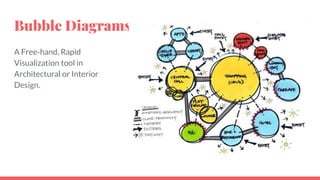
Bubble Diagrams
A Free-hand, Rapid
Visualization tool in
Architectural or Interior
Design.
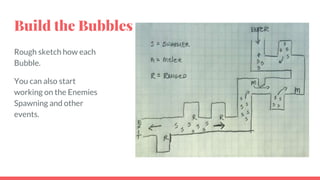
Build the Bubbles
Rough sketch how each
Bubble.
You can also start
working on the Enemies
Spawning and other
events.
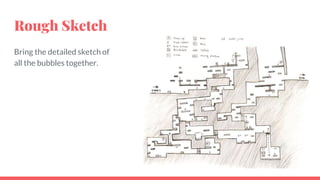
Rough Sketch
Bring the detailed sketch of
all the bubbles together.
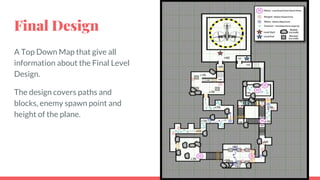
Final Design
A Top Down Map that give all
information about the Final Level
Design.
The design covers paths and
blocks, enemy spawn point and
height of the plane.
Considerations
Consider the Difficulty and Intensity of Game (will see in future).
Plan Proper Rest Spots to think, strategize, decide and also to enjoy the Level.
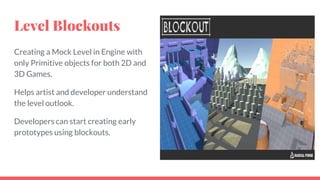
Level Blockouts
Creating a Mock Level in Engine with
only Primitive objects for both 2D and
3D Games.
Helps artist and developer understand
the level outlook.
Developers can start creating early
prototypes using blockouts.
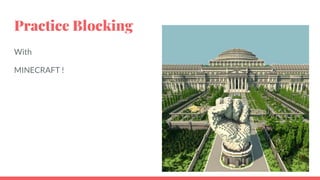
Practice Blocking
With
MINECRAFT !
Thank You !

Level design for games

  • 1.
  • 2.
    Learning Objectives To understandwhat Level Design is and its role in game development. To show students the detailed process of how game levels are planned and created. To identify and apply the key elements in designing a game level.
  • 3.
    Preface Level Design andLevel Art are not same. But, Don’t be too specific. Many Studios want you do both. Level Design is a Sub-domain in Game Design Level --- Map --- World Let’s move into the class.
  • 4.
    What is LevelDesign Every Game requires a Ground in which it could happen. And Level Design is the process of creating it. A Ground feasible to execute all the Mechanics - Rules and Acts Dynamics - Events evolved on Playing the Game Aesthetics - Mood of the Game - Emotions
  • 5.
    What is LevelDesign Achieves the intents and Purpose of the Game Design. Ensure the Gameplay is delivered. Decision on Events and Interactions Level Building Story Telling
  • 6.
    Level Design -Deliverables Creating an Environment to deliver the gameplay with proper navigation. Setting up the environment weather and mood to ensure aesthetics, Building constraints and conditions - Time Limit, Capability, Resources, etc. Creating spots for various game events to happen. Dynamic Elements and scriptable elements in games. Specify start points, check points, Spawn Points, Resources and collectable nodes.
  • 7.
    Level based Games MostGames have levels as they are essential for designers to Guide the players. Linear Games - Standard Flow with proper order Non Linear Games - Branching based - every player will take up different path to reach different ends Casual/Hyper Casual Games - Game will level up in terms of challenges. Contain unique challenges in the same context.
  • 8.
    Level Design Analysis LevelDesigners will provide CHOICES on which players will make PROPOSITIONS followed by DECISIONS. First Time Player Experience - Replayability Artistic Expressions
  • 9.
    Successful Game Levels Providingthe Right Experience for Players Achieve Expected GamePlay Proper Guidance and Player Profiling Incorporated Proper Learning mechanisms. In a Short , it is Bringing the imagination of Designers true.
  • 10.
    Level Design Process Collectand Understand the Project Requirement Ideate with Brainstorming Structurize with Bubble Diagrams Rough Sketches Final Designs
  • 11.
    Understanding the Project Knowwhat is going to happen in the Game. Be clear with What to Do and What Not to Do. Constraints and Conditions place a major role bringing out the gameplay. Constraints may evolve from any perspective. Don’t think, Constraints are narrowing down the game. Rather, they are responsible for making the Game more Specific.
  • 12.
    General Constraints Stakeholders requirement GameTime Tech Dev Time Platform Constraints Audience behaviour Game Flow
  • 13.
    Complex Constraints Goal ofeach Level Architectural Excitements in Games Metrics and Composition - Scale and Spacing Macro Design - Level Specific Purposes and Goals
  • 14.
    Ideate Break down thelevel into small areas or sections. Pacing Enemy Spawn Points Player Capabilities and Enemy Capabilities Architecture Items list - Every object the player experience in the level, Interactable and Non- interactable, Sounds and Visuals. Everything.
  • 15.
    Level Plan Before Visualizingthe Level Plan, one thing to note is - Always Top Down 2D Paper Sketches works well for Level Planning (Using softwares like CAD or Ps/Il is recommended for presentation). You can skip one or two steps in the following process and jump into Engine. But - Jumping Straight into Engine will definitely cause pain as Design is always Iterative.
  • 16.
    Bubble Diagrams A Free-hand,Rapid Visualization tool in Architectural or Interior Design.
  • 17.
    Build the Bubbles Roughsketch how each Bubble. You can also start working on the Enemies Spawning and other events.
  • 18.
    Rough Sketch Bring thedetailed sketch of all the bubbles together.
  • 19.
    Final Design A TopDown Map that give all information about the Final Level Design. The design covers paths and blocks, enemy spawn point and height of the plane.
  • 21.
    Considerations Consider the Difficultyand Intensity of Game (will see in future). Plan Proper Rest Spots to think, strategize, decide and also to enjoy the Level.
  • 22.
    Level Blockouts Creating aMock Level in Engine with only Primitive objects for both 2D and 3D Games. Helps artist and developer understand the level outlook. Developers can start creating early prototypes using blockouts.
  • 23.
  • 24.

Editor's Notes

  • #4 World - Complete environment Map - Playable area - associated mission - an area with proper path and identifiable portion Level - A map with a start and end associated with a particular objective
  • #5 GamePlay - The play happen based out of mechanics Driving as an example