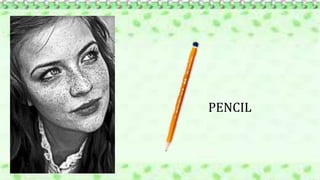
PENCIL
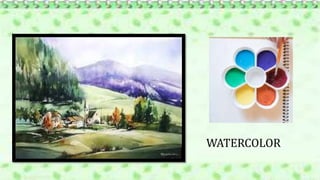
WATERCOLOR
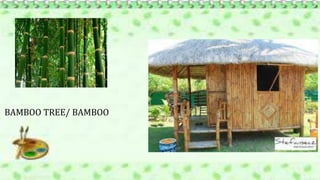
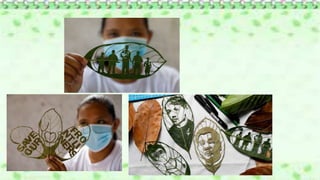
BAMBOO TREE/ BAMBOO
What is Medium?
MEDIUM – defined as the material, or the
substance out of which a work is made
Media is the plural of medium
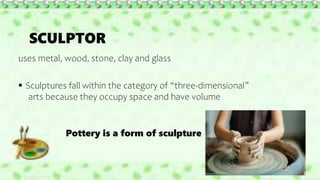
SCULPTOR
uses metal, wood, stone, clay and glass
 Sculptures fall within the category of “three-dimensional”
arts because they occupy space and have volume
Pottery is a form of sculpture
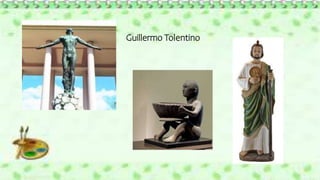
Guillermo Tolentino
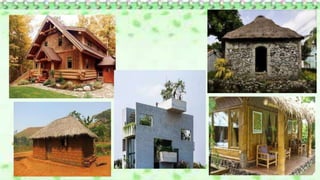
ARCHITECT
uses wood, bamboo, bricks, stone, concrete
and various building materials
• Buildings are also called “three-dimensional” arts because
like sculpture, they occupy space and have volume
• However, architecture has the added element of time,
since we move into the structures
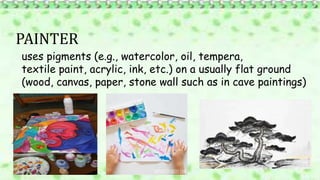
PAINTER
uses pigments (e.g., watercolor, oil, tempera,
textile paint, acrylic, ink, etc.) on a usually flat ground
(wood, canvas, paper, stone wall such as in cave paintings)
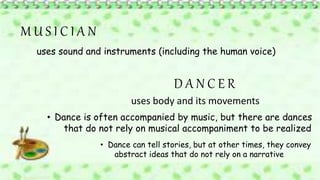
M U S I C I A N
uses sound and instruments (including the human voice)
D A N C E R
uses body and its movements
• Dance is often accompanied by music, but there are dances
that do not rely on musical accompaniment to be realized
• Dance can tell stories, but at other times, they convey
abstract ideas that do not rely on a narrative
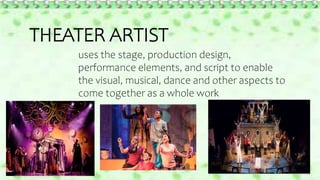
THEATER ARTIST
uses the stage, production design,
performance elements, and script to enable
the visual, musical, dance and other aspects to
come together as a whole work
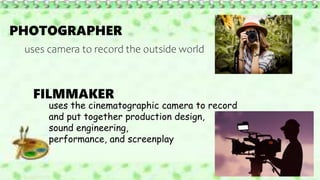
PHOTOGRAPHER
uses camera to record the outside world
FILMMAKER
uses the cinematographic camera to record
and put together production design,
sound engineering,
performance, and screenplay
The writer of a novel, poetry, nonfiction and fiction uses words.
Designer, the performance artist, and the installation
artist combine use of the range of materials above.
Onthebasisofmedium,theartscanbeclassified aspractical,
environmental, pictorial,auditory,narrative,dramatic,andmusical.
The musical arts include music, poetry (those that have
perceptible rhythm and can be sung or danced to), and
dance that is accompanied by music.
The practical arts have immediate use for
everyday and business life such as design,
architecture, and furniture.
Environmental arts occupy space and change in its
meaning and function depending on their
categories including architecture, sculpture, and
site-specific works such as installations and public
art.
Pictorial works include painting, drawing, graphics, and stage
and production design (lighting, dress, props, and set).
Works that are staged and performed are considered Dramatic
and they include drama, performance art, or music and dance
If they are based on stories, the art forms are
classified as narrative and they include drama,
novel, fiction, nonfiction, music, and dance.
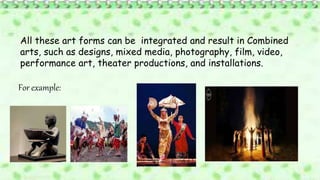
All these art forms can be integrated and result in Combined
arts, such as designs, mixed media, photography, film, video,
performance art, theater productions, and installations.
For example:
WHAT IS TECHNIQUE?
it is the manner in which artists use
and manipulate materials to achieve
the desired formal effect, and
communicate the desired concept, or
meaning, according to his or her
personal style
The distinctive character or the nature of
the medium determines the technique.
For example:
Stone is chiseled
Wood is carved
Clay is modeled and shaped
Metal is cast
Thread is woven
Technique involves tools and technology, ranging from
the most traditional (for example carving, analog
photography, and filmmaking) to the most
contemporary (digital photography, digital filmmaking,
music production, industrial design, and robotics).
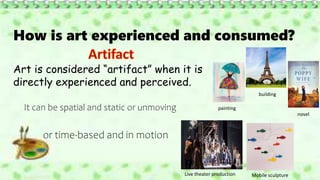
How is art experienced and consumed?
Art is considered “artifact” when it is
directly experienced and perceived.
It can be spatial and static or unmoving
or time-based and in motion
painting
building
novel
Live theater production Mobile sculpture
When we experience a work indirectly or through a medium
like film or video, we described it as a “recorded” or
documented artwork
Examples are:
1. a documentation of a performance
2. a photograph of a painting
3. a DVD or CD of a film or musical piece
4. A novel read from an electronic tablet
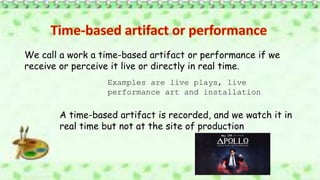
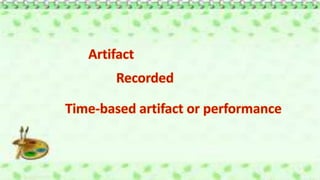
We call a work a time-based artifact or performance if we
receive or perceive it live or directly in real time.
A time-based artifact is recorded, and we watch it in
real time but not at the site of production
Examples are live plays, live
performance art and installation
How have contemporary artists
expanded the range of medium
and techniques they utilize?
As we discussed in lesson 1, contemporary artists
are producing artworks that are more process-
based, site-specific, interactive and collaborative.
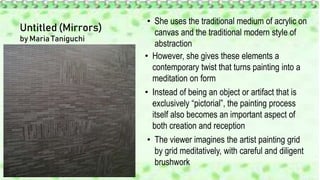
Untitled (Mirrors)
by Maria Taniguchi
• She uses the traditional medium of acrylic on
canvas and the traditional modern style of
abstraction
• However, she gives these elements a
contemporary twist that turns painting into a
meditation on form
• Instead of being an object or artifact that is
exclusively “pictorial”, the painting process
itself also becomes an important aspect of
both creation and reception
• The viewer imagines the artist painting grid
by grid meditatively, with careful and diligent
brushwork
LET’S SUM IT UP! 
MEDIUM – defined as the material, or the
substance out of which a work is made
TECHNIQUE– the manner in which artist useand
manipulate materials to achieve the desired formal
effect, and communicate the desired concept, or
meaning, according to his or her personal style.
ACTIVITY 5
Find a pair. Discuss and do the following with your pair.
1. Provide 5 artworks produced by the artists here in Rizal and
determine what are the mediums and techniques they used to produce
their artworks. Understand how the artwork was made and determine
the meaning conveyed by the art.
2. Give at least 2 examples of contemporary artist that invented
and explored new media and techniques in producing their
artworks. Explain how they expanded the range and
techniques they utilize.

Lesson 7 Mediums and Techniques.pptx

  • 2.
  • 3.
  • 4.
  • 6.
    What is Medium? MEDIUM– defined as the material, or the substance out of which a work is made Media is the plural of medium
  • 7.
    SCULPTOR uses metal, wood,stone, clay and glass  Sculptures fall within the category of “three-dimensional” arts because they occupy space and have volume Pottery is a form of sculpture
  • 8.
  • 9.
    ARCHITECT uses wood, bamboo,bricks, stone, concrete and various building materials • Buildings are also called “three-dimensional” arts because like sculpture, they occupy space and have volume • However, architecture has the added element of time, since we move into the structures
  • 11.
    PAINTER uses pigments (e.g.,watercolor, oil, tempera, textile paint, acrylic, ink, etc.) on a usually flat ground (wood, canvas, paper, stone wall such as in cave paintings)
  • 12.
    M U SI C I A N uses sound and instruments (including the human voice) D A N C E R uses body and its movements • Dance is often accompanied by music, but there are dances that do not rely on musical accompaniment to be realized • Dance can tell stories, but at other times, they convey abstract ideas that do not rely on a narrative
  • 13.
    THEATER ARTIST uses thestage, production design, performance elements, and script to enable the visual, musical, dance and other aspects to come together as a whole work
  • 14.
    PHOTOGRAPHER uses camera torecord the outside world FILMMAKER uses the cinematographic camera to record and put together production design, sound engineering, performance, and screenplay
  • 15.
    The writer ofa novel, poetry, nonfiction and fiction uses words. Designer, the performance artist, and the installation artist combine use of the range of materials above.
  • 16.
    Onthebasisofmedium,theartscanbeclassified aspractical, environmental, pictorial,auditory,narrative,dramatic,andmusical. Themusical arts include music, poetry (those that have perceptible rhythm and can be sung or danced to), and dance that is accompanied by music.
  • 17.
    The practical artshave immediate use for everyday and business life such as design, architecture, and furniture. Environmental arts occupy space and change in its meaning and function depending on their categories including architecture, sculpture, and site-specific works such as installations and public art.
  • 18.
    Pictorial works includepainting, drawing, graphics, and stage and production design (lighting, dress, props, and set). Works that are staged and performed are considered Dramatic and they include drama, performance art, or music and dance If they are based on stories, the art forms are classified as narrative and they include drama, novel, fiction, nonfiction, music, and dance.
  • 19.
    All these artforms can be integrated and result in Combined arts, such as designs, mixed media, photography, film, video, performance art, theater productions, and installations. For example:
  • 20.
    WHAT IS TECHNIQUE? itis the manner in which artists use and manipulate materials to achieve the desired formal effect, and communicate the desired concept, or meaning, according to his or her personal style
  • 21.
    The distinctive characteror the nature of the medium determines the technique. For example: Stone is chiseled Wood is carved Clay is modeled and shaped Metal is cast Thread is woven
  • 22.
    Technique involves toolsand technology, ranging from the most traditional (for example carving, analog photography, and filmmaking) to the most contemporary (digital photography, digital filmmaking, music production, industrial design, and robotics).
  • 23.
    How is artexperienced and consumed? Art is considered “artifact” when it is directly experienced and perceived. It can be spatial and static or unmoving or time-based and in motion painting building novel Live theater production Mobile sculpture
  • 24.
    When we experiencea work indirectly or through a medium like film or video, we described it as a “recorded” or documented artwork Examples are: 1. a documentation of a performance 2. a photograph of a painting 3. a DVD or CD of a film or musical piece 4. A novel read from an electronic tablet
  • 25.
    We call awork a time-based artifact or performance if we receive or perceive it live or directly in real time. A time-based artifact is recorded, and we watch it in real time but not at the site of production Examples are live plays, live performance art and installation
  • 26.
    How have contemporaryartists expanded the range of medium and techniques they utilize? As we discussed in lesson 1, contemporary artists are producing artworks that are more process- based, site-specific, interactive and collaborative.
  • 27.
    Untitled (Mirrors) by MariaTaniguchi • She uses the traditional medium of acrylic on canvas and the traditional modern style of abstraction • However, she gives these elements a contemporary twist that turns painting into a meditation on form • Instead of being an object or artifact that is exclusively “pictorial”, the painting process itself also becomes an important aspect of both creation and reception • The viewer imagines the artist painting grid by grid meditatively, with careful and diligent brushwork
  • 29.
    LET’S SUM ITUP!  MEDIUM – defined as the material, or the substance out of which a work is made TECHNIQUE– the manner in which artist useand manipulate materials to achieve the desired formal effect, and communicate the desired concept, or meaning, according to his or her personal style.
  • 31.
    ACTIVITY 5 Find apair. Discuss and do the following with your pair. 1. Provide 5 artworks produced by the artists here in Rizal and determine what are the mediums and techniques they used to produce their artworks. Understand how the artwork was made and determine the meaning conveyed by the art. 2. Give at least 2 examples of contemporary artist that invented and explored new media and techniques in producing their artworks. Explain how they expanded the range and techniques they utilize.